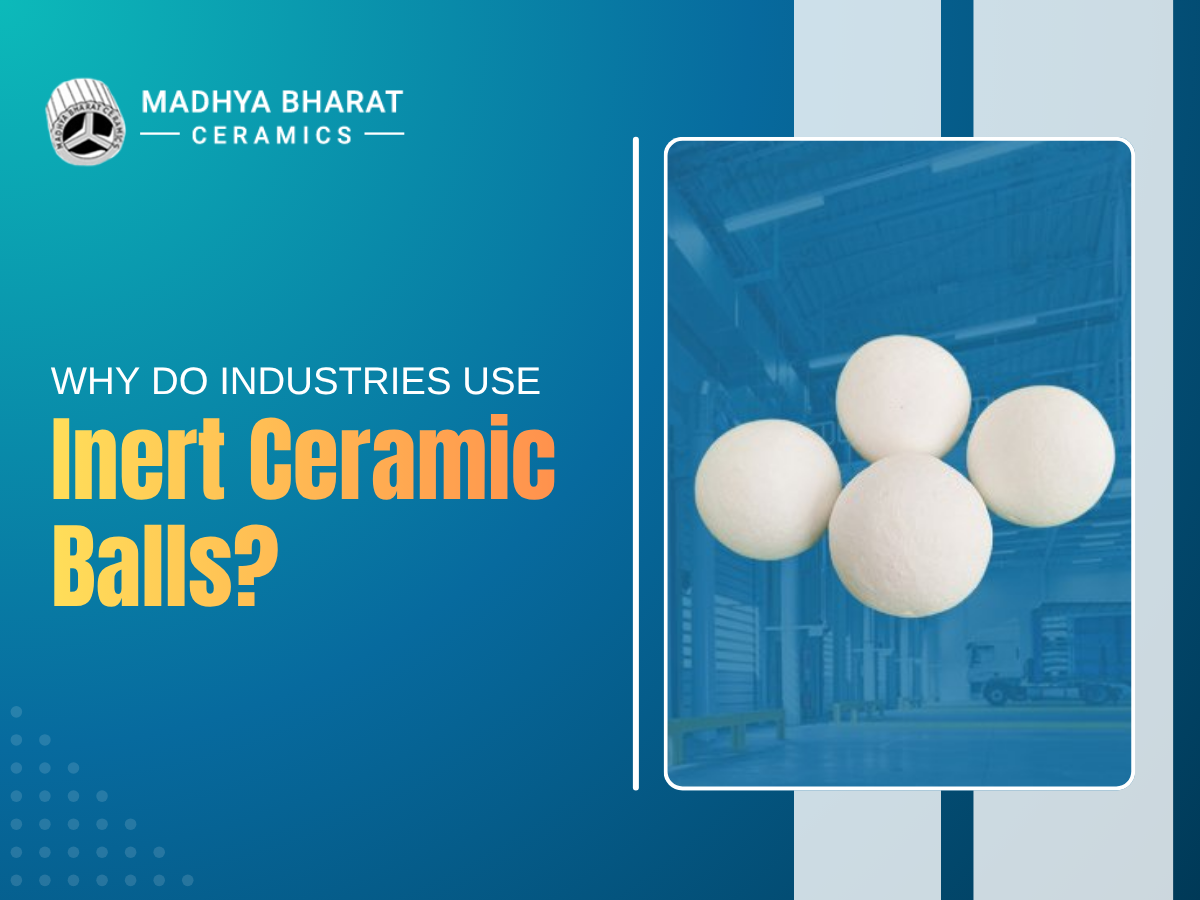
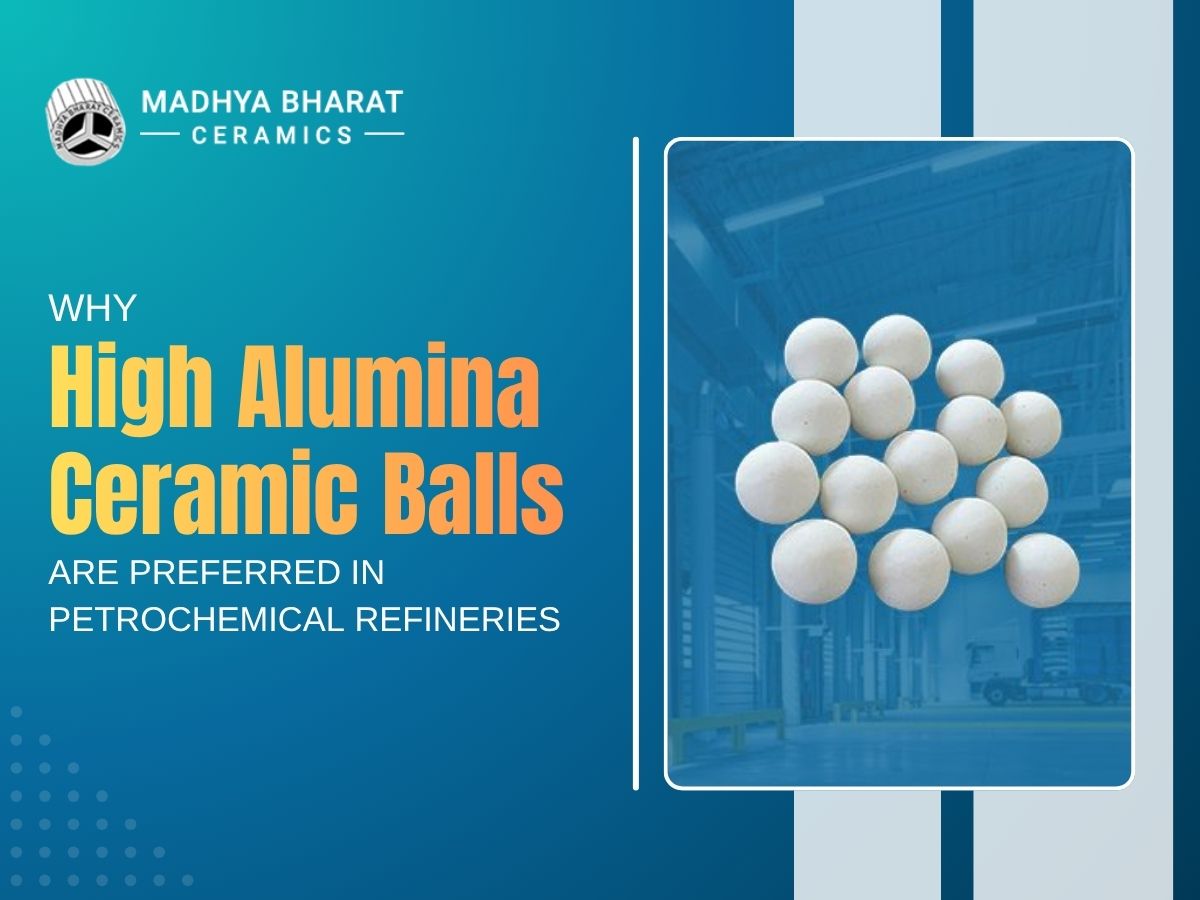
High alumina ceramic balls are grinding media made from fired aluminum oxide, denser and harder than steel, that resist wear instead of grinding down alongside the material inside the mill. Switch a mill from steel to alumina media and the change shows up almost immediately: fewer replacement cycles, lower energy draw, and a mill that finally runs the way it was designed to. If your plant is still burning through steel balls and calling in maintenance more often than it should, this is the fix worth looking at first.
Here’s the part most plants miss: the media itself is often the bottleneck, not the mill. Once it stops fighting the material and starts working with it, everything downstream, grinding speed, energy cost, uptime, moves in the same direction.
What Actually Sets These Balls Apart
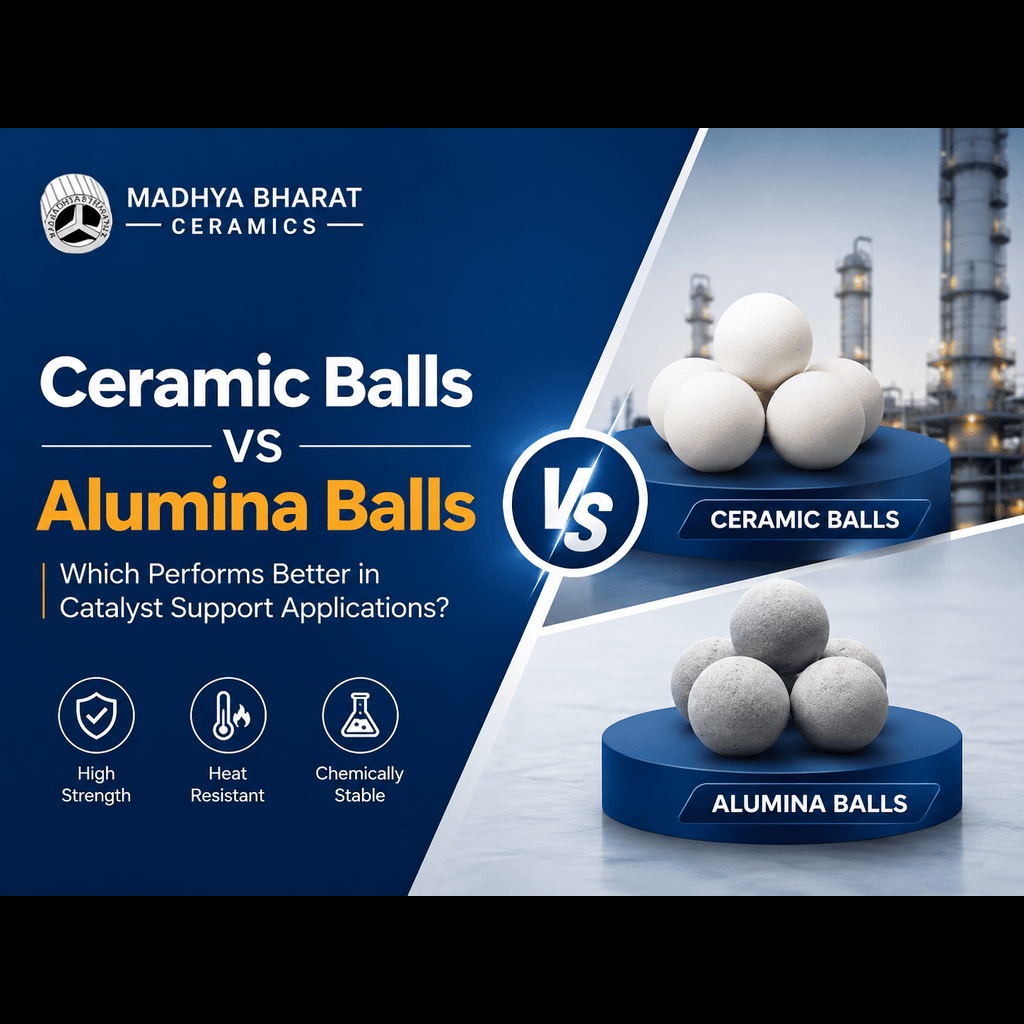
High alumina balls are made from aluminum oxide (Al2O3), fired into a dense ceramic sphere. Steel wears down at roughly the same rate as the material it’s grinding. Alumina doesn’t. That one difference rewrites the cost equation for any plant running continuous grinding cycles.
You’ll find them doing the heavy lifting in:
- Cement plants, for raw meal and clinker grinding
- Mineral processing units, for ore beneficiation
- Power plants, for coal and limestone grinding
- Chemical and refractory industries, for fine material milling
Alumina balls have quietly become the default replacement for steel across these sectors. Not because of a sales pitch, but because the savings show up on the very first production report and keep compounding from there.
Why Plants Keep Switching
They Simply Outlast Steel
Steel wears down fast in abrasive material. Alumina resists wear because of its hardness alone, which means fewer replacement orders and far less unplanned maintenance. Stretch that across a full year of continuous grinding, and the media budget looks completely different.
They Grind Harder, Not Just Longer
More density means more impact force behind every ball. That means finer particle size in less time, shorter cycles, and a lower energy draw for the same output. Same feed rate, less strain on the motor.
Heat and Chemicals Don’t Faze Them
Refractory-grade alumina holds its shape and hardness inside kilns and high-temperature lines, and shrugs off chemical attack that would eat through other media in weeks. That makes it a safe default anywhere corrosive material streams are part of the job.
They Won’t Contaminate What You’re Grinding
Alumina is chemically inert, so it doesn’t leach into the product. In food-grade, pharmaceutical, and specialty chemical work, that’s not a nice-to-have, it’s the difference between passing and failing a quality check.
The Cost Math, Without the Sales Talk
Yes, alumina costs more upfront than steel. But add up what you save on media consumption, energy, and maintenance stoppages, and most plants recover that gap within one to two production cycles, then keep saving well past that point. Here’s what typically drives the payback:
- Fewer replacement orders per year
- Lower kilowatt-hour cost per ton milled
- Less downtime lost to maintenance stoppages
- Longer stretches between full media top-ups
Choosing the Right Grinding Media
Before you place an order, run through these four checks:
- Alumina content – higher Al2O3 percentage means higher hardness and a longer service life
- Ball size and density – matched to your mill type and material feed size
- Operating conditions – temperature range, chemical exposure, wet or dry grinding
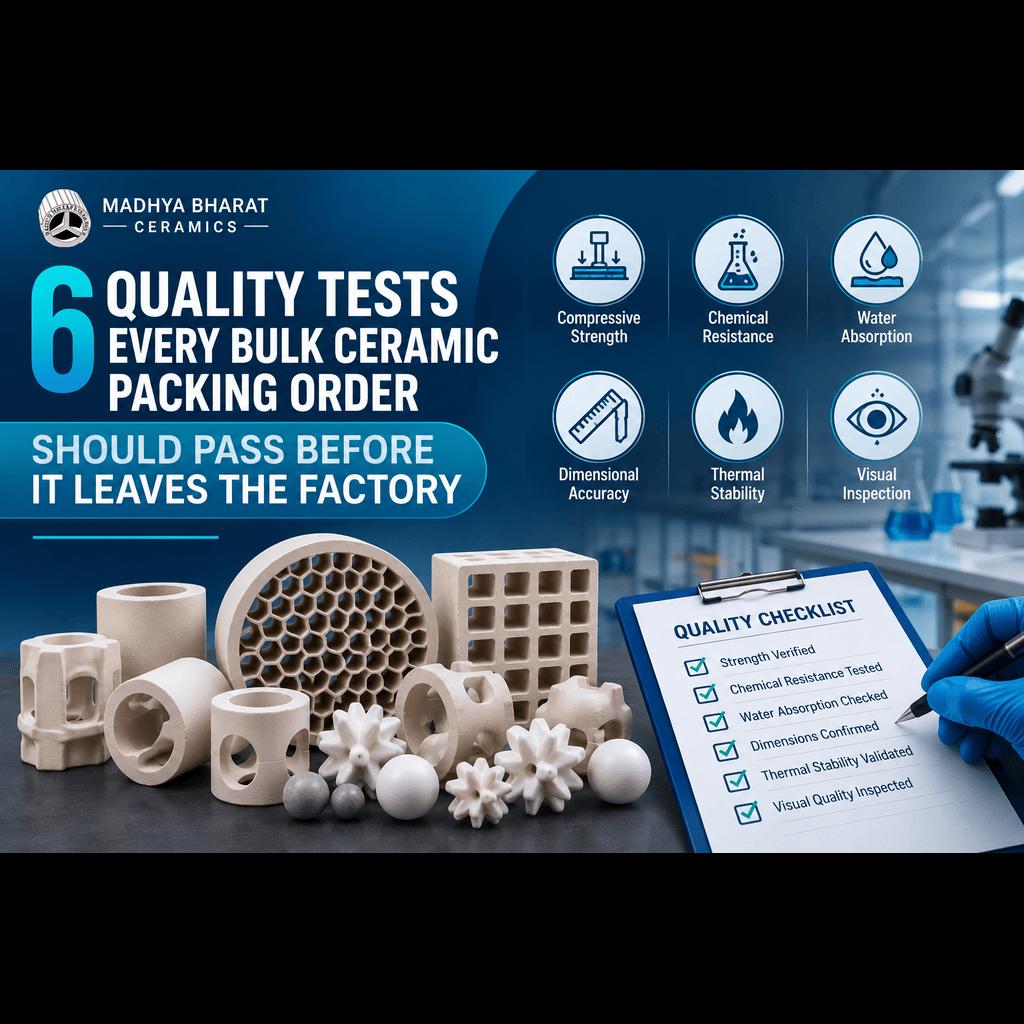
- Supplier consistency – batch-to-batch quality matters more than a low quote ever will
Working with established alumina ball manufacturers that test every batch for hardness and density saves you the trial-and-error sourcing that ends up costing far more than the media itself.
Keeping the Media in Good Shape
- Inspect balls regularly for wear or cracking
- Keep mill load within the recommended range
- Store media dry and away from contamination
- Track grinding efficiency over time so replacement happens before output drops, not after
Small habits like these stretch media life well past what a reactive, wait-until-it-breaks maintenance schedule ever manages.
Frequently Asked Questions
1. Which industries benefit most from high alumina balls?
Cement, mineral processing, chemical, and refractory industries see the biggest gains, thanks to the wear resistance, density, and chemical stability of alumina media.
2. How long do high alumina balls last compared to steel balls?
Depending on the application, they typically last two to three times longer than steel balls, which cuts both replacement frequency and maintenance cost.
3. Can high alumina balls be customized for specific grinding operations?
Yes. Size, density, and alumina content can all be adjusted based on your mill type, material, and grinding target.
4. Are high alumina ceramic balls safe for food or pharmaceutical grinding?
Yes. Because the ceramic is chemically inert, it does not leach into the material being processed, which makes it suitable for applications where contamination is not acceptable.
The Bottom Line
High alumina balls aren’t a marginal upgrade sitting in a catalog somewhere. They change how a mill performs day to day, grinding speed, energy draw, how often maintenance gets called in. If steel media is still costing you more than it should, this is worth a serious look.
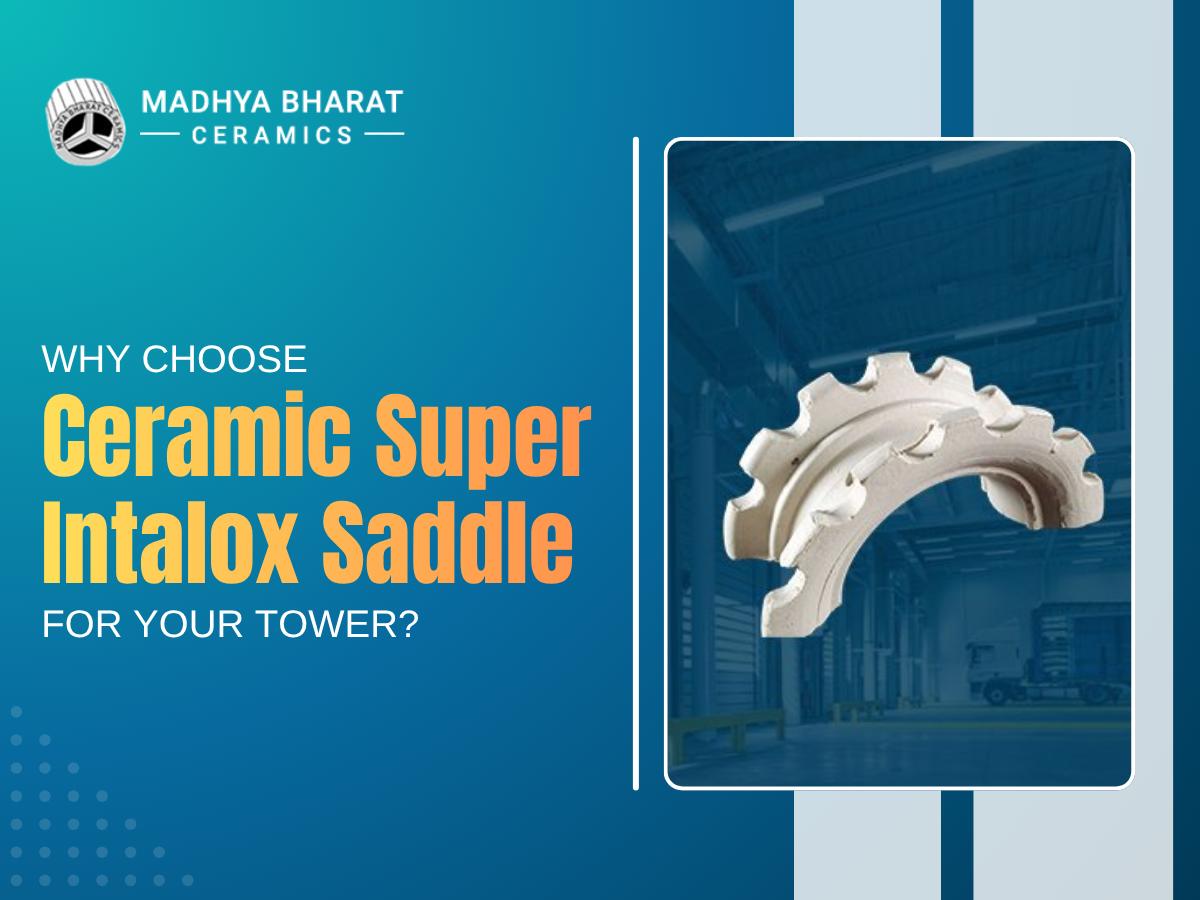
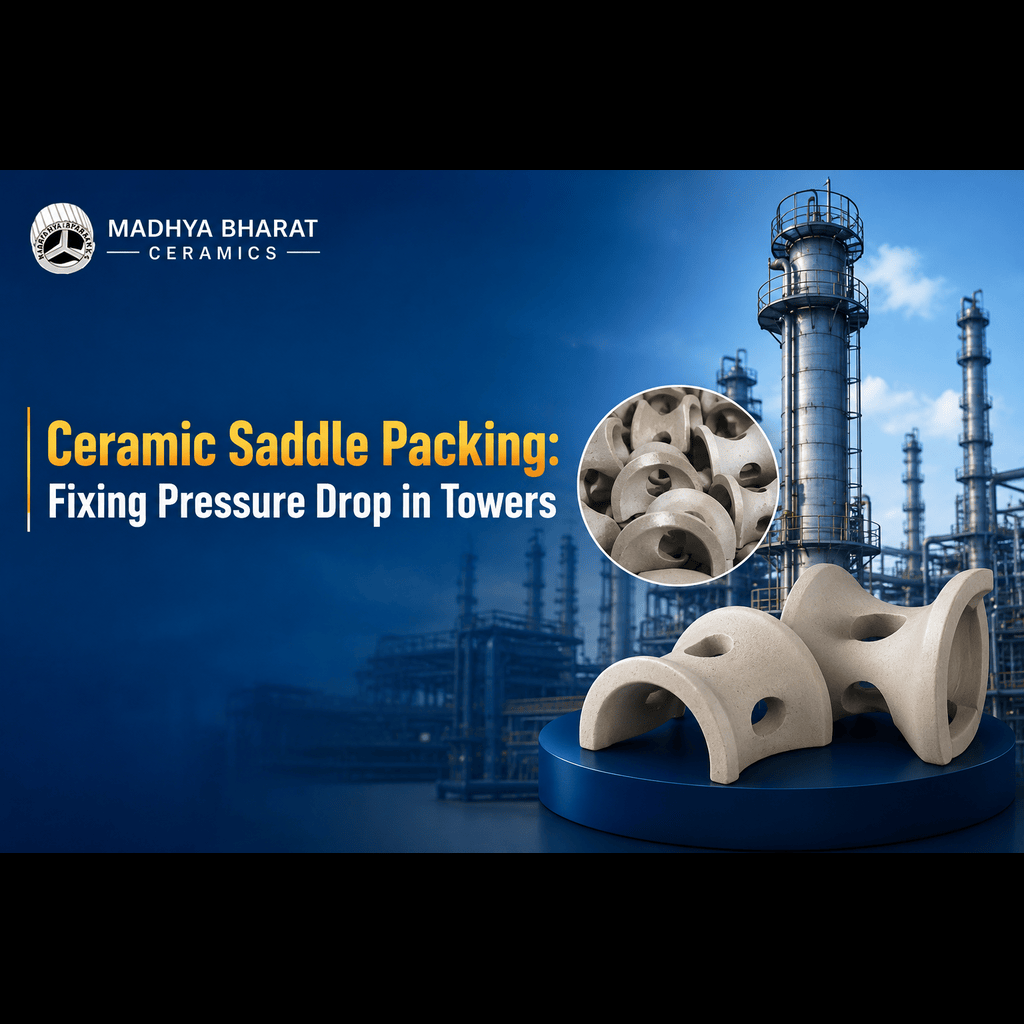
MBC has spent years supplying tested, consistent grinding media to cement, mineral processing, and chemical plants across India. As a high alumina ceramic balls manufacturer based in Mandsaur, Madhya Pradesh, the team helps match the right specification to your mill instead of selling you a generic size off a shelf. And if your plant also runs a packed column or absorption tower, it’s worth reading how ceramic saddles work inside packed columns, since plants that upgrade one part of their process often end up reviewing the other too.
Ready to cut grinding costs at your plant? Get in touch with MBC for a specification recommendation based on your mill and material, or call +91-8827697111 to speak with the technical team directly.