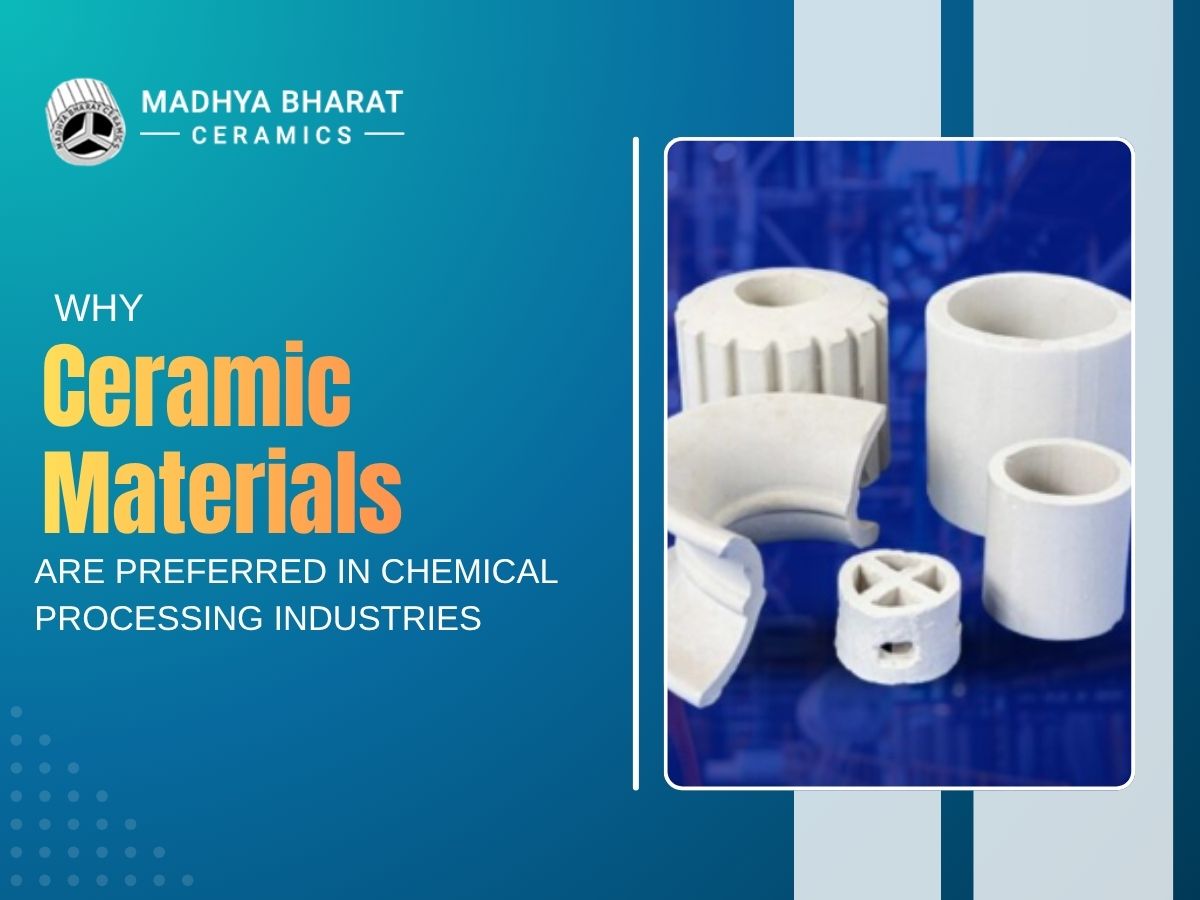
Chemical processing is one of the most demanding environments for any material. Every component inside a chemical plant faces acid attack, extreme heat, mechanical stress, and sometimes all three at the same time. According to industry analysis, material failure is responsible for over 25% of unplanned shutdowns in chemical manufacturing plants globally. Ceramic Materials in Mandsaur and across India have become the preferred solution for plant engineers who need components that survive these conditions reliably and cost-effectively. The global industrial ceramics market was valued at over USD 11 billion in 2023 and continues to grow as chemical industries move toward longer-running, lower-maintenance plant designs.
What Makes Ceramic Materials Different from Metals and Plastics?
Most people think of ceramics as fragile. In everyday life that is often true. But industrial ceramic components manufactured for chemical processing are a completely different category of product. They are dense, hard, and engineered to perform where other materials fail.
Here is a simple comparison of how ceramics differ from the alternatives:
- Versus metals: Ceramics do not corrode in acid or alkali environments. Stainless steel and carbon steel both corrode over time in concentrated acid service. Ceramics do not.
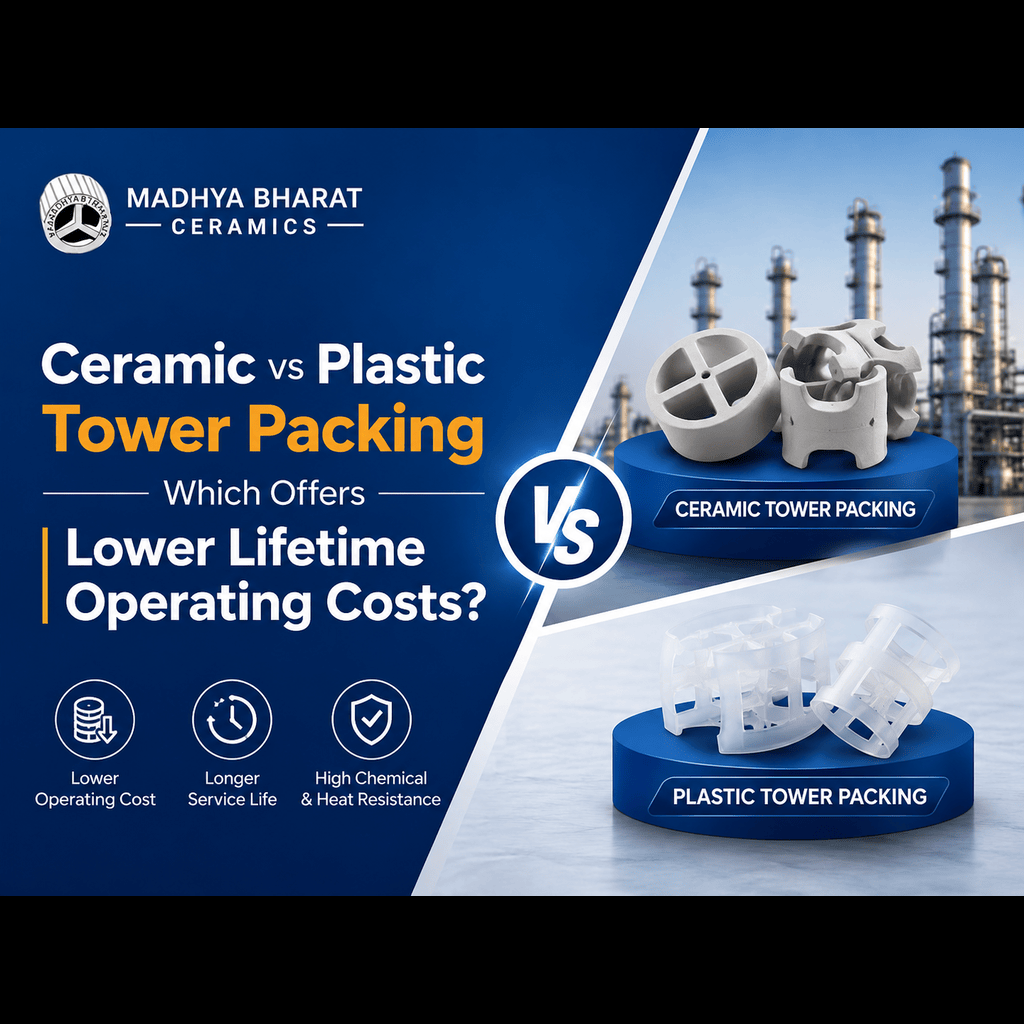
- Versus plastics: Ceramics handle temperatures above 1000 degrees Celsius. Most engineering plastics fail above 150 to 200 degrees Celsius. In high-temperature chemical processes, plastic is simply not an option.
- Versus glass: Ceramics are mechanically stronger than glass and can handle thermal shock better in many applications. Glass linings crack under mechanical impact or sudden temperature changes that ceramics handle without issue.
This combination of chemical resistance, thermal resistance, and mechanical strength is why ceramic materials for chemical processing occupy a unique and important role in plant design and maintenance.
Core Properties That Make Ceramic Materials Ideal for Chemical Plants
Understanding why ceramic materials are preferred starts with understanding their core material properties. Each property directly addresses a real challenge faced inside chemical processing equipment.
1. Corrosion Resistance
Corrosion-resistant ceramic materials do not react with most industrial acids, alkalis, solvents, and oxidizing agents. This makes them suitable for sulfuric acid plants, hydrochloric acid production, chlor-alkali processes, and fertilizer manufacturing where aggressive chemicals are present at all times.
2. High Temperature Resistance
High-temperature ceramics maintain their strength and shape from sub-zero temperatures up to 1600 degrees Celsius or higher depending on the grade. Chemical processes involving combustion, catalytic reactions, calcination, and high-pressure steam all benefit from ceramic components that do not soften, warp, or fail under heat.
3. Mechanical Strength and Hardness
Industrial ceramics have high compressive strength, making them resistant to the crushing loads found in packed reactor beds and tower packing systems. Their hardness also makes them wear-resistant in applications involving abrasive slurries or particle-laden gas streams.
4. Chemical Inertness
Chemical-resistant ceramics do not contaminate process streams. In pharmaceutical, food-grade chemical, and electronic chemical manufacturing, product purity is non-negotiable. Ceramic components introduce zero leaching or contamination risk, unlike metal components that may release trace metal ions under acidic conditions.
5. Long Service Life
A well-specified ceramic component in compatible chemical service routinely lasts 10 to 20 years. This dramatically reduces the replacement frequency and maintenance cost compared to metal or plastic alternatives that may need replacement every 3 to 7 years.
Key Applications of Ceramic Materials in Chemical Processing Industries
Ceramic materials are used across virtually every major application category inside a chemical plant. Here is where they make the biggest difference:
1. Tower Packing
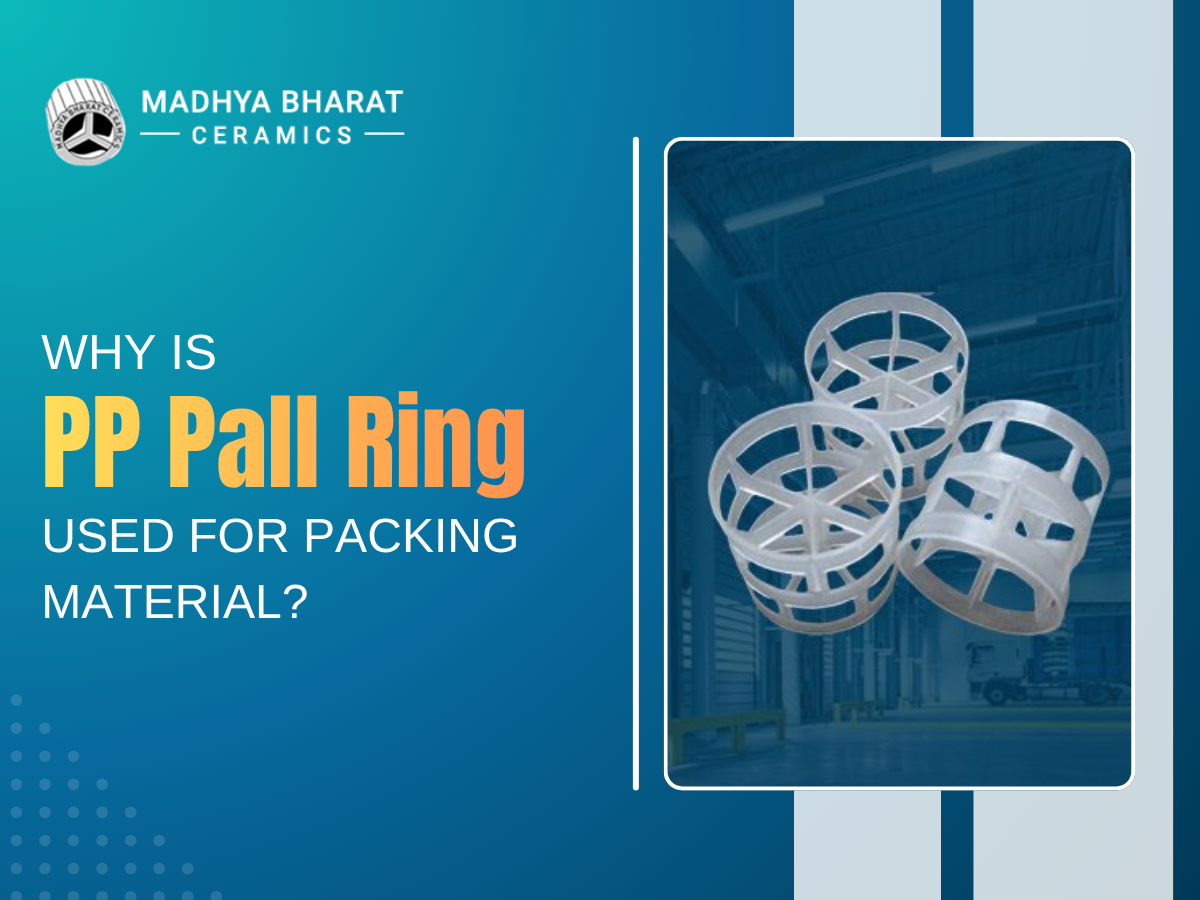
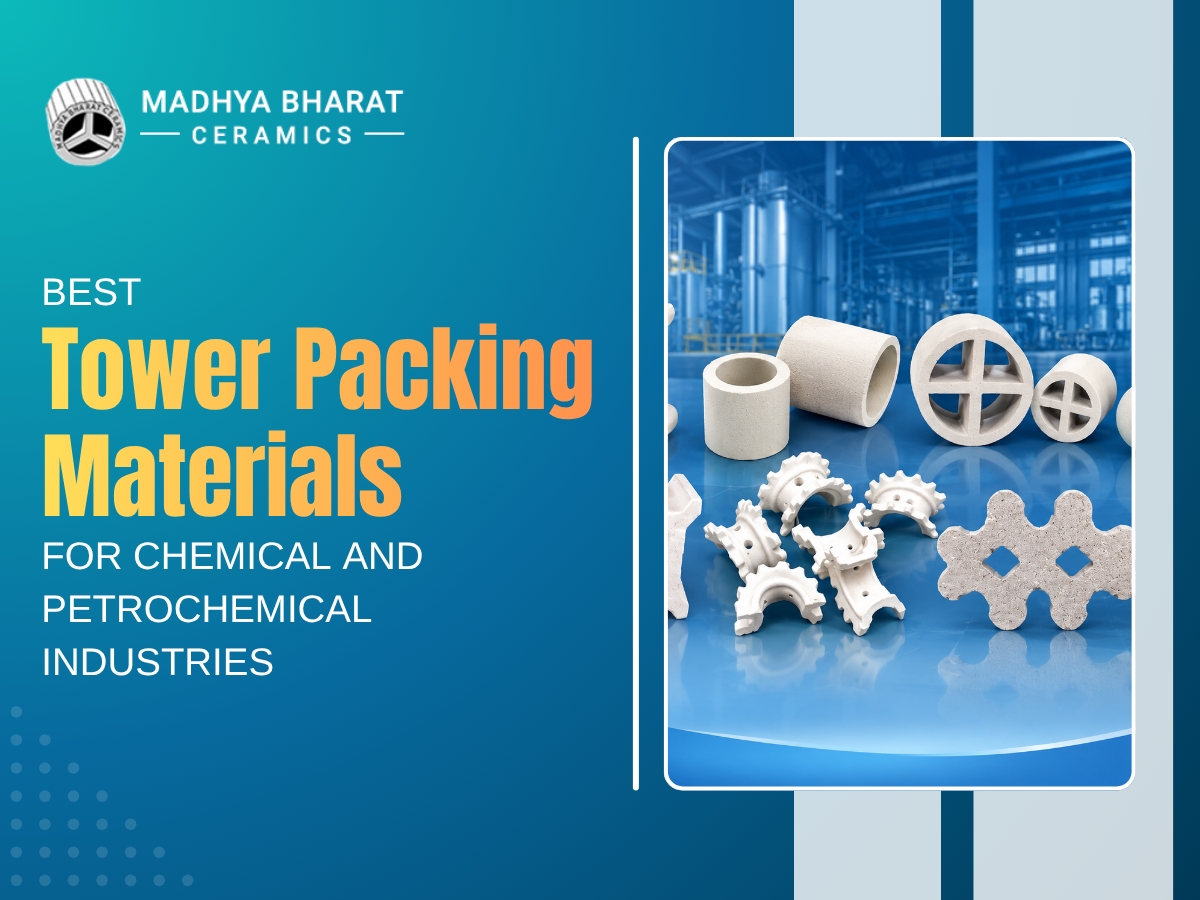
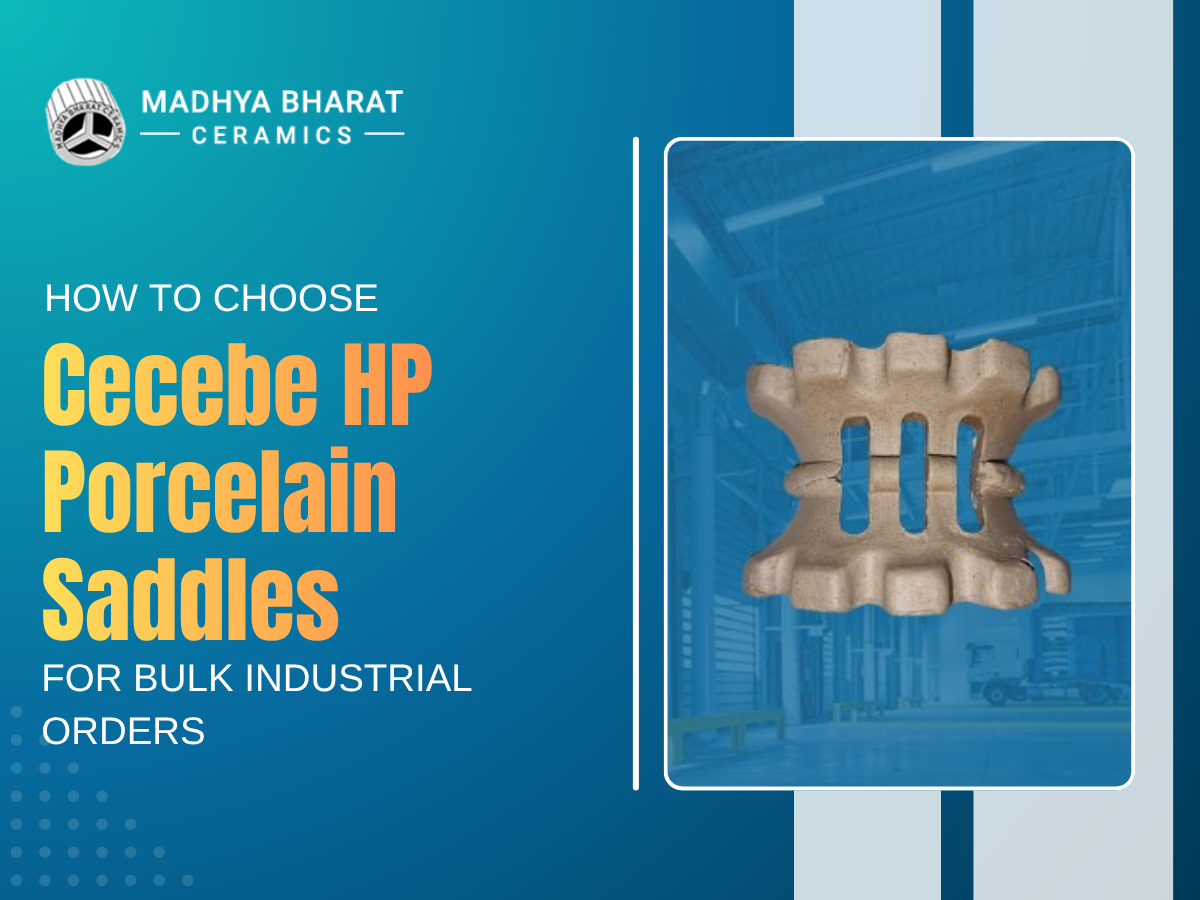
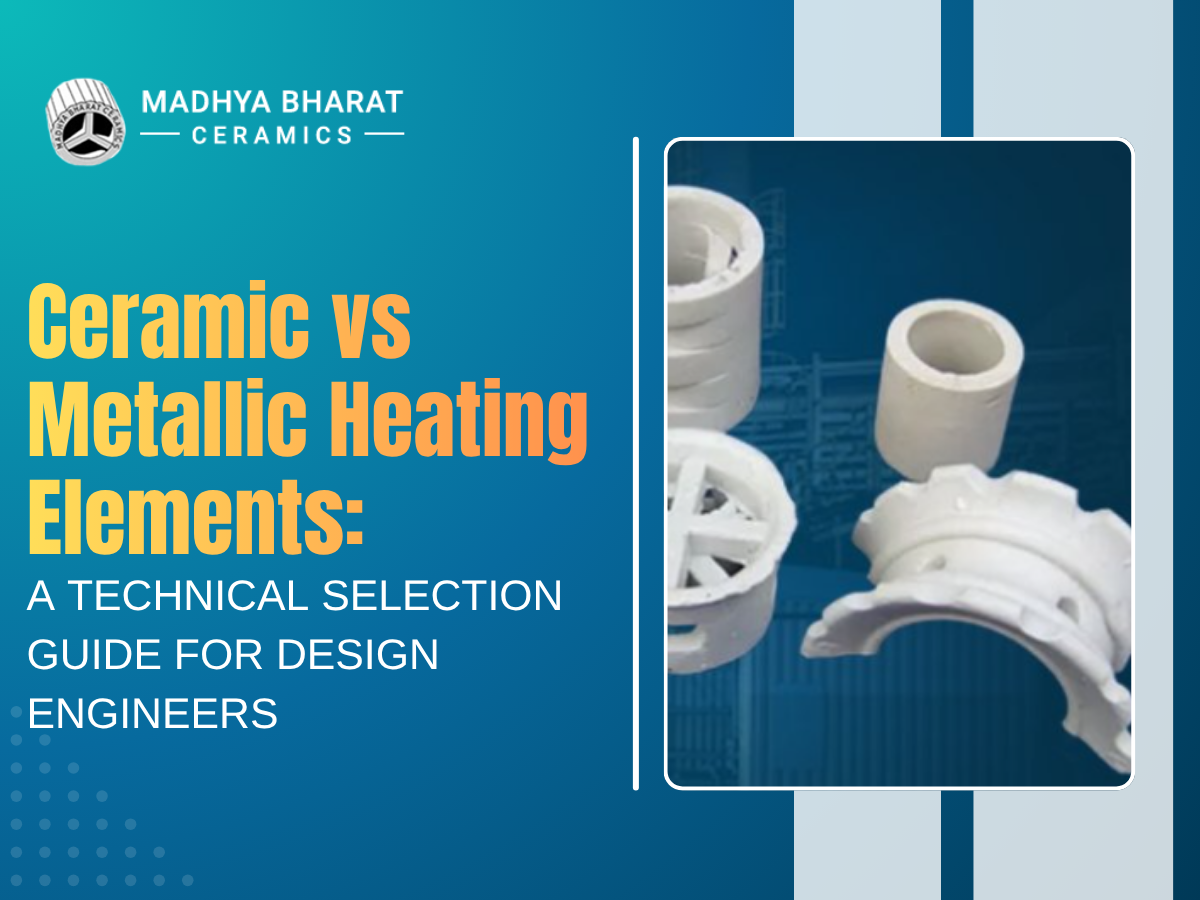
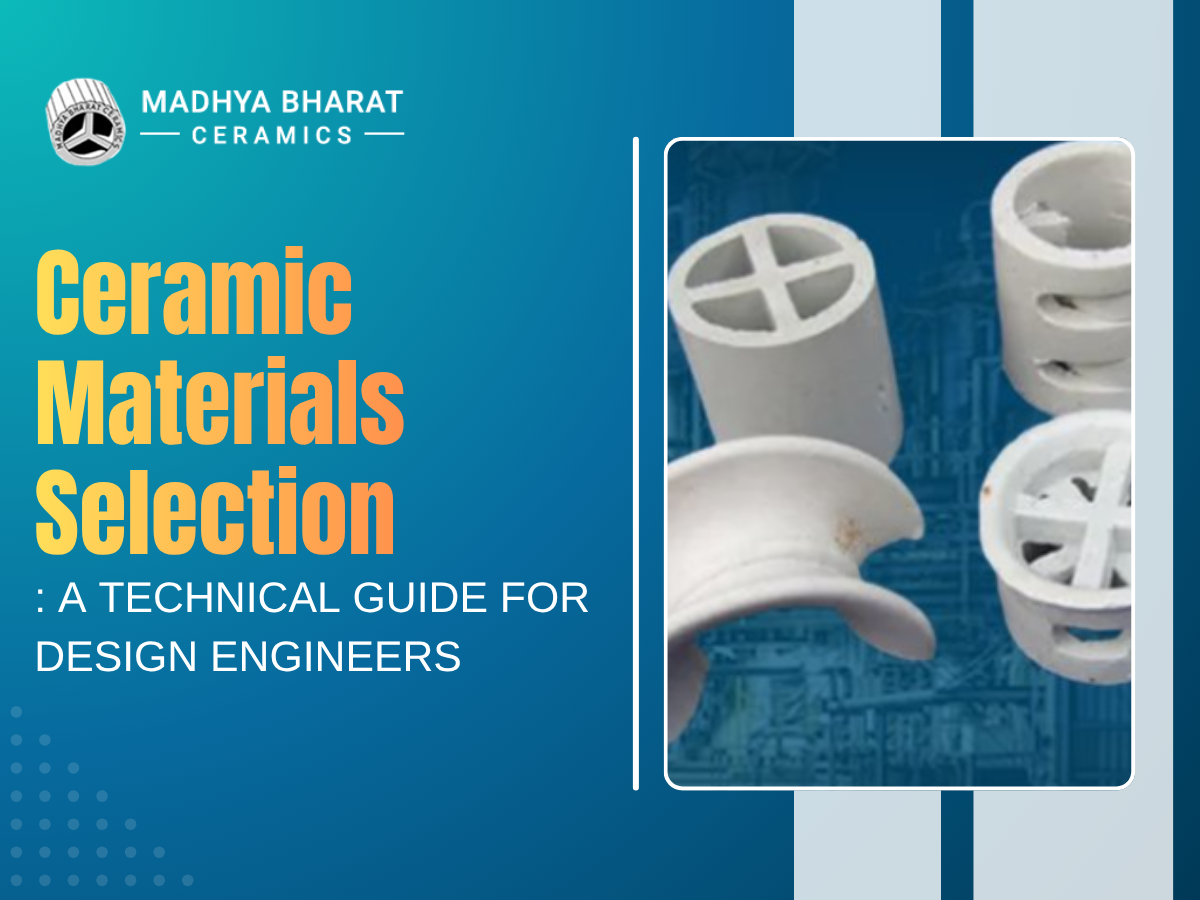
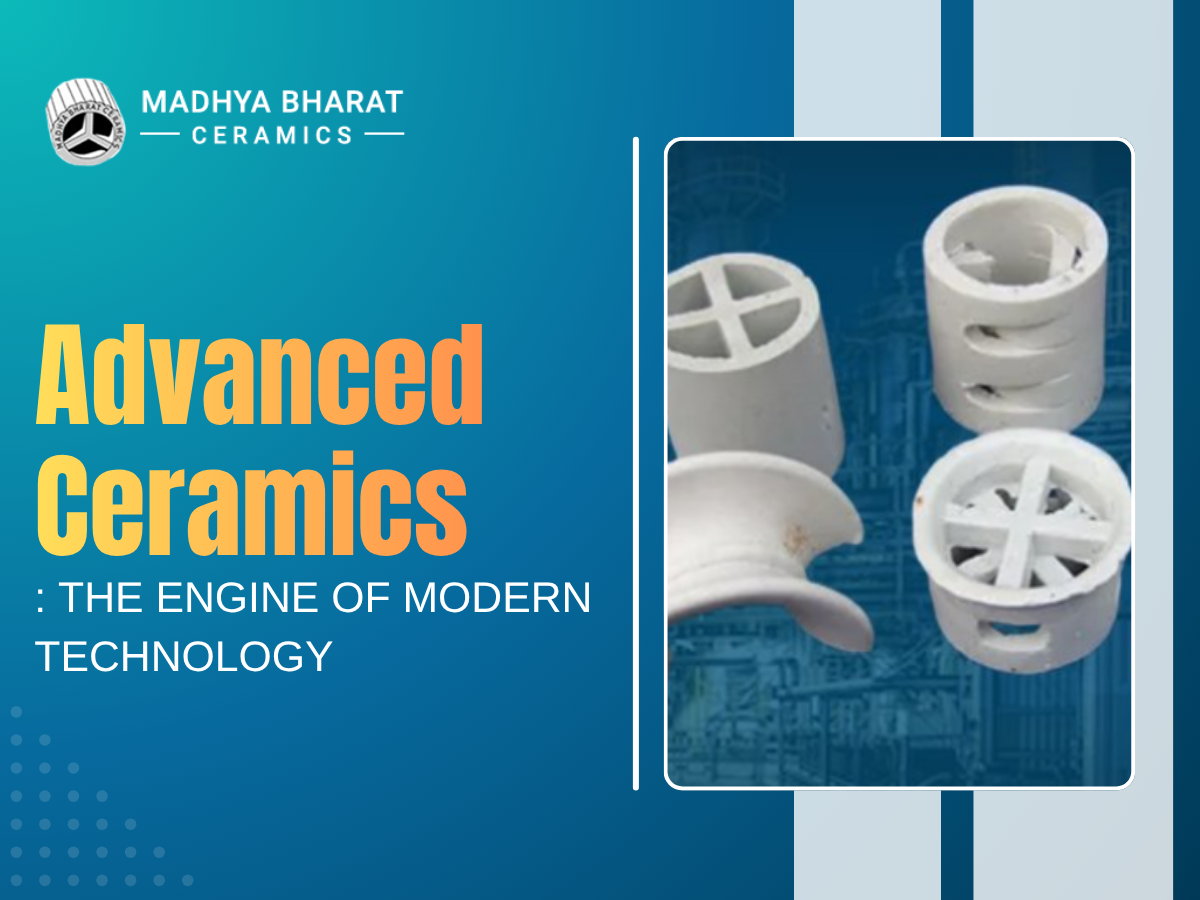
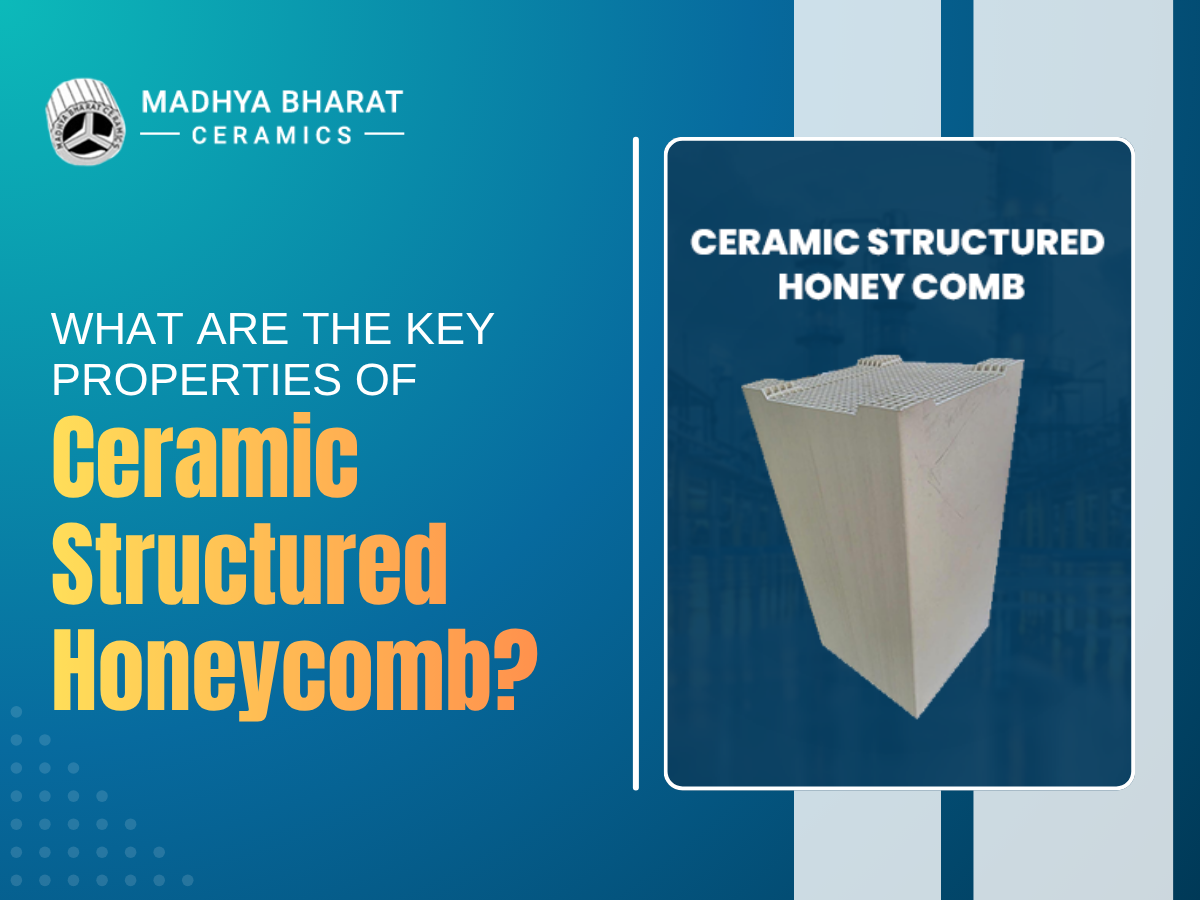
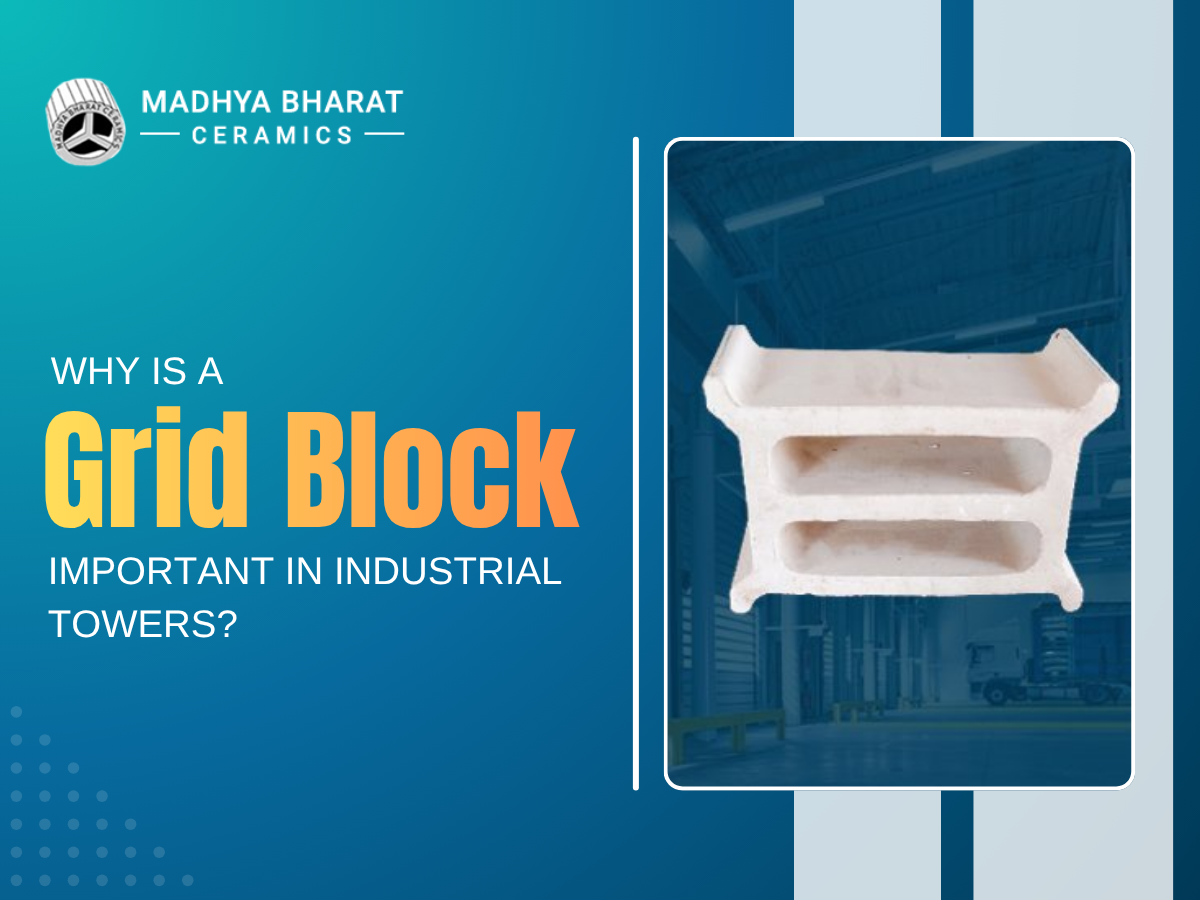
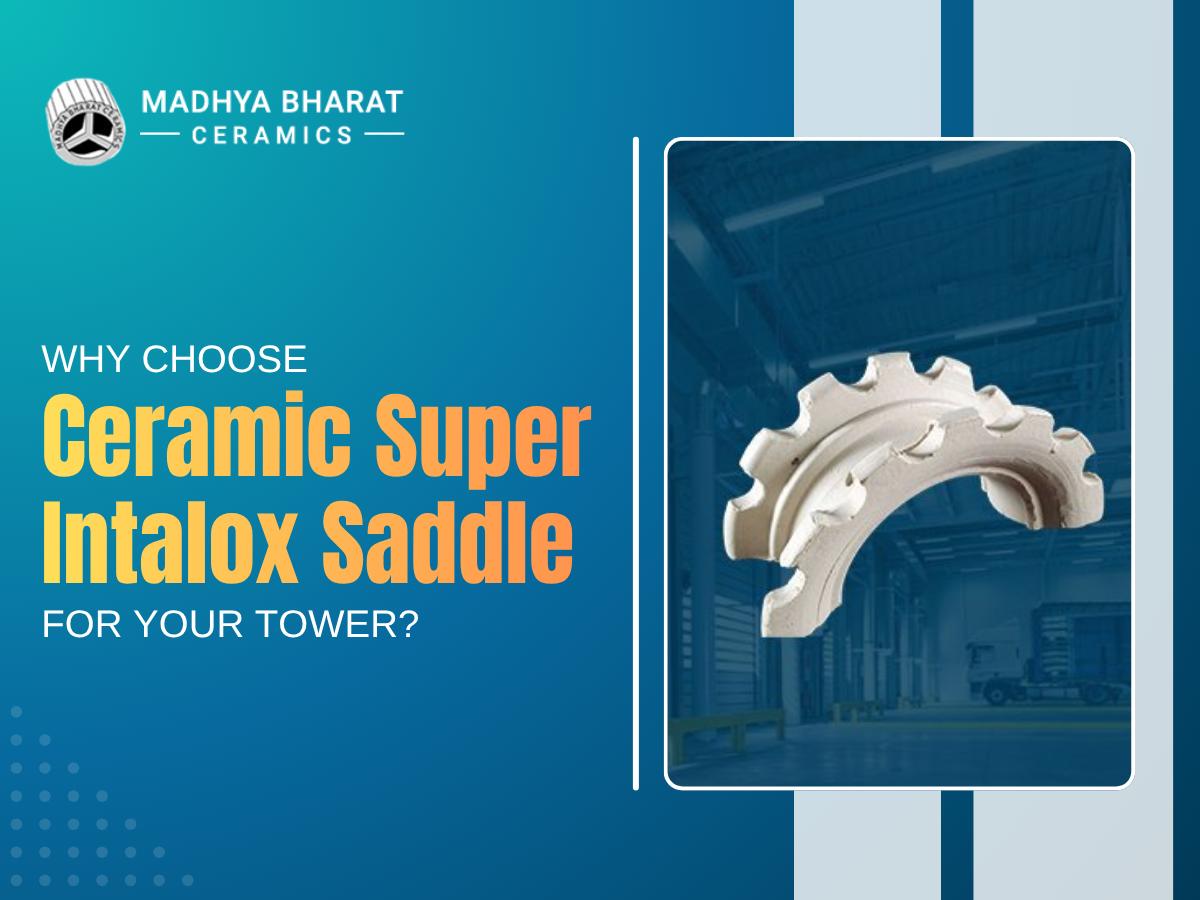
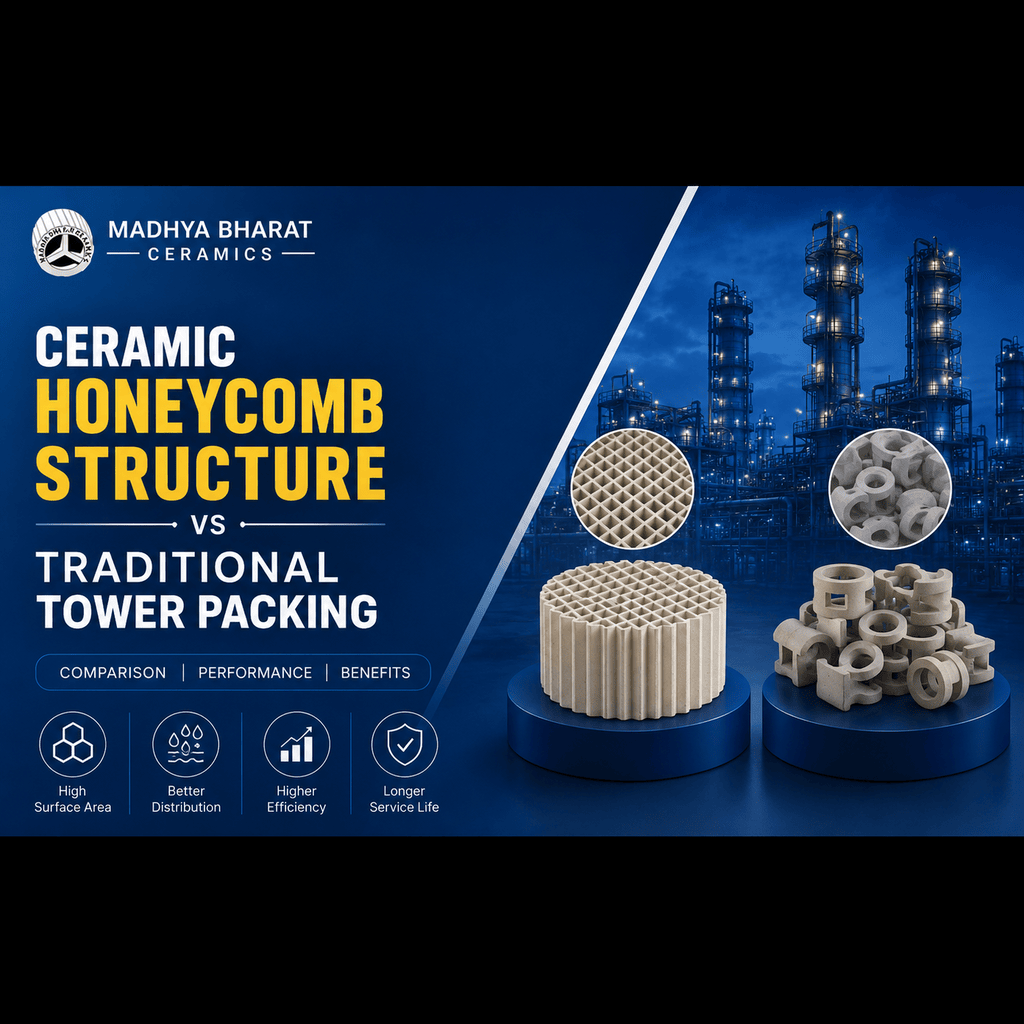
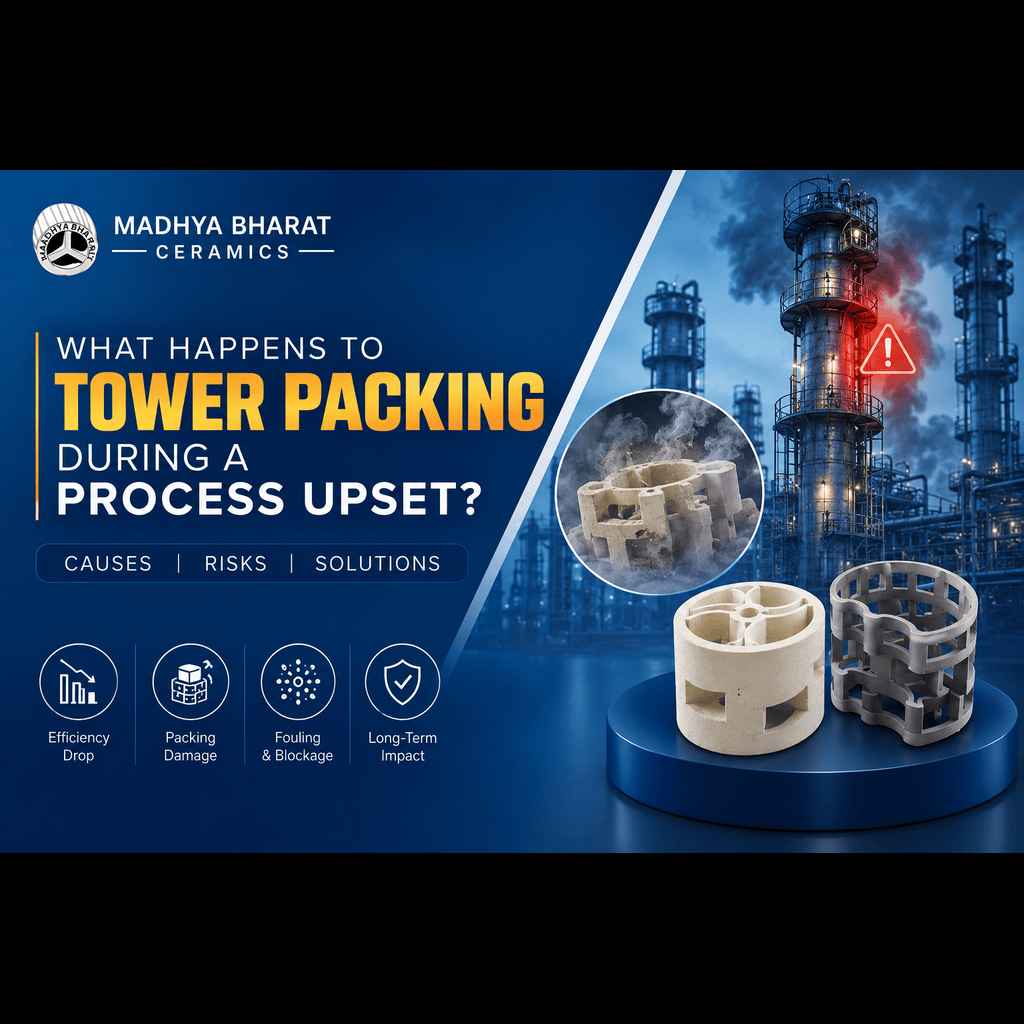
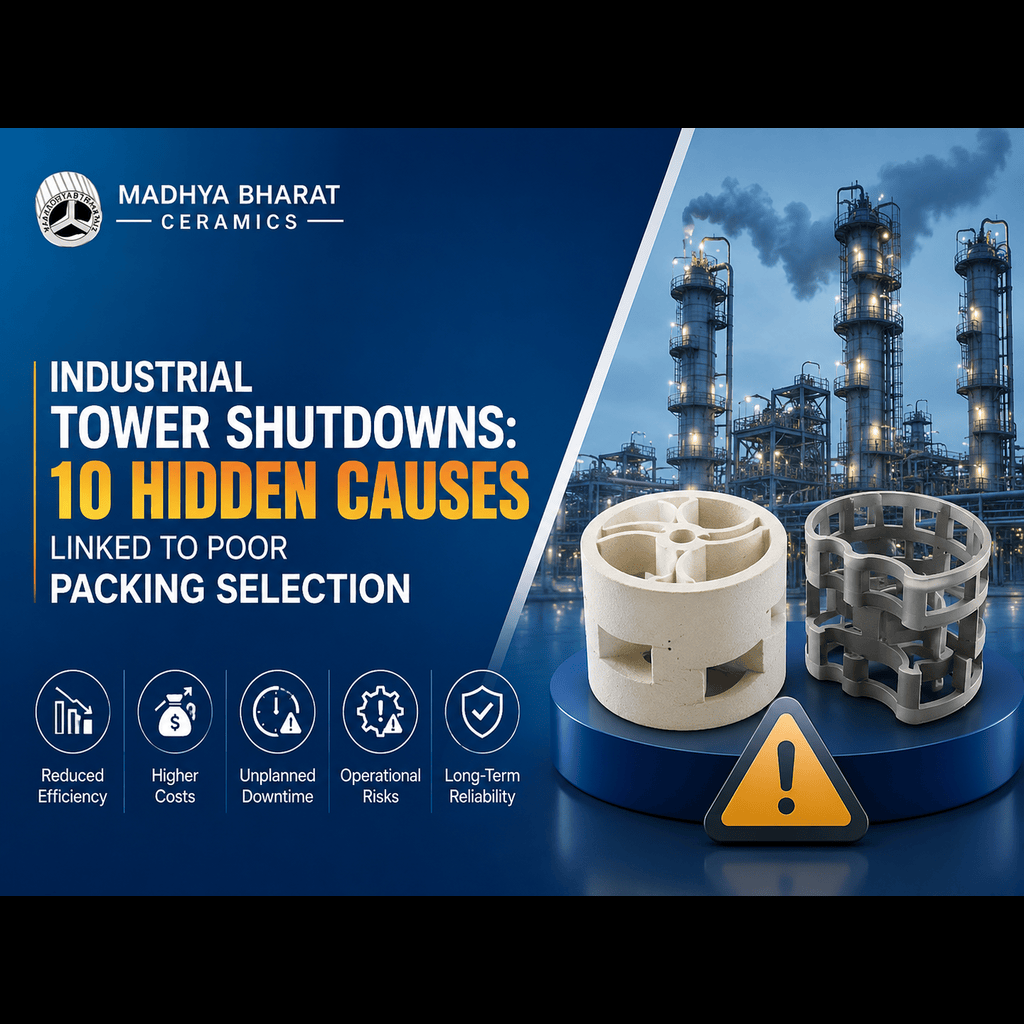
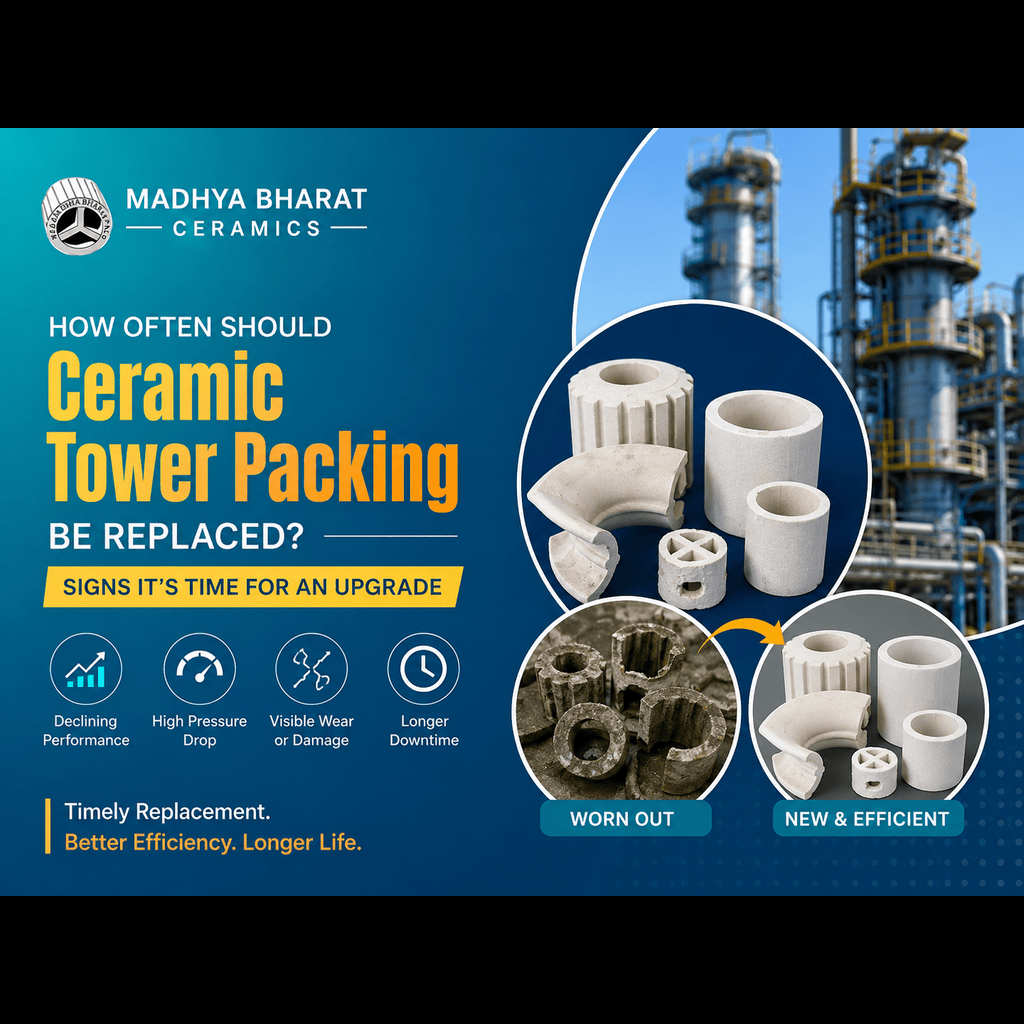
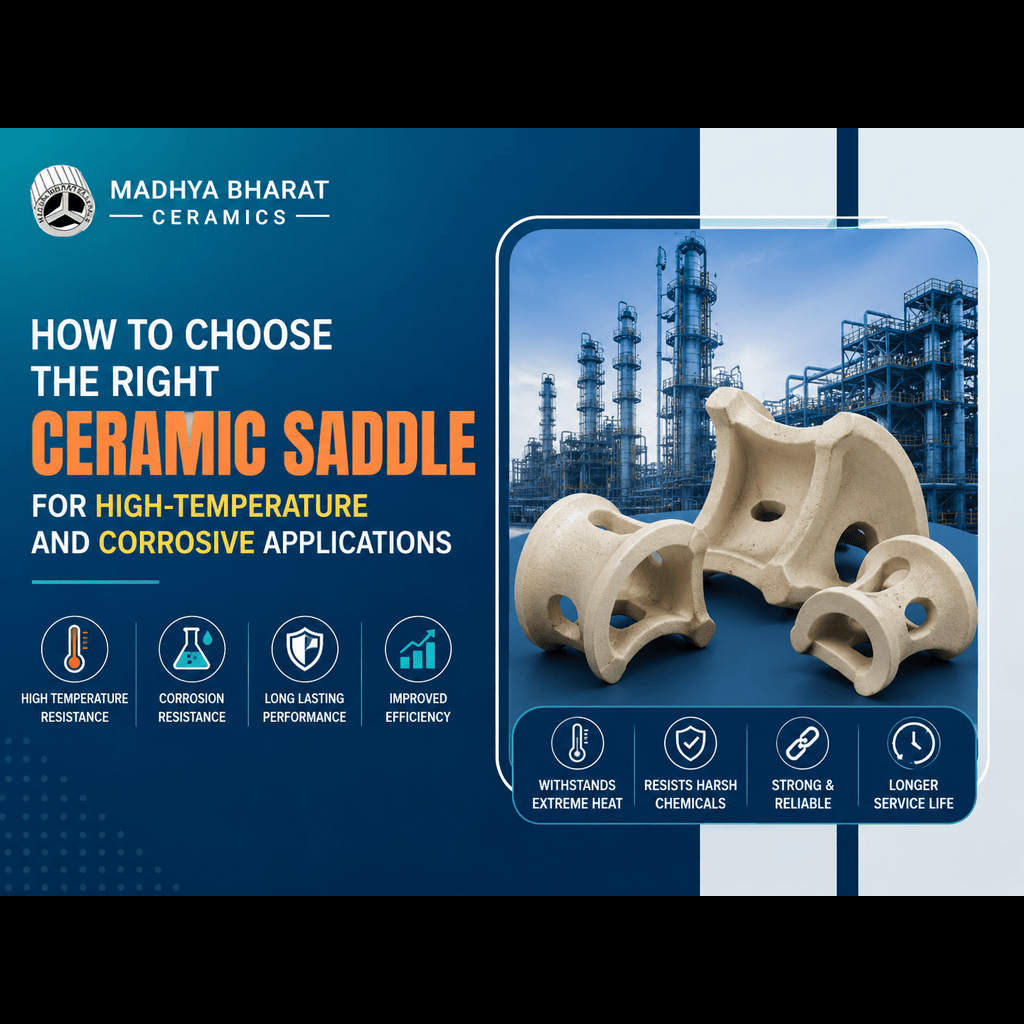
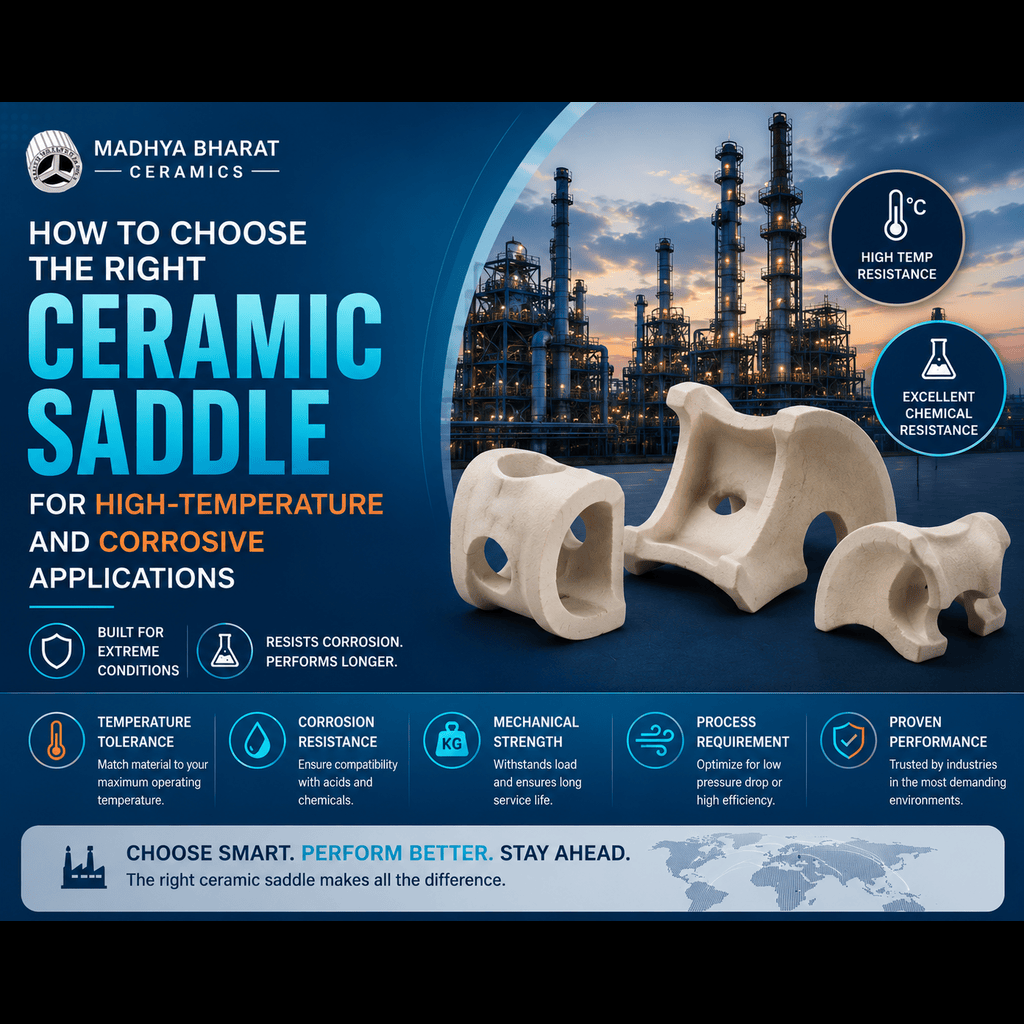
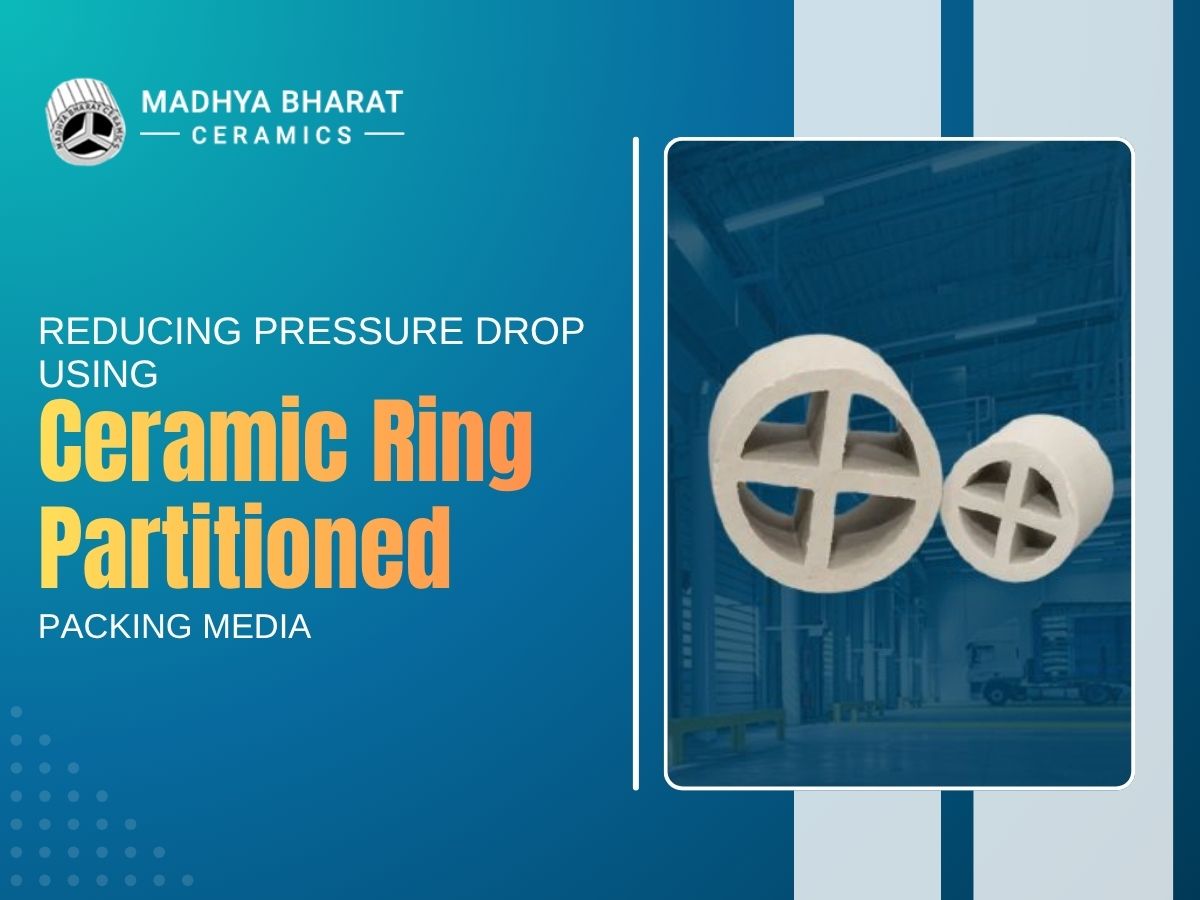
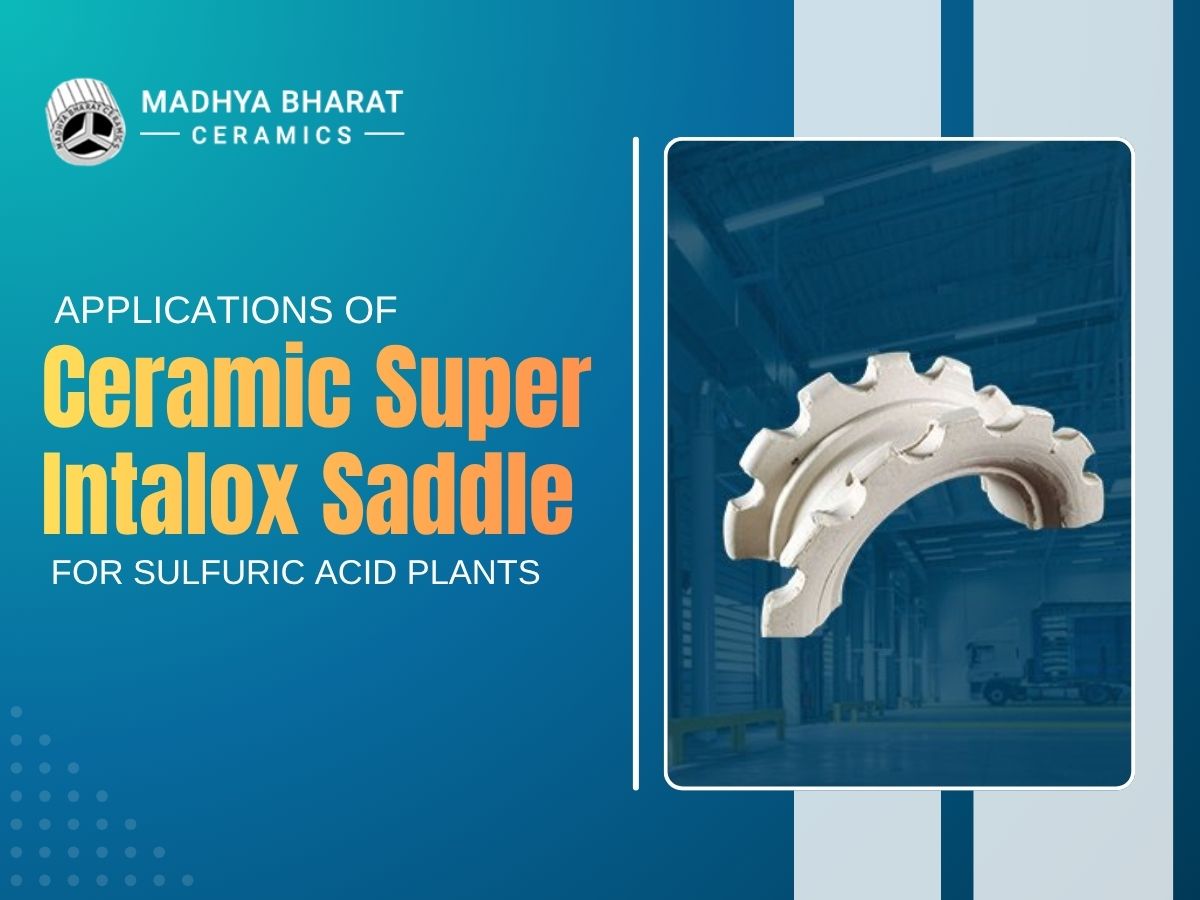
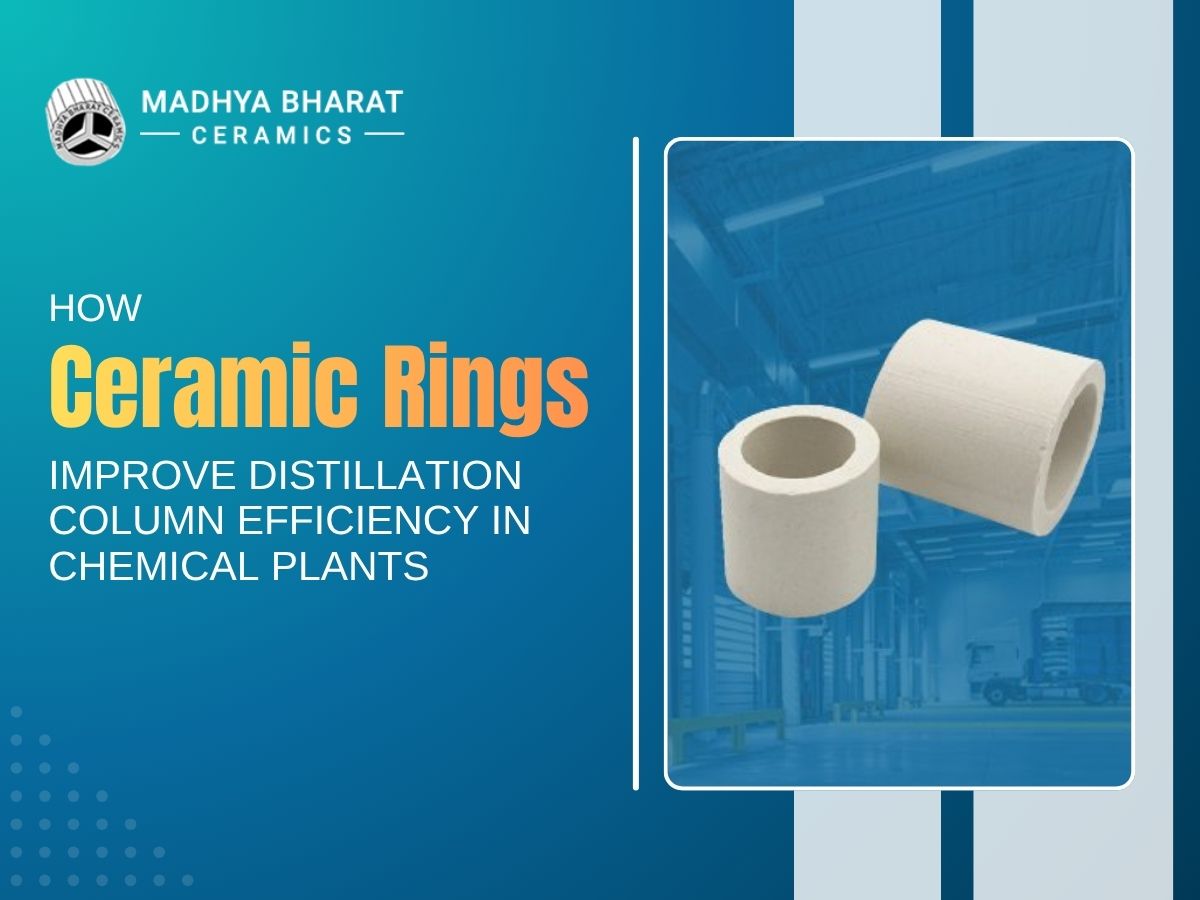
Random and structured ceramic tower packing like Raschig Rings, Pall Rings, Intalox Saddles, and Super Intalox Saddles are used in absorption, distillation, scrubbing, and stripping columns. Ceramic packing handles acid concentrations and temperatures that would destroy plastic packing in days.
2. Catalyst Support Beds
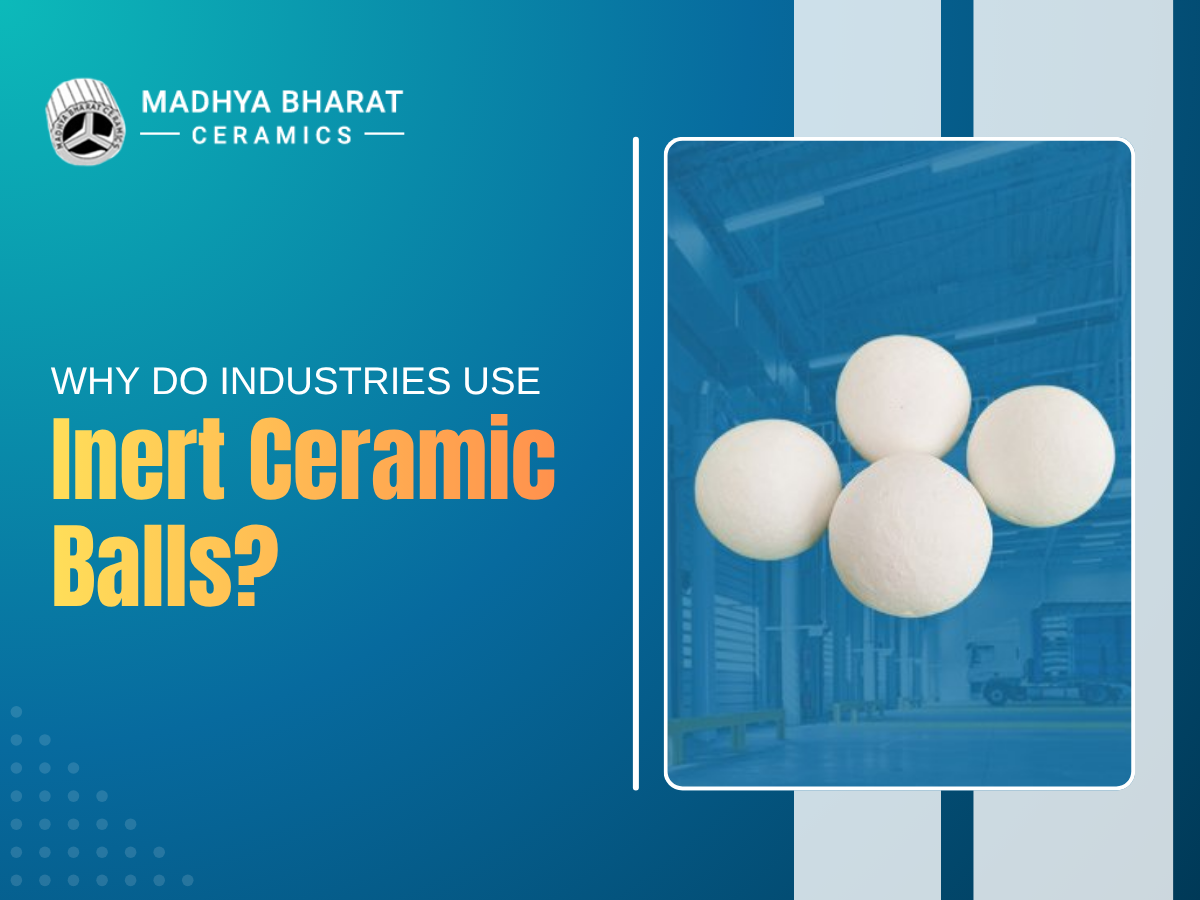
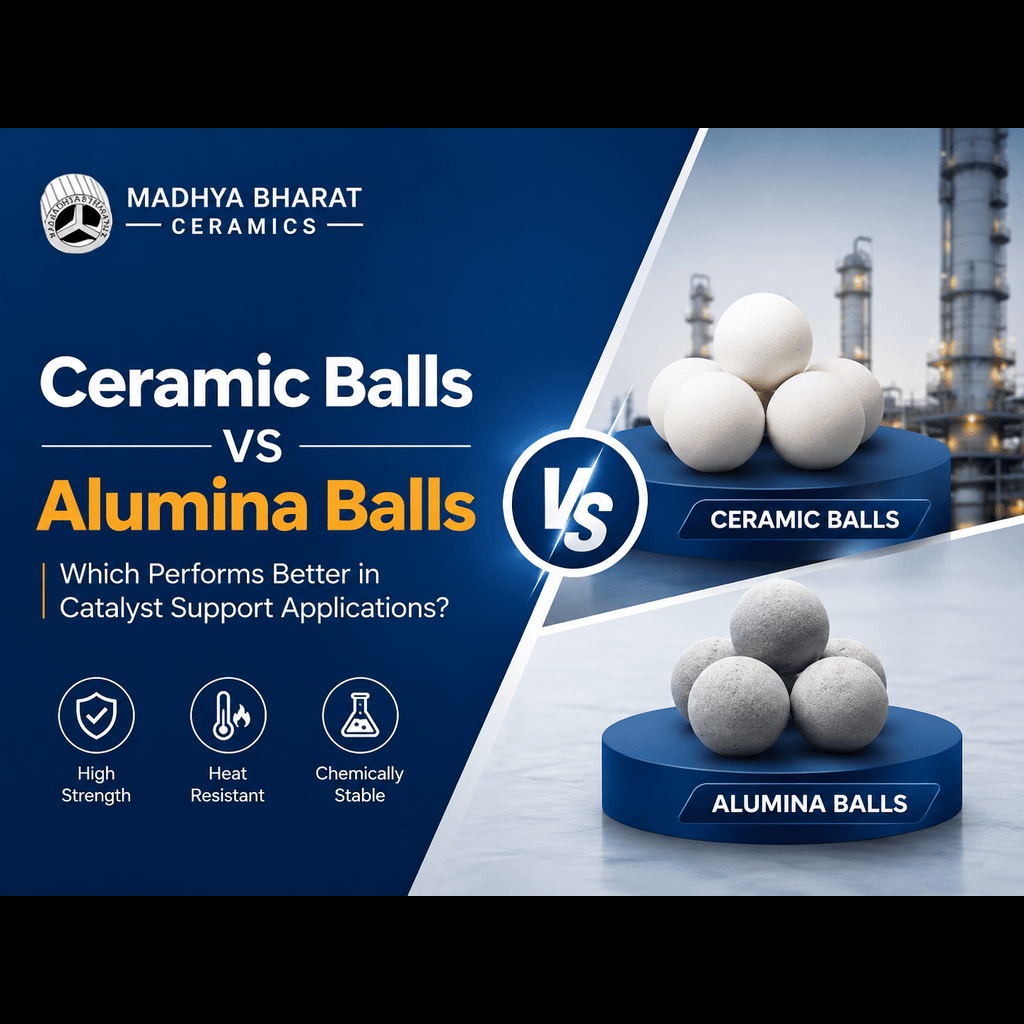
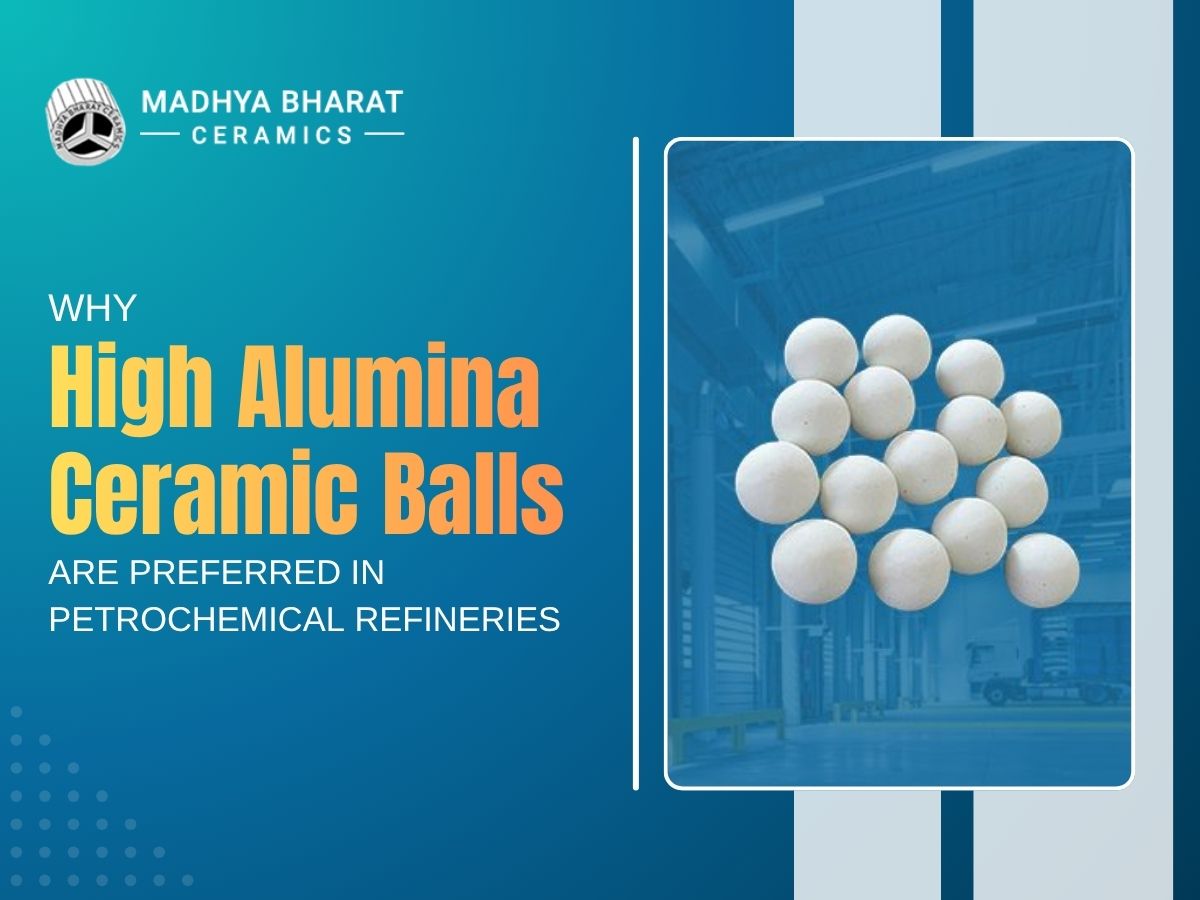
Advanced engineering ceramics in ball and cylinder form are used to support catalyst beds in fixed-bed reactors. They distribute gas and liquid flow evenly, protect the catalyst from mechanical damage, and last through multiple catalyst change cycles without replacement.
3. Pump and Valve Components
Ceramic seals, bearings, and pump impellers are used in chemical dosing and transfer systems where acids or abrasive slurries are handled. Ceramic pump components last far longer than metal equivalents in corrosive service.
4. Kiln and Furnace Linings
High-temperature ceramics in the form of refractory bricks and castables line kilns, furnaces, and reactors in cement, lime, and chemical manufacturing. They insulate, protect the steel shell, and withstand the thermal cycling of industrial heating processes.
5. Heat Exchanger Components
Ceramic tube heat exchangers and shell components are used in highly corrosive processes where standard metal heat exchangers corrode rapidly. Silicon carbide and alumina ceramic heat exchangers are increasingly specified in acid and chlorine service.
6. Filtration and Separation
Ceramic filter membranes and filter media are used in liquid filtration, gas filtration, and crossflow membrane separation in pharmaceutical and specialty chemical plants. Ceramic filters handle sterilization by steam autoclave, which destroys polymer filter membranes.
Comparison Table: Ceramic Materials vs Alternative Materials in Chemical Processing
| Property | Ceramic | Stainless Steel | Engineering Plastic | Glass-Lined Steel |
| Max Operating Temp | 1600°C+ | 800°C | 150 to 200°C | 230°C |
| Acid Resistance | Excellent | Good to Moderate | Good | Good |
| Alkali Resistance | Excellent | Good | Good | Poor |
| Mechanical Strength | High (compressive) | Very High | Moderate | Moderate |
| Contamination Risk | None | Low (trace metals) | Low | Very Low |
| Typical Service Life | 10 to 20 years | 5 to 10 years | 3 to 7 years | 5 to 10 years |
| Relative Cost | Medium | Medium-High | Low | High |
This table helps plant engineers and procurement teams make quick, evidence-based decisions when selecting materials for new equipment or maintenance replacements in chemical processing environments.
Why Ceramic Materials in India Are a Preferred Global Source
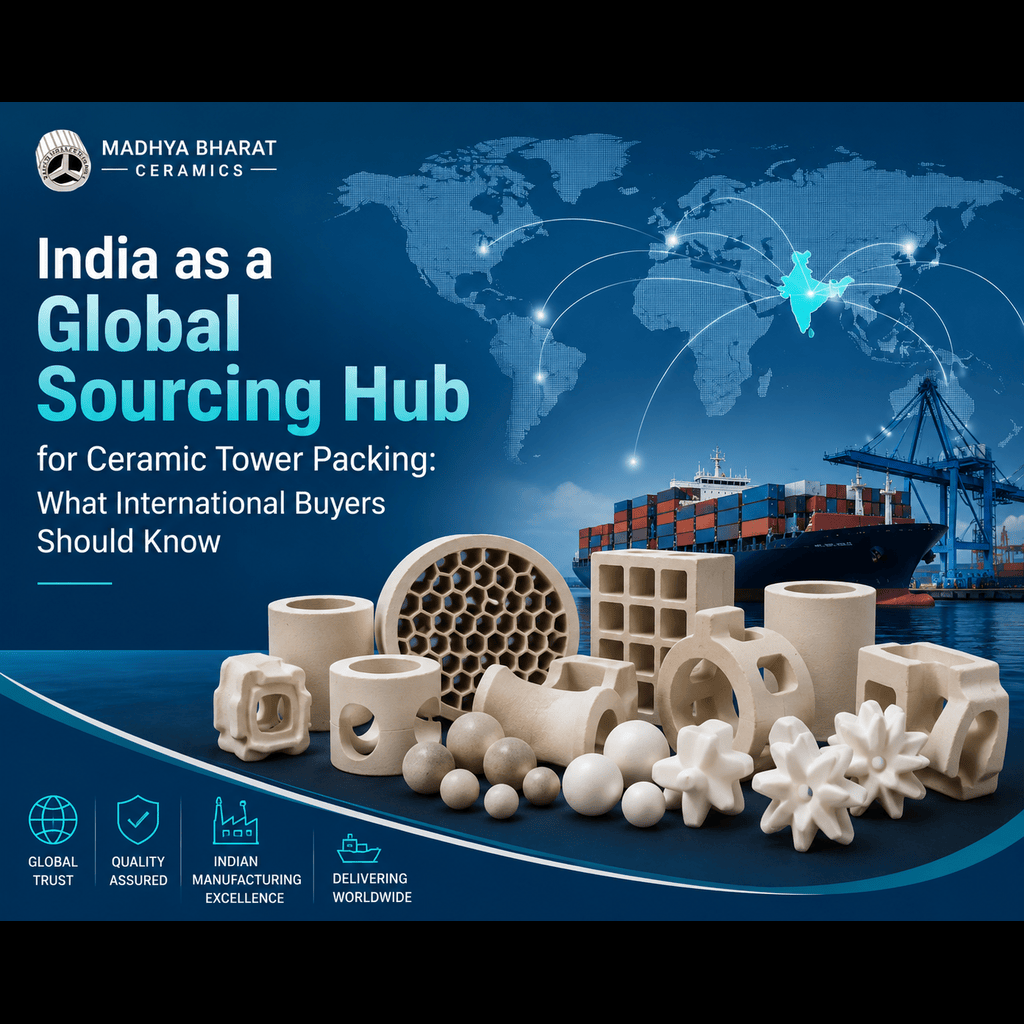
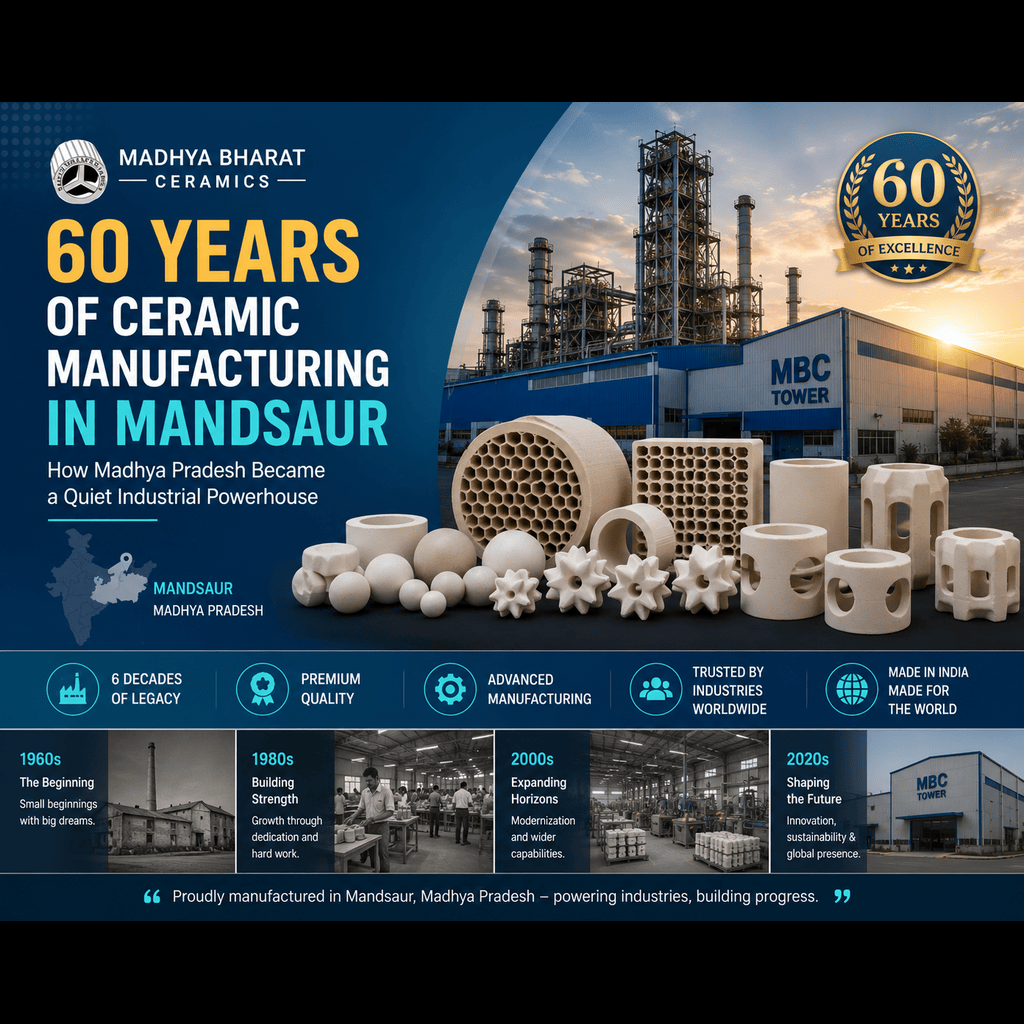
India has developed strong manufacturing capability for ceramic materials used in chemical processing. Manufacturers located in Mandsaur in Madhya Pradesh, and in industrial zones in Gujarat and Rajasthan, produce a wide range of chemical industry ceramic products that meet international quality standards.
What makes Ceramic Materials in India competitive globally:
- Access to high-quality alumina, silica, and other ceramic raw materials from domestic sources
- Modern tunnel kilns and firing technology for consistent density and strength
- ISO 9001 certified production with documented quality control procedures
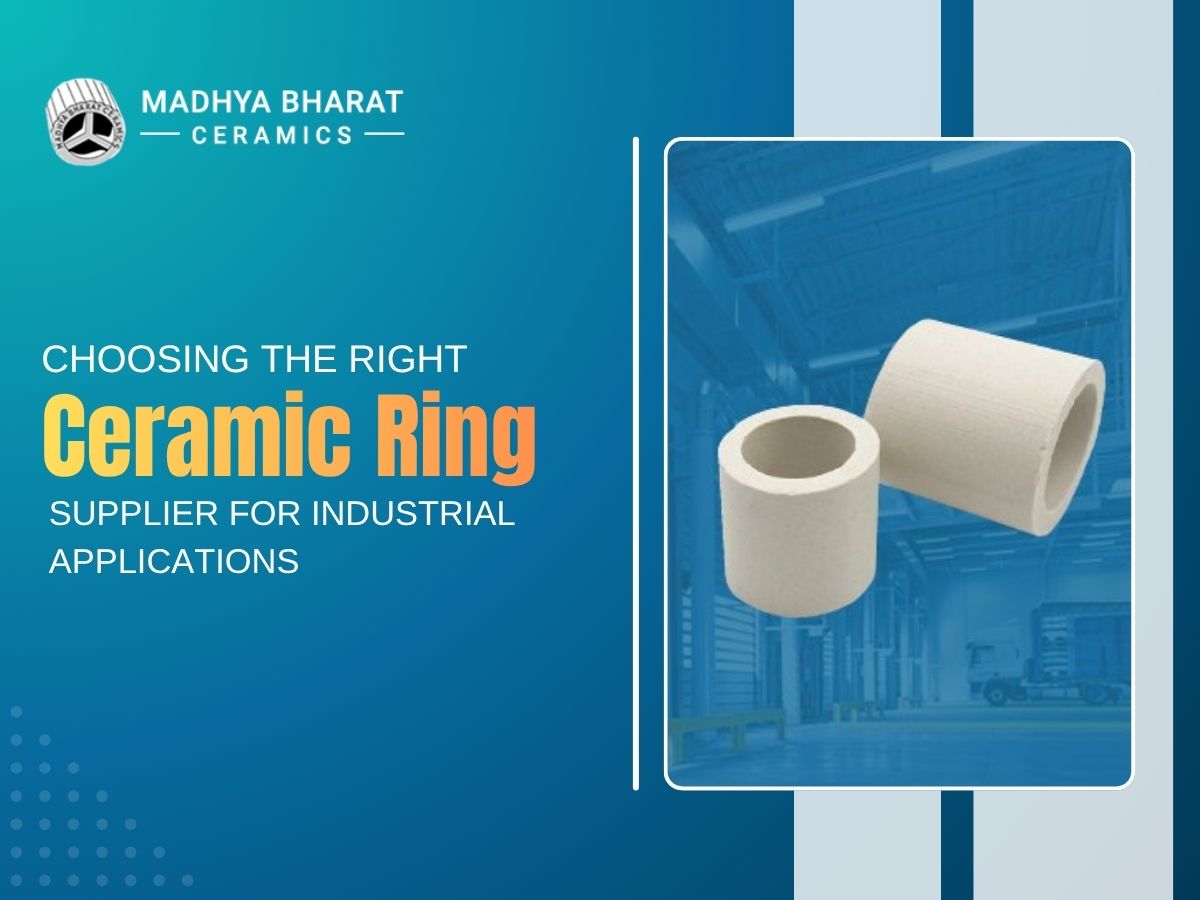
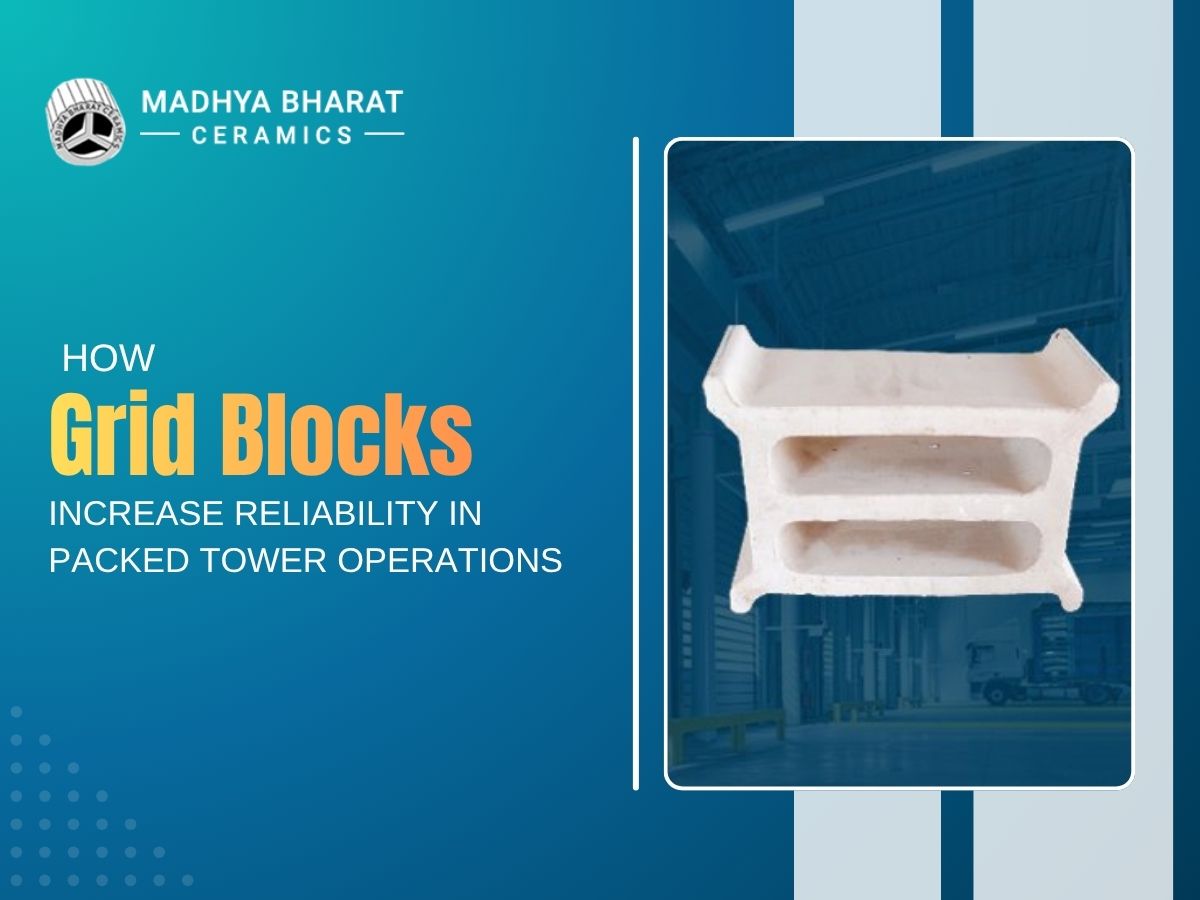
- Wide product range covering tower packing, ceramic balls, grid blocks, saddles, and rings
- Custom manufacturing capability for non-standard sizes and shapes
- Competitive pricing, typically 25 to 45% below European and North American suppliers
- Export experience to over 50 countries with proper shipping documentation
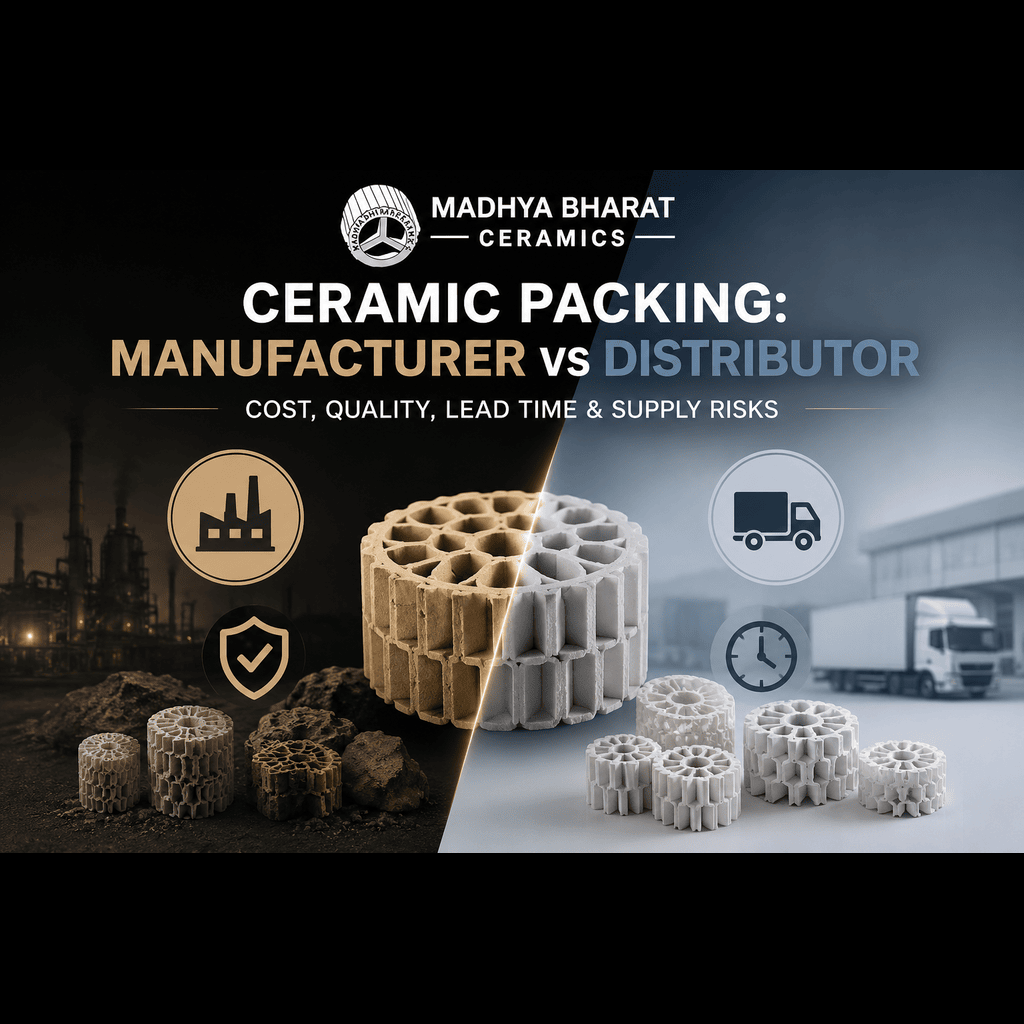
Ceramic Materials in Mandsaur specifically has become a recognized supply point for buyers in the UAE, Saudi Arabia, Malaysia, Vietnam, South Africa, and several European chemical manufacturing nations. Indian manufacturers combine technical capability with reliable delivery and transparent pricing that larger European suppliers often cannot match for mid-size and smaller chemical plant buyers.
How Ceramic Materials Improve Chemical Processing Efficiency
The choice of ceramic materials over alternatives directly improves plant efficiency in measurable ways:
- Reduced unplanned downtime: Ceramic components rarely fail suddenly. They degrade slowly and predictably, giving plant teams time to plan replacements during scheduled shutdowns.
- Lower total maintenance cost: Longer service life means fewer replacements, less labor, and lower material spend over the plant’s operating life.
- Better process purity: Zero contamination risk from ceramic components maintains product quality and reduces batch rejections in high-purity chemical manufacturing.
- Energy efficiency: Ceramic tower packing with lower pressure drop reduces blower and compressor energy consumption, cutting operating costs.
- Environmental compliance: Better absorption and scrubbing performance with ceramic packing helps plants meet emission limits without over-designing the tower.
Each of these efficiency gains has a direct financial value. For a mid-size chemical plant, switching from metal or plastic components to the right ceramic equipment for corrosive environments can reduce annual maintenance costs by hundreds of thousands of rupees.
Benefits of Using Advanced Engineering Ceramics in Specialty Chemical Applications
Beyond standard tower packing, advanced engineering ceramics including alumina, silicon carbide, zirconia, and cordierite are used in specialty chemical applications:
- Alumina ceramics: Catalyst supports, wear-resistant linings, and high-purity laboratory components
- Silicon carbide ceramics: Heat exchangers, pump seals, and mechanical components in highly abrasive and corrosive service
- Zirconia ceramics: High-toughness components requiring both strength and chemical resistance in extreme conditions
- Cordierite ceramics: Thermal shock-resistant components in kiln furniture and high-cycling heat applications
These technical ceramics in manufacturing represent the high end of the ceramic materials spectrum and are increasingly specified as chemical plants push toward more aggressive processes and longer run times.
Case Study: Ceramic Materials Upgrade at a Chlor-Alkali Plant, Maharashtra
A chlor-alkali manufacturing plant in Maharashtra was producing chlorine, caustic soda, and hydrogen through electrolysis. The plant’s acid absorption towers were packed with standard polypropylene random packing installed six years prior.
Problems the plant was experiencing:
- Polypropylene packing degrading in contact with residual chlorine gas at elevated temperatures
- Packing deformation causing increased pressure drop and uneven gas distribution
- Product quality of hydrochloric acid falling below specification due to poor absorption efficiency
- Forced repacking of the absorption towers every 24 months at significant cost and disruption
The plant engineering team switched to ceramic materials for the absorption tower packing, selecting 38mm ceramic Pall Rings from a Ceramic Materials manufacturer in Mandsaur. The towers were repacked during a planned maintenance shutdown.
Results after 18 months of continuous operation:
- No packing degradation observed during the first mid-cycle inspection
- Pressure drop across the towers remained stable at commissioning levels
- Hydrochloric acid product purity improved to consistently above specification
- Zero unplanned tower shutdowns related to packing failure in the 18-month period
- Annual maintenance cost for tower packing reduced by approximately INR 32 lakhs
- Expected repacking interval extended from 24 months to a projected 8 to 10 years
The plant’s maintenance manager confirmed that switching to ceramic tower packing from a qualified Ceramic Materials supplier in Mandsaur was the single most impactful maintenance decision made during that production year. The cost savings in the first 18 months alone covered the full repacking investment more than twice over.
FAQs About ceramic materials in India
Q1. Why are ceramic materials used in chemical processing?
Ceramic materials are used in chemical processing because they resist acids, alkalis, and high temperatures that destroy metals and plastics. They do not contaminate process streams and last significantly longer than alternative materials in corrosive chemical environments.
Q2. What ceramic materials are most common in chemical plants?
The most common ceramic materials in chemical plants include alumina ceramics for tower packing and catalyst support, silicon carbide for heat exchangers and pump seals, and high-fired silica-alumina ceramics for tower internals and scrubber packing.
Q3. Where can I find ceramic materials manufacturers in India?
Ceramic materials manufacturers in India are concentrated in Mandsaur in Madhya Pradesh, Morbi in Gujarat, and industrial zones in Rajasthan. These manufacturers supply domestic chemical plants and export to over 50 countries worldwide.
Q4. How long do ceramic materials last in chemical service?
With correct grade selection and compatible operating conditions, ceramic materials in chemical processing applications last between 10 and 20 years. This is significantly longer than metals or plastics in the same corrosive service conditions.
Q5. Are ceramic materials resistant to all chemicals?
Ceramic materials resist most industrial acids, alkalis, and organic solvents. Notable exceptions include hydrofluoric acid and hot concentrated phosphoric acid, which attack standard silica-alumina ceramics. For these applications, special high-alumina or silicon carbide ceramics should be specified.
Q6. What is the difference between standard ceramics and advanced engineering ceramics?
Standard ceramics like tower packing are made from silica-alumina compositions and used in general chemical service. Advanced engineering ceramics such as alumina, silicon carbide, and zirconia offer higher purity, greater strength, and better performance in more demanding specialty chemical applications.
Q7. Can ceramic materials be used in food-grade chemical processing?
Yes. Ceramic materials are widely used in food-grade and pharmaceutical chemical processing because they are chemically inert, non-contaminating, and can be cleaned and sterilized without degradation. They meet purity requirements that metal components often cannot satisfy.
Q8. How do I choose the right ceramic material for my chemical plant?
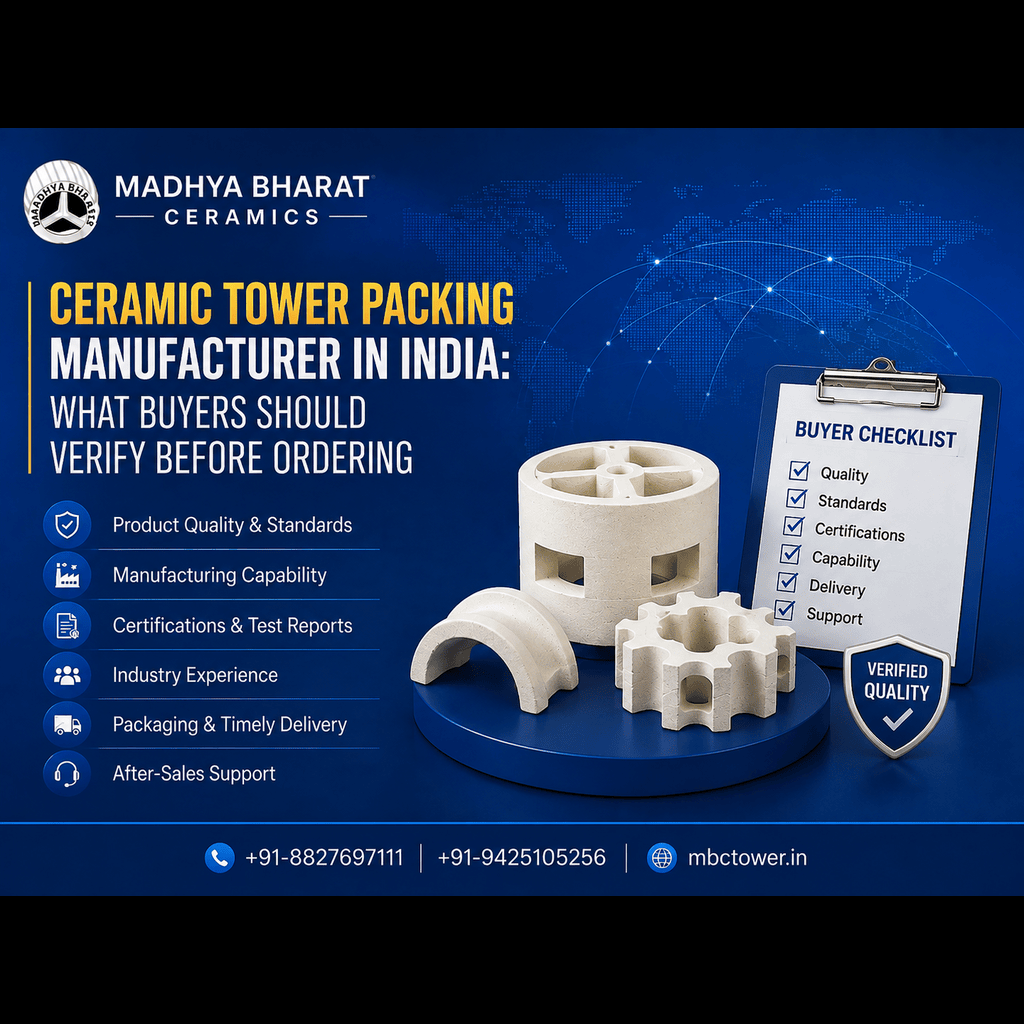
The selection depends on your process temperature, chemical composition, mechanical load, and required service life. Consult a qualified Ceramic Materials supplier who will review your process data sheet and recommend the appropriate ceramic grade, product type, and size for your application.
Conclusion
Ceramic materials have earned their dominant position in chemical processing industries through decades of proven performance in conditions that defeat every other class of material. Their combination of corrosion resistance, thermal stability, mechanical strength, and chemical inertness makes them the practical and economical choice for plant engineers who need components that simply keep working.
The case study from Maharashtra demonstrates what the switch to ceramics delivers in real operations. A chlor-alkali plant that was repacking its absorption towers every 24 months at significant cost and disruption extended its projected repacking interval to 8 to 10 years after switching to ceramic Pall Rings from a Ceramic Materials manufacturer in Mandsaur. Product quality improved, unplanned downtime stopped, and the financial savings in the first 18 months covered the full investment more than twice over.
Ceramic materials in Mandsaur and across India are produced by manufacturers who combine high-quality raw materials, modern firing technology, and rigorous quality control to deliver products that meet international performance standards. Buyers sourcing from Indian manufacturers access this quality at 25 to 45% below the cost of European alternatives, supported by full technical documentation and experienced export teams.