Every industrial furnace, kiln, or heat exchanger needs materials that can handle extreme temperatures without breaking down. Ceramic grid blocks are built exactly for this purpose. They are strong, heat-resistant, and long-lasting even in the most demanding industrial environments.
As a trusted ceramic grid block manufacturer and certified ceramic grid block exporter based in Mandsaur, MBC supplies Grid blocks in India and across international markets. Our blocks are used in steel plants, glass factories, chemical processing units, and power generation facilities.
Industry Facts at a Glance
- Ceramic grid blocks can withstand temperatures above 1600°C
- They reduce heat loss by up to 30% in industrial furnace applications
- The global refractory market is projected to reach USD 35 billion by 2027
- MBC exports Grid blocks in India to more than 40 countries worldwide
The demand for high temperature ceramic materials is growing fast. Industries are under pressure to reduce energy costs and meet environmental targets. Heat-resistant ceramic blocks are one of the most practical and proven solutions available today.
What Is a Ceramic Block? A Simple Explanation
A ceramic block is a solid or structured piece made from fired clay or other mineral compounds. It is designed to hold its shape and strength at very high temperatures. Unlike metal or plastic, ceramics do not melt, bend, or corrode when exposed to extreme heat.
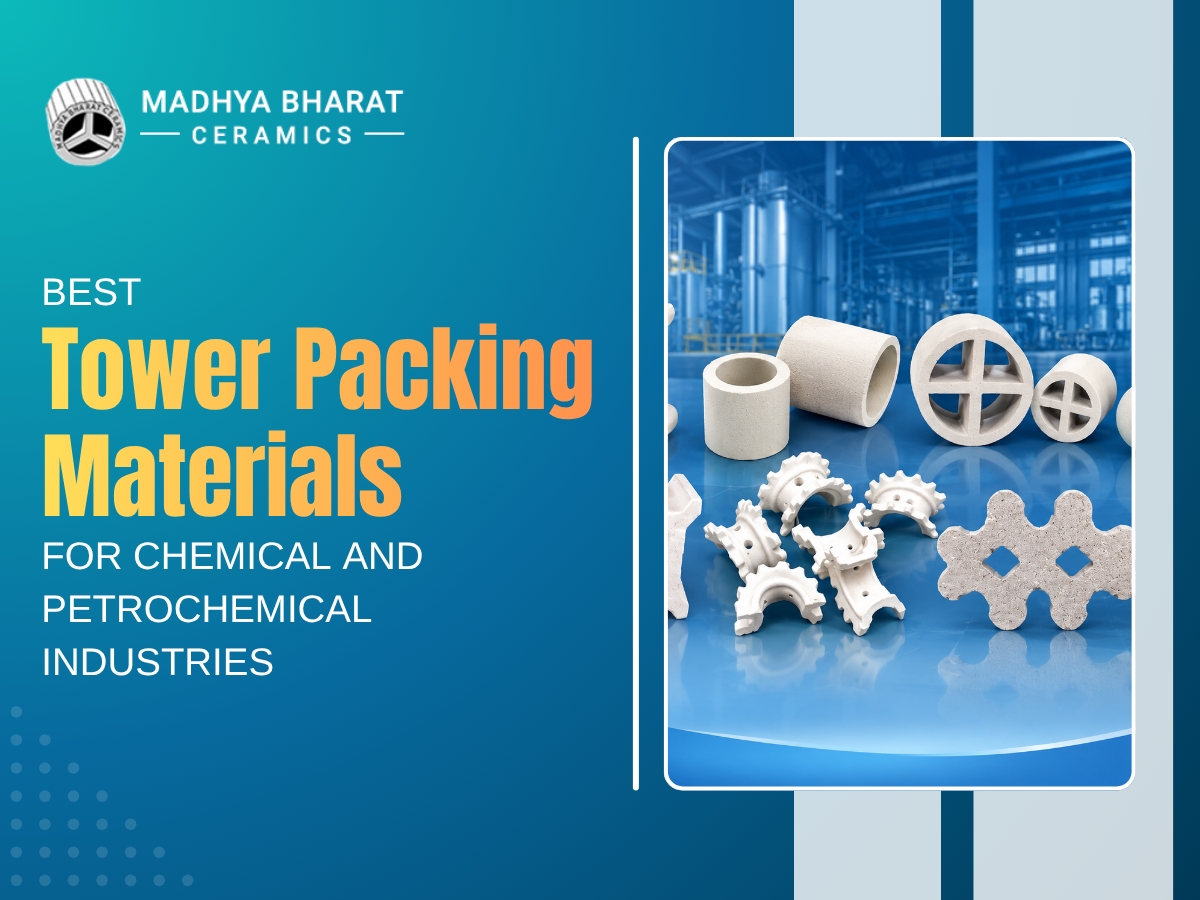
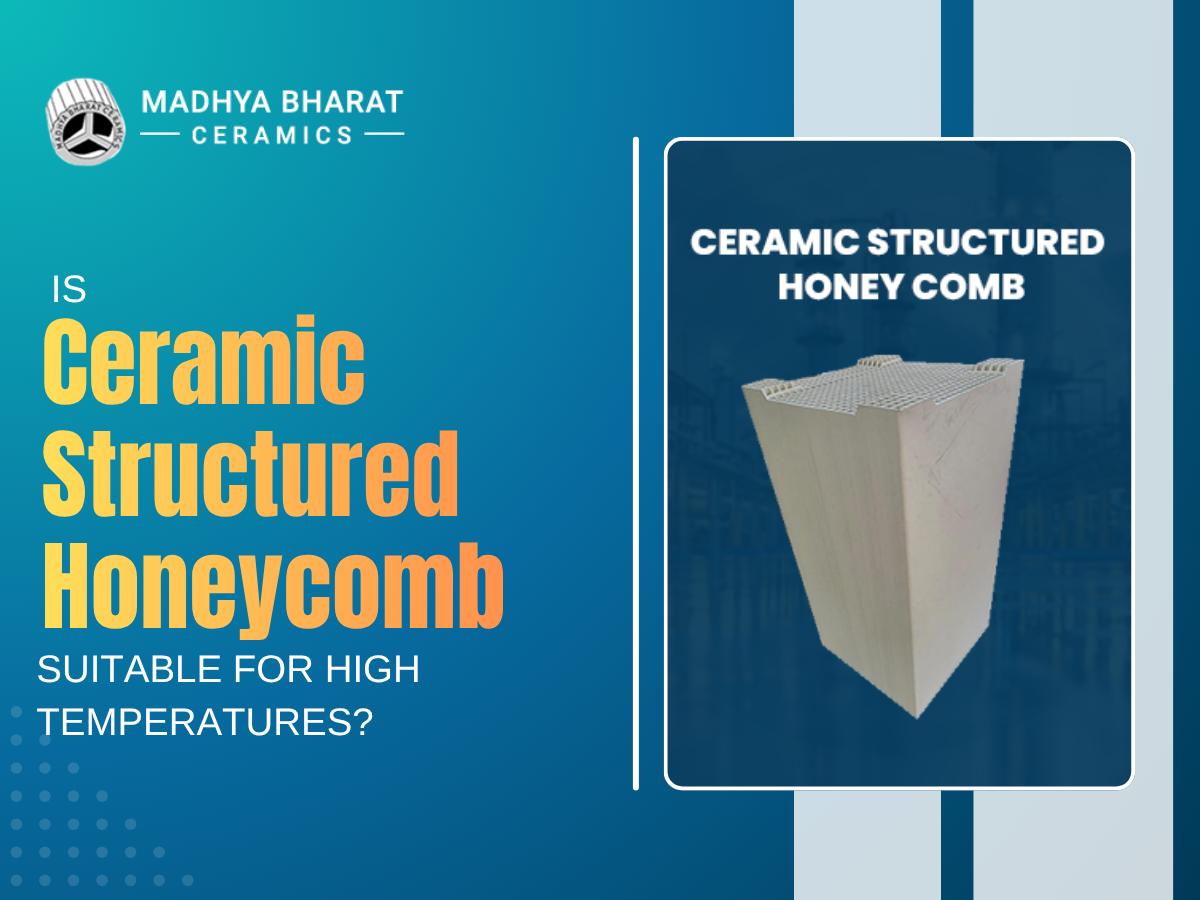
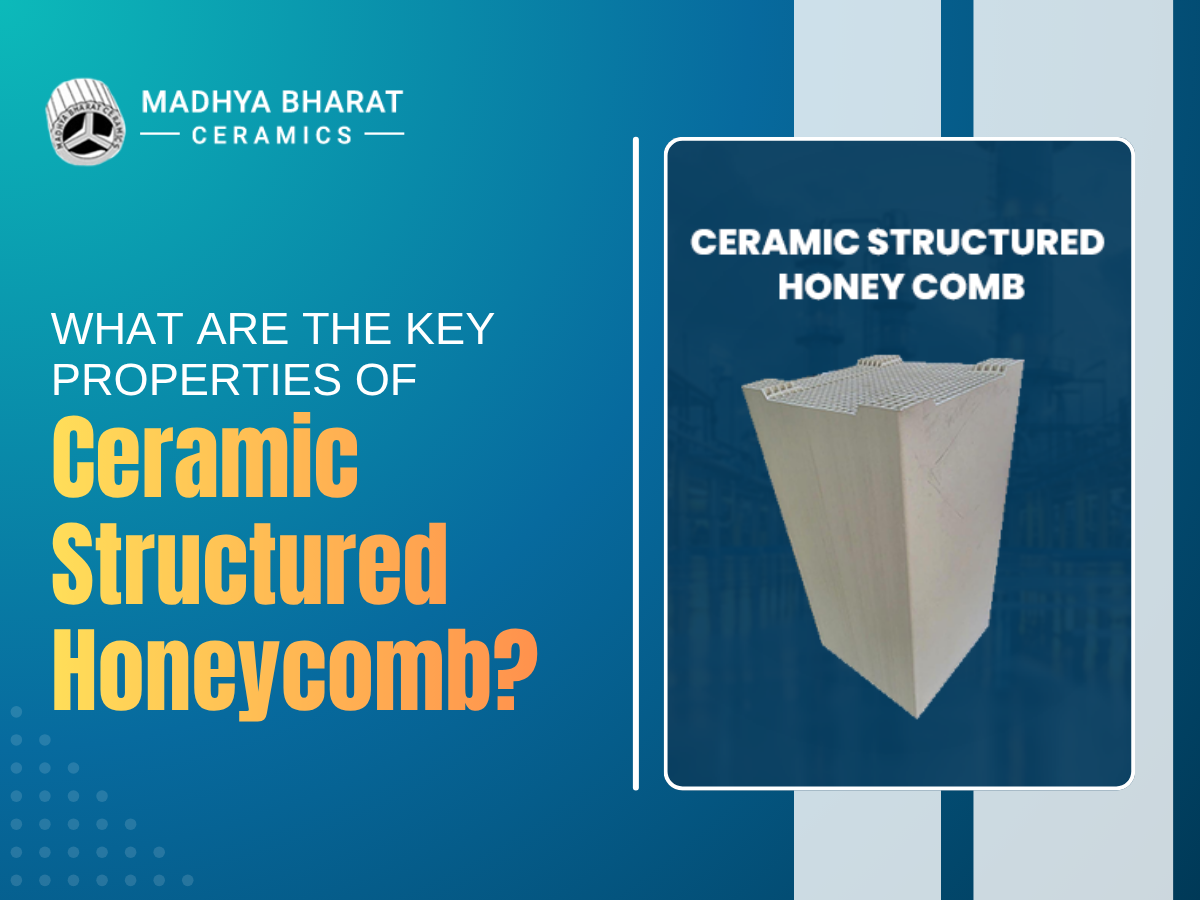
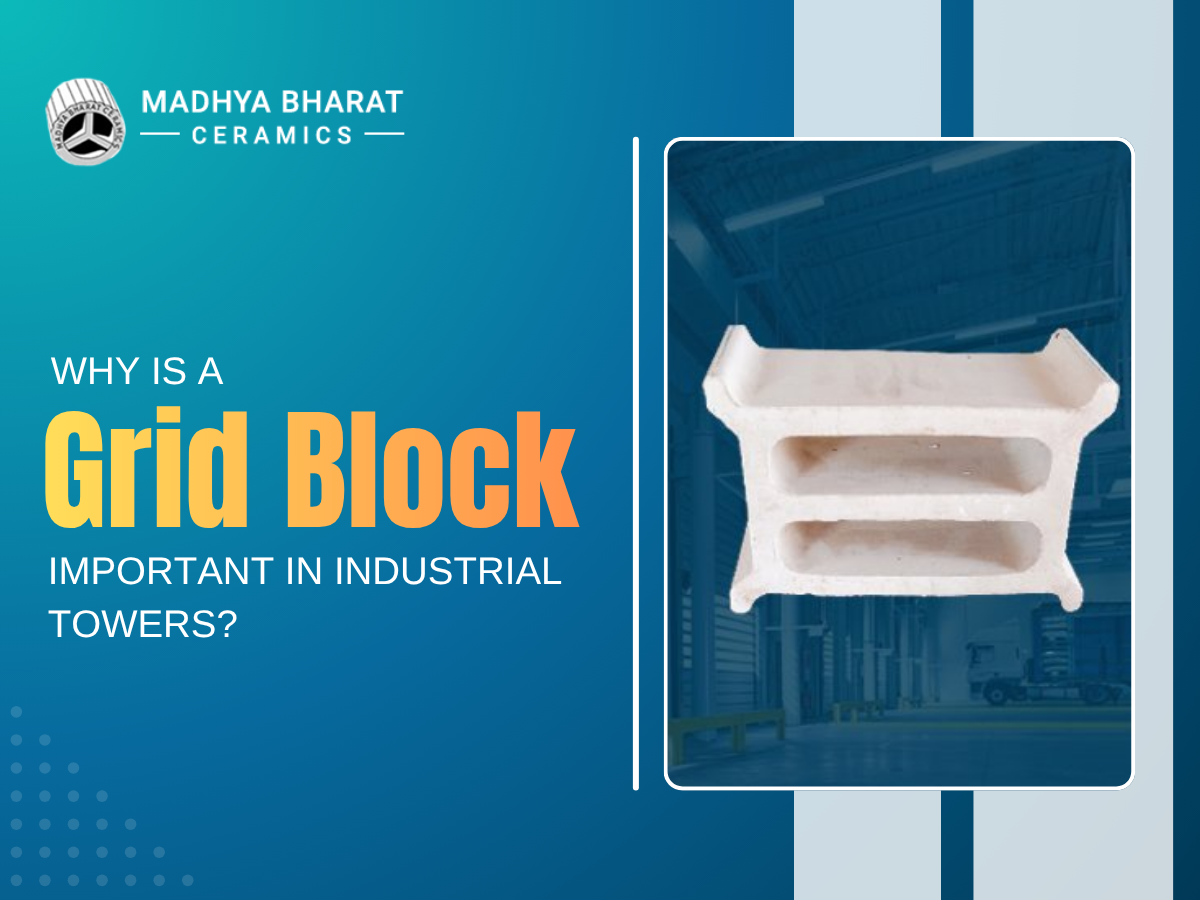
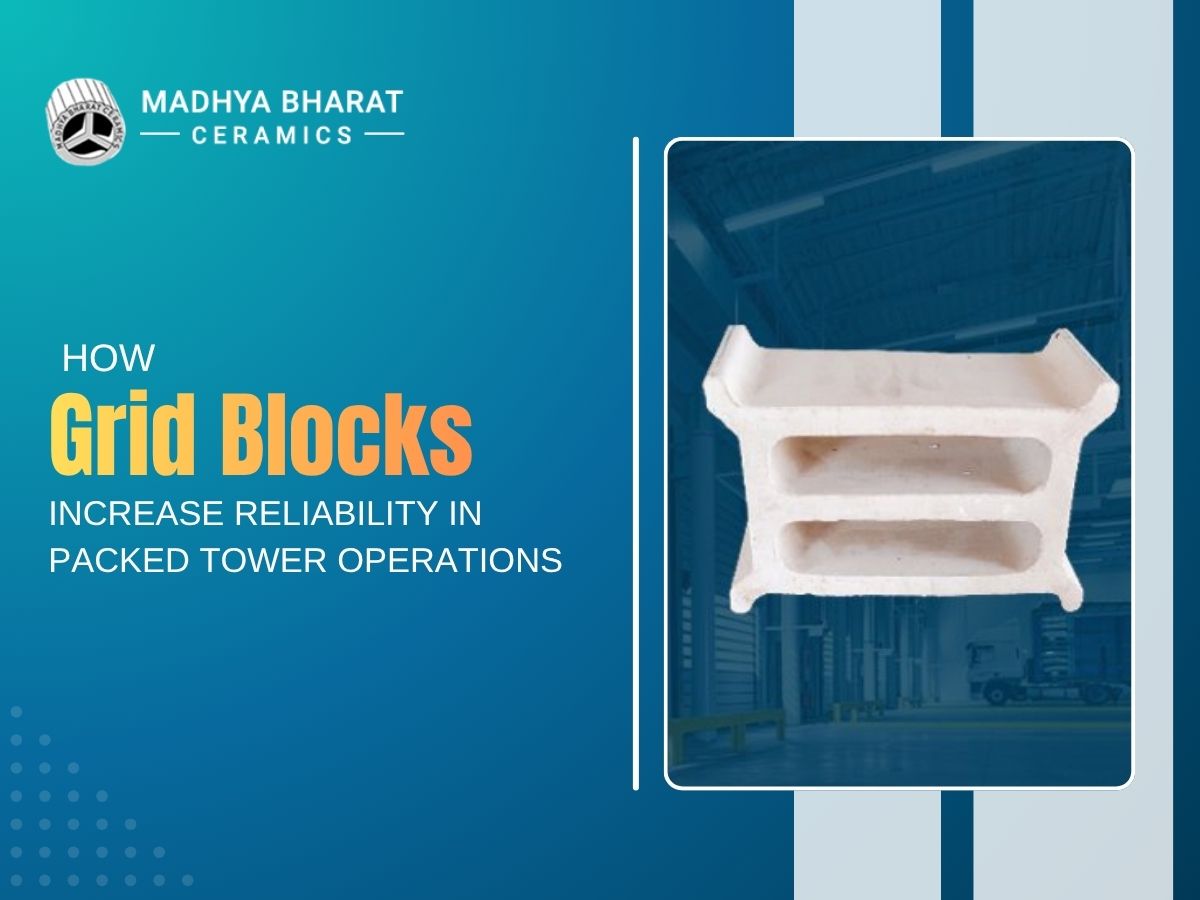
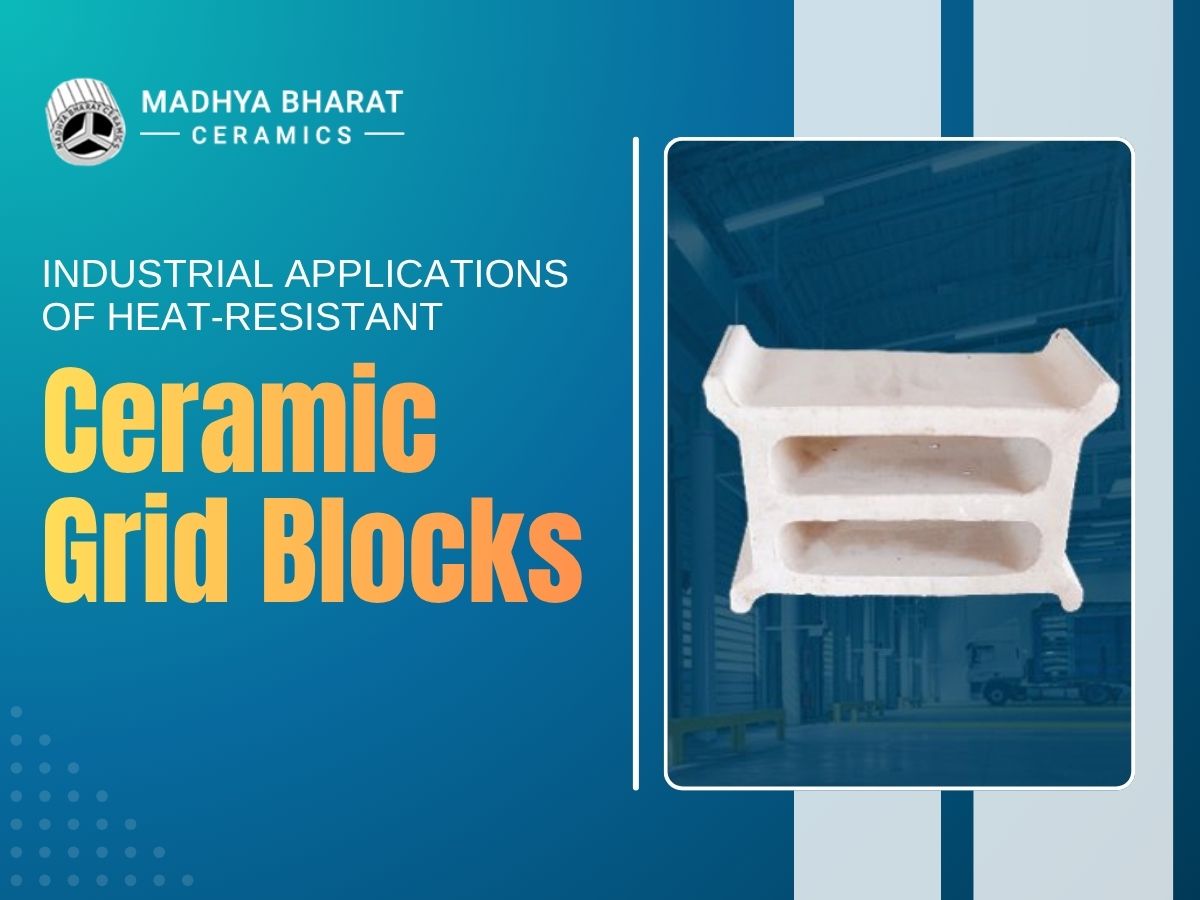
A ceramic grid block specifically has an open grid or lattice structure. This design allows hot gases to flow through the block while the ceramic walls absorb and hold heat. This makes grid blocks ideal for use in regenerative heat exchangers and industrial furnaces.
Grid blocks in India are made from materials such as alumina, silica, mullite, and cordierite. Each material offers a different level of heat resistance and thermal stability depending on the application.
Why Heat-Resistant Ceramic Grid Blocks Are Essential for Industry
Industrial processes that involve heat are everywhere. Steel making, glass melting, cement production, chemical processing, and power generation all rely on high-temperature equipment that needs reliable industrial heat protection materials.
Without proper refractory lining solutions, furnace walls and heat exchange chambers break down quickly. This causes unplanned shutdowns, expensive repairs, and high energy waste. Heat-resistant ceramic blocks prevent all of these problems by providing a stable, long-lasting thermal barrier.
The grid structure of a ceramic grid block also improves combustion efficiency. Hot gases pass through the open channels and transfer heat evenly across the block surface. This makes energy-efficient insulation blocks like ceramic grids far more effective than solid brick alternatives.
Key Industrial Applications of Ceramic Grid Blocks
Ceramic grid block supplier teams at MBC regularly supply products for a wide range of industries. Here are the most important applications.
1. Steel and Metal Manufacturing
Steel furnaces operate at temperatures between 1200 and 1600 degrees Celsius. Refractory ceramic blocks line the walls and floors of these furnaces to protect the outer steel shell and maintain consistent internal temperatures. Grid blocks are also used in regenerative burner systems to recover waste heat and reduce fuel consumption.
2. Glass Manufacturing
Glass melting tanks use high heat resistance ceramics to withstand the extreme temperatures needed to melt raw silica and mineral blends. Ceramic grid blocks are placed in the regenerator chambers of glass furnaces to capture heat from exhaust gases and return it to the process.
3. Cement and Lime Production
Rotary kilns used in cement production run at temperatures above 1400 degrees Celsius. Industrial ceramic blocks line the interior of these kilns to protect the outer shell and reduce heat loss. Proper lining directly reduces fuel use per ton of cement produced.
4. Chemical Processing Plants
Many chemical reactions require controlled high-temperature environments. Heat-resistant ceramic blocks create reliable thermal barriers inside reactors and heaters. They also resist chemical attack from acids, alkalis, and gases that would destroy metal or polymer linings.
5. Power Generation
Thermal power plants use large boilers and combustion chambers that need industrial heat protection materials capable of surviving constant thermal cycling. Ceramic grid blocks absorb and redistribute heat evenly, protecting the boiler structure and improving combustion efficiency.
6. Air Pollution Control Units
Regenerative Thermal Oxidizers (RTOs) use ceramic grid blocks as heat storage media. Polluted industrial air passes through the heated ceramic bed, which burns off volatile organic compounds at high temperatures before the clean air is released. This is one of the fastest-growing applications for Grid blocks in India.
7. Petroleum Refining
Refinery heaters and crackers use refractory lining solutions made from ceramic materials to handle both high temperatures and chemical exposure. Grid blocks provide the combination of thermal stability and chemical resistance needed for these demanding environments.
Grid Blocks in India vs Standard Refractory Bricks: Full Comparison
This table helps engineers and procurement teams understand exactly how ceramic grid blocks are compared to standard refractory bricks used in industrial furnace applications.
| Feature | Ceramic Grid Block | Standard Refractory Brick |
| Temperature Resistance | Up to 1700°C | Up to 1500°C |
| Heat Storage Capacity | Very High (open grid design) | Moderate (solid structure) |
| Gas Flow Through Block | Yes (open channels) | No |
| Weight | Lighter per unit volume | Heavier |
| Energy Efficiency | High (recovers waste heat) | Moderate |
| Application in RTOs | Yes (primary choice) | Rarely used |
| Chemical Resistance | High (alumina and mullite grades) | Moderate |
| Lifespan in Furnace | 5 to 10 years | 2 to 5 years |
| Maintenance Requirement | Low | Moderate to High |
| Available from MBC | Yes | Yes |
How to Choose the Right Ceramic Grid Block for Your Application
Not all ceramic grid blocks are the same. The right choice depends on your operating temperature, the type of gas or chemical exposure, and the mechanical load on the block. Here is a simple guide.
- Alumina-based blocks are best for very high temperatures above 1500°C and where chemical resistance to silica-rich environments is needed.
- Mullite blocks offer a balance of strength and thermal stability for temperatures between 1300 and 1600°C.
- Cordierite blocks have excellent thermal shock resistance and are ideal for applications with rapid temperature changes.
- Silica blocks are used in glass furnace regenerators where acidic conditions are present.
As a certified ceramic grid block manufacturer, MBC offers all of these material grades. Our technical team helps clients select the right grade based on their process data and operating conditions.
Grid Blocks in India: Why MBC Is the Trusted Choice
MBC is a well-established ceramic grid block supplier with a manufacturing base in Mandsaur, Madhya Pradesh. Our products are tested to international standards and used by clients in steel, glass, cement, chemical, and power industries.
Here is what makes MBC the preferred source for Grid blocks in India and globally.
- Full range of ceramic grades including alumina, mullite, cordierite, and silica
- Custom sizes and shapes available for specific furnace designs
- ISO-compliant production processes and quality testing at every stage
- Short lead times for both domestic and export orders
- Technical support for product selection, installation guidance, and performance troubleshooting
- Trusted by industrial clients across more than 40 countries
Whether you are lining a new furnace or replacing worn-out refractory blocks in an existing system, MBC has the product and the expertise to support your project.
Case Study
A large chemical manufacturing unit in central India was operating a Regenerative Thermal Oxidizer for air pollution control. The unit was using conventional refractory media that had a poor surface area to volume ratio. This was causing incomplete combustion of volatile organic compounds and high fuel consumption.
MBC’s engineering team evaluated the system and recommended switching to high-alumina ceramic grid blocks with a structured open-channel design. The blocks were sized specifically for the existing RTO chamber dimensions to maximize heat retention and gas flow.
The installation was completed in one planned maintenance window over five days. No structural changes to the RTO were needed.
Results measured over 12 months after installation:
- 28% reduction in natural gas consumption per operating cycle
- 96.5% volatile organic compound destruction efficiency, up from 89%
- Zero block failures or structural cracking over the measurement period
- 33% reduction in annual refractory maintenance spend
- Full regulatory compliance achieved with no additional equipment investment
Frequently Asked Questions About ceramic grid block
Q1. What is a ceramic grid block?
A ceramic grid block is a structured refractory component made from fired ceramic materials such as alumina, mullite, or cordierite. It has an open grid or lattice design that allows hot gases to flow through it while storing and transferring heat. It is widely used in industrial furnaces, kilns, and regenerative thermal oxidizers.
Q2. What temperature can ceramic grid blocks withstand?
High-grade ceramic grid blocks can withstand temperatures up to 1700 degrees Celsius depending on the material composition. Alumina-based blocks offer the highest temperature resistance. Cordierite blocks are chosen when rapid temperature cycling is the main concern rather than peak temperature.
Q3. What industries use ceramic grid blocks?
Ceramic grid blocks are used in steel and metal manufacturing, glass production, cement and lime kilns, chemical processing plants, thermal power generation, petroleum refining, and air pollution control units. Any industry that uses high-temperature heating or combustion equipment is a potential user of industrial ceramic blocks.
Q4. What is the difference between a ceramic grid block and a refractory brick?
A ceramic grid block has an open channel or grid structure that allows gas to flow through it, making it ideal for heat recovery applications. A standard refractory brick is solid and acts only as a thermal barrier. Grid blocks are more energy-efficient in applications like regenerative burners and RTOs because they absorb and return heat to the process.
Q5. How long do ceramic grid blocks last in industrial use?
With proper installation and maintenance, ceramic grid blocks from a quality ceramic grid block manufacturer like MBC last between 5 and 10 years in typical furnace conditions. Lifespan depends on operating temperature, the presence of chemical exposure, and the frequency of thermal cycling in the application.
Q6. Are ceramic grid blocks chemically resistant?
Yes. High heat resistance ceramics like alumina and mullite offer strong resistance to acids, alkalis, and reactive gases at elevated temperatures. This makes them suitable for chemical processing plants and refineries where both heat and chemical exposure are present simultaneously.
Q7. How are ceramic grid blocks installed in a furnace?
Refractory ceramic blocks are typically stacked or bonded into position inside the furnace chamber using refractory mortar or castable material. The open grid channels must be aligned in the direction of gas flow to ensure proper heat exchange. MBC provides installation guidance and technical support to all clients as part of the supply.
Q8. Where can I buy ceramic grid blocks in India?
Grid blocks in India are available directly from MBC, a certified ceramic grid block supplier and ceramic grid block exporter based in Mandsaur, Madhya Pradesh. MBC supplies standard and custom-sized blocks across India and exports to more than 40 countries with full documentation including test reports, MSDS, and packing specifications.
Conclusion
Ceramic grid blocks are one of the most reliable and cost-effective solutions for high-temperature industrial applications. From steel furnaces to pollution control units, they protect equipment, save energy, and extend the life of industrial heating systems. Grid blocks in India are available from MBC, a certified ceramic grid block manufacturer, ceramic grid block supplier, and ceramic grid block exporter based in Mandsaur. MBC combines technical expertise with quality manufacturing to deliver products that perform in the most demanding conditions. If you need heat-resistant ceramic blocks for any industrial application, MBC is ready to help you find the right solution.