There is no fixed expiry date stamped on a bag of tower packing, and that is exactly what makes this question tricky. Wait too long to replace it, and you risk a slow decline in efficiency that quietly eats into your output. Replace it too early, and you are spending money on packing that still has years of service left in it. The real answer lies somewhere in between, and it depends on knowing what to actually look for.
At Madhya Bharat Ceramics, we get asked this question regularly by plant teams trying to plan their next maintenance cycle. So here is a practical guide to how long ceramic packing typically lasts, and the signs that tell you it is time to replace it.
There Is No Single Answer, But There Is a Pattern
Unlike some equipment with a fixed maintenance schedule, tower packing life depends heavily on your specific process conditions. A few factors that shift the timeline significantly:
- Operating temperature and how often it fluctuates
- The type and concentration of chemicals the packing is exposed to
- Flow rate and mechanical stress on the bed over time
- The original quality of the ceramic packing material used in the tower
Well-manufactured ceramic packing in moderate conditions can last well beyond a decade. The same packing in a high-temperature, highly corrosive process might need attention within a few years. This is why relying on a fixed timeline alone is not a reliable approach.
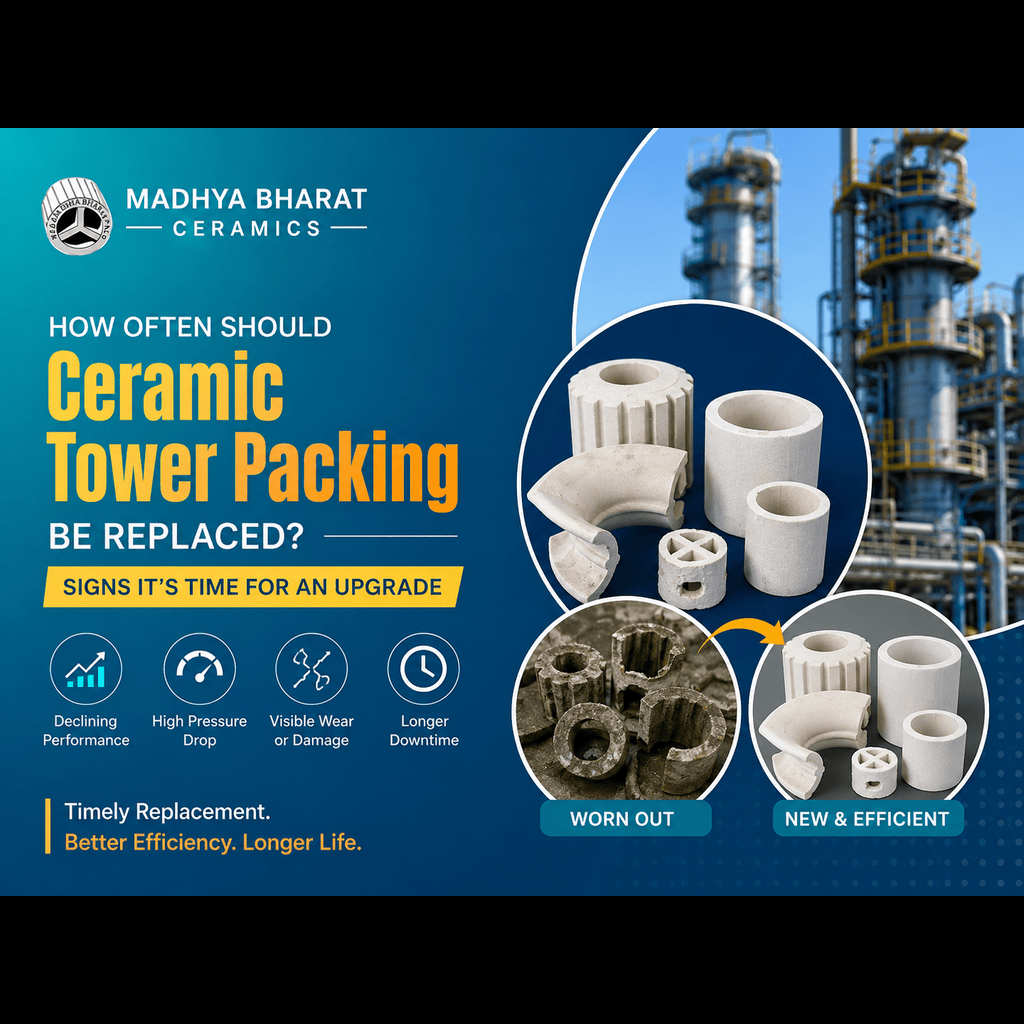
Sign 1: Rising Pressure Drop Across the Column
This is usually the earliest measurable warning sign. If pressure drop across your tower has been climbing gradually, even with no change in flow rate or feed composition, it often points to packing degradation, breakage, or buildup that is restricting flow.
- Compare current pressure drop readings against your original design values
- A steady upward trend, rather than a sudden spike, usually points to gradual packing wear
- Ignoring this can lead to flooding or reduced throughput over time
Sign 2: Visible Cracking or Chipping
During any planned inspection or shutdown, a visual check of the packing bed tells you a lot. Cracked or chipped pieces have already lost structural integrity, and this damage tends to accelerate once it starts.
- Surface cracks often indicate thermal shock damage from repeated temperature cycling
- Chipped edges reduce surface area, which lowers gas-liquid contact efficiency
- Even a small percentage of damaged pieces can affect flow distribution across the whole bed
Sign 3: Declining Separation Efficiency
If your product purity or separation efficiency has dropped without any obvious process change, packing wear is worth investigating. Damaged or degraded packing reduces the contact area needed for effective mass transfer.
- Compare current output quality against historical baseline data
- A gradual decline over months usually points to wear, not a sudden operational issue
- This is often the most costly sign to ignore, since it directly affects product quality
Sign 4: Discoloration or Surface Buildup
Chemical exposure over time can leave visible residue, discoloration, or scaling on packing surfaces. While some buildup is normal and cleanable, persistent discoloration paired with reduced performance often signals the material itself is breaking down internally.
Sign 5: Frequent Channeling or Flooding
If your tower has started experiencing more frequent channeling, uneven flow, or flooding compared to when it was first commissioned, worn or shifted packing is a common culprit. Damaged or unevenly sized pieces create uneven voids that disrupt flow patterns.
What This Means for Ceramic Saddle Packing Specifically
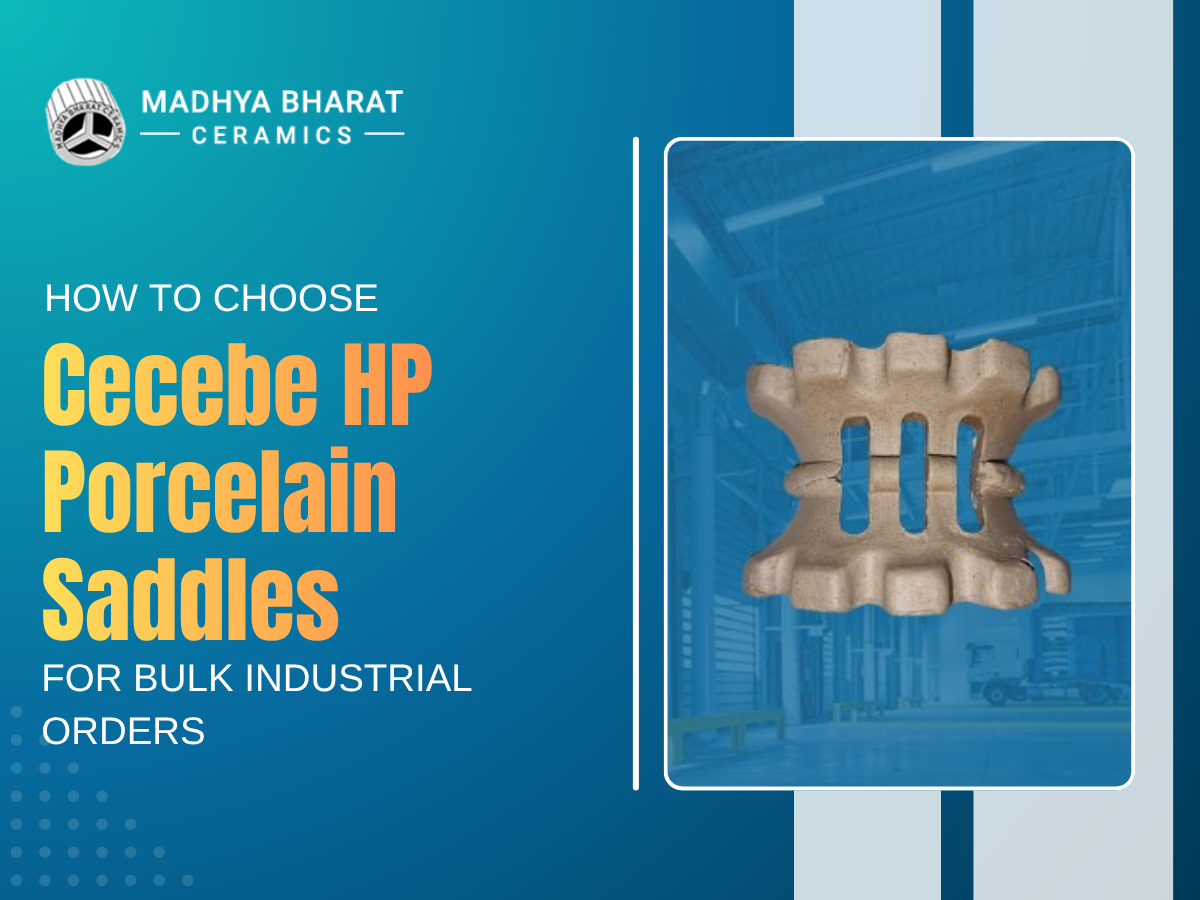
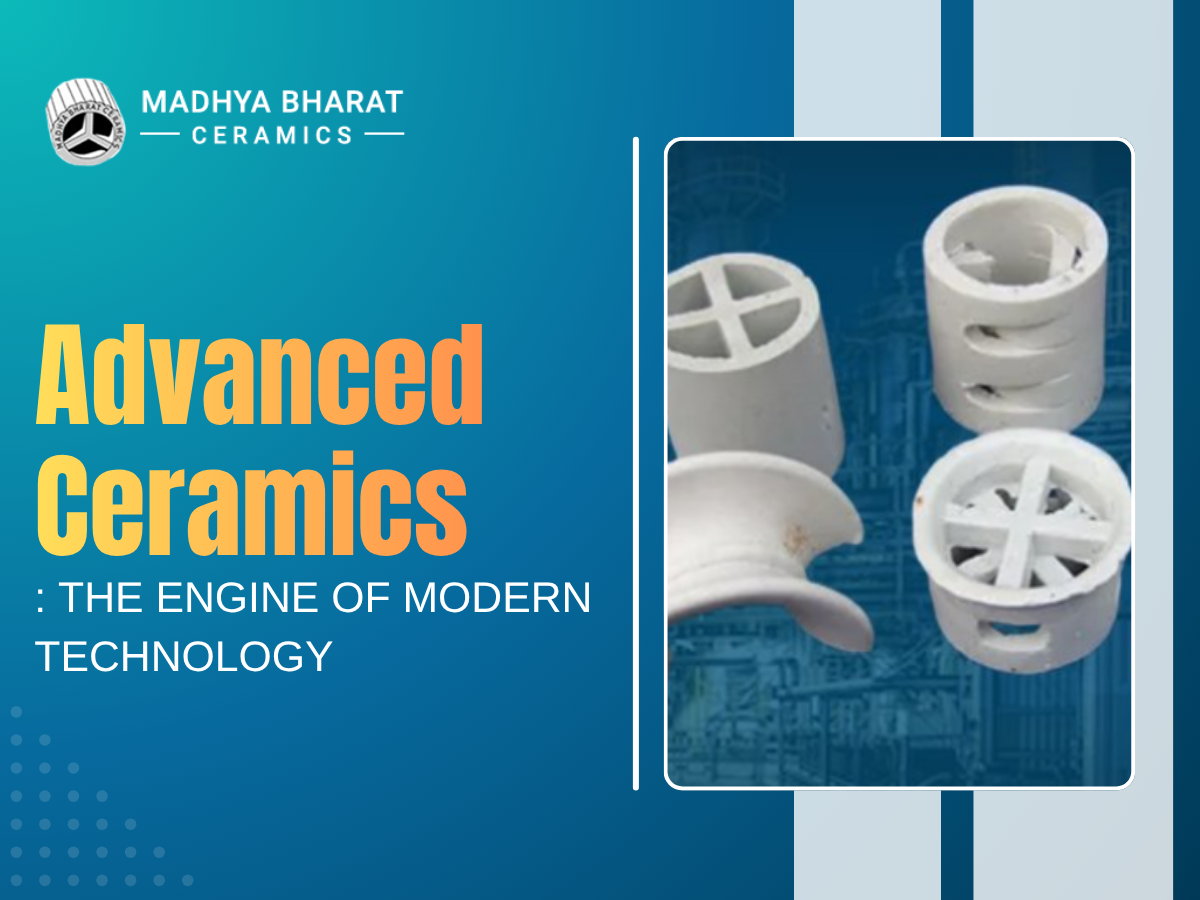
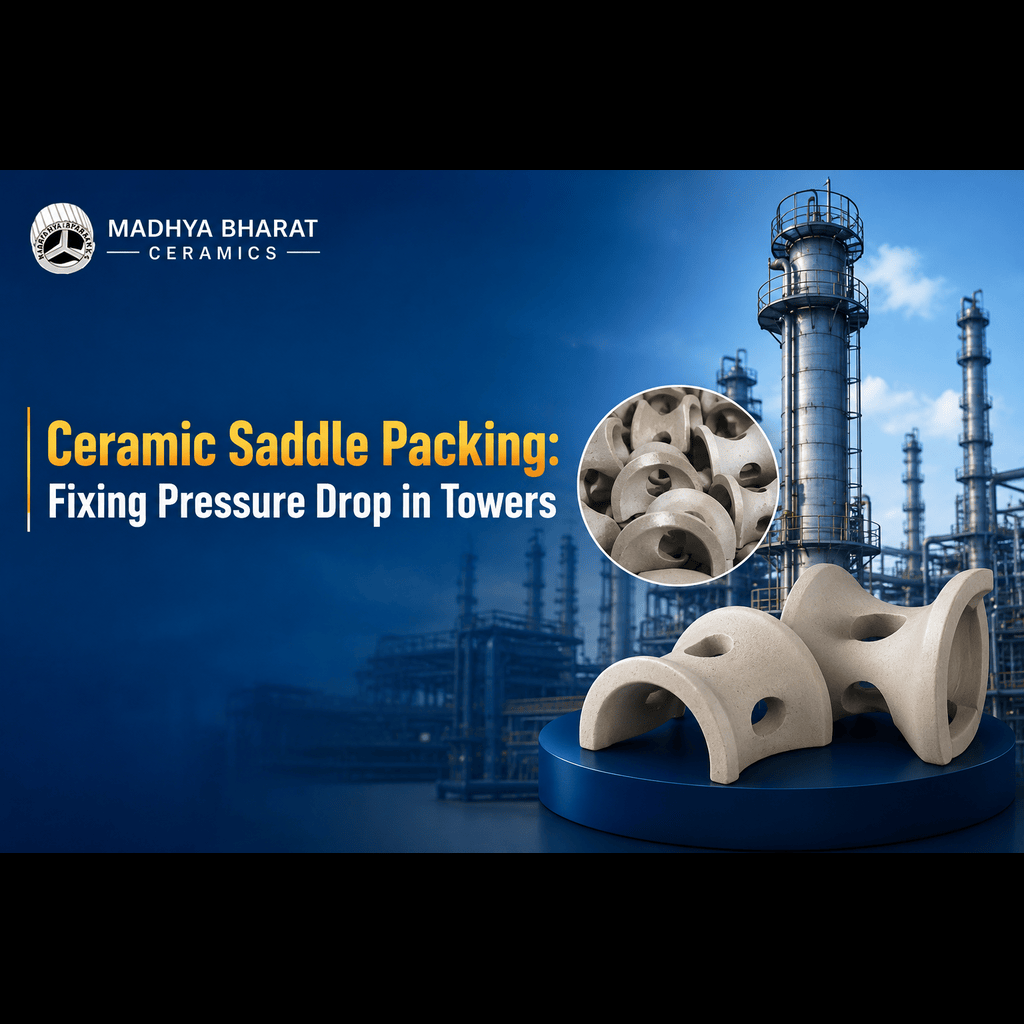
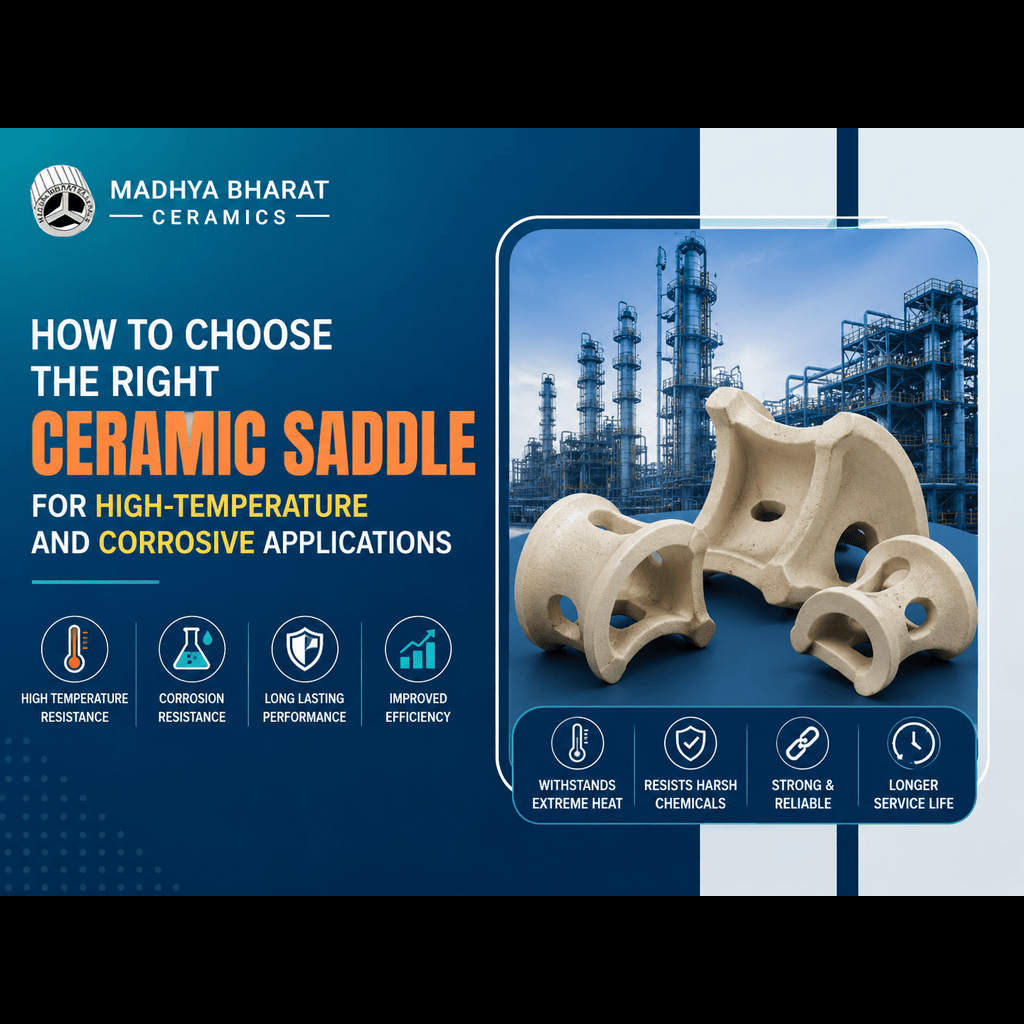
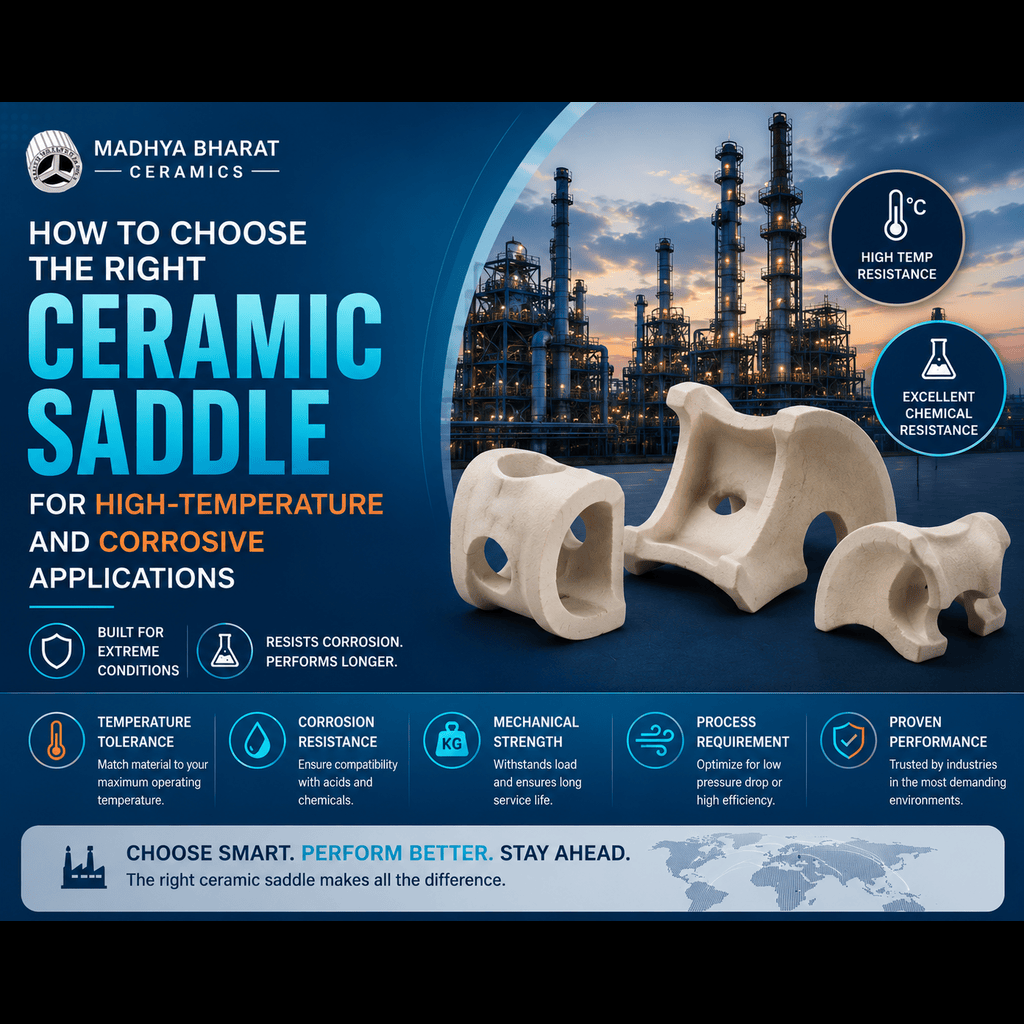
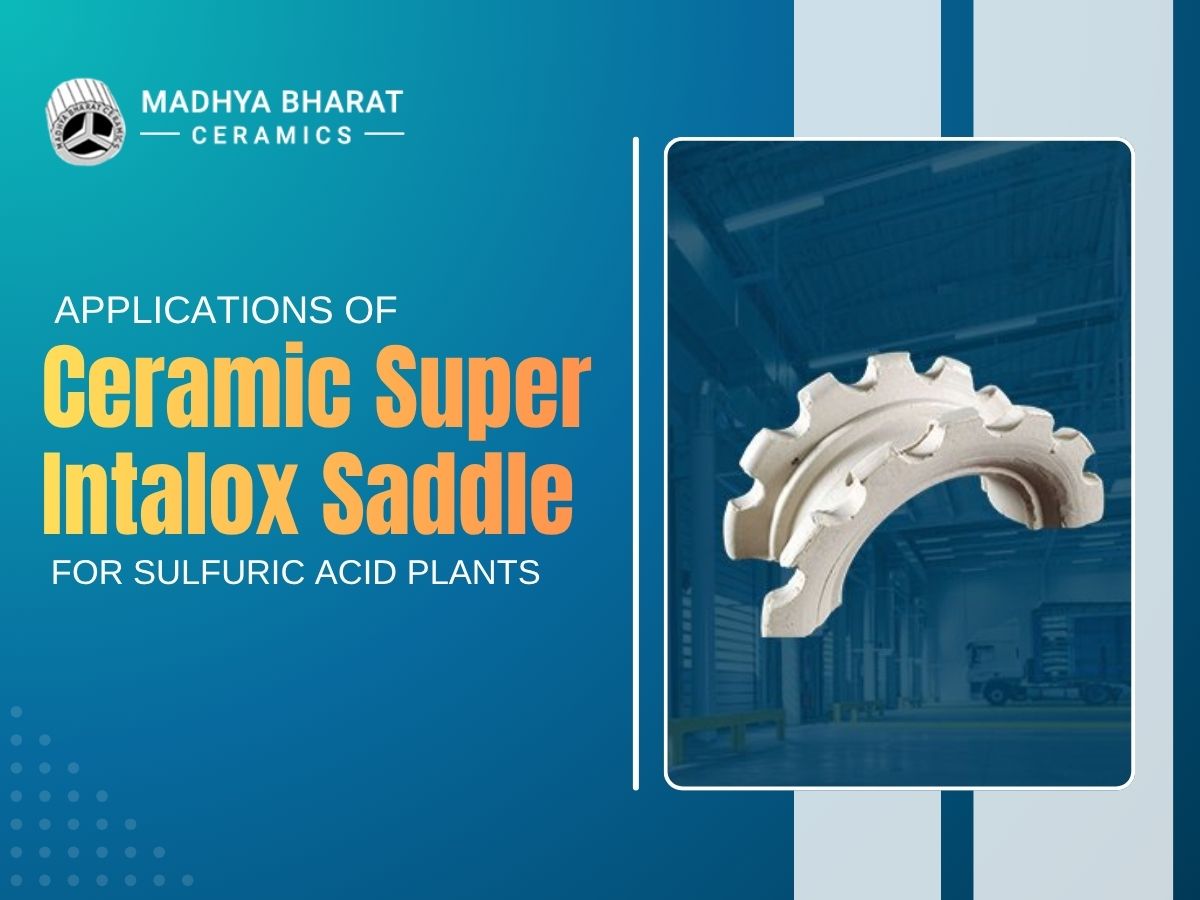
Ceramic saddle packing tends to show wear a little differently than other packing shapes, since its curved surface is more prone to visible chipping under mechanical stress. If you notice a growing number of broken saddle pieces during inspection, or if flow patterns have become less predictable, it is worth checking whether the current batch has reached the end of its practical service life. Our earlier post on signs your industrial tower needs better ceramic packing covers this in more depth if you want a closer look at how these warning signs show up in real operating towers.
Our own ceramic saddles are built to resist this kind of premature wear, but even well-made packing eventually reaches the point where replacement makes more sense than continued patching.
Why the Manufacturer Behind Your Packing Matters
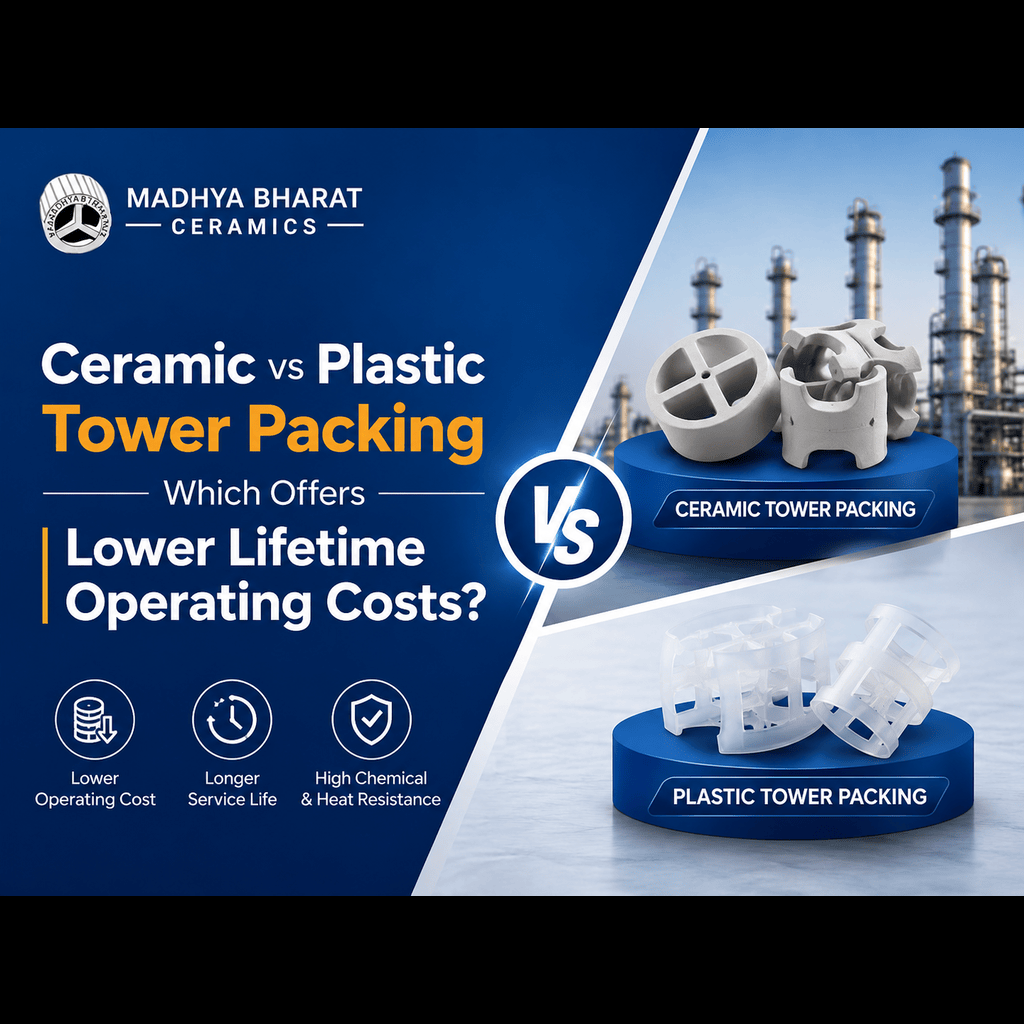
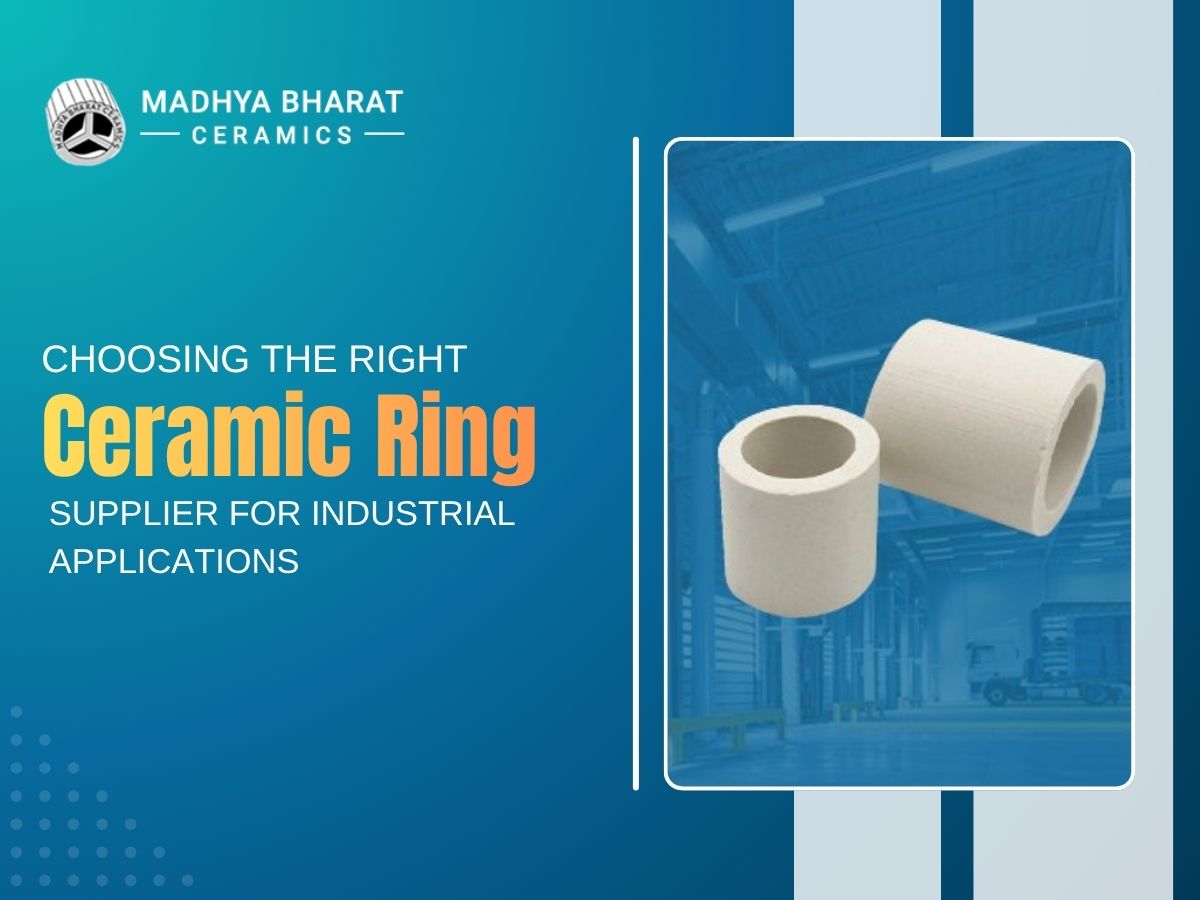
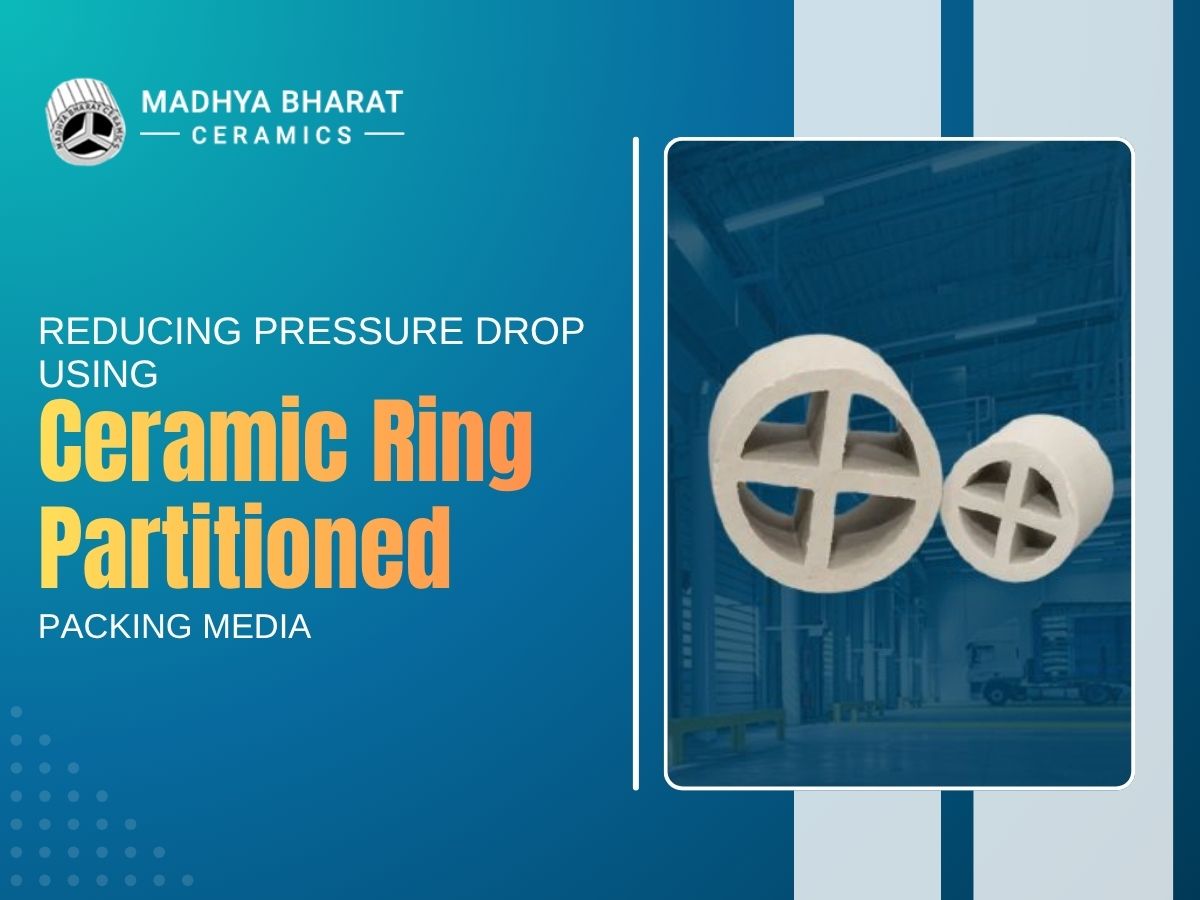
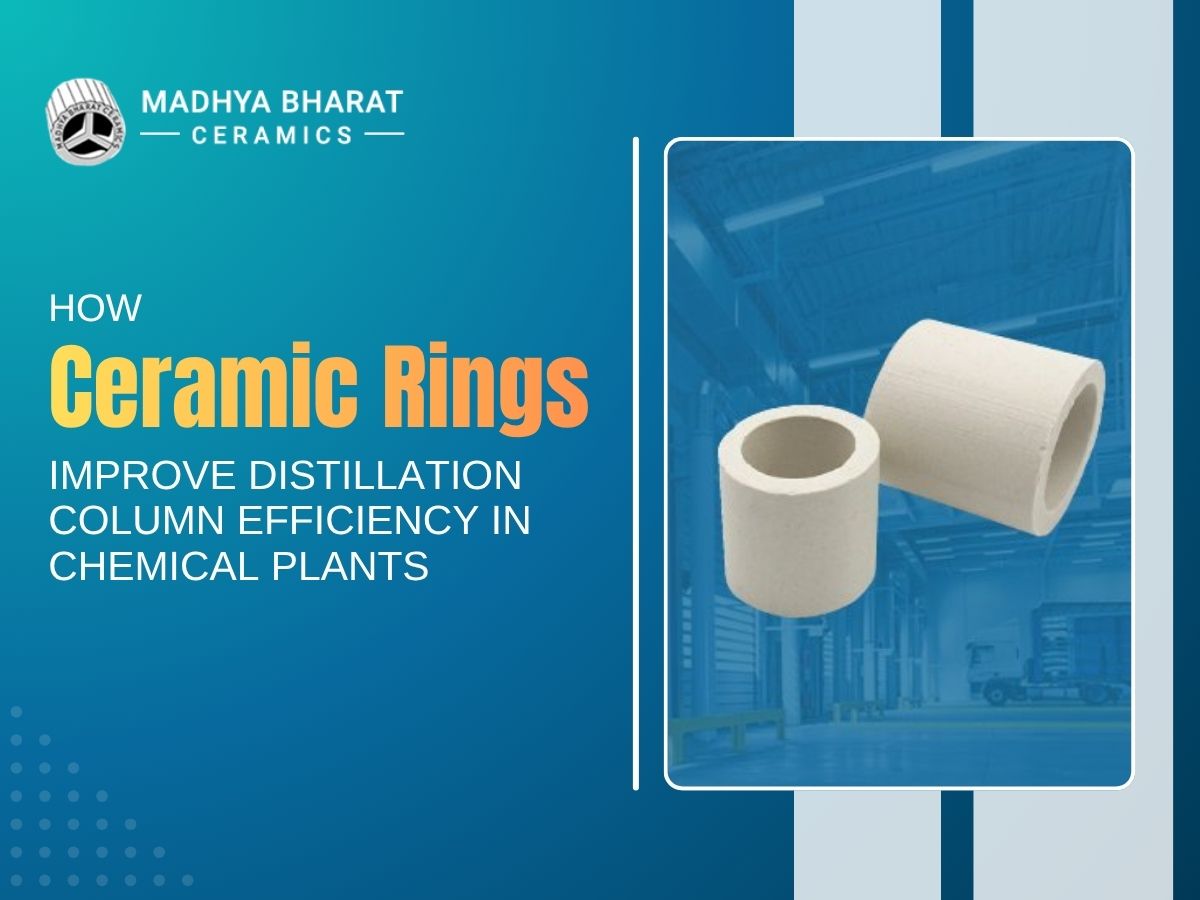
How long packing lasts is not just about material type, it is also about how consistently it was made. Reliable ceramic ring manufacturers control raw material quality, firing temperature, and dimensional consistency closely, and this directly affects how long the final product holds up under real operating stress. Inconsistent manufacturing often shows up as premature wear, even when the packing looks fine on paper. Our ceramic ring range is manufactured with this consistency built into every batch, which is exactly what extends service life under demanding conditions.
Quick Checklist for Your Next Inspection
- Track pressure drop trends over time, not just single readings
- Visually inspect a representative sample of packing during shutdowns
- Compare current separation efficiency against historical baseline performance
- Note any patterns of channeling, flooding, or uneven flow
- Replace packing proactively once wear signs appear, rather than waiting for failure
Frequently Asked Questions
1. How long does ceramic tower packing typically last?
It varies widely based on operating conditions, but well-manufactured packing in moderate conditions can last over a decade, while harsher processes may need replacement sooner.
2. What is the first sign that packing needs replacement?
Rising pressure drop across the column is usually the earliest measurable indicator of packing wear or damage.
3. Can damaged packing be repaired instead of replaced?
Minor cleaning can help with surface buildup, but structurally cracked or chipped packing generally needs full replacement rather than repair.
4. Does packing quality affect how often it needs replacing?
Yes, packing made with better raw material control and consistent firing typically lasts significantly longer under the same operating conditions.
5. Is it better to replace packing proactively or wait until it fails?
Proactive replacement based on early warning signs is almost always more cost-effective than dealing with an unplanned shutdown.
6. How often should ceramic packing be inspected?
Inspection during regular planned maintenance windows, combined with ongoing pressure drop monitoring, is the most reliable approach.
Ready to Assess Whether Your Packing Needs an Upgrade?
If you have noticed any of these signs in your tower, it is worth getting a closer look before the issue affects your output further. Get in touch with our team and we will help you evaluate whether it is time for a replacement.