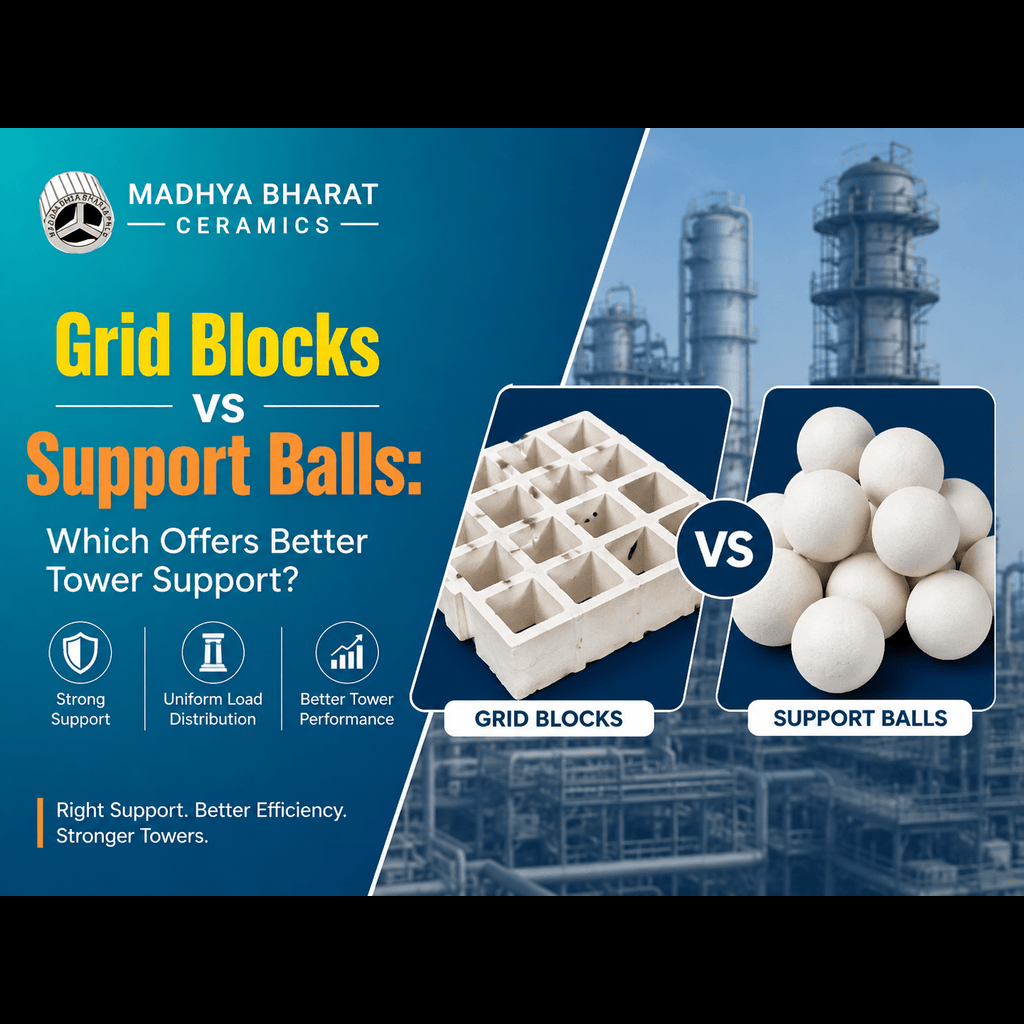
If you operate a distillation, absorption, or scrubbing tower, you already know that internal components affect performance as much as the process itself. This is exactly why a Grid Block Important in Industrial Towers discussion comes up so often among plant engineers and procurement teams. A grid block supports the packing bed, distributes load evenly, and protects the tower structure from damage over years of continuous operation.
What Is a Grid Block and Where Is It Used?
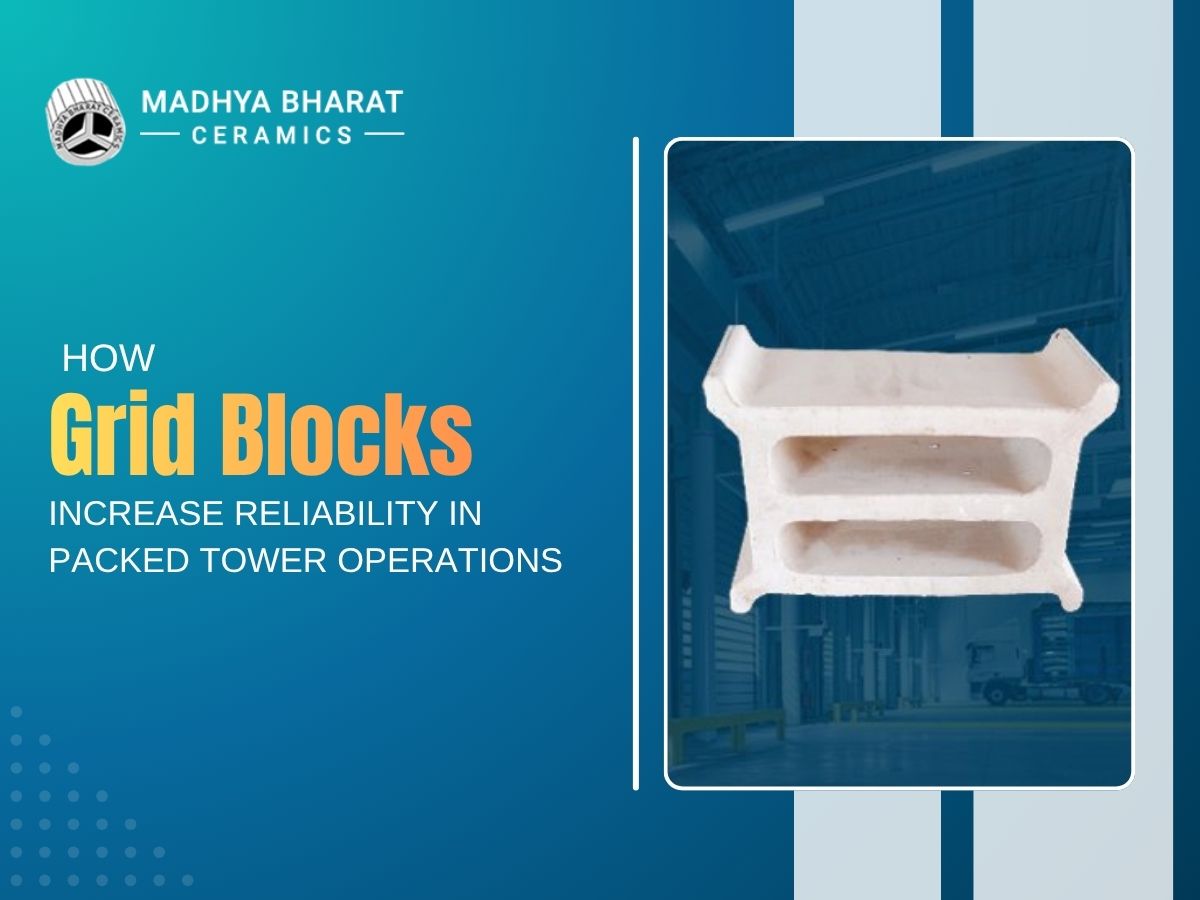
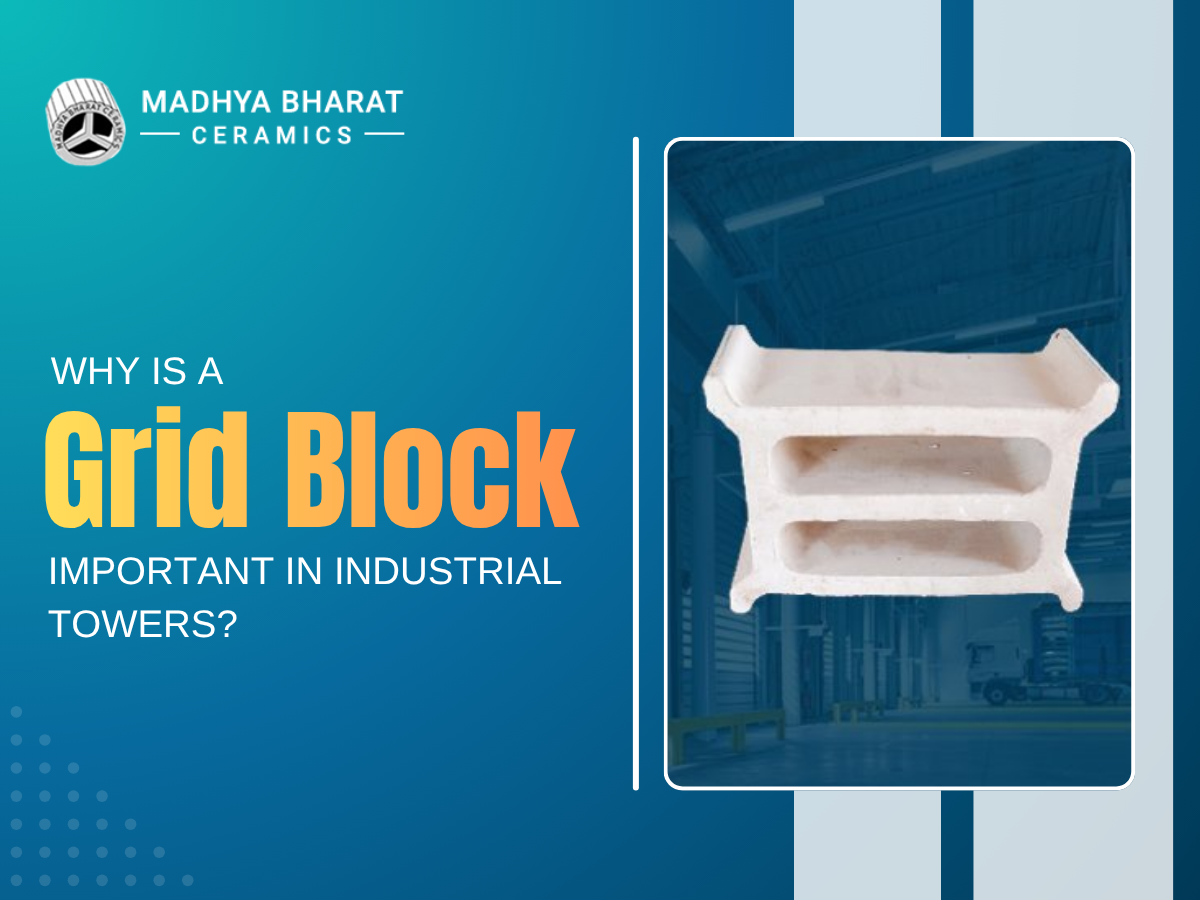
A grid block is a structural support component placed inside industrial towers, typically beneath the packing bed. It is designed to bear the weight of packing material, liquid holdup, and operational stress without collapsing or shifting.
Grid blocks are commonly used in:
- Distillation columns
- Gas absorption towers
- Chemical scrubbers
- Cooling towers
- Acid and fertilizer processing units
Because these towers often run continuously for months or years, the support structure needs to be as reliable as the packing material sitting above it. This is one reason engineers pay close attention to a Grid Block Important in Industrial Towers when designing or upgrading a column.
Why Is a Grid Block Important in Industrial Towers?
A grid block is not just a passive support piece. It plays an active role in maintaining tower efficiency and safety. Here is why it matters so much.
- Even load distribution: A properly designed grid block spreads the weight of the packing bed evenly, preventing localized stress points.
- Prevents packing collapse: Without adequate support, packing material can shift, crush, or settle unevenly, reducing efficiency.
- Maintains open flow area: Grid blocks are designed with openings that allow gas and liquid to pass through freely while still providing structural support.
- Resists chemical and thermal stress: In corrosive or high-temperature environments, the grid block must withstand the same harsh conditions as the packing itself.
- Extends tower lifespan: A durable grid block reduces the risk of structural failure, which can otherwise lead to costly shutdowns.
Each of these functions shows why the Grid Block Important in Industrial Towers conversation is not just a technical detail. It directly affects safety, uptime, and operating cost.
Why Ceramic Grid Blocks Are Preferred in Harsh Environments
Not all grid blocks are made equal. Material choice matters just as much as design. Ceramic grid blocks are widely preferred in demanding industrial settings for several reasons.
Ceramic material resists corrosion from acids, alkalis, and aggressive chemical vapors that would gradually weaken metal supports. It also holds up well under high temperatures without warping or losing structural integrity.
Because of these properties, a trusted ceramic grid block manufacturer can supply components that last significantly longer than metal or plastic alternatives in chemically aggressive towers. This is especially true in industries such as fertilizer production, acid recovery, and petrochemical processing.
Key Factors That Affect Grid Block Performance
Even a well-made grid block can underperform if certain design and operating factors are overlooked. Keep these points in mind during selection.
- Load-bearing capacity: The grid block must be rated to handle the total weight of the packing bed plus liquid holdup.
- Open area percentage: Too little open area restricts flow, while too much can compromise structural strength.
- Chemical compatibility: Match the grid block material to the specific acids, gases, or solvents present in your process.
- Temperature rating: Confirm the grid block can handle both normal operating temperatures and occasional thermal spikes.
- Installation accuracy: Even a strong grid block can fail prematurely if it is not installed level and properly seated.
Working with an experienced ceramic packing manufacturer during the design stage helps you avoid mismatched specifications that could shorten the life of your tower internals.
Ceramic Grid Block vs Metal Grid Support
Choosing between ceramic and metal grid supports depends on your specific process conditions. Here is a quick comparison to guide your decision.
| Feature | Ceramic Grid Block | Metal Grid Support |
| Corrosion Resistance | Excellent | Moderate, depends on alloy |
| Temperature Tolerance | Very High | High, but can warp under extreme heat |
| Weight | Heavier | Lighter |
| Maintenance Needs | Low | Moderate to high in corrosive service |
| Long-Term Cost | Lower over time | Higher due to replacement frequency |
While metal supports may offer easier initial installation, ceramic grid blocks generally provide better long-term value in corrosive or high-heat applications.
How to Choose a Reliable Ceramic Grid Block Manufacturer
Selecting the right supplier is just as important as selecting the right material. Before placing an order, evaluate these factors.
- Manufacturing experience: A manufacturer with years of hands-on production experience understands real operating challenges, not just theoretical specifications.
- Quality testing: Ask whether the manufacturer performs load testing and dimensional checks before dispatch.
- Customization capability: Towers vary in size and design, so your supplier should be able to manufacture grid blocks to your exact specifications.
- Export experience: If you need components shipped internationally, working with an established ceramic grid block exporter ensures smoother logistics and documentation.
- After-sales technical support: Reliable suppliers assist with sizing, installation guidance, and future reordering.
Why Madhya Bharat Ceramics Is a Trusted Choice
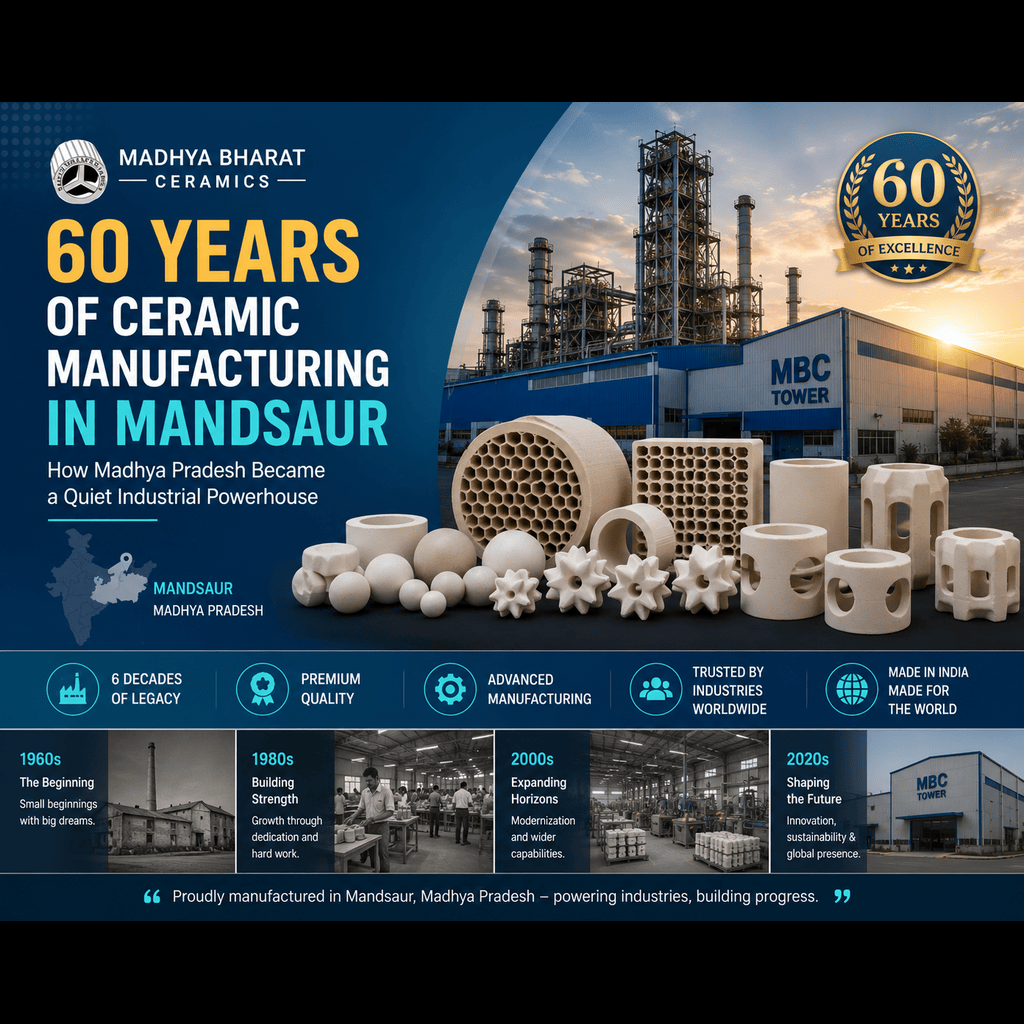
Madhya Bharat Ceramics is a well-known ceramic packing manufacturer based in Mandsaur, a region with a long-standing reputation for ceramic craftsmanship. As a dedicated grid block in Mandsaur producer, the company combines traditional material knowledge with modern manufacturing practices.
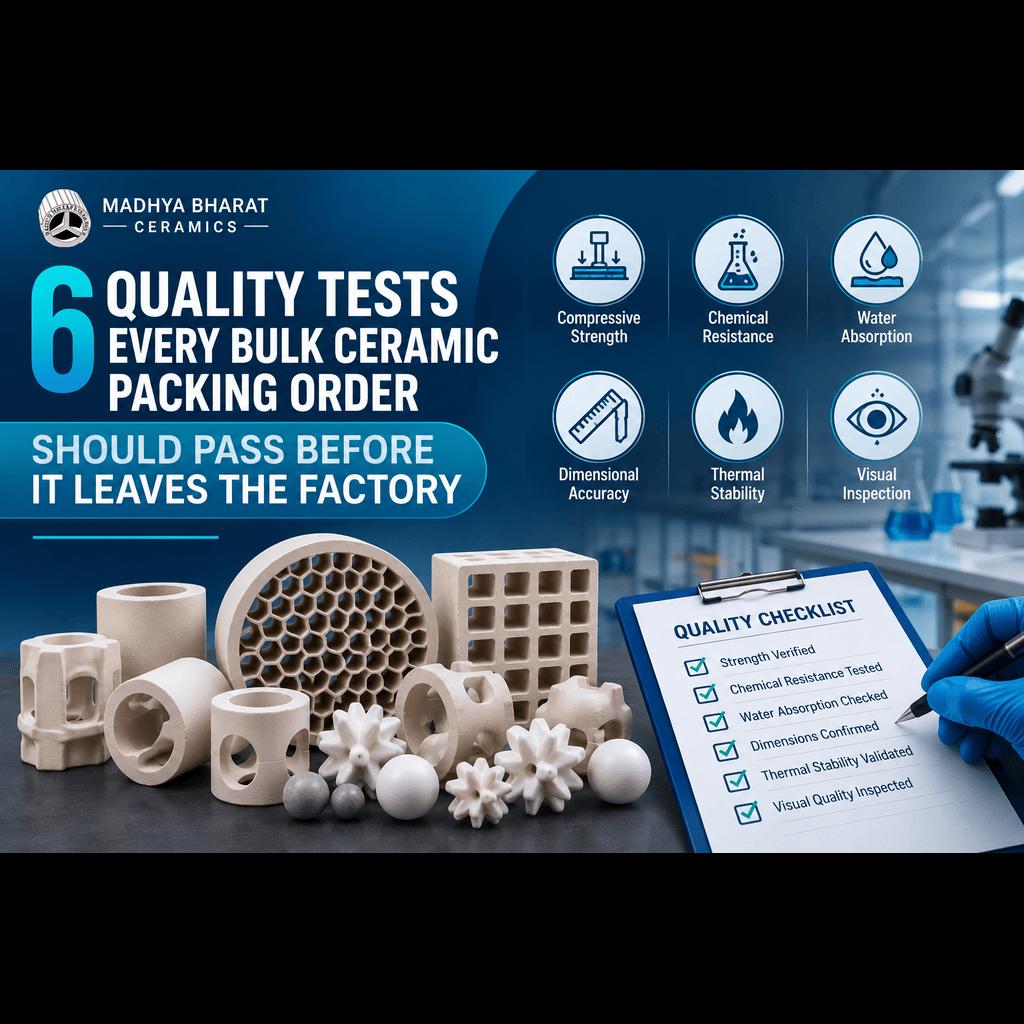
Every grid block produced goes through visual inspection, dimensional verification, and strength testing before approval. This attention to detail reflects real manufacturing expertise rather than generic mass production.
As an experienced Manufacturer of Ceramic Tower Packing and structural support components, Madhya Bharat Ceramics also serves as a reliable Supplier of Ceramic Tower Packing for both domestic and export orders. Customers benefit from direct access to technical guidance when selecting grid block dimensions, open area ratios, and material grades suited to their specific tower conditions.
This hands-on approach, backed by years of production experience, is what allows engineers to trust these components under continuous industrial operation rather than just ideal lab conditions.
Installation and Maintenance Best Practices
Proper handling extends the service life of any grid block. Keep these practical tips in mind.
- Ensure the support ledge inside the tower is level before installation.
- Avoid dropping or dragging grid blocks during placement, as this can cause hairline cracks.
- Inspect grid blocks periodically for fouling, cracking, or uneven settling.
- Clean the support area during scheduled maintenance shutdowns.
- Store spare grid blocks in a dry, protected area to prevent moisture damage.
Following these steps helps you avoid unexpected downtime and get the maximum lifespan from your tower internals.
Frequently Asked Questions
1. What is the main function of a grid block in a tower?
A grid block supports the packing bed above it, distributing weight evenly while allowing gas and liquid to flow through its open structure.
2. Why choose ceramic over metal for grid blocks?
Ceramic grid blocks offer superior resistance to corrosion and high temperatures, making them more durable in chemically aggressive environments than most metal alternatives.
3. How do I know what size grid block my tower needs?
Grid block sizing depends on your tower diameter, packing bed weight, and flow requirements. It is best to consult your manufacturer with your tower specifications for an accurate recommendation.
4. Can ceramic grid blocks handle high-temperature processes?
Yes. Ceramic material maintains structural integrity at high temperatures where metal supports may warp or weaken over time.
5. How often should grid blocks be inspected or replaced?
Routine inspection during scheduled maintenance shutdowns is recommended. With proper installation and care, quality ceramic grid blocks can last many years without needing replacement.
Conclusion
Understanding why a Grid Block Important in Industrial Towers decision matters can save your plant from costly structural failures and unplanned shutdowns. A well-designed, chemically resistant grid block supports efficient tower operation for years, not just months.
Partnering with an experienced ceramic grid block manufacturer like Madhya Bharat Ceramics ensures your tower internals are built for real industrial demands, backed by proven manufacturing expertise.
Ready to Strengthen Your Tower’s Foundation?
If you need a dependable ceramic grid block manufacturer for your next project, Madhya Bharat Ceramics is ready to help. Contact our team today for product specifications, technical guidance, and a customized quote suited to your tower’s exact requirements.