Yes, in most cases it is. Ceramic Structured Honeycomb Suitable for High Temperatures is a common requirement in thermal oxidizers, heat recovery units, and reactors, and ceramic is one of the few materials that can handle that heat for years without losing its shape. Its uniform channels, strong thermal stability, and resistance to corrosive gases make it a dependable choice. The exact temperature limit, however, depends on the ceramic composition and the way the honeycomb is made.
What Is Ceramic Structured Honeycomb?
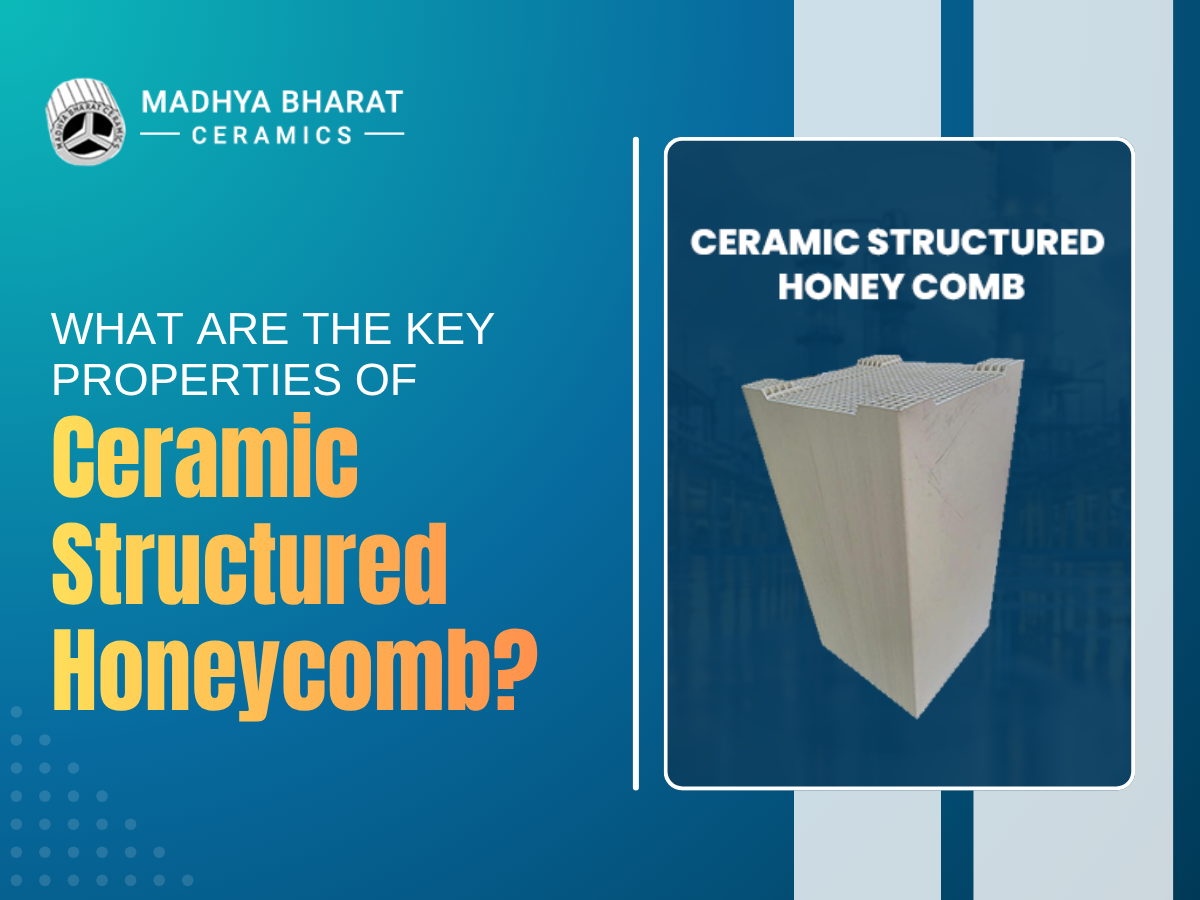
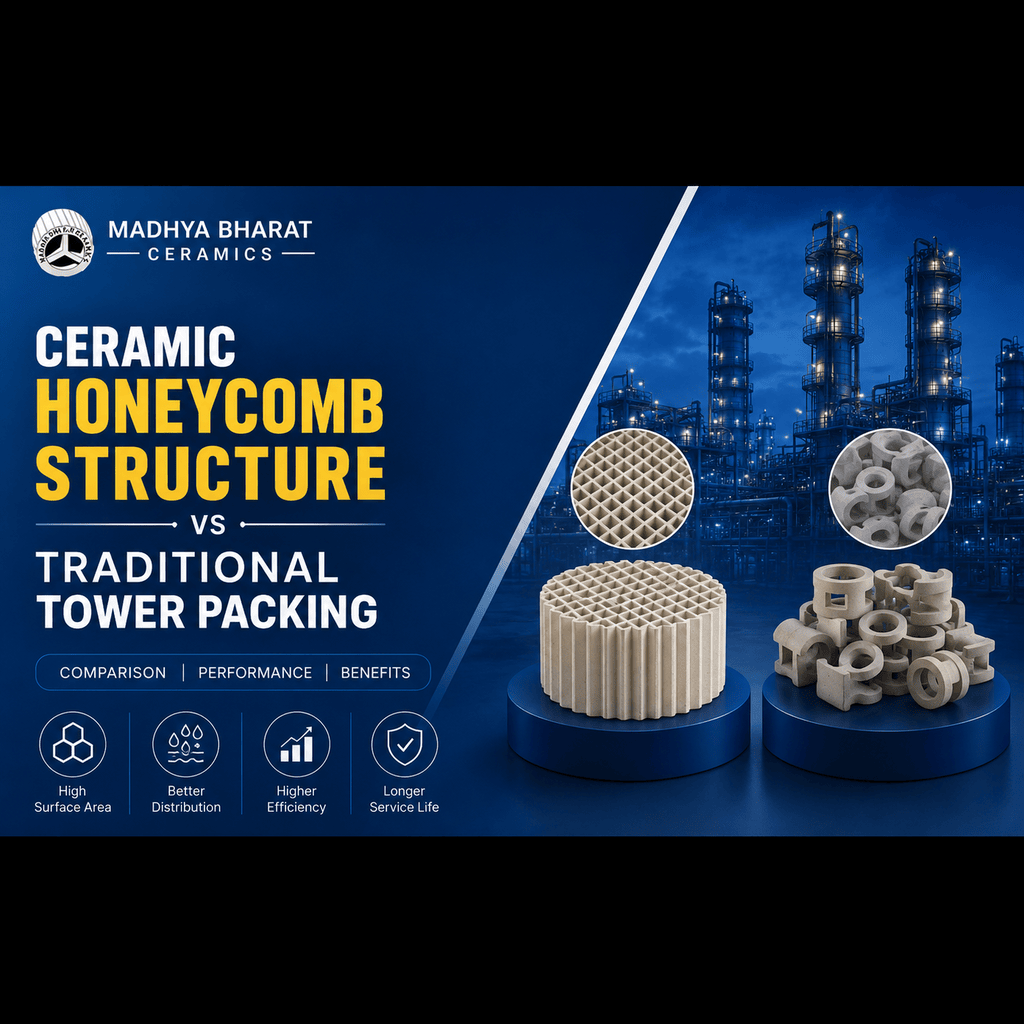
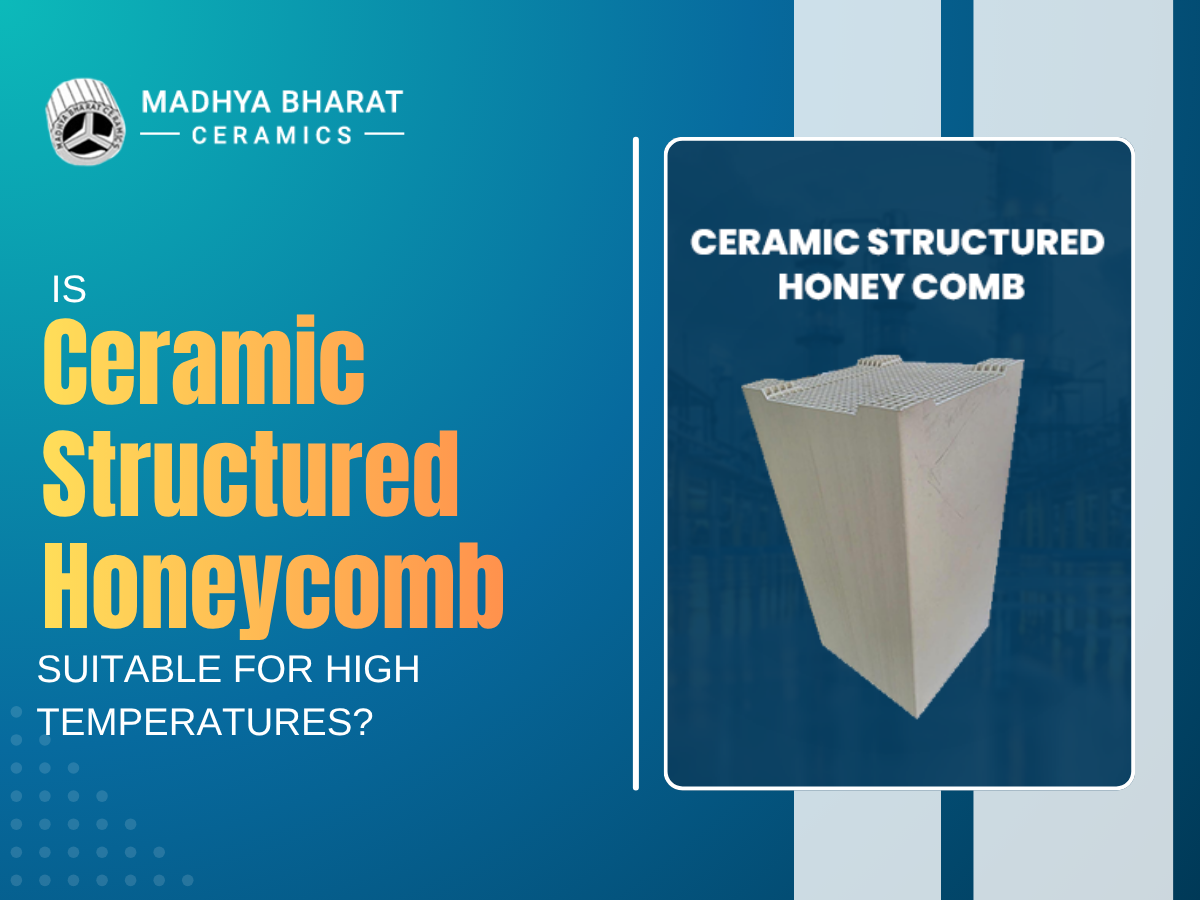
Ceramic Structured Honeycomb is a block of ceramic with many small, parallel channels arranged in a honeycomb pattern. Gas flows through these channels in a straight, predictable path.
Unlike random packing such as saddles or rings, the structure is uniform from top to bottom. This gives high surface area in a small space and a lower pressure drop.
The material is fired at very high temperatures during manufacturing. That firing is what gives the finished honeycomb its heat strength.
Why Ceramic Structured Honeycomb Suitable for High Temperatures Is Possible
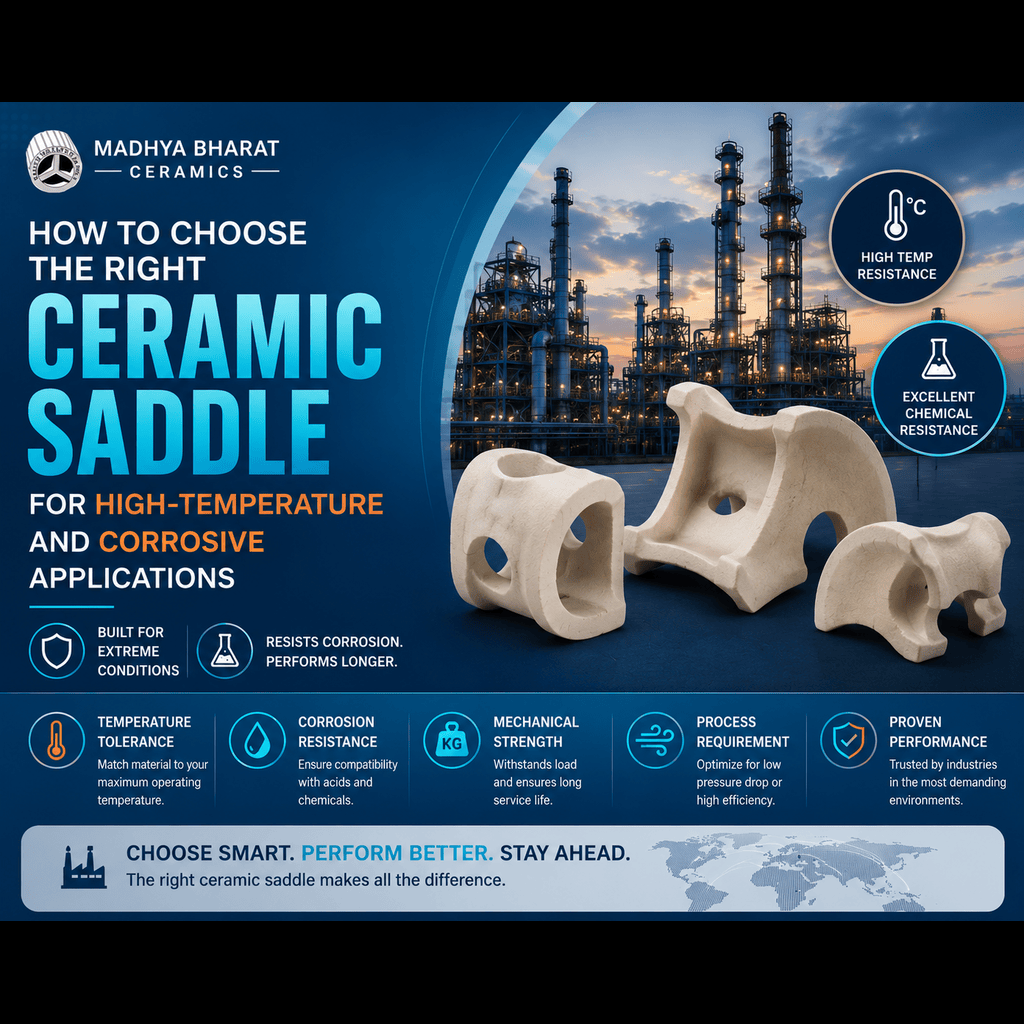
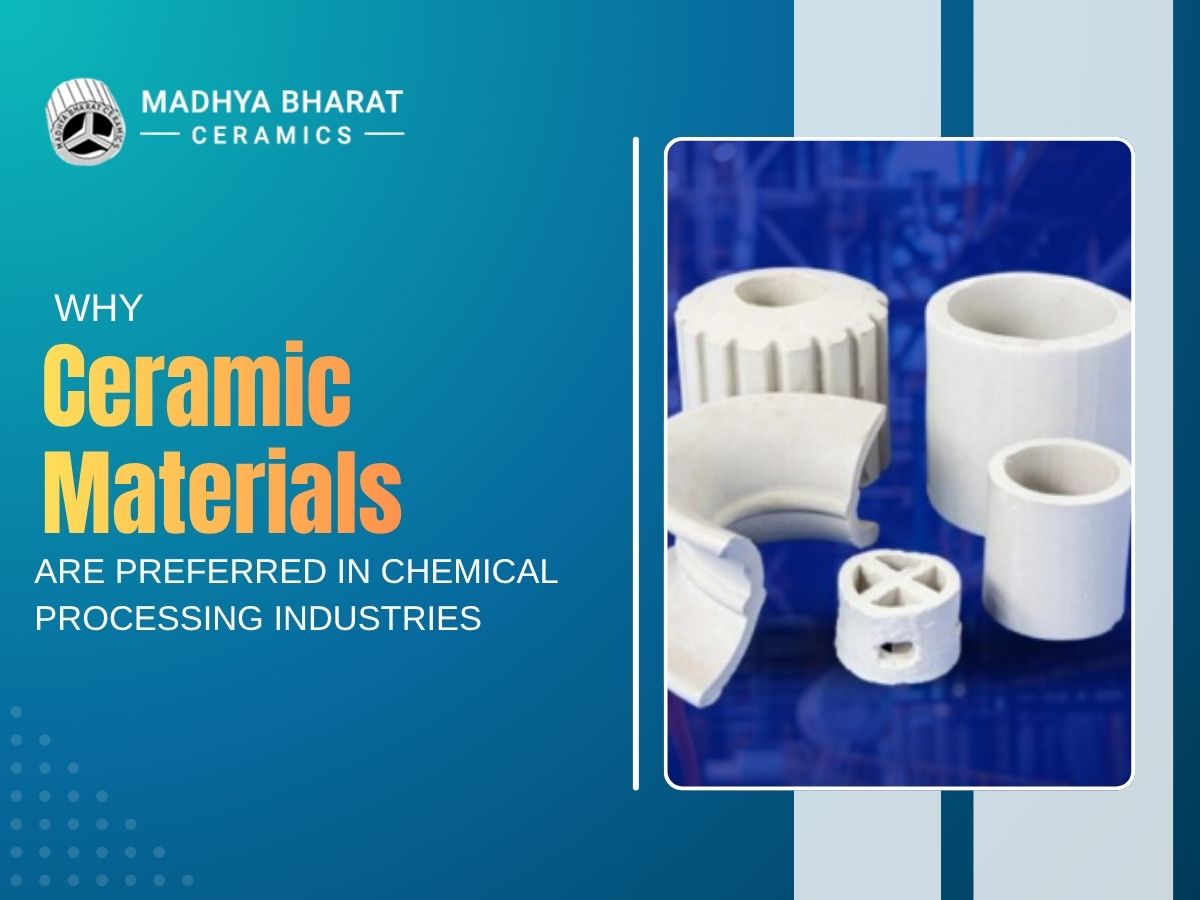
Ceramic behaves differently from metal or plastic when heat rises. Here is why it performs so well in hot conditions.
- Very high melting point: Ceramic stays solid at temperatures where many metals soften.
- Low thermal expansion: It changes size very little as it heats, which reduces cracking risk.
- No rusting or oxidation: Unlike many metals, it does not scale or flake in hot, oxygen-rich gas.
- Stable structure: The honeycomb keeps its shape and channel size during long operation.
- Chemical stability: It resists acids and corrosive gases that often appear in hot process streams.
These traits explain why Ceramic Structured Honeycomb is a preferred option when heat and chemical exposure occur together.
Where Is Ceramic Structured Honeycomb Used at High Temperatures?
A dependable ceramic packing manufacturer supplies honeycomb for several heat-intensive uses. Common examples include:
- Regenerative thermal oxidizers used for air pollution control
- Heat recovery beds in industrial furnaces
- Catalyst support layers in chemical reactors
- Gas distribution layers in hot towers
- Waste gas treatment systems
- Fertilizer and acid plant process units
In many of these systems, hot gas passes through the honeycomb, stores heat, and releases it in the next cycle. The material must survive this heating and cooling again and again.
How Hot Can Ceramic Structured Honeycomb Go?
There is no single number that fits every product. The safe operating temperature depends on the raw materials, the firing process, and the design of the block.
In general, ceramic honeycomb performs well in conditions that would damage common metal or plastic internals. Higher alumina content usually improves heat tolerance, while the porcelain or clay base affects cost and strength.
Always ask your supplier for the rated maximum temperature of the exact product you plan to buy. A trusted manufacturer will share this clearly and match it to your process data.
Thermal Shock: The Real High-Temperature Test
Heat itself is rarely the problem. Fast temperature change is.
When a ceramic block heats or cools too quickly, the outside and inside expand at different rates. This stress can cause cracks over time. Thermal shock resistance is therefore just as important as maximum temperature.
Good practice includes:
- Heating and cooling the system gradually during start-up and shutdown
- Avoiding direct contact with cold liquid on hot blocks
- Choosing a ceramic grade designed for repeated thermal cycling
- Inspecting the bed during planned shutdowns
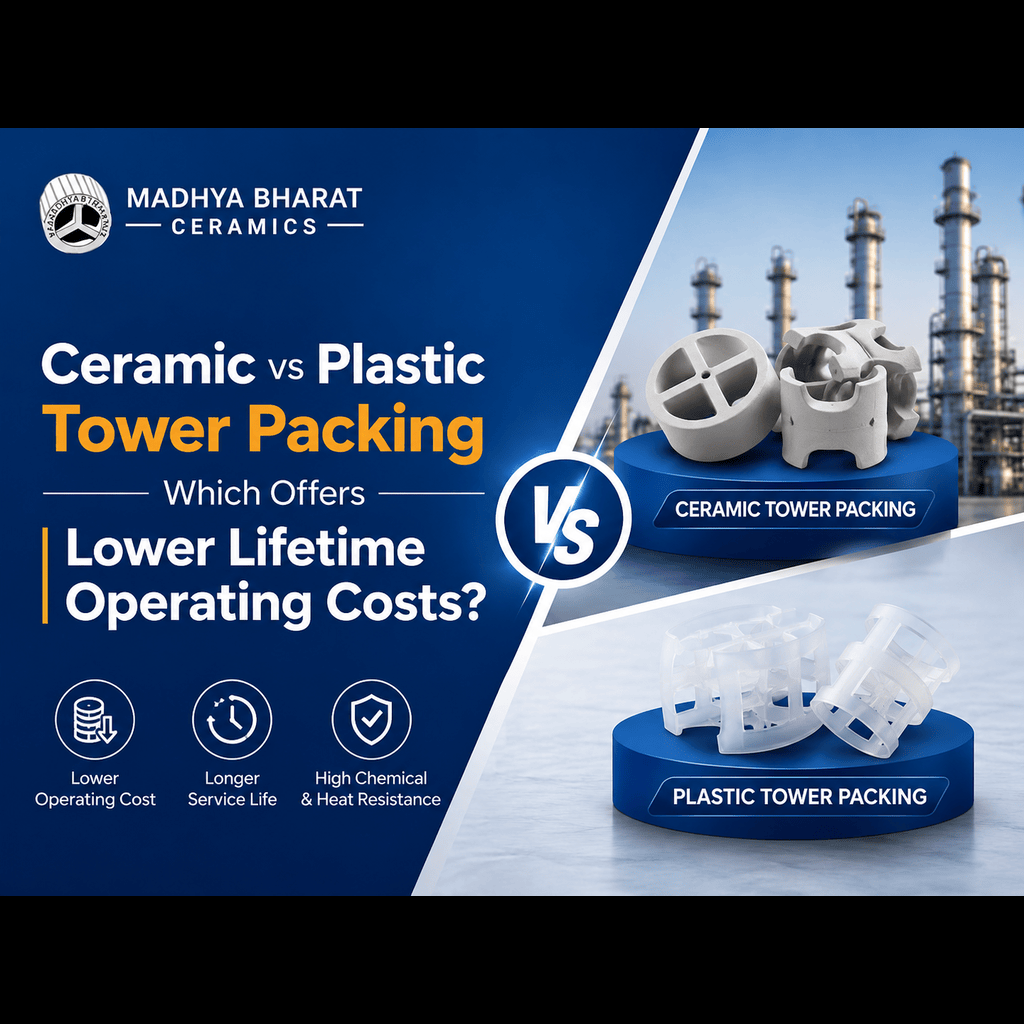
Ceramic Structured Honeycomb vs Metal and Plastic at High Heat
Here is a quick look at how materials compare when temperatures rise.
| Feature | Ceramic Structured Honeycomb | Metal Packing | Plastic Packing |
| Heat Tolerance | Very high | High, varies by alloy | Low to medium |
| Corrosion Resistance | Excellent | Moderate, needs costly alloys | Limited at high heat |
| Shape Stability | Excellent | Can warp or scale | Softens quickly |
| Pressure Drop | Low | Moderate | Low to moderate |
| Service Life in Hot Service | Long | Medium | Short |
This table shows why ceramic is often the safest long-term option for hot, corrosive duty.
Factors That Decide High-Temperature Performance
Even a strong ceramic block can underperform if the design is not matched to the process. Keep these points in mind.
- Cell density: More cells mean more surface area, but also higher resistance to flow.
- Ceramic composition: Different mixes give different heat and strength limits.
- Peak temperature: Check both normal operation and short temperature spikes.
- Gas makeup: Some gases attack certain ceramic grades more than others.
- Support structure: The base must be level and strong enough for the full stack weight.
Sharing your actual process conditions with the manufacturer helps avoid a mismatch before the order is placed.
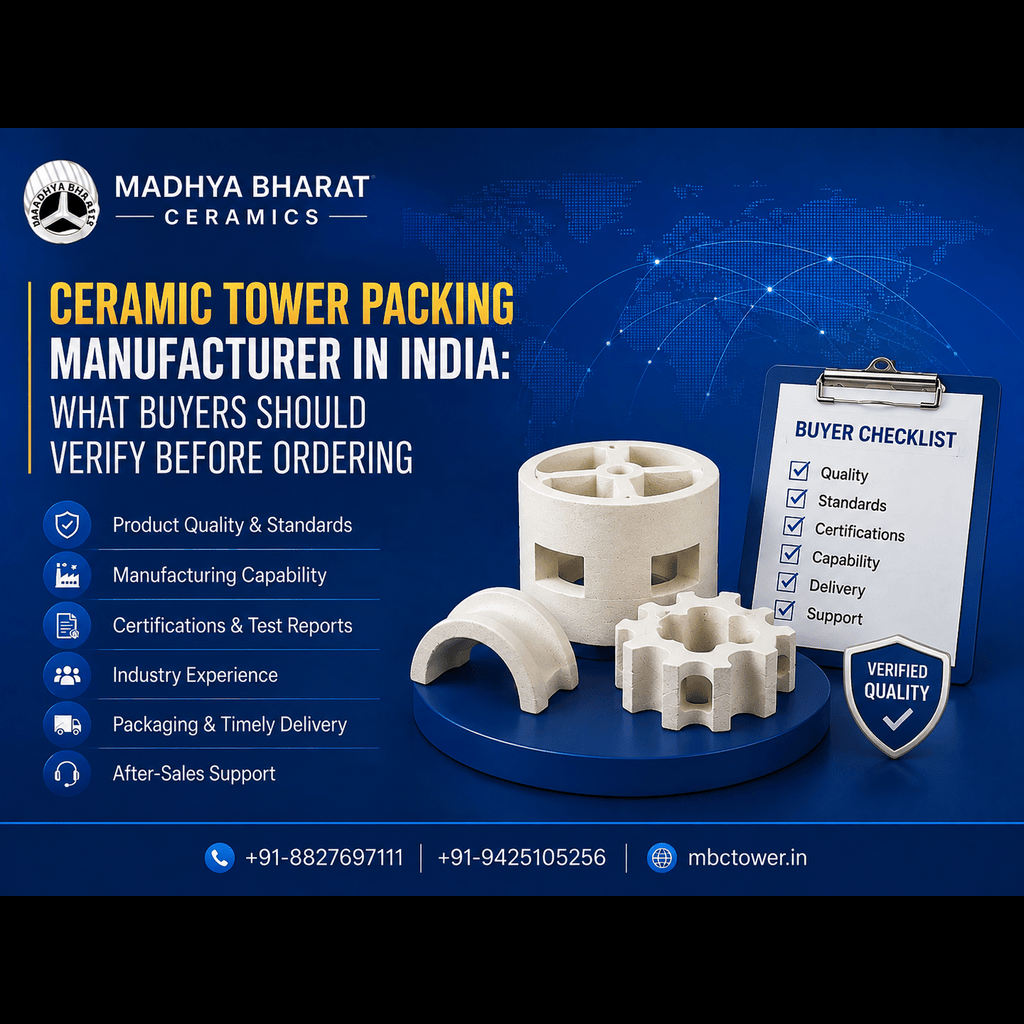
How to Choose a Ceramic Structured Honeycomb Manufacturer
Not every supplier delivers the same quality. Before you buy, check the following.
- Manufacturing experience: Long production history means real knowledge of plant conditions.
- Quality testing: Ask about raw material checks, firing control, and final inspection.
- Customization: Your supplier should make blocks to your size and cell requirements.
- Technical support: Look for clear guidance on selection, not just a price quote.
- Supply capacity: Confirm the manufacturer can handle both trial and bulk orders.
A reliable Manufacturer of Ceramic tower internals will also share test data on request.
Why Madhya Bharat Ceramics Is a Trusted Choice
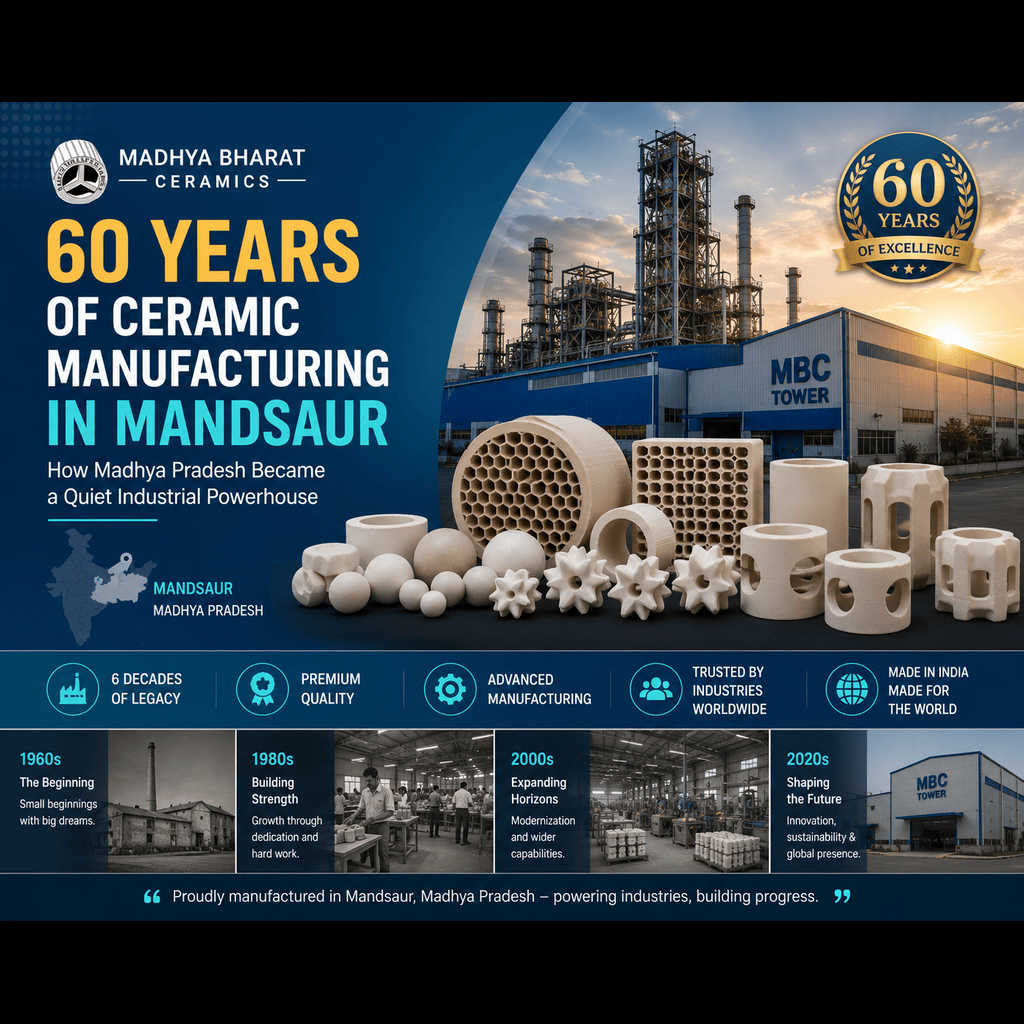
Madhya Bharat Ceramics has been making ceramic tower packing since 1964, which gives the company more than six decades of hands-on experience. Its factory is based in Mandsaur, Madhya Pradesh, a region known for ceramic craftsmanship.
Customers searching for Ceramic Structured Honeycomb in Mandsaur will find a manufacturer with deep local roots and a wide product range. The same team also supplies Ceramic Structured Honeycomb in India for projects across many industries, including fertilizers, chemicals, petrochemicals, pharmaceuticals, oil and gas, and environmental engineering.
Quality control covers every stage of production. This includes raw material testing, in-process checks, firing controls, and final product evaluation. These steps help keep strength and dimensions consistent from batch to batch.
As a Ceramic Structured Honeycomb manufacturer, Madhya Bharat Ceramics can guide you on sizing, material grade, and temperature suitability based on your process data.
Installation and Care Tips for Hot Service
Proper handling protects your investment and extends service life.
- Handle blocks carefully to avoid chipped edges.
- Stack layers evenly and keep channels aligned.
- Start up and shut down gradually to limit thermal shock.
- Check for dust or fouling that can block channels.
- Store spare blocks in a dry place.
Frequently Asked Questions
1. Is ceramic structured honeycomb suitable for high temperatures?
Yes. Ceramic keeps its strength and shape at heat levels that damage many metals and plastics, making it widely used in thermal oxidizers and heat recovery systems.
2. What is the maximum temperature ceramic honeycomb can handle?
It depends on the ceramic composition and firing process. Ask your manufacturer for the rated limit of the specific product.
3. Can ceramic honeycomb crack from sudden temperature changes?
It can if heated or cooled too fast. Gradual start-up and shutdown, and a grade built for thermal cycling, reduce this risk.
4. Is ceramic honeycomb better than metal packing in hot, corrosive gas?
Often yes. Ceramic resists both heat and corrosion, while metal may need costly alloys to survive the same conditions.
5. How do I choose the right honeycomb for my process?
Share your peak temperature, gas composition, and flow rate with the manufacturer so they can recommend the right cell density and ceramic grade.
Conclusion
So, is Ceramic Structured Honeycomb Suitable for High Temperatures? For most industrial heat applications, yes. Its stable structure, low pressure drop, and strong resistance to heat and corrosion make it a reliable long-term choice, as long as the grade and design match your process.
Working with an experienced ceramic packing manufacturer like Madhya Bharat Ceramics helps you get the right product the first time.
Looking for a dependable Ceramic Structured Honeycomb manufacturer in India? Madhya Bharat Ceramics is ready to help. Contact our team today for specifications, technical guidance, and a customized quote based on your process conditions.