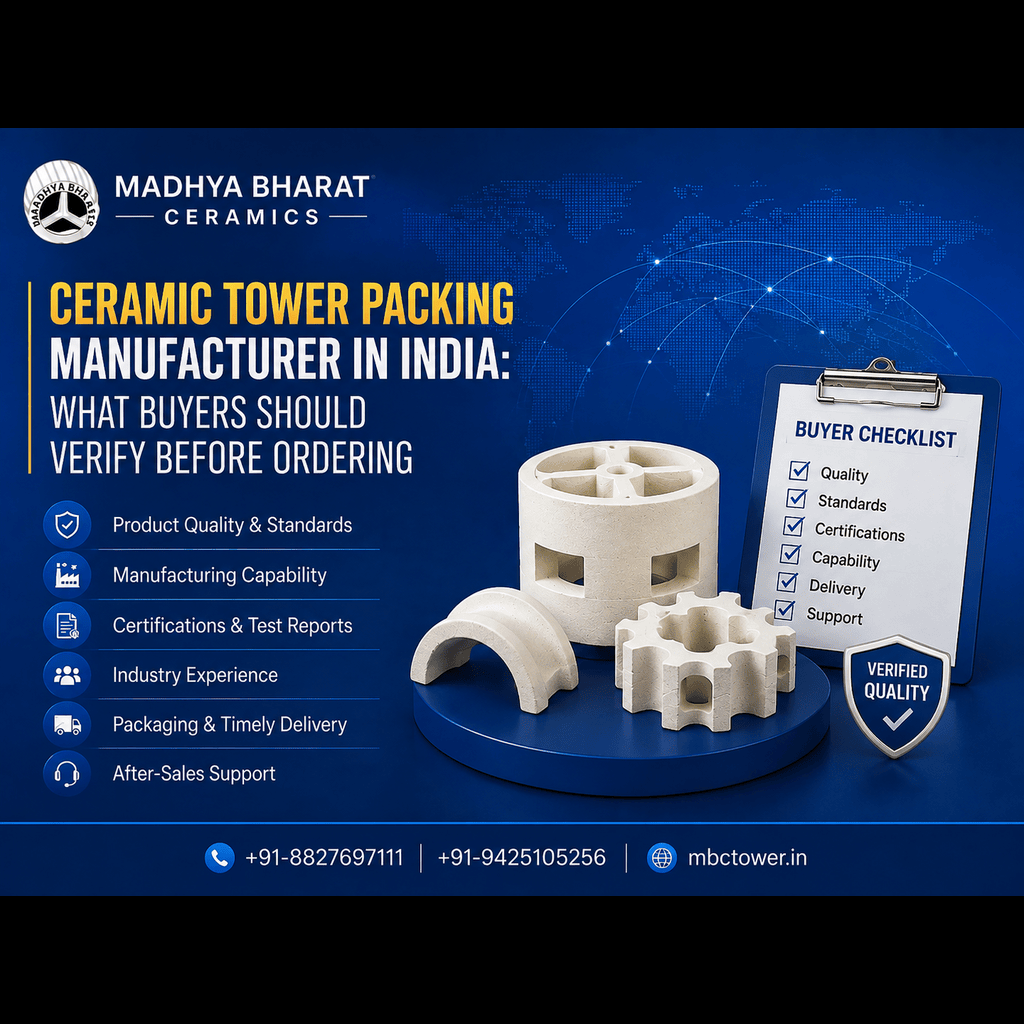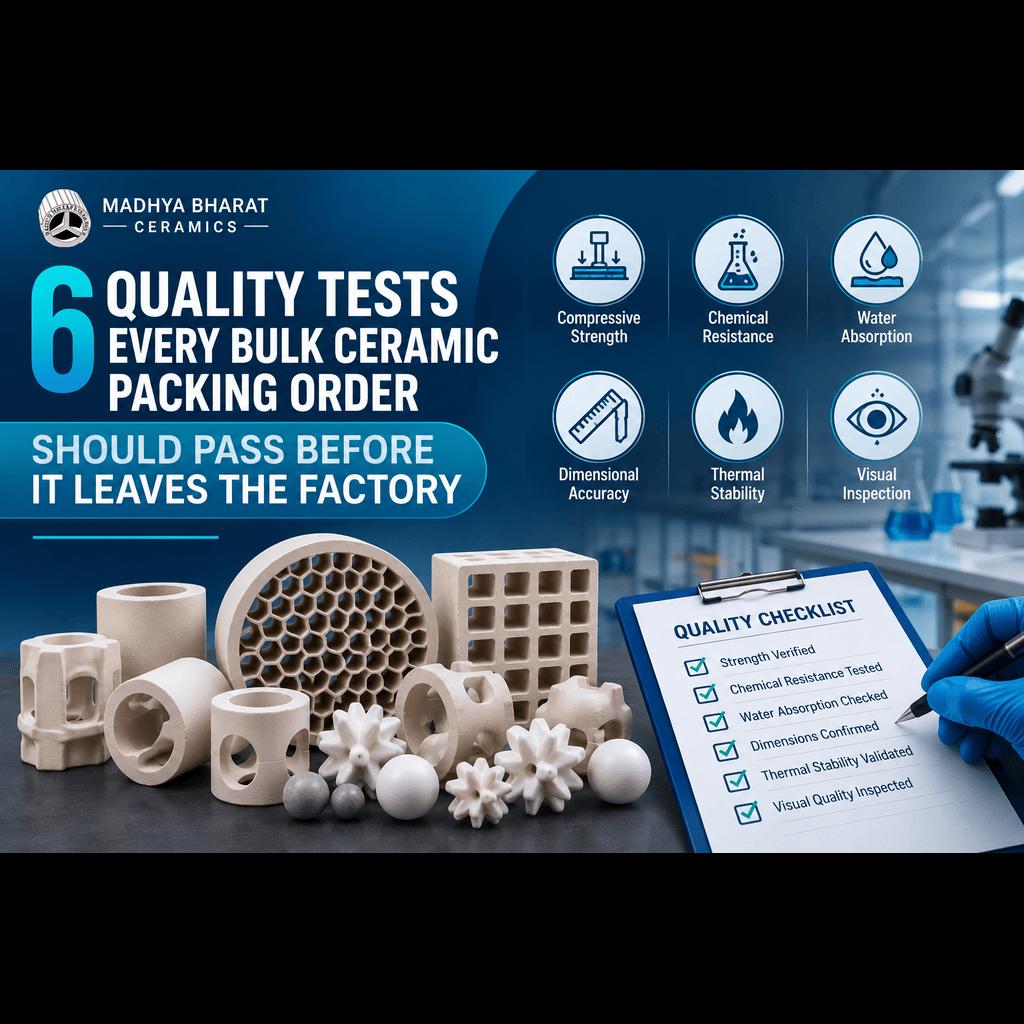
Placing a bulk order for ceramic tower packing is not like ordering off a catalogue. One bad batch can mean higher pressure drop, more frequent replacements, or worse, a shutdown you did not plan for. That is why the real question to ask before you sign off on an order is not just about price or delivery time, it is about what tests the product actually passed before it left the factory.
At Madhya Bharat Ceramics, every batch goes through a set of checks before it is cleared for dispatch. Here is a look at the six tests that matter most, and why skipping any one of them can cost you far more than what you saved on the order.
1. Water Absorption Test
This is usually the first check on any batch, and for good reason. Water absorption tells you how well the material was fired and how dense the final product is. If a piece absorbs too much water, it likely was not fired properly, and that means it will not hold up under real operating conditions.
- Lower water absorption generally means better vitrification and strength
- High absorption rates are an early warning sign of a rushed or inconsistent firing process
- This test is quick to run but tells you a lot about the batch as a whole
Manufacturers producing high quality ceramics rarely skip this step, since it is one of the easiest ways to catch a bad batch before it goes any further.
2. Acid Resistance Test
Most ceramic packing ends up inside towers handling acidic or corrosive process streams, so this test is not optional. It checks how the material holds up when exposed to concentrated acid over a set period.
- Poor acid resistance leads to faster material breakdown inside the tower
- This directly affects how long the packing will actually last in service
- Products with strong acid resistance reduce the need for frequent replacement
If your supplier cannot show you acid resistance data on request, that alone should raise a question about what else they might be skipping.
3. Crushing Strength Test
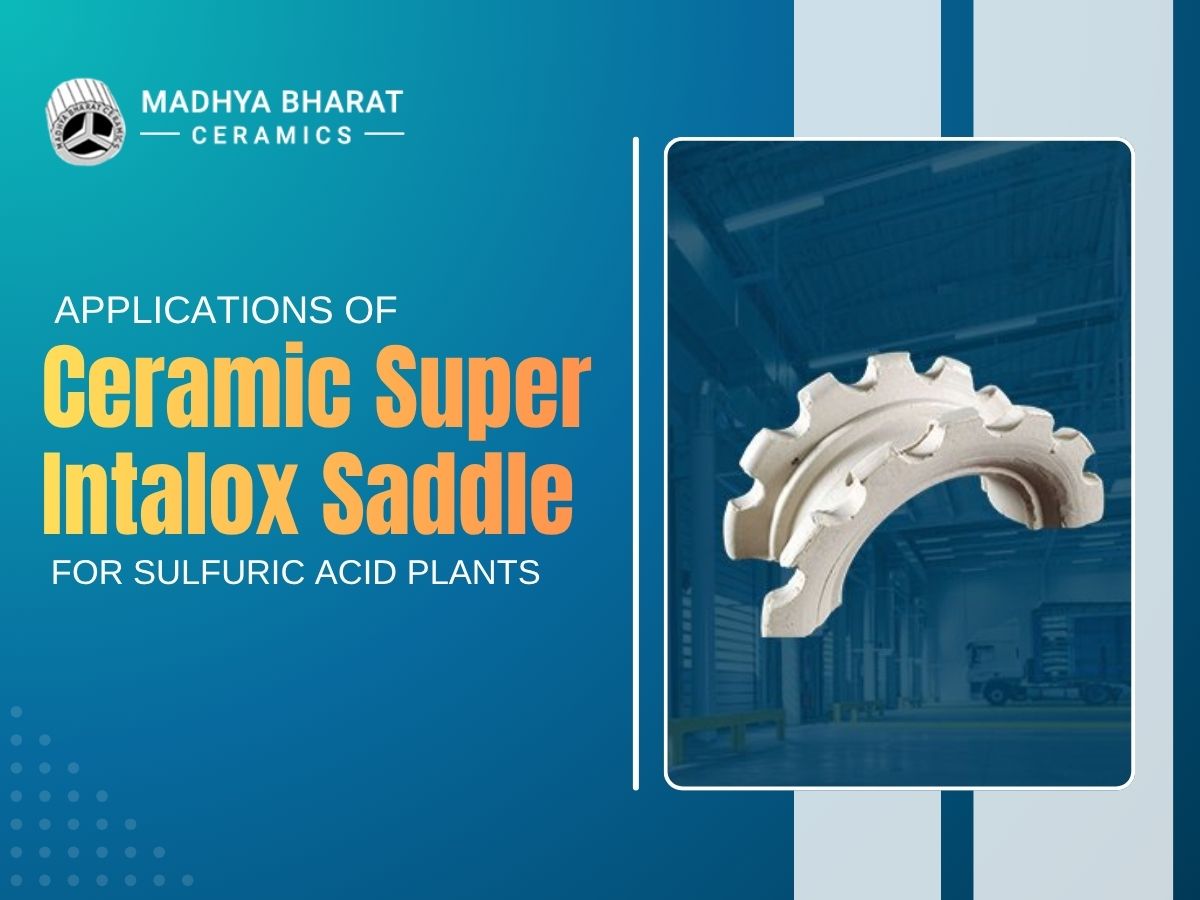
Bulk packing has to support real weight and pressure once it is loaded into a tower. Crushing strength testing measures how much load a piece can take before it fails, and this varies depending on whether you are testing rings, saddles, or balls.
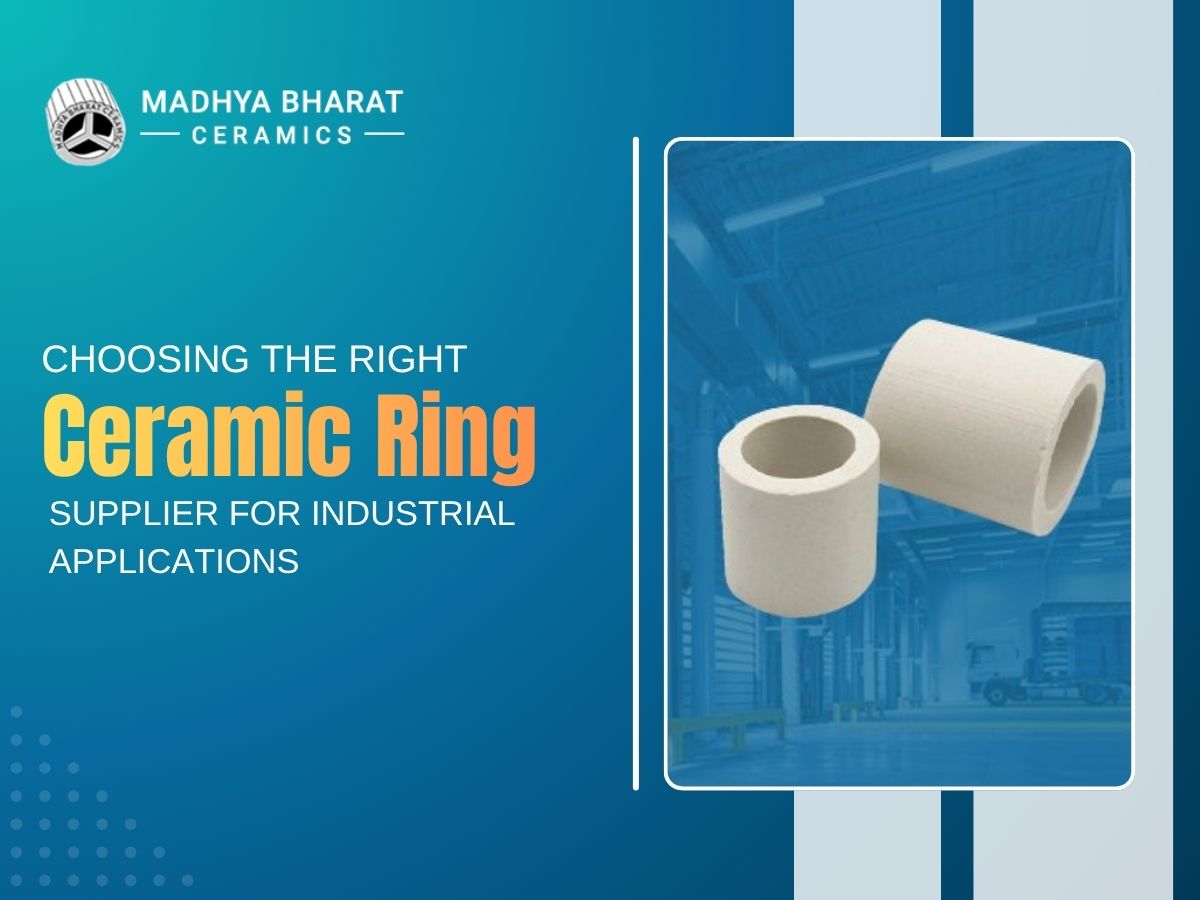
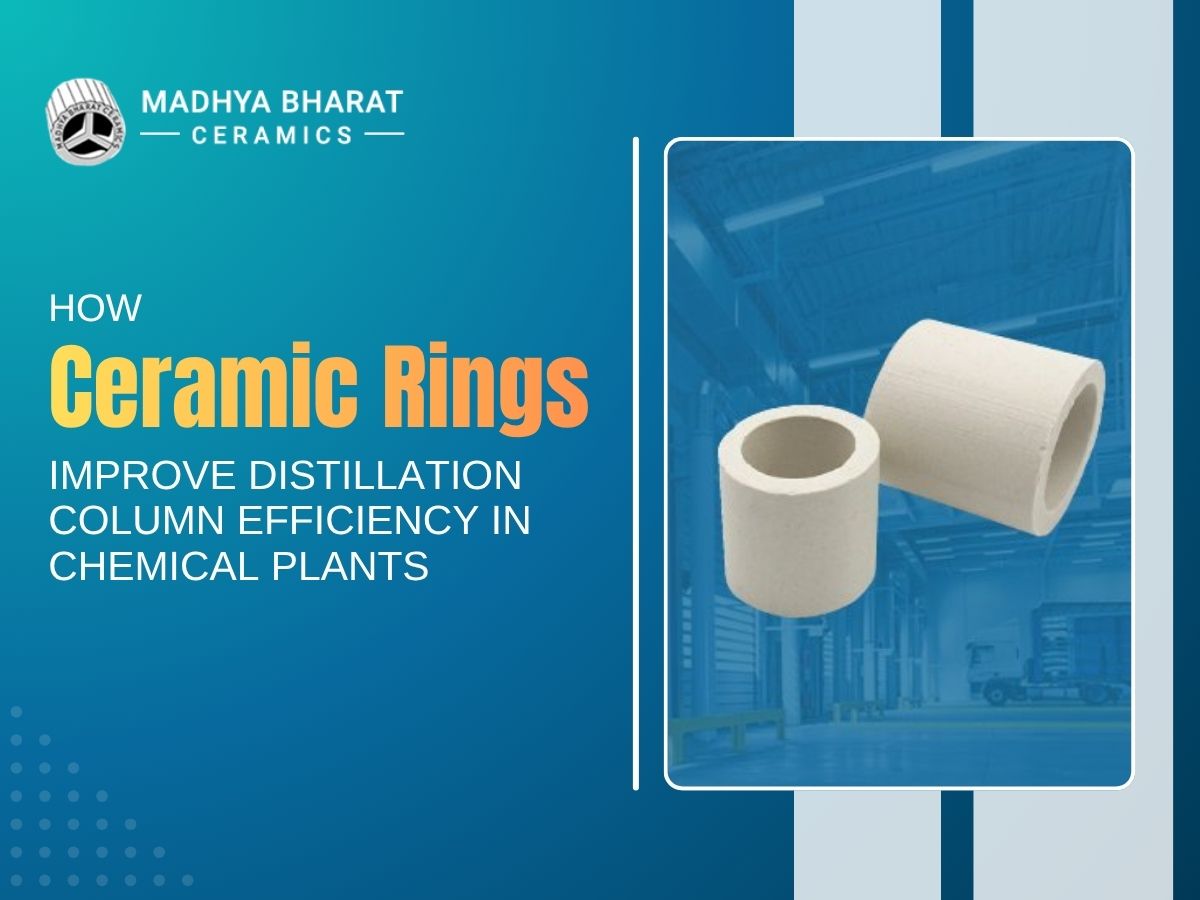
- For rings, load is applied diametrically and measured in Kg per linear cm
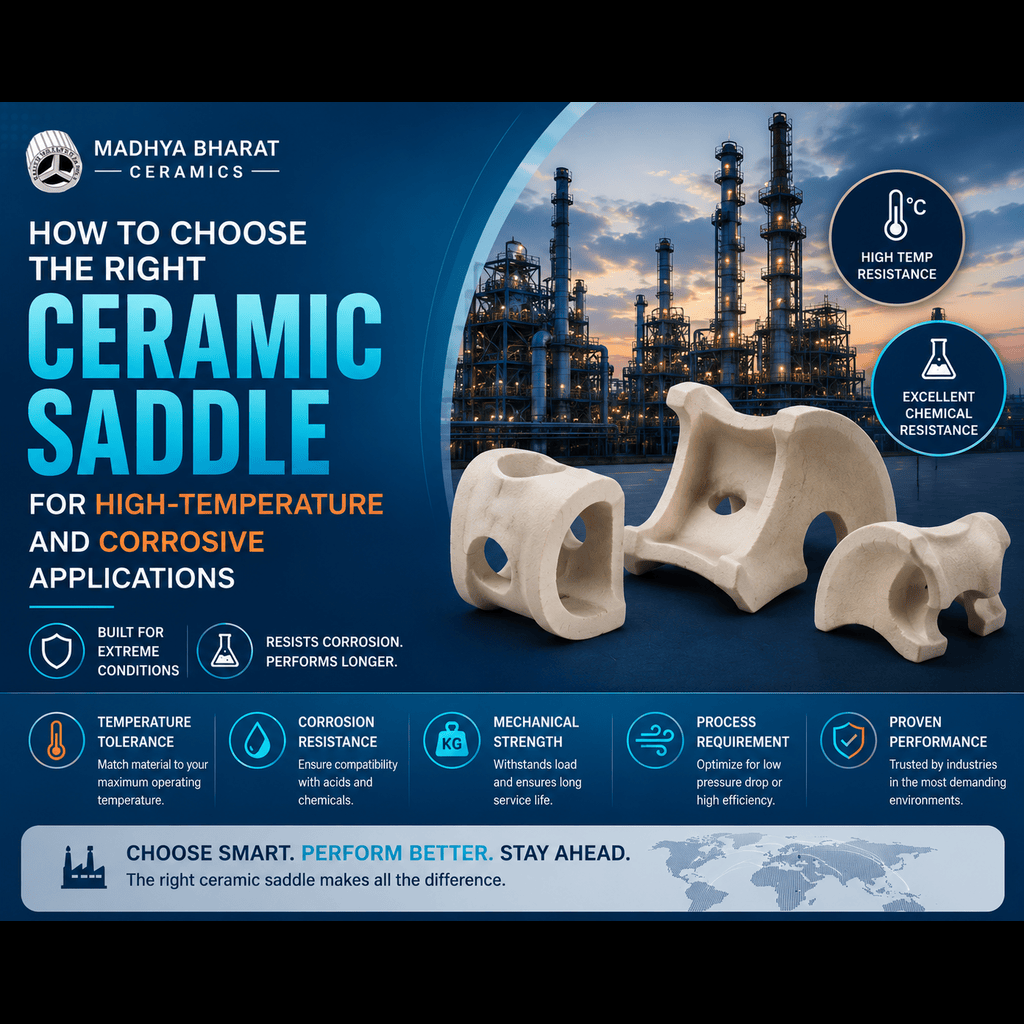
- For saddles and other shapes, total load to failure is recorded in Kg
- Weak crushing strength usually means higher breakage during transport and loading, not just during operation
This is one of the most important checks for anyone sourcing ceramic packing material in bulk, since a batch that fails under its own load inside the tower creates far bigger problems than a delayed shipment.
4. Dimensional and Shape Uniformity Check
A batch can pass every chemical and strength test and still cause problems if the pieces are not uniform in size and shape. Inconsistent dimensions lead to uneven packing density inside the tower, which affects flow distribution and separation efficiency.
- Uniform pieces pack more consistently, leaving fewer gaps or dead zones
- Die-cast forming methods generally produce more consistent shapes than manual forming
- This check is usually done through sampling across the batch, not just a handful of pieces
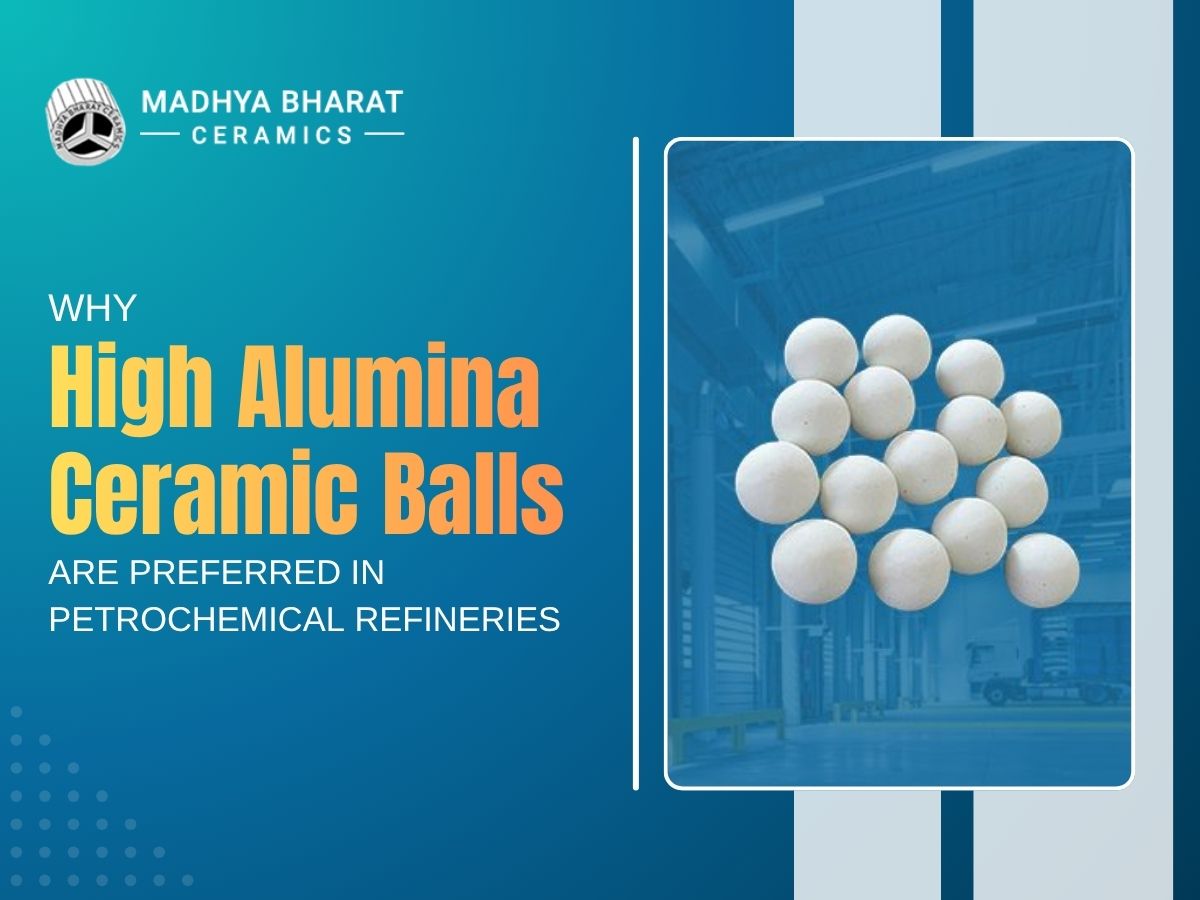
A reliable ceramic ball factory in India should be able to explain how they maintain this consistency across large production runs, not just in small sample batches.
5. Thermal Shock Resistance Test
Ceramic packing often deals with sudden temperature changes, whether from process startups, shutdowns, or fluctuations during operation. This test checks whether the material can handle rapid heating and cooling without cracking.
- Poor thermal shock resistance shows up as surface cracks or full breakage after repeated cycles
- This is especially important for packing used in processes with frequent temperature swings
- Materials with proper composition and firing hold up far better under this kind of stress
Skipping this test might not show up immediately, but it tends to surface as unexpected failures a few months into operation.
6. Visual and Surface Defect Inspection
The final check is straightforward but still essential. Every piece is visually inspected for cracks, chips, or surface irregularities that other tests might not catch. This step often gets rushed by manufacturers trying to cut corners on time, but it is usually the last line of defence before a batch leaves the factory.
- Surface defects can weaken a piece even if it passes strength testing
- Visual inspection also catches shape or size errors missed during earlier checks
- This is typically done alongside packaging, right before the batch is dispatched
A dependable saddles manufacturing company in India treats this as a standard step, not an optional one, especially for bulk orders headed to demanding industrial sites.
Why This Matters Before You Place a Bulk Order
Skipping any of these checks might save a manufacturer a little time, but it shifts the risk directly onto you as the buyer. A batch that fails inside your tower after installation costs far more in downtime and replacement than the small time saved during testing. If you want to understand how packing failure actually shows up in operation, this breakdown on how inert ceramic balls increase equipment life explains it well.
Our own ceramic saddles go through all six of these checks before dispatch, and you can see the full scope of our testing process on our quality control page.
Frequently Asked Questions
1. Why is water absorption testing important for ceramic packing?
It indicates how well the material was fired, and lower absorption generally means better density and strength.
2. How does crushing strength affect ceramic packing performance?
It determines how much load the packing can handle without breaking, which directly impacts how long it lasts under real operating conditions.
3. What happens if ceramic packing fails a thermal shock test?
It is more likely to crack or break during sudden temperature changes, which can lead to unexpected failures during operation.
4. Can I request test reports before placing a bulk order?
Yes, reliable manufacturers should be able to share test data on water absorption, acid resistance, and crushing strength on request.
5. Does dimensional inconsistency really affect tower performance?
Yes, uneven pieces create gaps and uneven packing density, which affects flow distribution and separation efficiency inside the tower.
6. How can I verify a manufacturer’s quality process before ordering?
Ask for their testing procedure in detail, request samples, and check if they provide certifications from recognized testing agencies.
Ready to Order Ceramic Packing That Has Actually Been Tested?
A good price means very little if the batch cannot hold up inside your tower. Before you place your next bulk order, ask your supplier which of these six tests they actually run. If you would rather work with a manufacturer who already builds these checks into every batch, get in touch with our team and we will walk you through our process.