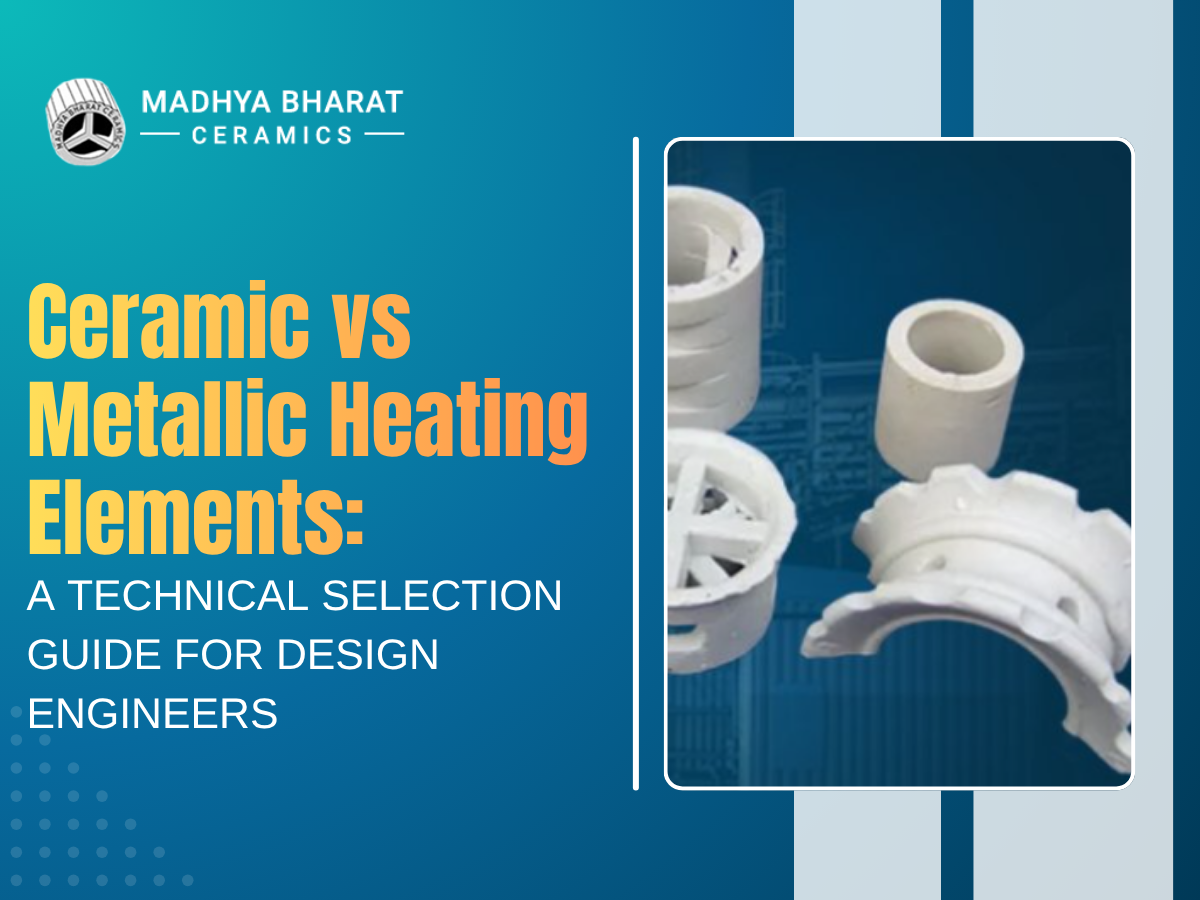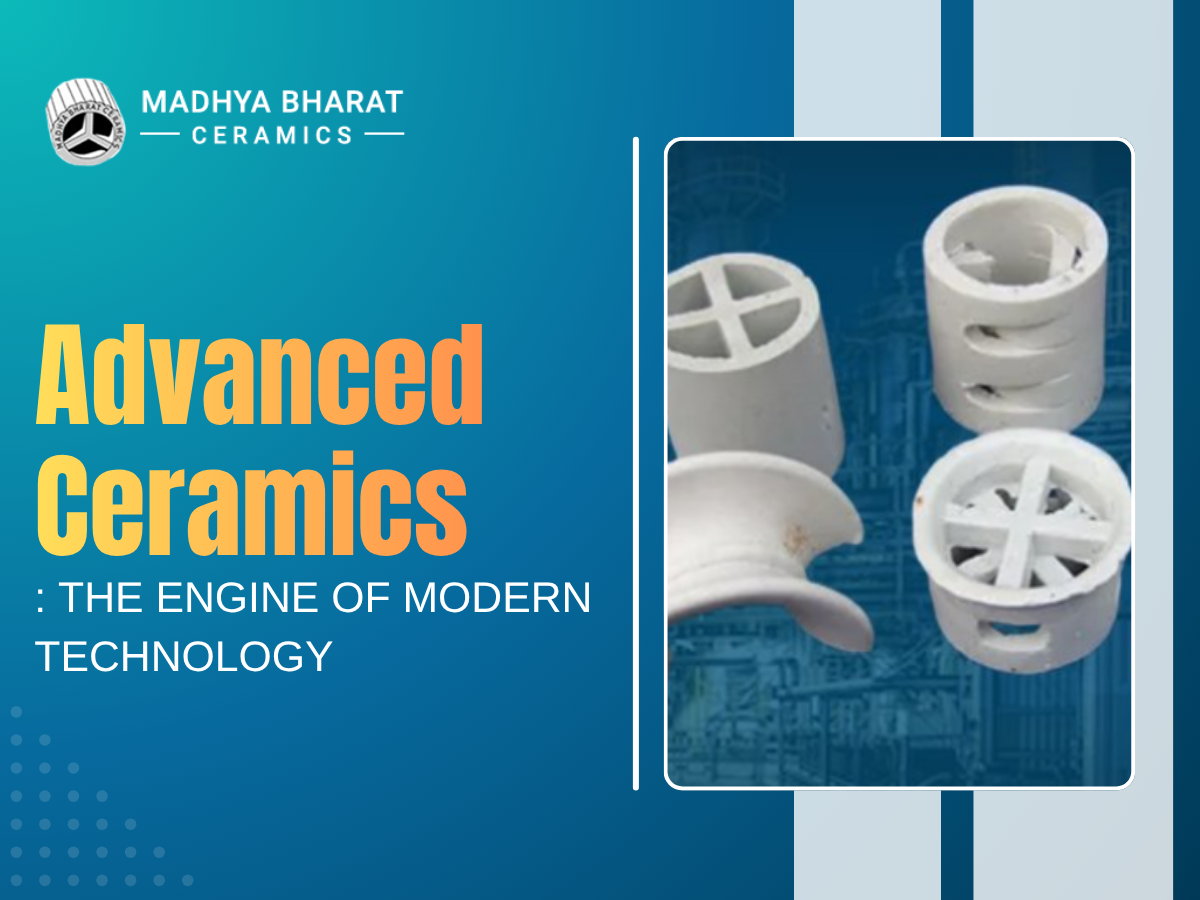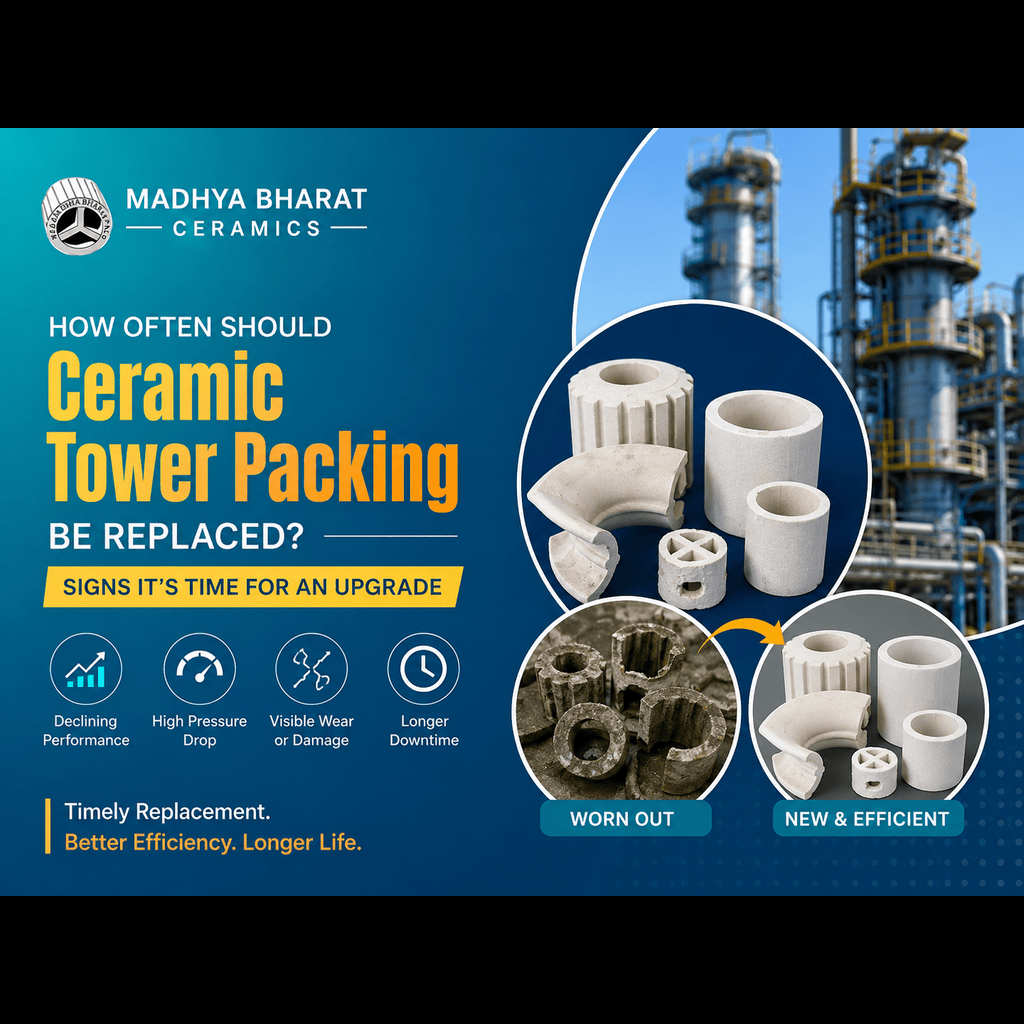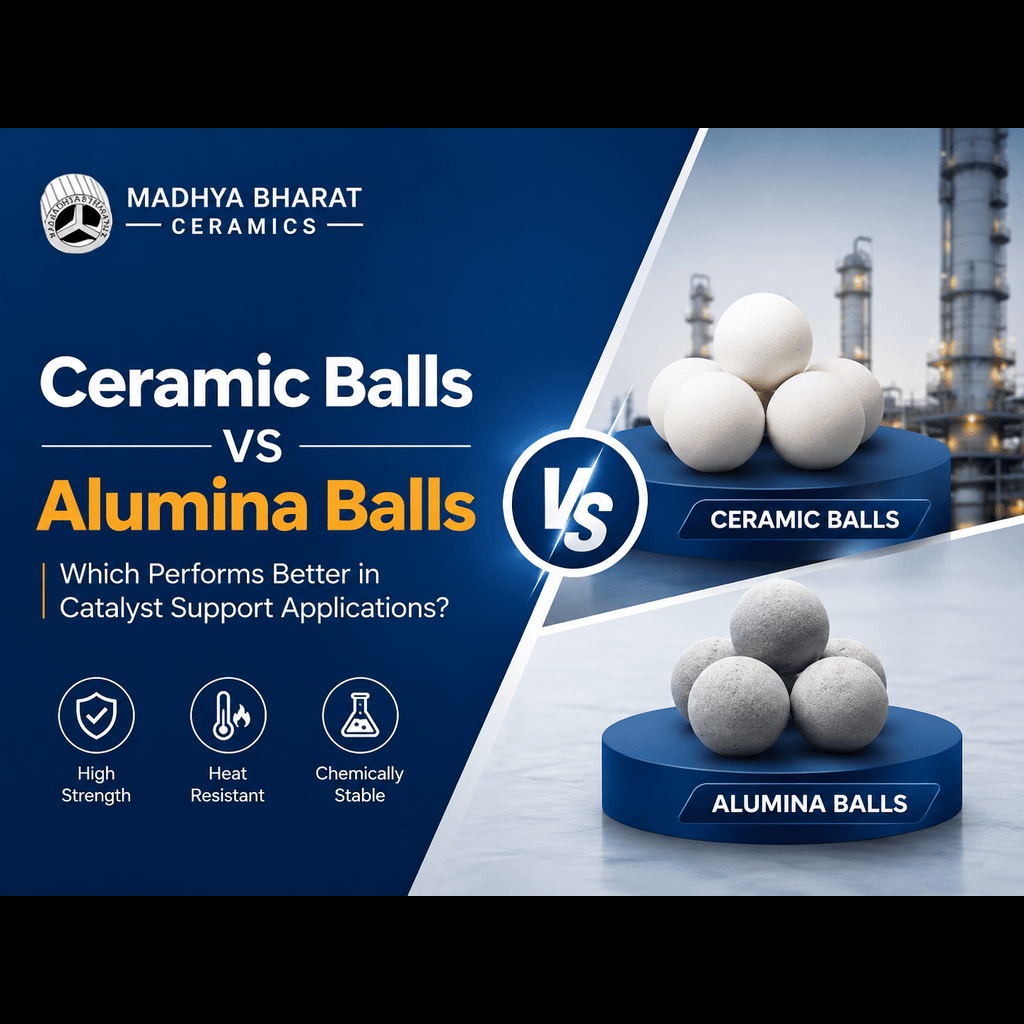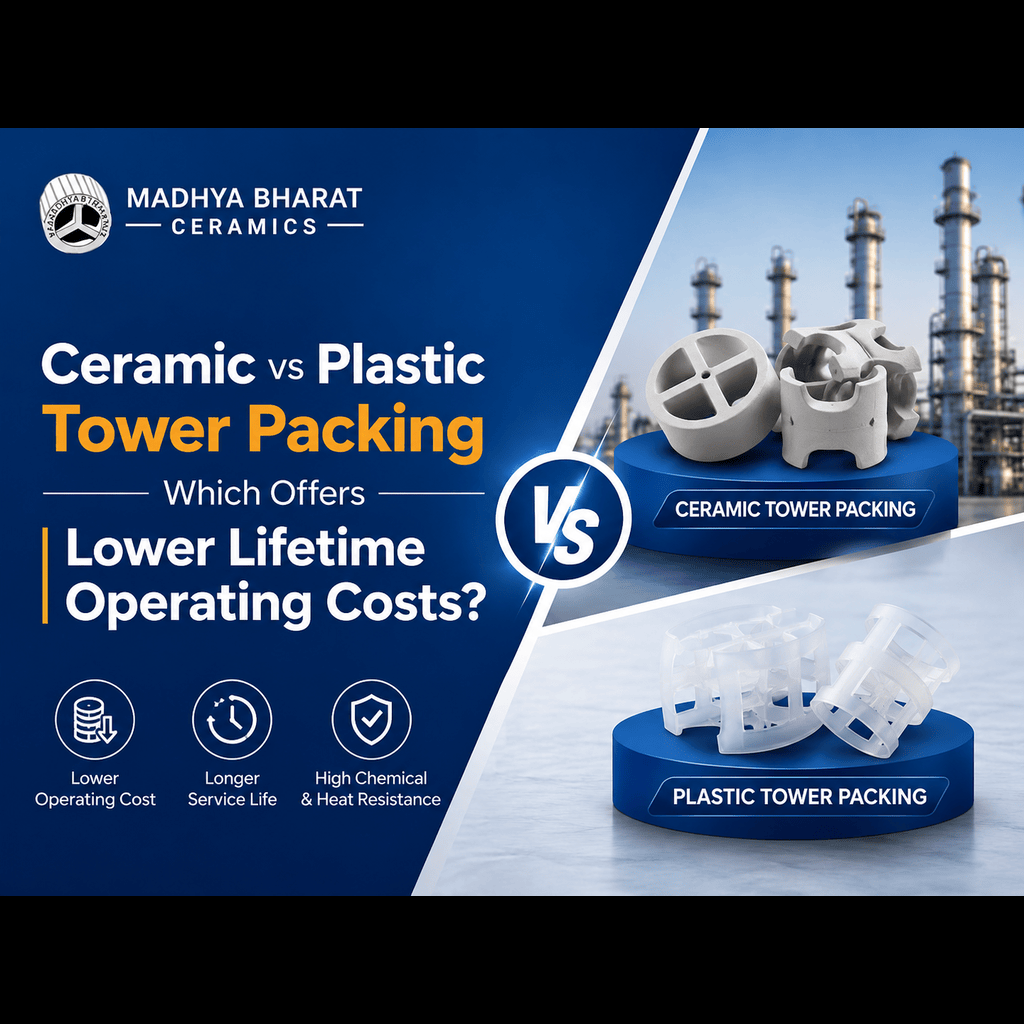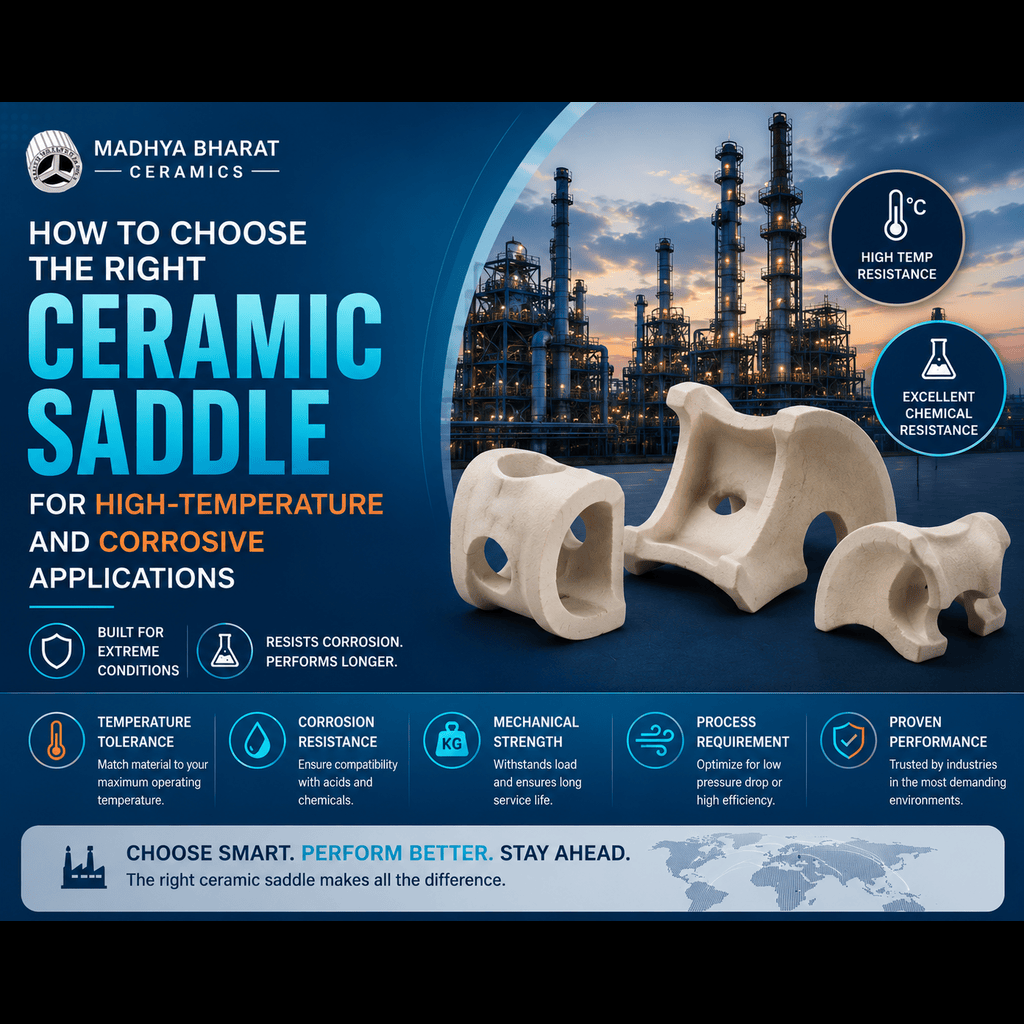
Ceramic tower packing rarely gets noticed until something goes wrong. It sits inside distillation columns, absorption towers, and scrubbing systems doing its job quietly, and most people outside the plant floor never think about it. But across a surprising number of industries, this one component plays a direct role in keeping operations efficient, safe, and cost-effective.
At Madhya Bharat Ceramics, we supply ceramic packing to a wide mix of industries, and the questions we get are fairly consistent: does this actually apply to my process, and what difference does the right packing material really make? So here is an honest look at which industries rely on ceramic tower packing the most, and why.
Fertilizer Industry
Fertilizer manufacturing involves a lot of high-temperature, chemically aggressive processes, particularly during ammonia and urea production. Ceramic packing plays a role in several stages here:
- Absorption towers used during ammonia processing rely on packing for efficient gas-liquid contact
- Acid-resistant packing is essential given the corrosive nature of fertilizer chemicals
- Consistent packing quality directly affects how efficiently raw materials convert into finished product
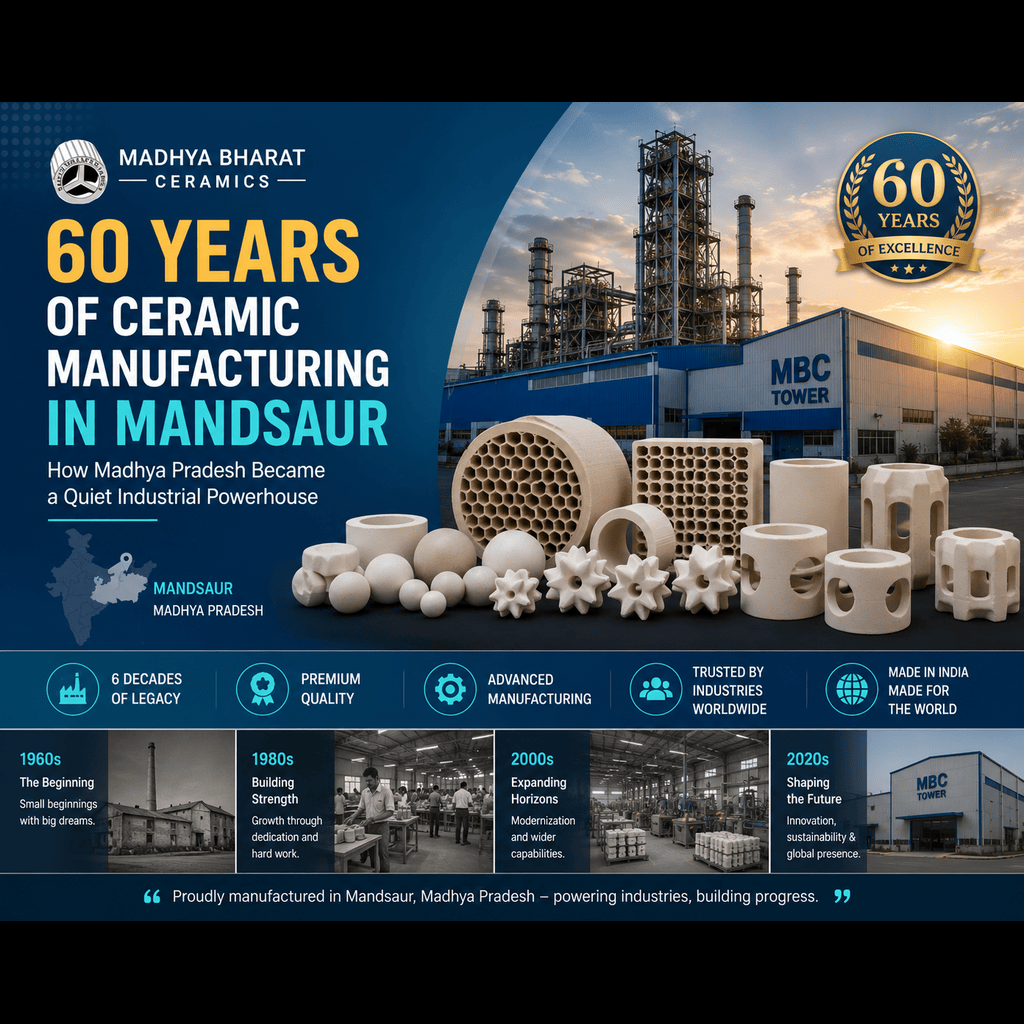
This is one of the oldest and most consistent user bases for ceramic packing, and it is a big part of why Mandsaur’s industry grew the way it did in the first place.
Chemical and Petrochemical Industry
This is probably the widest application area for ceramic tower packing. Chemical and petrochemical plants run distillation, absorption, and scrubbing processes constantly, often at high temperatures and under heavy chemical exposure.
- Distillation columns depend on packing to separate compounds efficiently
- Acid drying towers, particularly in sulfuric acid production, need packing that can resist continuous corrosive exposure
- Packing choice directly affects pressure drop, which impacts overall energy consumption in the plant
As a long-standing Tower Packing Manufacturer, we have seen firsthand how much these industries depend on getting packing selection right the first time. You can see how we approach product reliability across applications on our advantages page.
Pharmaceutical Industry
Pharmaceutical manufacturing might not be the first industry people associate with ceramic packing, but purity requirements here are extremely strict, and that makes packing material choice critical.
- Inert ceramic packing material does not react with process chemicals, which helps maintain product purity
- Packing used in solvent recovery and purification systems needs to be chemically stable
- Consistency across batches matters heavily in an industry where regulatory compliance is non-negotiable
Since pharmaceutical processes cannot tolerate contamination, manufacturers in this space tend to be particular about sourcing from suppliers with a proven quality track record. Our full product range is built with this level of consistency in mind.
Environmental and Pollution Control
Regenerative thermal oxidizers, scrubbing systems, and other pollution control equipment rely heavily on ceramic packing to function properly. As environmental regulations get stricter across industries, this application area keeps growing.
- Ceramic packing helps improve heat exchange efficiency in thermal oxidizers
- Scrubbing towers use packing to maximize contact between pollutants and treatment media
- Durability matters here since this equipment often runs continuously for long stretches
This growing demand is one reason why High Quality Ceramics in Mandsaur have found buyers well beyond the immediate region, with manufacturers supplying environmental engineering firms across the country. You can read more about how this manufacturing base developed on our story page.
Refineries and Oil Processing
Refineries deal with hydrocarbons, high heat, and aggressive chemical reactions on a daily basis, which makes ceramic packing a natural fit for several processes.
- Hydrocracking and distillation units use packing extensively for separation efficiency
- The inert nature of ceramic material makes it suitable for environments with reactive hydrocarbons
- Packing durability directly affects how often maintenance shutdowns are needed
Refineries typically run continuous operations, so any packing failure has a much bigger downstream cost compared to industries with more flexible schedules.
Why Sourcing Location Actually Matters
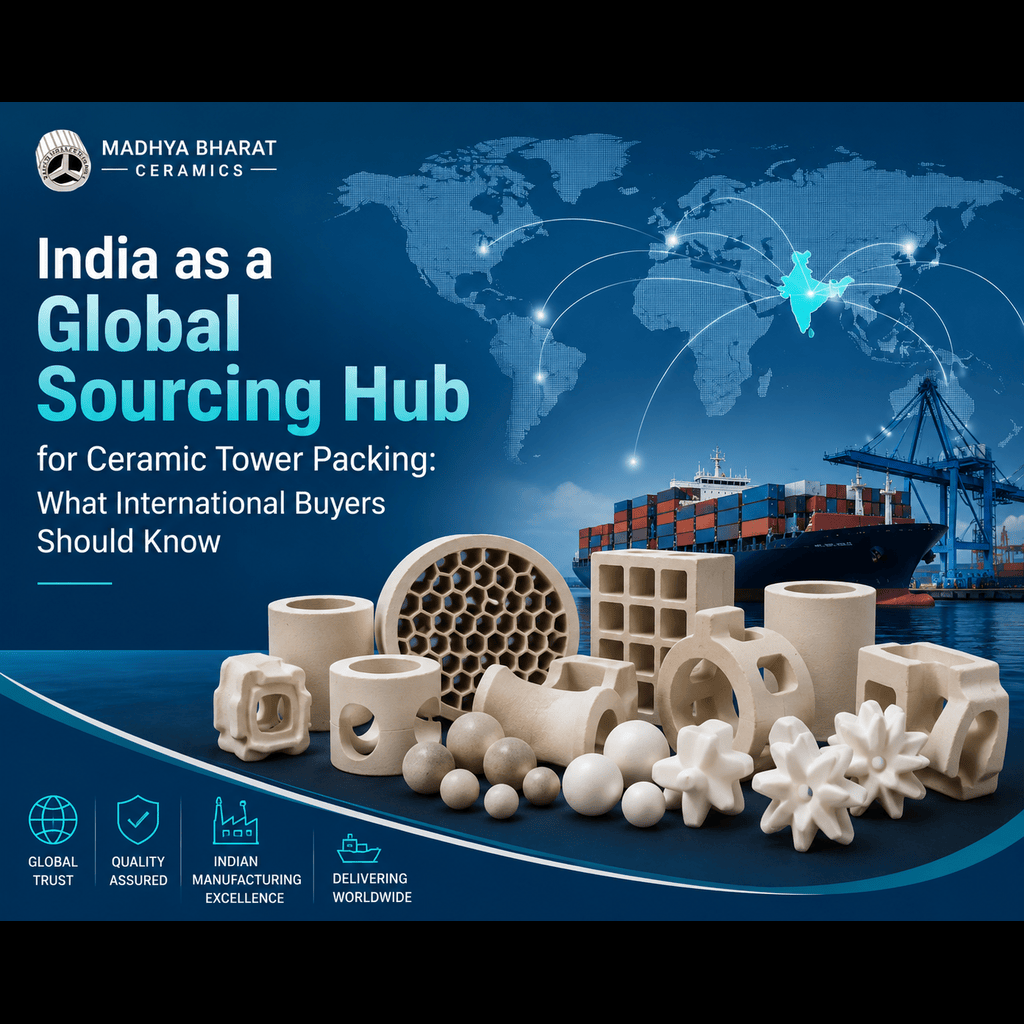
Buyers across these industries increasingly look to established manufacturing hubs when sourcing packing material, and this is where Ceramic Manufacturers in Mandsaur have built a strong reputation. Decades of manufacturing experience, consistent raw material access, and established quality processes have made this region a reliable sourcing point for industries that cannot afford inconsistent supply.
If you want to see how these same principles apply across other products beyond tower packing, our post on applications and benefits of ceramic rings across industries covers this in more detail.
Quick Snapshot: Industries That Rely on Ceramic Tower Packing
- Fertilizer manufacturing, especially ammonia and urea production
- Chemical and petrochemical processing, including distillation and acid drying towers
- Pharmaceutical manufacturing, particularly solvent recovery and purification
- Environmental engineering, including thermal oxidizers and scrubbing systems
- Refineries and oil processing units
Frequently Asked Questions
1. Why is ceramic tower packing used across so many different industries?
Its chemical inertness, high temperature resistance, and durability make it suitable for a wide range of industrial processes involving heat and corrosive substances.
2. Is ceramic packing suitable for pharmaceutical applications?
Yes, its inert nature helps maintain purity and prevents unwanted chemical reactions during solvent recovery and purification processes.
3. How does ceramic packing help in pollution control equipment?
It improves heat exchange and contact efficiency in systems like thermal oxidizers and scrubbing towers, which is essential for effective pollutant removal.
4. Why do buyers prefer sourcing ceramic packing from established manufacturing hubs?
Established hubs offer consistent quality, proven production experience, and reliable supply, which reduces the risk of inconsistent batches.
5. Does the choice of packing material affect energy consumption in a plant?
Yes, packing design and material directly influence pressure drop, which impacts how much energy a plant uses during operation.
6. Can the same ceramic packing be used across different industries?
While the basic material stays similar, the specific product type and grade often need to be matched to each industry’s temperature, chemical, and load requirements.
Ready to Find the Right Packing for Your Industry?
Whether you are running a fertilizer plant, a refinery, or a pharmaceutical facility, the right ceramic packing can make a real difference to how efficiently your process runs. Get in touch with our team and we will help you find a solution suited to your specific application.