Picking the wrong saddle for a high-temperature or corrosive process is one of those mistakes that does not show up on day one. It shows up three months later, when pressure drop starts climbing and pieces start cracking under conditions they were never built to handle. By then, you are looking at unplanned downtime and a replacement order you did not budget for.
At Madhya Bharat Ceramics, we get this question from plant engineers fairly often: with so many saddle types available, how do you actually pick the right one for a demanding process. So here is a straightforward look at what separates one saddle from another, and how to match the right product to your application.
Why Saddle Selection Matters More Than It Seems
Not every tower runs under the same conditions. Some deal with high heat, others with aggressive acids, and some with both at once. A saddle that performs well in a mild scrubbing application can fail quickly in a sulfuric acid drying tower. Getting this choice right affects:
- How long the packing actually lasts in service
- How consistent your separation efficiency stays over time
- How often you need to shut down for replacement or maintenance
- The overall pressure drop across your column
This is why saddle selection deserves more attention than it usually gets during procurement.
Understanding Ceramic Saddles as a Category
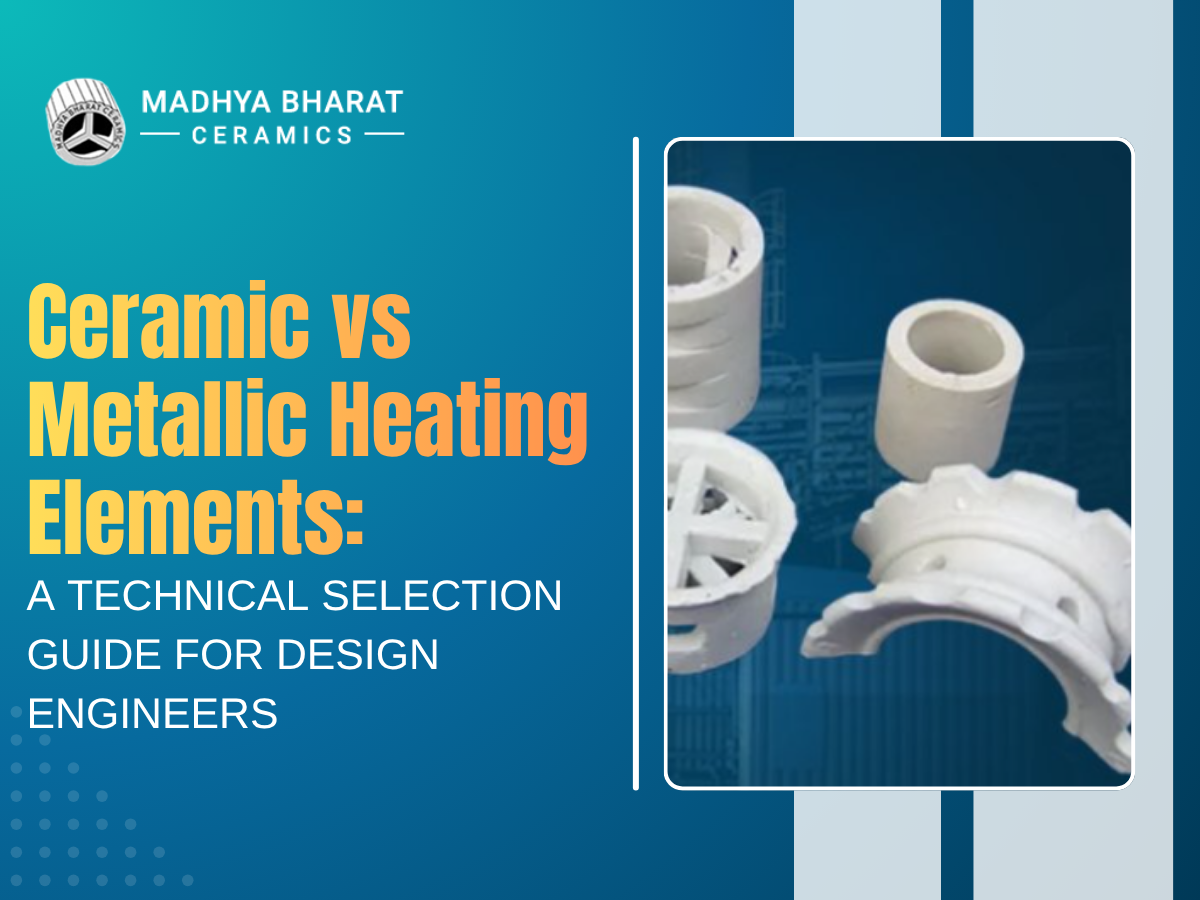
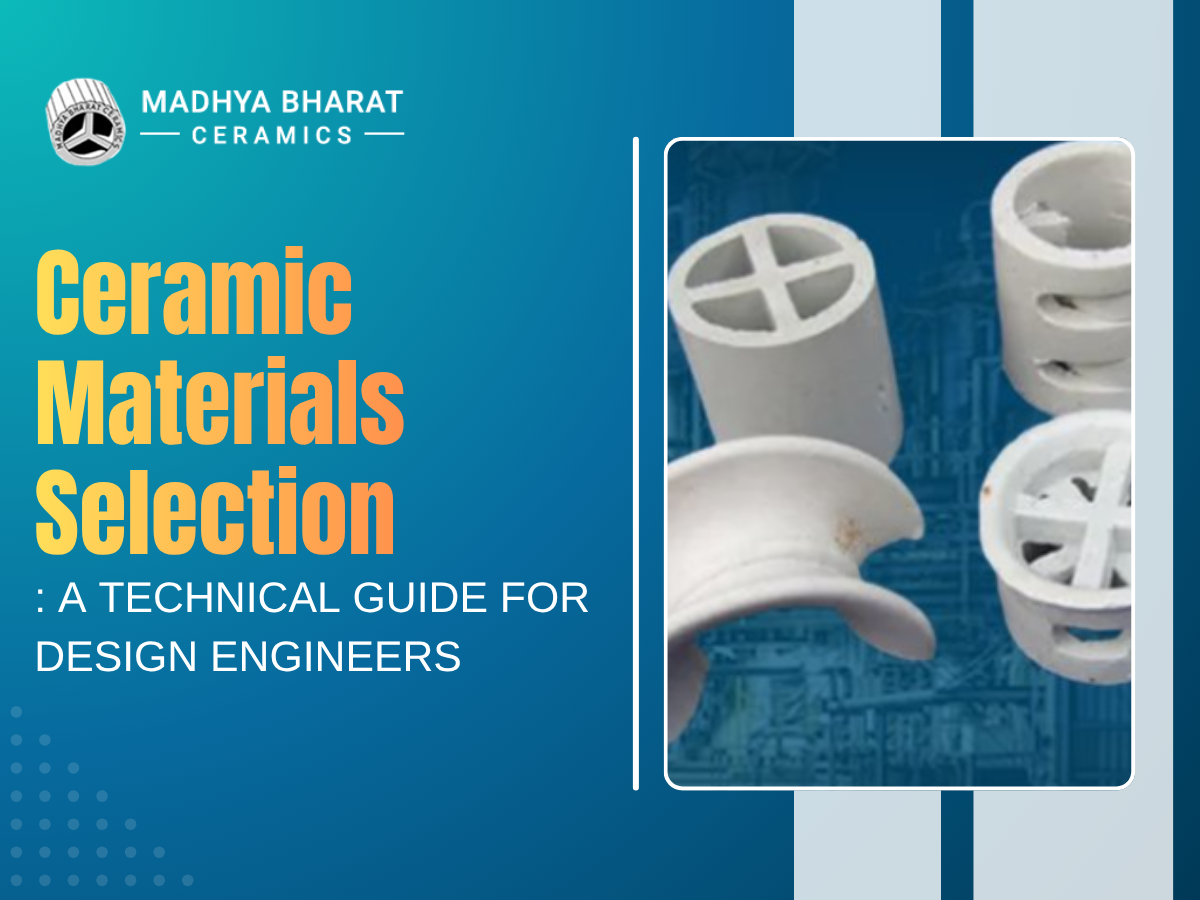
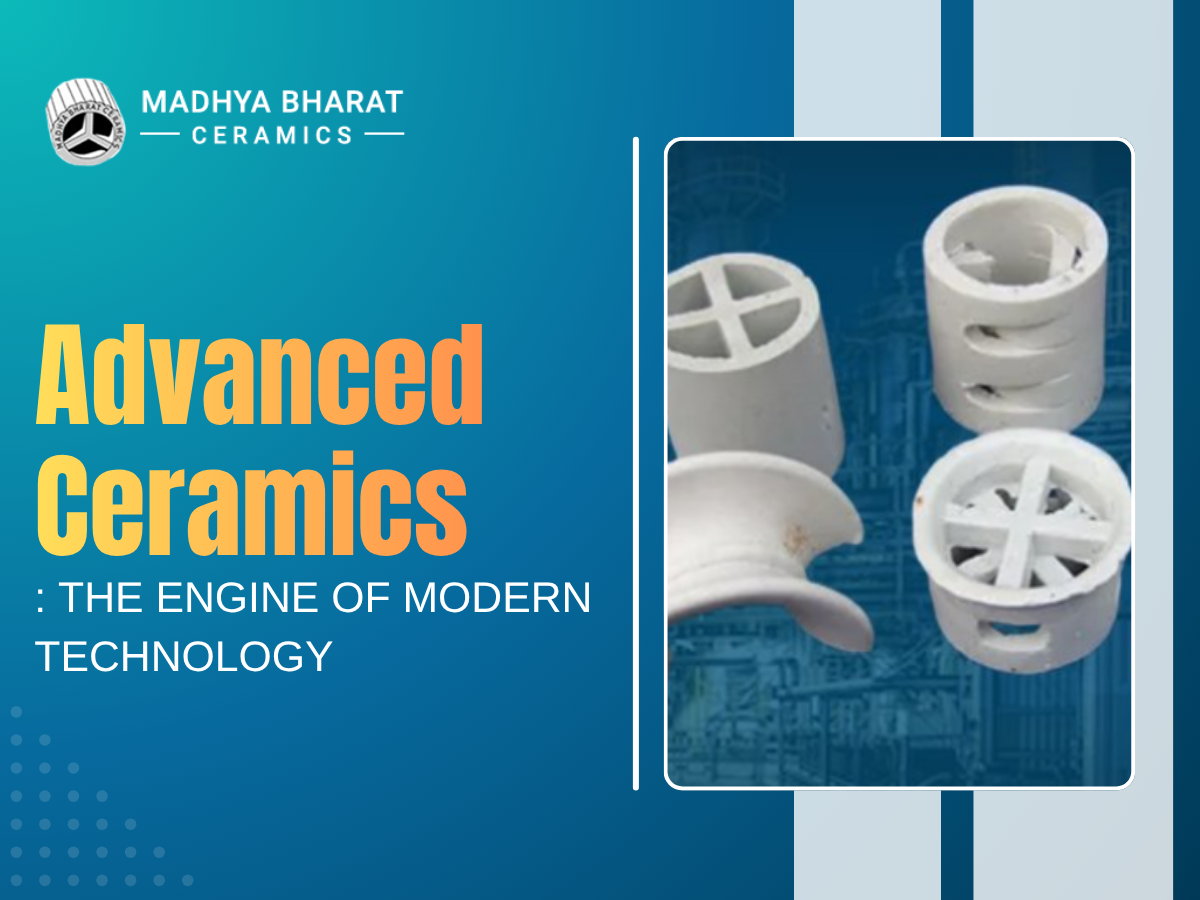
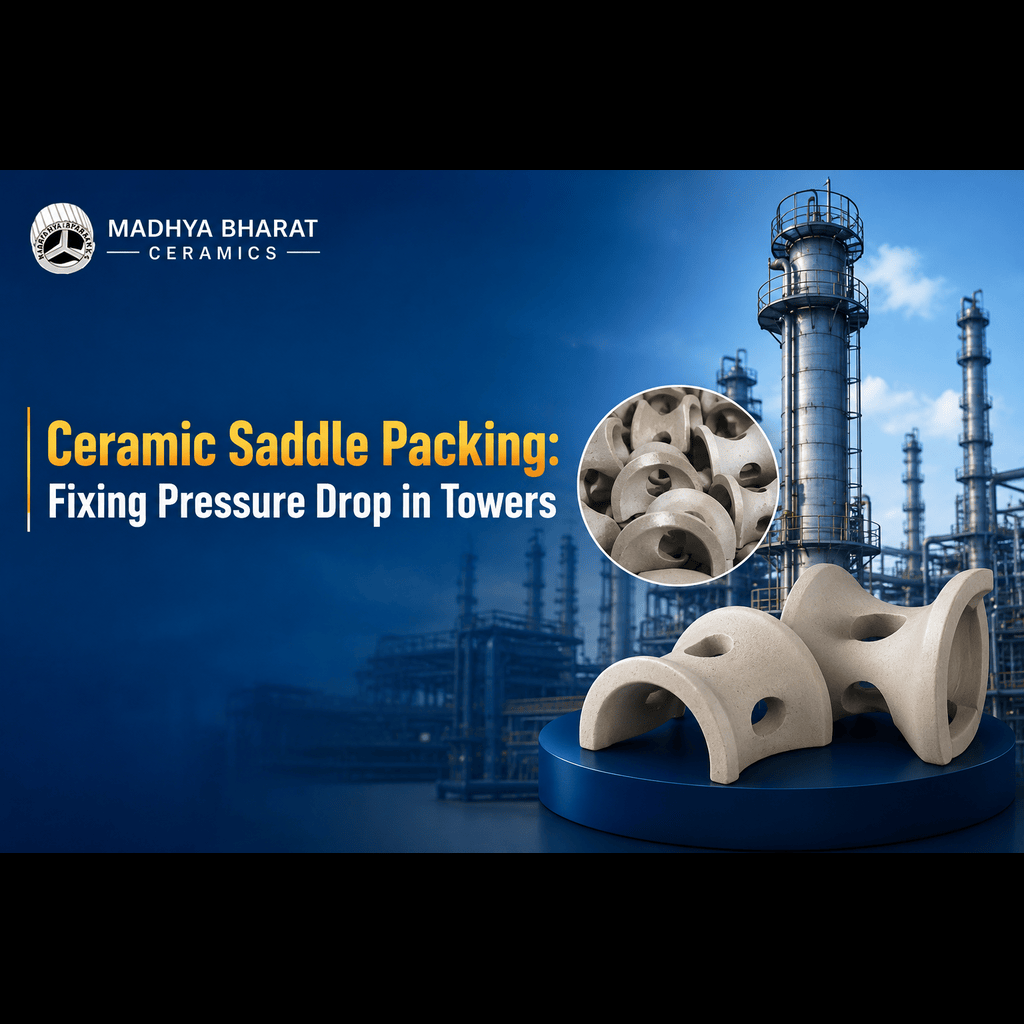
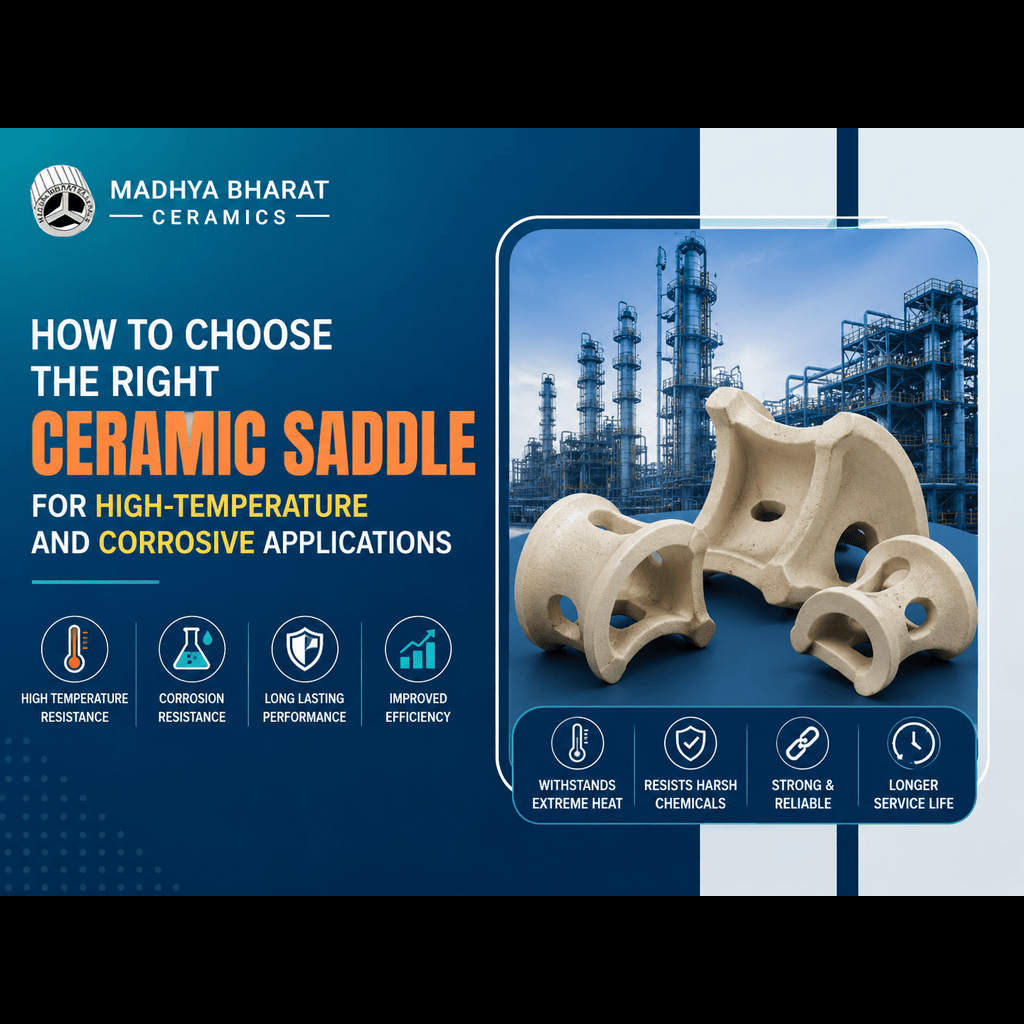
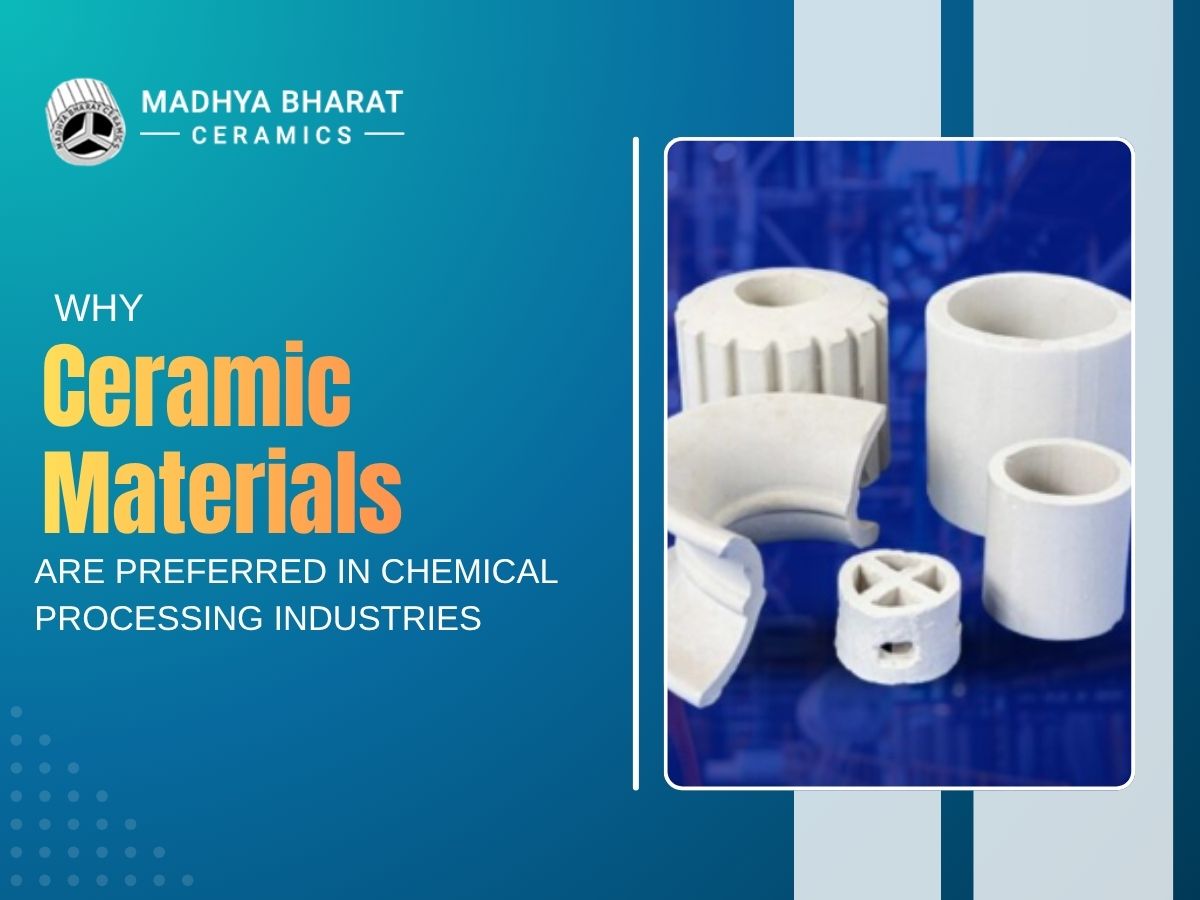
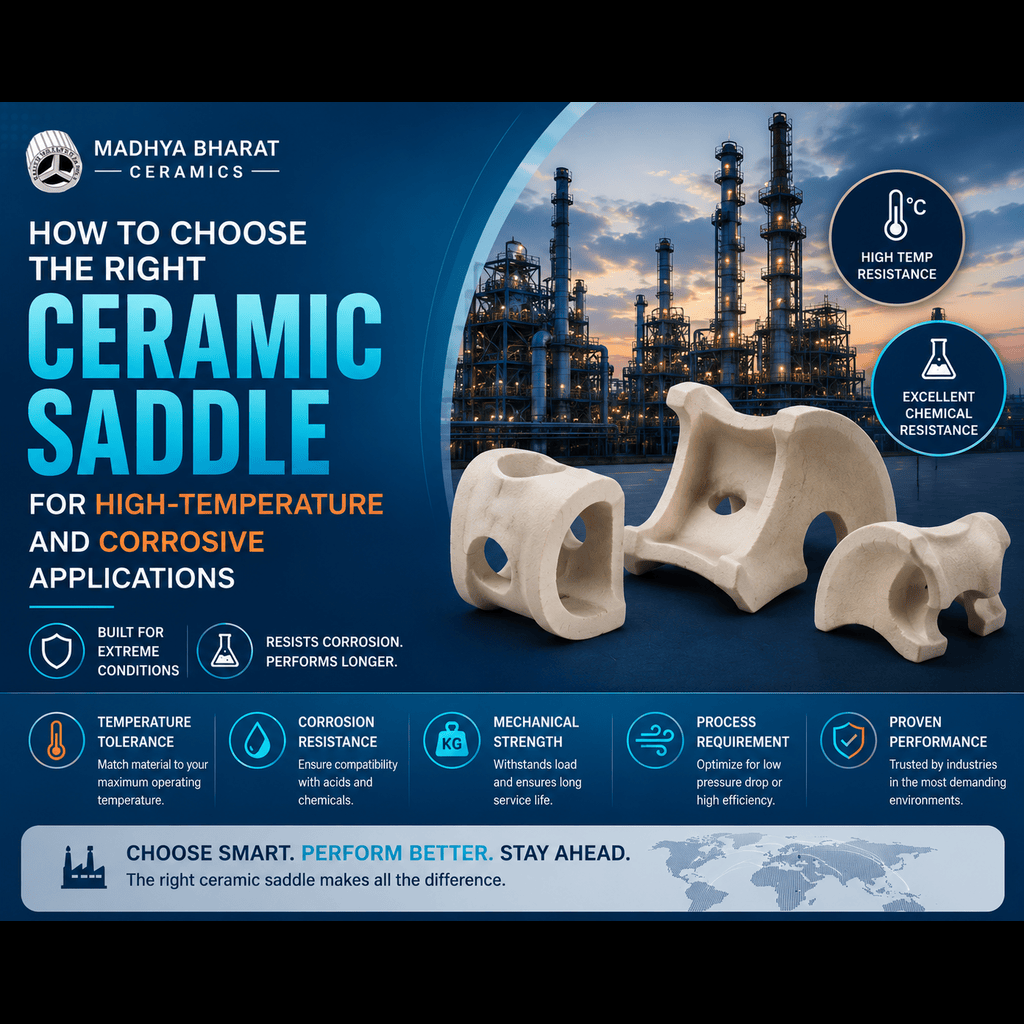
Ceramic saddles are one of the most widely used forms of random packing in distillation, absorption, and scrubbing towers. Their curved, saddle-like shape creates a large surface area for gas and liquid contact, which improves mass transfer while keeping pressure drop relatively low.
A few things to know about standard ceramic saddles:
- They are typically made from porcelain, which offers strong resistance to most acids except hydrofluoric acid
- Their open structure allows for good vapor-liquid contact without excessive resistance to flow
- They work well across a wide range of general chemical processing applications
Our own ceramic saddles range is built to handle this kind of everyday industrial demand, and it remains one of the most requested products among buyers sourcing packing for standard process towers.
When to Choose Ceramic Intalox Saddles
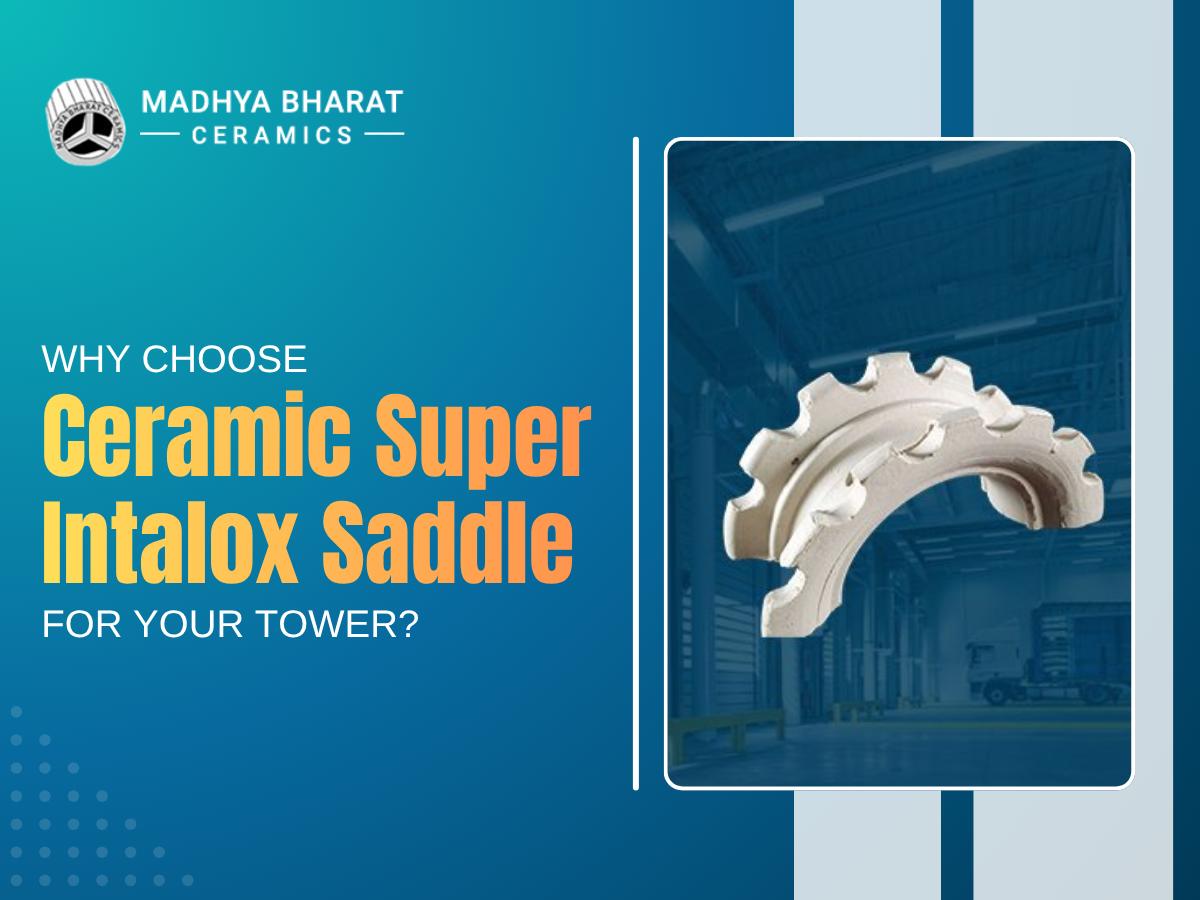
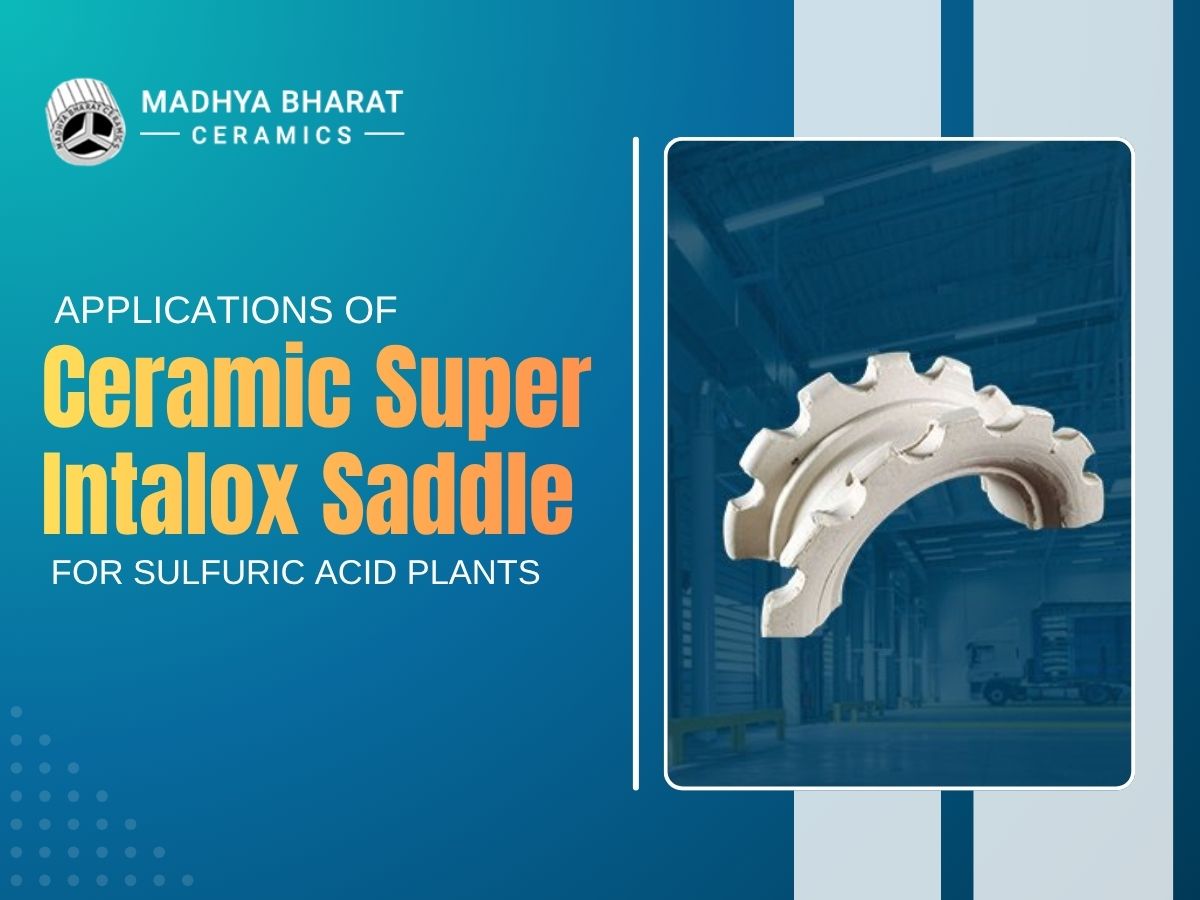
For applications that demand higher mass transfer efficiency, ceramic intalox saddles are usually the better choice. Their design changes the arched surface of a standard saddle into a more complex shape, which increases the interspace when the saddles are stacked randomly in a column.
This matters because:
- Better interspace means improved flow and distribution of both liquid and gas
- The design reduces pressure drop compared to older saddle shapes
- These saddles hold up well under both high and low temperature conditions
- They are widely used in sulfuric acid drying towers and absorption columns
If your process operates under high temperatures and highly corrosive conditions, ceramic super intalox saddles deserve careful consideration. Understand how these advanced packing solutions enhance efficiency and durability in demanding distillation applications.
Cecebe HP Porcelain Saddles for High-Strength Applications
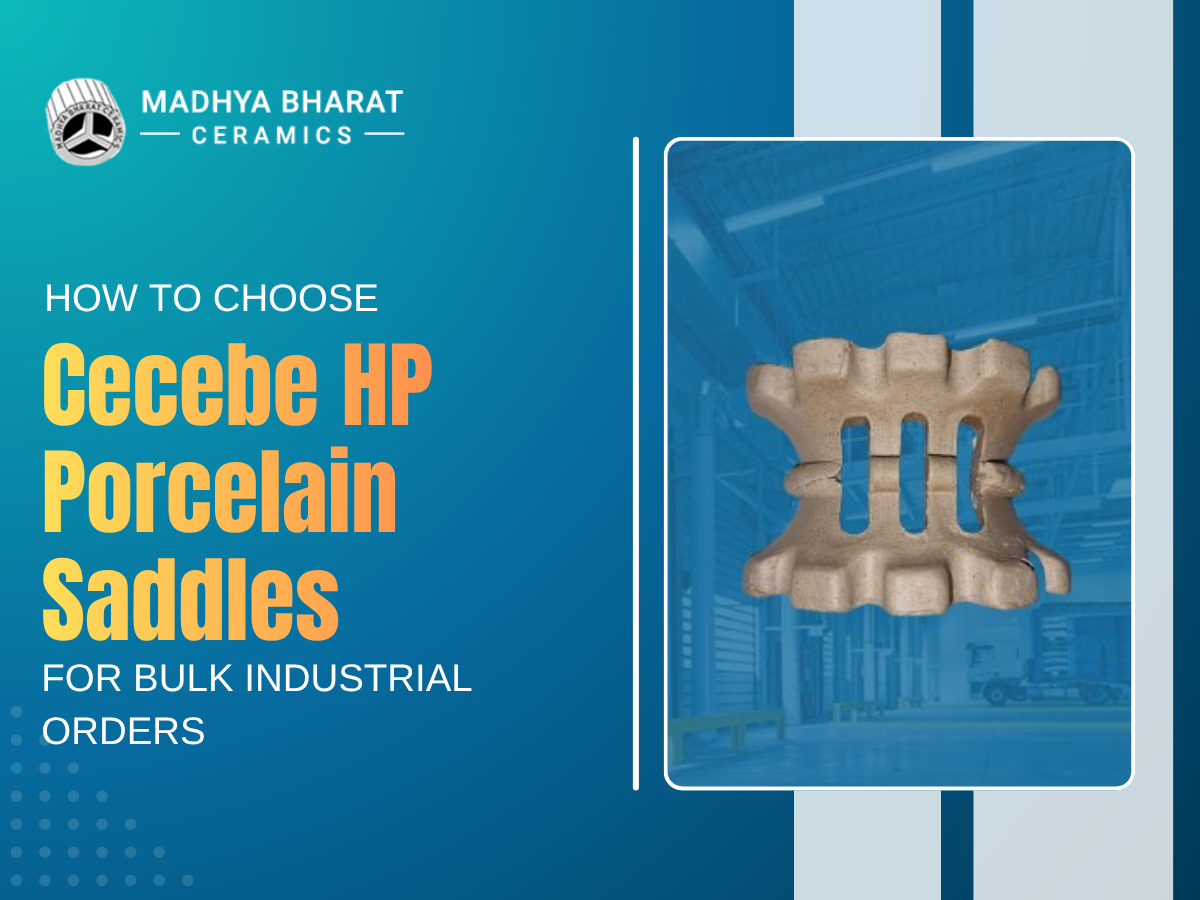
When mechanical strength becomes the priority, alongside chemical resistance, Cecebe HP Porcelain Saddles are typically the right choice. These are manufactured using a slip casting process, which produces saddles with a very narrow size tolerance and consistently high crush strength.
Key points worth knowing:
- The slip casting process results in low porosity, which improves durability
- These saddles are built from a specially formulated clay composition for controlled grain structure
- They are commonly used in distillation, absorption, and stripping processes across chemical and petrochemical plants
- Their high strength makes them suitable for towers with significant bed depth or higher mechanical load
For applications where standard saddles wear out too quickly under load, Cecebe HP Porcelain Saddles offer a more durable alternative without needing a complete redesign of the tower.
Matching Ceramic Saddles Tower Packing to Your Process Conditions
Choosing the right ceramic saddles tower packing ultimately comes down to matching the product to your specific process rather than picking based on price alone. A few questions worth asking before you finalize an order:
- What is the maximum operating temperature the packing will face
- Which acids or chemicals will the packing be exposed to regularly
- How much mechanical load will the packing bear, based on bed depth
- Does your process prioritize low pressure drop or maximum mechanical strength
Addressing these questions early in the selection process can help prevent costly performance issues, premature failures, and unplanned shutdowns after installation.
If you would like a deeper understanding of how different industries approach packing selection, explore our detailed guide on what ceramic saddles are used for, where we discuss application-specific requirements and the factors that influence product selection across various process industries.
Quick Checklist Before You Order
- Confirm operating temperature range and match it against the saddle’s rated performance
- Check chemical resistance data for the specific acids or solvents in your process
- Ask for crushing strength figures if your tower has significant bed depth
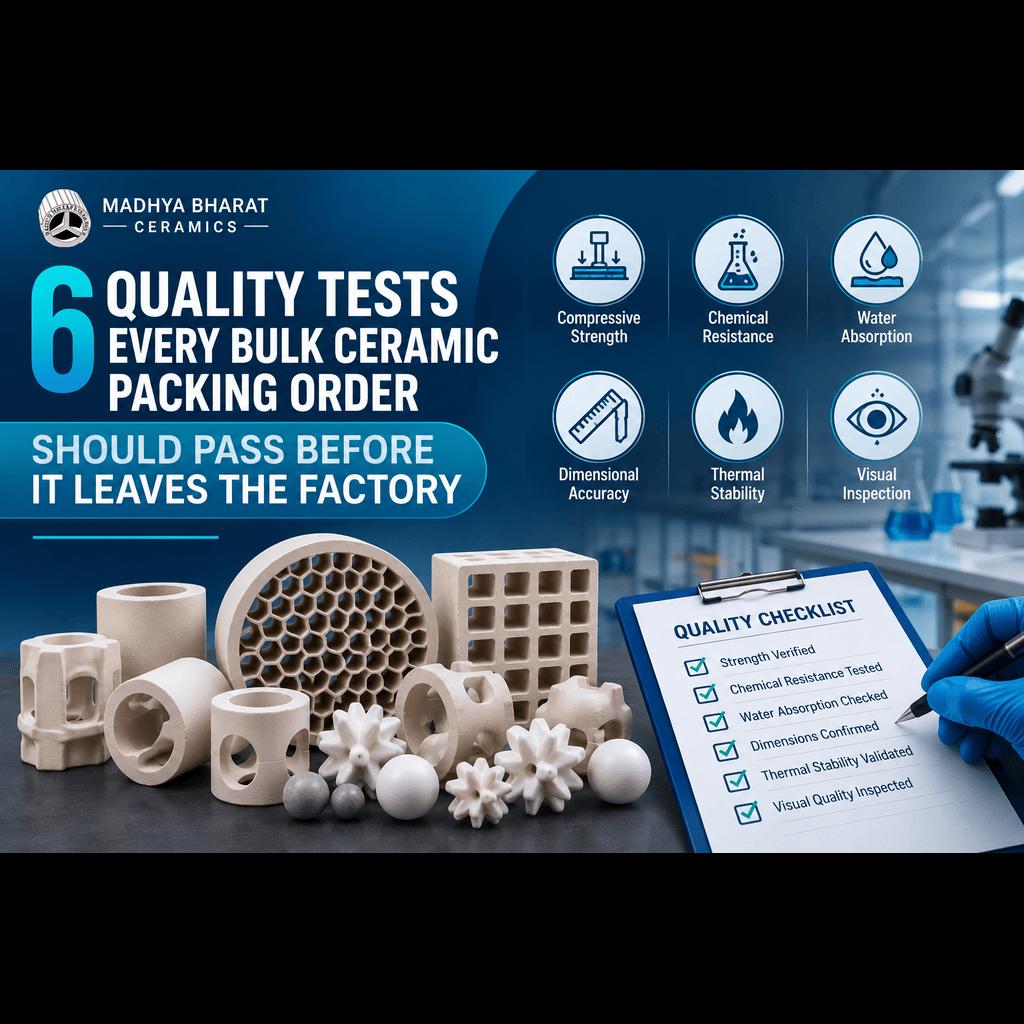
- Request samples or test reports before committing to a bulk order
- Clarify whether standard saddles, intalox saddles, or Cecebe HP saddles suit your application best
Frequently Asked Questions
1. What is the main difference between ceramic saddles and ceramic intalox saddles?
Intalox saddles have a modified shape that increases interspace and improves flow distribution, offering better mass transfer efficiency than standard saddles.
2. Are Cecebe HP Porcelain Saddles suitable for high-pressure towers?
Yes, their slip casting process gives them high crush strength and low porosity, making them suitable for towers with greater mechanical load.
3. Can ceramic saddles handle hydrofluoric acid exposure?
No, porcelain-based ceramic saddles resist most acids well, but hydrofluoric acid is an exception that requires a different material altogether.
4. How do I know which saddle type suits my process?
Match the saddle to your operating temperature, chemical exposure, and mechanical load requirements rather than choosing based on cost alone.
5. Does saddle shape affect pressure drop in a tower?
Yes, saddle geometry directly affects how gas and liquid move through the column, which influences overall pressure drop.
6. Can I get customized saddle sizes for my tower specifications?
Most established manufacturers offer custom sizing based on your specific tower dimensions and process requirements.
Ready to Choose the Right Saddle for Your Process?
The right saddle depends entirely on what your tower actually faces day to day, not just what worked for someone else’s process. If you are unsure which product fits your application, get in touch with our team and we will help you match the right ceramic saddle to your operating conditions.