Selecting the right heating element material affects everything from energy efficiency to equipment lifespan. The debate between Ceramic vs Metallic Heating Elements comes down to a core trade-off: ceramics offer superior heat resistance and chemical stability, while metals typically provide faster heat response and easier fabrication. Understanding this trade-off helps design engineers avoid costly material mismatches in furnaces, industrial heaters, and process equipment.
In this guide, we will compare both material types across key performance factors and explain how broader ceramic material expertise, the kind practiced by an experienced ceramic packing manufacturer, supports smarter decisions in high-temperature equipment design.
Understanding Ceramic vs Metallic Heating Elements
Heating elements convert electrical energy into heat, and the material used directly determines how well that heat is generated, sustained, and controlled. Metallic elements, often made from nickel-chromium alloys, have been the traditional choice for decades.
Ceramic heating elements, by contrast, use materials engineered for extreme thermal stability. They are increasingly specified in applications where temperature consistency and chemical resistance matter more than rapid heat-up times.
The right choice in the Ceramic vs Metallic Heating Elements decision depends heavily on the specific operating environment, required temperature range, and expected service life of the equipment.
Key Properties of Metallic Heating Elements
Metallic heating elements remain popular for several practical reasons. Understanding their strengths helps clarify when they are the better fit.
- Fast thermal response: Metals heat up and cool down quickly, which suits applications needing rapid temperature changes.
- Easier fabrication: Metal elements can be formed into coils, strips, or custom shapes relatively easily.
- Lower initial cost: In many standard applications, metallic elements are less expensive to produce and install.
- Good electrical conductivity: This supports efficient and predictable power delivery across the element.
However, metallic elements are more prone to oxidation and corrosion over time, especially in high-humidity or chemically active environments.
Key Properties of Ceramic Heating Elements
Ceramic heating elements bring a different set of advantages, particularly in demanding industrial settings. These properties often make ceramics the preferred choice for specialized applications.
- Higher maximum temperature tolerance: Ceramic materials can often withstand higher sustained temperatures than most metallic alloys.
- Excellent chemical resistance: Ceramics resist corrosion from acids, alkalis, and reactive gases far better than metal.
- Longer operational lifespan: Because ceramics resist oxidation and thermal fatigue, they often outlast metallic elements in continuous high-heat service.
- Stable performance under thermal cycling: Ceramic materials maintain structural integrity through repeated heating and cooling cycles.
- Lower risk of contamination: In sensitive processes, ceramic inertness reduces the risk of material transfer into the process stream.
These properties explain why ceramic materials are trusted across so many demanding industrial applications, not just heating elements but structural and process components as well.
Ceramic vs Metallic Heating Elements: Side-by-Side Comparison
Here is a direct comparison to help design engineers evaluate both options against their specific project requirements.
| Feature | Ceramic Heating Elements | Metallic Heating Elements |
| Maximum Temperature | Very High | High, but lower than ceramic |
| Chemical Resistance | Excellent | Moderate, prone to corrosion |
| Thermal Response Time | Slower | Faster |
| Lifespan in Harsh Conditions | Longer | Shorter |
| Fabrication Flexibility | Moderate | High |
| Initial Cost | Higher | Lower |
As this table shows, the better material depends entirely on the application. Rapid cycling applications may favor metal, while continuous high-temperature, chemically aggressive environments often favor ceramic.
When to Choose Ceramic Heating Elements
Certain operating conditions make ceramic materials the clearly stronger choice. Consider ceramic elements when your application involves:
- Continuous operation at very high sustained temperatures
- Exposure to corrosive gases or chemical vapors
- Processes requiring minimal contamination risk
- Long service life requirements with limited maintenance access
- Repeated thermal cycling without performance degradation
In these conditions, the upfront cost of ceramic materials is typically offset by reduced maintenance and longer equipment life.
When Metallic Heating Elements Make Sense
Metallic elements remain a practical choice in other scenarios. They tend to work well when:
- Rapid heating and cooling cycles are required
- The operating environment is relatively dry and non-corrosive
- Budget constraints favor lower upfront material costs
- Custom shapes or coil configurations are needed for compact designs
Choosing between the two ultimately comes down to matching material properties to your specific thermal and chemical environment.
Common Mistakes When Comparing Heating Element Materials
Design engineers sometimes make avoidable errors when weighing ceramic against metallic options. Watch for these common pitfalls during the selection process.
- Selecting based on upfront cost alone, without factoring in long-term maintenance and replacement expenses.
- Assuming all ceramic materials perform identically, when composition and manufacturing quality vary significantly between suppliers.
- Overlooking thermal cycling requirements, which can cause premature failure in elements not designed for frequent temperature swings.
- Failing to account for the surrounding atmosphere, since humidity and chemical exposure affect metallic elements far more than ceramic ones.
Taking time to evaluate these factors early in the design process helps prevent costly rework after installation.
How Ceramic Material Expertise Supports Better Engineering Decisions
While heating elements are a specialized product category, the underlying material science connects closely to broader ceramic engineering. Manufacturers who understand high-temperature ceramic behavior bring valuable insight to any project involving extreme heat or chemical exposure.
This is the kind of expertise found among established ceramic manufacturers in India, particularly those with decades of hands-on experience producing components for harsh industrial environments. A manufacturer who understands how ceramic materials perform under continuous thermal and chemical stress is well positioned to advise on material selection, even across adjacent applications.
Why Madhya Bharat Ceramics Brings Deep Material Expertise
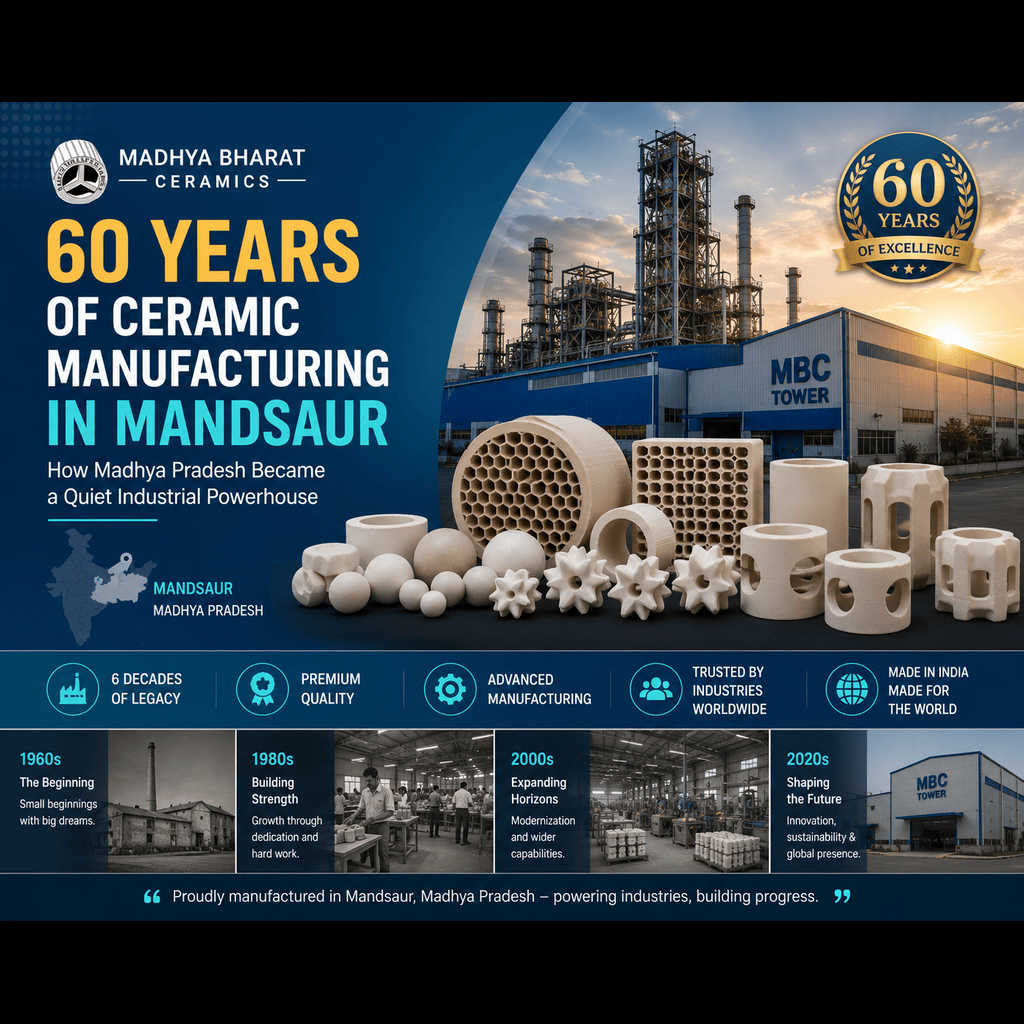
Madhya Bharat Ceramics has been manufacturing advanced ceramic components since 1964, giving the company over six decades of practical experience with high-temperature, chemically resistant materials. The company’s factory in Mandsaur, Madhya Pradesh, has built a strong reputation for precision ceramic manufacturing.
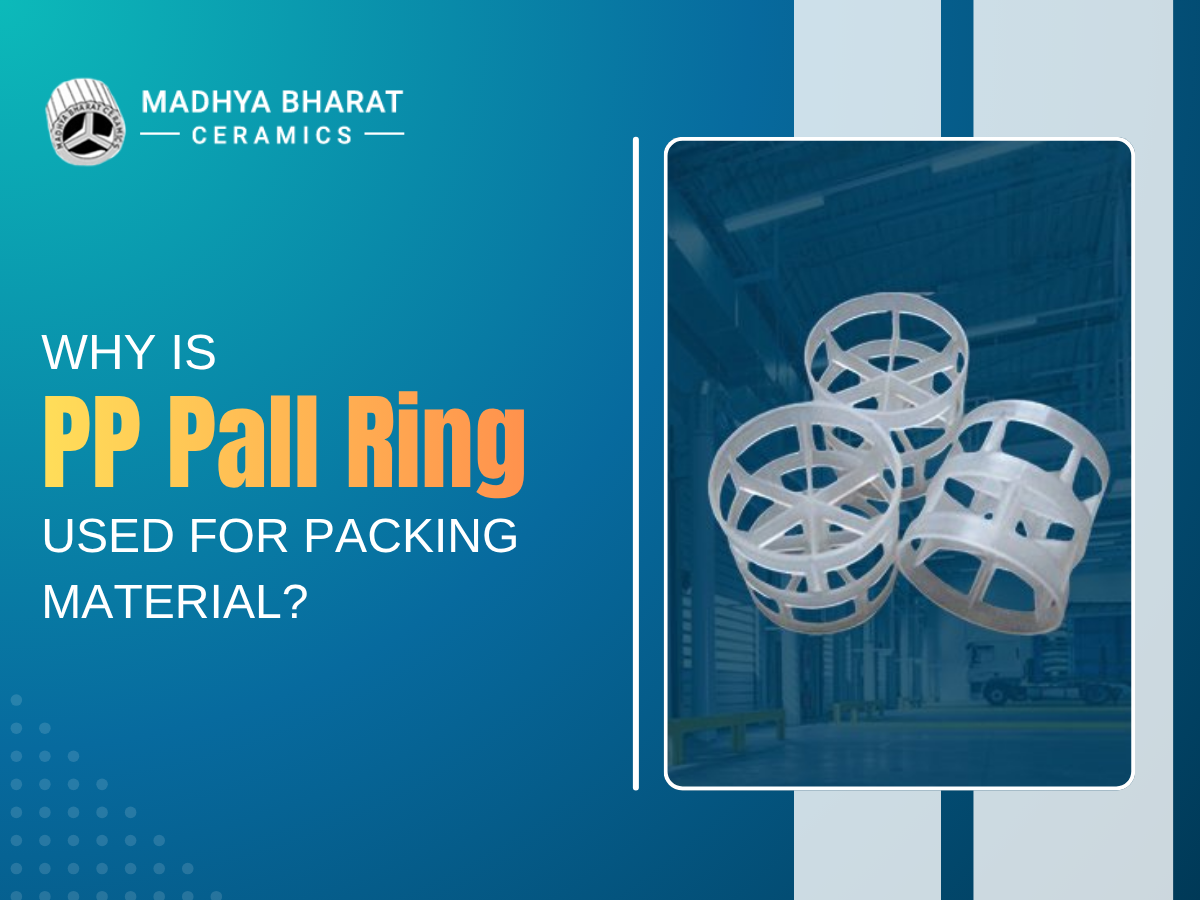
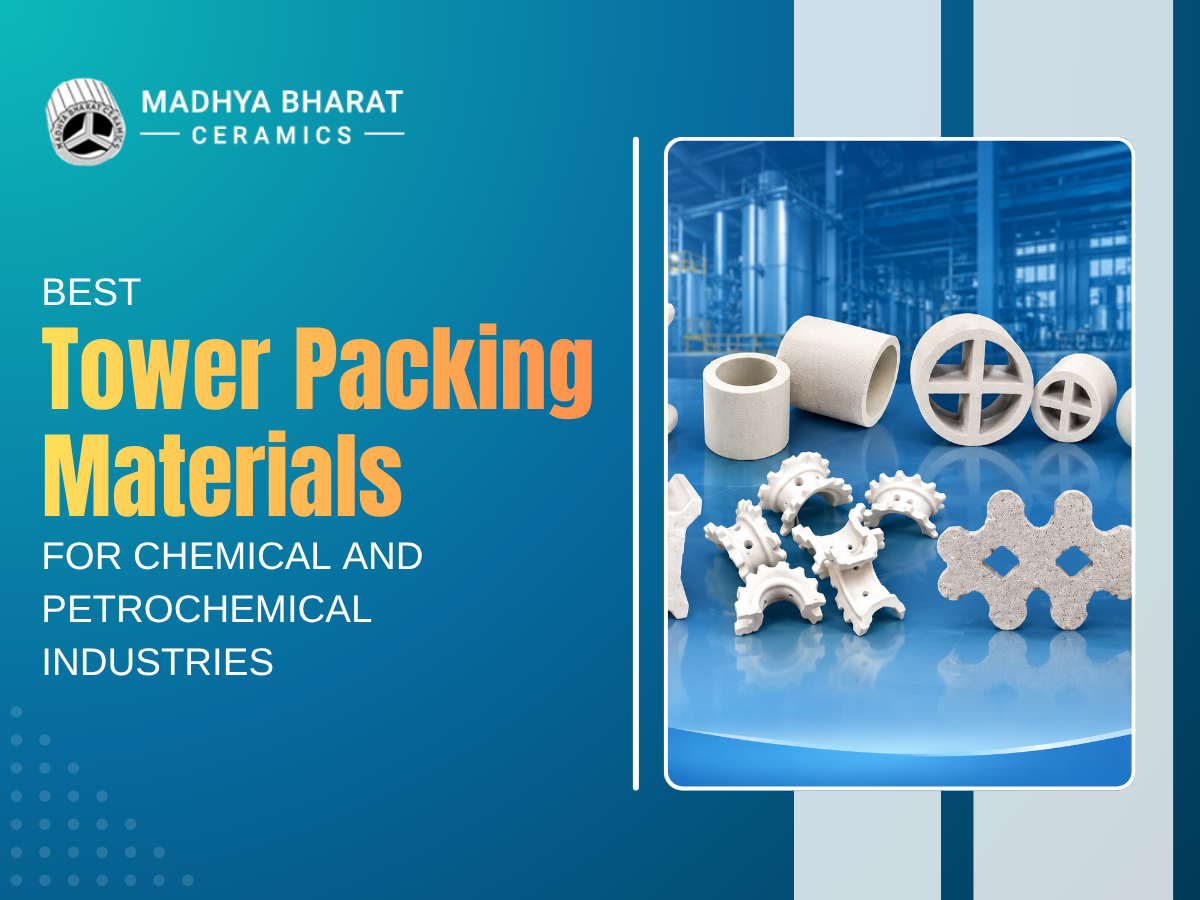
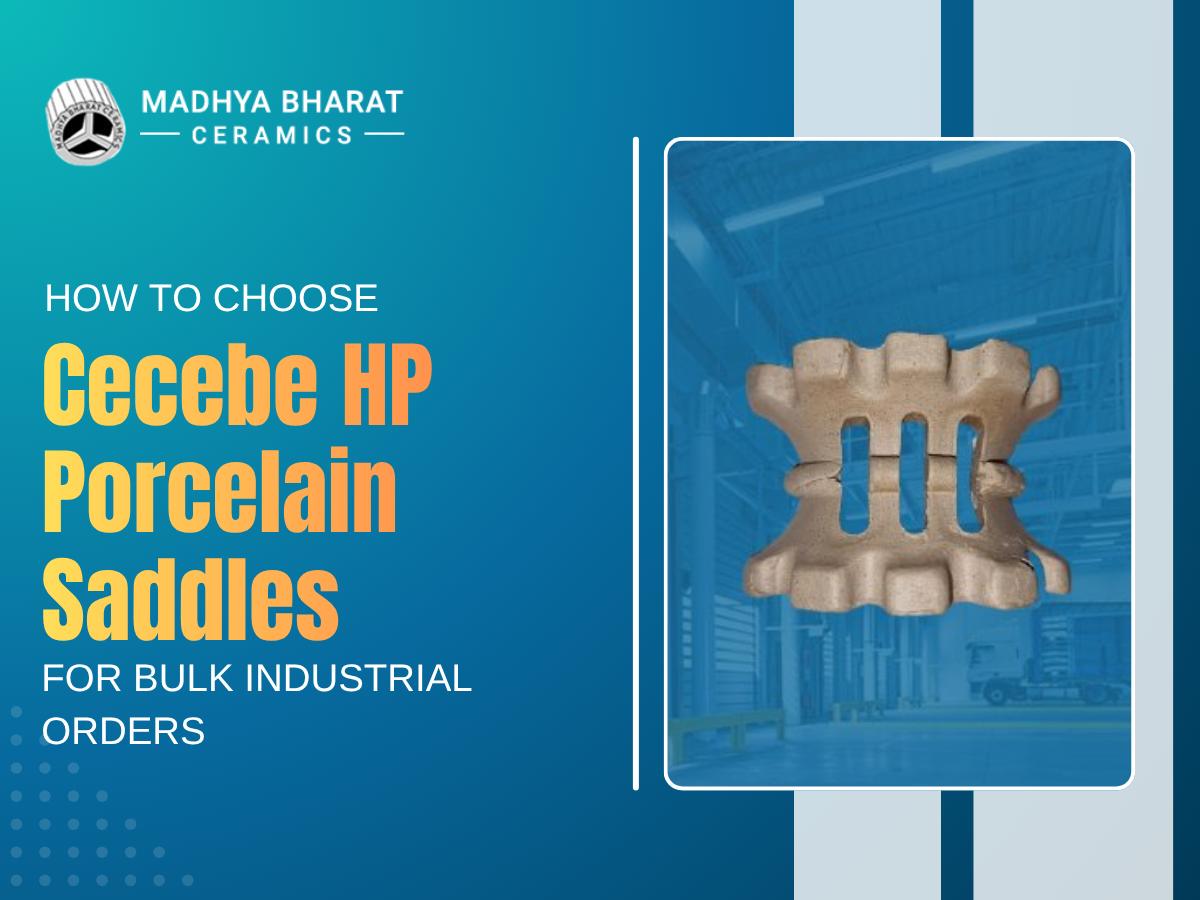
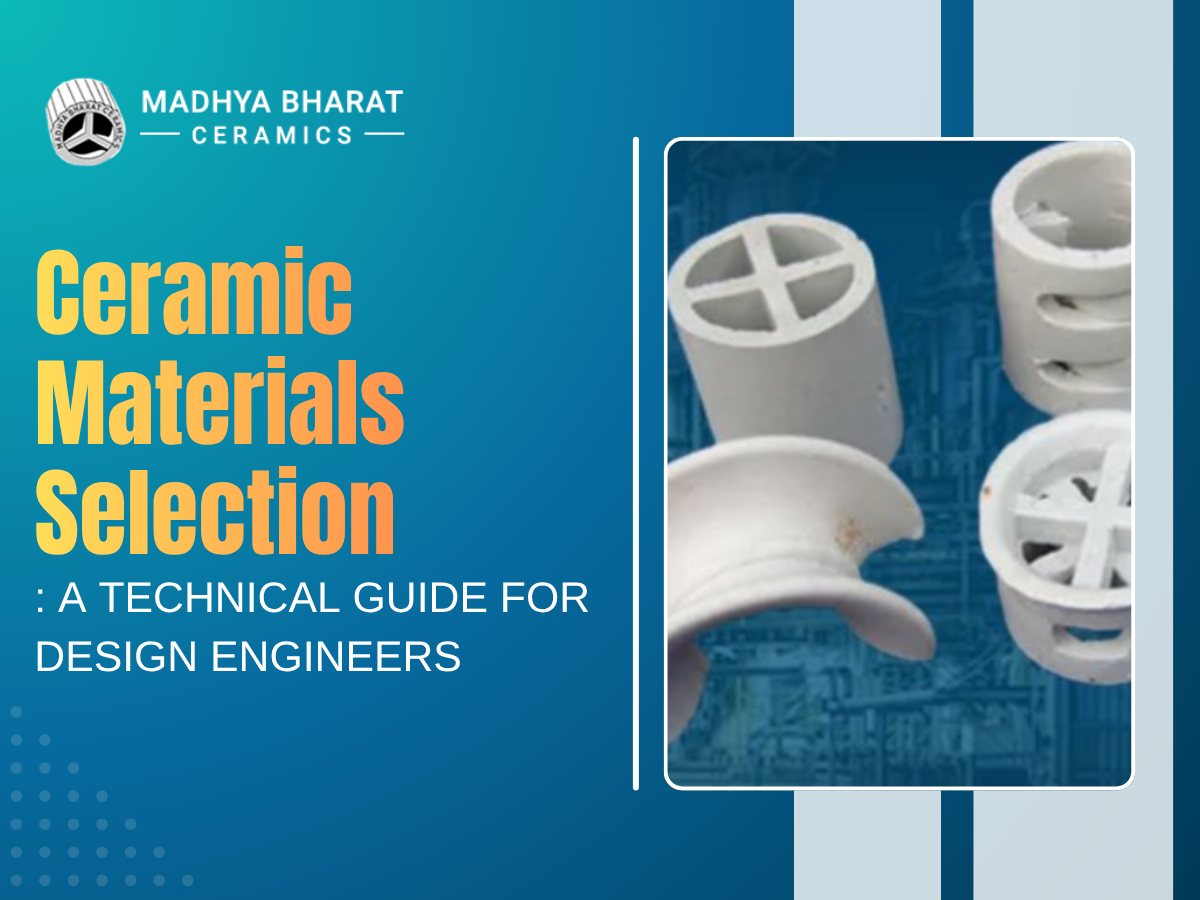
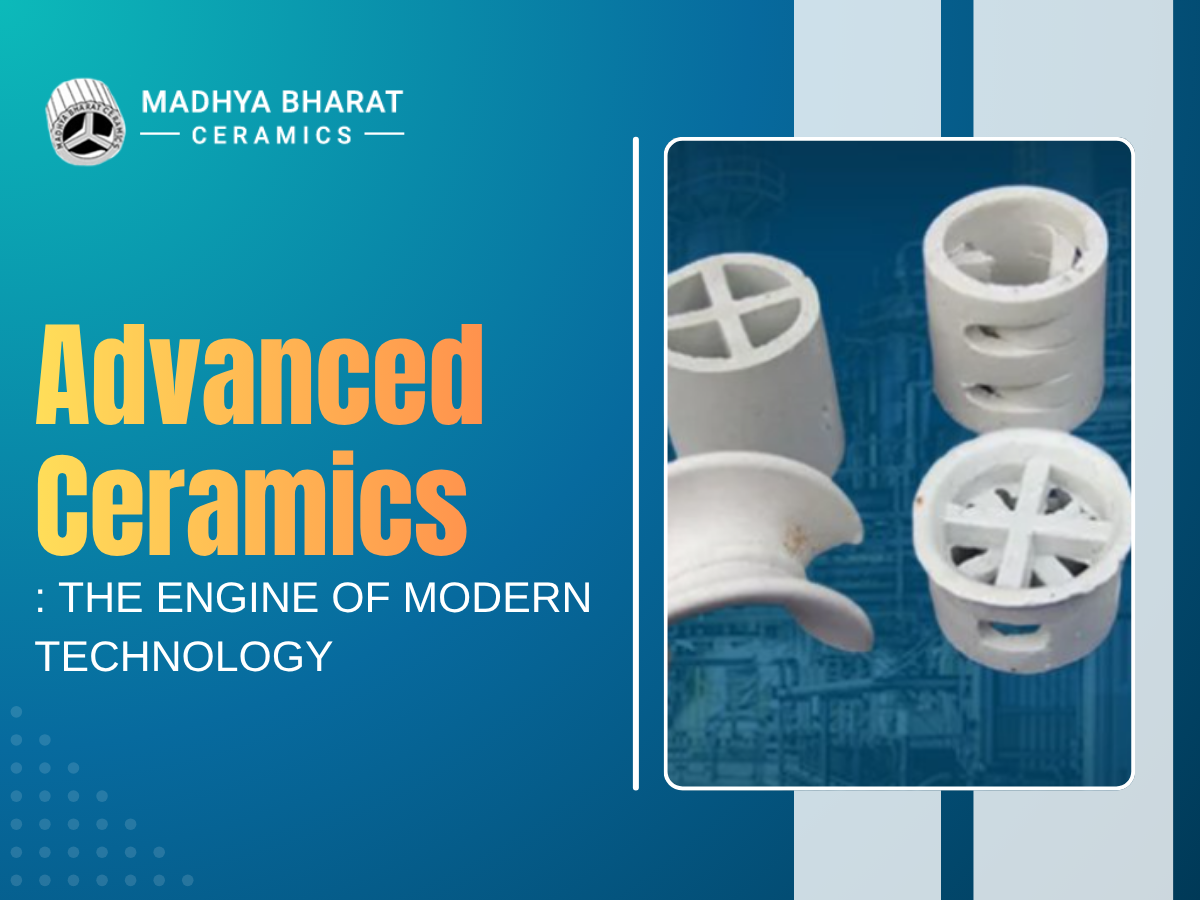
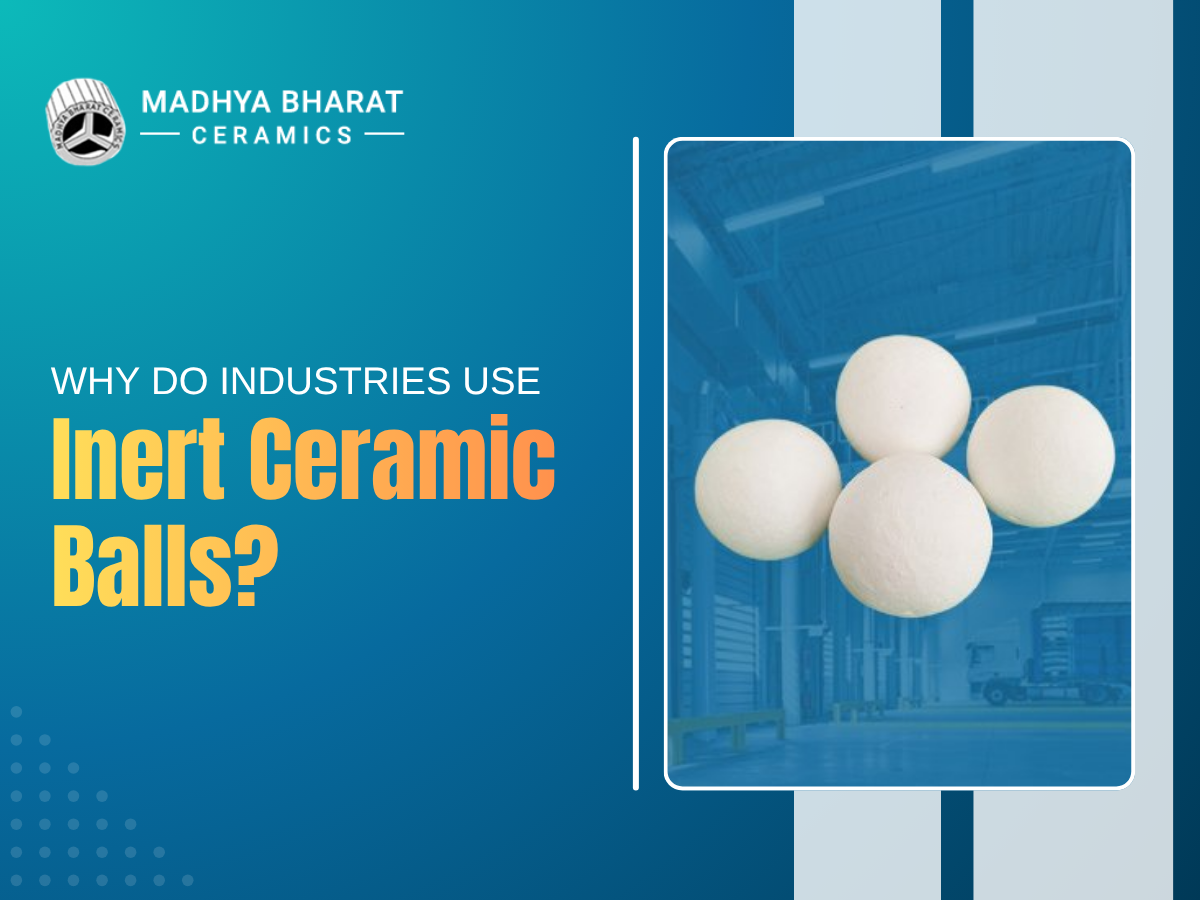
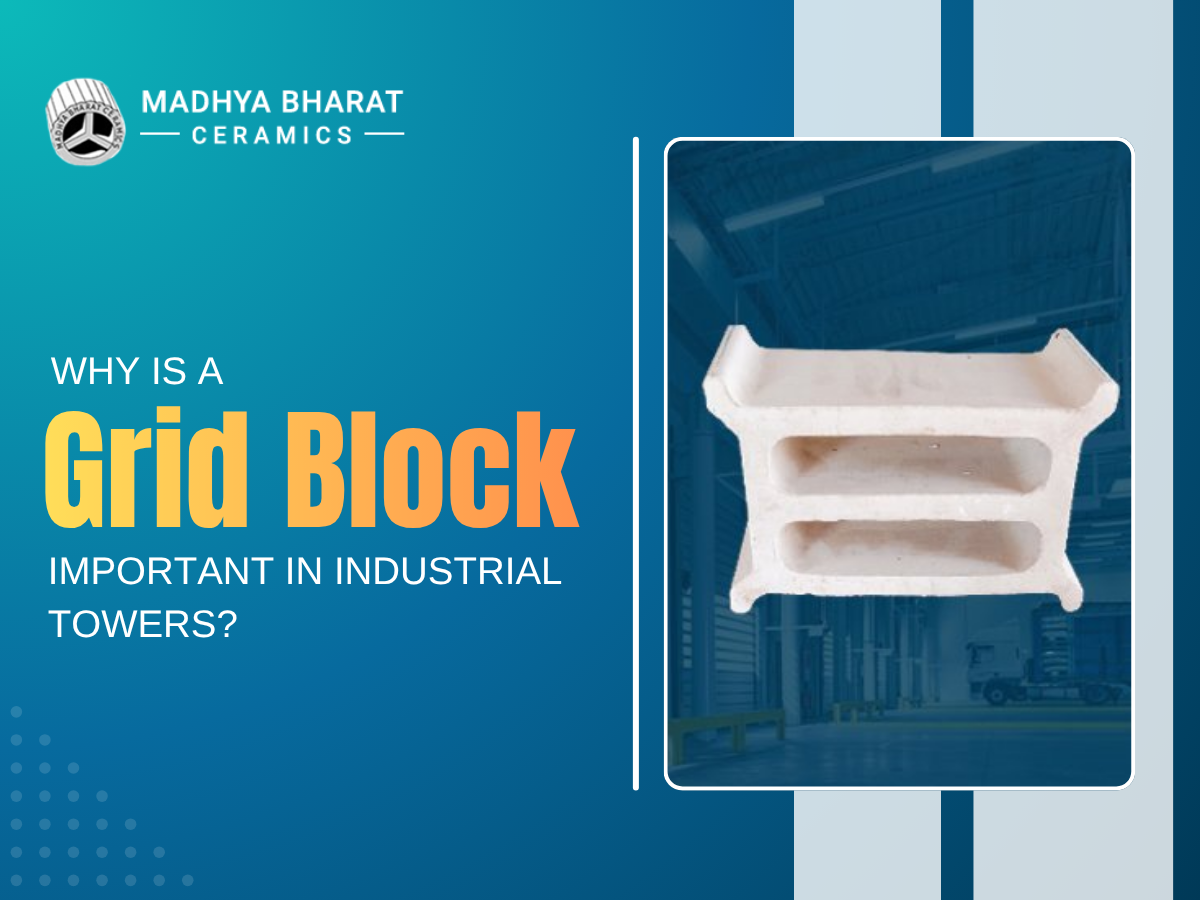
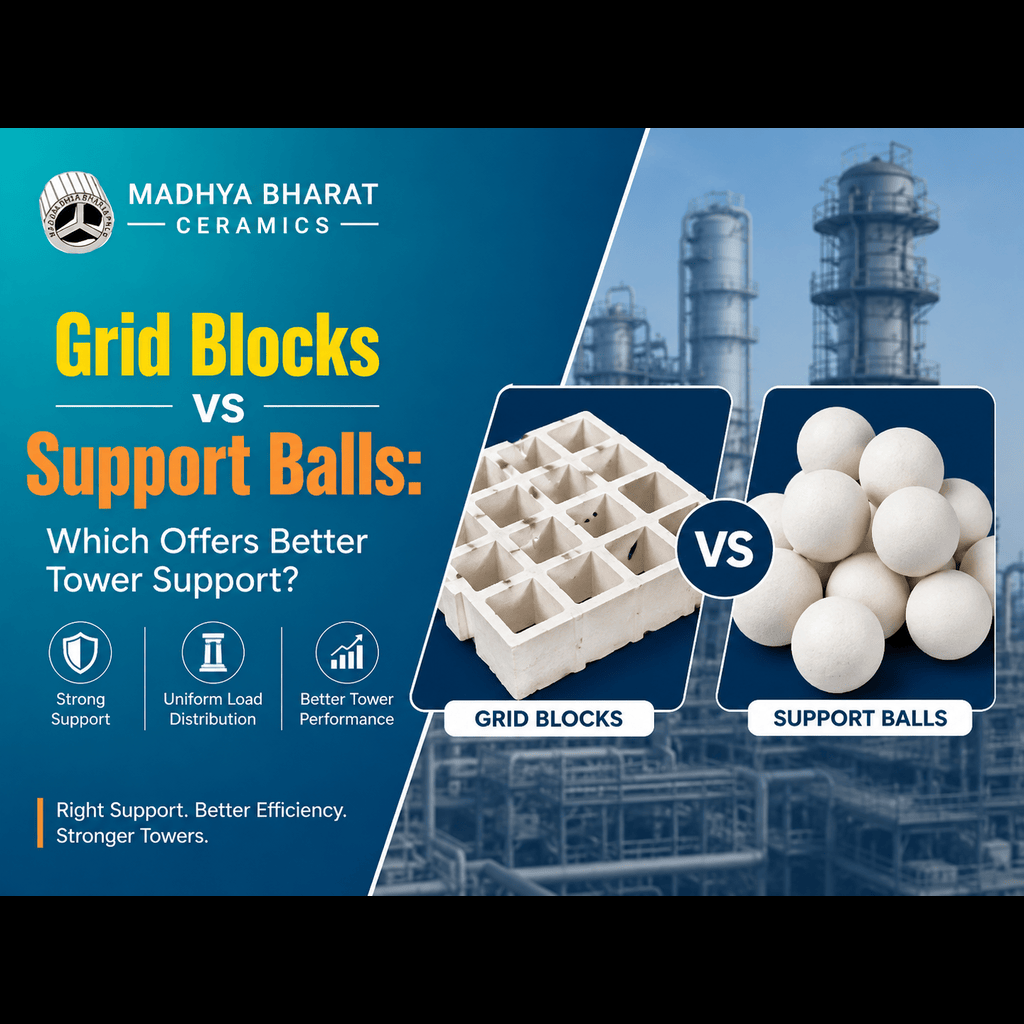
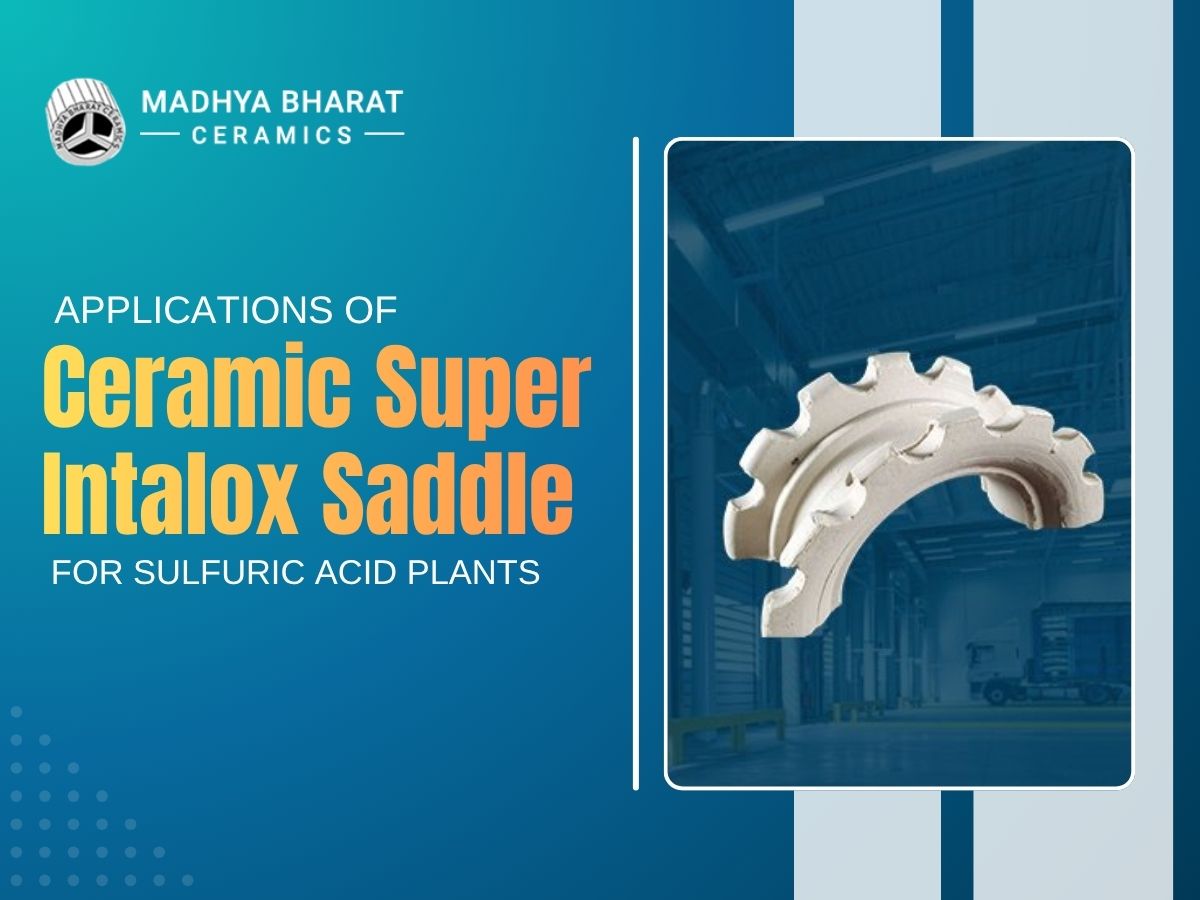
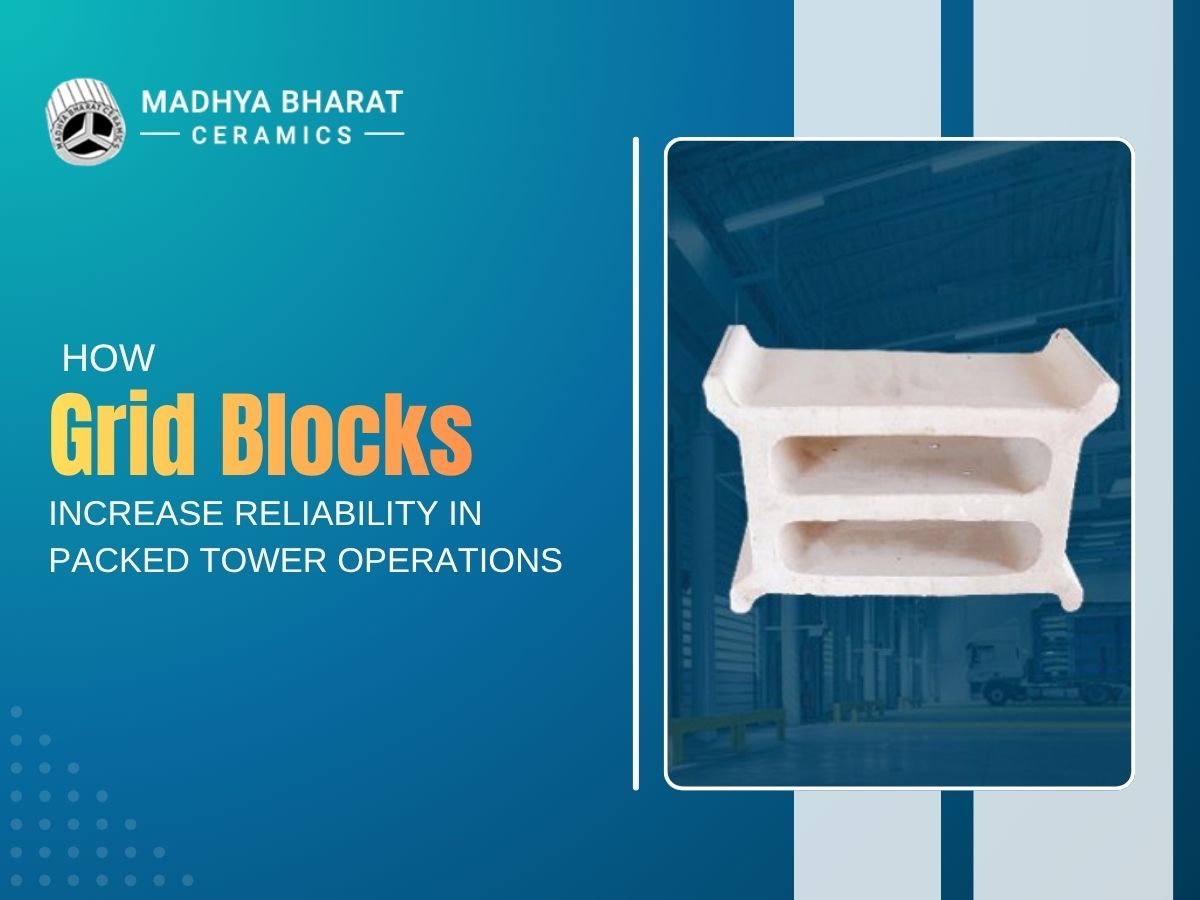
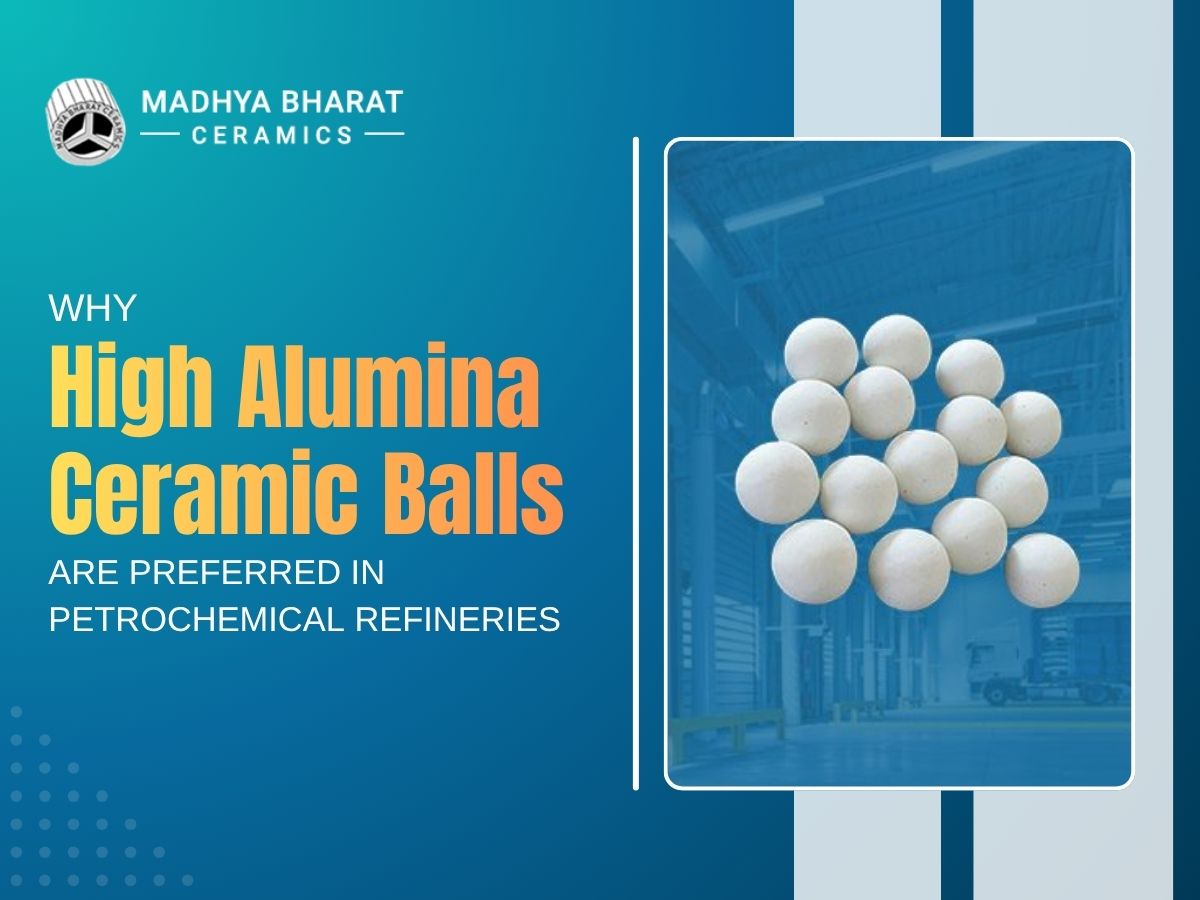
It is worth noting that Madhya Bharat Ceramics specializes in industrial ceramic packing and structural support components, including Ceramic Ultra, Grid Blocks, High Alumina Ceramic Balls, Inert Ceramic Balls, PP Pall Rings, and PP Saddles, rather than heating elements specifically. However, the same core material science that makes these products effective, including heat resistance, chemical inertness, and structural durability, is directly relevant to understanding why ceramics often outperform metals in extreme environments.
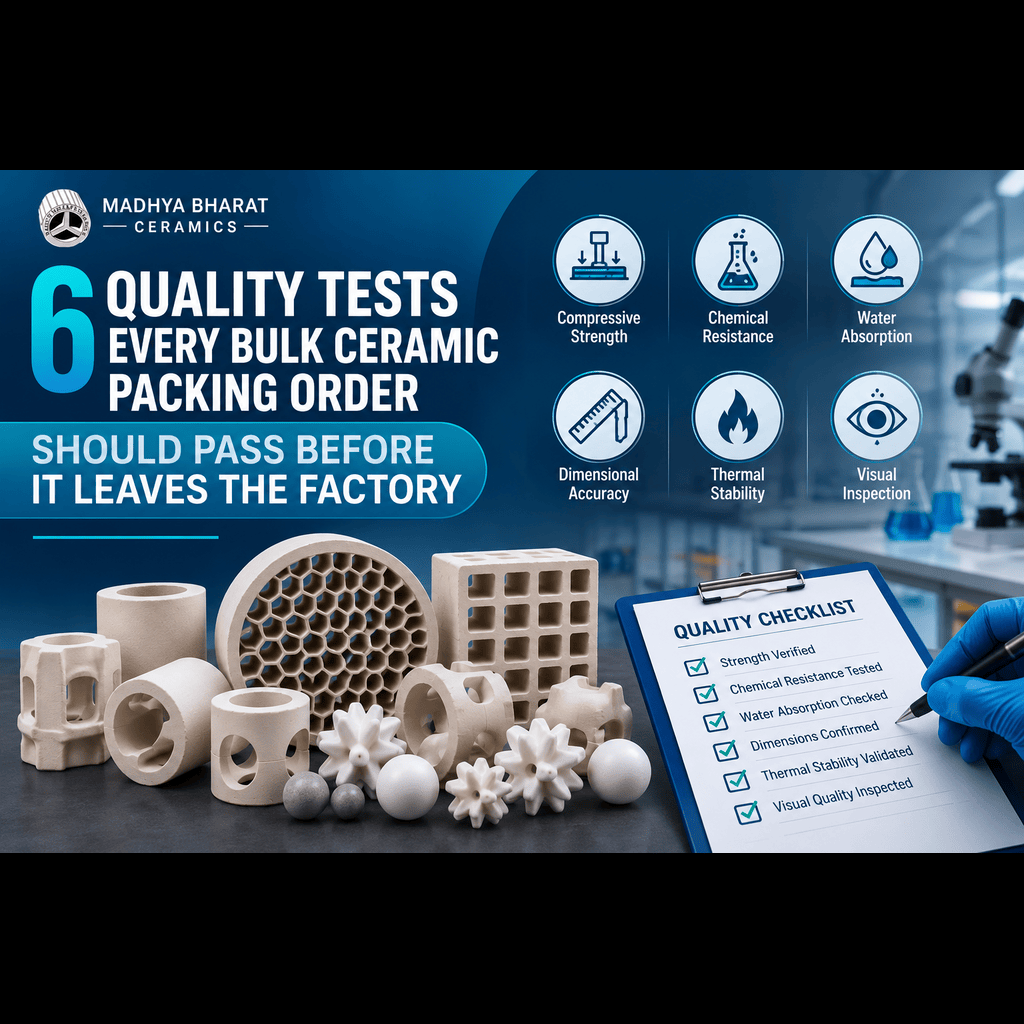
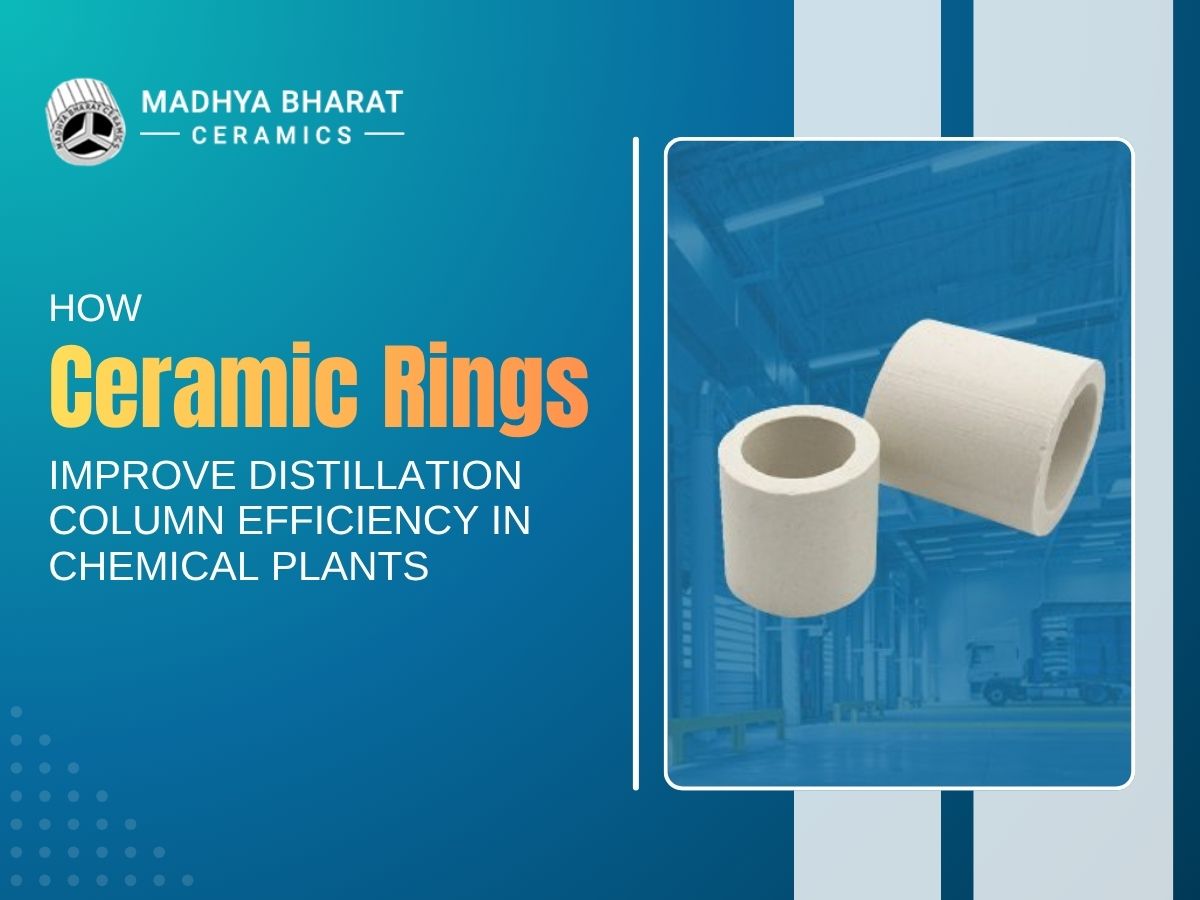
As an established ceramic packing manufacturer and Manufacturer of Ceramic Tower Packing, the company applies strict quality control at every production stage, including raw material testing, firing controls, and final product evaluation.
For engineers evaluating ceramic materials across any high-temperature application, including heating systems, this depth of hands-on ceramic manufacturing experience offers a useful reference point for understanding material behavior under real industrial stress.
Frequently Asked Questions
1. Which lasts longer, ceramic or metallic heating elements?
Ceramic heating elements generally last longer in continuous high-temperature or corrosive environments, since they resist oxidation and chemical degradation better than most metals.
2. Are ceramic heating elements more expensive than metallic ones?
Yes, typically. Ceramic elements often have a higher upfront cost, but this is frequently offset by lower maintenance needs and longer service life in demanding conditions.
3. Can metallic heating elements be used in corrosive environments?
They can, but they generally require protective coatings or specialized alloys, which adds cost and complexity compared to naturally corrosion-resistant ceramic materials.
4. Why do ceramic materials handle higher temperatures better than metals?
Ceramic materials have higher melting points and better resistance to thermal fatigue, allowing them to maintain structural integrity at temperatures that would weaken or deform most metals.
5. How do I decide which material is right for my application?
Evaluate your required temperature range, chemical exposure, cycling frequency, and budget. For continuous high-heat or corrosive conditions, ceramic is usually the stronger long-term choice.
Conclusion
The choice between Ceramic vs Metallic Heating Elements is rarely about which material is universally better. It is about matching material properties, temperature tolerance, chemical resistance, and lifecycle cost, to the specific demands of your application.
For projects involving high-temperature, chemically demanding environments more broadly, working with experienced ceramic material experts like Madhya Bharat Ceramics can offer valuable insight into material behavior, even beyond their core product range.
Contact our team today to discuss your application and explore how our ceramic engineering experience can support your design decisions.