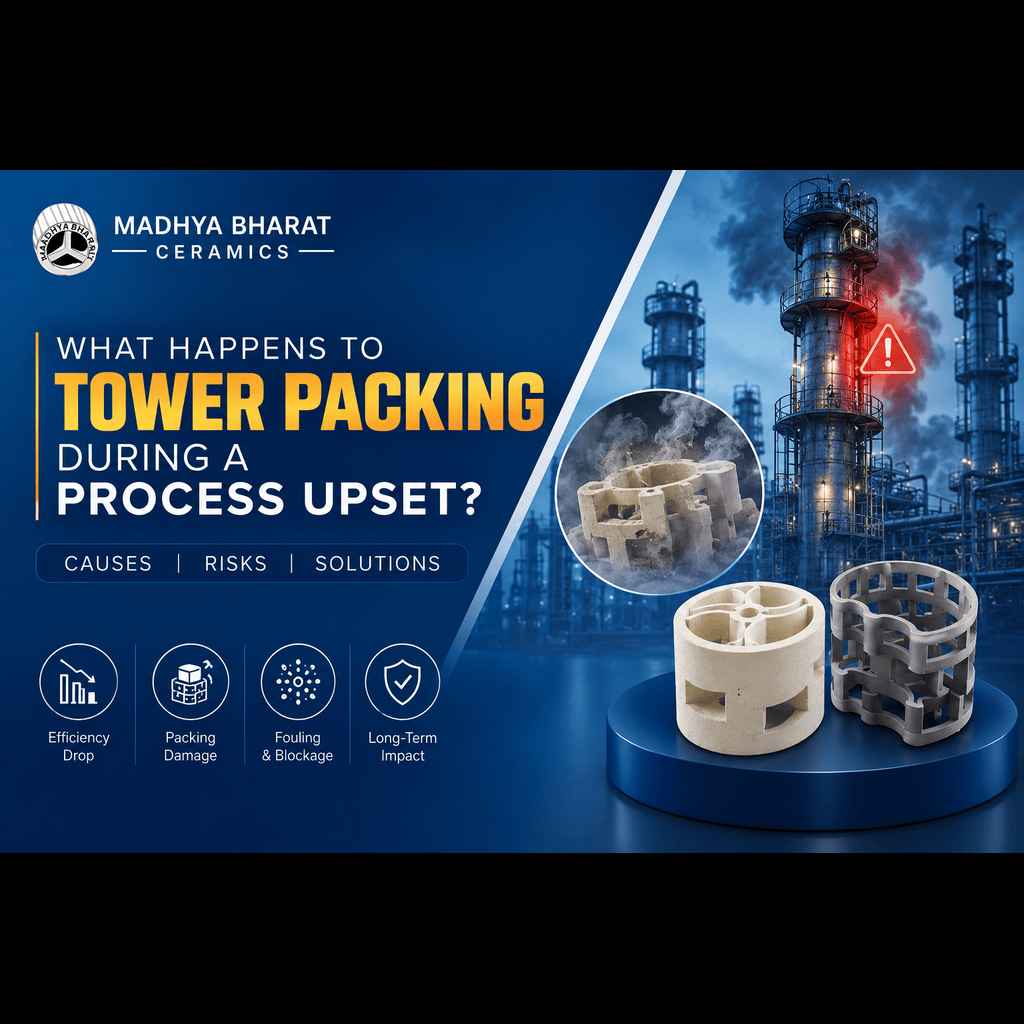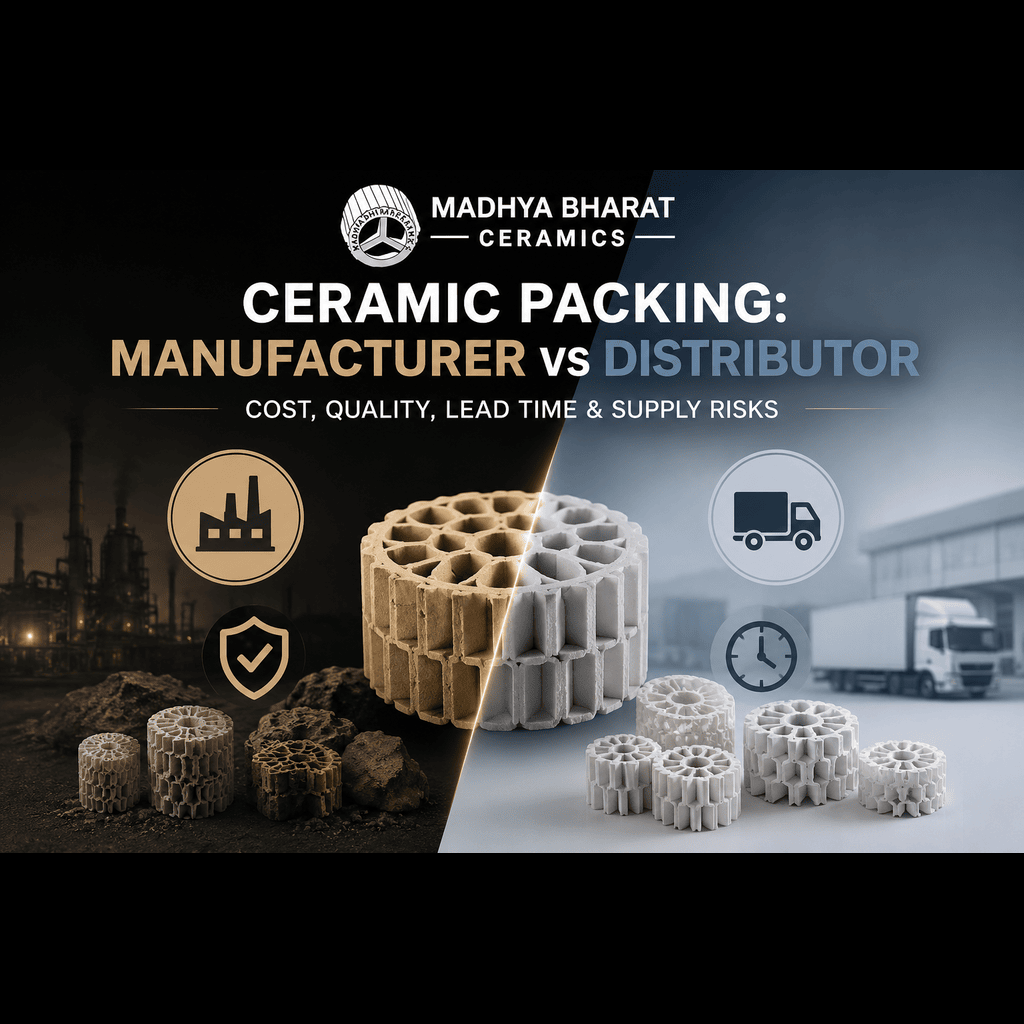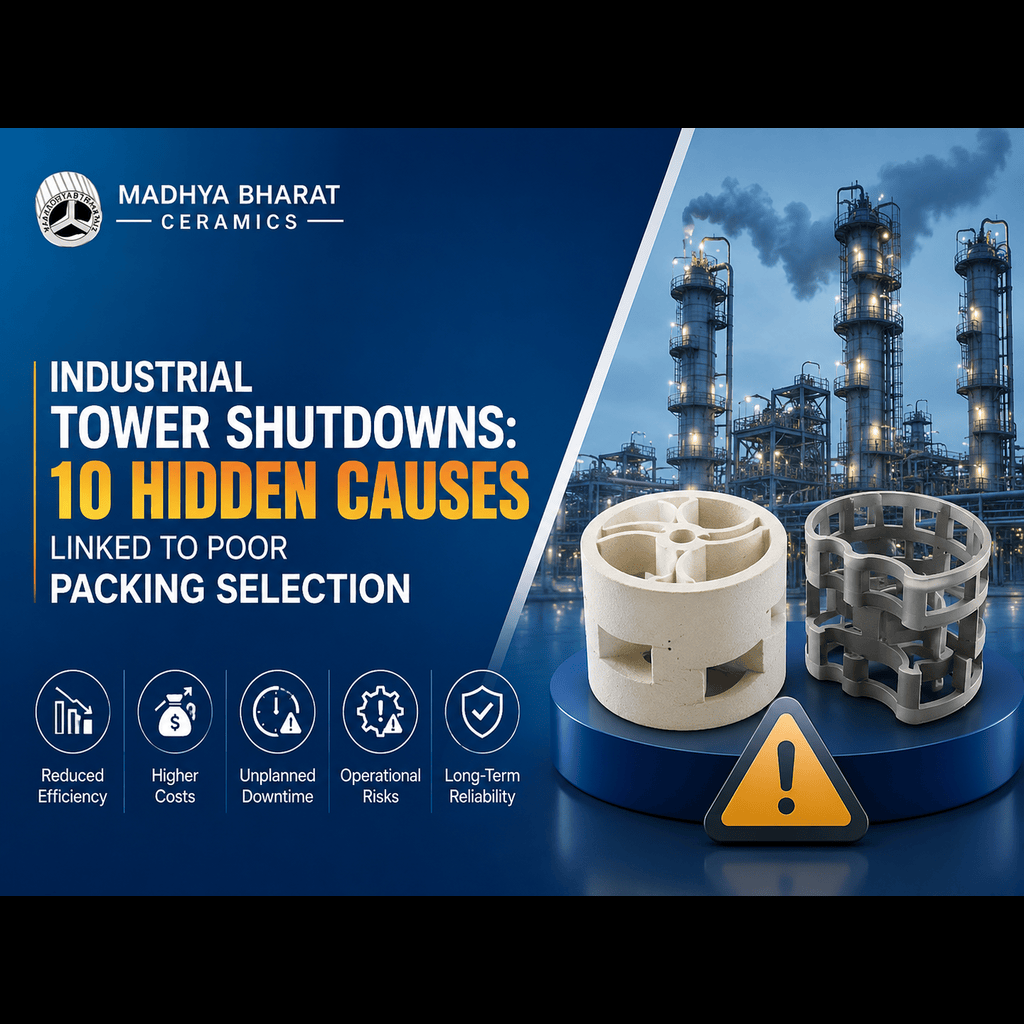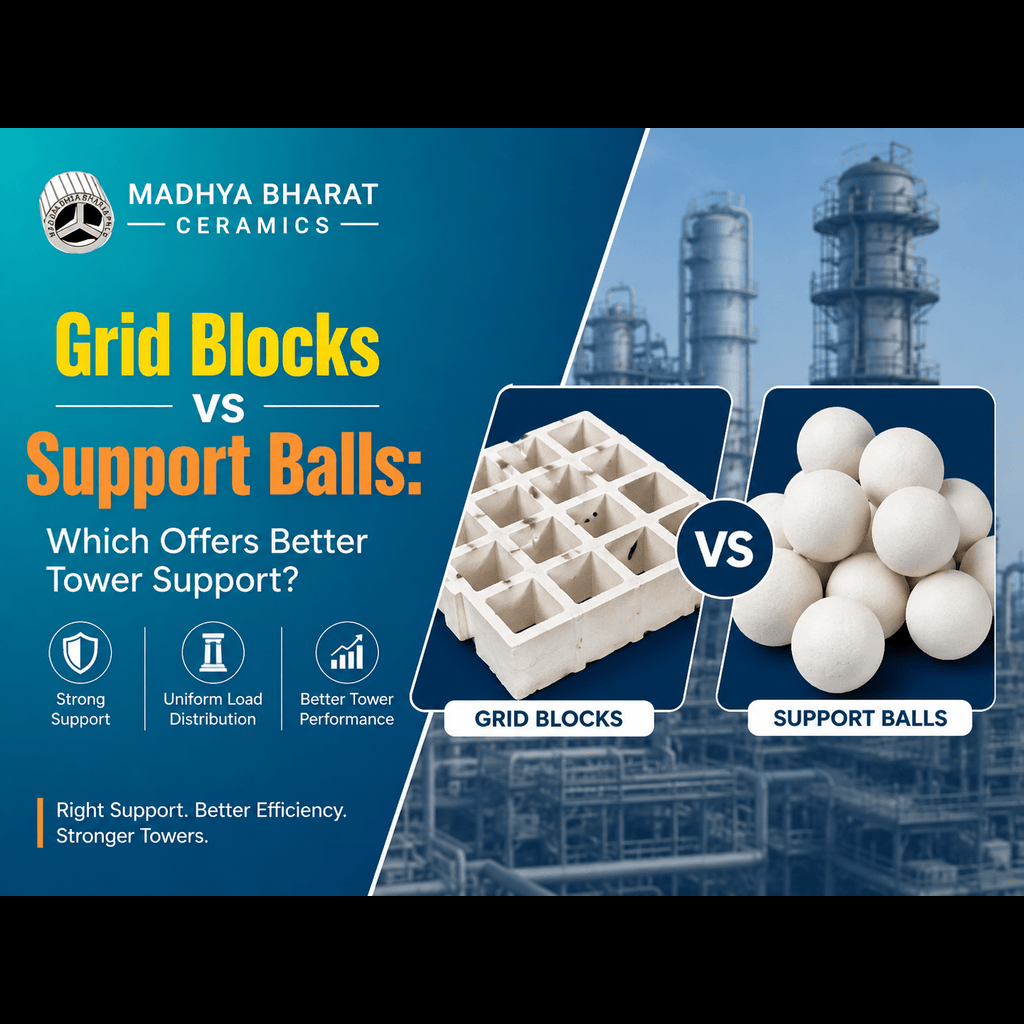
Sourcing the wrong ceramic ring for your industrial tower or column is a mistake that shows up quickly and costs more to fix than the original purchase. According to chemical engineering maintenance data, packing-related column failures account for nearly 20% of all packed tower performance problems in chemical plants globally. The difference between a reliable plant and a poorly performing one often comes down to one decision: which ceramic ring supplier you choose. Ceramic Ring in Mandsaur has built a strong reputation as a trusted source for industrial ceramic rings used in chemical processing, petrochemical, and water treatment applications across India and international markets.
Why the Right Ceramic Ring Supplier Matters for Industrial Operations
Not all ceramic rings are made the same way. Two rings that look identical on the outside can have very different performance characteristics depending on how they were manufactured, what raw materials were used, and how well the firing process was controlled.
A ring with inconsistent density will develop weak spots that crack under load inside a packed bed. A ring with poor dimensional tolerance will create uneven flow distribution across the tower cross-section. A ring with high water absorption means the ceramic was not fired to sufficient density and will have lower mechanical strength than specified.
These are not theoretical risks. Plant engineers dealing with packing failures after sourcing from unverified suppliers report:
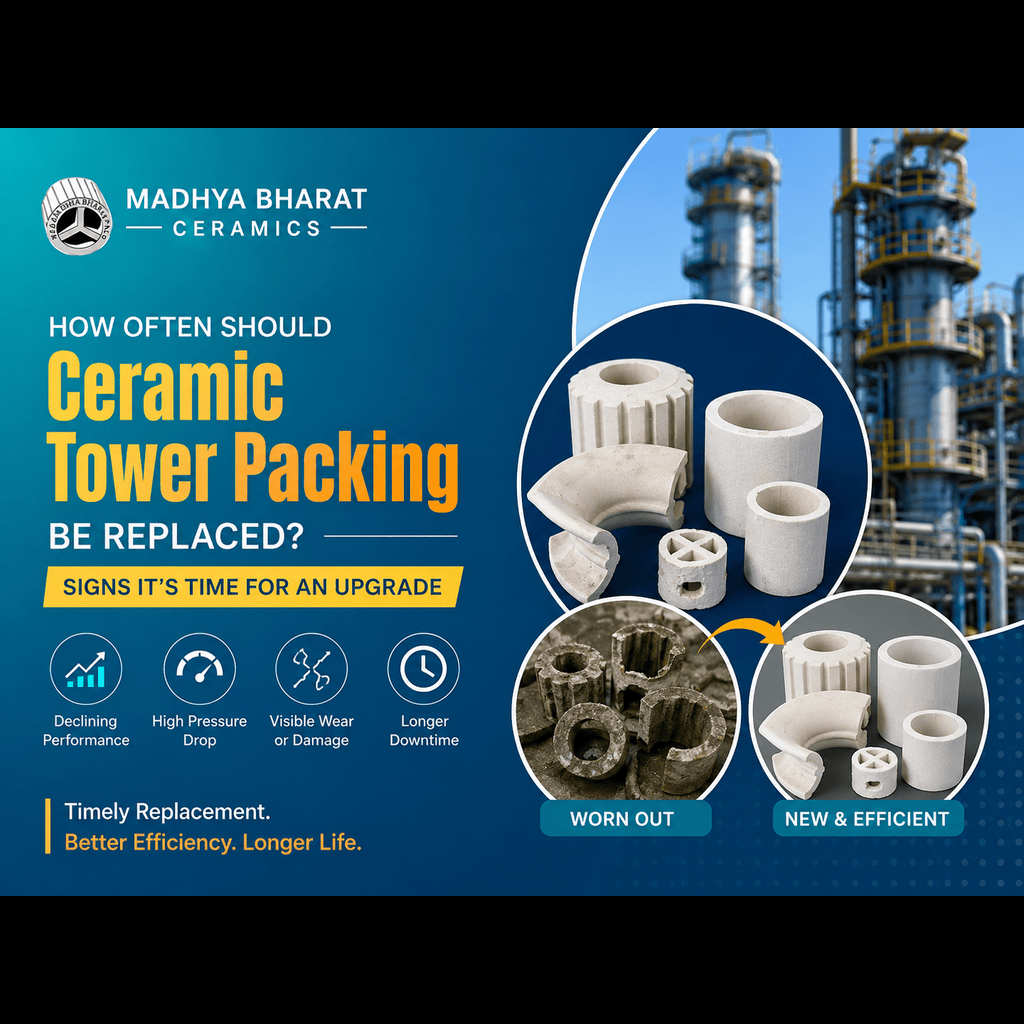
- Premature packing breakage increasing bed pressure drop within months of commissioning
- Dimensional inconsistencies causing uneven flow and reduced column efficiency
- Contamination from low-grade ceramic compositions affecting product purity
- Supplier inability to provide test data when problems arise during or after installation
- Long lead times and poor communication creating procurement delays for replacement stock
Working with a qualified top ceramic ring manufacturer from the beginning prevents all of these problems.
What to Look for in a Ceramic Ring Manufacturer in India
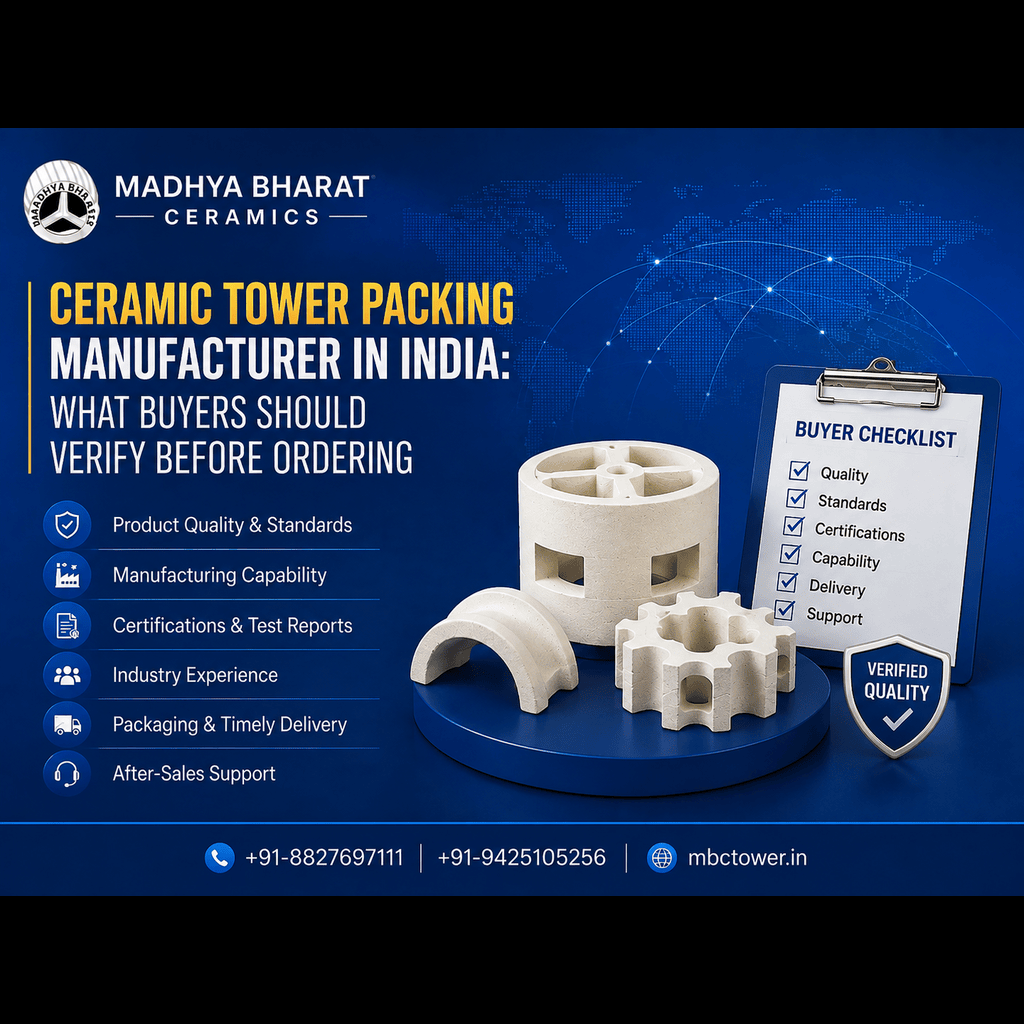
India has a large number of ceramic ring manufacturers across different production clusters. Quality varies significantly between manufacturers. Here is what to evaluate before placing an order:
1. Raw Material Quality
The base ceramic composition determines chemical resistance and mechanical strength. Ask your potential ceramic ring manufacturer in India what alumina and silica content their standard products contain. Higher alumina content delivers better acid resistance and crush strength. A quality manufacturer will provide a material composition certificate on request.
2. Firing Temperature and Process Control
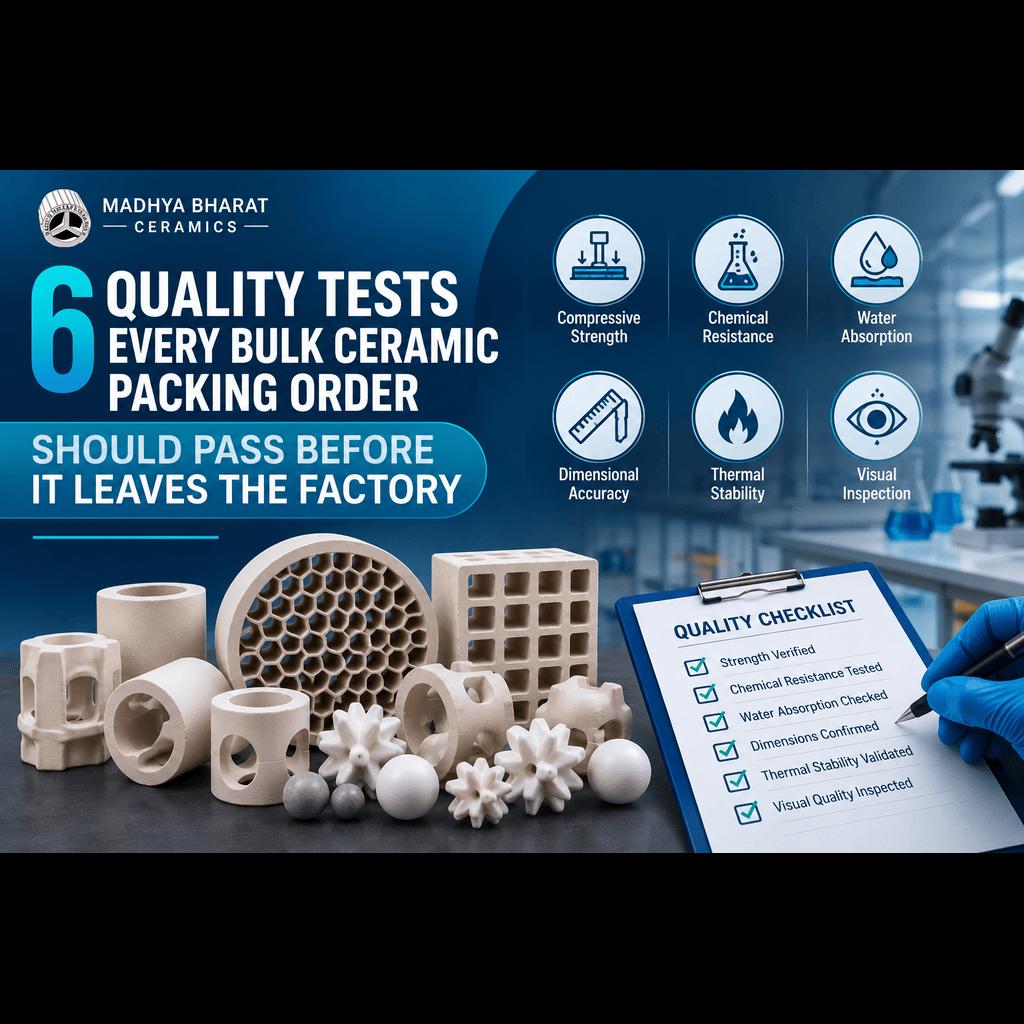
Ceramic rings gain their strength and density through high-temperature kiln firing. Properly fired rings have water absorption below 0.5% for high-density grades. Rings fired at insufficient temperatures will show higher water absorption, lower crush strength, and shorter service life. Ask for water absorption test data as a basic quality indicator.
3. Dimensional Tolerance
Consistent sizing matters for predictable bed behavior inside your tower. Industry standard dimensional tolerance for ceramic rings is plus or minus 1mm in diameter and height. Any supplier who cannot specify their dimensional tolerance or provide measurements from production batches should be approached with caution.
4. Crush Strength Data
For tower packing applications, crush strength determines how deep a packing bed the rings can support without breaking under their own weight. A 25mm ceramic ring should withstand at least 1500 to 2000 Newtons. Larger rings require proportionally higher crush strength. Always request crush strength data specific to the ring size you are ordering.
5. Quality Certifications
A reliable ceramic ring manufacturer will hold ISO 9001 certification for their production quality management system. This confirms that documented quality procedures are followed consistently. Some manufacturers also hold product-specific certifications for chemical resistance testing or dimensional compliance.
6. Export Experience and Documentation
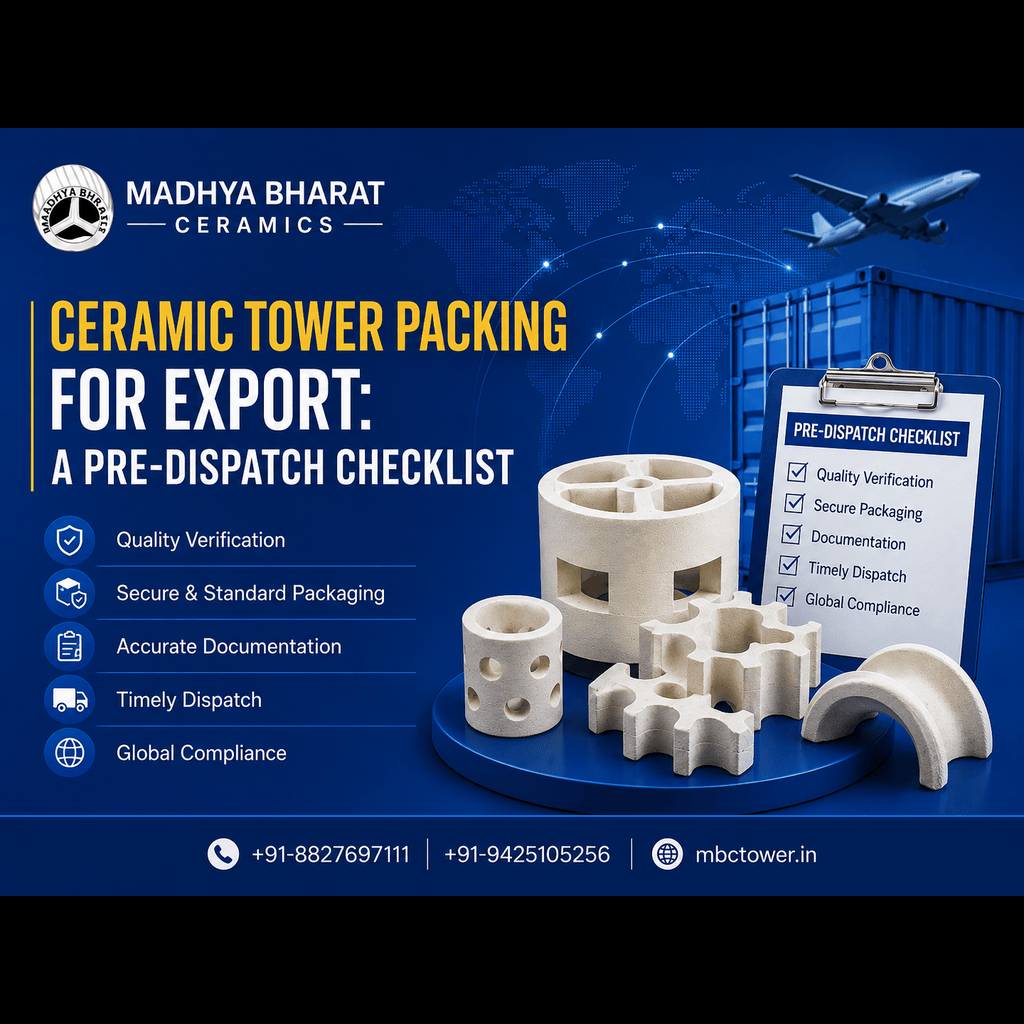
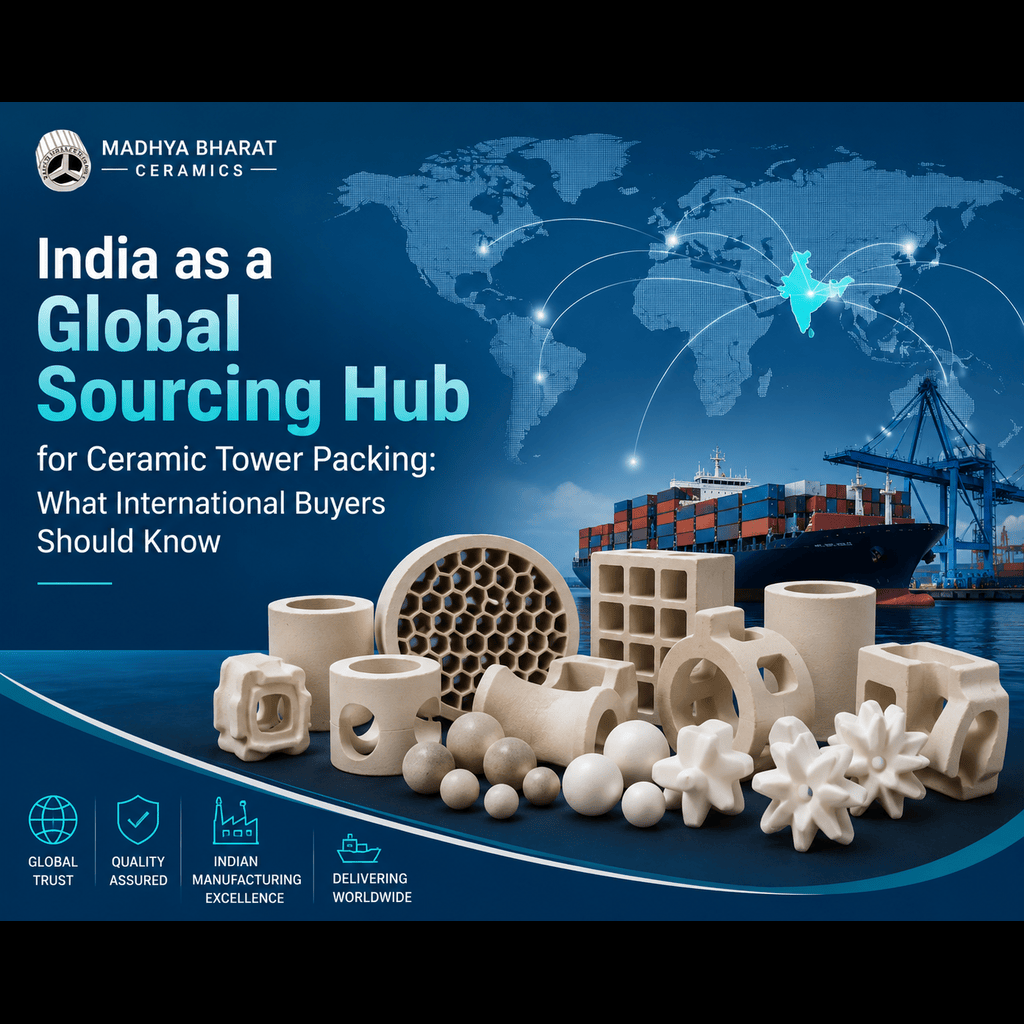
For international buyers, the ability to provide proper export documentation is as important as product quality. This includes commercial invoices, packing lists, material safety data sheets, certificate of origin, and third-party inspection reports when required. A qualified ceramic ring exporter handles these routinely and can arrange third-party inspection by organizations like SGS or Bureau Veritas on request.
Comparison Table: What Separates Quality Ceramic Ring Suppliers from Average Ones
| Evaluation Criteria | Quality Supplier | Average Supplier |
| Material composition certificate | Provided with order | Not available |
| Water absorption data | Below 0.5% documented | Not tested or disclosed |
| Crush strength report | Size-specific data provided | Generic or unavailable |
| Dimensional tolerance | Plus or minus 1mm guaranteed | Not specified |
| ISO 9001 certification | Current and documented | Absent or expired |
| Sizing consultation | Provided before order | Not offered |
| Export documentation | Full package available | Limited or incomplete |
| Sample availability | Yes, before bulk order | Rarely available |
| Technical support | Available post-delivery | Not provided |
| Delivery reliability | Committed lead time met | Variable and delayed |
This comparison gives procurement managers and plant engineers a practical framework for evaluating ceramic ring suppliers before committing to a purchase.
Types of Ceramic Rings Available from Industrial Suppliers
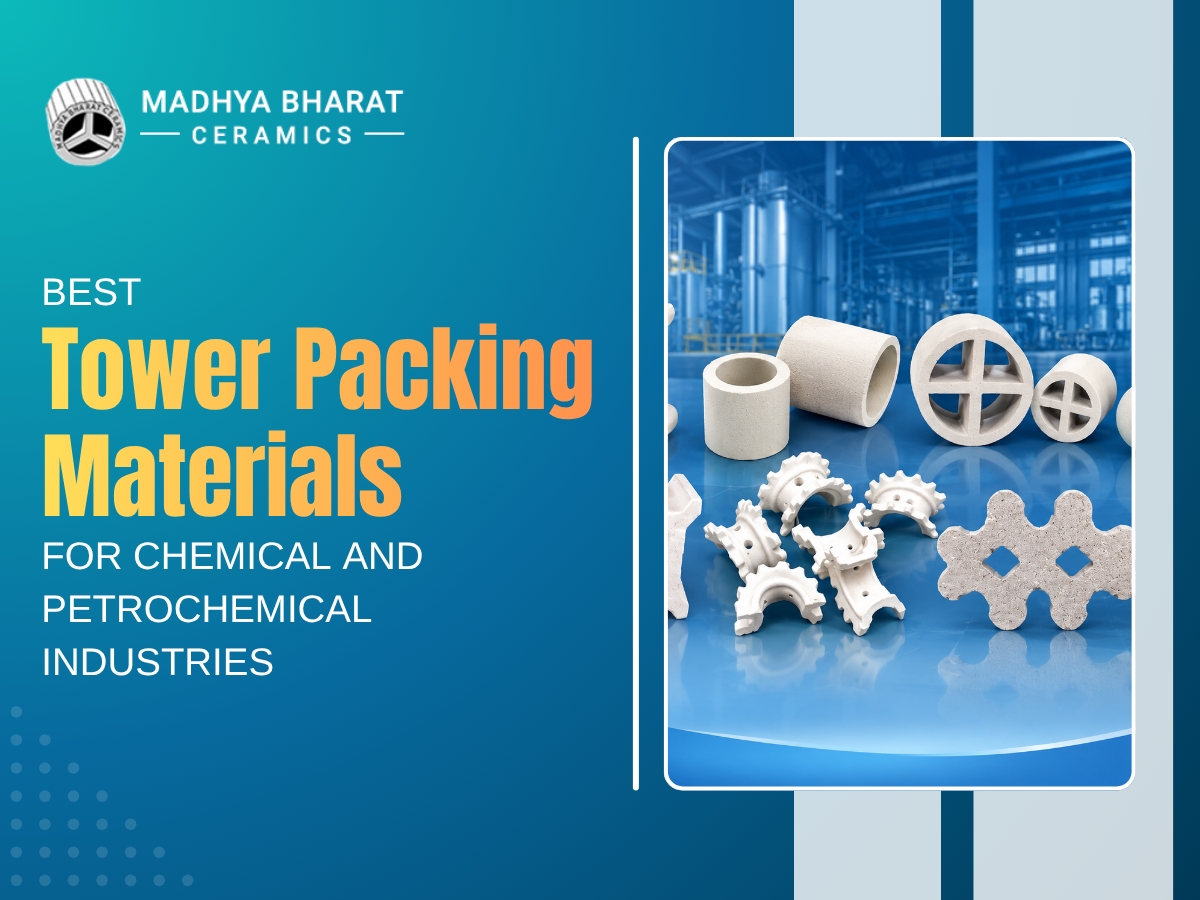
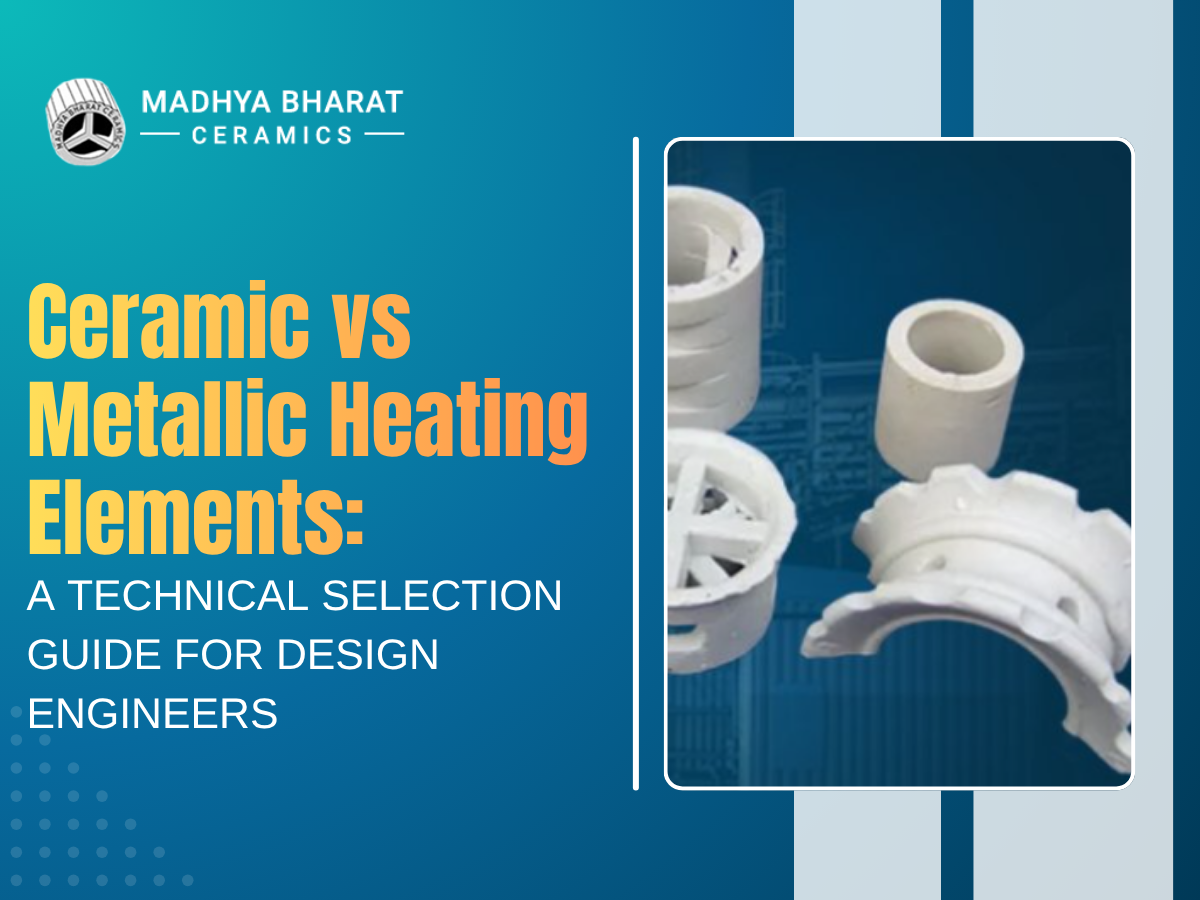
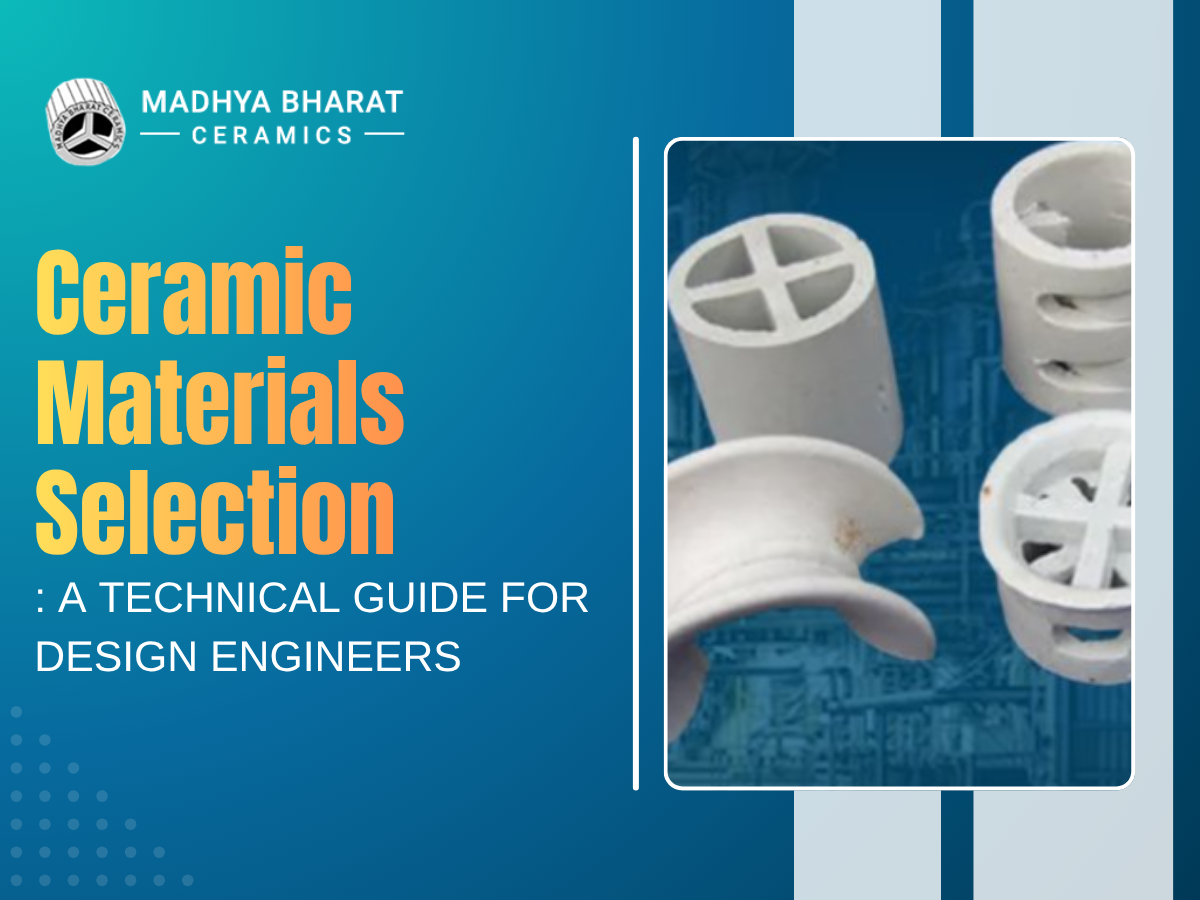
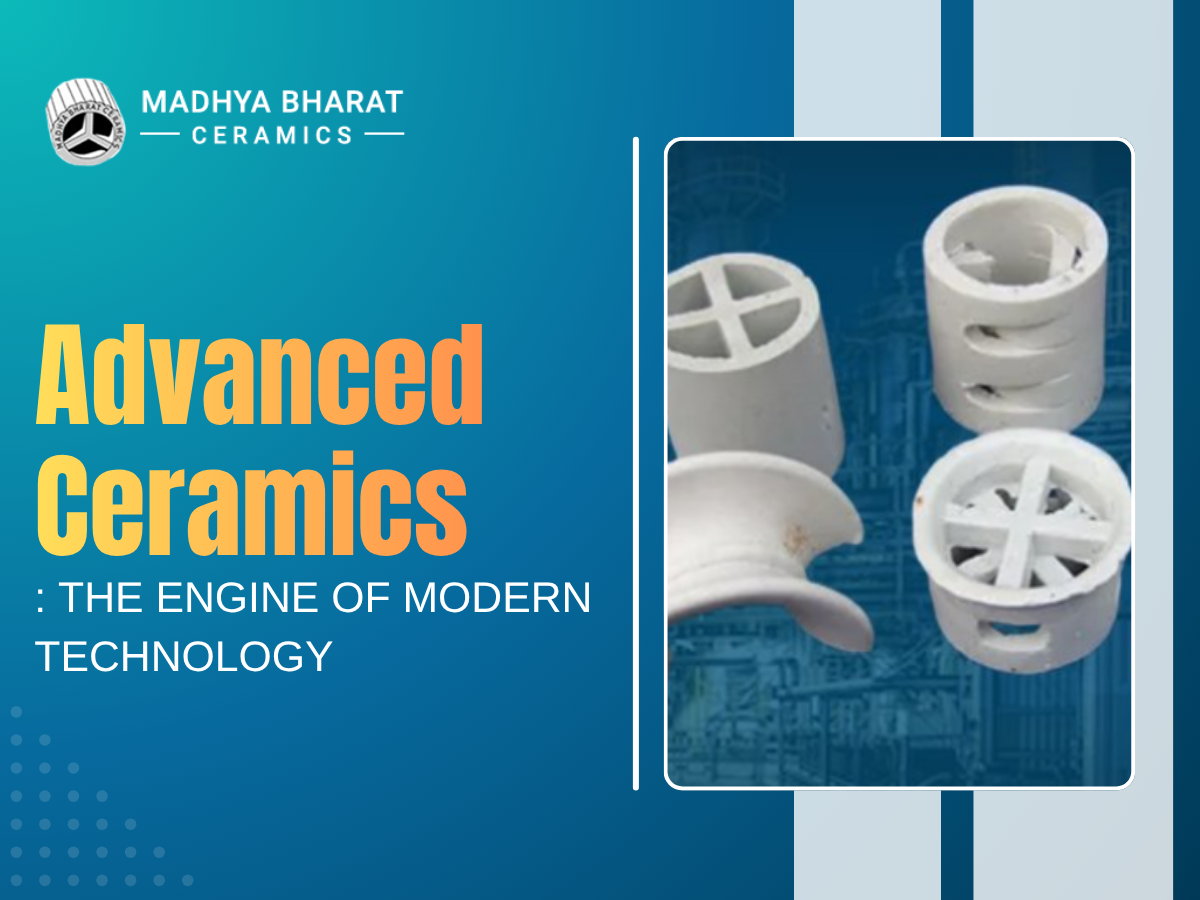
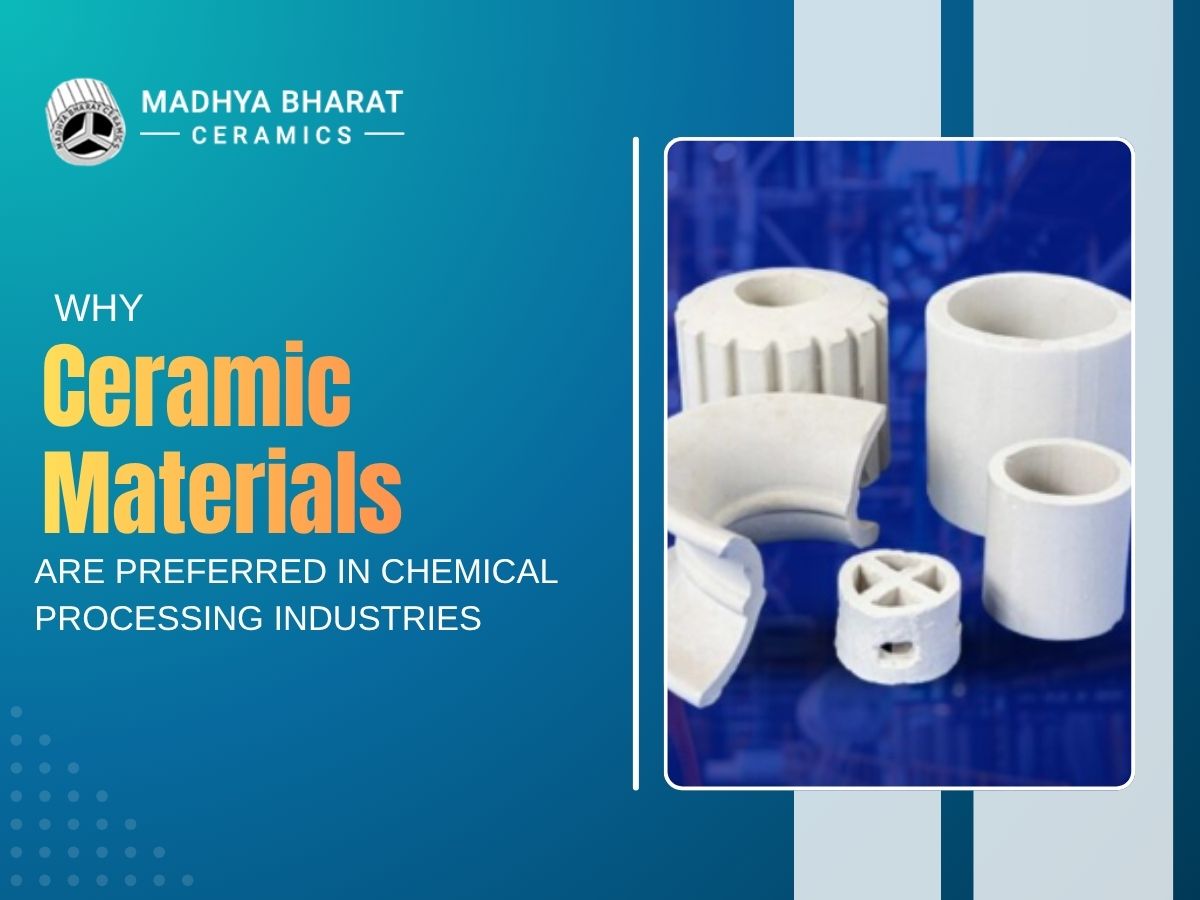
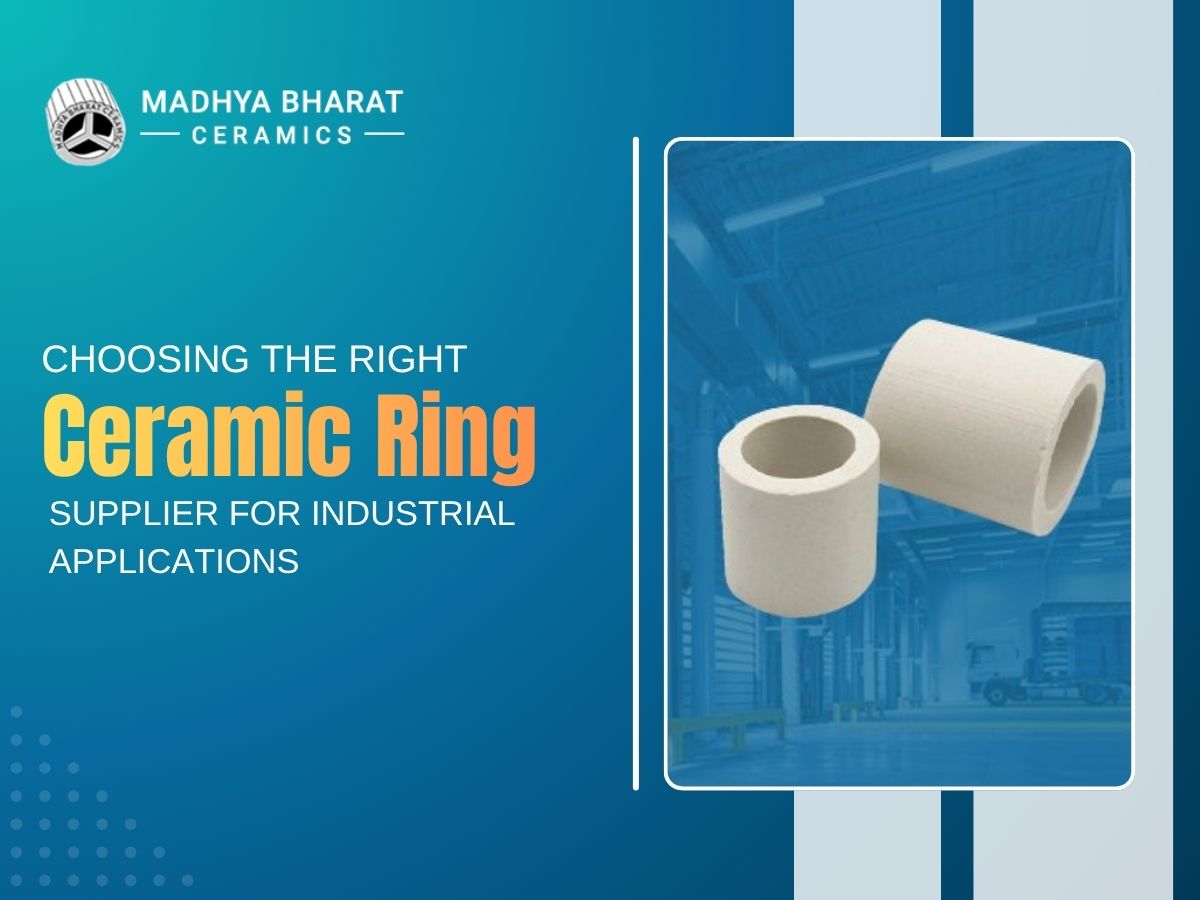
A full-range ceramic ring supplier should offer multiple ring types to cover different application requirements. The main types available from quality ceramic ring manufacturers in India include:
Ceramic Raschig Rings: The original random packing ring. Simple cylindrical shape with equal diameter and height. Used in older plant designs and general absorption service. Available in sizes from 6mm to 100mm.
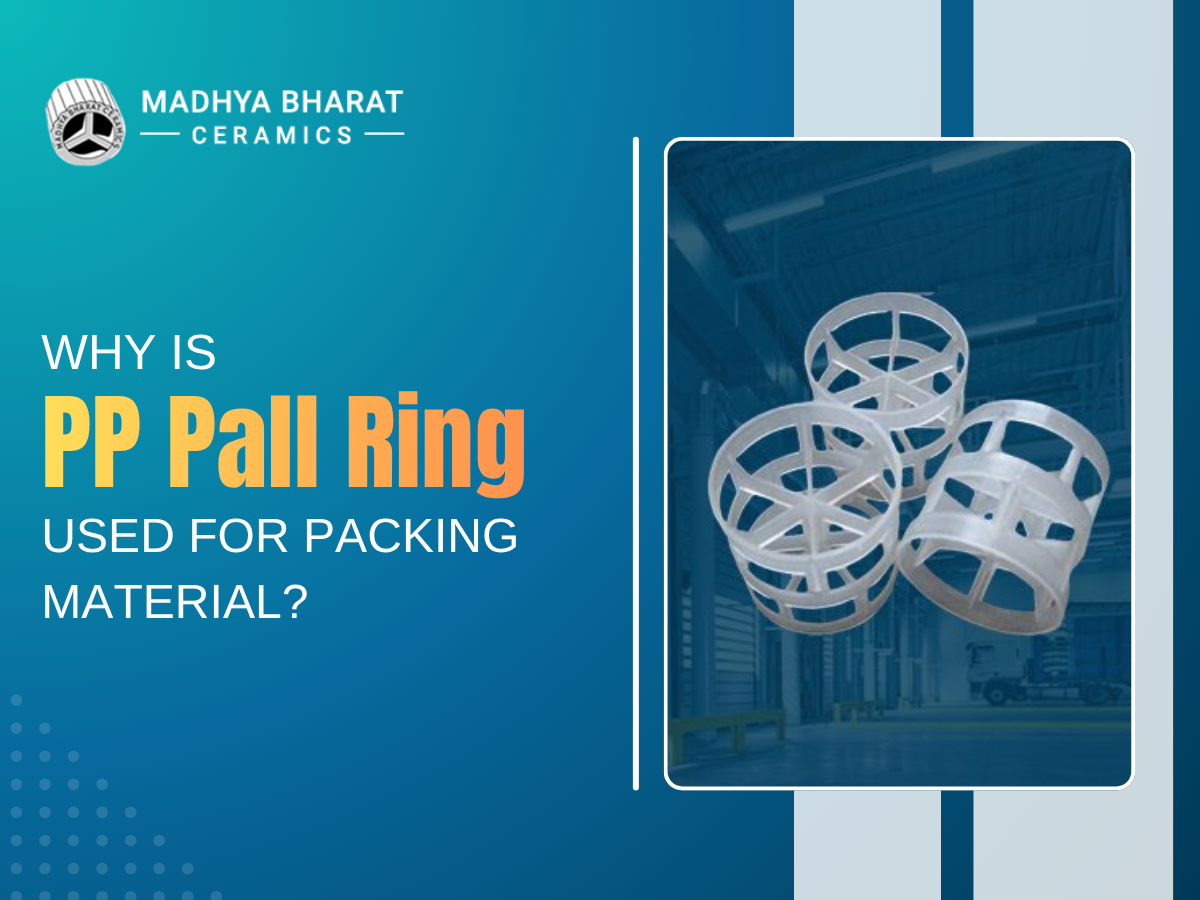
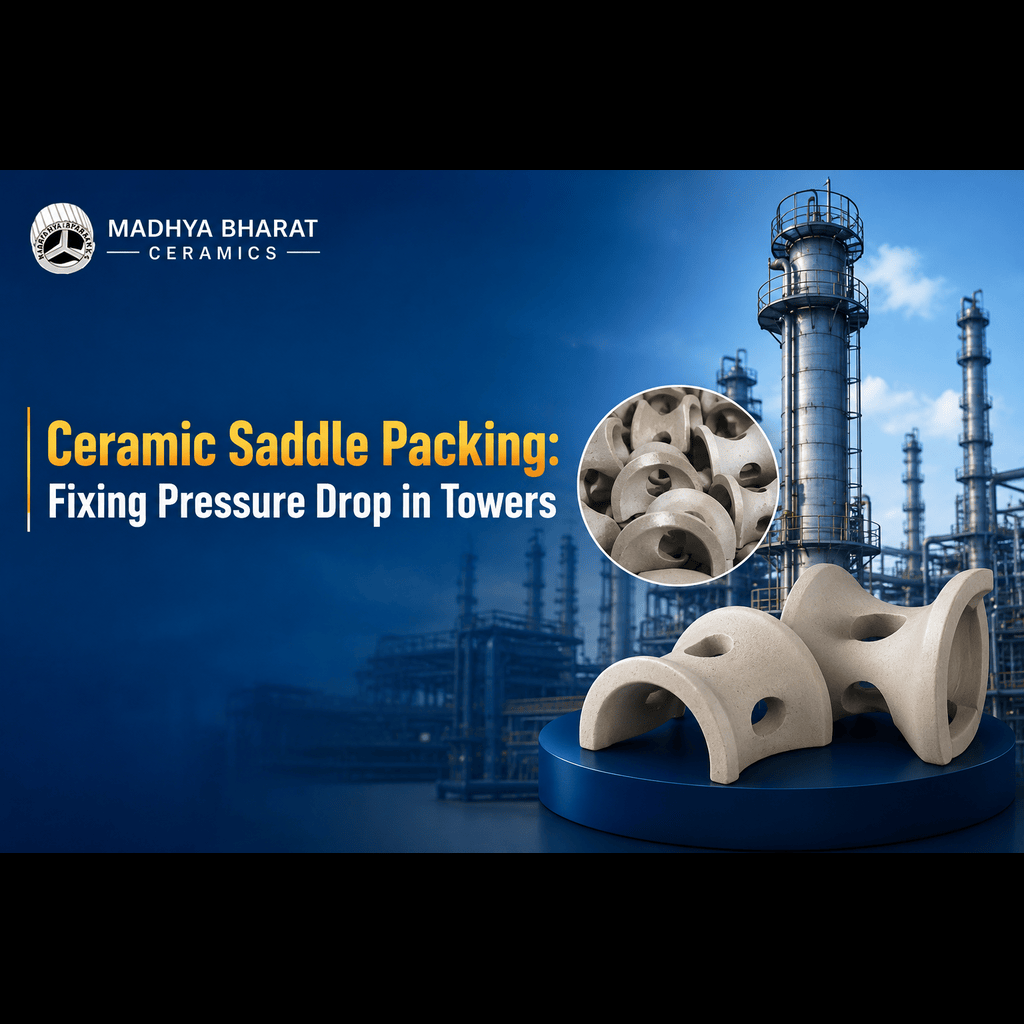
Ceramic Pall Rings: Cylinder with internal windows and blades. Higher efficiency than Raschig Rings due to better liquid distribution and lower pressure drop. Used in modern distillation, absorption, and scrubbing columns.
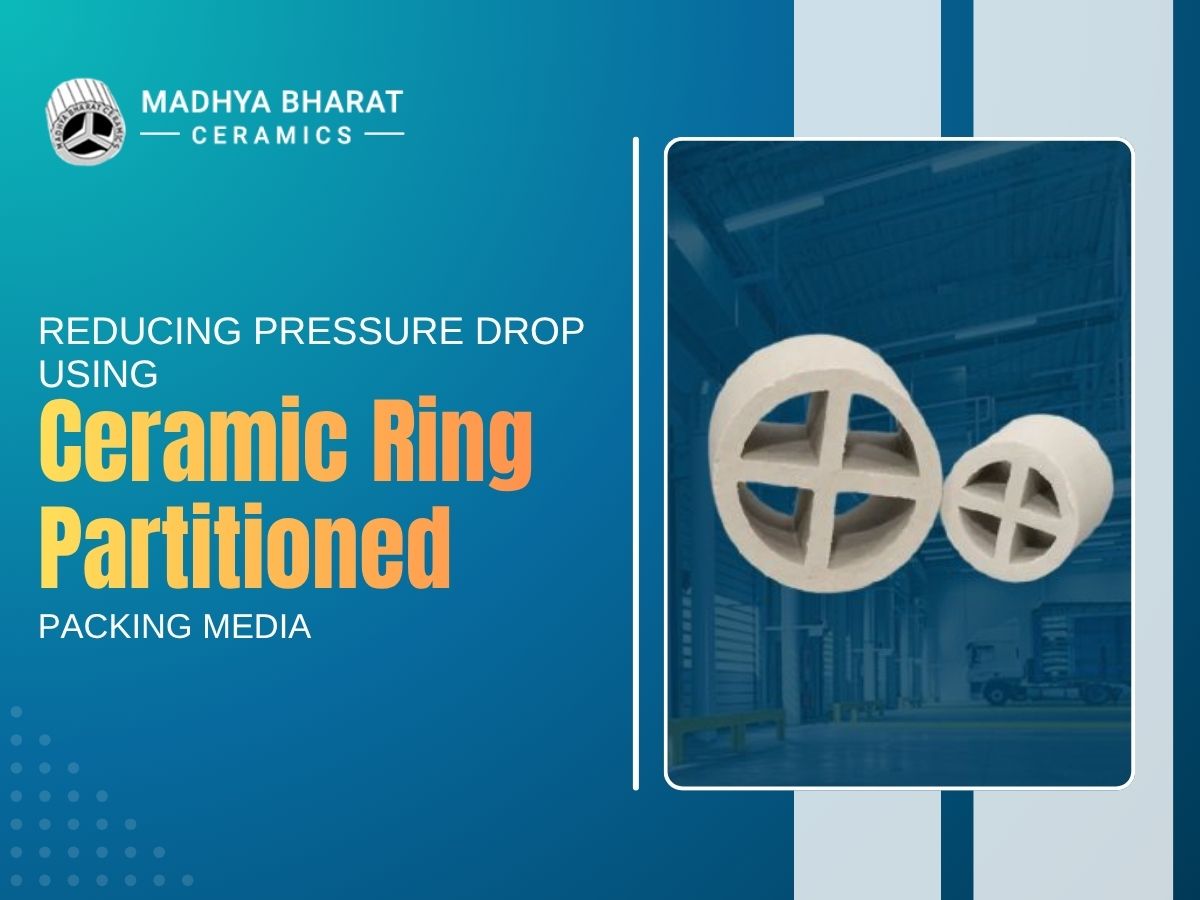
Ceramic Ring Partitioned: Cylinder with internal cross partitions that increase surface area and improve gas-liquid contact. Particularly effective in vacuum distillation and pressure-sensitive applications.
Ceramic Cascade Mini Rings: Low-profile design with high void fraction and very low pressure drop. Used in high-throughput columns where minimizing pressure drop is the priority.
Each ring type has specific performance advantages. A knowledgeable top ceramic ring manufacturer will help you select the right type based on your column diameter, operating pressure, gas and liquid flow rates, and required separation performance.
How to Evaluate a Ceramic Ring in Mandsaur Supplier for Your Specific Application
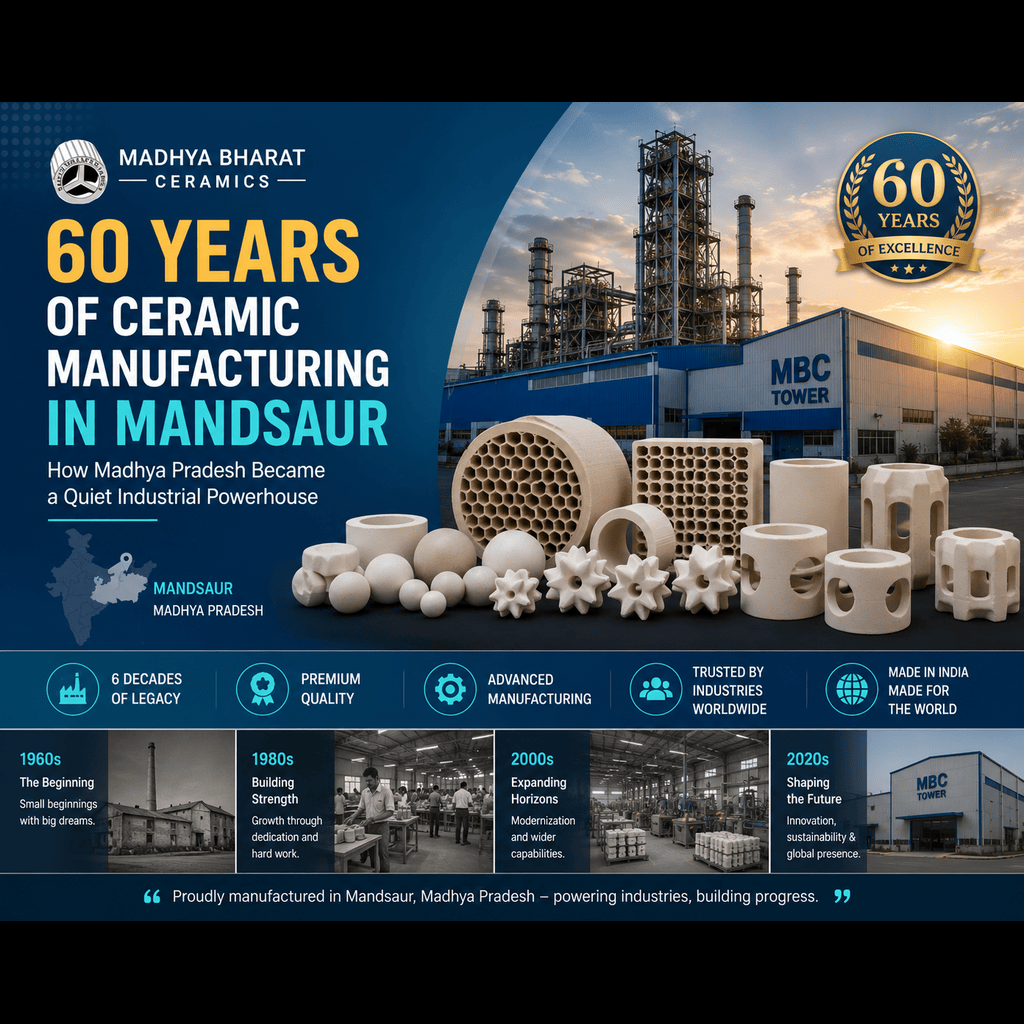
Ceramic Ring in Mandsaur manufacturers have developed strong technical knowledge from years of supplying to chemical plants across India and internationally. When evaluating a Mandsaur-based supplier for your application, use this process:
Step 1: Share your column data sheet Provide tower internal diameter, operating pressure, temperature, gas and liquid flow rates, and the chemical service the rings will be exposed to. A serious supplier will use this data to recommend a specific ring type and size.
Step 2: Request a technical quotation A quality quotation from a ceramic ring manufacturer should include the recommended ring type and size, expected surface area and void fraction, crush strength data, water absorption specification, and unit price with delivery terms.
Step 3: Request product samples Before placing a bulk order, request a sample batch for visual inspection and basic testing. Check dimensional consistency, surface finish, and weight uniformity across the sample. Inconsistent samples are a clear warning sign.
Step 4: Verify quality documentation Ask for the ISO certificate, a recent batch test report covering water absorption and crush strength, and material composition data. If the supplier cannot provide these, look for an alternative.
Step 5: Confirm delivery capability Check that the supplier can meet your required quantity and delivery timeline. Ask about their production lead time, current order load, and packaging method for your destination. Ceramic ring exporters in Mandsaur with established logistics networks can typically deliver to major ports within 2 to 4 weeks for standard sizes.
Industries That Rely on Industrial Ceramic Packing Rings from Indian Suppliers
Industrial ceramic packing rings from ceramic ring manufacturers in India serve a wide range of industries:
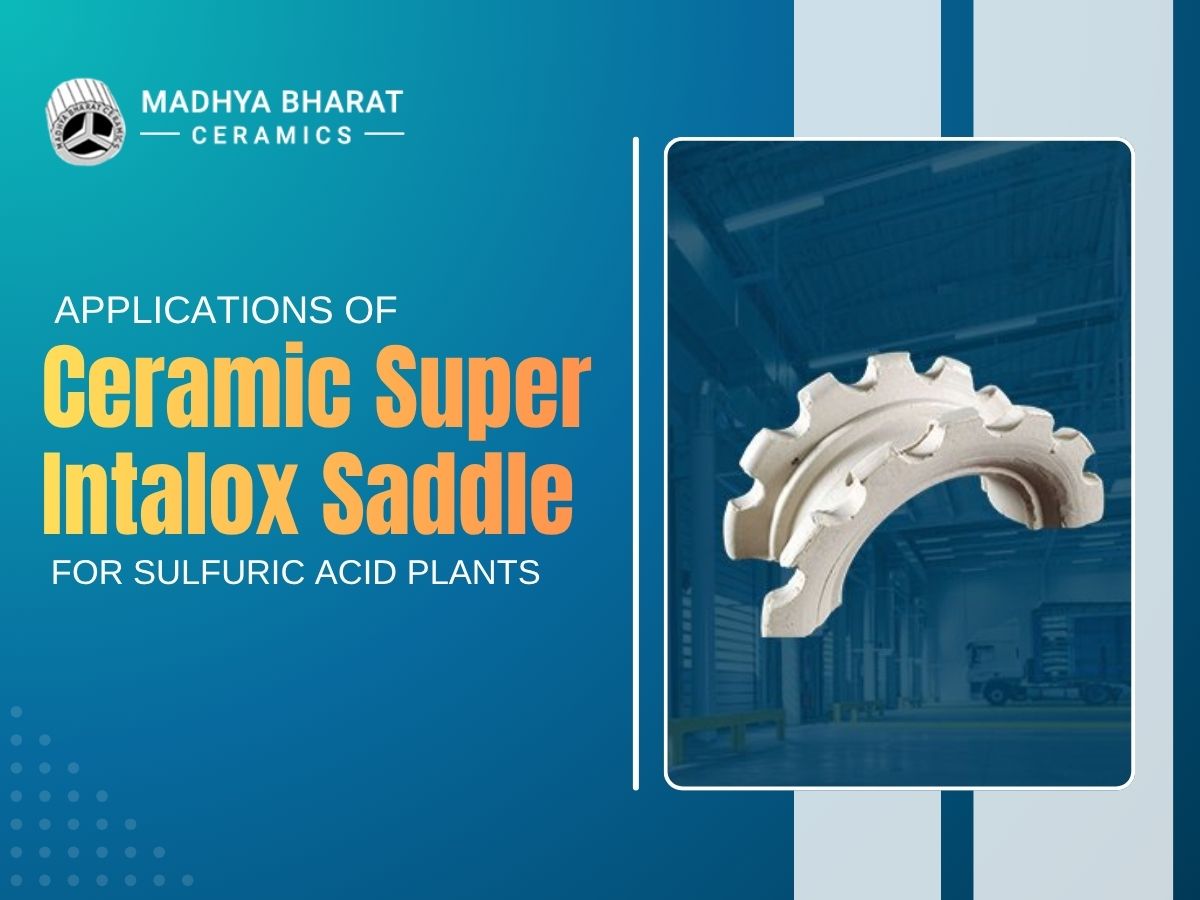
- Sulfuric acid plants: Absorption towers handling concentrated acid at high temperatures
- Fertilizer manufacturing: Ammonia absorption and urea scrubbing columns
- Petrochemical refineries: Gas scrubbing and solvent recovery systems
- Chlor-alkali plants: HCl absorption towers in chlorine and caustic soda production
- Pharmaceutical plants: Solvent recovery distillation columns requiring inert packing
- Water treatment facilities: Aeration and degassing tower packing
- Power plants: Flue gas desulfurization packed tower systems
Each industry has specific requirements for chemical resistance, temperature tolerance, and mechanical strength. A qualified ceramic ring supplier who understands these industry-specific needs will provide better recommendations than a generic product catalog supplier.
High-Quality Ceramic Rings for Petrochemical and Refinery Applications
Petrochemical and refinery applications place particularly high demands on high-performance ceramic components. Ceramic rings used in refinery scrubbers and gas treatment columns must handle hydrocarbon vapors, sulfur compounds, and acidic condensates simultaneously.
Key requirements for refinery-grade ceramic rings:
- High crush strength to withstand deep packing beds in large-diameter columns
- Low water absorption confirming high-density firing and minimal porosity
- Consistent size for predictable pressure drop in large columns
- Resistance to hydrocarbon fouling and steam cleaning procedures
- Documentation suitable for refinery quality management systems
A ceramic ring exporter with refinery supply experience will understand these requirements and include the relevant technical documentation with each shipment.
Case Study: Supplier Selection for a Fertilizer Plant Expansion in Uttar Pradesh
A fertilizer manufacturing company in Uttar Pradesh was expanding its ammonia absorption capacity by adding two new absorption columns to an existing plant. The procurement team needed to source ceramic Pall Rings in 25mm and 50mm sizes for both columns.
Their initial approach was to accept the lowest-cost quotation from three competing suppliers without requesting technical documentation. Before finalizing the order, their process engineering consultant recommended a structured supplier evaluation.
The team requested material composition certificates, water absorption data, crush strength reports, and dimensional tolerance specifications from all three suppliers. Results:
- Supplier A provided full documentation showing water absorption of 0.3% and crush strength of 2200 Newtons for 25mm rings
- Supplier B provided partial documentation with no crush strength data and water absorption of 1.2%
- Supplier C could not provide material composition data or independent test reports
The team selected Supplier A, a ceramic ring manufacturer in Mandsaur, for the full order across both columns. Supplier A also provided sizing recommendations for the 50mm rings based on the column diameter and liquid flow rate data provided.
Results after 12 months of continuous operation:
- Both new absorption columns performed at design efficiency from startup
- No packing breakage or fines accumulation observed during the first inspection
- Pressure drop across both columns remained stable at commissioning levels
- Ammonia absorption efficiency met the design target of 99.2% removal
- Zero quality-related issues with the ceramic ring supply throughout the period
This case confirms that how to choose the right ceramic ring supplier for industrial applications is not a minor administrative decision. It directly affects column performance, plant reliability, and long-term operating cost.
FAQs About Ceramic Ring
Q1. How do I choose the right ceramic ring supplier?
Evaluate suppliers based on quality documentation, ISO certification, crush strength data, water absorption test results, export experience, and their willingness to provide product samples before bulk orders. A quality ceramic ring supplier will proactively share all technical data.
Q2. What is the best ceramic ring type for tower packing?
Ceramic Pall Rings are the best all-around choice for modern distillation and absorption towers. They offer higher surface area and lower pressure drop than Raschig Rings. For pressure-sensitive or vacuum columns, Ceramic Ring Partitioned or Cascade Mini Rings are preferred.
Q3. Where are the top ceramic ring manufacturers in India located?
Top ceramic ring manufacturers are based in Mandsaur in Madhya Pradesh, Morbi in Gujarat, and industrial zones in Rajasthan. Mandsaur is particularly well known for ceramic tower packing products exported to global chemical and petrochemical industries
Q4. What documentation should a ceramic ring manufacturer provide?
A reliable ceramic ring manufacturer in India provides material composition certificate, water absorption test report, crush strength data, dimensional tolerance specification, ISO 9001 certificate, and batch traceability records. Export orders additionally require commercial documentation and material safety data sheets.
Q5. How long do industrial ceramic rings last in chemical service?
Industrial ceramic rings last between 8 and 20 years in typical chemical processing applications depending on the grade, operating temperature, and chemical environment. Higher alumina grades and properly fired ceramic consistently achieve the longer end of this range.
Q6. Can ceramic ring manufacturers in India supply custom sizes?
Yes. Most ceramic ring manufacturers in India offer custom sizes outside the standard range of 6mm to 100mm. Custom orders typically require a minimum quantity of 2 to 5 tonnes and a lead time of 4 to 6 weeks depending on the production schedule.
Q7. What is the difference between a ceramic ring supplier and a ceramic ring exporter?
A ceramic ring supplier supplies domestic buyers within India. A ceramic ring exporter handles international sales with the additional requirement of managing export documentation, customs clearance, and international freight logistics. Many manufacturers in Mandsaur function as both simultaneously.
Q8. Are ceramic rings from Indian manufacturers as good as European products?
Yes. Ceramic ring manufacturers in India with ISO 9001 certification and documented quality control produce rings that meet the same technical specifications as European alternatives. Many global chemical plants in the Middle East, Southeast Asia, and Europe source exclusively from Indian manufacturers due to equivalent quality at significantly lower cost.
Conclusion
Choosing the right ceramic ring supplier is one of the most important procurement decisions a chemical plant manager or process engineer makes. The short-term price difference between a qualified supplier and an unverified one is almost always smaller than the cost of a single packing failure, column repacking event, or product quality problem caused by low-grade ceramic rings.
The case study from Uttar Pradesh makes this point clearly. A structured supplier evaluation that added just two days to the procurement timeline resulted in columns that performed at design efficiency from startup, with no packing failures and stable pressure drop over 12 months of continuous operation. The alternative, accepting the lowest-cost bid without documentation, carried a real risk of INR 15 to 20 lakhs in repacking costs and production downtime.
Ceramic Ring in Mandsaur manufacturers have established their credibility through years of consistent supply to chemical plants across India and internationally. They combine high-quality raw materials, controlled kiln firing, rigorous dimensional testing, and experienced export logistics into a complete supply package that global buyers trust.