Where heat is extreme and chemicals are harsh, ordinary materials give up. Heat Resistant Ceramic Products keep working. They hold their shape at high temperatures, resist acids and corrosive gases, and last for years in towers, reactors, and furnaces. That is why they are used across fertilizer, chemical, petrochemical, pharmaceutical, oil and gas, and environmental plants.
This guide explains the main industrial applications, the product types used in each, and how to choose a dependable ceramic packing manufacturer for your plant.
What Makes Ceramic Heat Resistant?
Ceramic is made from carefully selected raw materials and fired at very high temperatures. This firing turns soft material into a hard, stable, and dense body.
The result is a product that keeps its size and strength when heat rises. It also does not rust, scale, or react with most acids and gases.
These properties explain why Heat Resistant Ceramic Products are trusted in places where metal can corrode and plastic can soften.
Key Properties Behind Industrial Applications of Heat Resistant Ceramic Products
Industries choose ceramic for a clear set of reasons.
- High temperature stability: It holds shape through long, hot operation.
- Chemical resistance: It handles most acids and many corrosive gases.
- Mechanical strength: It carries heavy loads in deep packed beds.
- No rust or scale: It stays clean and does not contaminate the process.
- Long service life: Fewer replacements mean lower lifetime cost.
- Stable flow paths: Products keep their form, so flow stays even.
These strengths show up in every application below, and they explain why ceramic remains a first choice for demanding service.
Acid and Fertilizer Plants
Acid production is one of the toughest environments for any material. Hot, acidic gas attacks metal quickly.
Ceramic packing and support products are widely used in sulphuric acid and related towers because they resist both heat and acid. Madhya Bharat Ceramics supplied ceramic packing for a 7,500 TPD sulphuric acid plant, a demanding example of this type of service.
Fertilizer units also rely on ceramic internals for absorption and scrubbing towers where corrosive gases are common.
Chemical and Petrochemical Processing
Chemical and petrochemical towers handle heat, solvents, and corrosive streams every day. Packing must stay stable so that separation stays consistent.
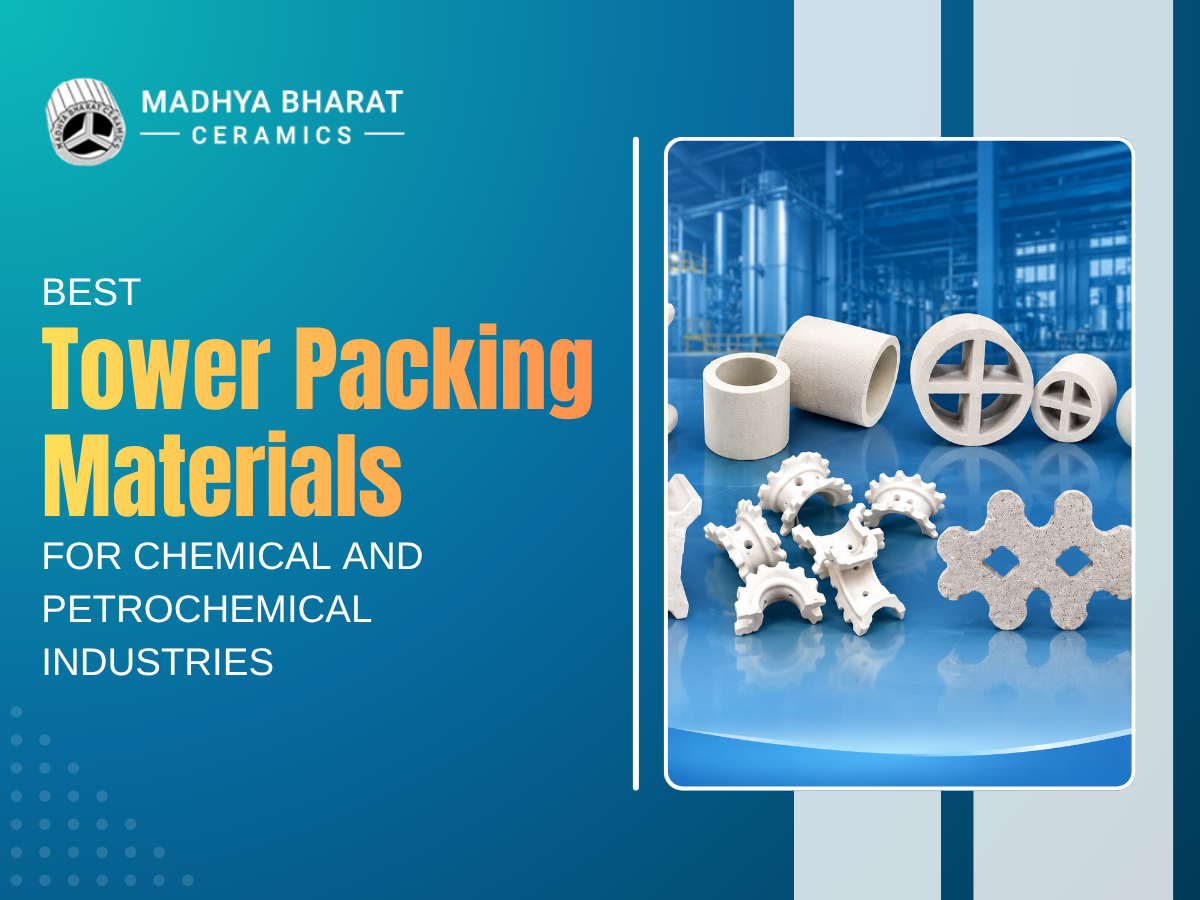
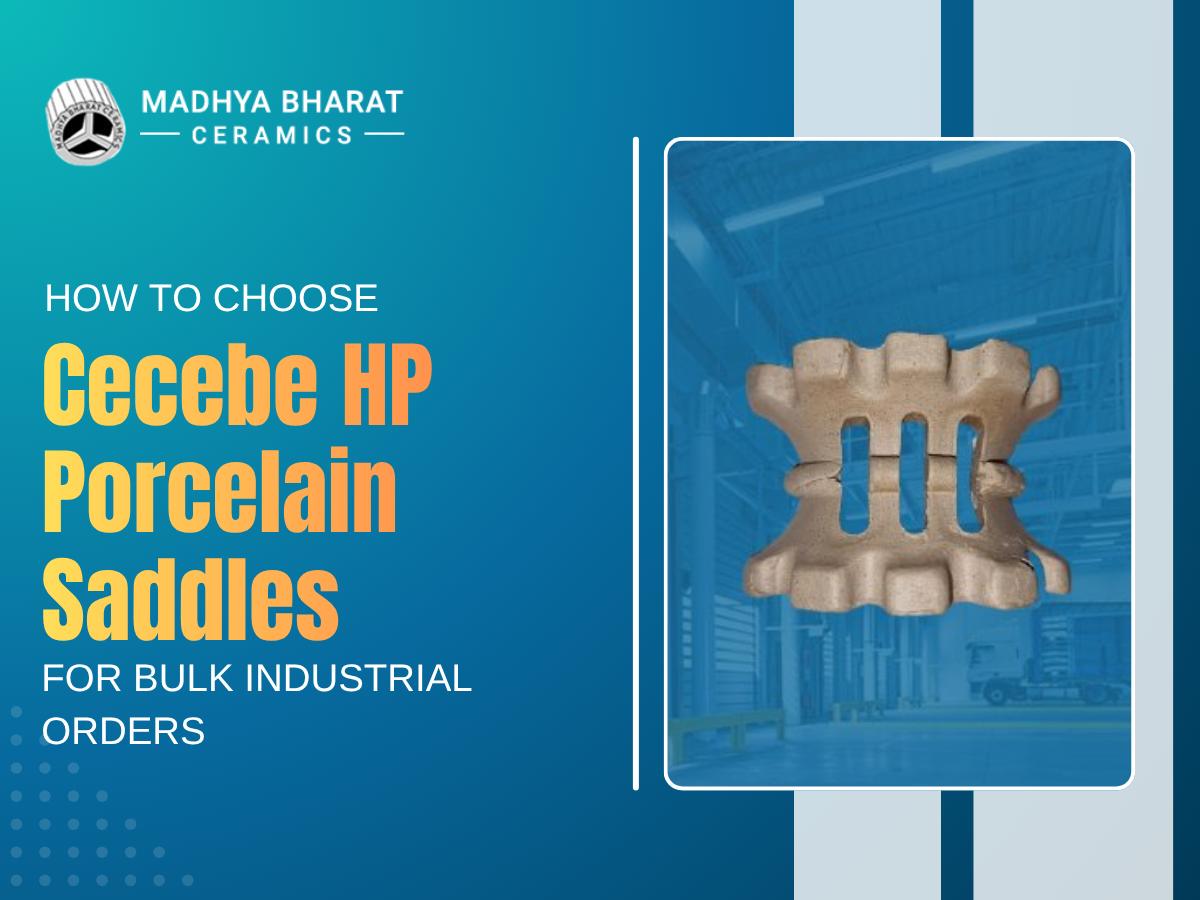
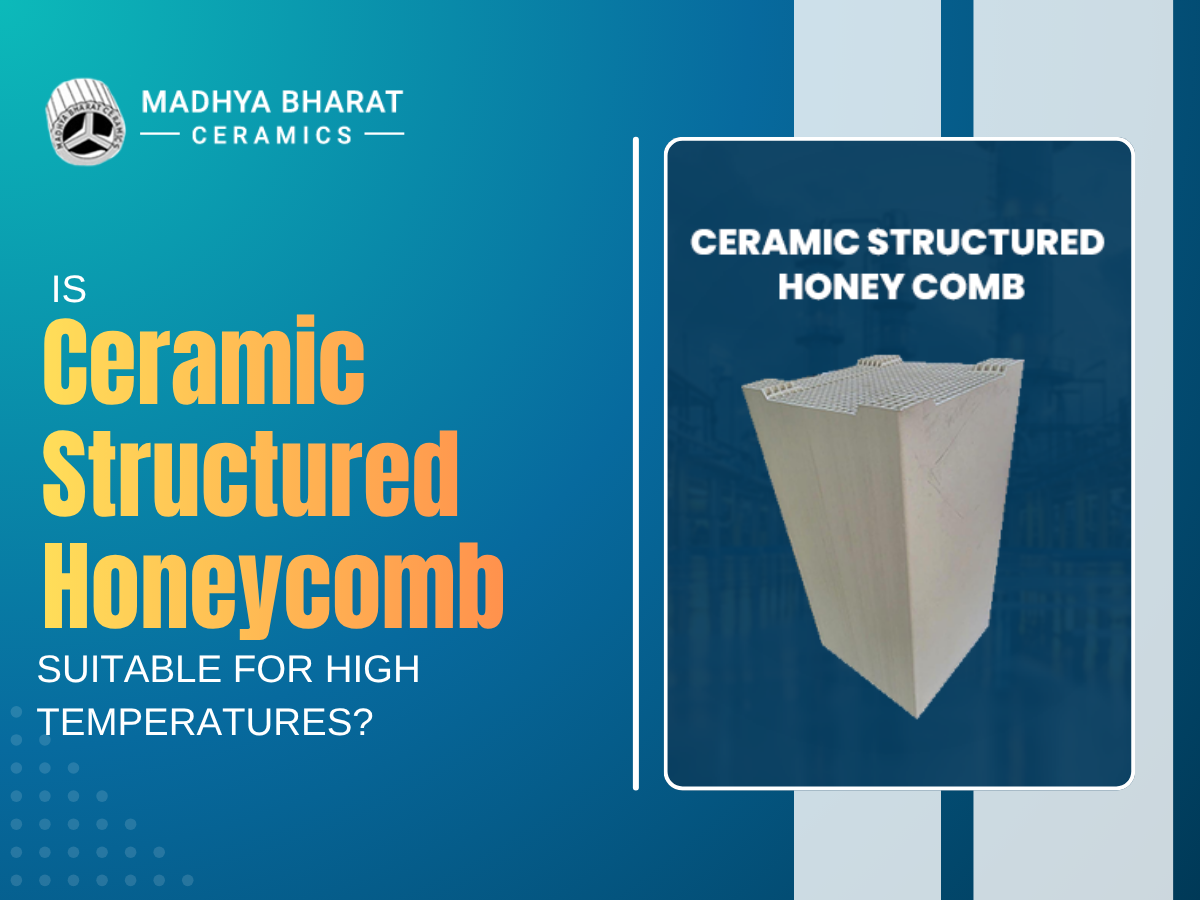
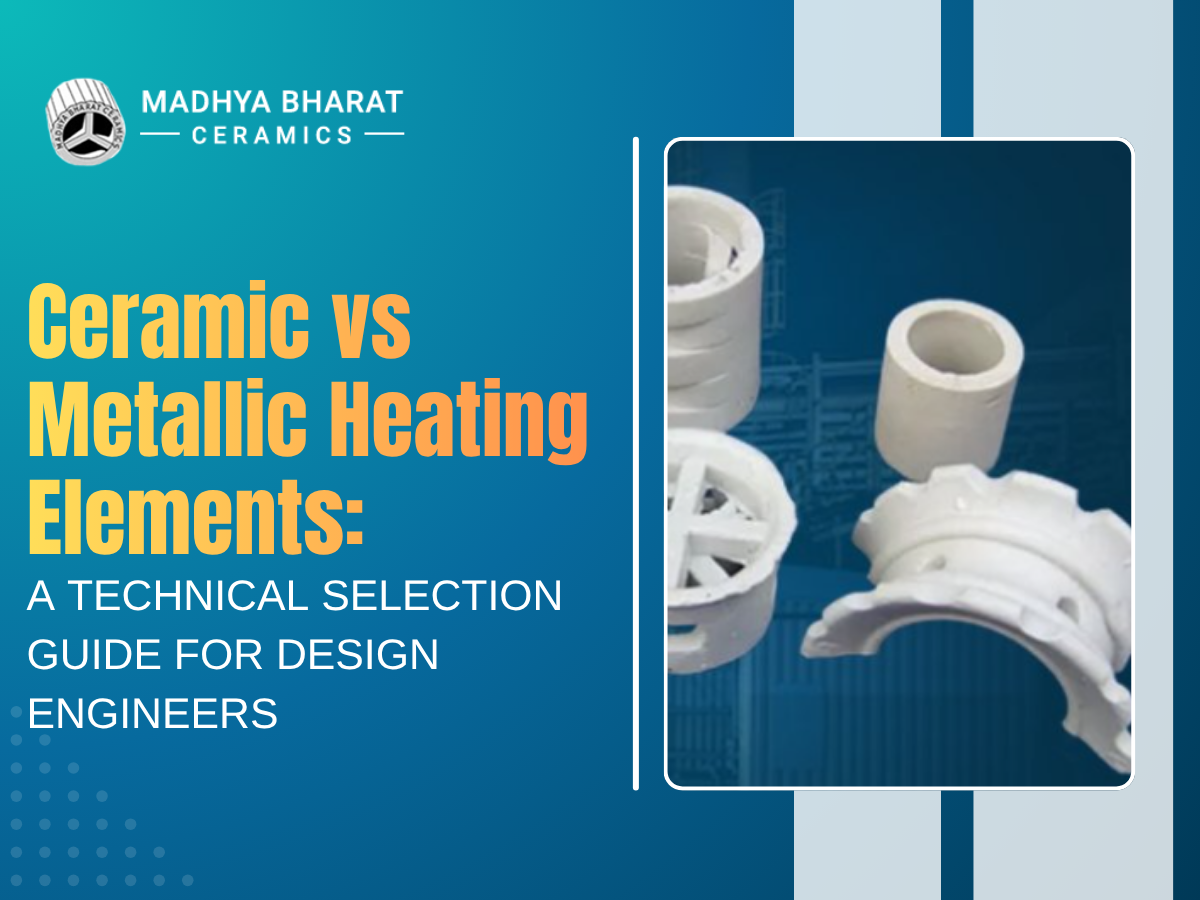
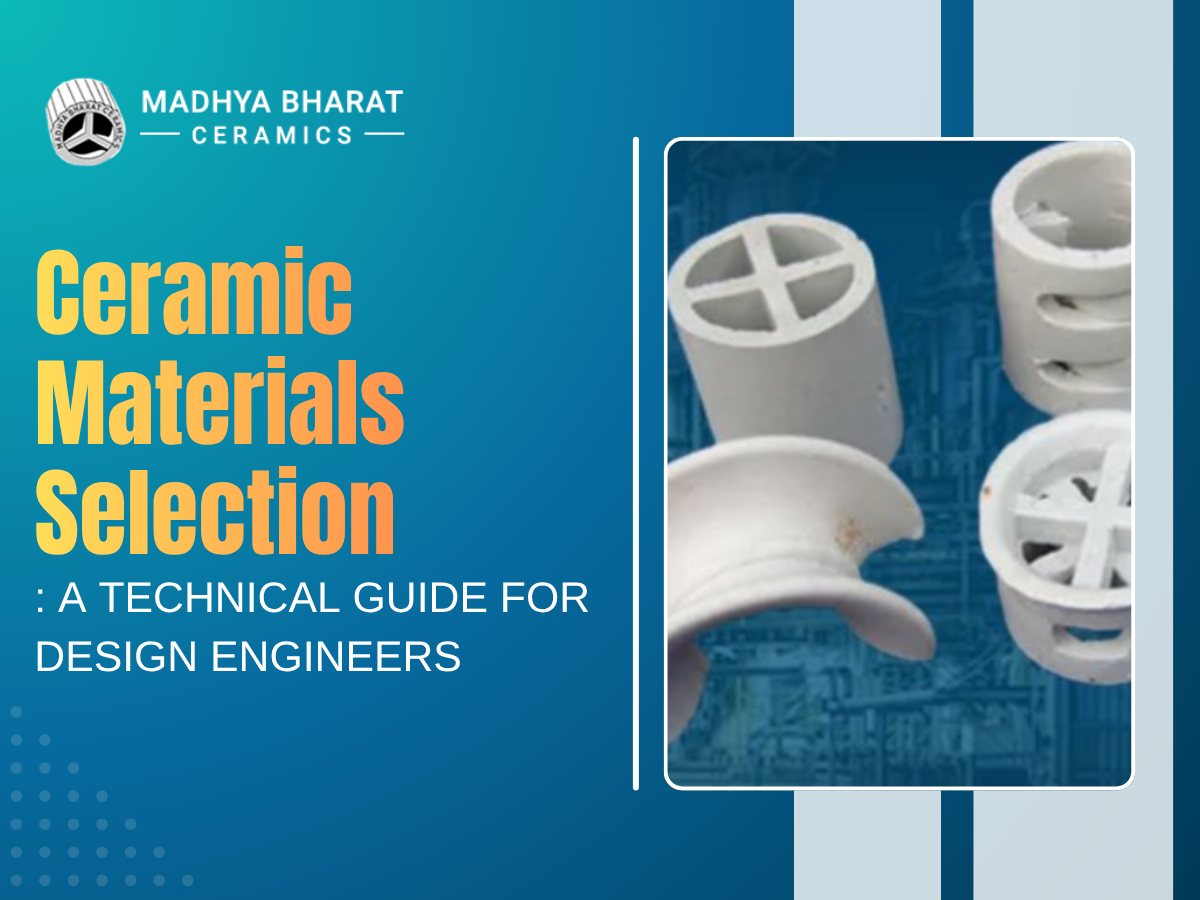
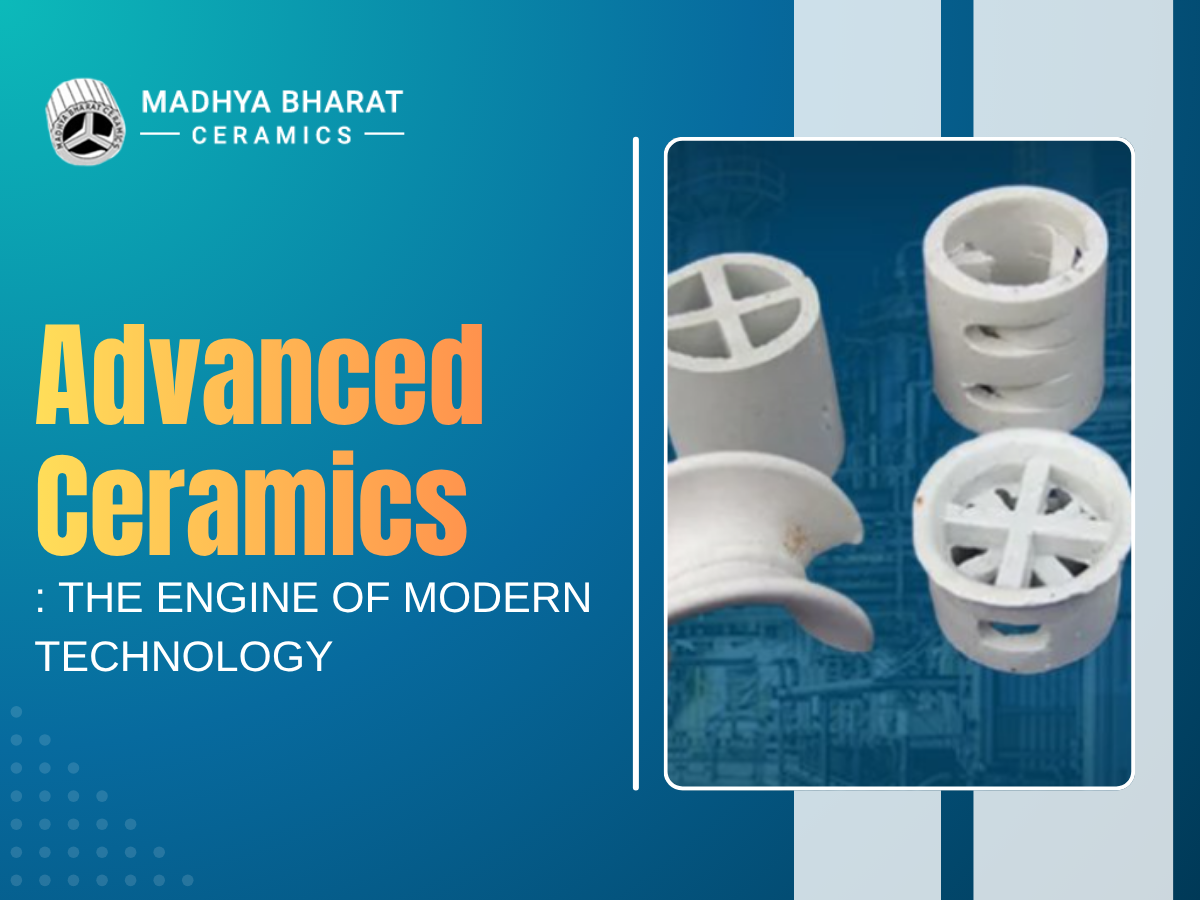
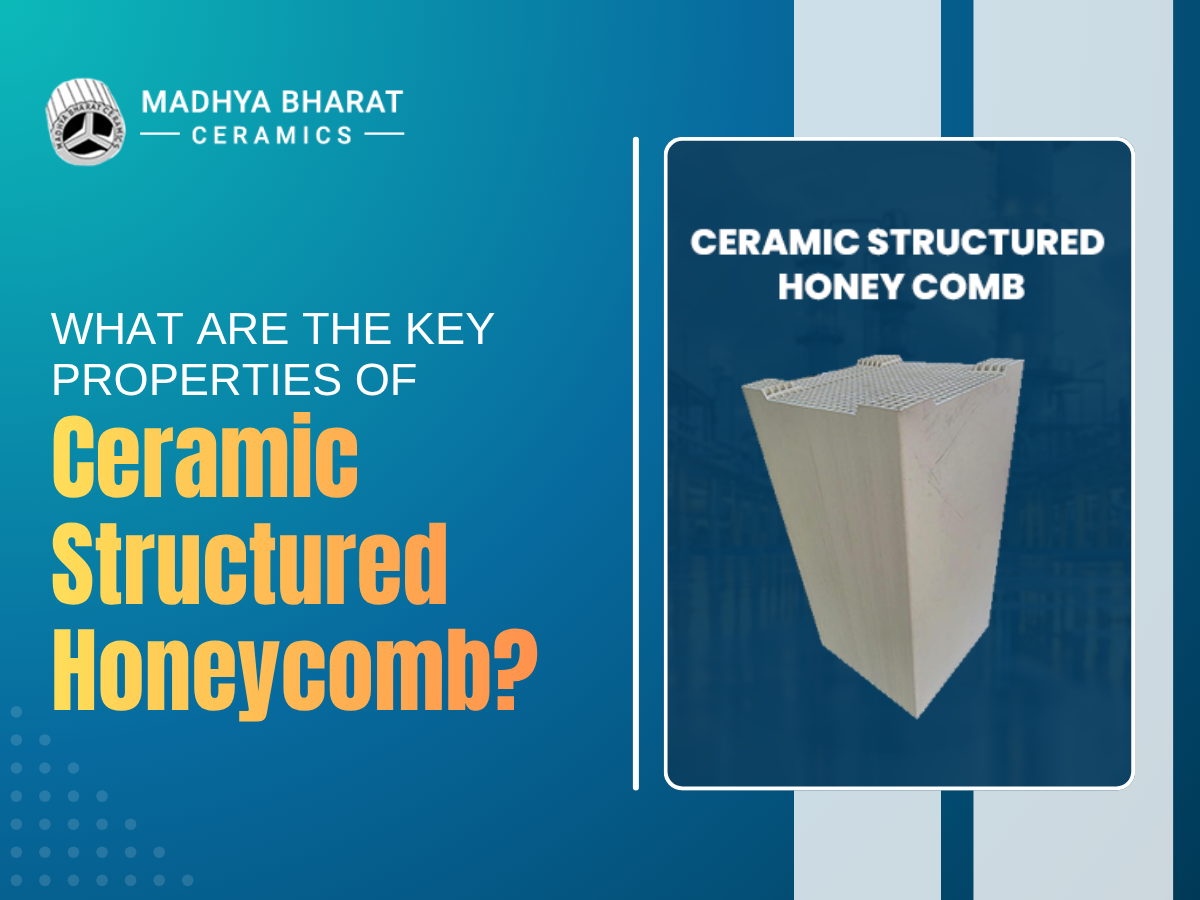
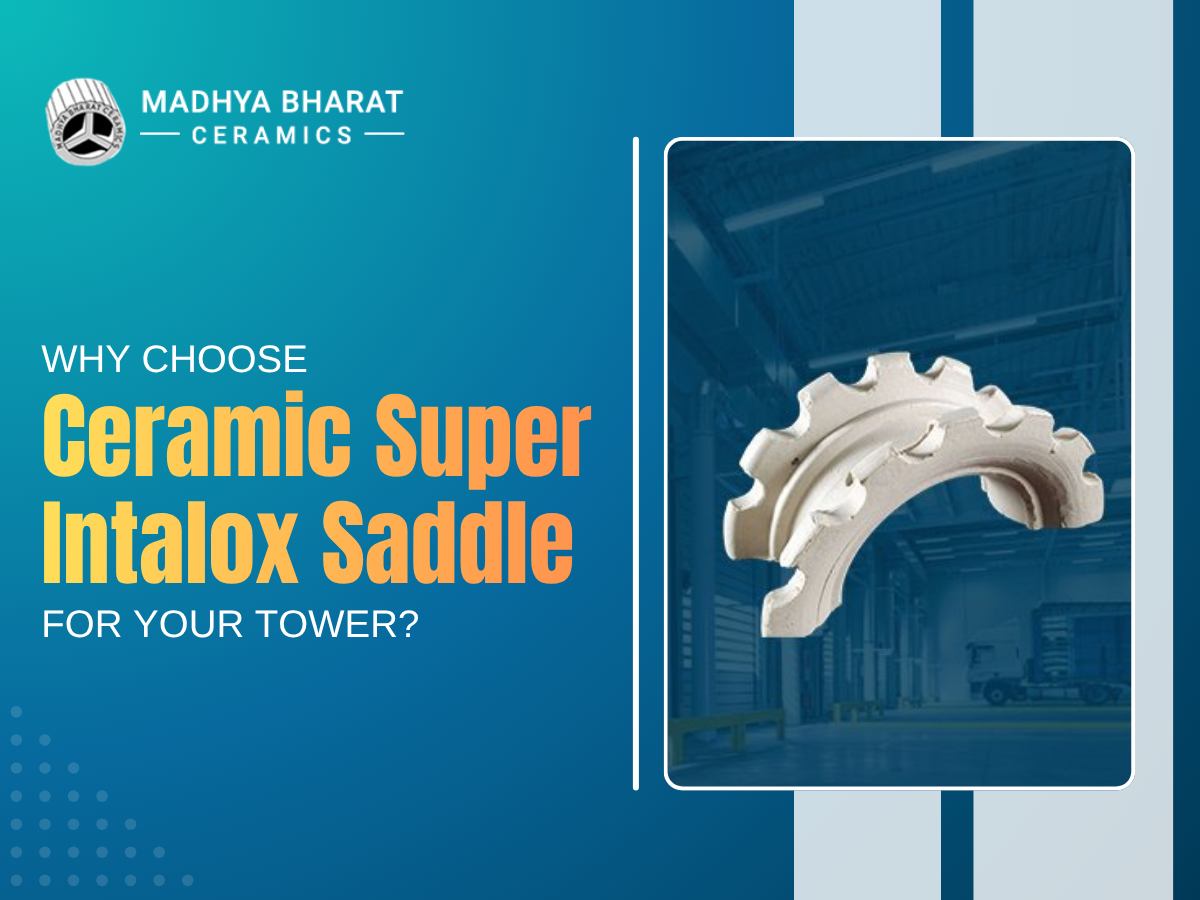
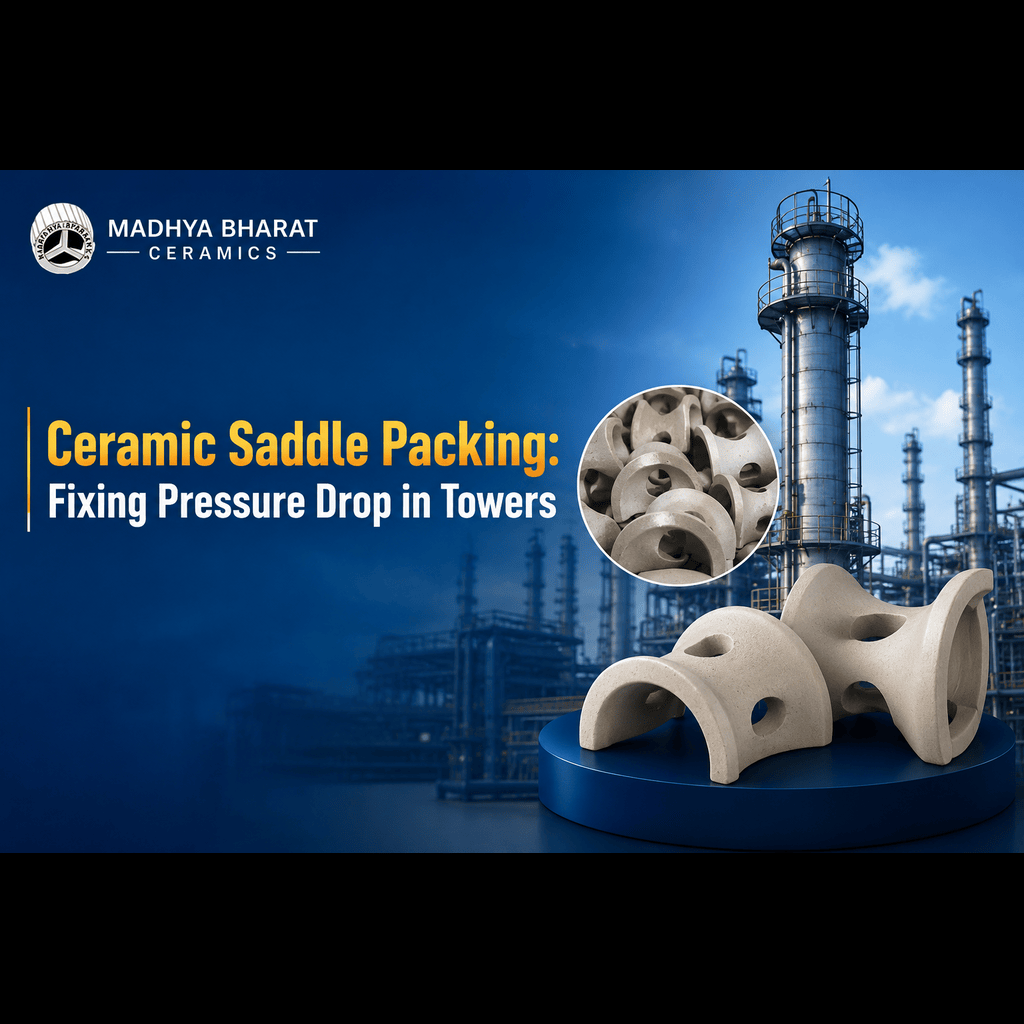
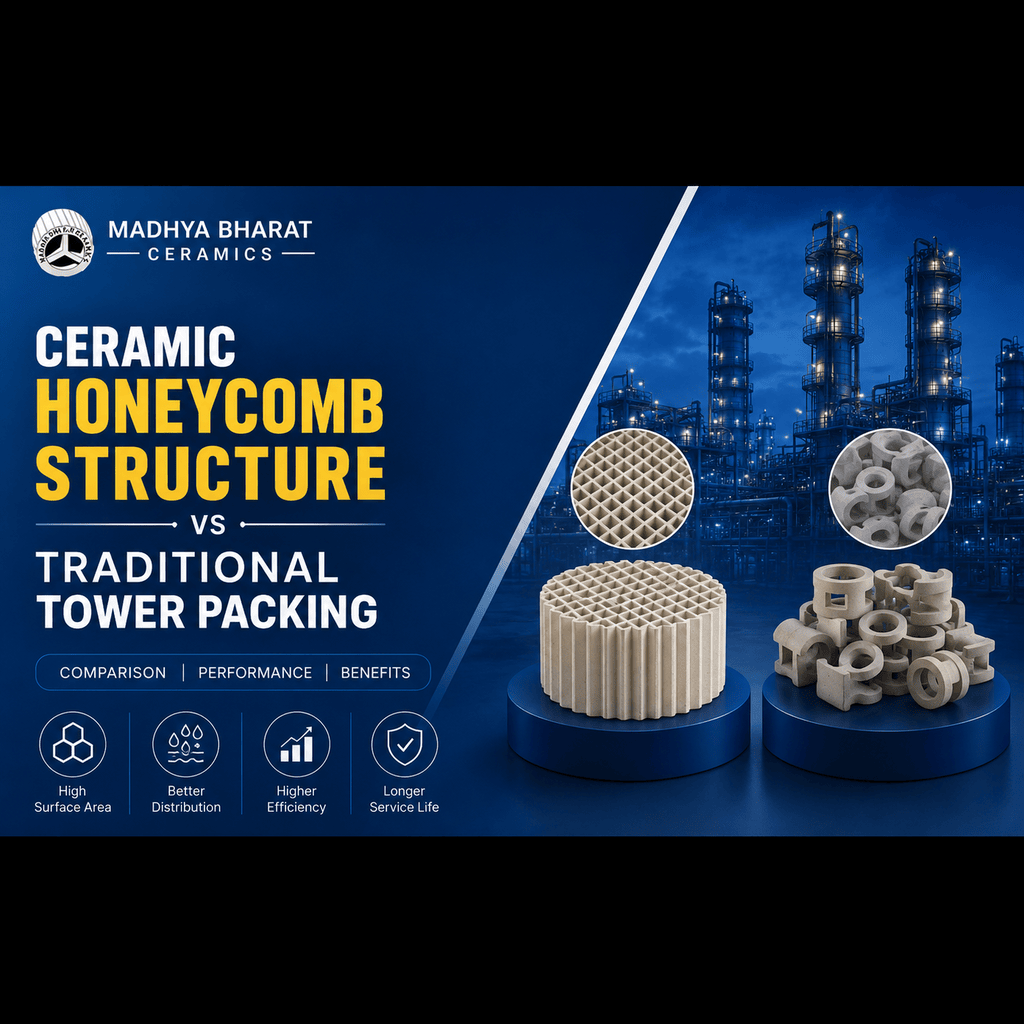
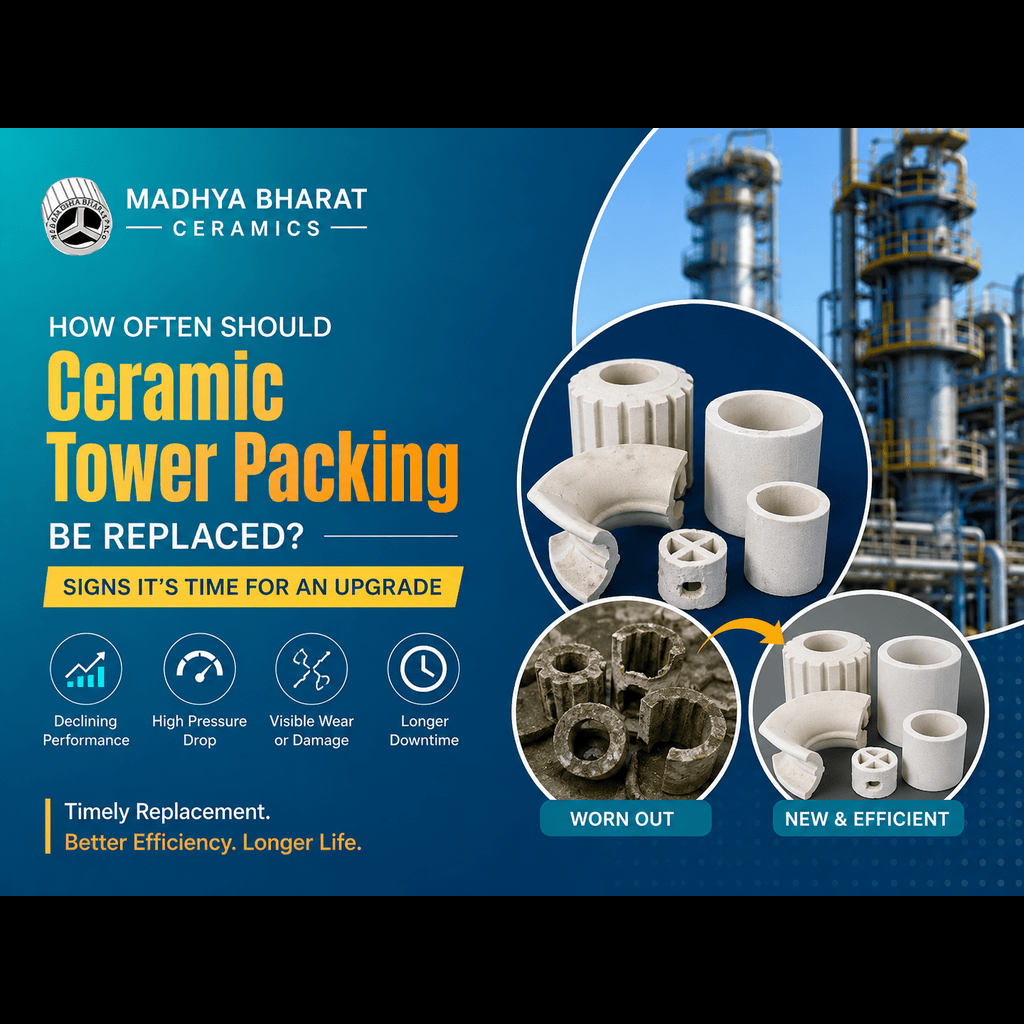
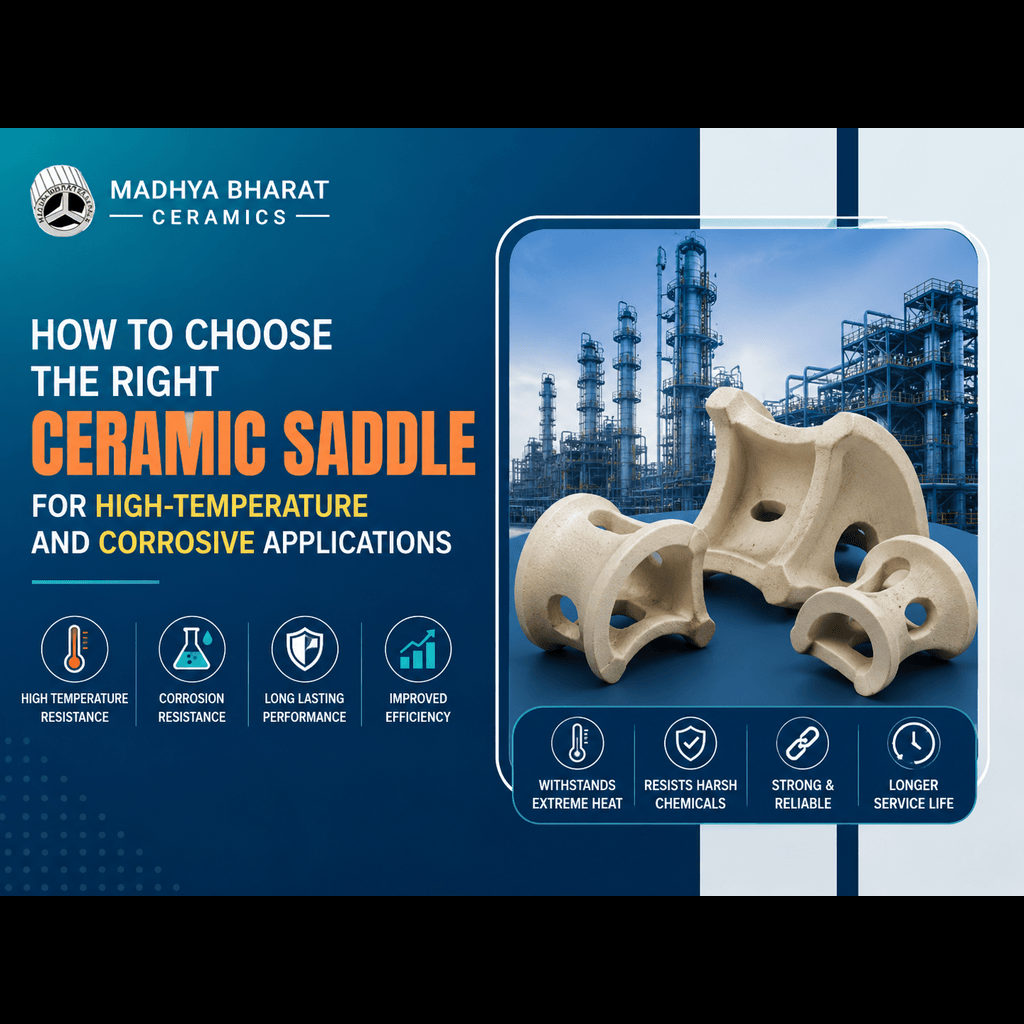
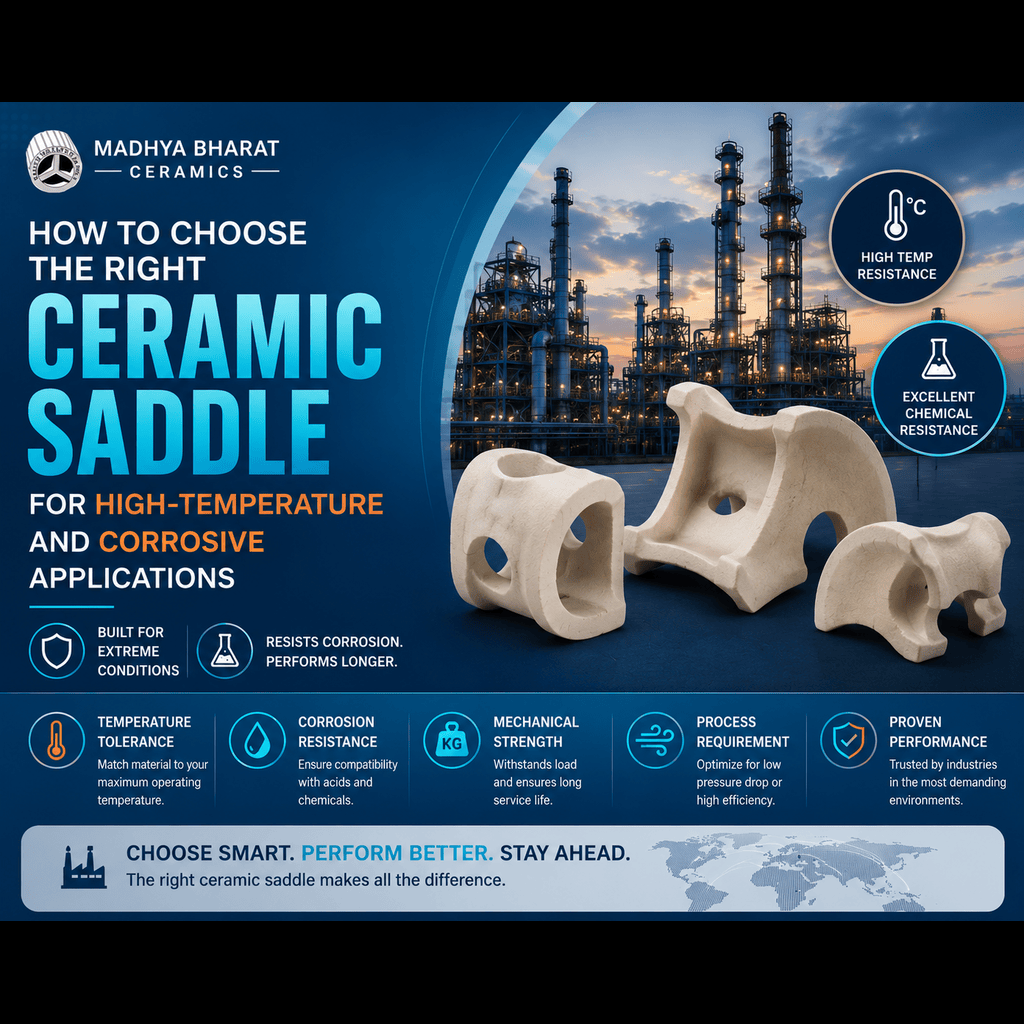
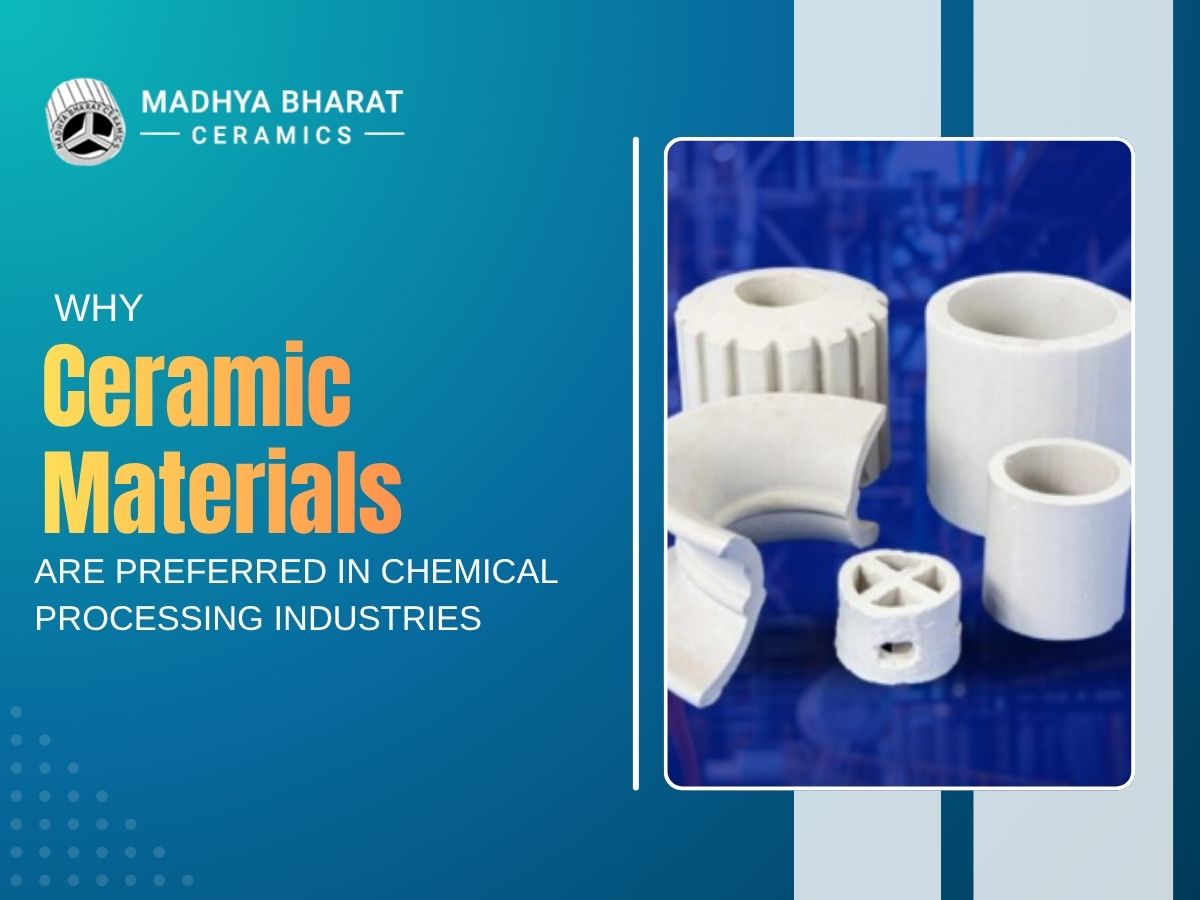
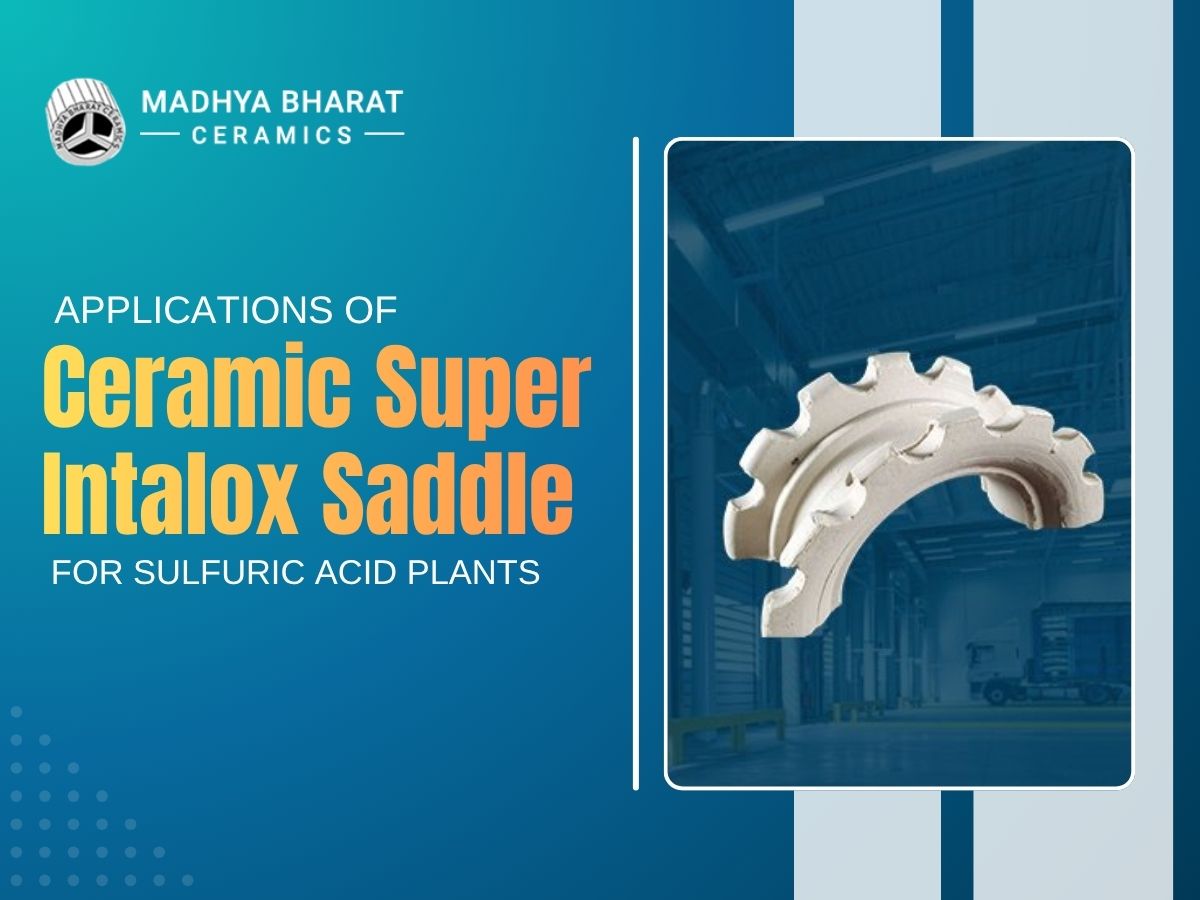
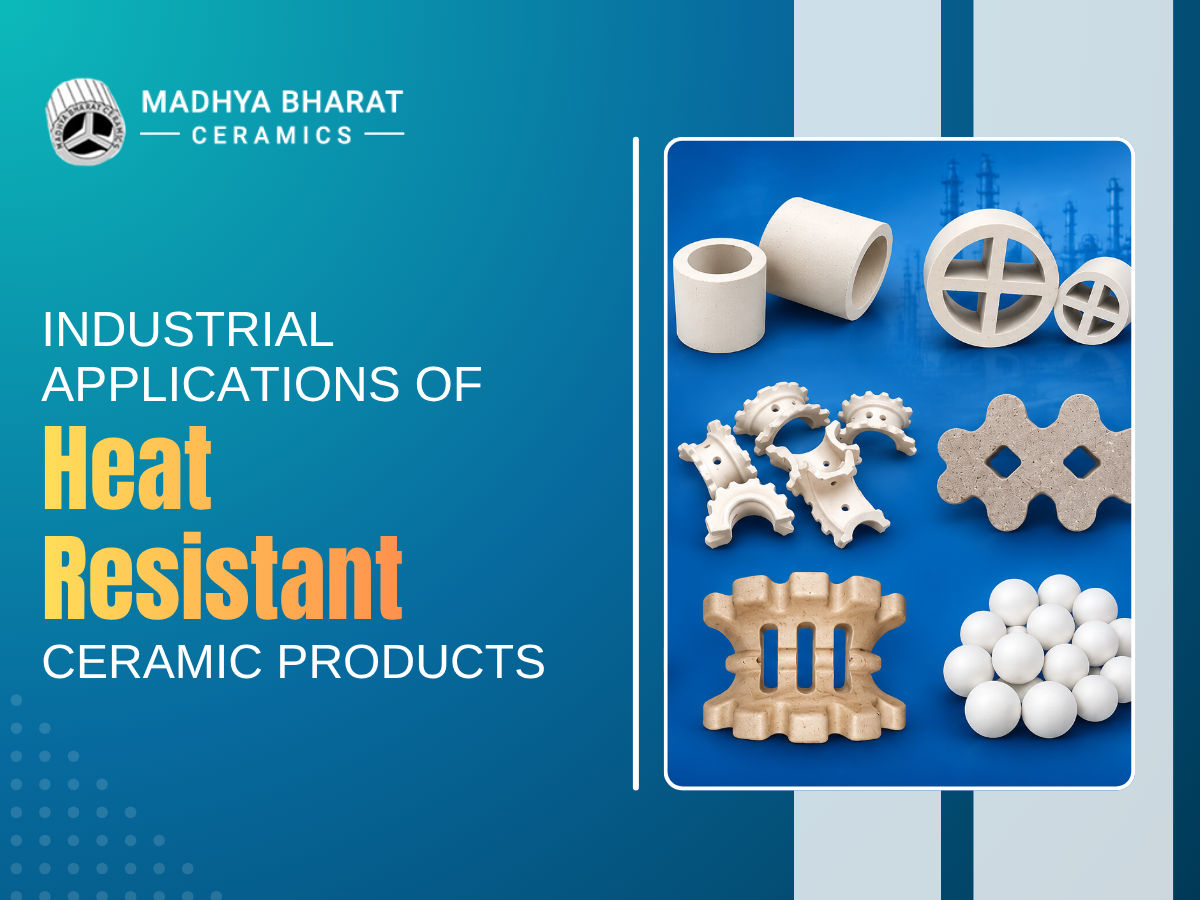
Ceramic saddles, rings, and honeycomb are common here. Each has its own role: saddles for general mass transfer, rings for simple and strong packing, and honeycomb for uniform flow with low resistance.
A reliable Manufacturer of Ceramic tower packing can help match the shape to your column conditions.
Oil and Gas and Refinery Units
Refinery and gas processing units use ceramic in reactors and columns where temperature and pressure are high.
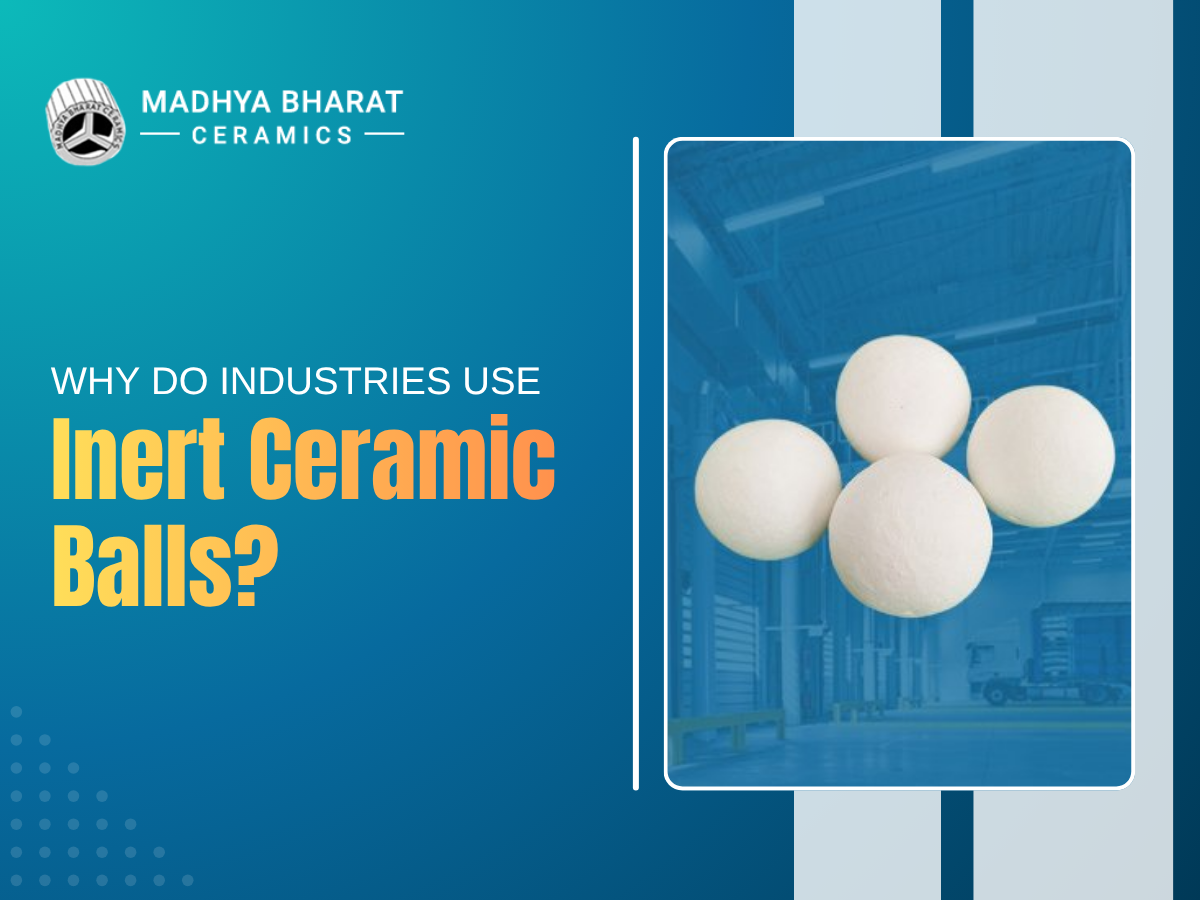
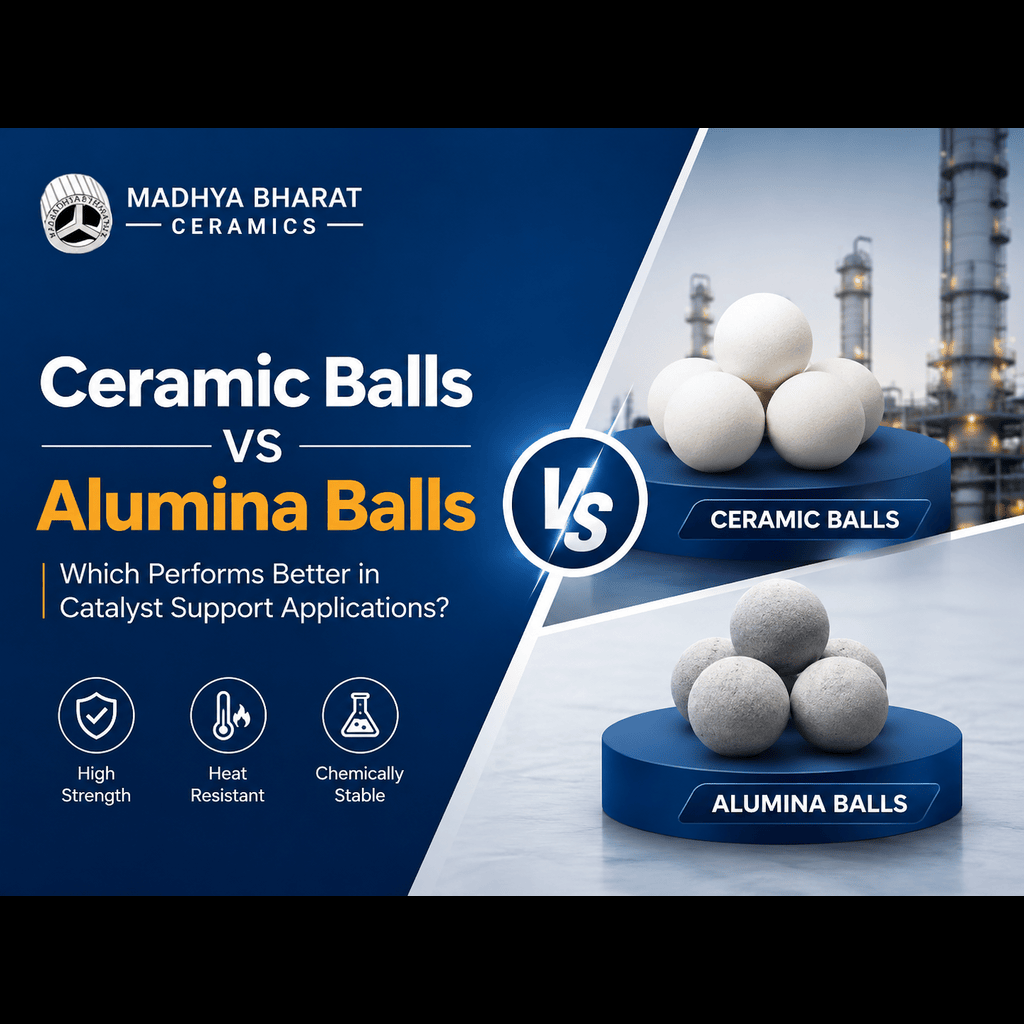
Inert ceramic balls protect catalyst beds and spread flow evenly. Support products carry the weight of material above while letting gas and liquid pass. Together they help keep reactors steady and protect more delicate catalyst material.
Pharmaceutical and Fine Chemical Production
Pharmaceutical and fine chemical plants value clean, inert surfaces. Ceramic does not rust or flake, so it helps reduce the risk of contamination.
It is used in absorption, stripping, and purification columns where stable, non-reactive internals are important.
Environmental Engineering and Pollution Control
Environmental systems clean exhaust gases and treat waste streams. Many of these systems run hot and handle corrosive vapors.
Scrubbers and absorption towers use ceramic packing for durability. Structured honeycomb is also used in heat recovery and thermal oxidizer systems, where it must handle repeated heating and cooling.
Why Heat Resistance Alone Is Not Enough
Heat is only part of the story. In most plants, high temperature comes together with corrosive gas, heavy load, and repeated heating and cooling.
A product must handle all of these at once. Ceramic does this well, but only when the grade, shape, and size fit the job. A product that suits one tower may not suit another.
That is why experienced buyers look at the whole picture: temperature, chemicals, load, and cycling. Sharing this full picture with your supplier leads to a better match and fewer surprises after installation.
Heat Resistant Ceramic Products by Type
Each product type serves a specific job. Here is a quick guide.
| Product | Main Role | Typical Use |
| Ceramic Saddles | Mass transfer packing | Absorption, stripping |
| Super Intalox Saddles | Low pressure drop packing | Towers needing open flow |
| Ceramic Rings | Strong, simple packing | Acid and cooling duties |
| Structured Honeycomb | Uniform, low-resistance flow | Hot gas and heat recovery |
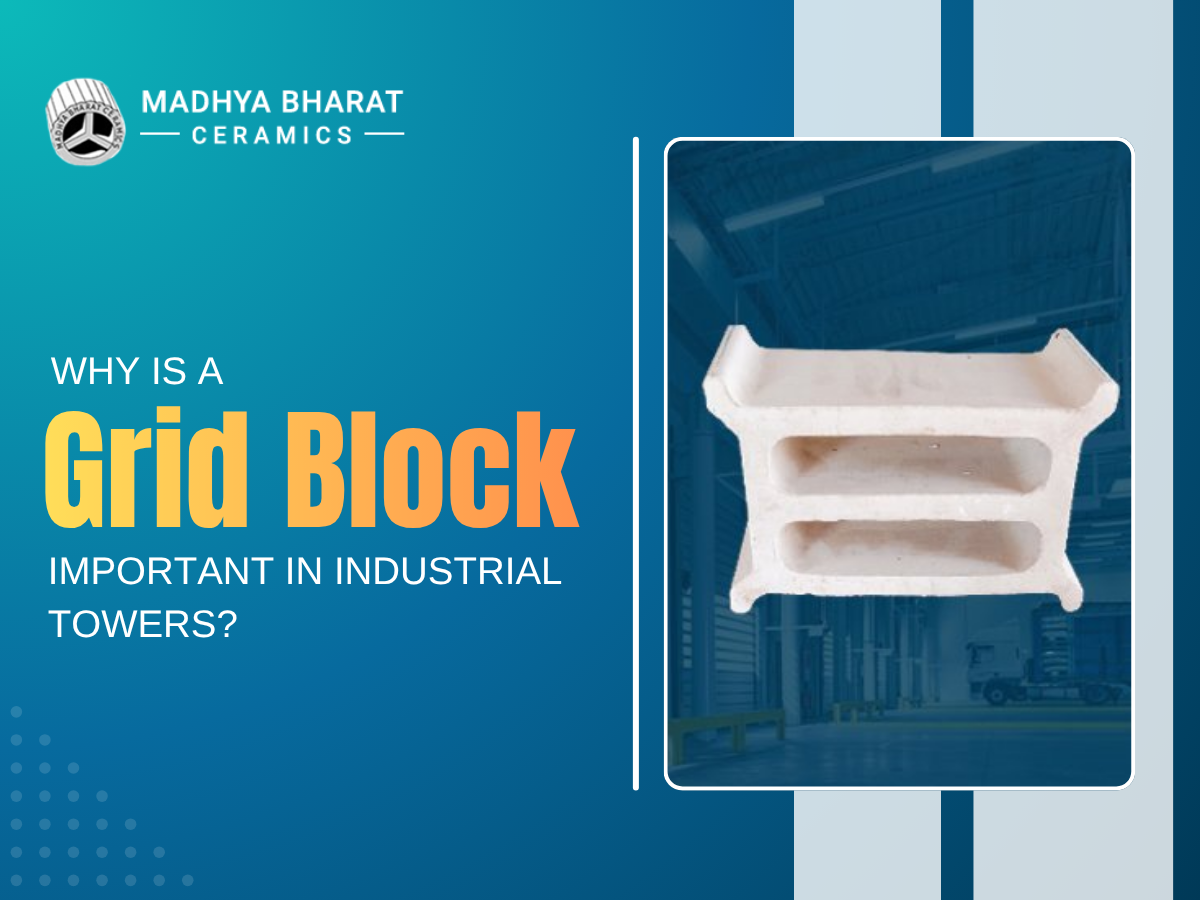
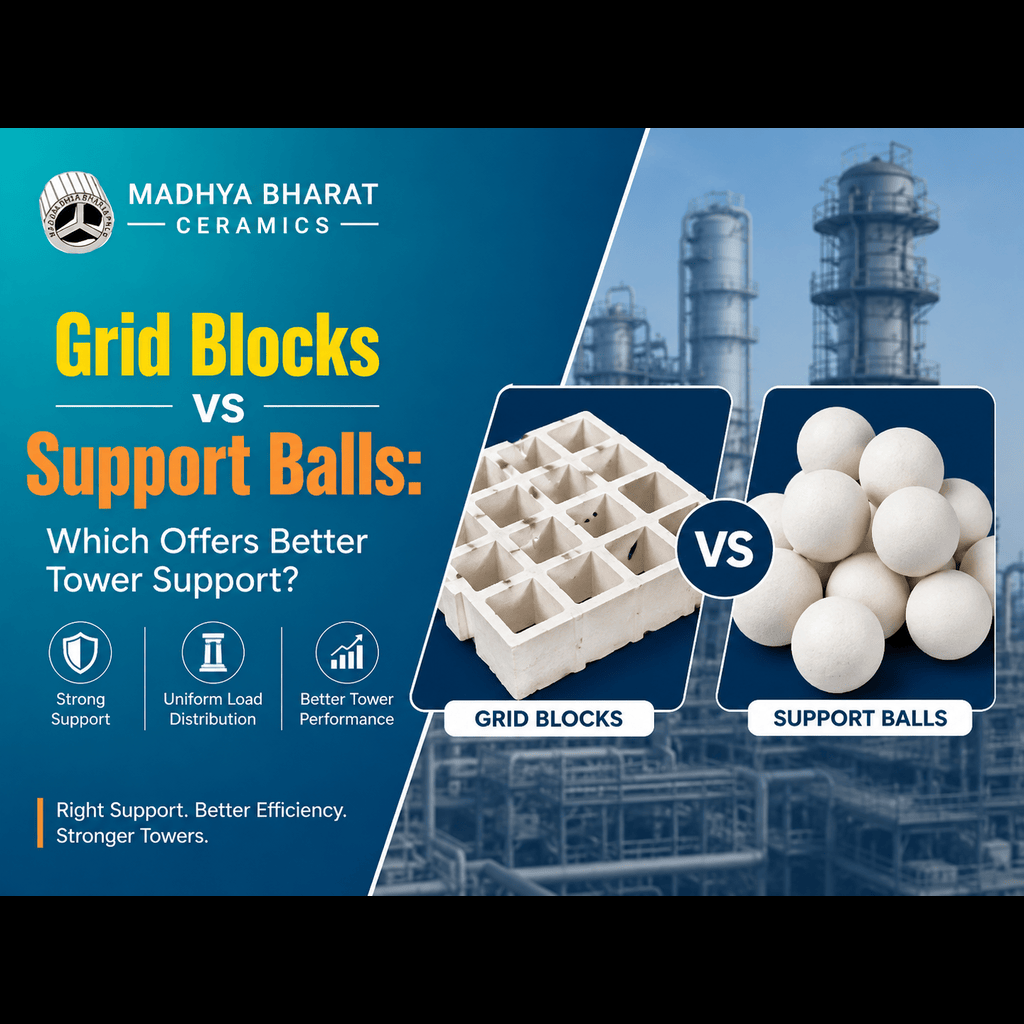
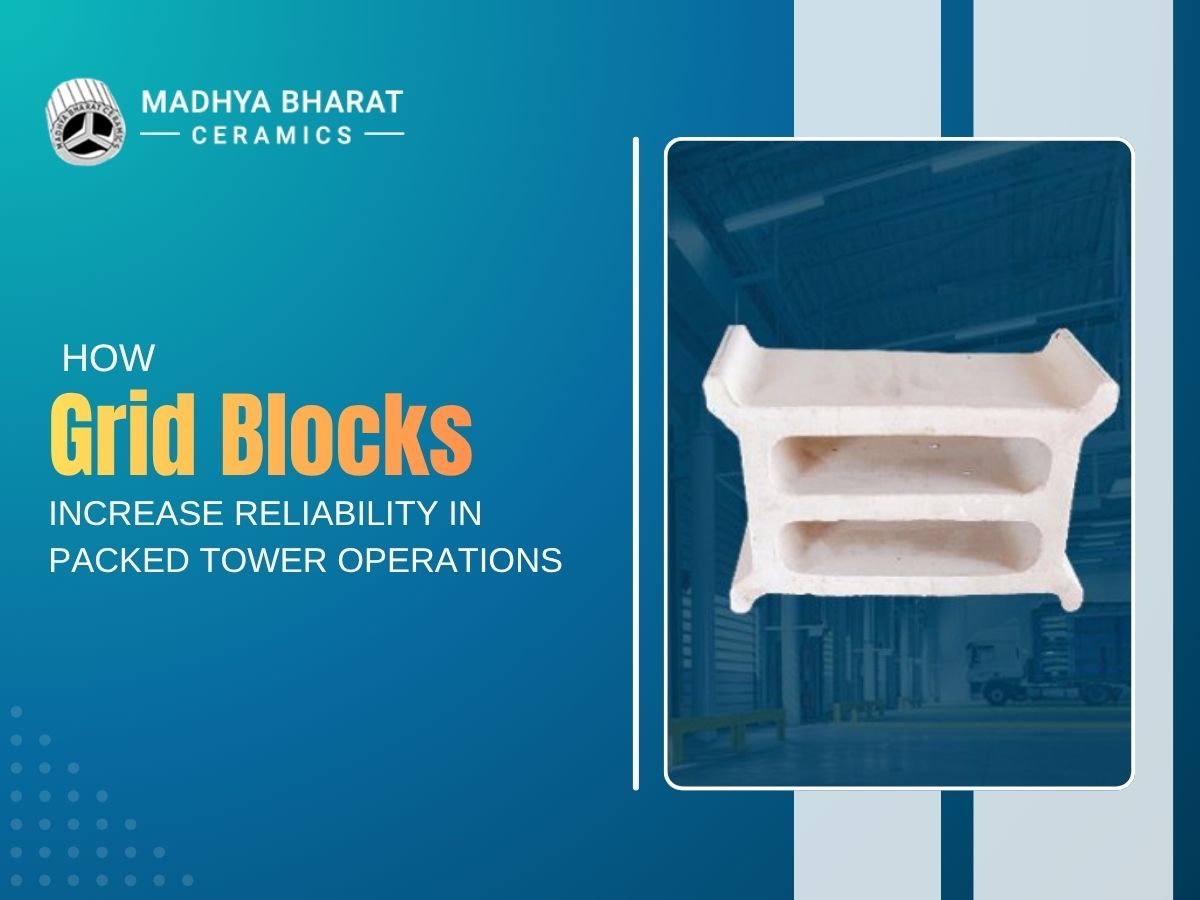
| Grid Blocks | Bed support | Under packed beds |
| Inert Ceramic Balls | Catalyst protection | Reactors |
Choosing the right product starts with understanding the job it must do.
Choosing the Right Heat Resistant Ceramic Products
Several types are available, and each needs a specialist supplier.
- A Ceramic Saddles Manufacturer supplies standard saddles, while a Ceramic Super Intalox Saddle Manufacturer supplies the lower pressure drop design.
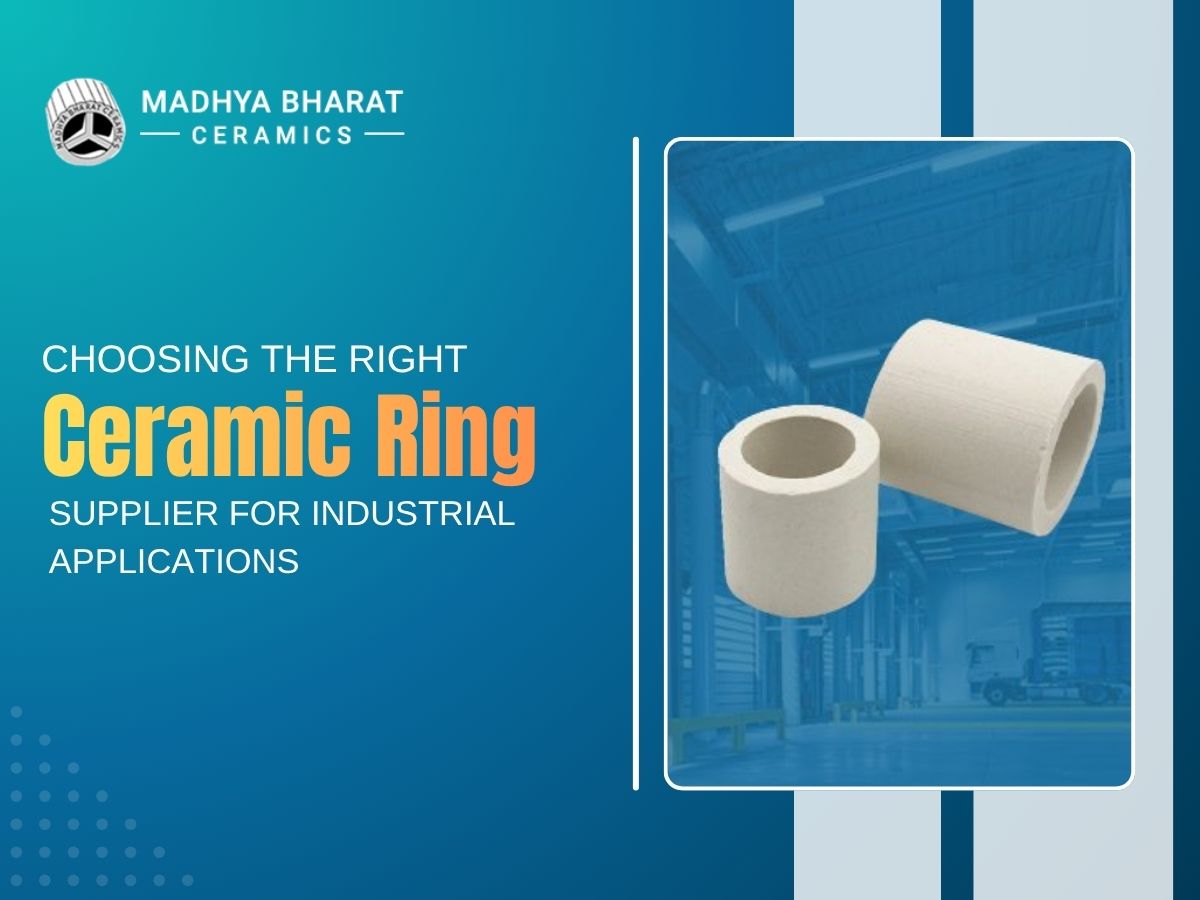
- Buyers comparing ceramic ring manufacturers look for strong, proven rings for acid and cooling duty.
- A ceramic honeycomb structure manufacturer and a Ceramic Structured Honeycomb manufacturer serve hot gas and uniform flow needs.
- A ceramic grid block manufacturer supplies support blocks sized for column load.
Sharing your process data helps each supplier recommend the right product, size, and grade for your column.
How to Select the Right Product for Your Application
Follow these steps.
- List your fluids: Note every chemical and gas.
- Record temperatures: Include peak values, not only normal ones.
- Check the equipment size: Match product size to the column.
- Set performance goals: Define pressure drop and separation targets.
- Plan for thermal cycling: Heat and cool gradually.
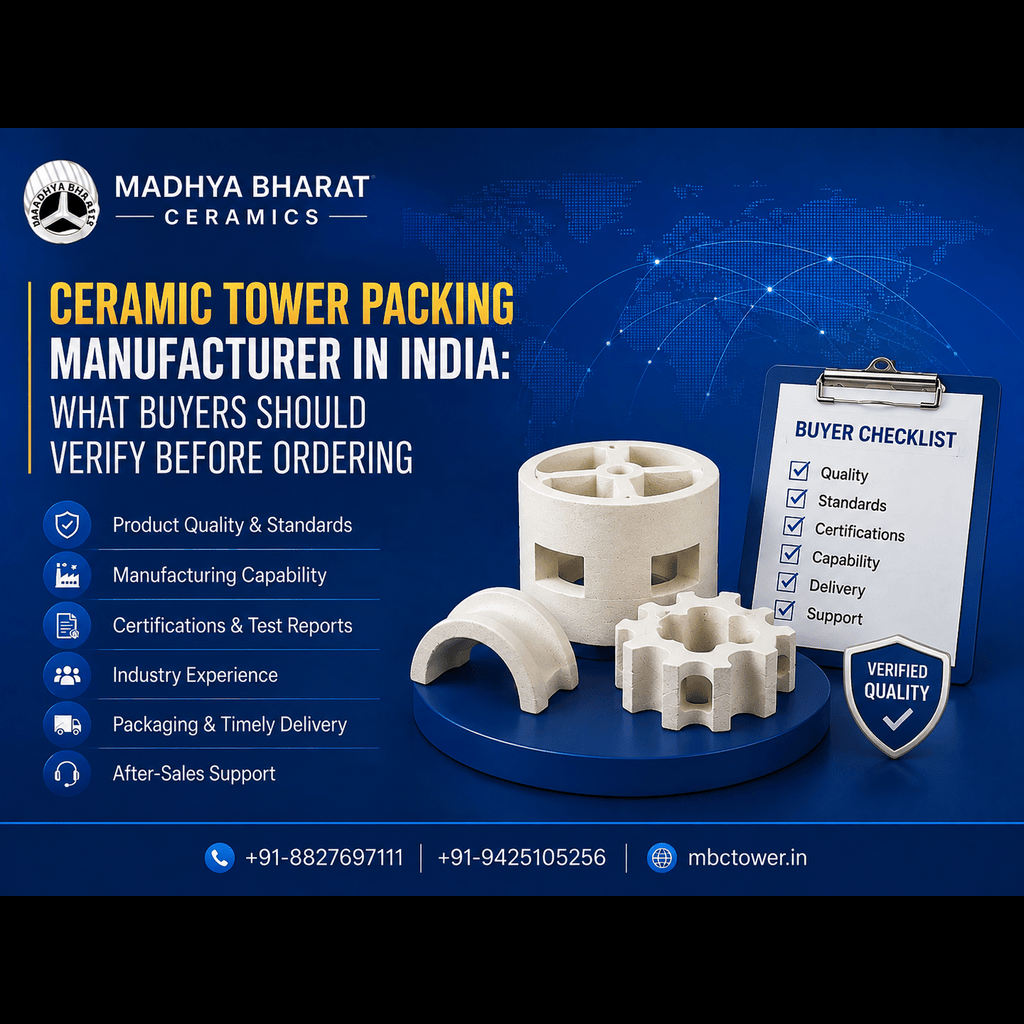
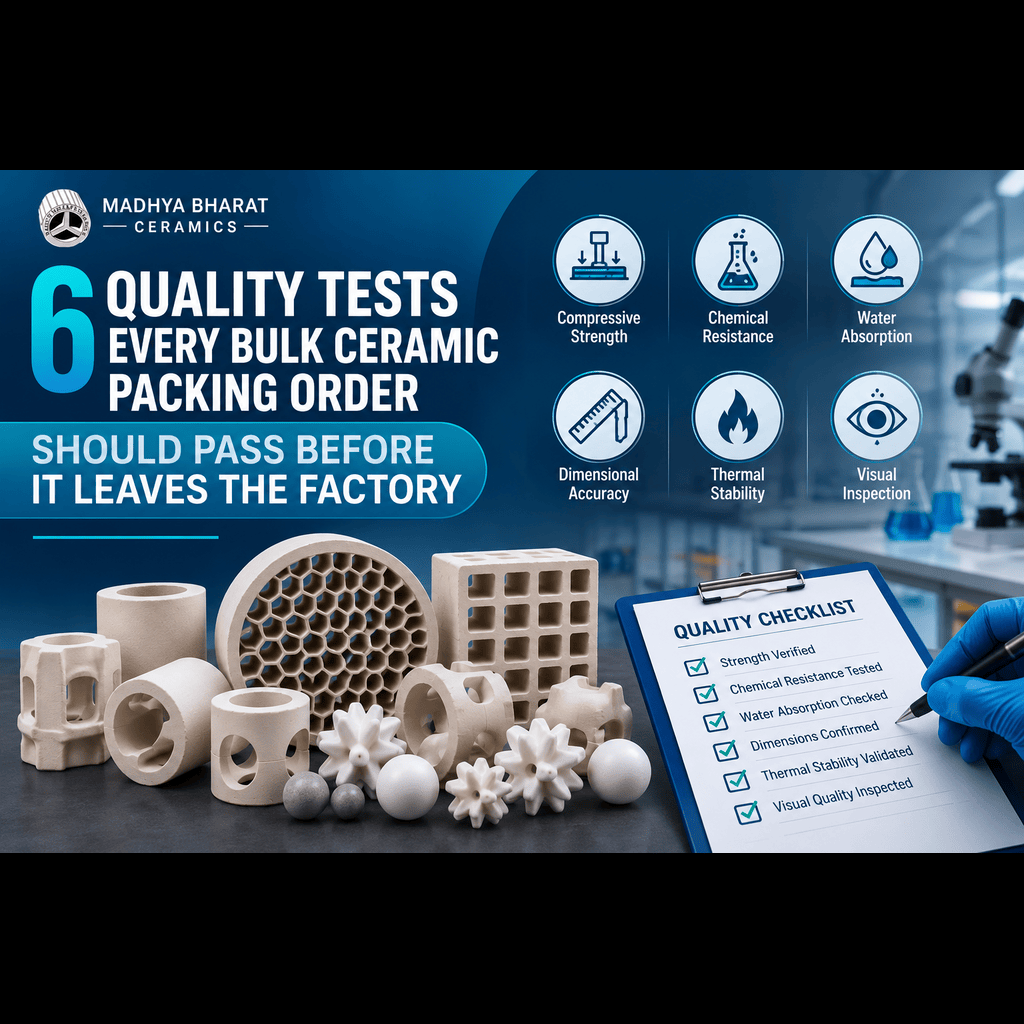
- Ask for test data: Request strength and quality reports.
Common Mistakes to Avoid
Many problems start at the buying stage.
- Choosing by price alone
- Ignoring peak temperature or chemical mix
- Assuming all ceramic products perform alike
- Skipping a trial when changing suppliers
- Forgetting a small reserve for breakage
A short conversation with your supplier before ordering often prevents these issues.
Why Madhya Bharat Ceramics Is a Trusted Choice
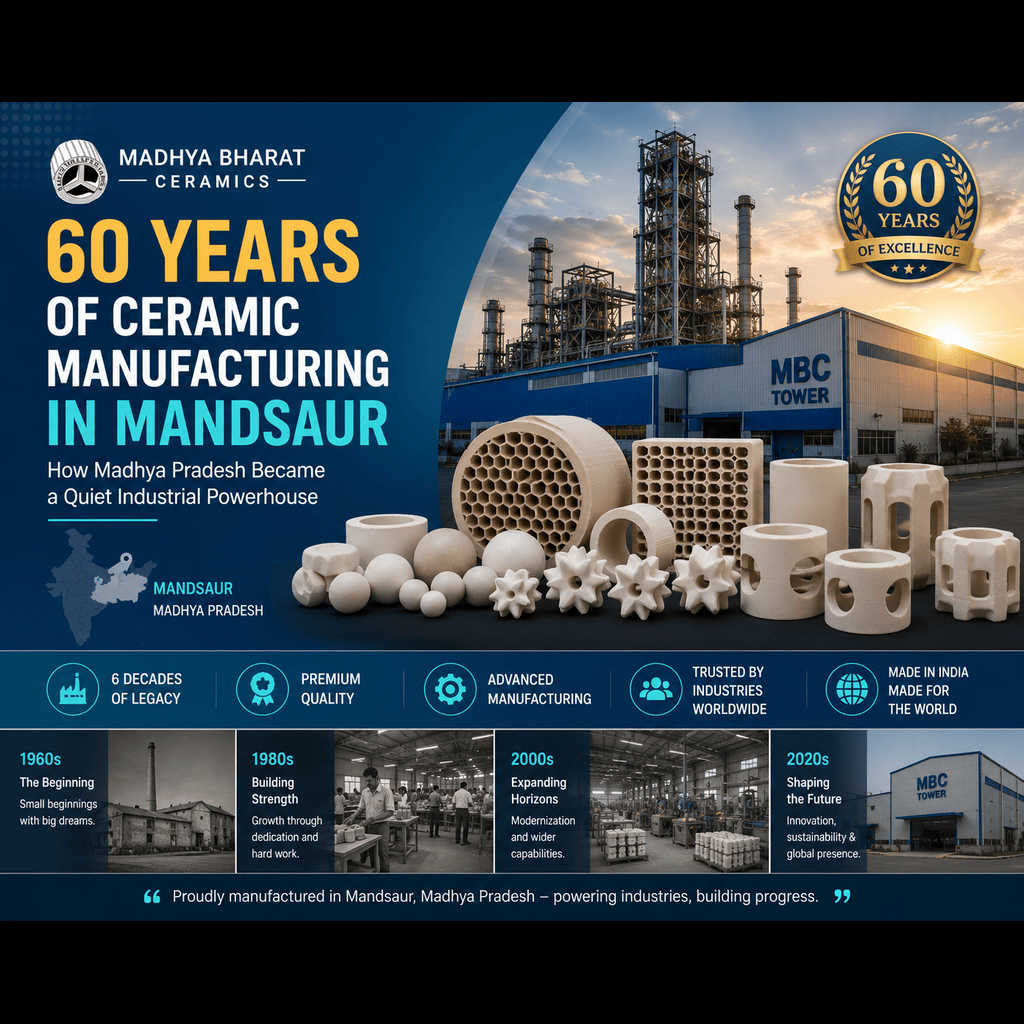
Madhya Bharat Ceramics has been making ceramic tower packing since 1964. That is more than six decades of hands-on experience. The factory is in Mandsaur, Madhya Pradesh, a region known for ceramic craftsmanship.
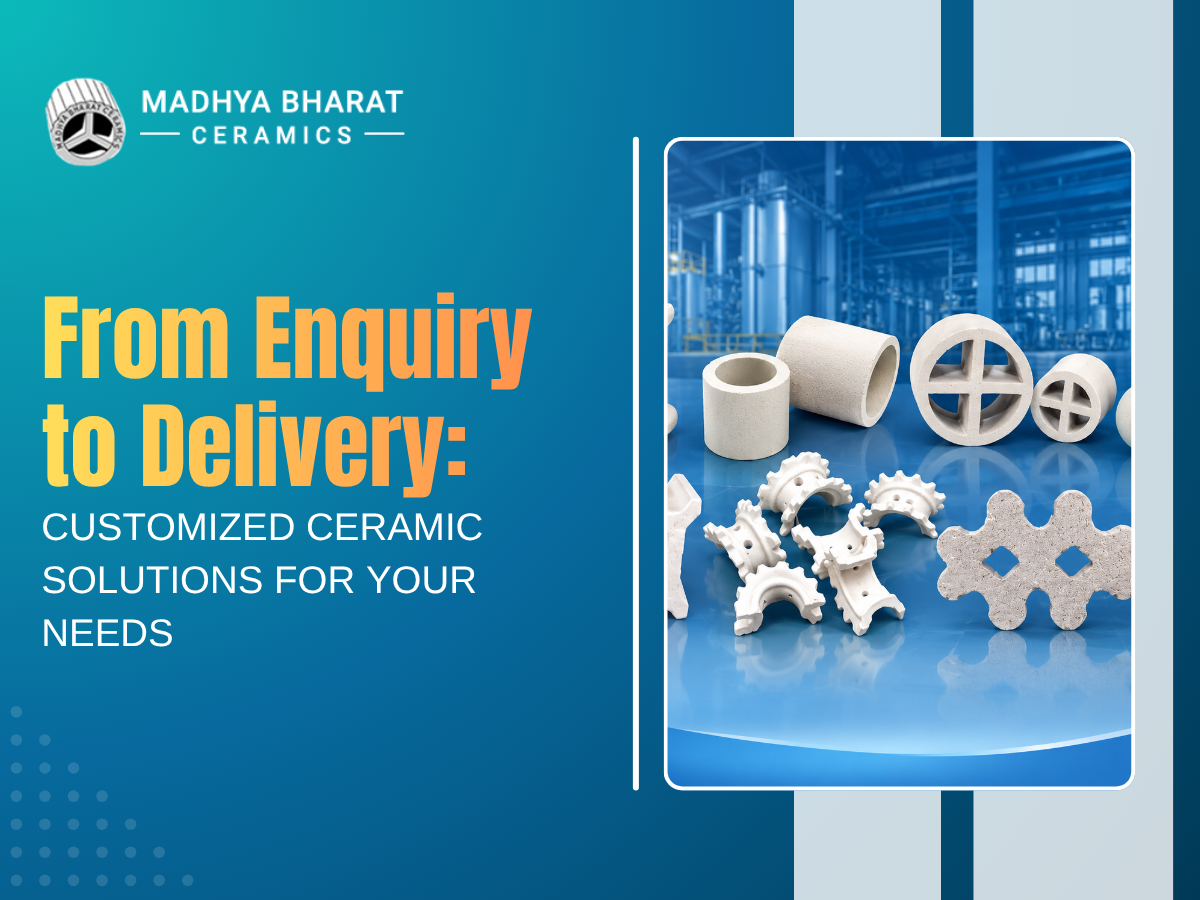
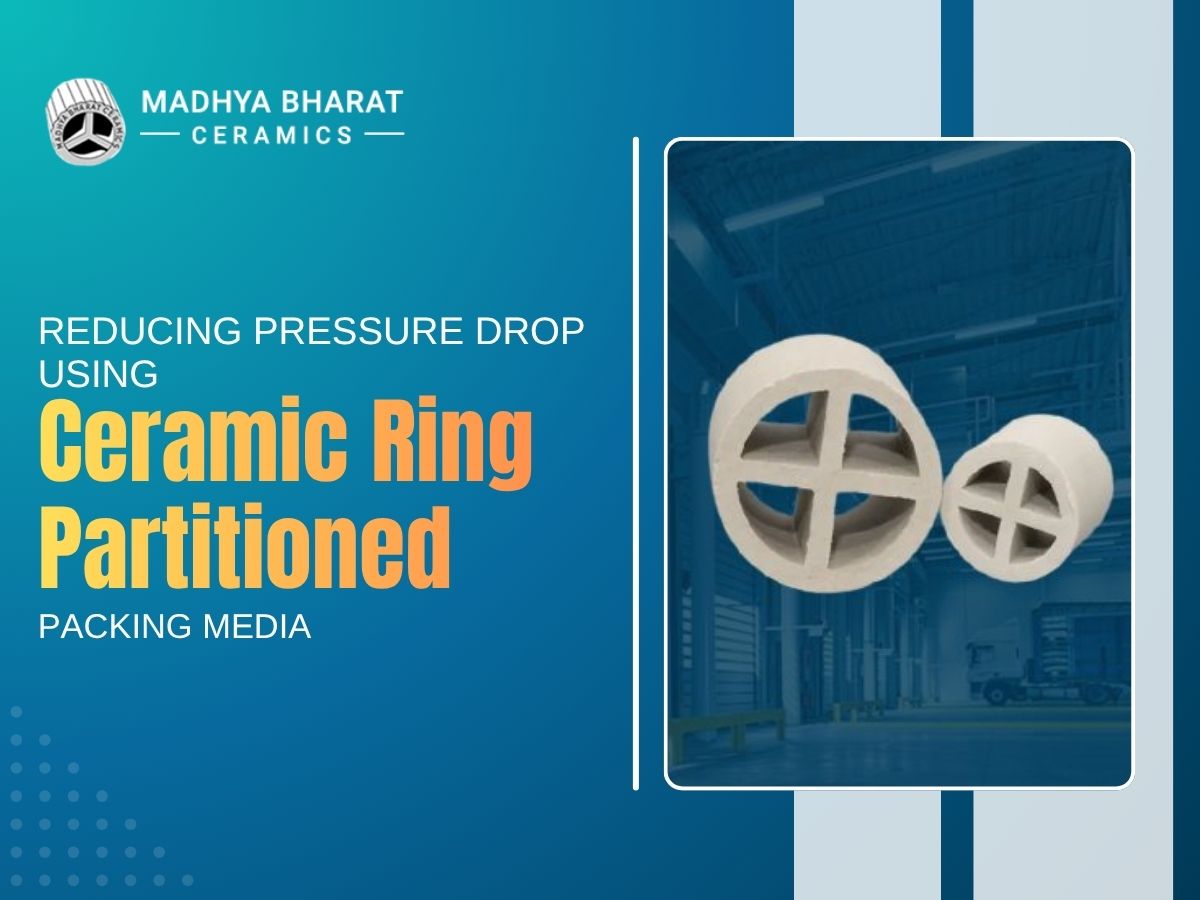
As an established ceramic packing manufacturer, the company offers Ceramic Saddles, Super Intalox Saddles, Cecebe HP Porcelain Saddles, Ceramic Rings, Partitioned Rings, Honeycomb, Structured Honeycomb, Grid Blocks, and Inert Ceramic Balls.
Care and Handling Tips
Good handling extends product life.
- Inspect deliveries and note any damage
- Store products in a dry, covered area
- Load gently to limit breakage
- Heat and cool equipment gradually
- Check the bed during planned shutdowns
Frequently Asked Questions
1. What are heat resistant ceramic products used for?
They are used in towers, reactors, and heat recovery systems across fertilizer, chemical, petrochemical, pharmaceutical, oil and gas, and environmental plants.
2. Why is ceramic better than metal or plastic in hot service?
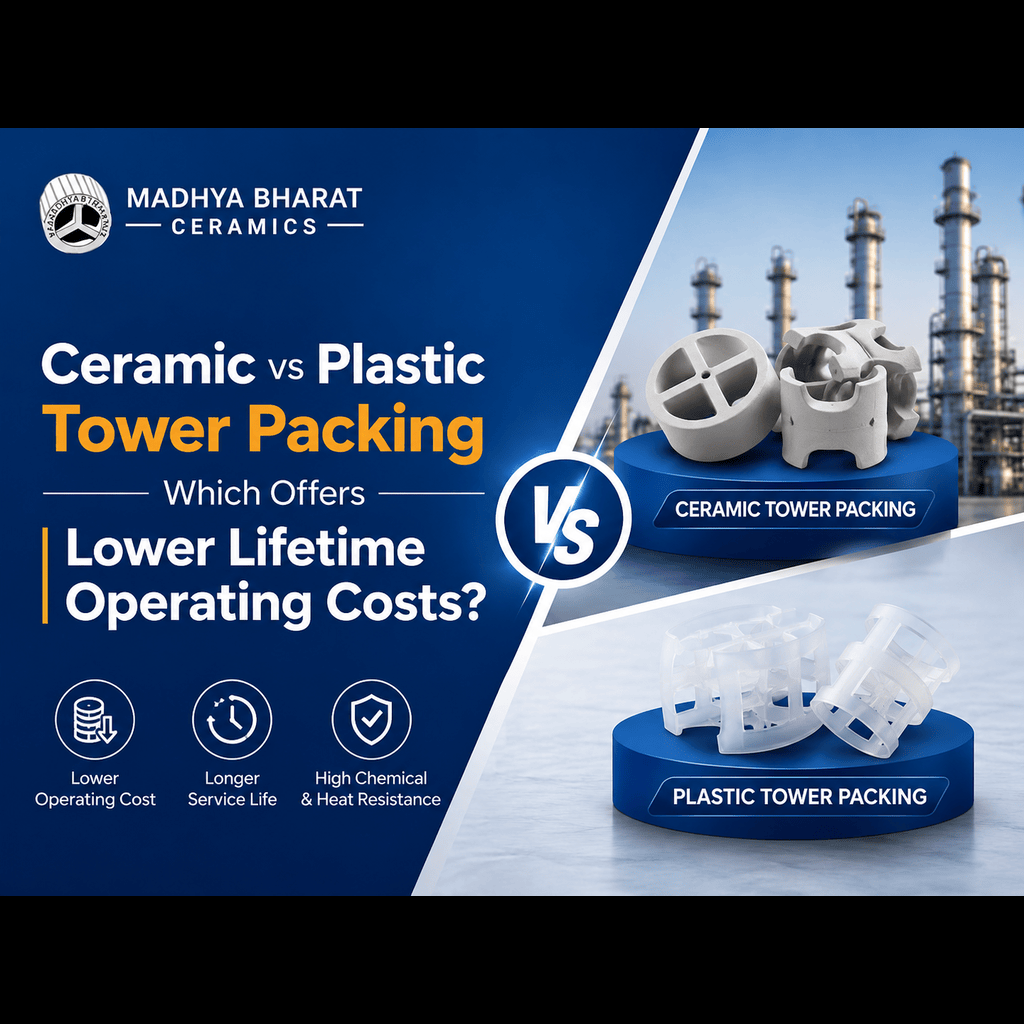
Ceramic keeps its shape at high heat and resists corrosion, while metal can corrode and plastic can soften.
3. Which ceramic product should I choose for my tower?
Saddles suit general mass transfer, rings suit strong and simple duties, honeycomb suits uniform low-resistance flow, and balls and grid blocks support the bed.
4. Can ceramic products crack from sudden temperature changes?
They can if heated or cooled too fast. Gradual start-up and shutdown reduce this risk.
5. What should I ask a ceramic supplier before ordering?
Ask about experience, testing steps, capacity, packaging, and whether they can recommend the right product for your process.
Conclusion
Heat Resistant Ceramic Products support some of the toughest industrial jobs, from acid towers to refinery reactors and pollution control systems. Matching the right product to your process turns their heat and corrosion resistance into real savings.
Working with an experienced partner like Madhya Bharat Ceramics helps you get products built for real industrial demands.
Need Heat Resistant Ceramic Products for Your Plant?
Looking for a dependable ceramic packing manufacturer in India? Madhya Bharat Ceramics is ready to help. Contact our team today for product guidance, specifications, and a customized quote.