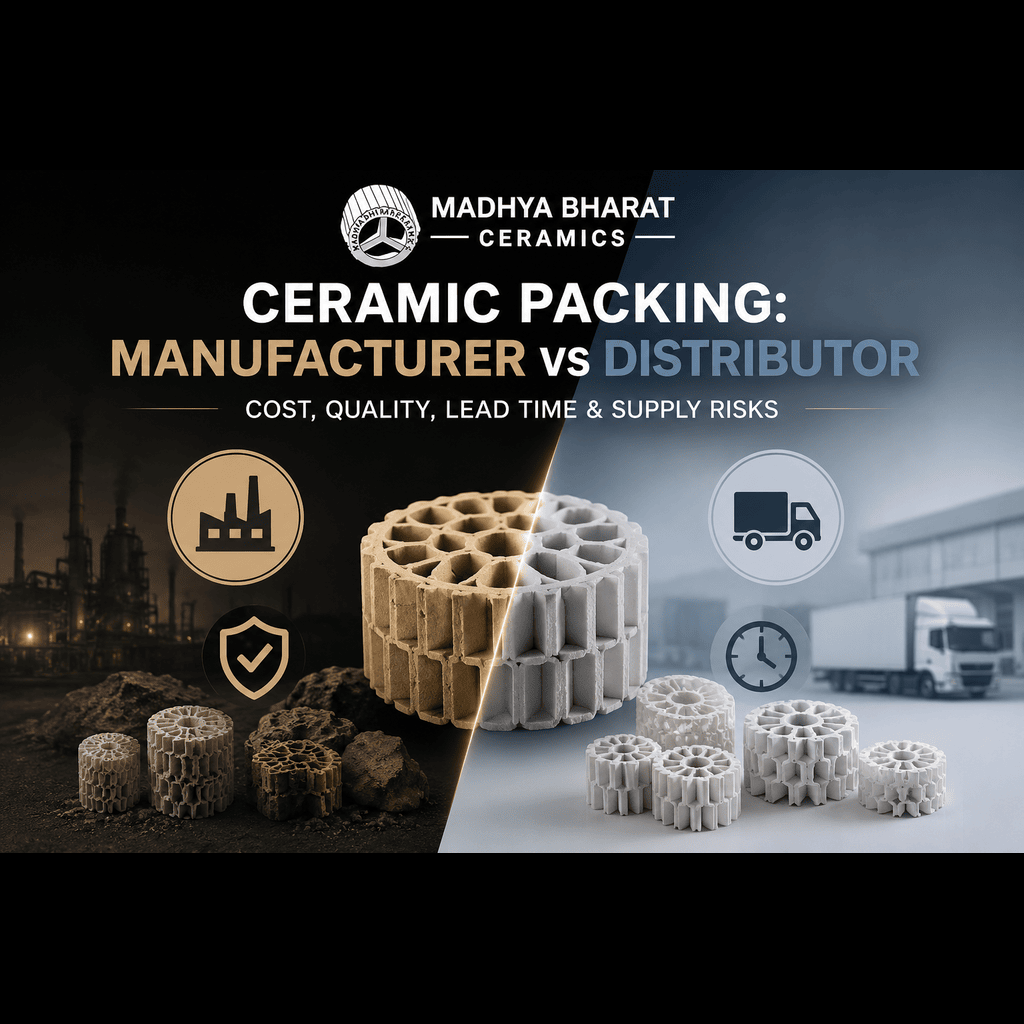
Buying directly from a manufacturer usually costs less, gives you better quality control, and comes with a longer lead time than buying from a distributor, who charges more but delivers faster from existing stock. Which one actually works better for your plant depends on your order size, your timeline, and how much risk you’re willing to carry on quality. Let’s break down exactly where each option wins, and where it quietly costs you more than you expected.
Why This Decision Matters More Than It Seems
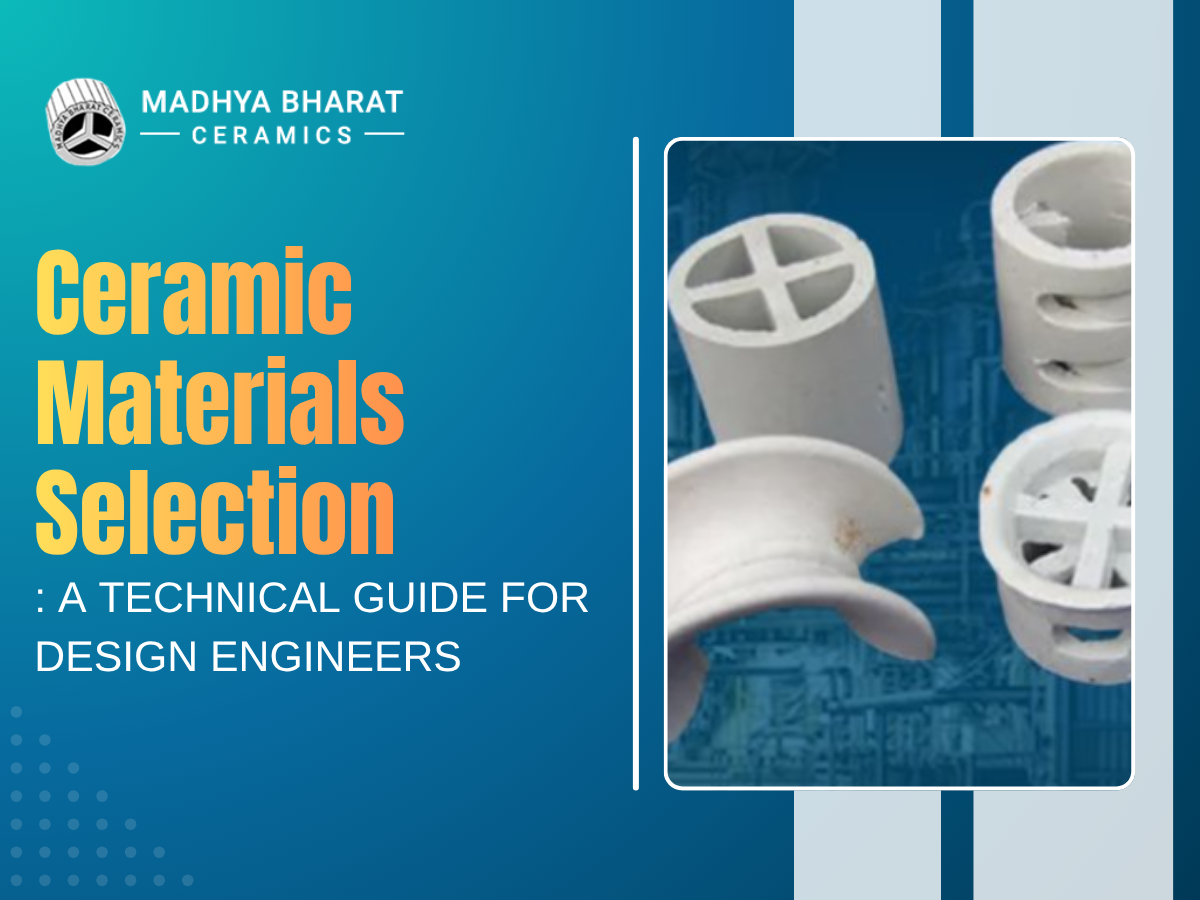
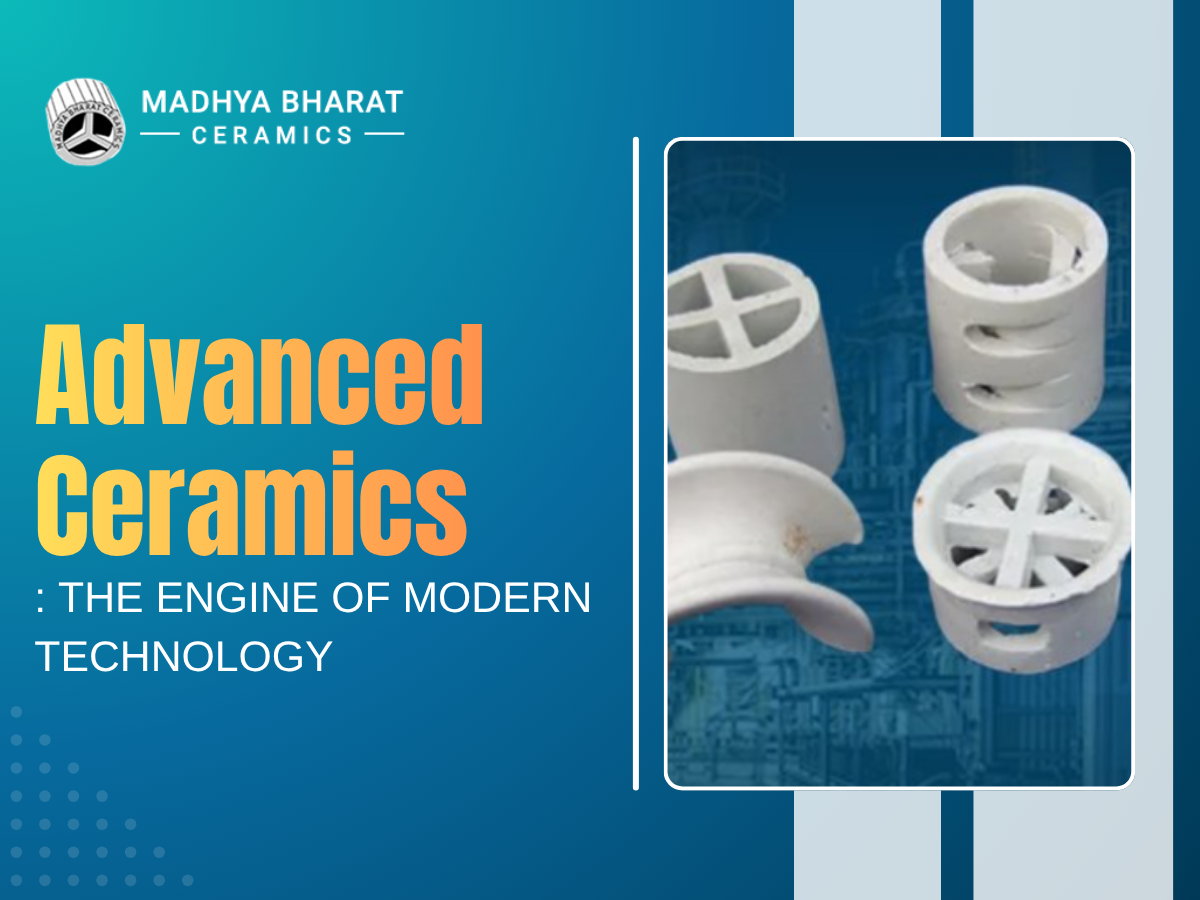
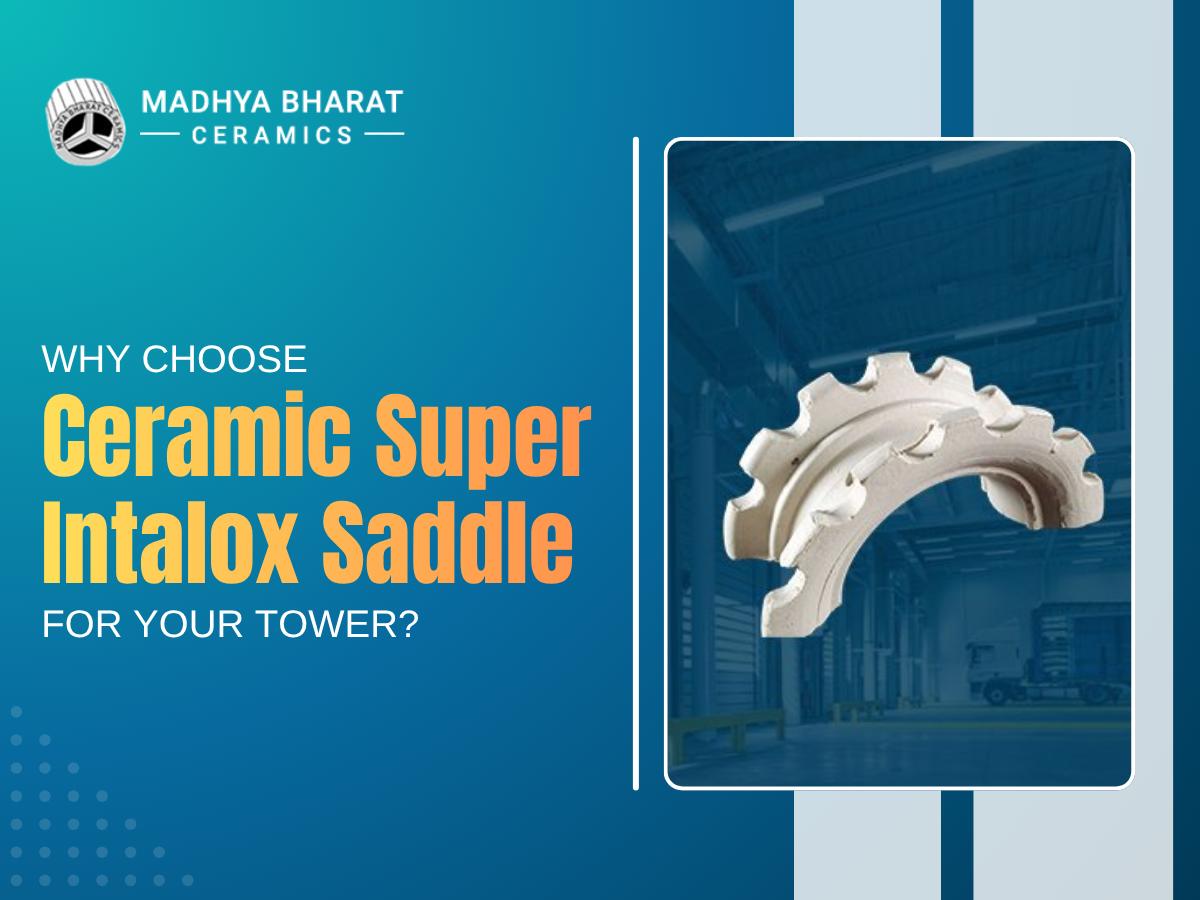
Most buyers treat this as a simple price comparison. It isn’t. When you’re sourcing something like ceramic saddles for a distillation or absorption column, you’re not just buying a product, you’re buying a level of quality control, a delivery timeline, and a certain amount of supply risk that follows you long after the invoice is paid.
Get this decision wrong, and you either overpay for speed you didn’t need, or you save a few rupees per unit while inheriting inconsistent packing that hurts column performance for years. At MBC Tower, this is exactly the conversation we have with buyers before they place their first order, because understanding this trade-off upfront saves everyone a headache later. Stick with us here, because the next few sections will save you from making that mistake.
What You’re Actually Choosing Between
Manufacturers produce the packing themselves, from raw material selection through firing, shaping, and quality testing. When you buy from one, you’re buying a product with full visibility into how it was made.
Distributors buy in bulk from one or more manufacturers, hold inventory, and resell to end customers, often across multiple brands and quality tiers. When you buy from a distributor, you’re mostly buying convenience and speed, not necessarily a say in how the product was produced.
Neither option is universally “better.” It genuinely depends on what your project needs right now, but it helps to know exactly what you’re trading off before you commit.
Cost: Where the Real Difference Shows Up
Here’s the pattern most buyers notice eventually, manufacturers are almost always cheaper per unit, especially on larger orders, because there’s no middleman markup added to the price.
Distributors, on the other hand, build in a margin to cover their inventory holding costs, warehousing, and the convenience of having stock ready to ship. That margin isn’t hidden or dishonest, it’s just the cost of buying speed instead of buying direct.
If your order volume is large enough to justify a direct relationship, going straight to a manufacturer like MBC Tower almost always pays off within the first order or two, since you’re paying for the product, not a reseller’s overhead.
Quality: Where Distributors Start Losing Ground
This is where things get more serious than pricing.
When you buy from a manufacturer, you can ask direct questions about raw material grading, firing temperature, batch testing, and dimensional consistency. If something’s off in a shipment, you’re talking to the people who actually made it, not a reseller repeating what they were told.
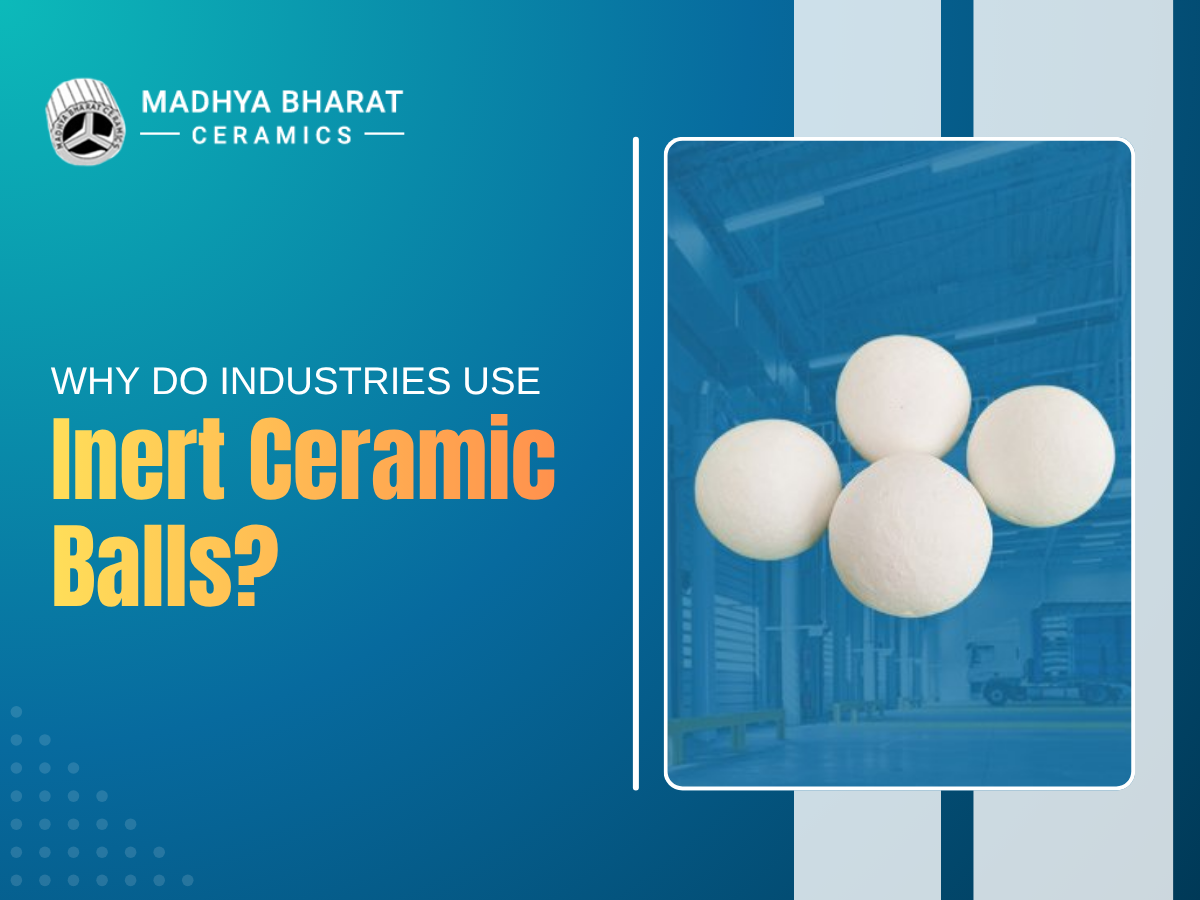
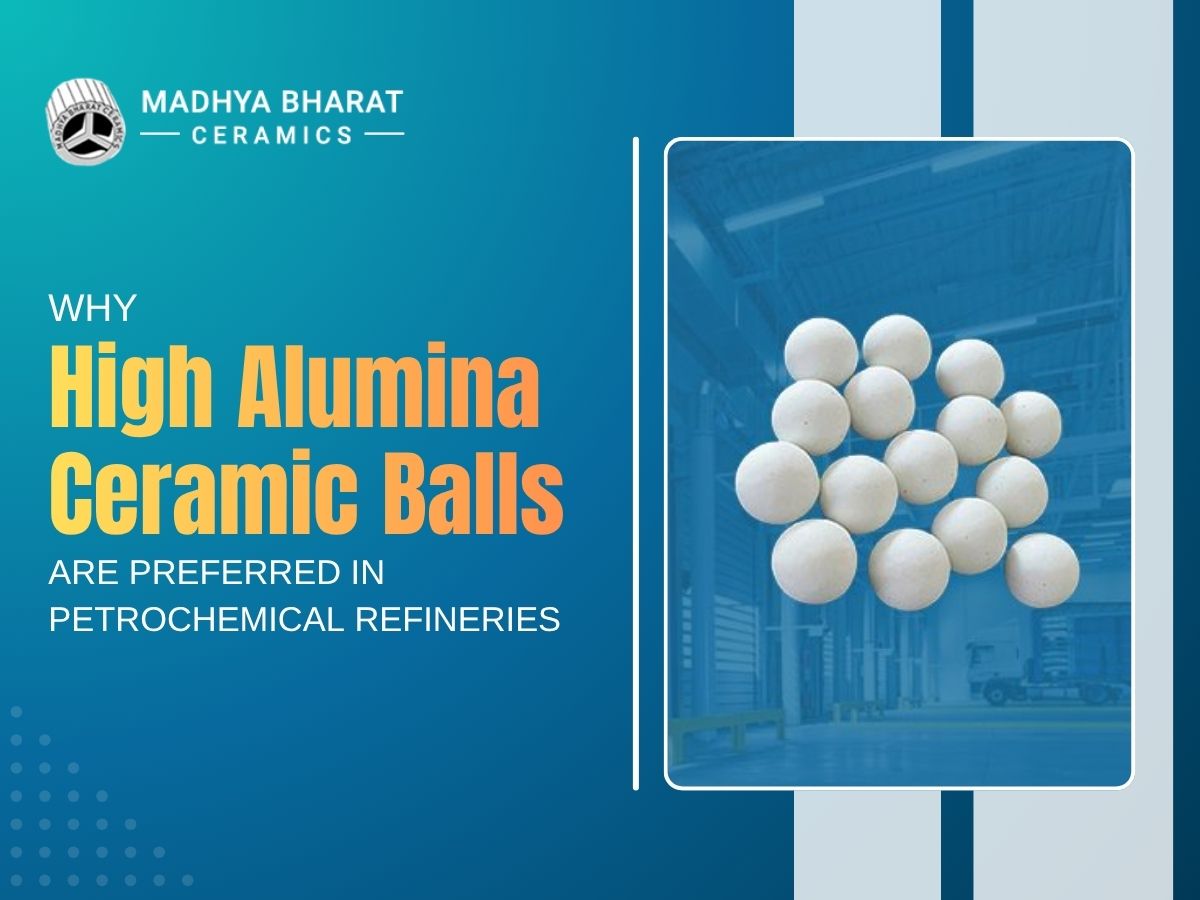
A ceramic ball supplier operating purely as a distributor often can’t answer these questions with the same confidence, simply because they didn’t produce the product themselves. They’re passing along whatever documentation the original manufacturer gave them, and that documentation isn’t always as detailed as a buyer needs it to be.
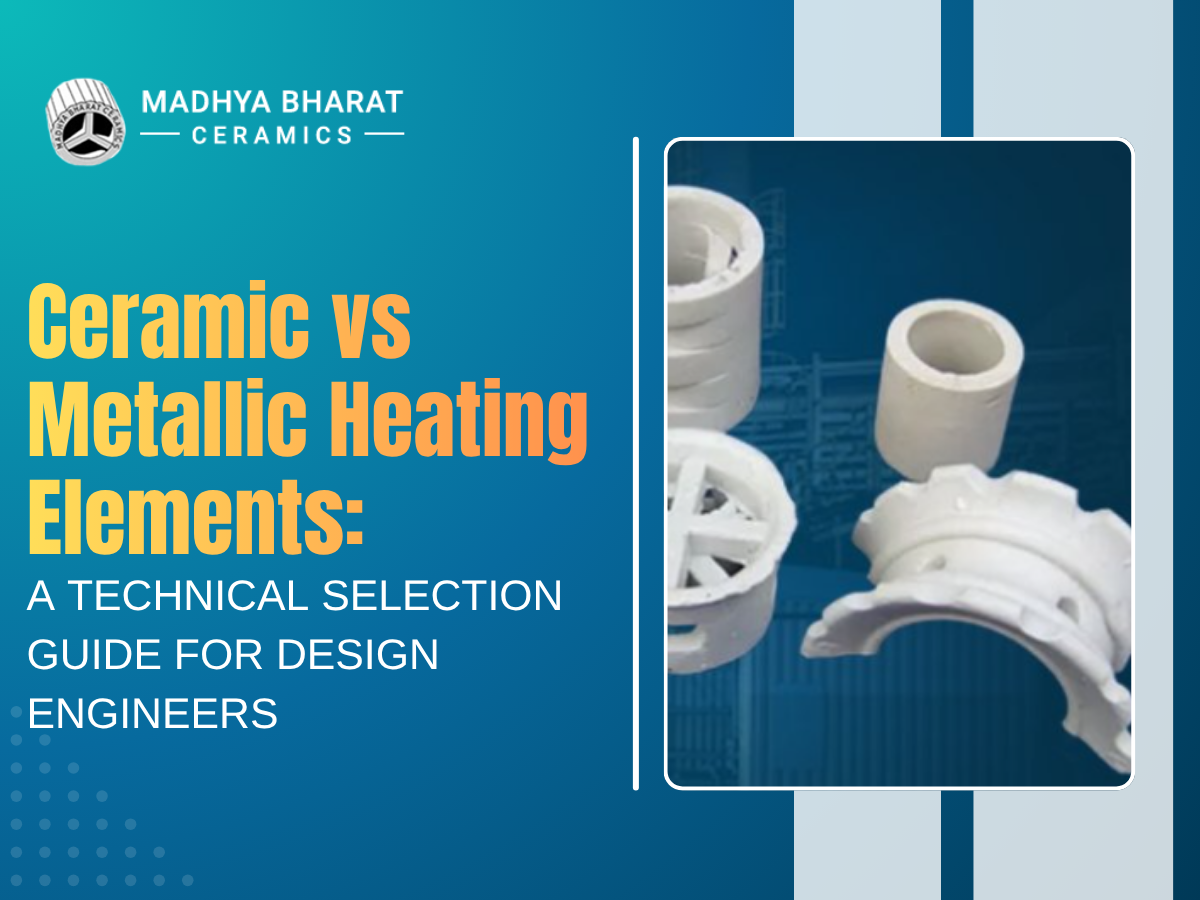
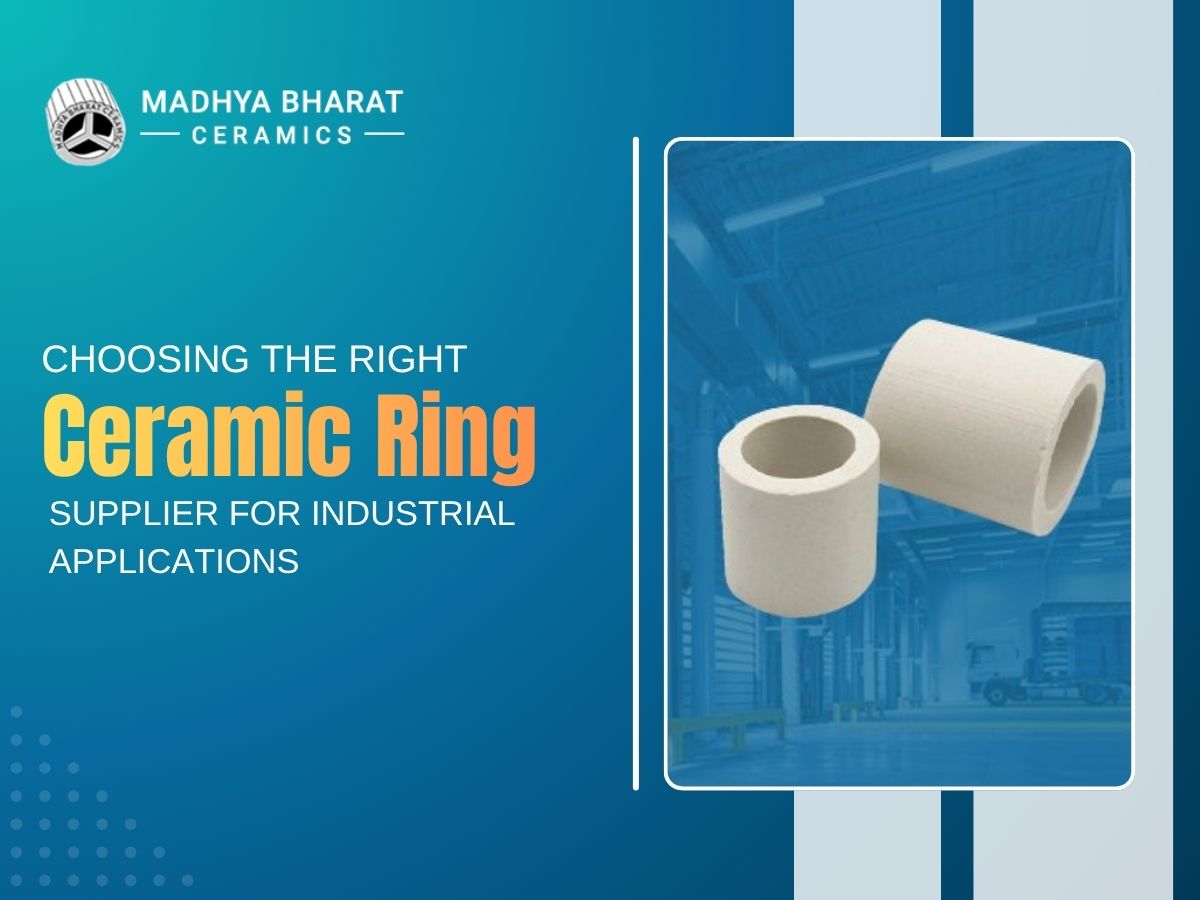
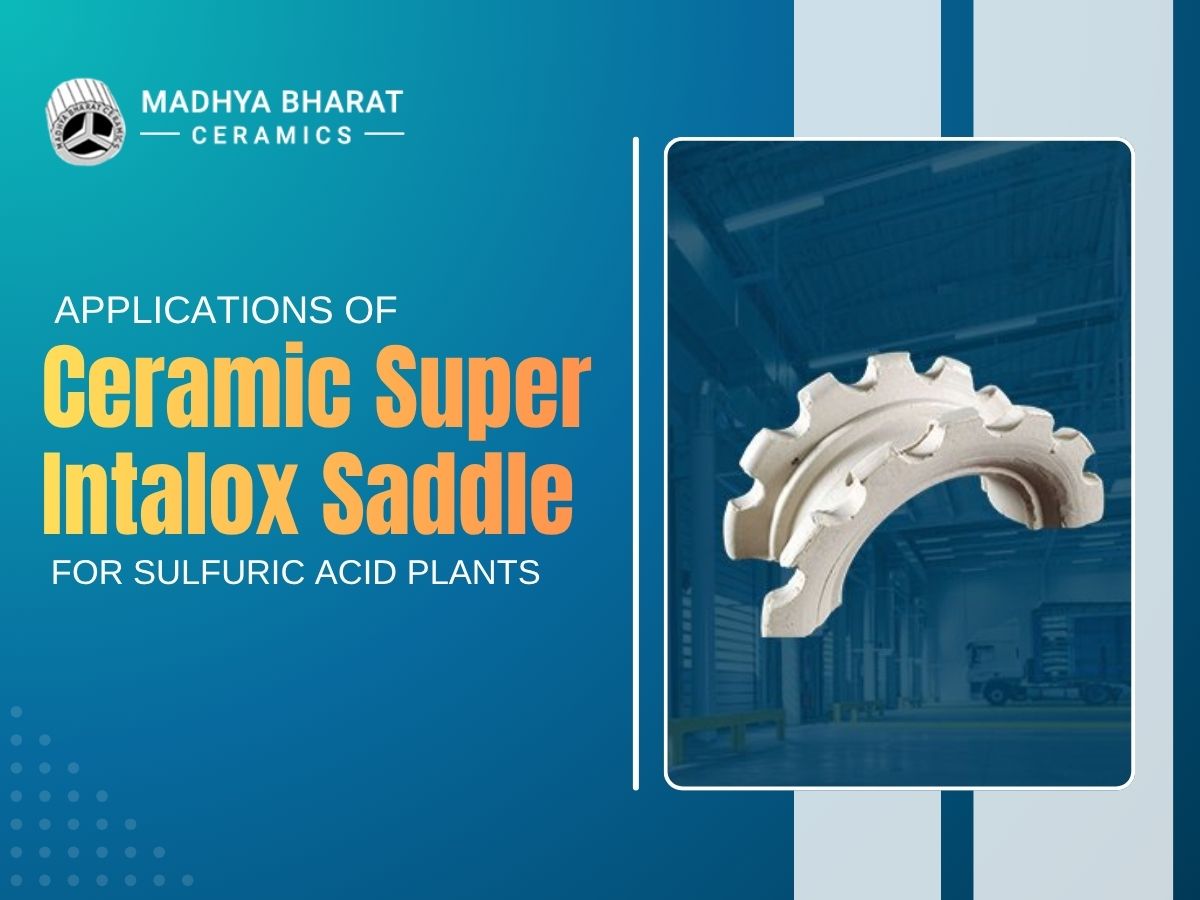
This matters even more for something like a ceramic support rings manufacturer relationship, where dimensional accuracy directly affects how well the rings sit and perform inside your column. A slight inconsistency here isn’t cosmetic, it affects flow distribution and separation efficiency for the life of the packing. It’s why MBC Tower runs batch-level quality checks before anything leaves the facility, so buyers aren’t the ones discovering an inconsistency after installation.
Lead Time: The One Place Distributors Genuinely Win
To be fair, this is where distributors earn their margin. If you need packing fast and a distributor happens to have your exact specification in stock, you could have it in days instead of weeks.
Manufacturers, by comparison, often need to produce to order, especially for larger or custom volumes, which naturally takes longer. If your plant is dealing with an unplanned shutdown and needs replacement packing immediately, a distributor with the right stock on hand can genuinely be the better call.
keep a small distributor relationship for emergencies, but plan your routine, larger orders through a manufacturer well in advance so lead time stops being a factor at all.
Supply Risk: The Part Most Buyers Underestimate
This is the risk nobody talks about until it actually happens. A distributor’s stock depends entirely on their upstream manufacturer relationships. If that manufacturer changes pricing, cuts quality, or discontinues a product line, the distributor either passes that disruption straight to you or quietly switches to a different, often lower-quality source without telling you.
Buying direct from a manufacturer removes that layer of uncertainty. You know exactly who’s making your packing, what their quality process looks like, and you have a direct line to resolve problems instead of going through a reseller who may not have real authority to fix anything. This is one of the biggest reasons plants stay with MBC Tower long after their first order, they’re not just buying packing, they’re buying a direct relationship with the people who make it.
Want to skip the guesswork entirely? Talk to the MBC Tower team directly, we’ll walk you through exactly how our production and quality process works before you commit to an order.
So, Which One Should You Actually Choose?
Here’s a simple way to decide:
- Choose a distributor if you need a small quantity fast, you’re dealing with an emergency replacement, or your order is genuinely too small to justify a direct manufacturer relationship.
- Choose a manufacturer if you’re placing a regular or large order, quality consistency matters for your process, or you want long-term pricing stability without a middleman’s margin sitting between you and the source.
For most industrial buyers running ongoing operations, working directly with a manufacturer ends up being the more reliable, cost-effective path once you look past the short-term convenience of a distributor.
Where MBC Tower Fits In
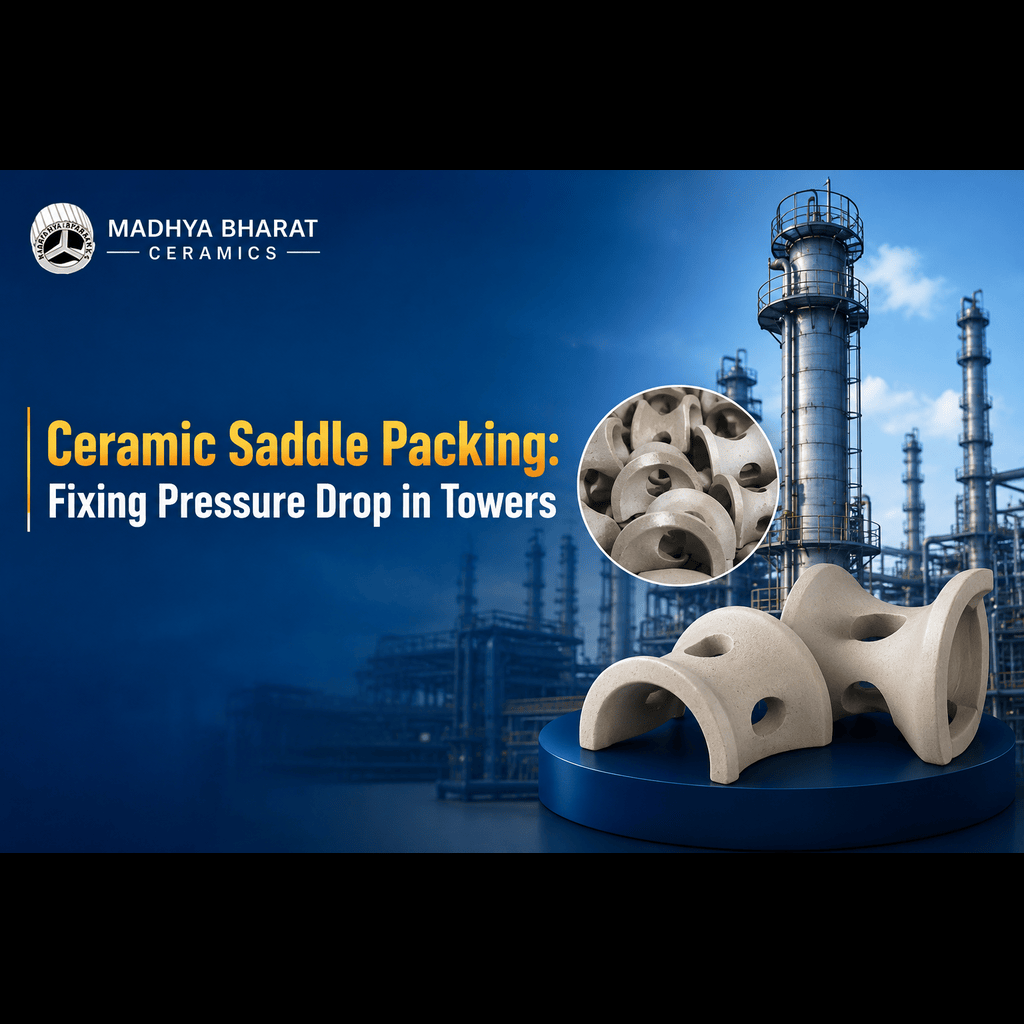
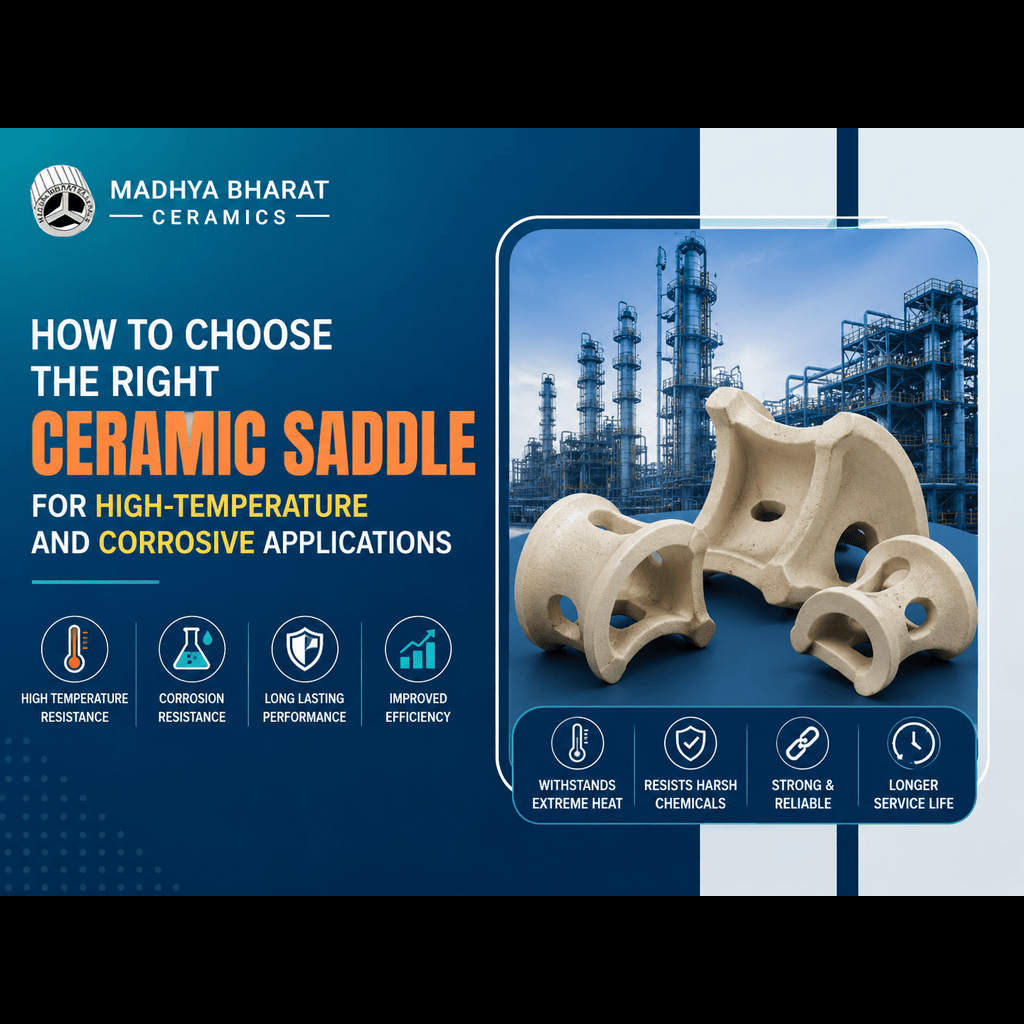
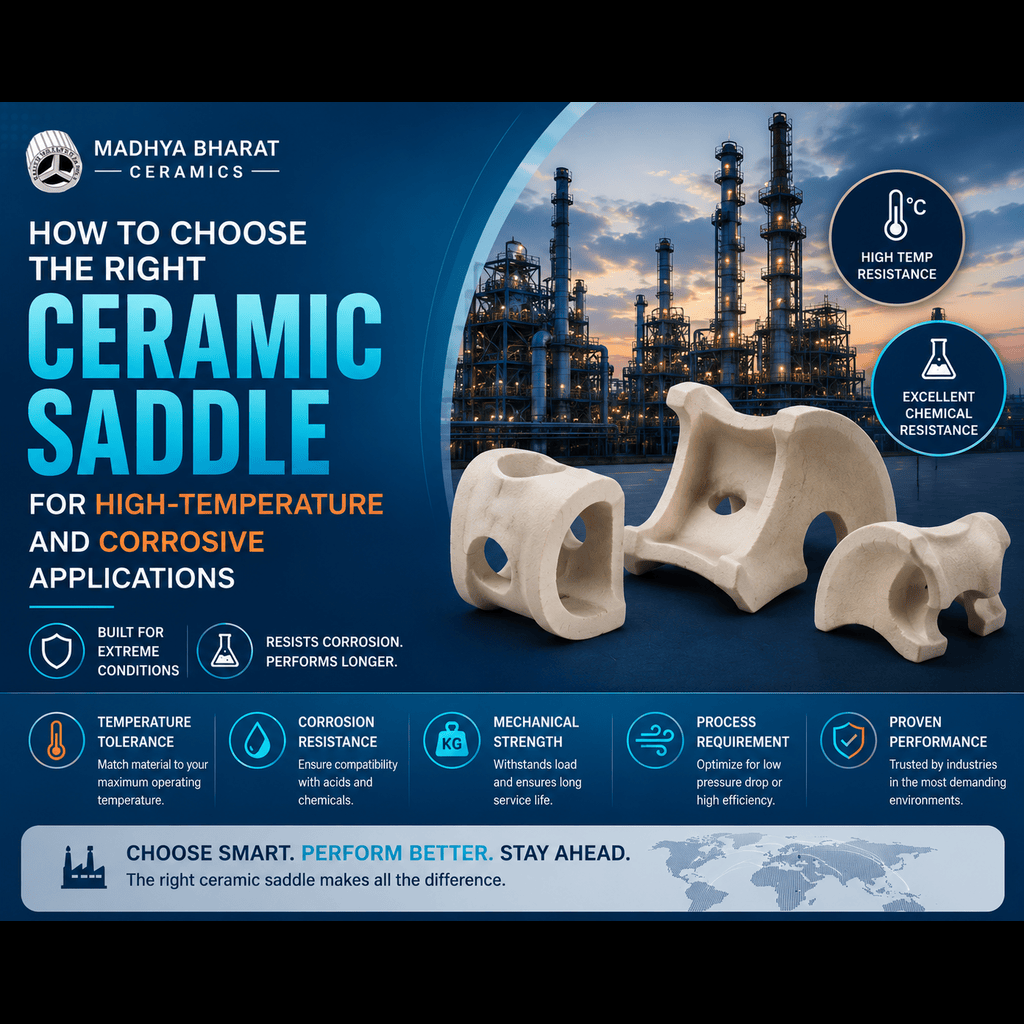
As a ceramic ring manufacturer in Mandsaur, MBC Tower produces packing in-house from raw material through final quality testing, which means every buyer gets full visibility into how their order was made, not a reseller’s summary of it. Whether you need ceramic saddles, support rings, or ceramic balls, working with MBC Tower means one point of contact, one quality standard, and no guessing about where your packing actually came from. If you’re comparing sourcing options and want to understand packing performance in more depth before deciding, our earlier guide on how ceramic saddles work in packed columns is worth reading alongside this one.
Frequently Asked Questions
1. Is it always cheaper to buy directly from a manufacturer?
Usually yes, especially for larger orders, since there’s no distributor margin added to the price. For very small one-off orders, the price difference may be small enough that convenience becomes the deciding factor instead.
2. Can a distributor guarantee the same quality as a manufacturer?
Not always. A distributor’s quality is only as good as their upstream manufacturer relationship, and they may not have full visibility into production details like firing temperature or raw material grading.
3. How much longer does it take to order from a manufacturer compared to a distributor?
It depends on your order size and specification, but manufacturers often need to produce to order for larger or custom volumes, which can take longer than buying from existing distributor stock.
4. What questions should I ask before choosing a supplier?
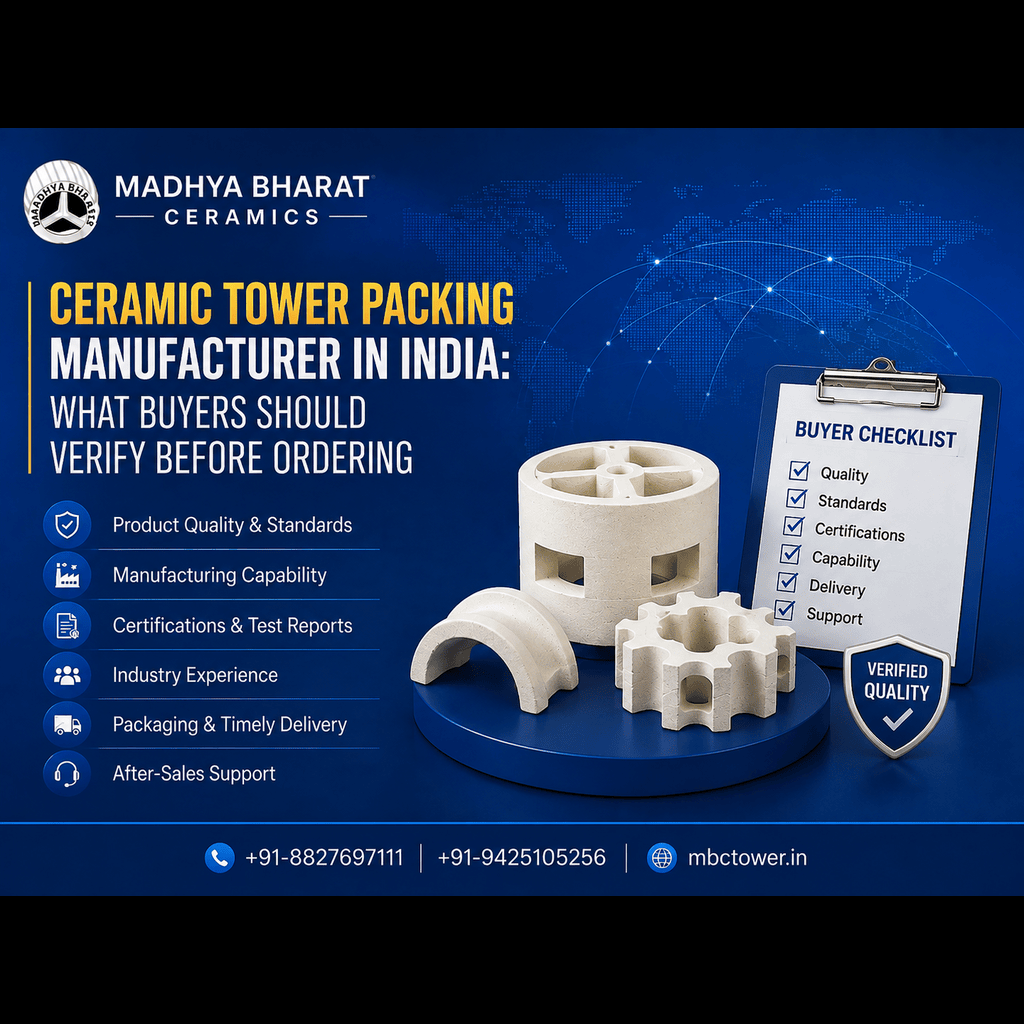
Ask about raw material sourcing, quality testing procedures, typical lead times for your order size, and whether they can provide batch-level documentation. A supplier that answers these clearly, the way MBC Tower does with every new buyer, is usually the safer choice.
5. Is it risky to rely only on a distributor for ongoing supply?
It can be, since your supply depends on their relationship with an upstream manufacturer you don’t have direct visibility into. For recurring, high-volume needs, a direct manufacturer relationship generally offers more stability.
Final Thoughts
There’s no universally right answer between a manufacturer and a distributor, it depends on your order size, your timeline, and how much quality risk you’re comfortable carrying. But for most plants placing regular or large orders, going direct to the source consistently wins on cost, quality control, and long-term supply stability.
If you’re planning your next order and want pricing, lead times, and quality documentation straight from the source, reach out to the MBC Tower team today and get a direct quote for your requirement.