The material inside your column shapes how well it works every single day. The Common Materials Used for Tower Packing are ceramic, porcelain, metal, and plastic, and each one affects efficiency, pressure drop, durability, and cost in a different way. Ceramic and porcelain suit hot, corrosive service. Plastic suits cool, mild service. Metal suits cases that need thin walls and high strength.
This guide explains each material, how it changes column performance, and how to pick the right one. It also shows what to look for in a dependable ceramic packing manufacturer.
Why Packing Material Matters for Column Performance
Packing fills the column and creates the surface where gas and liquid meet. The material decides whether that surface stays stable, clean, and strong over time.
A wrong material can corrode, soften, crack, or foul. When that happens, flow becomes uneven, pressure rises, and separation drops. A right material keeps the bed steady for years.
That is why choosing among the Common Materials Used for Tower Packing is a core design step, not a late detail.
Common Materials Used for Tower Packing: A Quick Overview
Here is a simple summary of the main options.
| Material | Heat Tolerance | Chemical Resistance | Weight | Typical Use |
| Ceramic | Very high | Excellent | Heavy | Acid towers, hot corrosive service |
| Porcelain | Very high | Excellent | Heavy | Absorption and scrubbing |
| Metal | High | Depends on alloy | Medium | High strength, low wall thickness |
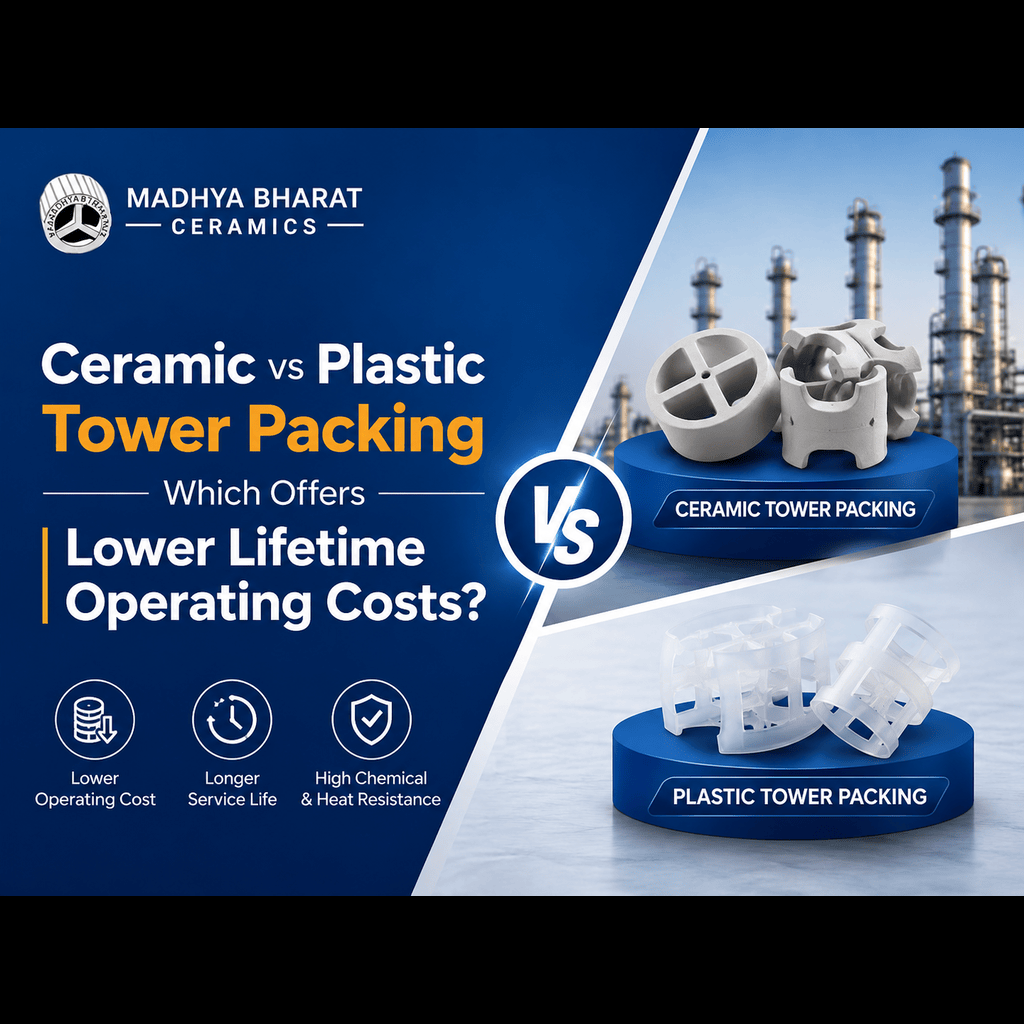
| Plastic (such as polypropylene) | Low to medium | Good for mild chemicals | Light | Cool scrubbing, water treatment |
No single material wins everywhere. The best choice matches your temperature, chemicals, and budget.
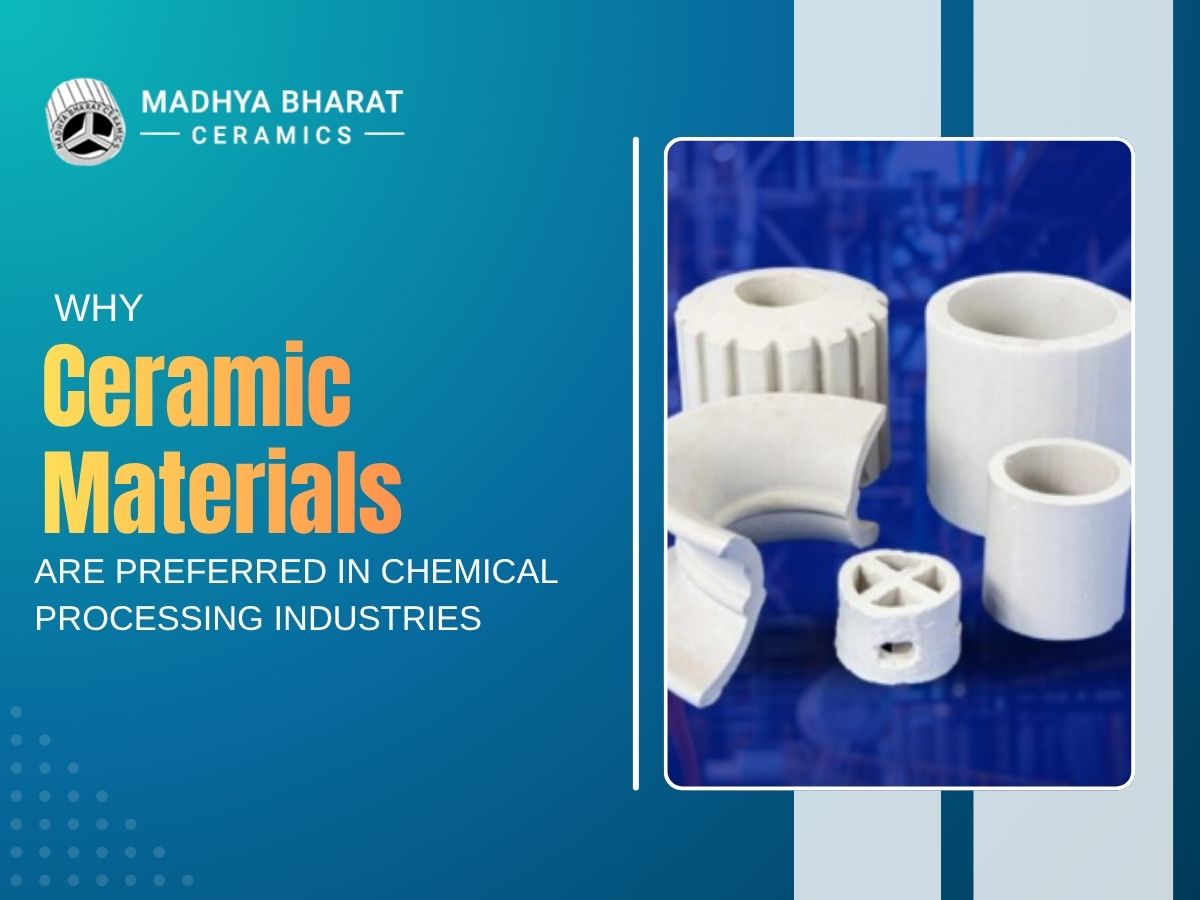
Ceramic Packing and Its Impact on Column Performance
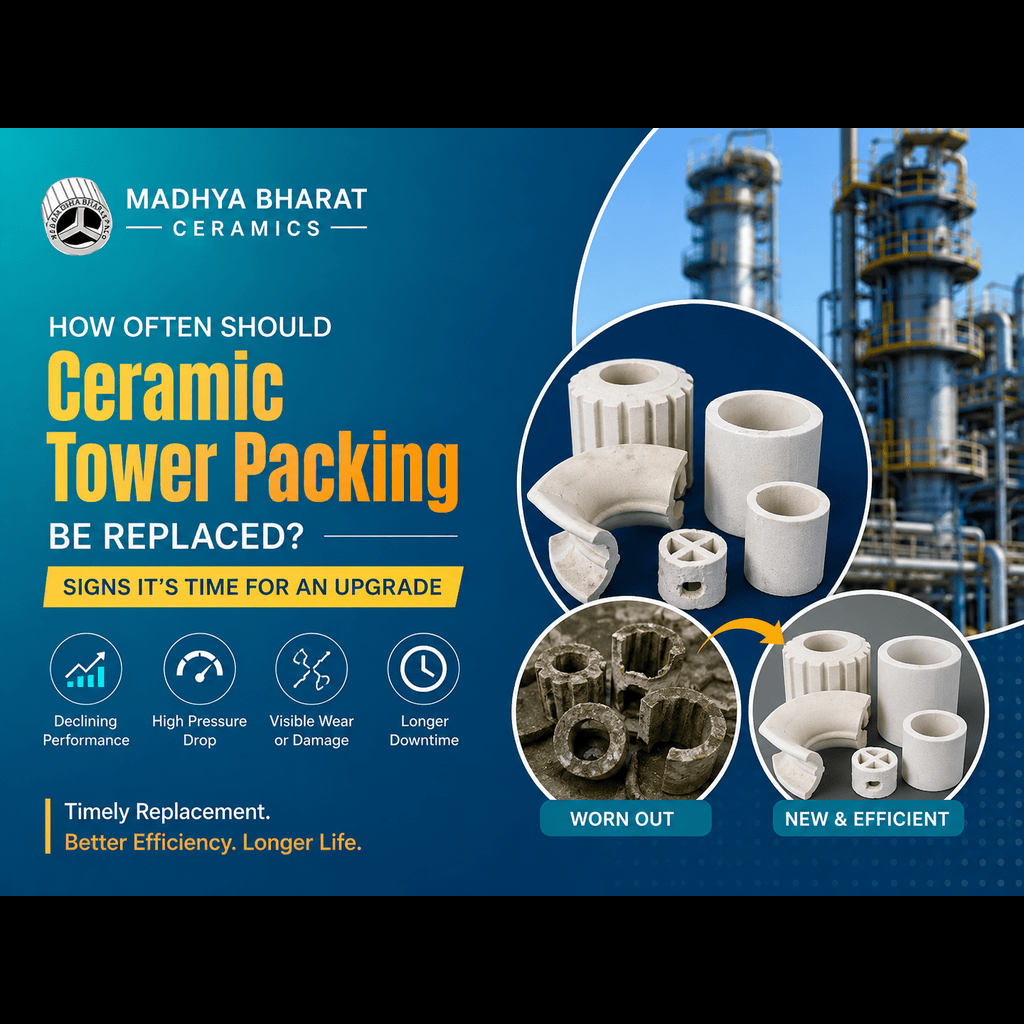
Ceramic is fired at very high temperatures, which makes it hard, stable, and chemically resistant.
- Handles heat: It keeps its shape where plastic would soften.
- Resists acids: It performs well in strong acid service.
- Stays clean: It does not rust or flake into the process.
- Carries load: It supports deep packed beds without crushing.
- Lasts long: Fewer replacements lower lifetime cost.
The result is a stable bed, even flow, and consistent separation over many years. Ceramic is heavier and more brittle than plastic, so careful loading and a level support are important.
Ceramic Shapes and What They Do for Your Column
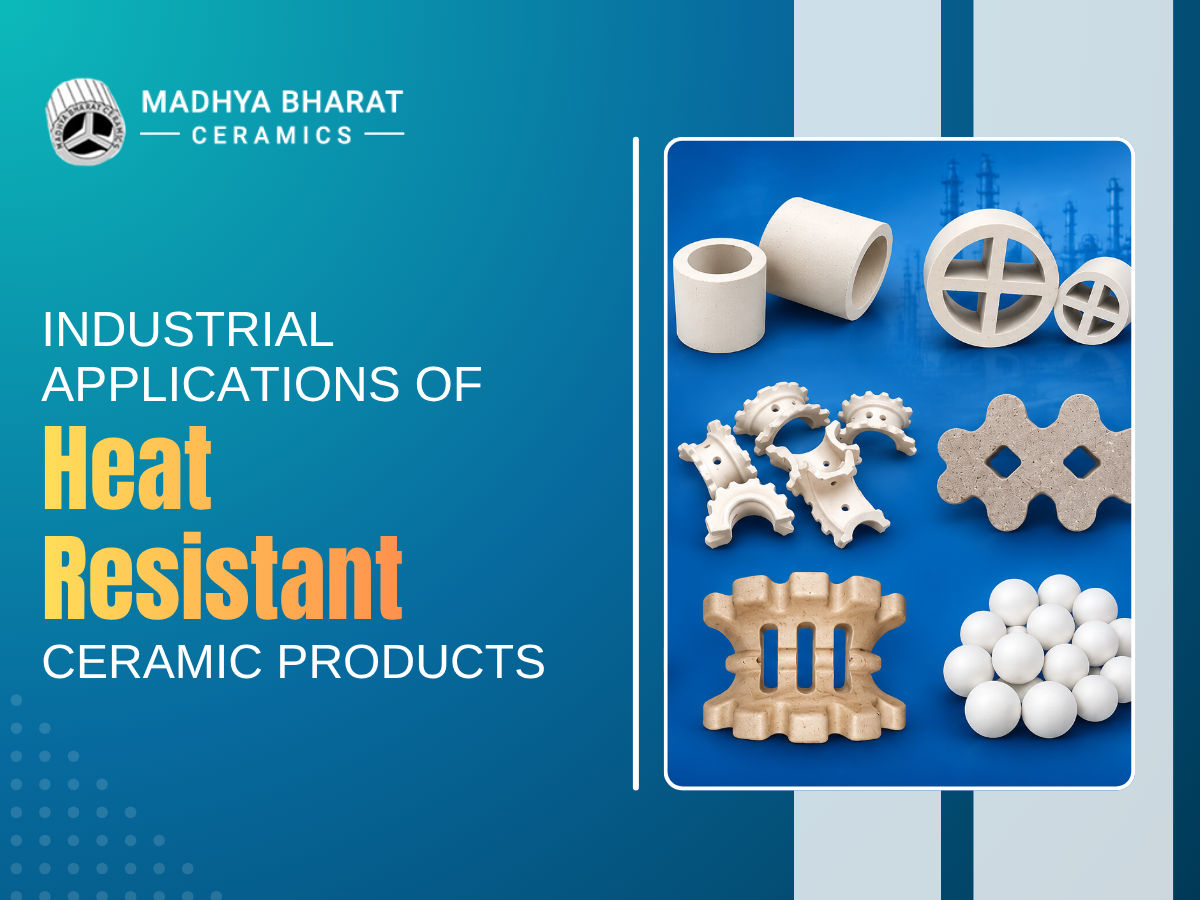
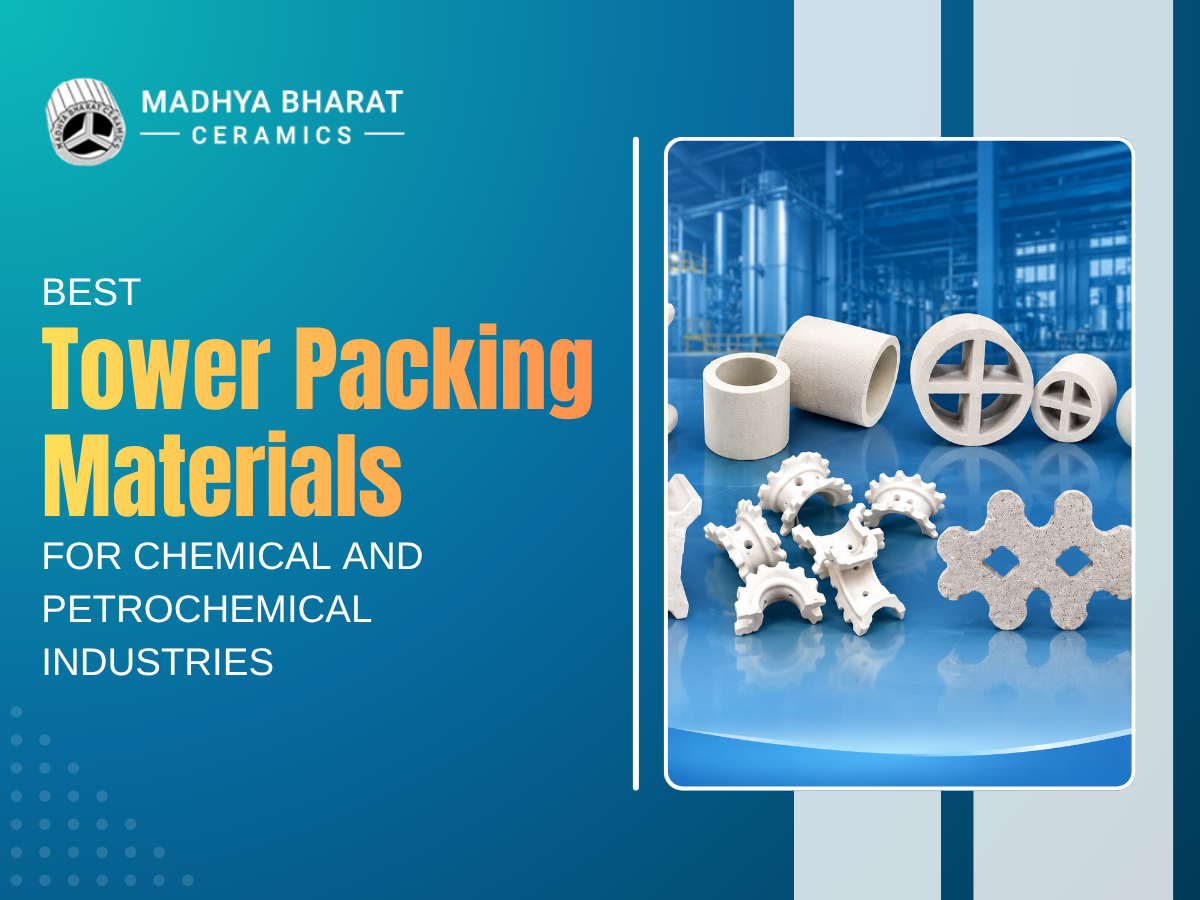
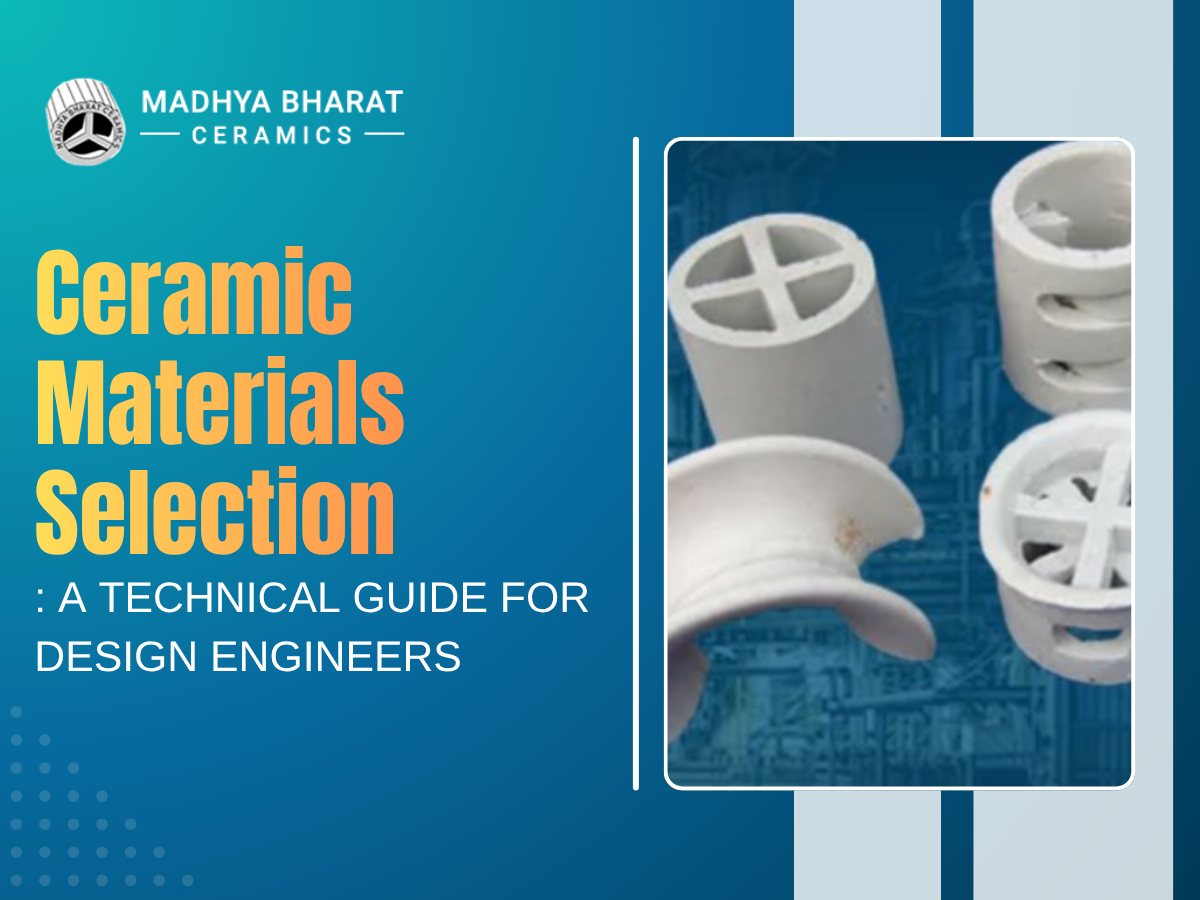
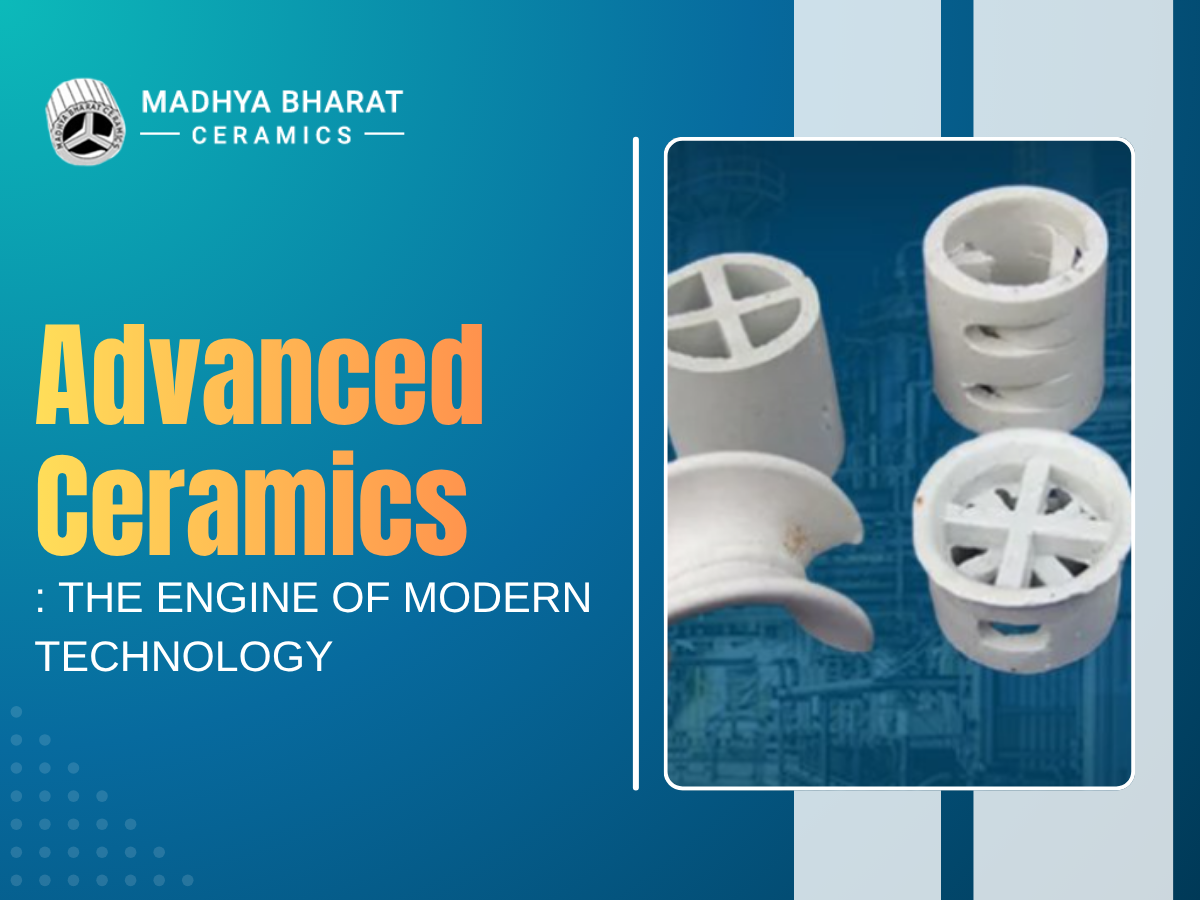
Ceramic is available in several shapes. Each affects flow and efficiency differently.
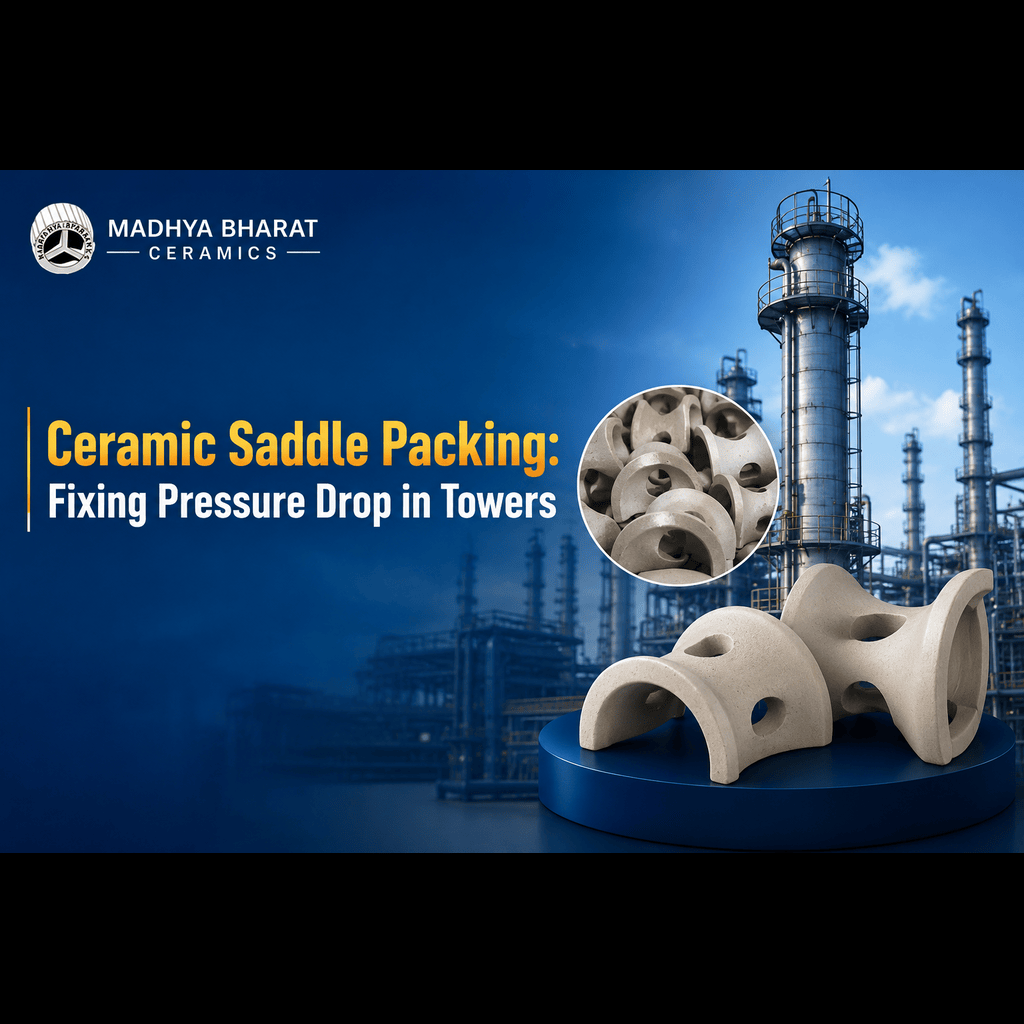
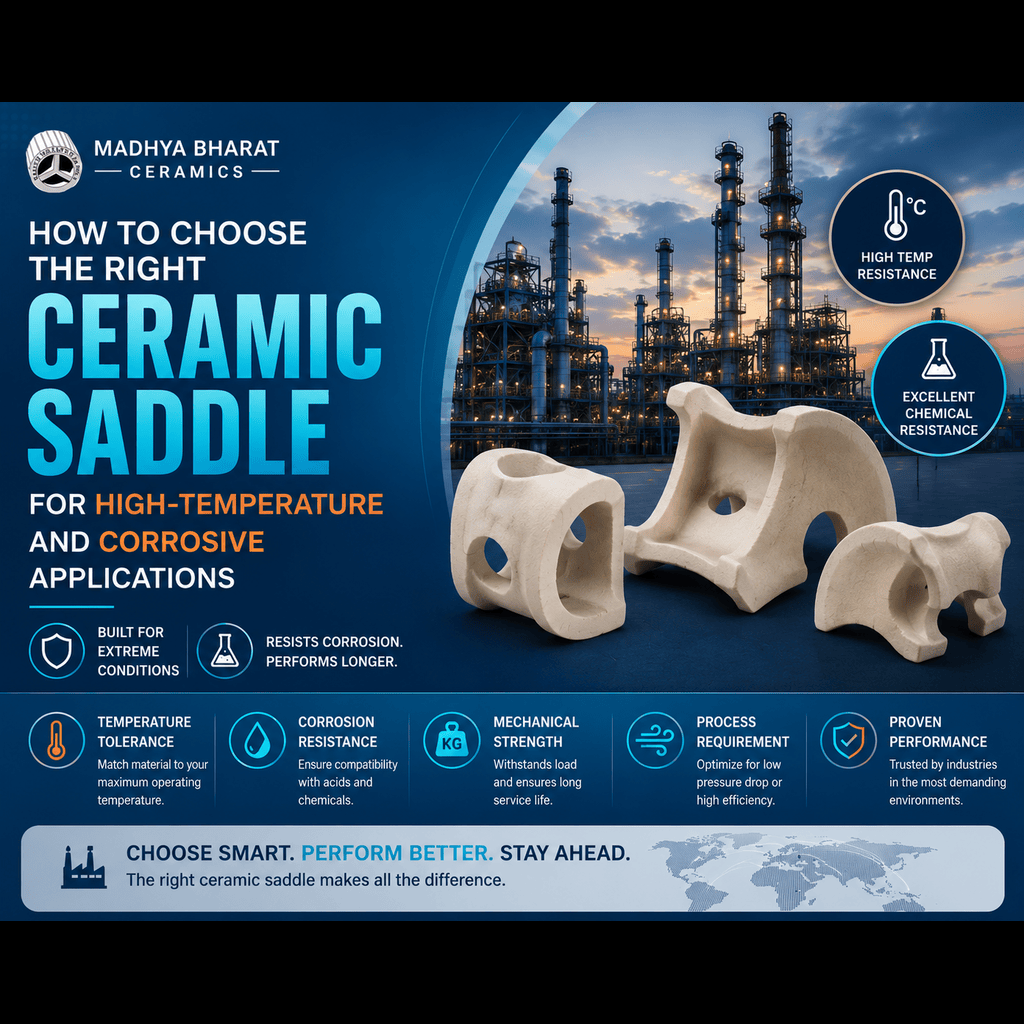
Saddles
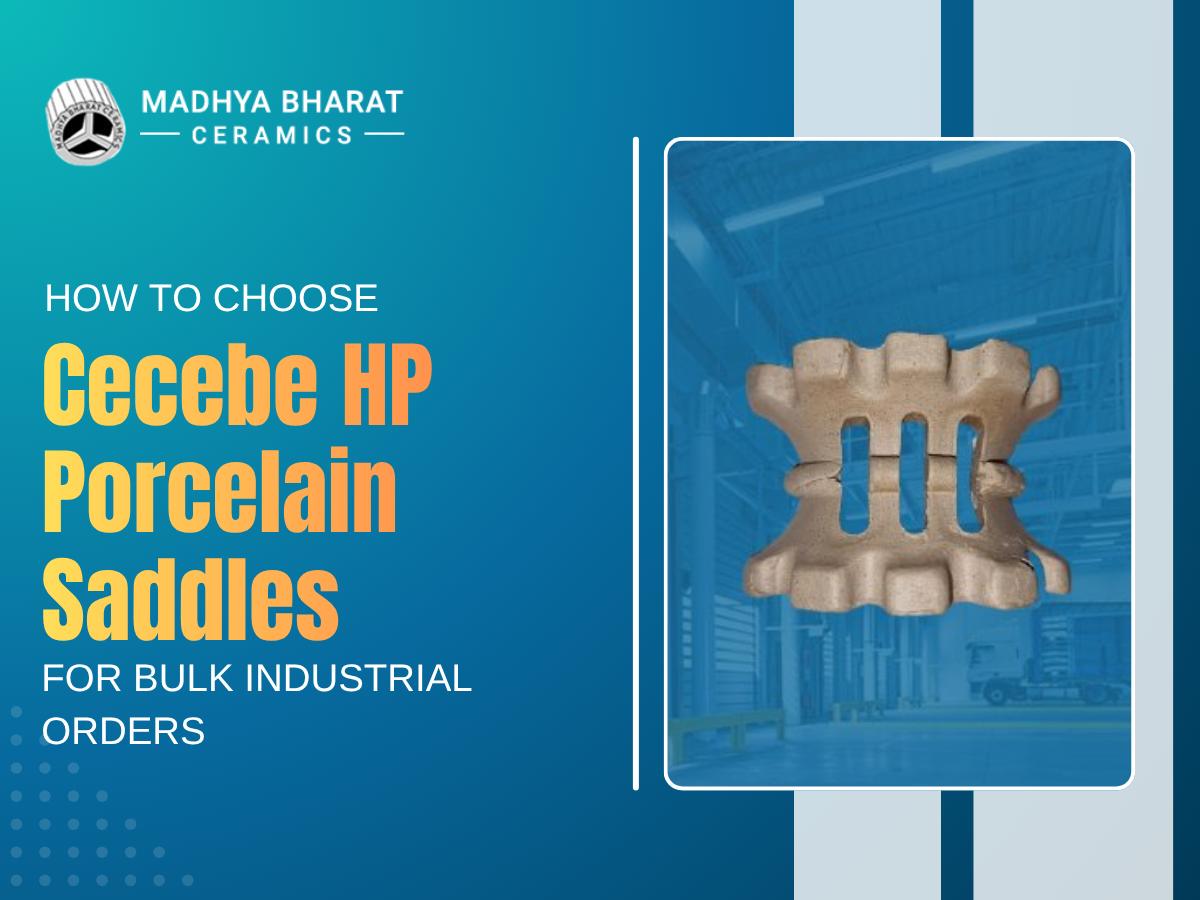
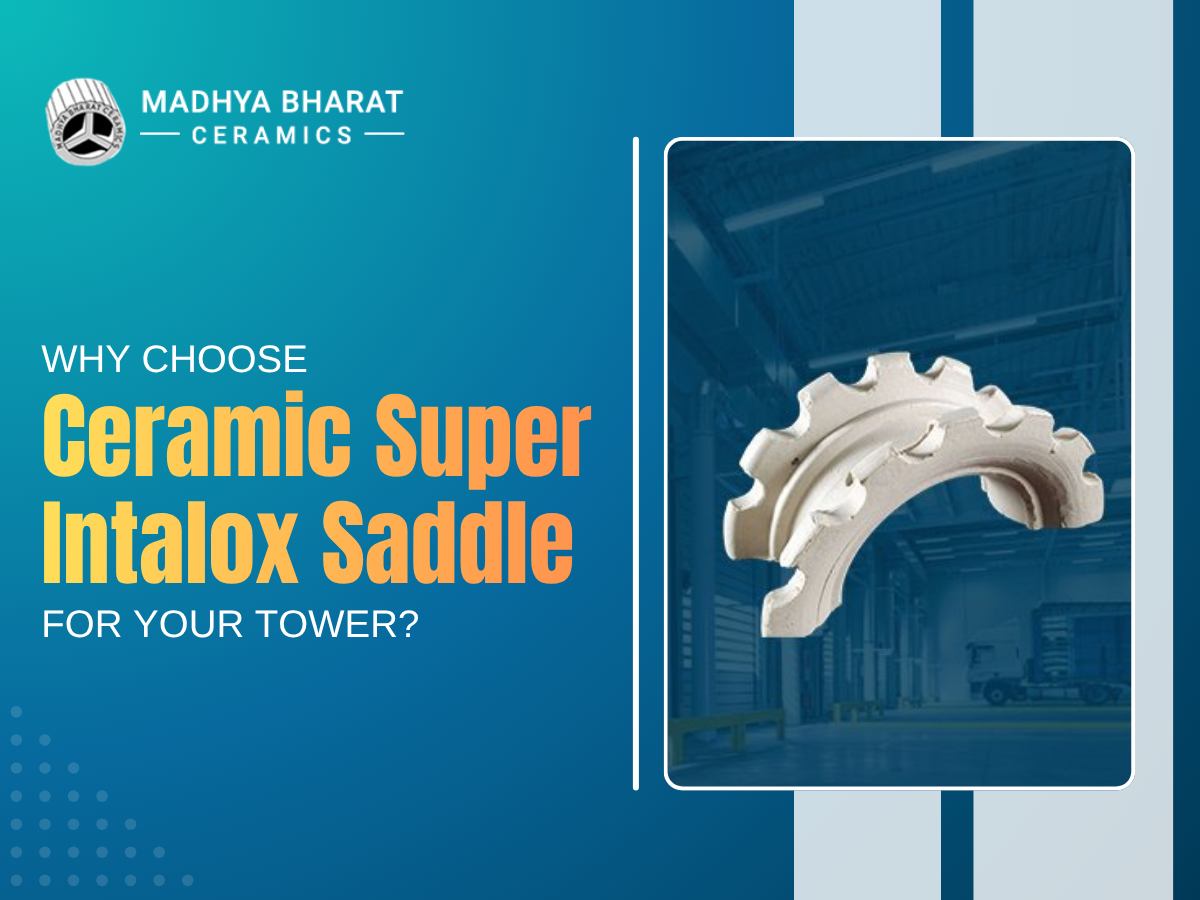
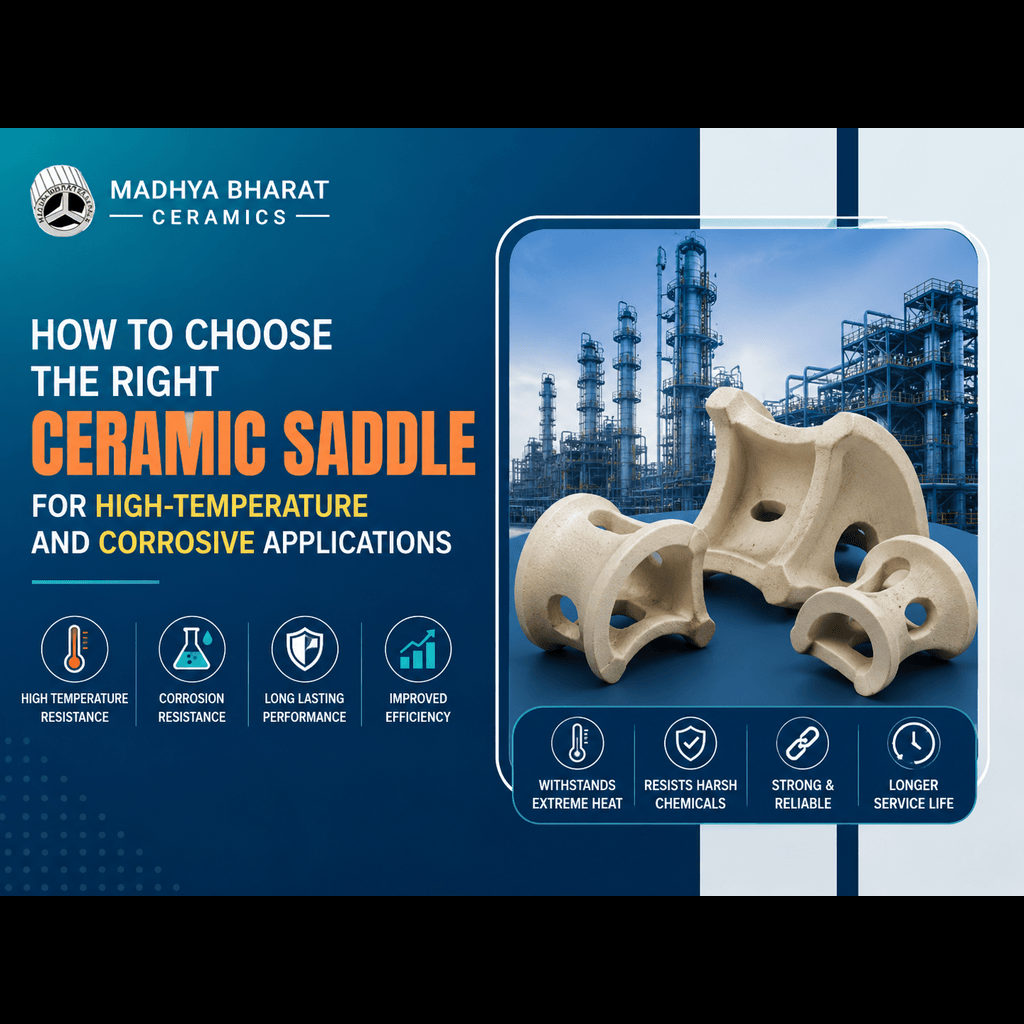
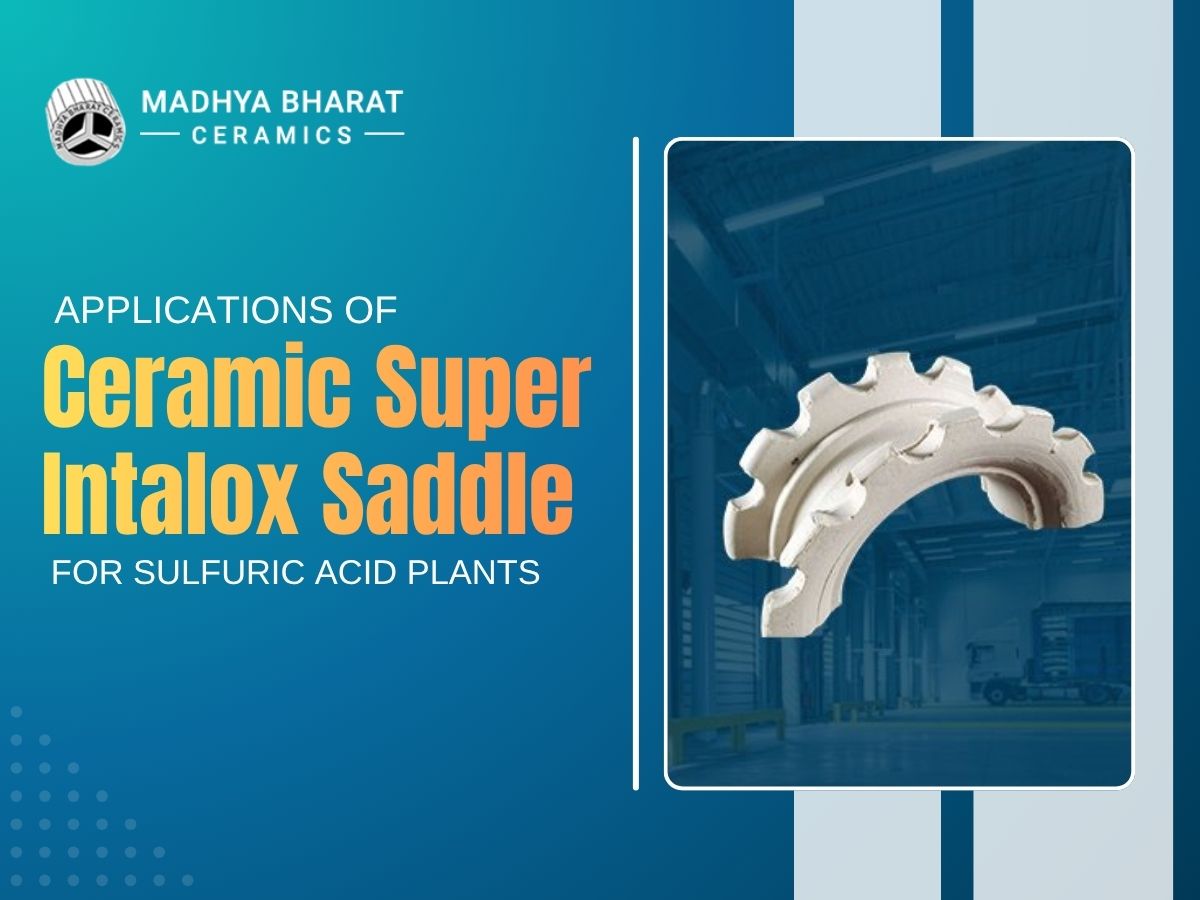
Saddles spread liquid well and reduce nesting. A reliable Ceramic Saddles Manufacturer supplies standard designs for general absorption. For lower pressure drop and more open space, a Ceramic Super Intalox Saddle Manufacturer supplies the improved saddle shape.
Rings
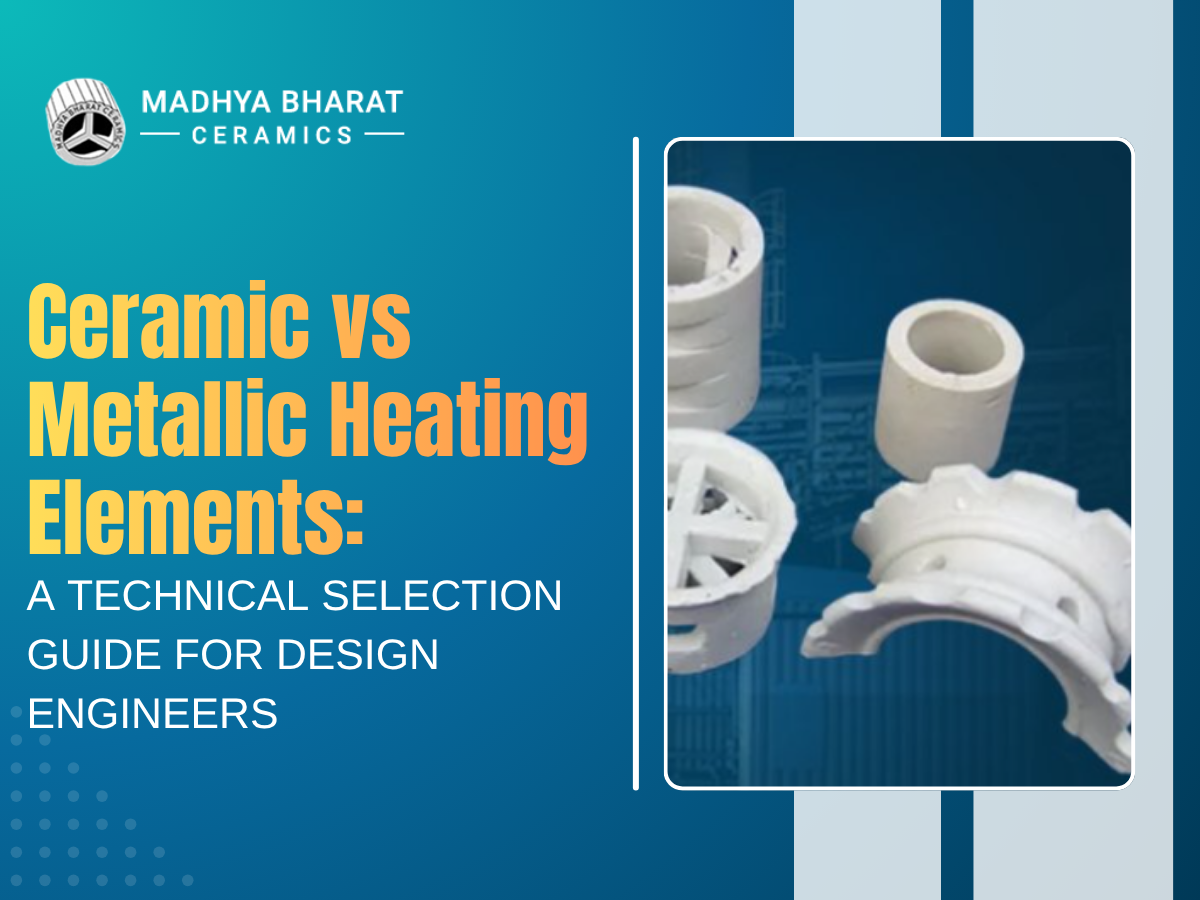
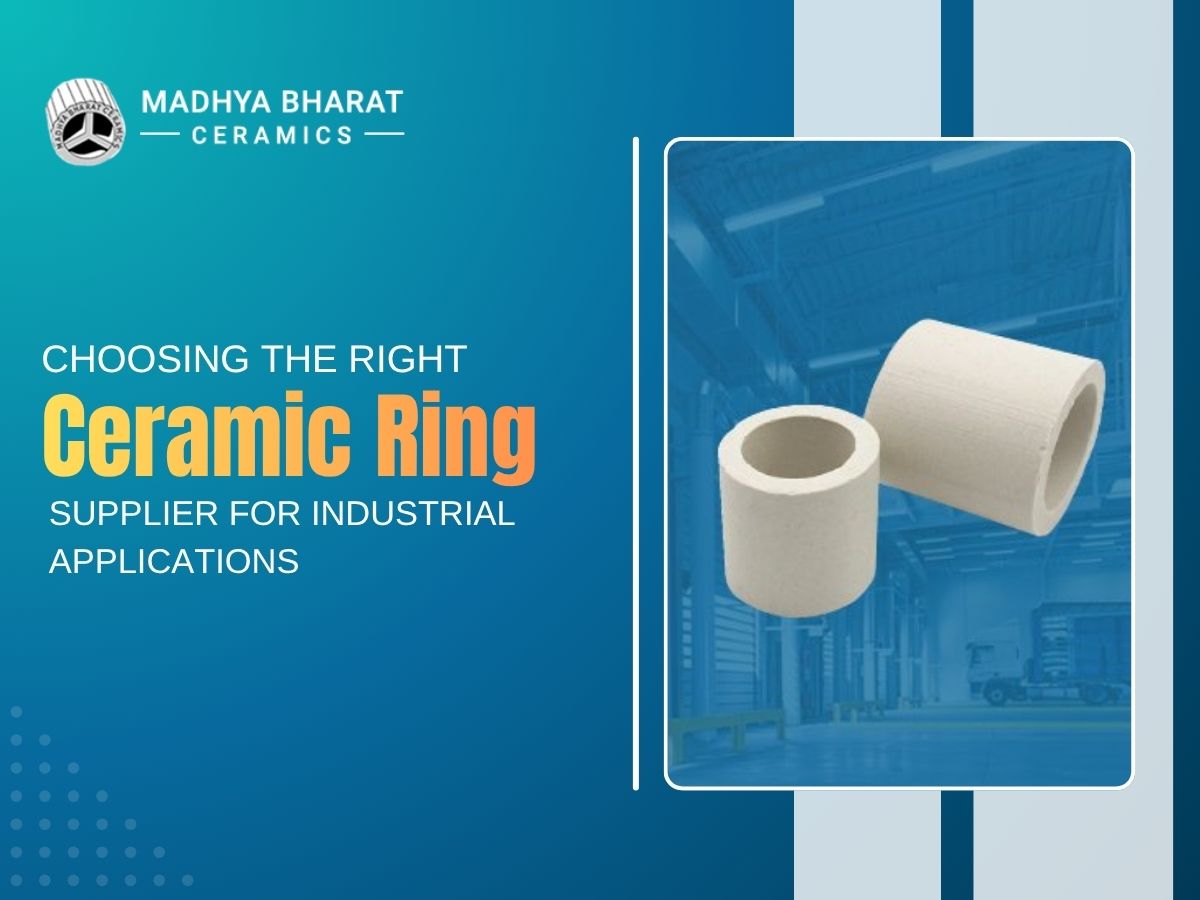
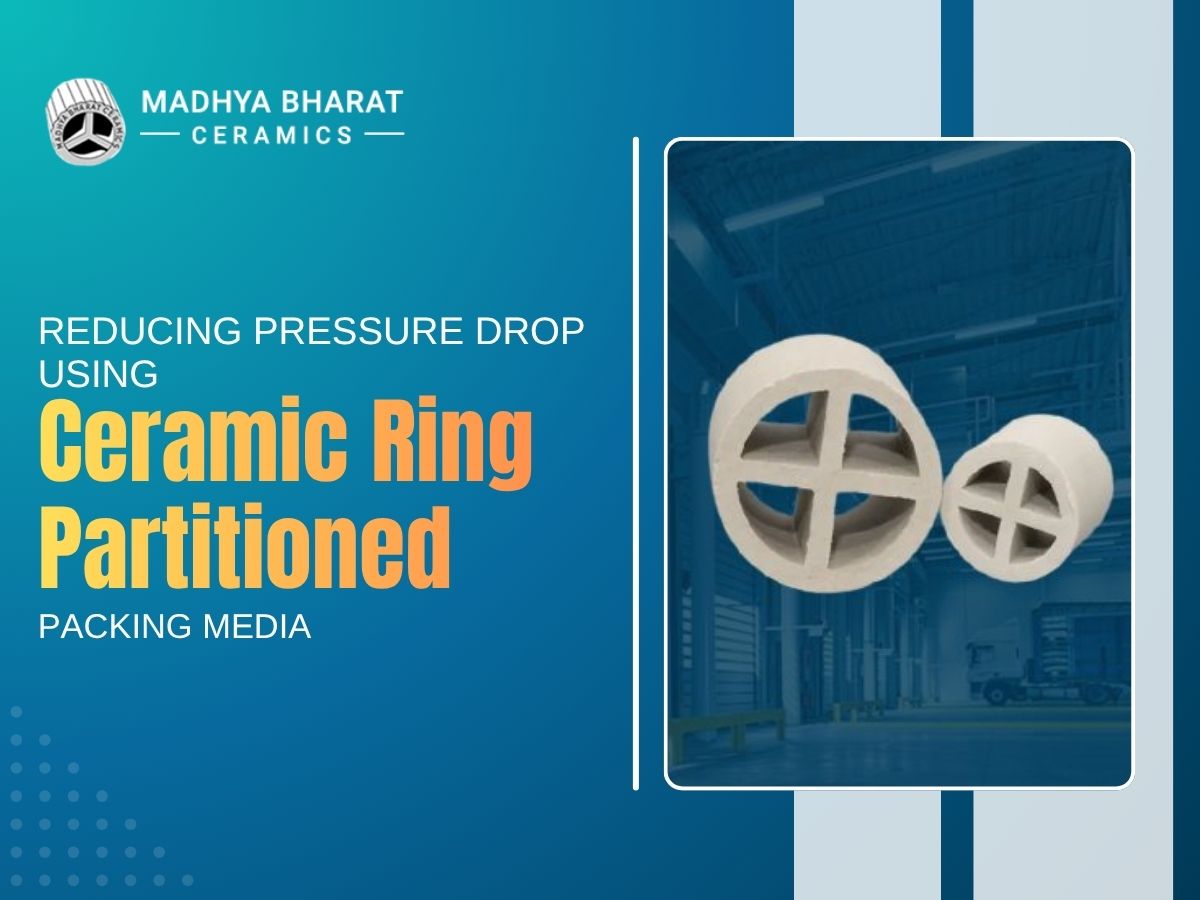
Rings are simple, strong, and proven in acid service. Buyers comparing ceramic ring manufacturers usually want rings for absorption and cooling duties, including partitioned types that add surface area.
Structured Honeycomb
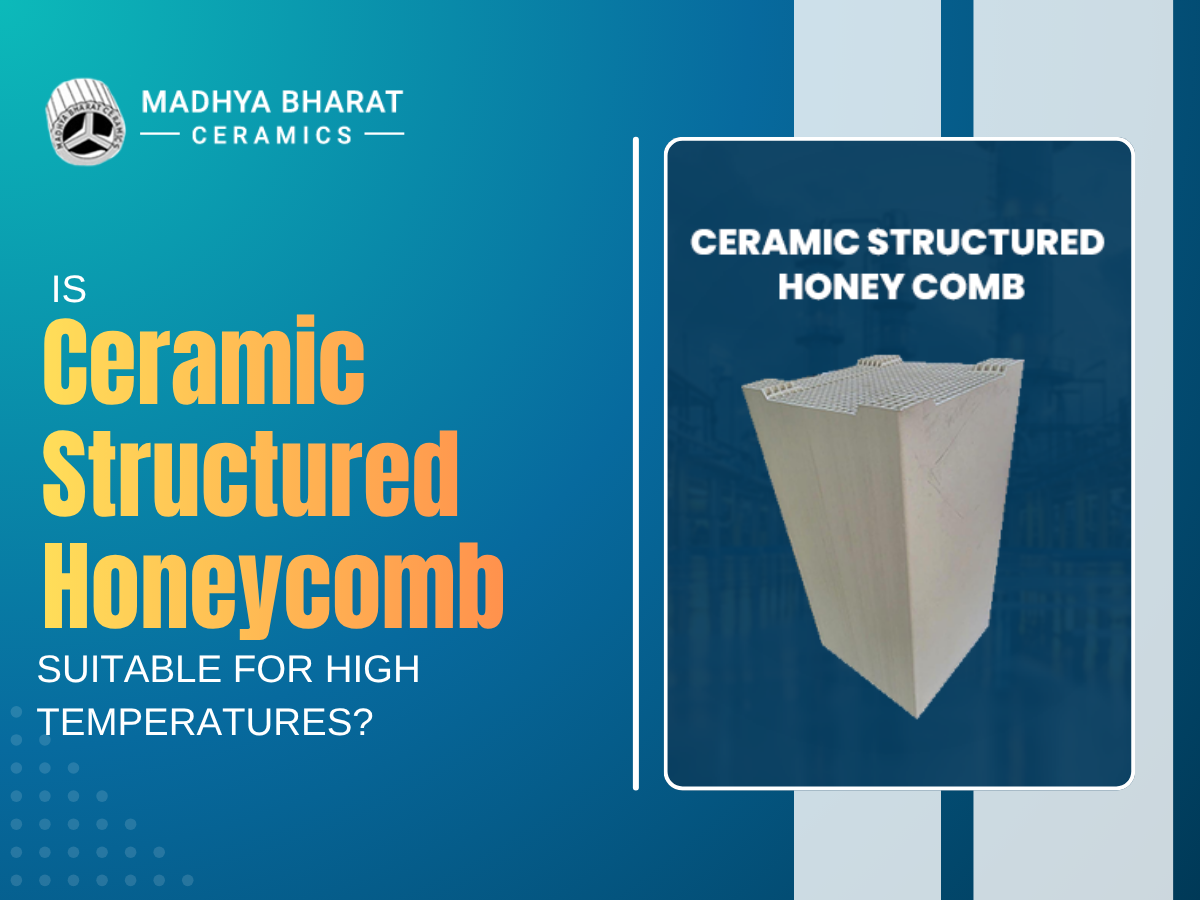
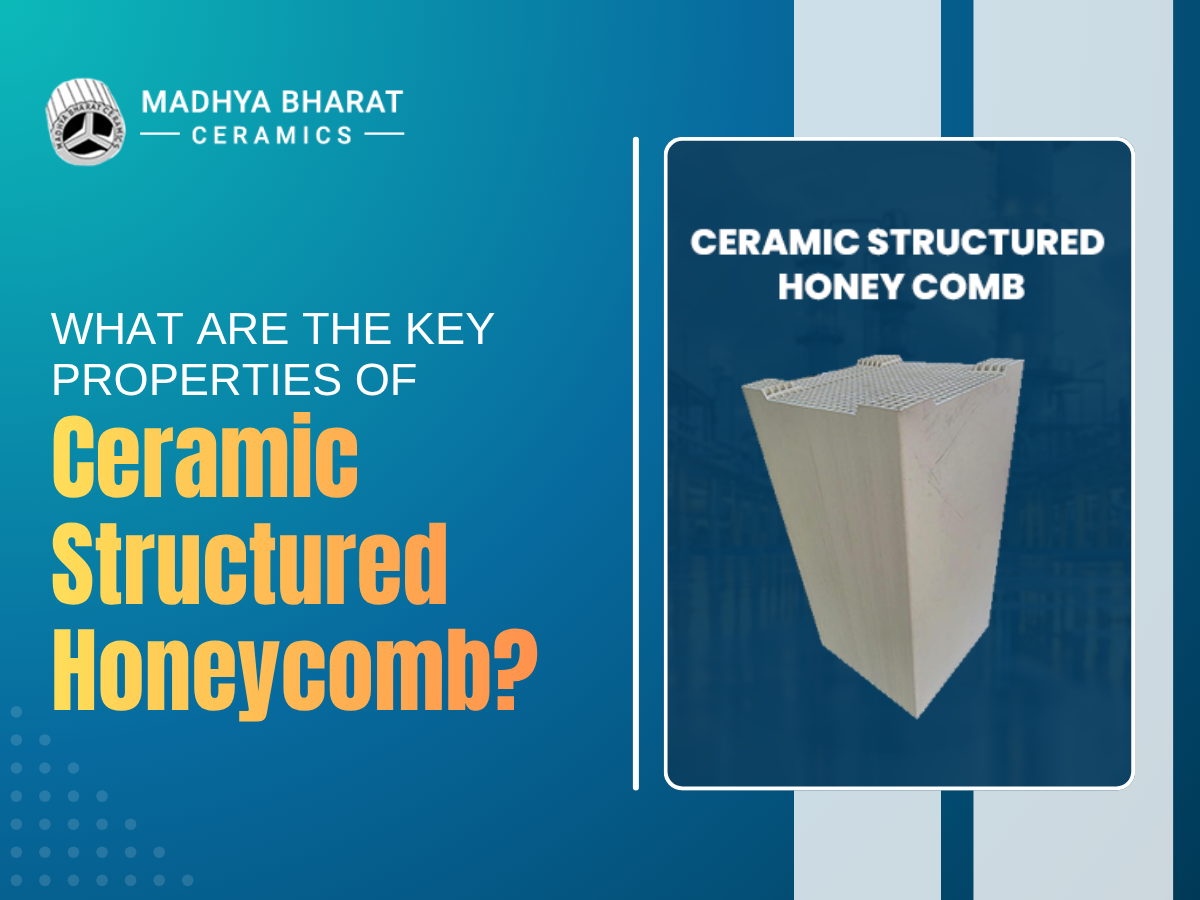
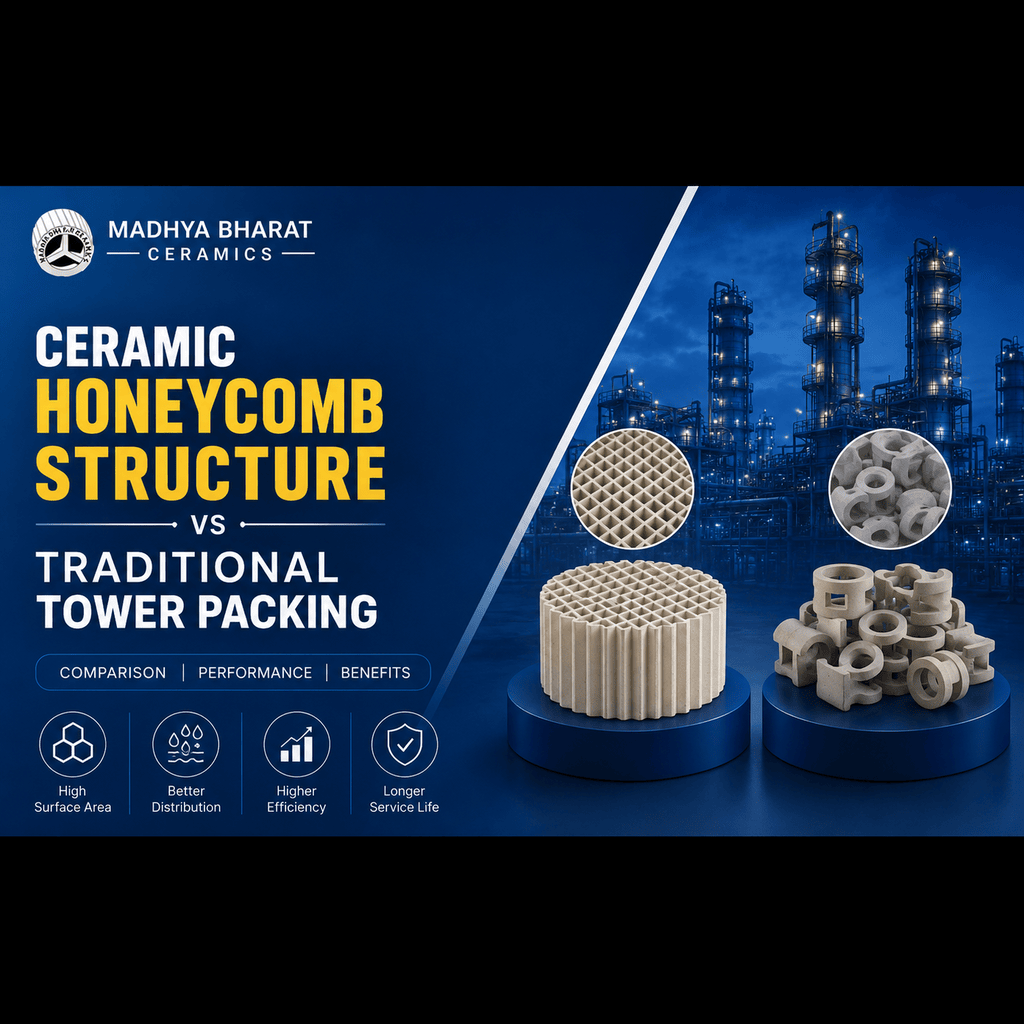
Honeycomb arranges channels in neat, parallel lines. A skilled ceramic honeycomb structure manufacturer serves uses needing low pressure drop and uniform flow. For hot service, a Ceramic Structured Honeycomb manufacturer can advise on cell density and heat limits.
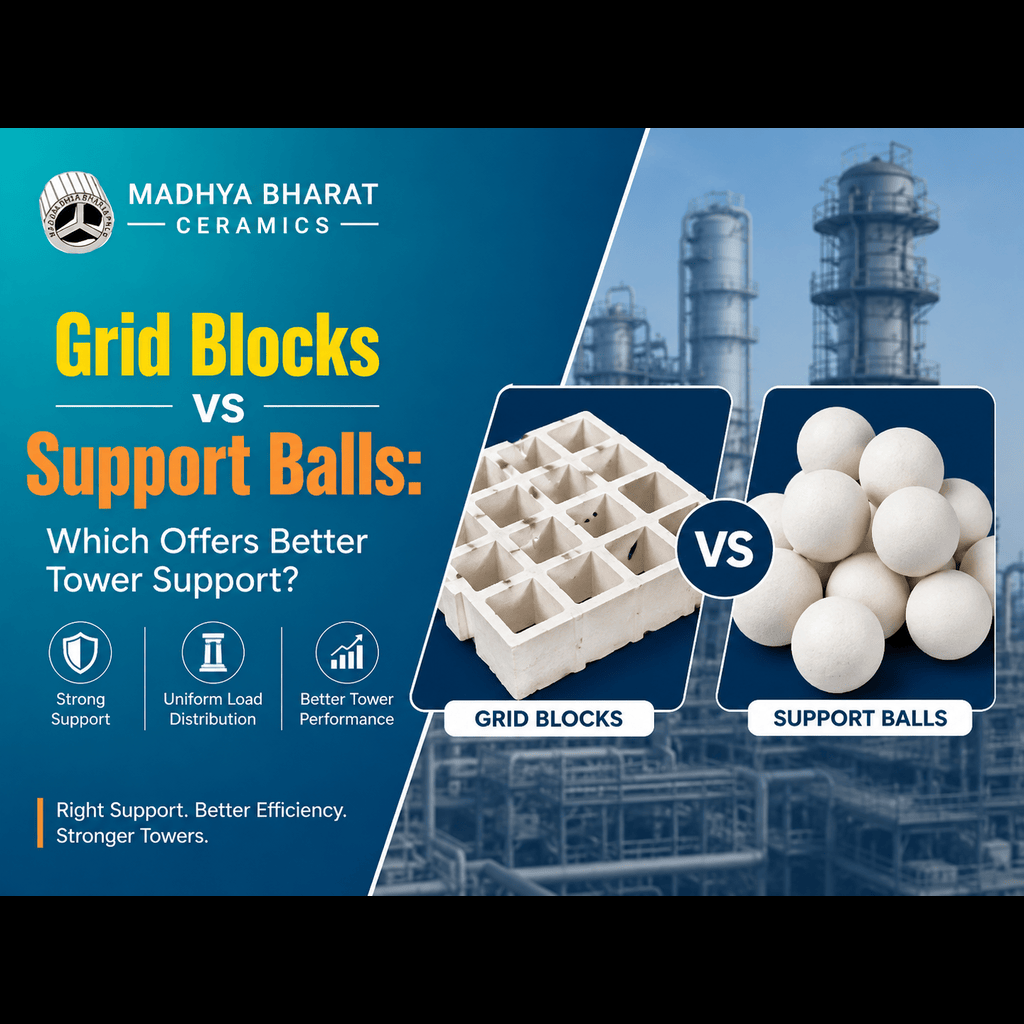
Support Grid Blocks
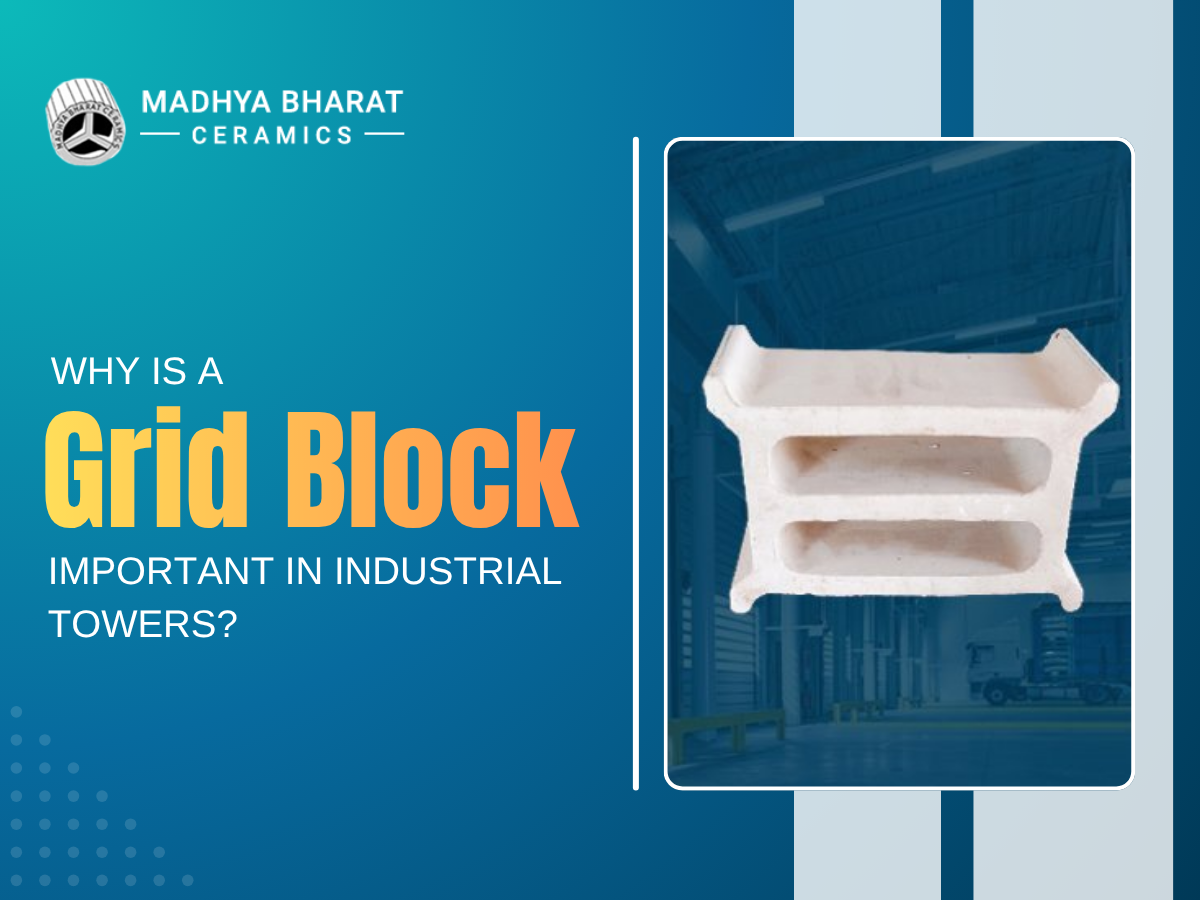
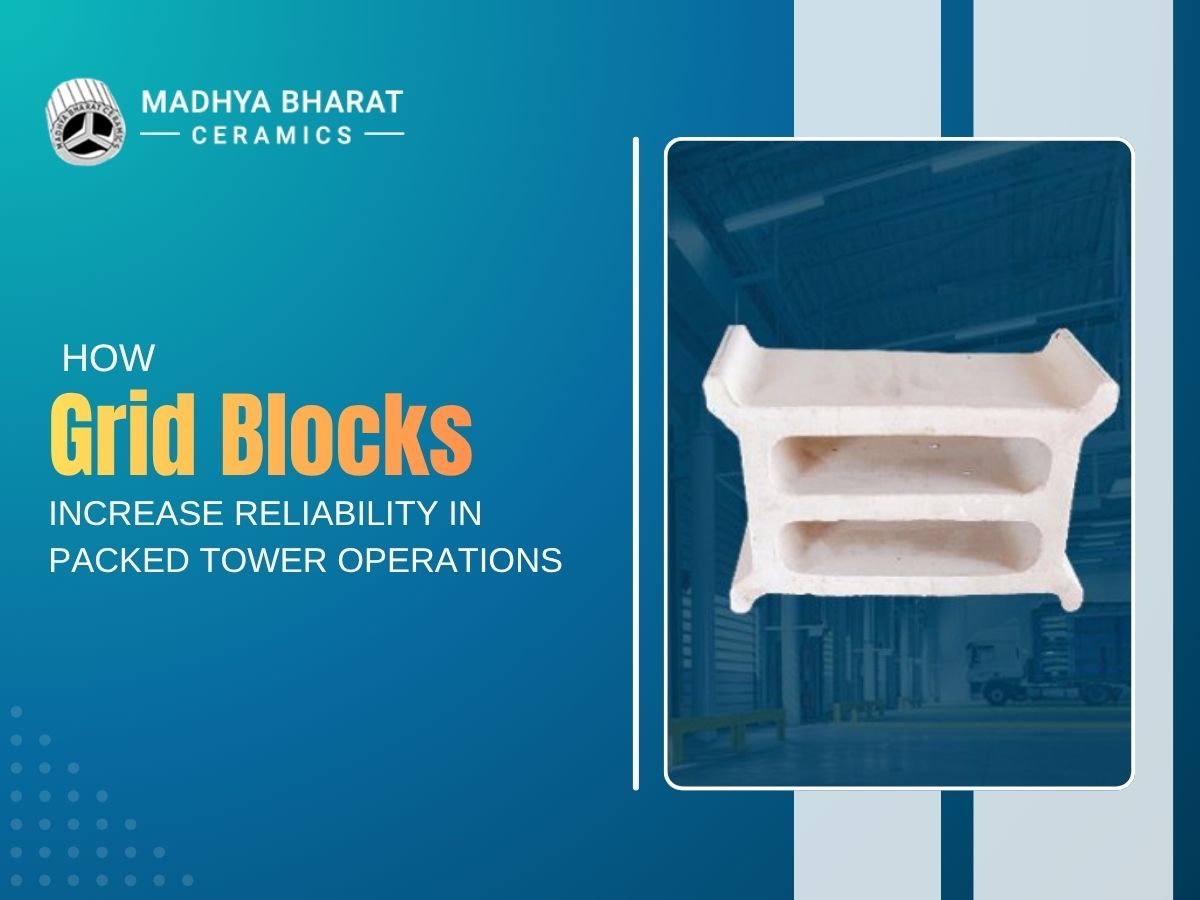
Grid blocks sit beneath the packing and carry its weight while letting gas and liquid pass. A dependable ceramic grid block manufacturer supplies blocks sized for your column load and open area.
Metal Packing and Its Impact on Performance
Metal packing is strong and can be made with thin walls, which gives high open area and low pressure drop.
It works well in many clean, non-corrosive services. However, in acidic or moist gas it can corrode unless costly alloys are used. Corrosion changes the surface and may release particles into the process.
For hot, acidic service, many plants prefer ceramic to avoid these risks.
Plastic Packing and Its Impact on Performance
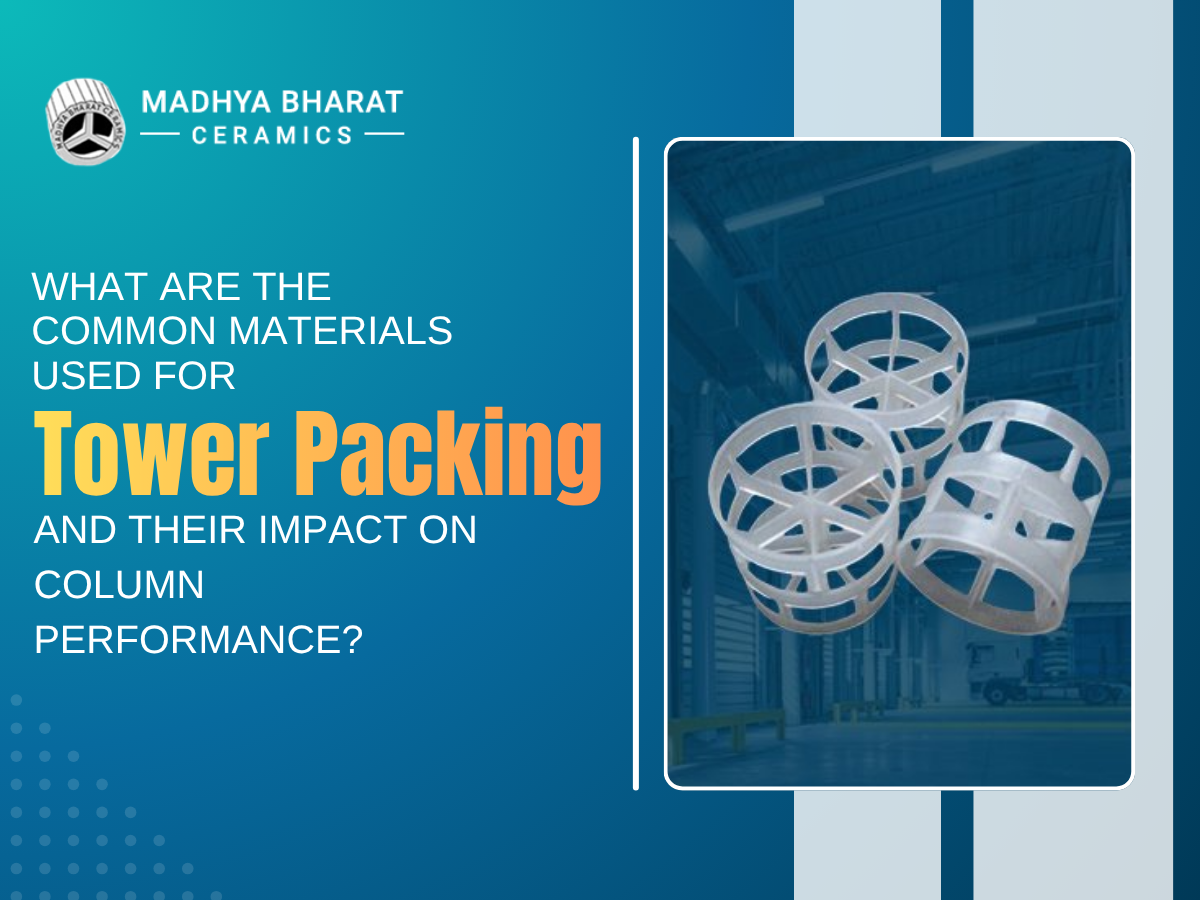
Plastic packing, such as polypropylene, is light and low in cost. It is easy to handle and puts little load on the tower.
It performs well in cool, mild-chemical service, such as scrubbing and water treatment. Its limit is heat: plastic softens as temperature rises, which can change the bed shape and block flow.
Always confirm the rated temperature with your supplier before choosing plastic.
How Material Choice Changes Key Performance Measures
Material affects the numbers that matter most.
- Pressure drop: Shape matters most, but a stable material keeps pressure from rising over time.
- Efficiency: A bed that keeps its shape keeps contact and separation consistent.
- Capacity: Stable packing resists flooding for longer.
- Service life: Corrosion and softening shorten life; ceramic resists both.
- Fouling: Smooth, inert surfaces are easier to keep clean.
- Lifetime cost: A higher price may be cheaper over years if replacements fall.
Thinking in these terms helps you compare materials fairly and avoid choosing on one factor alone.
Matching Material to Service: Simple Examples
Examples make the choice clearer.
A tower handling hot, acidic gas needs a material that will not corrode or soften. Ceramic or porcelain is usually the safer fit, because it keeps its shape and does not release rust into the stream.
A scrubber that cleans cool, mild fumes may not need that strength. Plastic packing can do the job at lower cost and weight, as long as the temperature stays within its rated limit.
A clean, non-corrosive service that needs thin walls and high open area may suit metal. In each case, the material should follow the process, not habit.
How to Select Among the Common Materials Used for Tower Packing
Follow these steps.
- List your fluids: Note all chemicals and gases.
- Record temperatures: Include peak values.
- Check tower size: Match packing size to column diameter.
- Set performance goals: Define pressure drop and separation targets.
- Compare lifetime cost: Include replacements and shutdowns.
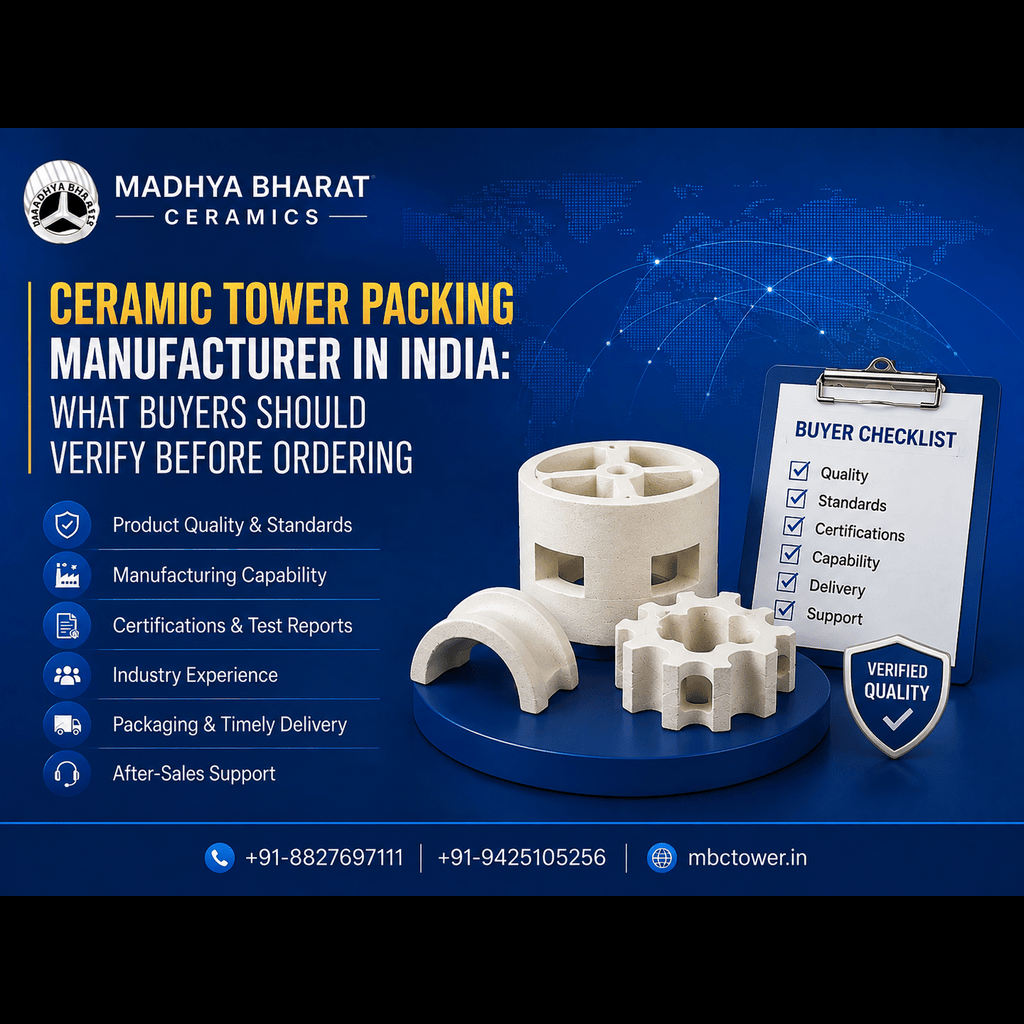
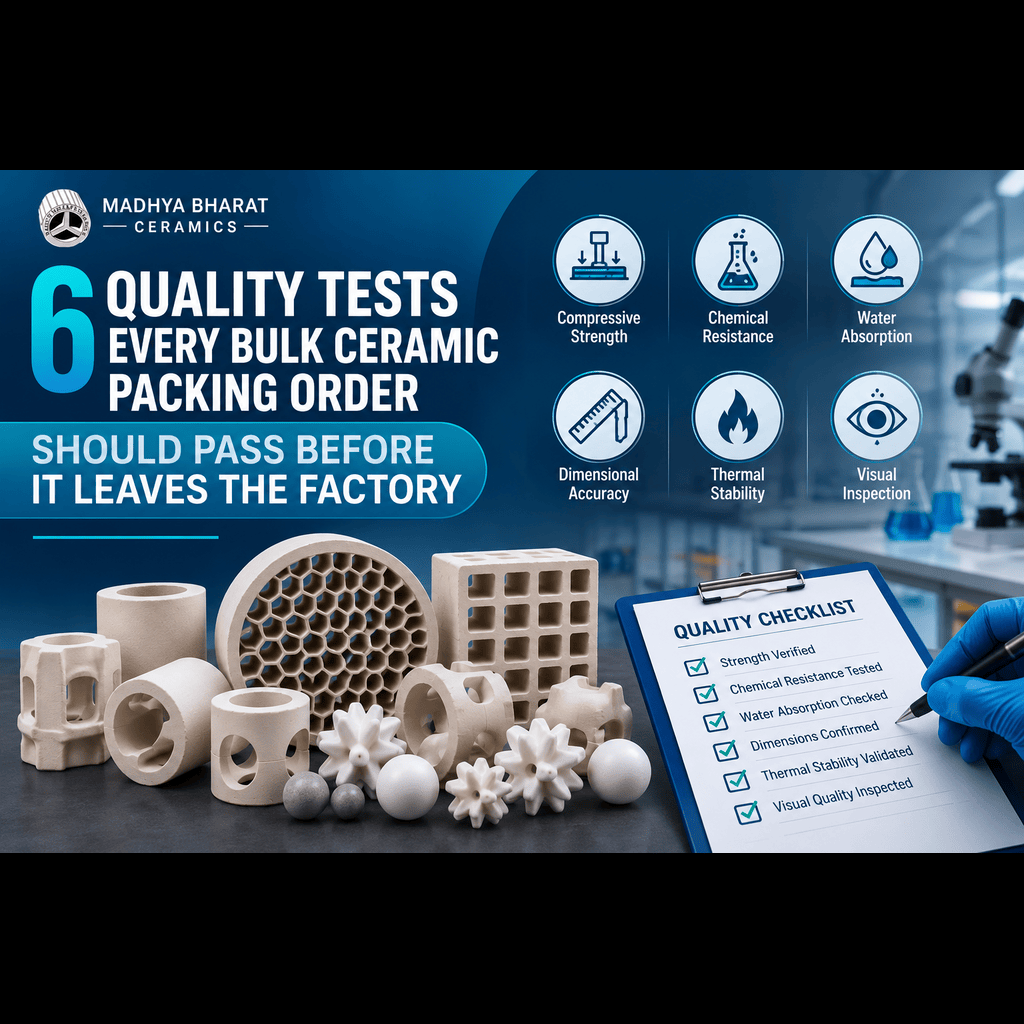
- Ask for test data: Request strength and quality reports.
Sharing this information with your supplier helps them recommend the right material and shape.
Common Mistakes When Choosing Packing Material
Avoid these errors.
- Choosing by price alone
- Ignoring peak temperature or chemical mix
- Assuming all ceramic products perform alike
- Skipping a trial when changing suppliers
- Forgetting a small reserve for breakage
A short call with your supplier before ordering often prevents most of these problems.
Why Madhya Bharat Ceramics Is a Trusted Choice
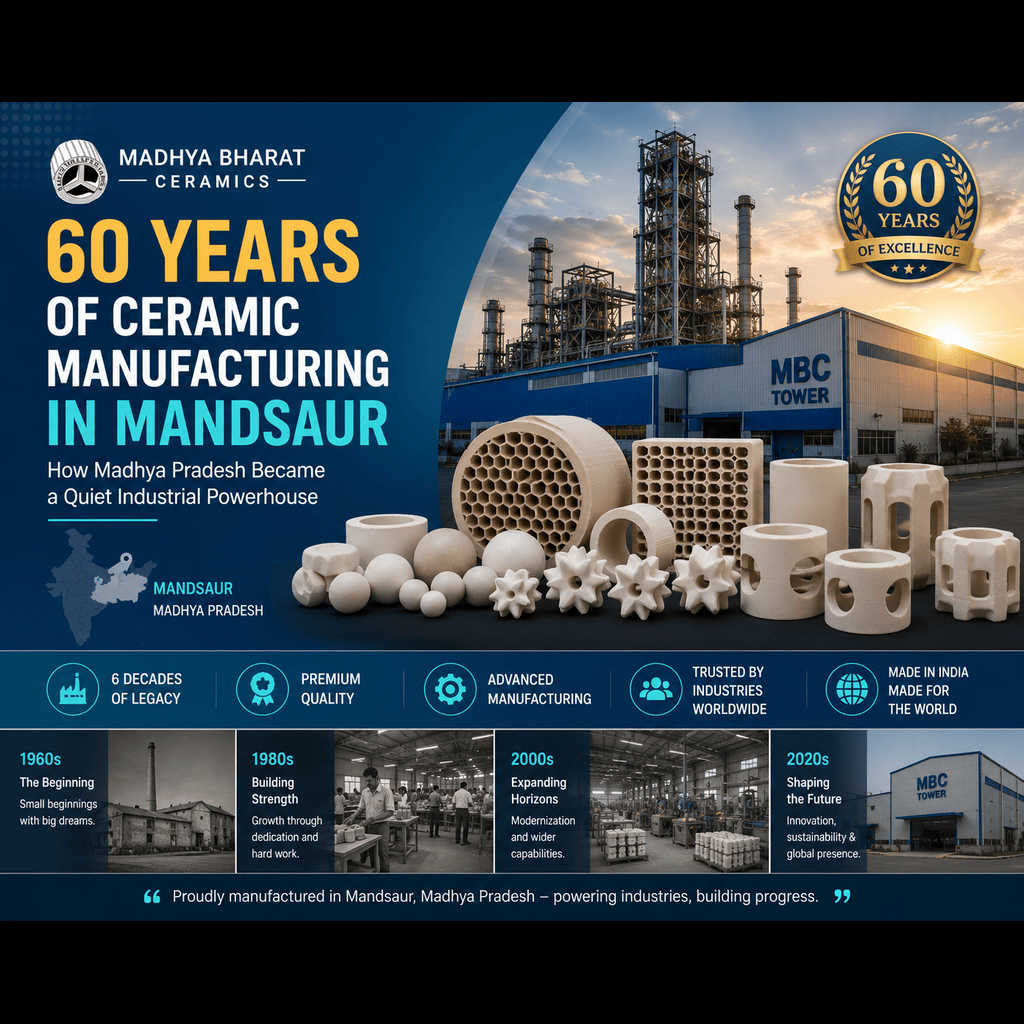
Madhya Bharat Ceramics has been making ceramic tower packing since 1964. That is more than six decades of hands-on experience. The factory is in Mandsaur, Madhya Pradesh, a region known for ceramic craftsmanship.
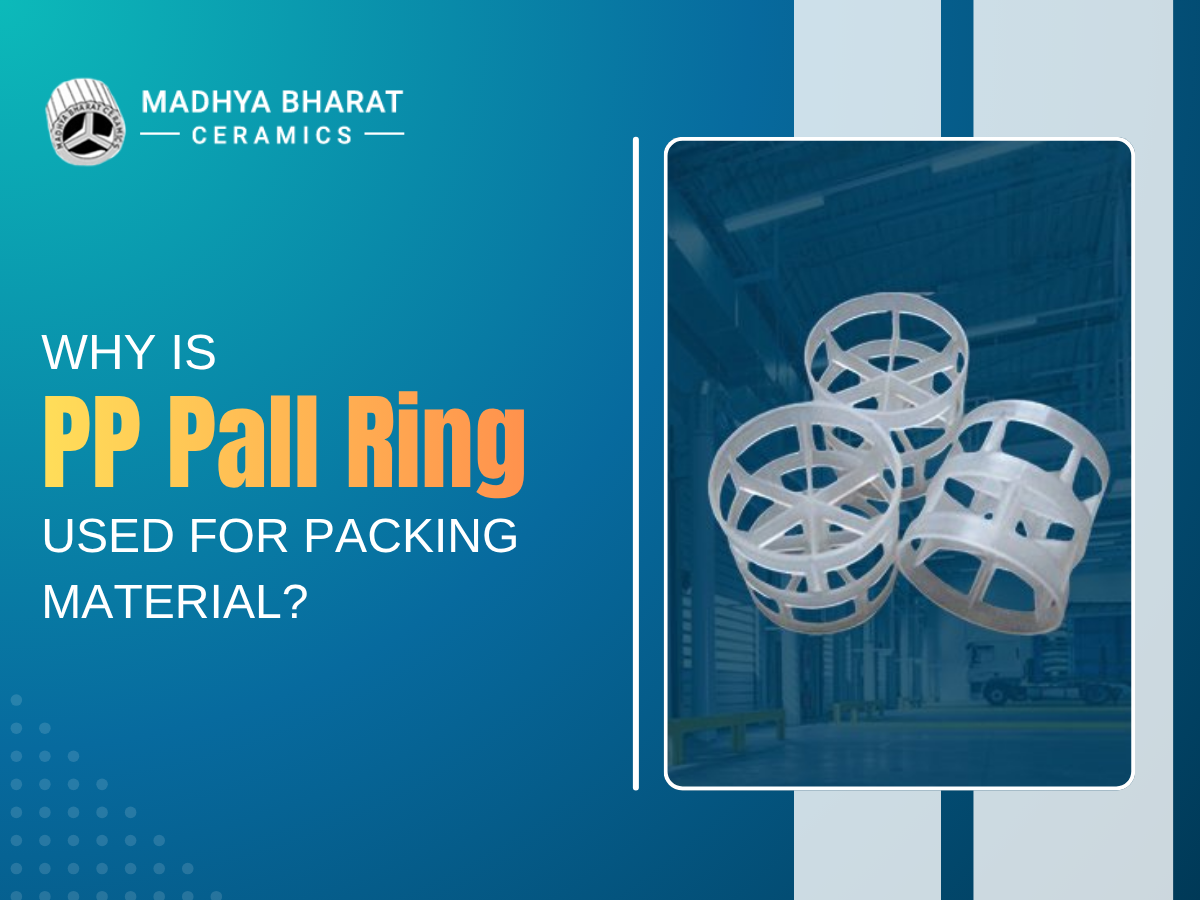
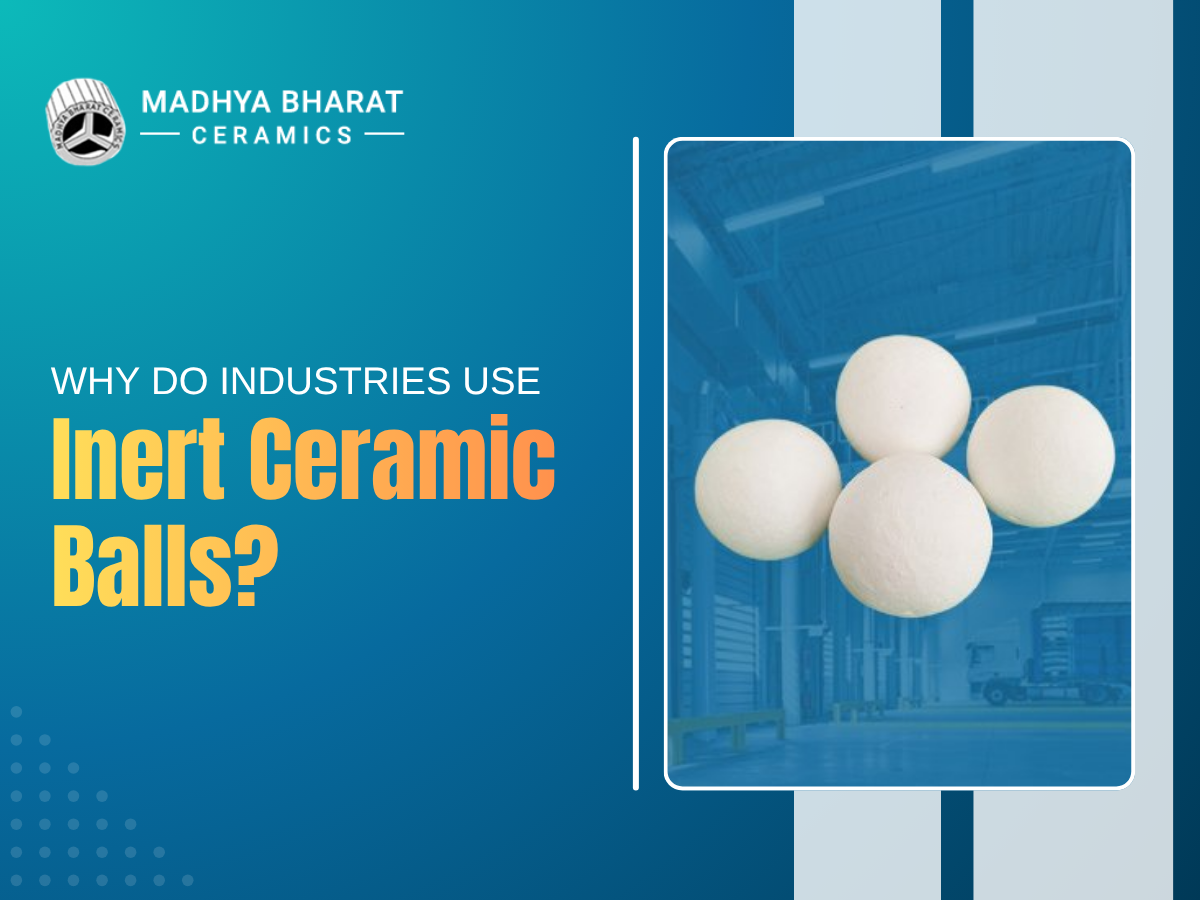
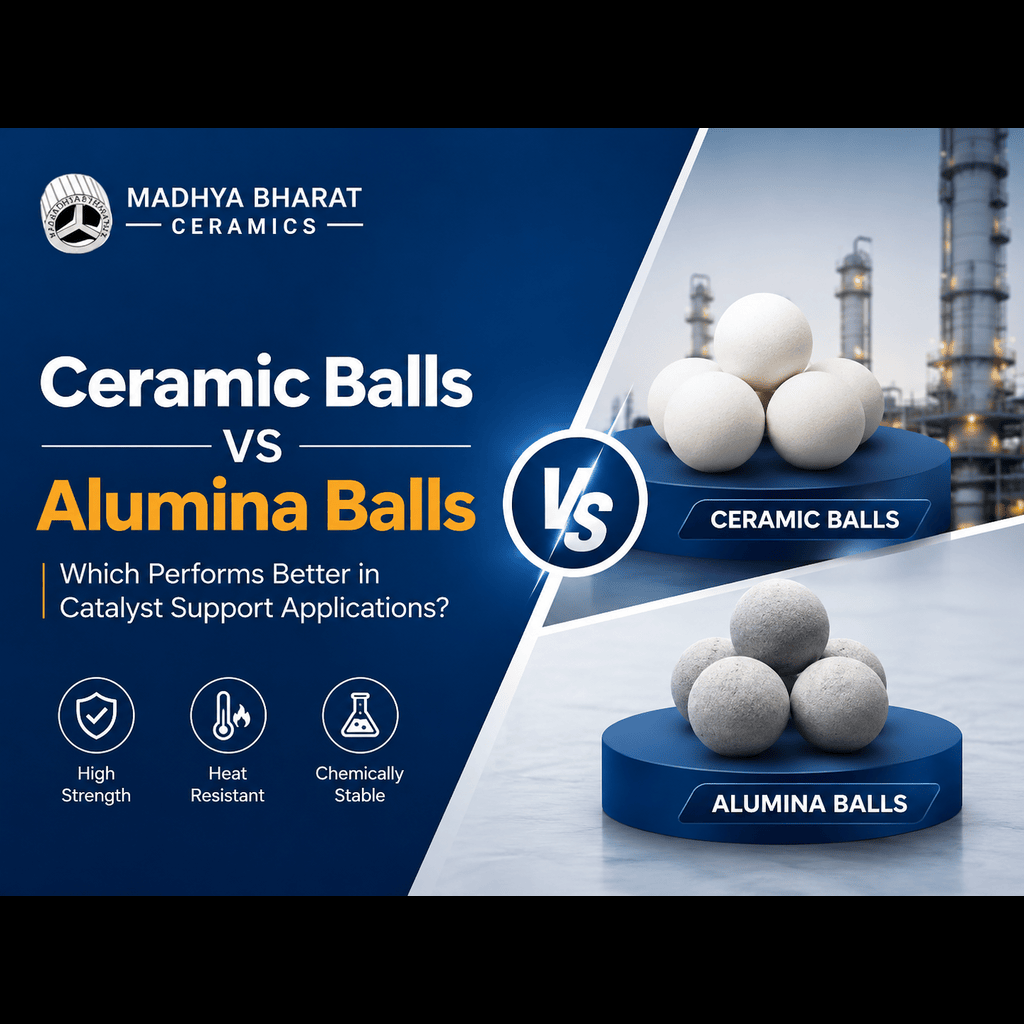
As an established Manufacturer of Ceramic tower packing, the company offers Ceramic Saddles, Super Intalox Saddles, Cecebe HP Porcelain Saddles, Ceramic Rings, Partitioned Rings, Honeycomb, Structured Honeycomb, Grid Blocks, and Inert Ceramic Balls. It also supplies PP Pall Rings and PP Saddles for milder duties.
Quality control covers raw material testing, in-process checks, firing controls, and final product evaluation. Many products use a die-cast forming process for strength and a uniform shape.
Frequently Asked Questions
1. What are the common materials used for tower packing?
The main materials are ceramic, porcelain, metal, and plastic such as polypropylene.
2. How does packing material affect column performance?
It affects pressure drop, efficiency, capacity, service life, and fouling, because it decides how stable the bed stays over time.
3. Which material is best for hot, corrosive service?
Ceramic and porcelain are usually preferred because they resist both heat and corrosion.
4. When is plastic packing a good choice?
Plastic suits cool, mild-chemical service where low weight and cost matter, as long as the temperature stays within its rated limit.
5. How do I choose the right packing material?
List your fluids and temperatures, set performance goals, compare lifetime cost, and share this data with your supplier.
Conclusion
The Common Materials Used for Tower Packing each have a role, but the right one depends on heat, chemicals, and goals. Ceramic and porcelain give the longest, most stable performance in hot, corrosive service, while plastic and metal fit other needs.
Working with an experienced partner like Madhya Bharat Ceramics helps you choose packing that supports steady column performance.
Choosing Packing for Your Column?
Looking for a dependable ceramic packing manufacturer in India? Madhya Bharat Ceramics is ready to help. Contact our team today for product guidance, specifications, and a customized quote.