Packed towers are the backbone of separation, absorption, and scrubbing processes in chemical plants worldwide. Yet one of the most overlooked components inside these towers is the grid block, the structural base that holds all the packing media in place. Grid blocks in India are gaining strong recognition across global chemical and petrochemical industries for their quality, durability, and cost advantage. According to process engineering data, poorly supported packing accounts for over 30% of tower performance failures in chemical plants. That single fact explains why selecting the right ceramic grid block manufacturer matters as much as selecting the packing itself.
What Are Grid Blocks and How Do They Function in Packed Towers?
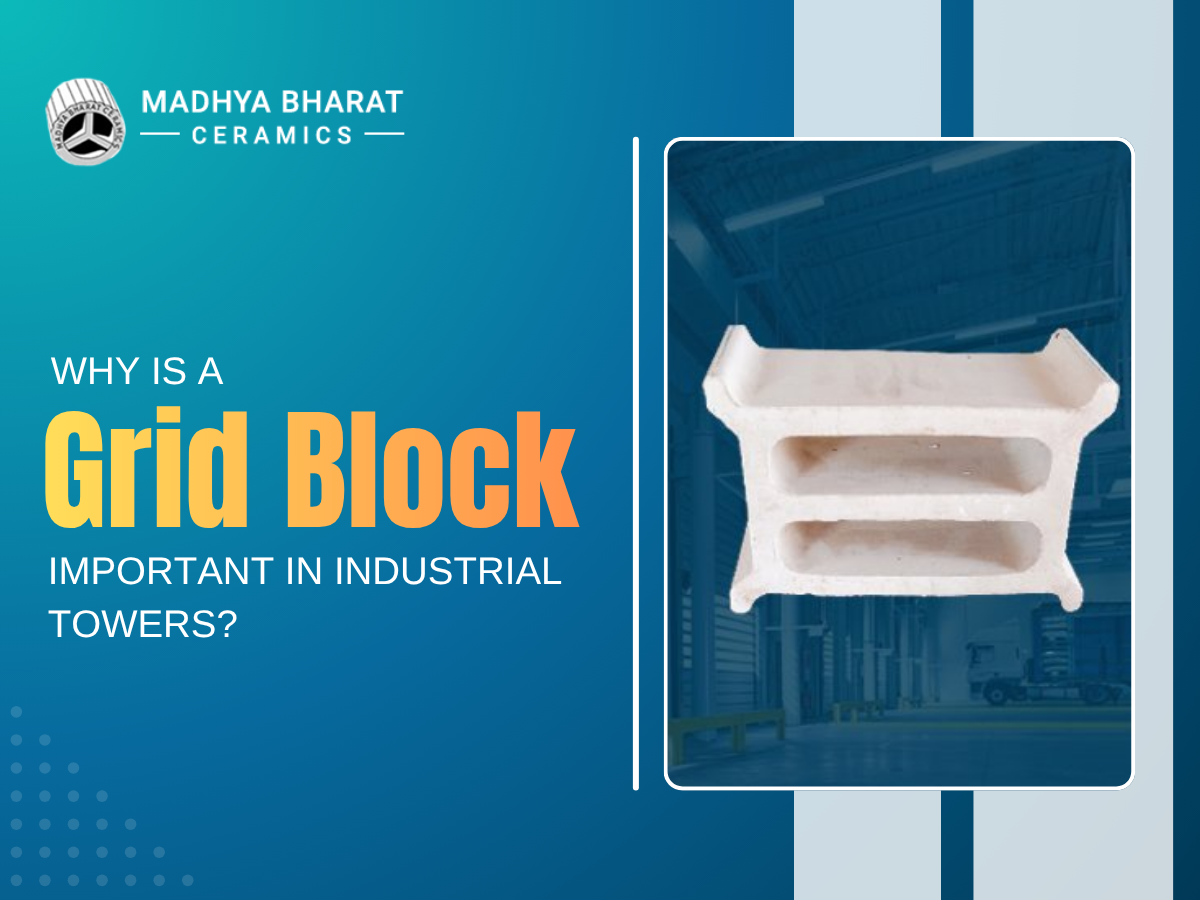
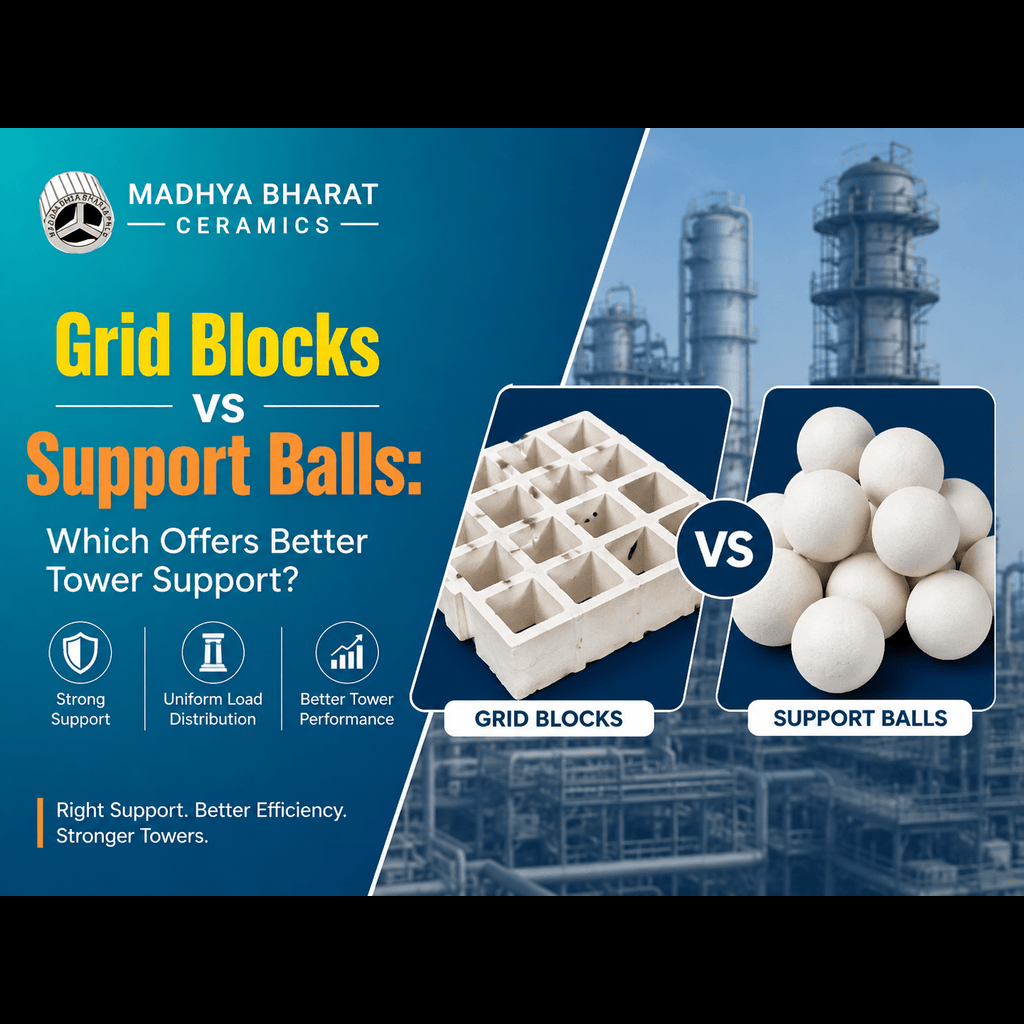
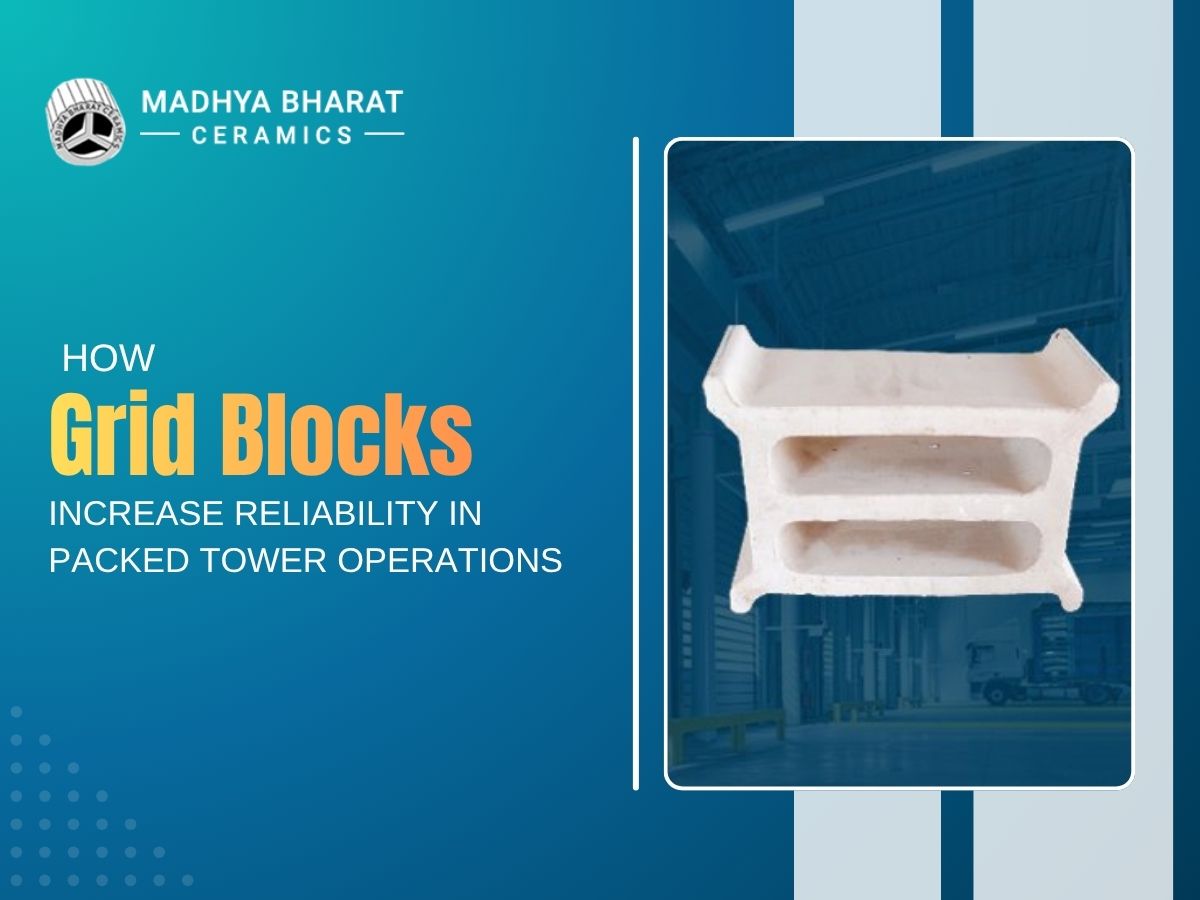
A grid block is a structured ceramic or plastic component placed at the base of a packed tower column. It creates a rigid, open-grid platform that holds the weight of the packing media above it while allowing liquid and gas to flow freely in both directions.
Without a proper support grid, the packing media would collapse downward under its own weight, block the gas inlet nozzles, and cause the entire tower to malfunction. A well-designed grid block for packed towers solves this problem by combining load-bearing strength with an open structure that does not restrict flow.
Key functions of a grid block in packed tower operations:
- Supports the full weight of the packing bed above it
- Allows upward gas flow and downward liquid drainage simultaneously
- Prevents packing media from falling into the sump or gas inlet
- Creates a stable foundation for even liquid distribution across the packing bed
- Reduces mechanical vibration and movement inside the tower during operation
Why Ceramic Grid Blocks Outperform Other Materials
Grid blocks are made from several materials including polypropylene, fiberglass, and ceramic. Each has its place, but ceramic grid blocks are the preferred choice in high-temperature, high-corrosion environments that are common in chemical and petrochemical plants.
Here is why ceramic consistently outperforms alternatives:
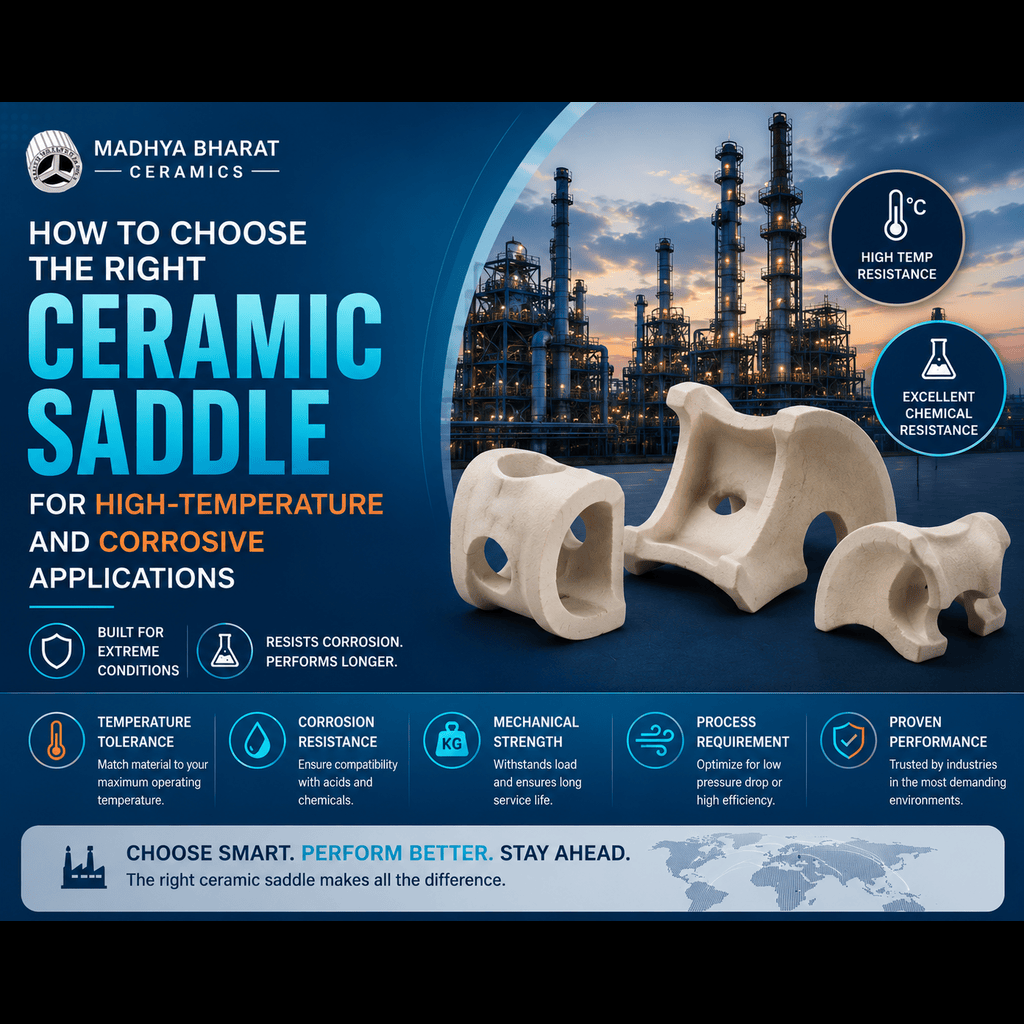
- Temperature resistance: Ceramic grid blocks handle temperatures up to 1200 degrees Celsius without deformation
- Chemical resistance: They resist strong acids, alkalis, and oxidizing agents that would degrade plastic or metal
- Mechanical strength: Ceramic withstands high compressive loads from deep packing beds without cracking
- Long service life: A quality ceramic grid block lasts 10 to 20 years in normal chemical service
- No contamination: Ceramic does not leach chemicals or particles into the process stream
Plastic grid blocks work well for moderate temperatures and non-aggressive chemicals. Metal grids are used in high-pressure applications. But for aggressive chemical environments, corrosion-resistant tower components made from ceramic are the standard choice.
How Grid Blocks in India Improve Packed Tower Reliability
Reliability in packed tower operations means the tower runs continuously at design performance without flooding, channeling, or mechanical failure. Grid blocks in India contribute to this reliability in three direct ways.
1. Preventing Packing Collapse and Migration
In a high-flow tower, liquid surges can push packing downward with significant force. If the support grid is weak or incorrectly sized, the packing can shift, compact, or break through the grid entirely. A properly rated ceramic grid block holds the packing firmly in position even during surge conditions, preventing the collapse that causes sudden performance loss.
2. Ensuring Even Gas and Liquid Flow
The open cell geometry of a grid block controls how gas enters the packing zone from below. When gas is distributed evenly across the full cross-section of the tower, every part of the packing bed participates in the separation or absorption process. Uneven gas entry, caused by a poorly designed support grid, creates dead zones and channeling that reduce packed tower efficiency significantly.
3. Reducing Pressure Drop Across the Support Zone
Every component inside a packed tower contributes to the total pressure drop across the system. A heavy, solid support plate creates significant resistance to gas flow. A well-designed grid block has a high void fraction, typically above 60%, which keeps the pressure drop contribution minimal. This is important for vacuum operations and high-throughput columns where pressure drop management is critical.
Grid Block Materials for Packed Tower Applications
| Material | Max Temp (°C) | Chemical Resistance | Load Capacity | Typical Life | Best Use Case |
| Polypropylene | 110 | Good | Moderate | 5 to 8 years | Water treatment, mild chemicals |
| PVC | 60 | Good | Moderate | 5 to 7 years | Low-temperature scrubbers |
| Fiberglass (FRP) | 150 | Very Good | High | 8 to 12 years | Moderate acid service |
| Ceramic | 1200 | Excellent | Very High | 15 to 20 years | Chemical plants, refineries |
| Metal (SS 316) | 800 | Good | Excellent | 15 to 20 years | High-pressure columns |
This table helps process engineers make faster decisions when specifying tower internals performance requirements during design or maintenance planning.
Role of Ceramic Grid Block Manufacturer in India in Global Supply
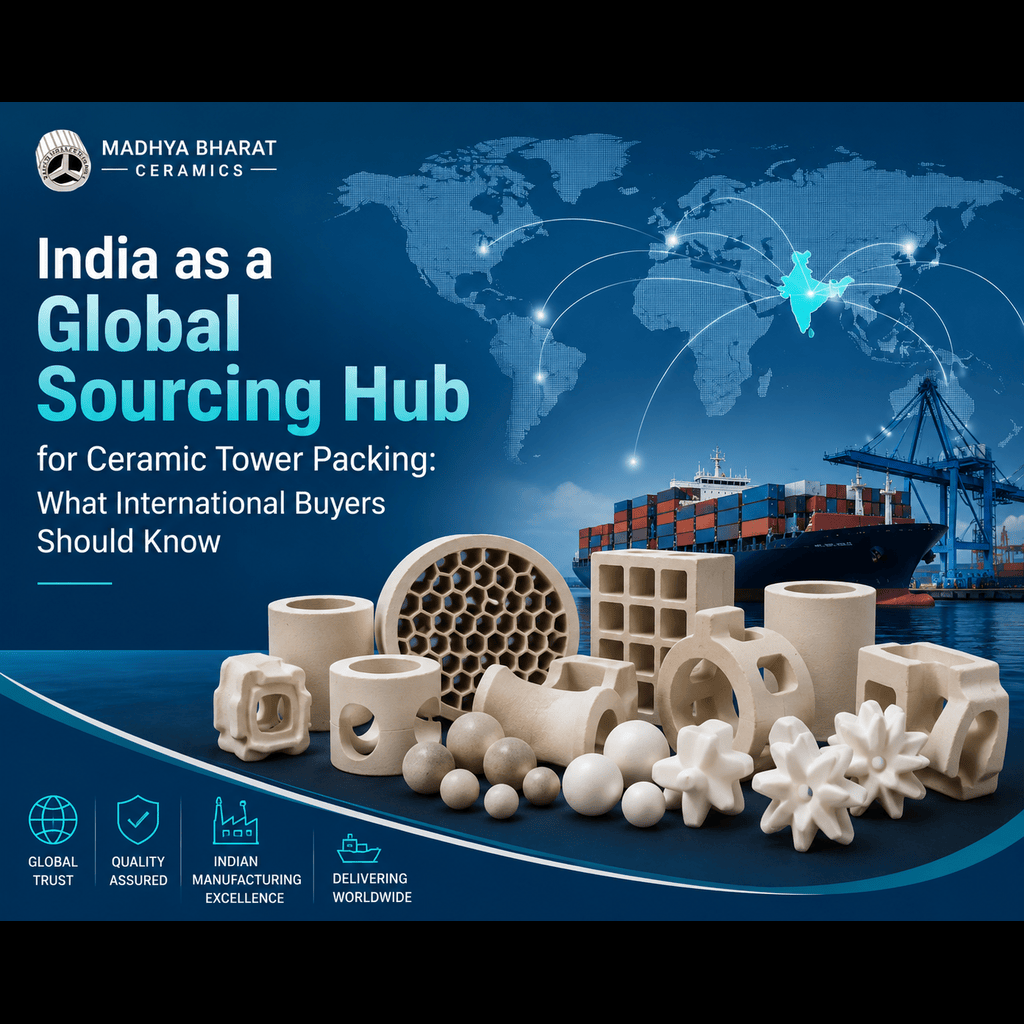
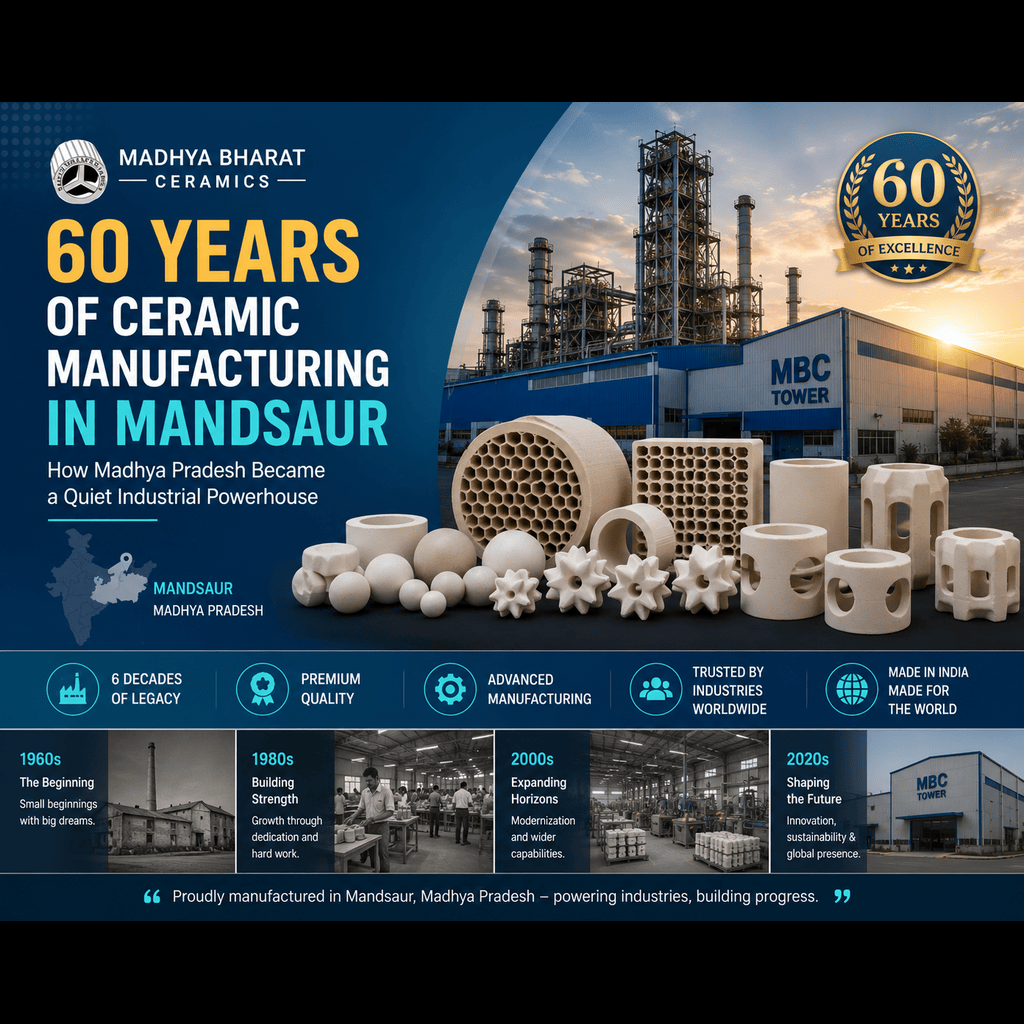
India has become a significant production hub for ceramic grid blocks used in packed towers worldwide. Manufacturers located in Mandsaur, Morbi, and industrial clusters in Gujarat and Rajasthan produce grid blocks that meet international quality benchmarks.
What sets a quality ceramic grid block manufacturer in India apart:
- High-grade alumina and silica raw materials sourced locally
- High-temperature kiln firing for consistent density and strength
- Dimensional precision for proper fit inside tower shells of varying diameters
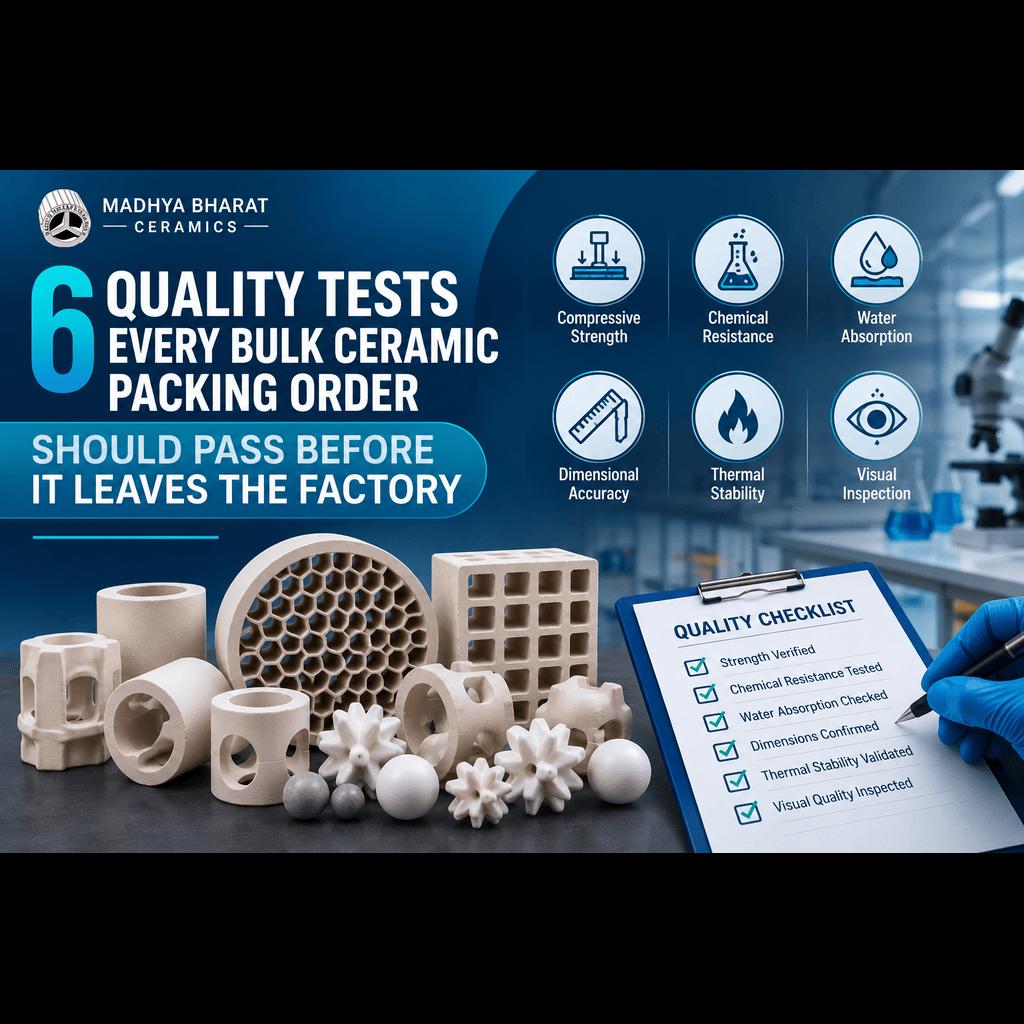
- Quality testing for crush strength, water absorption, and open area percentage
- Custom sizes and configurations available for non-standard tower designs
A trusted ceramic grid block supplier will provide detailed technical drawings, load capacity data, and installation guidance. This support is essential during tower design and commissioning to ensure the grid block fits correctly and performs as specified.
Ceramic grid block exporters from Mandsaur have established supply relationships with chemical plants in the UAE, Saudi Arabia, Malaysia, South Korea, and several European countries. Buyers in these markets consistently report that Indian ceramic grid blocks deliver quality equivalent to European products at 30 to 45% lower cost.
Benefits of Ceramic Grid Blocks in Packed Tower Operations
Here is a summary of the direct operational benefits that ceramic grid blocks deliver:
- Stable tower base: No packing movement or collapse even during high-flow upset conditions
- Better mass transfer: Even gas distribution means the full packing volume is utilized
- Lower energy costs: Minimal pressure drop contribution from the support grid
- Reduced maintenance: Ceramic does not corrode, degrade, or need frequent inspection
- Process safety: Structural failure of support grids is a known cause of tower incidents
- Compatibility: Works with all types of random packing including Raschig Rings, Pall Rings, and Saddles
These benefits apply directly to industrial mass transfer systems across chemical, petrochemical, fertilizer, and pharmaceutical industries.
How to Select the Right Grid Block for Your Packed Tower
Selecting the correct support grid block for tower packing requires matching the grid to your specific tower conditions. Here is what to consider:
- Tower diameter: Grid blocks must cover the full cross-section without gaps or overlap
- Packing weight: Calculate the total weight of packing above the grid to determine required load capacity
- Operating temperature: Confirm the material grade handles your maximum process temperature
- Chemical environment: Match ceramic grade to the specific acids, alkalis, or solvents present
- Open area requirement: Higher open area reduces pressure drop but must still support the packing load
- Liquid flow rate: High liquid rates need grids with larger drainage openings to prevent backup
A reliable ceramic grid block supplier will request your tower specifications and recommend the right grid configuration before you order. This pre-order consultation prevents expensive mistakes during installation.
Grid Blocks for Enhanced Packing Support Across Multiple Industries
Grid blocks in India are used across a wide range of industrial applications:
- Acid plants: Support packing in sulfuric acid absorption towers
- Fertilizer plants: Used in ammonia absorption and urea scrubbing columns
- Petrochemical refineries: Support catalyst beds and scrubber packing in refinery off-gas treatment
- Pharmaceutical plants: Solvent recovery columns in active pharmaceutical ingredient production
- Power plants: Flue gas desulfurization towers use grid blocks as packing support
- Water treatment: Support packing in aeration and degassing towers
This broad application range confirms why demand for quality grid blocks from Indian manufacturers continues to increase year on year.
Case Study: Grid Block Replacement at a Sulfuric Acid Plant, Madhya Pradesh
A sulfuric acid manufacturing plant in Madhya Pradesh was experiencing repeated packed tower failures. The plant ran two absorption towers using old cast iron support grids installed over 18 years ago. Problems included:
- Severe corrosion on the iron grids causing structural weakening
- Packing media falling through corroded grid openings into the sump
- Uneven gas distribution causing acid mist carryover above target levels
- Forced shutdown every 8 months for grid inspection and repair
The plant engineering team decided to replace the iron grids with ceramic grid blocks from a ceramic grid block manufacturer in Mandsaur. The new ceramic grids were custom-sized for the tower diameter and designed for the specific acid concentration and temperature of the absorption process.
Results after 18 months of continuous operation:
- Zero grid corrosion or structural degradation observed on inspection
- No packing fallthrough incidents during the entire operating period
- Acid mist levels in the absorber outlet dropped by 34%
- Tower shutdown frequency reduced from every 8 months to a planned 24-month cycle
- Maintenance cost savings exceeded INR 28 lakhs in the first 18 months
The plant’s chief engineer confirmed that the switch to ceramic grid blocks from the Indian manufacturer was the most significant reliability improvement made in that facility in over a decade. This case directly demonstrates how grid blocks improve packed tower reliability in chemical plants under real operating conditions.
FAQs About Grid Block in India
Q1. What is a grid block used for in a packed tower?
A grid block supports the packing bed inside a packed tower, distributes gas and liquid flow evenly, and prevents packing from collapsing into the tower sump or gas inlet during operation
Q2. Why are ceramic grid blocks preferred over metal or plastic?
Ceramic grid blocks handle higher temperatures, resist corrosive chemicals better, and last significantly longer than plastic alternatives. In aggressive chemical service, ceramic is the most reliable and cost-effective material choice.
Q3. Where can I find a ceramic grid block manufacturer in India?
Reputable ceramic grid block manufacturers are located in Mandsaur, Morbi, and industrial zones in Gujarat and Rajasthan. They supply to domestic chemical plants and export to buyers across the Middle East, Southeast Asia, and Europe.
Q4. How long do ceramic grid blocks last in a chemical tower?
With compatible process conditions and proper installation, ceramic grid blocks last between 15 and 20 years. They do not corrode, swell, or degrade over time like metal or plastic alternatives.
Q5. What open area percentage should a grid block have?
Most packed tower applications require a grid block open area of 55% to 70%. Higher open area reduces pressure drop but must be balanced with sufficient structural strength to support the packing load above.
Q6. Are grid blocks available in custom sizes?
Yes. Most ceramic grid block suppliers in India offer custom sizes to fit non-standard tower diameters and configurations. Provide your tower internal diameter and packing type for accurate sizing recommendations
Q7. What industries use ceramic grid blocks most?
Ceramic grid blocks are most commonly used in sulfuric acid plants, fertilizer production, petrochemical scrubbers, pharmaceutical solvent recovery, and flue gas desulfurization systems in power plants.
Q8. How does a grid block affect packed tower pressure drop?
A well-designed grid block with a high open area contributes very little to total tower pressure drop, typically less than 5% of the total column pressure drop. Poor grid design with low open area can significantly increase energy costs and reduce tower throughput.
Conclusion
Grid blocks in India have proven themselves as essential components for reliable packed tower operations across chemical, petrochemical, fertilizer, and pharmaceutical industries. They are not just structural supports. They are performance components that directly affect how well a packed tower separates, absorbs, or scrubs chemical streams.
The case study from Madhya Pradesh makes this clear. When corroded iron grids were replaced with quality ceramic grid blocks from a manufacturer in Mandsaur, the plant went from shutting down every 8 months to running on a 24-month maintenance cycle. Acid mist levels fell by 34% and maintenance savings exceeded INR 28 lakhs in just 18 months.
Ceramic grid block manufacturers in India have the raw materials, technical capability, and export infrastructure to serve both domestic and international buyers at competitive prices. Whether you are designing a new tower or planning a turnaround for an aging system, ceramic grid blocks from a verified Indian supplier offer the best combination of performance, durability, and value.
Chemical process optimization starts at the foundation of your packed tower. Choosing the right grid block is one of the simplest and most cost-effective decisions a plant engineer can make to improve long-term tower reliability.