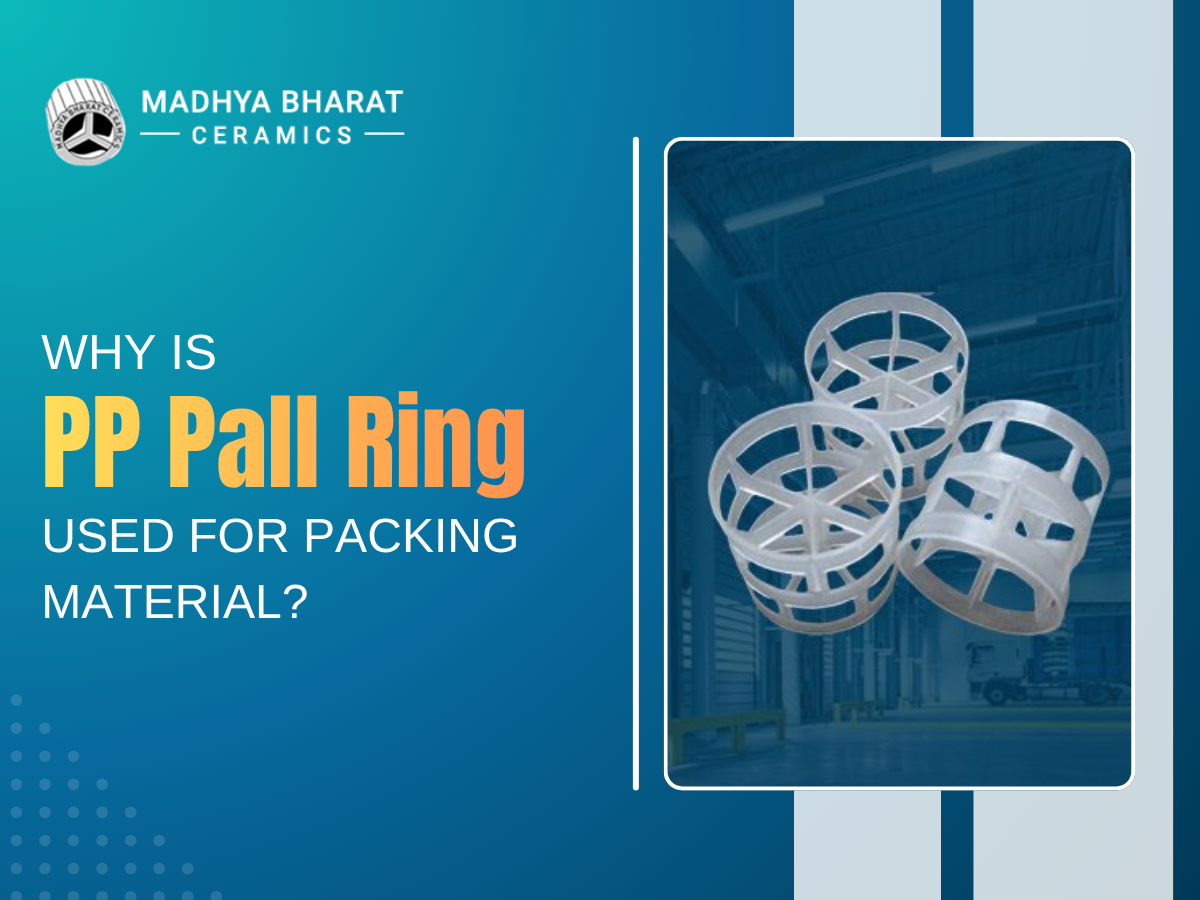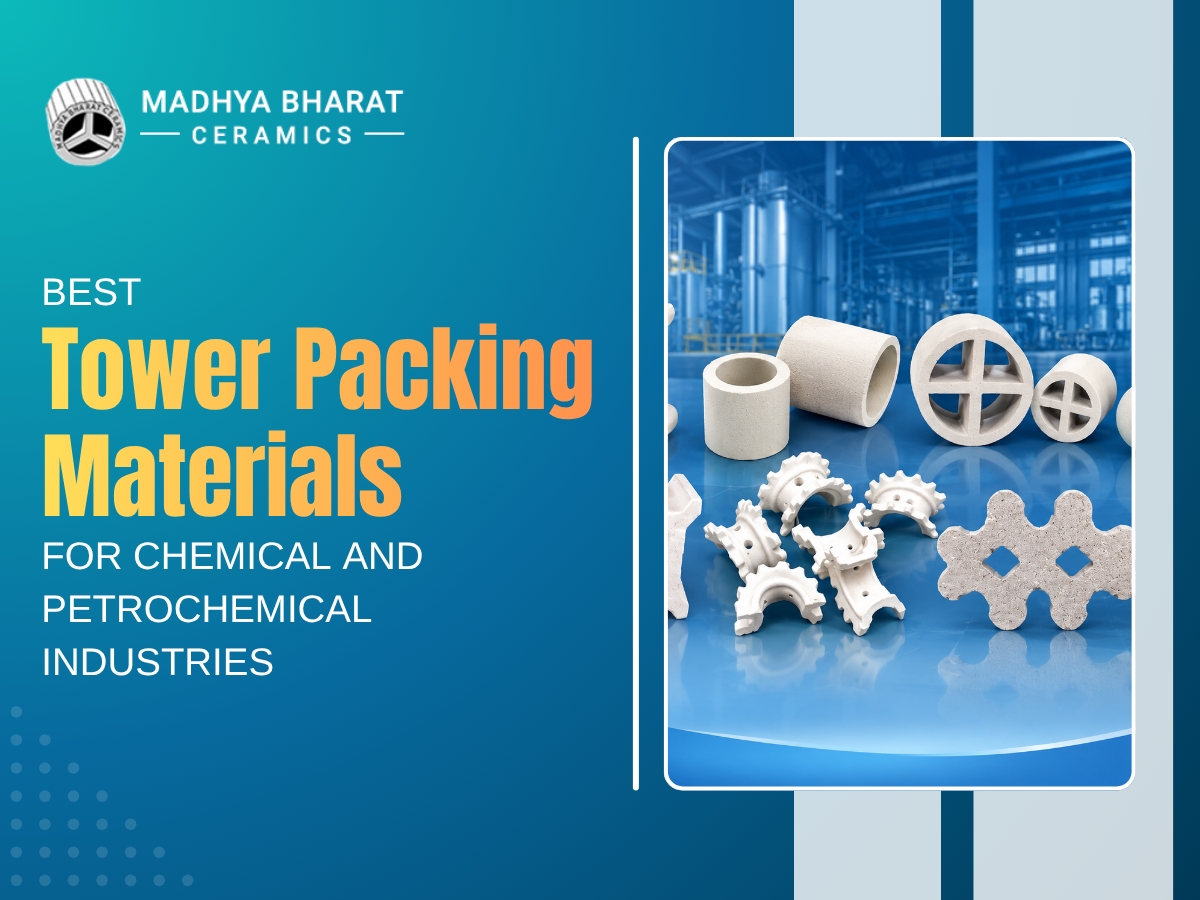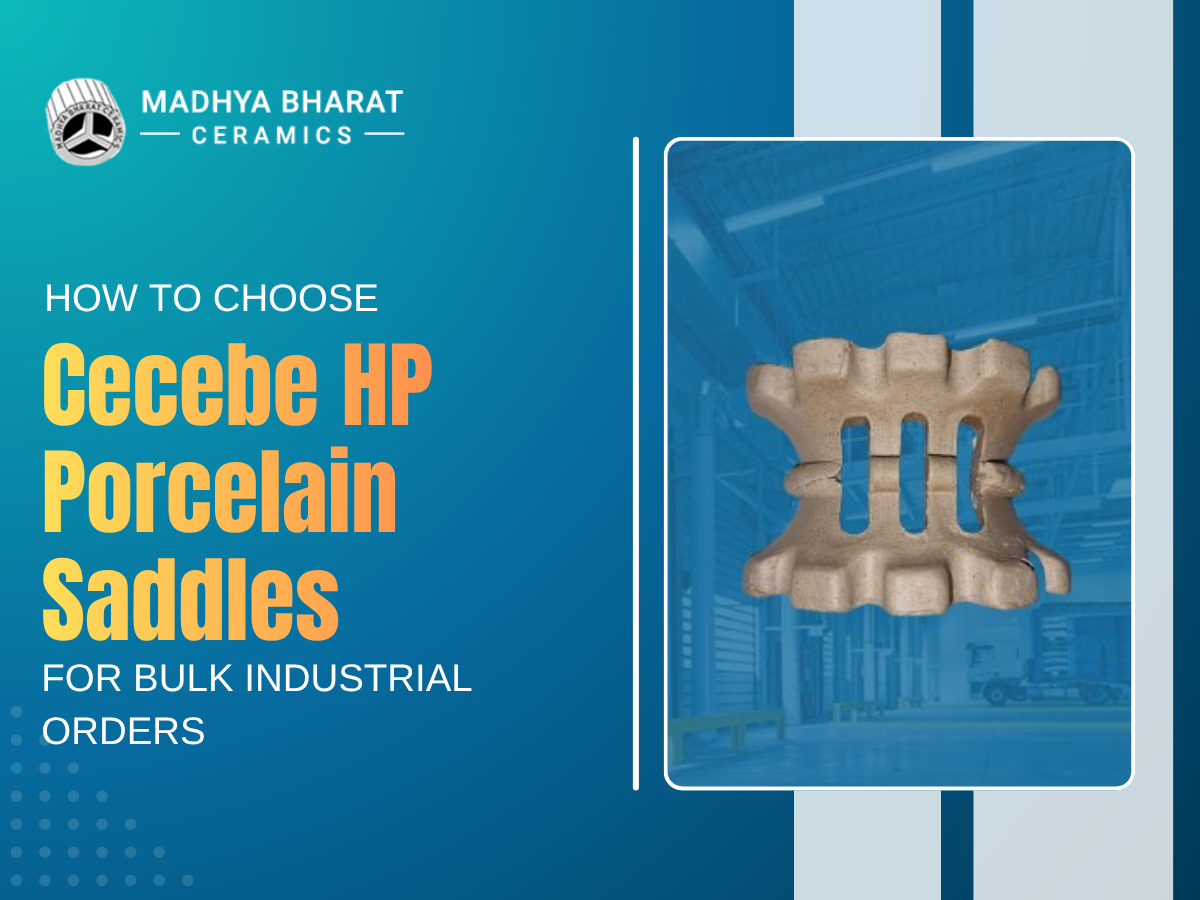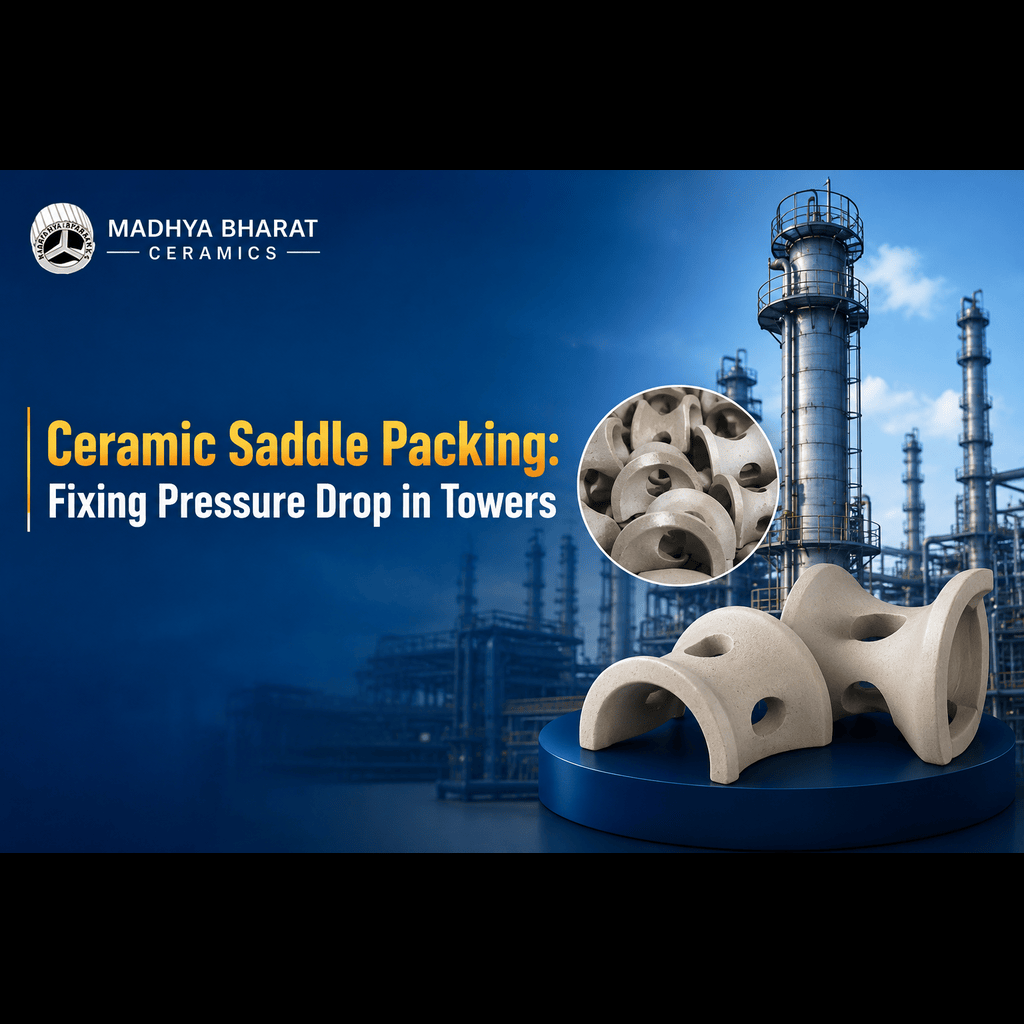
Inside every chemical absorption tower or distillation column, the packing media determines how well gases and liquids interact. PP saddles are one of the most trusted forms of random packing used in these systems. Made from polypropylene, they are lightweight, chemically resistant, and shaped to maximize surface contact between process fluids.
Fact: A well-packed distillation column using polypropylene saddles can achieve mass transfer efficiency improvements of 15% to 35% compared to older packing forms like Raschig rings. This directly translates to lower energy consumption and higher product purity.
Fact: According to the American Institute of Chemical Engineers, random packing media accounts for over 60% of all tower internals used globally in chemical processing. PP saddles in India represent a growing share of this market as domestic chemical production scales up rapidly.
A certified PP saddles manufacturer ensures each unit meets precise dimensional tolerances, surface area specifications, and chemical resistance ratings before dispatch. This quality consistency is what makes them a preferred choice for plant engineers across India and internationally.
What Are PP Saddles and How Do They Work in Tower Packing?
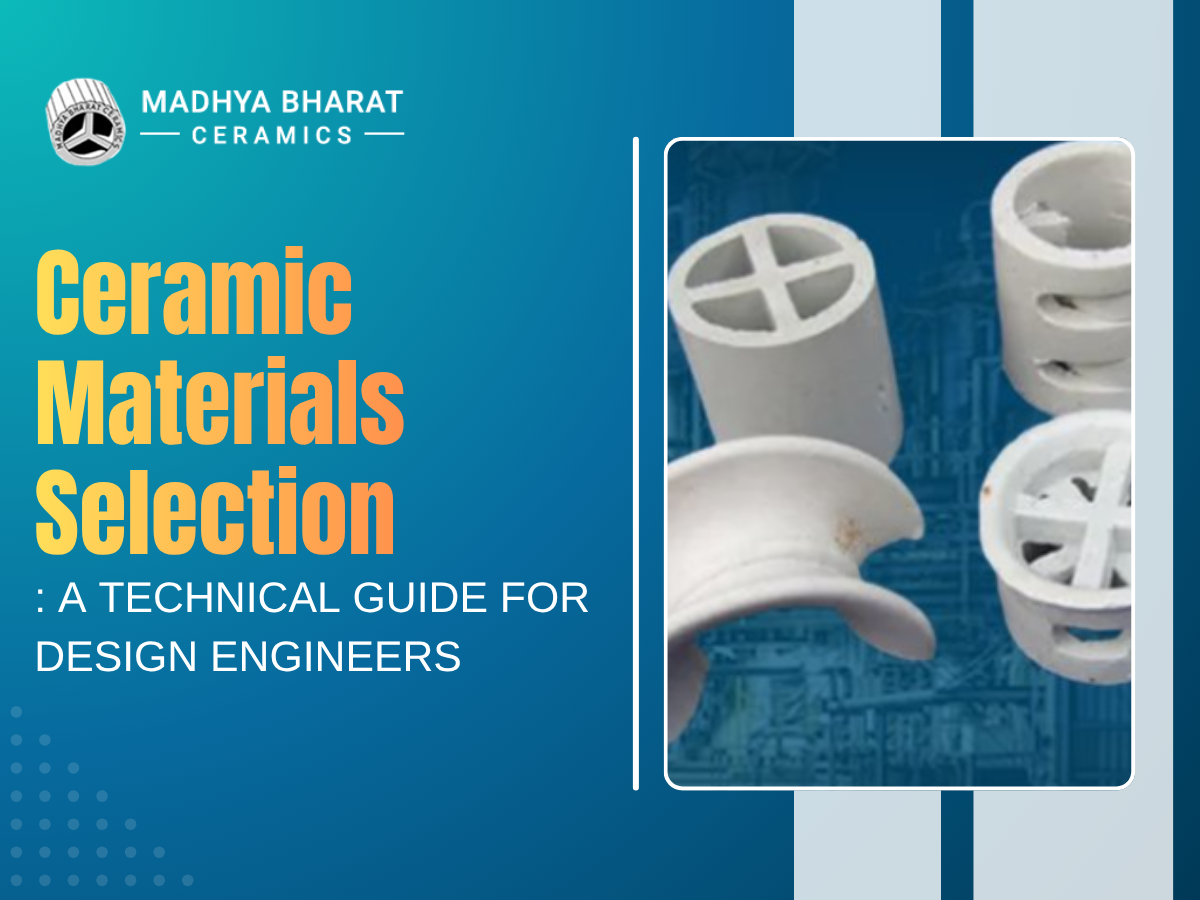
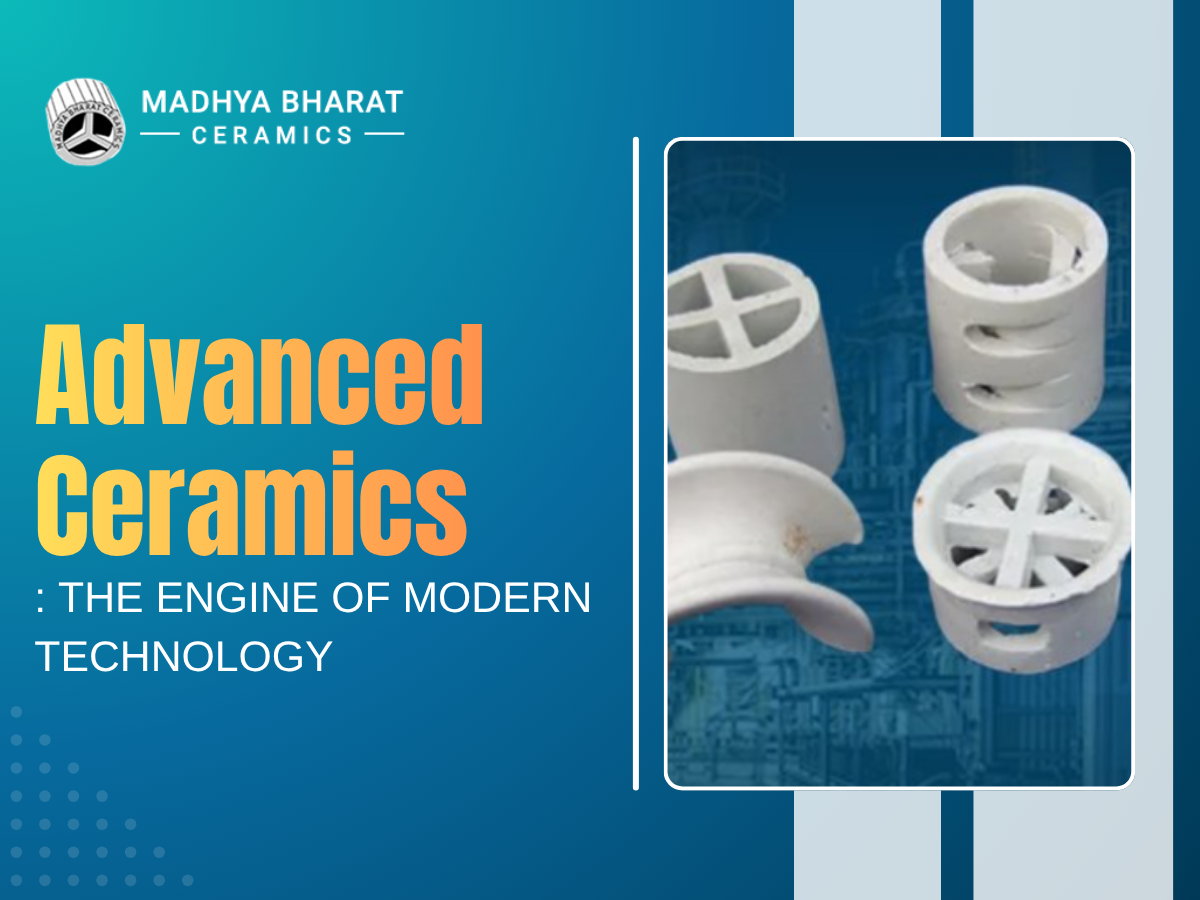
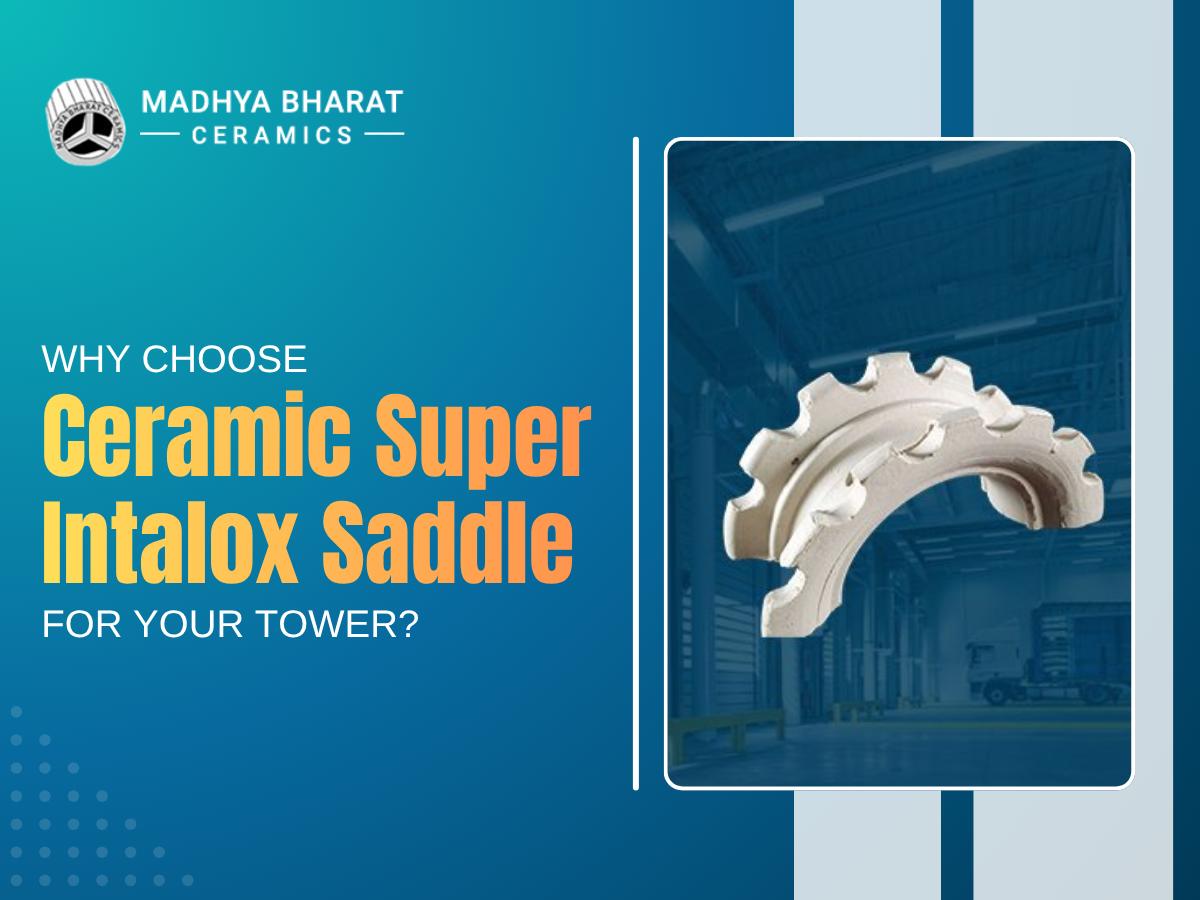
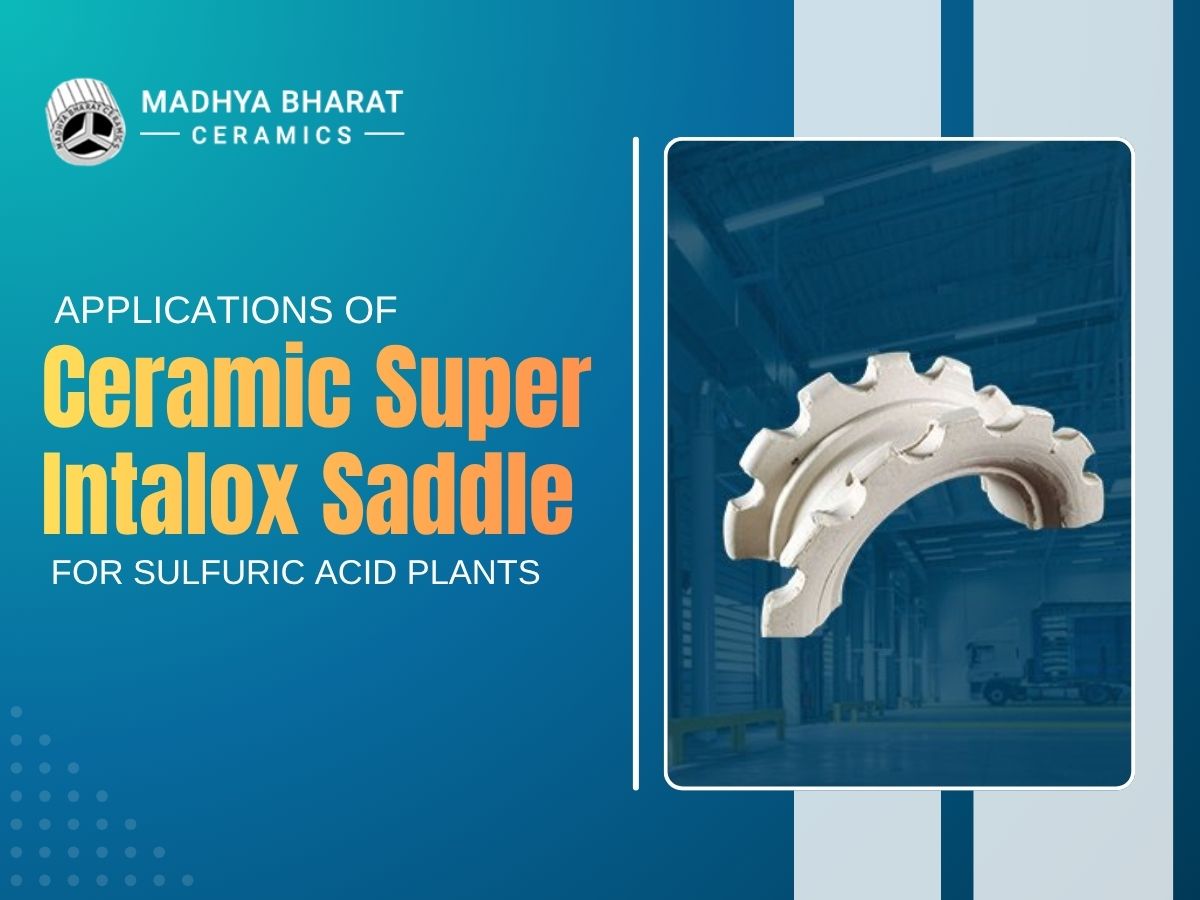
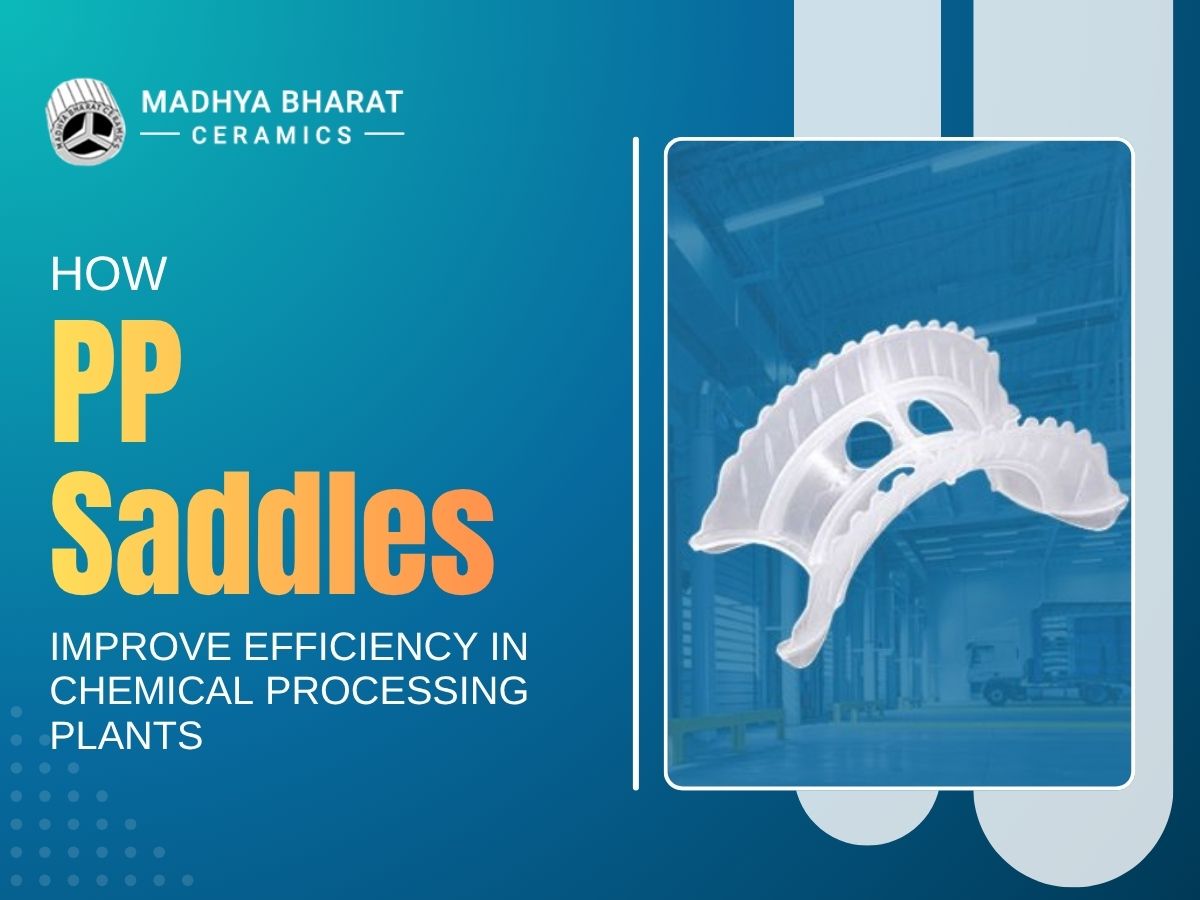
PP saddles are curved, saddle-shaped plastic packing units made from polypropylene resin. Their distinctive shape creates a large open surface area within a packed bed while maintaining low resistance to fluid flow.
When loaded into a tower in random orientation, PP saddles naturally arrange themselves to avoid perfect stacking. This irregular arrangement creates thousands of small flow channels that force liquid and gas into repeated contact, which is exactly what mass transfer operations require.
The key structural and functional properties of PP saddles include:
- High void fraction: Typically 90% to 95%, allowing free fluid movement
- Large specific surface area: 85 to 250 square meters per cubic meter depending on size
- Curved geometry: Prevents flat stacking and promotes uniform flow distribution
- Lightweight structure: Reduces tower loading and support structure requirements
- Chemical compatibility: Resistant to acids, alkalis, and most organic solvents
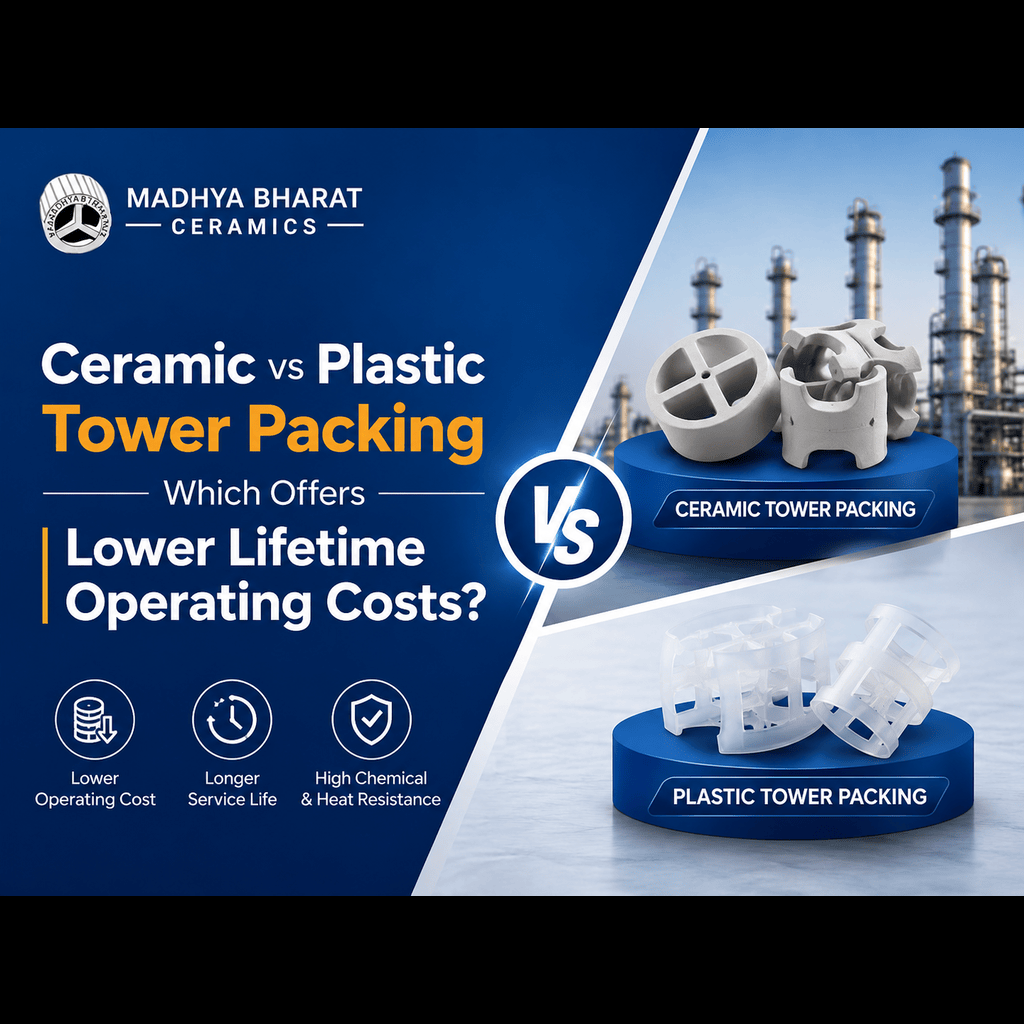
These properties explain why plastic tower packing based on polypropylene has become a standard specification in modern chemical plant design.
How PP Saddles Improve Efficiency in Chemical Plants
The central question this blog answers is: “How do PP saddles improve efficiency in chemical processing plants?” The answer involves three interconnected mechanisms: improved mass transfer, reduced pressure drop, and longer operational life.
Mass transfer improvement: The curved surface of each PP saddle creates thin liquid films that spread across a large area. Gas flowing upward contacts this liquid film across the full packing surface, achieving better absorption, stripping, or reaction than older packing shapes allow.
Reduced pressure drop: Unlike denser packing types, polypropylene saddles create minimal resistance to upward gas flow. Lower pressure drop means the blower or compressor handling the gas stream consumes less energy. Over a full operating year, this reduction in energy consumption becomes a significant cost saving.
Extended service life: Polypropylene is resistant to most industrial chemicals encountered in absorption and distillation service. PP saddles do not corrode, rust, or degrade in acidic or alkaline process streams, meaning they require replacement far less frequently than metal packing alternatives.
Benefits of Polypropylene Saddles in Tower Packing Systems
[IMAGE SUGGESTION: Diagram comparing pressure drop profiles between ceramic Raschig rings, metal pall rings, and PP saddles in the same tower configuration]
The benefits of polypropylene saddles in tower packing systems are well-established across chemical processing industries. Plant engineers specify them because they consistently deliver measurable performance improvements with lower total cost of ownership.
Core benefits include:
- Corrosion-resistant packing media: Polypropylene withstands chlorine, sulfuric acid, sodium hydroxide, and most industrial solvents without degradation.
- Low installation cost: The lightweight nature of PP saddles means manual loading into towers is faster and safer than equivalent ceramic or metal packing.
- Flexible sizing: Available in sizes from 15mm to 90mm, PP saddles suppliers can match the packing size to specific column diameter and flow rate requirements.
- Thermal stability up to 100 degrees Celsius: Suitable for the majority of liquid-phase chemical processing operations.
- Consistent quality from certified manufacturers: A reputable PP saddles manufacturer in India produces units with tight dimensional tolerances, ensuring predictable hydraulic performance.
These benefits make PP saddles the preferred industrial packing material for scrubbing towers, stripping columns, and liquid-liquid extraction systems.
Role of PP Saddles in Reducing Pressure Drop in Columns
One of the most technically significant advantages of PP saddles is their contribution to low-pressure drop packing solutions in industrial columns. This is directly relevant to operating cost and energy efficiency.
Pressure drop in a packed column occurs when gas flowing upward encounters resistance from the packing media. Dense, irregular, or tightly stacked media creates high resistance. The curved, open geometry of PP saddles minimizes this resistance by creating uniform, open channels for gas flow.
The practical results of lower pressure drop include:
- Reduced compressor or blower energy consumption
- Lower risk of flooding in the column at design flow rates
- Higher throughput capacity within the same column diameter
- More stable column operation with less sensitivity to flow rate variations
For chemical plants operating continuously, even a 10% reduction in column pressure drop translates directly into measurable utility cost savings per year. This is why PP saddles in India are specified by energy-conscious plant designers across sectors.
Comparison Table: PP Saddles vs Other Common Packing Media
| Property | PP Saddles | Ceramic Raschig Rings | Metal Pall Rings | Ceramic Saddles |
| Material | Polypropylene | Ceramic | Stainless steel | Ceramic |
| Max Temperature | 100 degrees C | 1400 degrees C | 800 degrees C | 1400 degrees C |
| Chemical Resistance | High (acids, alkalis) | Medium | Medium to High | Medium |
| Pressure Drop | Very Low | High | Low | Medium |
| Weight (kg per m3) | 50 to 80 | 500 to 700 | 300 to 450 | 450 to 600 |
| Cost | Low | Medium | High | Medium |
| Typical Application | Scrubbing, absorption | High-temp reactors | Distillation | Chemical reactors |
| Service Life | 5 to 8 years | 8 to 12 years | 10 to 15 years | 8 to 12 years |
This comparison helps procurement teams and plant engineers select the right packing media for their specific operating conditions. A qualified PP saddles supplier will always review your column specifications before recommending a size and grade.
Why Use Polypropylene Saddles in Industrial Mass Transfer Operations
Random packing in distillation columns and absorption towers requires media that balances surface area, flow resistance, and mechanical stability. PP saddles achieve this balance better than many alternatives in low-to-medium temperature applications.
In industrial mass transfer operations, the objective is to create the maximum possible contact between two phases, typically gas and liquid, within the smallest possible column volume. The saddle geometry achieves this by:
- Orienting randomly to prevent channeling
- Creating thin, renewable liquid films on each surface
- Maintaining open flow paths even at high liquid and gas loadings
- Resisting fouling from suspended solids in the process stream
PP saddles exporters in Mandsaur serve chemical plants in the Middle East, Southeast Asia, and Africa where corrosive process streams make polypropylene the only practical packing material choice.
PP Saddles Manufacturer in Mandsaur: Quality You Can Rely On
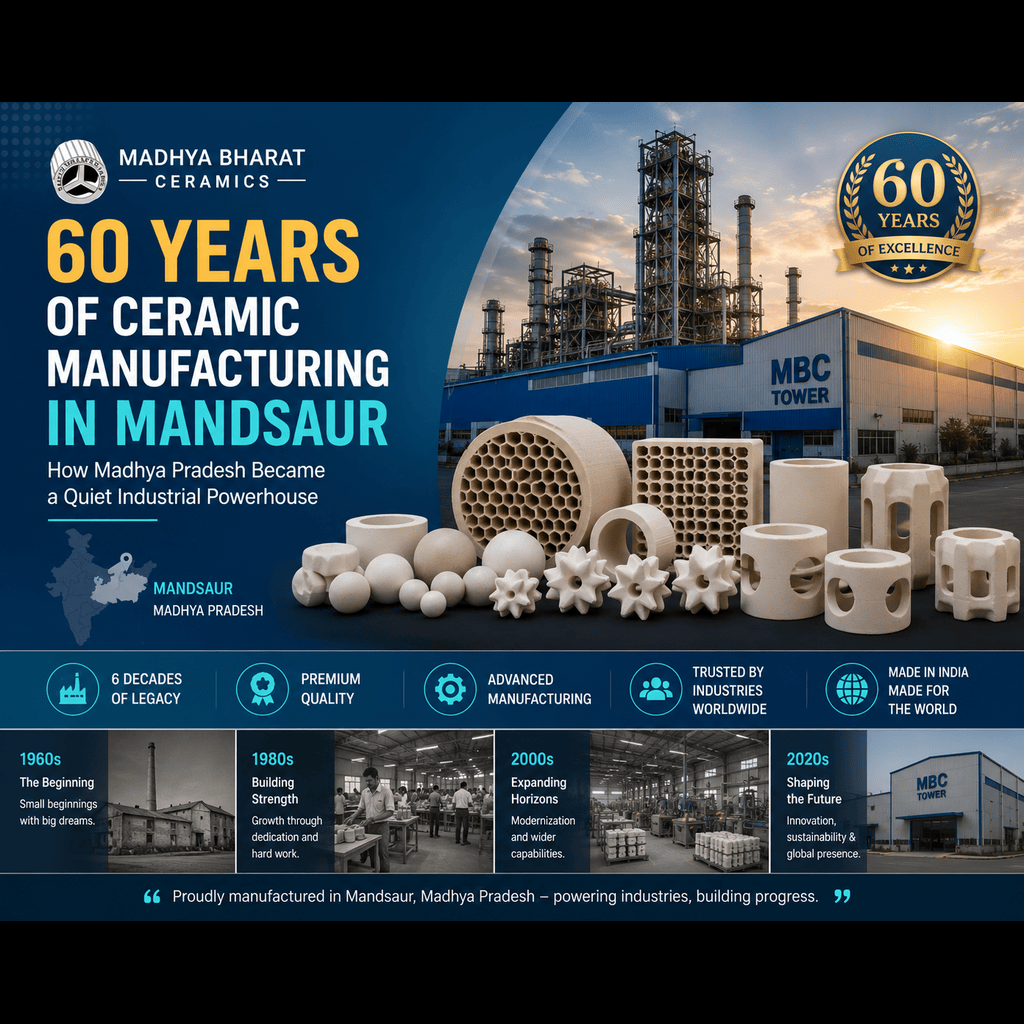
Mandsaur has established itself as a key production center for industrial packing media in India. PP saddles manufacturers in the region combine access to quality polypropylene resin with precision molding technology to produce export-standard packing units.
A professional PP saddles manufacturer in Mandsaur typically provides:
- Standard sizes: 15mm, 25mm, 38mm, 50mm, and 75mm
- Material options: Polypropylene, PVDF, and HDPE for varied chemical compatibility
- Bulk packaging suitable for sea freight export
- Material test certificates and dimensional inspection reports
- Technical datasheets with hydraulic performance data
PP saddles in India produced in Mandsaur are increasingly specified by engineering procurement contractors (EPC) designing new chemical plants across South Asia and the Gulf region. A certified PP saddles exporter in Mandsaur provides complete documentation for customs clearance and client quality audits.
Case Study
Background: A urea fertilizer plant in Rajasthan was experiencing high pressure drop across their CO2 absorption column. The column was packed with older ceramic Raschig rings that had accumulated fouling deposits over seven years. This was increasing compressor energy consumption and reducing CO2 absorption efficiency.
Solution: The plant engineering team replaced all ceramic packing with PP saddles (50mm size, polypropylene grade) sourced from a certified PP saddles manufacturer in Mandsaur. The new packing was loaded in random orientation across four packed bed sections within the column.
Results after 10 months of operation:
- Column pressure drop reduced by 32%
- CO2 absorption efficiency improved by 21%
- Compressor energy consumption reduced by 18%
- Fouling rate on new packing: negligible after 10 months
- Estimated annual energy cost saving: INR 22 lakhs
Plant process engineer’s observation: “The switch to polypropylene saddle packing delivered results faster than we expected. The pressure drop reduction alone justified the investment within four months.”
This case confirms why more chemical plants across India are specifying PP saddles in India from qualified manufacturers for both new installations and column repackaging projects.
FAQ’s About PP saddles
1. What are PP saddles used for in industry?
PP saddles are used as random packing media in chemical absorption, distillation, scrubbing, and stripping tower operations.
2. What material are PP saddles made from?
PP saddles are made from polypropylene resin, offering excellent resistance to acids, alkalis, and most chemical solvents.
3. What is the maximum operating temperature for PP saddles?
Polypropylene saddles are suitable for continuous operation at temperatures up to 100 degrees Celsius in liquid service.
4. How long do PP saddles last in a chemical tower?
High-quality PP saddles from a reputable manufacturer typically last between 5 and 8 years in normal service.
5. What sizes of PP saddles are commonly available?
PP saddles are commonly available in 15mm, 25mm, 38mm, 50mm, and 75mm sizes for different column applications.
6. Are PP saddles better than Raschig rings for chemical scrubbing?
Yes, PP saddles provide lower pressure drop, better mass transfer efficiency, and longer service life than Raschig rings.
7. Where can I find a reliable PP saddles supplier in India?
Trusted PP saddles manufacturers and suppliers are based in Mandsaur, Madhya Pradesh, serving domestic and export markets.
8. Can PP saddles be used for acid gas scrubbing applications?
Yes, polypropylene saddles are highly resistant to acidic environments and are widely used in acid gas scrubbing towers.
Conclusion
PP saddles deliver proven, measurable improvements in chemical processing plant efficiency through better mass transfer, reduced pressure drop, and long-term corrosion resistance. Whether you are designing a new absorption column or repackaging an existing tower, choosing a certified PP saddles manufacturer in Mandsaur ensures you receive consistent quality backed by technical expertise. The right packing choice today reduces energy costs, extends maintenance intervals, and improves product purity for years ahead.