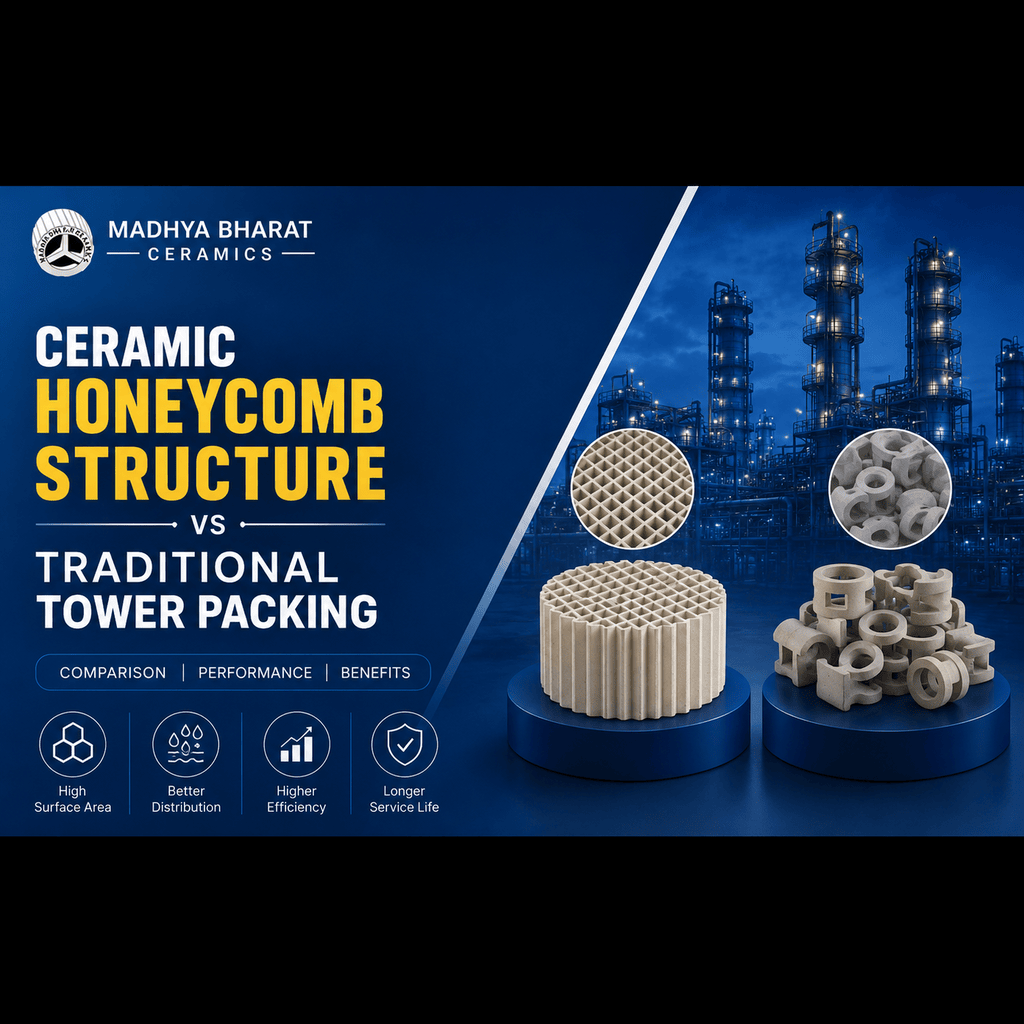
A ceramic honeycomb structure is built for straight-through airflow, catalyst support, and heat recovery, while traditional tower packing like saddles and rings is built for gas-liquid mass transfer inside distillation and absorption columns. They are rarely interchangeable, and using one where the other belongs usually shows up as poor efficiency within the first few months of operation. The right choice comes down to one question: does your system need to move gas through a fixed path, or does it need gas and liquid to mix?
We get asked this comparison often enough that it’s worth laying out plainly, because the two products look similar on a spec sheet, ceramic, heat resistant, corrosion resistant, but they do fundamentally different jobs inside your equipment.
What Makes These Two Different at the Core
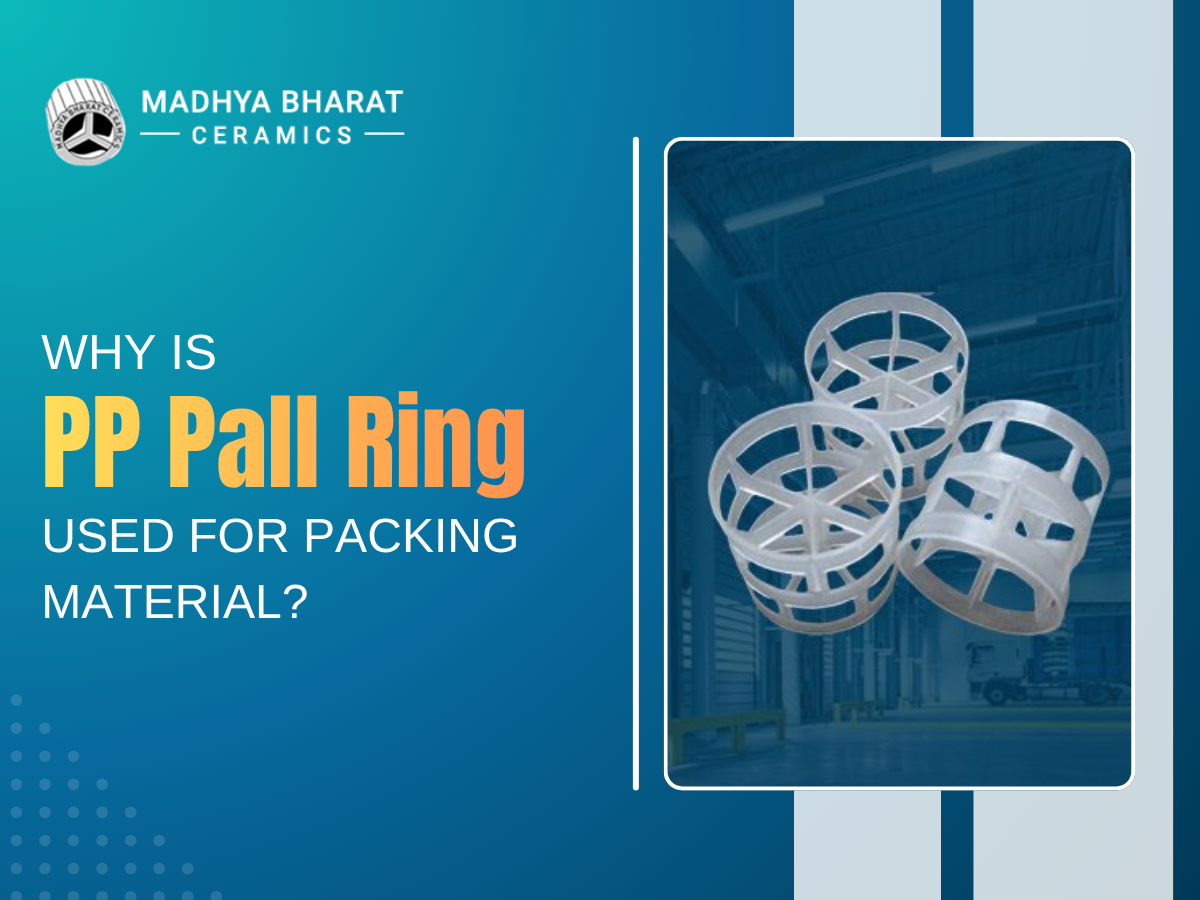
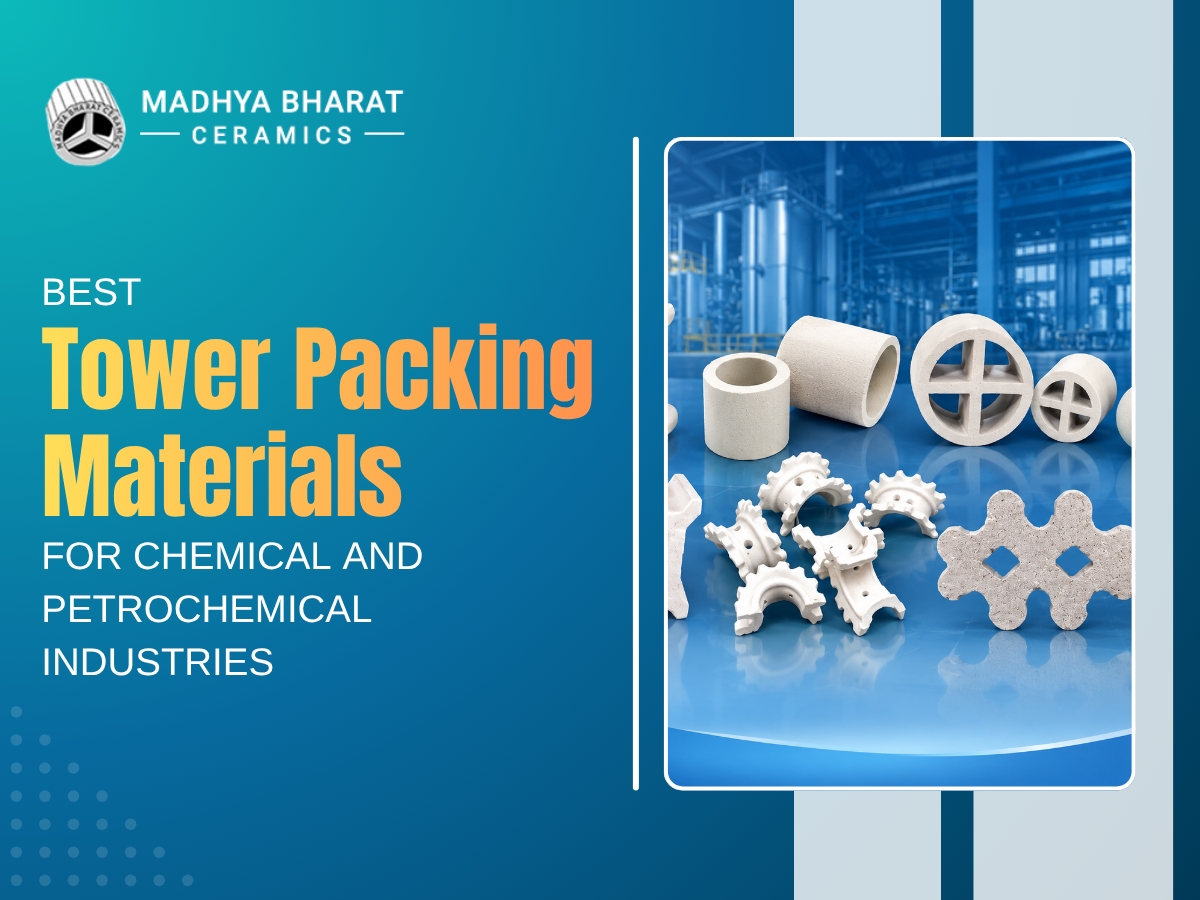
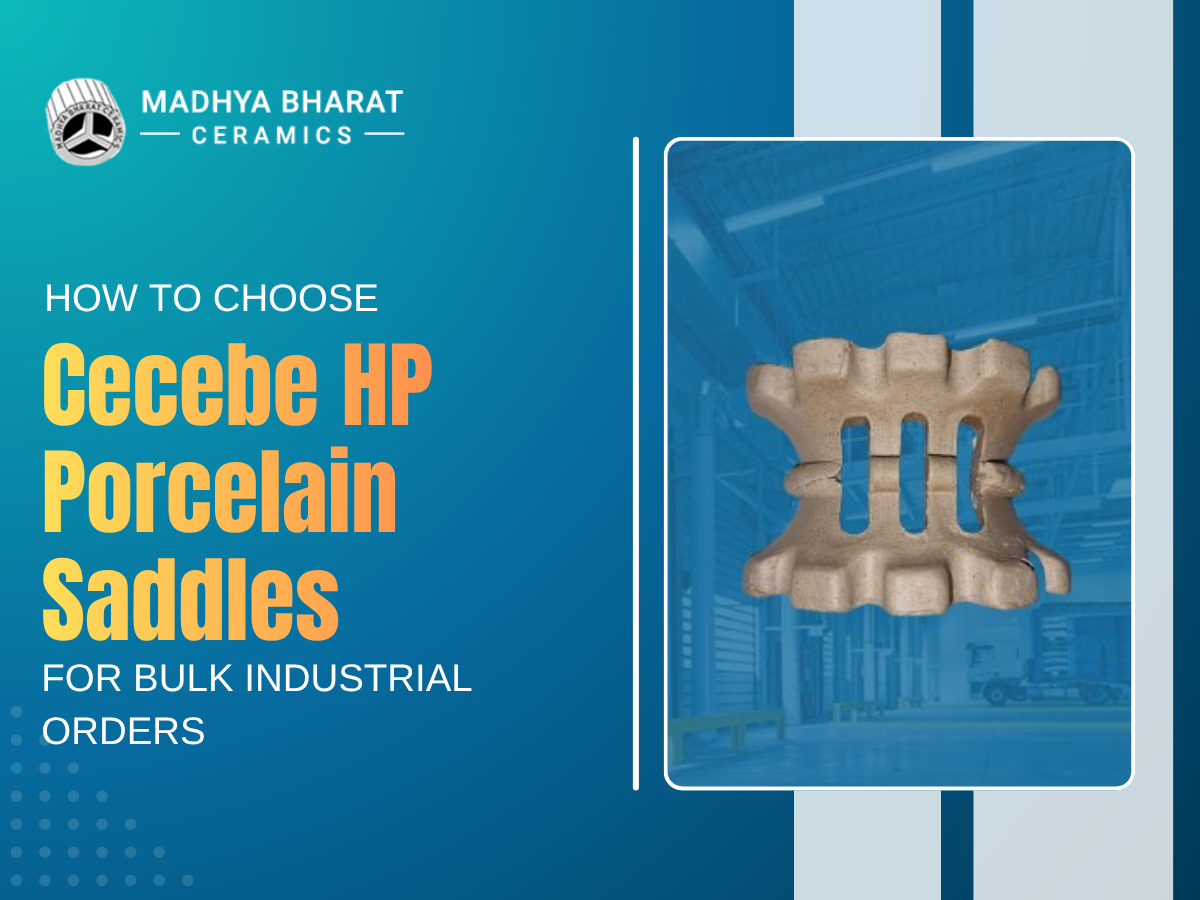
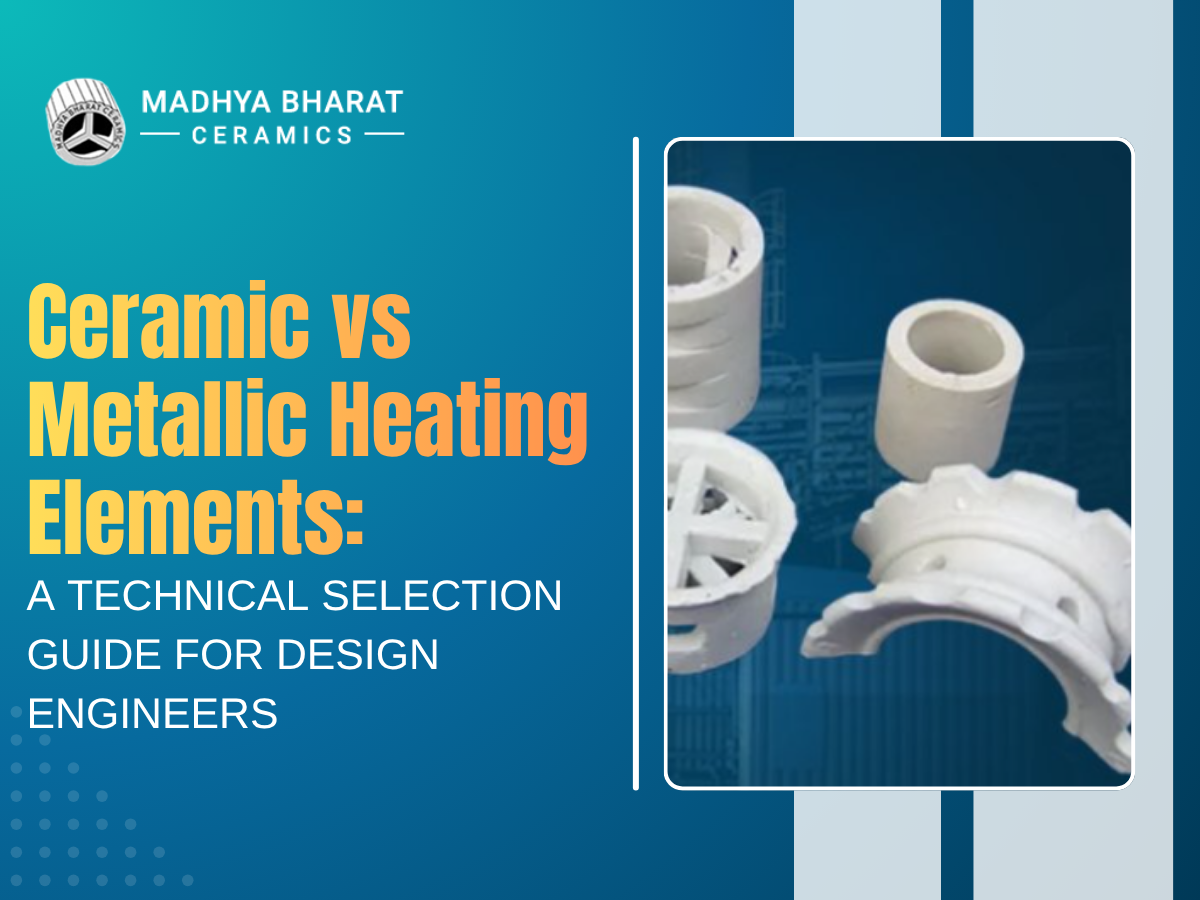
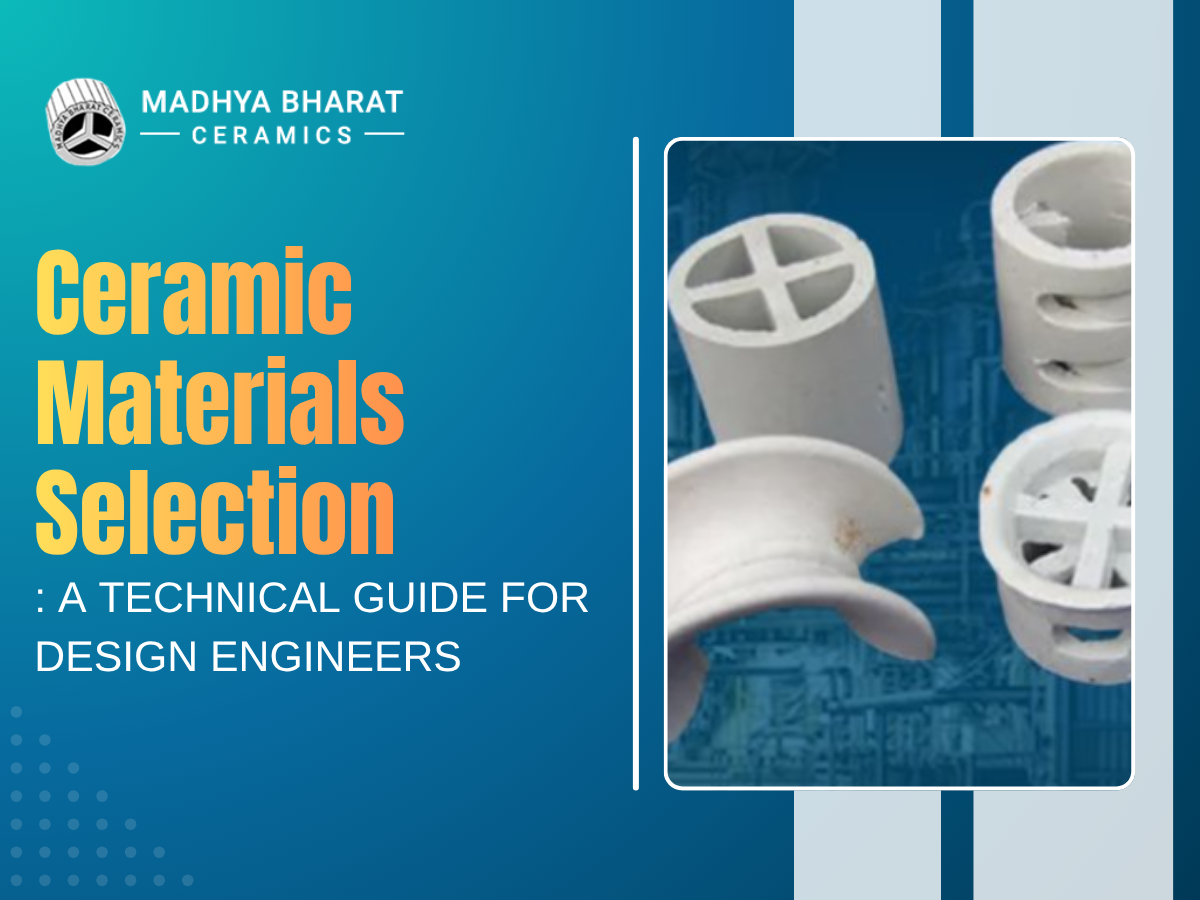
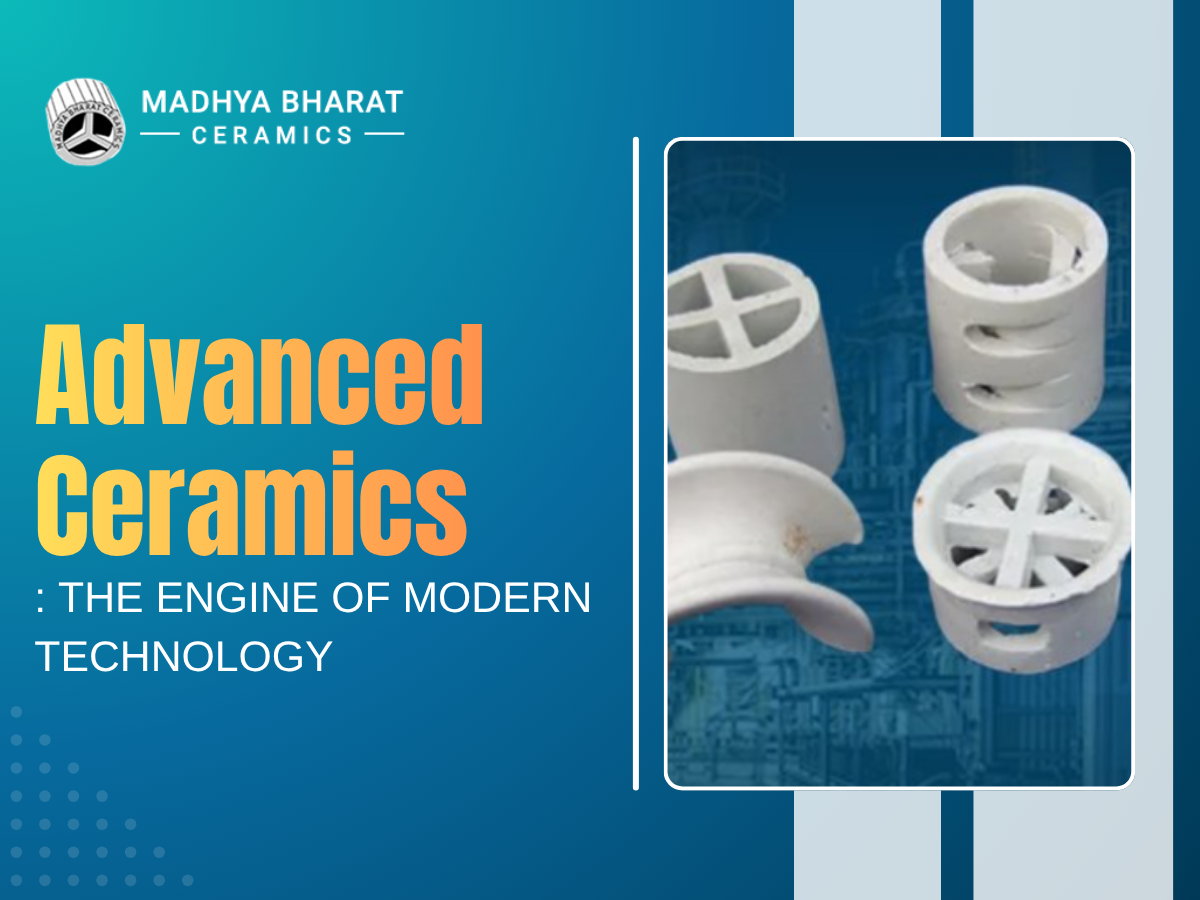
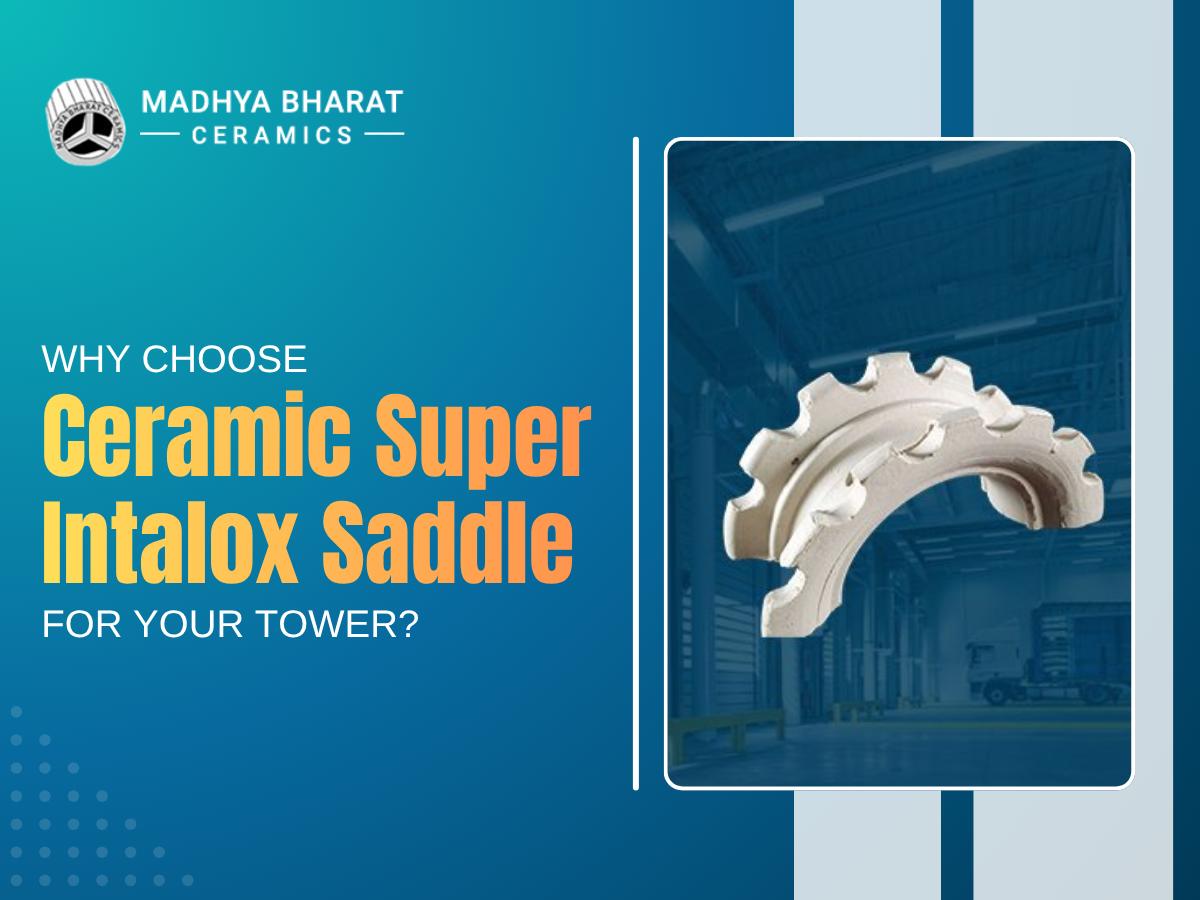
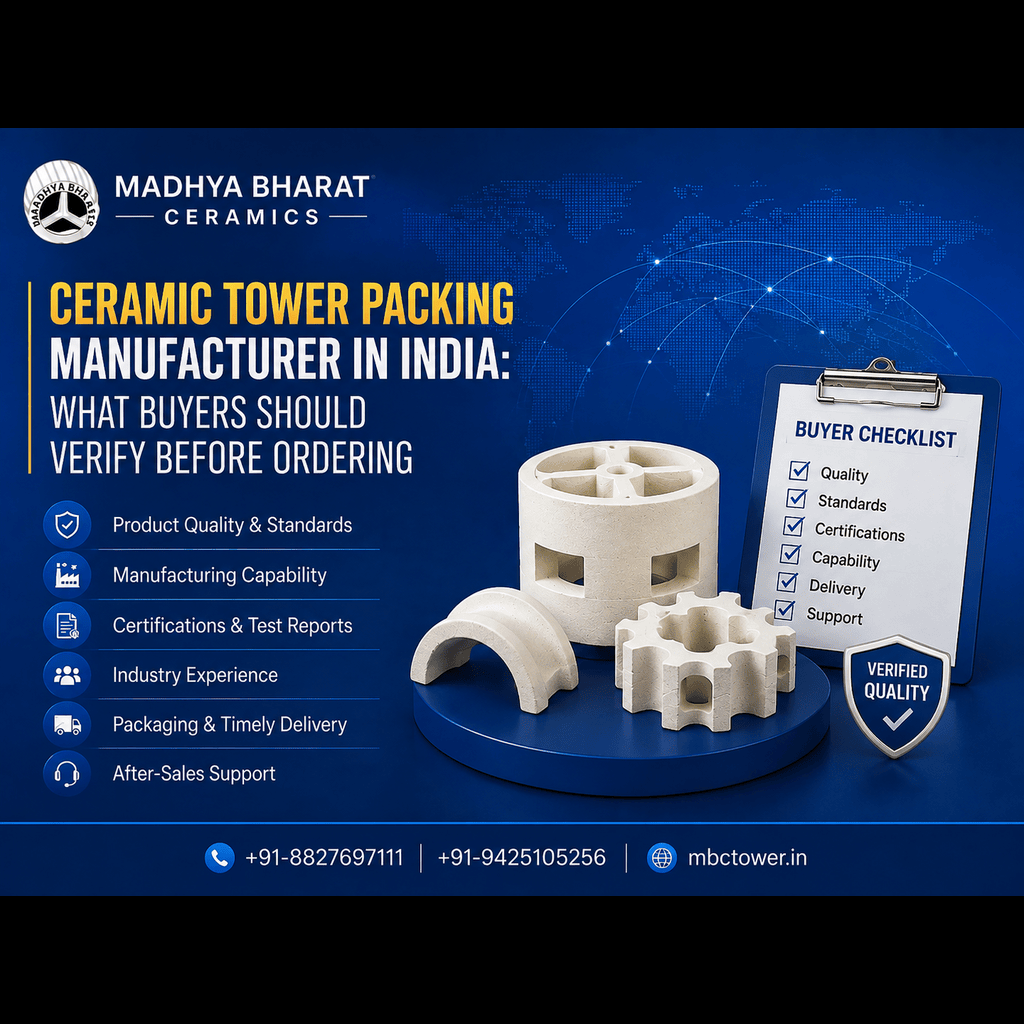
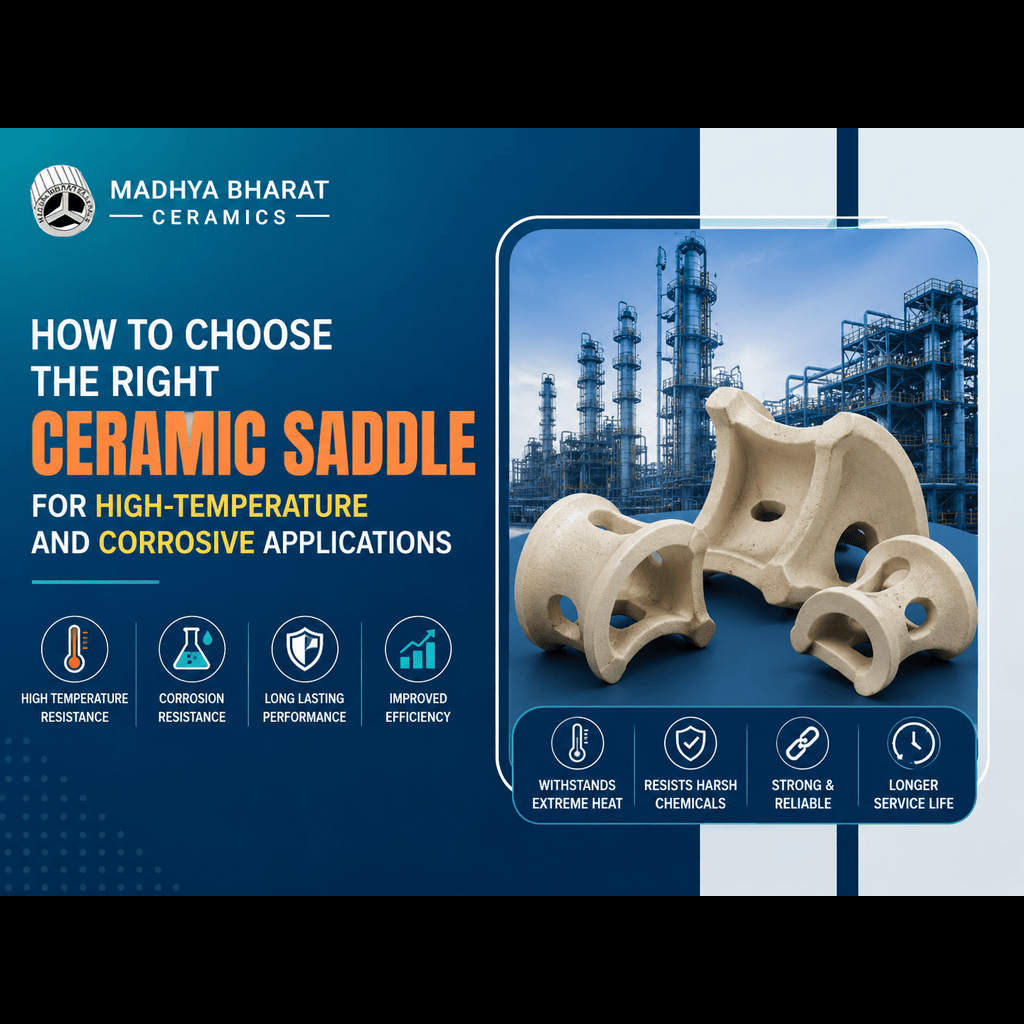
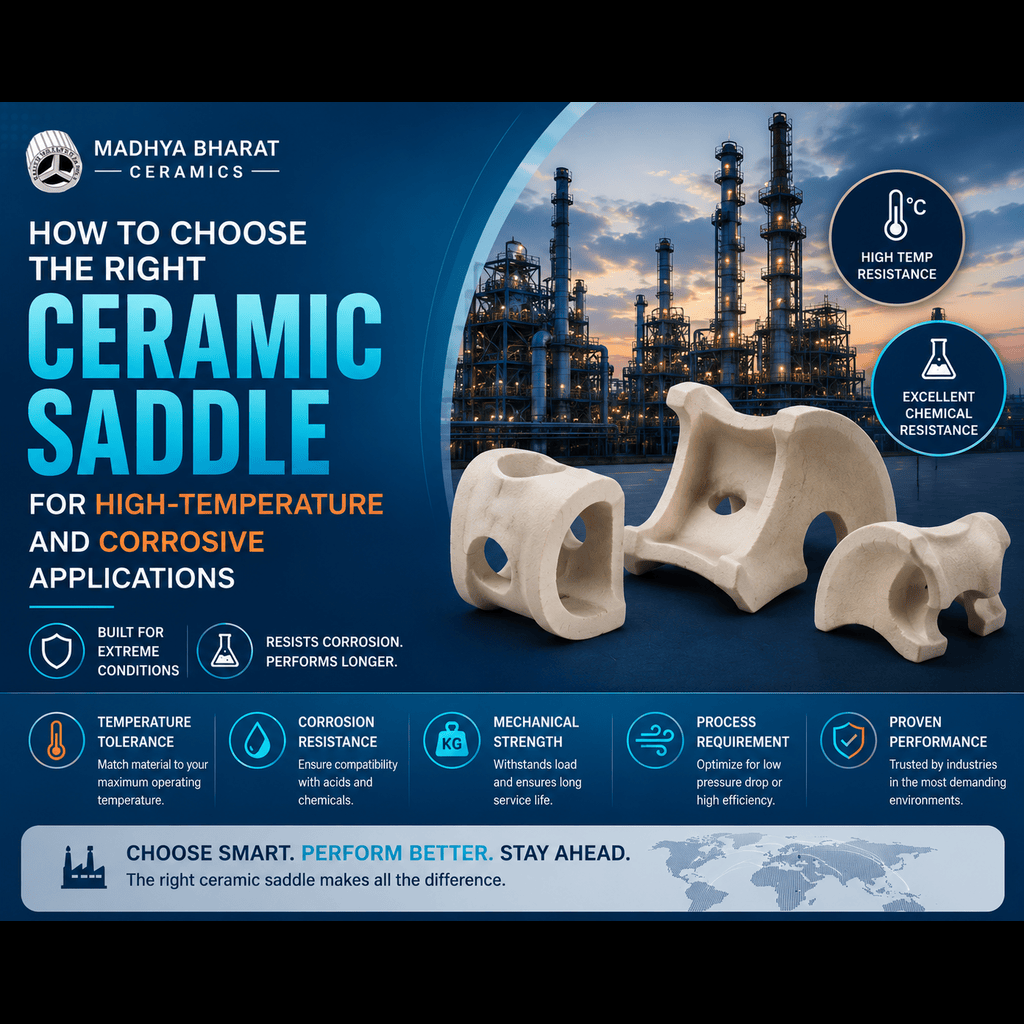
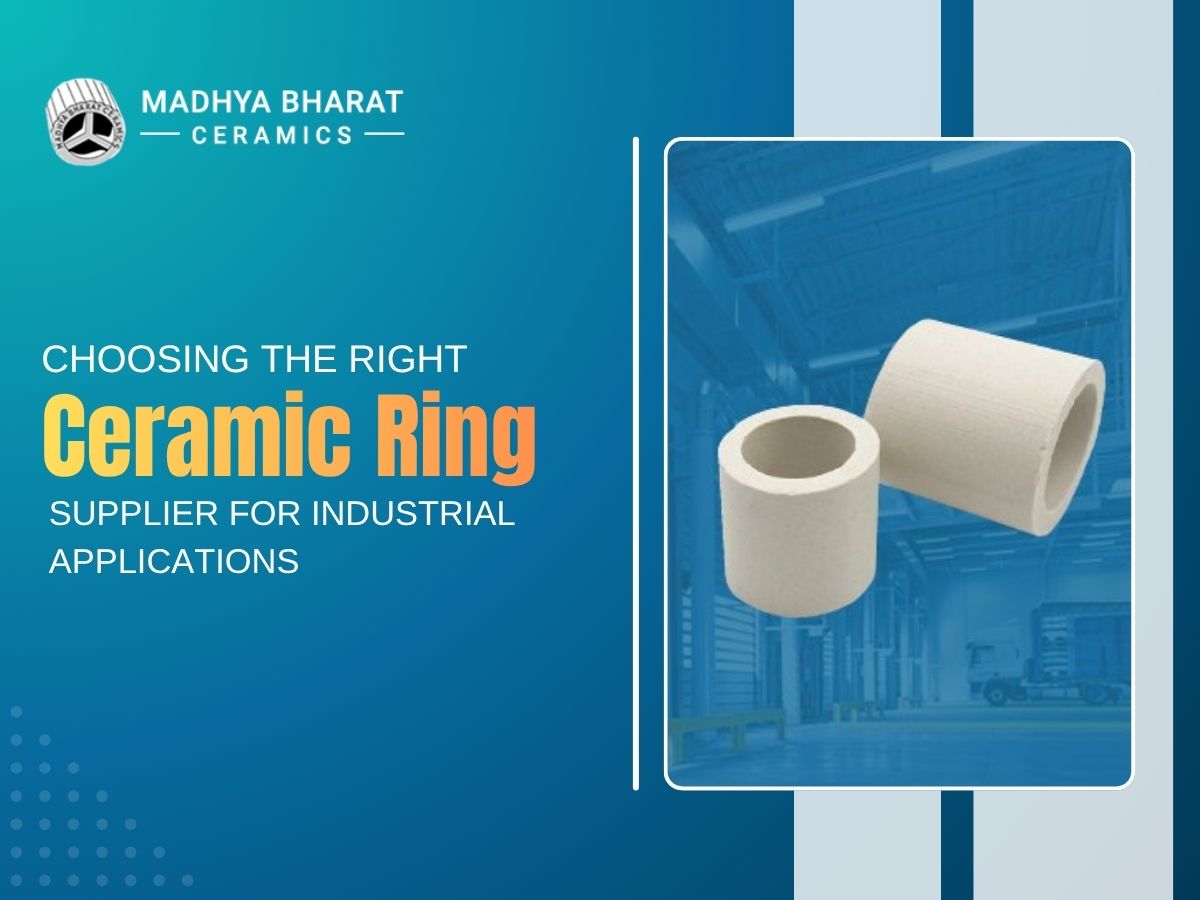
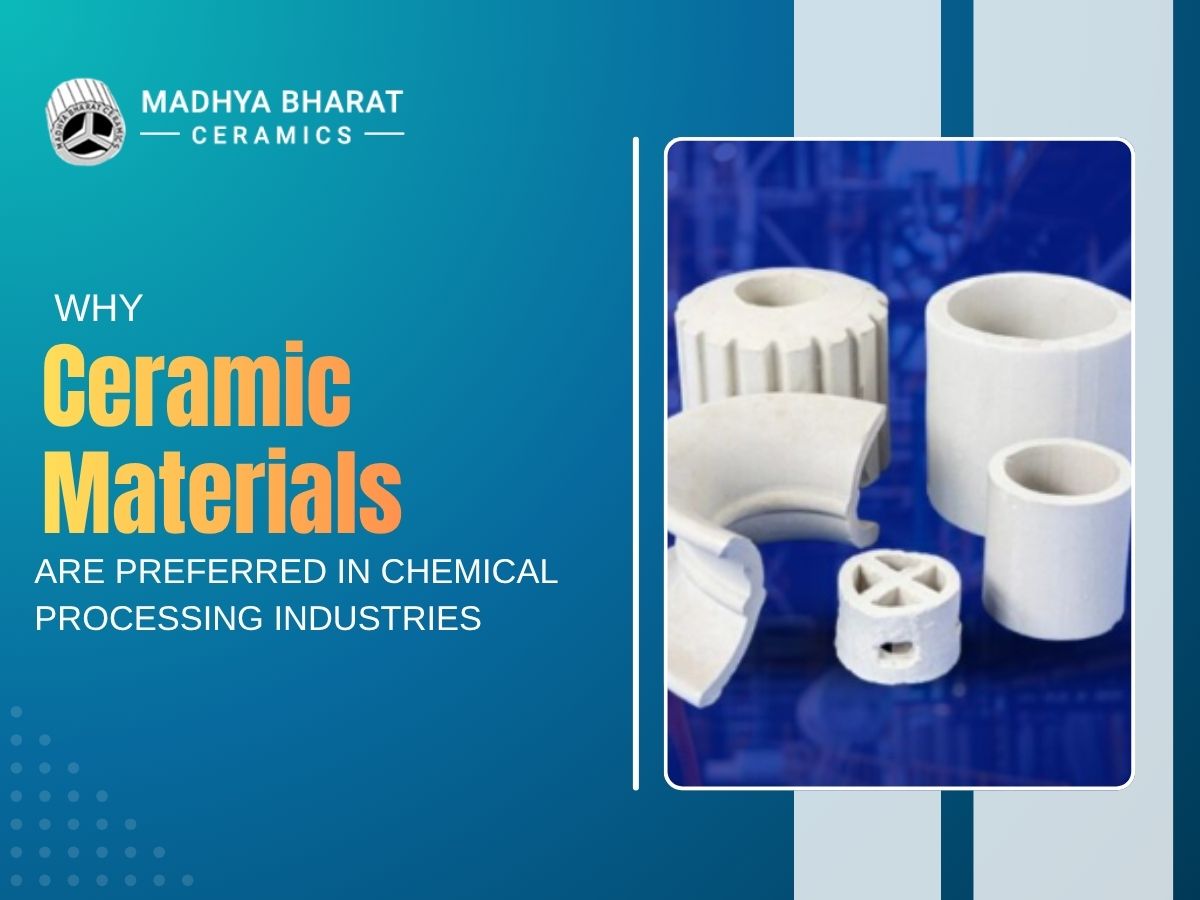
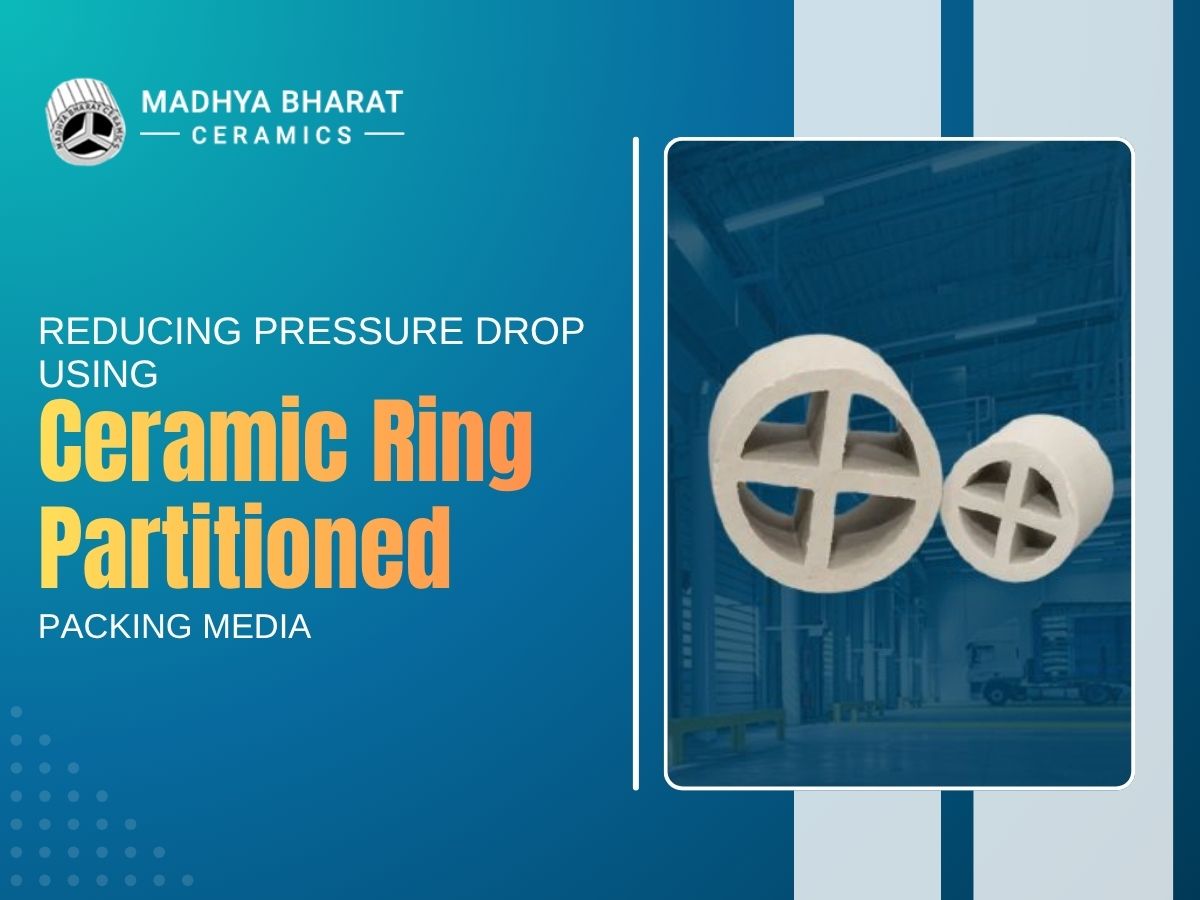
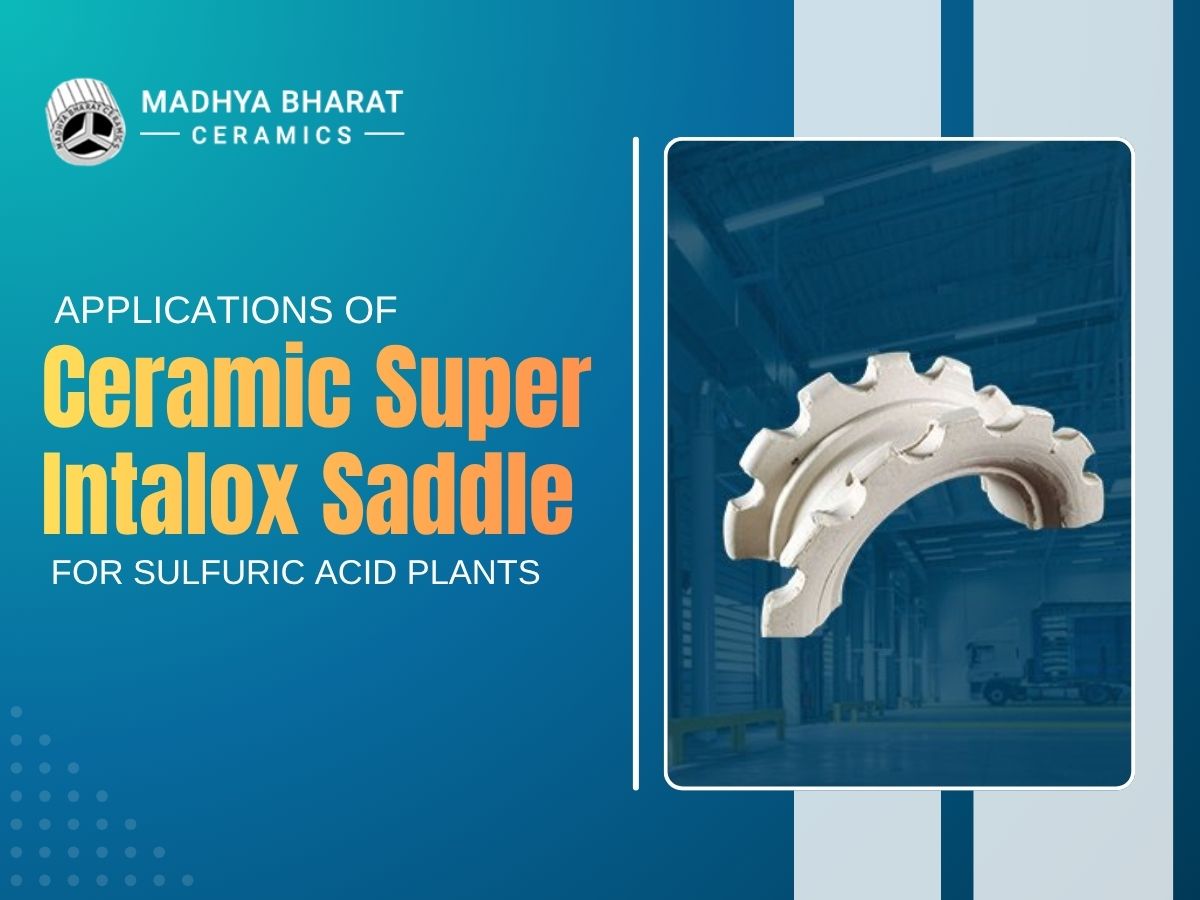
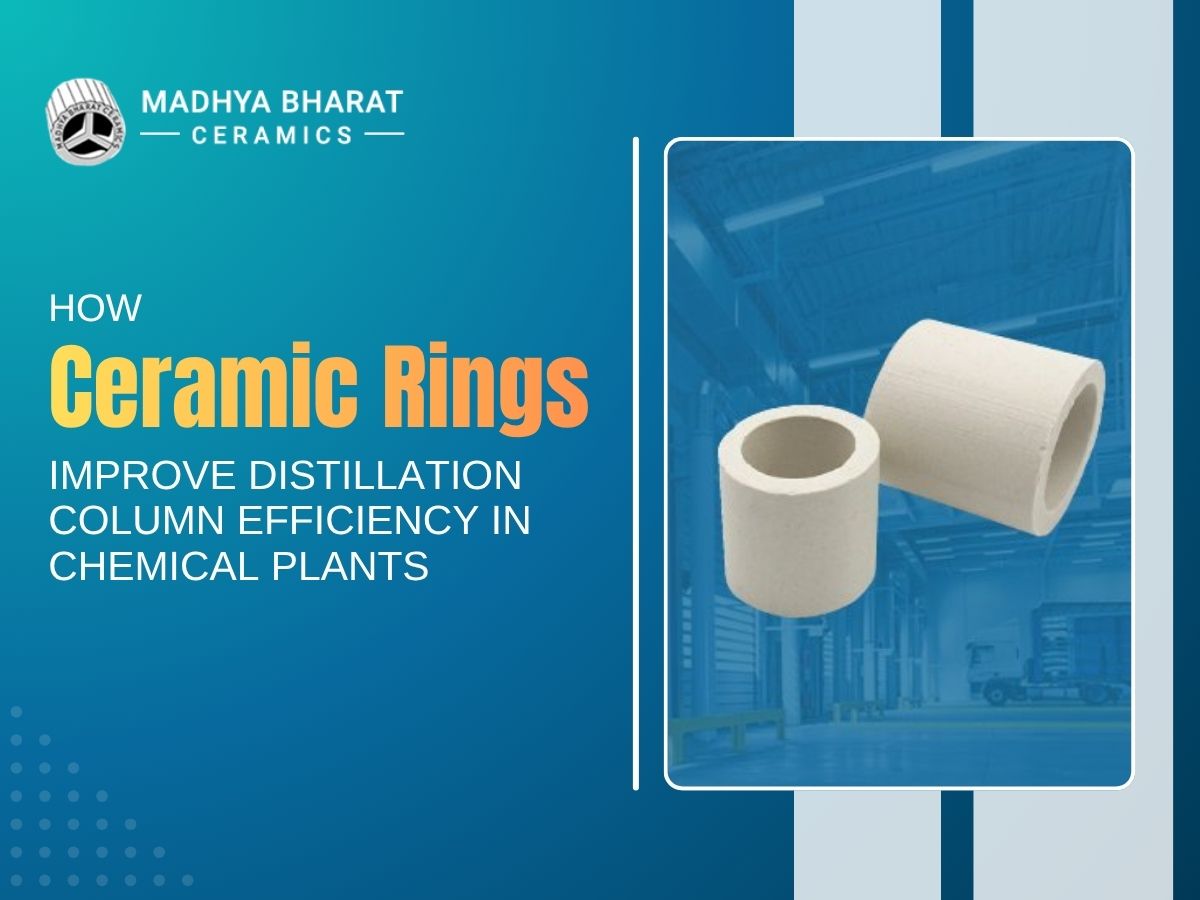
Traditional tower packing, saddles and rings, is loaded randomly into a column. Each piece settles wherever it lands, and gas and liquid weave through the resulting open bed from multiple directions at once. That randomness is intentional. It maximises the number of points where gas and liquid physically contact each other, which is exactly what a distillation or absorption column needs.
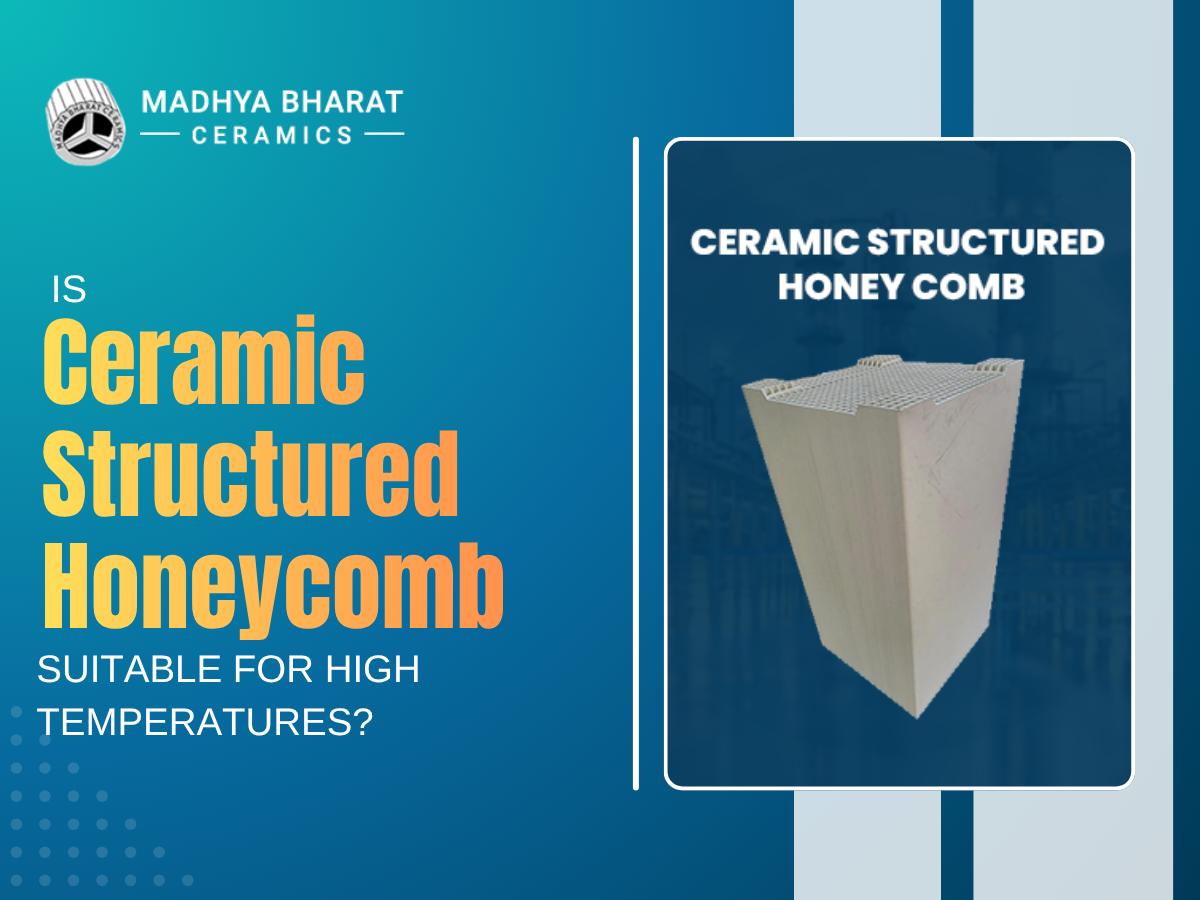
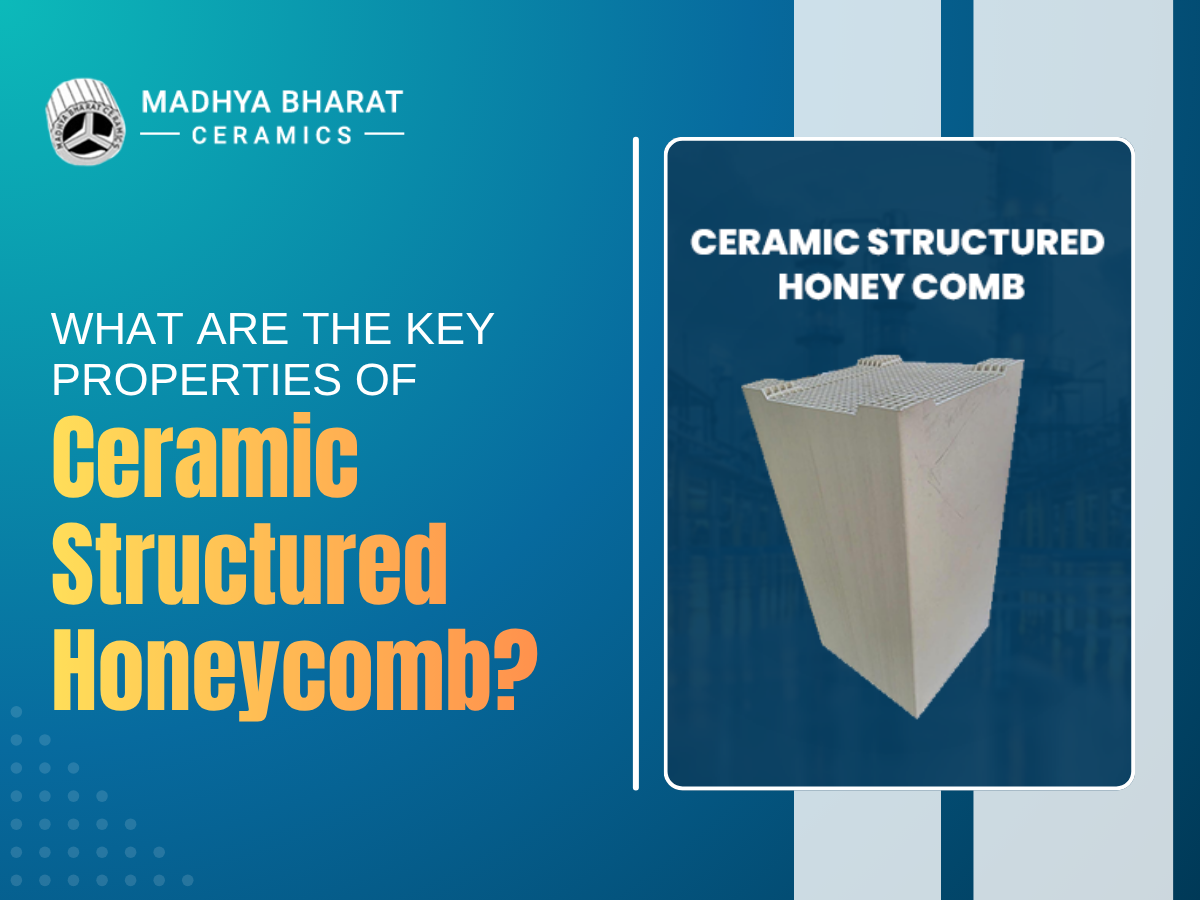
A honeycomb structure works the opposite way. It’s a single, solid ceramic block with straight parallel channels running through it, like a stack of drinking straws fused together. Gas moves in one direction through fixed channels. There’s no random mixing, no gas-liquid contact by design, because most honeycomb applications don’t involve two phases moving through the same bed at all.
Structural Differences at a Glance
| Feature | Ceramic Honeycomb Structure | Traditional Tower Packing |
| Flow pattern | Straight, parallel channels | Random, multi-directional |
| Primary function | Catalyst support, heat exchange, emission control | Gas-liquid mass transfer |
| Typical use | RTO/RCO systems, catalytic converters, regenerative heat exchangers | Distillation, absorption, stripping columns |
| Pressure drop | Very low, uniform channels | Depends on shape and size, generally higher |
| Installation | Pre-formed blocks or modules | Random dumped or structured layers |
| Best for two-phase mixing | No | Yes |
When to Use a Ceramic Honeycomb Structure
Reach for honeycomb when your system is moving gas through a fixed path rather than mixing two phases together. Common situations where it’s the right call:
- Regenerative thermal oxidisers (RTOs) and catalytic oxidisers (RCOs), where the honeycomb stores and releases heat as exhaust gas passes through
- Catalyst support in emission control systems, where the straight channels hold a catalyst coating in place while gas flows past it
- Heat exchangers, where uniform channel geometry gives predictable, low-resistance airflow
- Air and gas filtration, where particulates need to be captured without creating excessive back pressure
If your process involves cleaning up an exhaust stream, recovering heat, or supporting a catalyst, honeycomb is almost always the better fit.
When to Use Traditional Tower Packing
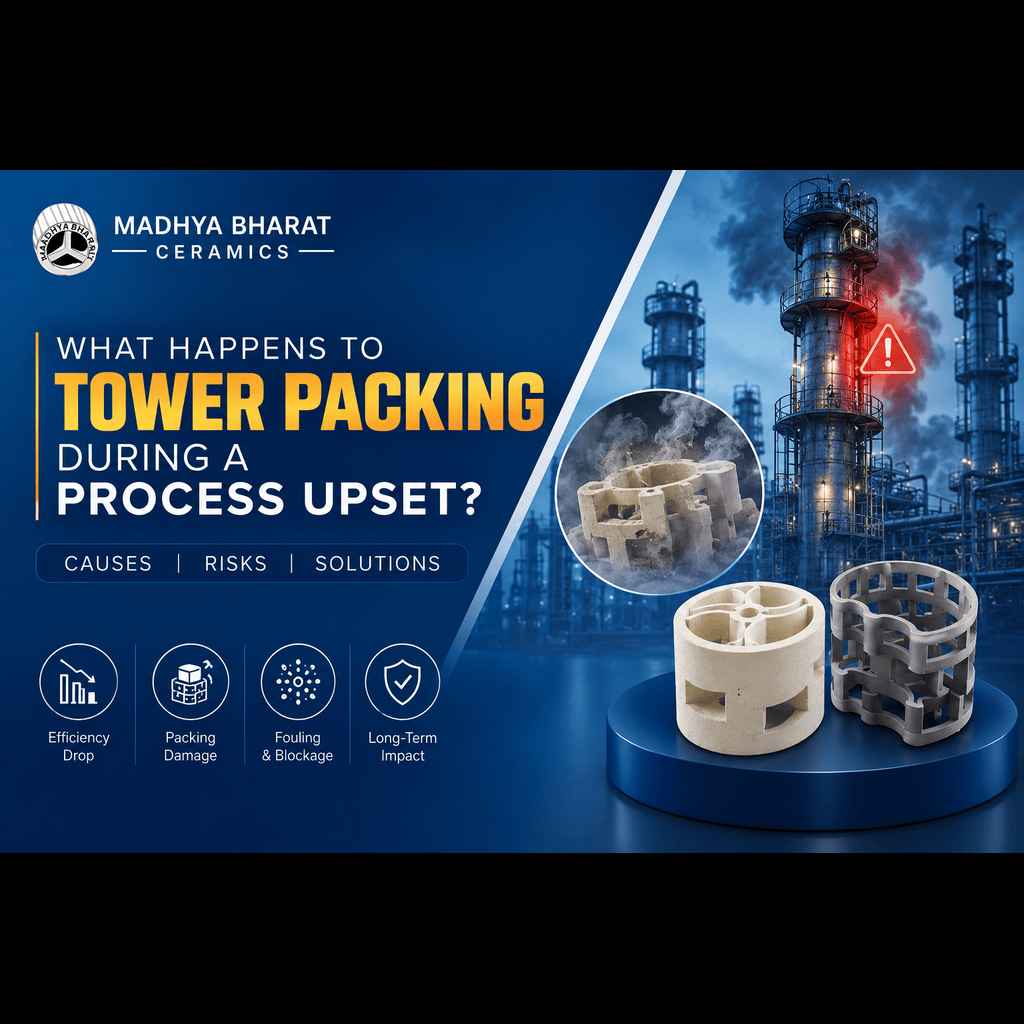
Reach for saddles, rings, or structured packing when your column needs gas and liquid to actually interact. This covers most separation and absorption work:
- Distillation columns, where vapor and liquid need repeated contact to separate components
- Absorption towers, for acid gas scrubbing, ammonia recovery, and similar gas-liquid processes
- Stripping columns, where dissolved gases need to be removed from a liquid stream
- Cooling towers, where water is cooled through direct contact with air
If two different phases need to mix and exchange material, this is the packing category built for that job, not honeycomb.
Why the Confusion Happens
Both products get called “structured” in casual conversation, and both are ceramic, heat resistant, and used in industrial towers, so the overlap in language is understandable. But structured tower packing, corrugated sheets stacked at opposing angles, is itself a separate product from honeycomb, built specifically to mix gas and liquid, unlike honeycomb’s straight-through design. If you want a deeper technical breakdown of how packing geometry drives gas-liquid contact, our piece on how ceramic saddles work in packed columns covers the mechanism in detail.
What to Check Before You Order Either One
A few questions settle the decision quickly:
- Does your process involve two phases (gas and liquid) that need to mix? If yes, you need traditional packing, not honeycomb.
- Is your system moving a single gas stream through a fixed path? If yes, honeycomb is the right shape.
- Do you need a catalyst support with a stable, non-moving structure? Honeycomb holds catalyst coatings far better than a randomly packed bed.
- Is pressure drop your primary constraint over separation efficiency? Honeycomb’s straight channels generally run lower and more predictable pressure drop than random packing.
What to Look for in a Supplier
Whichever one your process needs, the supplier matters as much as the product spec. A reliable manufacturer of honeycomb structures should be able to walk you through cell density, wall thickness, and material grade for your specific application, not just hand you a standard catalog size.
Frequently Asked Questions
1. Can ceramic honeycomb be used inside a distillation column instead of packing?
Generally no. Honeycomb’s straight parallel channels aren’t designed for the random, multi-directional gas-liquid contact that distillation and absorption require. Traditional packing like saddles or rings is built specifically for that job.
2. Is ceramic honeycomb more efficient than tower packing?
They’re not directly comparable since they solve different problems. Honeycomb is more efficient for single-phase airflow and catalyst support. Traditional packing is more efficient for gas-liquid mass transfer. The right answer depends entirely on your application.
3. What industries use ceramic honeycomb structures the most?
Automotive emission control, industrial air pollution control (RTOs and RCOs), power generation heat recovery, and chemical processing catalyst supports are the primary users.
4. Does ceramic honeycomb have a lower pressure drop than random packing?
Yes, generally. The straight, uniform channels in honeycomb create consistent, predictable airflow resistance, while random packing’s pressure drop varies more depending on shape, size, and how the bed settles.
5. Can the same manufacturer supply both honeycomb and tower packing?
Yes, and it’s usually worth sourcing both from one supplier if your plant uses both product types. Working with established structured packing manufacturers in India that also produce honeycomb keeps quality standards and technical support consistent across your equipment.
Talk to Us About Your Application
If you’re not sure whether your system calls for a ceramic honeycomb structure or traditional tower packing, send us the details of what your equipment is actually doing, gas only or gas and liquid, catalyst support or separation, and we’ll point you to the right product. As a ceramic honeycomb manufacturer in Mandsaur, we’ve helped plants make this exact call for decades, and getting it right upfront saves a costly reorder later.
Not sure which one fits your system? Send us your application details and we’ll recommend the right product for your process, or call +91-8827697111 to talk it through directly.