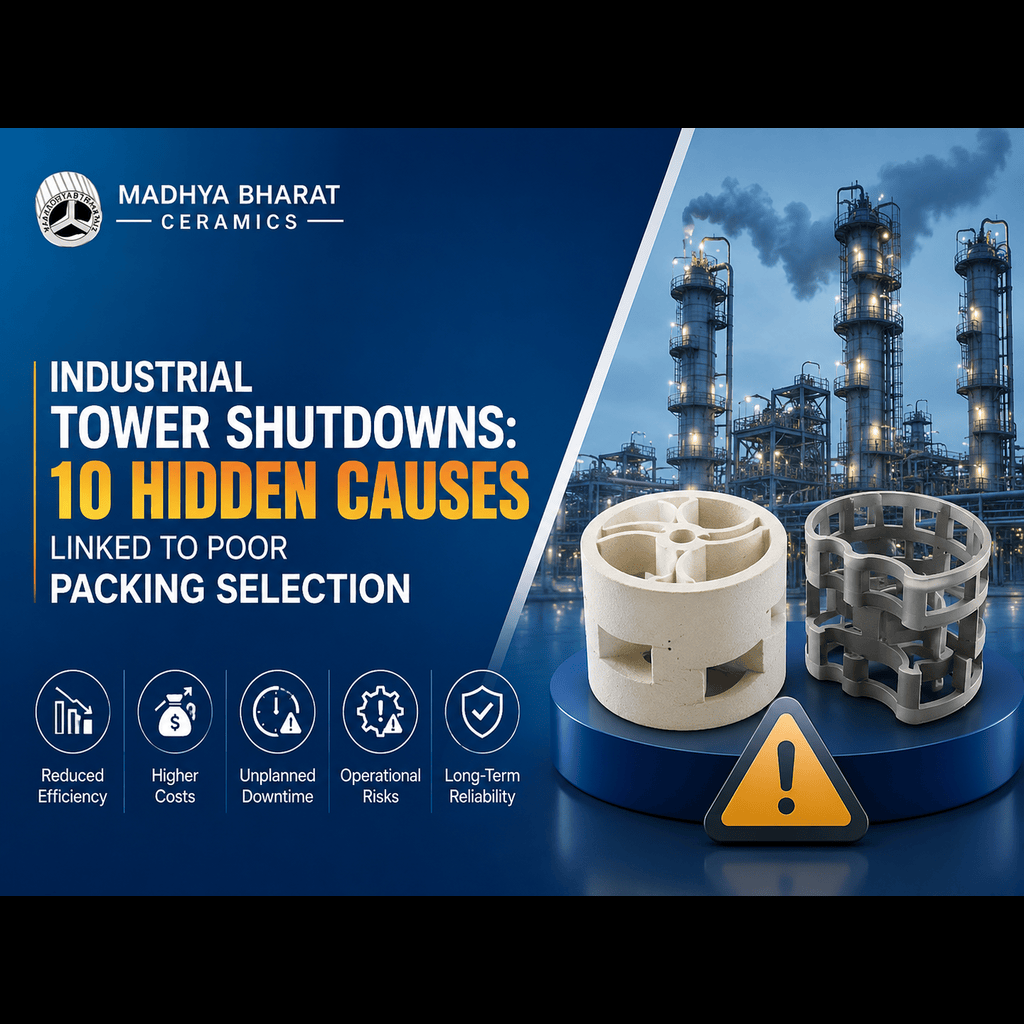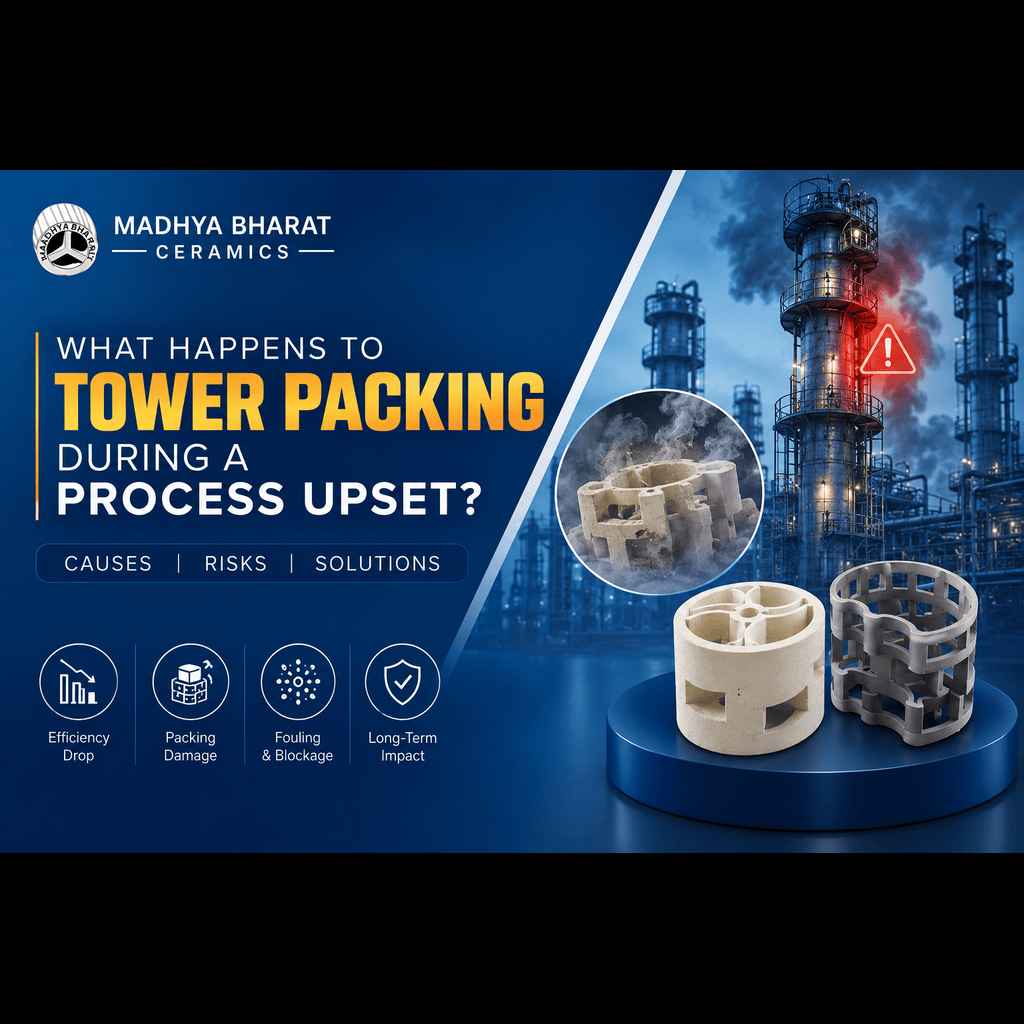
A process upset can crack, flood, or displace your ceramic packing material within minutes, and once that happens, separation efficiency drops and downtime follows fast. The damage usually starts with a sudden change in flow, temperature, or pressure inside the column. Understanding what actually happens during this event is the first step to preventing costly shutdowns, and by the end of this article, you’ll know exactly what to check the next time your column throws a warning sign.
What Is a Process Upset, Exactly?
A process upset is any sudden, unplanned deviation from normal operating conditions inside a distillation, absorption, or scrubbing column. It could be a pump failure, a feed composition change, a control valve sticking, or a power fluctuation. Whatever the trigger, the column stops behaving the way it was designed to, and the packing bed feels it first.
Most plant engineers only think about packing selection when something breaks. But here’s the thing, packing behavior during an upset says a lot about whether your system was built with margin for error or just for ideal-case performance. Keep reading, because the difference between the two could be the gap between a two-hour fix and a two-week shutdown.
What Happens Inside the Column During an Upset
When conditions shift suddenly, three things typically happen inside the packed bed, often at the same time. Here’s what to watch for.
1. Flooding
A sudden spike in vapor or liquid flow rate can overwhelm the packing’s capacity. Liquid stops draining properly and starts backing up instead of flowing down through the bed. This is called flooding, and it’s one of the most common upset symptoms operators report.
2. Channeling
When flow becomes uneven, liquid finds the path of least resistance instead of spreading evenly across the packing surface. This is called channeling, and it quietly kills separation efficiency even if the column looks like it’s running fine on the surface. That’s what makes it dangerous, it hides in plain sight.
3. Thermal or Mechanical Shock
A rapid temperature swing, especially a sudden cold liquid hitting a hot bed, puts real mechanical stress on the packing material. This is where the difference between packing types becomes obvious fast, and it’s exactly what the next section breaks down.
Not sure which of these three is happening in your column right now? Talk to the MBC Tower team, we can help you read the symptoms before they turn into a shutdown.
Why Packing Material Choice Matters More Than People Think
Here’s the part most people miss: not all packing responds to an upset the same way, and this is where a lot of plants learn an expensive lesson.
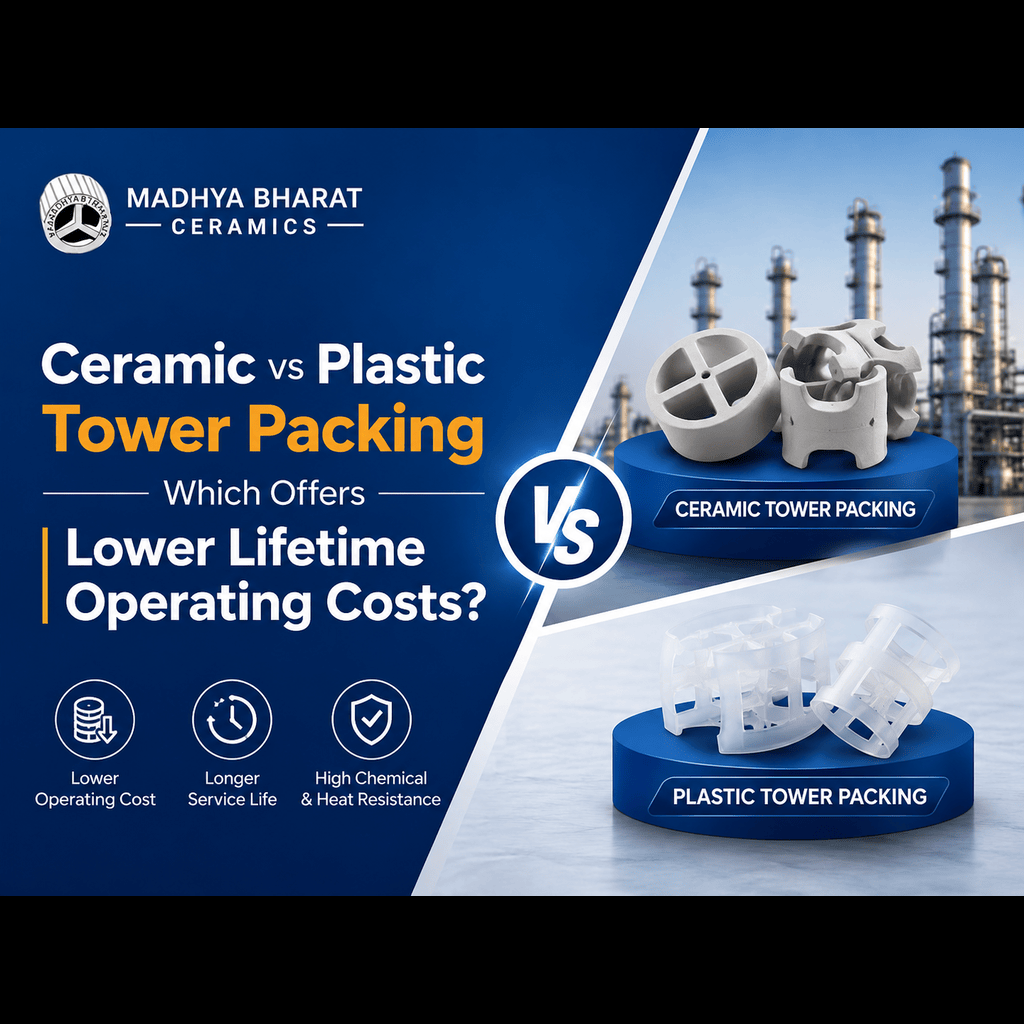
Metal and plastic packing can deform under sudden thermal stress, and once deformed, they don’t go back to their original shape. That permanently changes flow patterns inside the column, even after the upset is over.
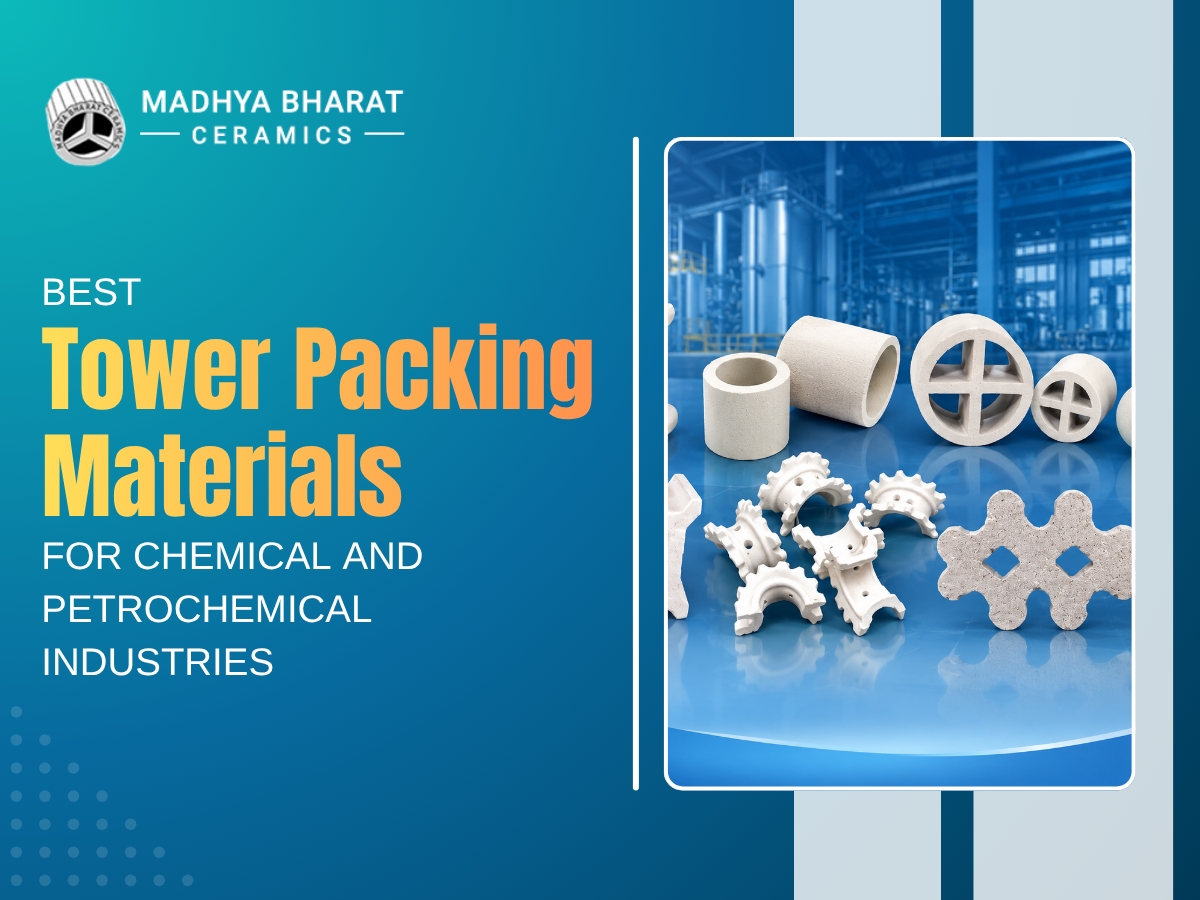
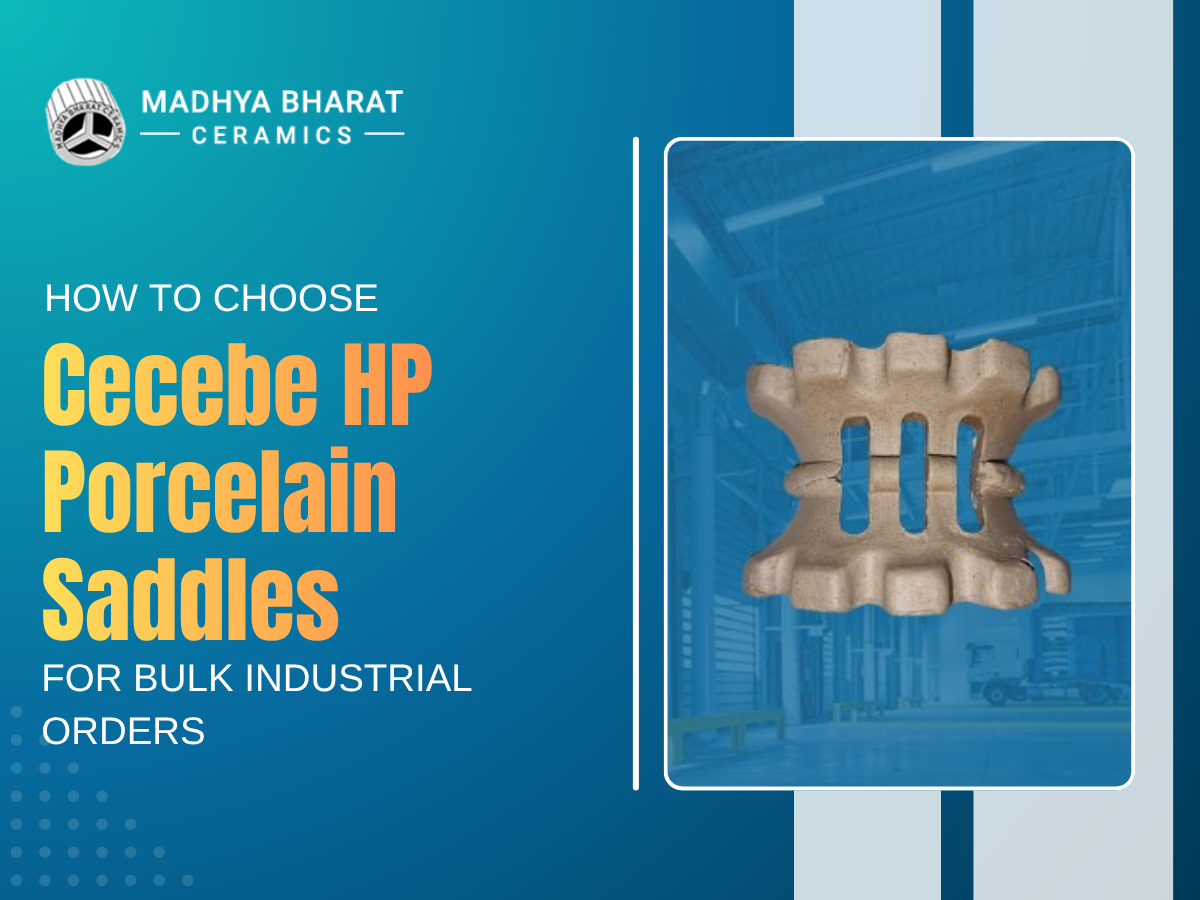
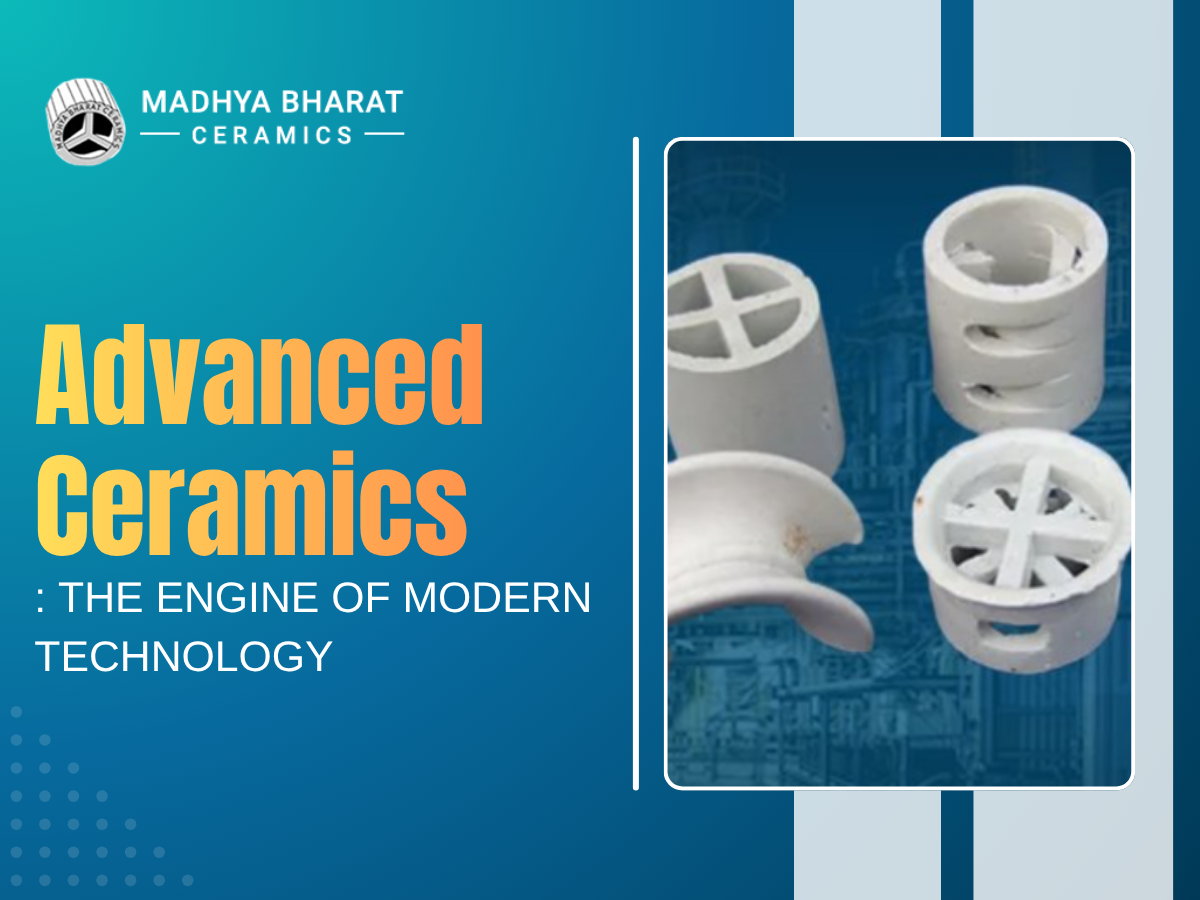
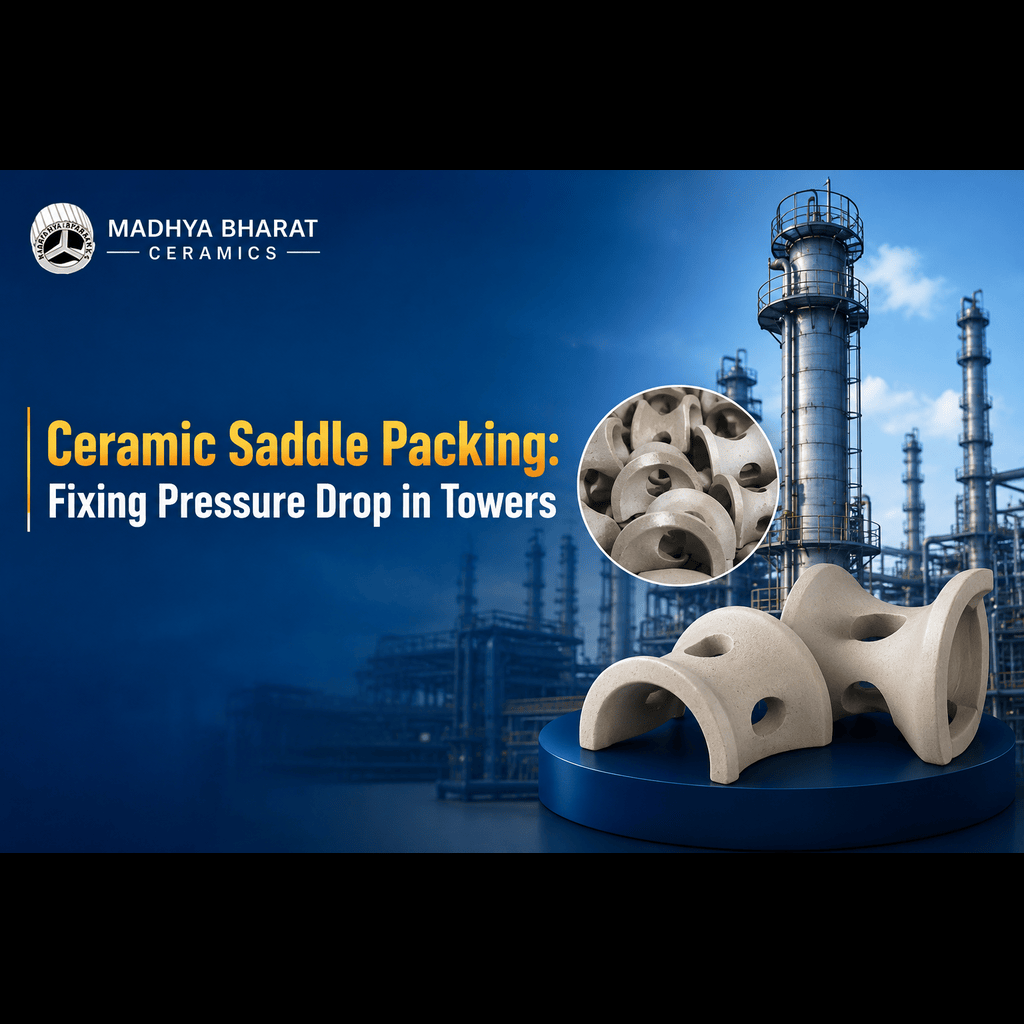
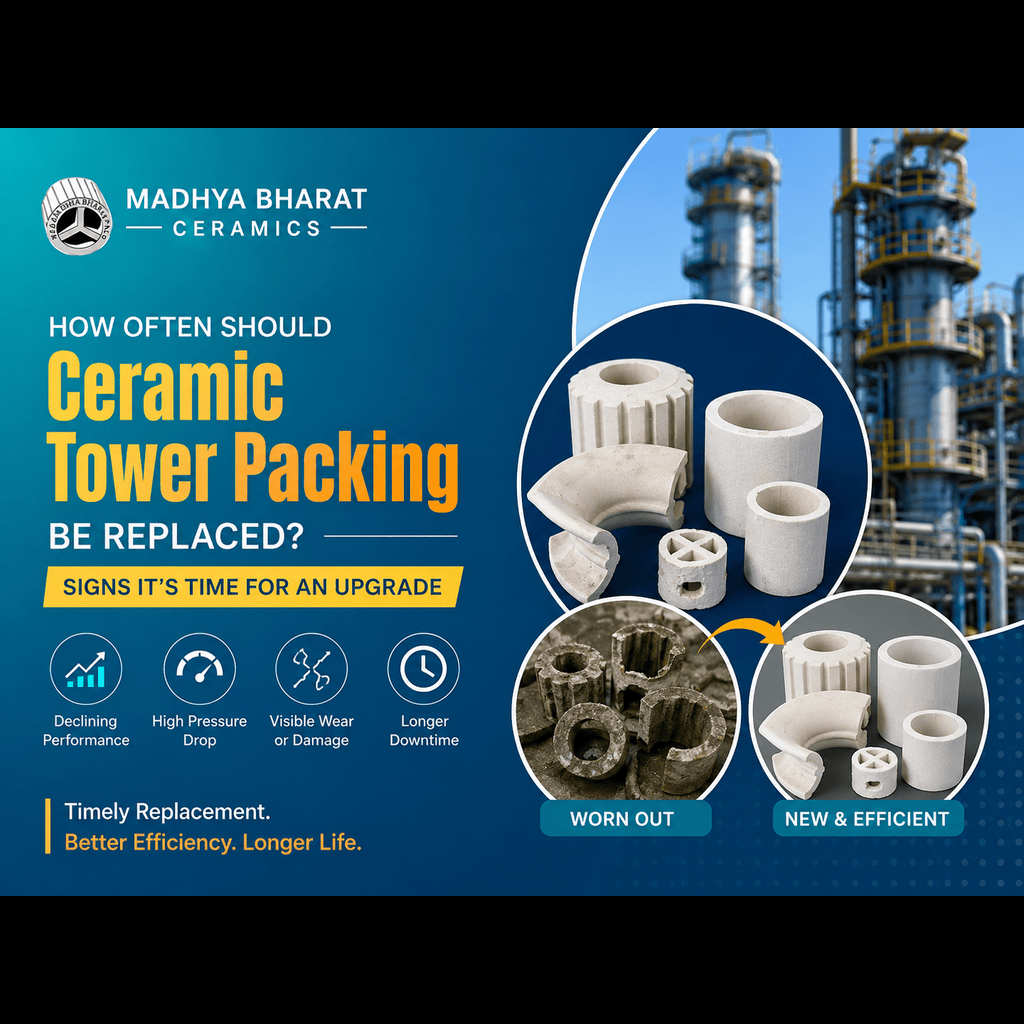
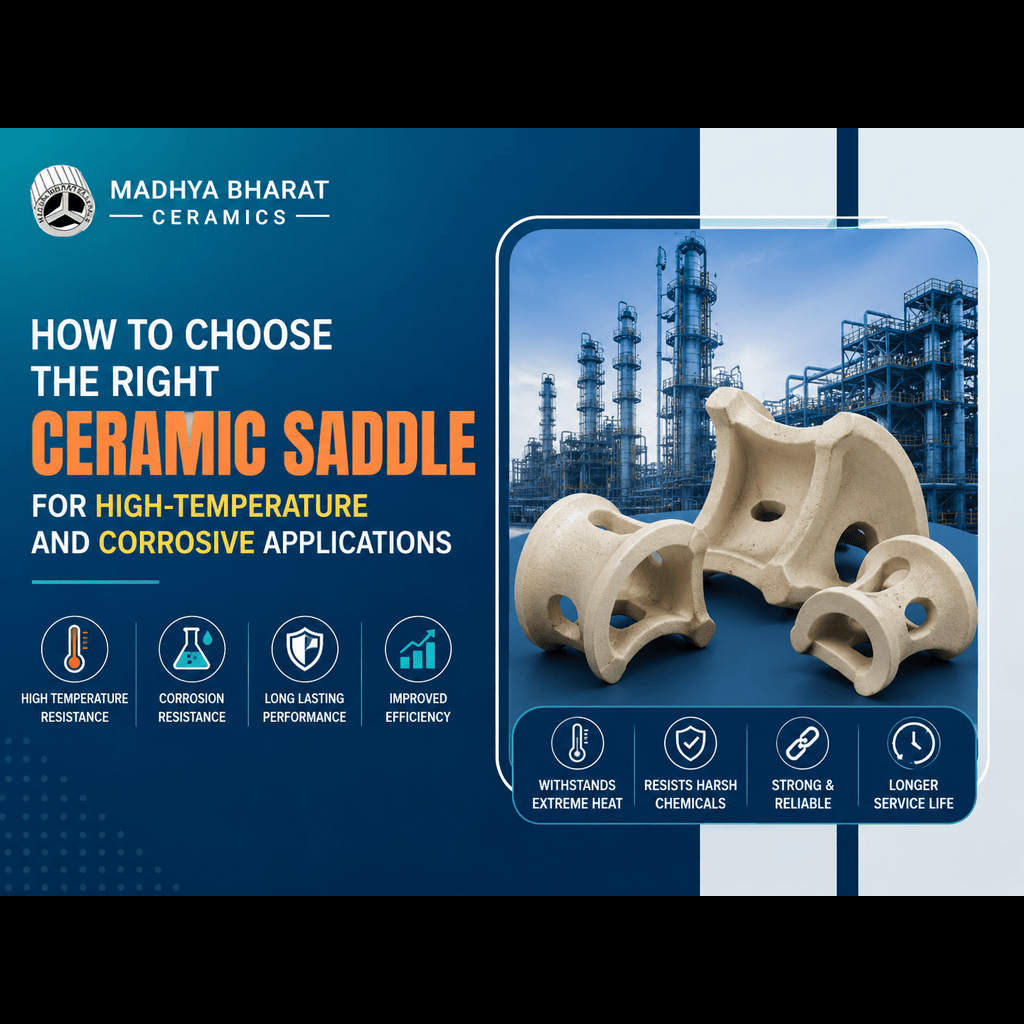
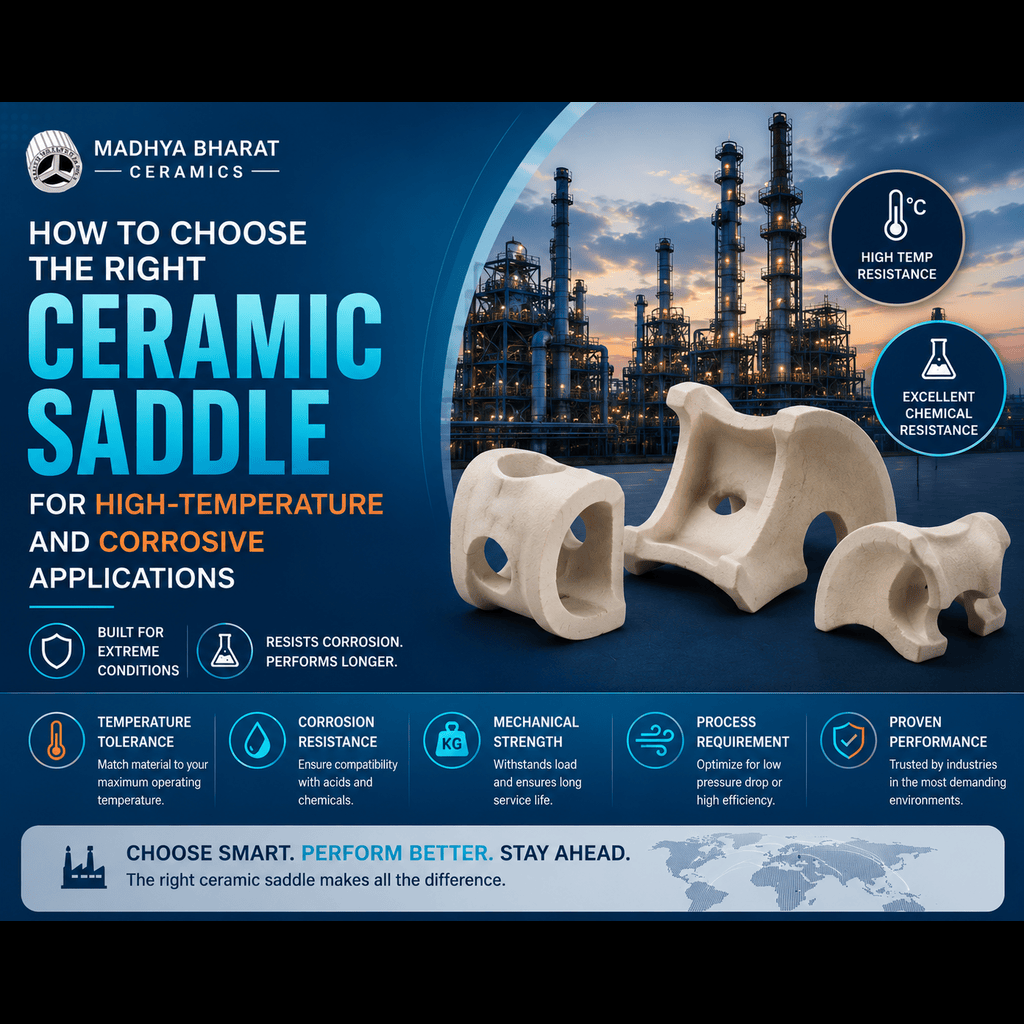
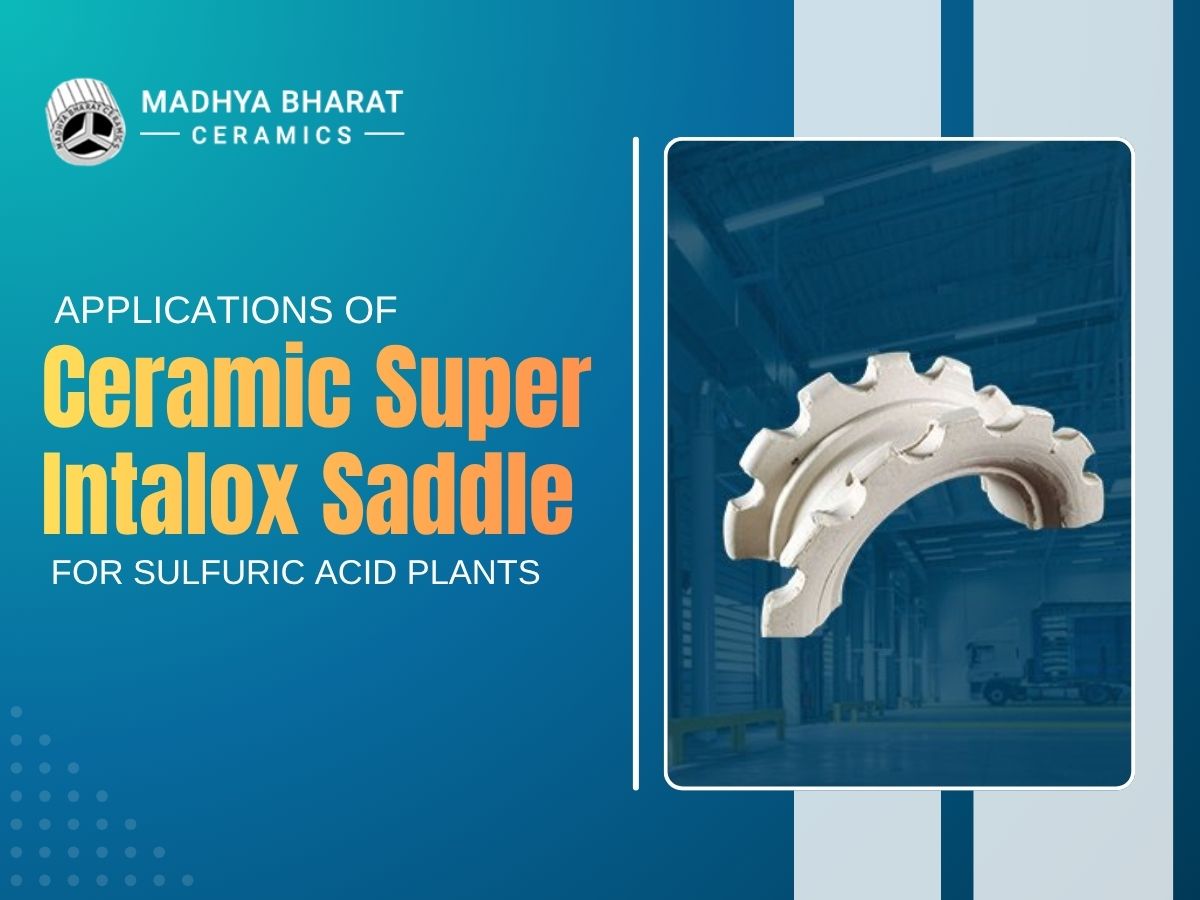
Ceramic saddle packing, on the other hand, holds up differently under these same conditions because of its material properties. Ceramic is naturally resistant to thermal shock within its rated range, and it doesn’t warp or deform the way plastic can. That said, ceramic isn’t invincible either, if the upset is severe enough or the packing quality is inconsistent, cracking and chipping can still occur, particularly at the top layers of the bed where the initial impact happens.
This is exactly why sourcing packing from an established tower packing manufacturer matters. Inconsistent firing, poor raw material grading, or uneven wall thickness during manufacturing all directly affect how packing survives an upset event, not just how it performs under normal conditions. Still with us? Good, because the risks section below is the part most guides skip entirely.
Common Risks If an Upset Isn’t Managed Properly
If a process upset isn’t caught and corrected quickly, plants typically face a few recurring problems:
- Reduced separation efficiency that doesn’t fully recover even after conditions normalize
- Increased pressure drop across the column, forcing higher energy consumption
- Physical damage to packing that requires partial or full bed replacement
- Unplanned shutdown for inspection and cleanout
- Higher long-term maintenance costs from repeated stress cycles
None of these are minor. A single unmanaged upset event can cost more in downtime and repacking than the packing itself did to install in the first place. So the real question isn’t whether an upset will happen, it’s whether your plant is ready when it does.
How to Reduce Damage During a Process Upset
You can’t eliminate every upset, equipment fails and process conditions shift no matter how well a plant is run. But you can reduce how much damage it causes, and this next part is worth bookmarking.
Install proper instrumentation: Flow, pressure, and temperature sensors that trigger early alarms give operators time to react before conditions become severe enough to damage the bed.
Choose packing rated for your actual operating range: not just your average conditions. If your process occasionally spikes in temperature or flow, your packing selection should already account for that, not just the steady-state numbers on paper.
Work with a manufacturer who understands your process, not just your order form: A generic packing supplier sells you a shape and a size. A manufacturer who actually engineers for your application will ask about your upset history before recommending a solution.
Inspect after every significant upset event: even if the column seems to be running normally again. Cracked or shifted packing isn’t always visible from the outside, and catching it early avoids a bigger failure down the line.
Maintain proper liquid distribution: A well-designed liquid distributor reduces the odds of channeling developing in the first place, which lowers stress on the bed even before an upset occurs.
Want a second opinion on your current setup before your next scheduled shutdown? MBC Tower’s team can walk through your operating range with you, no obligation, just a straight answer.
Where MBC Tower Fits Into This
At MBC Tower, packing isn’t built to survive ideal lab conditions, it’s built with the understanding that real plants deal with real upsets. As a ceramic tower packing manufacturer in Mandsaur, quality control at the raw material and firing stage is what actually determines how a batch of packing performs when conditions go outside the normal range, not just how it performs on a spec sheet.
If you’re evaluating packing types and want to understand how different shapes behave under process stress, our earlier guide on how ceramic saddles work in packed columns covers the fundamentals of flow and contact behavior worth reviewing alongside this one.
Frequently Asked Questions
1. Can ceramic packing survive a sudden temperature change?
Ceramic packing generally handles thermal shock better than plastic packing, but only within its rated temperature range. A sudden, extreme swing beyond that range can still cause cracking, especially in the top layers of the bed closest to the incoming flow.
2. How do I know if my packing was damaged during an upset?
Common signs include a sudden rise in pressure drop, a drop in separation efficiency that doesn’t recover, or visible debris during the next planned inspection. If any of these appear after an upset event, a physical bed inspection is worth scheduling sooner rather than later.
3. Is flooding always caused by an upset process?
Not always. Flooding can also result from undersized packing, poor liquid distribution, or gradual fouling over time. A process upset is one common trigger, but it’s worth ruling out these other causes if flooding happens repeatedly.
4. Does packing shape affect how well it handles an upset?
Yes. Shapes with more open structure and better mechanical strength generally distribute stress more evenly during sudden flow changes, which is one reason saddle-shaped packing is a common choice in columns prone to variable operating conditions.
5. How often should packing be inspected if my plant has frequent upsets?
If upsets are a recurring issue in your process, inspecting the bed after every significant event, rather than only during scheduled shutdowns, is the safer approach to catch early damage before it worsens.
Final Thoughts
A process upset is rarely fully avoidable, but the damage it causes to your packing bed largely comes down to two things: how quickly the upset is caught, and how well the packing was built to handle stress in the first place. Getting both right is what separates a plant that recovers quickly from one that faces repeated, expensive downtime.
If you’re reviewing your current packing setup or planning a new column, talk to the MBC Tower team about packing engineered for your actual operating conditions, not just ideal ones. Reach out today to discuss the right ceramic packing solution for your process.