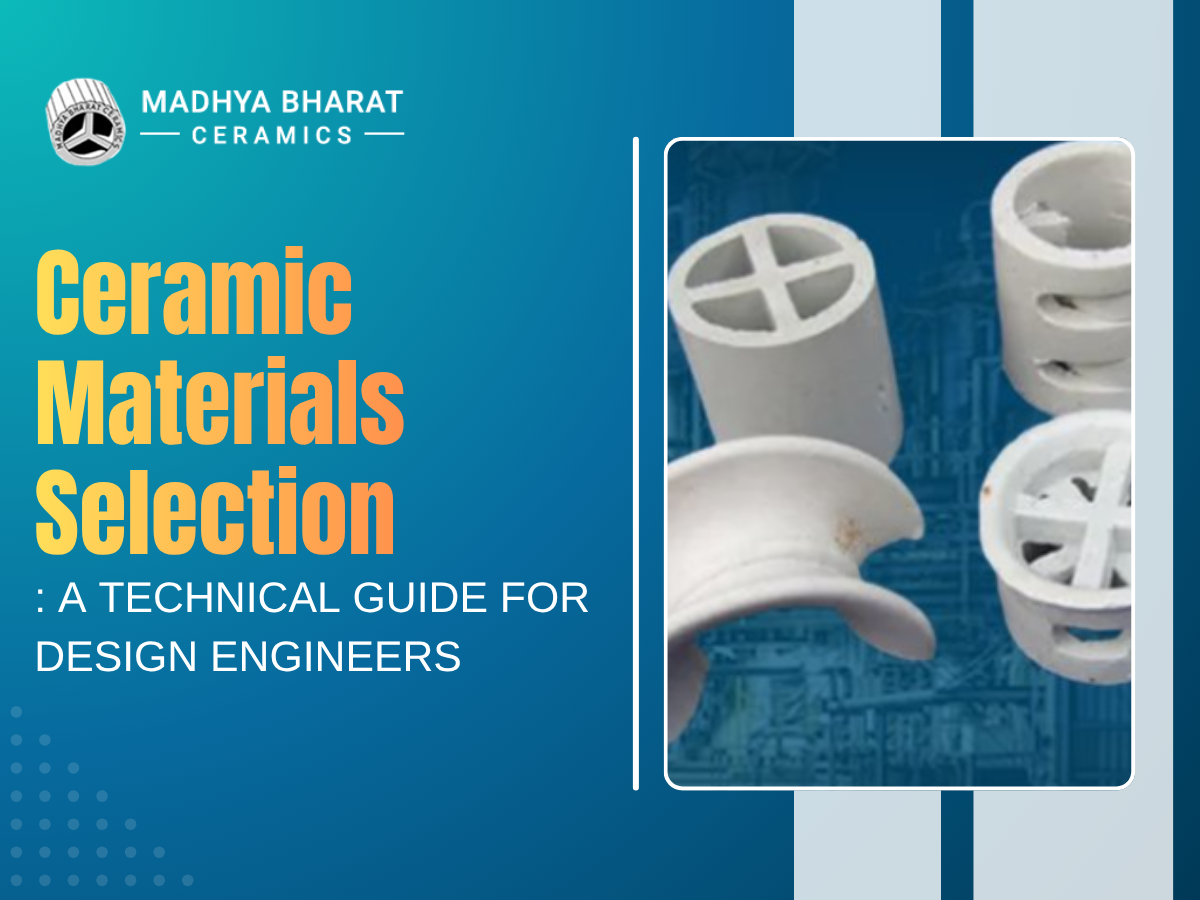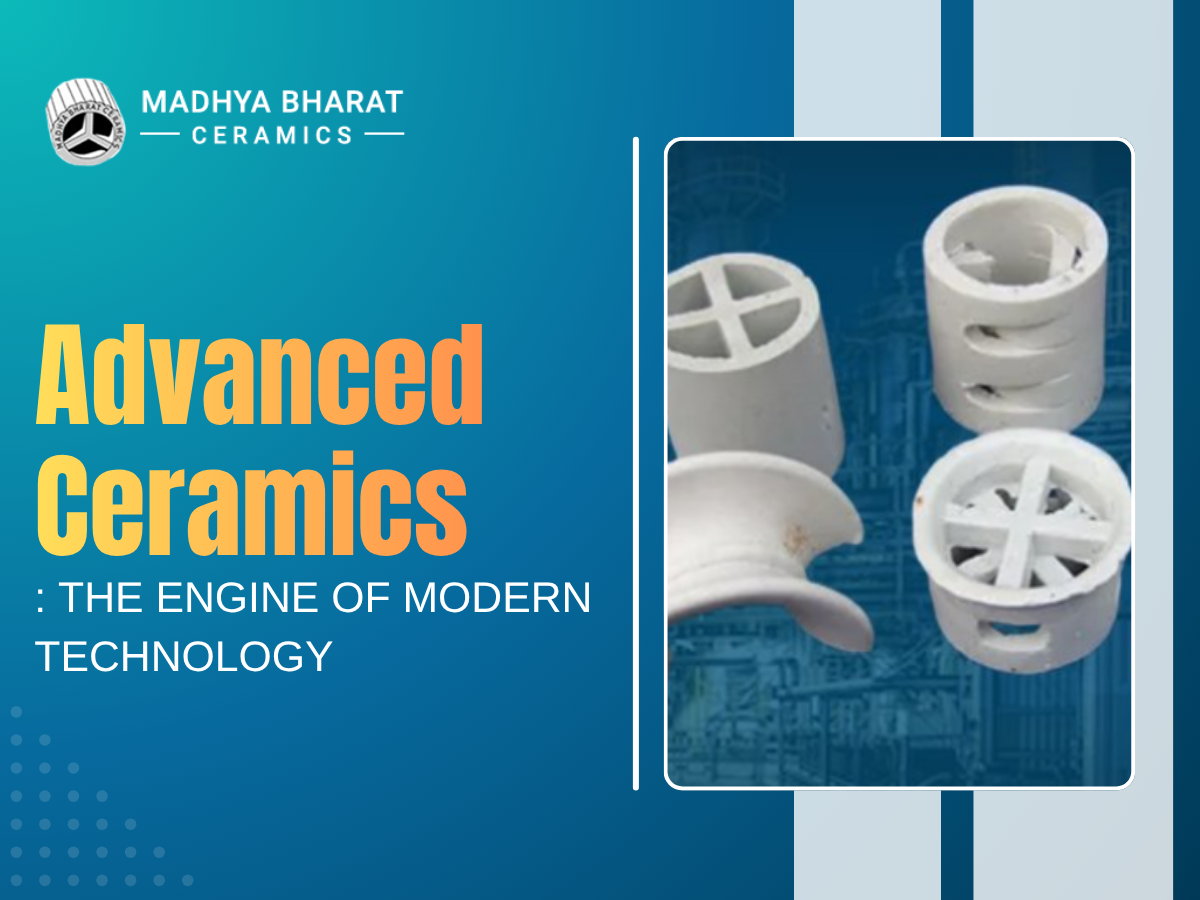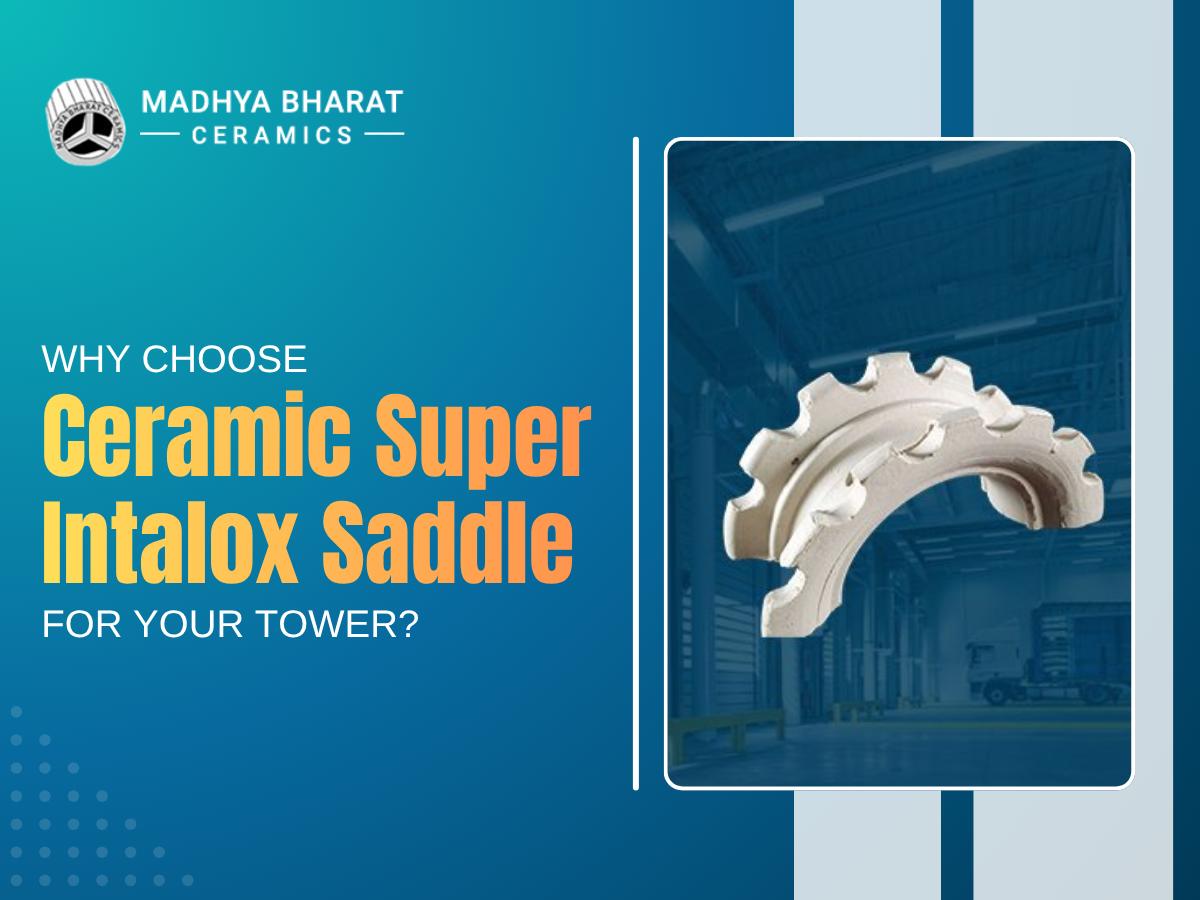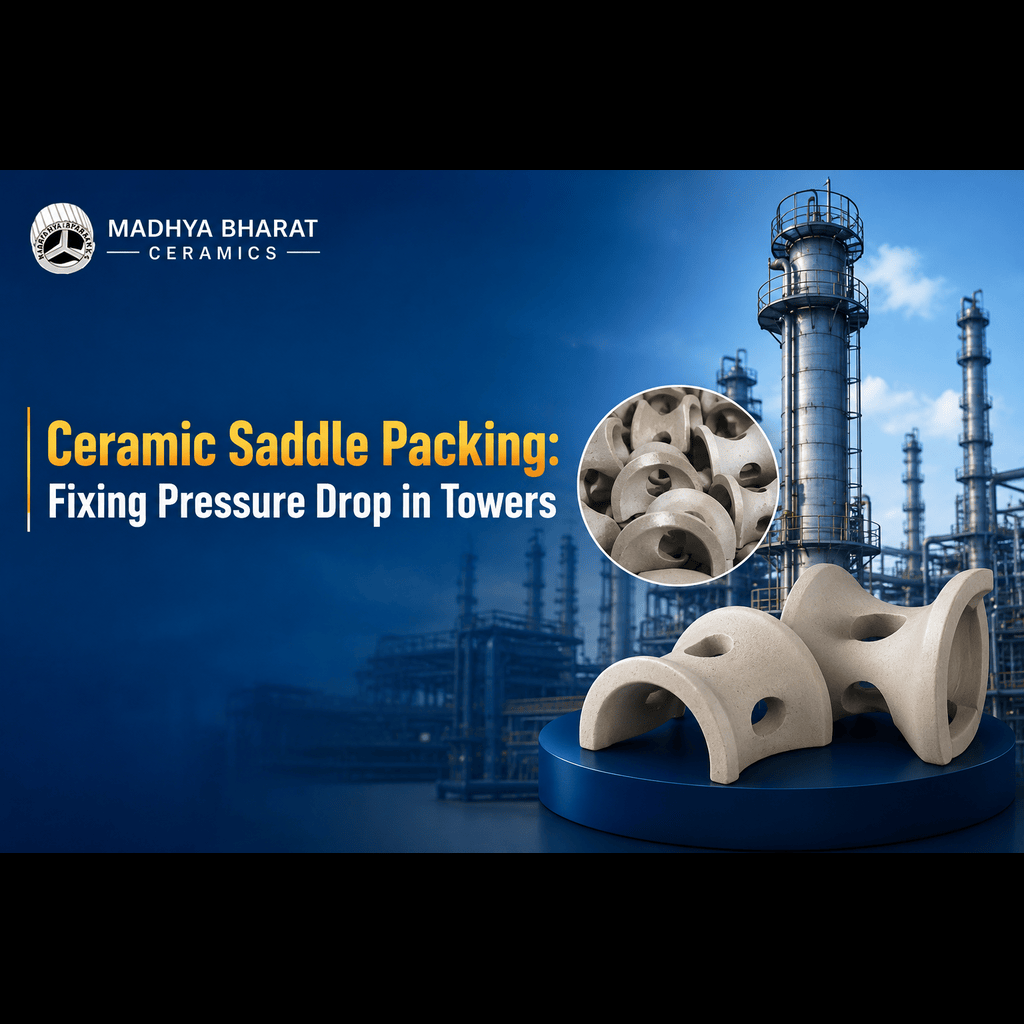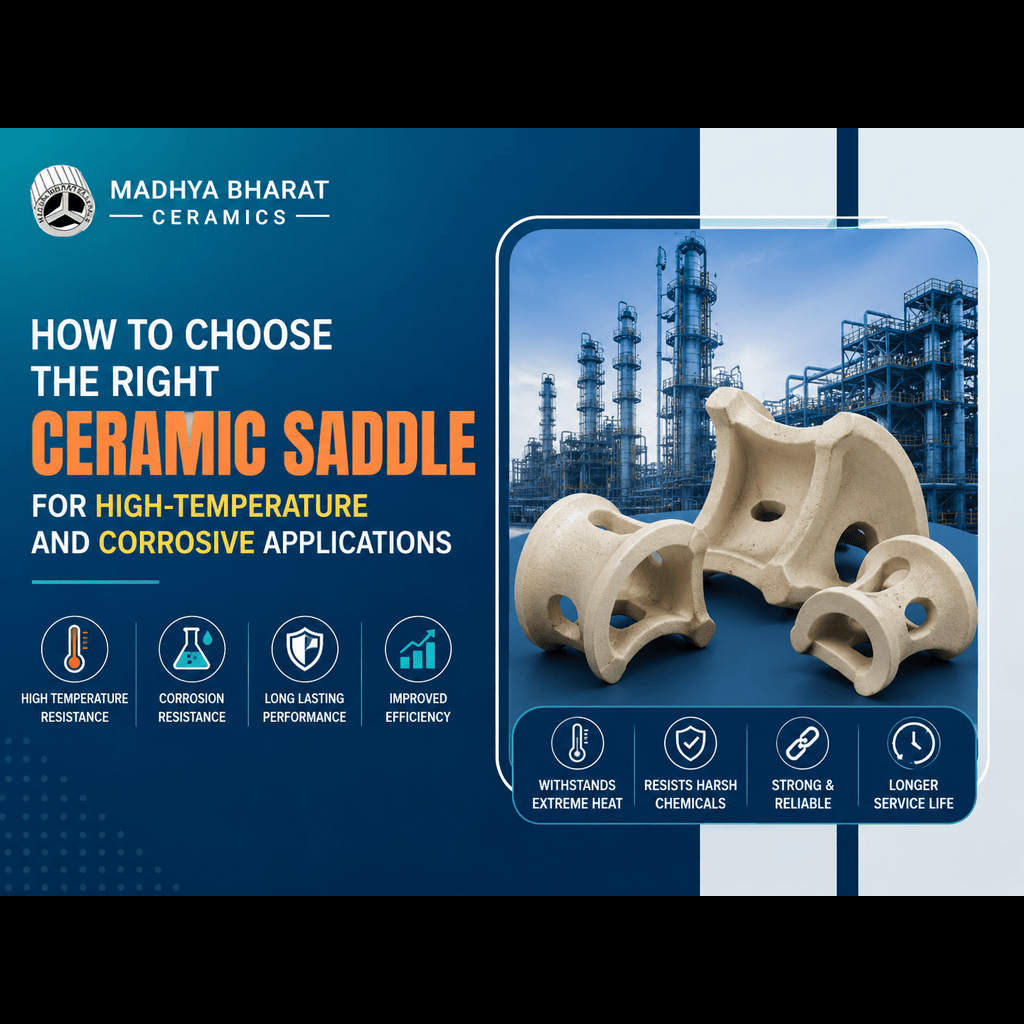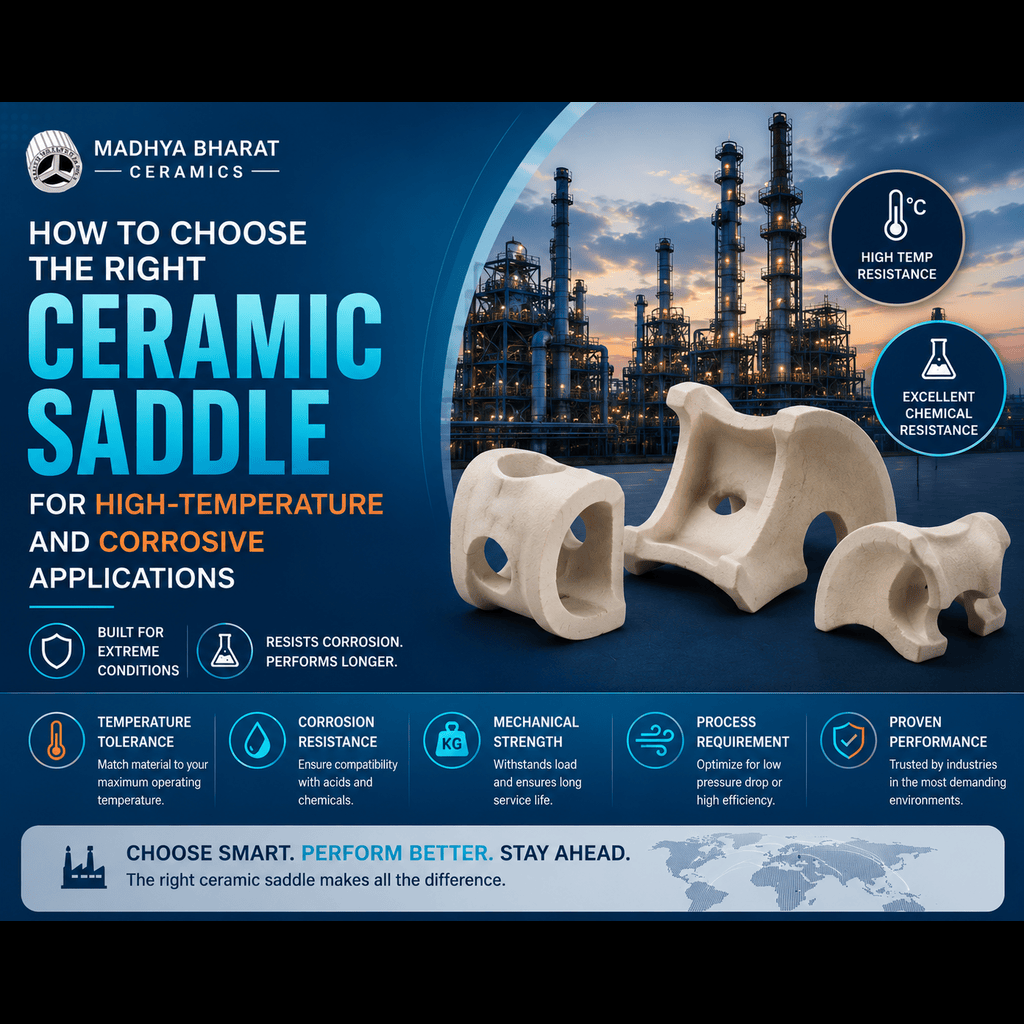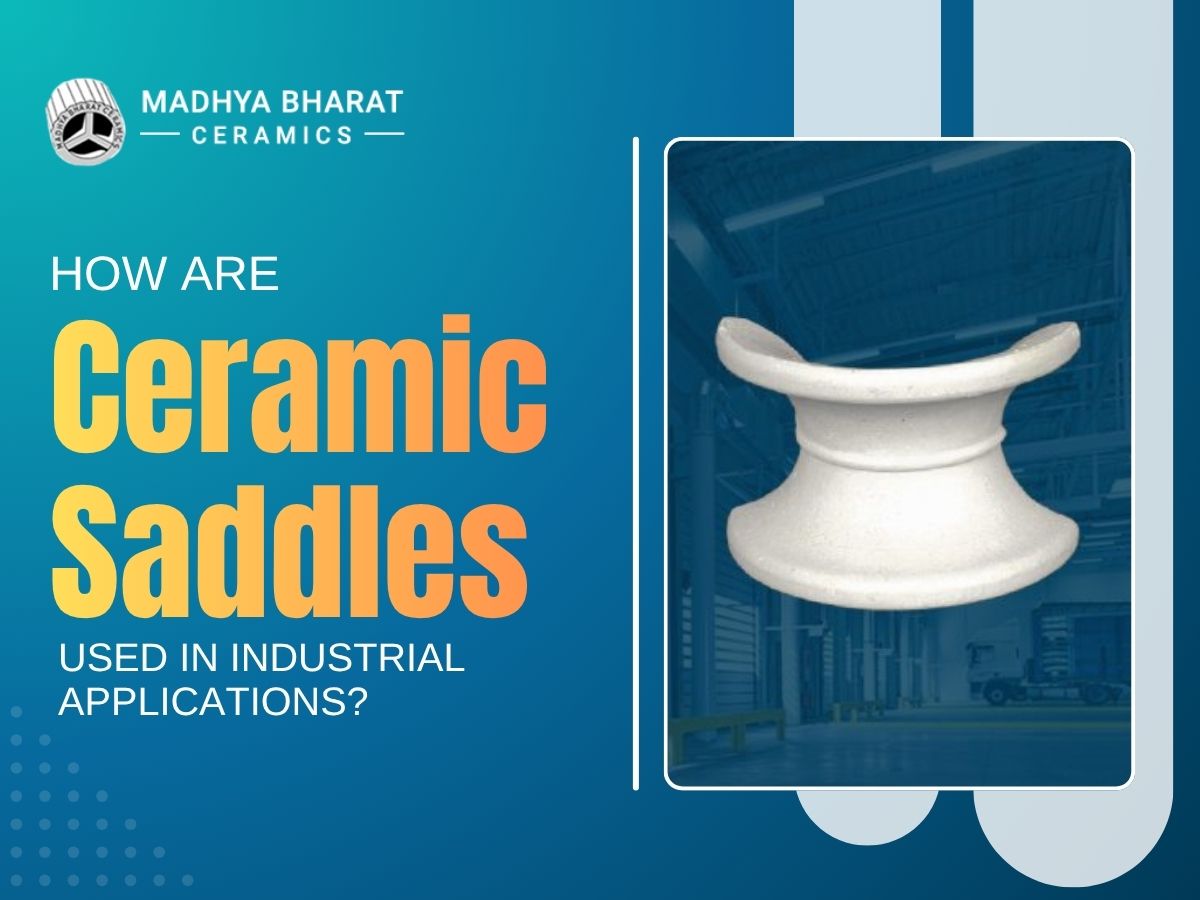
Ceramic saddles are used as random packing inside absorption towers, distillation columns, and gas scrubbers across industries handling hot, corrosive, or high-purity process streams. That includes sulphuric acid, HCl and nitric acid plants, fertiliser production, petrochemical refining, pharmaceuticals, chlor-alkali manufacturing, and power generation. Ask ten process engineers what packing they trust for a hot, corrosive absorption duty, and most will name this one first.
Not because it is new. Because it keeps working in conditions that destroy plastic and eat through metal.
Why the Same Packing Fits So Many Industries
The reason ceramic saddles show up across such different sectors comes down to three properties working together:
- Thermal stability up to 1,200°C, where plastic packing simply melts
- Full chemical resistance to sulphuric, hydrochloric, nitric, and phosphoric acids, plus caustic soda and chlorine
- Zero contamination risk, since ceramic does not leach compounds into the process stream
Any industry that needs one or more of these three gets a natural fit with this type of packing.
Industry-by-Industry Breakdown
Sulphuric Acid Plants
SO3 absorption towers run hot, concentrated sulphuric acid through the packing continuously. Most materials degrade under these conditions within months. Ceramic saddles are among the few packing types that hold up here, which is why they remain the standard specification across Indian sulphuric acid producers.
Hydrochloric Acid Plants
HCl absorption columns expose packing to both gaseous hydrogen chloride and aqueous acid at varying concentrations. Ceramic resists both forms without degrading, which is one reason ceramic saddles in India stay in continuous demand from this sector alone.
Nitric Acid and Fertiliser Plants
NOx absorption towers, ammonia scrubbers, and urea plant off-gas systems all depend on reliable absorption at scale. Saddle packing handles corrosive nitrogen oxide gases without the surface attack that shortens the life of other materials.
Petrochemical Refineries
Distillation columns and stripper units processing hydrocarbons at elevated temperatures need packing that will not soften or deform. Where plastic packing is unsuitable, ceramic fills that gap reliably.
Pharmaceutical Plants
Solvent recovery columns and acid neutralisation scrubbers need packing that will not contaminate high-purity process streams. Since ceramic does not leach anything into the process, it is the safe default here.
Chlor-Alkali Plants
Chlorine drying towers and HCl synthesis columns run continuous exposure to chlorine, hydrochloric acid, and caustic solutions. This packing is the standard choice for that environment.
Power Generation
Flue gas treatment towers handling SO2 scrubbing at elevated temperatures rely on high-temperature ceramic media to keep absorption efficiency consistent over long operating cycles.
What Changes Depending on the Application
Not every plant needs the same saddle. A few things shift by application:
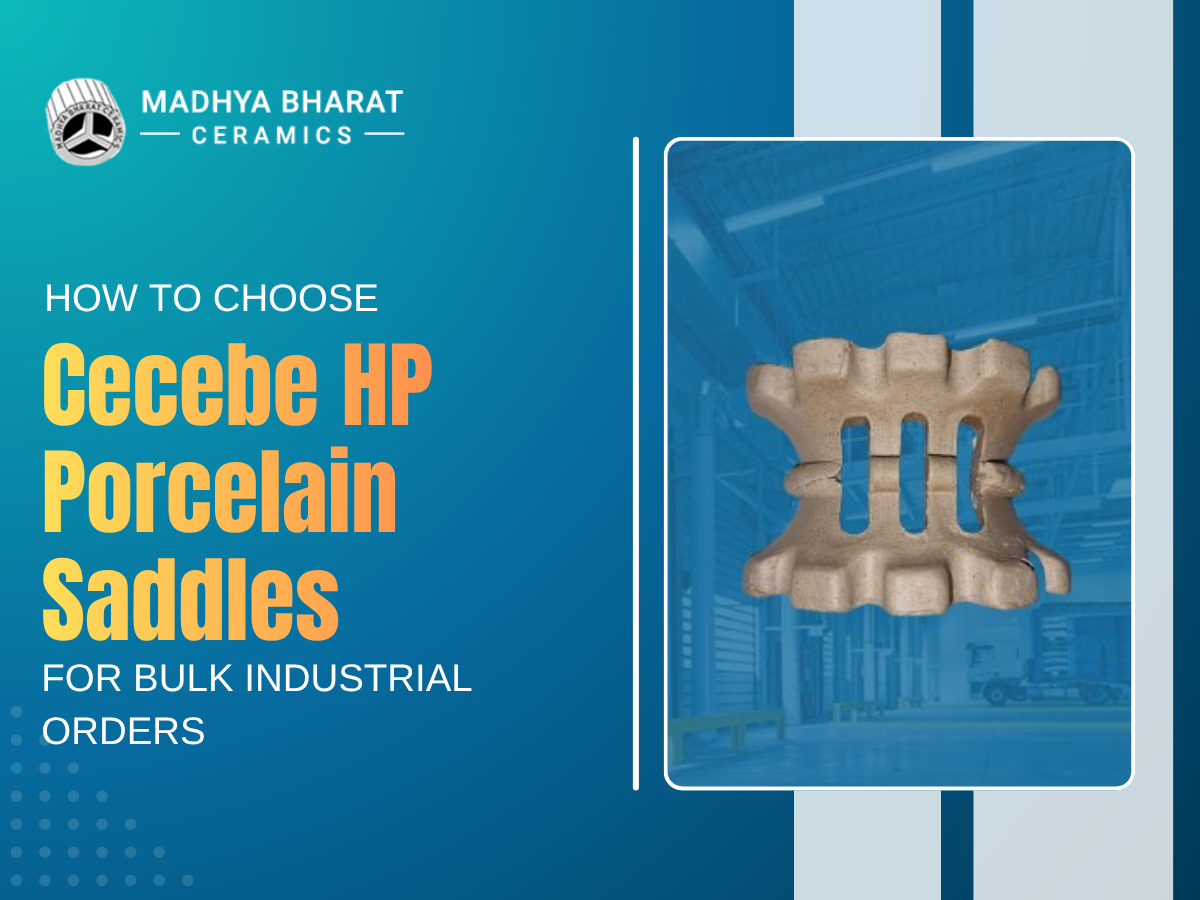
- Berl saddles work well for general-purpose absorption, stripping, and distillation duties
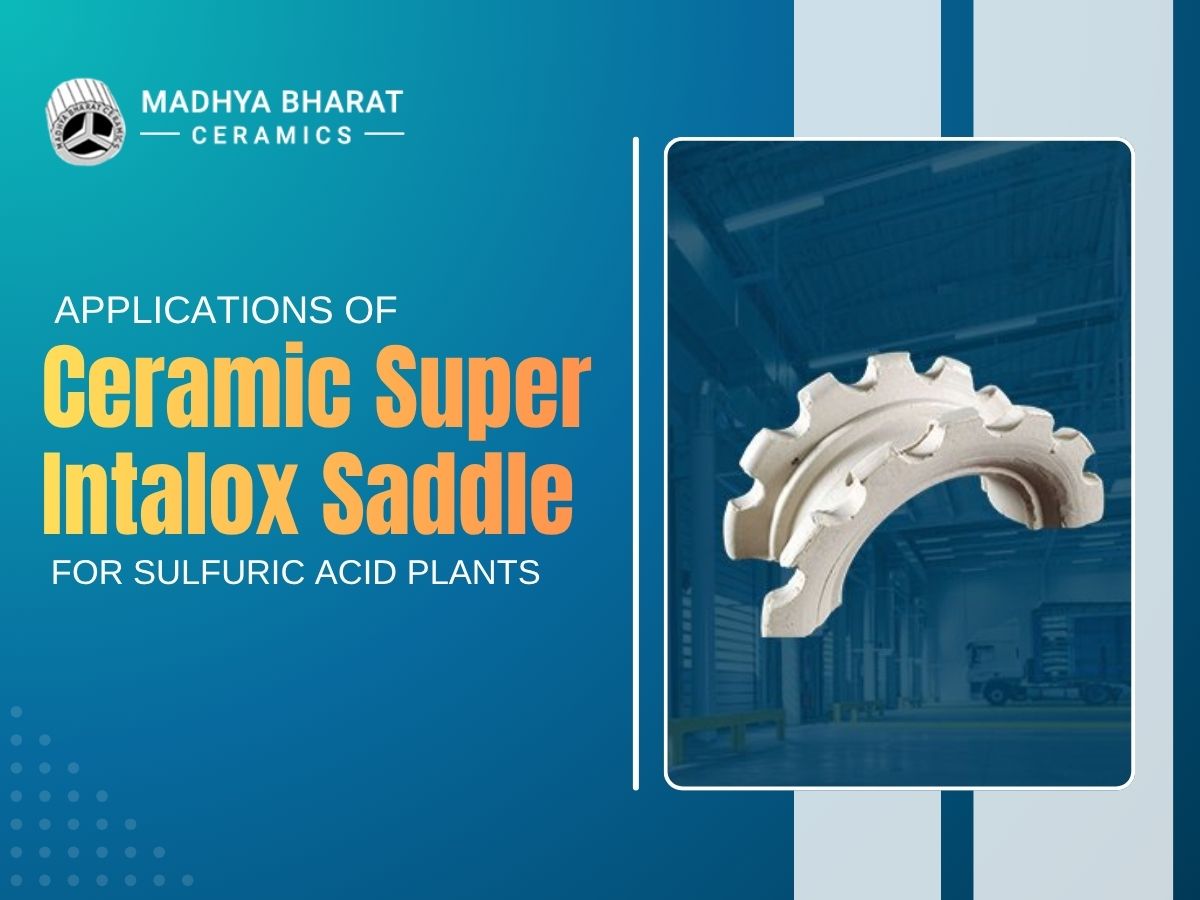
- Intalox saddles suit higher-capacity columns where reduced nesting and better liquid distribution matter more
- Size selection (13 mm to 76 mm) depends on column diameter and required throughput, not just the industry
A buyer looking for a reliable Ceramic saddle in Mandsaur source usually needs guidance on this sizing step more than anything else, since getting it wrong costs far more than the packing itself.
Ceramic Saddles vs Other Tower Packing Materials
| Parameter | Ceramic Saddles | Raschig Rings | PP Pall Rings | Metal Pall Rings | Structured Packing |
| Max Temperature | 1,200°C | 1,000°C | 80°C | 500°C | 300°C |
| Acid Resistance | Excellent | Good | Good | Moderate | Moderate |
| Mass Transfer | High | Moderate | High | High | Very High |
| Cost | Moderate | Low | Low | High | Very High |
| Typical Application | Acid and gas absorption | General use | Gas scrubbing | High-load columns | High-purity distillation |
No other packing in this range combines full acid resistance with 1,200°C tolerance at a moderate cost. That combination is exactly why so many different industries land on the same answer.
What Repacking Typically Delivers in These Applications
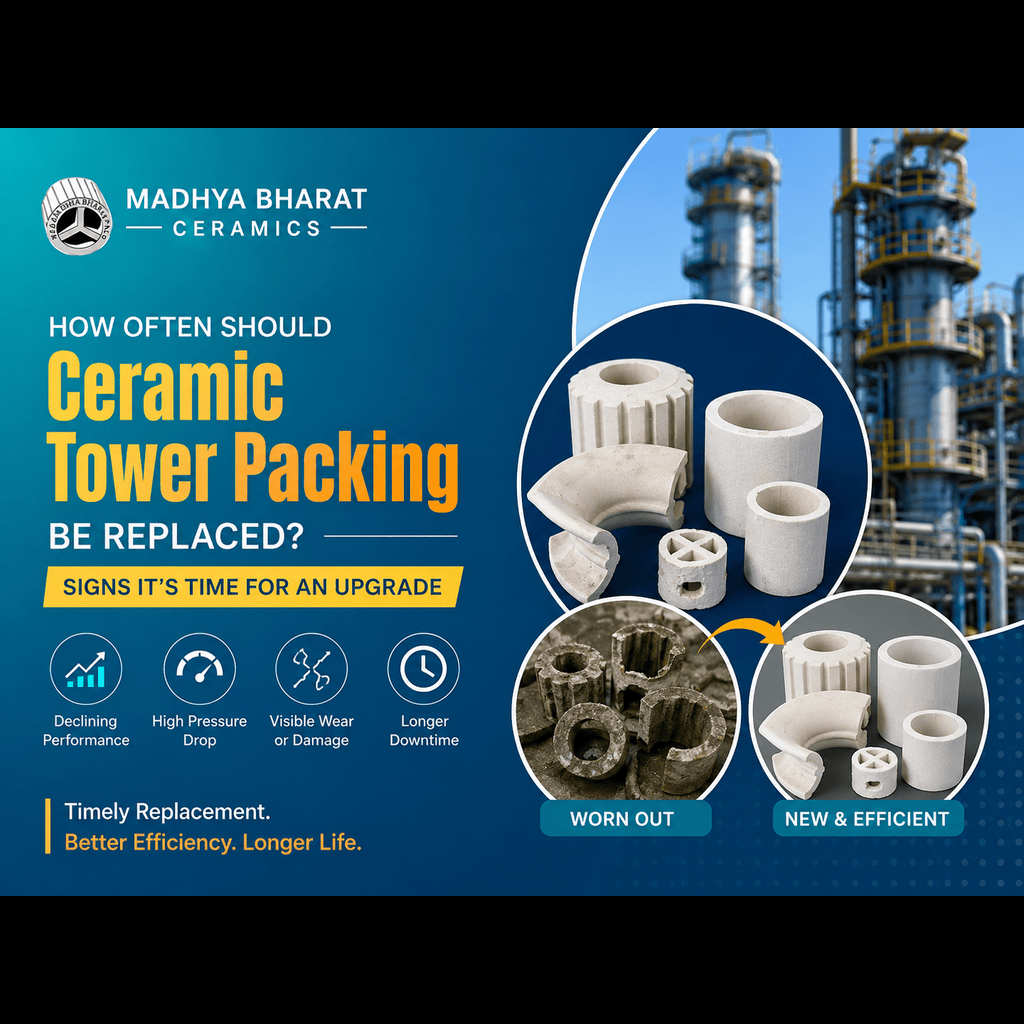
Every industry above eventually runs into the same trigger point, an old bed of packing has broken down, absorption efficiency has slipped below spec, and pressure drop is climbing. Field data and published mass transfer studies point to a consistent pattern once that bed is replaced with saddle-shaped ceramic packing:
- Absorption efficiency commonly recovers into the mid-to-high nineties once channelling and packing breakage are corrected
- Pressure drop across the bed typically falls by 25% to 35%, easing load on the blower or compressor
- Liquid distribution evens out across the column, since fresh saddle packing does not have the broken fragments or nesting that older beds accumulate
- Return on investment is usually recovered within four to six months through energy savings and improved product yield
The exact numbers shift with column diameter, feed composition, and how far the old bed had degraded before replacement, but this is the range plant engineers plan around when they budget a repacking project.
Case Study
Client: A chlor-alkali manufacturing plant in Gujarat, India.
Challenge: The plant operated an HCl synthesis absorption column using old Berl saddle packing that had been in service for over 12 years. The packing bed had accumulated significant breakage, reducing bed void fraction and causing a sharp rise in pressure drop across the column. HCl absorption efficiency had dropped below the design specification, causing off-spec product and increased vent scrubber load.
Solution: MBC was engaged to supply a complete repacking of the absorption column using 50 mm ceramic Intalox saddles from its standard ceramic packing solutions product range. The column was repacked during a scheduled maintenance window. MBC also provided technical guidance on bed depth and liquid distributor inspection to ensure the new packing performed to design specification from the first day of operation.
Results recorded after one full operating cycle of approximately eight months:
- HCl absorption efficiency improved from 88% to 97%, meeting the plant design target for the first time in four years.
- Pressure drop across the bed reduced by 33%, which lowered the load on the tail gas scrubber and reduced blower energy consumption.
- Zero packing breakage was observed during the end-of-cycle inspection, confirming the superior mechanical strength of MBC ceramic saddles in India.
- Liquid distribution across the column cross-section was uniform, with no channelling observed during the post-cycle review.
- Return on investment was achieved within five months through reduced energy costs and improved product quality yield.
Conclusion: This case confirms that ceramic saddle tower packing from MBC delivers measurable and sustained performance improvements in HCl absorption columns. The combination of improved mass transfer efficiency, lower pressure drop, and long mechanical life makes ceramic saddles in India from MBC the right choice for chlor-alkali and acid absorption duties of any scale.
Frequently Asked Questions
1. What are ceramic saddles used for in industry?
They are used as random packing in absorption towers, distillation columns, and gas scrubbers wherever a process stream is hot, corrosive, or needs to stay contamination-free.
2. Which industries rely on ceramic saddles the most?
Sulphuric acid, hydrochloric acid, nitric acid and fertiliser production, petrochemical refining, pharmaceuticals, chlor-alkali manufacturing, and power generation are the main users.
3. Are ceramic saddles suitable for pharmaceutical applications?
Yes. Because ceramic does not leach compounds into the process stream, it is a preferred choice for solvent recovery and acid neutralisation in pharmaceutical plants.
4. Can the same saddle size work across different industries?
Not always. Size selection depends on column diameter and throughput requirements specific to each installation, not the industry alone.
Want to Understand the Mechanism Behind These Results?
Every pattern above comes down to the same underlying principle, the saddle shape maximises gas-liquid contact inside the column. For the full technical breakdown of how that happens step by step, see how ceramic saddles work in packed columns.
MBC has supplied ceramic saddles to sulphuric acid, fertiliser, petrochemical, and pharmaceutical plants across India and internationally. As a trusted Ceramic Saddles Supplier, the team can help confirm whether your specific process duty calls for Berl or Intalox saddles before you place an order.
Not sure which saddle design fits your plant? Reach out to MBC with your column specifications, or call +91-9425105256 for direct technical guidance.