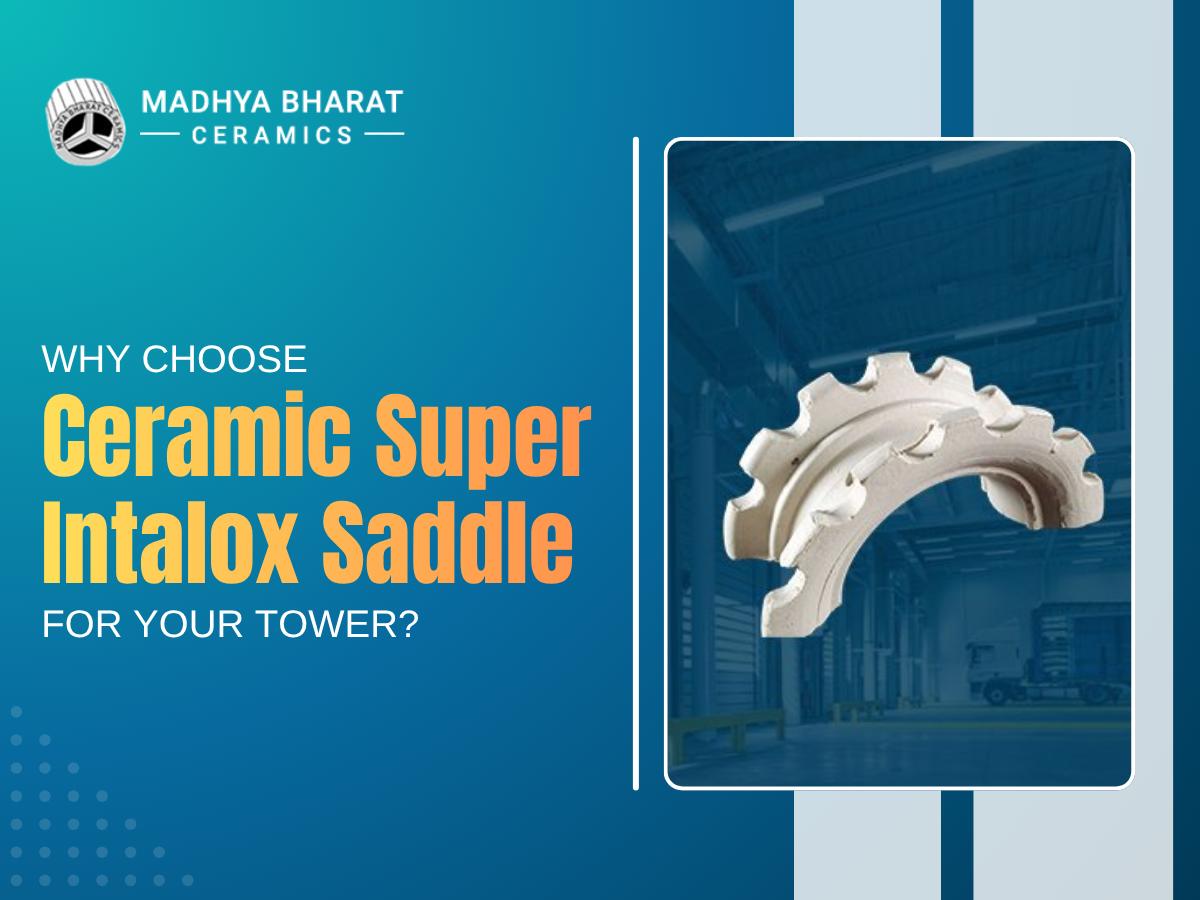
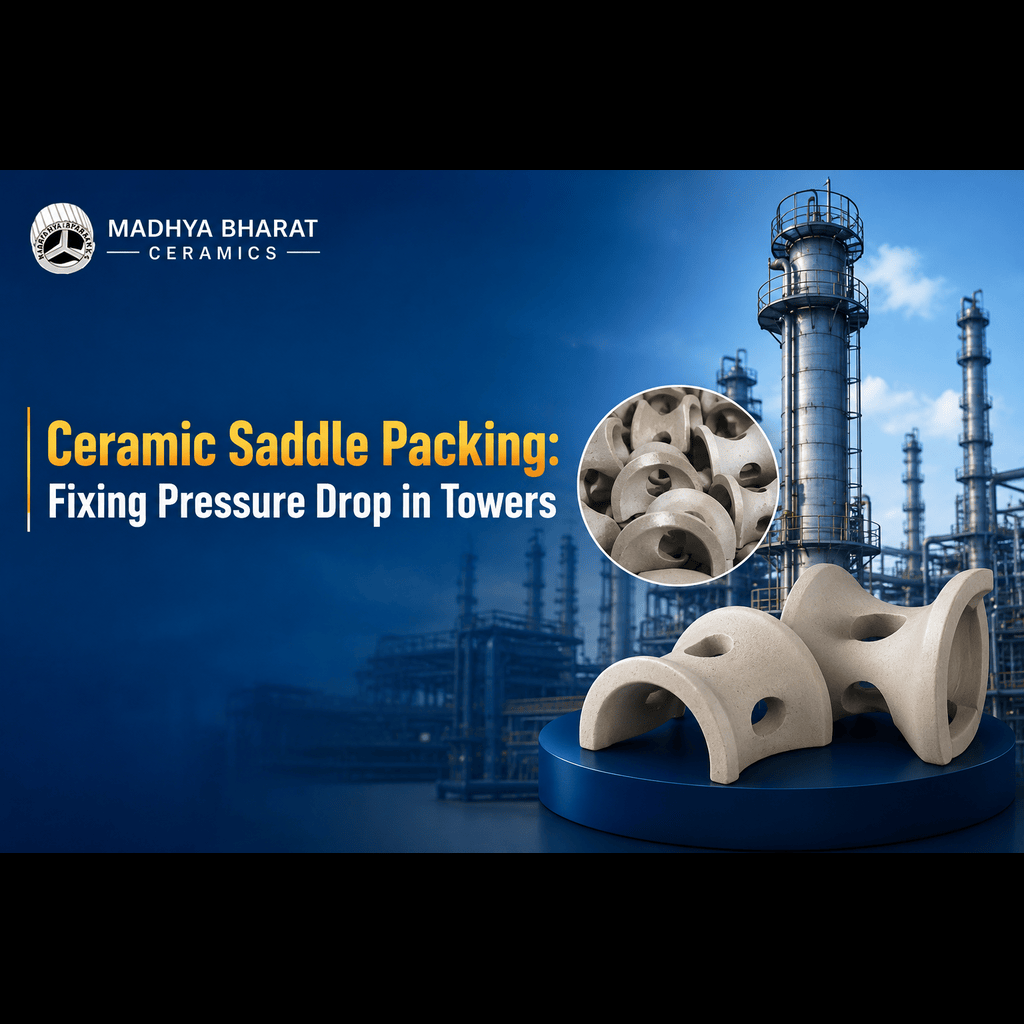
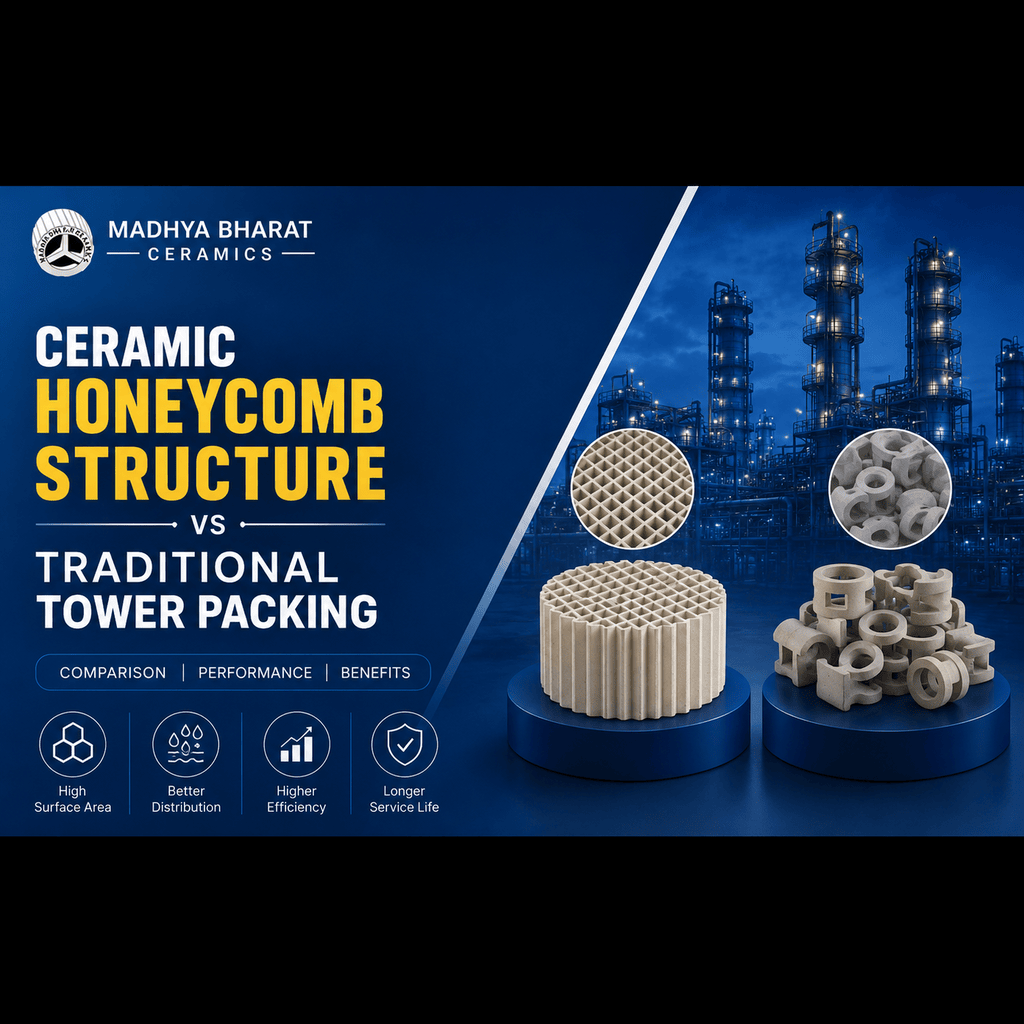
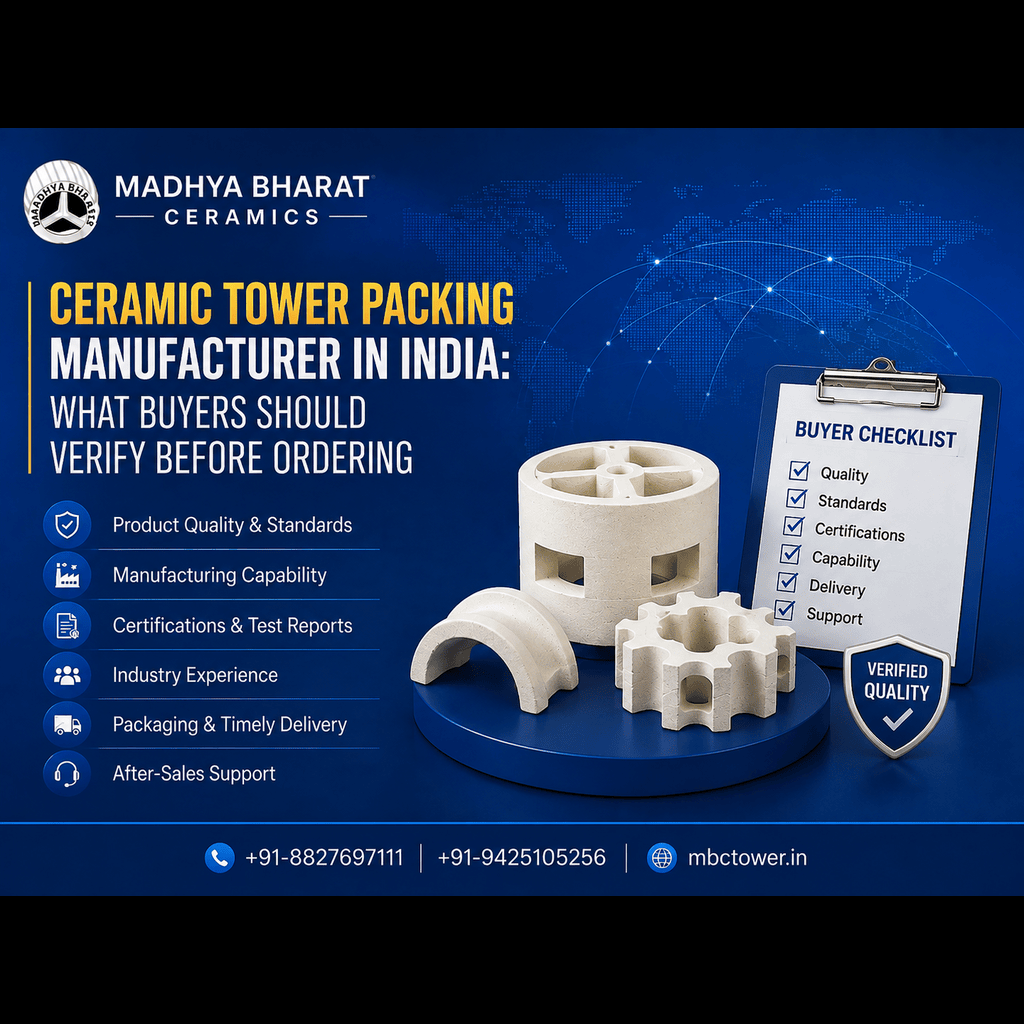
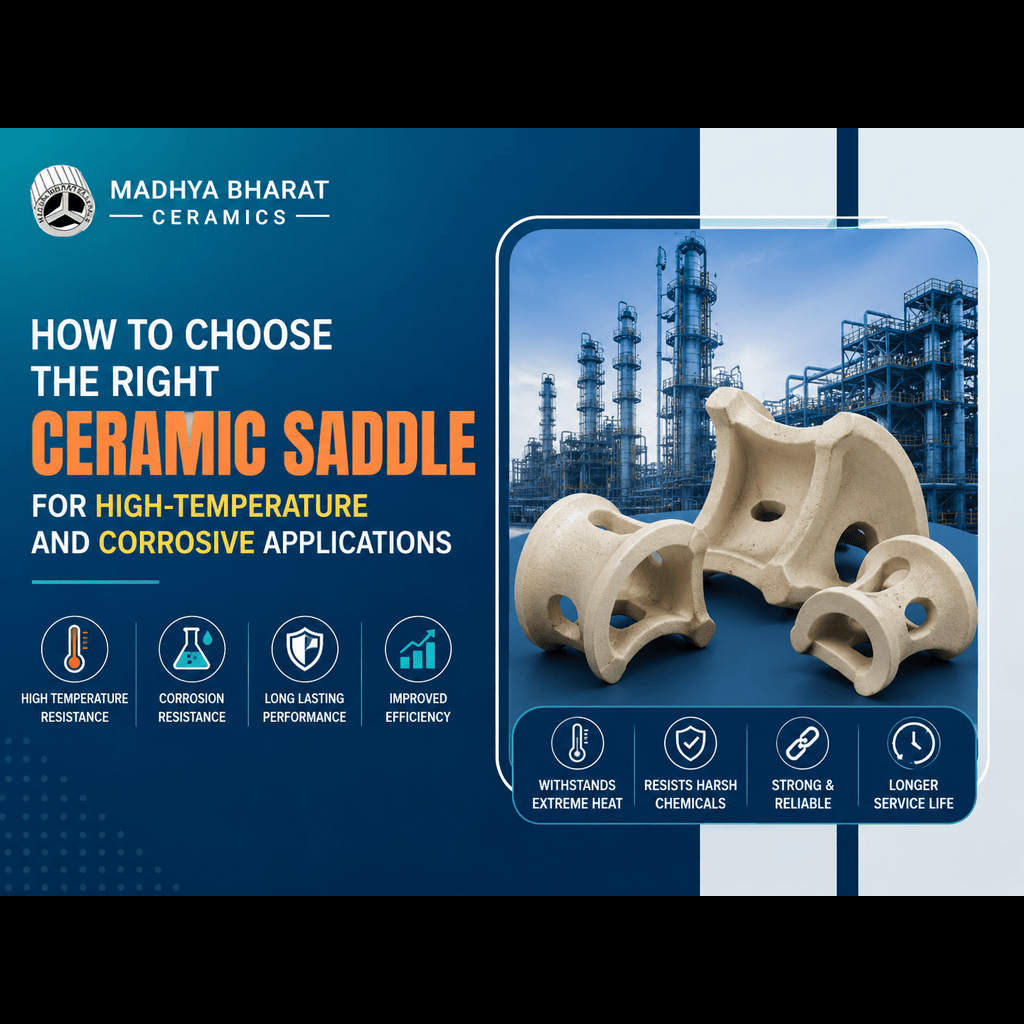
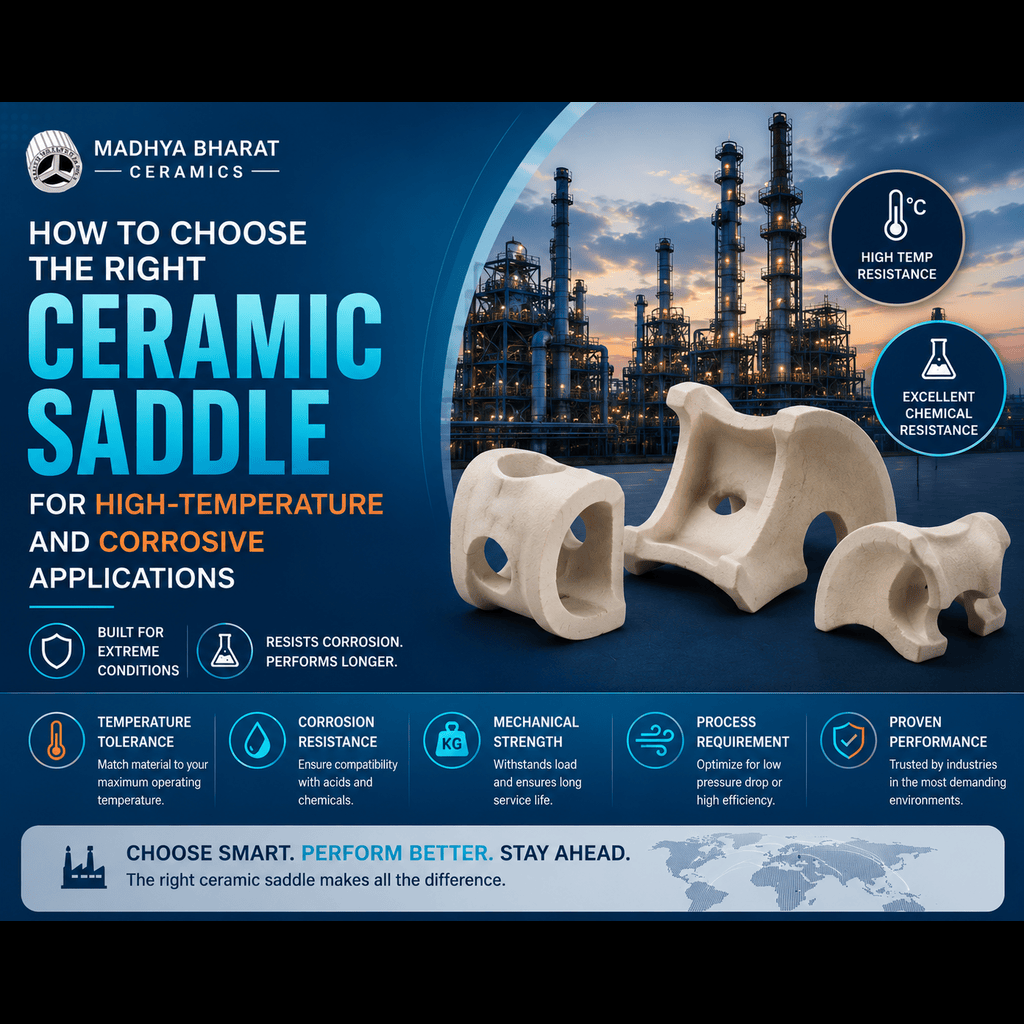
A reliable Ceramic Saddles Manufacturer controls quality at every stage of production, from raw material grading through firing temperature to final dimensional testing, rather than only inspecting the finished product before it ships. That distinction determines whether your packing performs for years or starts failing within the first few operating cycles. This is a sourcing decision, not a product one, and it deserves its own due-diligence process separate from picking a saddle size or shape.
Why Does the Manufacturing Process Matter More Than the Finished Product Looks?
Two saddles can look nearly identical and perform completely differently under stress. What separates them happened before either one ever reached a warehouse:
- Raw material grading determines the mechanical strength and thermal shock resistance built into every piece. Inconsistent grading means some saddles in a batch are simply weaker than others, and you can’t tell by looking.
- Firing temperature control affects density and porosity throughout the ceramic. Uneven firing creates internal weak points that fail first under mechanical or thermal stress, often the ones closest to a batch’s average appearance.
- Dimensional consistency affects how saddles nest and interact inside the bed. Small variances here disrupt the liquid distribution behavior the saddle shape is designed to create.
A supplier who can’t speak to these three things in specific, technical detail is very likely reselling a product they didn’t actually produce. This is exactly the gap that separates a genuine tower packing manufacturer from a business that simply repackages someone else’s output under its own label.
What Should You Ask Before Placing an Order?
Most buyers stop at price and lead time. That’s not enough due diligence for something that stays inside your column for years. Ask these instead:
- What raw materials go into the saddles, and how is that material graded before production begins?
- What firing process is used, and is temperature control documented on a per-batch basis?
- Can you provide dimensional test data for the specific saddle size you’re ordering?
- Is compressive strength or thermal shock testing performed before shipment, and can results be shared?
- Can someone at the company walk you through the quality process in detail, without deflecting back to a generic spec sheet?
A manufacturer with real production visibility answers all five clearly. A business marketing itself as a Ceramic Saddles Supplier without direct production control usually can only answer one or two before the conversation gets vague.
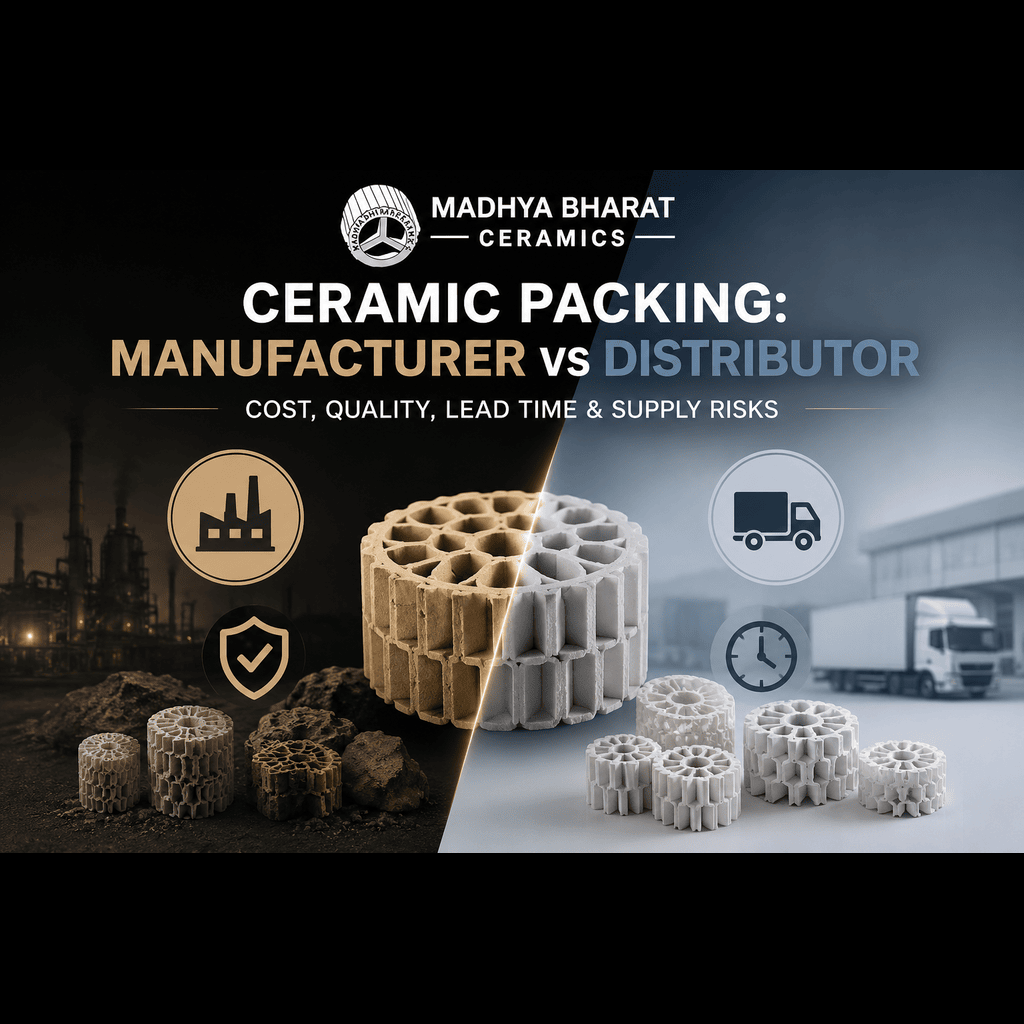
Manufacturer vs Distributor: What’s the Real Difference for You?
This is where a lot of buyers get confused, so it’s worth being direct about it.
| Factor | Direct Manufacturer | Distributor / Reseller |
| Raw material visibility | Full, direct control over sourcing | Limited, dependent on their upstream supplier |
| Batch documentation | Available on request | Often incomplete or unavailable |
| Quality accountability | Single point of contact, direct resolution | Indirect, may lack authority to fix production issues |
| Pricing | Typically lower, no added markup | Higher, includes distributor margin |
| Custom specifications | Possible with in-house engineering input | Limited to whatever is already in stock |
| Lead time for standard sizes | Often longer, produced to order | Can be faster if stock matches your spec exactly |
Neither option is universally better. A distributor genuinely wins on emergency lead time. A manufacturer wins on cost, consistency, and accountability for anything beyond a one-off small order. This is precisely why buyers researching a saddle manufacturing company in India tend to ask about production visibility long before they ask about price, since price alone hides the difference between these two rows of the table.
What Does Poor Manufacturing Quality Actually Cost You?
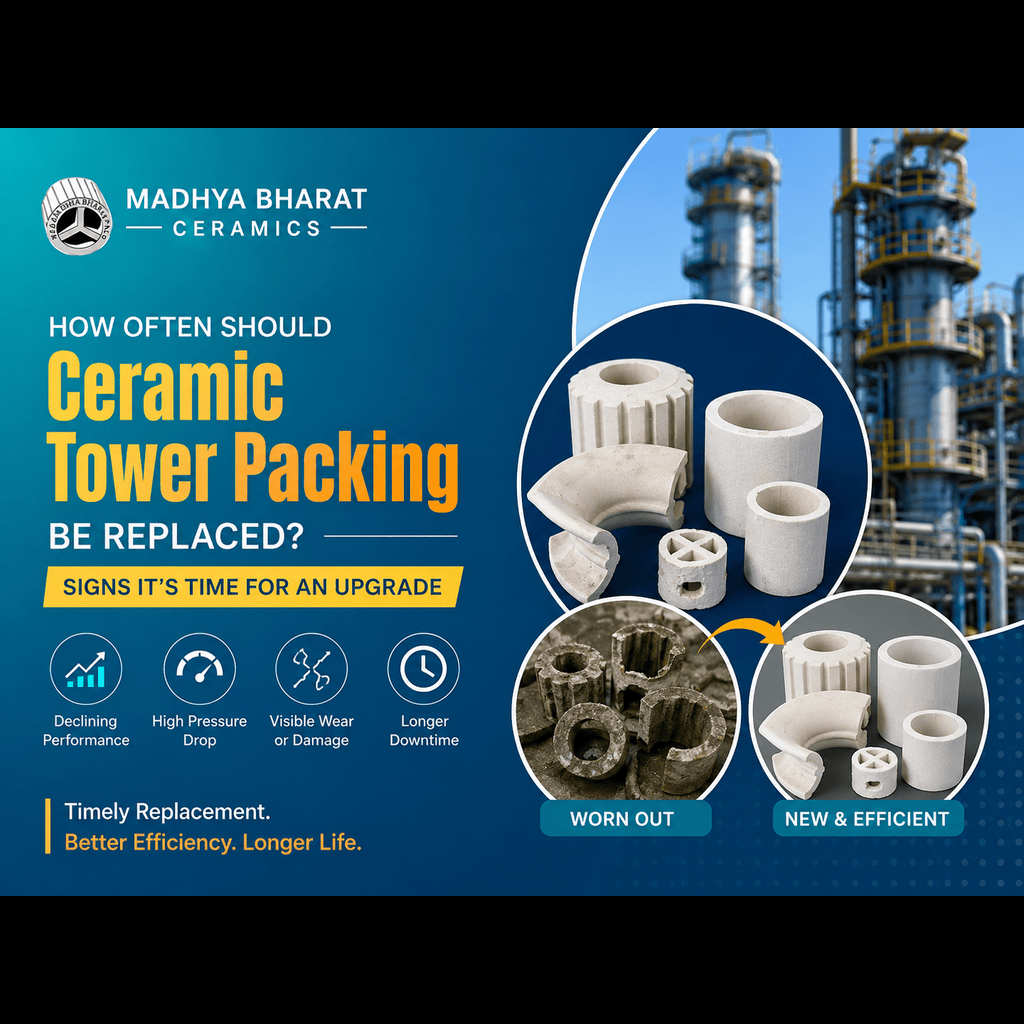
It rarely shows up on day one. Inconsistent batches tend to surface as rising pressure drop, uneven separation performance, or saddles cracking under conditions a properly made batch would have handled without issue. By the time the pattern is obvious, you’re often looking at a partial or full repack, which costs far more than the price difference between a careful Ceramic Saddles Manufacturer in Mandsaur and a cheaper unknown source ever did. This is the real payoff of getting the sourcing decision right the first time: our guide on why ceramic saddles hold up over decades of service walks through exactly what separates a batch that lasts years from one that doesn’t.
What Quality Checks Should Happen Before Your Order Ships?
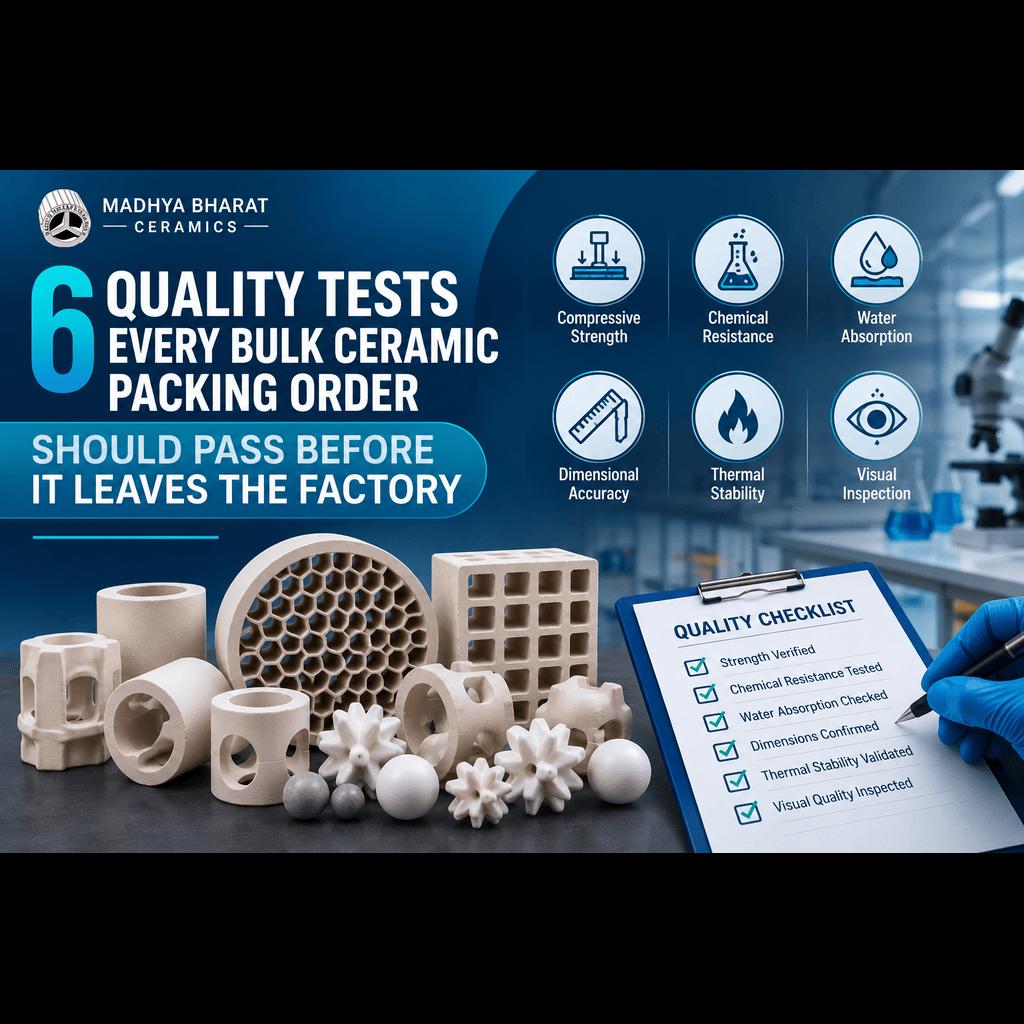
A dependable manufacturer builds testing into the process itself rather than treating it as a final inspection step:
- Raw material testing before production starts, not after
- In-process checks during shaping and forming
- Firing control monitoring throughout the kiln cycle, not spot-checked afterward
- Final dimensional and strength testing before packaging
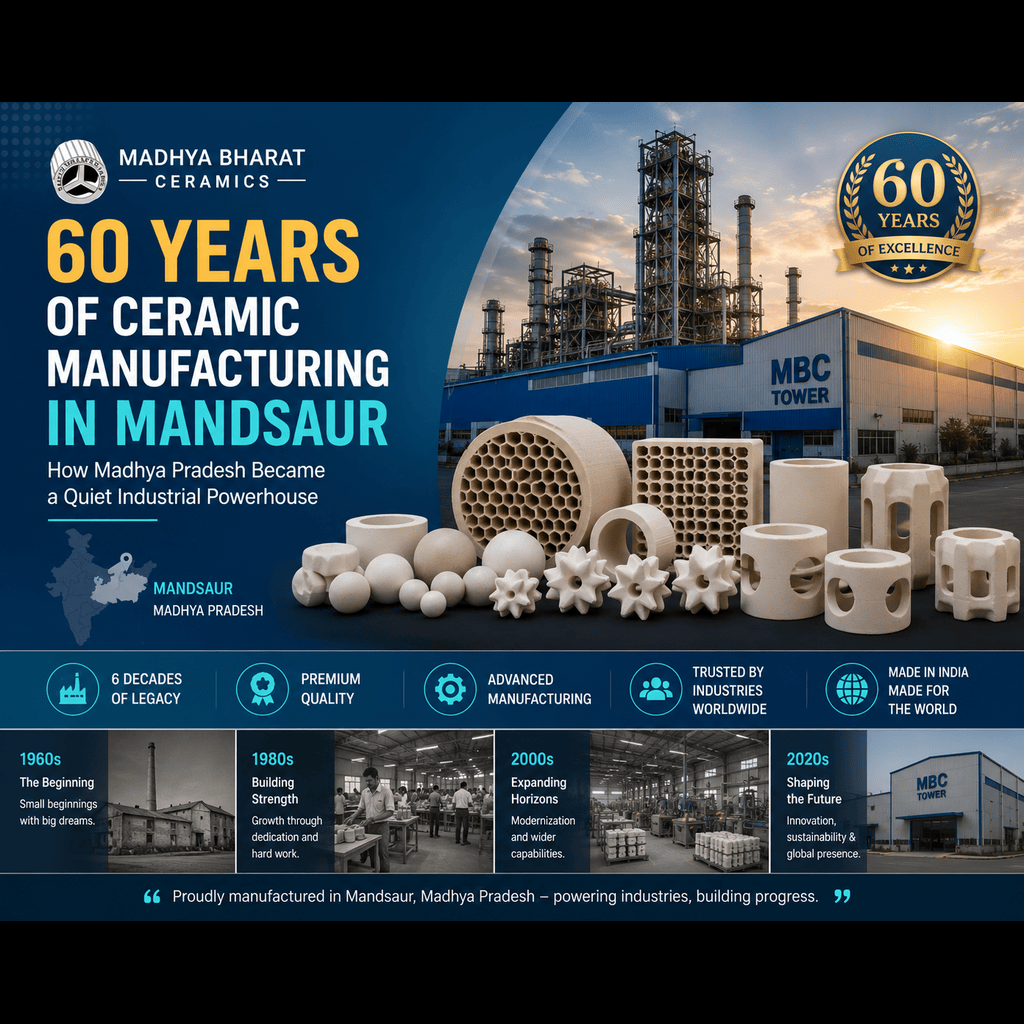
This is standard practice at MBC Tower on every order, and it’s a large part of why buyers researching high quality ceramics for demanding process conditions consistently land on manufacturers who can document these checks rather than simply claim them. It’s also the reason plants that place one trial order tend to come back for repeat business rather than shopping the spec around each time.
How Do You Verify Claims a Manufacturer Makes About Their Process?
Ask for evidence, not assurances. Request sample batch documentation from a recent order of similar specification, ask if a facility visit or video walkthrough is possible for large orders, and check whether they hold any recognized quality certifications relevant to industrial ceramics production. A manufacturer confident in their process will make this easy. One that isn’t will find reasons to delay.
Frequently Asked Questions
1. How do I know if a ceramic saddles manufacturer is reliable?
Ask specific, technical questions about raw material grading, firing process control, and batch-level testing. A reliable manufacturer answers directly instead of redirecting you to a generic spec sheet.
2. Is it worth paying more to buy directly from a manufacturer?
For regular or large orders, usually yes, since manufacturers typically offer better pricing and more quality visibility without a reseller’s added margin. For urgent, small, one-off orders, a distributor with matching stock may be the more practical choice.
3. What documentation should I request before placing a bulk order?
Ask for batch-level test results covering raw material grading, dimensional accuracy, and strength testing, particularly for large or recurring orders where consistency matters most.
4. How does inconsistent firing affect saddle performance?
Uneven firing creates internal weak points in the ceramic structure, which raises the risk of cracking or chipping once the saddles are under load and thermal stress inside a working column.
5. Can a manufacturer customize saddles for unusual process conditions?
Yes, a manufacturer with in-house engineering capability can adjust material grade and dimensions for unusual temperature or chemical exposure conditions, which a distributor generally cannot offer.
Verify Before You Order
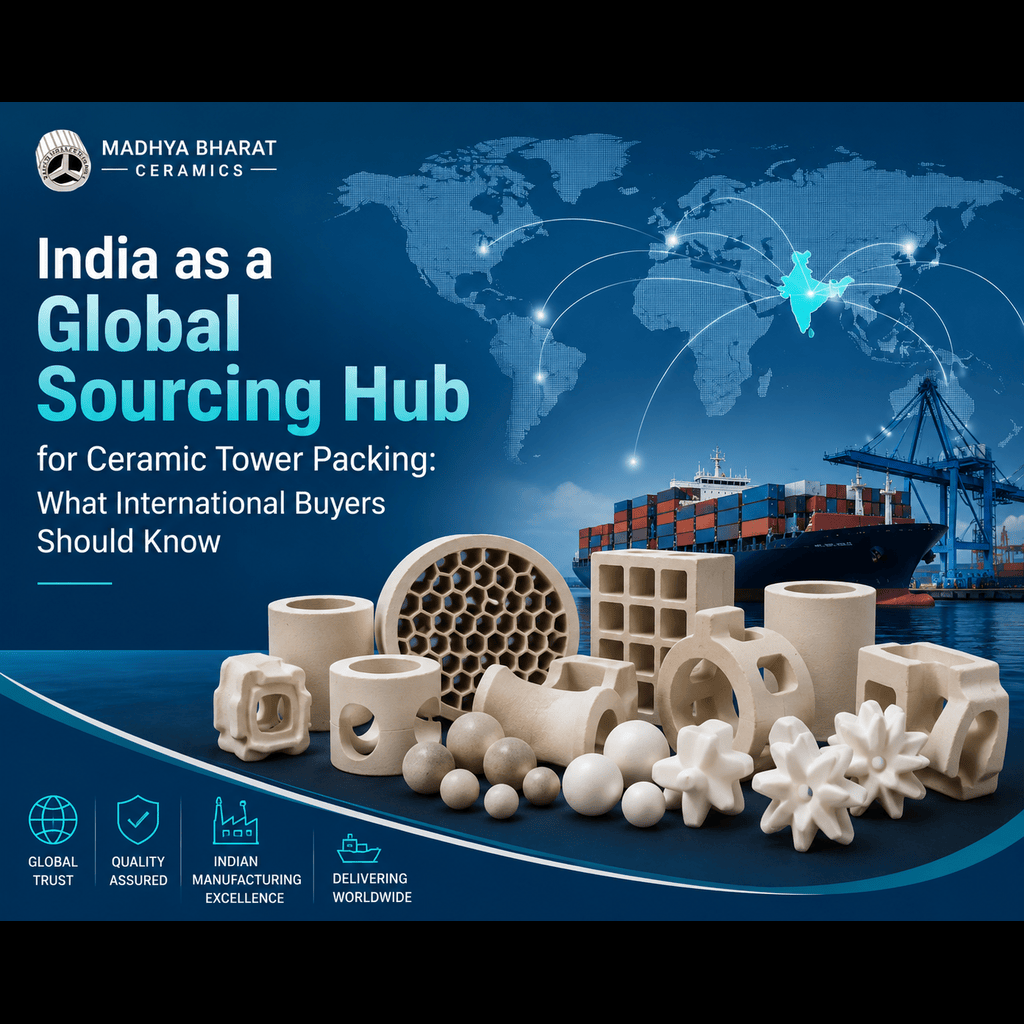
If you’re placing a bulk order and want to understand exactly how your saddles will be tested before they leave the factory, talk to the MBC Tower team about our quality process before you commit. As a Ceramic Saddles Manufacturer in Mandsaur and Ceramic Saddles Exporter serving buyers across India and internationally, MBC Tower builds every batch to the same documented standard, whether the order ships down the road or overseas.