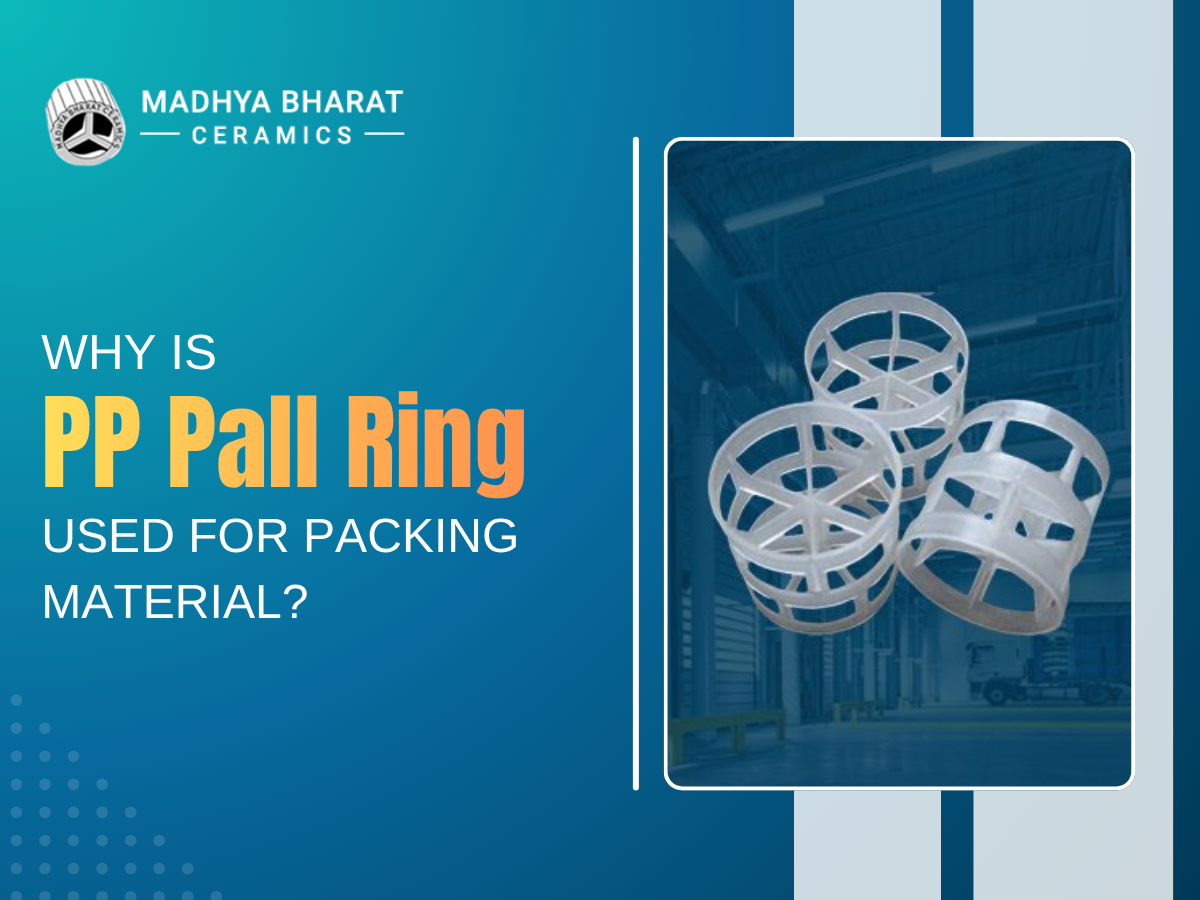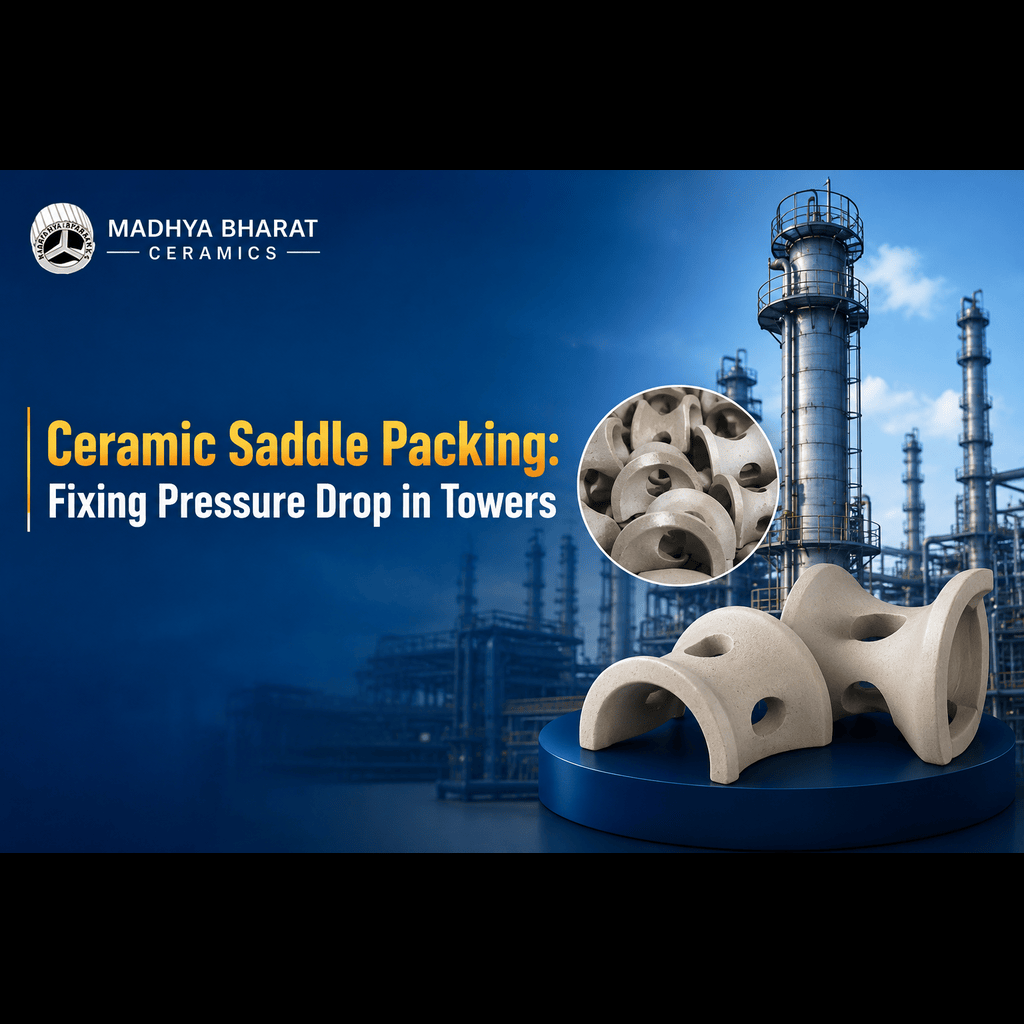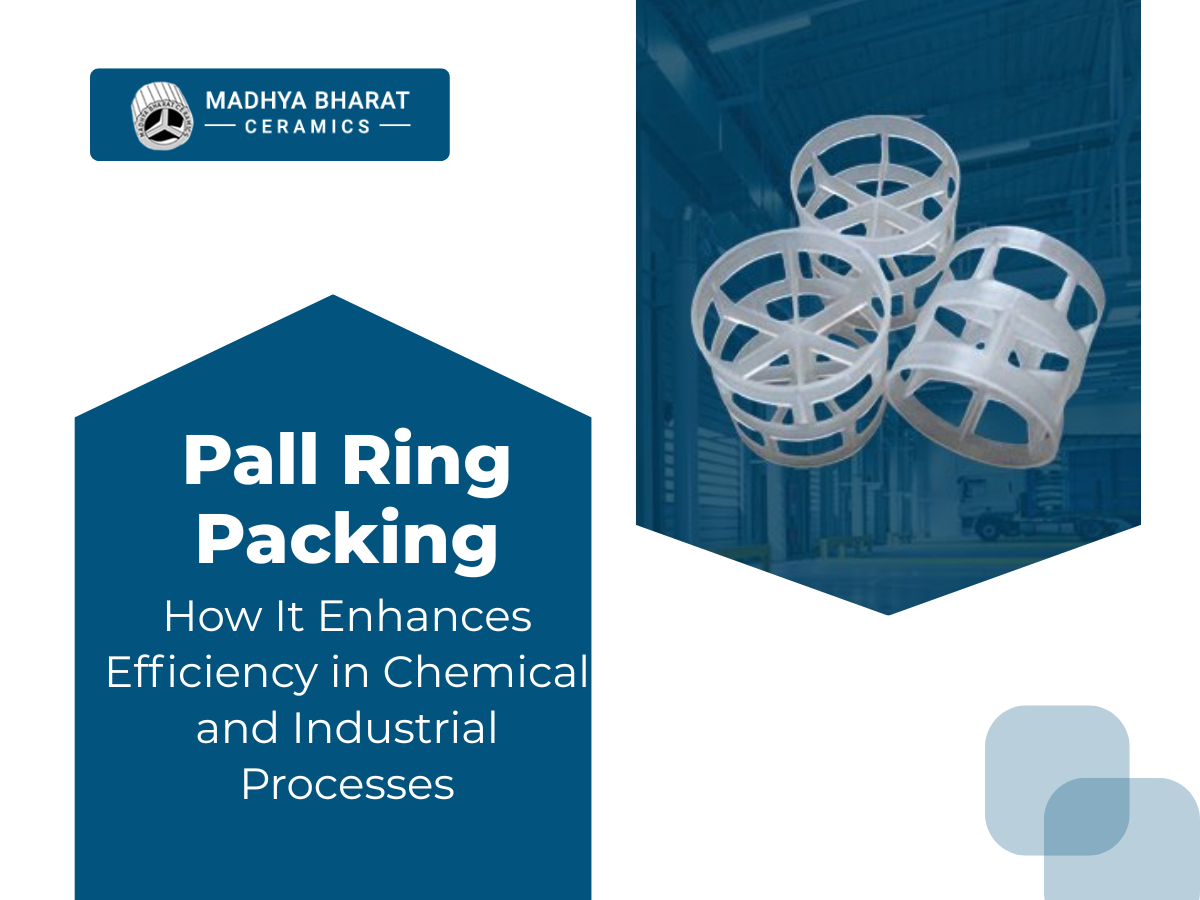
Pall ring packing improves gas-liquid contact inside industrial towers because its hollow, perforated shape increases surface area while keeping resistance to flow low, which most solid packing shapes can’t manage at the same time. That combination is what drives down pressure drop and energy costs in distillation, absorption, and scrubbing systems. If your tower is running hotter on the pumps or blowers than it should, the packing geometry is one of the first places worth checking before you start chasing the instrumentation.
What Actually Makes the Pall Ring Shape Work?
Most packing shapes force a choice between surface area and open flow path. Solid rings and dense random fill maximize contact area but choke flow. Wide open shapes let flow through easily but sacrifice the contact area that drives separation. The pall ring’s perforated wall structure sidesteps that trade-off.
Here’s the mechanics of it:
- Windows in the ring wall let liquid redistribute continuously as it falls, instead of building up on one side and channeling.
- The open interior keeps vapor flow resistance low even as liquid film builds up on the ring surfaces.
- The curved wall segments create turbulence at a small scale, which improves gas-liquid mixing without dramatically raising pressure drop.
This is why pall rings consistently outperform simple solid rings of the same size in mass transfer efficiency per unit of pressure drop.
Why Polypropylene Specifically, and Not Metal or Ceramic?
Material choice matters as much as shape here. PP Pall Ring packing is built from polypropylene, and that material decision solves problems that neither metal nor ceramic packing solves as well in the same conditions:
- Corrosion resistance: Polypropylene doesn’t degrade in most acidic or caustic process streams the way carbon steel does.
- Weight: PP packing is a fraction of the weight of ceramic packing of the same size, which reduces structural load on the tower’s support grid.
- Cost per unit volume: For large-diameter towers needing high packing volume, PP is typically more economical than ceramic at equivalent performance.
This is why polypropylene pall rings consistently outperform metal alternatives in corrosive, moderate-temperature service, and it’s also why buyers searching for a reliable PP Pall Ring supplier in Central India tend to land on manufacturers based in Mandsaur’s ceramics belt rather than generic national distributors.
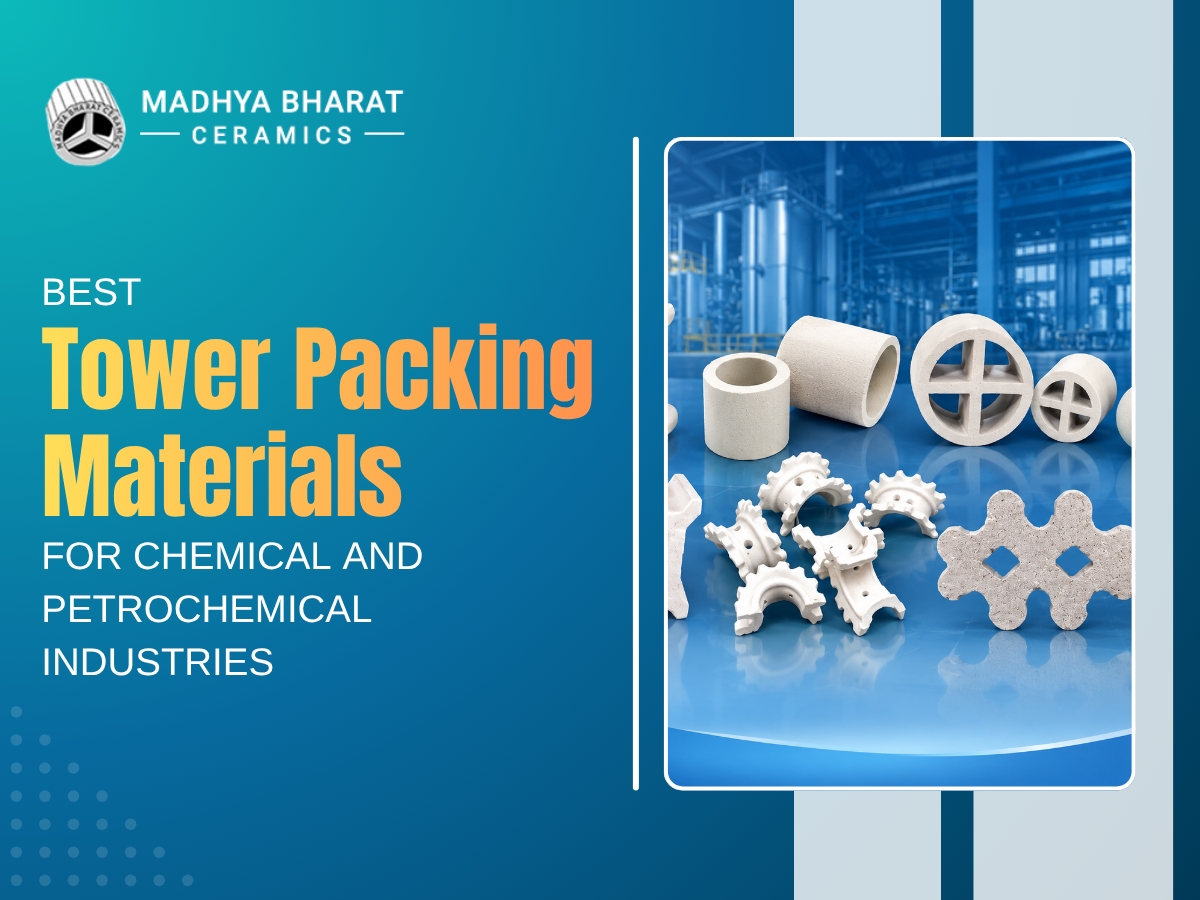
The trade-off is the temperature ceiling. Polypropylene has a lower thermal limit than ceramic, generally topping out well below what fired ceramic saddles or rings can handle. If your process runs hot and corrosive at the same time, that’s usually where ceramic packing takes over as the better material choice, not plastic.
Where Does Pall Ring Packing Get Specified in Practice?
Pall ring packing shows up wherever a plant needs efficient gas-liquid contact without the weight or cost of ceramic:
- Chemical processing towers, for absorption and reaction stages handling moderate-temperature corrosive streams
- Petrochemical separation columns, particularly in lighter hydrocarbon fractionation
- Gas scrubbing systems, where high throughput and low pressure drop matter more than extreme heat tolerance
- Wastewater and emission scrubbers, where corrosion resistance against variable chemistry is the priority
How Do You Know Pall Rings Are the Right Call for Your Tower?
Run through this before finalizing a spec:
- Confirm your maximum process temperature stays comfortably within PP’s rated thermal range.
- Check chemical compatibility against your actual process fluid, not a generic compatibility chart.
- Calculate your target pressure drop and compare it against the ring size you’re considering, since larger rings drop pressure faster but sacrifice some surface area.
- Confirm your support grid can handle the packing weight and flow load together.
- Decide whether random dumped packing or a more structured arrangement suits your column geometry.
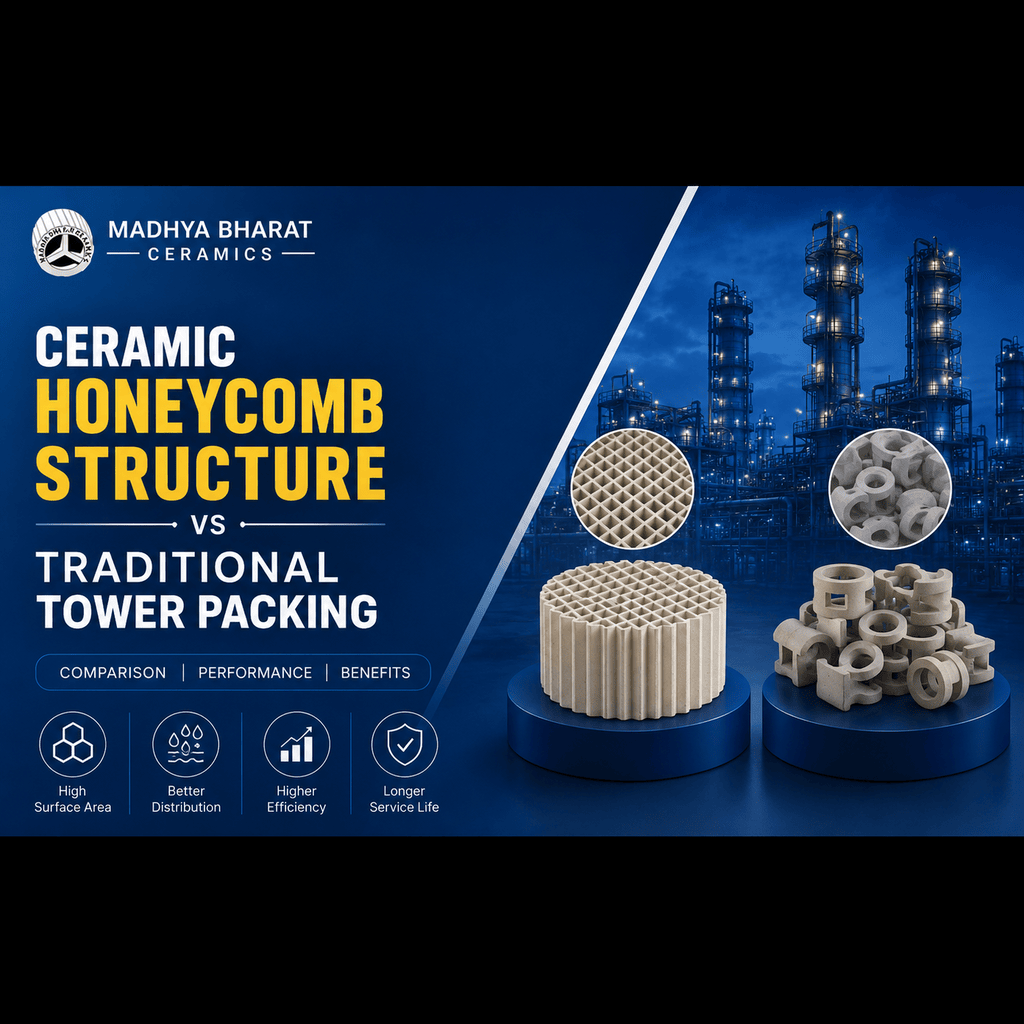
Pall Rings vs Ceramic Random Packing: A Quick Comparison
| Factor | PP Pall Rings | Ceramic Random Packing |
| Temperature tolerance | Moderate, limited by polymer softening point | High, suited to sustained heat exposure |
| Weight | Significantly lighter | Heavier, adds structural load |
| Chemical resistance | Strong against most acids and alkalis | Strong, plus resistant to oxidizing conditions plastics can’t handle |
| Typical cost per volume | Generally lower | Generally higher |
| Best fit | Moderate temperature, corrosive, weight-sensitive applications | High temperature, high mechanical stress applications |
This is the decision most buyers actually need help with, choosing the right material class for their specific process rather than debating packing brands within one material. If you’re weighing pall rings against a saddle shape specifically, rather than a different material class, our breakdown of pall rings versus Intalox saddles covers the geometry trade-offs in more detail.
What Should You Watch During Operation?
Pall ring packing is low maintenance, but a few things are worth monitoring:
- Watch for softening or deformation if process temperatures occasionally spike above the rated range.
- Check for fouling buildup inside the perforations, since narrow openings can clog faster than open saddle shapes in particulate-heavy streams.
- Confirm the packing bed hasn’t compacted or shifted during periods of flooding, which affects flow distribution going forward.
Frequently Asked Questions
1. What is pall ring packing used for?
Pall ring packing is used to improve gas-liquid contact in distillation, absorption, and scrubbing towers by combining high surface area with low resistance to flow, which reduces pressure drop and energy costs.
2. Is PP Pall Ring better than metal pall rings?
For corrosive, moderate-temperature processes, PP is usually the better choice because it resists corrosion that would degrade metal over time. For high-temperature or high mechanical stress applications, metal or ceramic packing typically performs better.
3. What temperature can PP Pall Ring packing handle?
Polypropylene packing generally handles moderate process temperatures well but has a lower thermal ceiling than ceramic packing, so it’s not the right choice for sustained high-heat applications.
4. Does pall ring packing clog easily?
It can, particularly in streams with high particulate content, since the perforated wall structure has narrower openings than open saddle shapes. Pre-filtration upstream reduces this risk significantly.
5. How is pall ring packing different from saddle packing?
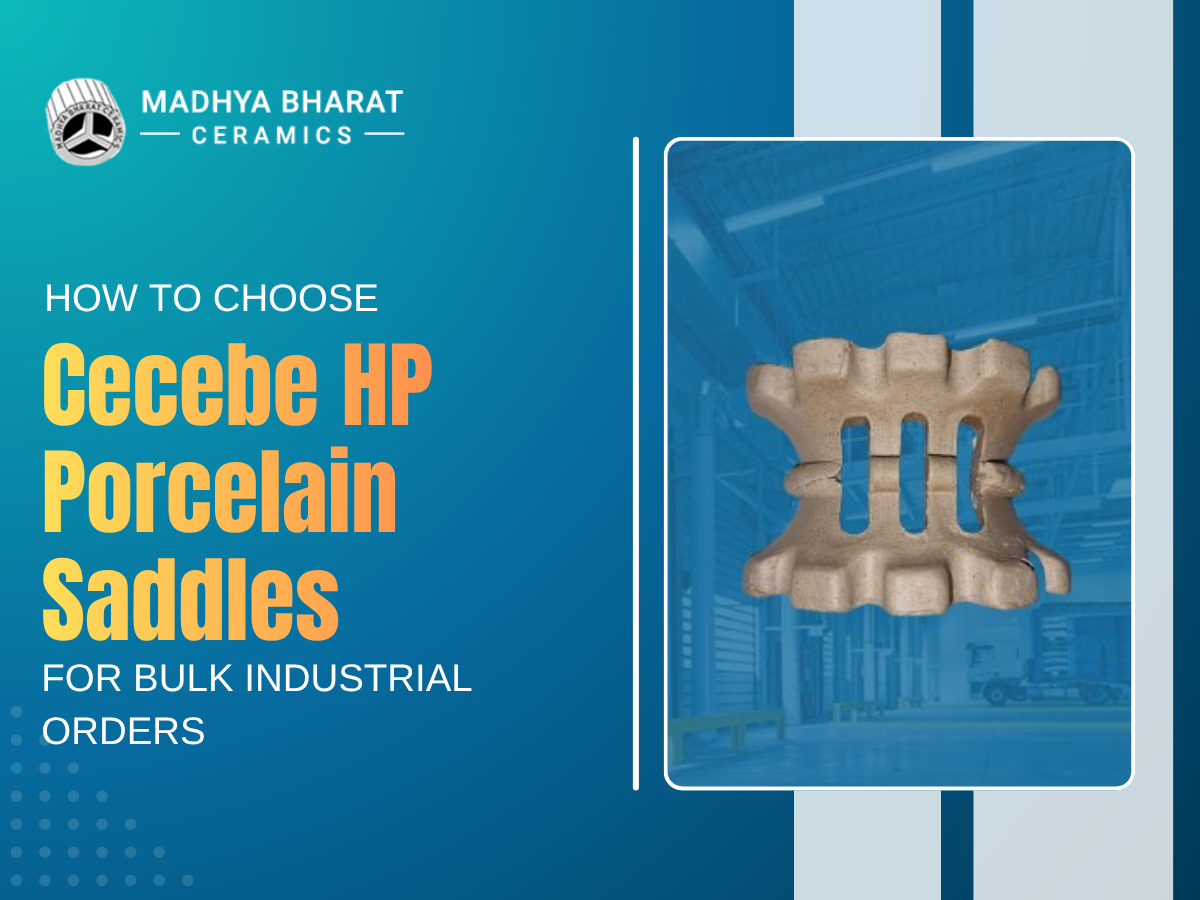
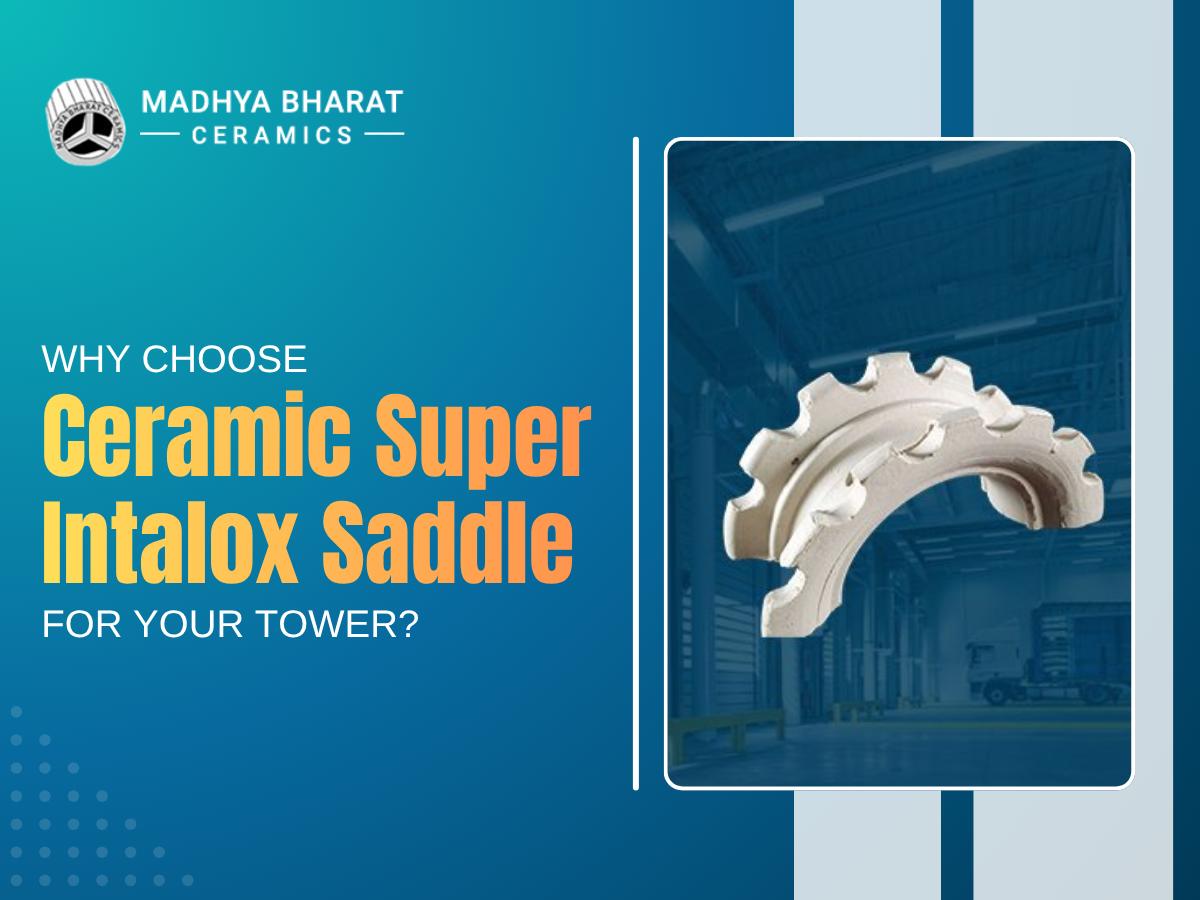
Pall rings are hollow, perforated cylinders, while saddles are open, curved pieces. Rings generally offer more surface area per unit volume, while saddles often provide better resistance to fouling and easier liquid redistribution.
Talk to MBC Tower About Your Packing Spec
If you’re deciding between PP and ceramic packing for a new or retrofit column, talk to the MBC Tower team about matching material class to your actual process temperature and chemistry before you commit to an order. MBC Tower also serves buyers outside India directly as a PP Pall Ring Exporter, so if you’re sourcing internationally, ask about export documentation and shipping lead times when you reach out.