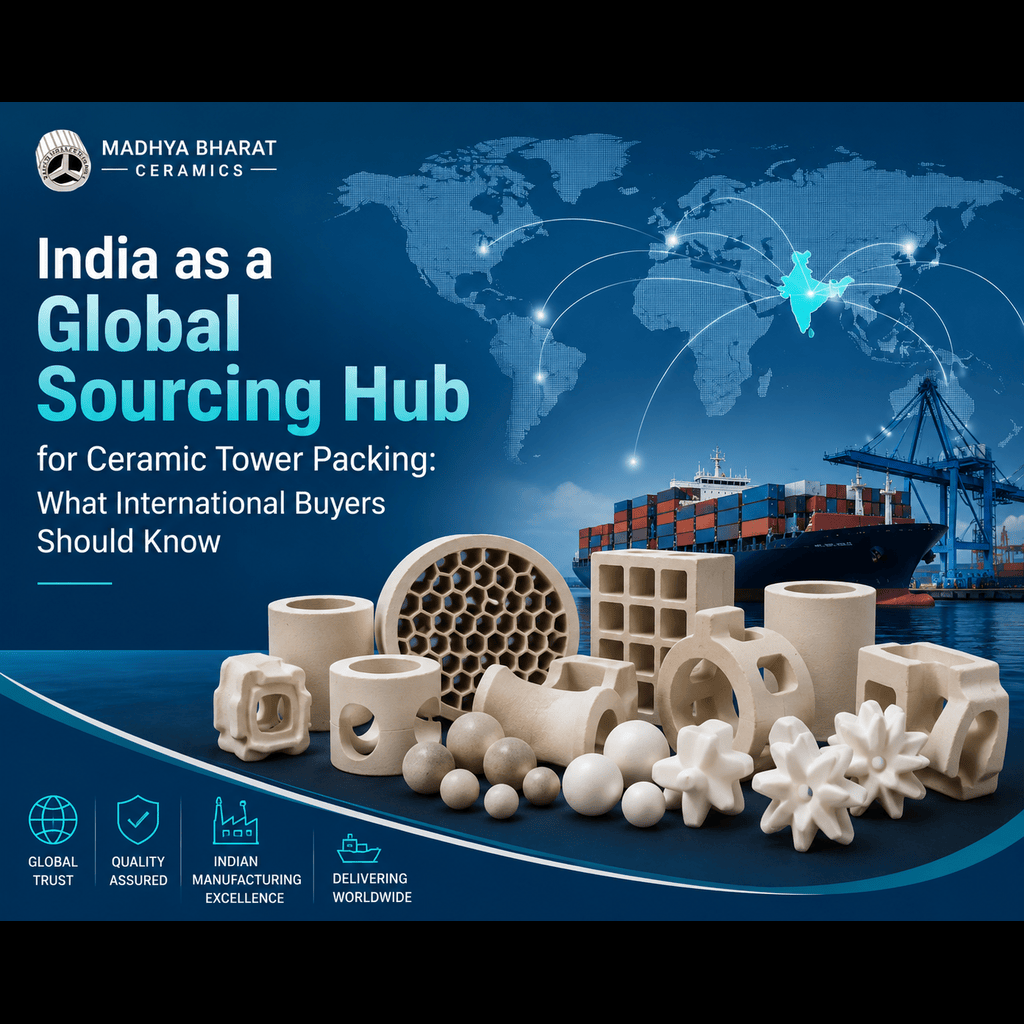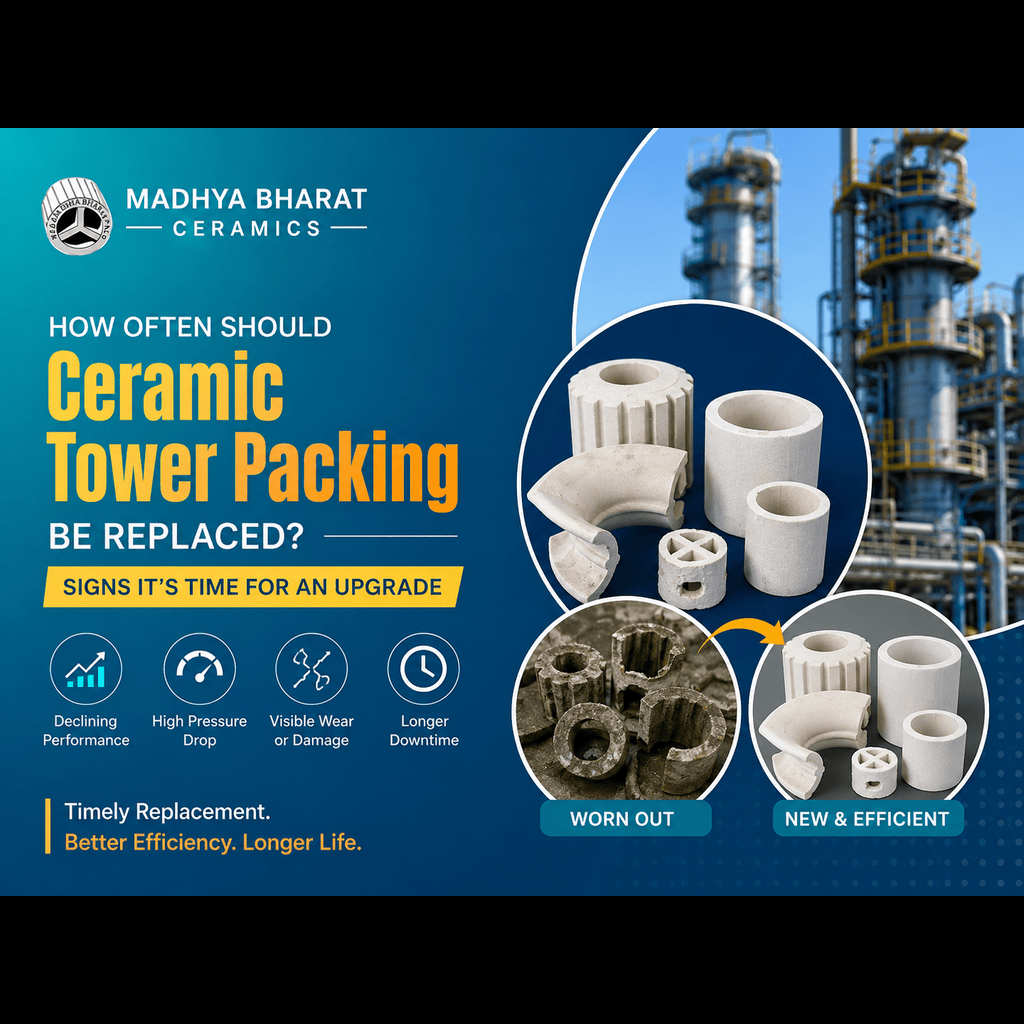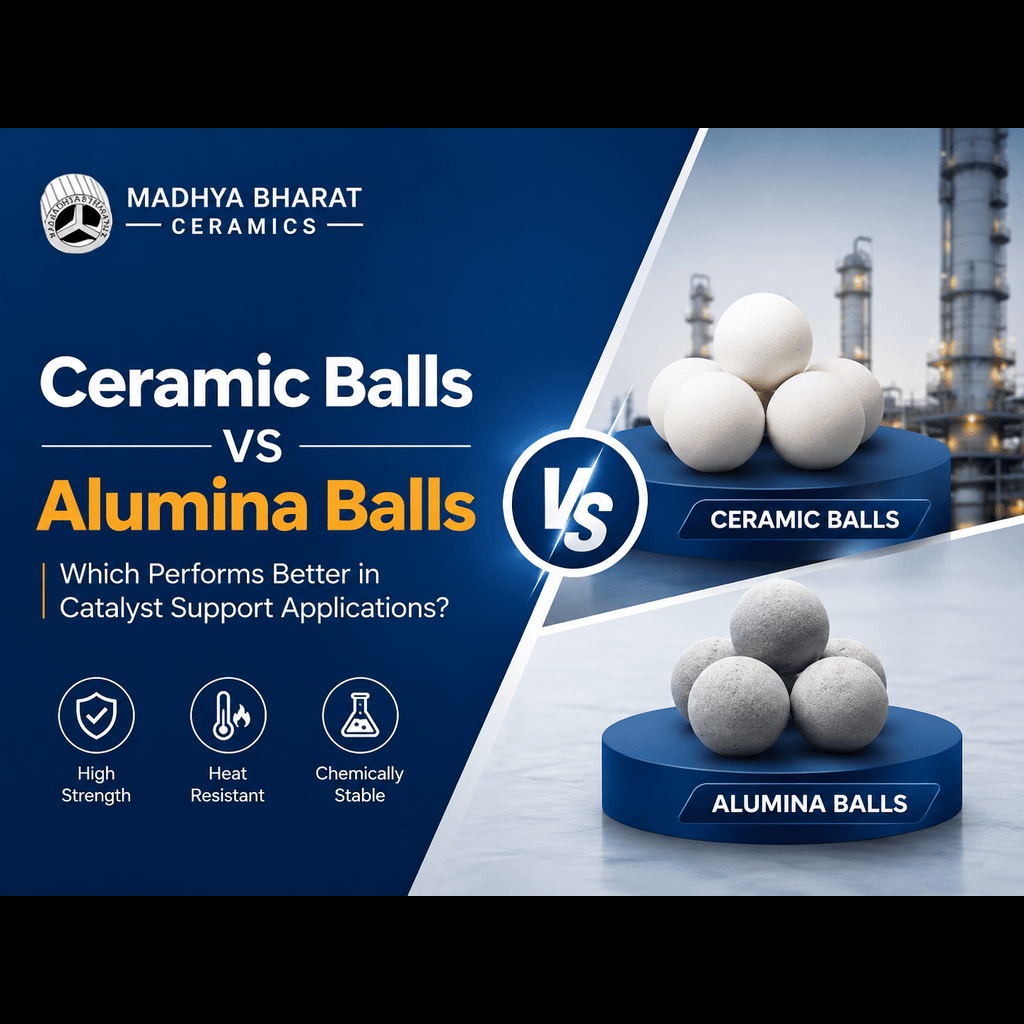
Choosing the right internal component can significantly change how efficiently your tower or reactor performs. Understanding the key properties of Ceramic Structured Honeycomb helps engineers decide whether this packing type fits their specific process needs. Known for its high surface area, low pressure drop, and strong chemical resistance, this packing style has become a preferred choice across several industrial applications.
In this guide, we will break down its core properties, common uses, and how to select a reliable Ceramic Structured Honeycomb manufacturer for your project.
What Is Ceramic Structured Honeycomb?
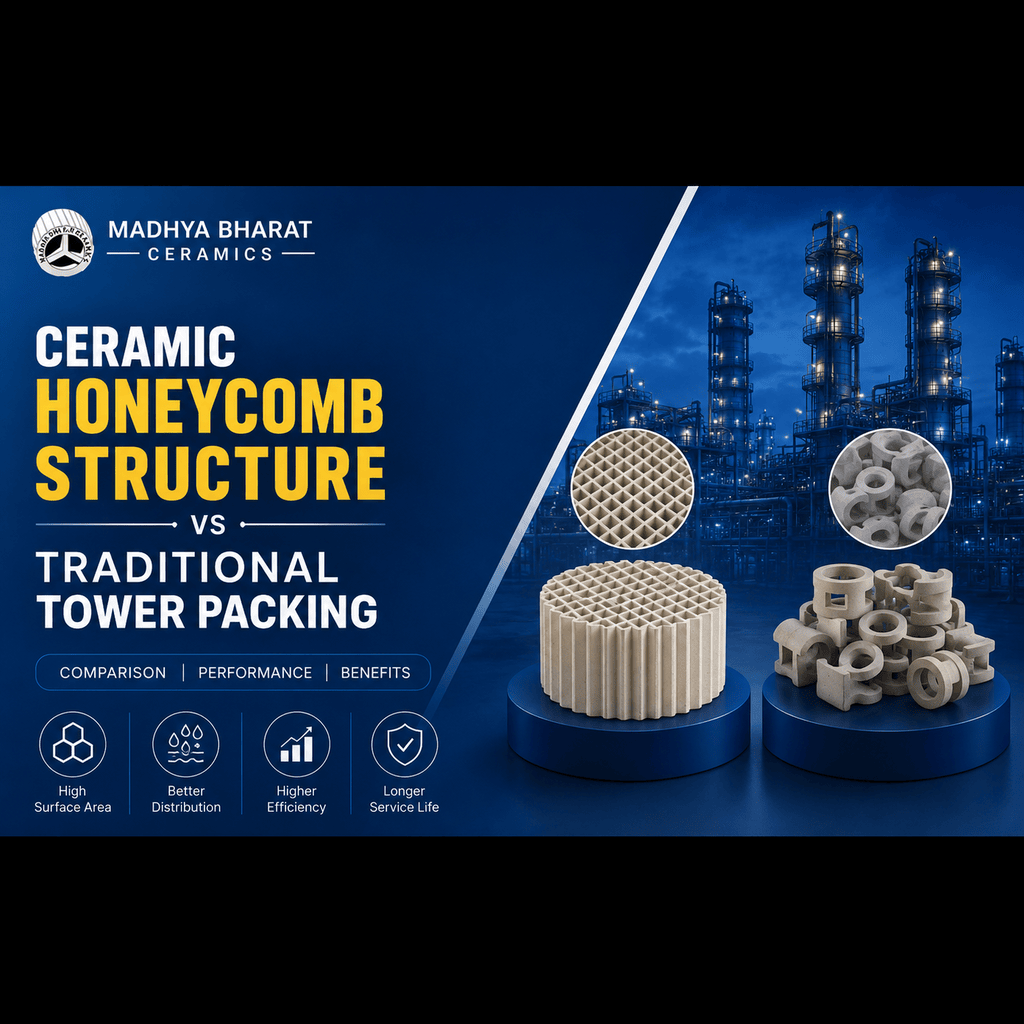
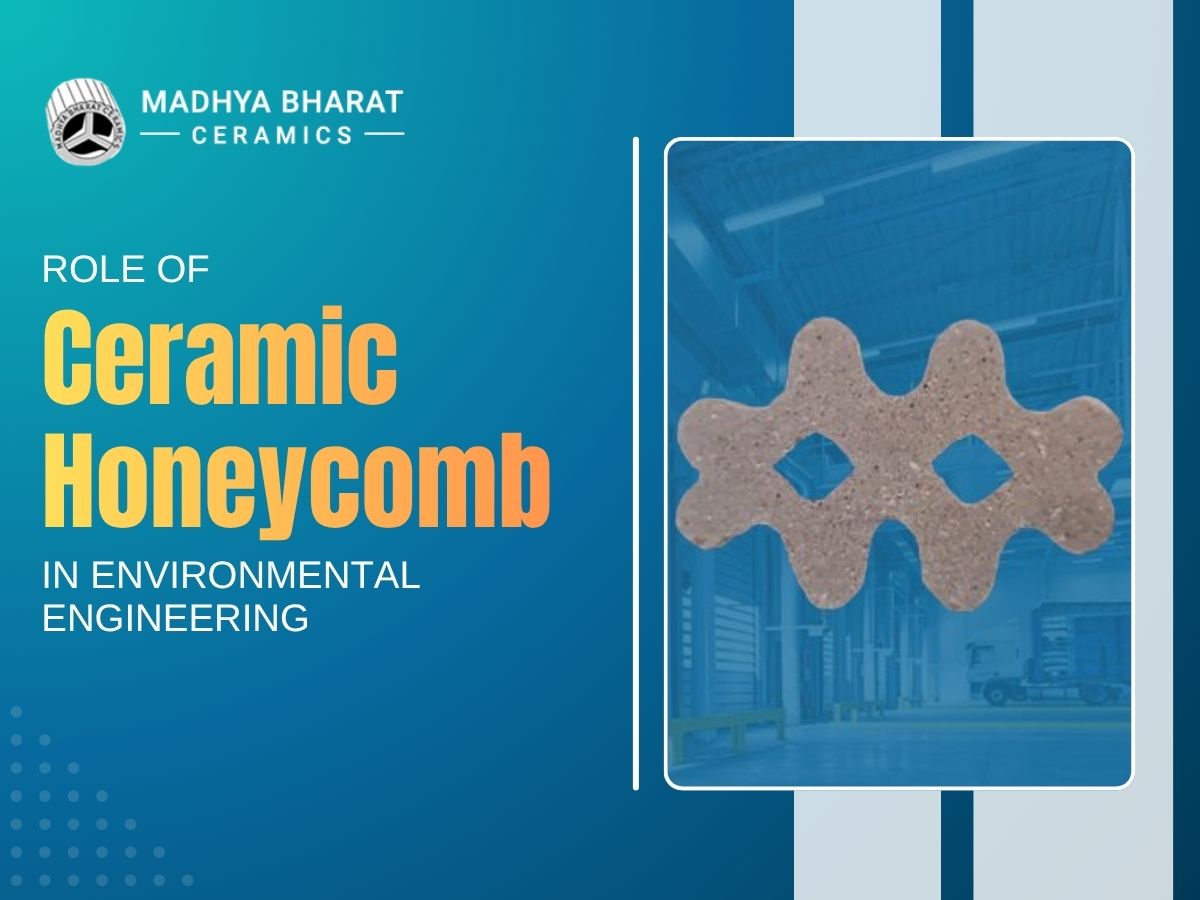
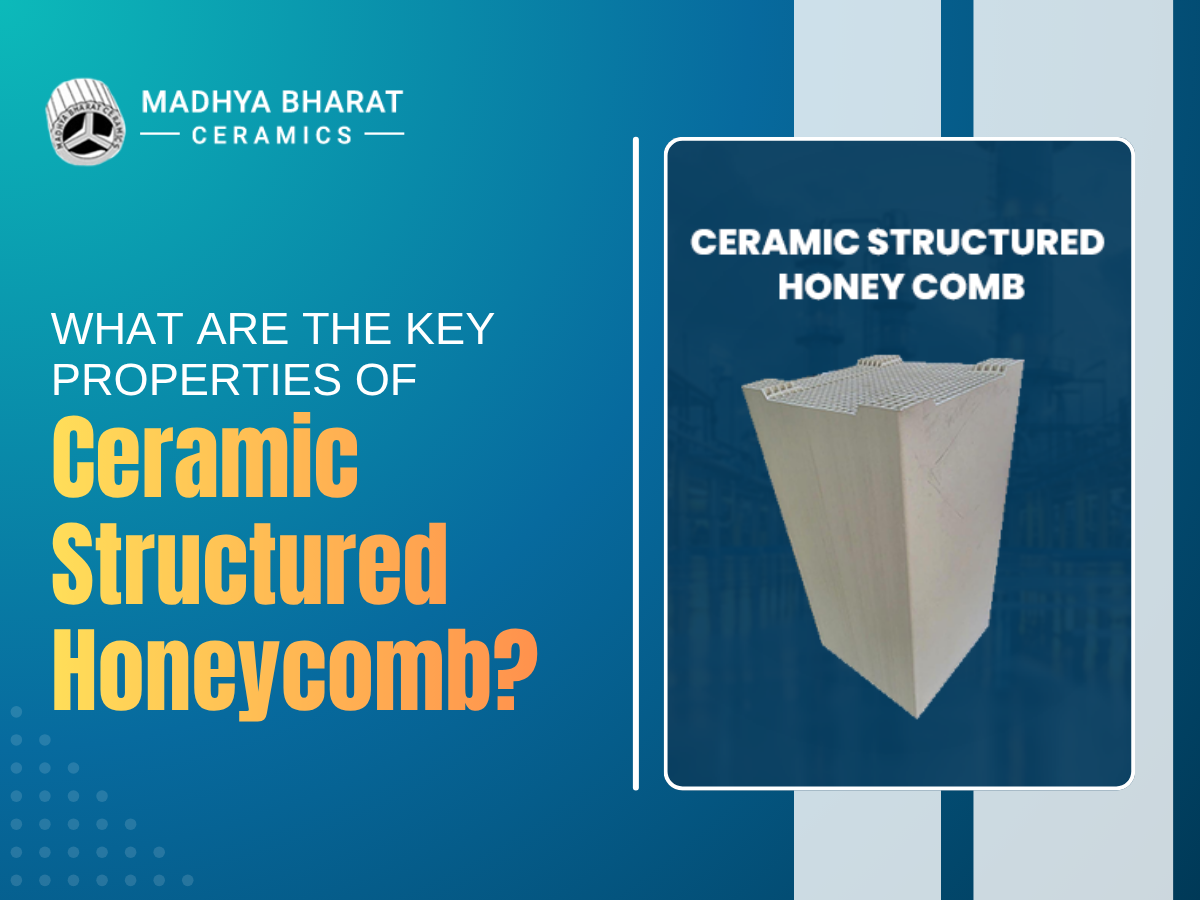
Ceramic Structured Honeycomb is a fixed packing material built from parallel channels arranged in a honeycomb-like pattern. Unlike random packing such as saddles or rings, this structure is organized and uniform throughout the bed.
This design allows gas and liquid to flow through predictable, evenly spaced channels rather than through randomly stacked pieces. The result is more consistent contact between phases and lower resistance to flow.
Made from high-purity ceramic material, this packing type is built to endure demanding industrial conditions, including high temperatures and exposure to corrosive gases.
Key Properties of Ceramic Structured Honeycomb
Understanding the core properties of this packing type helps explain why so many engineers choose it for specific process conditions.
- High surface area: The honeycomb structure packs a large surface area into a compact volume, improving contact between gas and liquid.
- Low pressure drop: The straight, uniform channels allow gas to pass through with minimal resistance, reducing energy consumption.
- Excellent thermal stability: Ceramic material maintains its shape and strength even under continuous high-temperature operation.
- Strong chemical resistance: It withstands exposure to acids, alkalis, and corrosive gases that would degrade metal or plastic components.
- Uniform flow distribution: The structured design reduces channeling, a common issue with random packing types.
- High mechanical strength: It can bear significant structural load without cracking or collapsing under normal operating conditions.
- Long operational lifespan: Because it resists corrosion and thermal stress, it typically lasts longer than many alternative packing materials.
These properties of Ceramic Structured Honeycomb work together to deliver consistent performance, even in demanding industrial environments.
Common Applications of Ceramic Structured Honeycomb
A reliable Manufacturer of Ceramic Tower Packing typically supplies structured honeycomb for a range of industrial uses. Common applications include:
- Regenerative thermal oxidizers for air pollution control
- Heat recovery systems in industrial furnaces
- Catalyst support structures in chemical reactors
- Gas distribution layers in distillation columns
- Waste gas treatment and scrubbing systems
- High-temperature filtration applications
Because these systems often operate continuously under high heat and chemical exposure, the durability of ceramic structured honeycomb makes it a dependable long-term choice.
Ceramic Structured Honeycomb vs Random Packing
Choosing between structured and random packing depends on your specific process requirements. Here is a quick comparison to help guide your decision.
| Feature | Ceramic Structured Honeycomb | Random Packing (Saddles/Rings) |
| Flow Pattern | Uniform, predictable channels | Random, less predictable |
| Pressure Drop | Generally lower | Moderate to higher |
| Installation | Structured, stacked layers | Poured or randomly loaded |
| Surface Area per Volume | Very high | Moderate to high |
| Best Suited For | High-temperature, low-pressure-drop needs | General-purpose mass transfer |
While random packing remains suitable for many standard applications, structured honeycomb often performs better in high-temperature or low-pressure-drop scenarios.
Factors That Affect Ceramic Structured Honeycomb Performance
Even high-quality packing can underperform if certain design factors are overlooked. Keep these points in mind during selection.
- Cell density: Higher cell density increases surface area but can also raise pressure drop if not matched correctly to flow rate.
- Channel orientation: Proper alignment during installation ensures even flow distribution across the bed.
- Operating temperature range: Confirm the honeycomb material is rated for both standard and peak process temperatures.
- Chemical exposure: Match the ceramic composition to the specific gases or liquids present in your system.
- Support structure: Structured packing requires proper support at the base to prevent shifting or uneven loading.
Working closely with an experienced ceramic packing manufacturer during the design phase helps you avoid these common performance issues.
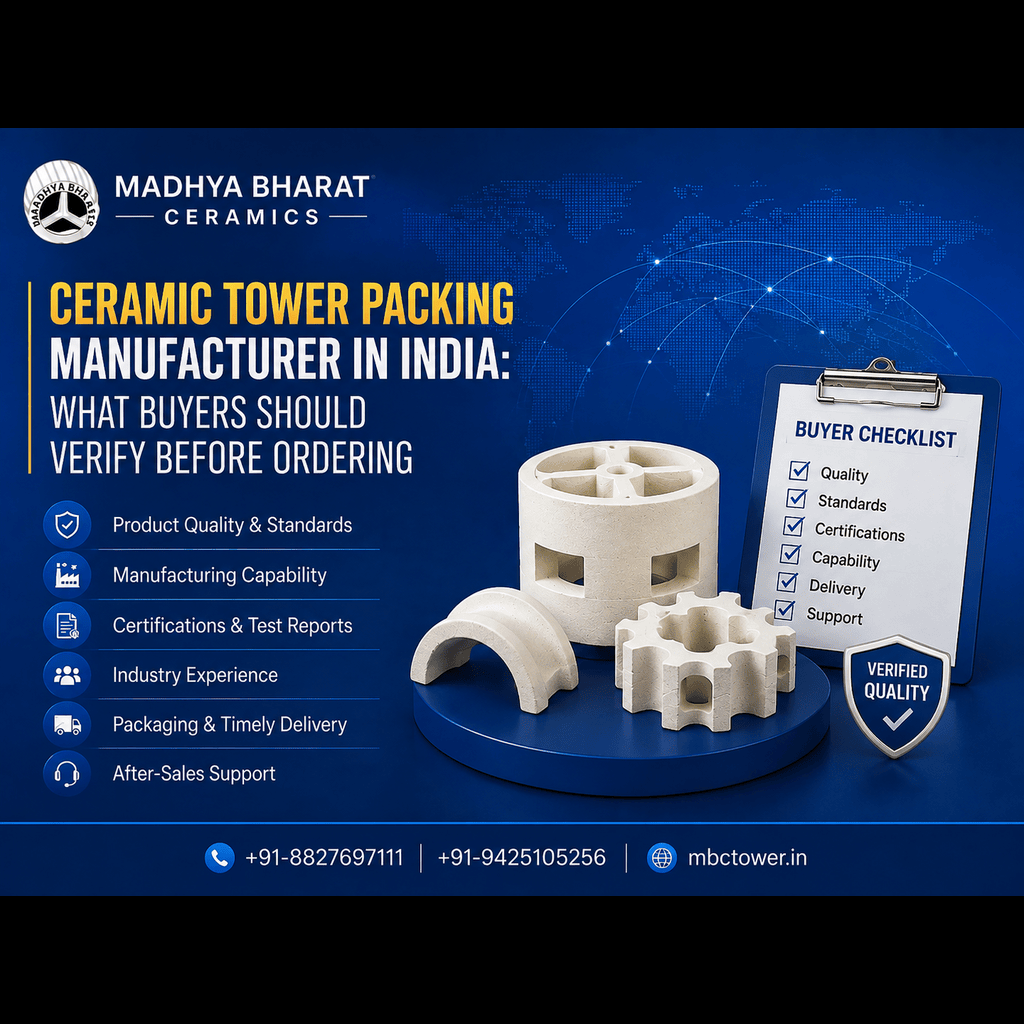
How to Choose a Reliable Ceramic Structured Honeycomb Manufacturer
Selecting the right supplier is just as important as selecting the right material. Before placing an order, evaluate these factors.
- Manufacturing experience: A manufacturer with decades of production history understands real operating conditions, not just theoretical data sheets.
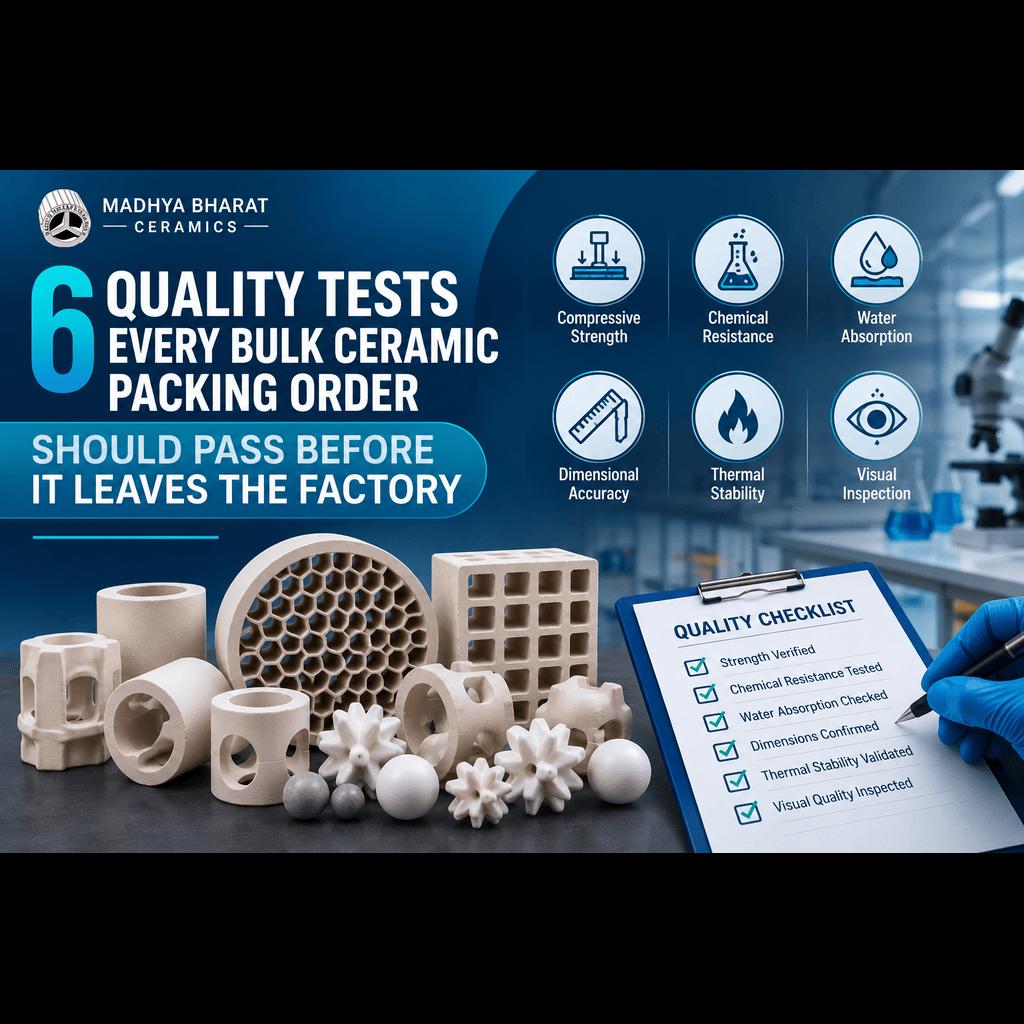
- Quality testing standards: Ask whether the manufacturer tests raw materials, monitors firing controls, and verifies final product dimensions.
- Customization capability: Towers and reactors vary in size, so your supplier should be able to manufacture honeycomb structures to your exact specifications.
- Consistent supply capacity: Confirm the manufacturer can meet your ongoing production or replacement needs without long delays.
- Technical support: A dependable Ceramic Structured Honeycomb supplier should assist with sizing and material selection based on your process data.
Why Madhya Bharat Ceramics Is a Trusted Choice
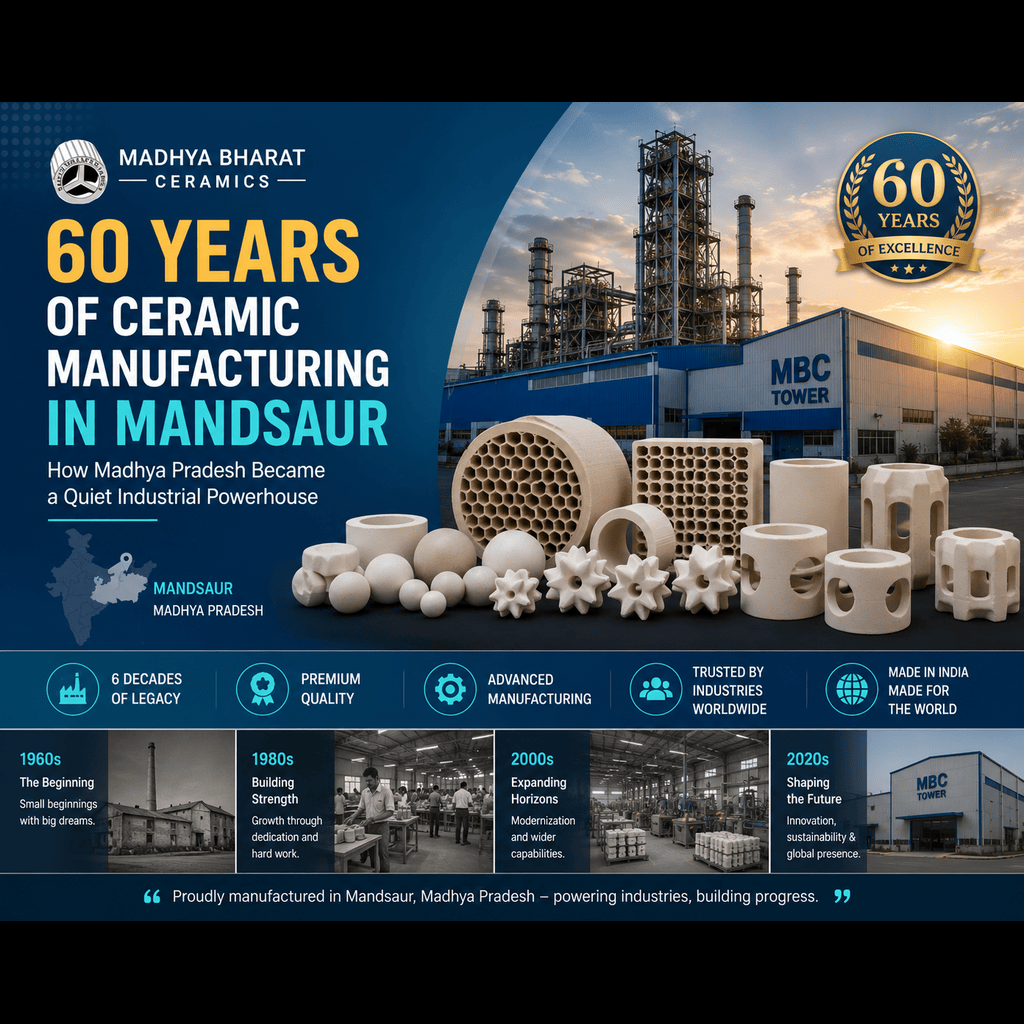
Madhya Bharat Ceramics has been manufacturing ceramic tower packing since 1964, giving the company over six decades of hands-on industry experience. The factory is based in Mandsaur, Madhya Pradesh, a region long recognized for its ceramic manufacturing expertise.
As an established Ceramic Structured Honeycomb manufacturer, Madhya Bharat Ceramics follows a structured quality control process that includes raw material testing, in-process checks, firing controls, and final product evaluation. This consistent approach ensures every batch meets strict dimensional and strength standards.
Installation and Maintenance Best Practices
Proper handling extends the service life of ceramic structured honeycomb and ensures consistent performance. Keep these practical tips in mind.
- Handle honeycomb blocks carefully during transport and installation to avoid chipping the edges.
- Ensure the support structure beneath the honeycomb layer is level and properly rated for the load.
- Inspect the packing periodically for fouling, especially in systems handling particulate-laden gases.
- Clean the honeycomb surface during scheduled maintenance shutdowns to maintain flow efficiency.
- Store spare units in a dry, protected area to prevent moisture-related damage.
Following these steps helps you get the maximum lifespan and performance from your ceramic packing investment.
Frequently Asked Questions
1. What makes ceramic structured honeycomb different from random packing?
Structured honeycomb uses uniform, aligned channels instead of randomly stacked pieces, which results in more predictable flow patterns and generally lower pressure drop.
2. Can ceramic structured honeycomb handle very high temperatures?
Yes. Ceramic material maintains its structural integrity at high temperatures, making it suitable for applications like regenerative thermal oxidizers and heat recovery systems.
3. Is ceramic structured honeycomb suitable for corrosive gas environments?
Yes. Its strong chemical resistance allows it to withstand exposure to acids, alkalis, and various industrial gases without significant degradation.
4. How do I select the right cell density for my application?
Cell density should be matched to your flow rate and required surface area. Consulting your manufacturer with your process specifications is recommended for accurate sizing.
5. How long does ceramic structured honeycomb typically last?
With proper installation and maintenance, ceramic structured honeycomb can operate reliably for many years, even in high-temperature and chemically aggressive conditions.
Conclusion
Understanding the properties of Ceramic Structured Honeycomb helps engineers make informed decisions when designing towers, reactors, and pollution control systems. Its combination of high surface area, low pressure drop, and strong chemical resistance makes it a dependable choice for demanding industrial conditions.
Partnering with an experienced Ceramic Structured Honeycomb manufacturer like Madhya Bharat Ceramics, backed by more than six decades of production expertise, ensures your systems get packing material built for real industrial performance.
Ready to Upgrade Your Tower or Reactor System?
If you are looking for a dependable Ceramic Structured Honeycomb manufacturer in India, Madhya Bharat Ceramics is here to help. Contact our team today for product specifications, technical guidance, and a customized quote suited to your specific industrial application.