If you have ever wondered why so many process plants rely on a simple ball-shaped component inside their reactors and towers, you are not alone. Understanding why Industries Use Inert Ceramic Balls starts with one core idea: these balls protect catalyst beds, support packing material, and improve flow distribution without reacting with the chemicals around them. This makes them essential in chemical, fertilizer, petrochemical, and pharmaceutical operations.
In this guide, we will explain what inert ceramic balls do, why they matter for process efficiency, and how to choose a reliable inert ceramic balls manufacturer for your plant.
What Are Inert Ceramic Balls?
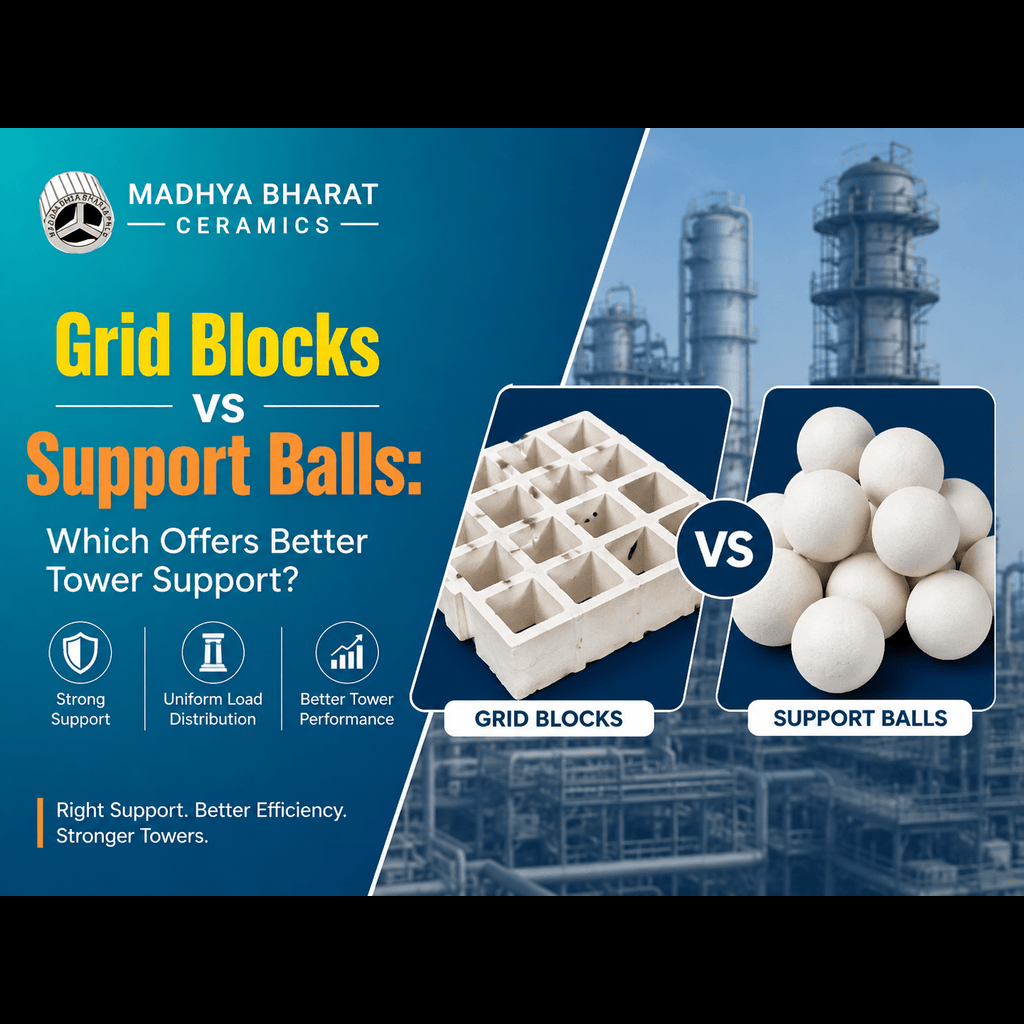
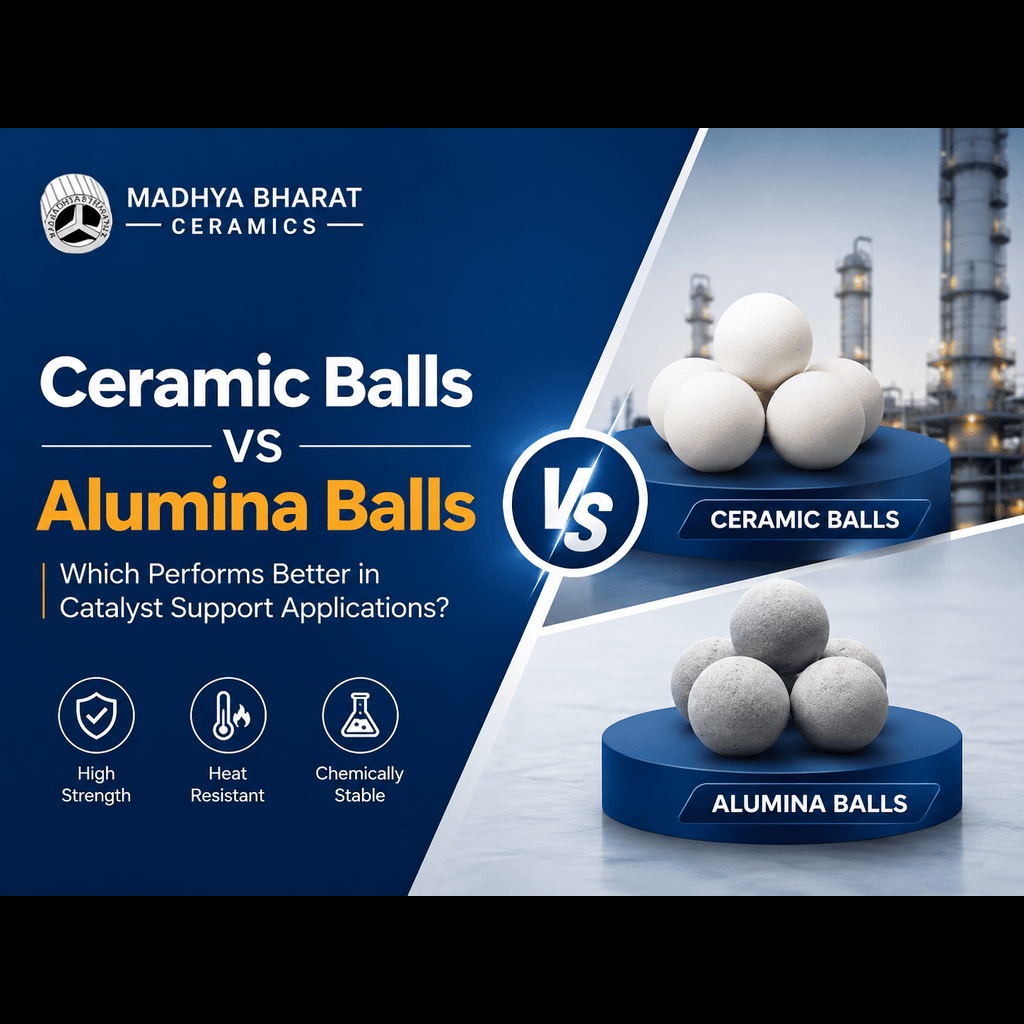
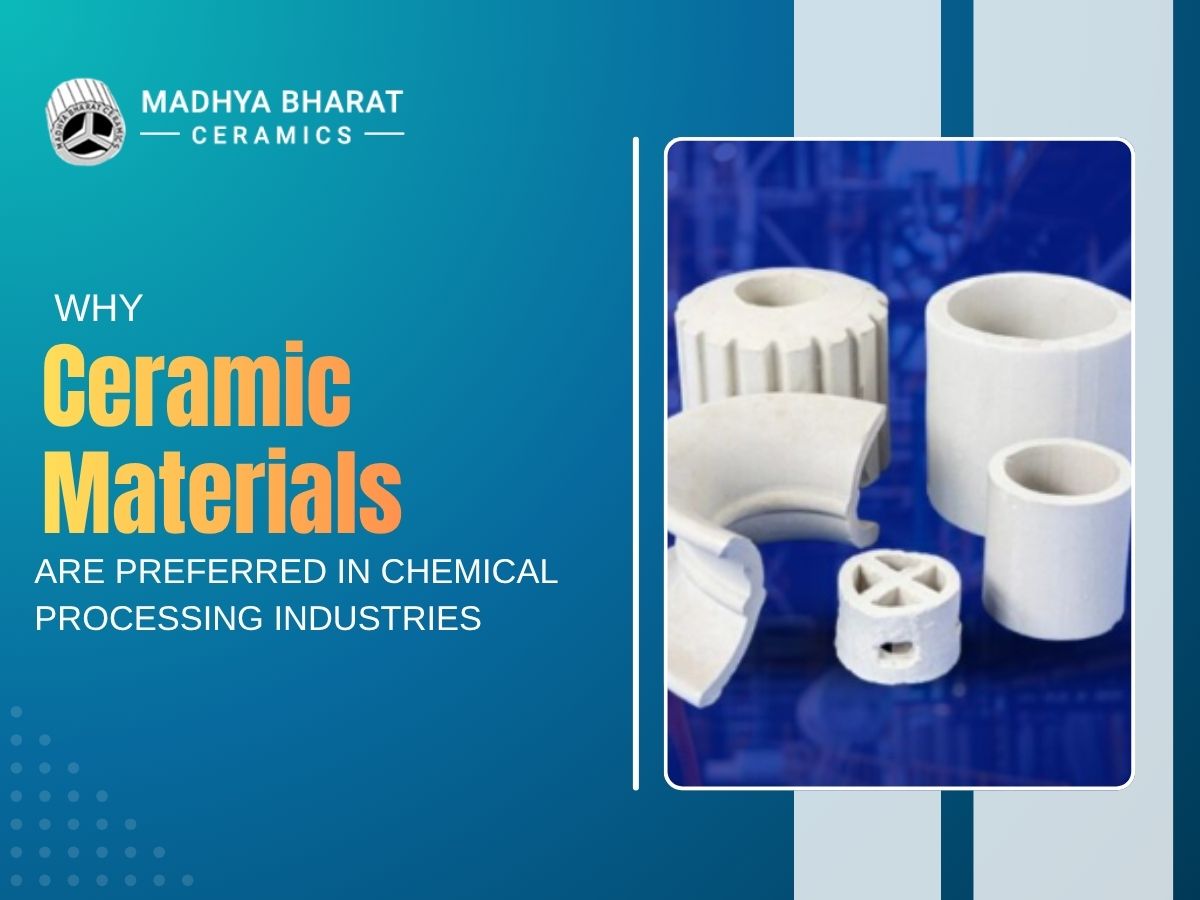
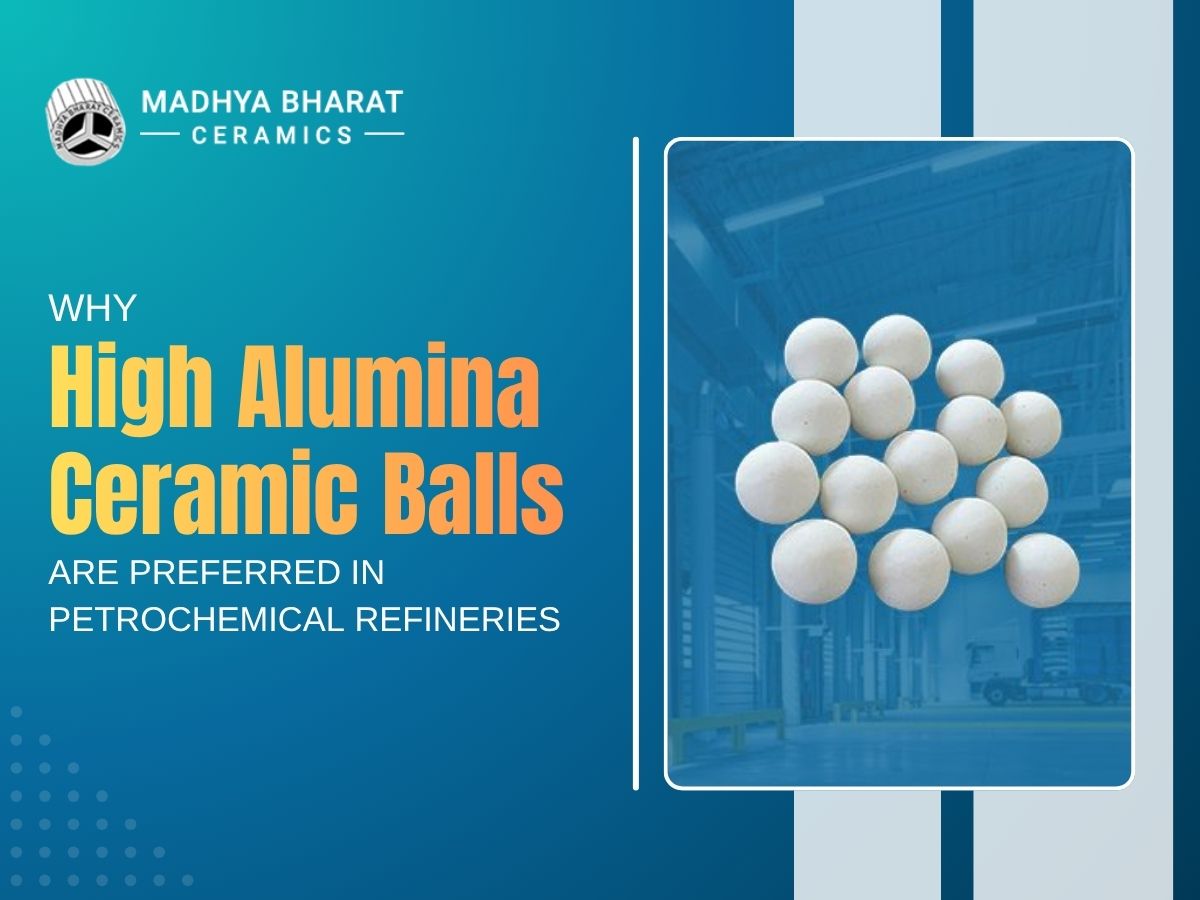
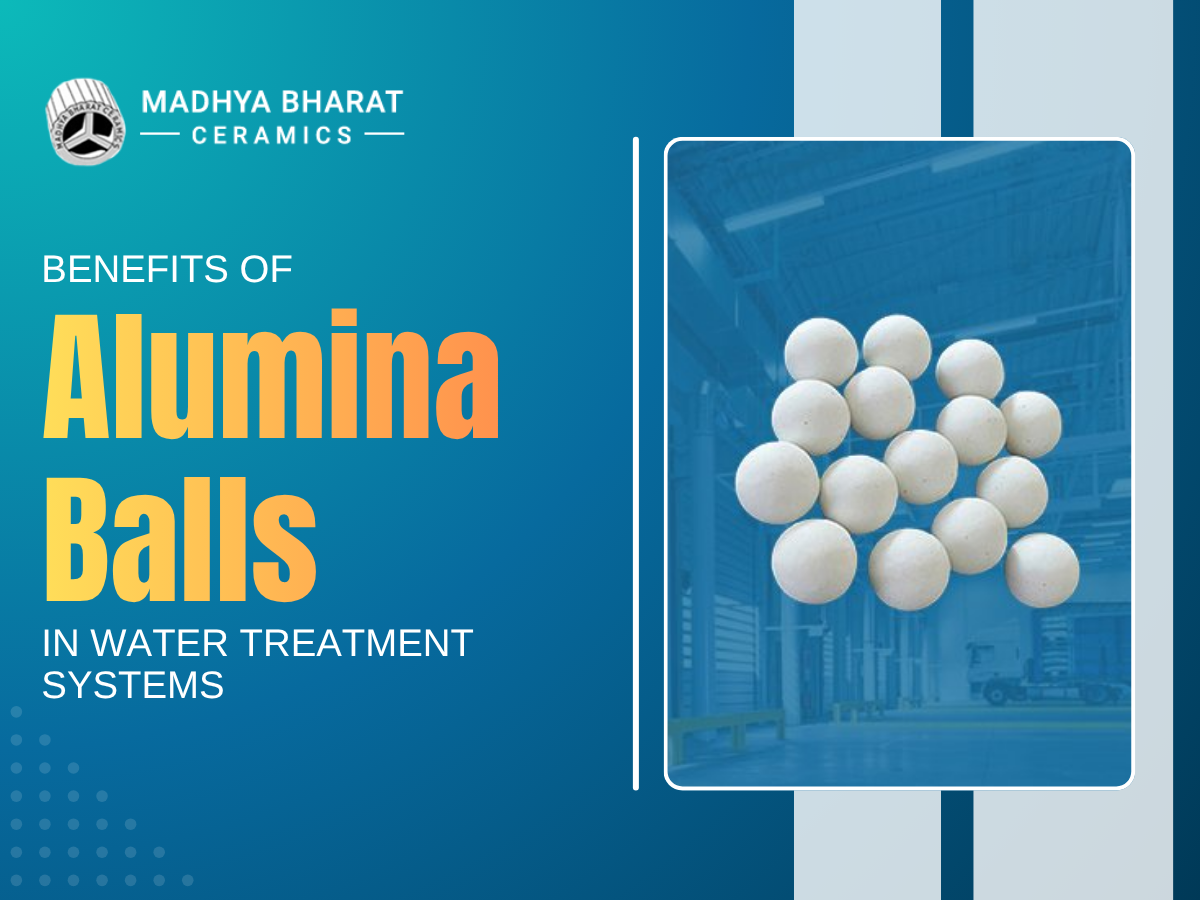
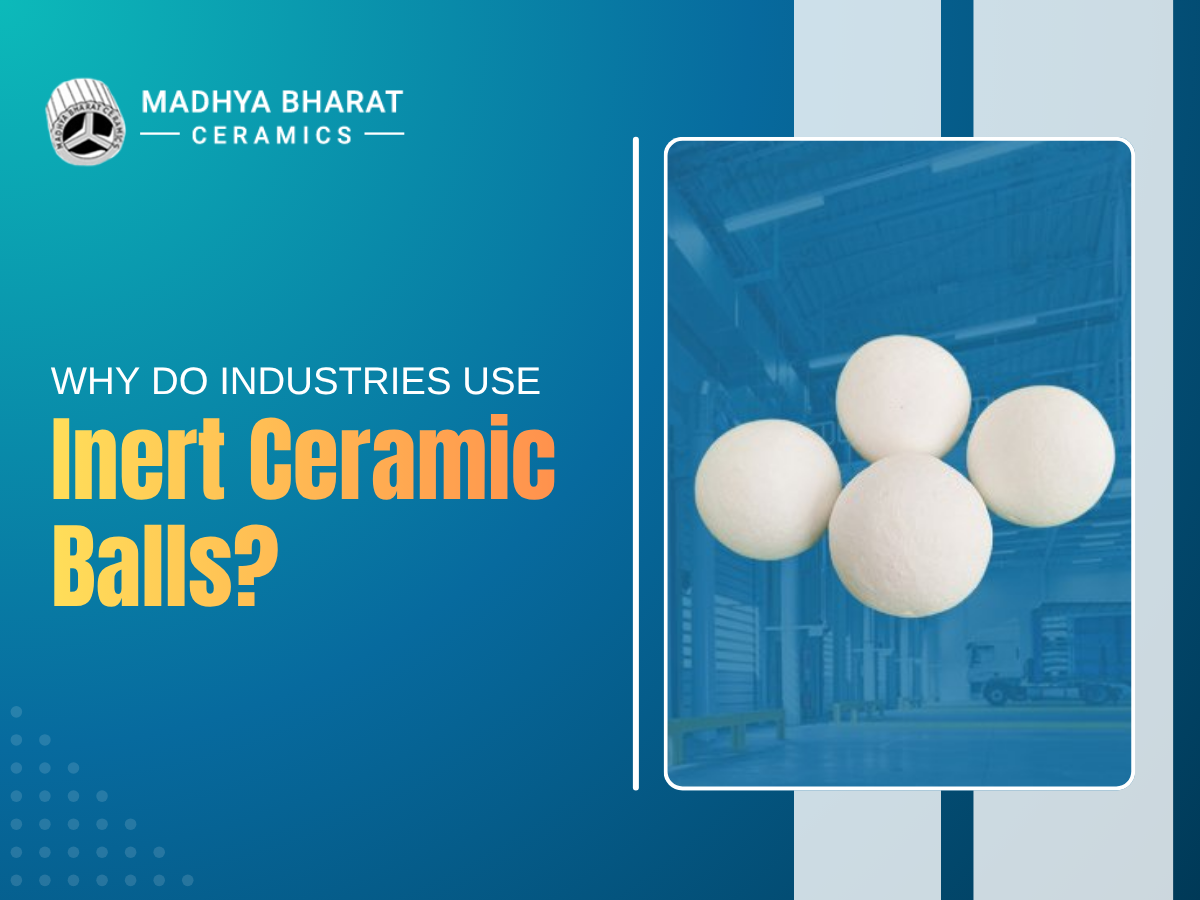
Inert ceramic balls are small, round components made from high-purity ceramic material. They are called “inert” because they do not chemically react with the acids, gases, or solvents passing through the vessel.
These balls are typically placed at the top and bottom of catalyst beds inside reactors, columns, and towers. Their round shape allows for even flow distribution while protecting more delicate materials from mechanical damage.
Because they do not participate in the chemical reaction itself, Inert Ceramic Balls serve a purely structural and protective role. This is exactly why they are trusted across so many demanding industrial processes.
Why Do Industries Use Inert Ceramic Balls?
Process engineers choose inert ceramic balls for several practical reasons. Here is a breakdown of their most important functions.
- Catalyst bed support: They hold catalyst material in place, preventing it from settling unevenly or falling through support grids.
- Even liquid and gas distribution: Placed at the top of a bed, they spread incoming flow evenly across the surface below.
- Protection from mechanical damage: They act as a cushioning layer, reducing stress on catalyst particles during loading and operation.
- Chemical inertness: Since they do not react with process chemicals, they will not contaminate the reaction or degrade over time.
- High mechanical strength: They can bear significant weight without cracking, even under continuous industrial use.
- Heat resistance: Ceramic material withstands high operating temperatures without losing its structural integrity.
Each of these functions explains why Industries Use Inert Ceramic Balls so widely, particularly in reactors and towers where precision and reliability directly affect output quality.
Key Applications of Inert Ceramic Balls
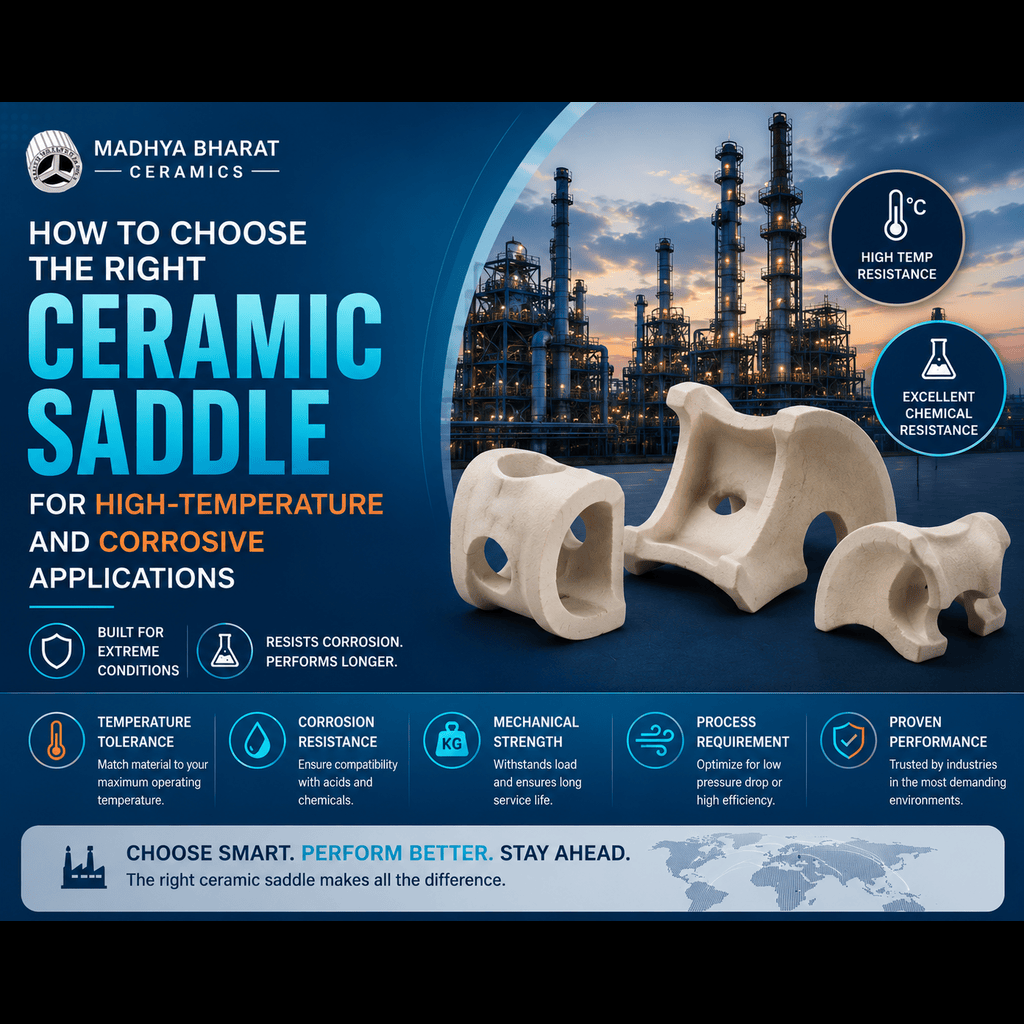
A dependable Manufacturer of Ceramic Tower Packing typically supplies inert ceramic balls for a wide range of industrial uses. Common applications include:
- Catalyst bed support in chemical reactors
- Fixed bed reactors in petrochemical plants
- Liquid distribution layers in distillation columns
- Gas scrubbing and absorption towers
- Fertilizer manufacturing units
- Sulphuric acid production plants
These applications often involve high temperatures, corrosive chemicals, and continuous operation, which is exactly the environment where inert ceramic balls perform best.
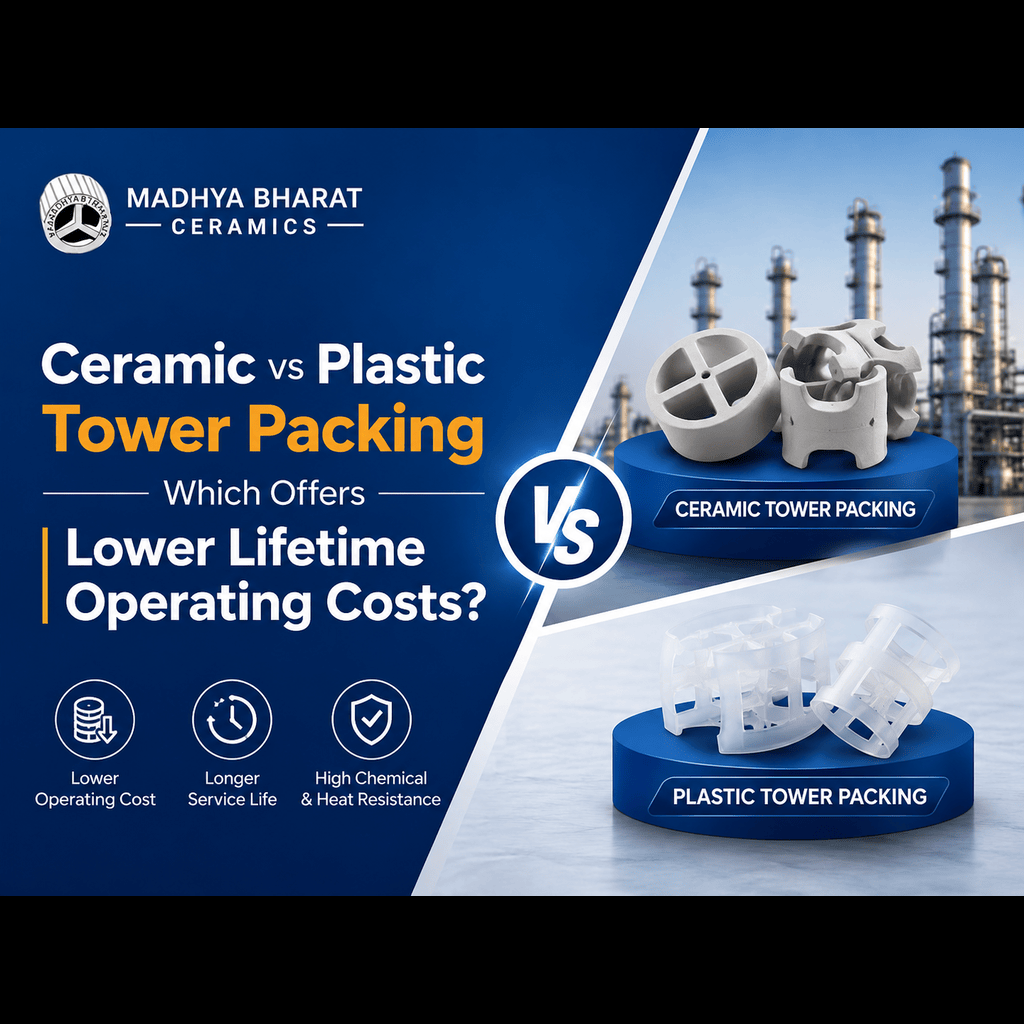
Inert Ceramic Balls vs Other Support Materials
Choosing the right support material depends on your specific process conditions. Here is a quick comparison to help guide your decision.
| Feature | Inert Ceramic Balls | Metal Support Balls | Plastic Support Balls |
| Chemical Reactivity | None | Can corrode over time | Low, but limited at high heat |
| Temperature Tolerance | Very High | High | Low to Medium |
| Mechanical Strength | High | High | Moderate |
| Chemical Resistance | Excellent | Moderate | Limited |
| Long-Term Durability | Long-lasting | Shorter in corrosive service | Shorter lifespan |
As shown above, ceramic balls generally outperform metal and plastic alternatives when the process involves aggressive chemicals or sustained high temperatures.
How Inert Ceramic Balls Improve Process Efficiency
Beyond basic support, inert ceramic balls contribute directly to smoother plant operation. Their round, uniform shape creates consistent void spaces, which allows gas and liquid to move through the bed without unnecessary resistance.
This consistency reduces the risk of channeling, a common problem where flow moves unevenly through a packed bed. Poor flow distribution can lower reaction efficiency and increase operating costs over time.
By maintaining even flow and protecting catalyst material from physical stress, inert ceramic balls help plants maintain stable output and avoid unplanned maintenance. This is a major reason process engineers continue to specify them in new reactor and tower designs.
Factors to Consider Before Choosing Inert Ceramic Balls
Selecting the right inert ceramic balls requires attention to more than just size. Consider these factors before placing an order.
- Ball diameter: Must match your bed design and flow requirements for optimal performance.
- Crush strength: Higher crush strength ensures the balls will not break under the weight of the material above them.
- Chemical compatibility: Confirm the ceramic composition suits the specific acids or gases present in your process.
- Bulk density: Affects how much material is needed to fill a given volume, impacting both cost and performance.
- Manufacturing consistency: Uniform size and shape are essential for even flow distribution across the bed.
Working with an experienced ceramic packing manufacturer during the planning stage helps you avoid mismatched specifications that could reduce reactor efficiency.
How to Choose a Reliable Inert Ceramic Balls Manufacturer
Not every supplier delivers consistent quality. Before finalizing your order, evaluate these points.
- Manufacturing experience: A manufacturer with decades of production history understands real plant conditions, not just catalog specifications.
- Quality testing process: Ask whether raw materials, in-process stages, and final products are all independently tested.
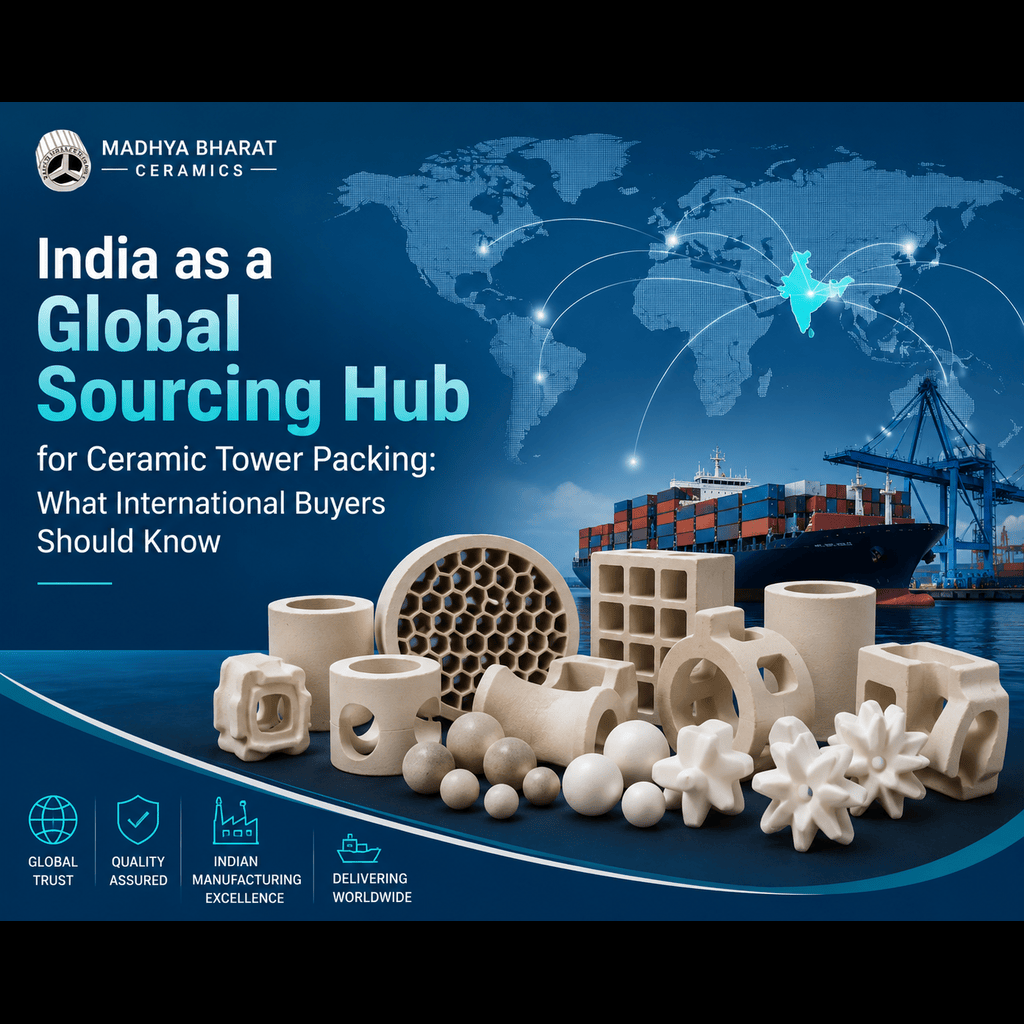
- Export capability: If you need international shipping, working with established inert ceramic balls exporters ensures smoother logistics and documentation.
- Client track record: Suppliers serving major refineries and chemical plants typically maintain stricter quality control.
- Technical support: Reliable manufacturers assist with sizing and specification based on your actual process data.
Why Madhya Bharat Ceramics Is a Trusted Source
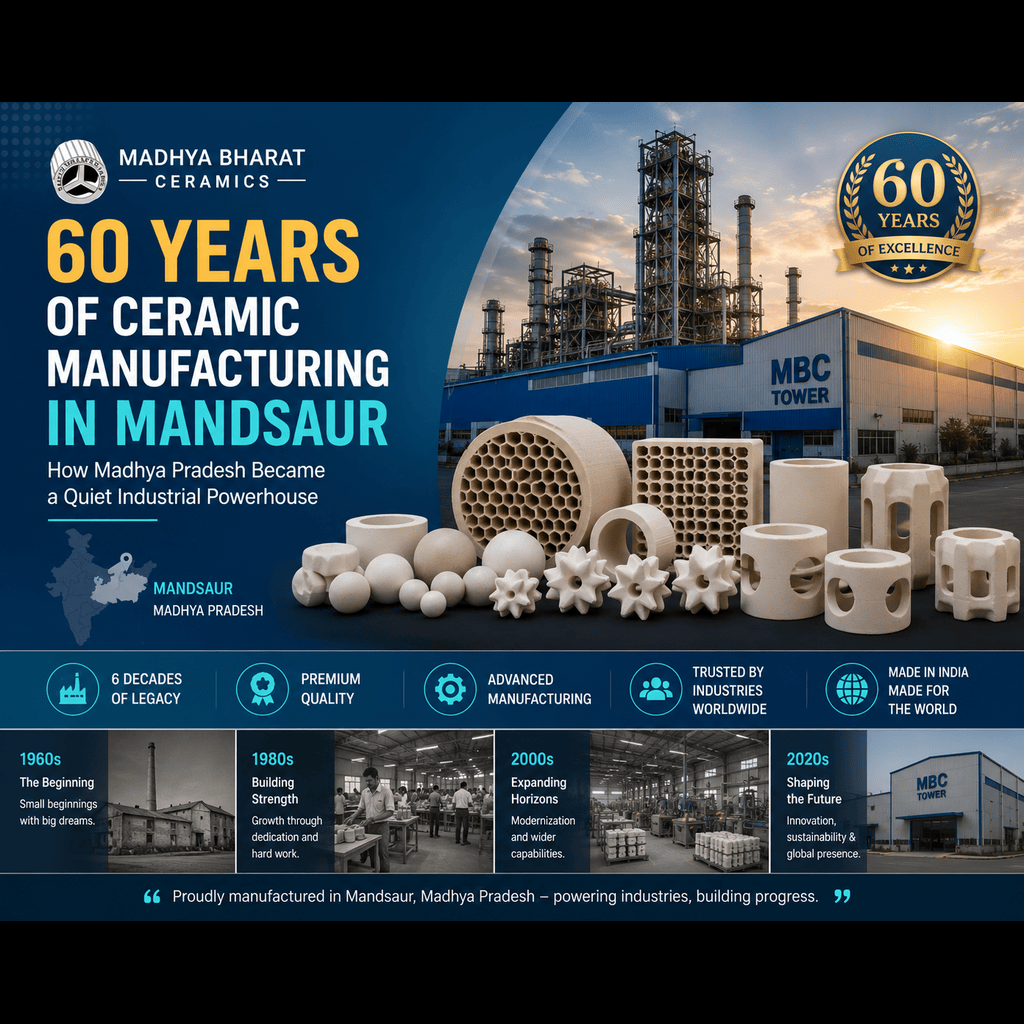
Madhya Bharat Ceramics has been manufacturing ceramic tower packing since 1964, making it one of the more established names in this field. The company’s factory is based in Mandsaur, Madhya Pradesh, a region with a long tradition of ceramic craftsmanship.
As a dedicated inert ceramic balls manufacturer, Madhya Bharat Ceramics uses a die-cast forming process that ensures higher compressive strength and a uniform, consistent shape across every batch. This manufacturing approach directly supports the crush strength and flow performance that reactors depend on.
Whether you need a small trial batch or continuous bulk supply, working with a manufacturer that has over six decades of hands-on experience reduces the risk of specification errors and supply delays.
Installation and Maintenance Tips
Proper handling extends the service life of inert ceramic balls and protects the catalyst or packing material they support. Keep these practical tips in mind.
- Load balls gently to avoid cracking during bed preparation.
- Use the correct ball size for each support layer as specified in your reactor design.
- Inspect the support layer during scheduled shutdowns for signs of wear or breakage.
- Store unused stock in a dry area to prevent moisture absorption.
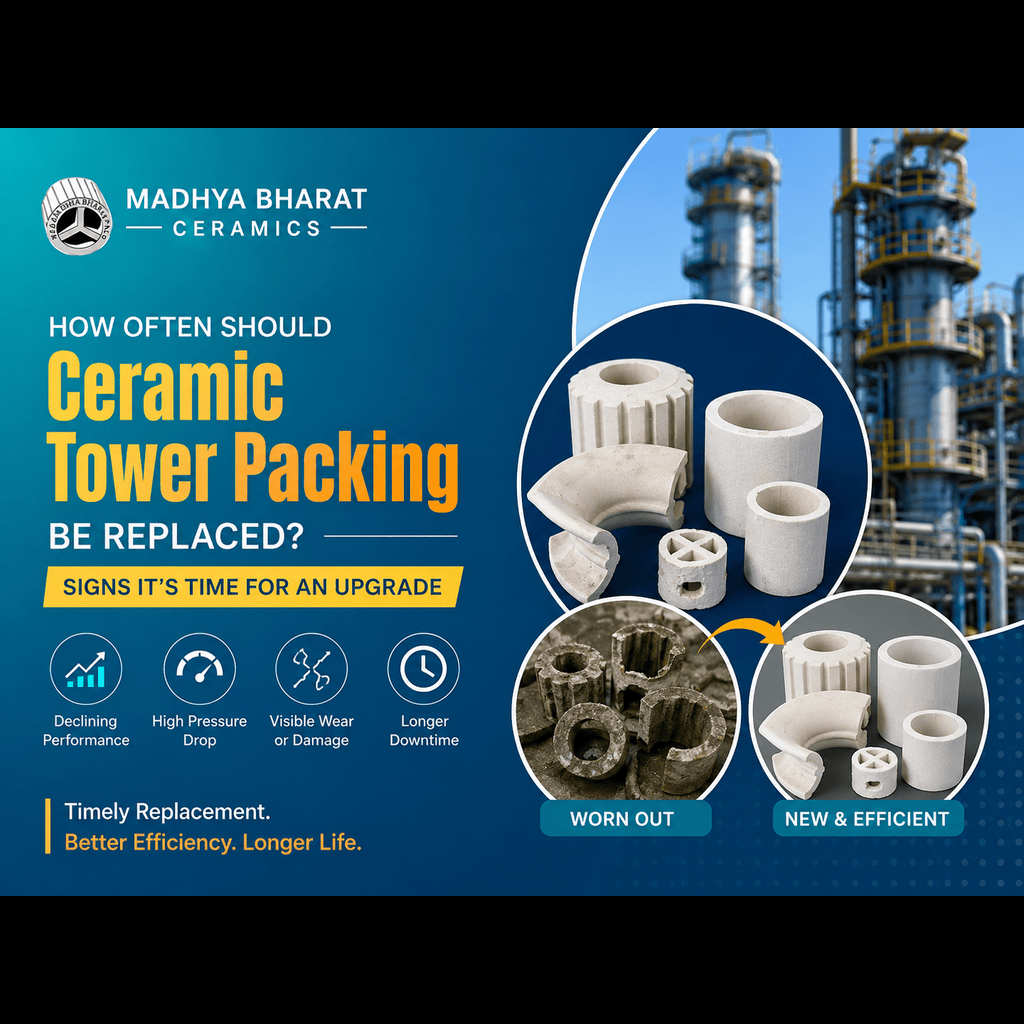
- Replace damaged balls promptly to maintain even flow distribution.
Following these steps helps maintain consistent reactor performance and avoids costly unplanned downtime.
Frequently Asked Questions
1. What makes inert ceramic balls different from regular ceramic packing?
Inert ceramic balls are primarily used for support and flow distribution rather than mass transfer, making them ideal for catalyst bed protection rather than the main packing zone.
2. Can inert ceramic balls be used in high-temperature reactors?
Yes. Ceramic material maintains its structural strength at high temperatures, making these balls suitable for demanding thermal processes.
3. How do I choose the right ball size for my reactor?
Ball size depends on your bed design, flow rate, and the size of the catalyst or packing material being supported. Consulting your manufacturer with process details is recommended.
4. Are inert ceramic balls resistant to acids and chemicals?
Yes. Their chemical inertness allows them to withstand exposure to acids, alkalis, and various industrial gases without degrading.
5. How long do inert ceramic balls typically last?
With proper handling and correct sizing, high-quality inert ceramic balls can last for many years, even under continuous industrial operation.
Conclusion
Understanding why Industries Use Inert Ceramic Balls comes down to one simple fact: they provide dependable, chemically stable support in environments where few other materials can survive long term. From catalyst bed protection to even flow distribution, their role is small in size but significant in impact.
Partnering with an experienced inert ceramic balls manufacturer like Madhya Bharat Ceramics, backed by more than 60 years of production expertise, ensures your reactors and towers get support material built for real industrial demands.
Ready to Improve Your Reactor’s Performance?
If you are searching for a dependable inert ceramic balls manufacturer in India, Madhya Bharat Ceramics is ready to assist. Contact our team today for product specifications, technical guidance, and a customized quote based on your reactor or tower requirements.