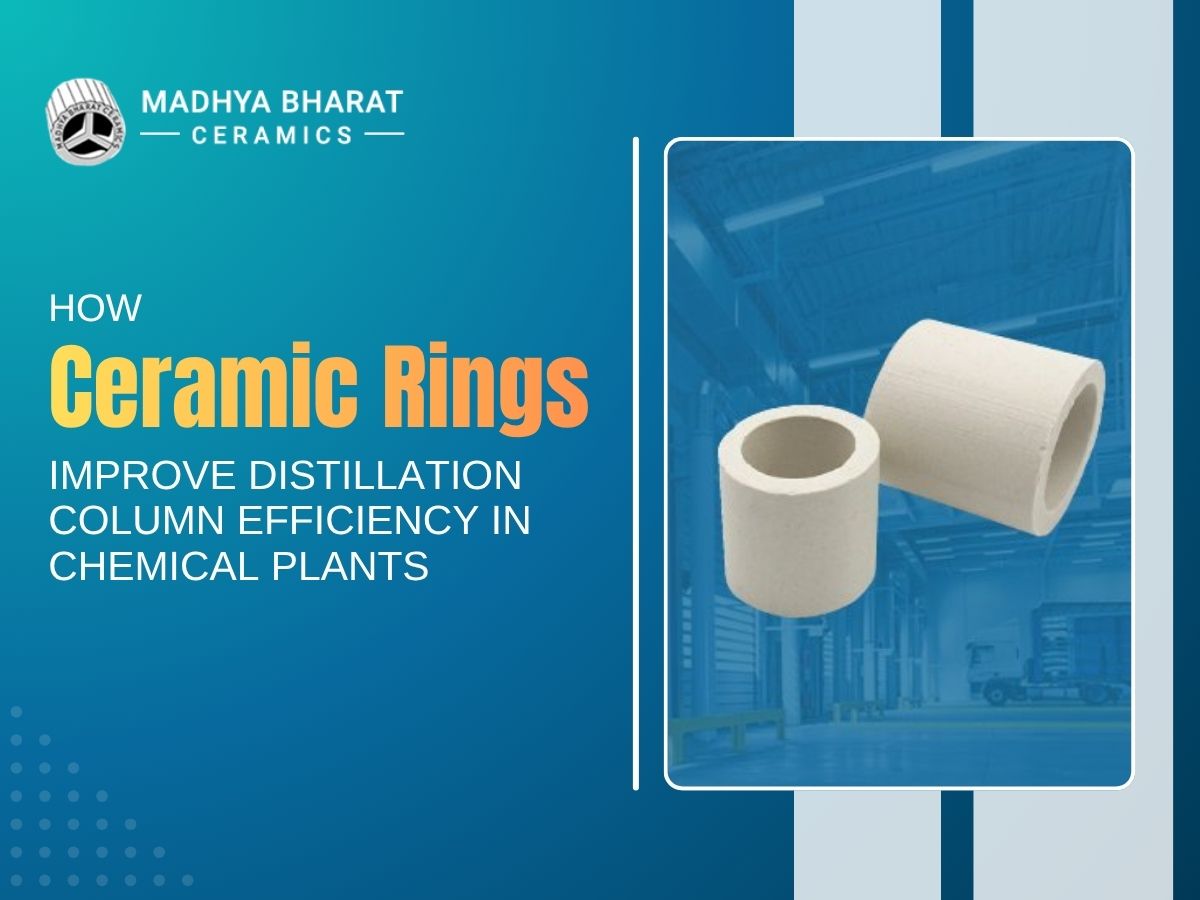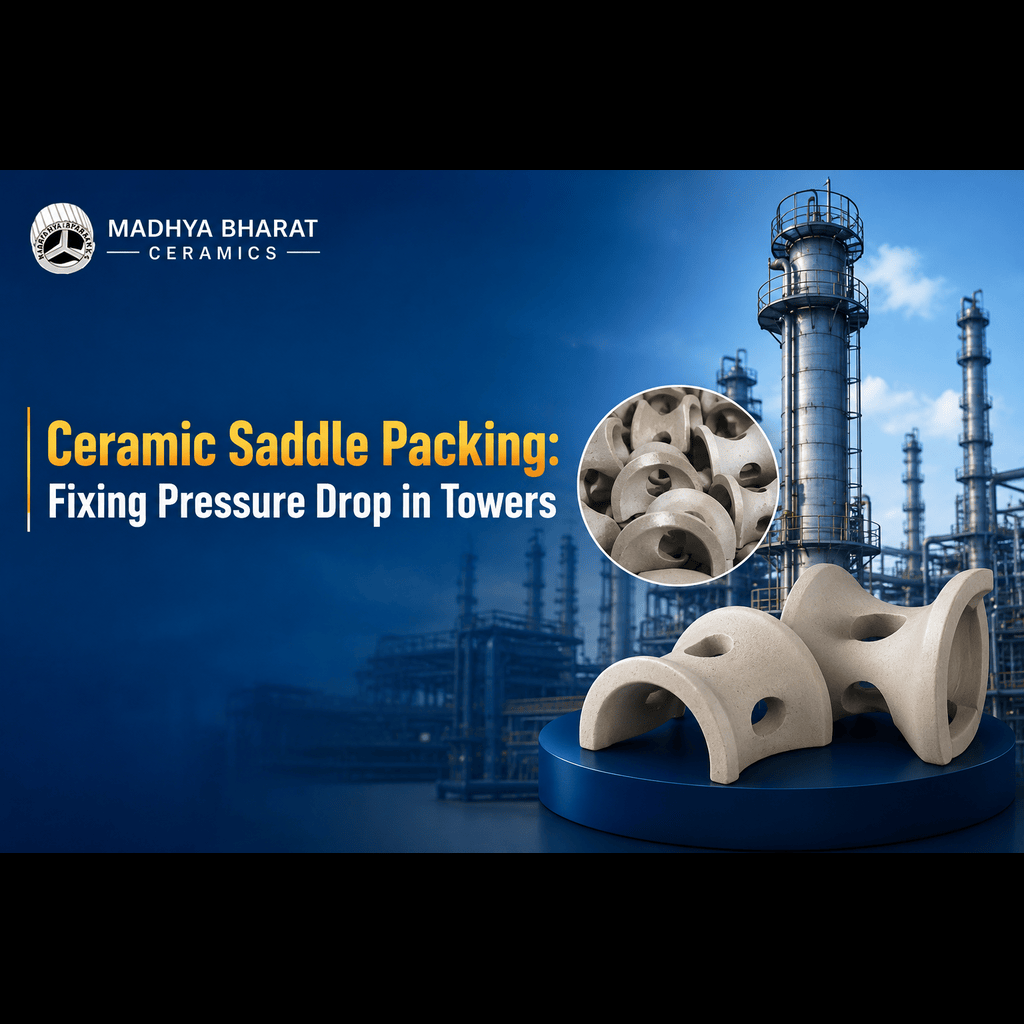
Pressure drop in a packed tower rises for one of five reasons: packing breakage, fouling or scaling, liquid maldistribution, flooding at higher flow rates, or the wrong packing type or size chosen for the job in the first place. Once you know which one you’re dealing with, the fix is usually a packing decision, not a bigger blower or a higher-rated pump. Most plants reach for more horsepower first, when the actual problem is sitting inside the column.
We see this pattern often. A column that ran fine for years suddenly needs more energy to push the same flow through it, and the operations team assumes wear and tear is just catching up. Sometimes that’s true. More often, the packing bed has quietly changed shape, chemically or physically, and it’s fighting the flow instead of guiding it.
Why Pressure Drop Climbs in the First Place
1. Packing Breakage and Settling
Random packing takes a beating over years of thermal cycling and mechanical loading. When pieces crack or crush, the fragments settle into the void spaces around them. Less open space means gas has to push harder, and pressure drop climbs even though your flow rate hasn’t changed at all.
2. Fouling and Scale Buildup
Trace solids, polymerizing compounds, or scale-forming salts in the process stream deposit on the packing surface over time. This is gradual, which is exactly why it’s dangerous. By the time someone notices, the bed has been narrowing its own flow path for months.
3. Liquid Maldistribution
When liquid doesn’t spread evenly across the column, it concentrates in some zones and starves others. The starved zones skip their share of the mass transfer work, so the wet zones end up overloaded. Overloaded zones are where pressure drop spikes first.
4. Flooding at Higher Flow Rates
Every packing type has a flooding point, the flow rate beyond which liquid can’t drain down fast enough and starts backing up. Push a column past that point, even briefly during a demand spike, and pressure drop rises sharply and stays elevated until flow drops back down.
5. Wrong Packing Type or Size for the Job
This is the one nobody wants to hear, but it’s common. A packing shape chosen for a different process, or simply undersized for the column diameter, runs at a structurally higher pressure drop no matter how well it’s maintained. No amount of cleaning fixes a selection that was wrong from day one.
Matching the Cause to the Right Fix
Once you know which of the five causes fits your column, the table below shows the signal to look for and which packing approach actually addresses it.
| Cause | Signal to Look For | What Fixes It |
| Packing breakage | Rising pressure drop with no process changes | Repack with a shape that resists mechanical breakage over years of cycling |
| Fouling or scale | Gradual rise over months | Cleaning during a shutdown if caught early, or a repack if buildup is severe |
| Liquid maldistribution | Uneven pressure readings across the bed | Partitioned ring designs engineered for even liquid spread |
| Flooding | Sudden jump after a flow rate increase | Resizing or reselecting packing rated for your current flow rate |
| Wrong original selection | High pressure drop since day one, even when new | A full repack with packing correctly matched to your column and process |
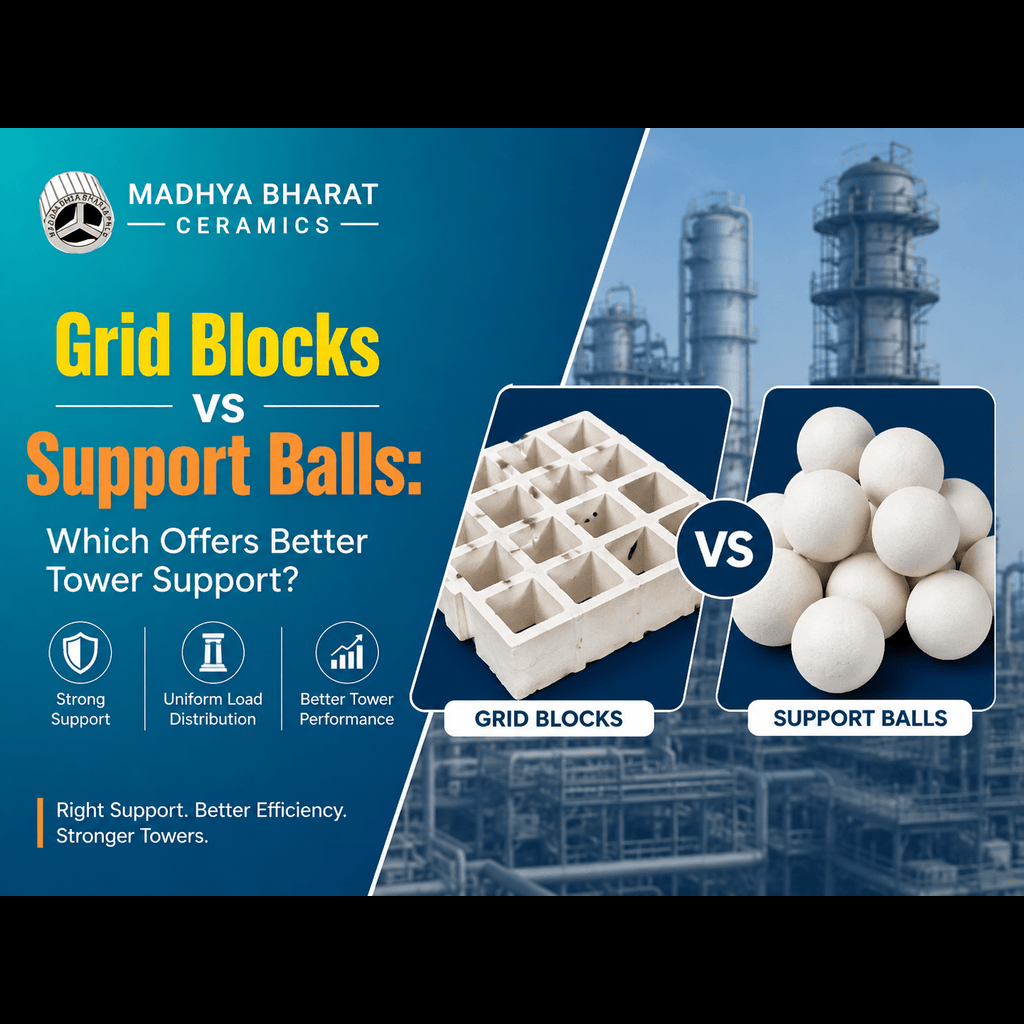
Three packing types cover most of these fixes, and which one fits depends on your process conditions rather than a one-size-fits-all answer.
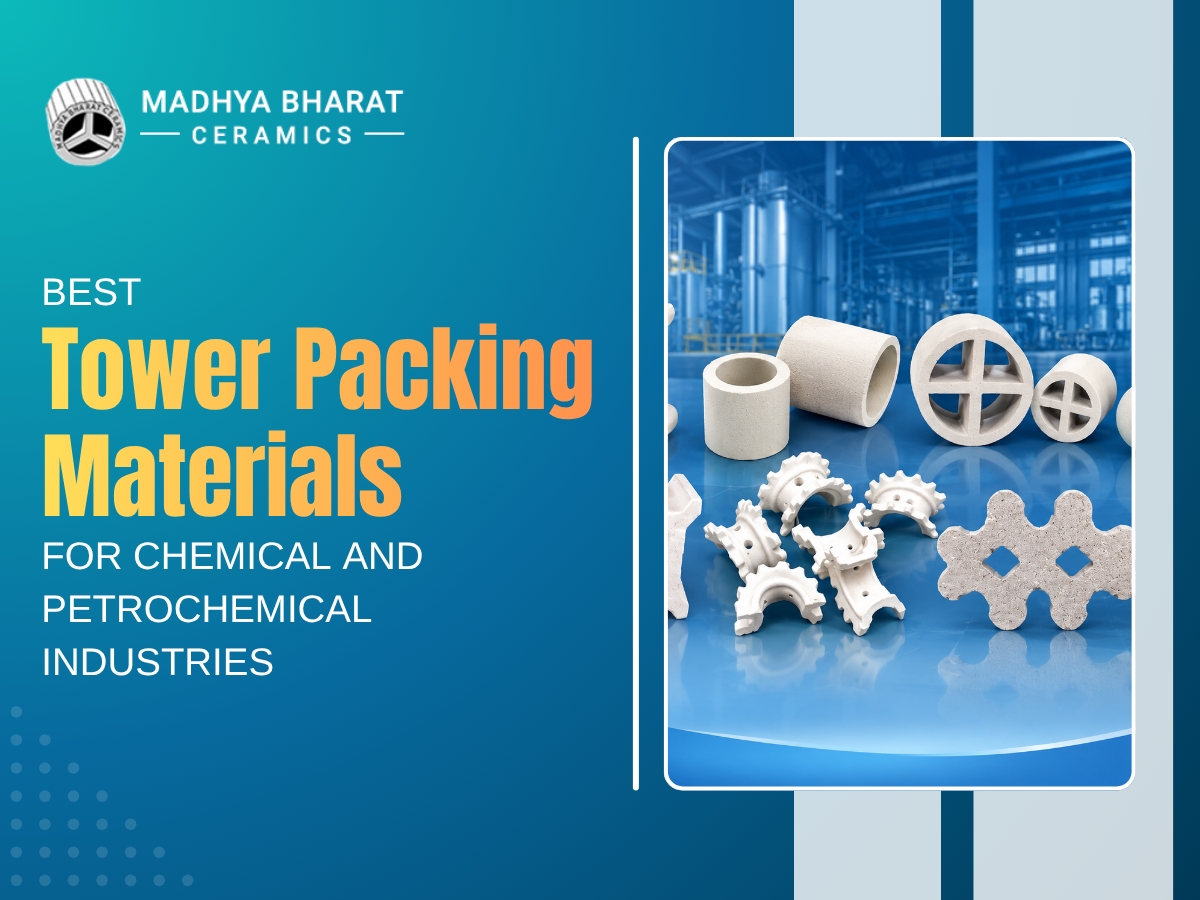
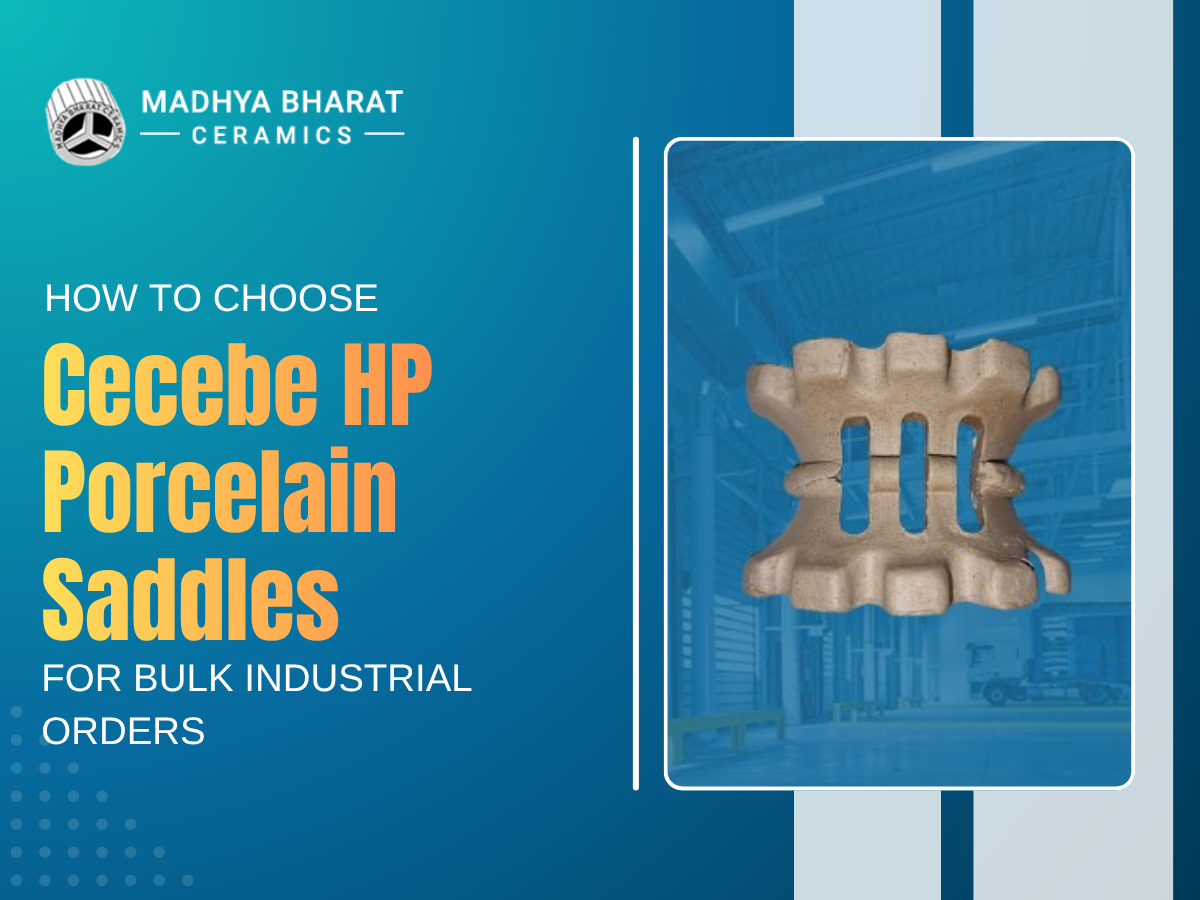
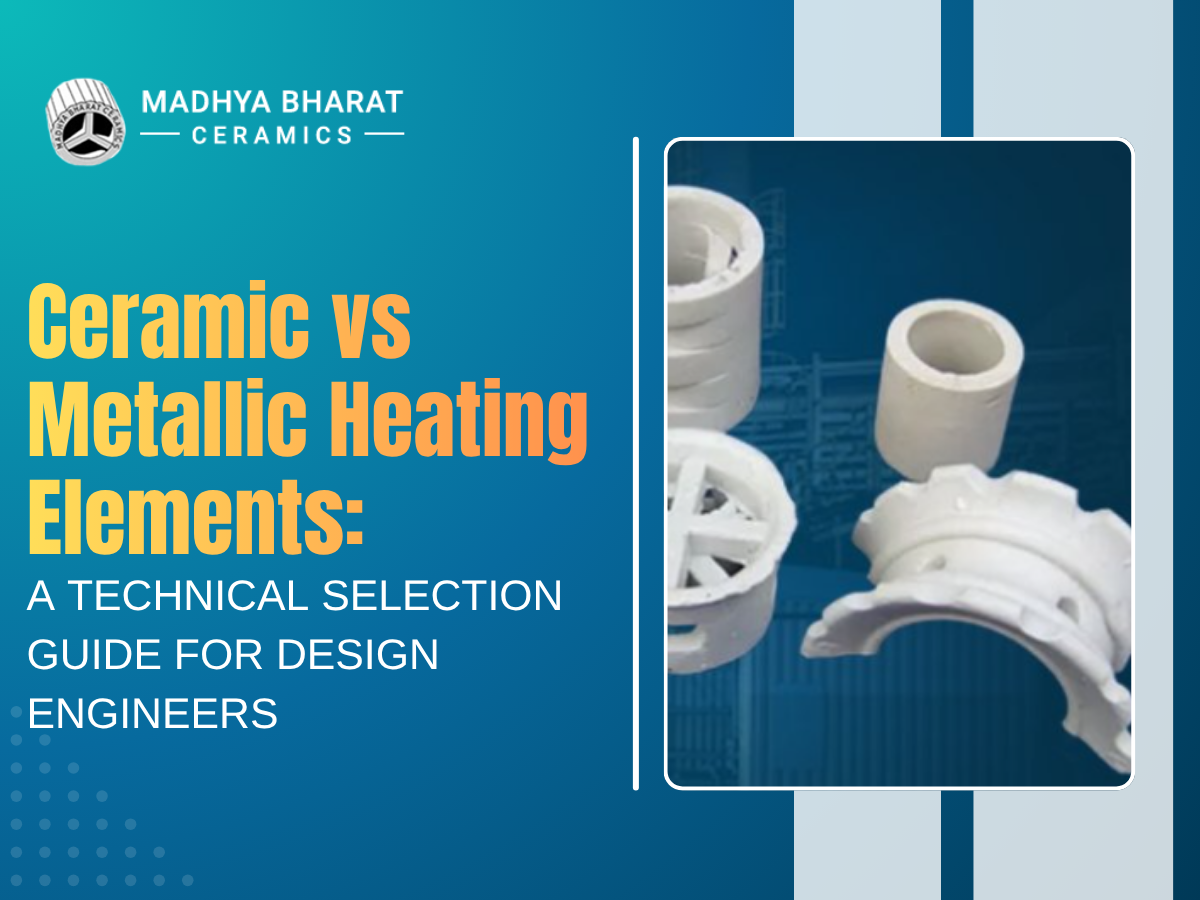
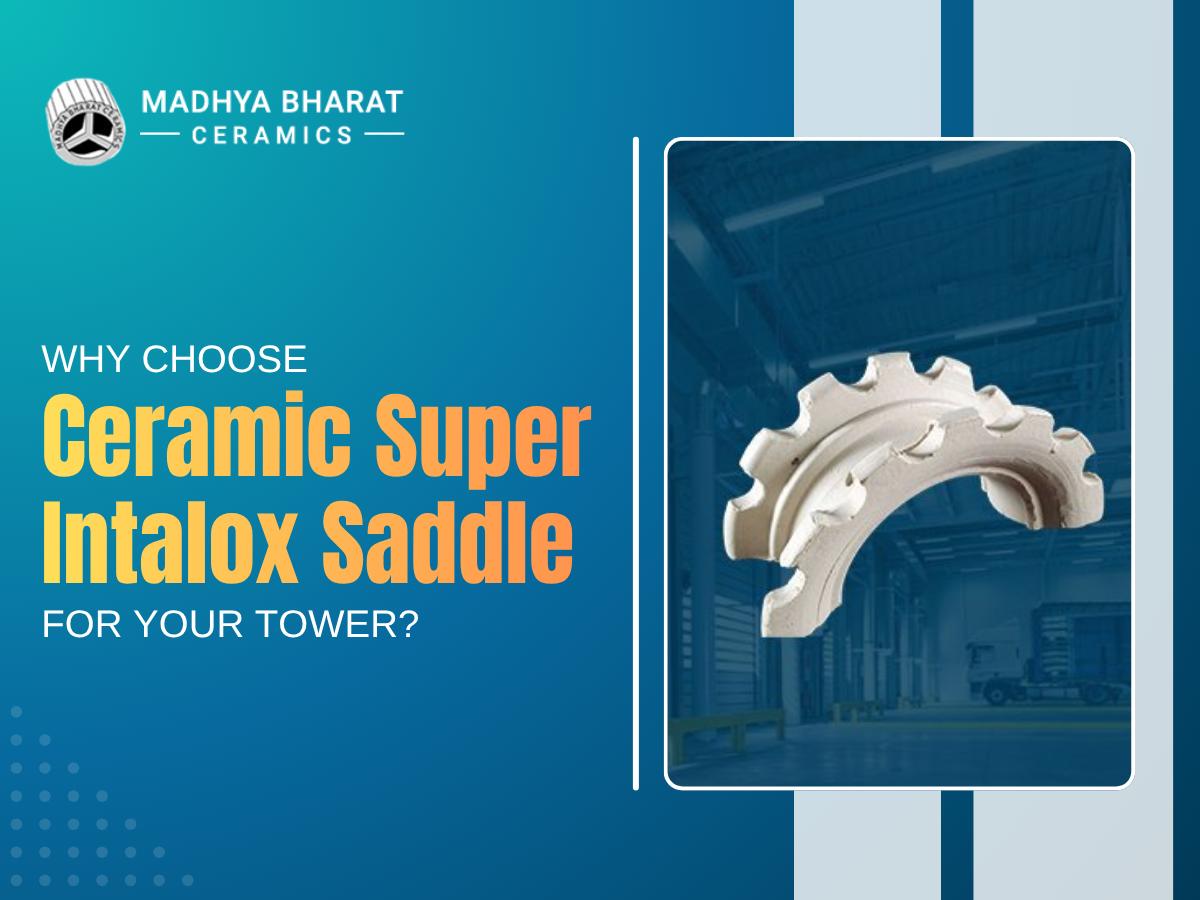
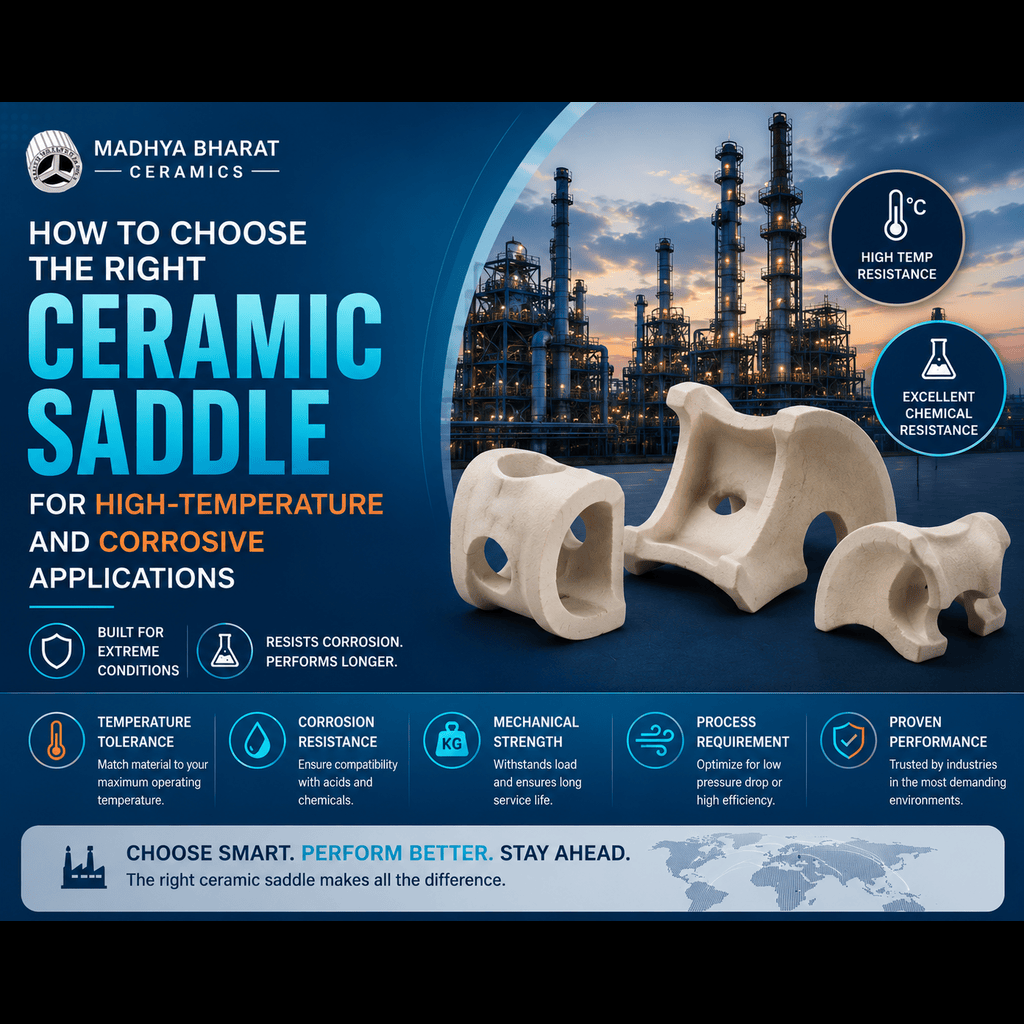
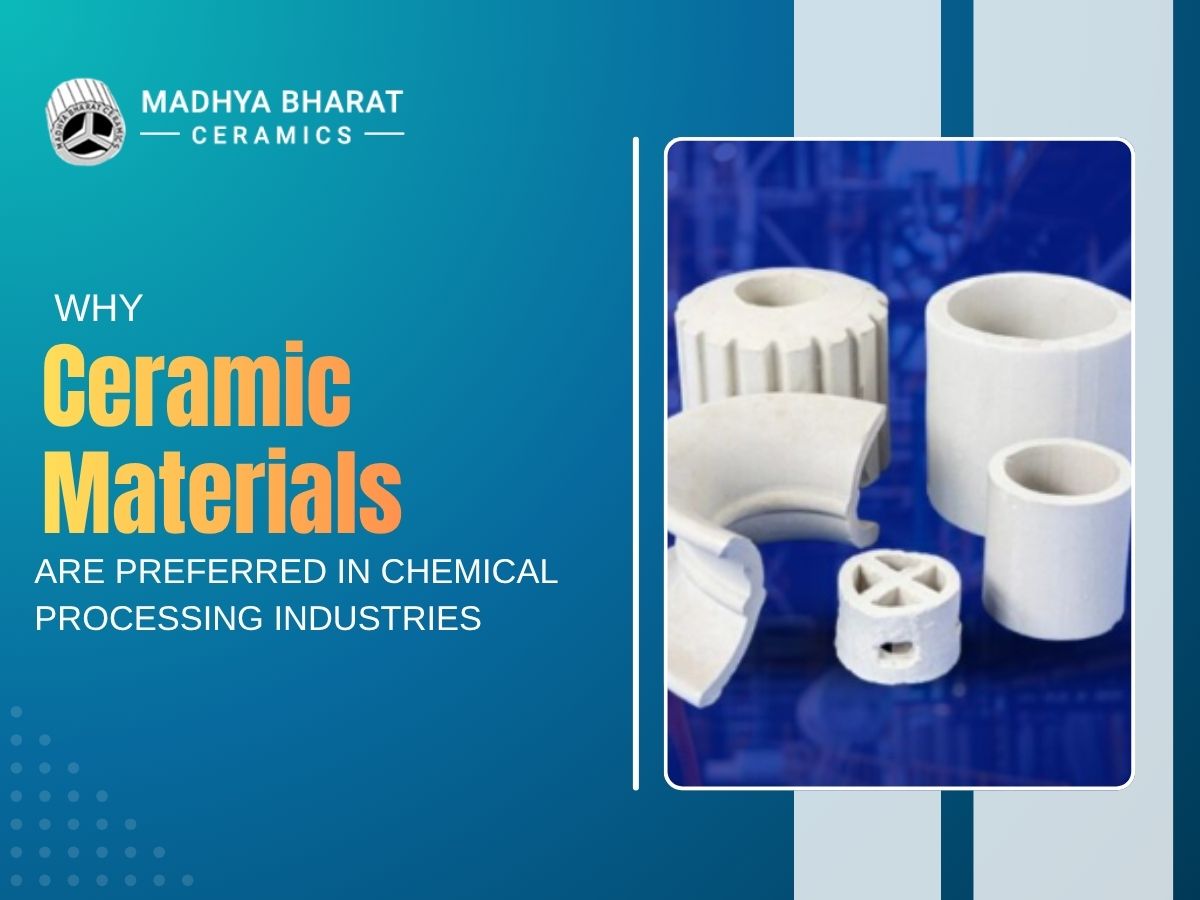
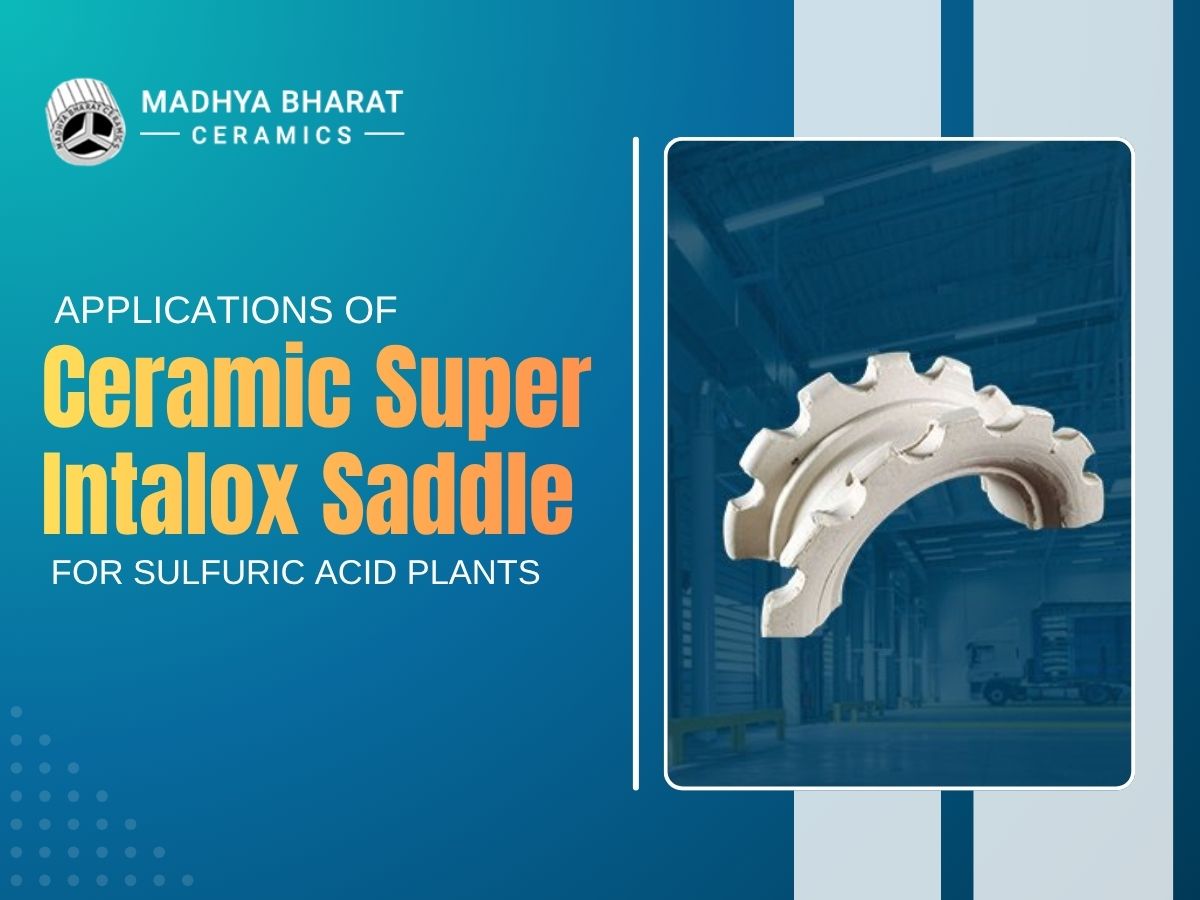
Ceramic saddle packing is usually the right call when your process runs hot, corrosive, or both. Its curved shape settles randomly into the bed, keeping void space open and resistant to channelling, and it doesn’t degrade under acid or high-temperature exposure the way metal or plastic can.
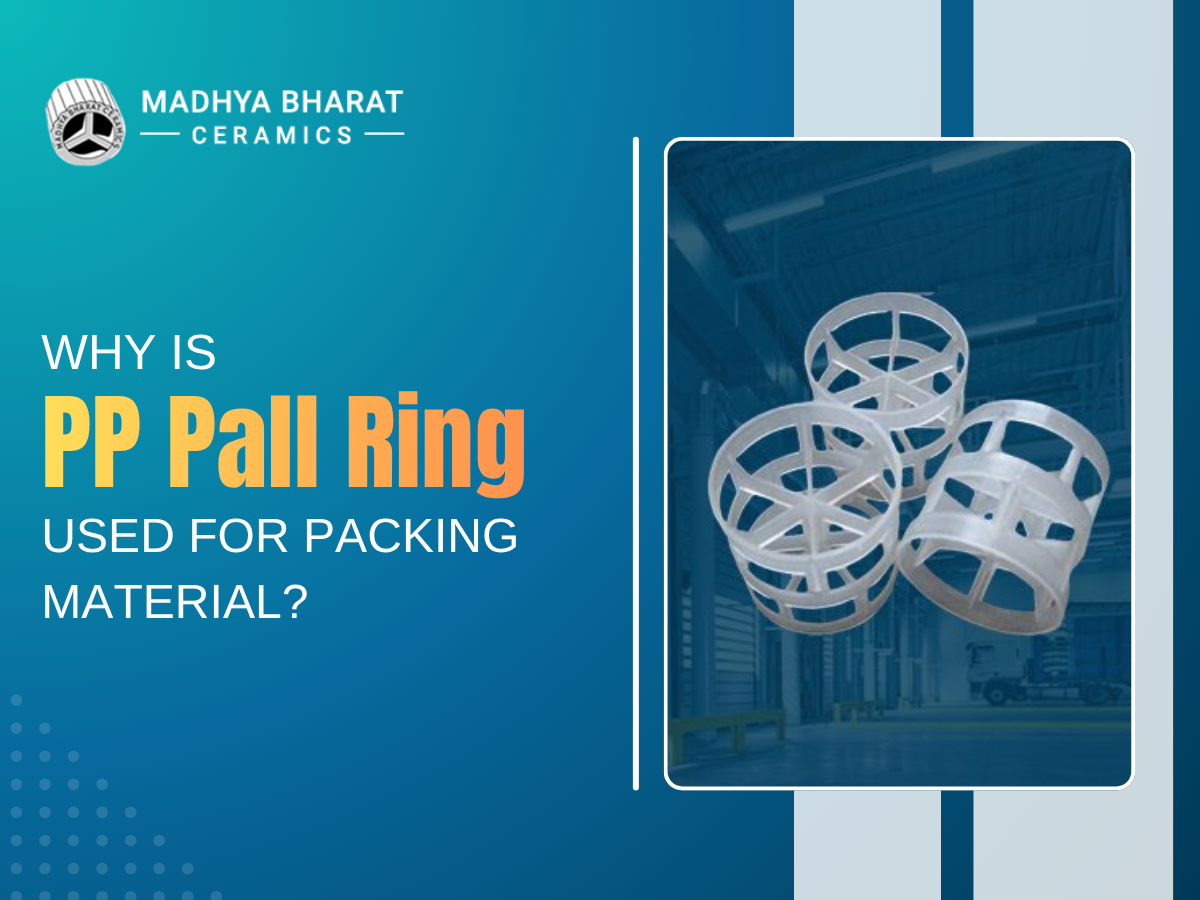
For general chemical processing and lighter-duty absorption where weight and cost matter more than extreme heat resistance, polypropylene pall rings offer an open, low-resistance structure that keeps pressure drop down without the installation weight of ceramic. They suit columns handling dilute acids, alkalis, and standard chemical streams within polypropylene’s temperature range.
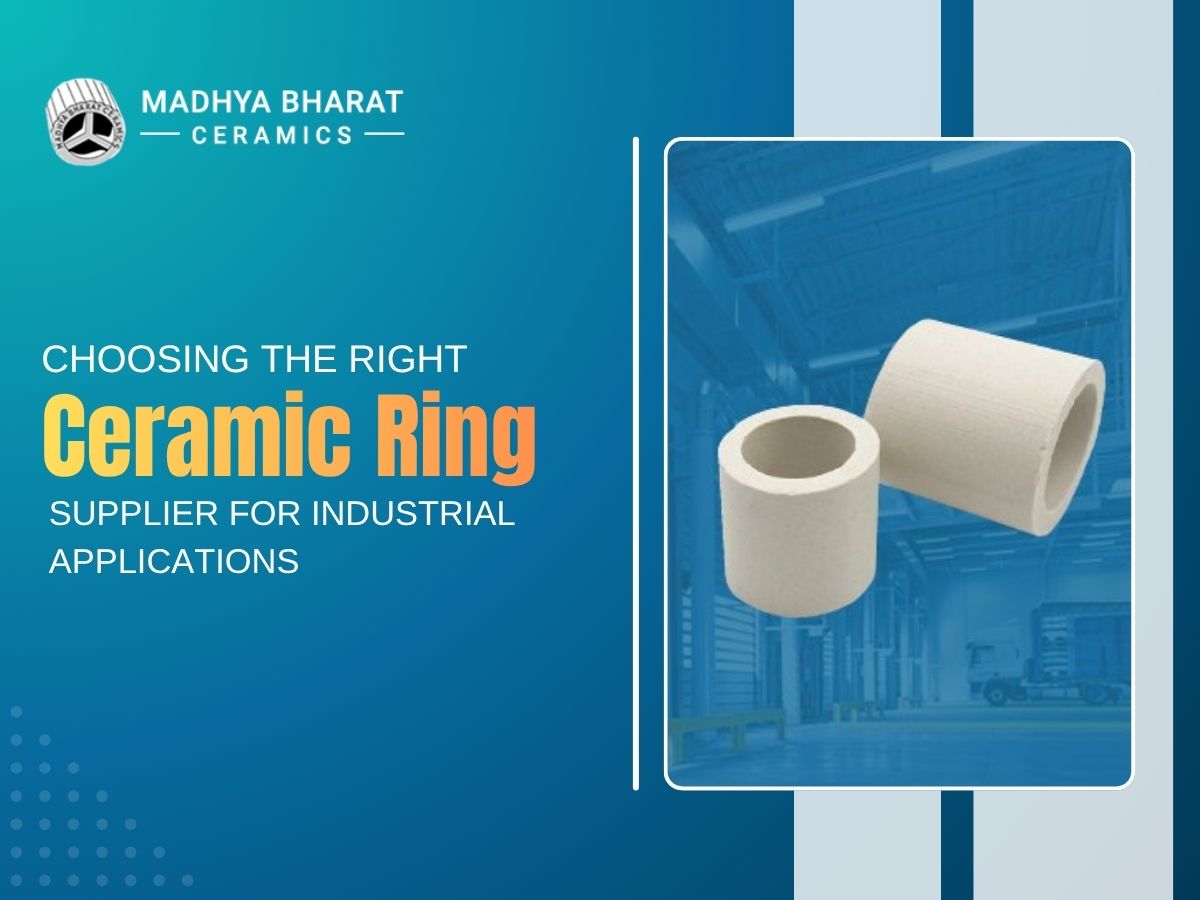
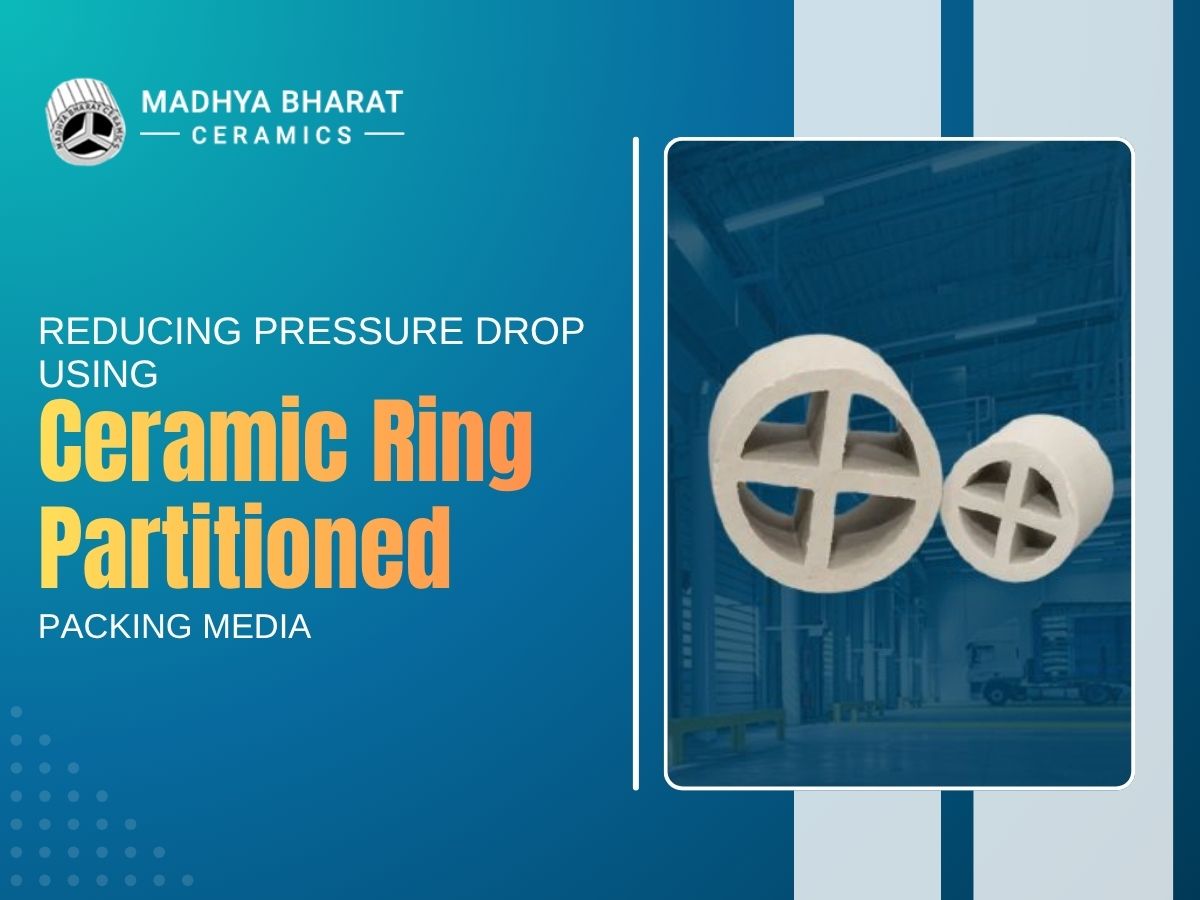
If your issue is specifically liquid maldistribution, working with established ceramic ring manufacturers in India gets you access to partitioned ring designs built to spread liquid more evenly across the bed. We covered this specific fix in more depth in our piece on reducing pressure drop using ceramic ring partitioned packing media, worth a read if maldistribution is your suspected cause.
A Quick Way to Narrow It Down
Before ordering a repack, it helps to separate a maintenance problem from a selection problem:
- Pull a sample of packing during your next shutdown and check for cracking, fragmentation, or scale coating
- Compare your current pressure drop against the packing manufacturer’s original design specification, not just last year’s reading
- Check whether your flow rates have crept up since the column was first designed, a common and overlooked cause of flooding-related pressure drop
- Confirm the packing size was originally matched to your column diameter, undersized packing is a frequent, quiet culprit
Frequently Asked Questions
1. What is a normal pressure drop for a packed tower?
It depends entirely on the packing type, size, and flow rate, but most well-designed columns run within the range specified by the packing manufacturer at design flow. A useful benchmark is comparing your current reading against that original specification rather than an industry average.
2. Can pressure drop be reduced without replacing the packing?
Sometimes. If the cause is surface fouling, a chemical or mechanical cleaning during a shutdown can restore performance. If the cause is breakage, maldistribution, or an undersized original selection, cleaning won’t fix it and a repack is usually needed.
3. How often should packing be inspected for pressure drop issues?
Annually at minimum, and always during any scheduled shutdown. Catching gradual fouling or early-stage breakage before it forces an unplanned outage is far cheaper than an emergency repack.
4. Does a higher pressure drop always mean a problem?
Not always, some pressure drop is expected and even necessary for good gas-liquid contact. The concern is a pressure drop that’s climbing over time relative to your original design baseline, not the absolute number itself.
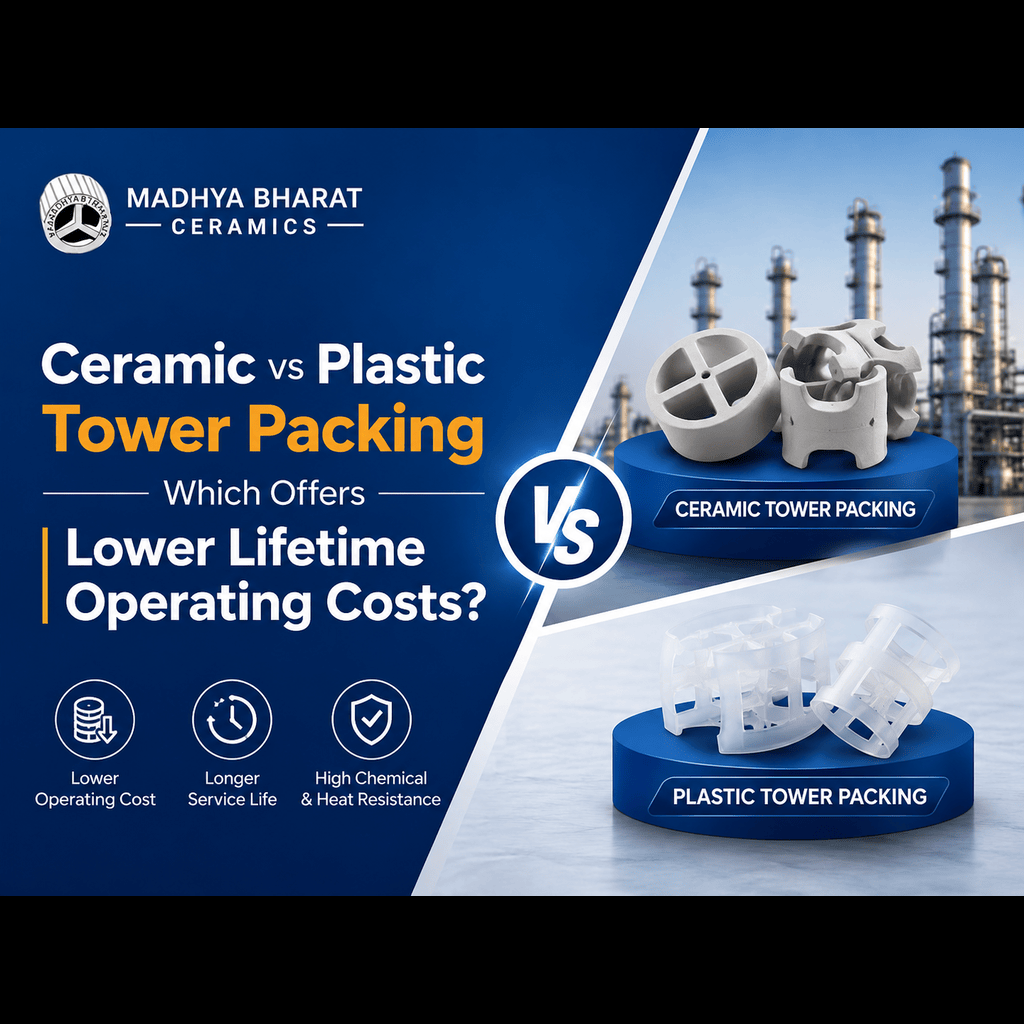
5. Is ceramic or plastic packing better for reducing pressure drop?
Neither is universally better. Ceramic handles high temperature and aggressive corrosion better, while polypropylene is lighter and often cheaper for standard chemical duties within its temperature range. The right choice depends on your specific process conditions.
Get Your Column’s Pressure Drop Back on Spec
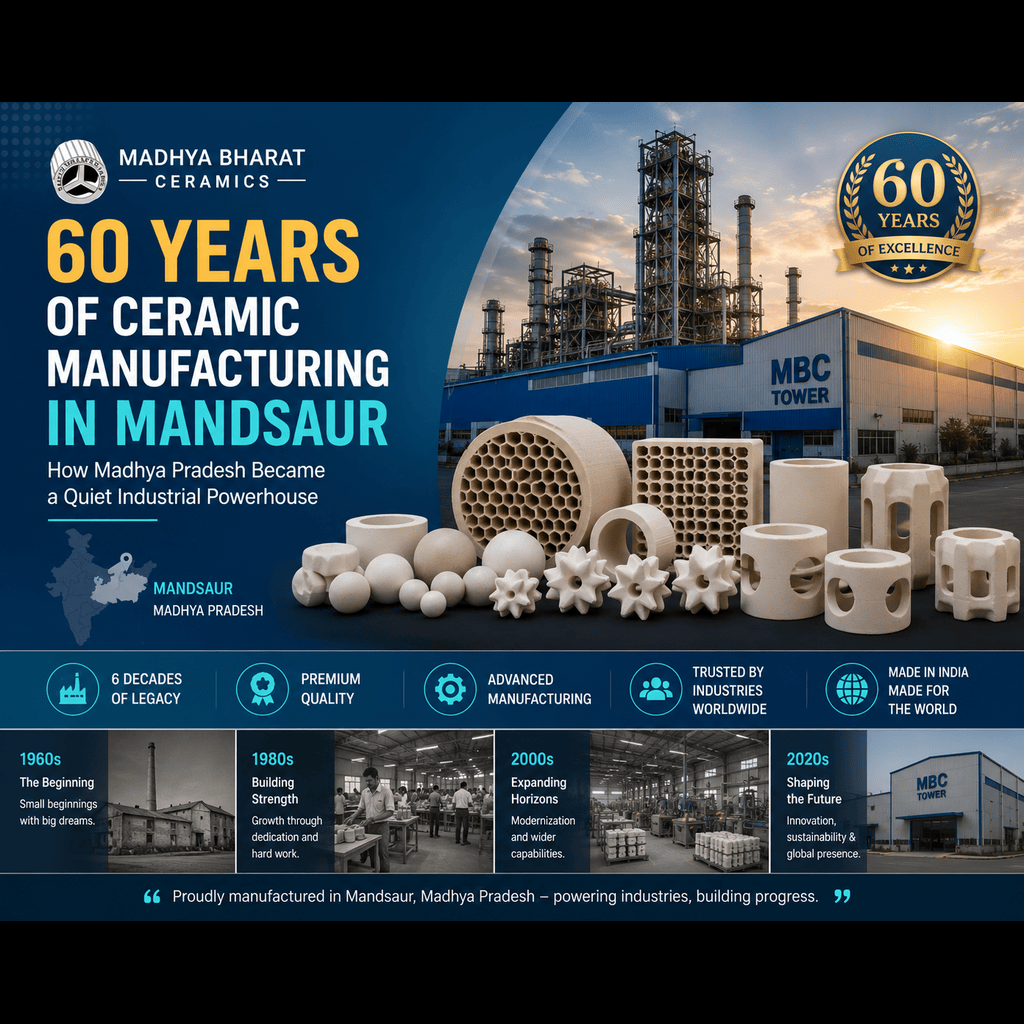
If your tower’s pressure drop has been climbing and you’re not sure whether it’s fouling, flooding, or a packing selection issue, we’re happy to look at your numbers directly. As a ceramic packing manufacturer in Mandsaur, our team has walked plants through this exact diagnosis for decades, and getting it right the first time saves you an unnecessary repack.
Not sure which packing fits your process? Send us your column details and current pressure drop readings, and we’ll help you figure out whether it’s a maintenance fix or a packing change. Or call +91-8827697111 to talk it through directly.