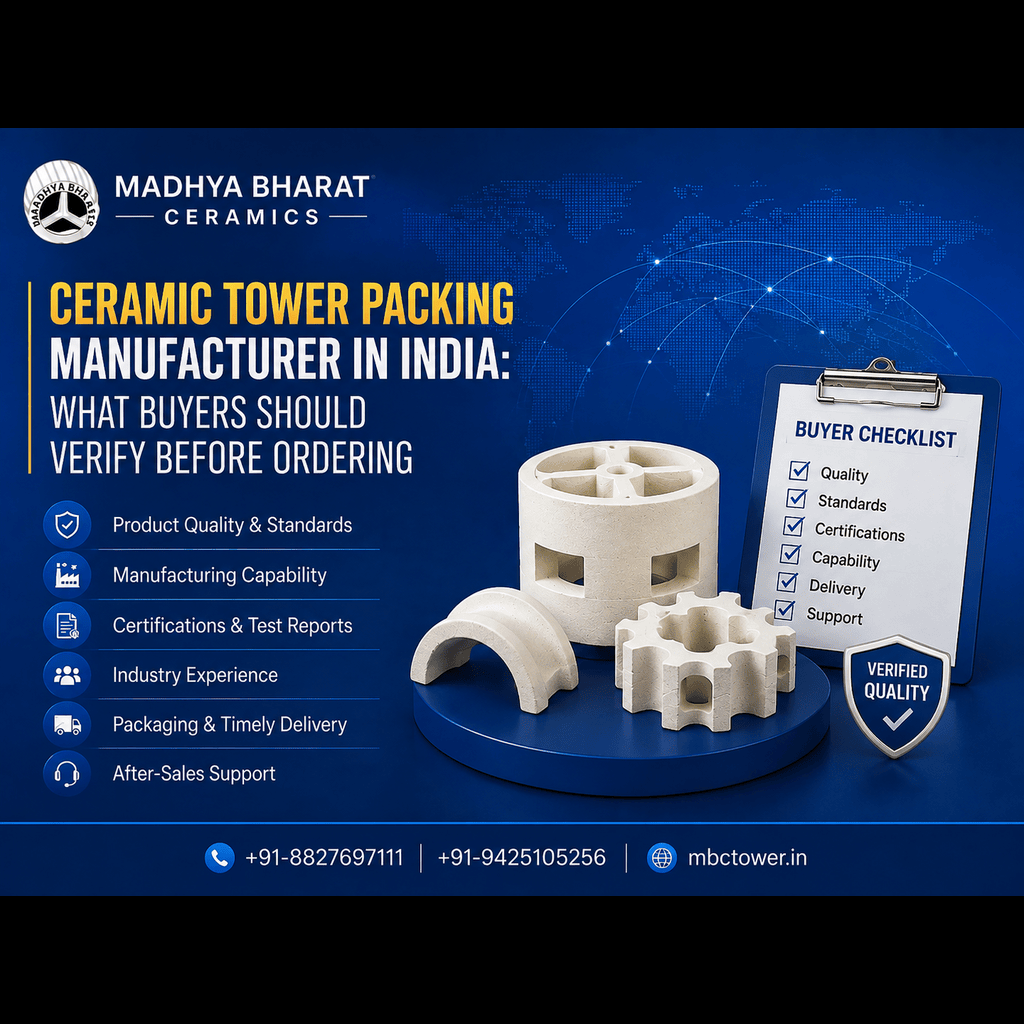
Before ordering from any ceramic tower packing manufacturer, buyers should verify raw material quality, in-house testing capability, batch consistency, and export readiness. Skipping this checklist is the most common reason bulk orders arrive with dimensional variance, weak acid resistance, or shipment delays. A short verification call before the purchase order goes out can save months of trouble once the packing is inside a live tower.
Procurement teams often treat ceramic packing as a low-risk line item. It looks similar across suppliers, and quotations rarely differ by much on paper. That assumption tends to fall apart the moment a batch underperforms in the field, whether it is a saddle that crushes under load or a ring that absorbs more moisture than the process can handle. The packing rarely fails on its own. The vetting process usually does.
At Madhya Bharat Ceramics (MBC), we get asked these questions by procurement teams every week, so this guide lays out exactly what we tell them to check, regardless of which supplier they choose.
Why Verification Matters More Than the Price Sheet
Ceramic packing sits inside distillation columns, scrubbers, and absorption towers for years at a stretch. A batch with inconsistent firing or hidden porosity will not show problems on day one. It shows up three or four months later as rising pressure drop, uneven flow distribution, or a replacement order nobody budgeted for.
Because the packing is buried inside a running process, fixing a bad batch is rarely just a reorder. It usually means a shutdown. That is why the verification step belongs before the purchase order, not after the first complaint from the plant floor.
Start With Raw Material Transparency
Every ceramic product begins with clay, alumina, and feldspar sourced in specific ratios. A supplier who cannot explain their raw material composition, or treats it as something they will not even summarize, is usually not testing it consistently either.
Ask these questions directly:
- What raw materials go into the body, and where are they sourced from
- Is water absorption tested per batch or only occasionally
- What is the acid resistance rating, and is it documented per production run
- Can they share a raw material test report for the batch you are ordering
Water absorption in particular tells you how well the material was fired. High absorption usually means the piece will degrade faster under continuous acid or thermal exposure. This is one of the first checks our own quality team runs before any batch moves to the next stage, and it is a fair question to ask of any manufacturer you are evaluating.
Confirm In-House Testing, Not Just a Certificate
A certification badge on a company website is not the same as an active testing lab on the shop floor. Ask specifically whether firing controls, in-process checks, and final product testing happen at every stage of production, not only at the end.
A reliable process usually includes:
- Raw material testing before production begins
- In-process checks during shaping and forming
- Firing control monitoring through the kiln cycle
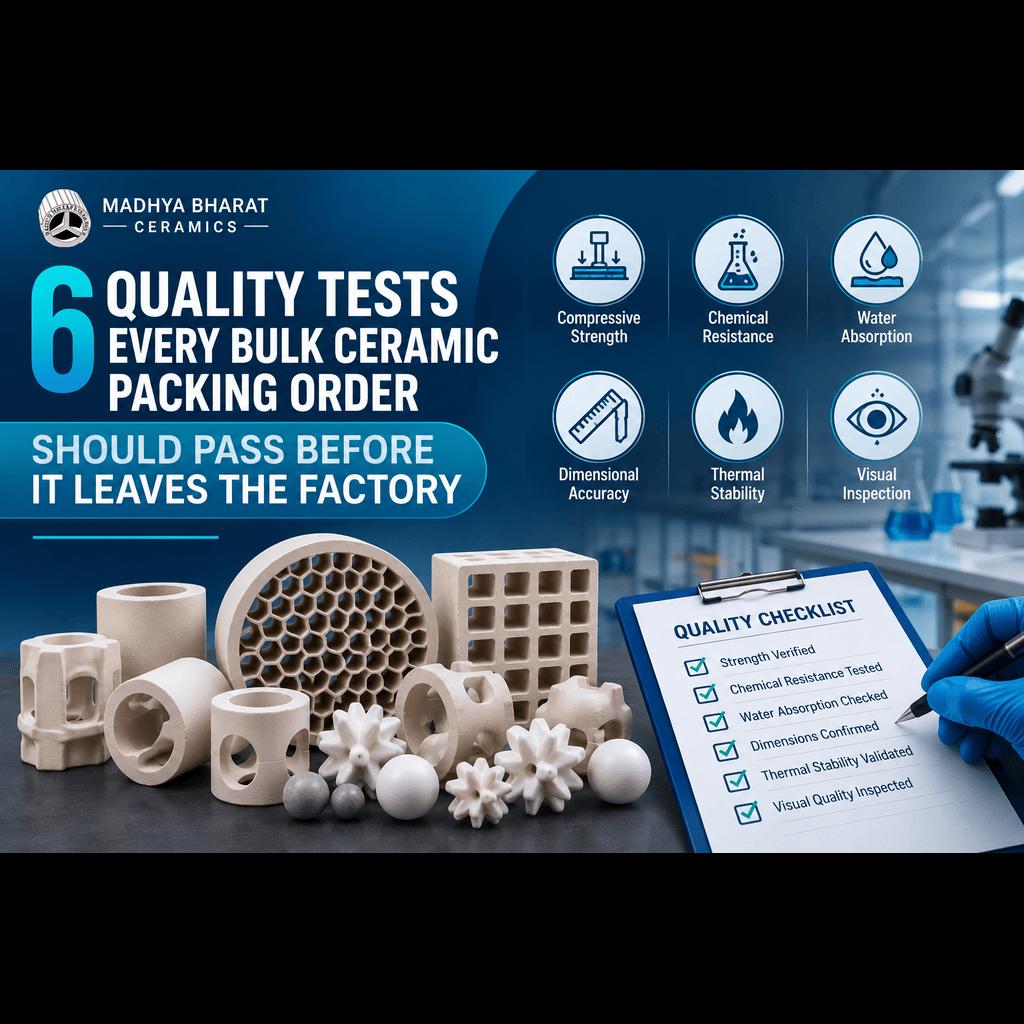
- Final product testing for compressive strength, water absorption, and dimensional accuracy
If a supplier cannot walk you through this sequence in specific terms, treat that as a signal before committing to a bulk order. Our quality testing standards cover the exact checks we run on every batch before it leaves our factory, which is worth reviewing regardless of which supplier you shortlist.
Look at Product Range, Not Just One Item
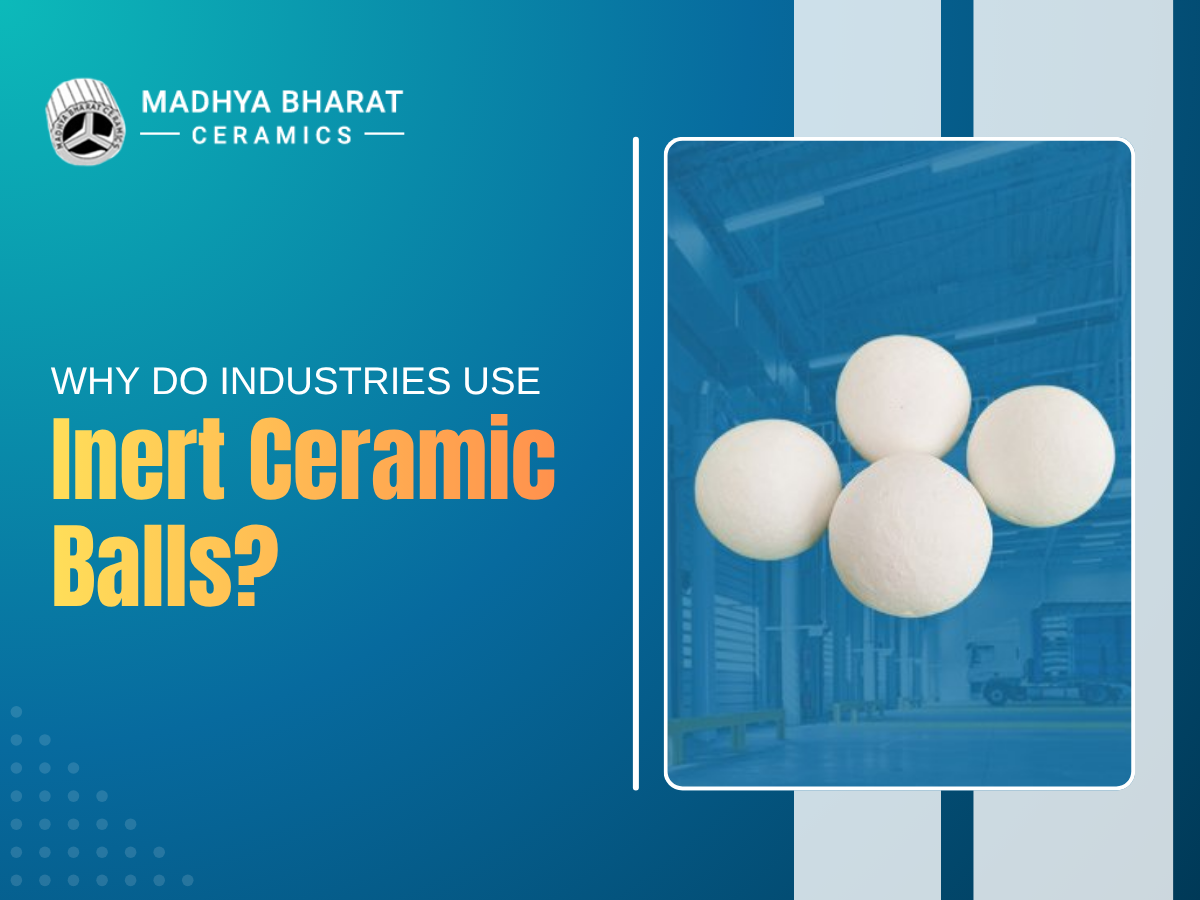
A manufacturer that produces only one shape, saddles for example, and outsources everything else adds a layer of risk that does not show up until something goes wrong. If your tower needs both random packing and structural support, working with one ceramic support rings manufacturer that also produces saddles, grid blocks, and inert balls under the same quality system removes several variables from your supply chain at once.
Check whether the supplier manufactures, in-house:
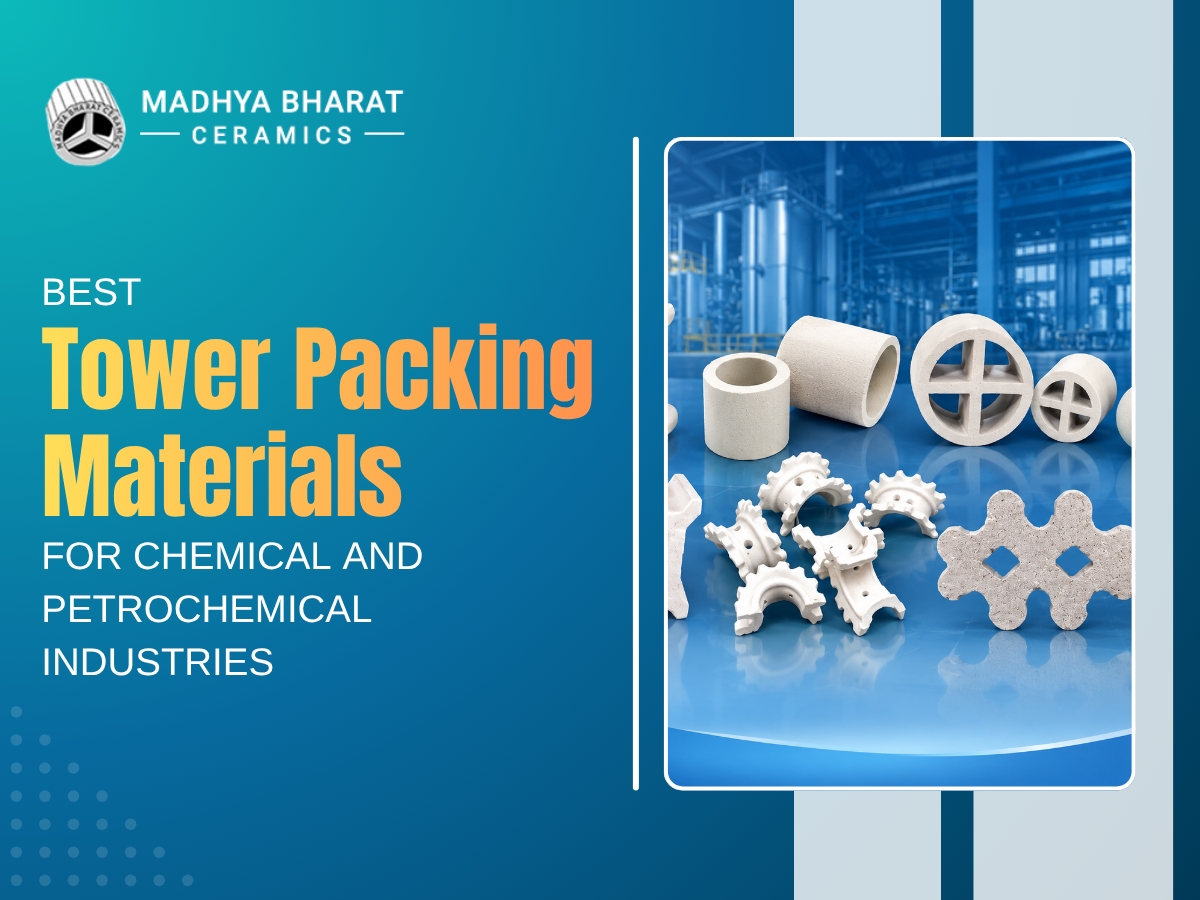
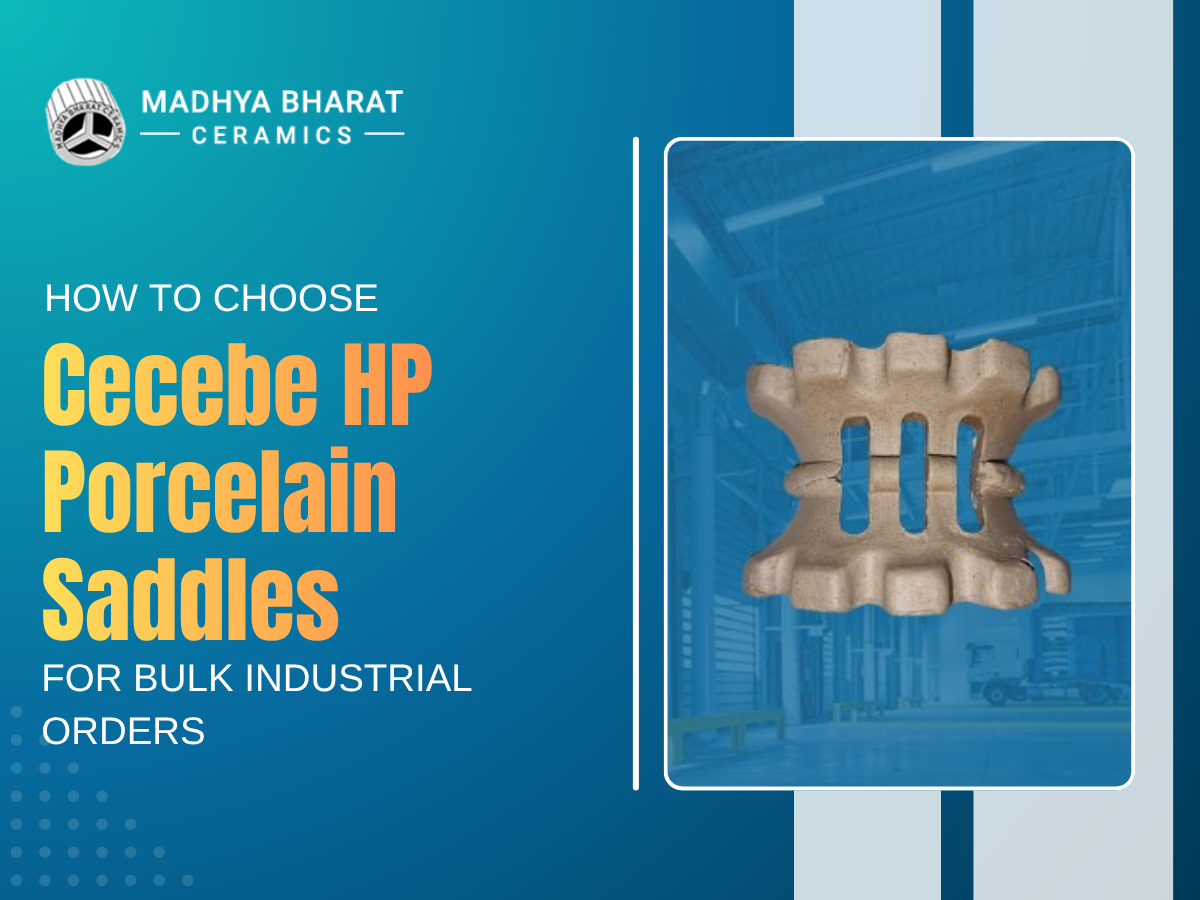
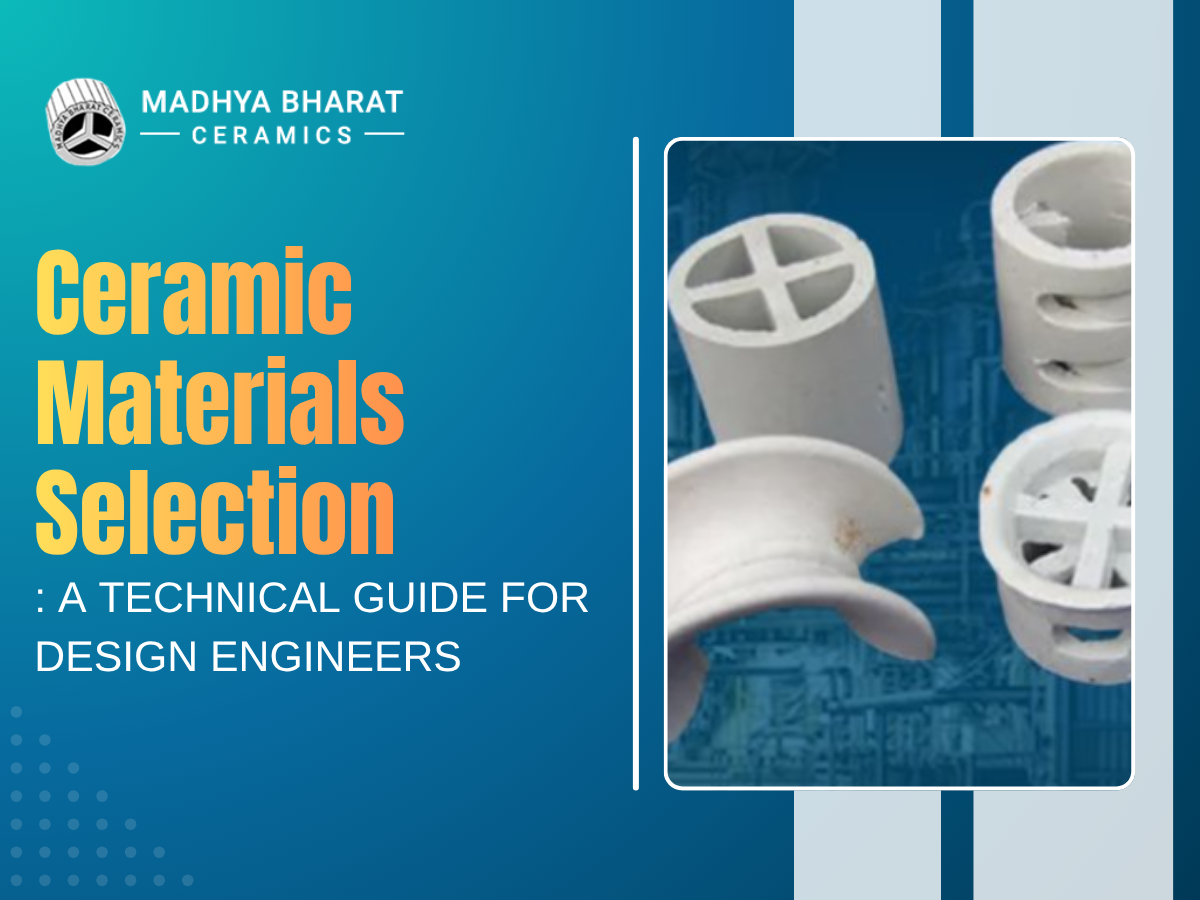
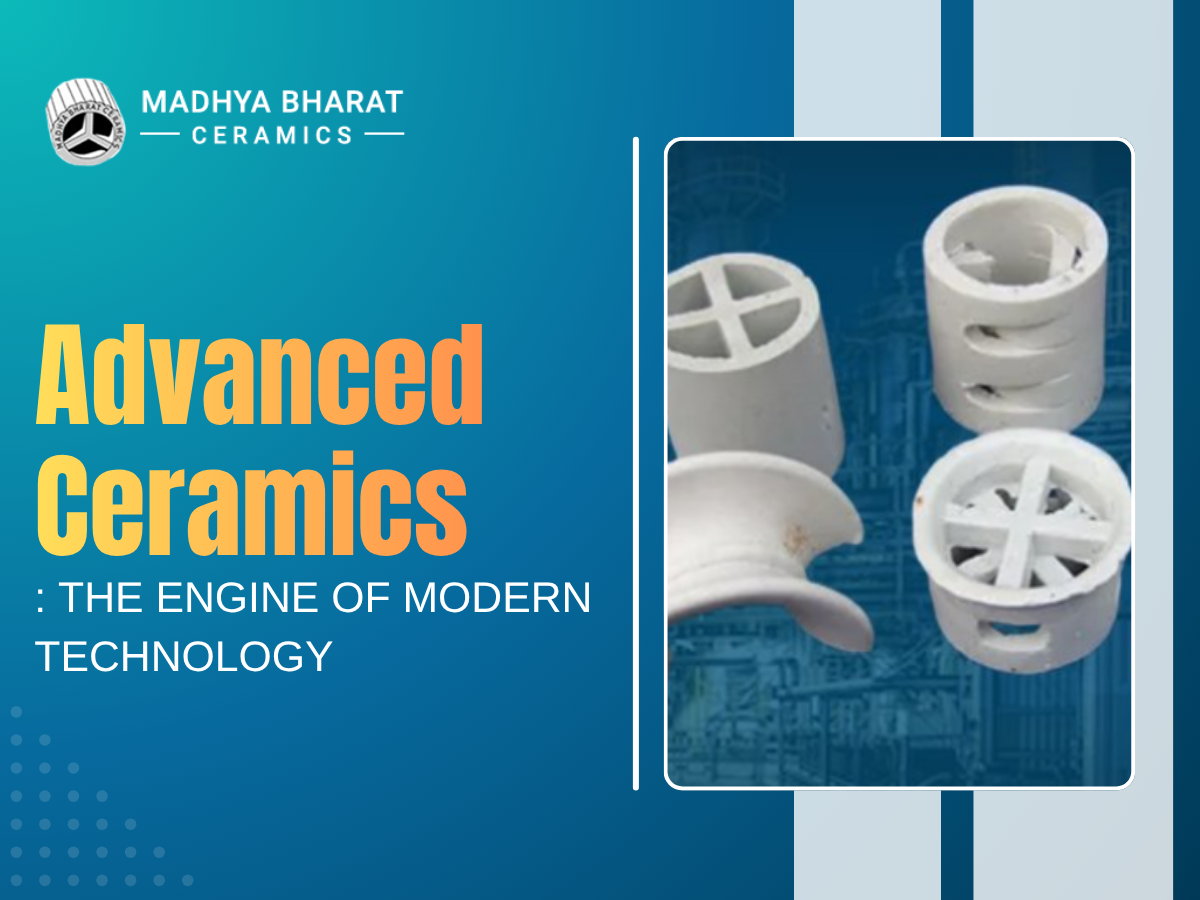
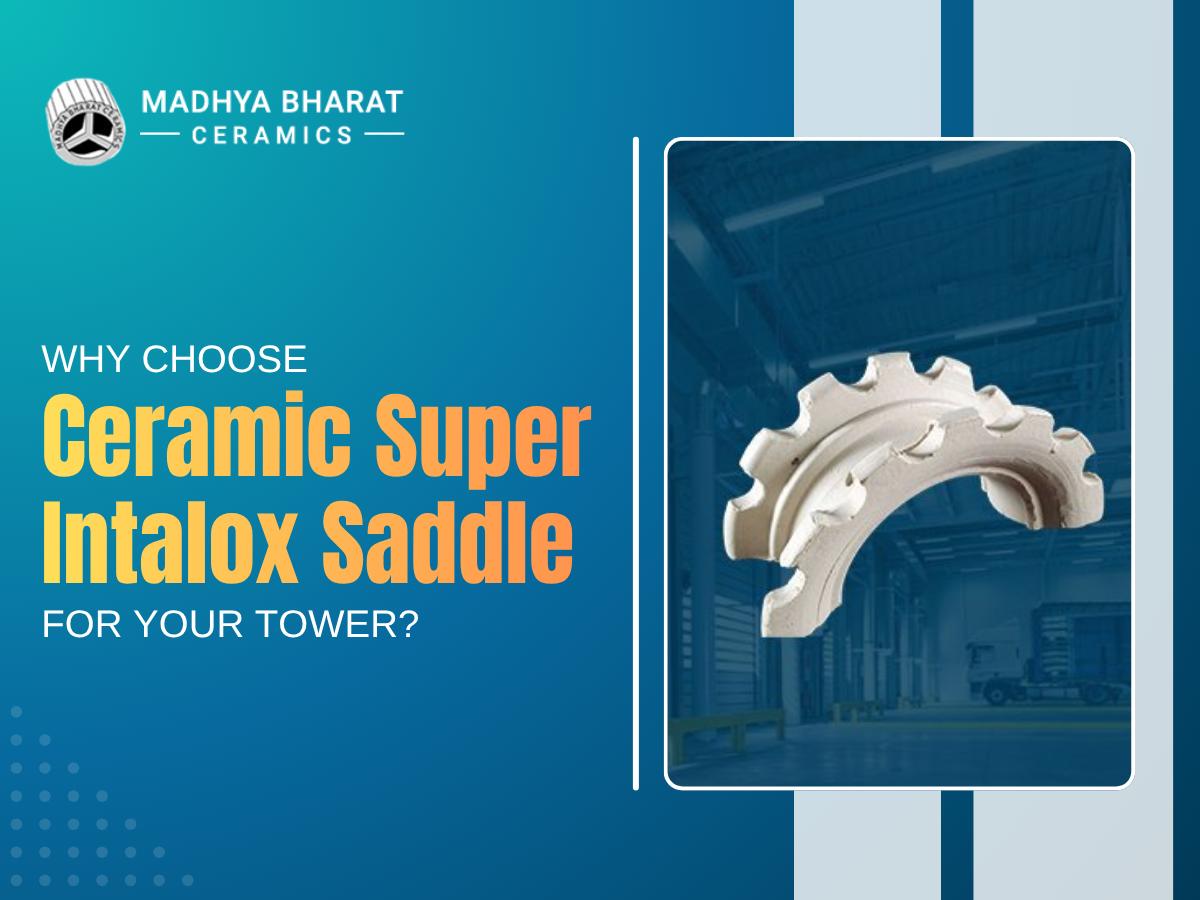
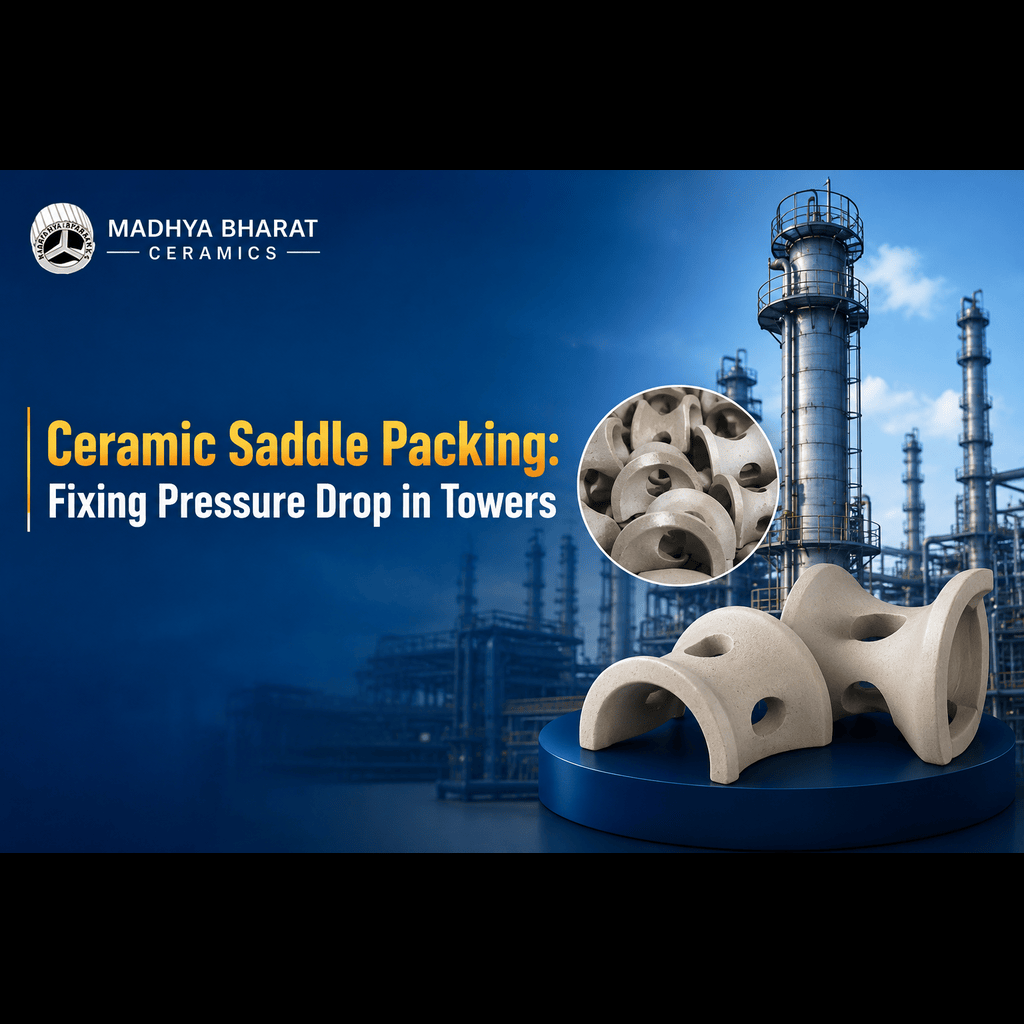
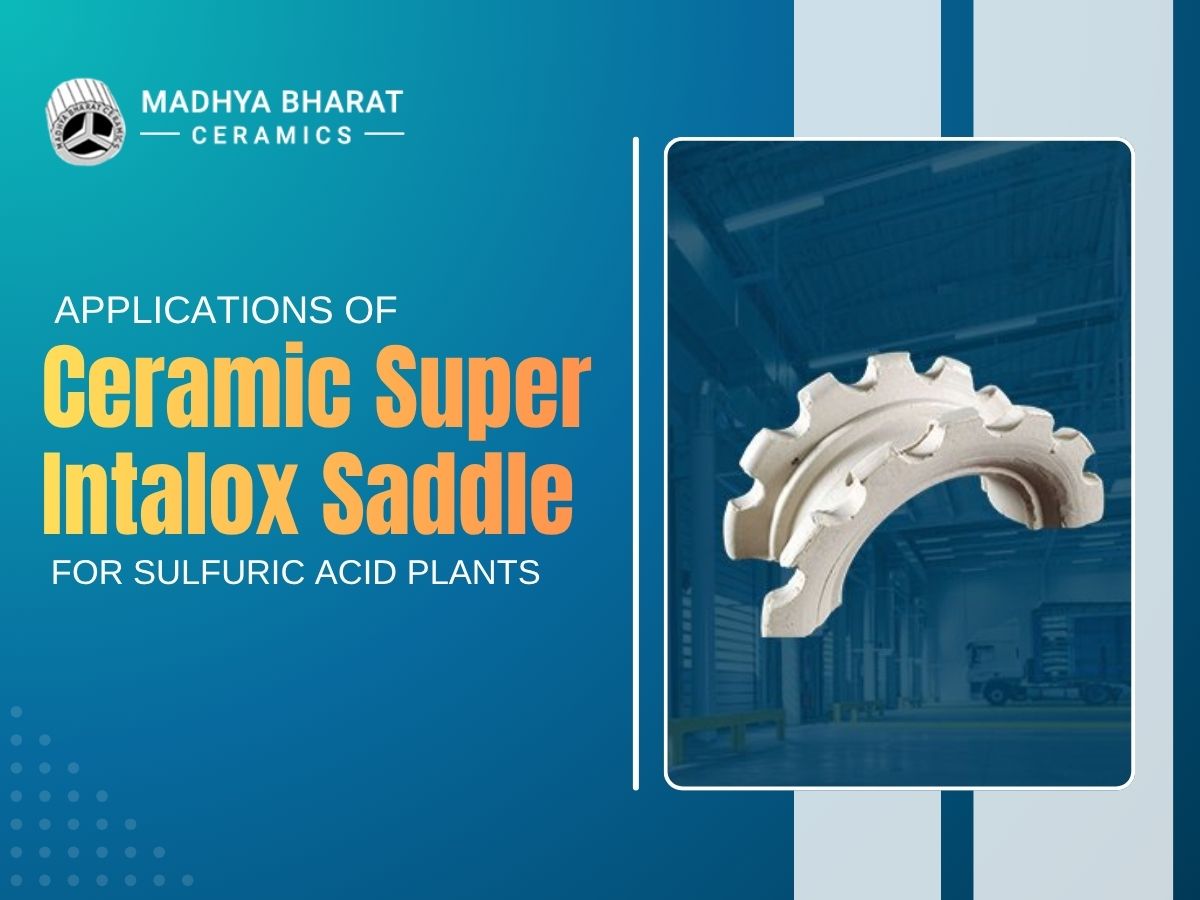
- Ceramic saddles and Intalox variants
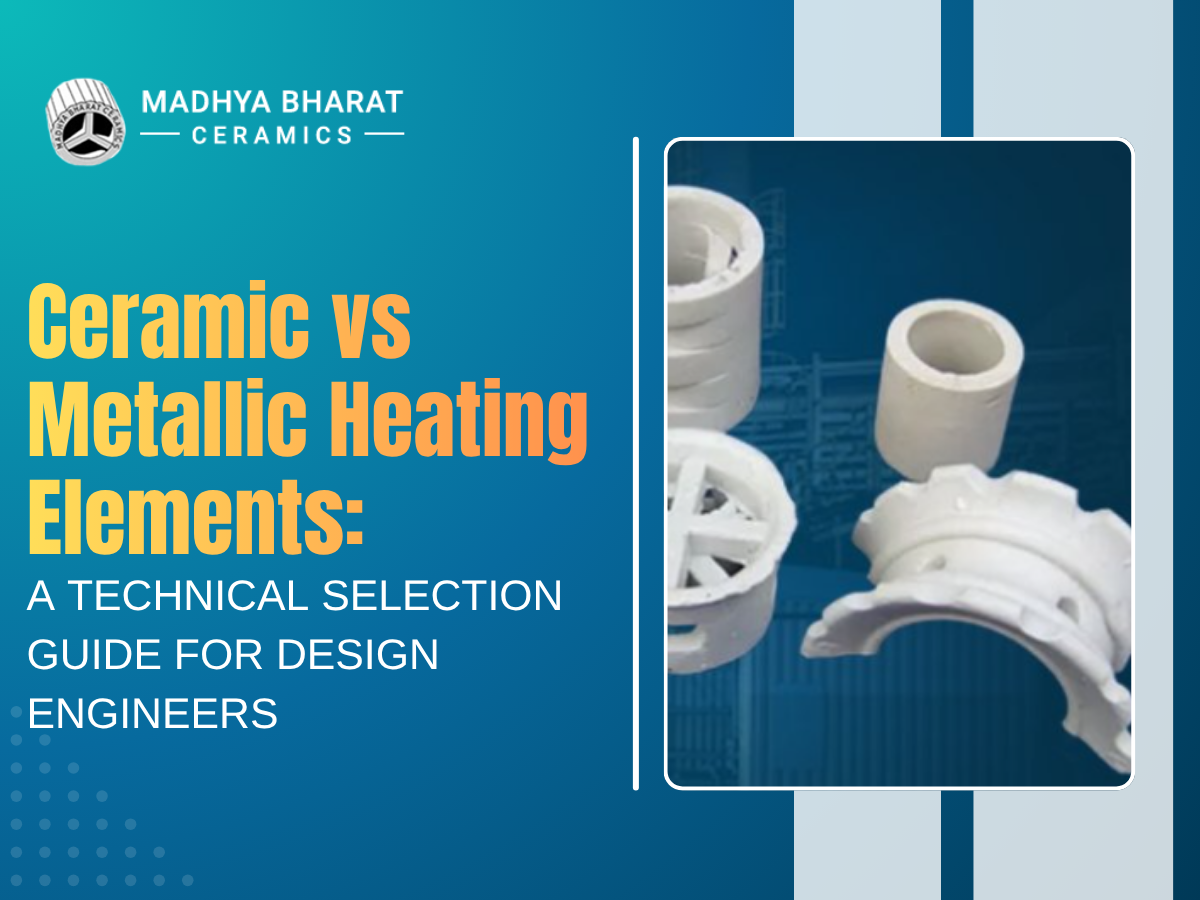
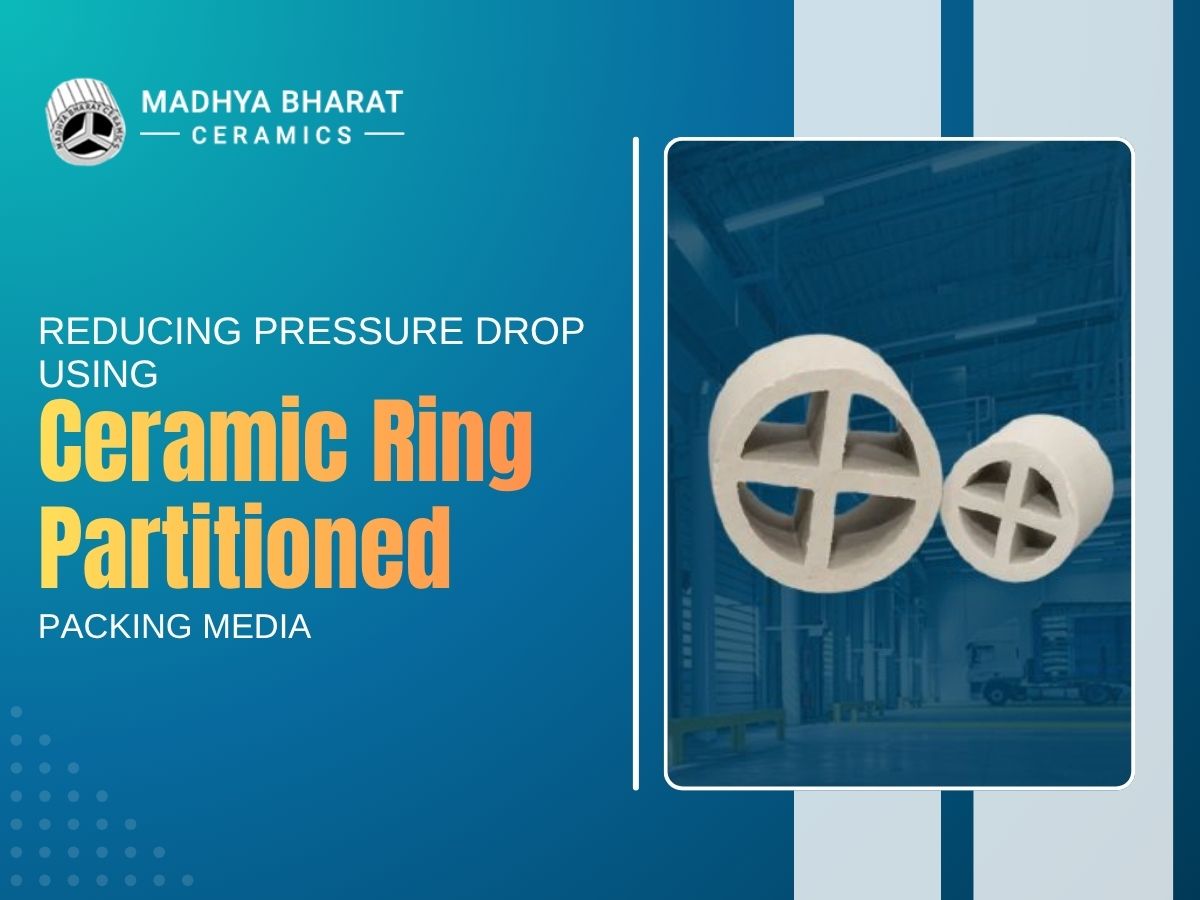
- Ceramic rings, including partitioned versions
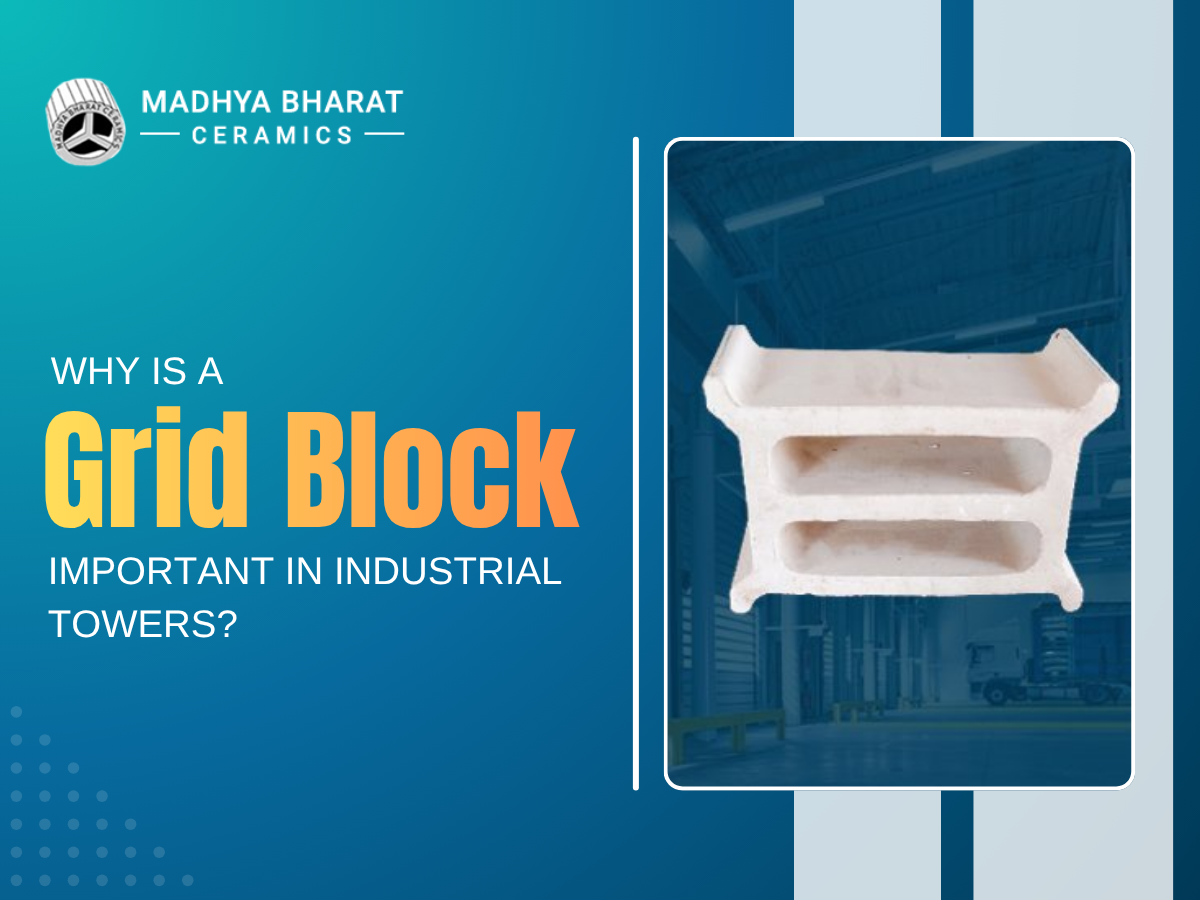
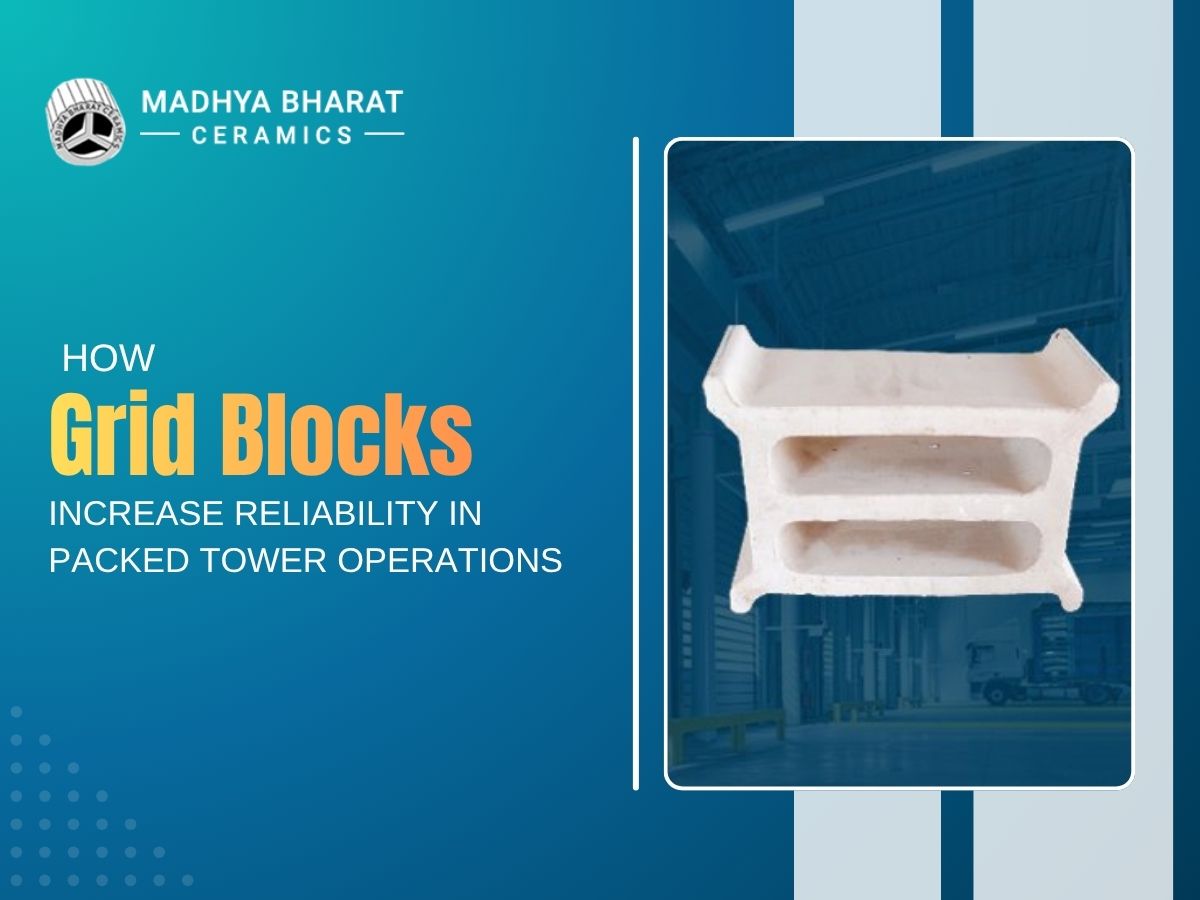
- Grid blocks and support media
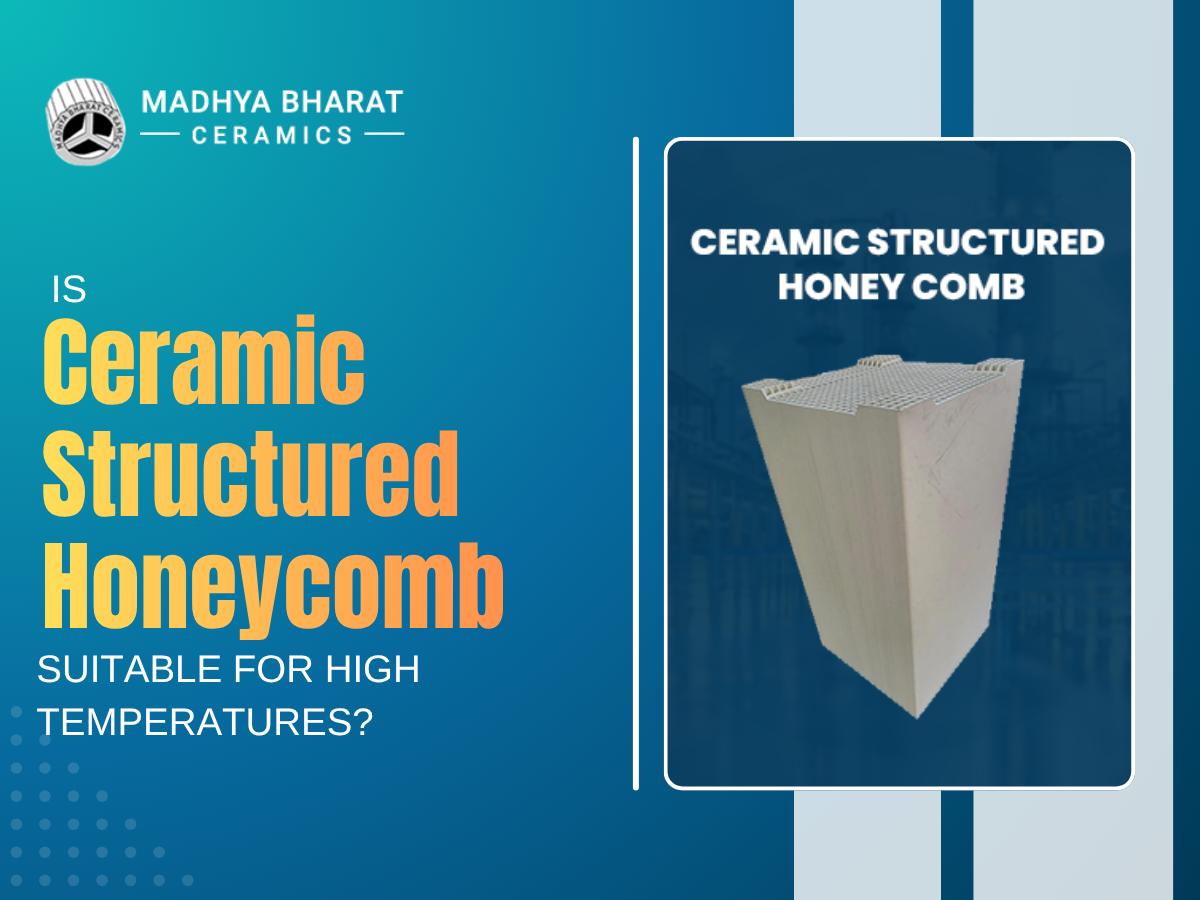
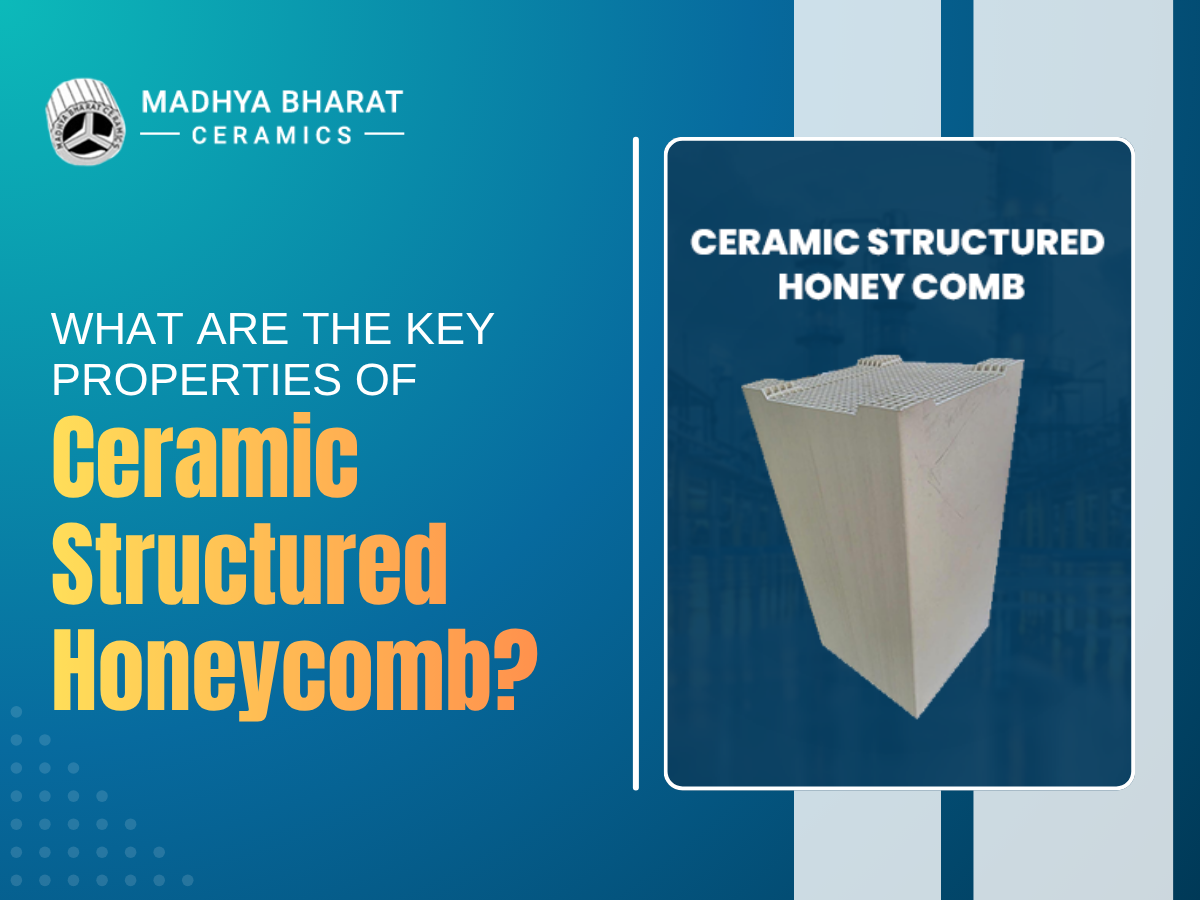
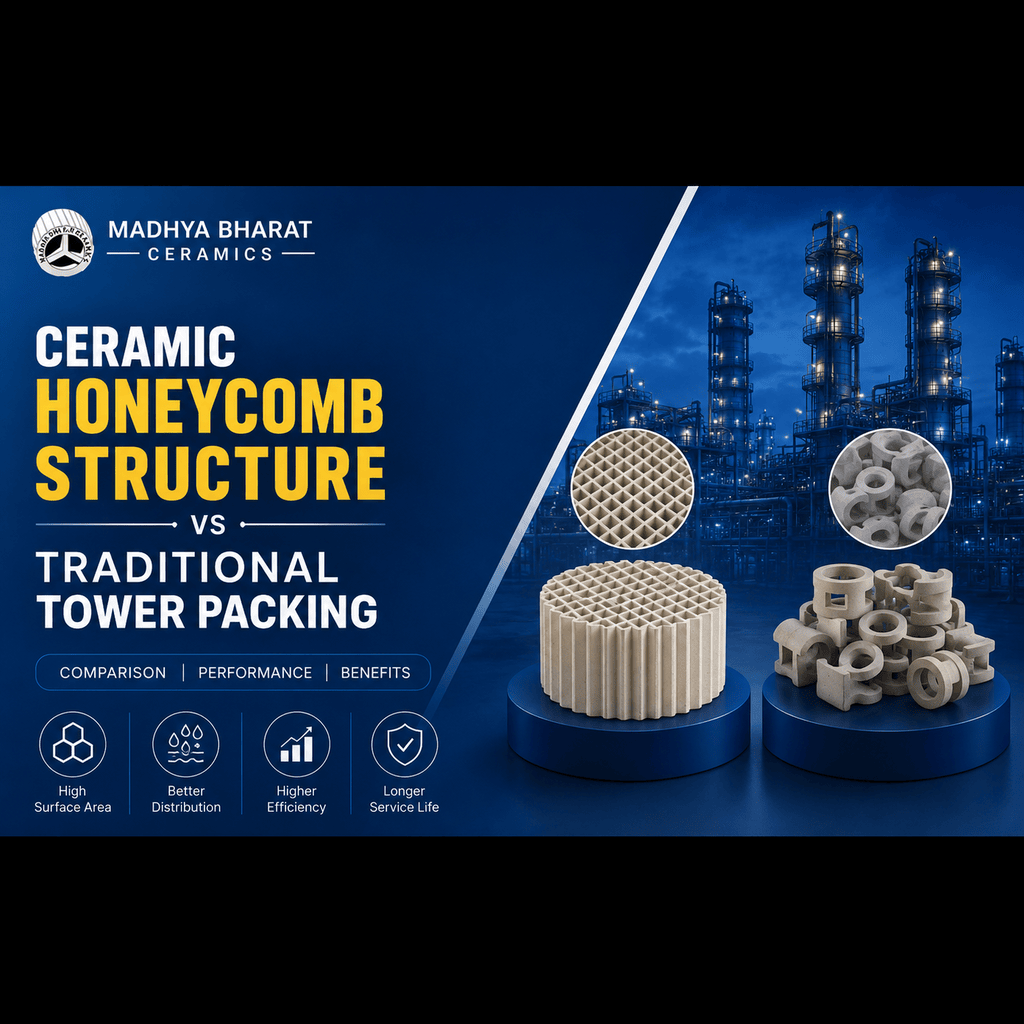
- Honeycomb structures where applicable
This is one of the reasons plants across fertilizer, petrochemical, and pharmaceutical sectors have stayed with us over multiple orders. Sourcing saddles, rings, and support blocks from one factory with a single firing and testing standard keeps quality consistent across the entire order, not just within one product line.
Verify Manufacturing Location and Track Record
Where a supplier is based matters more than buyers usually assume. Certain regions in India have built decades of expertise around ceramic manufacturing, with skilled labor and established kilns that newer entrants cannot replicate quickly.
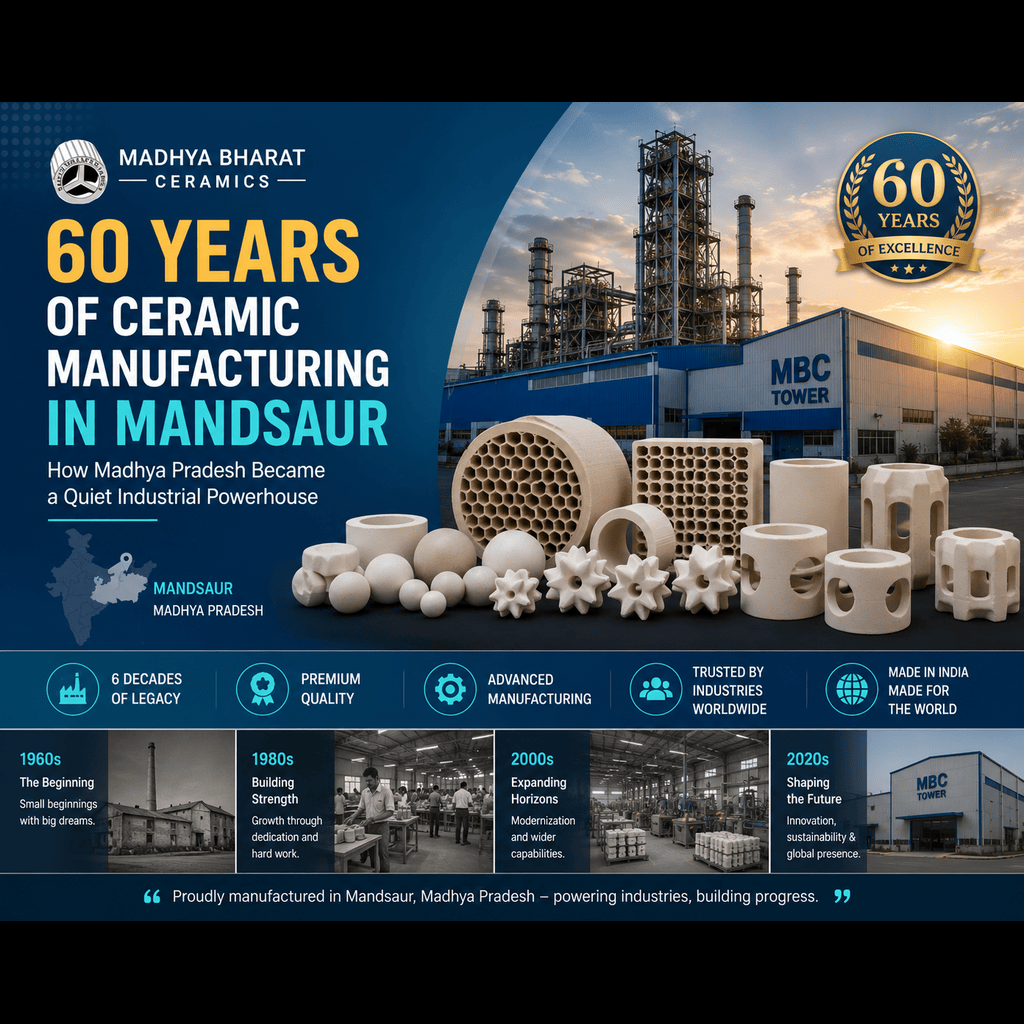
Mandsaur in Madhya Pradesh is one such cluster, and it’s where we’ve operated since 1964. A simple way to check legitimacy is asking how long the factory has run at its current site, and requesting a video walkthrough if you’re ordering from outside India.
Signs of an established, credible manufacturer:
- Decades of continuous operation, not just years
- A physical factory address you can verify independently
- Existing clients in industries similar to yours
- Willingness to share references or plant details on request
Ask About Customization and Lead Time Flexibility
Not every process needs standard sizes. If your column has specific diameter constraints, or your operating conditions call for a non-standard shape, ask early whether the supplier can customize without inflating lead time or cost disproportionately.
A dependable Ceramic Saddles Supplier should be able to explain past custom orders, tooling requirements, and a realistic timeline rather than a vague promise. If you’re exploring saddle options for a specific process, our ceramic saddles product page outlines the standard sizes and material grades available, a useful starting point before discussing custom specifications with our team.
Check Export Documentation and Logistics Readiness
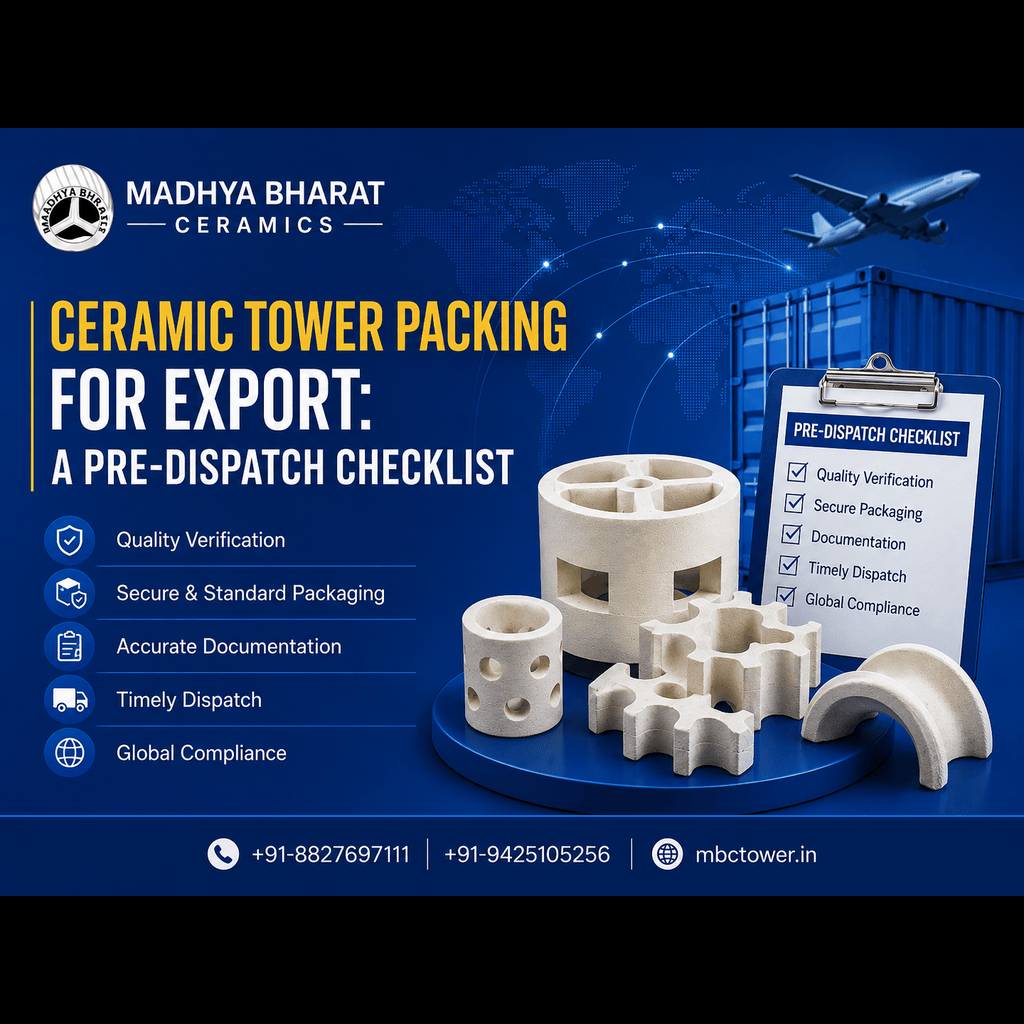
For international buyers, this step often gets overlooked until it causes a delay. Verify whether the manufacturer regularly exports, has experience with your country’s import documentation, and can provide test certificates that satisfy customs or client-side audits.
Documents worth requesting upfront:
- Certificate of origin
- Material test certificates specific to the batch
- Packing list with weight and dimension details
- Prior export references to your region, if available
A supplier with an established export history will have these ready without needing days to compile them. If you’re placing an international order, our pre-dispatch export checklist covers exactly what to confirm once the manufacturer is chosen and the order is ready to ship.
A Simple Pre-Order Verification Checklist
Before signing off on a purchase order, run through this shortlist:
- Requested raw material and water absorption data for the batch
- Confirmed in-house testing at every production stage
- Reviewed the supplier’s full product range for consistency
- Verified factory location and years in operation
- Discussed customization options and realistic lead times
- Collected export documentation samples, if ordering internationally
- Asked for client references in a similar industry
None of these steps take long individually. Together, they take far less time than resolving a failed batch after it has already been installed.
Frequently Asked Questions
1. What should I check before ordering from a ceramic tower packing manufacturer?
Verify raw material sourcing, in-house testing at each production stage, factory track record, product range, and export documentation before placing a bulk order.
2. How do I know if a supplier’s quality control is reliable?
Ask whether they test raw materials, monitor firing controls, and conduct final product testing on every batch, not just occasionally. A supplier that can share batch-specific test reports is generally more reliable.
3. Why does the manufacturing location matter for ceramic packing?
Regions with a long manufacturing history, like Mandsaur, typically have skilled labor and established infrastructure that newer or smaller facilities cannot match, which affects consistency and lead times.
4. Can ceramic tower packing be customized for non-standard column sizes?
Yes, most established manufacturers offer custom dimensions and shapes, though lead times and minimum order quantities vary, so it’s worth discussing early in the sourcing process.
5. Is a factory visit necessary before placing a bulk order?
A physical or video walkthrough is not always mandatory, but it remains one of the fastest ways to confirm that testing infrastructure and production claims match reality, especially for first-time or high-volume orders.
Final Thoughts
If you’re comparing suppliers and Mandsaur keeps coming up as a manufacturing hub, that’s not a coincidence, it’s where several established ceramic manufacturers in Mandsaur have built up decades of kiln infrastructure and skilled labor that newer facilities elsewhere in India haven’t had time to replicate.
Choosing a supplier for ceramic packing is not just a procurement task, it is a decision that affects tower performance for years. Manufacturers worth working with are the ones who welcome these questions rather than deflect them.
If you’re evaluating suppliers for an upcoming order, reach out to our team for batch-specific test reports, product samples, or a straightforward conversation about your tower’s requirements.