Ask two engineers how they support a packed bed, and you might get two different answers. Some swear by grid blocks, others prefer support balls, and a fair number use both together without ever really comparing why. If you are designing or retrofitting a tower and trying to decide which one actually fits your process, the answer depends on more than personal preference.
At Madhya Bharat Ceramics, we manufacture both, and we get asked fairly often which one is the better choice. So here is a straightforward comparison to help you understand what each one actually does, and where one makes more sense than the other.
What a Grid Block Actually Does
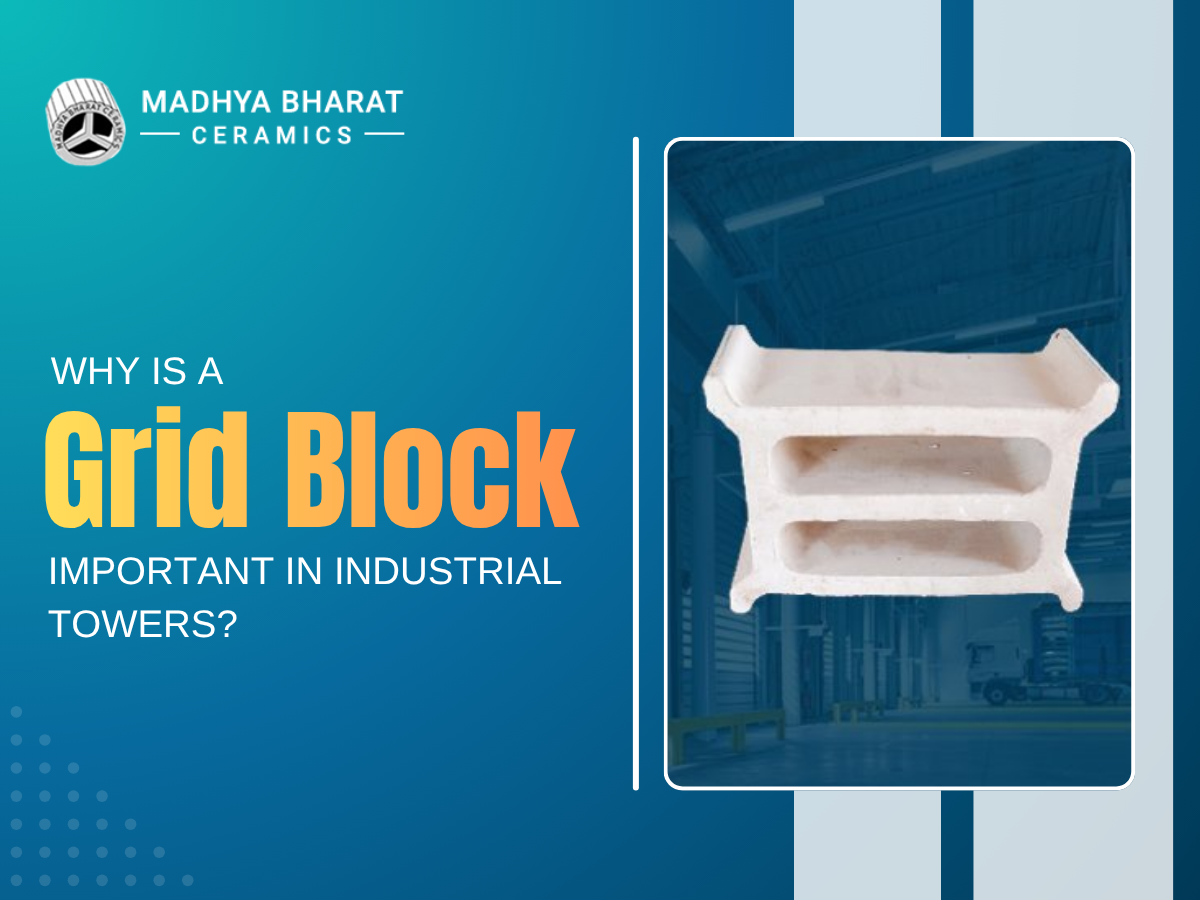
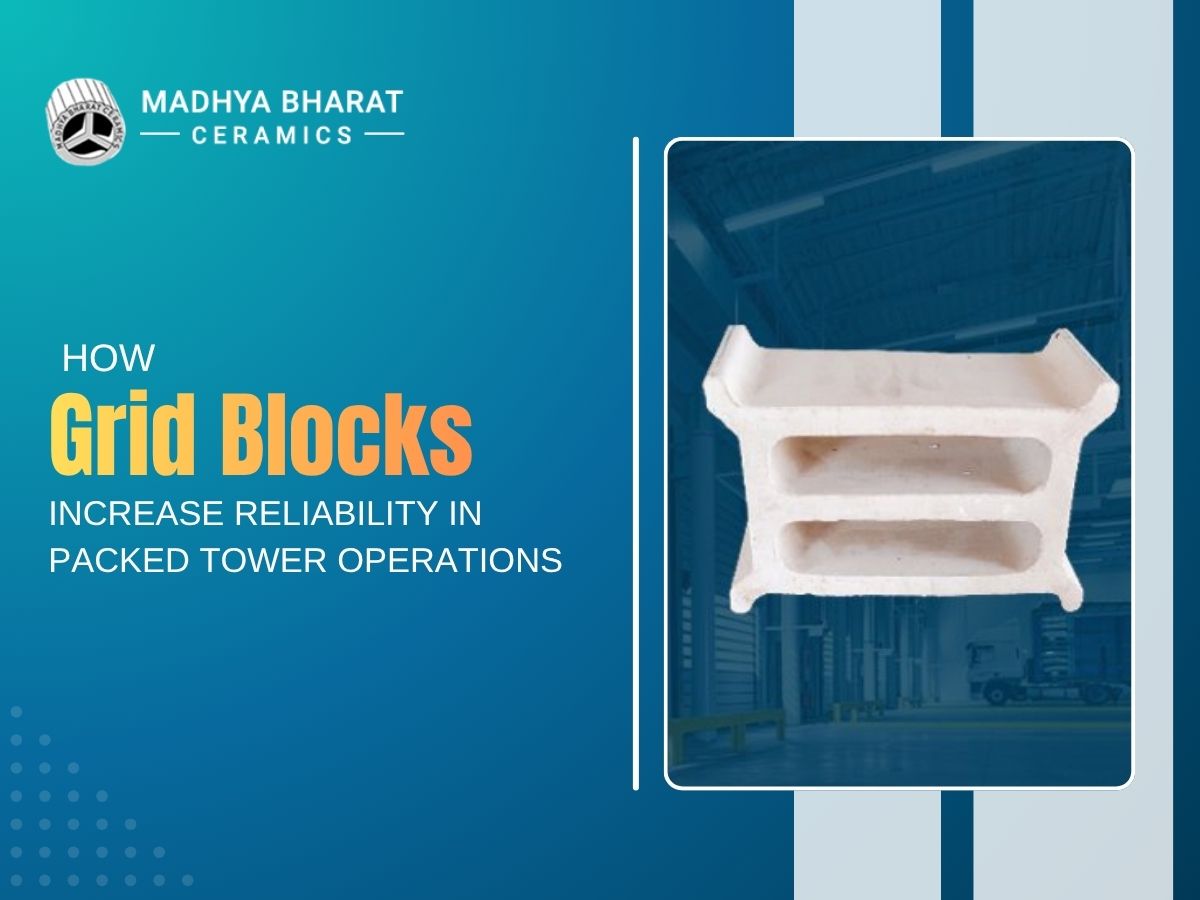
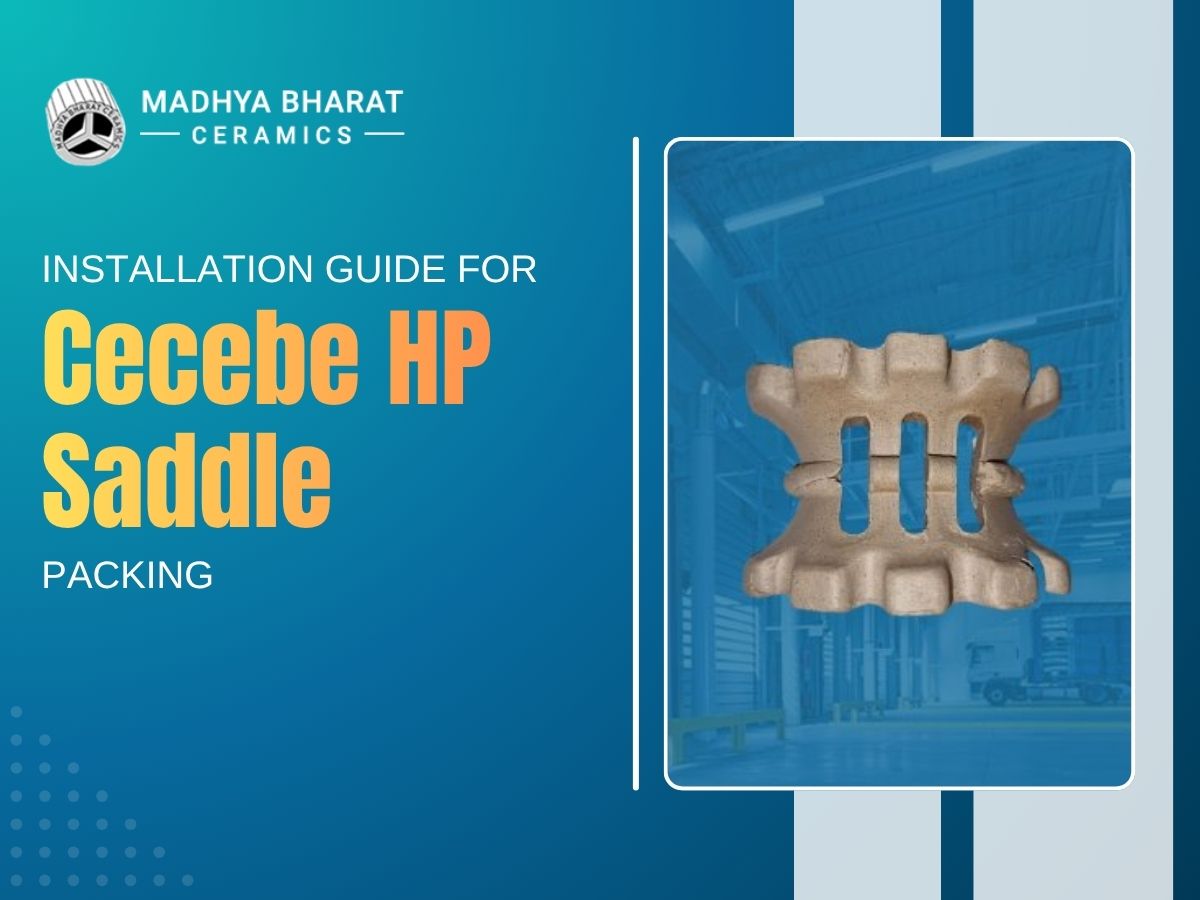
A Grid Block sits beneath the packing bed and acts as the structural foundation for everything above it. Its job is to hold the entire weight of the packing, distribute that load evenly across the tower’s cross-section, and allow gas and liquid to pass through without restriction.
- Provides a rigid, load-bearing platform for the packing bed
- Distributes weight evenly, preventing pressure points that can crack packing material
- Designed with open slots that allow smooth gas and liquid flow through the structure
- Suited for towers with tall bed depths where structural support matters more than flexibility
Our grid block range is built specifically for this kind of load-bearing role, particularly in towers where bed depth puts real mechanical stress on whatever is supporting it.
What Support Balls Bring to the Table
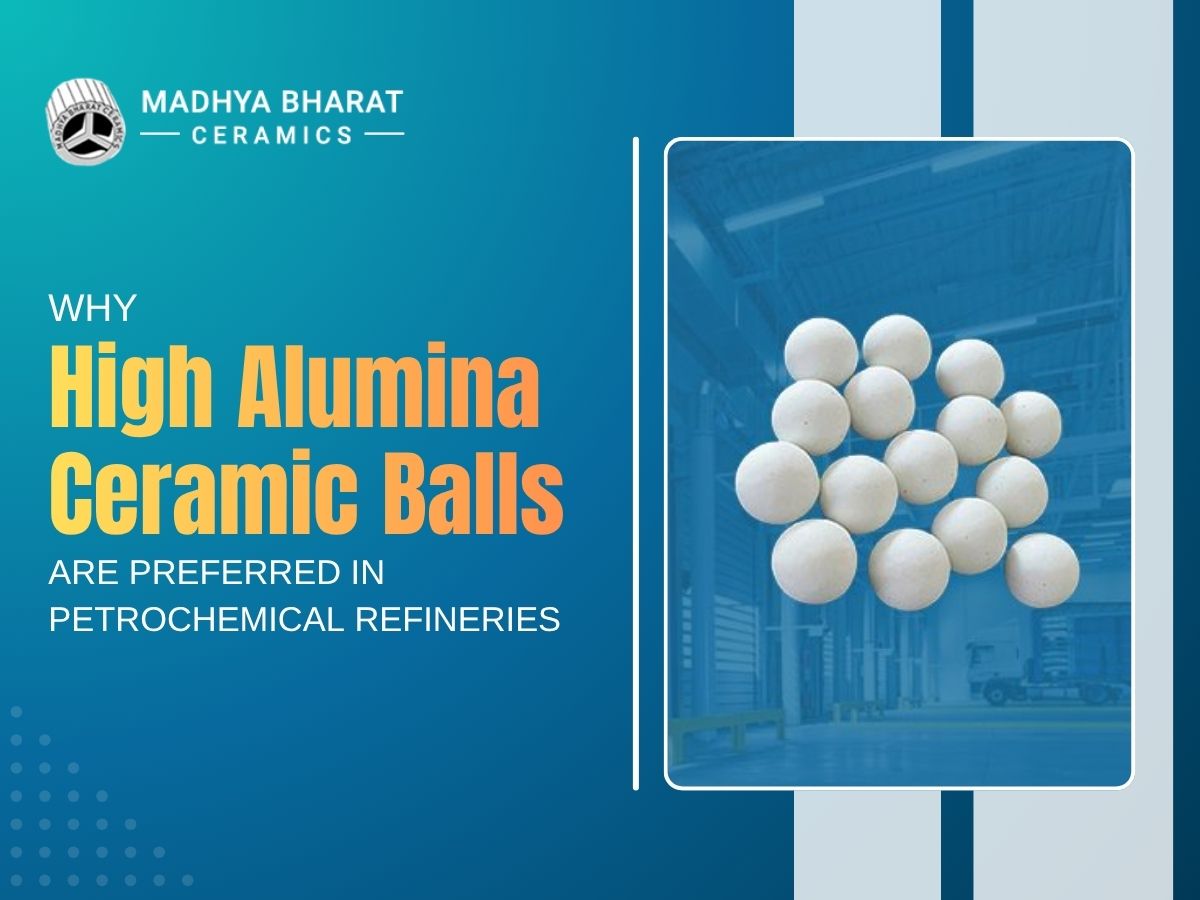
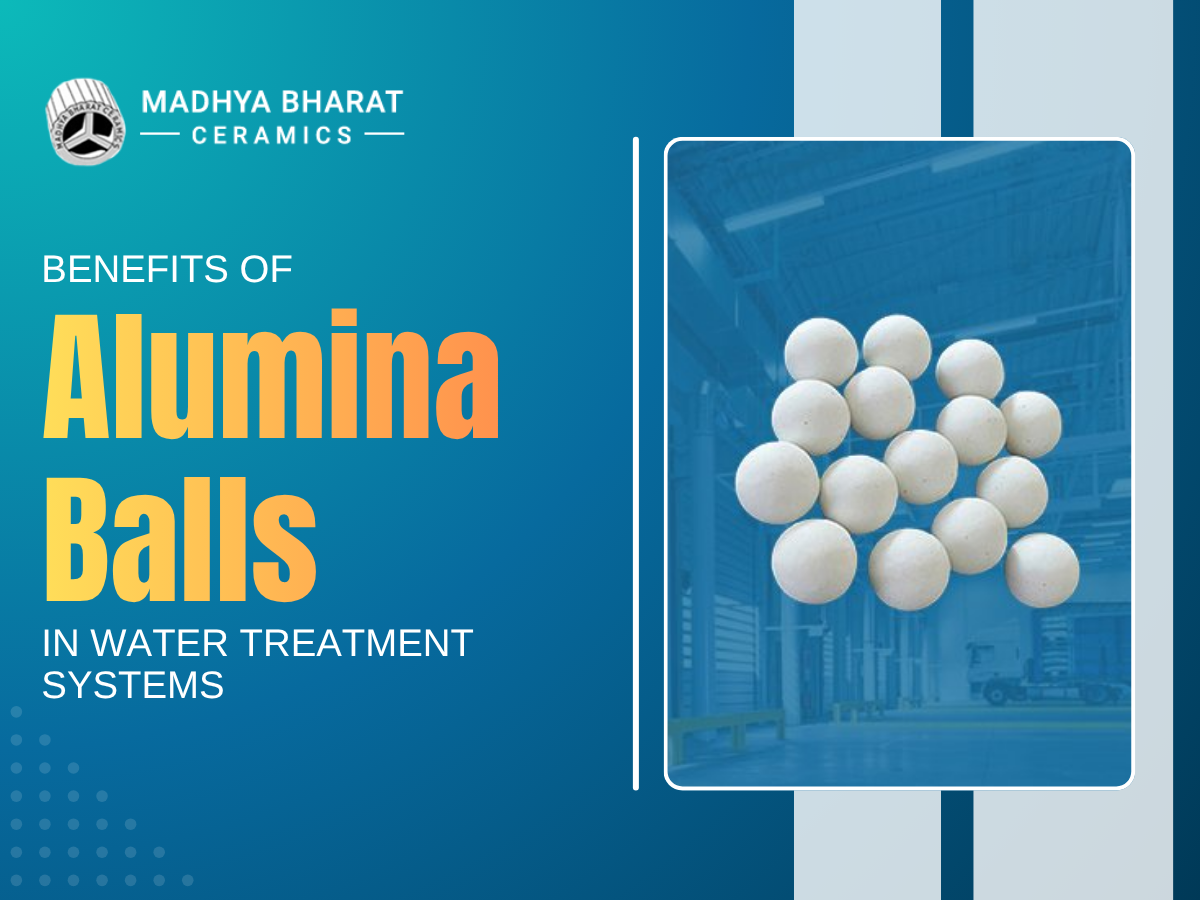
Support balls work differently. Rather than acting as a rigid structural base, they sit in a layer beneath catalysts or packing, cushioning the material above while helping distribute flow more evenly across the bed.
- Protect catalyst beds from crushing, settling, and uneven load distribution
- Improve flow distribution, which helps prevent channeling
- Provide a buffer layer that absorbs minor shifts without damaging what is above
- Easier to install and replace compared to a fixed structural grid
If you want a deeper look at how this layer functions inside a working reactor, our post on how support balls increase equipment life explains the mechanics behind this in more detail.
Structural Support vs Flow Support: The Real Difference
The easiest way to think about this comparison is structural support versus flow support. Grid blocks are built to carry weight and hold their shape under continuous mechanical stress. Support balls are built to protect what sits above them and keep flow distribution even, but they do not offer the same rigid load-bearing capacity.
| Factor | Grid Block | Support Balls |
| Primary role | Structural support for the bed | Cushioning and flow distribution |
| Best suited for | Tall beds with heavy mechanical load | Catalyst protection and even flow |
| Installation | Fixed structure, installed once | Layered, easier to replace |
| Flow handling | Open slot design for smooth passage | Distributes flow through packed spheres |
| Typical pairing | Often used beneath random or structured packing | Often used directly beneath or around catalyst |
When You Actually Need Both
In many towers, the two are not competing options, they work together. A grid block often forms the structural base of the tower, while a layer of support balls sits above it to protect the catalyst or packing from direct contact with the rigid structure below. This combination gives you both mechanical strength and a cushioning layer that reduces wear over time.
Choosing a Reliable Ceramic Grid Block Manufacturer
Whichever option your process needs, the manufacturer behind it matters just as much as the product design. A dependable Ceramic Grid Block Manufacturer should be able to explain how their grid blocks are engineered for load distribution, what materials they use, and how they test for crushing strength before dispatch. Skipping this due diligence is often where support failures start.
What to Expect From a Ceramic Grid Block Supplier
Beyond manufacturing quality, sourcing reliably matters too. A good Ceramic Grid Block Supplier helps you choose the correct size and design for your specific tower, keeps consistent stock for repeat orders, and understands that any delay in supply can directly affect a planned shutdown or turnaround schedule.
Quick Checklist Before You Choose
- Confirm your bed depth and mechanical load requirements before choosing between the two
- Check whether your process needs rigid structural support, flow protection, or both
- Ask for crushing strength and load distribution data from your supplier
- Clarify installation and replacement timelines, especially for turnaround planning
- Choose a manufacturer who can walk you through the reasoning, not just quote a price
Frequently Asked Questions
1. Can grid blocks and support balls be used in the same tower?
Yes, they are often used together, with the grid block providing structural support and support balls protecting the catalyst or packing above it.
2. Which offers better load-bearing capacity, grid blocks or support balls?
Grid blocks are designed specifically for structural, load-bearing support, while support balls focus more on cushioning and flow distribution.
3. How do I know if my tower needs a grid block instead of support balls?
If your bed depth creates significant mechanical load, a grid block is usually necessary for structural stability.
4. Are support balls easier to replace than grid blocks?
Yes, support balls are typically layered and easier to replace during routine maintenance compared to a fixed grid structure.
5. What should I check before choosing a grid block supplier?
Ask about material quality, crushing strength data, sizing options, and their ability to support repeat or urgent orders.
6. Does the size of the grid block need to match the tower diameter exactly?
Yes, proper sizing is essential for stable support and even weight distribution across the entire bed.
Ready to Choose the Right Support System for Your Tower?
Whether your tower needs the structural strength of a grid block, the flow protection of support balls, or both working together, getting this choice right protects everything built on top of it. Get in touch with our team and we will help you design the right support system for your process.