Every year, UV radiation causes billions of dollars in damage to buildings, vehicles, and industrial structures worldwide. According to the American Coatings Association, UV degradation is one of the top three causes of premature surface failure in outdoor environments.
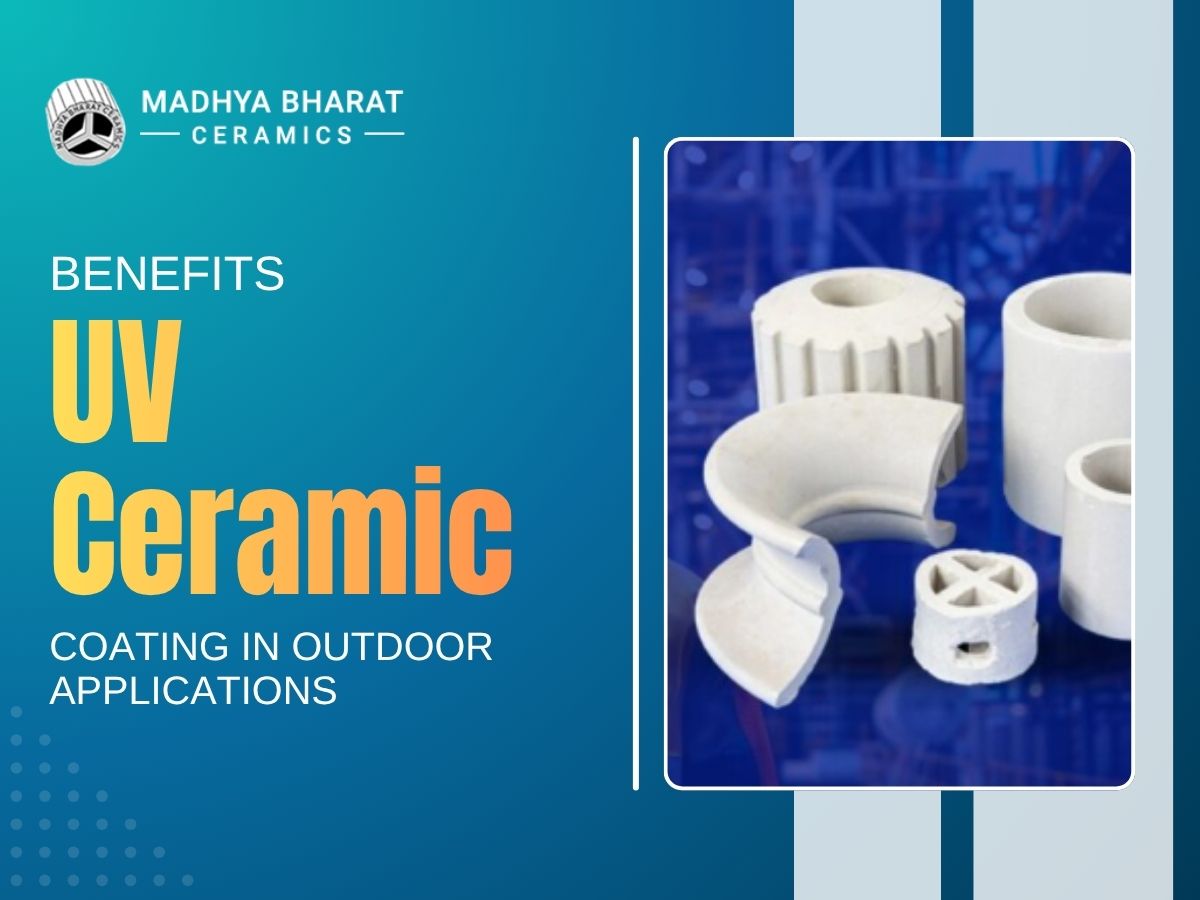
UV ceramic coating is a protective layer made from advanced ceramic materials that shields surfaces from ultraviolet rays, heat, moisture, and chemical exposure. Unlike ordinary paint or polymer coatings, ceramic-based coatings are engineered for durability in the harshest outdoor conditions.
As an experienced ceramic supplier in India, MBC has seen growing demand for UV-resistant ceramic products across sectors like infrastructure, solar energy, and construction. This guide explains what UV ceramic coating is, how it works, and why it is one of the smartest investments for any outdoor application in 2026.
What Is UV Ceramic Coating?
UV ceramic coating is a thin, transparent or pigmented layer applied to surfaces to protect them from ultraviolet radiation and environmental weathering. It is formulated using technical ceramics and inorganic compounds that do not break down when exposed to sunlight.
The coating works by:
- Reflecting UV rays away from the base surface
- Absorbing residual UV energy and converting it to harmless heat
- Sealing pores to prevent moisture, dust, and chemical penetration
Unlike organic coatings, advanced ceramics in UV coatings do not oxidize, fade, or chalk over time. This makes them far more suitable for long-term outdoor use.
Key Benefits of UV Ceramic Coating in Outdoor Applications
1. Superior UV and Heat Resistance
Heat resistant materials are essential in outdoor settings where surfaces face constant sun exposure. UV ceramic coatings can withstand temperatures from -50°C to over 800°C, depending on the formulation.
This makes them ideal for:
- Industrial rooftops and pipelines
- Solar panel frames and mounting structures
- Automotive exteriors in high-temperature climates
- Bridge decks and outdoor infrastructure
Refractory materials used in high-end ceramic coatings ensure the surface stays stable even under direct, prolonged heat exposure, which is a critical requirement in Indian summers.
2. Long-Term Weather and Corrosion Protection
Outdoor surfaces face rain, humidity, salt air, industrial chemicals, and pollutants every day. Ceramic engineering allows manufacturers to design coatings that resist all of these simultaneously.
A UV ceramic coating creates a hard, non-porous shell that:
- Prevents rust and oxidation on metal substrates
- Stops water ingress on concrete and masonry
- Resists acid rain and industrial pollutants
Studies published by the National Institute of Standards and Technology (NIST) confirm that ceramic-based coatings outperform conventional polymer coatings in corrosion resistance by up to 300% in salt spray tests.
3. Energy Efficiency and Thermal Regulation
One of the most valuable benefits of UV ceramic coating in outdoor use is its ability to reflect solar radiation and reduce heat absorption. This property, known as solar reflectance, directly lowers the surface temperature of coated structures.
Buildings with UV ceramic rooftop coatings can:
- Reduce indoor cooling loads by 15 to 25 percent
- Lower air conditioning energy costs significantly
- Contribute to green building certifications like LEED and GRIHA
For ceramic manufacturers in India serving the construction sector, this energy-saving benefit is a powerful selling point as India’s green building market expands rapidly.
4. Low Maintenance and Extended Surface Life
Industrial ceramics are known for their hardness, and UV ceramic coatings carry the same advantage. The coated surface is highly scratch-resistant and repels dirt, dust, and grime.
This translates to:
- Fewer cleaning cycles needed annually
- No need for recoating for 8 to 15 years in most outdoor applications
- Reduced labor and material costs over the structure’s lifetime
For ceramic manufacturers in India and their clients, this means a lower total cost of ownership compared to epoxy, acrylic, or polyurethane alternatives.
5. Aesthetic Durability and Color Retention
Outdoor coatings often fade within two to three years due to UV exposure. Porcelain products and ceramic-based coatings are engineered to retain color and gloss for far longer.
UV ceramic coatings maintain:
- Original color saturation for up to 10 years outdoors
- Gloss levels that do not dull with sun exposure
- A clean appearance that resists biological growth like algae and mold
This is especially important for architectural facades, public infrastructure, and outdoor signage where appearance affects brand image.
Comparison Table: UV Ceramic Coating vs. Other Outdoor Coating Types
| Feature | UV Ceramic Coating | Epoxy Coating | Acrylic Paint | Polyurethane Coating |
| UV Resistance | Excellent | Poor | Moderate | Good |
| Heat Resistance | Up to 800°C+ | Up to 120°C | Up to 80°C | Up to 150°C |
| Corrosion Resistance | Excellent | Good | Moderate | Good |
| Lifespan (Outdoor) | 10-15 years | 3-5 years | 2-4 years | 5-8 years |
| Maintenance Frequency | Very Low | Moderate | High | Moderate |
| Eco-Friendliness | High | Low-Moderate | Moderate | Low |
| Cost Over 10 Years | Low | High | Very High | Moderate |
Industries That Benefit Most from UV Ceramic Coating
Ceramic manufacturing companies supply UV coatings to a wide range of industries. Here are the sectors seeing the highest adoption:
Construction and Real Estate Facades, rooftops, and concrete structures benefit from UV ceramic coatings that protect against weathering while improving energy performance.
Solar Energy Advanced ceramics are used to coat solar panel frames and mounting hardware, preventing corrosion and maintaining efficiency in high-UV environments.
Automotive and Transportation Vehicle exteriors, rail carriages, and commercial fleet vehicles use UV ceramic coatings to prevent paint oxidation and reduce maintenance downtime.
Oil, Gas, and Chemical Plants Pipelines, tanks, and processing equipment rely on refractory materials and ceramic coatings to handle both UV exposure and chemical attack simultaneously.
Marine and Coastal Infrastructure Salt air and humidity combined with UV radiation make marine environments among the most aggressive for surface coatings. Ceramic-engineered coatings handle both threats effectively.
How to Choose the Right UV Ceramic Coating Supplier
When selecting a ceramic supplier in India for UV coating products, consider the following:
- Certifications: Look for ISO 9001, BIS, or international quality certifications.
- Product Range: A reliable ceramic exporter should offer coatings for multiple substrates including metal, concrete, and glass.
- Technical Support: Ensure the supplier provides application guidance and data sheets.
- Track Record: Check references from construction, industrial, or infrastructure projects.
- Customization: Leading ceramic manufacturers in India can customize formulations for specific temperature, chemical, or UV exposure conditions.
Case Study
Project Overview A manufacturing facility in Rajasthan, one of India’s hottest regions, faced severe heat load issues and frequent roof maintenance costs due to UV degradation. The facility’s conventional epoxy coating was failing within 24 months.
Solution Applied MBC supplied a high-performance UV ceramic coating formulated for extreme solar exposure. The ceramic engineering behind this product allowed it to reflect over 85% of solar radiation while bonding firmly to the existing concrete substrate.
Results After 3 Years
- Indoor temperature dropped by 6 to 8 degrees Celsius during peak summer months
- Cooling costs reduced by approximately 20 percent annually
- No recoating required after 36 months of use
- Zero visible fading, chalking, or surface cracking
Client Feedback The facility manager reported that the UV ceramic coating paid for itself within 18 months through energy savings alone, and the maintenance team’s workload was significantly reduced.
This real-world example highlights why companies across India are turning to trusted ceramic suppliers in India for UV-resistant industrial ceramics that deliver measurable returns.
FAQ’s About Ceramic Coating
FAQ 1: What is UV ceramic coating?
UV ceramic coating is a protective surface layer made from advanced ceramic materials and inorganic compounds. It is designed to shield surfaces from ultraviolet radiation, heat, moisture, and chemical exposure in outdoor environments. Unlike organic coatings, it does not fade, chalk, or break down with prolonged sun exposure.
2: How long does UV ceramic coating last outdoors?
In most outdoor applications, a quality UV ceramic coating lasts between 8 and 15 years without the need for recoating. Its lifespan depends on the substrate type, application quality, and environmental conditions such as temperature and humidity.
3: Is UV ceramic coating suitable for industrial use?
Yes. Industrial ceramics used in UV coatings are specifically engineered for harsh industrial environments. They resist high temperatures, chemicals, corrosion, and UV degradation simultaneously, making them ideal for pipelines, tanks, rooftops, and processing equipment.
4: What surfaces can UV ceramic coating be applied to?
UV ceramic coating can be applied to a wide range of surfaces including metal, concrete, glass, fiber cement, and composite materials. Leading ceramic manufacturers in India can customize the formulation to match the specific surface type and outdoor exposure conditions.
5: Does UV ceramic coating help with energy savings?
Yes. UV ceramic coatings reflect solar radiation and reduce heat absorption in surfaces. Buildings with UV ceramic roof coatings typically report a 15 to 25 percent reduction in cooling energy costs during summer months, which contributes to lower electricity bills and green building compliance.
6: What is the difference between ceramic coating and regular paint?
Regular paint is organic and breaks down under UV exposure, leading to fading, chalking, and peeling. UV ceramic coating uses inorganic ceramic engineering compounds that are chemically stable and do not degrade in sunlight. Ceramic coatings also provide far superior hardness, heat resistance, and corrosion protection compared to conventional paint.
7: Can UV ceramic coating be used on solar panels or frames?
Yes. Solar panel mounting frames and hardware are frequently coated with UV ceramic coatings to prevent rust, corrosion, and UV-related surface failure. Advanced ceramics maintain their protective properties even after years of direct sunlight exposure in high-UV environments like Rajasthan, Gujarat, and other sun-intensive regions of India.
8: Where can I find a reliable ceramic supplier in India for UV coatings?
MBC is a trusted ceramic supplier in India and ceramic exporter with experience supplying UV ceramic coatings for construction, infrastructure, industrial, and solar applications. MBC offers a full range of ceramic products with technical support, custom formulations, and quality certifications to meet project-specific requirements.
Conclusion
UV ceramic coating is one of the most effective and cost-efficient solutions available for protecting outdoor surfaces in 2026. It combines heat resistance, UV protection, corrosion resistance, and long service life into a single high-performance layer. Whether you are in construction, solar, automotive, or heavy industry, the right ceramic manufacturer in India can help you choose a formulation that fits your specific outdoor environment. With proven technology backed by ceramic engineering and real-world performance data, UV ceramic coatings represent a forward-thinking investment in durability, energy efficiency, and reduced operational costs. MBC stands ready as your dependable ceramic supplier in India for all advanced outdoor coating needs.