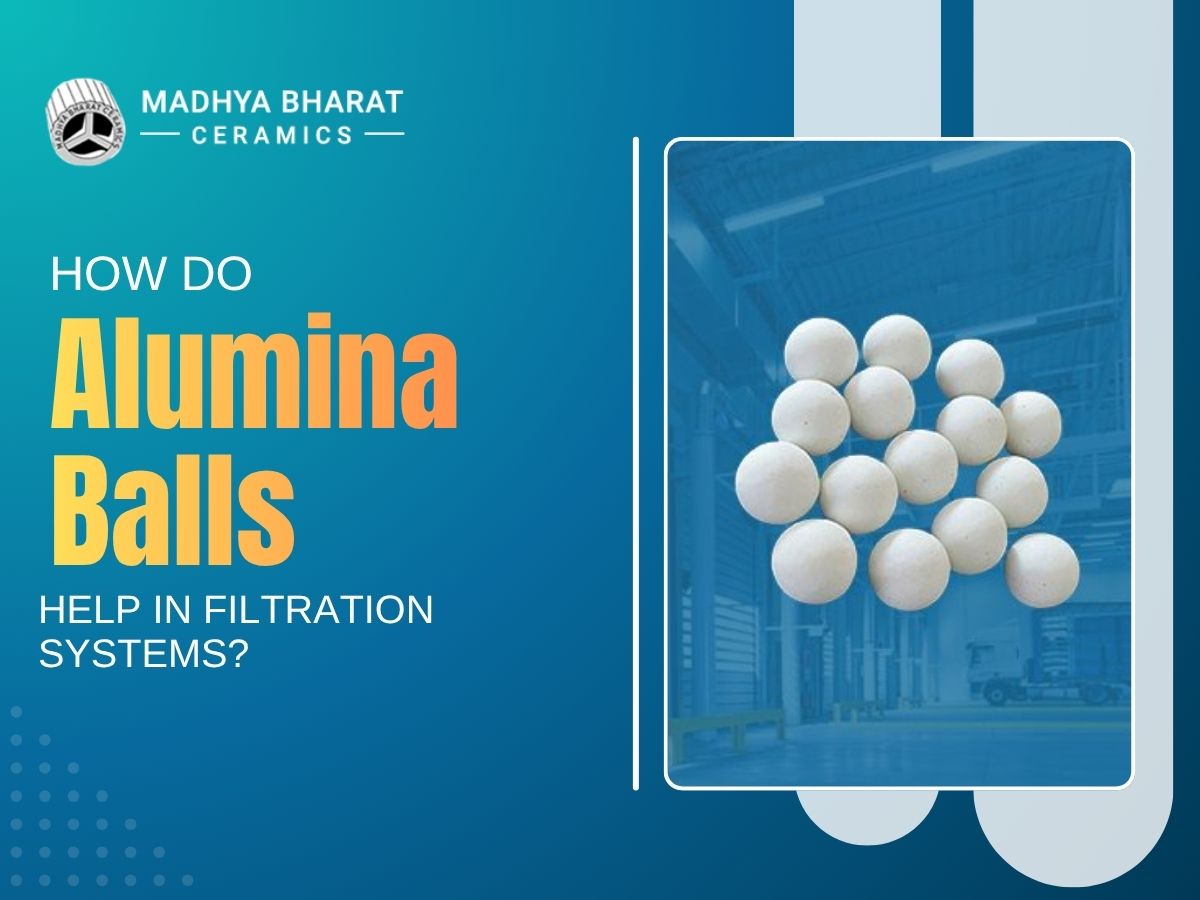
Every clean glass of water processed in a municipal plant relies on layers of filtration media working silently underneath. Alumina balls are one of those critical media layers. They are dense, smooth ceramic spheres made from aluminum oxide (Al2O3), and they play a direct role in trapping particles, supporting catalysts, and purifying fluids in industrial filtration systems.
Fact: Aluminum oxide ceramic balls can withstand temperatures exceeding 1700 degrees Celsius and offer strong chemical resistance against most acids and alkalis. A 2022 report by Grand View Research noted that the global ceramic filter media market was valued at over USD 4.5 billion and is expected to grow steadily as industries tighten water treatment standards.
Alumina ball manufacturers in Mandsaur have been at the forefront of supplying high-grade ceramic filtration media to industries across India and internationally. Their products meet ASTM, DIN, and Bureau of Indian Standards specifications, making them a trusted choice for engineers and plant managers.
What Are Alumina Balls and How Do They Work in Filtration?
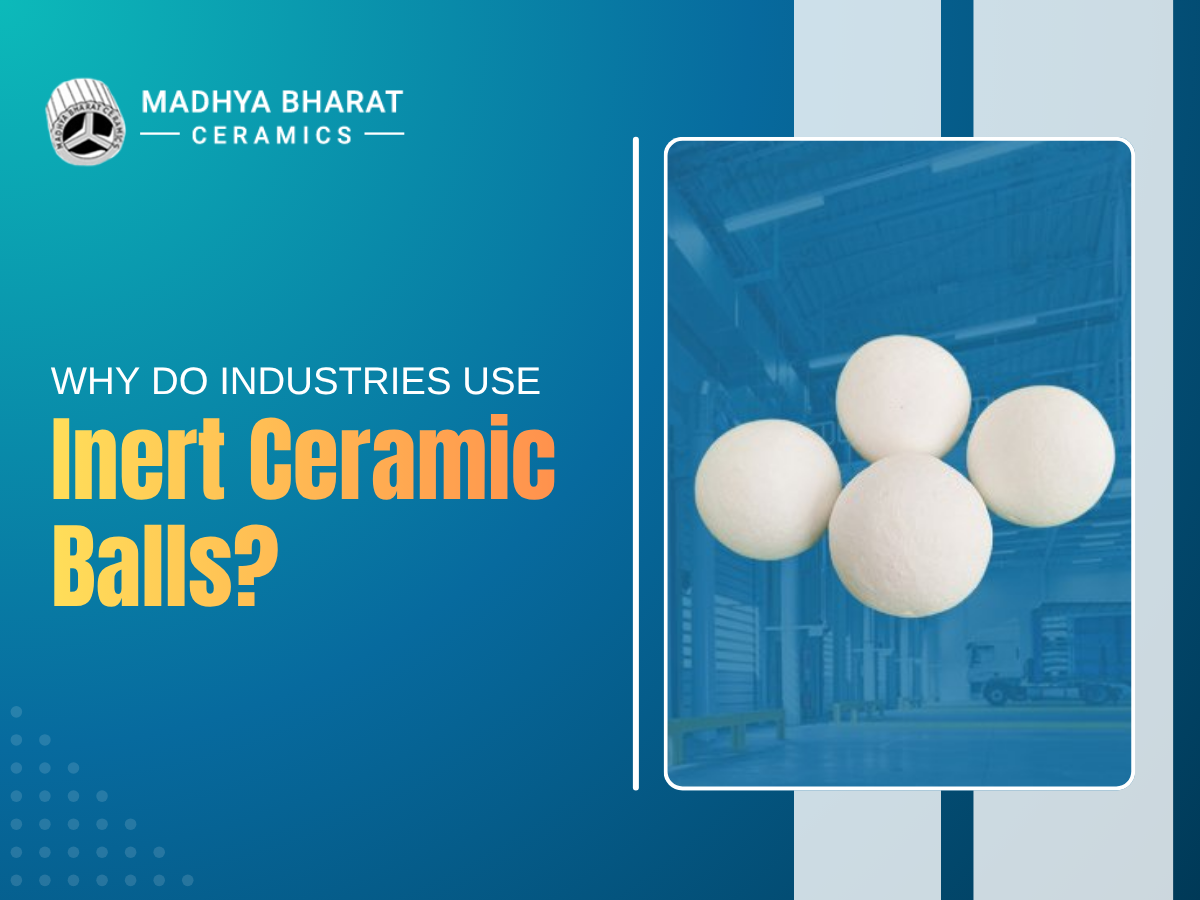
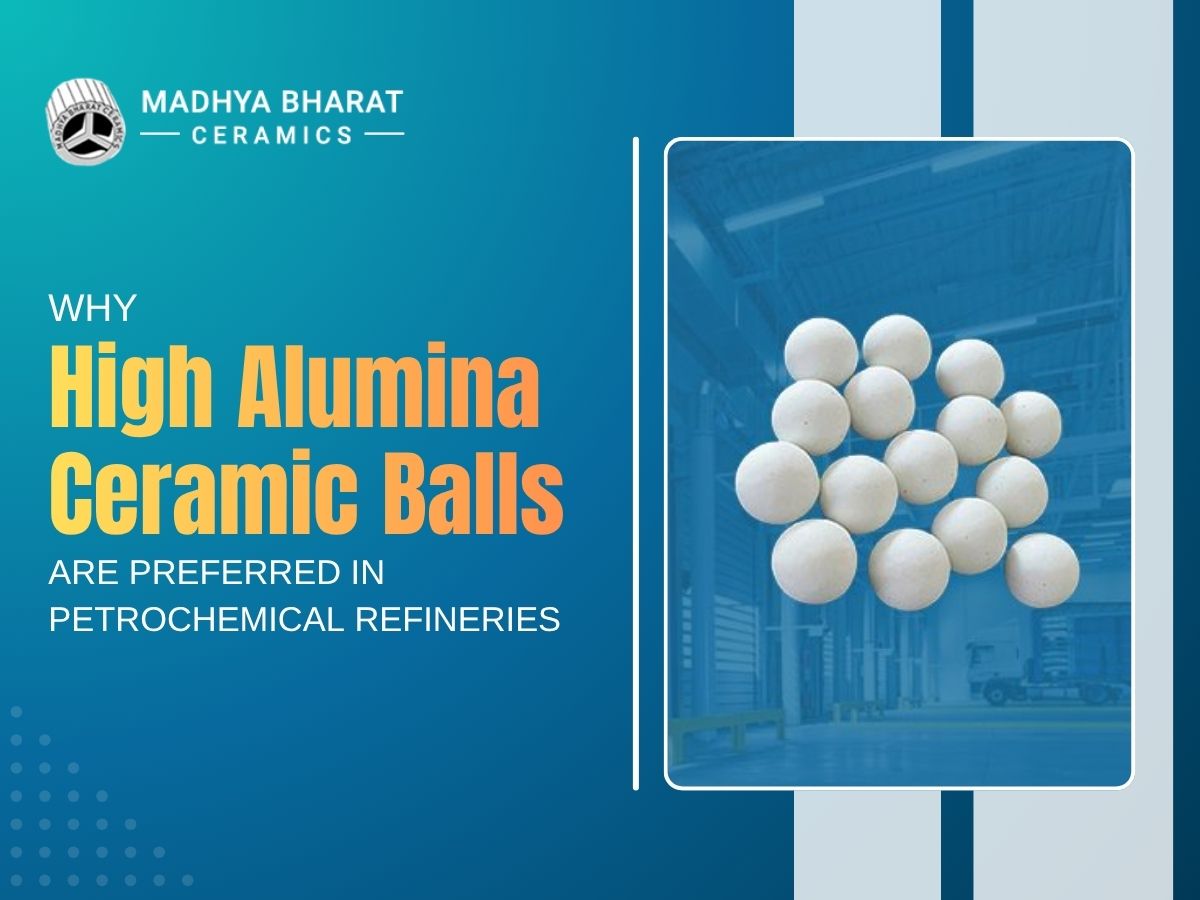
Alumina balls are spherical ceramic bodies typically containing 92% to 99% aluminum oxide. Their high density, smooth surface, and chemical inertness make them ideal for use as filtration media in both liquid and gas systems.
In a filtration tower or bed, they function in layers. Larger balls at the bottom provide structural support, while smaller balls in the upper layers trap fine particles. This layered arrangement is called a graded bed system.
Their core physical properties include:
- High hardness: Resistant to mechanical wear and crushing
- Low water absorption: Less than 0.1%, ensuring media purity
- Thermal stability: Stable from sub-zero to over 1600 degrees Celsius
- Chemical inertness: No reaction with water, acids, or alkalis in most pH ranges
These features are why alumina ball manufacturers supply them to refineries, gas plants, fertilizer units, and municipal water treatment facilities worldwide.
How Alumina Balls Improve Water Filtration Efficiency
One of the most searched questions online is: “How do alumina balls improve water filtration efficiency?” The answer lies in surface area, density, and chemical behavior.
High alumina ceramic balls provide a stable, non-reactive surface for biofilm formation in biological filtration. In chemical filtration, their smooth surface prevents particle adhesion buildup that blocks flow. In industrial water purification, they reduce turbidity and remove suspended solids through physical screening.
Key efficiency benefits include:
- Longer filter runs between backwash cycles due to low fouling
- Reduced pressure drop compared to irregular-shaped media
- Better flow distribution in vertical filtration columns
- Compatibility with chlorinated, acidic, or alkaline water
Plants using ceramic filter media from qualified alumina ball manufacturers in Mandsaur consistently report lower operating costs and longer equipment life.
Benefits of High Alumina Balls in Industrial Filtration Systems
The benefits of high alumina balls in industrial filtration systems go beyond basic particle removal. Here is a structured overview:
| Property | Standard Gravel Media | High Alumina Ceramic Balls |
| Al2O3 Content | Not applicable | 92% to 99% |
| Density (g/cm3) | 1.5 to 2.0 | 3.4 to 3.9 |
| Max Temperature | 200 degrees C | 1700 degrees C |
| Chemical Resistance | Low to medium | High |
| Service Life | 1 to 3 years | 5 to 10 years |
| Water Absorption | 2% to 5% | Less than 0.1% |
| Applications | Basic filtration | Industrial and chemical filtration |
This table clearly shows why industries are shifting from conventional gravel to ceramic alumina balls for critical filtration processes.
Use of Ceramic Alumina Balls in Water Treatment Plants
Alumina balls are used across multiple stages in water treatment plants. Their role depends on placement within the treatment chain.
Pre-treatment stage: Large diameter alumina balls (25mm to 50mm) act as support media beneath sand or activated carbon beds. They prevent fine media migration and ensure uniform water flow.
Primary filtration stage: Medium diameter balls (10mm to 25mm) serve as the main filtration layer, capturing suspended solids and colloidal particles.
Post-treatment stage: Smaller balls (3mm to 10mm) support catalyst beds in chemical treatment units, enabling reactions like dechlorination or pH adjustment.
Municipal corporations, pharmaceutical plants, and food processing units across India rely on ceramic ball suppliers to maintain consistent filtration performance. The use of ceramic alumina balls in water treatment plants is growing, particularly as groundwater contamination levels increase in industrial zones.
Role of Alumina Balls in Chemical Filtration Processes
In chemical manufacturing, filtration is not just about removing particles. It also involves supporting chemical reactions, separating compounds, and protecting downstream equipment. Alumina balls perform all three roles.
As catalyst support media, they hold active catalyst materials in place inside reactors. Their thermal stability ensures the reaction bed stays intact even at extreme temperatures. Their low reactivity ensures the catalyst is not contaminated.
In adsorption and purification processes, alumina balls create a stable bed that allows target compounds to be selectively removed from a fluid stream.
Key industries using alumina balls in chemical filtration processes include:
- Petroleum refining: Hydrocracking and desulfurization units
- Fertilizer production: Ammonia synthesis reactors
- Air separation plants: Oxygen and nitrogen purification towers
- Pharmaceutical manufacturing: Sterile water production lines
Why Choose a Trusted Ceramic Ball Factory in Mandsaur?
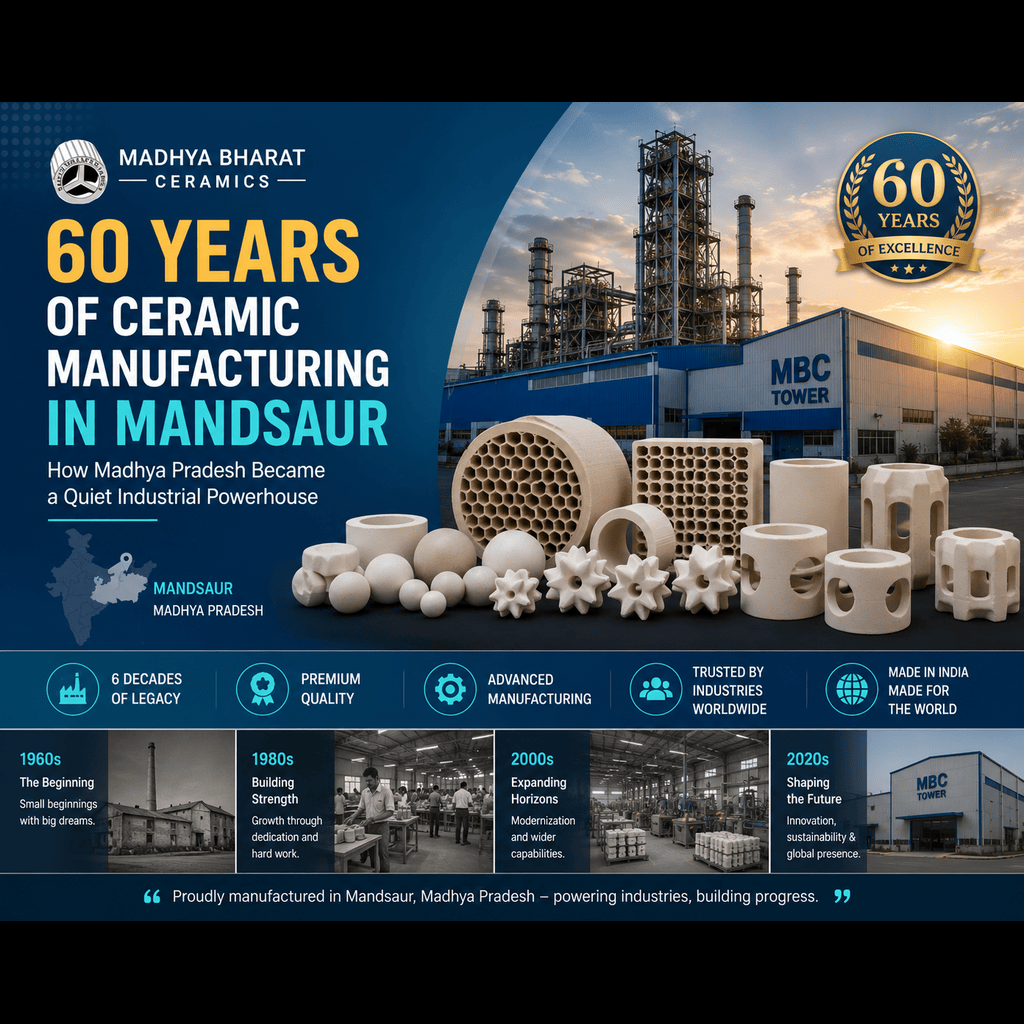
Mandsaur, Madhya Pradesh, has become a recognized hub for ceramic ball manufacturing in India. The region’s access to quality raw materials, skilled labor, and established production infrastructure makes it a preferred sourcing destination.
A certified ceramic ball factory in Mandsaur offers:
- Consistent Al2O3 purity levels (92%, 95%, 99% grades available)
- ISO-certified quality control processes
- Custom sizing from 1mm to 100mm diameter
- Bulk supply capability for large industrial projects
- Competitive ceramic balls at best price in India
When you source from a reputed ceramic ball factory in India, you get media that meets ASTM, DIN, and Bureau of Indian Standards specifications. This matters for industries where media quality directly affects product purity and regulatory compliance.
Case Study
Background: A mid-sized petrochemical plant in Gujarat was experiencing frequent filter bed collapses and high maintenance costs using conventional silica gravel as support media in their hydrocracking unit.
Solution: The plant procurement team sourced high alumina ceramic balls (99% Al2O3, 25mm diameter) from a certified alumina ball manufacturer in Mandsaur. The media was installed in graded layers across three reactor vessels.
Results after 18 months:
- Filter bed integrity maintained with zero collapse incidents
- Maintenance downtime reduced by 42%
- Catalyst life extended by an estimated 30% due to improved support stability
- Total cost savings: approximately INR 18 lakhs annually
Plant engineer’s observation: “The shift to high-grade ceramic filter media was the single most impactful operational change we made that year.”
This case demonstrates why more industrial filtration systems across India are specifying alumina ceramic media in new and retrofit installations.
FAQs About Alumina Ball Manufacturers
1. What are alumina balls used for?
Alumina balls are used as filtration media, catalyst support, and grinding media in industrial systems.
2. What is the alumina content in standard alumina balls?
Standard alumina balls contain between 92% and 99% aluminum oxide depending on the grade required.
3. How long do alumina balls last in a filtration system?
High-grade alumina balls typically last between 5 and 10 years under normal operating conditions.
4. Are alumina balls safe for drinking water filtration?
Yes, inert alumina balls are approved and safe for use in potable water treatment systems.
5. What sizes of alumina balls are available for filtration?
Alumina balls are available from 1mm to 100mm diameter for different filtration bed requirements.
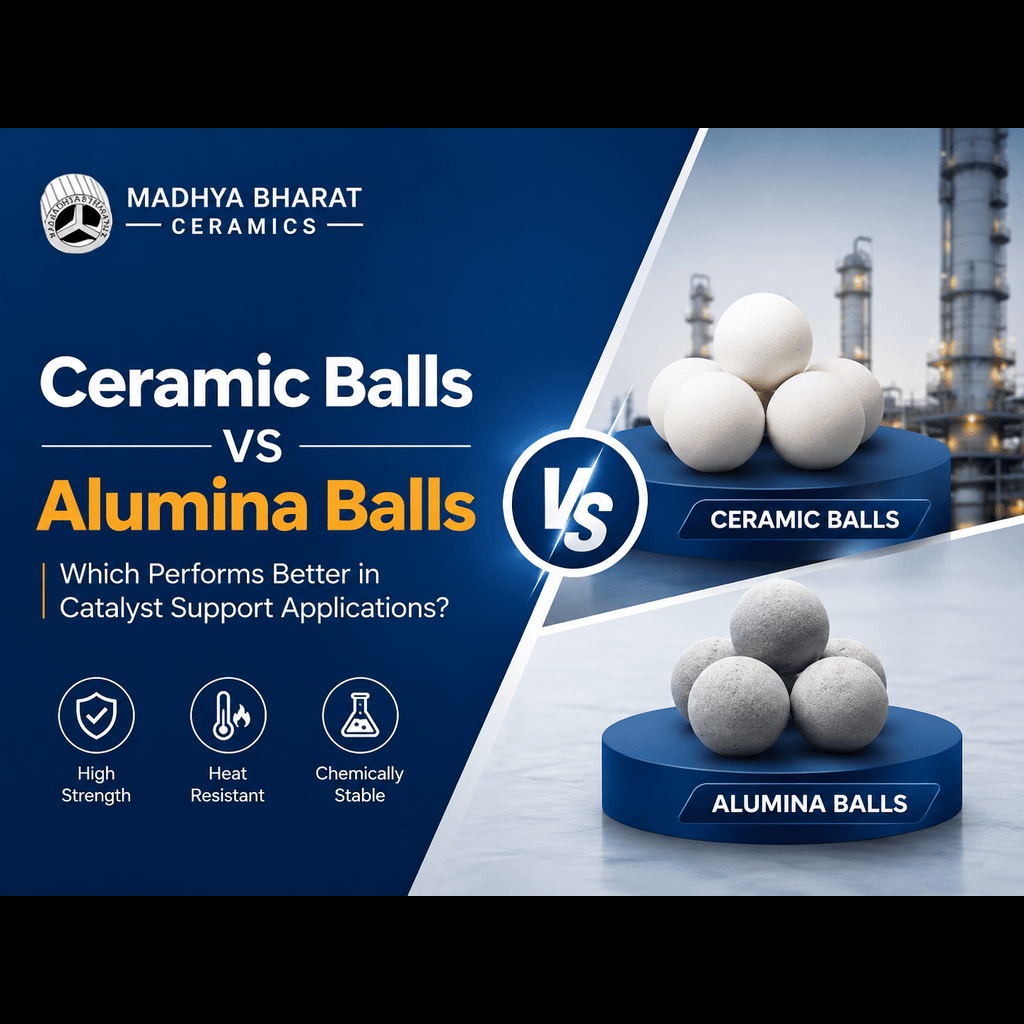
6. What is the difference between alumina balls and ceramic balls?
Alumina balls are a type of ceramic ball made from aluminum oxide for higher temperature and chemical performance.
7. Where are alumina ball manufacturers located in India?
Leading alumina ball manufacturers are located in Mandsaur, Madhya Pradesh, a key ceramic production hub.
8. How do I select the right alumina ball size for my filtration system?
Select size based on flow rate, bed depth, particle size to remove, and overall filtration system design.
Conclusion
Alumina balls are precision-engineered filtration media that directly impact system efficiency, product purity, and operational costs. From water treatment plants to chemical reactors, their role is clear and measurable. Choosing a qualified ceramic ball factory in India, particularly a trusted alumina ball manufacturer in Mandsaur, ensures you receive consistent quality backed by technical expertise. The right media choice today protects your process and your bottom line for years ahead.