Ceramics material refers to inorganic, non-metallic solids that are processed and hardened at high temperatures. Common examples include alumina, silica, zirconia, and silicon carbide. These materials are widely used in chemical industries because of their ability to withstand extreme conditions.
Fact: According to Grand View Research, the global advanced ceramics market was valued at over $10 billion in 2023 and is expected to grow at a compound annual growth rate of more than 6% through 2030. The chemical processing sector is one of the leading contributors to this growth.
Unlike metals, ceramics in the chemical industry do not corrode when exposed to acids, alkalis, or aggressive solvents. Unlike plastics, they retain their strength at temperatures well above 1000°C. This combination makes them irreplaceable in many industrial processes.
Key Benefits of Ceramics Material in Chemical Processing
The reason so many chemical plants turn to industrial ceramic materials comes down to a set of practical, measurable advantages. Here is a clear breakdown of each major benefit.
1. Outstanding Corrosion Resistance
Ceramics do not react with most chemicals. Whether your process involves sulfuric acid, hydrochloric acid, sodium hydroxide, or organic solvents, chemical resistant ceramics hold their structure and composition without degrading.
This property directly reduces replacement frequency and maintenance costs. Metal equipment corrodes over time in such environments, but ceramic components can remain functional for many years without significant wear.
2. High Temperature Stability
One of the most recognized properties of ceramics material is its ability to perform at very high temperatures. Advanced ceramic components can operate continuously at temperatures ranging from 800°C to over 1600°C depending on the specific material grade.
This makes ceramics the preferred choice for kilns, reactors, combustion chambers, and high-heat chemical processing units. High temperature stability ceramics help industries avoid failures that occur when metal or plastic components reach their thermal limits.
3. Wear Resistance and Long Service Life
Ceramic surfaces are extremely hard. On the Mohs hardness scale, alumina-based ceramics score between 8 and 9, making them harder than most metals. This hardness translates directly into wear resistant ceramic solutions that last longer in abrasive environments.
In chemical plants where slurries, powders, or abrasive mixtures are handled, ceramic linings and components significantly outlast alternatives. Longer service life means fewer shutdowns and lower total cost of ownership.
4. Chemical Durability and Non-Reactivity
Many chemical processes require materials that will not contaminate the product. Chemical durability properties of ceramics make them ideal for this requirement. Ceramics do not leach ions or react with process streams, keeping your product pure.
This is especially important in pharmaceutical manufacturing, food-grade chemical production, and any process where product purity is a regulatory requirement.
5. Electrical Insulation
Ceramics are natural electrical insulators. In chemical processing equipment where electrical components are in close proximity to conductive fluids, ceramic insulators prevent short circuits and protect both equipment and workers.
6. Dimensional Stability
Ceramics do not expand or contract significantly with temperature changes. This dimensional stability ensures tight tolerances are maintained in precision equipment over long periods of operation.
Types of Ceramics Material Used in Chemical Industries
Not all ceramics are the same. Different types are chosen based on the specific requirements of the application. Here is an overview of the most common types used across ceramic components in industries:
| Ceramic Type | Key Property | Common Application |
| Alumina (Al₂O₃) | High hardness, corrosion resistance | Tower packing, liners, nozzles |
| Silicon Carbide (SiC) | Extreme hardness, thermal conductivity | Heat exchangers, pump parts |
| Zirconia (ZrO₂) | Toughness, thermal insulation | Valves, seals, high-stress parts |
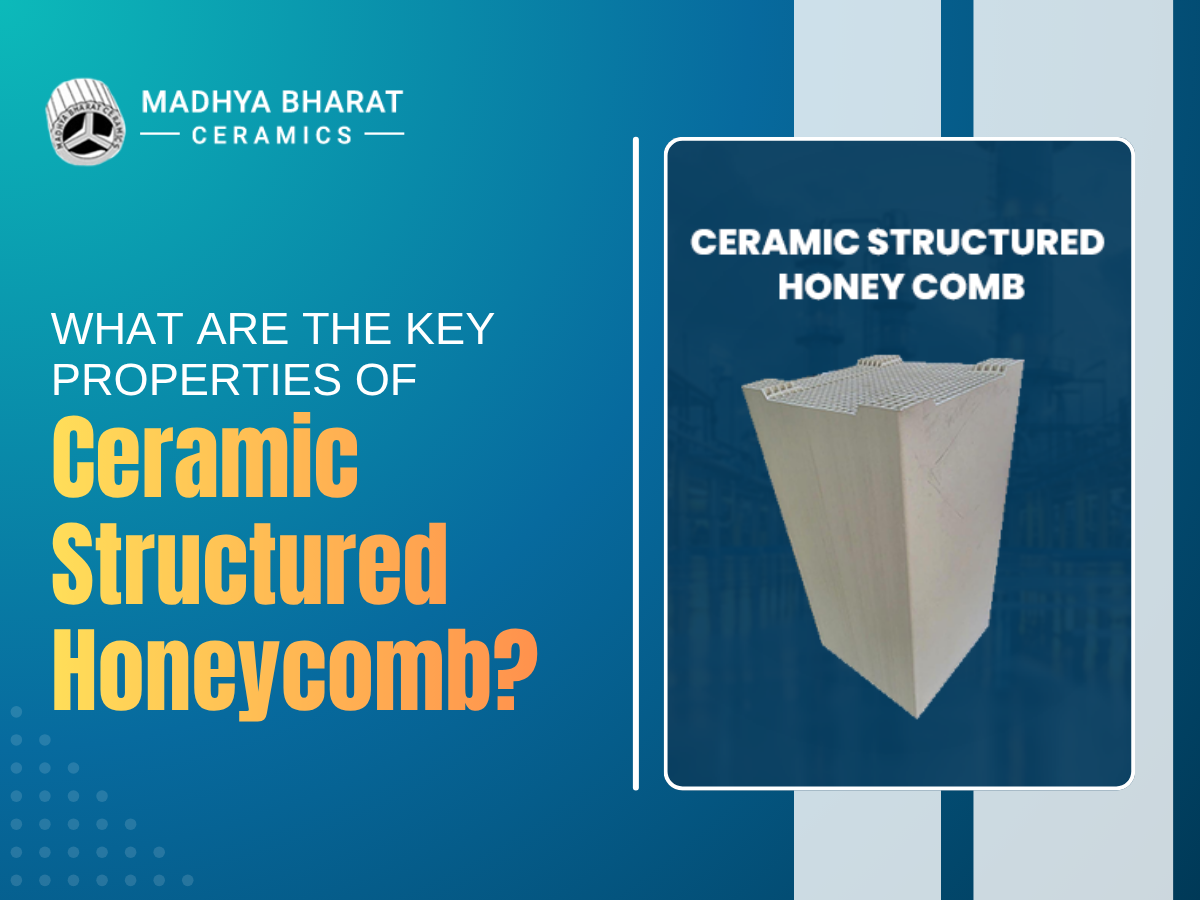
| Cordierite | Low thermal expansion | Catalyst supports, kiln furniture |
| Porcelain | Smooth surface, chemical resistance | Lab equipment, insulators |
| Steatite | Electrical insulation | Electrical components |
Each of these materials is available from a qualified ceramics material manufacturer in grades suited to specific industries and operating conditions.
Role of Ceramics Material Manufacturer in Supplying Quality Products
A reliable ceramics material manufacturer does more than just produce components. They provide material certifications, quality control data, technical support for selection, and consistent supply across large volumes.
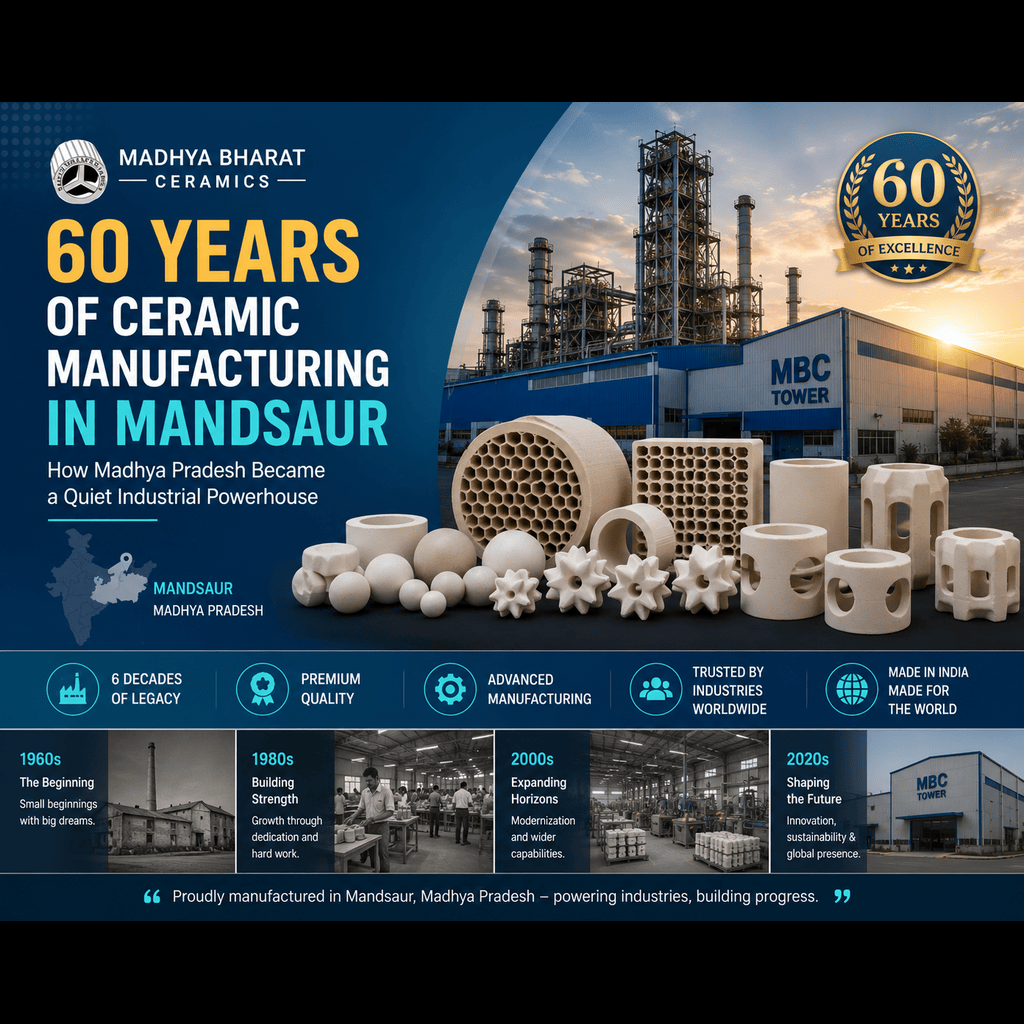
In India, the manufacturing base for ceramics material in India has grown considerably. Cities and industrial towns like Mandsaur have developed clusters of manufacturers who produce ceramics for both domestic and export markets.
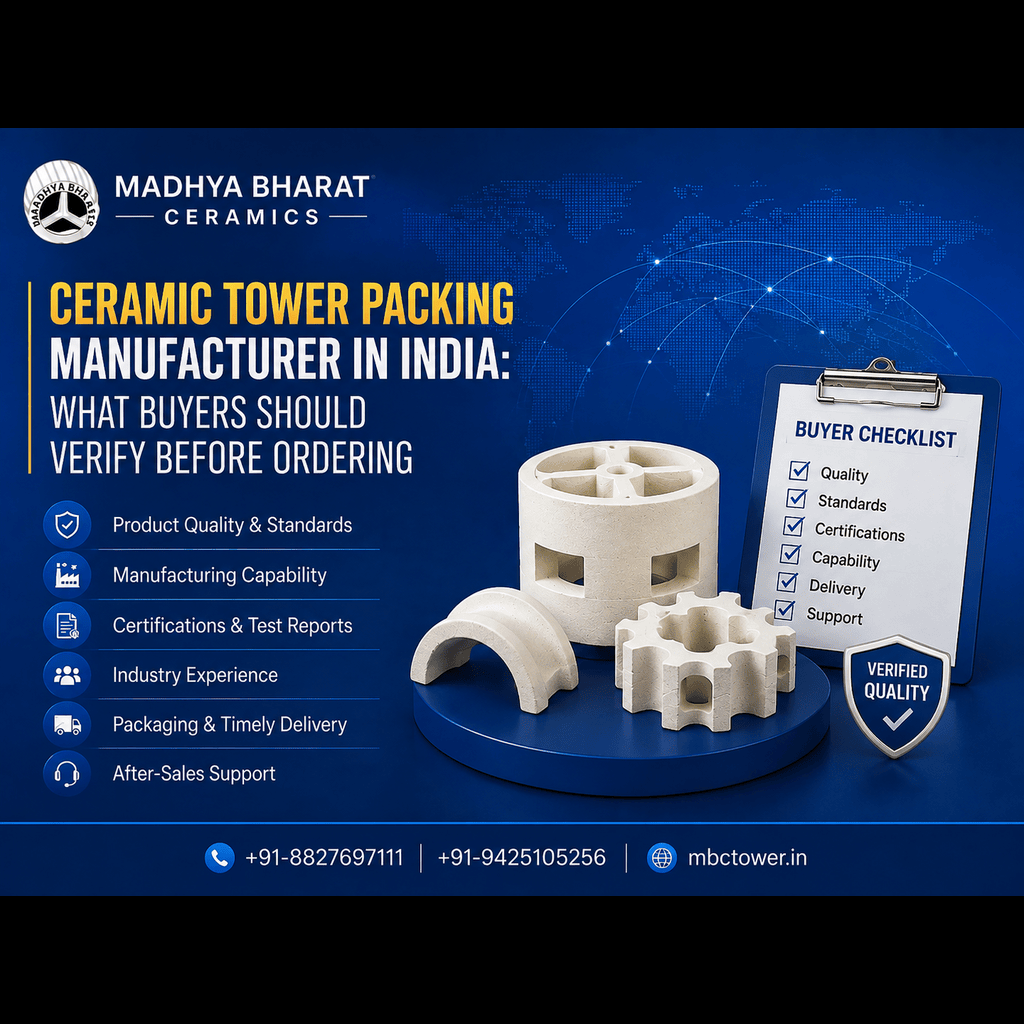
When choosing a ceramics material supplier, verify the following:
- ISO certification and quality management systems in place
- Availability of multiple ceramic grades and types
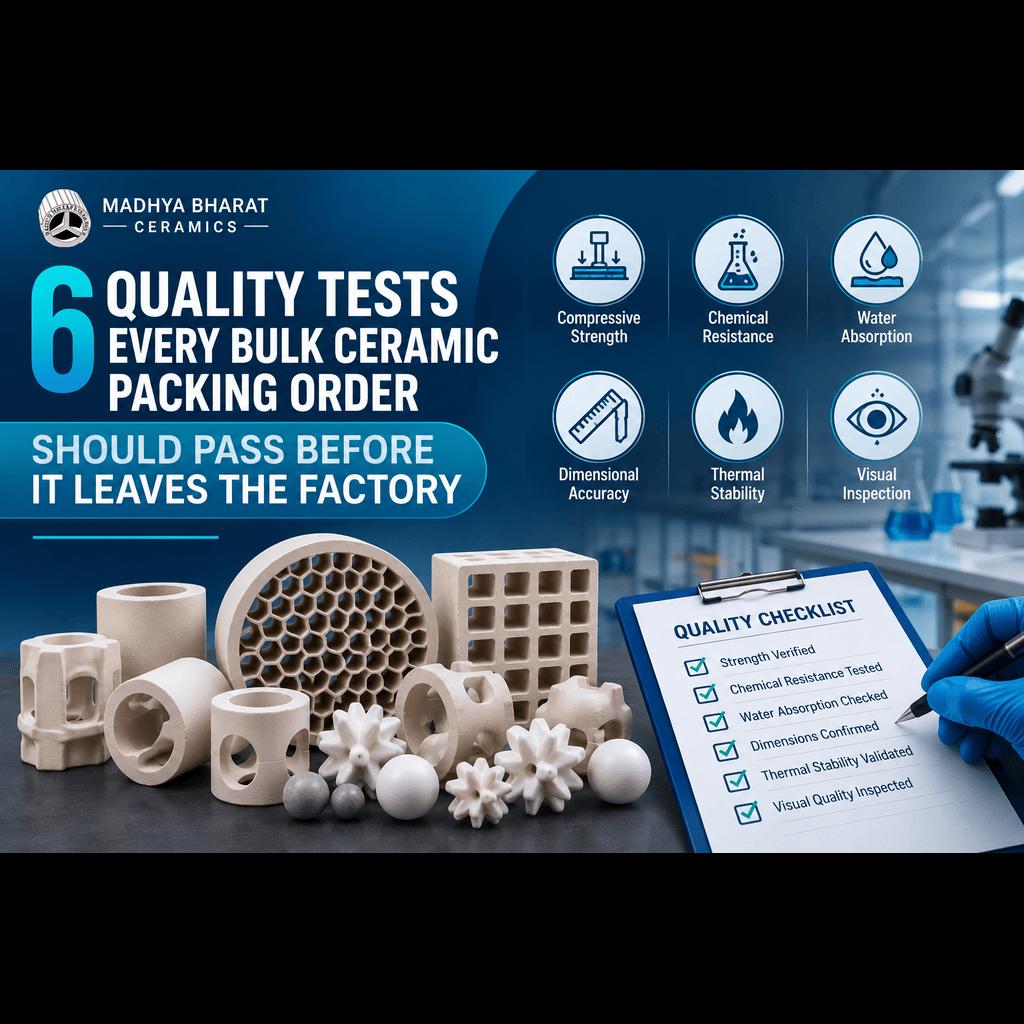
- Testing data including hardness, density, and chemical resistance reports
- Ability to supply custom shapes and sizes
- Consistent production capacity and delivery timelines
Working with a certified manufacturer protects you from quality failures in the field. A single substandard ceramic component in a chemical reactor can lead to costly shutdowns and safety risks.
Ceramics Material in India: A Growing Manufacturing Sector
The ceramics material in the India sector has expanded significantly over the past decade. India’s ceramic industry benefits from abundant raw material availability, including alumina, silica, and feldspar, which are mined domestically.
According to the Confederation of Indian Industry (CII), India’s advanced ceramics production has seen consistent year-on-year growth driven by demand from the chemical, pharmaceutical, power, and automotive sectors.
Ceramics material in Mandsaur represents a notable regional example. Mandsaur, located in Madhya Pradesh, has developed as a manufacturing center for industrial ceramics, with several manufacturers and exporters supplying products to buyers across India and internationally.
The availability of quality ceramics material suppliers in India means that industries no longer need to rely entirely on imported ceramics for standard applications. Domestic sourcing reduces lead times, lowers logistics costs, and supports faster project execution.
Advanced Ceramic Applications Transforming the Chemical Sector
Advanced ceramic applications go far beyond simple storage vessels or liners. Today, ceramics are being used in increasingly sophisticated roles across the chemical industry.
Key application areas include:
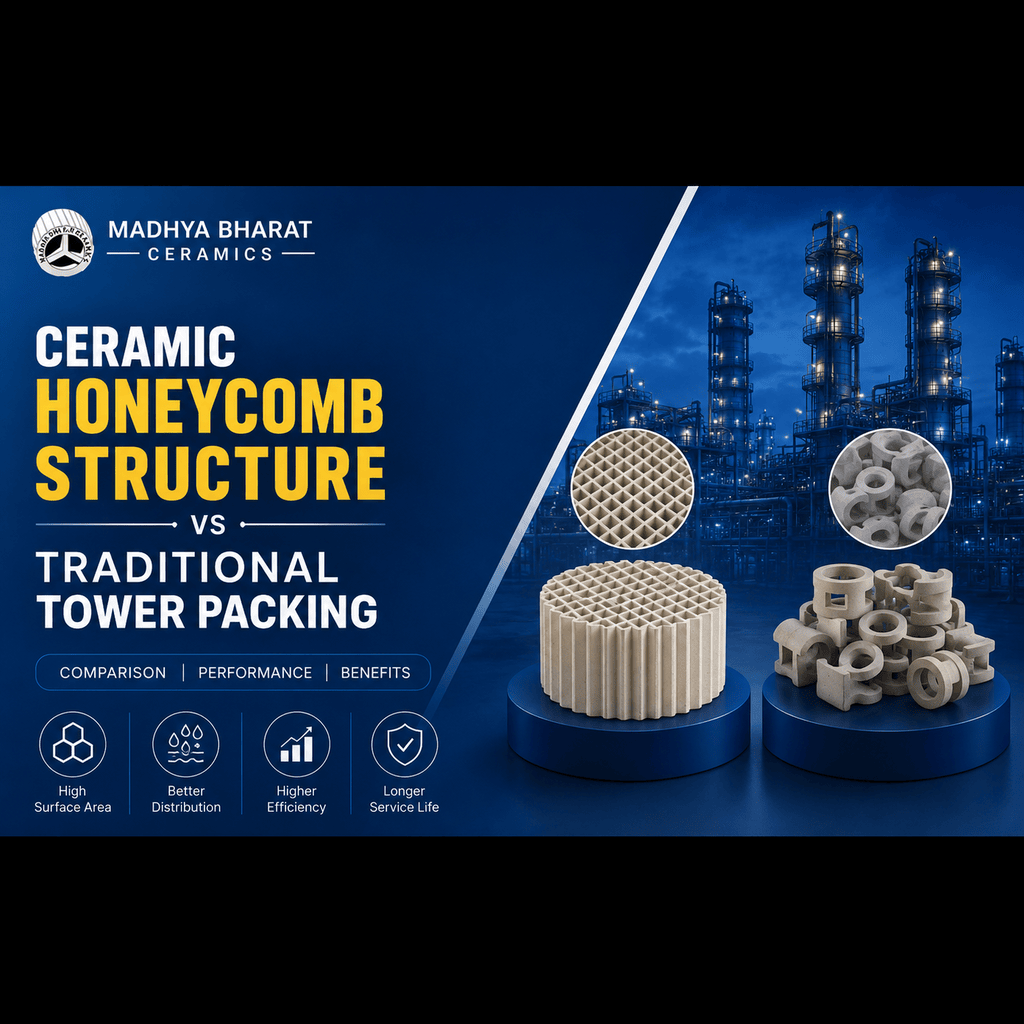
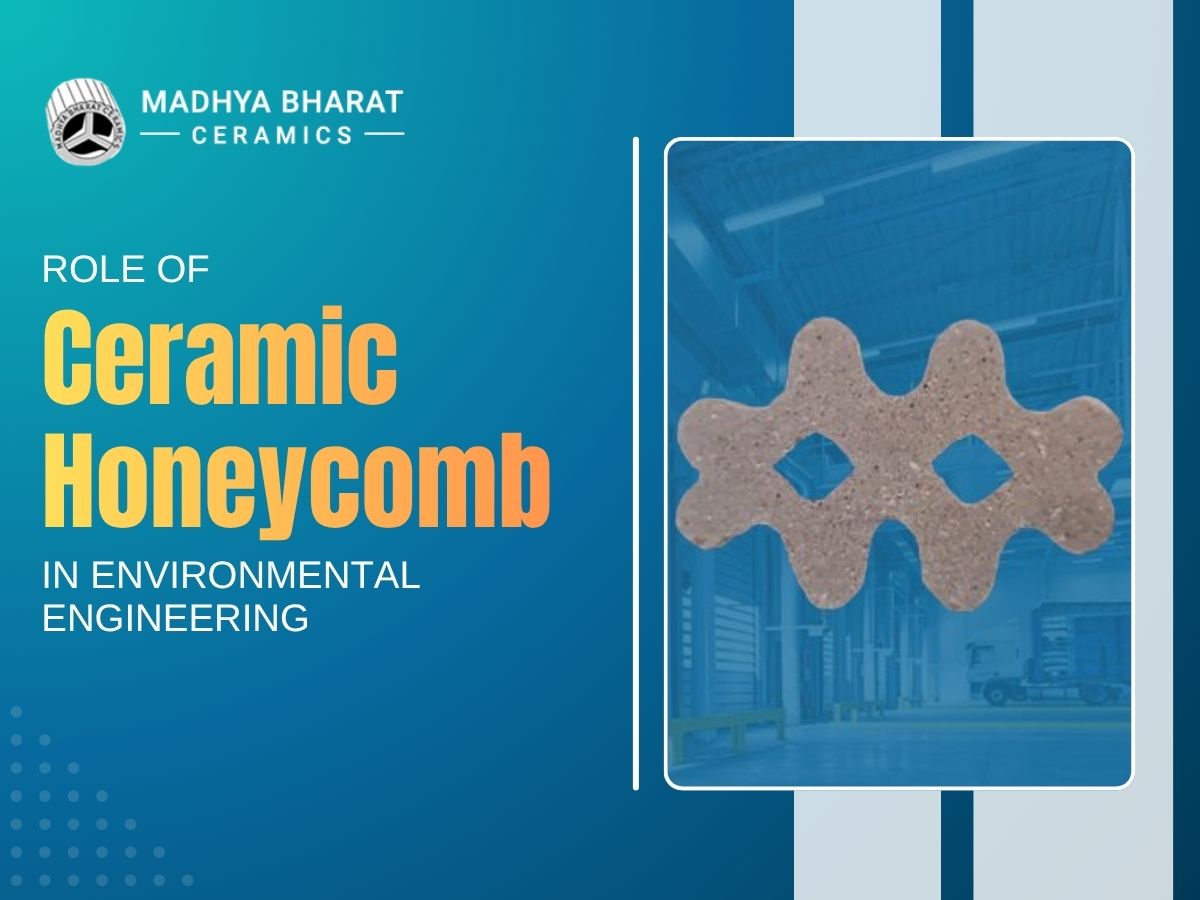
- Catalyst supports: Ceramic honeycombs and pellets provide the surface area needed for catalytic reactions in petrochemical and refining processes.
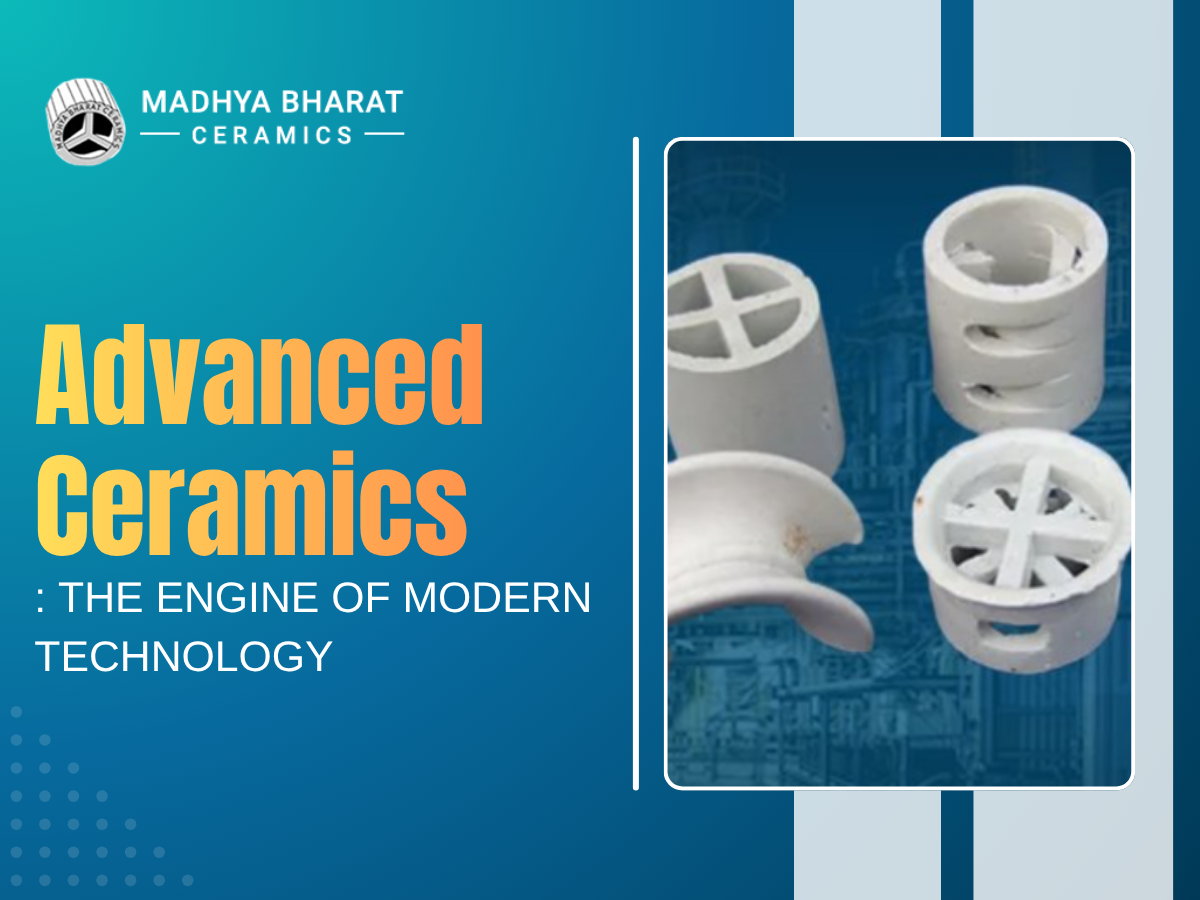
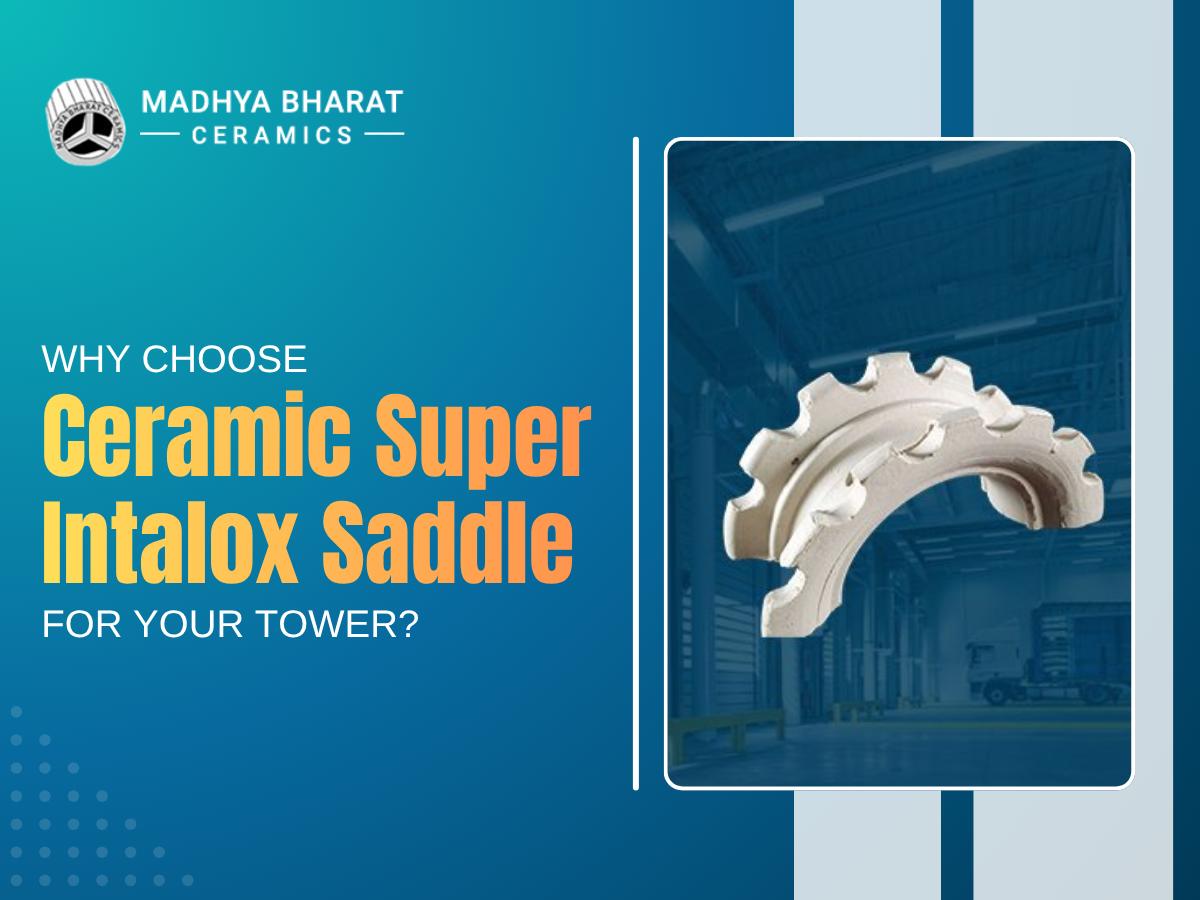
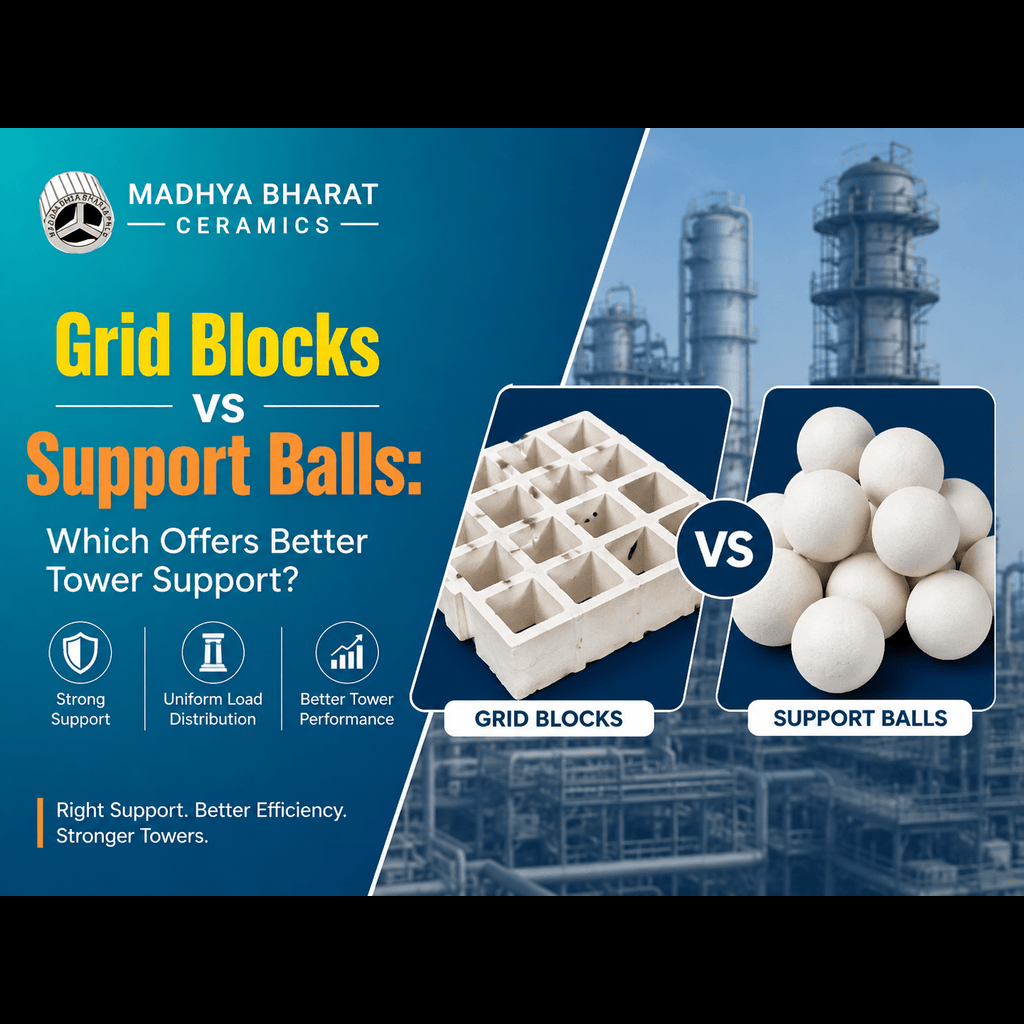
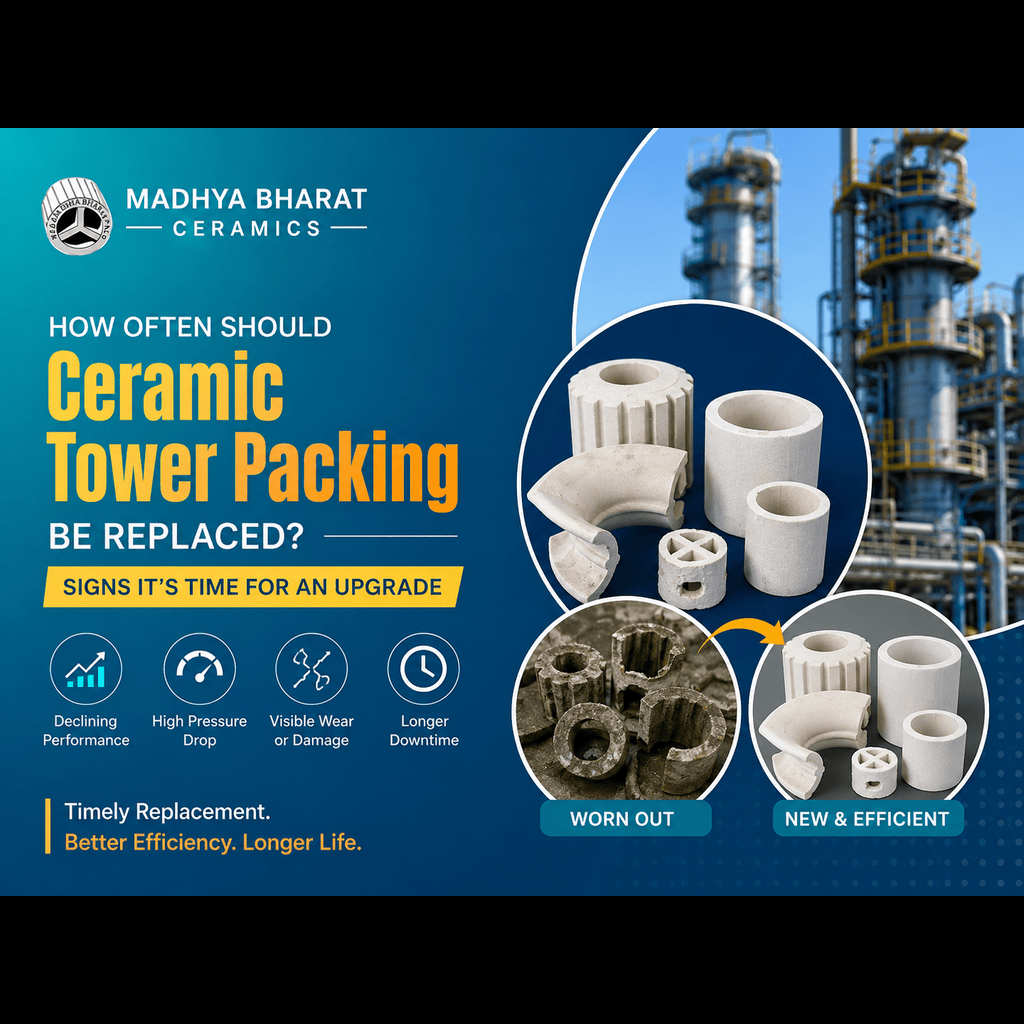
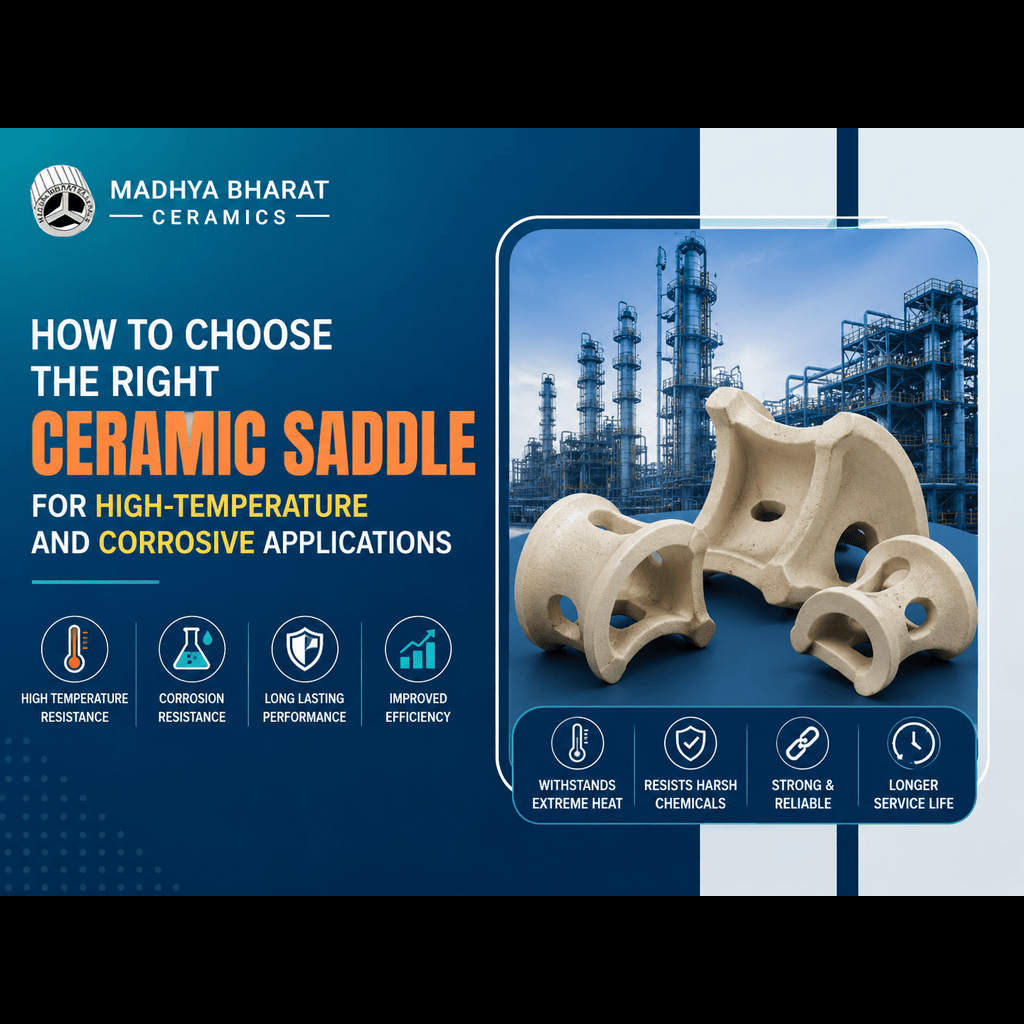
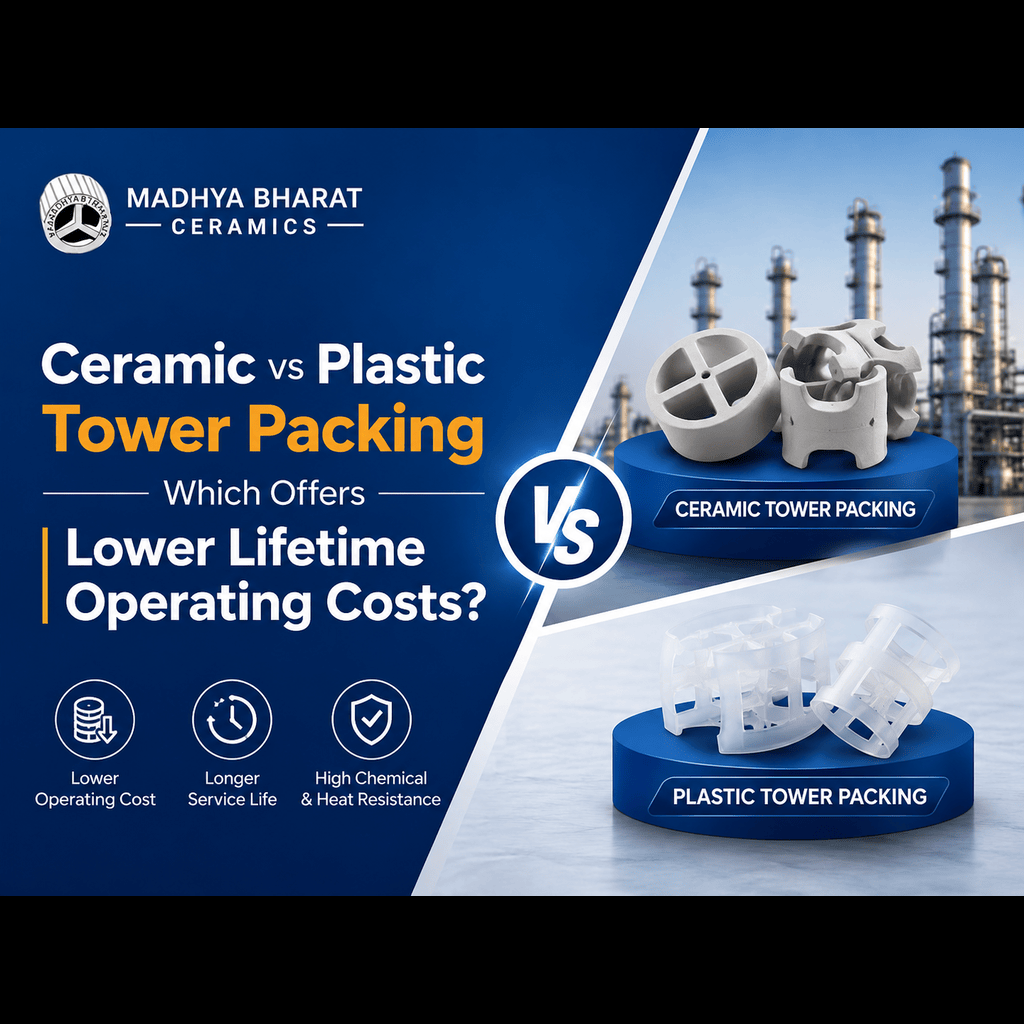
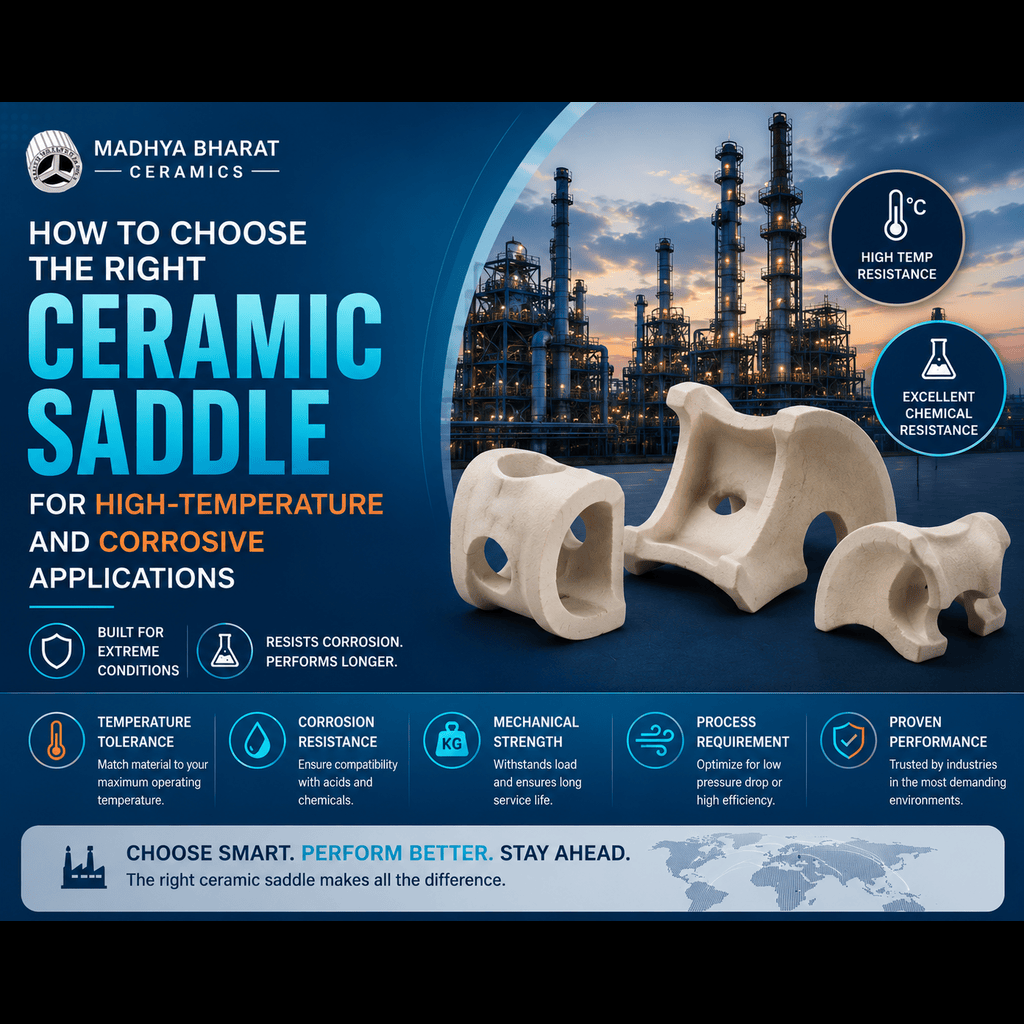
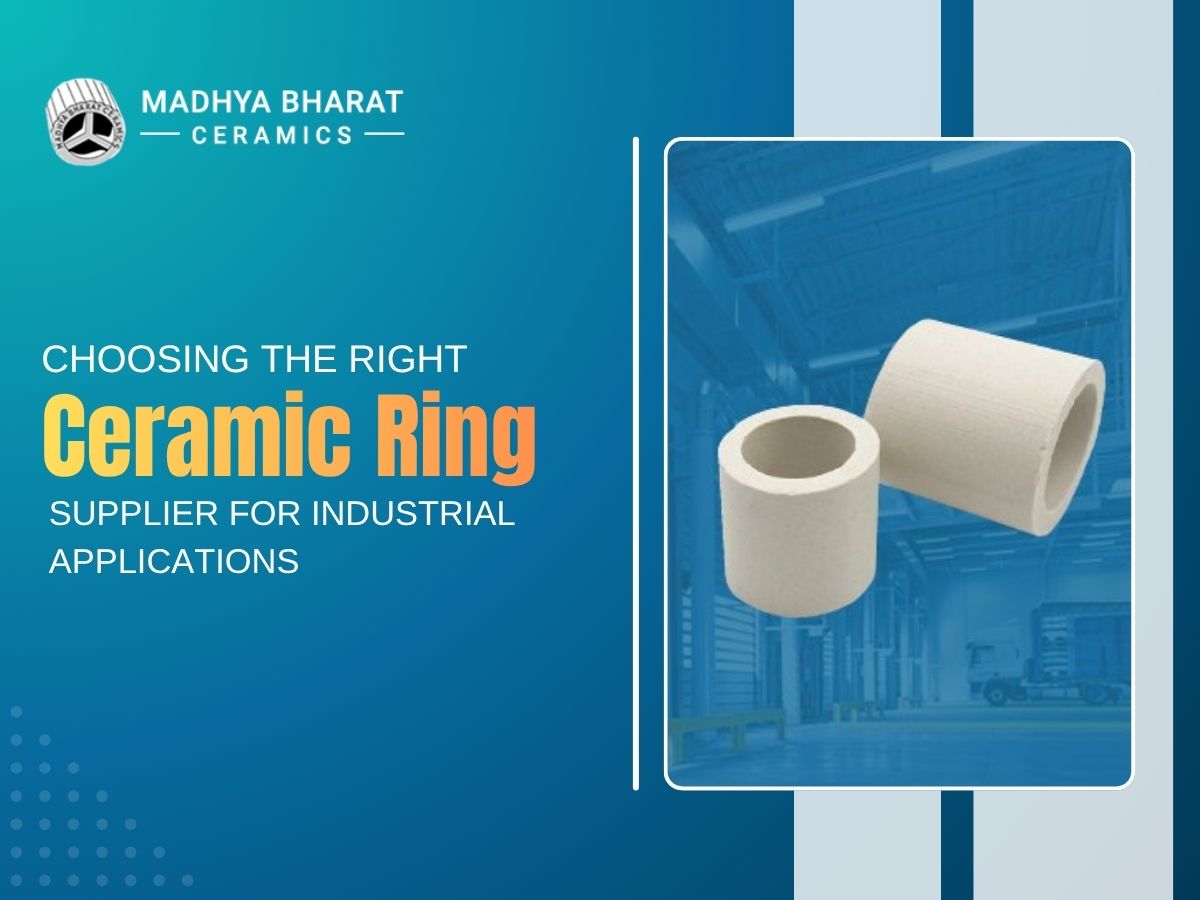
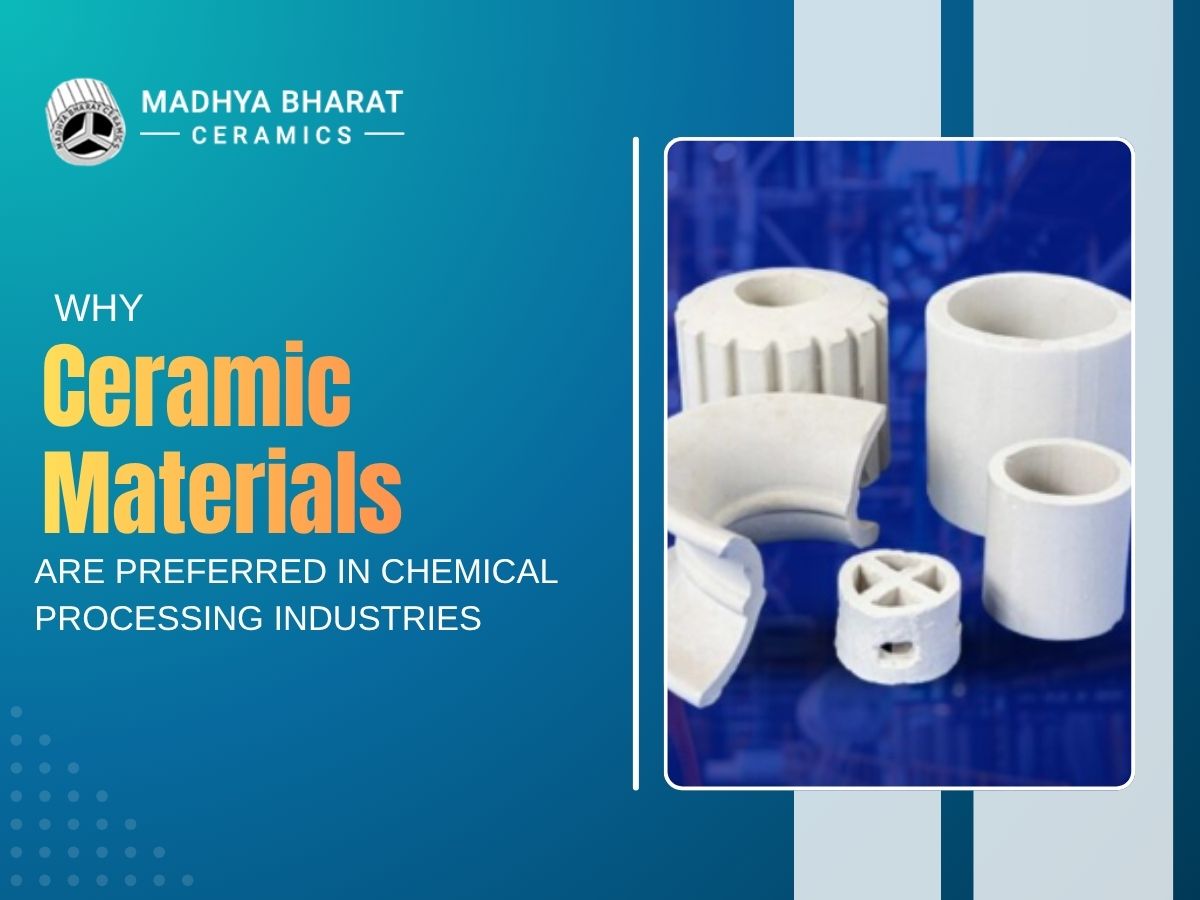
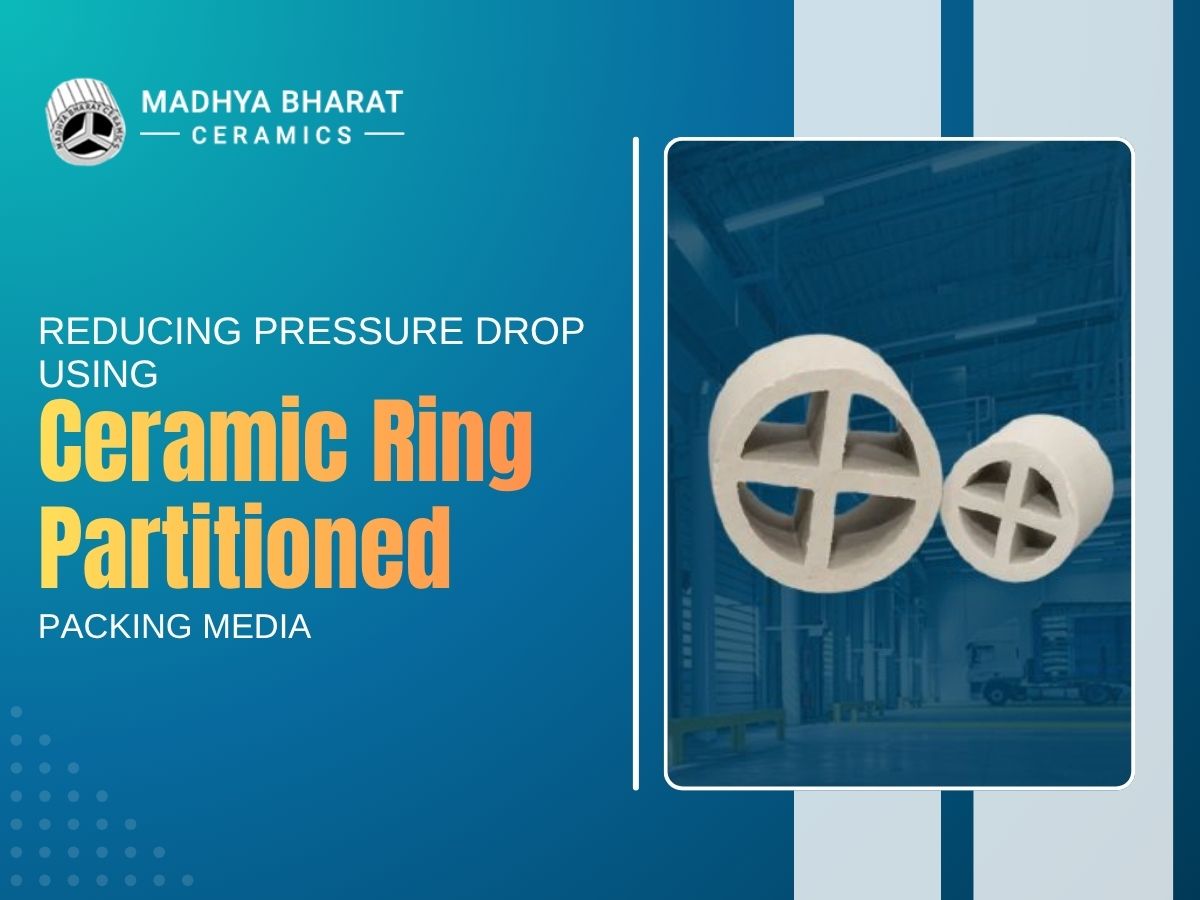
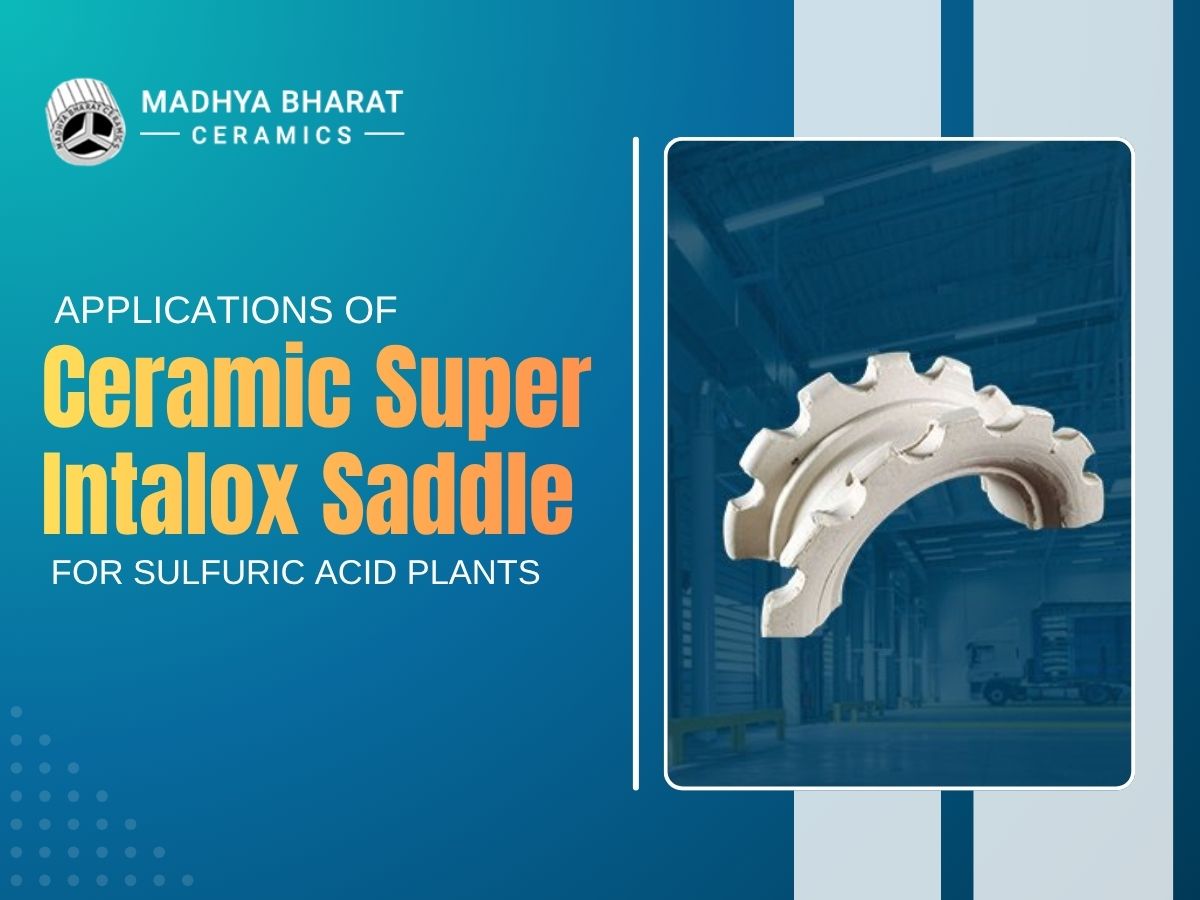
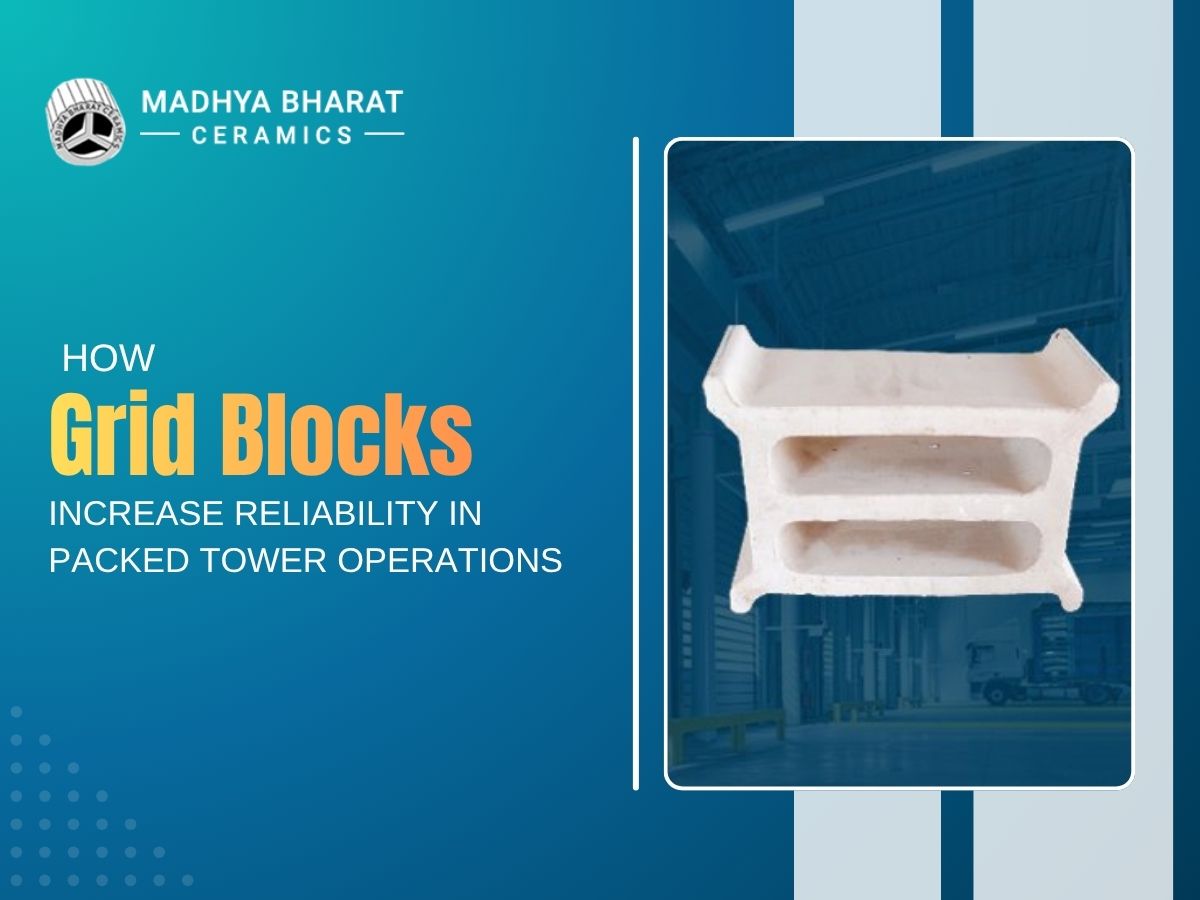
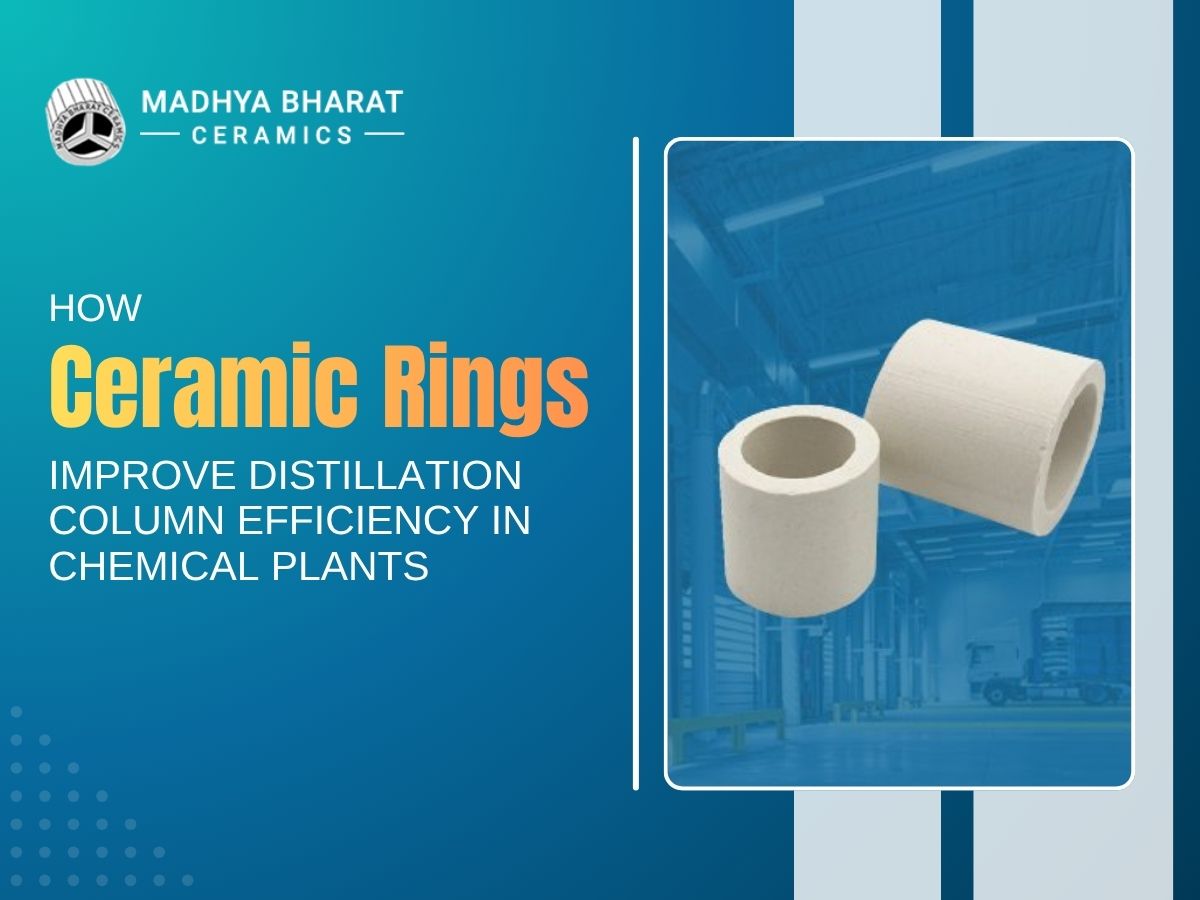
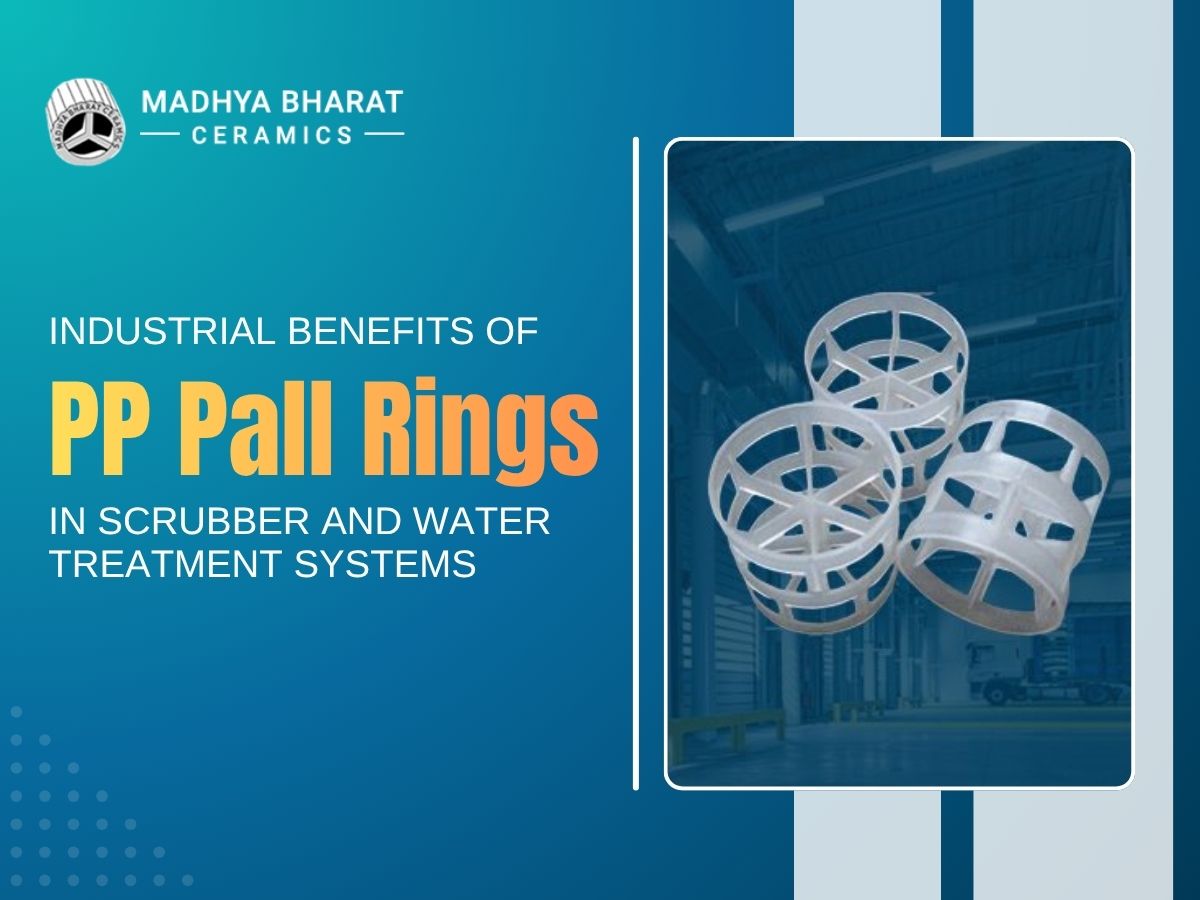
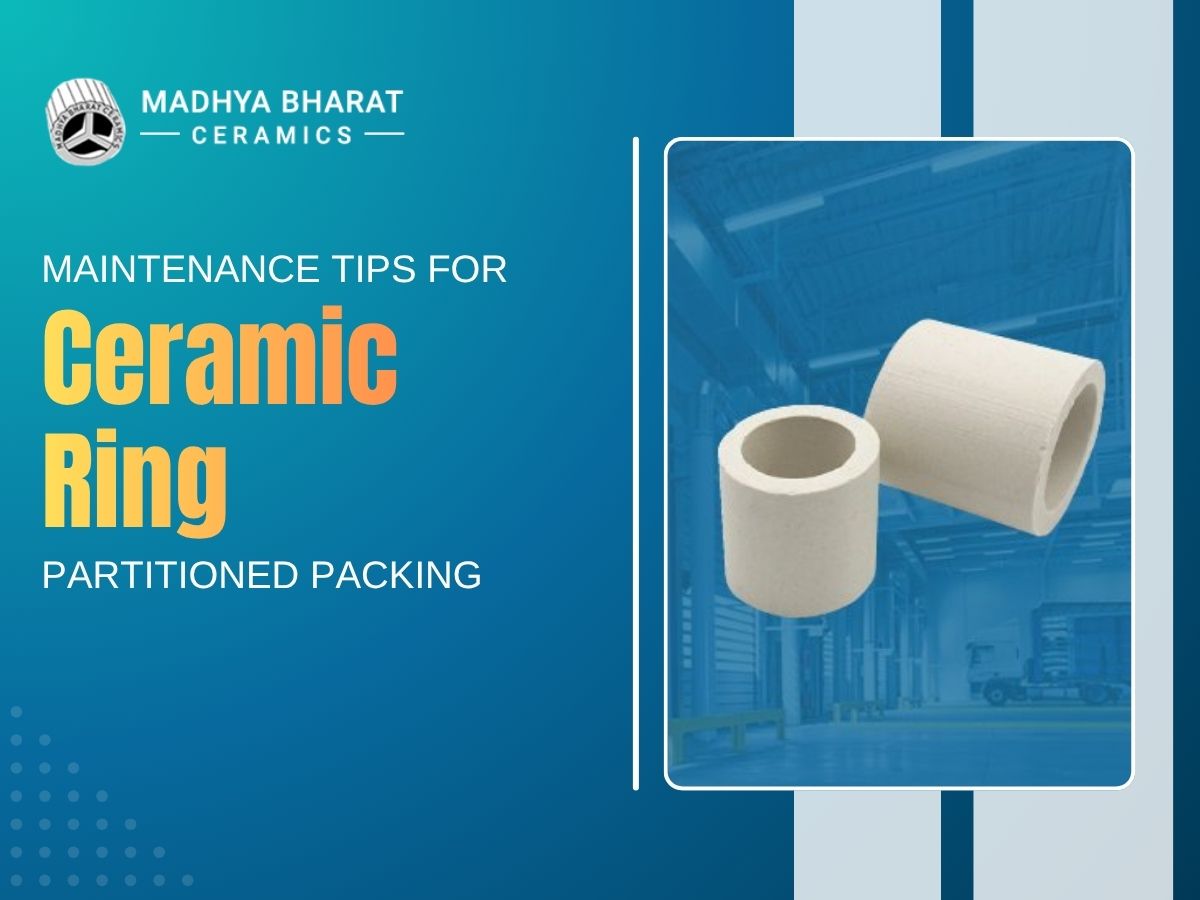
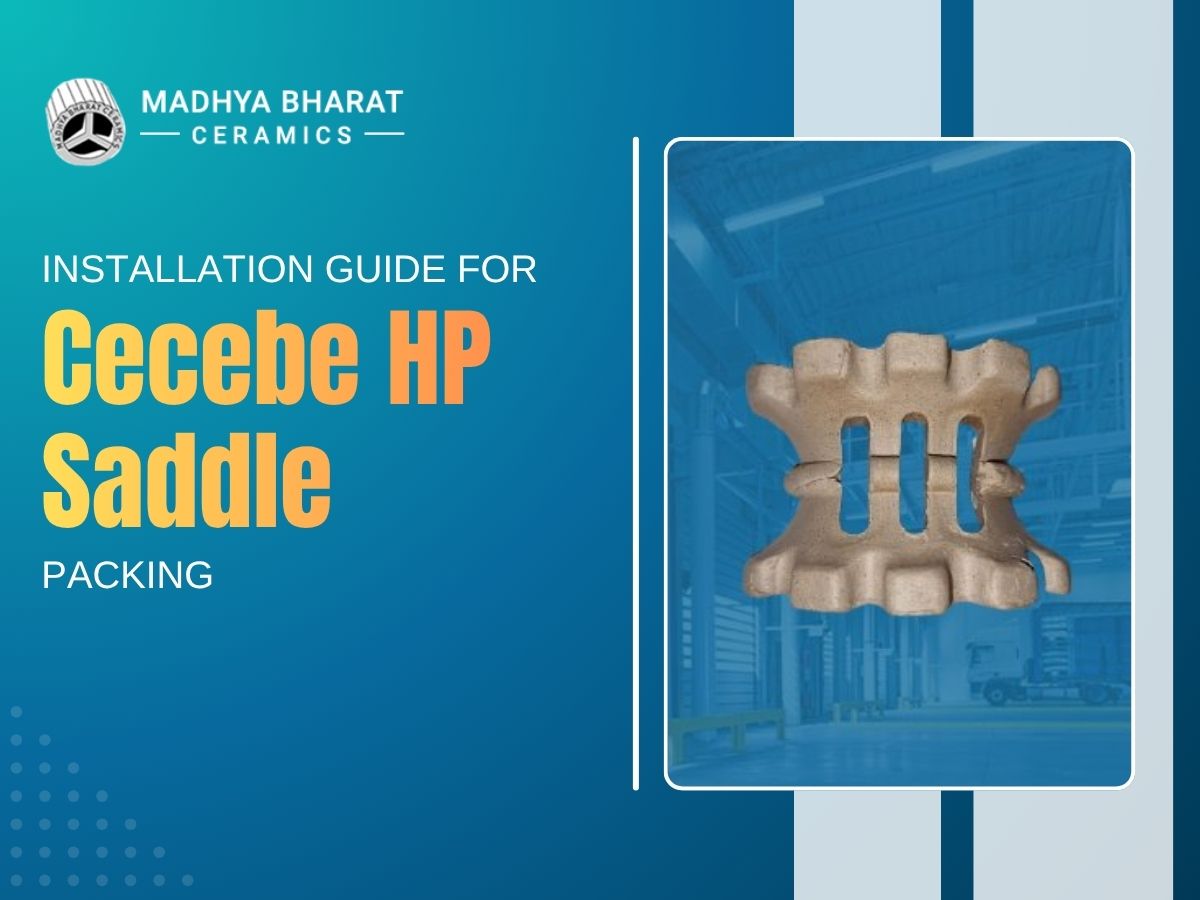
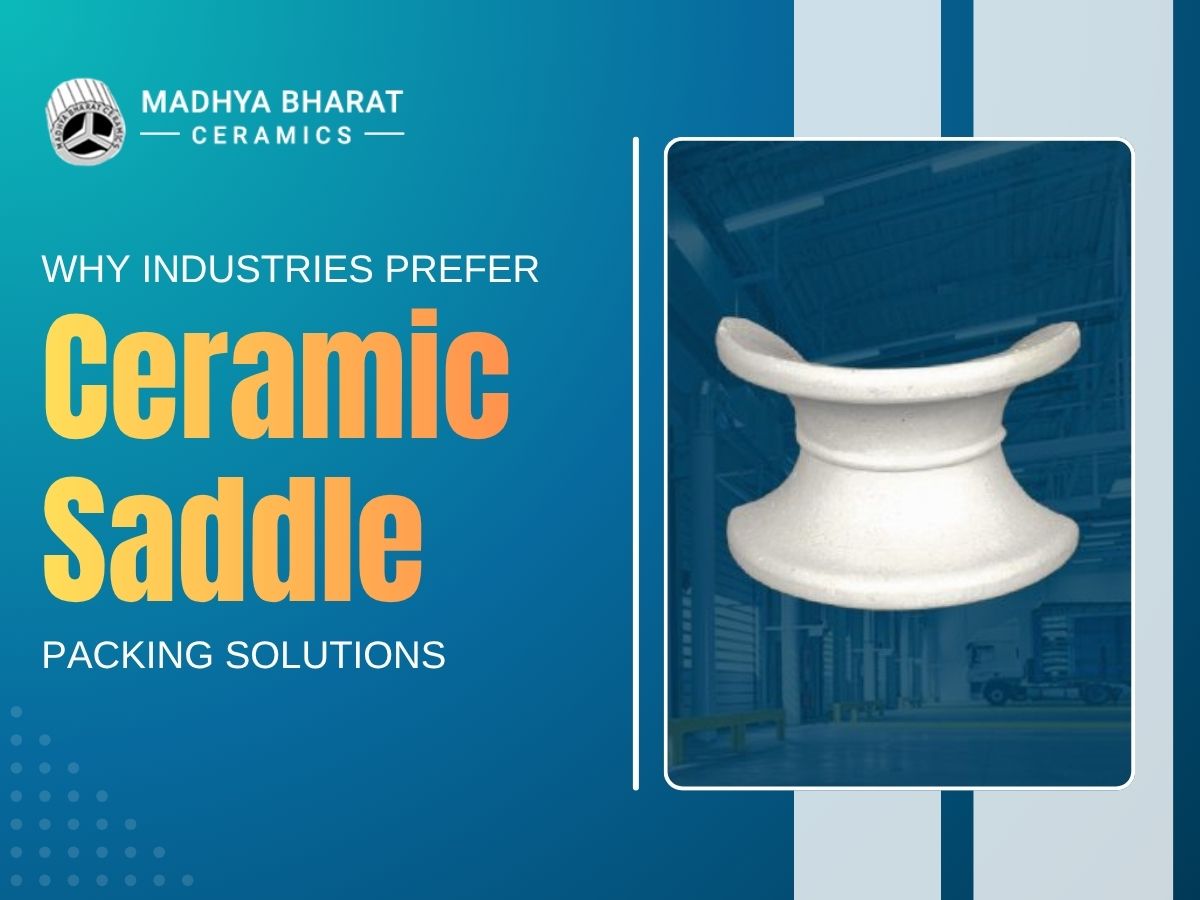
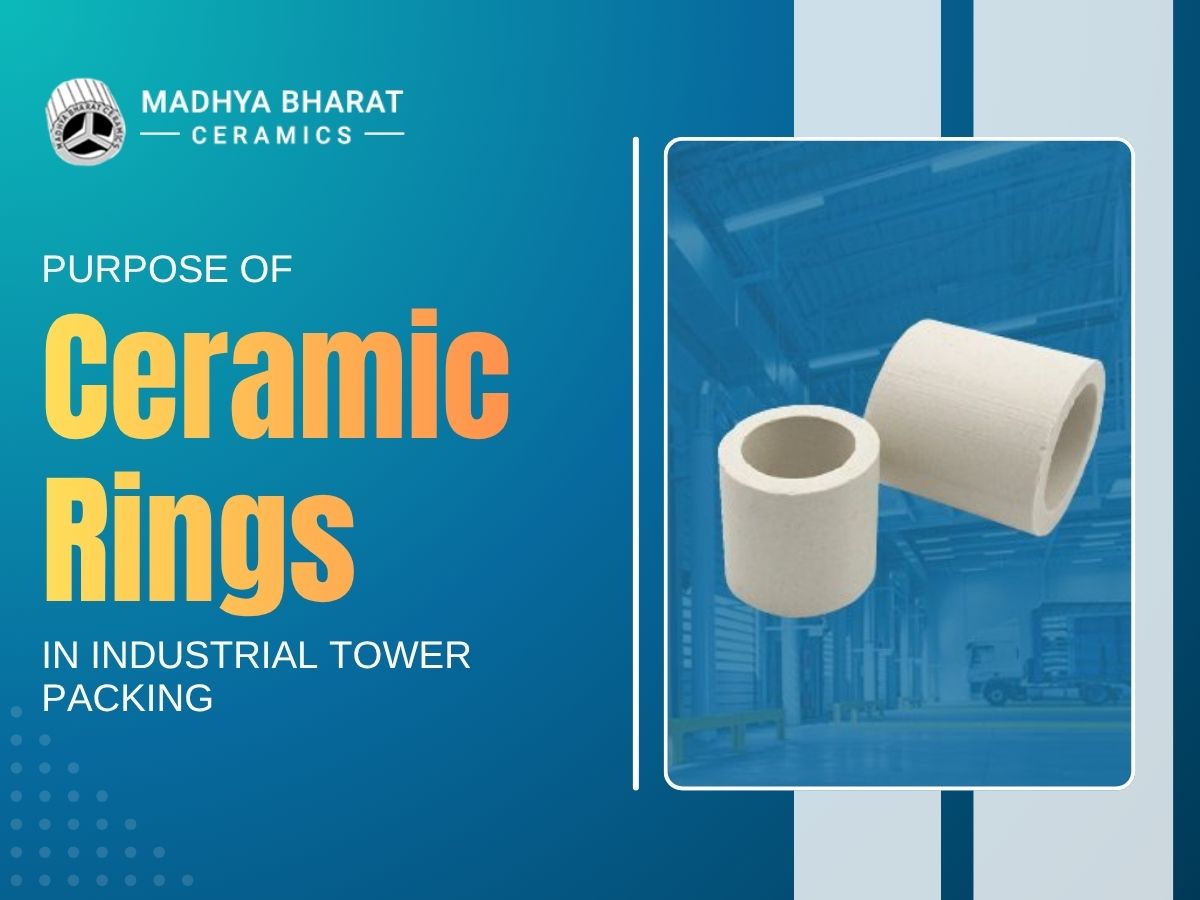
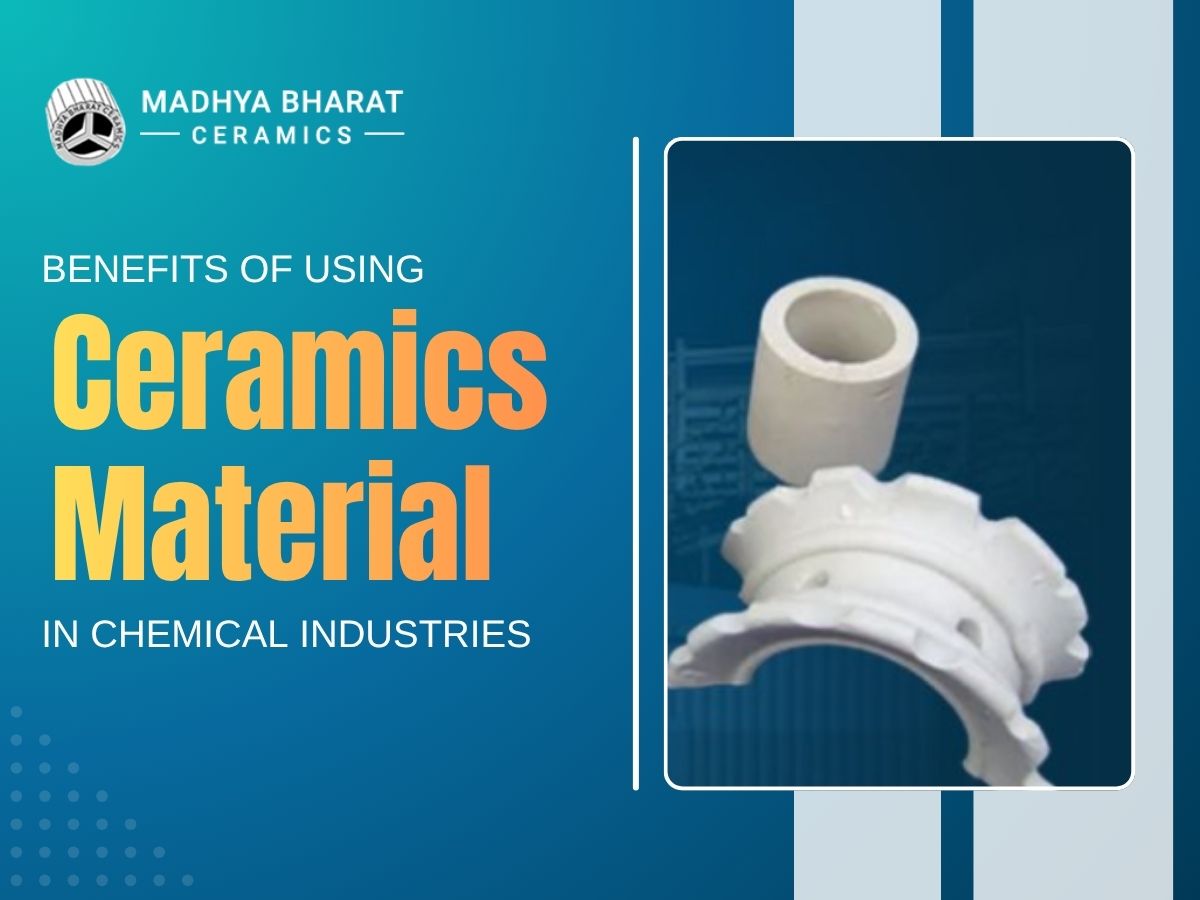
- Tower packing media: Ceramic Raschig rings, saddles, and Pall rings are used in distillation and absorption columns for efficient gas-liquid contact.
- Heat exchanger components: Ceramic tubes and plates handle heat transfer in corrosive fluid streams where metal exchangers would fail.
- Pump and valve components: Ceramic-lined pumps and ceramic valve seats resist wear and chemical attack in slurry and acid handling systems.
- Filtration membranes: Ceramic membranes are used in microfiltration and ultrafiltration processes in the chemical and water treatment industries.
- Reactor linings: Ceramic bricks and coatings protect reactor walls from high-temperature chemical reactions.
Each of these advanced ceramic applications demonstrates how non-reactive industrial materials like ceramics enable processes that other materials simply cannot support reliably.
Ceramics Material Exporter in Mandsaur: Connecting India to Global Markets
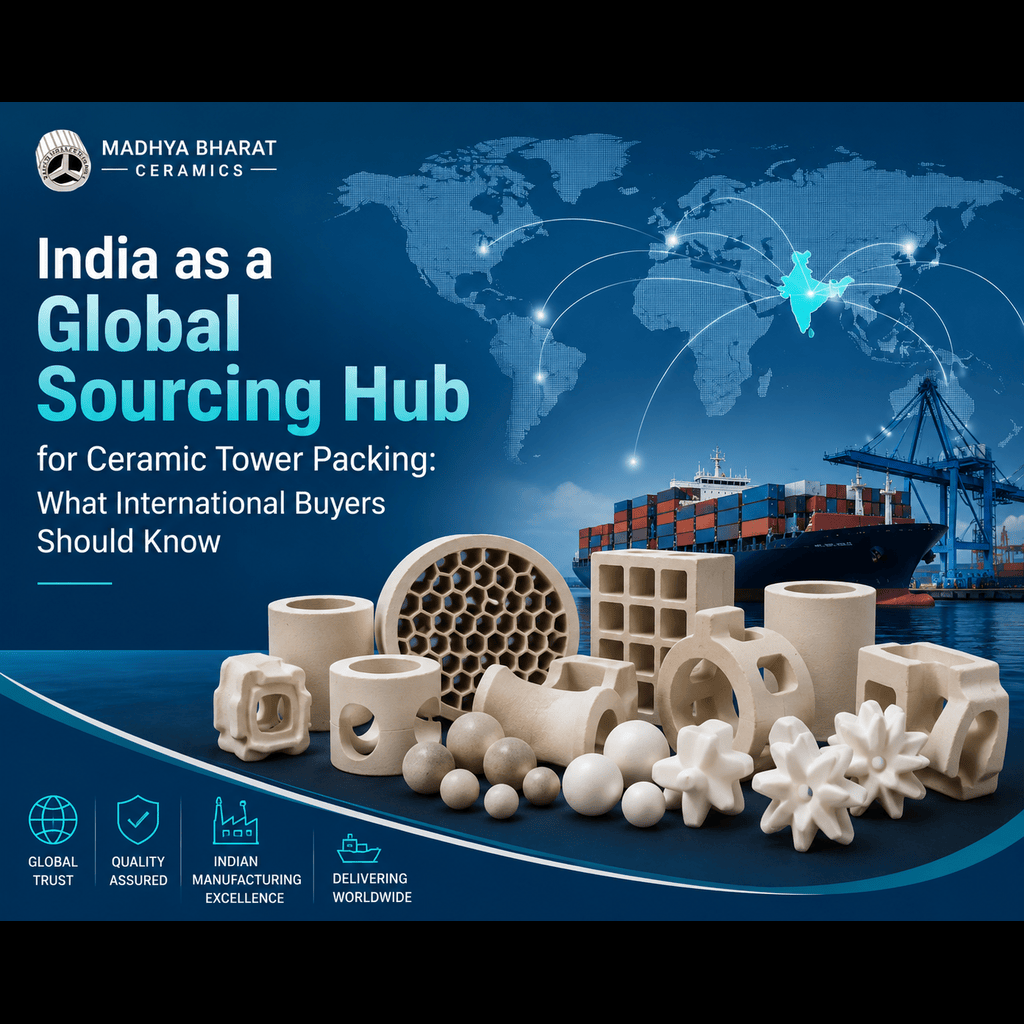
The role of a ceramics material exporter has become increasingly important as global demand for quality industrial ceramics rises. A ceramics material exporter in Mandsaur connects Indian manufacturing capabilities with buyers in the Middle East, Southeast Asia, Africa, and Europe.
Export-quality ceramics from India meet international standards and are often priced competitively compared to ceramics sourced from Europe or East Asia. This makes Indian exporters a preferred sourcing partner for many global chemical plants and engineering contractors.
When selecting a ceramics material exporter, confirm:
- Experience with international shipping and customs documentation
- Ability to provide material test reports and certificates of conformity
- Compliance with destination country import requirements
- Proper export packaging to prevent damage during transit
Case Study
Background: A sulfuric acid manufacturing plant in Rajasthan was experiencing frequent failures in their absorption tower internals. The metal components used in the tower were corroding rapidly due to continuous exposure to sulfuric acid at elevated temperatures.
Challenge: Replacement cycles were very short, averaging once every 8 to 10 months. Each replacement required a full tower shutdown, costing the plant significant production time and repair expenses. The metal components were also contributing trace contamination to the acid product.
Solution: The plant partnered with a certified ceramics material manufacturer and switched to alumina-based ceramic tower packing and ceramic-lined distributor components. The ceramic grade selected had a confirmed alumina content of 95%, providing both high chemical resistance and thermal stability.
Results:
- Tower packing service life extended from under 12 months to over 4 years
- Product purity improved as ceramic components introduced zero contamination
- Annual maintenance and replacement cost reduced by approximately 60%
- Production uptime increased significantly due to fewer planned shutdowns
- Safety incidents related to component failure dropped to zero over a 3-year monitoring period
Lesson: Selecting the right ceramics material for corrosive, high-temperature applications is a direct investment in production efficiency, product quality, and plant safety. The upfront cost of quality ceramics is recovered quickly through longer service life and reduced downtime.
FAQ’s About Ceramics Material Manufacturer
Q1. What are ceramics materials used for in the chemical industry?
Ceramics materials are used for tower packing, reactor linings, heat exchanger components, pump parts, catalyst supports, and filtration membranes. Their chemical resistance and heat tolerance make them suitable for demanding chemical processing environments.
Q2. Why is ceramics material preferred over metal in corrosive environments?
Metals corrode when exposed to strong acids, alkalis, or chloride-rich environments. Ceramics do not react with most chemicals, so they maintain their strength and structure over long periods without corroding. This reduces replacement frequency and maintenance costs.
Q3. What temperature can ceramic material withstand?
Depending on the type, ceramics can withstand continuous operating temperatures from 800°C to over 1600°C. Alumina ceramics are commonly rated above 1500°C, while other grades like cordierite are optimized for thermal shock resistance at lower temperature ranges.
Q4. Which ceramics material is best for chemical resistance?
Alumina (Al₂O₃) with high purity content (90% to 99.9%) is one of the most commonly used ceramics for chemical resistance. Silicon carbide and zirconia are also excellent choices for specific aggressive chemical environments.
Q5. Where can I find a ceramics material manufacturer in India?
Ceramics material manufacturers in India are located in several industrial clusters. Mandsaur in Madhya Pradesh is one recognized center for ceramics manufacturing. Look for ISO-certified manufacturers who provide material test data and technical support.
Q6. What is the difference between industrial ceramics and regular ceramics?
Regular ceramics include everyday items like tiles and crockery. Industrial ceramics are engineered materials with precisely controlled composition and microstructure to deliver specific properties like high hardness, corrosion resistance, or thermal stability needed in demanding industrial applications.
Q7. How long do ceramic components last in chemical plants?
With proper selection and installation, ceramic components in chemical plants typically last between 3 to 10 years or longer. Service life depends on the operating temperature, chemical exposure, and mechanical stress in the specific application.
Q8. Can ceramics material be exported from India?
Yes. Several ceramics material exporters in Mandsaur and other Indian manufacturing hubs export ceramics to international markets including the Middle East, Africa, Southeast Asia, and Europe. Indian exporters offer competitive pricing with full documentation support for international shipments.
Conclusion
Ceramics material has earned its place as a foundational component in the chemical industry. Its combination of corrosion resistance, high temperature stability, wear resistance, and chemical durability makes it suitable for applications where other materials simply cannot perform reliably. As the demand for cleaner, more efficient, and more durable industrial solutions grows, the role of a quality ceramics material manufacturer becomes even more important. Whether you are sourcing for a domestic project or looking for a ceramics material exporter in Mandsaur for international supply, choosing certified, tested ceramics protects your equipment and your process. With a strong and growing manufacturing base for ceramics material in India, industries today have access to world-class ceramic solutions at competitive prices, backed by technical expertise and reliable supply chains.