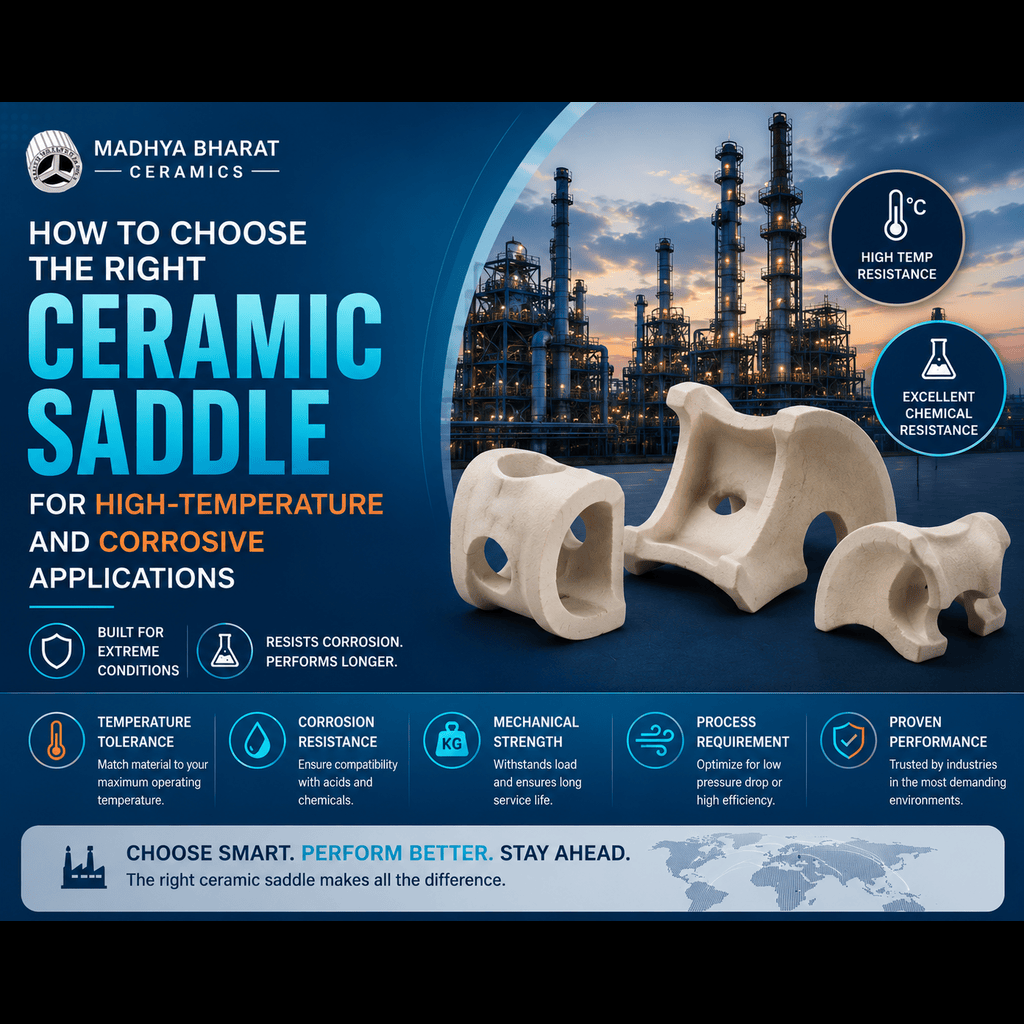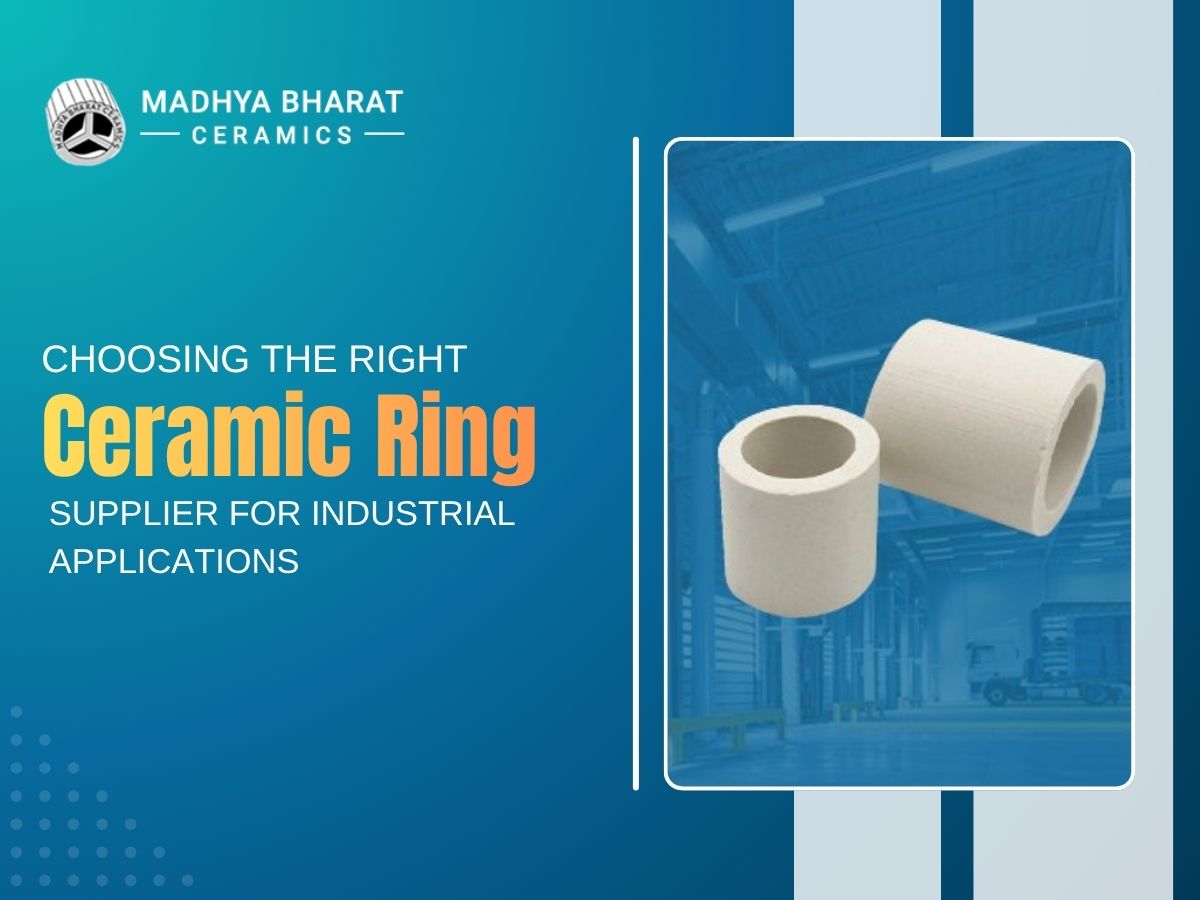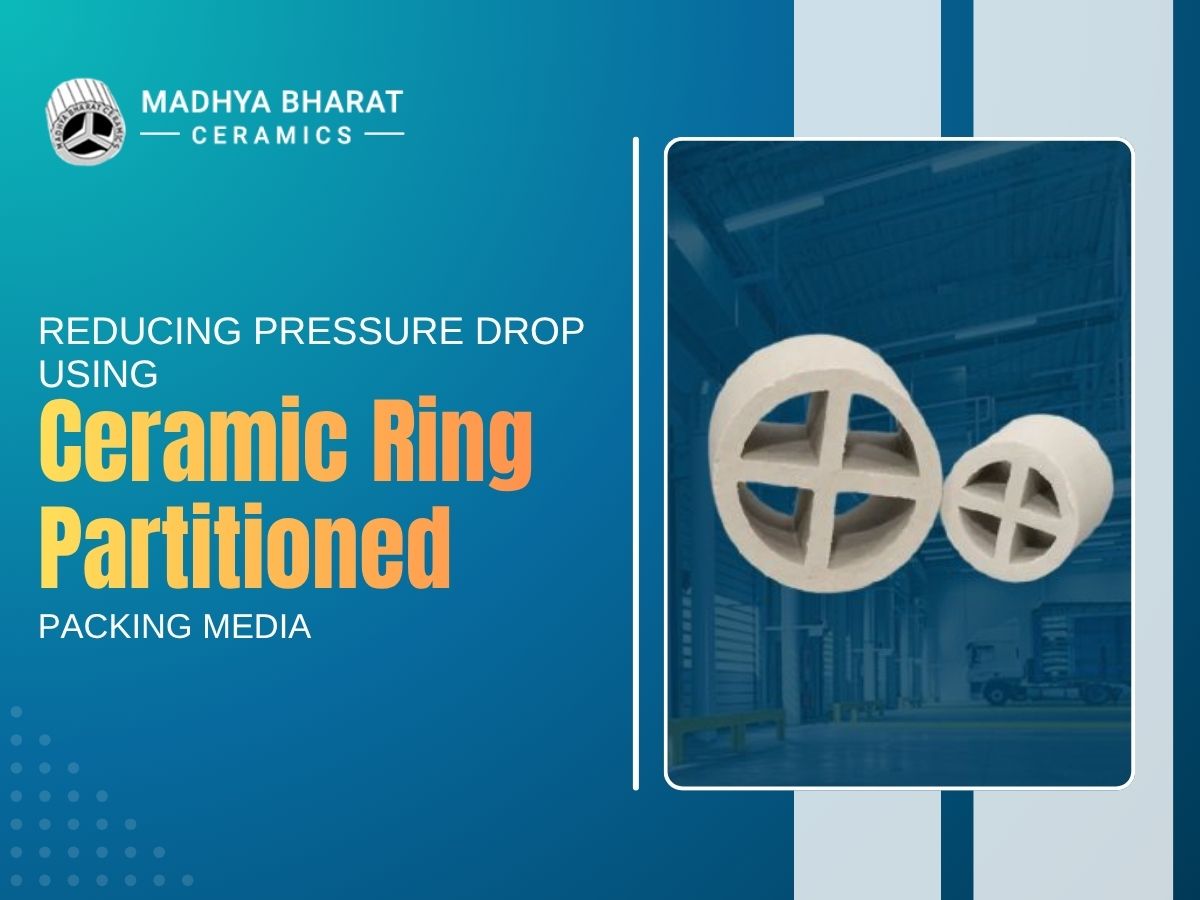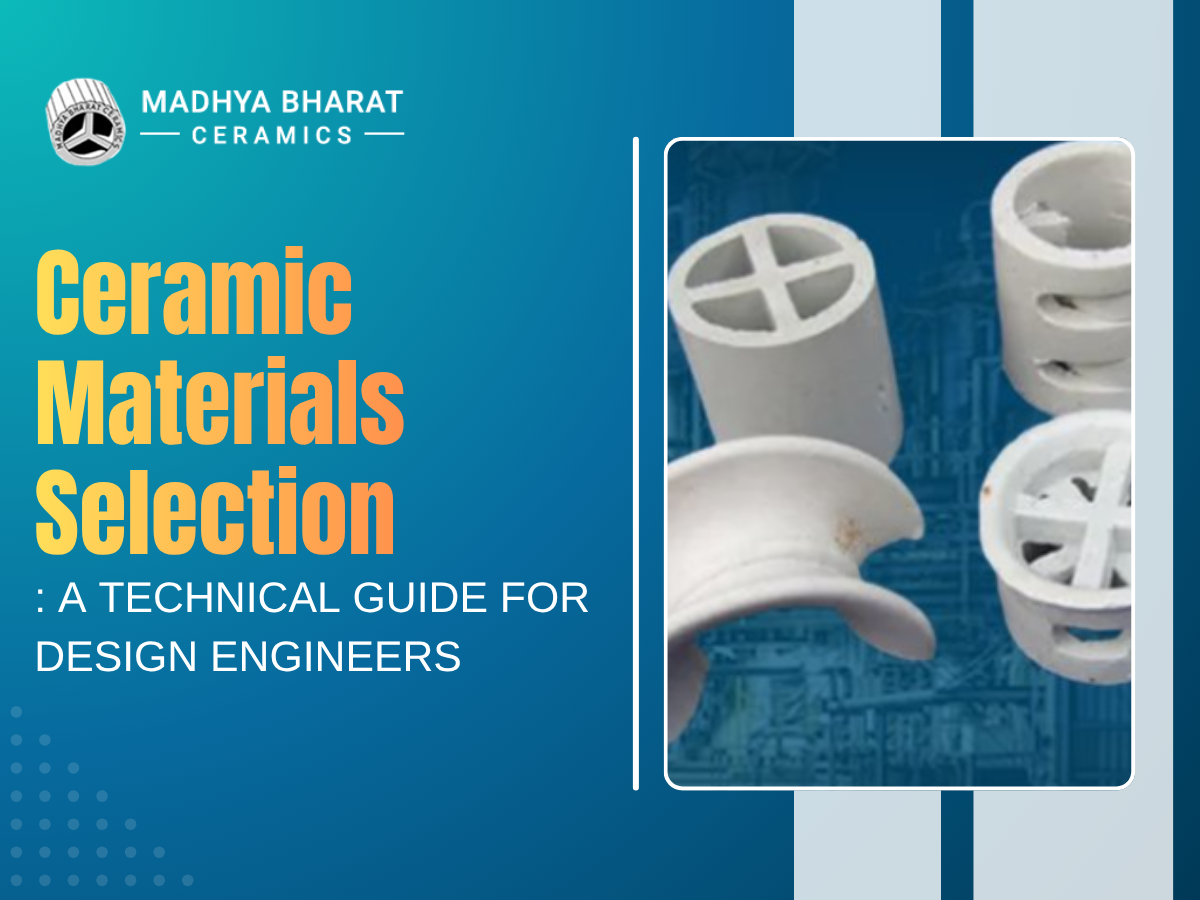
Choosing the wrong packing material can quietly cost a plant thousands in lost efficiency, premature failures, and unplanned shutdowns. Ceramic Materials Selection is one of the most important decisions a design engineer makes when specifying tower internals, reactors, or support structures. The right choice depends on temperature, chemical exposure, mechanical load, and the specific role the component plays inside the system.
In this guide, we will walk through the key factors that drive ceramic materials selection, compare common product types, and explain how to work with a reliable ceramic packing manufacturer to get it right the first time.
Why Ceramic Materials Selection Matters for Design Engineers
Every industrial process places different demands on its internal components. A material that performs well in one application can fail quickly in another.
Getting Ceramic Materials Selection right at the design stage prevents costly mistakes later. Poor material choices can lead to premature cracking, chemical degradation, reduced flow efficiency, and unexpected maintenance shutdowns.
Design engineers who understand these selection criteria can specify components that perform reliably for years, rather than discovering problems after the plant is already running.
Key Factors That Drive Ceramic Materials Selection
Before choosing between product types, engineers need to evaluate several core factors. These apply across almost every ceramic packing and support application.
- Operating temperature range: Confirm the material can handle both standard operation and occasional thermal spikes without warping or cracking.
- Chemical exposure: Match the ceramic composition to the specific acids, alkalis, or gases present in your process stream.
- Mechanical load: Consider the weight the material must bear, including packing bed height and liquid holdup.
- Flow requirements: Balance surface area against pressure drop based on your specific throughput needs.
- Budget and lifecycle cost: Factor in replacement frequency, not just upfront material cost, when comparing options.
These factors form the foundation of any sound Ceramic Materials Selection process, regardless of which specific product type is being considered.
Comparing Common Ceramic Product Types
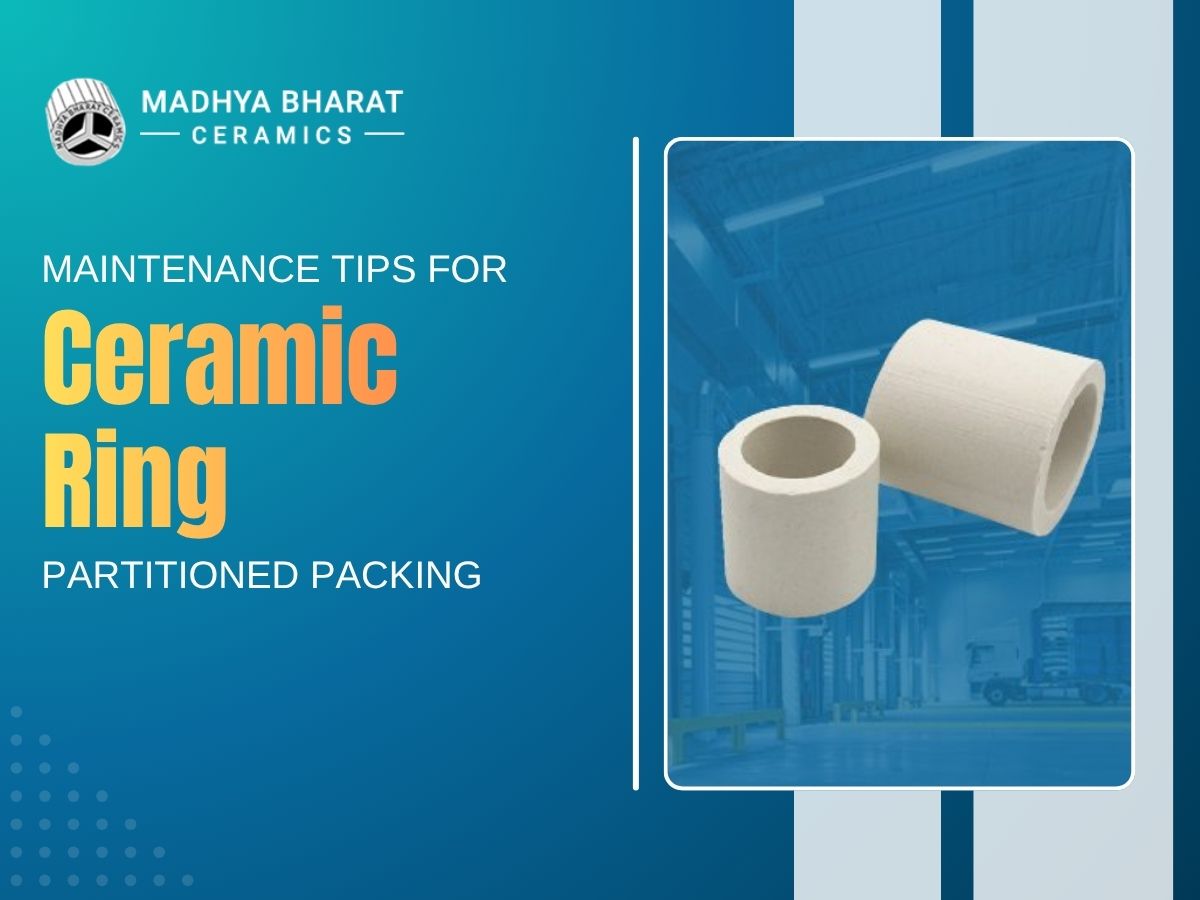
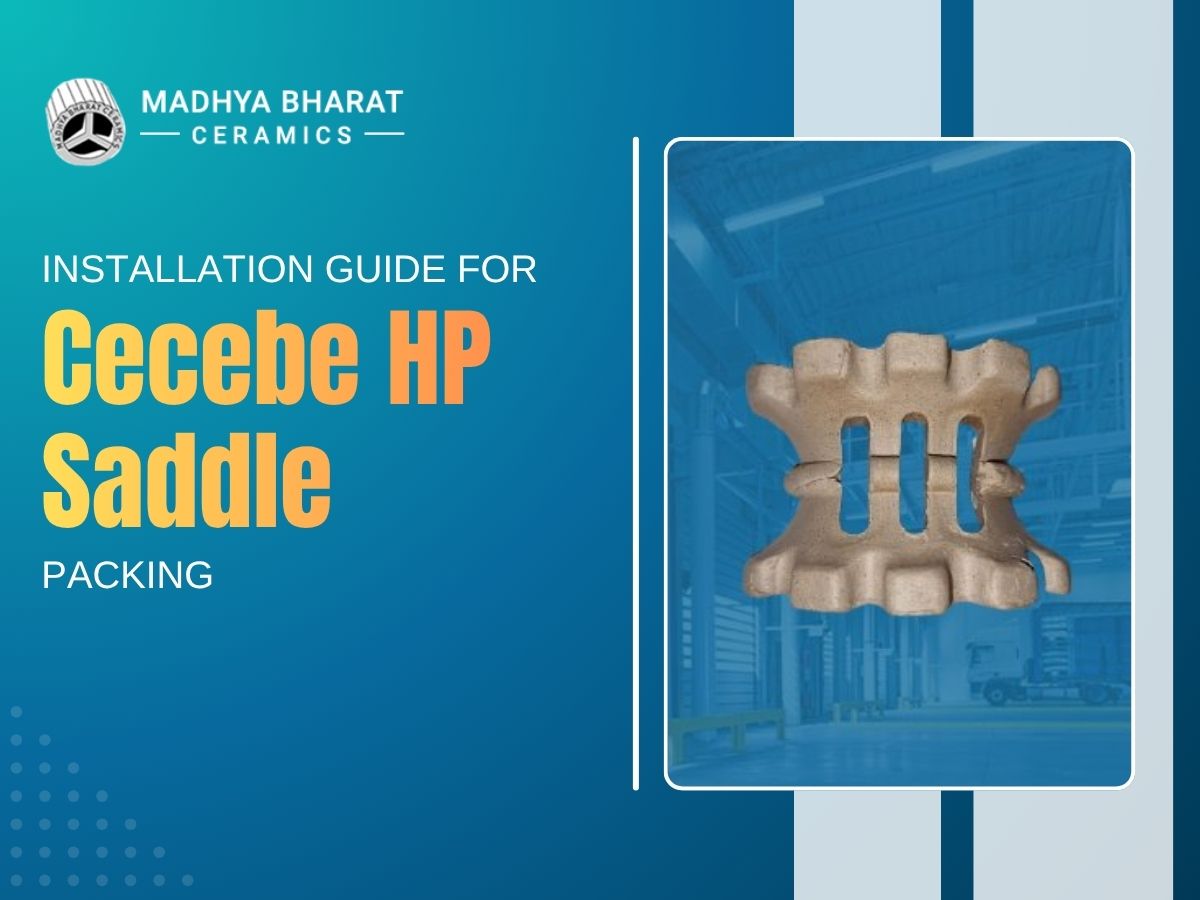
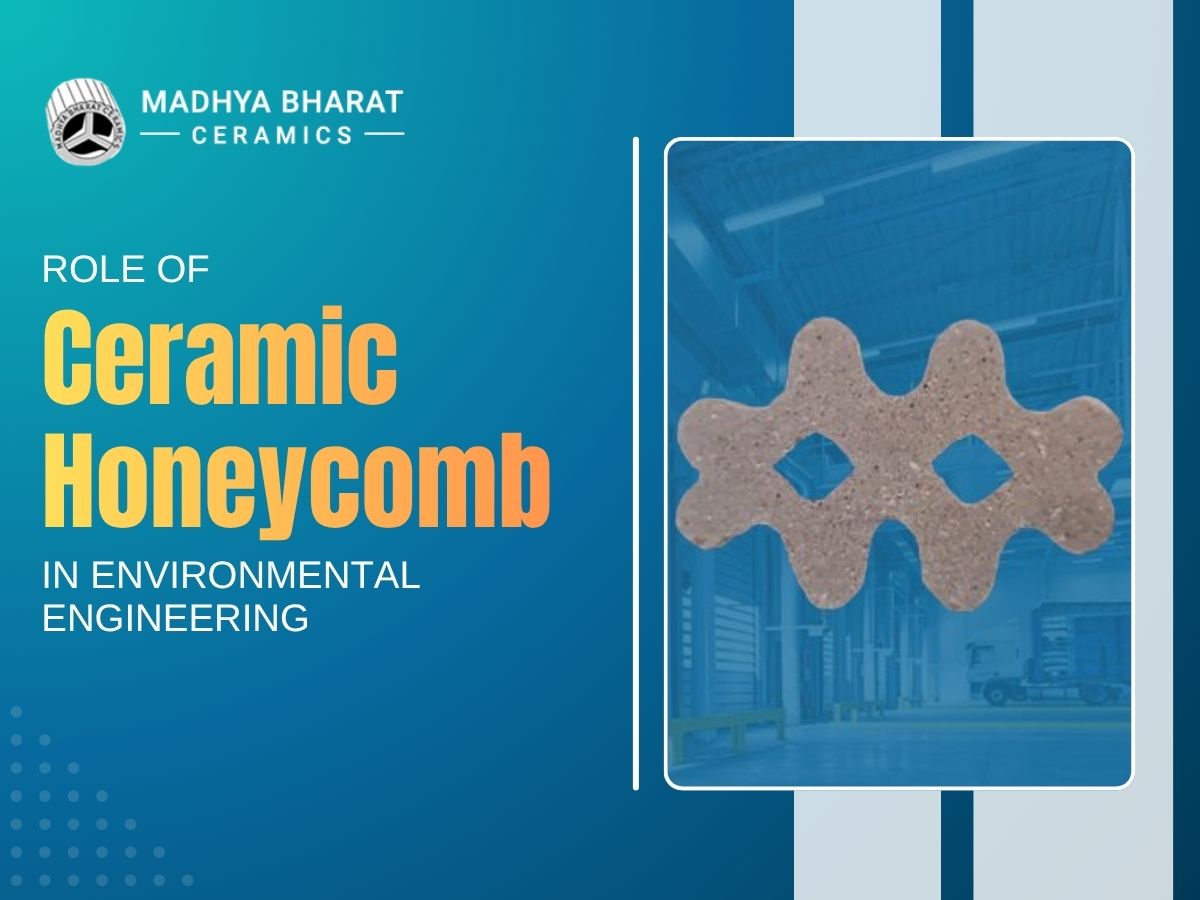
Once the core factors are understood, engineers can compare specific product types against their process requirements. Each ceramic form serves a distinct structural or functional role.
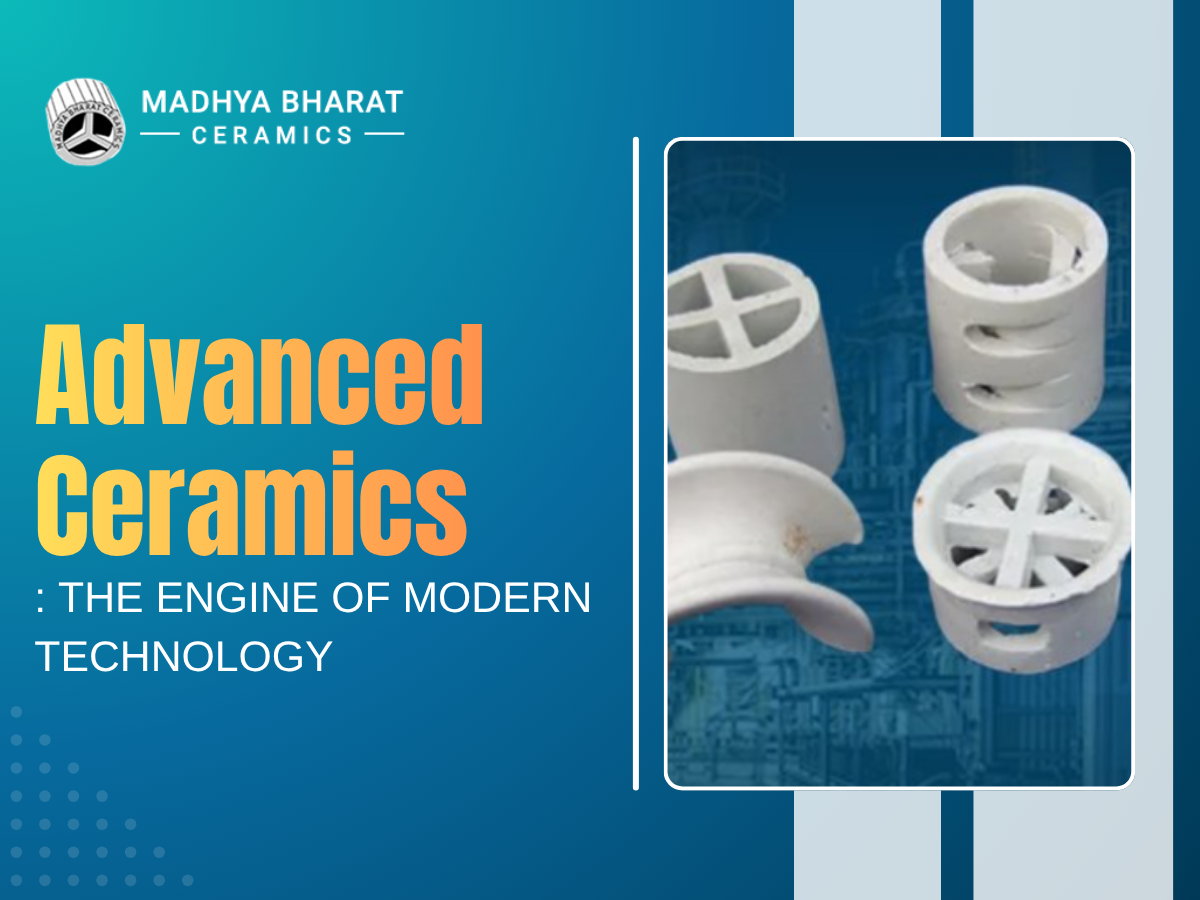
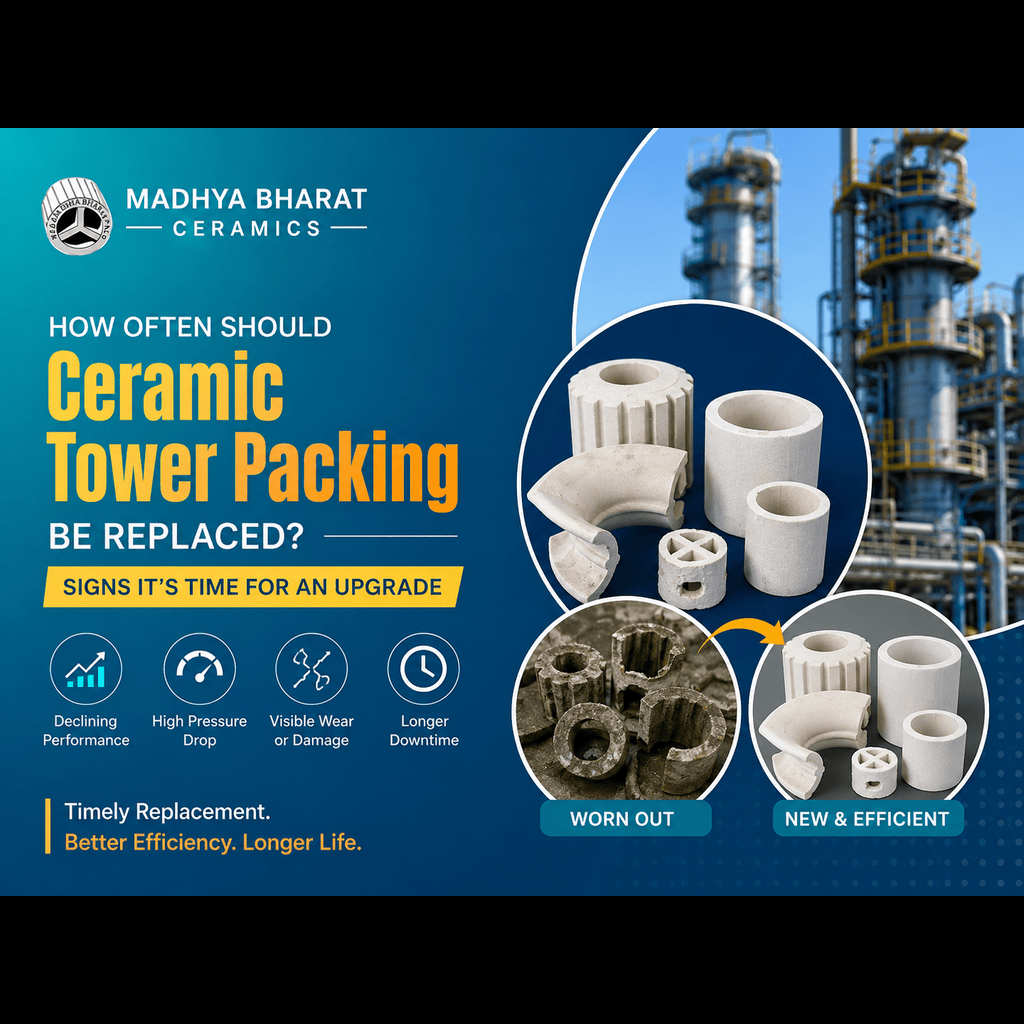
Ceramic Ultra Packing
Ceramic Ultra packing is designed for applications requiring both high surface area and low pressure drop. Working with an experienced ceramic ultra manufacturers network ensures consistent shape and density across every batch, which directly affects mass transfer performance.
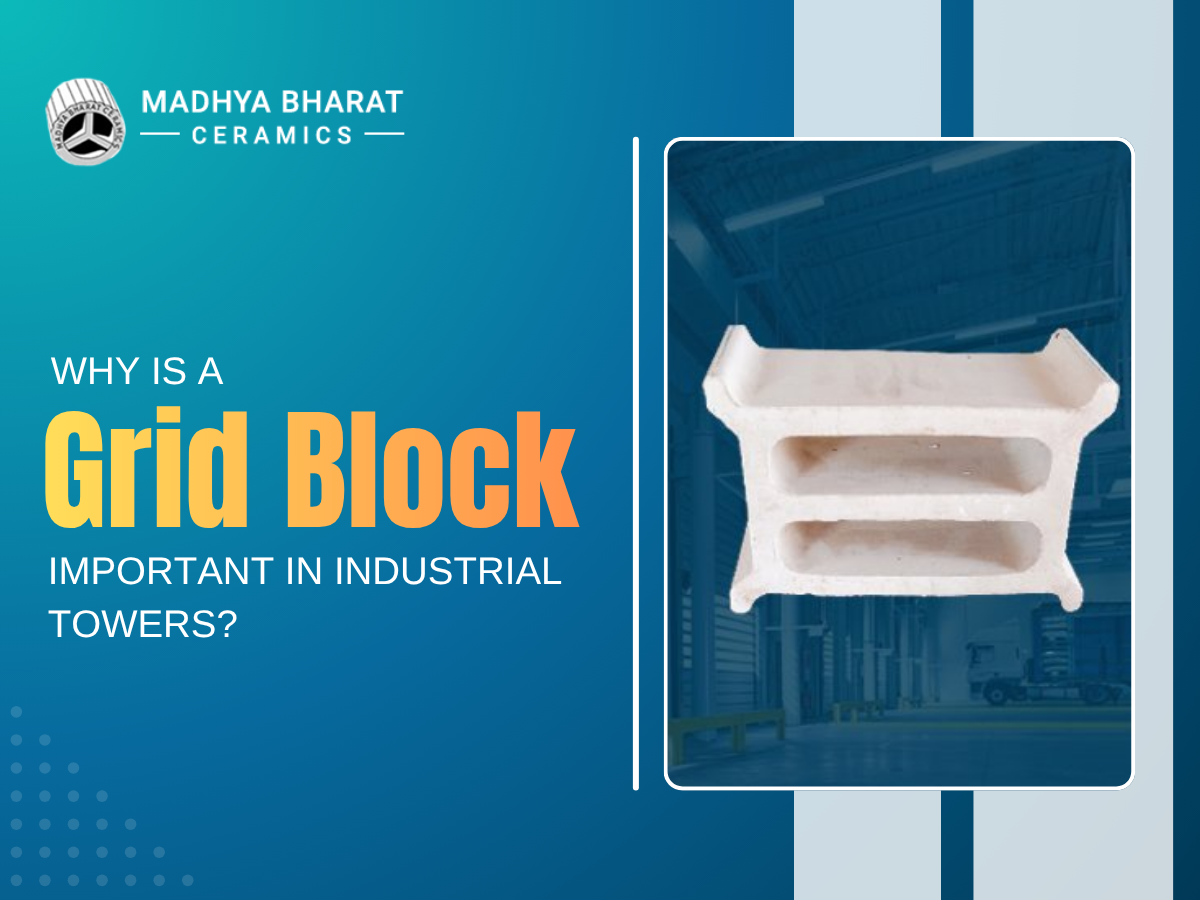
Grid Blocks for Structural Support
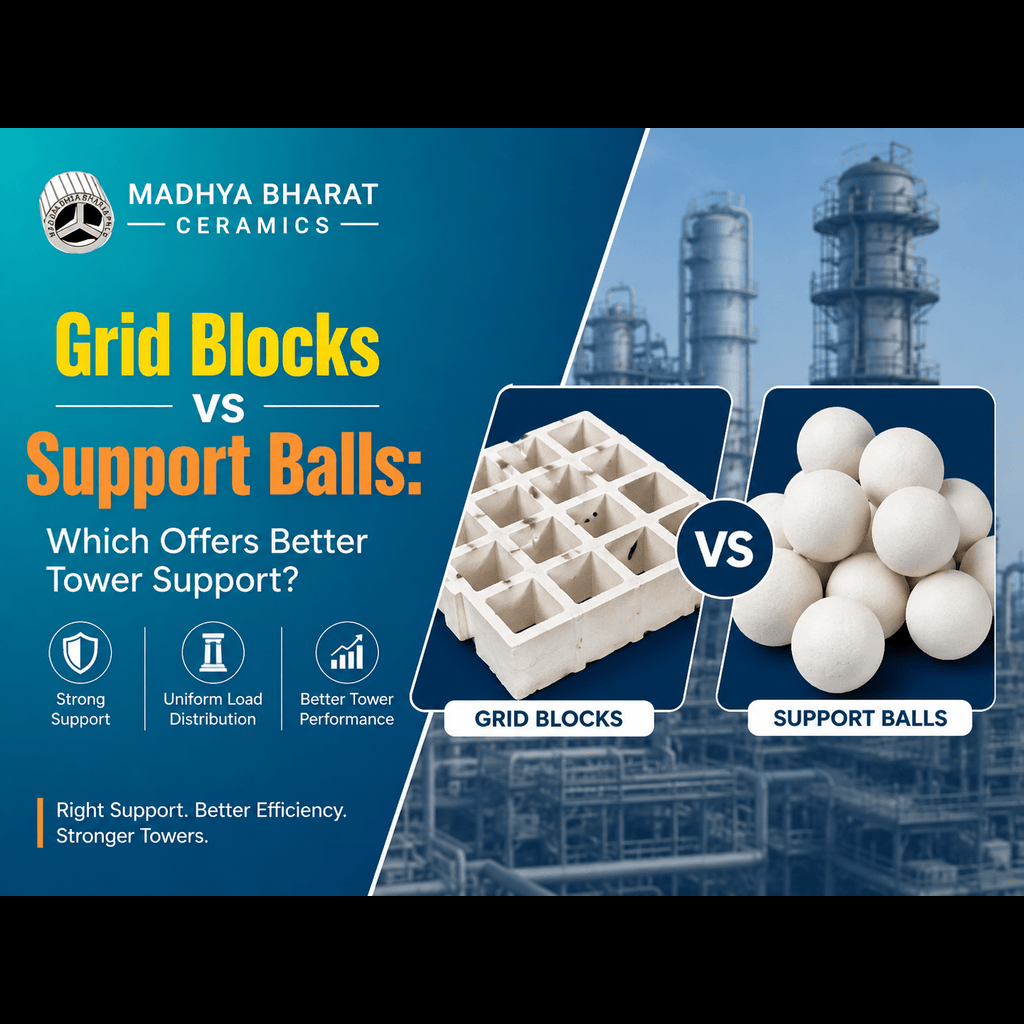
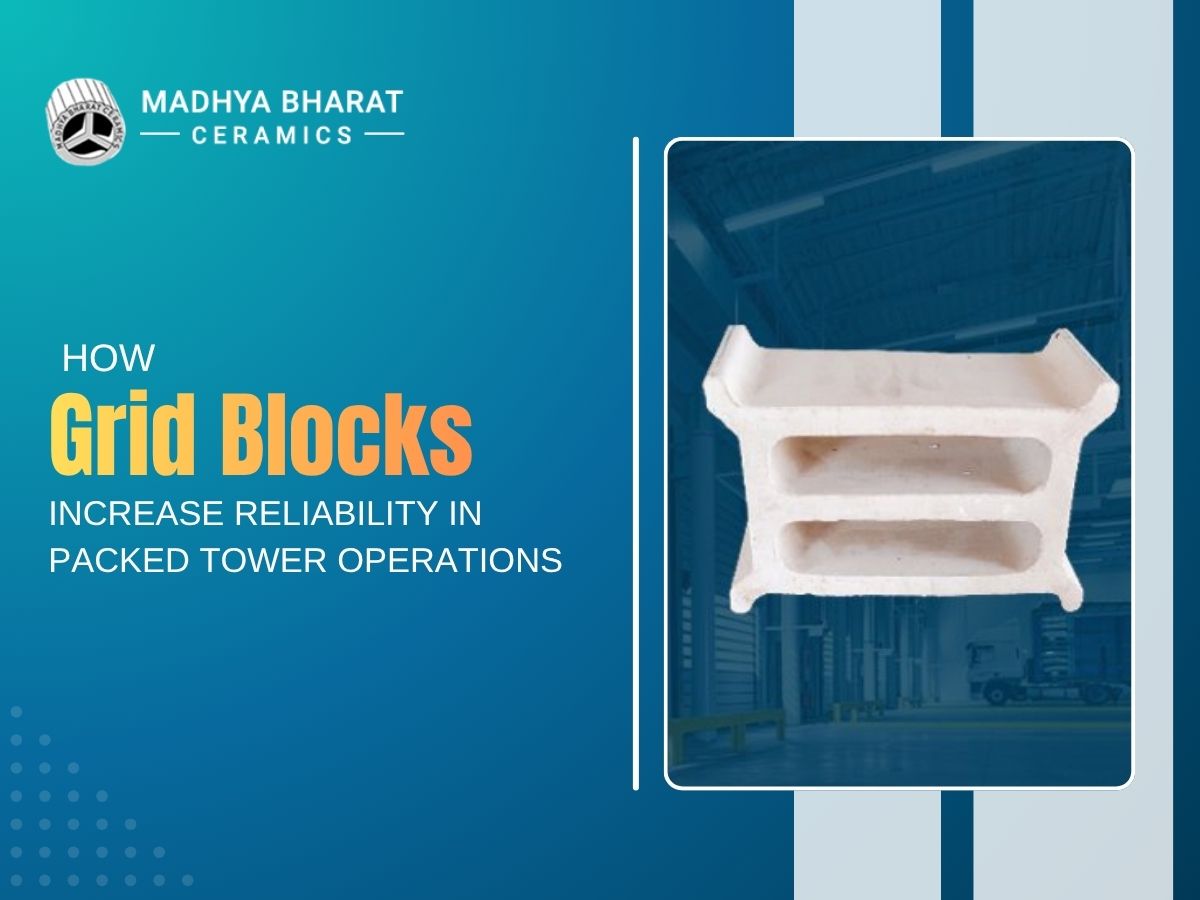
Grid blocks sit beneath packing beds and bear the structural load of the material above. A qualified ceramic grid block manufacturer produces these with precise load ratings and open area percentages suited to your specific tower design.
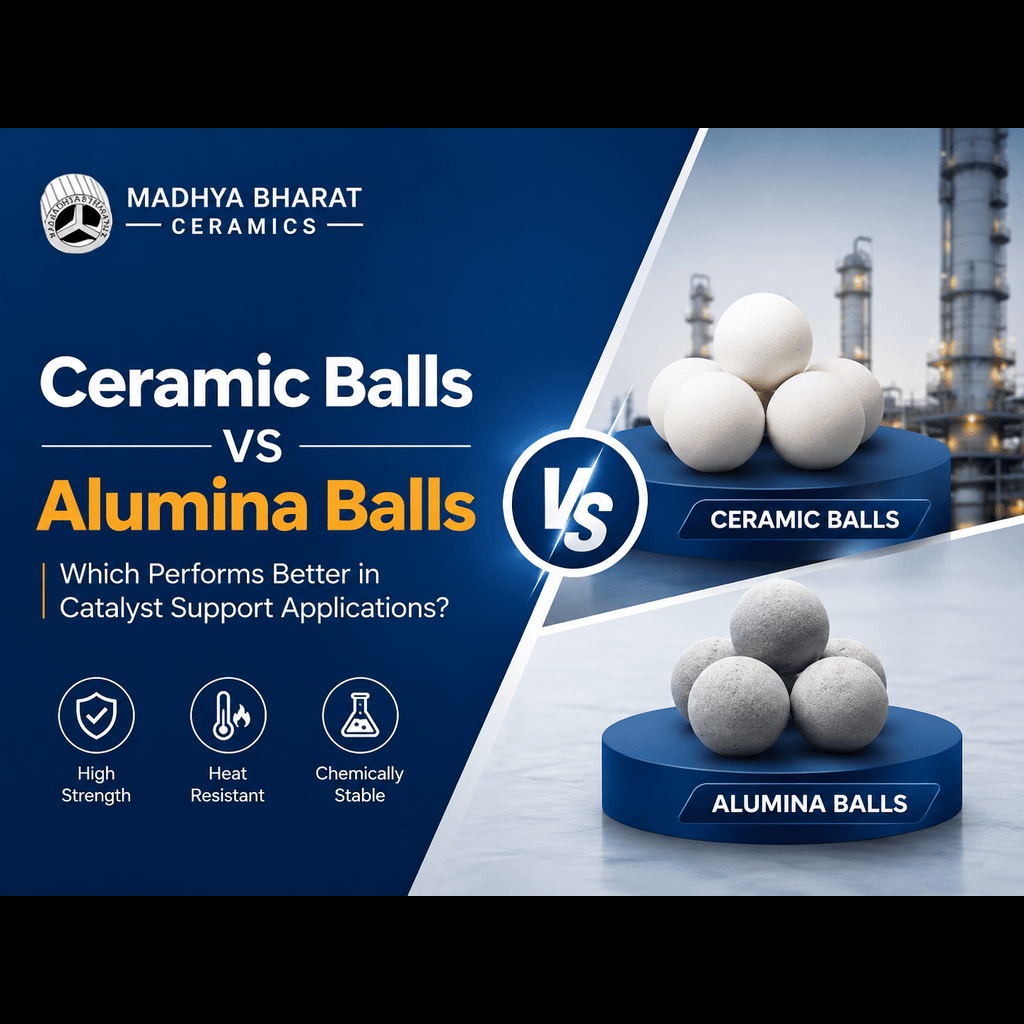
High Alumina Ceramic Balls
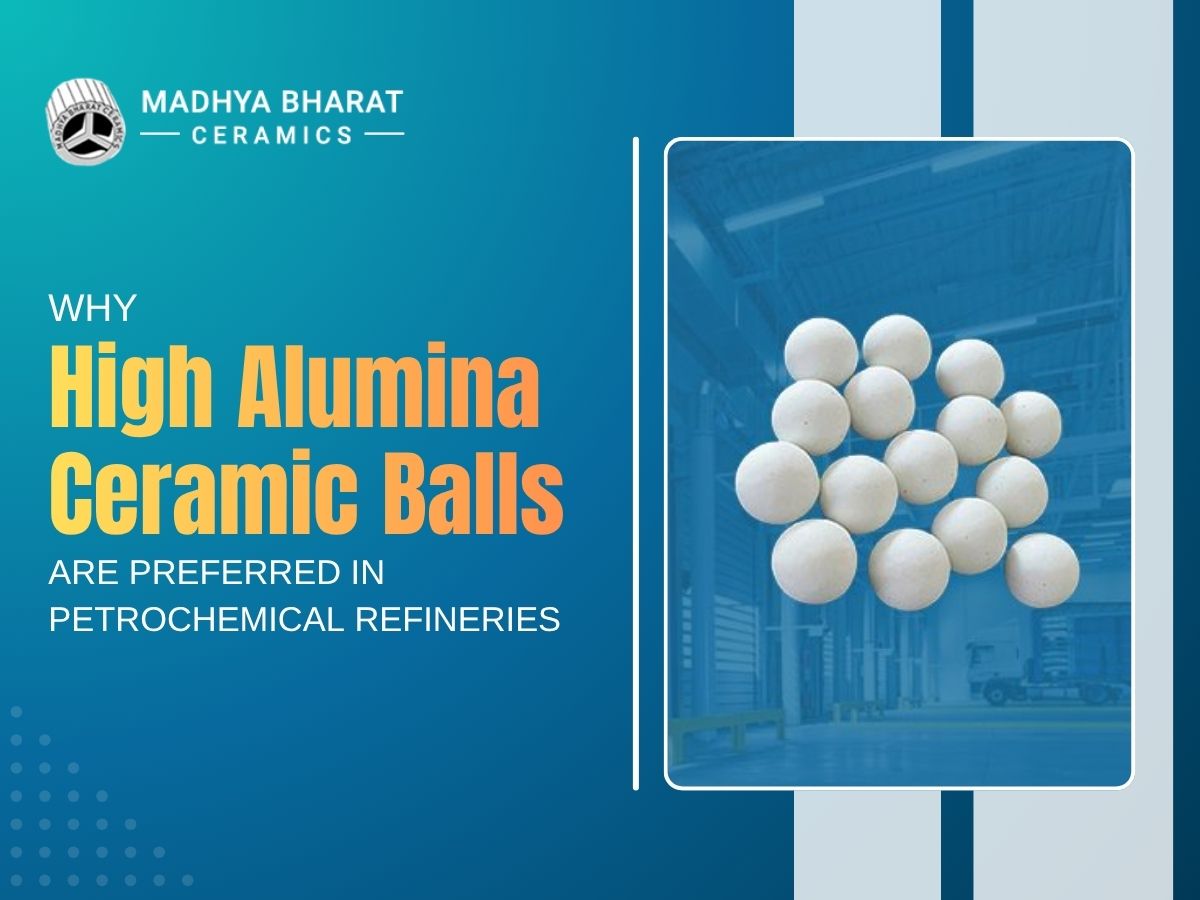
For applications demanding extra mechanical strength and wear resistance, high alumina ceramic balls are often the preferred choice. A specialized high alumina ceramic balls manufacturer can supply higher-density material for catalyst bed protection in more abrasive or high-pressure environments.
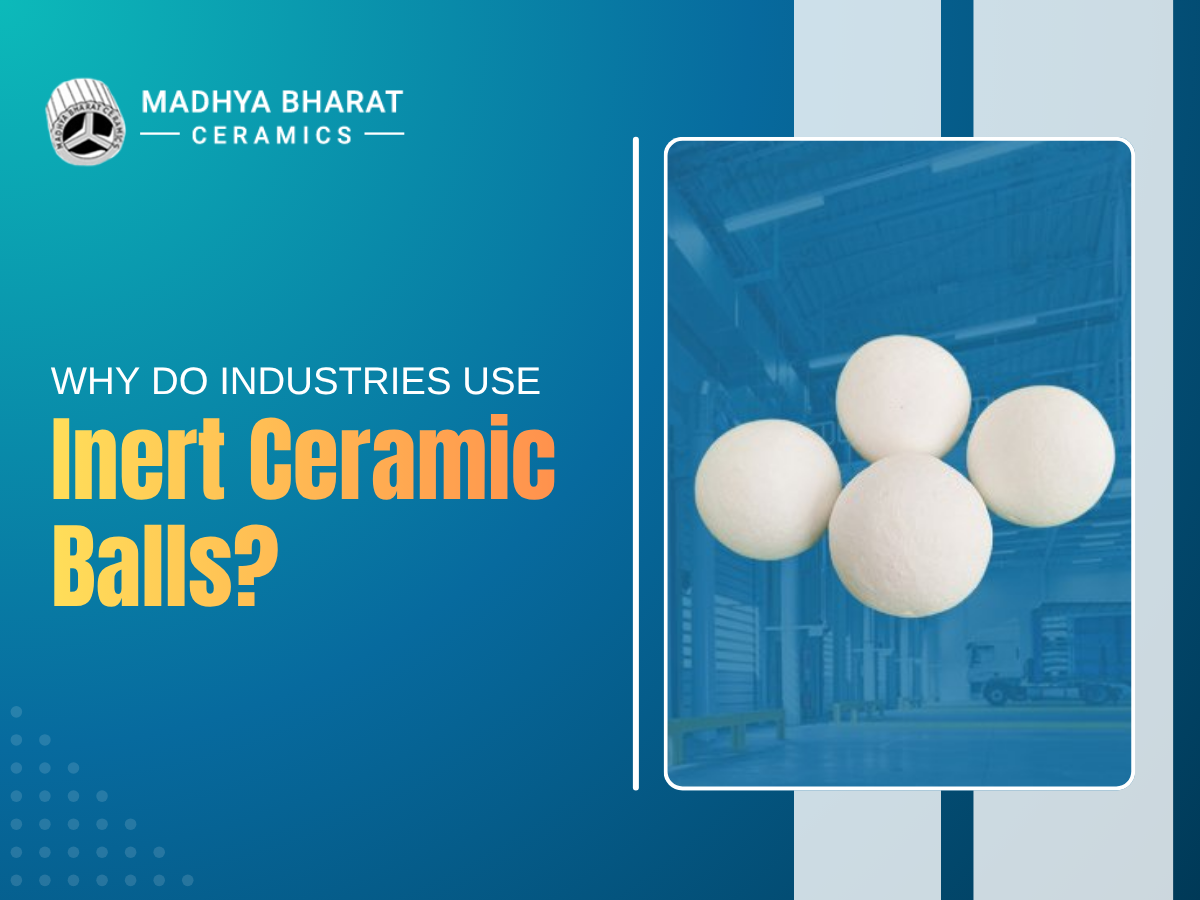
Inert Ceramic Balls
Inert ceramic balls support catalyst beds and improve flow distribution without reacting with process chemicals. Sourcing from an established inert ceramic balls manufacturer ensures consistent sizing, which is critical for even flow across the bed.
PP Pall Rings and PP Saddles
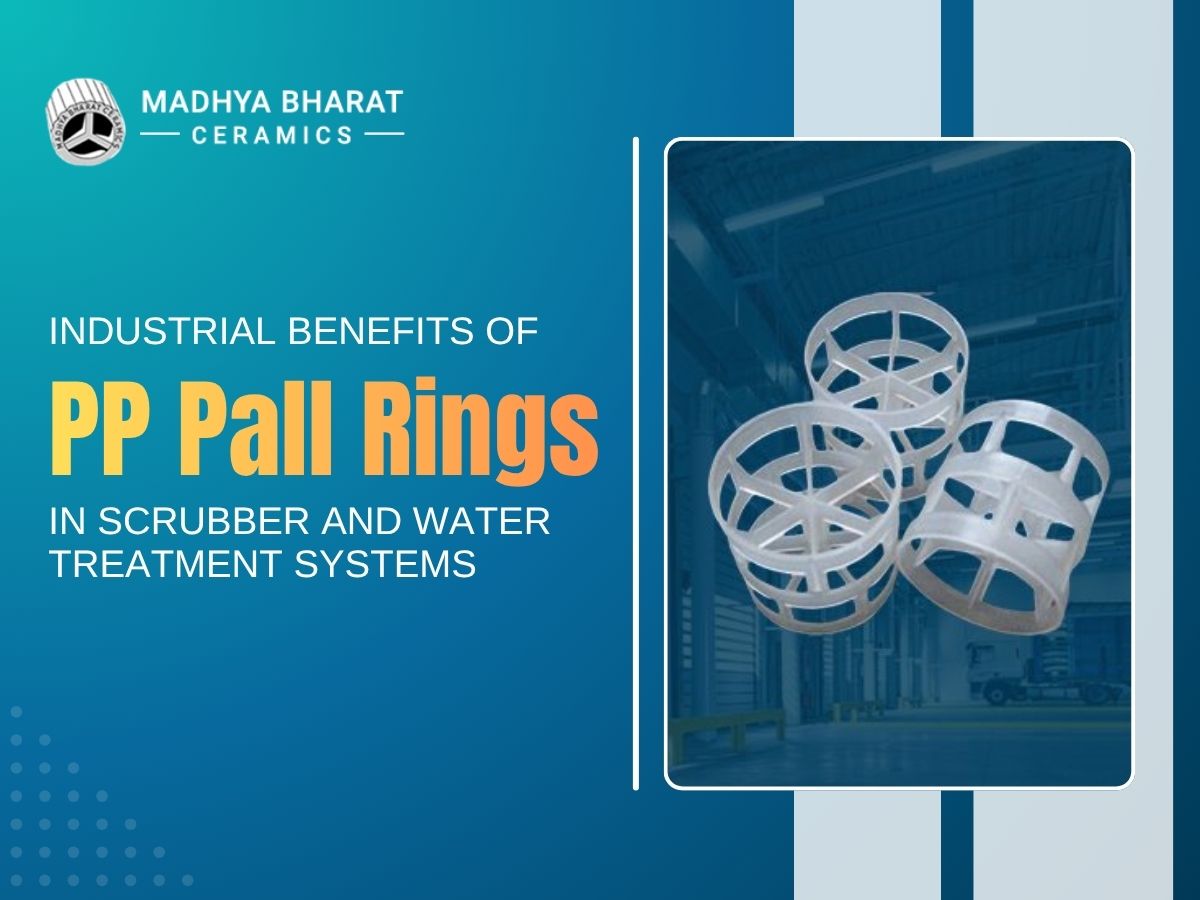
Not every application requires ceramic material. For lower-temperature, less corrosive processes, polypropylene options offer a lighter and more economical alternative. A reliable PP Pall Rings manufacturer and PP saddles manufacturer can supply these for applications where ceramic strength is not strictly necessary.
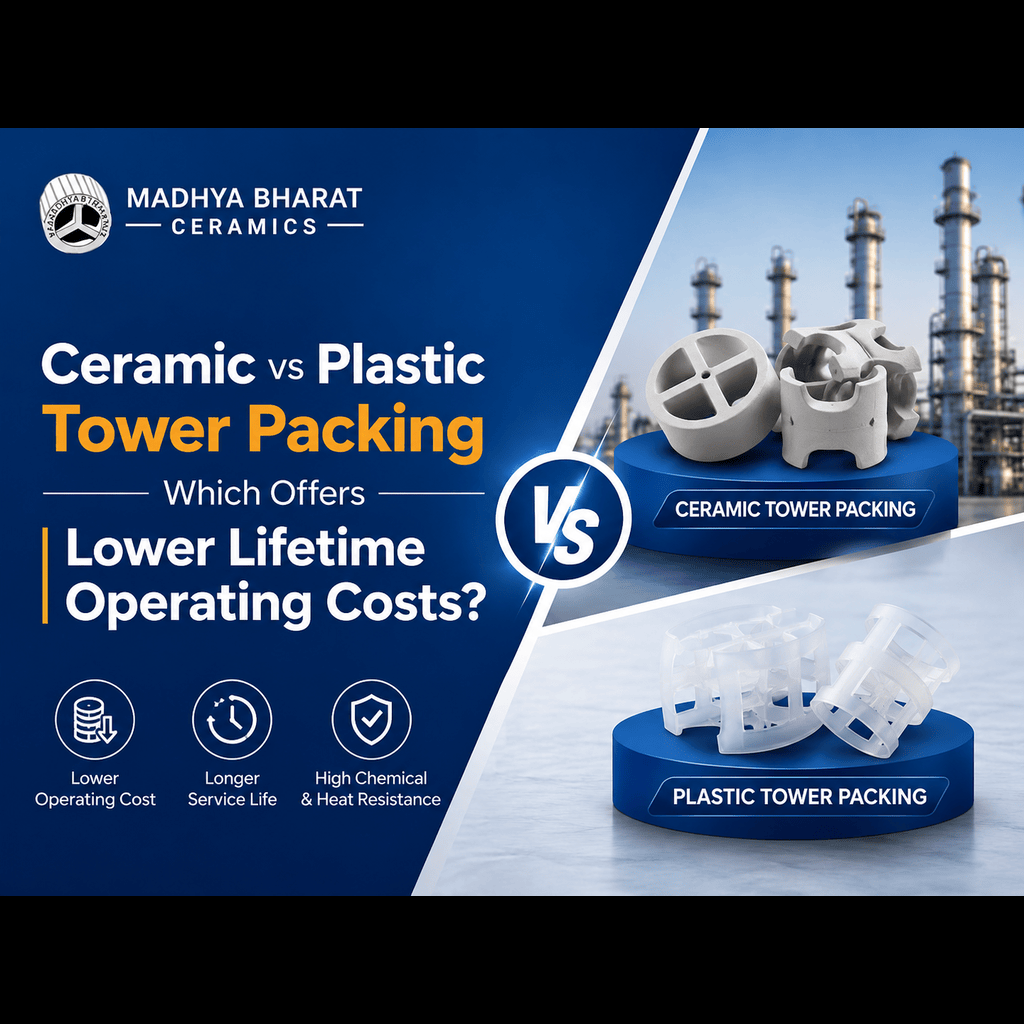
Ceramic vs Polypropylene: A Quick Comparison
Deciding between ceramic and polypropylene components depends heavily on your operating conditions. Here is a side-by-side comparison to guide your decision.
| Feature | Ceramic Materials | Polypropylene (PP) Materials |
| Temperature Tolerance | Very High | Low to Medium |
| Chemical Resistance | Excellent across most acids and alkalis | Good for mild chemicals only |
| Mechanical Strength | High | Moderate |
| Weight | Heavier | Lighter, easier to handle |
| Typical Cost | Higher upfront, lower lifecycle cost in harsh service | Lower upfront, shorter lifespan in demanding conditions |
As this comparison shows, the right choice is not always about which material is “better” overall, but which one matches your specific process conditions and budget constraints.
Common Mistakes in Ceramic Materials Selection
Even experienced engineers occasionally overlook details that affect long-term performance. Avoid these common mistakes during the selection process.
- Choosing a material based on cost alone, without checking chemical compatibility.
- Assuming all ceramic products perform the same regardless of manufacturer or firing process.
- Overlooking mechanical load calculations when selecting grid blocks or support structures.
- Failing to request test data or certifications before placing a bulk order.
- Ignoring lifecycle cost in favor of a lower upfront price.
Avoiding these mistakes early in the design phase can prevent expensive rework and unplanned downtime later.
How to Choose a Reliable Ceramic Packing Manufacturer
Selecting the right supplier is just as important as selecting the right material. Before finalizing your order, evaluate these factors.
- Manufacturing experience: A manufacturer with decades of production history understands real operating conditions, not just data sheets.
- Product range: A supplier offering multiple material types, from ceramic to polypropylene, can support varied project requirements under one roof.
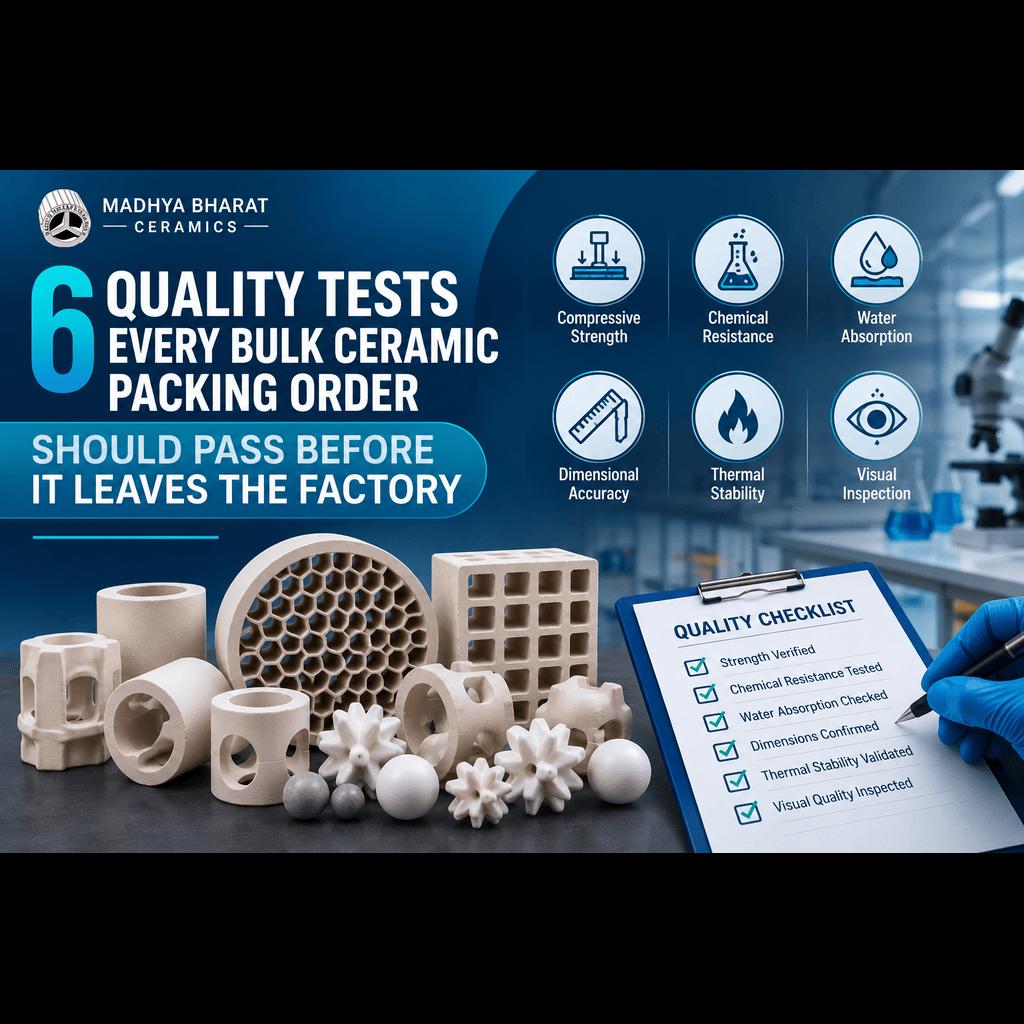
- Quality testing standards: Confirm the manufacturer tests raw materials, monitors firing controls, and verifies final product dimensions.
- Technical support: Reliable manufacturers assist with sizing and material selection based on your actual process data, not generic recommendations.
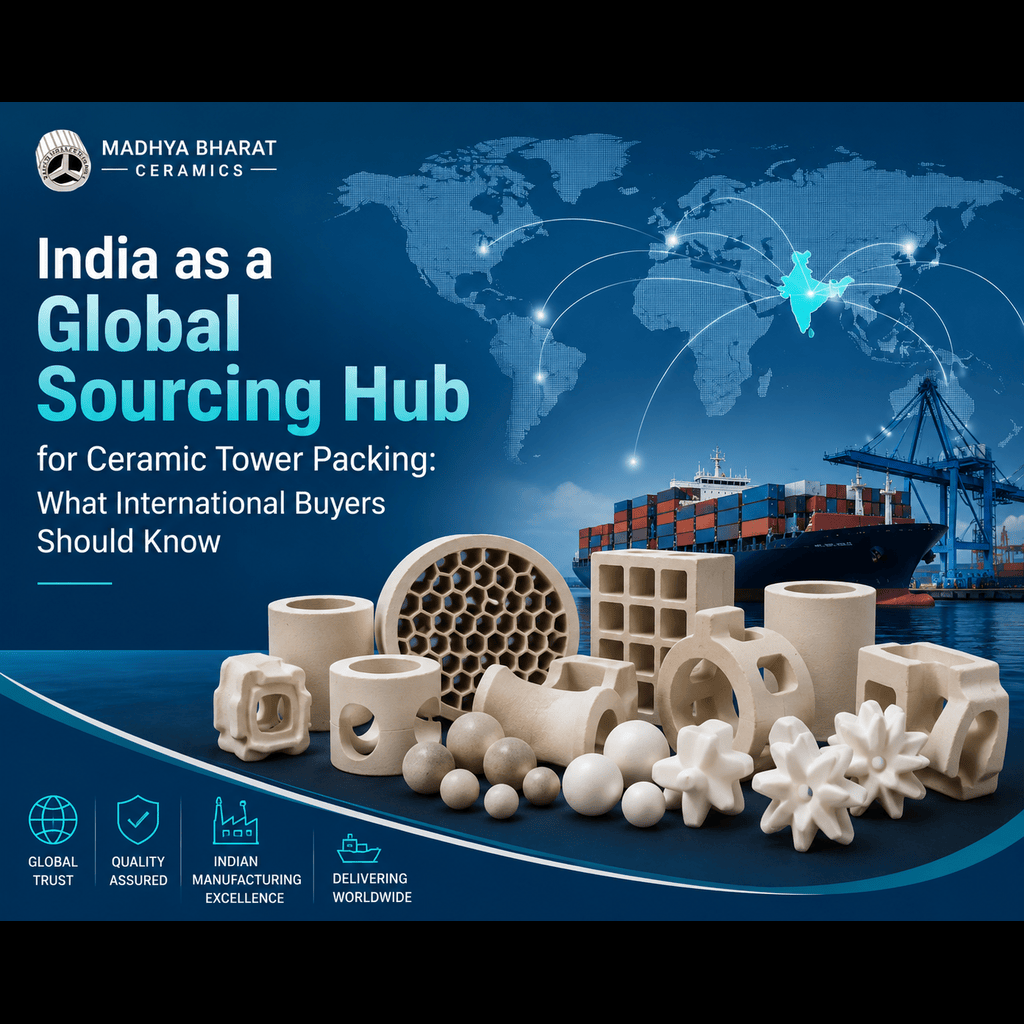
- Export experience: If shipping internationally, an established exporter ensures smoother logistics and documentation.
Why Madhya Bharat Ceramics Supports Better Materials Selection
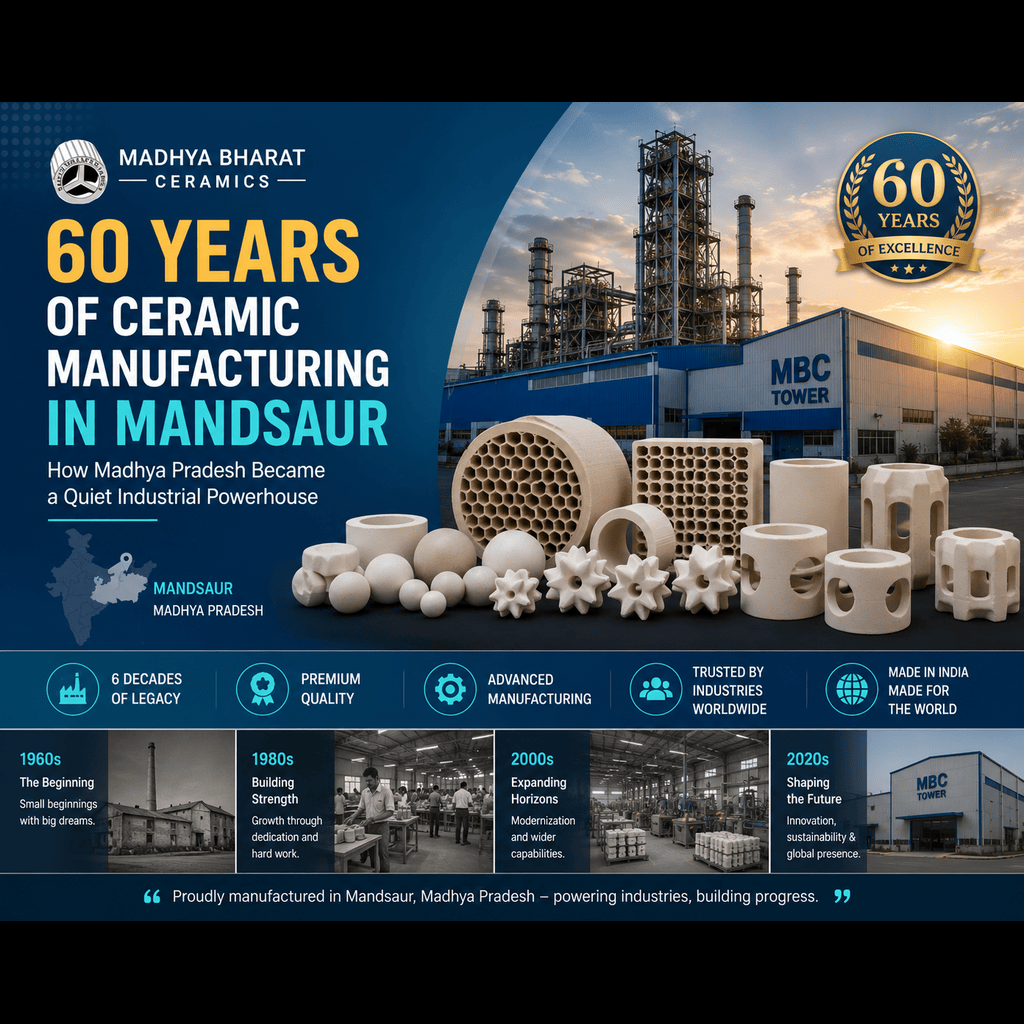
Madhya Bharat Ceramics has been manufacturing ceramic tower packing since 1964, giving the company over six decades of hands-on experience across chemical, fertilizer, and petrochemical applications. The factory operates from Mandsaur, Madhya Pradesh, a region long recognized for ceramic manufacturing expertise.
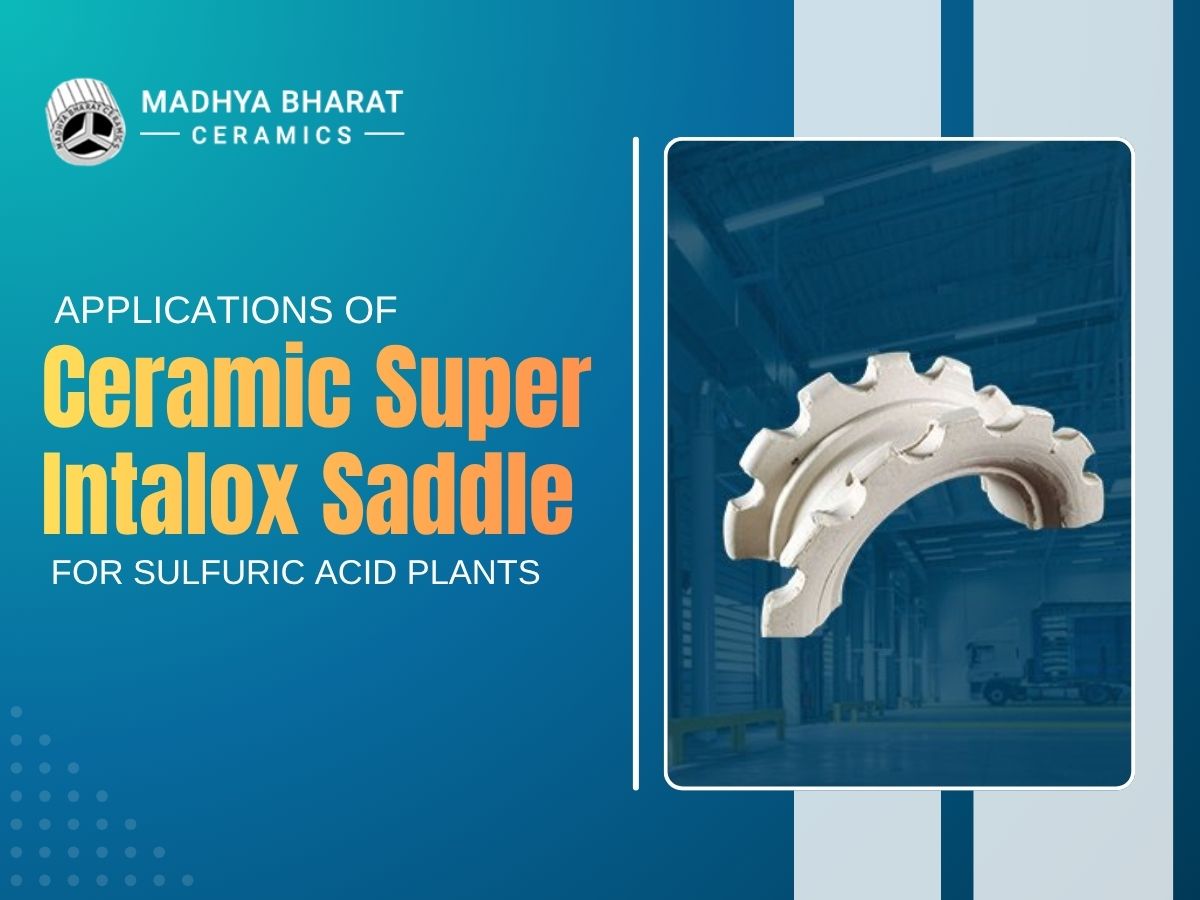
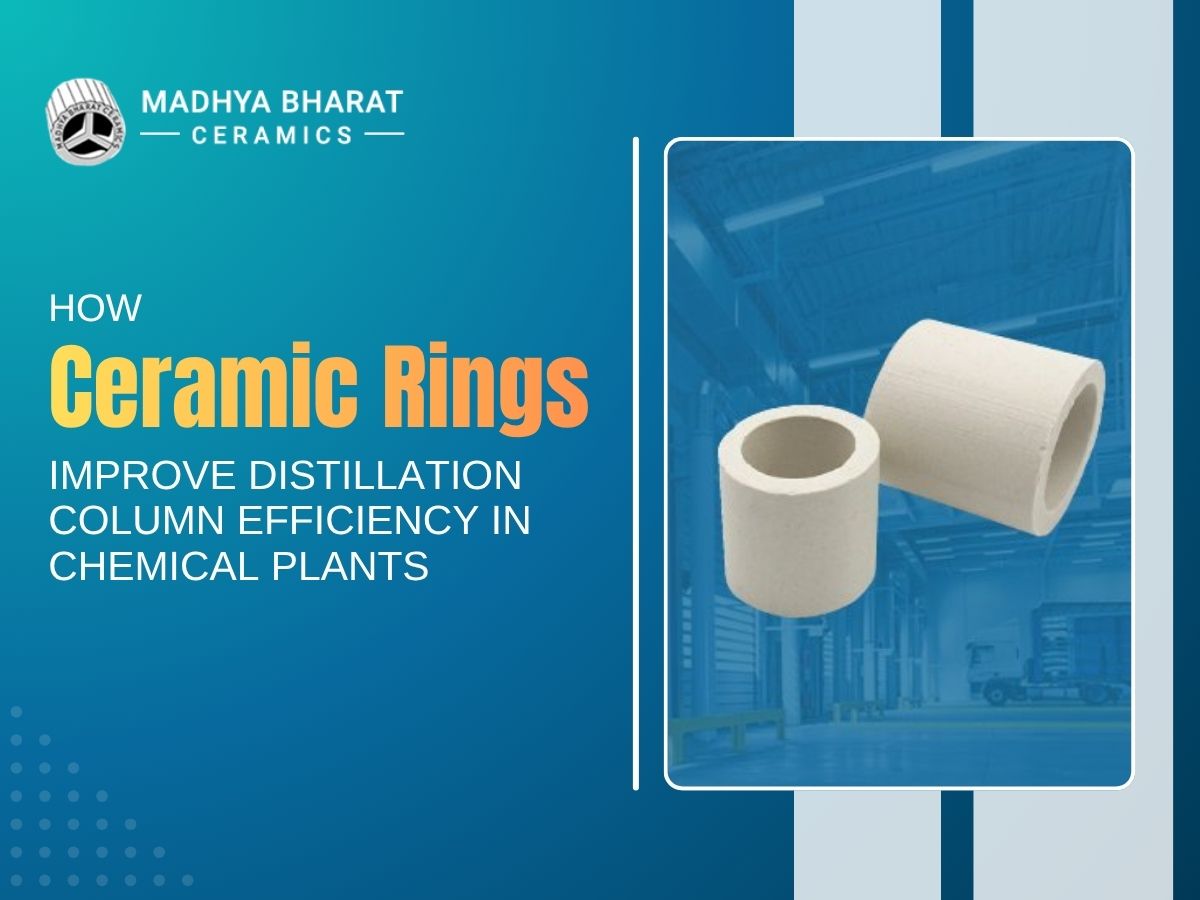
As an established Manufacturer of Ceramic Tower Packing, the company produces a broad product range including Ceramic Ultra, Grid Blocks, High Alumina Ceramic Balls, Inert Ceramic Balls, PP Pall Rings, and PP Saddles. This range allows design engineers to source multiple material types from a single supplier, simplifying procurement and ensuring compatibility across a project.
Every product passes through a structured quality control process, including raw material testing, in-process checks, firing controls, and final product evaluation. Many ceramic components are shaped using a die-cast forming process, which improves compressive strength and dimensional consistency across every batch.
Design engineers working on new projects or plant upgrades can rely on this depth of experience to guide their Ceramic Materials Selection decisions with confidence, rather than relying on generic product specifications alone.
Frequently Asked Questions
1. How do I know if I need ceramic or polypropylene components?
Ceramic materials suit high-temperature and highly corrosive environments, while polypropylene works well for milder, lower-temperature applications where cost and weight matter more.
2. What is the biggest mistake engineers make in ceramic materials selection?
Choosing based on price alone without verifying chemical compatibility and mechanical load requirements is one of the most common and costly mistakes.
3. Can one manufacturer supply both ceramic and PP components for the same project?
Yes. Many manufacturers, including Madhya Bharat Ceramics, offer both ceramic and polypropylene product lines, allowing engineers to source a complete internals package from one supplier.
4. Why does manufacturing process matter when selecting ceramic materials?
The forming and firing process directly affects strength, density, and dimensional consistency, which impacts how the material performs under real operating conditions.
5. How often should ceramic materials selection be reviewed for an existing plant?
It is good practice to review material selection during major maintenance shutdowns or process changes, since updated process conditions may call for a different material or product type.
Conclusion
Sound Ceramic Materials Selection requires more than picking a product off a catalog page. It demands a clear understanding of temperature limits, chemical exposure, mechanical load, and long-term cost, matched against the right product type for the job.
Partnering with an experienced manufacturer like Madhya Bharat Ceramics, backed by more than 60 years of production expertise and a proven track record with major industry clients, gives design engineers a dependable foundation for making these decisions correctly the first time.
Need Expert Guidance on Your Next Project?
If you are working through Ceramic Materials Selection for a new design or plant upgrade, Madhya Bharat Ceramics is ready to help. Contact our team today for technical guidance, product specifications, and a customized quote suited to your specific process requirements.