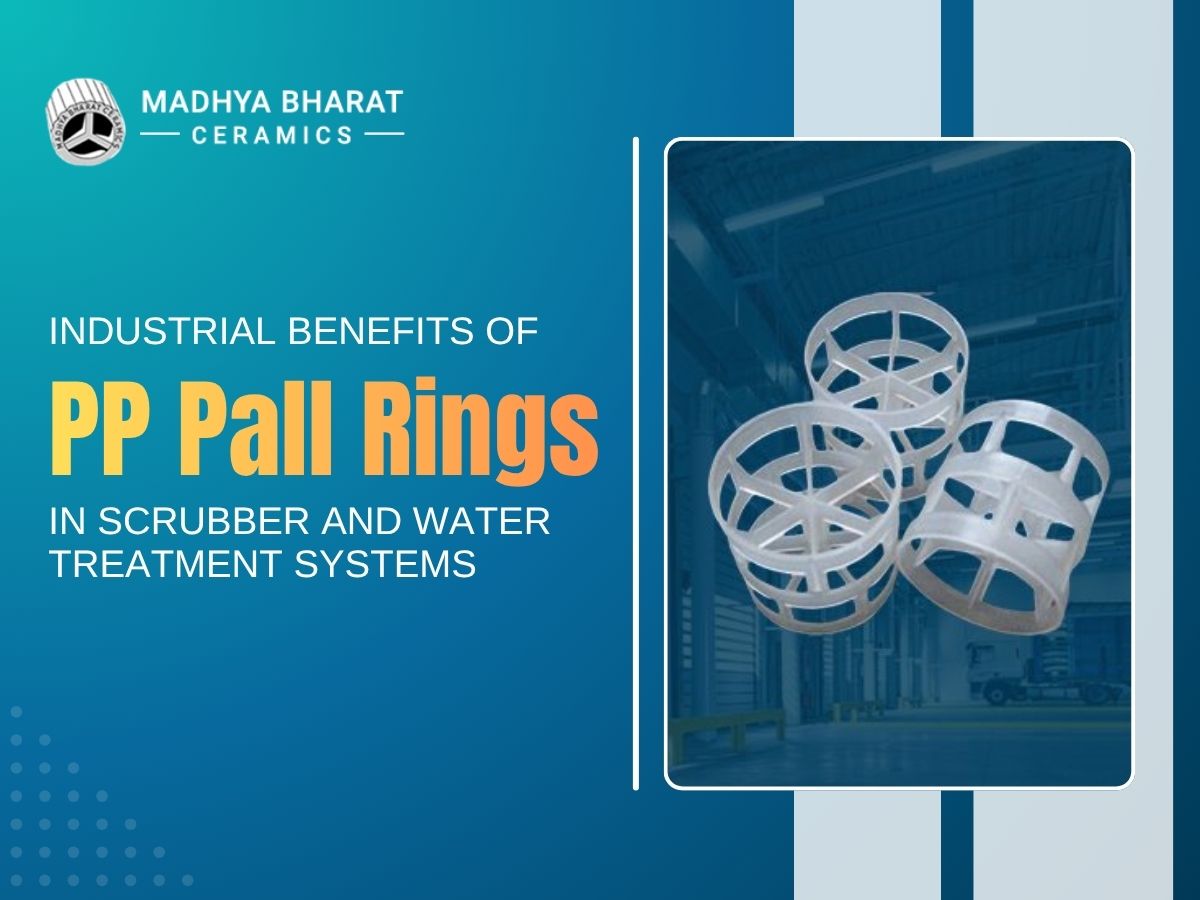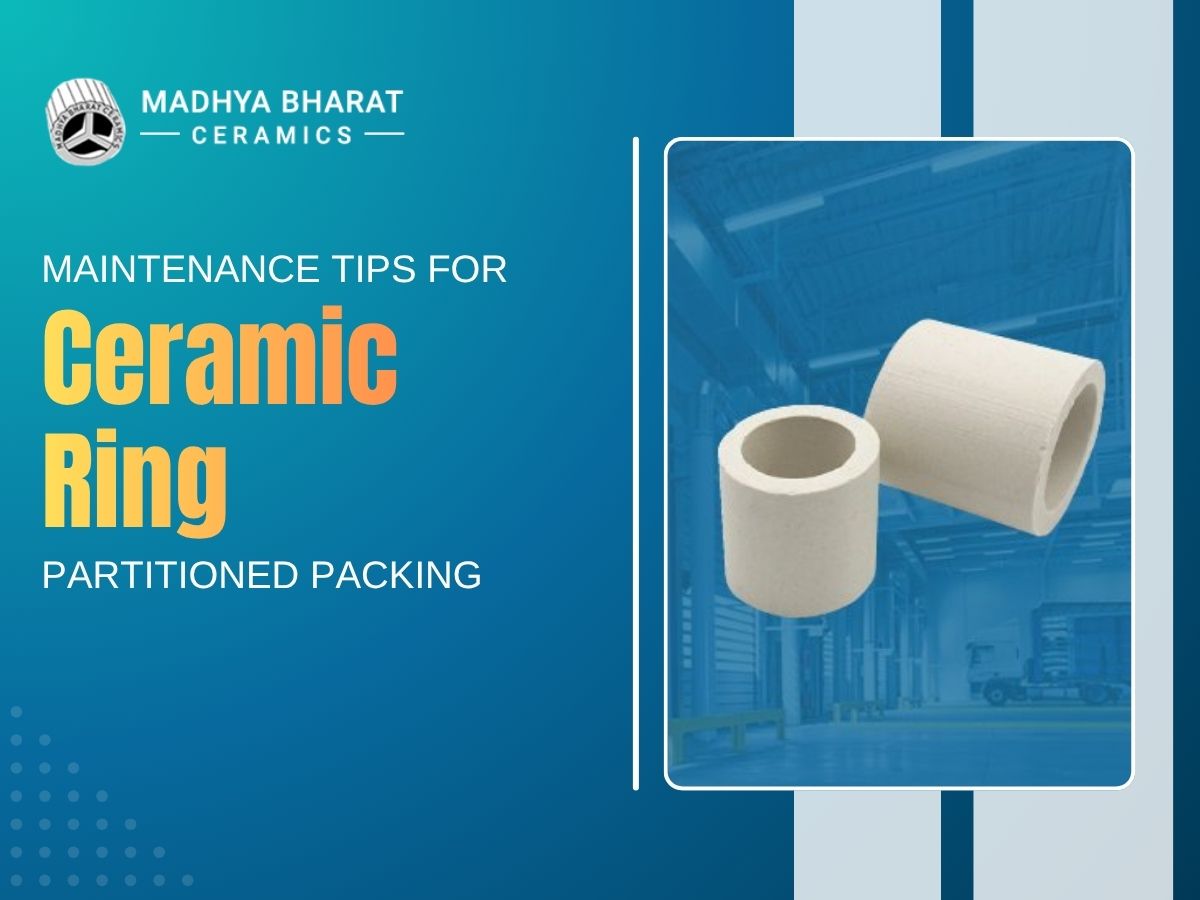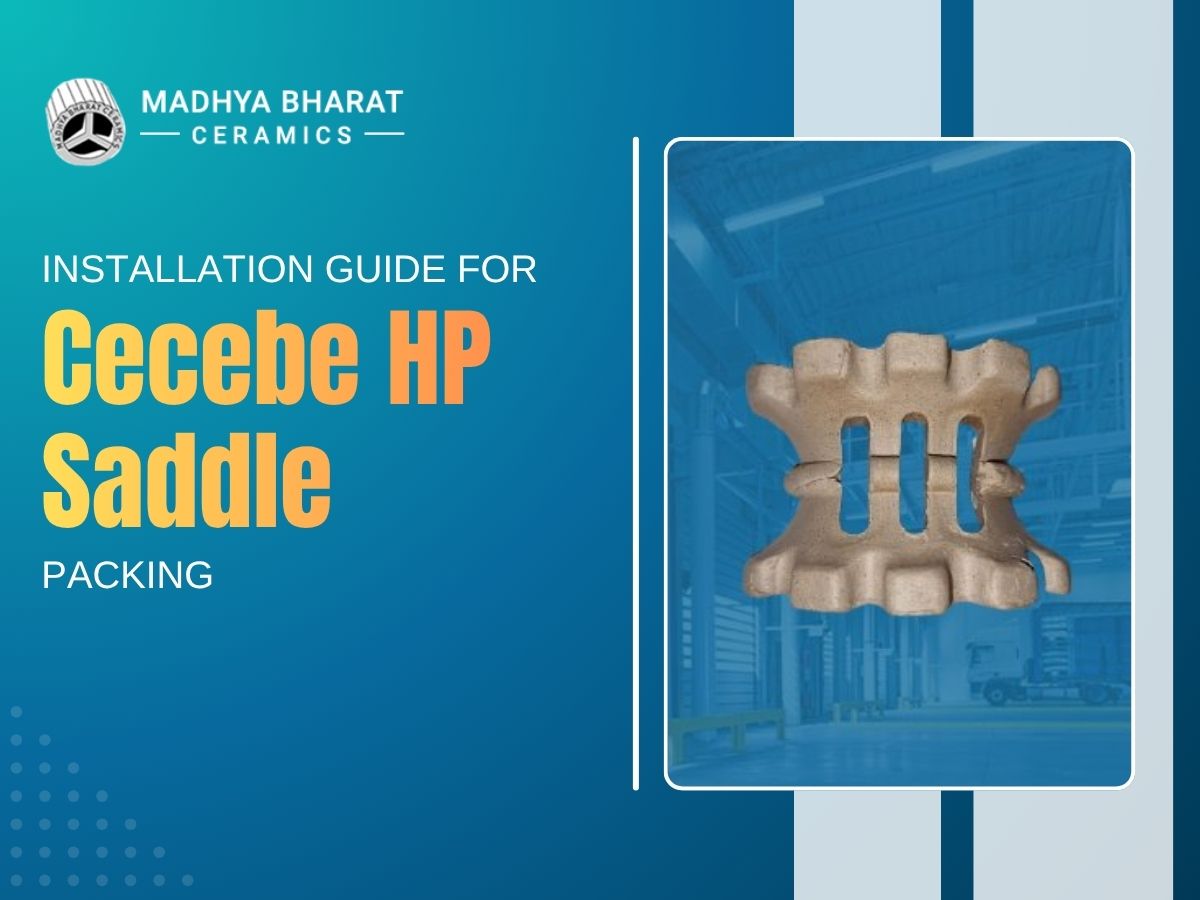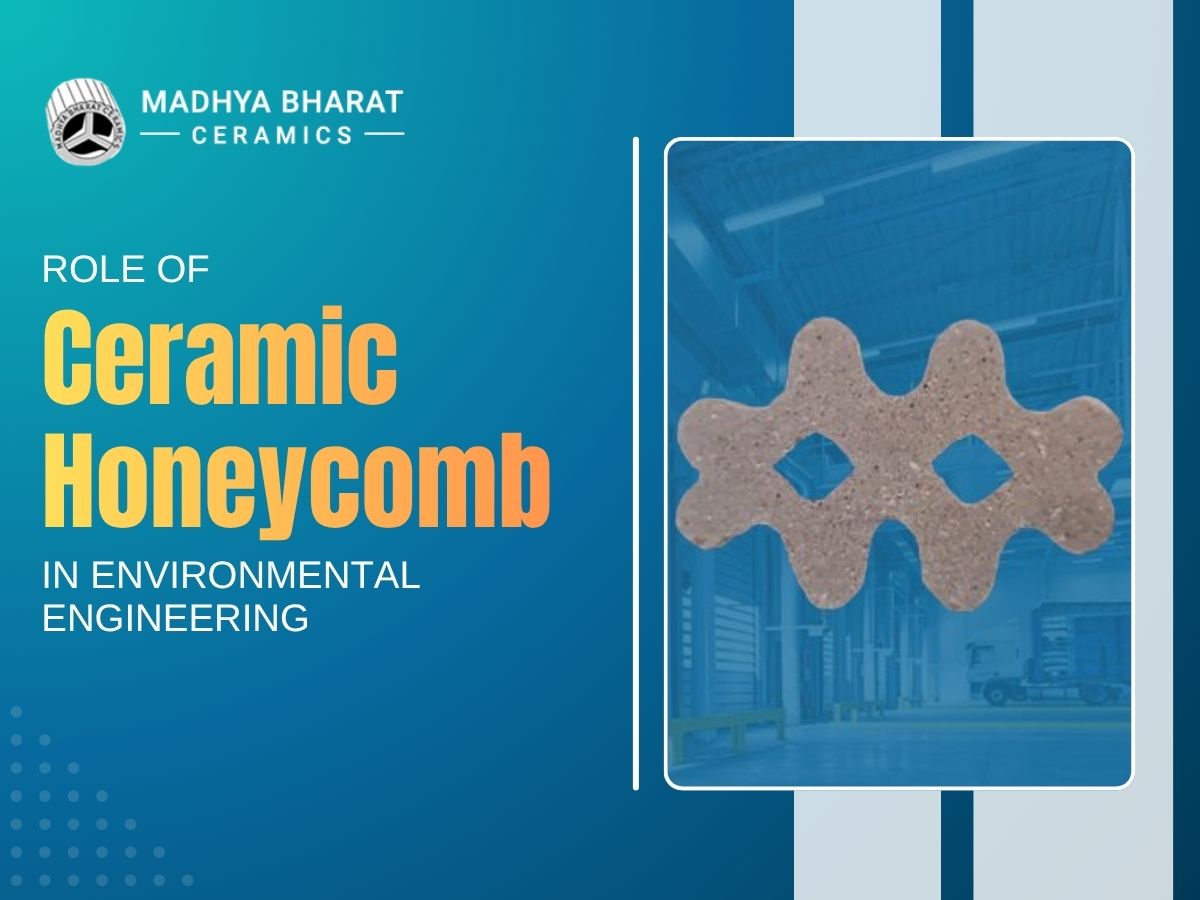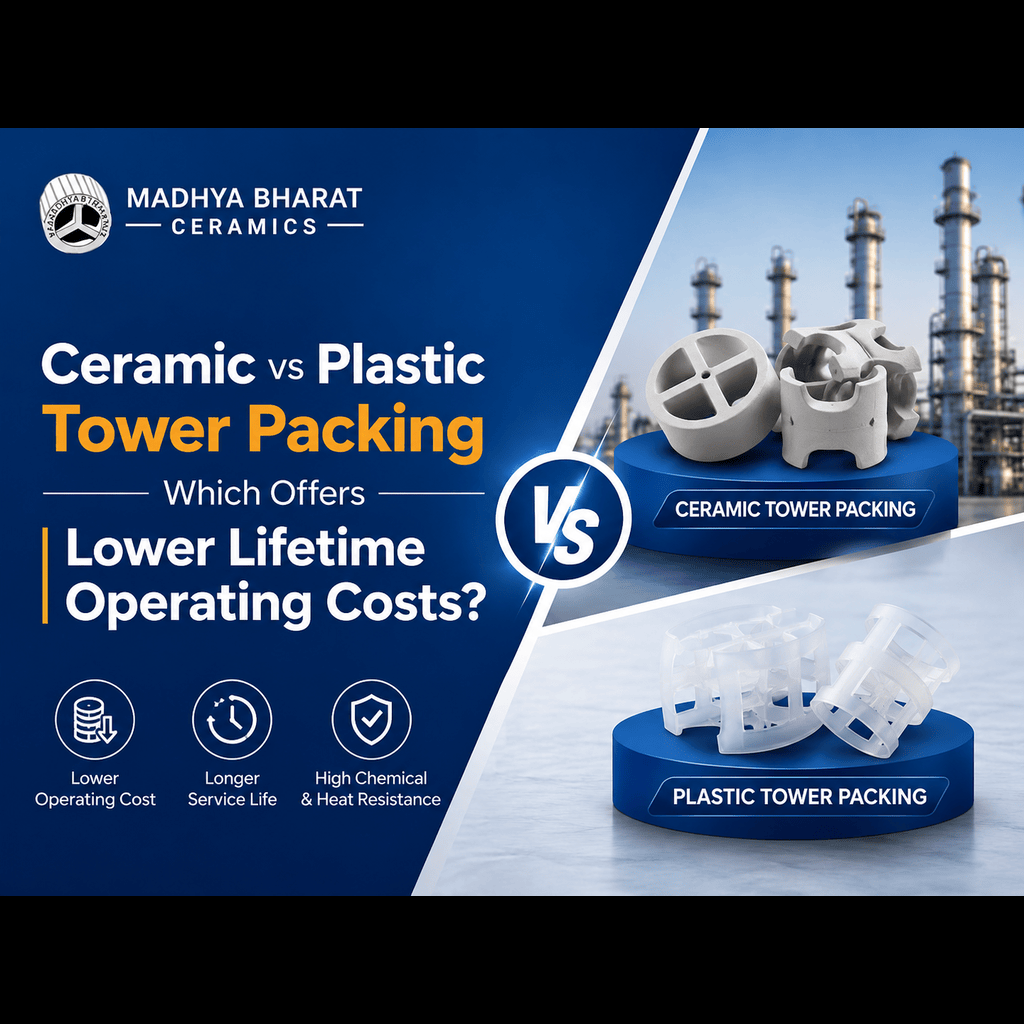
Plastic packing usually wins on paper. It costs less upfront, it is lighter to handle, and for a lot of buyers, that is where the comparison stops. But operating a tower is not a one-time purchase, it is a years-long commitment, and the cheaper option at the time of ordering is not always the cheaper option once you add up replacement costs, downtime, and efficiency losses over its actual service life.
At Madhya Bharat Ceramics, we get this comparison question often, especially from buyers weighing cost against durability for the first time. So here is an honest, numbers-first look at how ceramic and plastic packing actually compare once you look past the initial invoice.
Why Upfront Cost Is Not the Full Picture
It is easy to compare two packing options purely on price per kilogram, but that misses most of what actually drives long-term cost. A few things worth factoring in before you decide:
- How often each material needs to be replaced under your specific operating conditions
- How much production downtime a replacement cycle actually costs you
- Whether pressure drop and separation efficiency stay consistent over time or degrade
- How each material performs if your process runs hotter or more corrosive than expected
Plastic packing often looks attractive at the ordering stage and gets expensive later, once these factors start adding up.
How Ceramic Packing Material Handles Heat and Chemicals
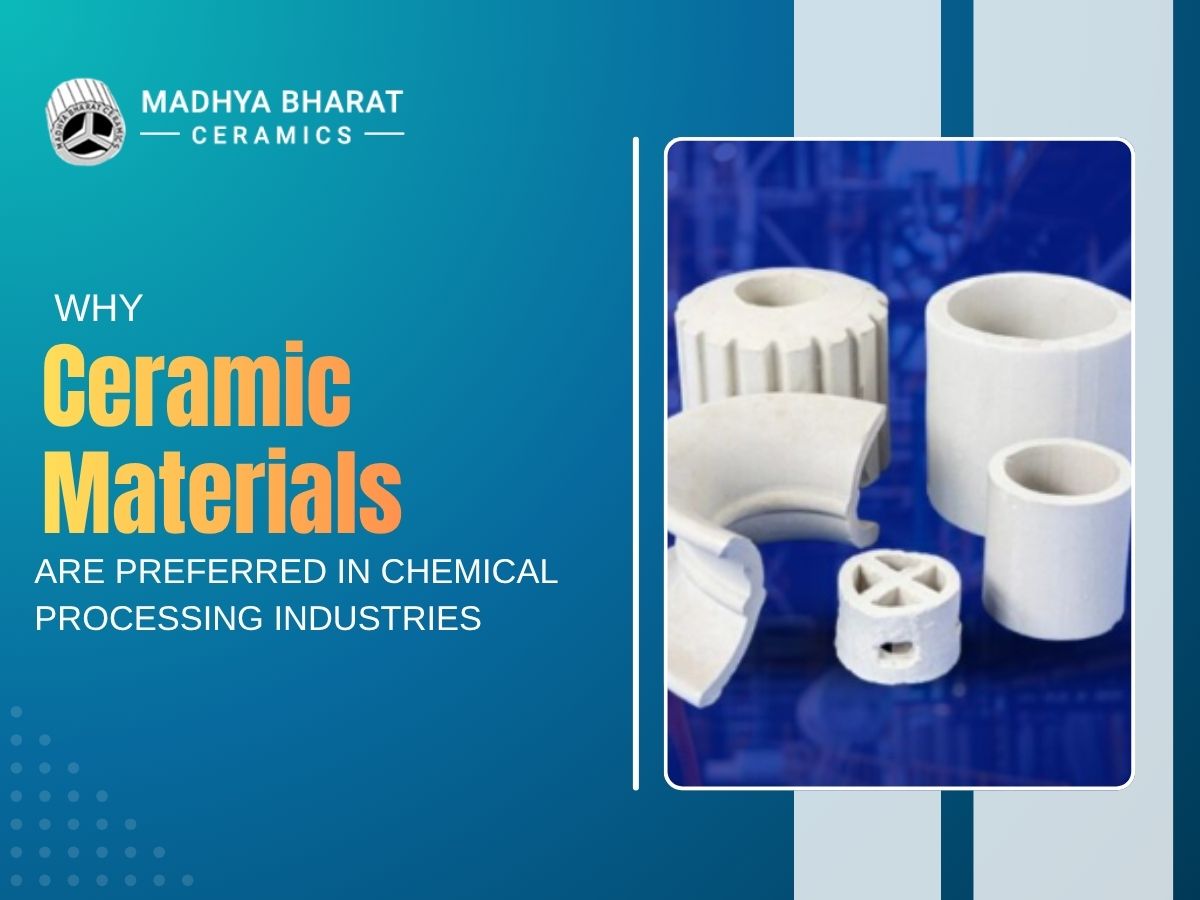
This is where the real difference between the two options shows up. Ceramic packing material is built to handle continuous exposure to heat and aggressive chemicals without breaking down, while plastic packing tends to degrade faster under the same conditions.
- Plastic packing can soften, warp, or lose structural integrity at higher operating temperatures
- UV exposure and prolonged chemical contact gradually weaken plastic packing over time
- Ceramic material resists almost all acids except hydrofluoric acid, making it a safer long-term choice for corrosive processes
- Ceramic packing retains its shape and performance even after years of continuous operation
If you want a deeper technical comparison between these material types, explore how ceramic and non-ceramic materials perform under different industrial conditions and where each option delivers the greatest long-term value.
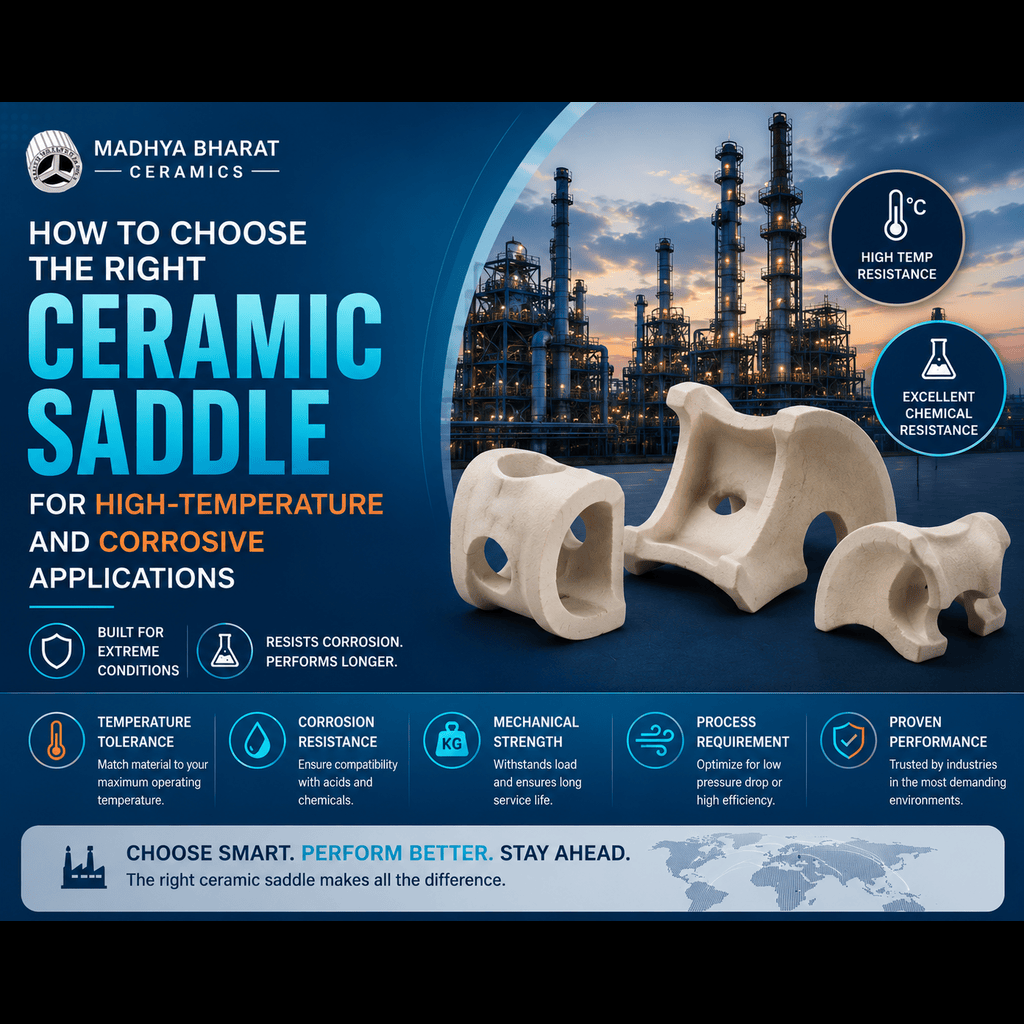
Ceramic Saddle Packing and Why Service Life Matters
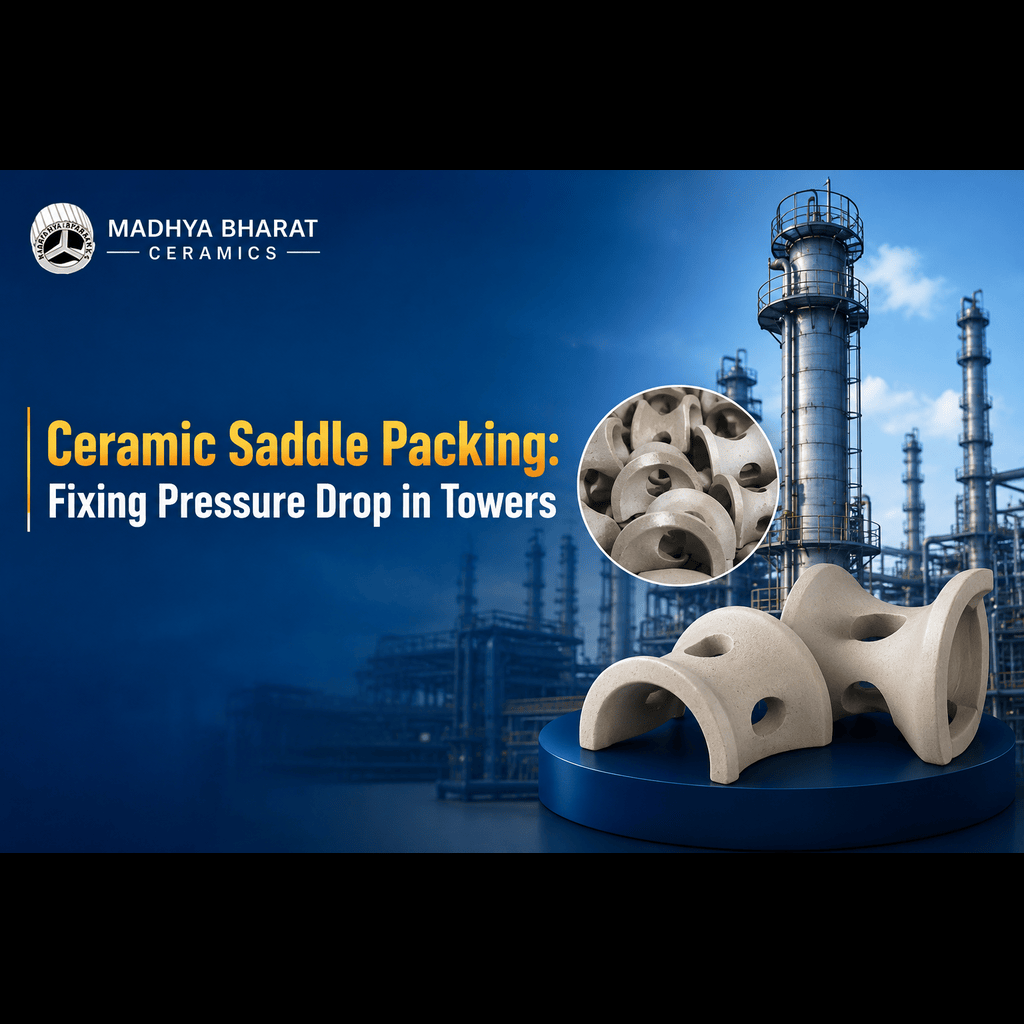
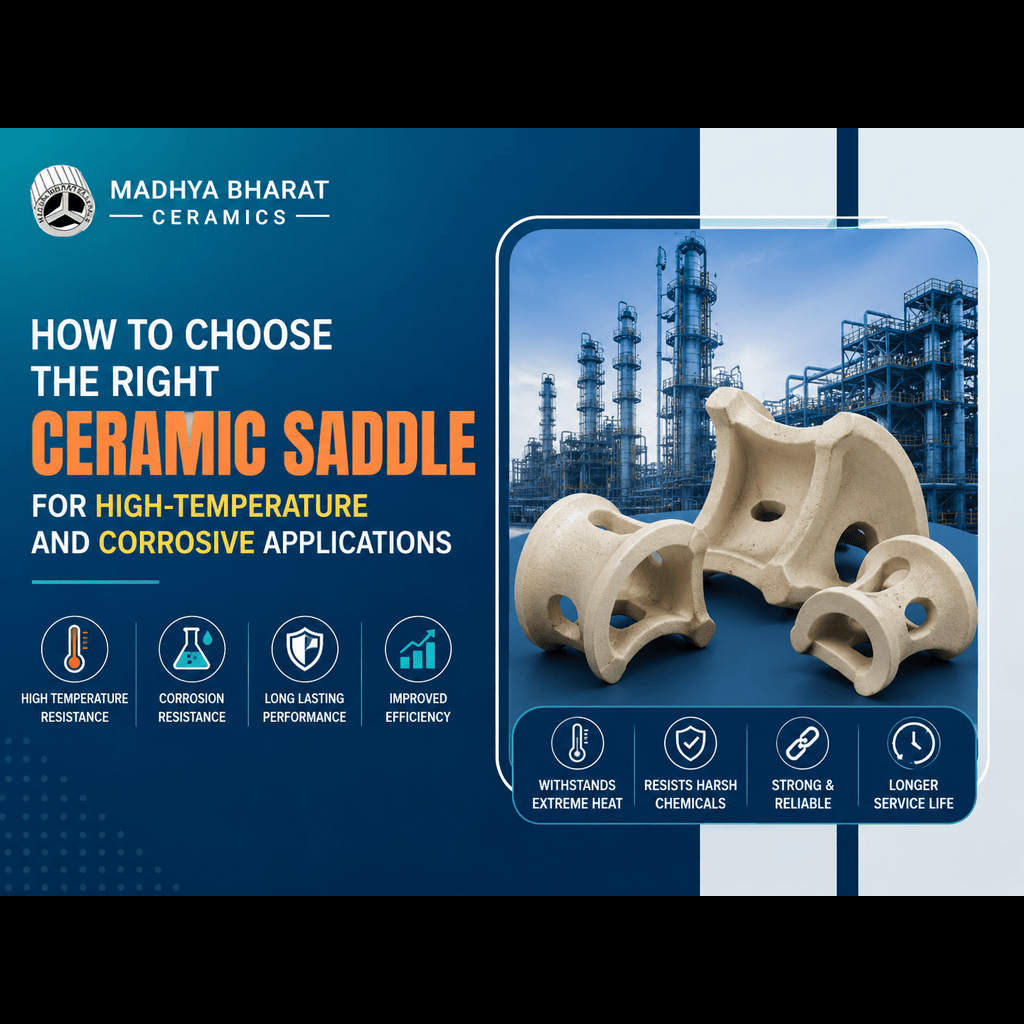
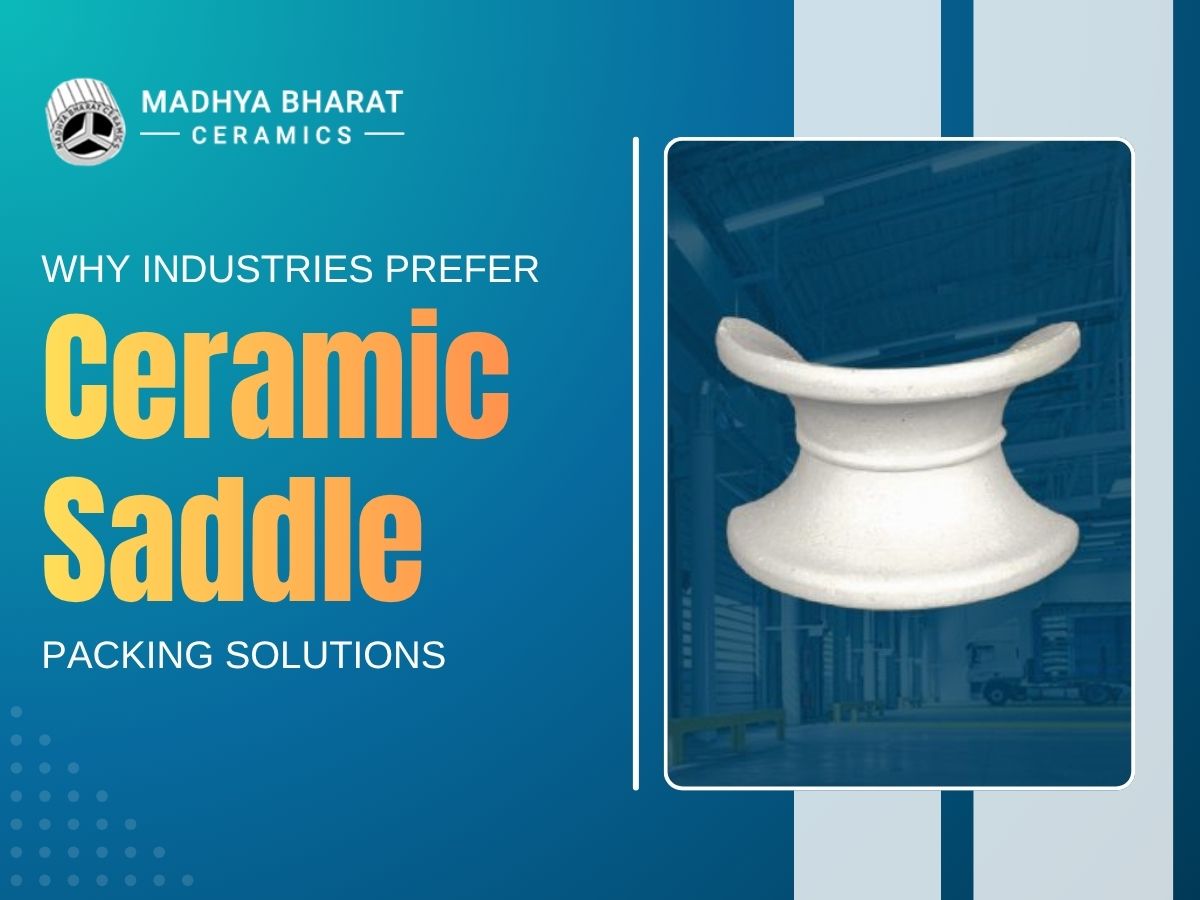
Ceramic saddle packing is one of the clearest examples of where the cost equation shifts in ceramic’s favour. Saddles made from properly fired porcelain can last several years in continuous service, even in demanding acid towers, without the frequent replacement cycles plastic saddles often need.
- Fewer replacement cycles mean less planned and unplanned downtime
- Consistent shape retention keeps pressure drop predictable over the packing’s full service life
- Lower long-term maintenance needs offset the higher initial material cost
- Reduced replacement frequency also means less waste generated over time
Our own ceramic saddles are manufactured to hold up under exactly these conditions, which is usually the deciding factor for buyers running continuous or high-temperature processes.
Where Ceramic Intalox Saddles Add Extra Value
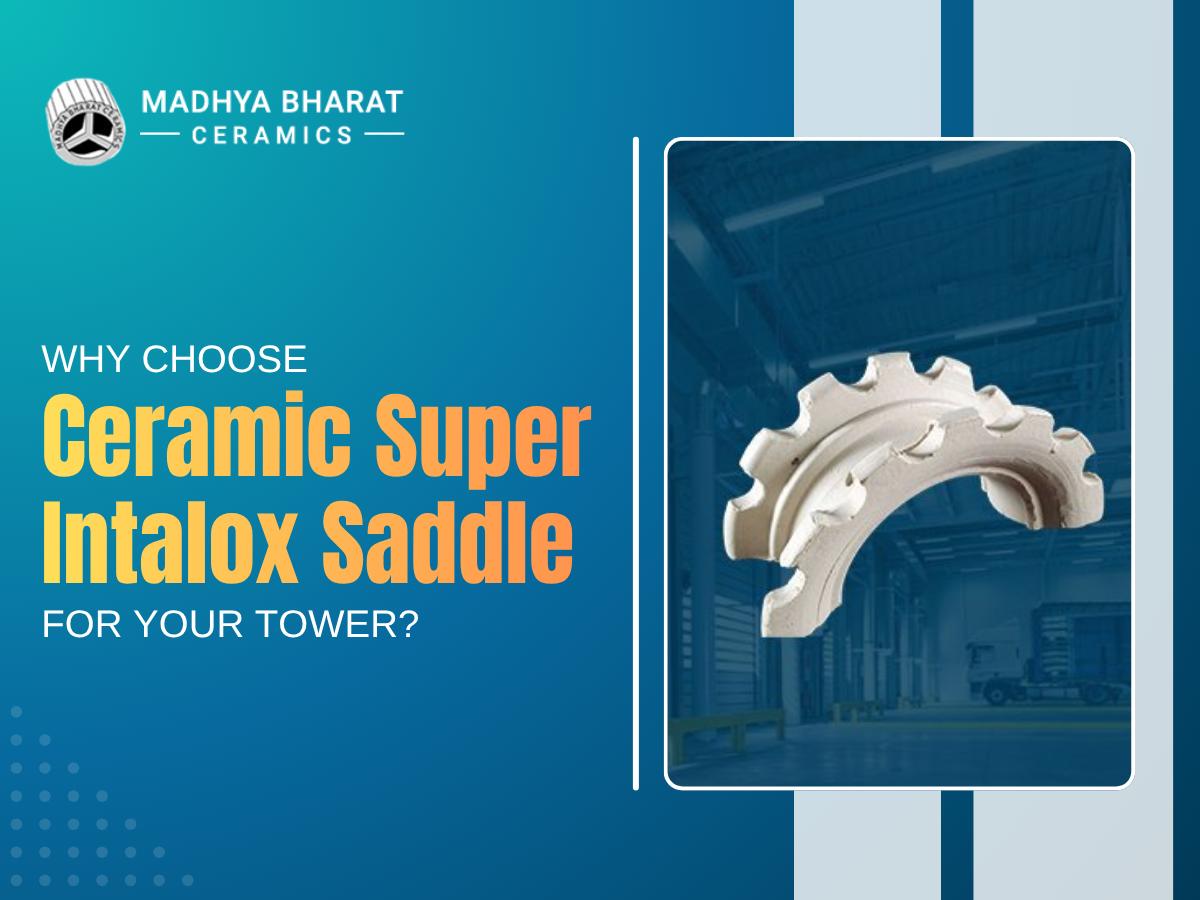
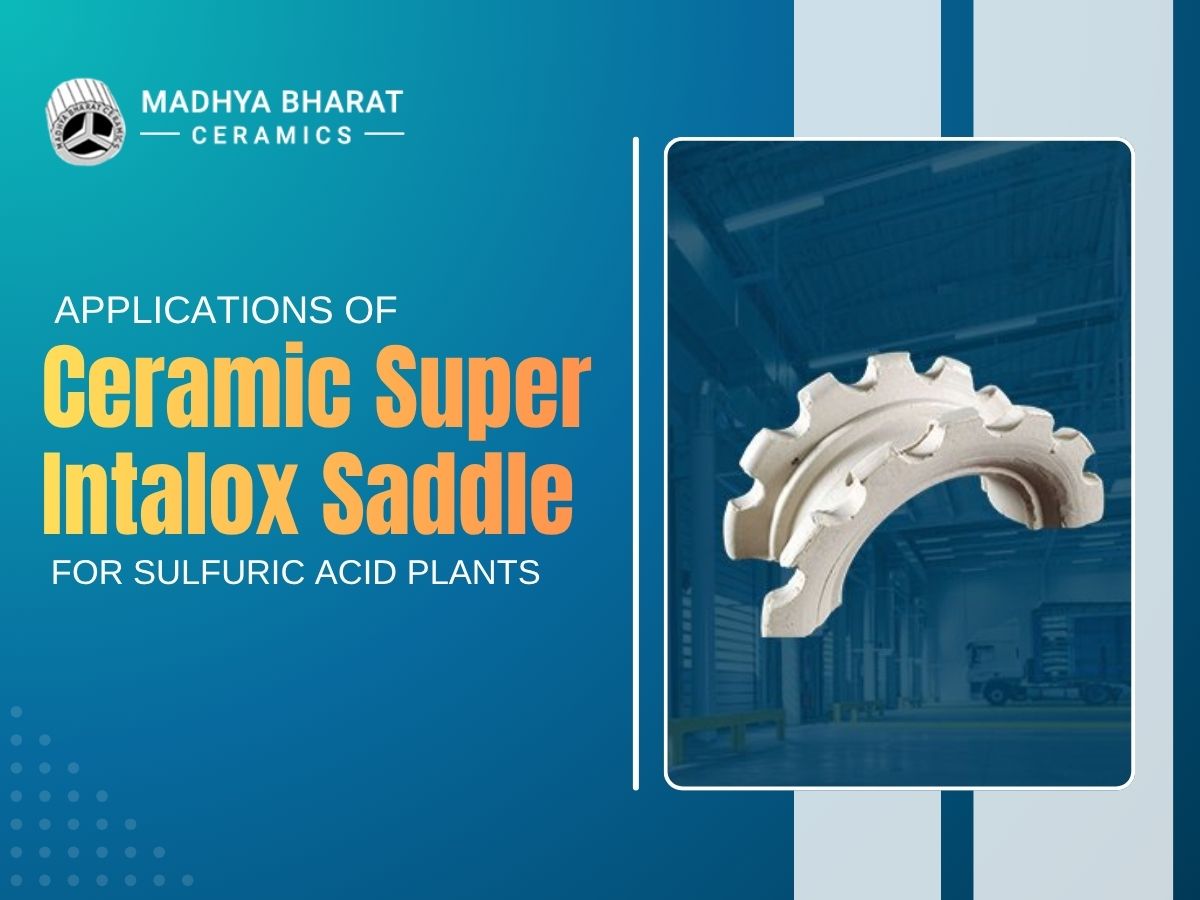
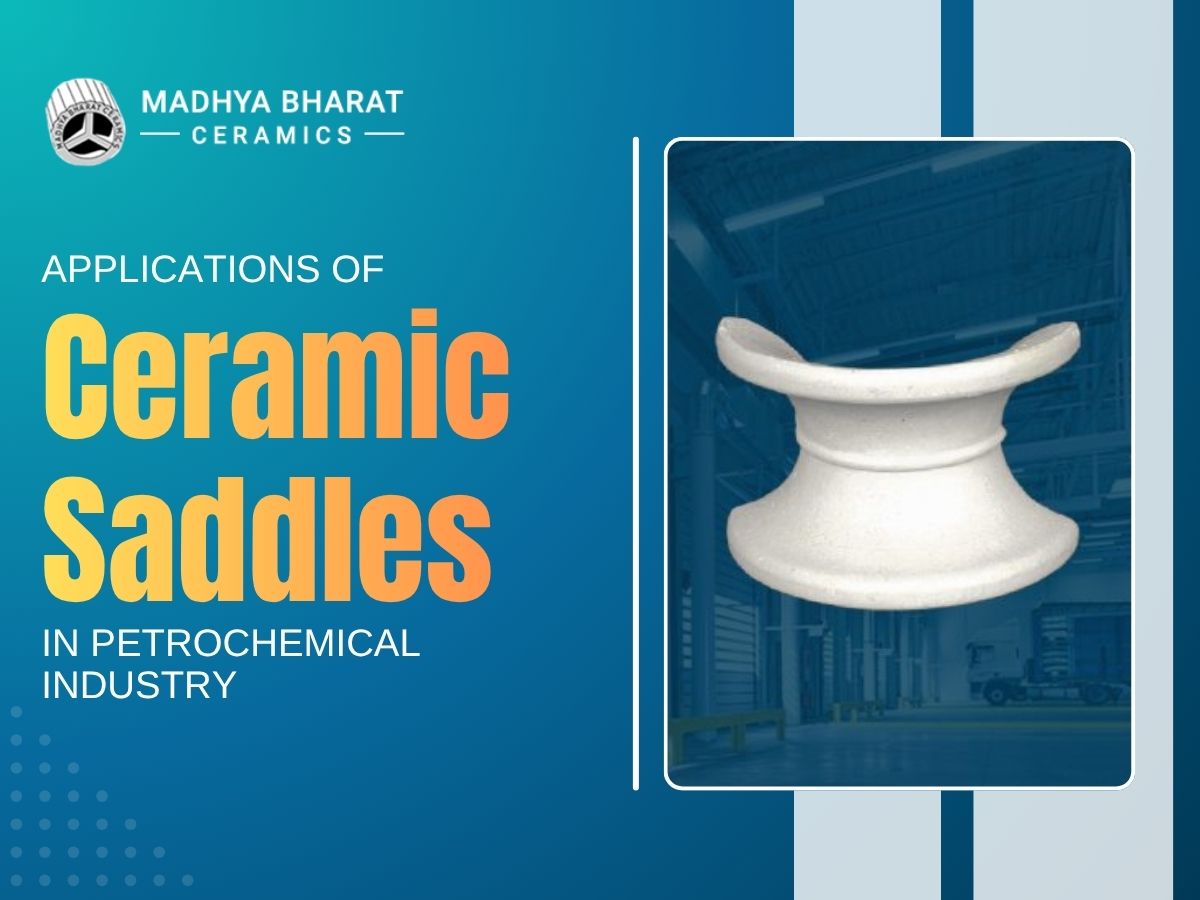
For towers dealing with higher mass transfer demands, ceramic intalox saddles offer an added efficiency advantage on top of the durability benefits already covered. Their shape improves interspace and flow distribution, which means better separation performance without needing a larger column.
- Better flow distribution reduces the energy needed to maintain separation efficiency
- Lower pressure drop compared to older saddle designs can reduce operating costs over time
- These saddles perform reliably across both high and low temperature ranges
- They are commonly used in sulfuric acid drying towers, where plastic alternatives simply cannot survive long-term
You can read more about how these saddles perform in demanding distillation setups in our earlier post on ceramic super intalox saddles.
Where Plastic Packing Still Makes Sense
To be fair, plastic packing is not always the wrong choice. It has its place, particularly where:
- Operating temperatures stay consistently low
- The process involves mild, non-corrosive fluids
- Weight is a major constraint, such as in retrofit projects with load limitations
- Budget constraints require a lower upfront investment, even if it means more frequent replacement later
The key is knowing which category your process actually falls into before assuming plastic is the more economical option.
A Simple Cost Comparison Over Time
| Factor | Plastic Packing | Ceramic Packing |
| Upfront cost | Lower | Higher |
| Typical service life | Shorter, especially under heat or chemical stress | Several years, even in demanding conditions |
| Performance in high-temperature processes | Poor | Strong |
| Chemical resistance | Limited | Broad, except hydrofluoric acid |
| Long-term replacement cost | Higher due to frequent cycles | Lower due to durability |
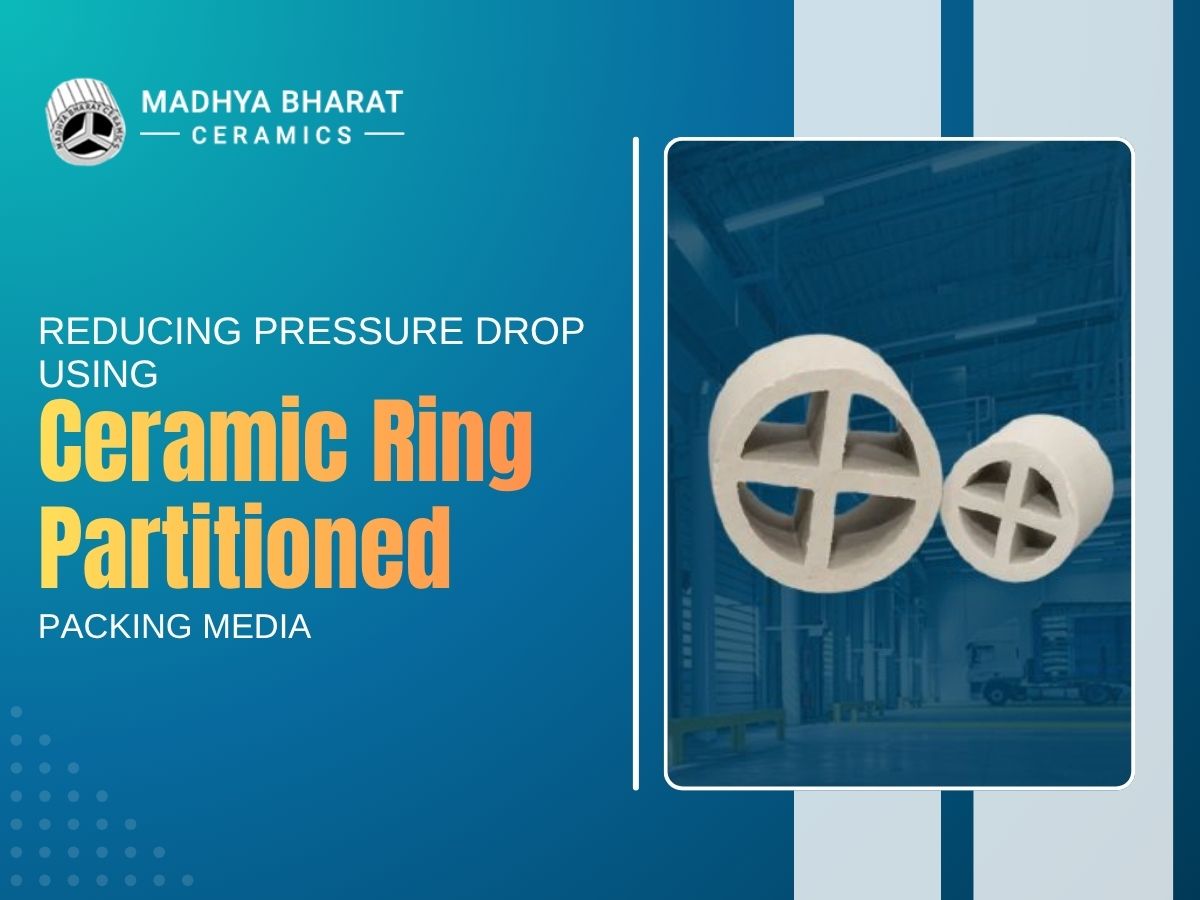
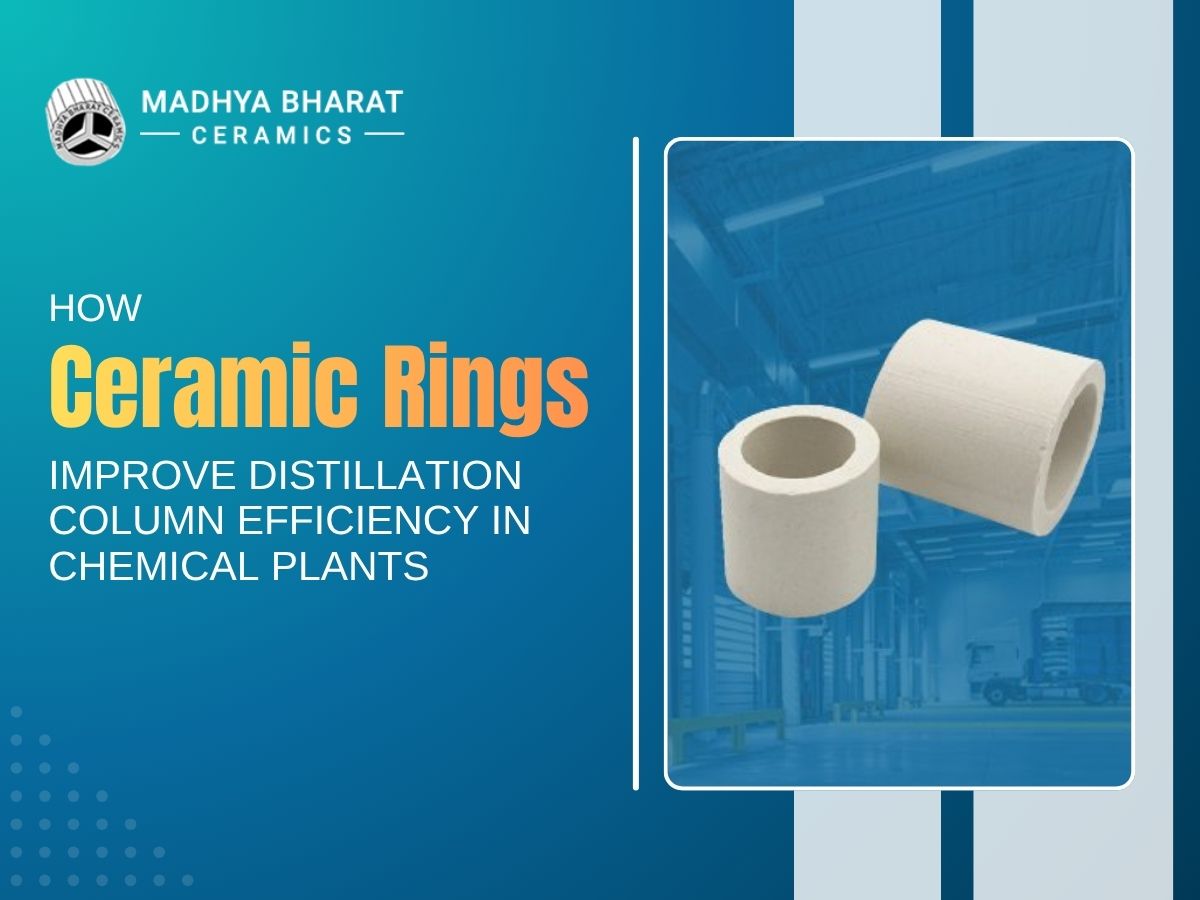
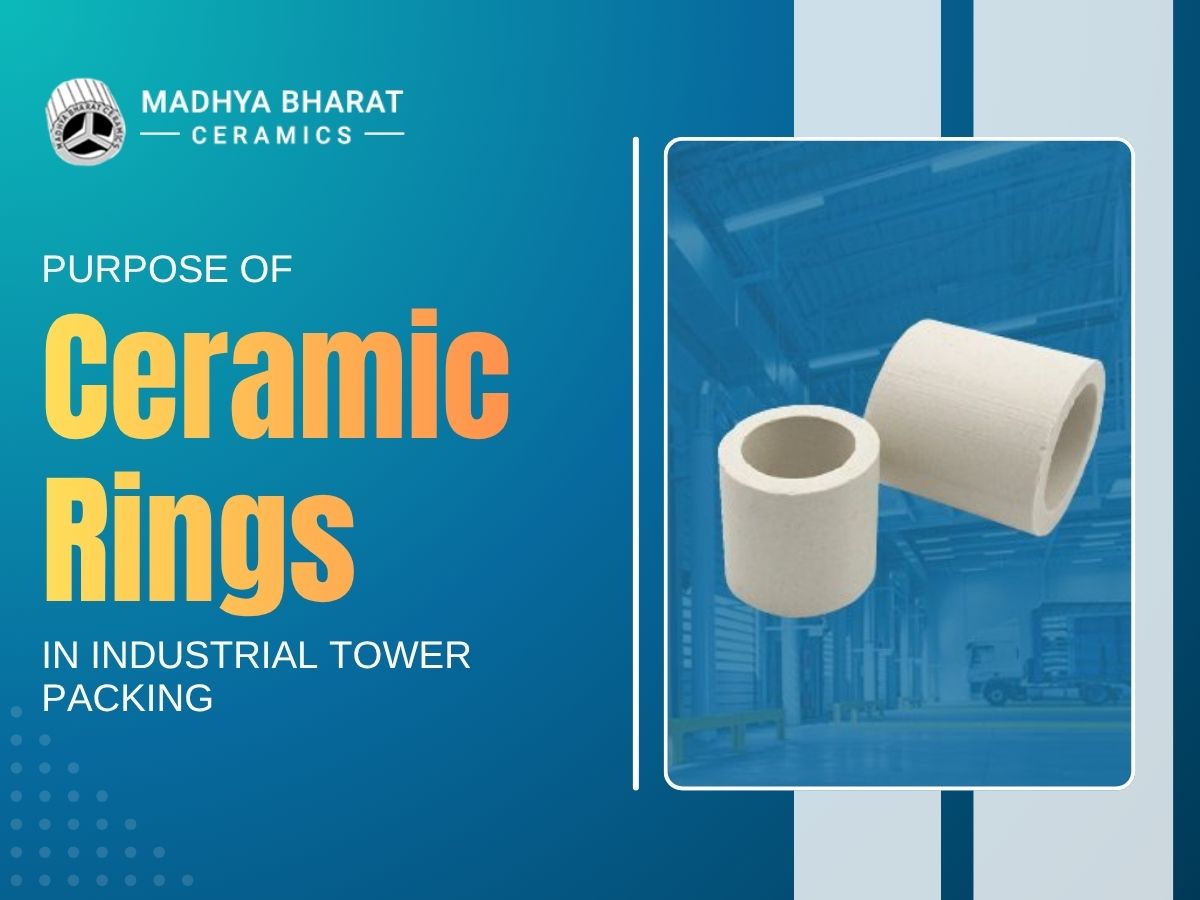
Manufacturers producing ceramic random packing media have documented how this durability translates directly into a lower total cost of ownership over a tower’s operating life, even though the starting price is higher.
Choosing the Right Tower Packing Manufacturer
Whichever material you choose, the manufacturer behind it matters just as much as the material itself. A reliable Tower Packing Manufacturer should be able to share test data, explain how their production process controls quality, and help you calculate the real cost difference based on your specific operating conditions, not just quote a price per unit.
Frequently Asked Questions
1. Is ceramic packing always more expensive than plastic packing?
The upfront cost is usually higher, but ceramic packing often works out cheaper over the tower’s full operating life due to fewer replacements.
2. Can plastic packing handle high-temperature processes?
Generally no. Plastic tends to soften or degrade at higher temperatures, making ceramic the safer choice for hot or continuous operations.
3. How long does ceramic saddle packing typically last?
With proper care, ceramic saddles can last five to ten years or longer, depending on operating conditions and chemical exposure.
4. Does ceramic packing perform better in acidic environments?
Yes, ceramic material resists almost all acids except hydrofluoric acid, making it far more durable than plastic in corrosive processes.
5. Is switching from plastic to ceramic packing a complex process?
Not usually. Ceramic packing is often available in sizes that can retrofit existing towers without major design changes.
6. How do I calculate the real lifetime cost of tower packing?
Factor in replacement frequency, downtime costs, and efficiency losses over time, not just the upfront material price.
Ready to Compare the Real Cost of Your Tower Packing?
If you are weighing plastic against ceramic for your next order, it is worth running the numbers over your tower’s full operating life, not just the purchase price. Get in touch with our team and we will help you work out which option actually saves you more over time.