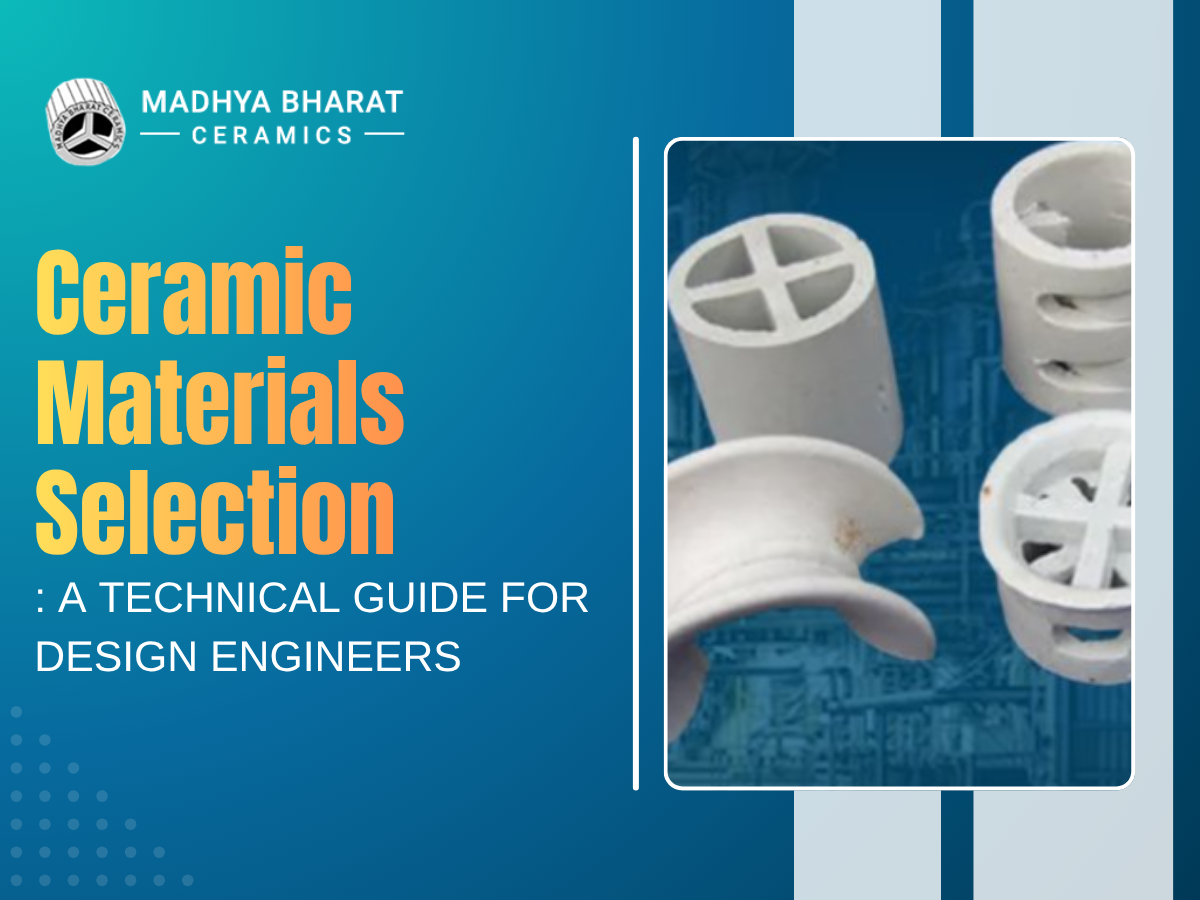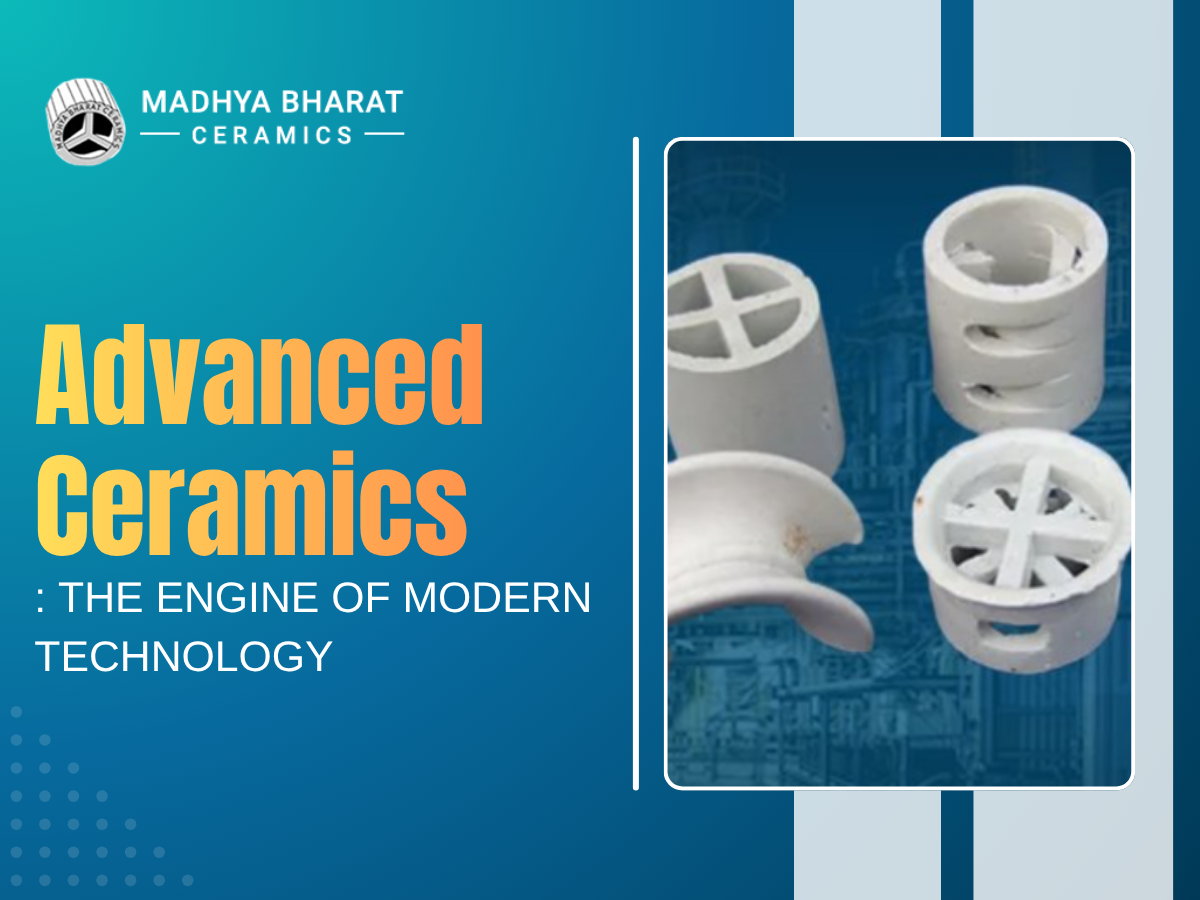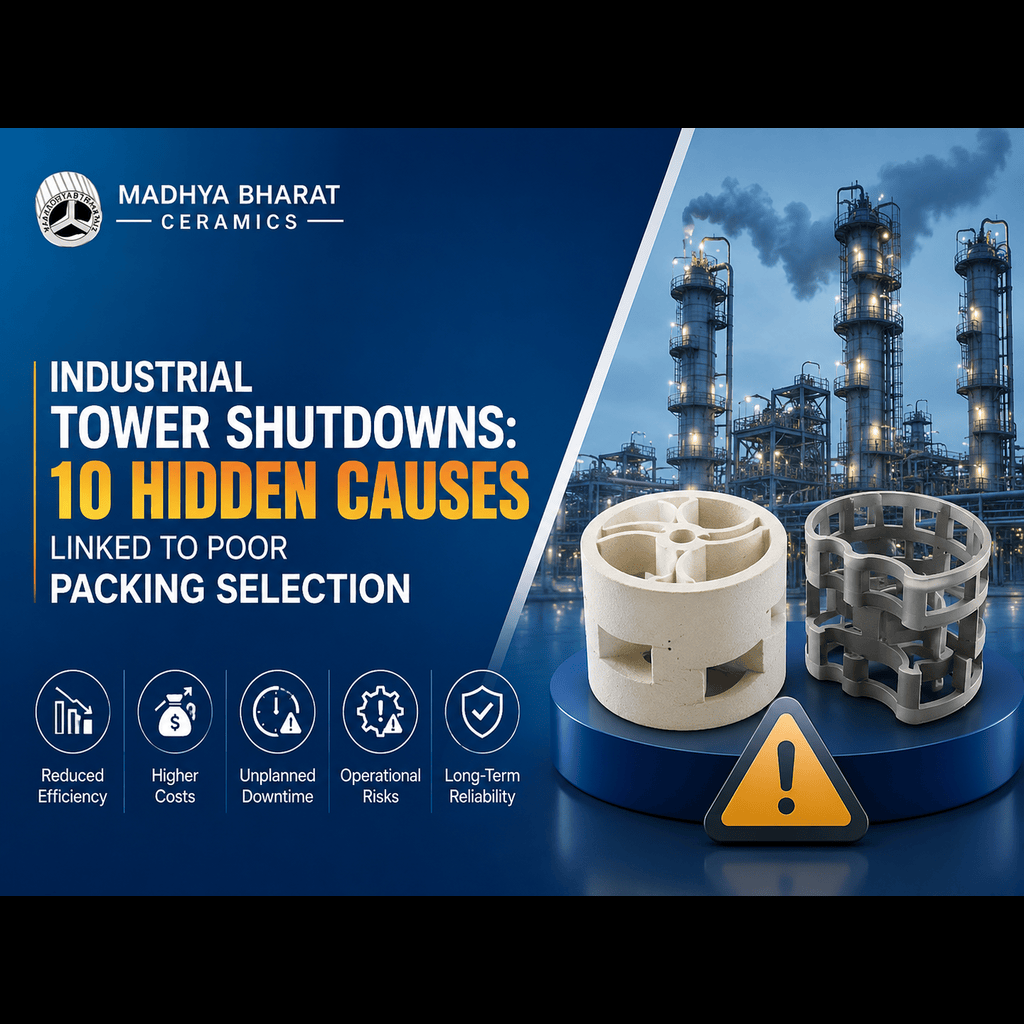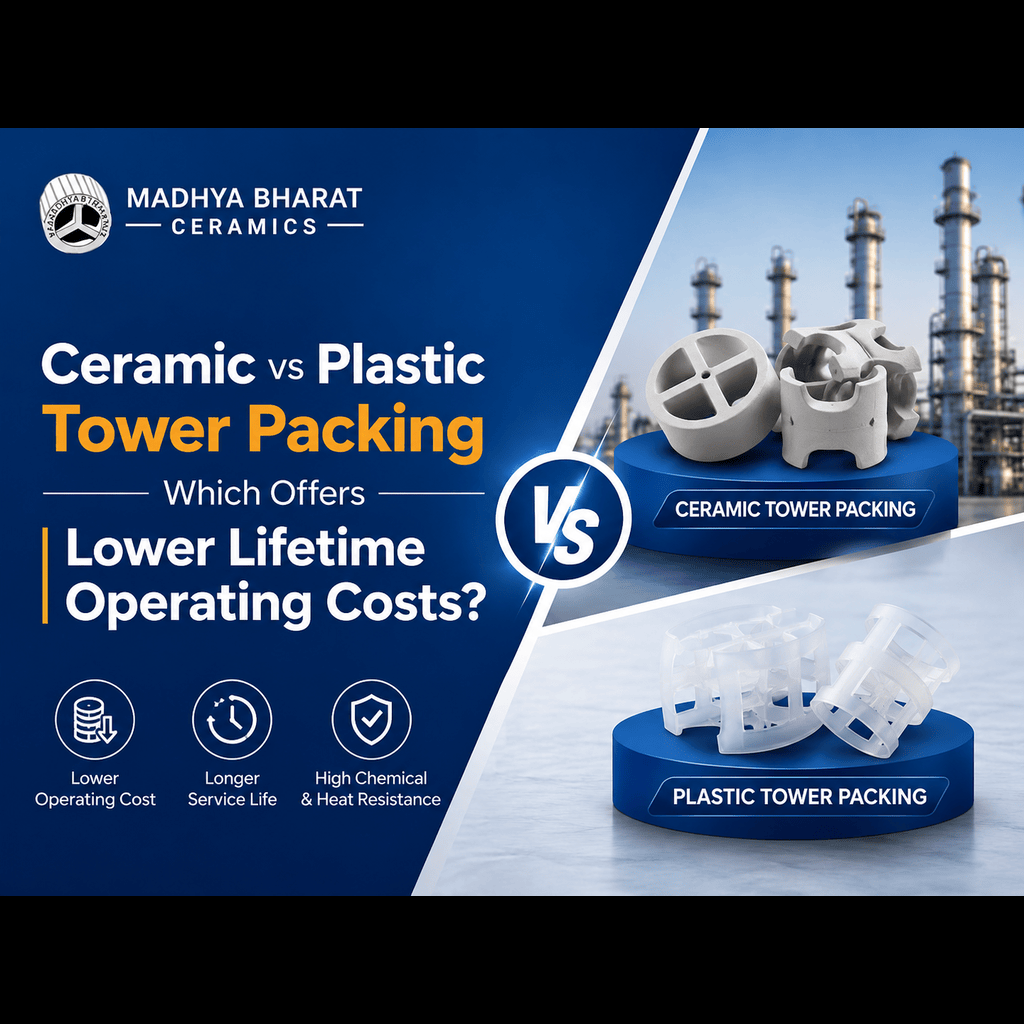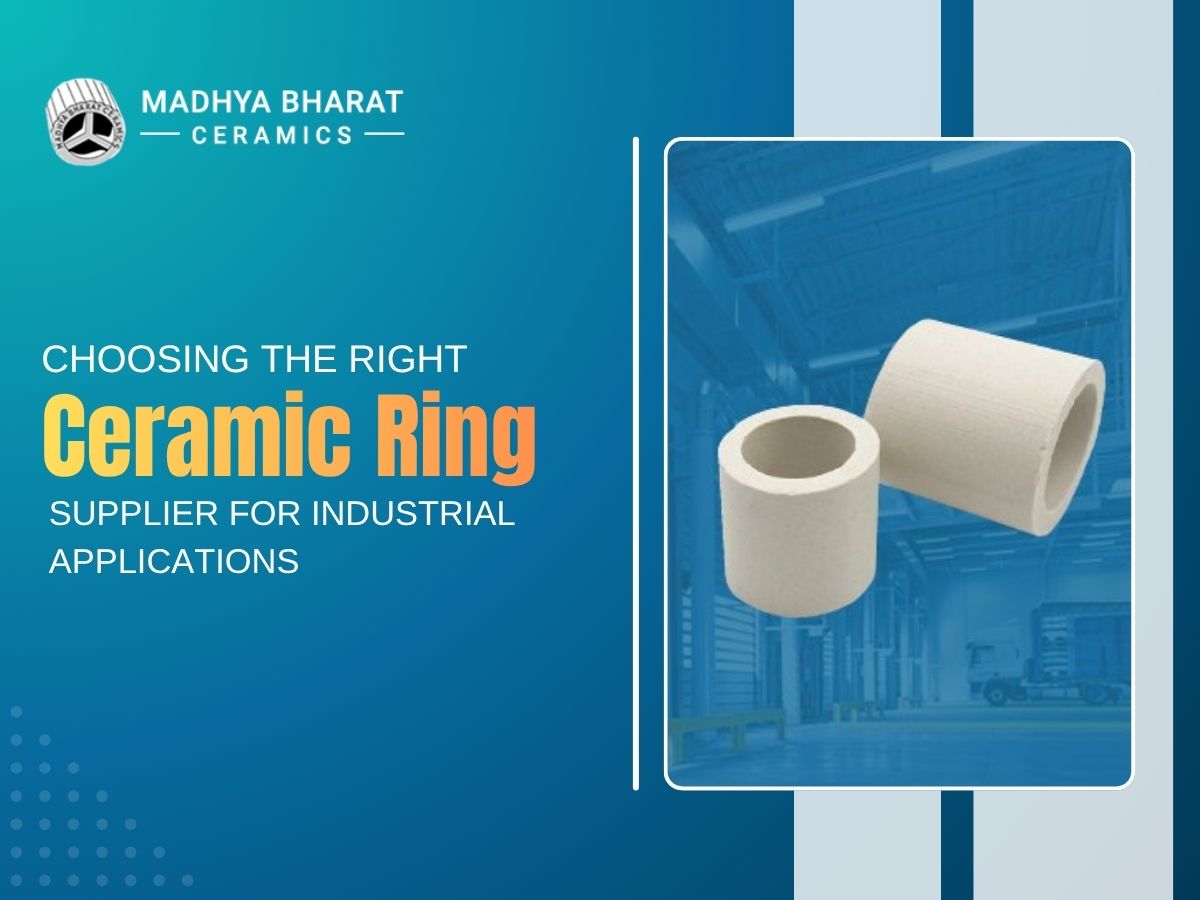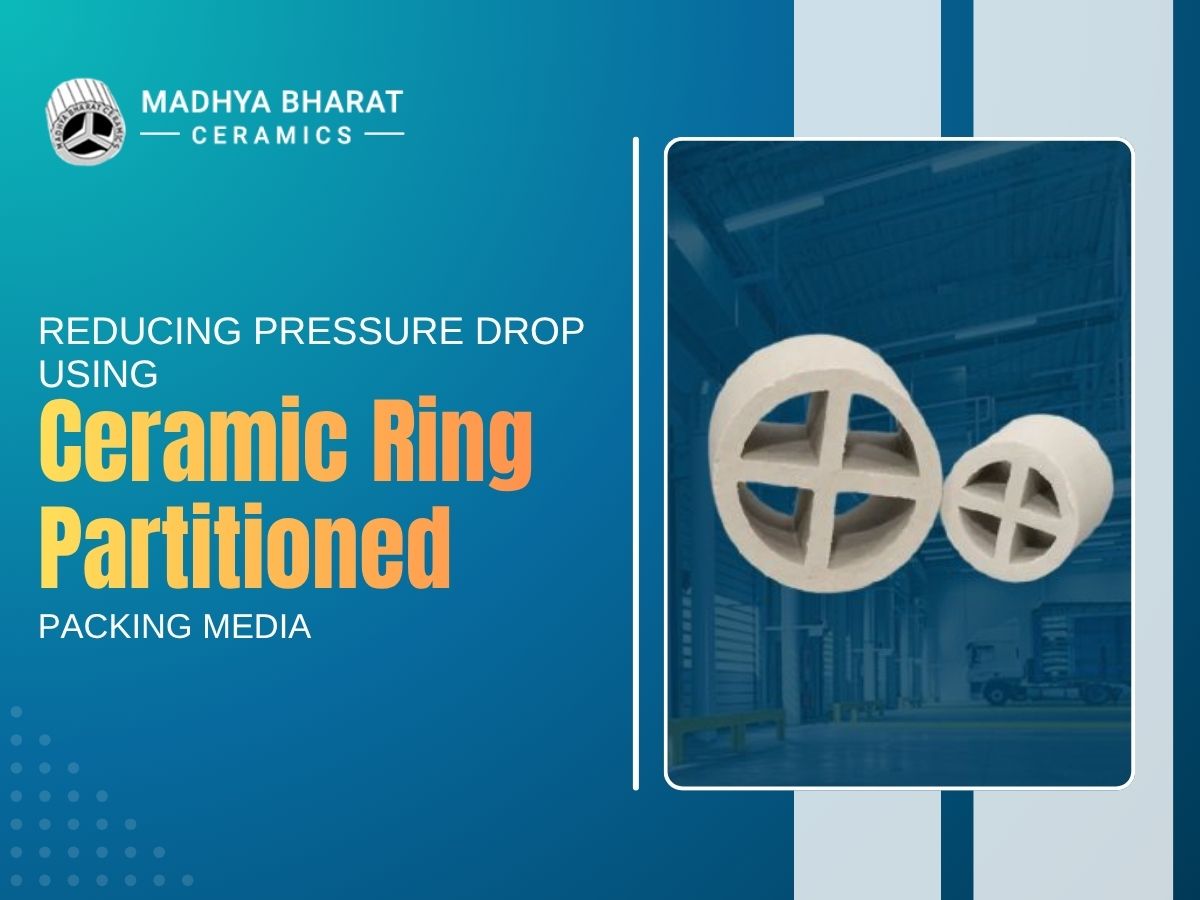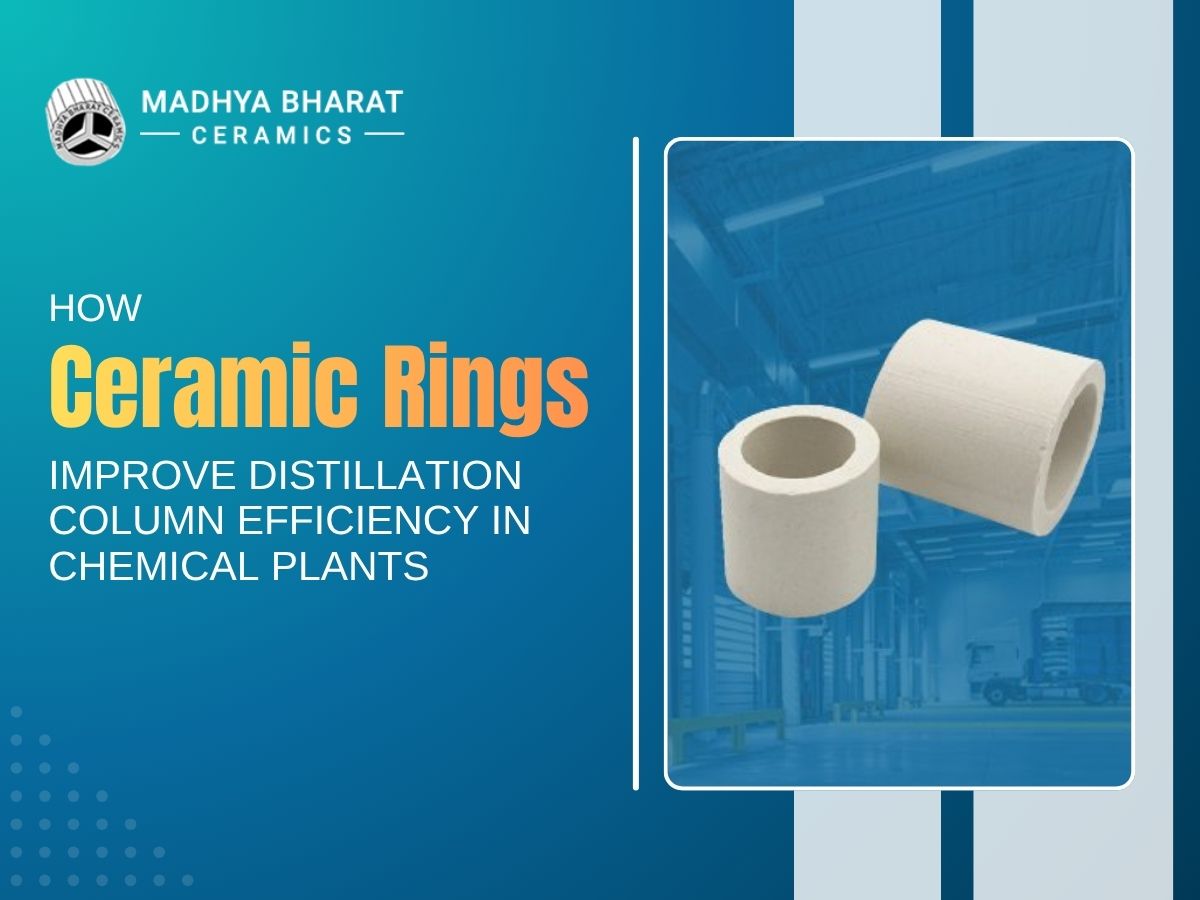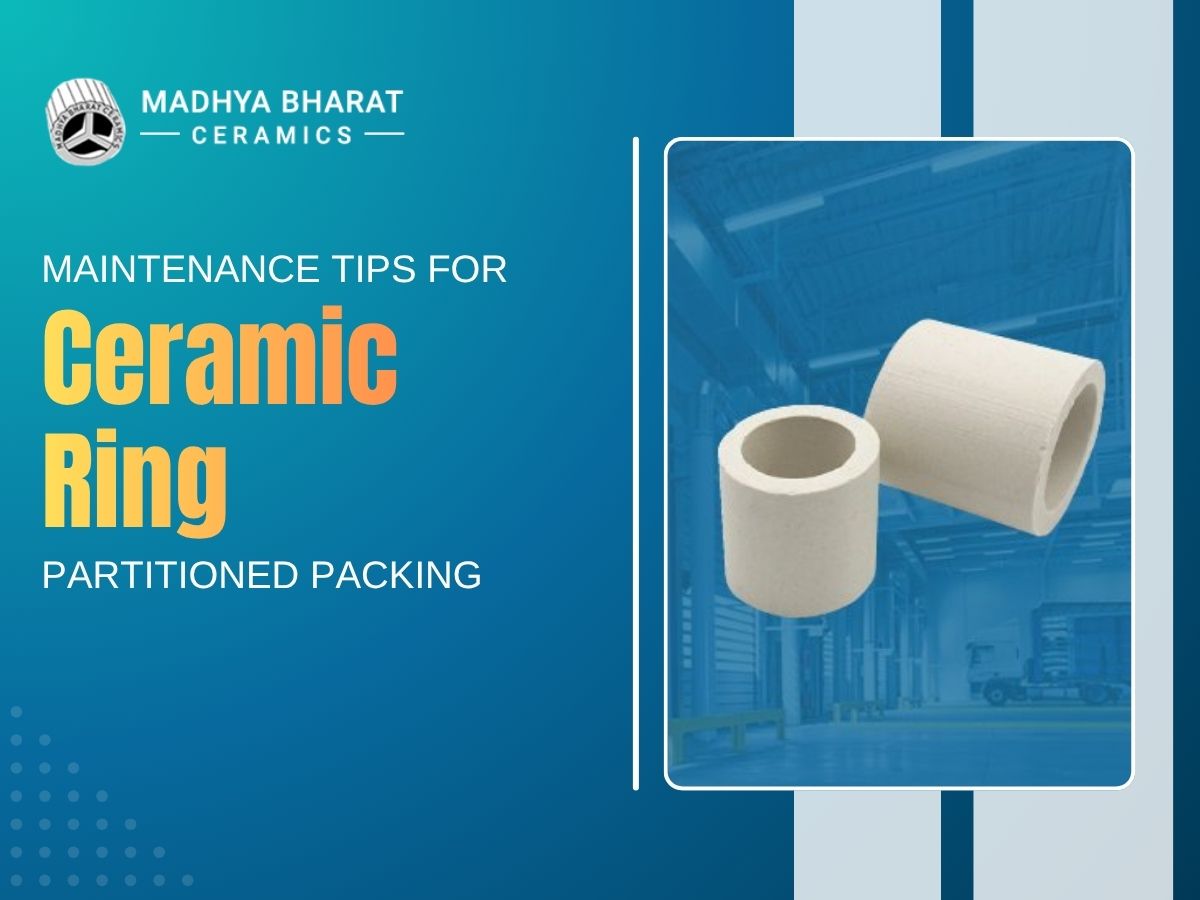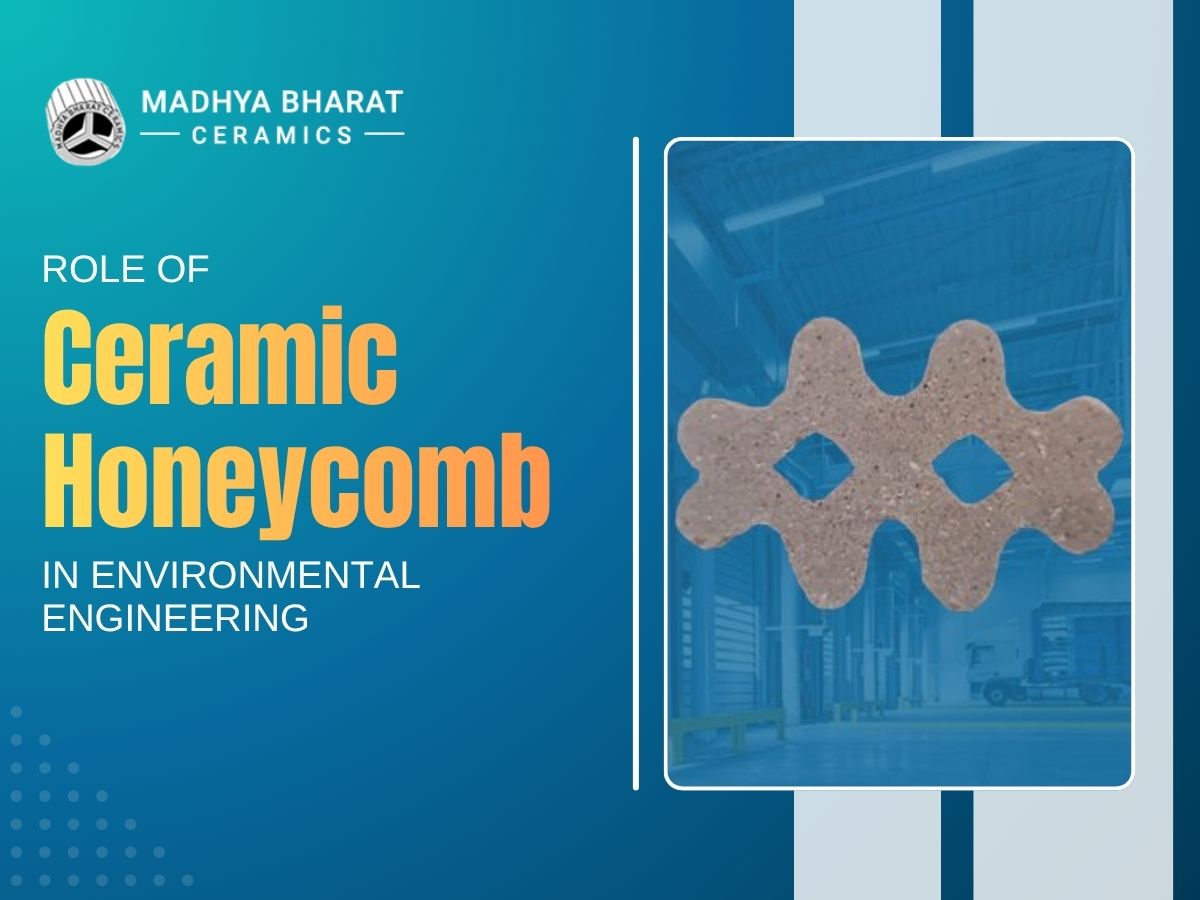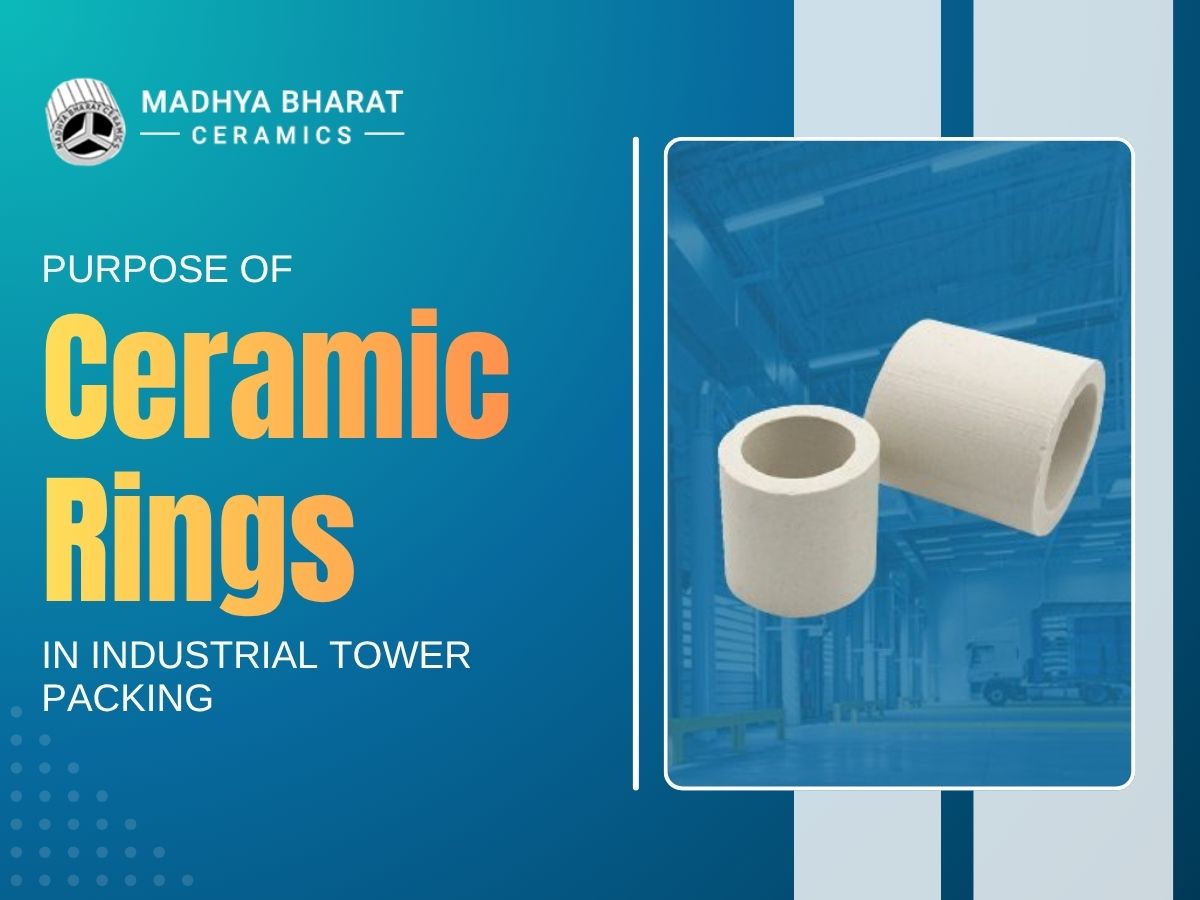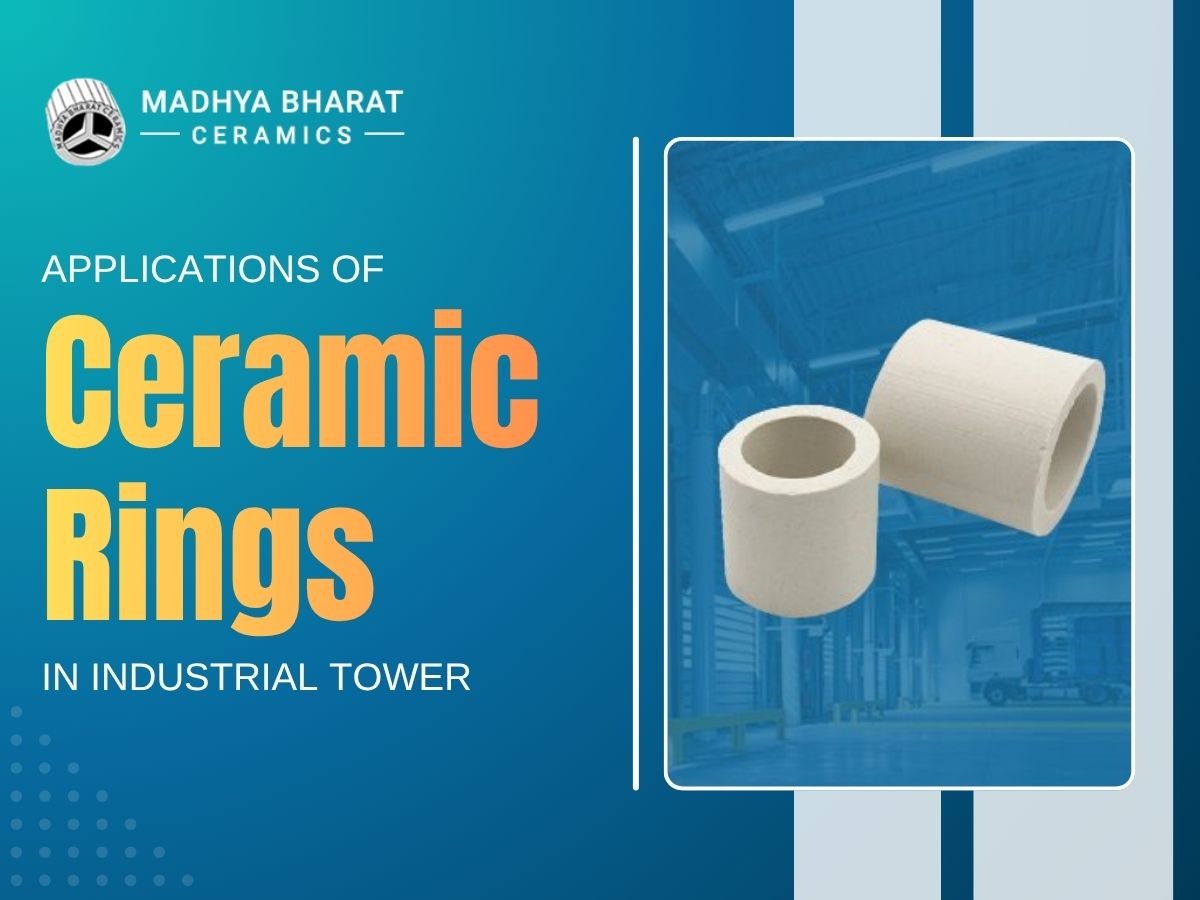
Ceramic rings are cylindrical or specially shaped pieces of inorganic material placed inside industrial towers and columns. They are produced by top ceramic ring manufacturers using materials like alumina, porcelain, and stoneware. Their primary function is to act as tower packing materials that improve contact between gases and liquids inside the tower.
Fact: According to research published in chemical engineering literature, well-chosen random packing media like ceramic rings can improve mass transfer efficiency by 25% to 40% compared to empty column operation. This improvement directly impacts separation quality, energy consumption, and overall process output.
Industrial towers are used in processes like distillation, gas absorption, liquid stripping, and cooling. Ceramic rings sit loosely inside these towers, creating a large surface area for gas and liquid to interact as they flow through the packed bed.
Ceramic ring applications in industries span across the chemical, petrochemical, pharmaceutical, fertilizer, and environmental sectors. Each of these industries depends on reliable chemical processing equipment to maintain product quality and process safety.
Why Ceramic Rings Are the Preferred Tower Packing Material
The choice of packing material has a direct effect on how well an industrial tower performs. Ceramic rings for chemical towers have earned their place as a preferred option because of a combination of properties that other materials cannot easily match.
1. Corrosion Resistant Packing Media
Ceramics do not react with acids, alkalis, or most organic solvents. This makes corrosion resistant packing media like ceramic rings the first choice for towers handling sulfuric acid, hydrochloric acid, nitric acid, and caustic soda solutions. Metal rings would corrode rapidly in such environments, while plastic rings may swell or degrade at higher temperatures.
2. High Temperature Resistant Ceramics
Ceramic rings retain their structural integrity at temperatures well above what plastics can tolerate. High temperature resistant ceramics used in tower packing can operate continuously at temperatures ranging from 600°C to over 1200°C depending on the ceramic grade. This makes them essential for high-heat processes like acid concentration and gas purification.
3. Mechanical Strength and Load Bearing
Towers are filled with packing material that sits under its own weight. Ceramic rings have high compressive strength, meaning they do not crush or deform under the load of the packing bed above them. This property ensures the packed bed maintains its structure and flow characteristics over long operating periods.
4. Chemical Purity
Ceramic rings do not leach contaminants into the process stream. In pharmaceutical manufacturing and food-grade chemical production, this non-reactive nature is not just desirable but often a regulatory requirement.
Types of Ceramic Rings Supplied by Ceramic Ring Manufacturers in India
Ceramic ring manufacturers in India produce several types of rings, each suited to specific applications. Understanding the differences helps engineers and procurement teams select the right type for their tower.
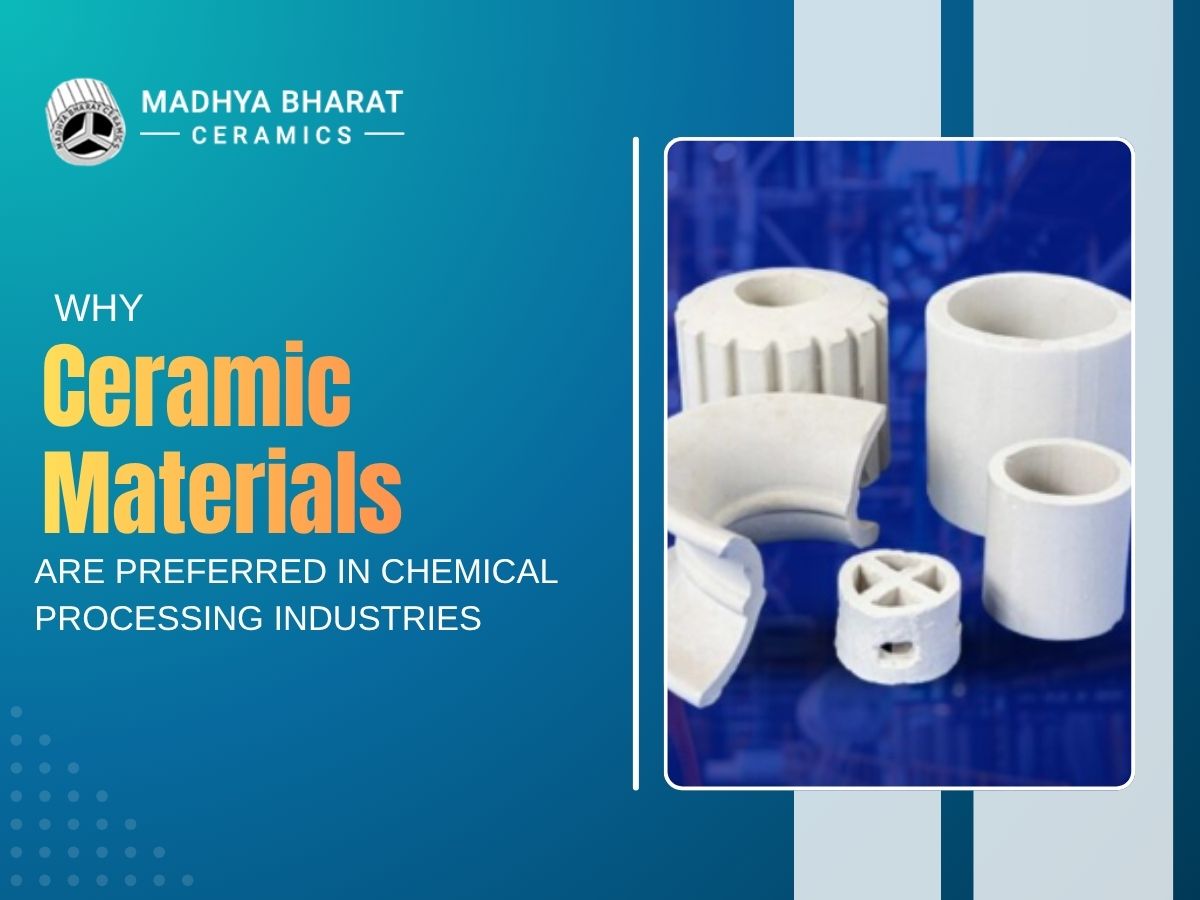
| Ceramic Ring Type | Key Feature | Best Application |
| Ceramic Raschig Ring | Simple hollow cylinder, high surface area | General chemical absorption towers |
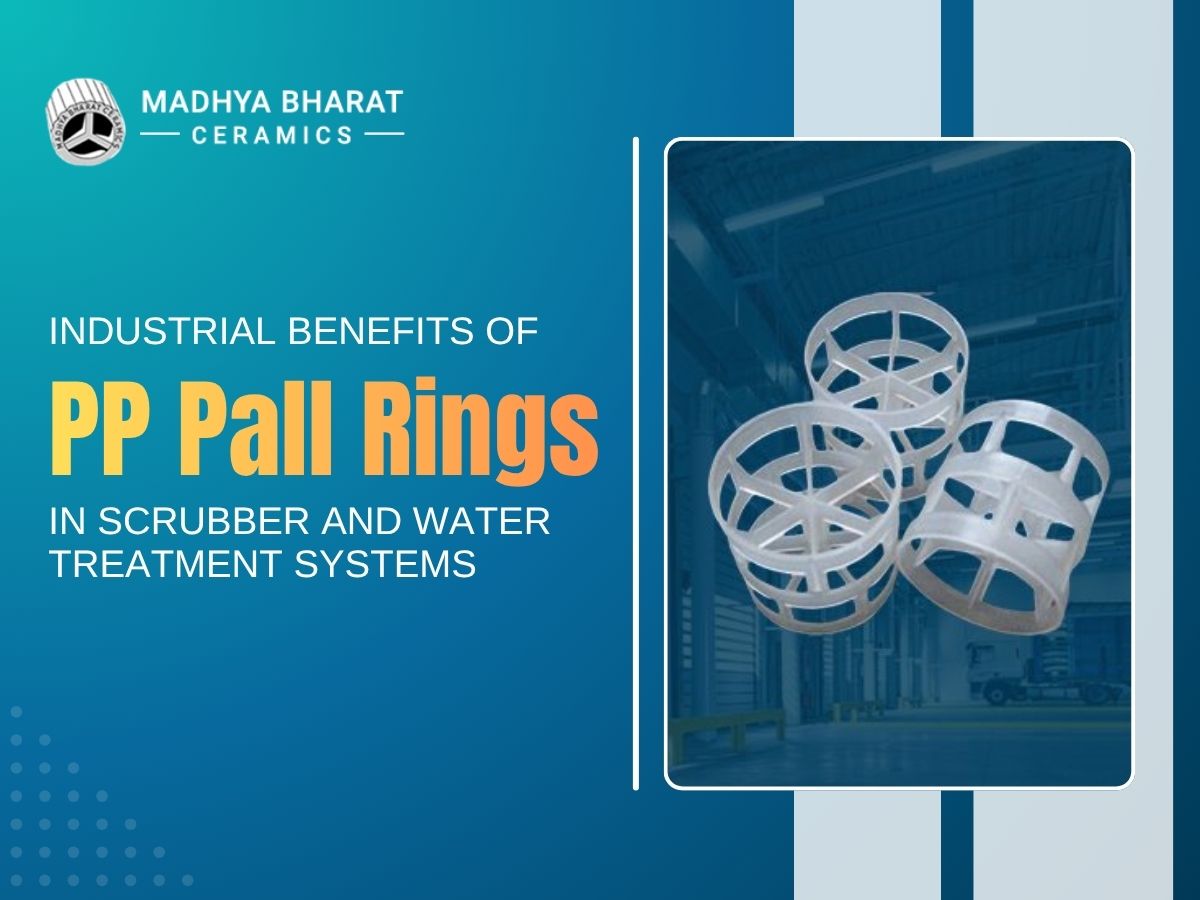
| Ceramic Pall Ring | Internal fingers increase surface area | Distillation and stripping columns |
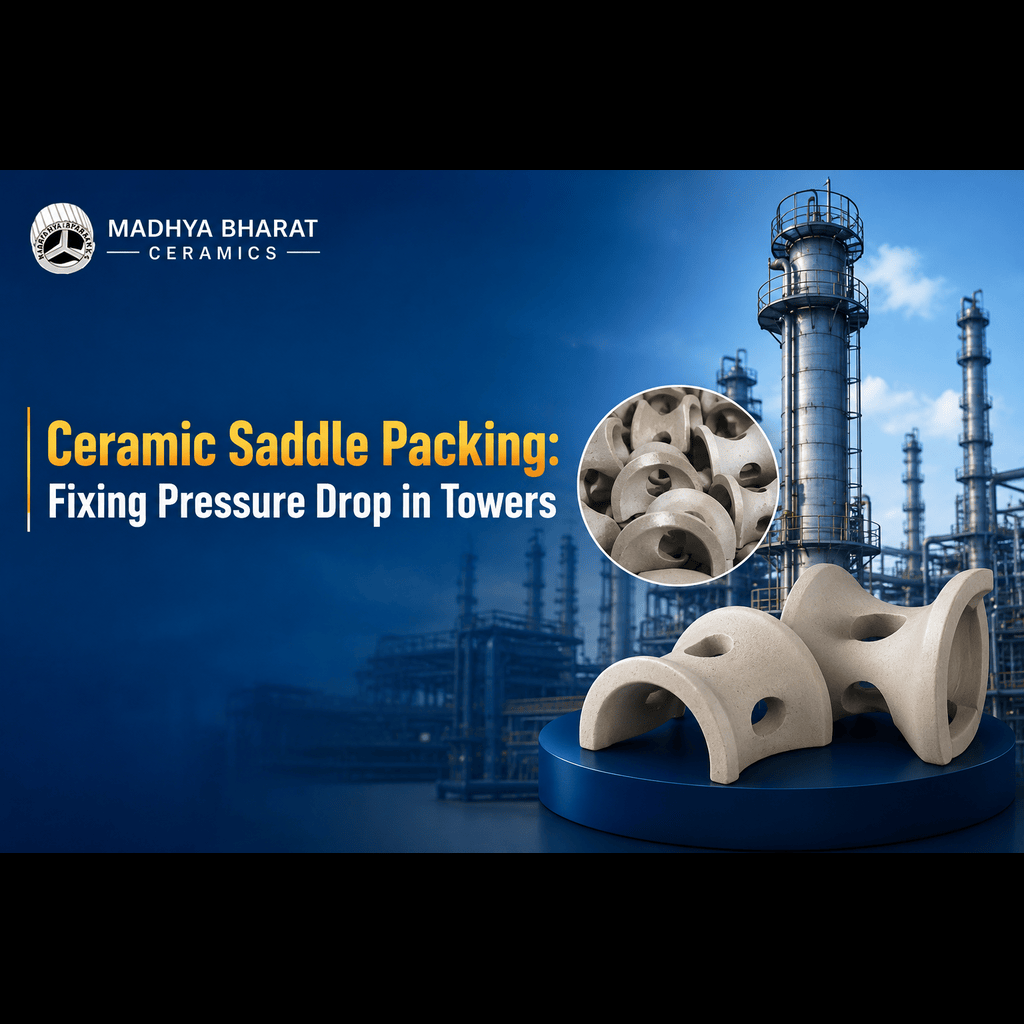
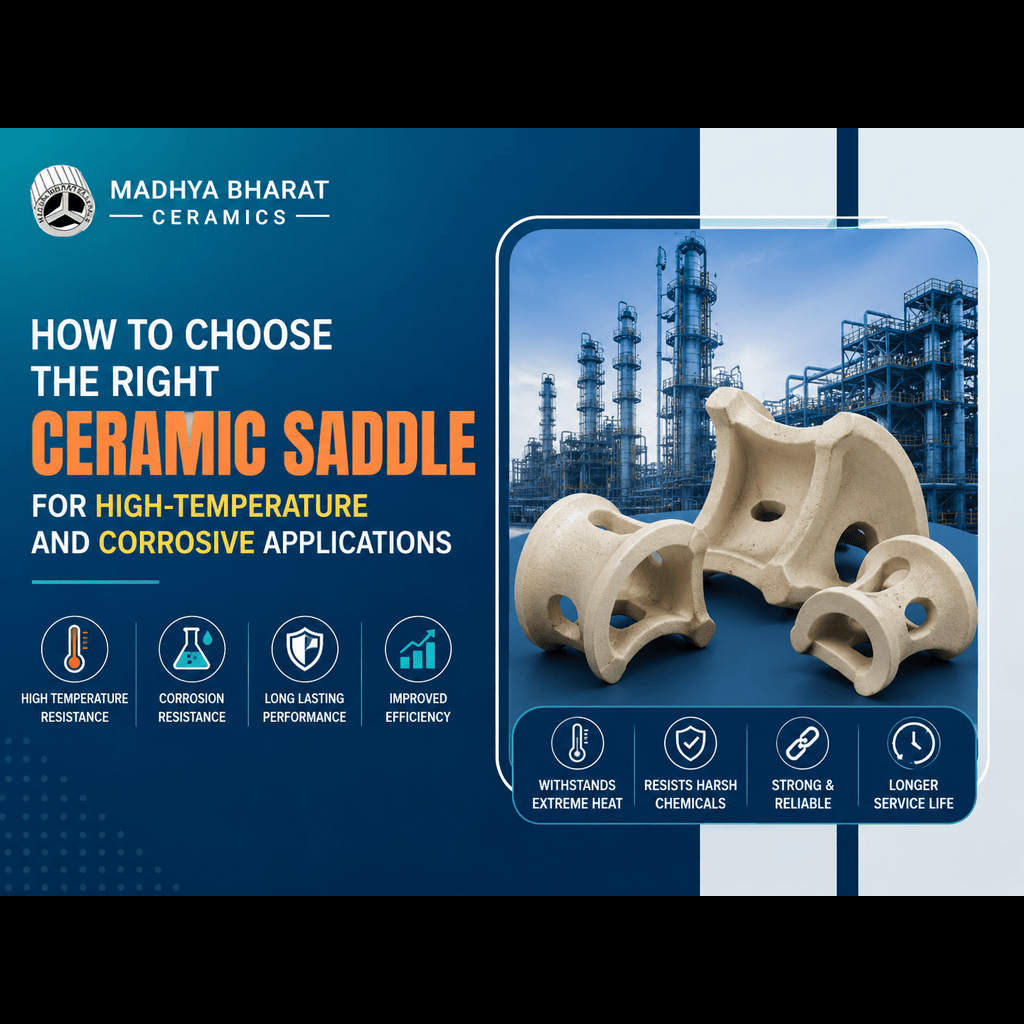
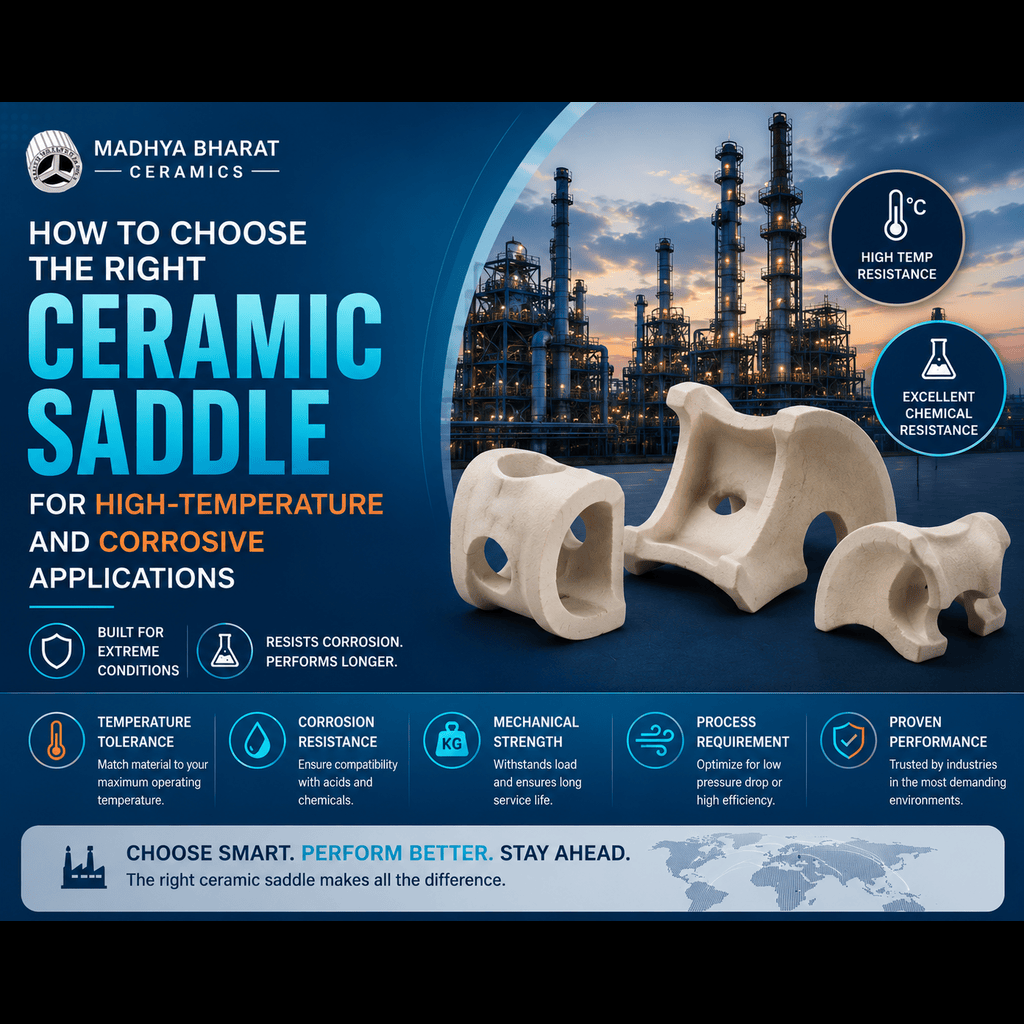
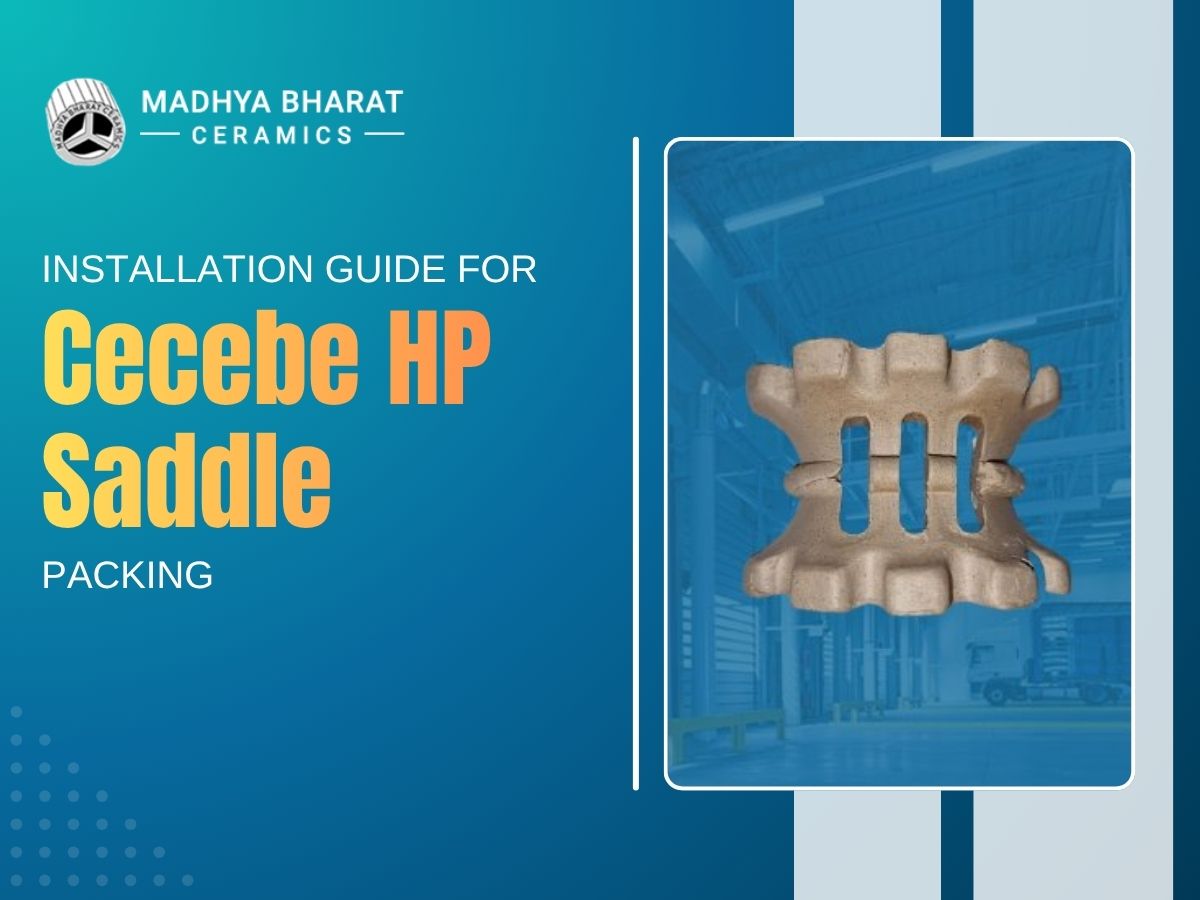
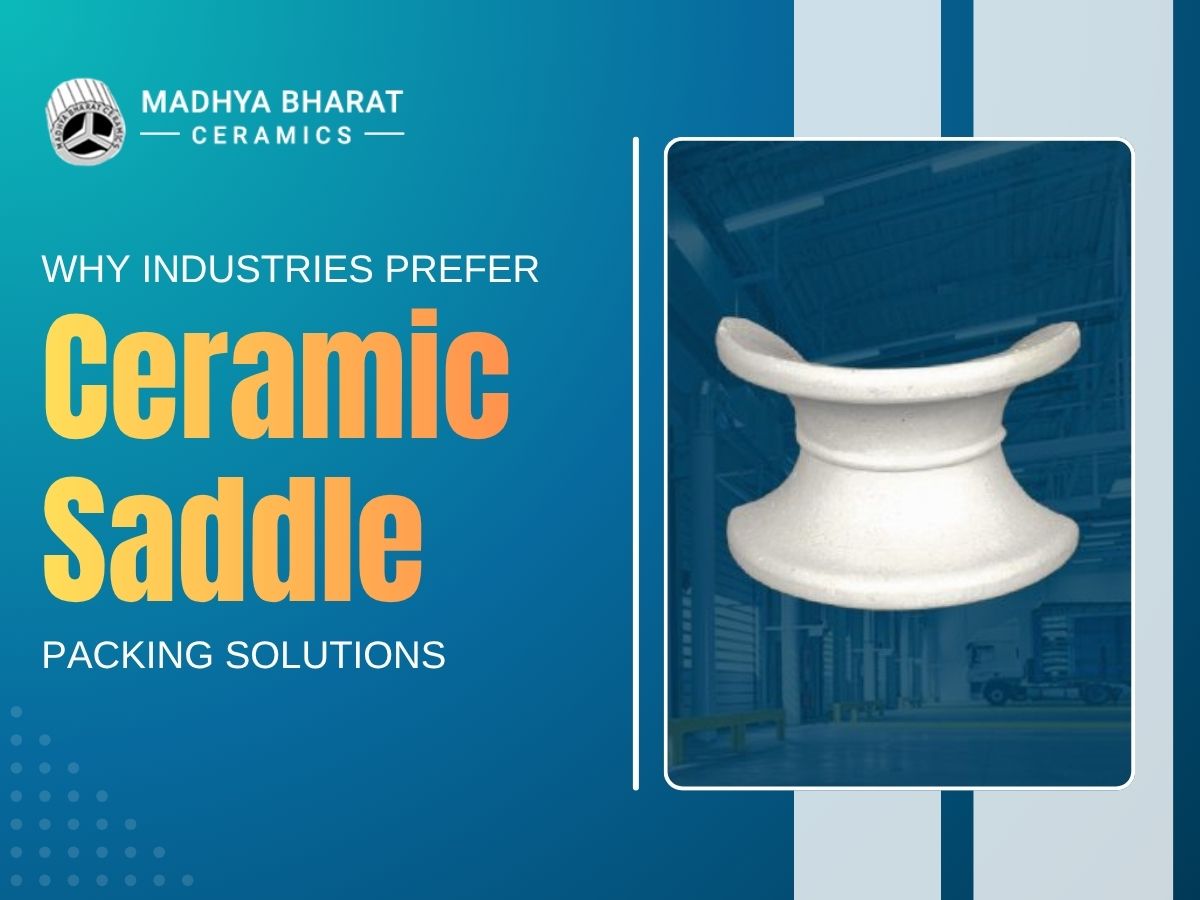
| Ceramic Saddle (Berl Saddle) | Curved shape for better liquid distribution | Acid absorption and scrubbing towers |
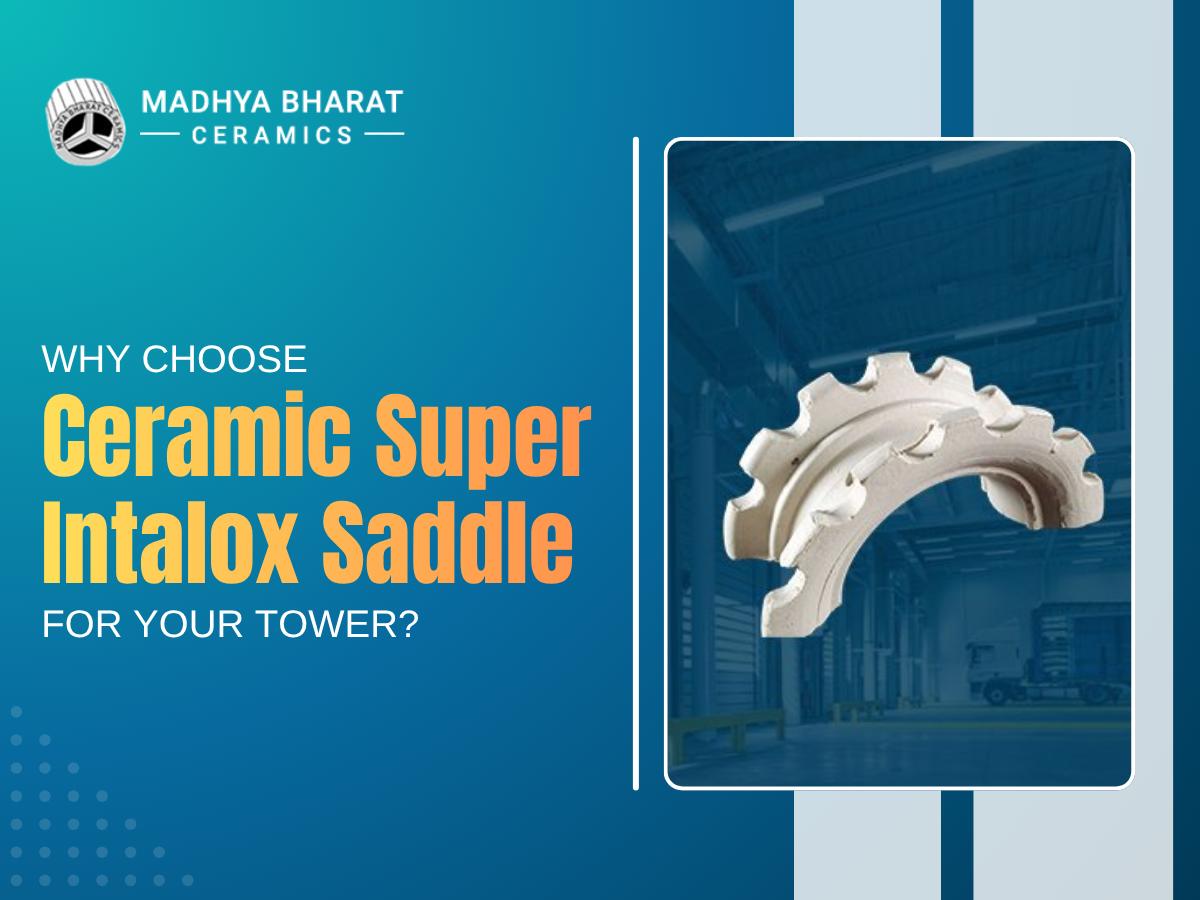
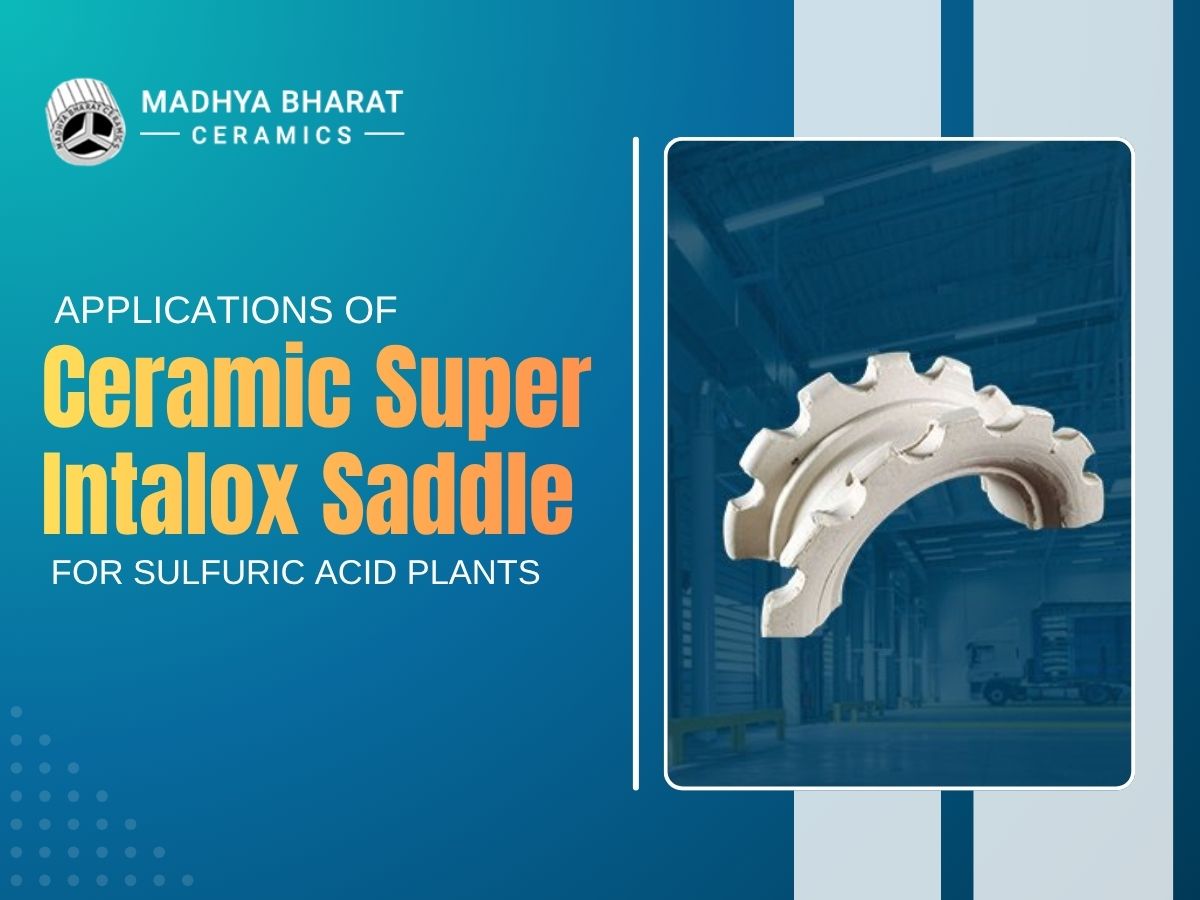
| Ceramic Intalox Saddle | Improved saddle design, lower pressure drop | High-throughput chemical columns |
| Ceramic Cascade Mini Ring | Short cylinder with internal cross | High-efficiency separation columns |
Each of these types is available from a qualified ceramic ring supplier in a range of sizes, typically from 6mm to 100mm. The size selection depends on the column diameter, flow rates, and required separation efficiency.
Applications of Ceramic Rings in Industrial Towers Across Key Sectors
Industrial tower packing ceramic rings serve a wide range of industries. Here is a sector-by-sector breakdown of how they are applied.
1. Chemical Industry
This is the largest user of ceramic rings for chemical towers. Chemical plants use ceramic-packed towers for:
- Absorbing harmful gases like HCl, SO₂, H₂S, and NH₃ from process streams
- Concentrating acids such as sulfuric acid and nitric acid
- Stripping dissolved gases from liquid streams
- Scrubbing exhaust gases before atmospheric release
The corrosion resistant packing media properties of ceramics make them the only practical choice in many of these applications.
2. Petrochemical and Refining Industry
Refineries use distillation columns to separate hydrocarbons based on boiling points. Ceramic rings in industrial towers provide the surface area needed for this vapor-liquid contact. In vacuum distillation units, ceramics are preferred because they maintain low pressure drop while handling heavy, thermally sensitive hydrocarbons.
3. Pharmaceutical Industry
Pharmaceutical manufacturers use packed towers for solvent recovery, distillation of pure solvents, and gas absorption. Ceramic ring applications in industries like pharma demand absolute chemical purity, and ceramics deliver this without contamination risk.
4. Fertilizer Plants
Ammonia absorption, nitric acid concentration, and urea manufacturing all involve packed towers. Fertilizer plants rely on ceramics because of their ability to handle both high temperatures and highly corrosive acid environments simultaneously.
5. Environmental and Pollution Control
Industrial scrubbers use ceramic packing to neutralize acidic or alkaline exhaust gases before they leave the facility. As environmental regulations tighten globally, the demand for reliable tower packing materials in scrubber systems continues to grow.
6. Power Generation
Flue gas desulfurization (FGD) systems in coal-fired power plants use packed towers to remove sulfur dioxide from exhaust gases. Ceramic rings provide the chemical resistance needed in this demanding application.
How to Choose the Right Ceramic Ring Supplier for Your Project
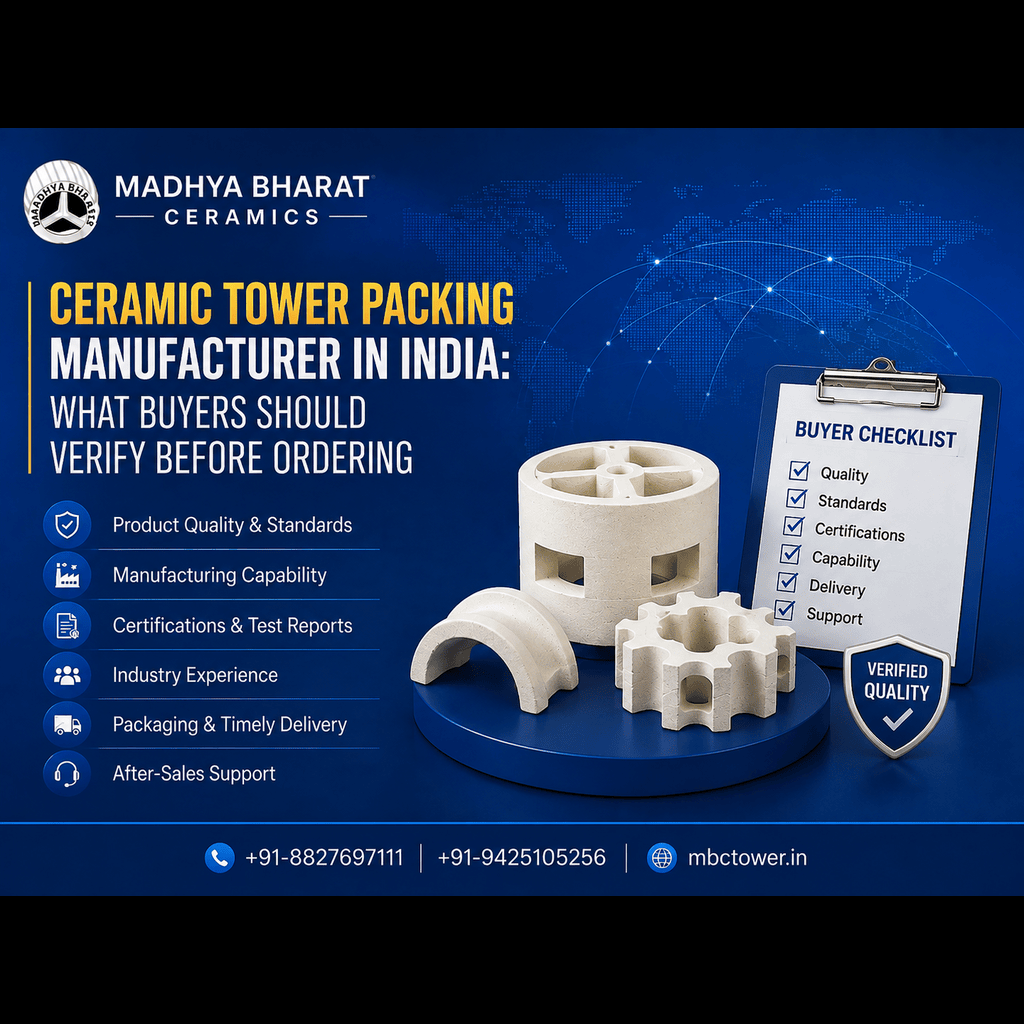
Selecting the right ceramic ring supplier is as important as selecting the right ceramic type. A supplier who provides inconsistent quality or incorrect specifications can cause column performance problems that are difficult and expensive to diagnose and fix.
Key factors to evaluate when choosing a ceramic ring manufacturer:
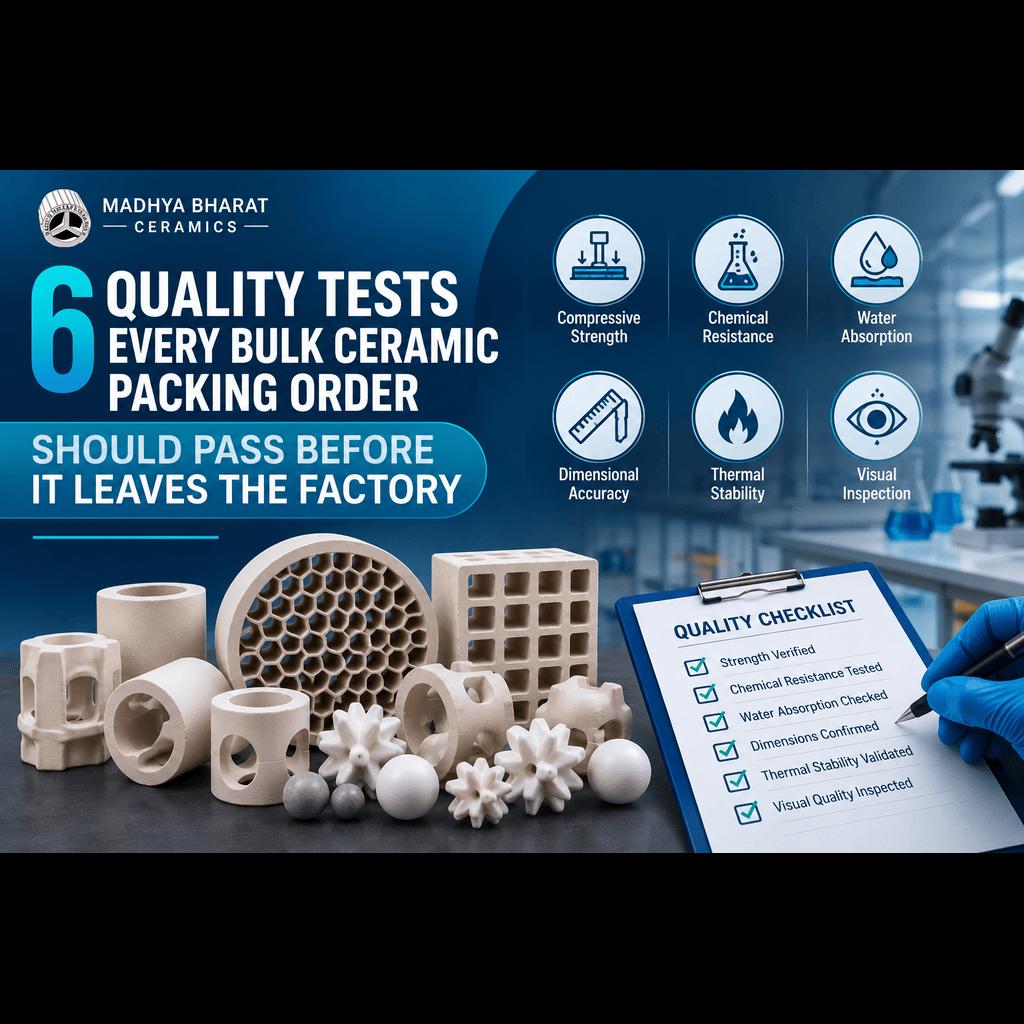
- Material certification: The supplier should provide documentation confirming the ceramic grade, alumina content, and physical properties.
- Dimensional consistency: Rings must meet size tolerances to ensure uniform packing density and predictable performance.
- Mechanical strength data: Compressive strength values should be available and match the requirements of your packed bed height.
- Chemical resistance data: The supplier should confirm resistance to the specific chemicals in your process.
- Production capacity: For large projects, confirm the manufacturer can supply the required volume within your project timeline.
- Technical support: A good ceramic ring supplier will help you with size selection, packing factor calculations, and column design guidance.
Working with ceramic ring manufacturers in India who hold ISO certification adds an additional layer of quality assurance to your procurement process.
Ceramic Ring Manufacturers in India: Quality and Export Capability
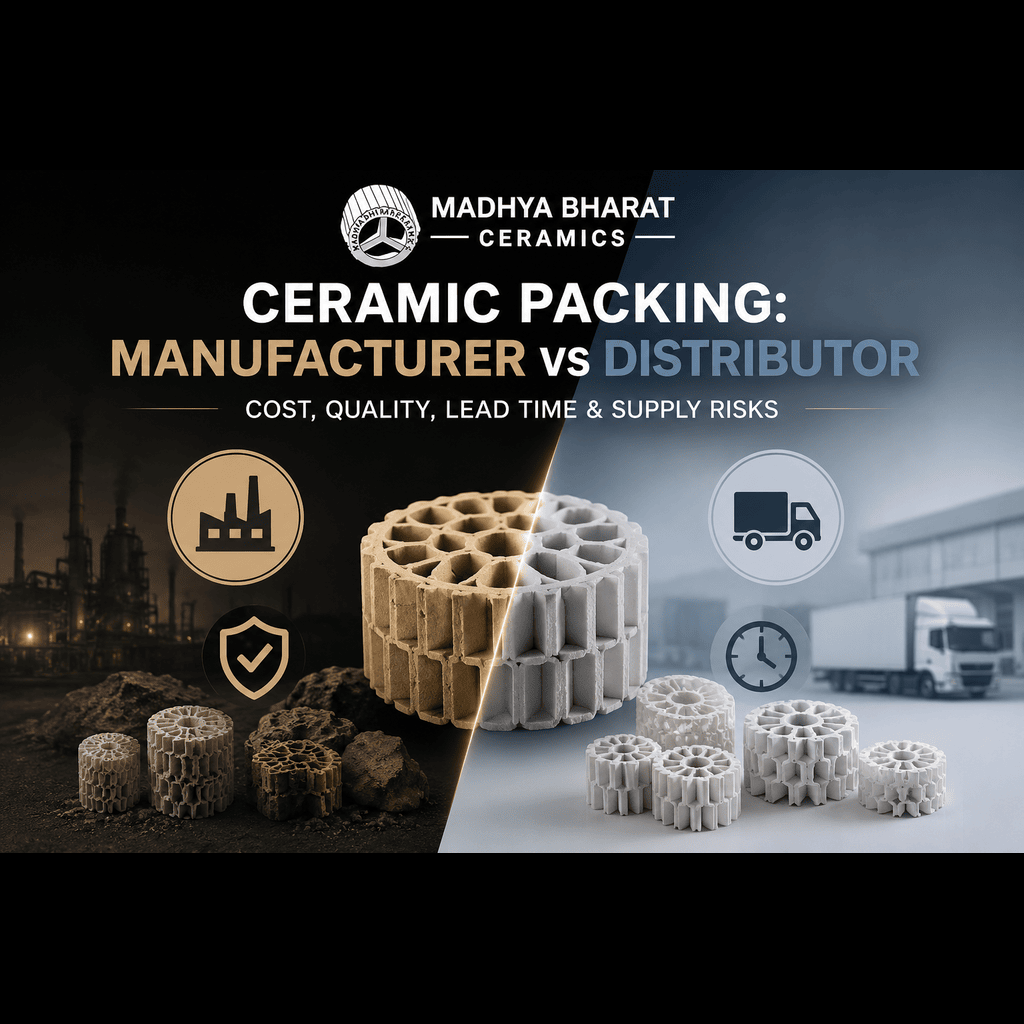
India has developed a strong manufacturing base for industrial ceramics. Ceramic ring manufacturers in India benefit from access to domestic raw materials, experienced production teams, and growing technical knowledge in ceramic engineering.
The availability of quality ceramic ring manufacturers means that Indian industries no longer need to depend on expensive imported packing for standard applications. Domestic sourcing reduces lead times and logistics costs significantly.
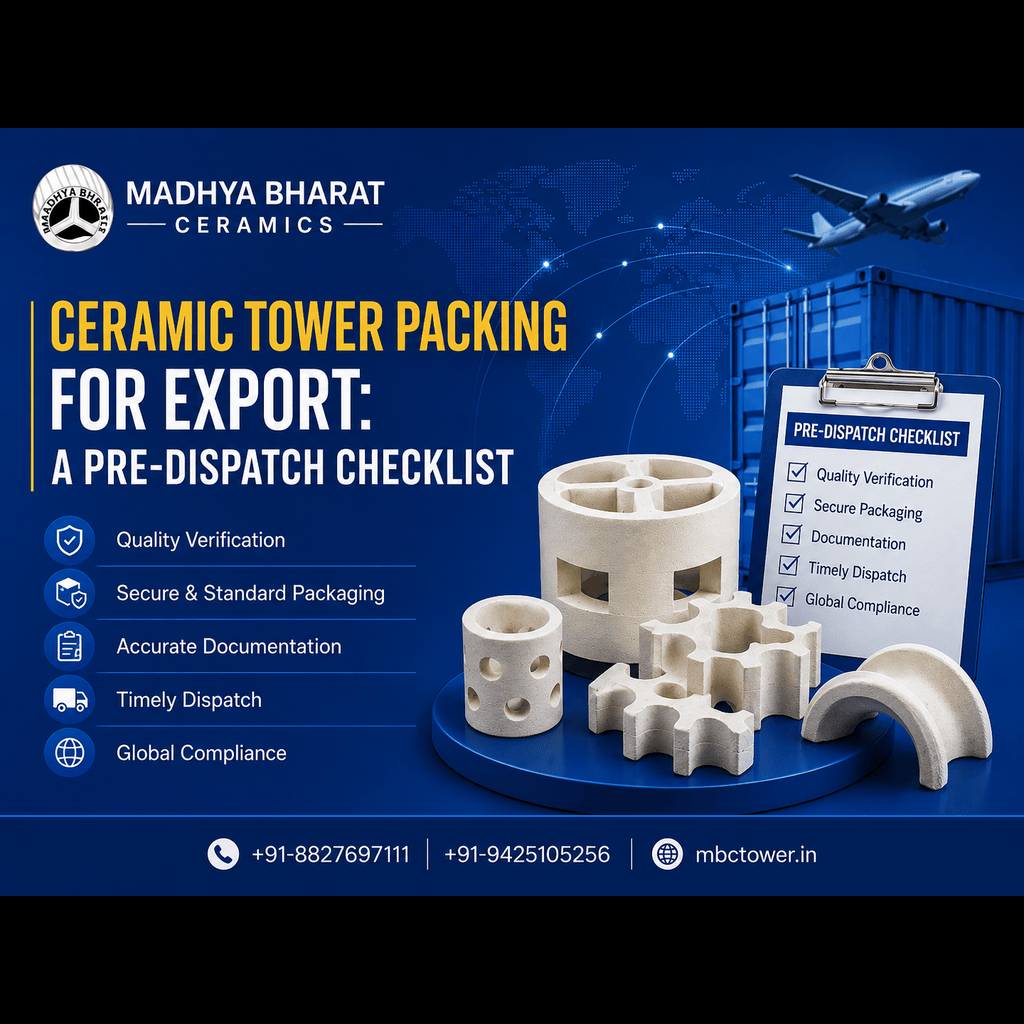
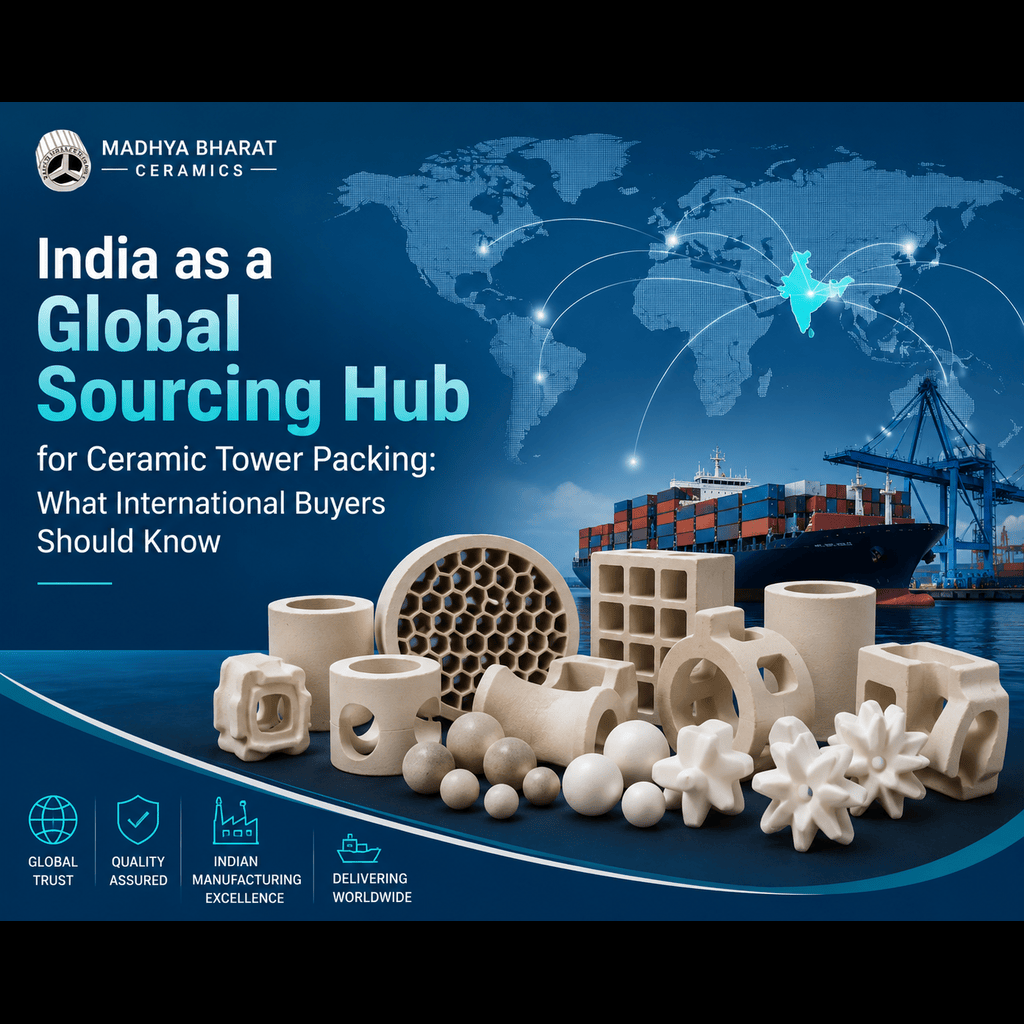
For international buyers, a ceramic ring exporter based in India offers competitive pricing, reliable supply, and full export documentation support. Indian ceramic exporters supply to markets in the Middle East, Southeast Asia, Africa, and Europe.
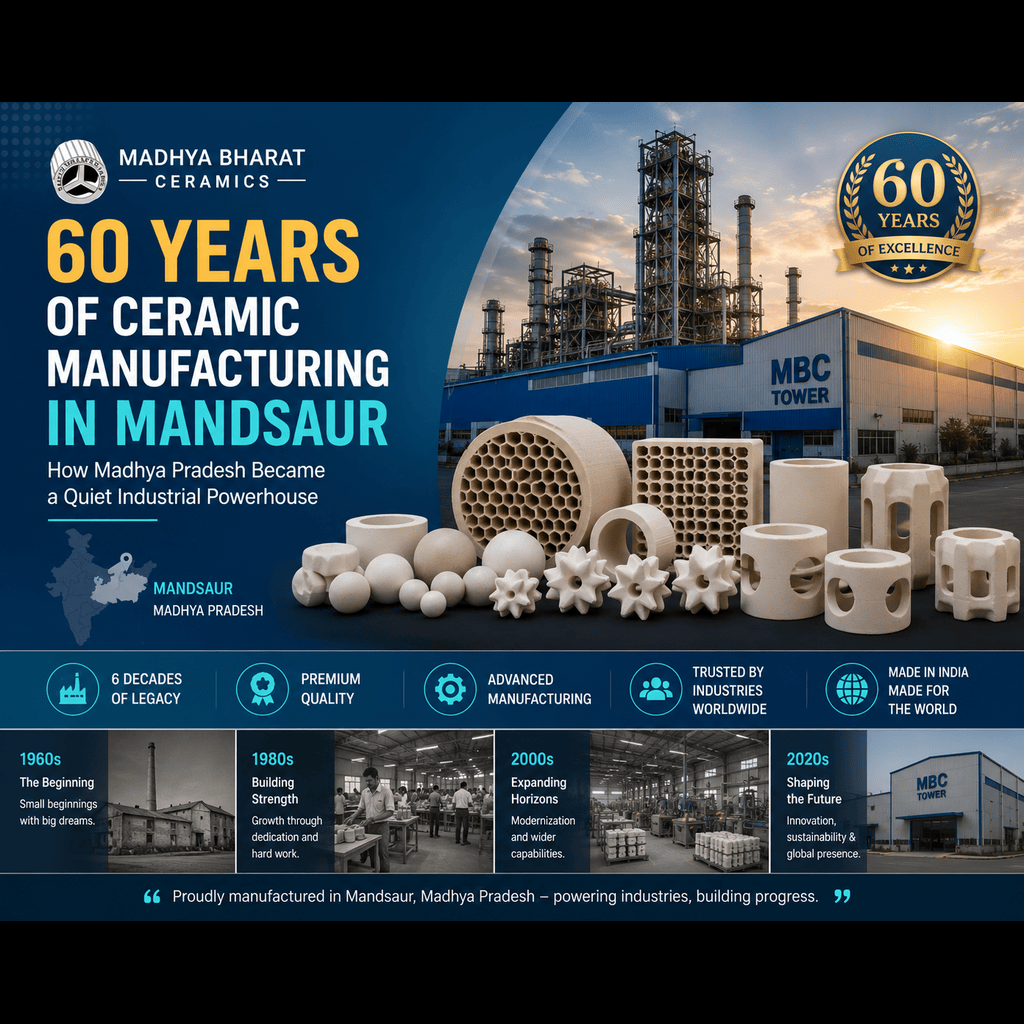
Mandsaur in Madhya Pradesh is one regional hub where several manufacturers and exporters operate. A ceramic ring exporter from this region combines local manufacturing expertise with the infrastructure needed to serve global customers.
Case Study
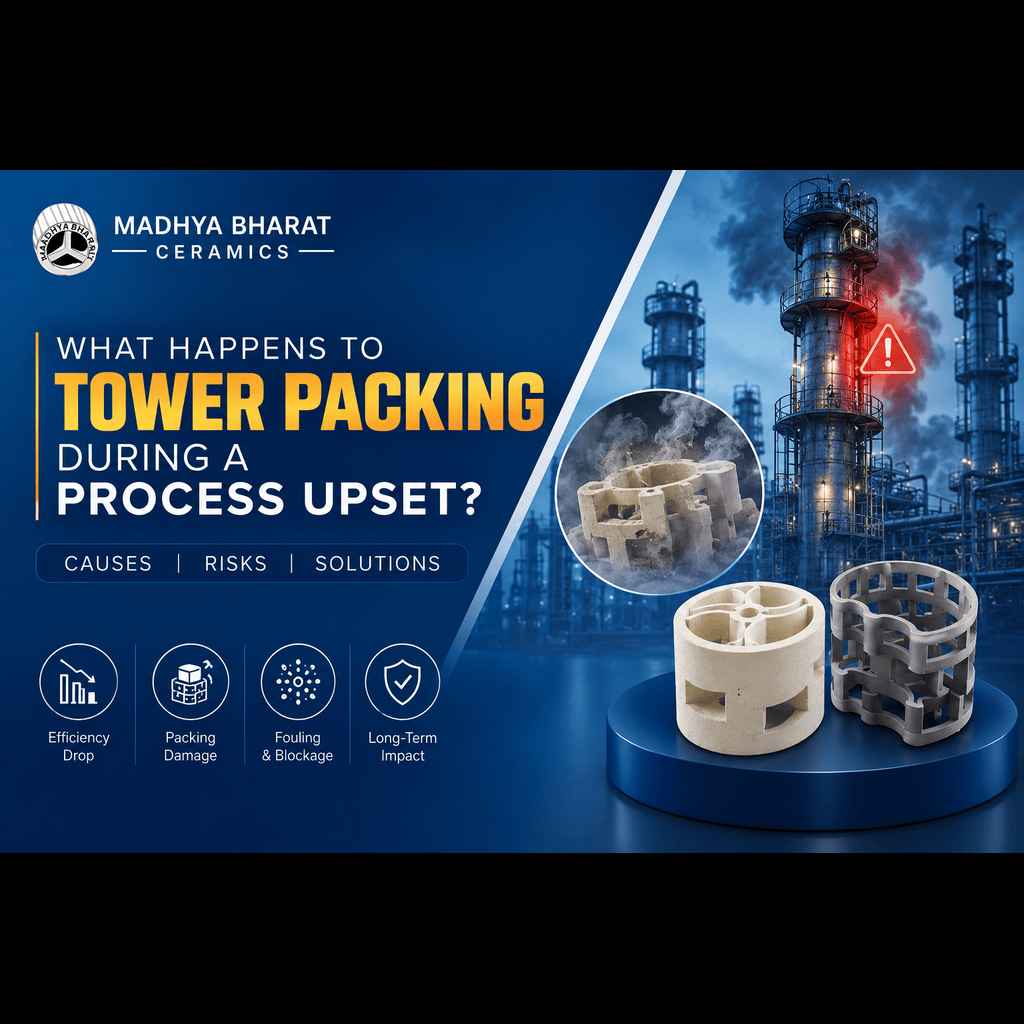
Background: A nitric acid production facility in Maharashtra was facing repeated failures in their absorption tower. The tower used metal packing rings that were corroding rapidly due to exposure to concentrated nitric acid vapors at temperatures above 200°C.
Challenge: Metal packing was being replaced every 6 to 8 months. Each replacement required a full column shutdown lasting 5 to 7 days. Production losses during each shutdown were significant. Metal corrosion products were also contaminating the acid product, affecting its quality grade and marketability.
Solution: The plant engineering team consulted with a certified ceramic ring manufacturer and decided to replace the metal packing with 50mm ceramic Intalox saddles and 38mm ceramic Pall rings in different sections of the column. The ceramic grade selected had 92% alumina content, confirmed resistant to nitric acid at the operating temperature.
Installation: The ceramic rings were installed during a planned maintenance shutdown. The total packing volume required was approximately 8 cubic meters. The installation was completed within the planned 5-day window without complications.
Results after 36 months of operation:
- No packing replacement was required during the entire 36-month monitoring period
- Product acid purity improved as contamination from corroding metal was eliminated
- Annual maintenance cost for tower internals reduced by approximately 70%
- Production uptime increased due to elimination of unplanned shutdowns caused by packing failure
- The plant engineering team confirmed ceramic packing ROI was achieved within the first 14 months
Lesson: Selecting high temperature resistant ceramics from a reputable top ceramic ring manufacturer directly solves problems that metal or plastic alternatives cannot. The case demonstrates that the higher upfront cost of quality ceramic packing is fully justified by the savings in maintenance, downtime, and product quality improvement.
Frequently Asked Questions About Ceramic Rings
Q1. What are ceramic rings used for in industrial towers?
Ceramic rings are used as random packing material inside industrial towers. They create a large surface area for gas and liquid to interact, improving separation, absorption, and mass transfer efficiency in distillation columns, absorption towers, and gas scrubbers.
Q2. Why are ceramic rings preferred over metal rings in chemical towers?
Ceramic rings resist corrosion from acids, alkalis, and solvents that would rapidly degrade metal rings. They also handle higher temperatures than plastic rings and introduce no contamination into the process stream, making them the preferred choice for demanding chemical environments.
Q3. What sizes of ceramic rings are available from manufacturers in India?
Ceramic ring manufacturers in India typically supply sizes ranging from 6mm to 100mm. Common sizes include 15mm, 25mm, 38mm, 50mm, and 76mm. Custom sizes can be produced based on specific column design requirements.
Q4. How long do ceramic rings last in a packed tower?
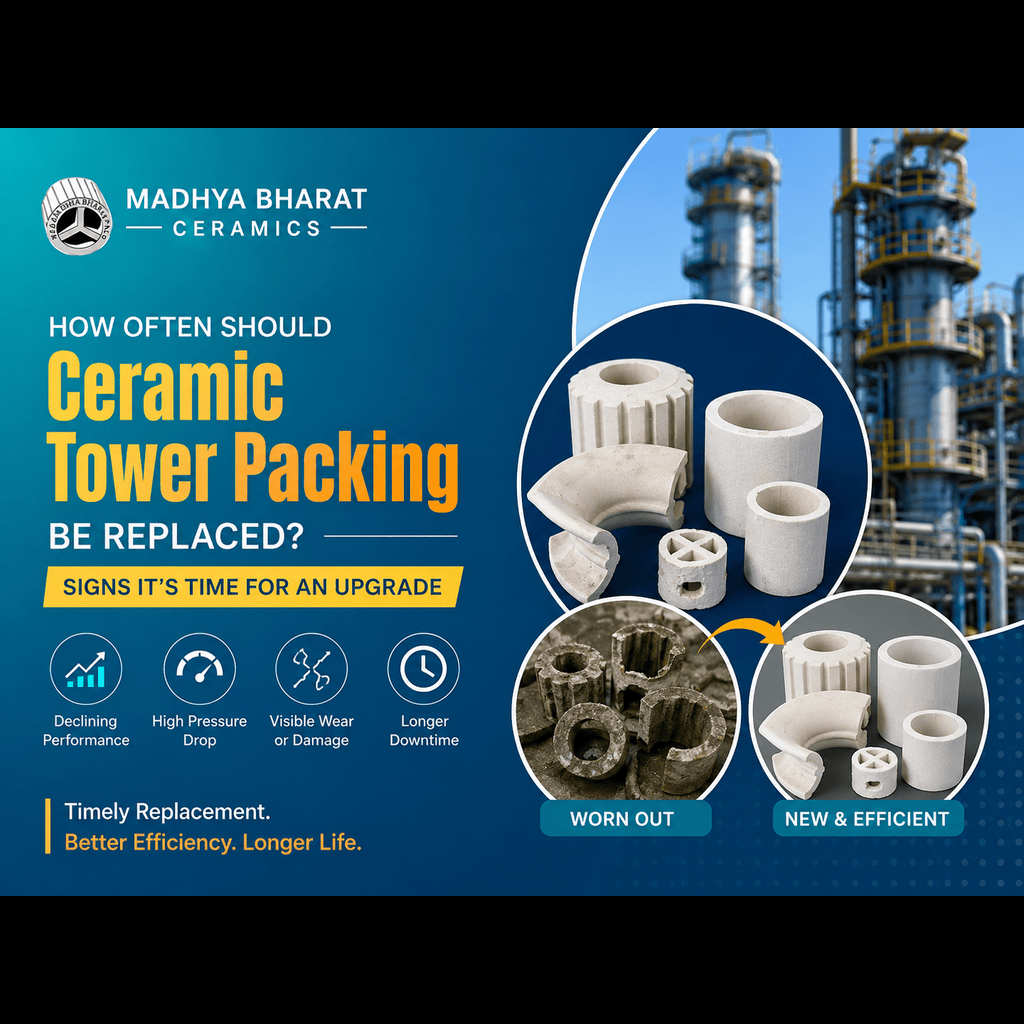
With correct material selection and careful installation, ceramic rings can last from 5 to 10 years or longer in most applications. Service life depends on the specific chemicals, operating temperature, and mechanical handling conditions in the tower.
Q5. What is the difference between ceramic Raschig rings and ceramic Pall rings?
Ceramic Raschig rings are simple hollow cylinders with equal height and diameter. Ceramic Pall rings have internal fingers or blades that increase surface area and improve liquid distribution. Pall rings generally offer better mass transfer efficiency and lower pressure drop compared to Raschig rings.
Q6. Can ceramic rings handle high-temperature processes?
Yes. High temperature resistant ceramics used in tower packing can typically operate continuously at 600°C to 1200°C depending on the alumina content and ceramic grade. This makes them suitable for acid concentration, gas purification, and other high-heat chemical processes.
Q7. How do I select the right ceramic ring size for my column?
A general guideline is to select a ring size that is no larger than one-eighth of the column internal diameter. However, the correct selection also depends on gas and liquid flow rates, required theoretical stages, and pressure drop limitations. Consulting the ceramic ring manufacturer’s technical team is recommended for accurate sizing.
Q8. Do ceramic ring exporters from India supply to international markets?
Yes. A ceramic ring exporter based in India supplies to markets across the Middle East, Southeast Asia, Africa, and Europe. Indian exporters provide competitive pricing, full material certifications, and export documentation including test reports, packing lists, and certificates of conformity.
Conclusion
Ceramic rings are one of the most reliable and cost-effective tower packing materials available to the chemical and industrial processing sectors. Their ability to resist corrosion, withstand high temperatures, and deliver consistent mass transfer efficiency makes them indispensable in towers handling acids, gases, and high-temperature process streams. As industries grow more demanding in terms of efficiency, purity, and environmental compliance, the role of a trusted ceramic ring manufacturer becomes even more critical. Whether you are sourcing locally from ceramic ring manufacturers in India or working with a ceramic ring exporter for an international project, choosing certified and tested products protects your column performance and your investment. With a strong domestic manufacturing base and growing export capability, India today offers world-class ceramic ring solutions at competitive prices, backed by the technical expertise needed to support complex industrial applications.