Heat is hard on tower internals. Metal can warp or corrode, and plastic can soften. That is exactly where Ceramic Rings Improve Performance: they keep their shape at high temperatures, resist acids and corrosive gases, and keep gas and liquid flowing evenly for years. The result is steadier operation, fewer shutdowns, and lower replacement cost.
This guide explains how ceramic rings work, why they handle heat so well, where they are used, and how to choose a dependable ceramic packing manufacturer for your plant.
What Are Ceramic Rings?
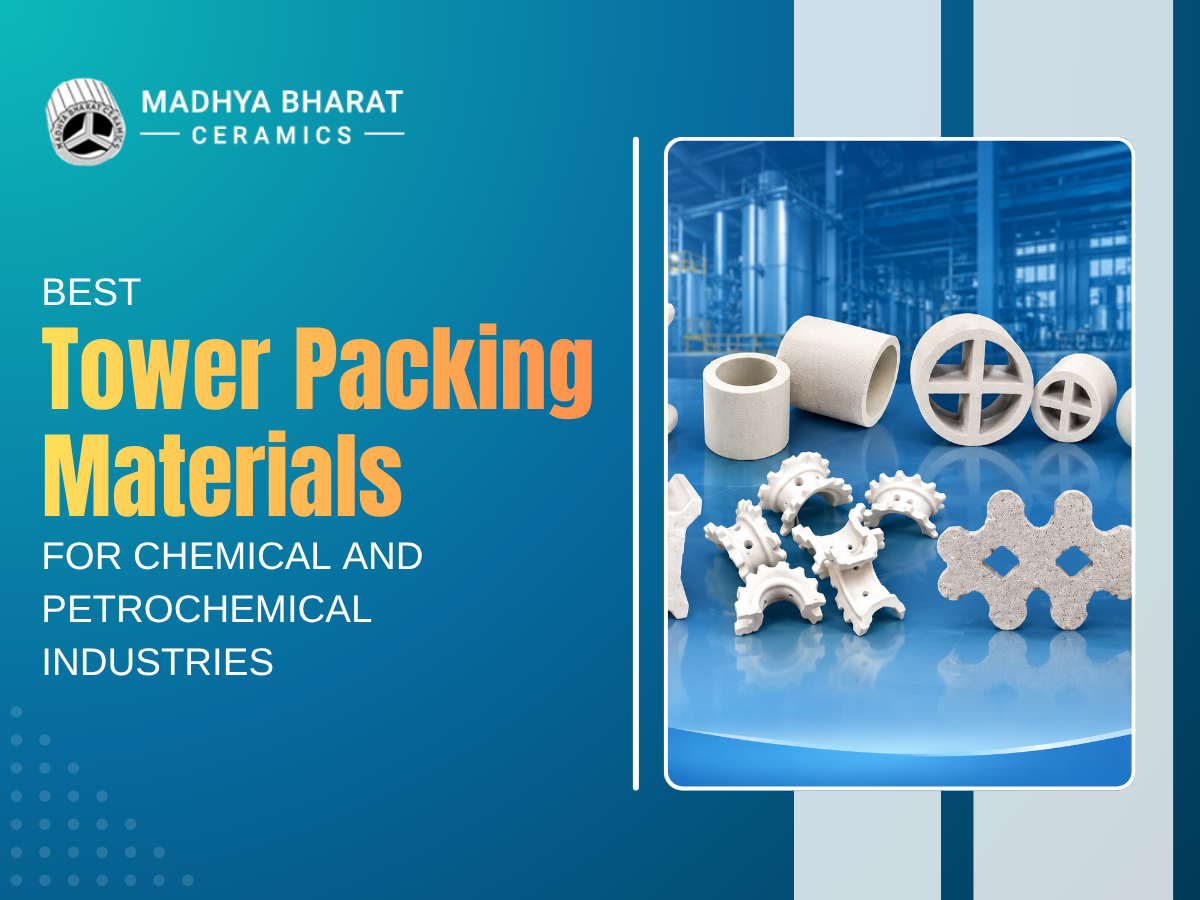
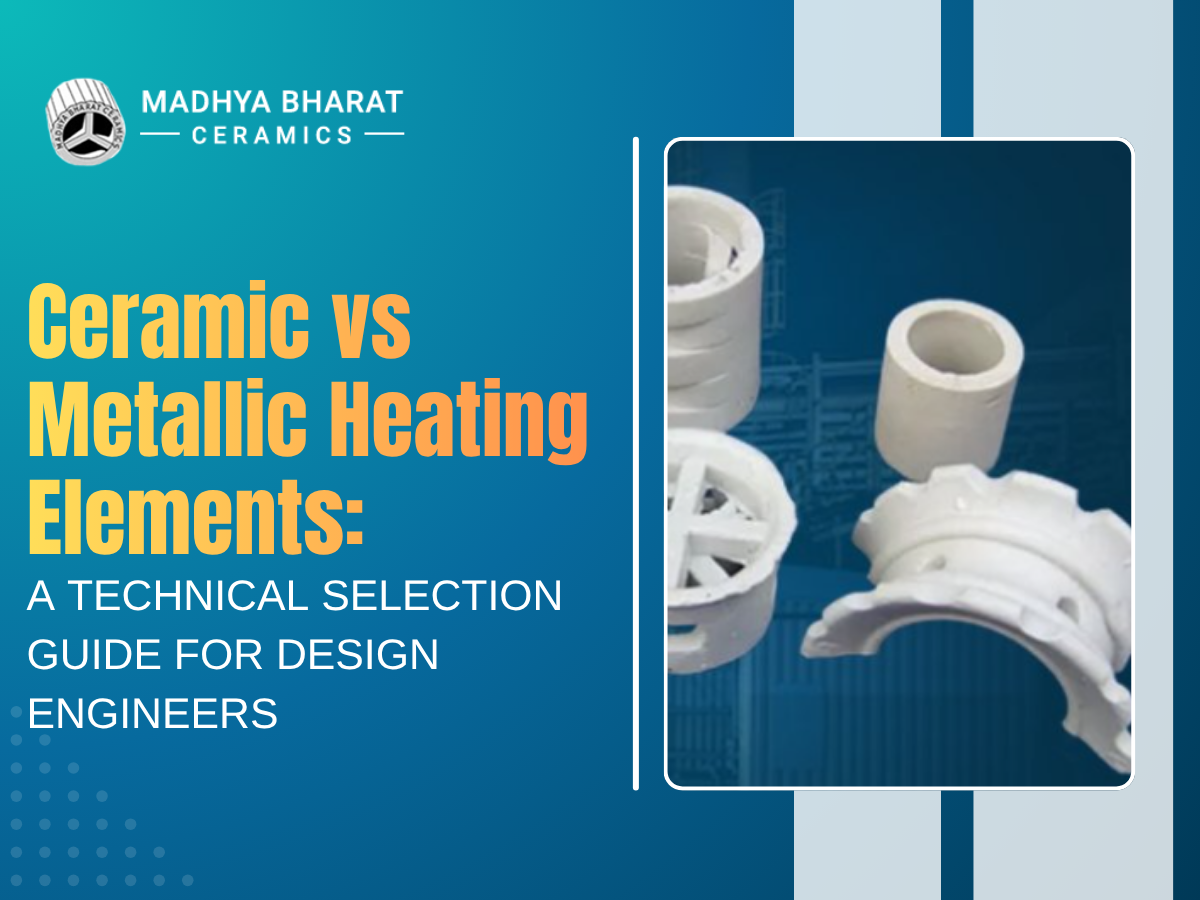
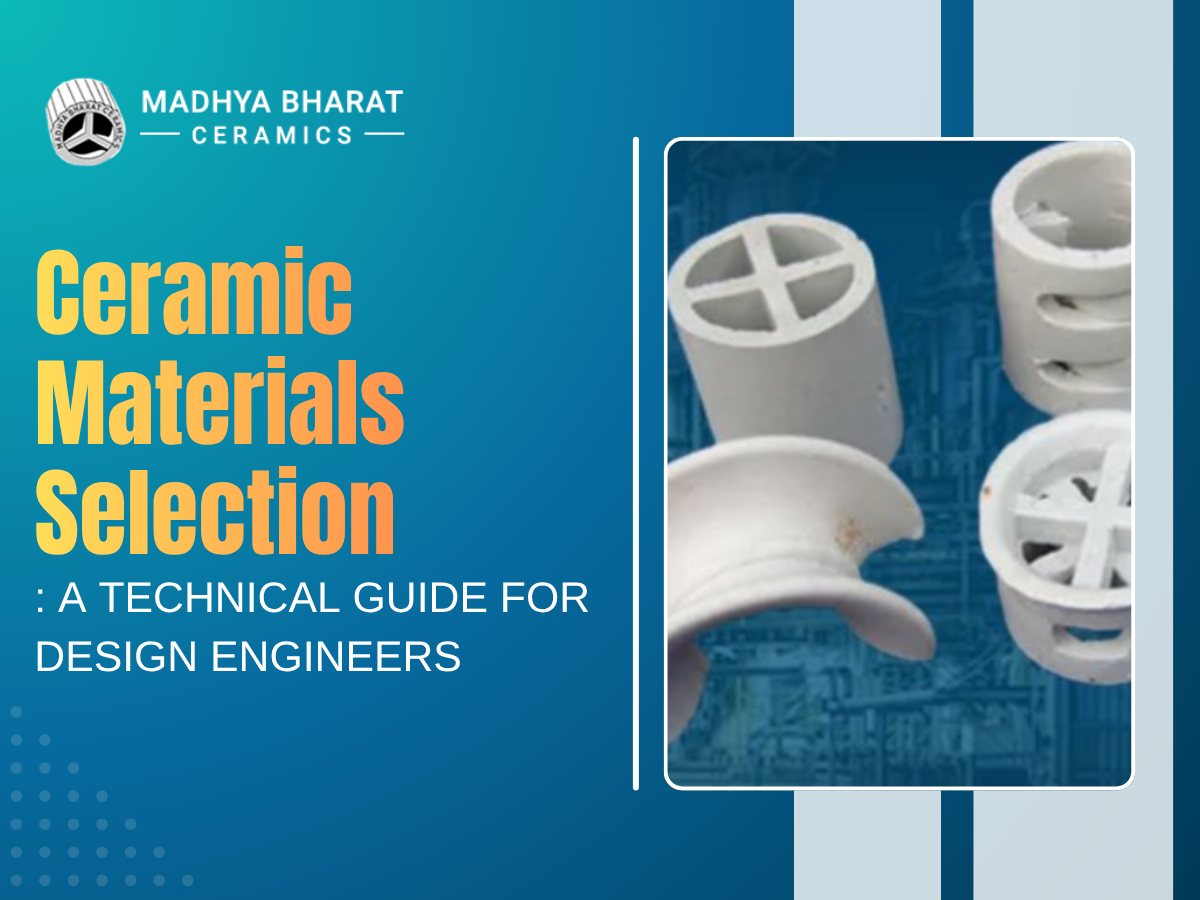
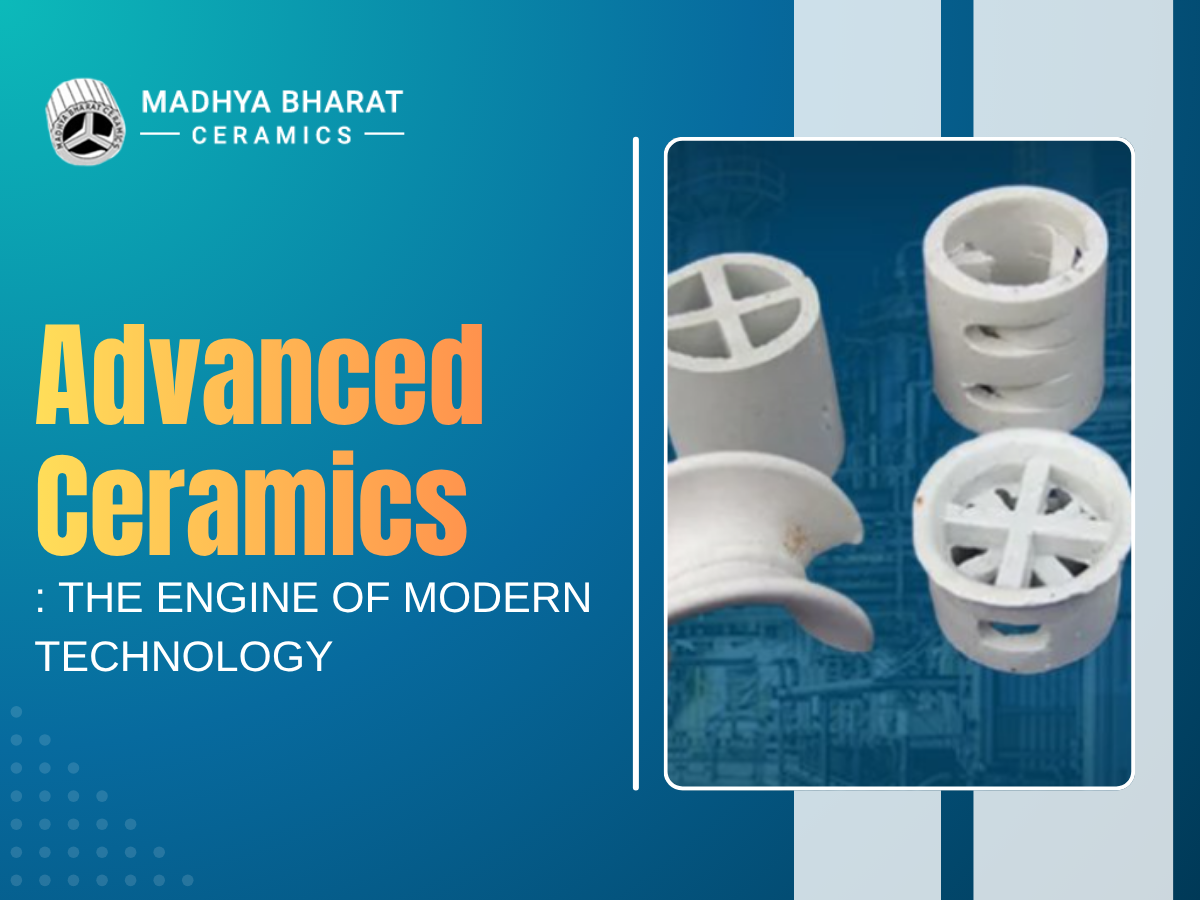
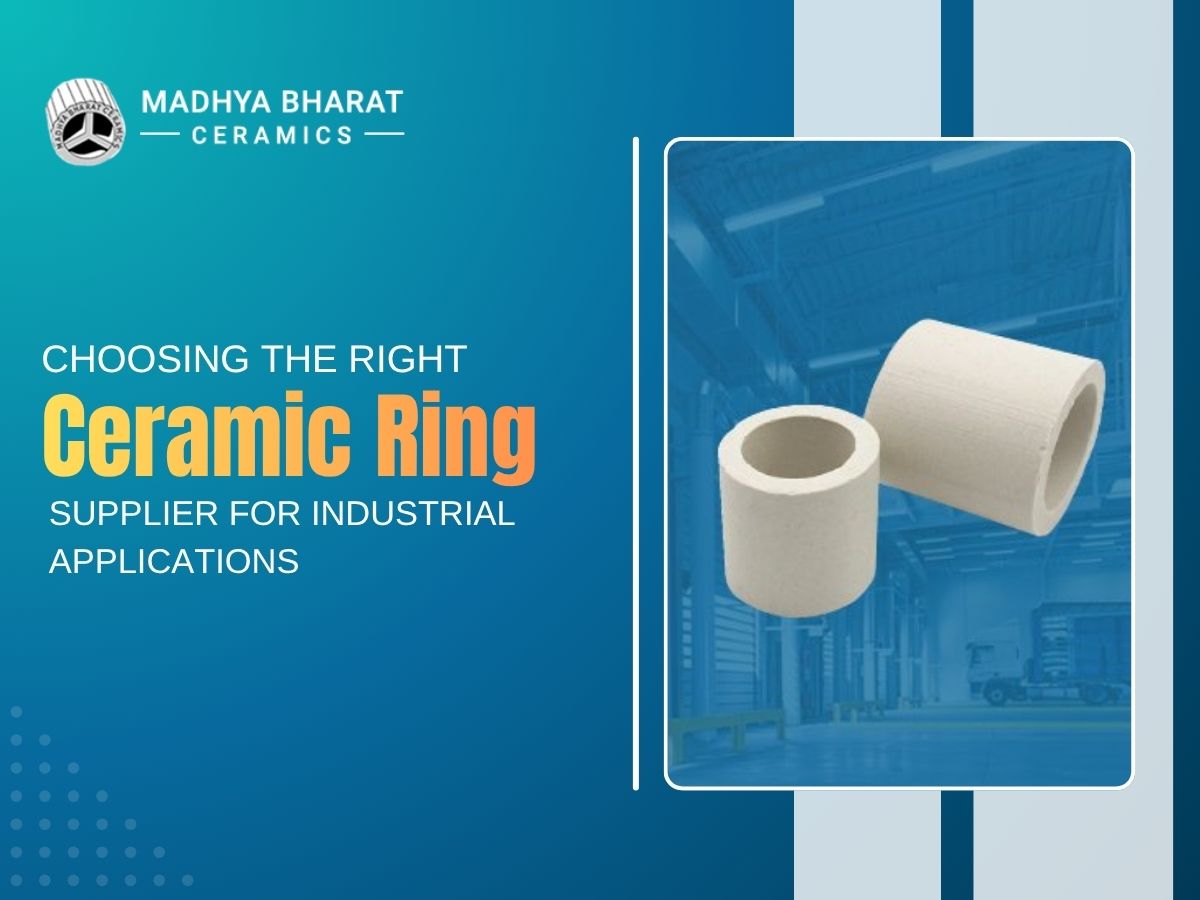
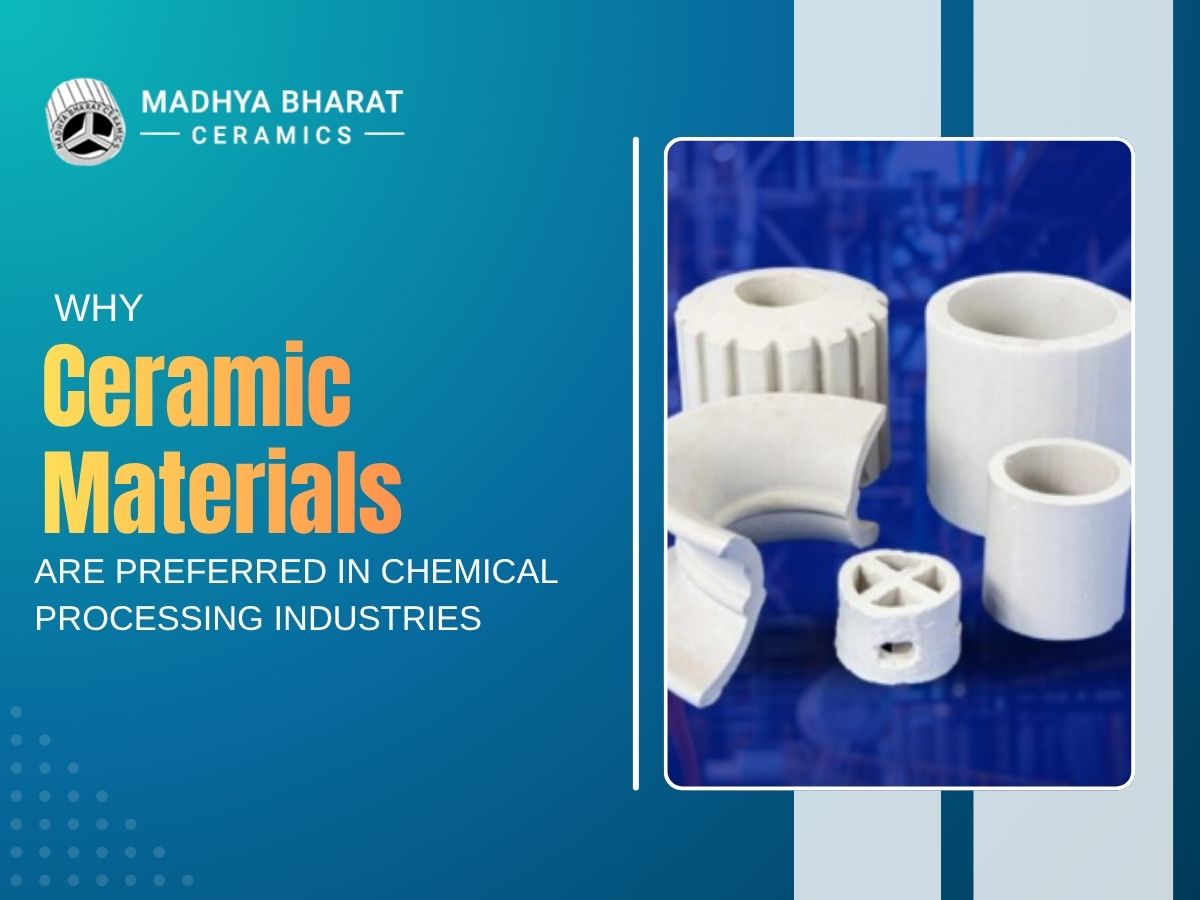
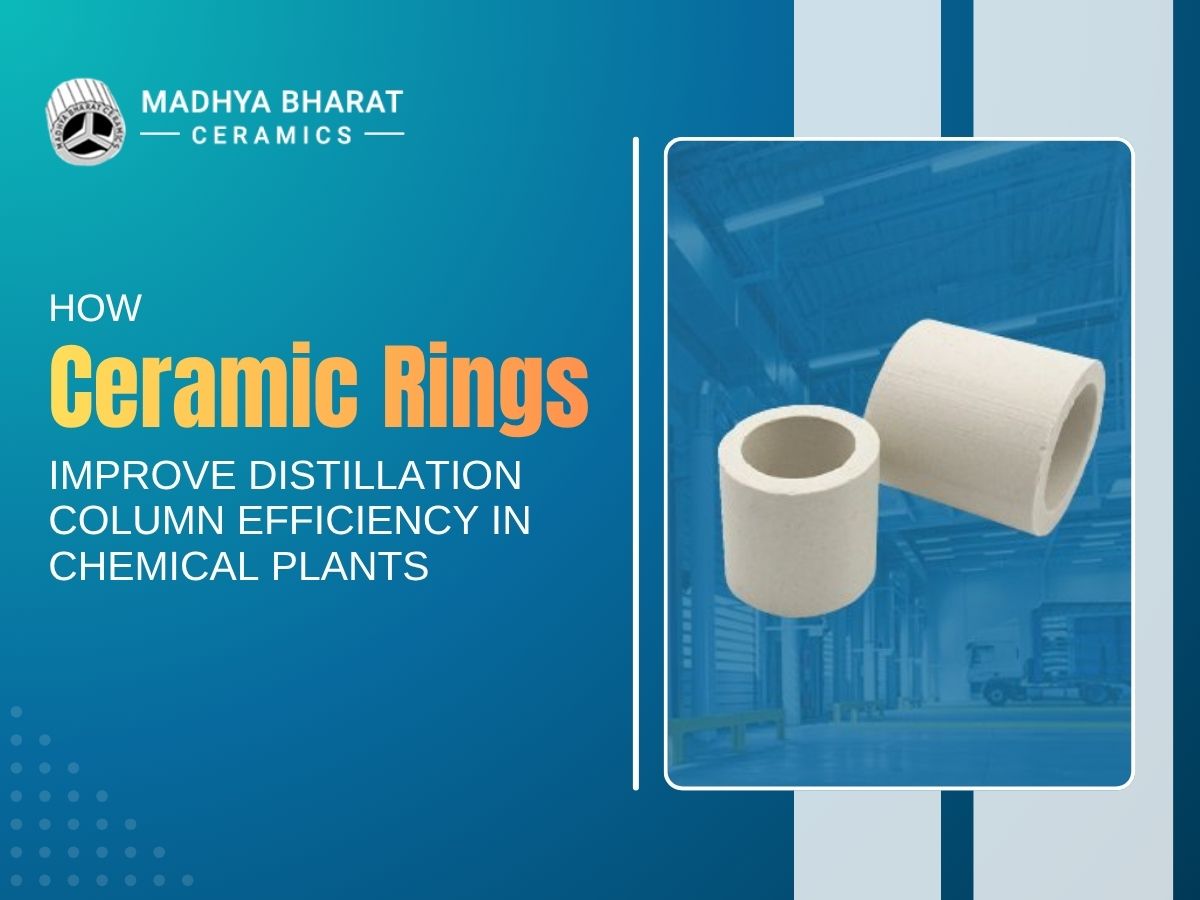
Ceramic rings are small, ring-shaped pieces made from fired ceramic. They are poured into a tower as random packing, where they fill the column with a large, open surface area.
Gas and liquid meet on the surface of the rings. The more evenly this contact happens, the better the tower separates, absorbs, or reacts.
Because ceramic is fired at very high temperatures during manufacturing, the finished rings are already built to survive heat. This is the core reason they suit hot and corrosive service.
How Ceramic Rings Improve Performance in High-Temperature Towers
Here are the main ways ceramic rings help when the temperature rises.
- Heat stability: Ceramic holds its shape where many metals soften or scale.
- Steady flow paths: Rings keep their size and form, so flow stays even over time.
- Corrosion resistance: Hot acids and gases that attack metal have little effect on ceramic.
- Strength under load: Rings carry the weight of deep packed beds without crushing.
- Low maintenance: Fewer breakdowns mean less cleaning and fewer replacements.
- No contamination: Ceramic does not rust or flake into the process stream.
Together, these points show why Ceramic Rings Improve Performance in towers where heat and chemicals meet.
Why Heat Is a Problem for Other Packing Materials
High temperature changes how materials behave. Understanding this helps explain the value of ceramic.
Plastic packing can soften and deform, which blocks flow and raises pressure drop. Metal packing can oxidize, scale, or corrode, especially when acids or moist gases are present.
When packing changes shape, the flow pattern changes too. Liquid begins to channel through some paths and miss others. Efficiency drops, and the tower needs attention sooner.
Ceramic avoids most of these problems, which is why it is often the safer long-term choice for hot service.
Ceramic Rings vs Other Packing in Hot Service
This table gives a quick comparison.
| Feature | Ceramic Rings | Metal Packing | Plastic Packing |
| Heat Tolerance | Very high | High | Low to medium |
| Acid Resistance | Excellent | Needs costly alloys | Limited at high heat |
| Shape Stability | Excellent | Can warp or scale | Softens |
| Weight | Heavier | Medium | Light |
| Service Life in Hot, Corrosive Duty | Long | Medium | Short |
For hot and corrosive duty, ceramic usually gives the best balance of strength and life.
Where Are Ceramic Rings Used?
A reliable Manufacturer of Ceramic tower packing typically supplies rings for these uses:
- Sulphuric acid and other acid towers
- Gas absorption and scrubbing columns
- Distillation and stripping columns
- Fertilizer and chemical processing units
- Petrochemical and refinery towers
- Environmental and pollution control systems
These applications often run continuously, so durability matters as much as efficiency.
Standard Rings and Partitioned Rings
Not all rings are the same. The two common types serve different needs.
Standard rings have a simple hollow design. They give good flow, strong walls, and a proven record in acid service. They are a common choice for general absorption and cooling duties.
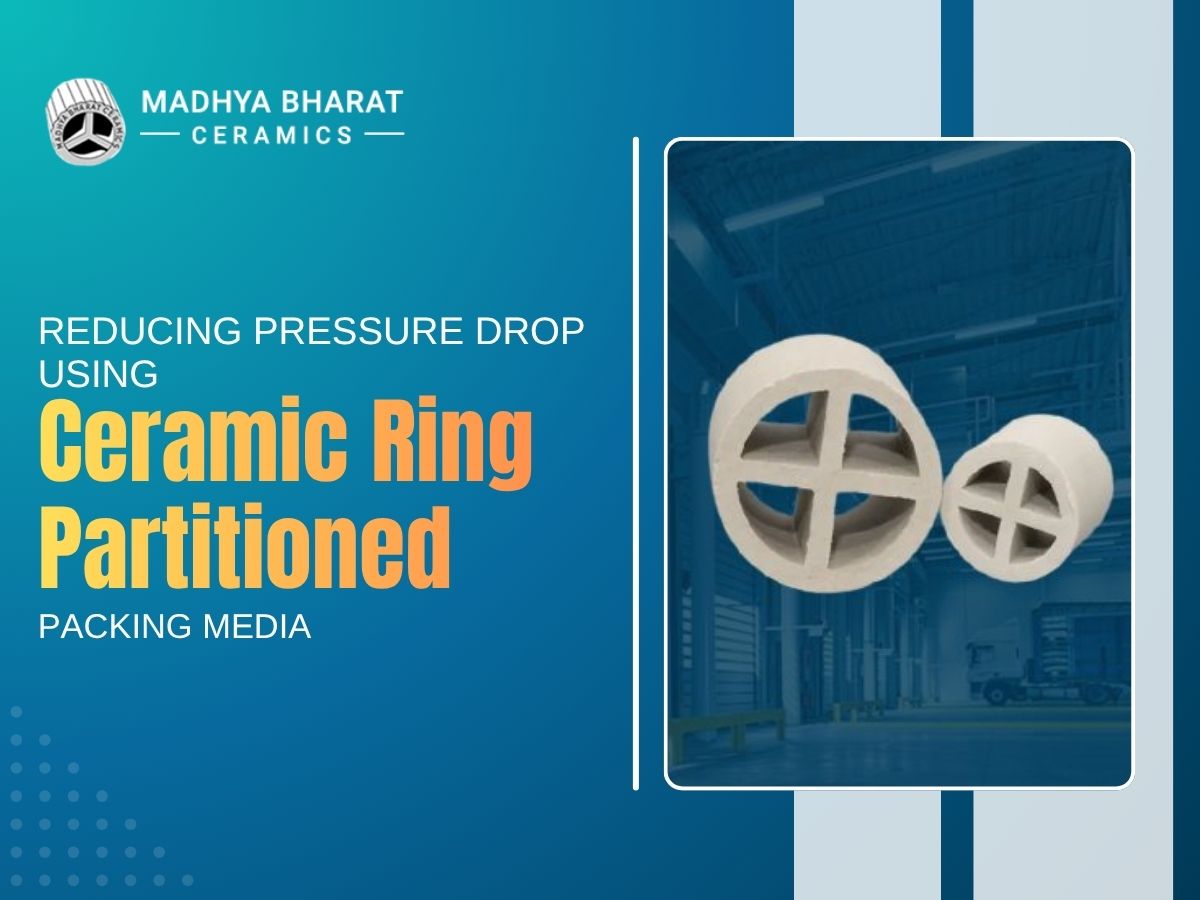
Partitioned rings have internal divisions that add surface area in the same space. This can improve contact between gas and liquid when a tower needs more mass transfer without a larger column.
Your process data decides which type fits. A good supplier will explain the trade-offs clearly, including how each design affects pressure drop and loading.
Factors That Affect Ring Performance
Even strong rings can underperform if the selection is wrong. Keep these points in mind.
- Ring size: Smaller rings give more surface area but also more resistance to flow.
- Peak temperature: Check short spikes, not only normal operation.
- Chemical mix: Match the ceramic grade to the acids and gases present.
- Bed height: Deep beds may need support or redistribution.
- Thermal cycling: Gradual heating and cooling protect ceramic from cracking.
Sharing these details with your supplier helps avoid mismatches before the order is placed.
How to Choose a Ceramic Ring Supplier
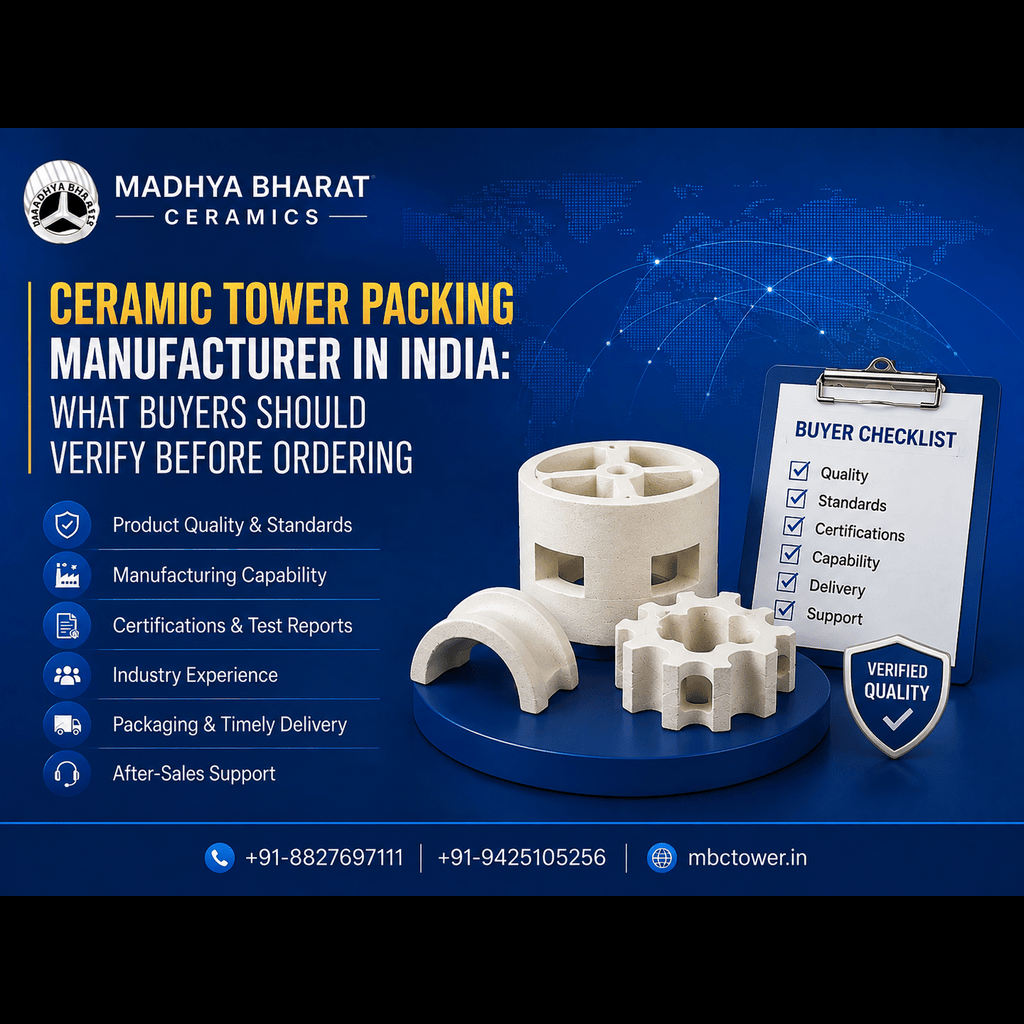
The supplier matters as much as the product. Use this checklist.
- Experience: Long production history shows real plant knowledge.
- Quality testing: Ask about raw material checks, firing control, and final inspection.
- Range: A wide product range lets you compare options honestly.
- Capacity: Confirm the supplier can handle your full quantity.
- Support: Look for clear technical guidance, not just a price quote.
A trusted Ceramic Ring Supplier will share test data and explain how products are made.
Sourcing Ceramic Rings in India
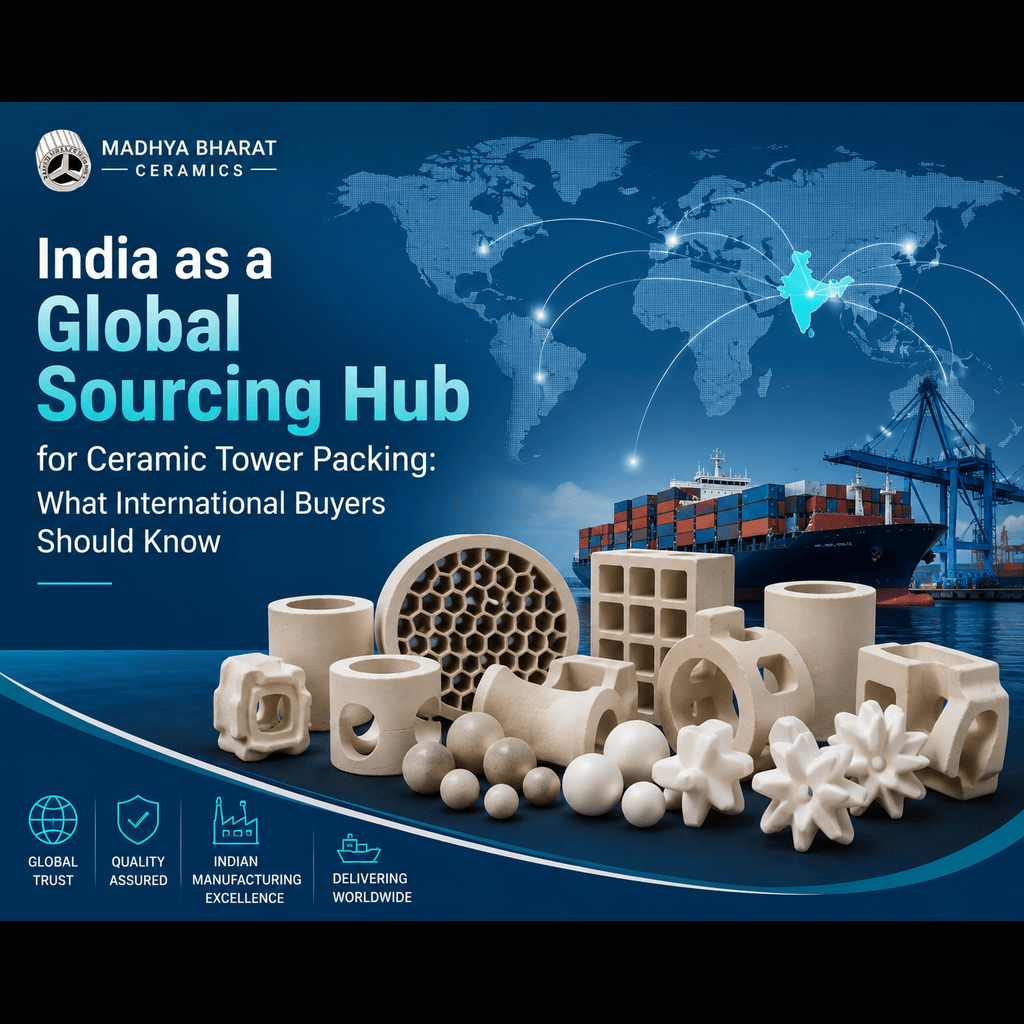
Plants across the country often search for ceramic ring manufacturers in india to shorten delivery times and make technical discussions easier. Local supply also helps when you need quick follow-up orders or support during shutdowns.
When comparing ceramic ring manufacturers, look beyond price. Ask about testing, capacity, packaging, and past work with similar plants, so you know the supplier has handled demands like yours. For partitioned designs, a dependable ceramic ring partitioned Supplier can advise on sizing and surface area.
Why Madhya Bharat Ceramics Is a Trusted Choice
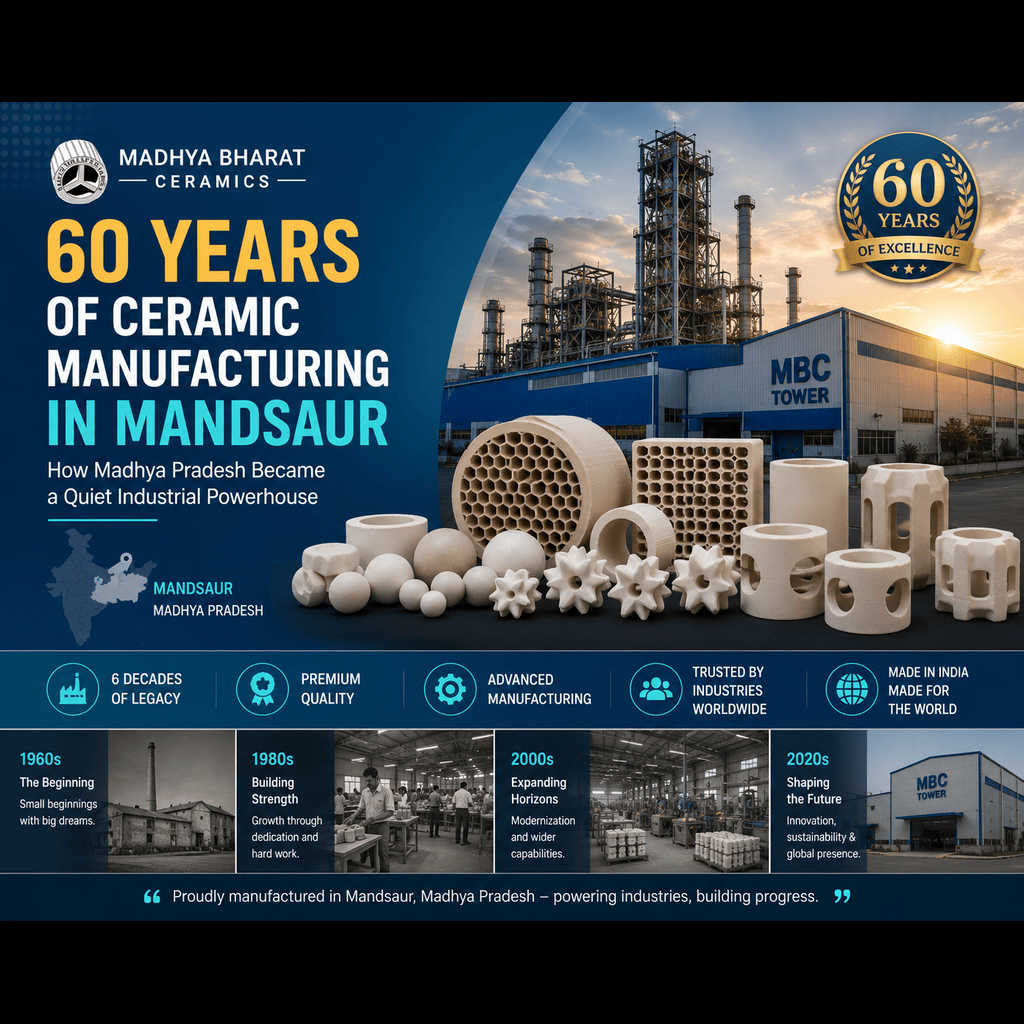
Madhya Bharat Ceramics has been making ceramic tower packing since 1964. That is more than six decades of hands-on experience. The factory is in Mandsaur, Madhya Pradesh, a region known for ceramic craftsmanship.
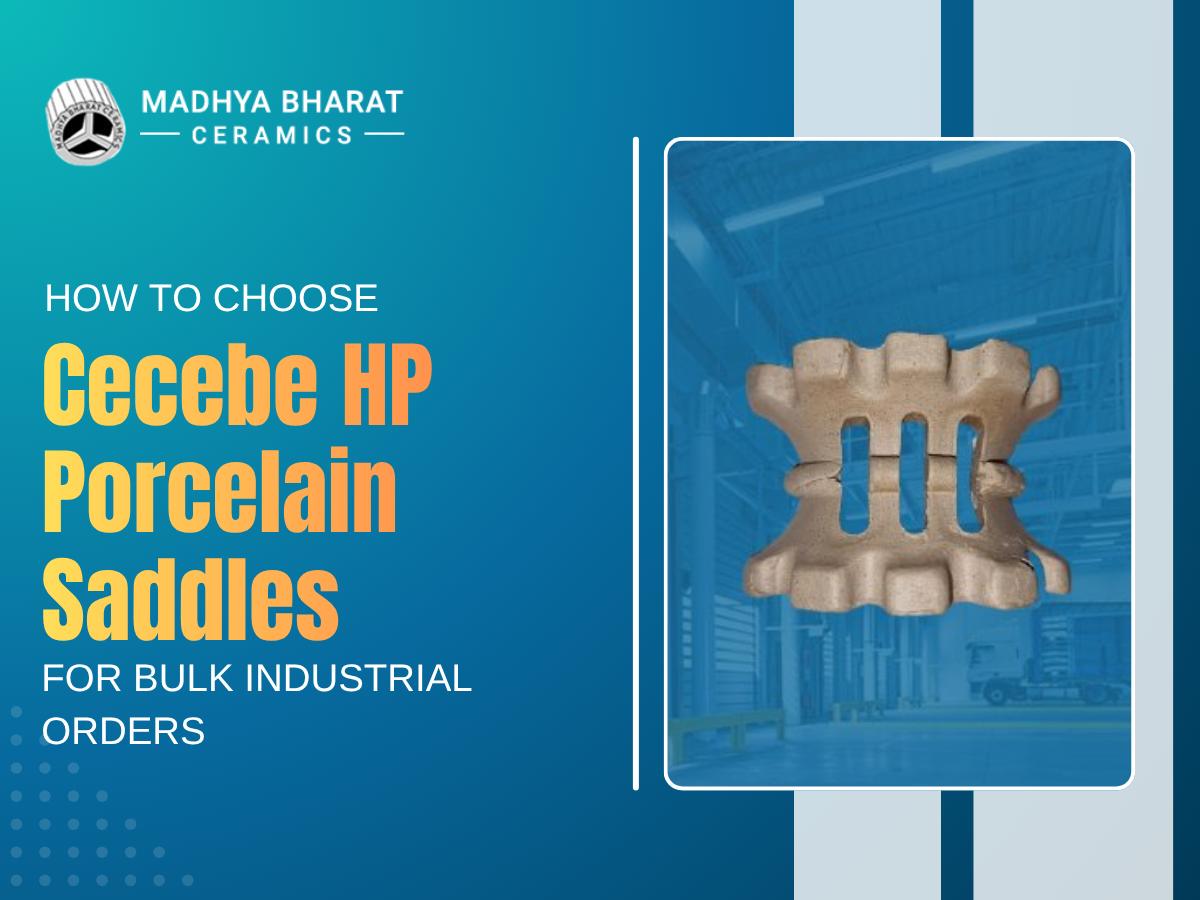
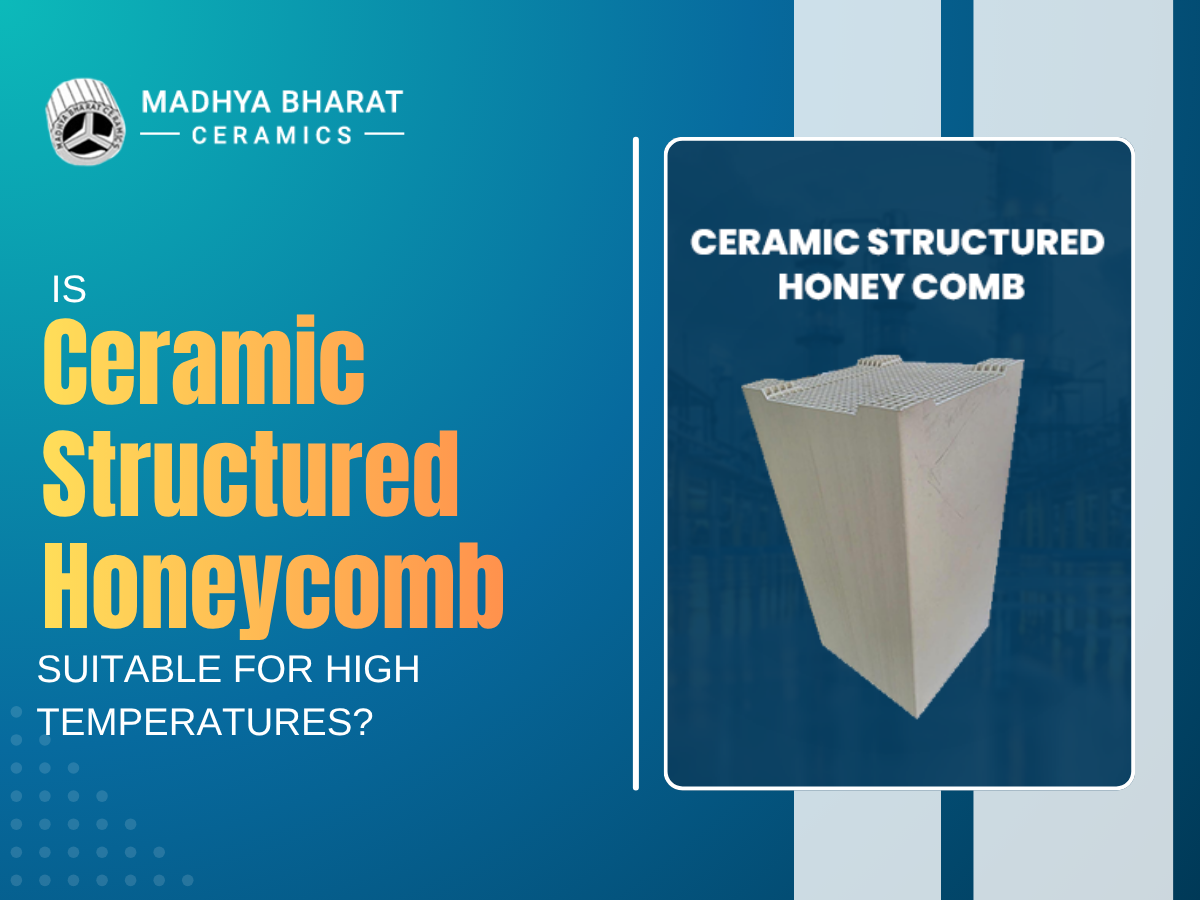
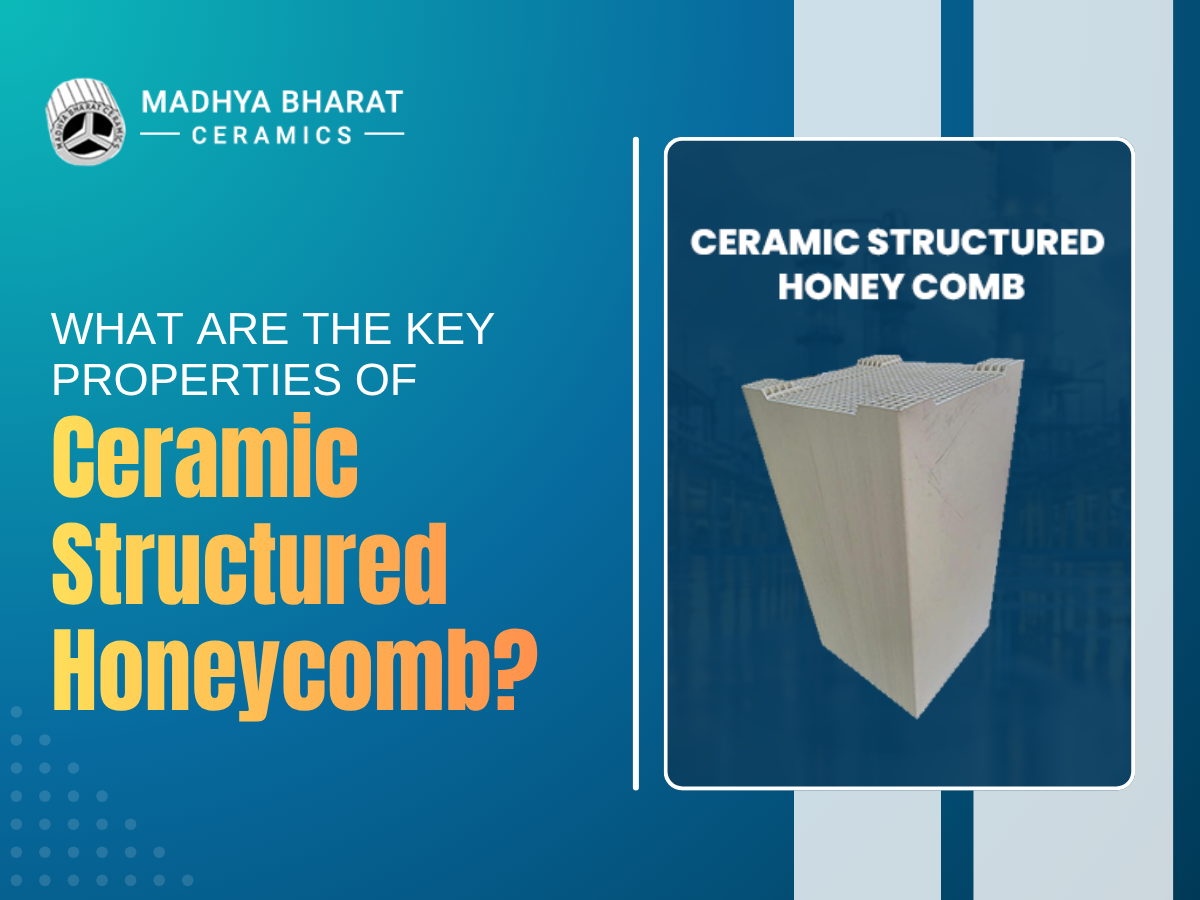
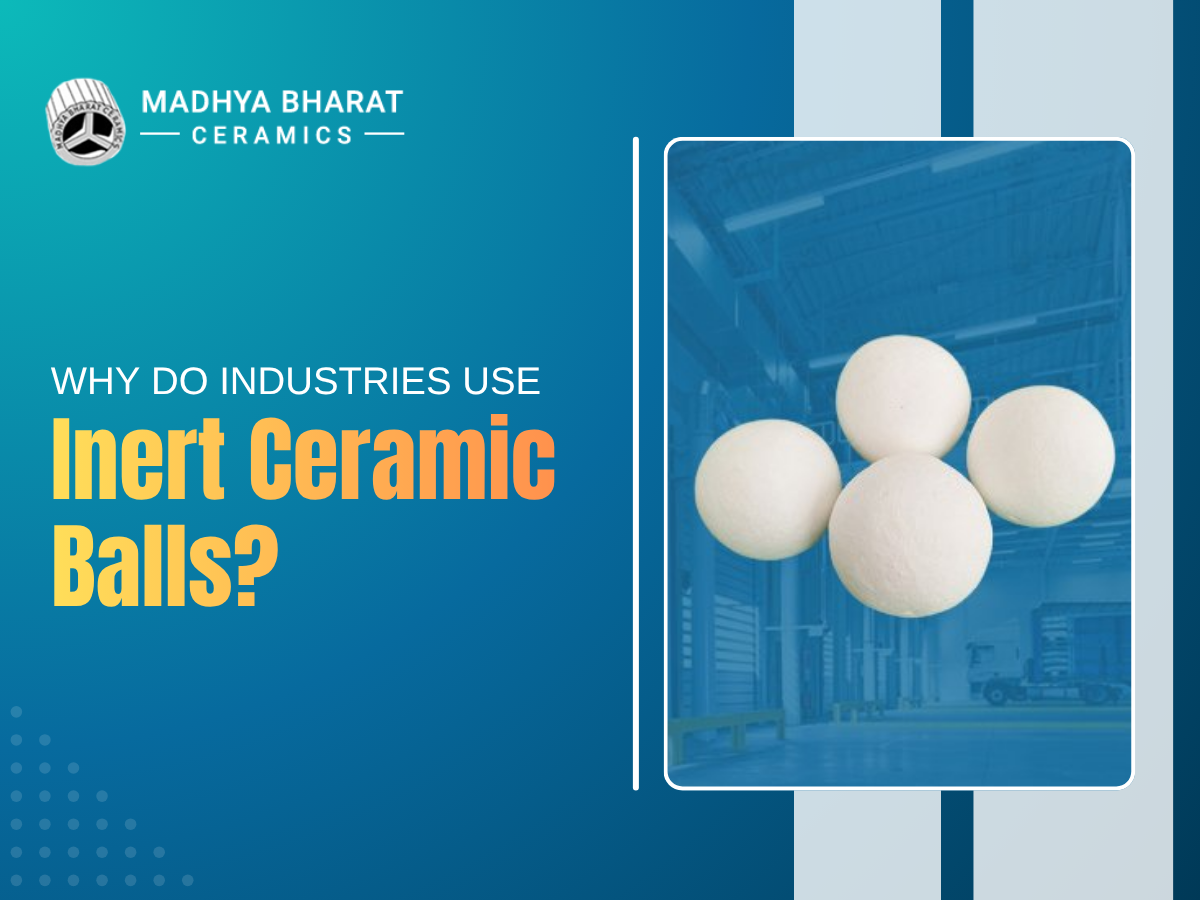
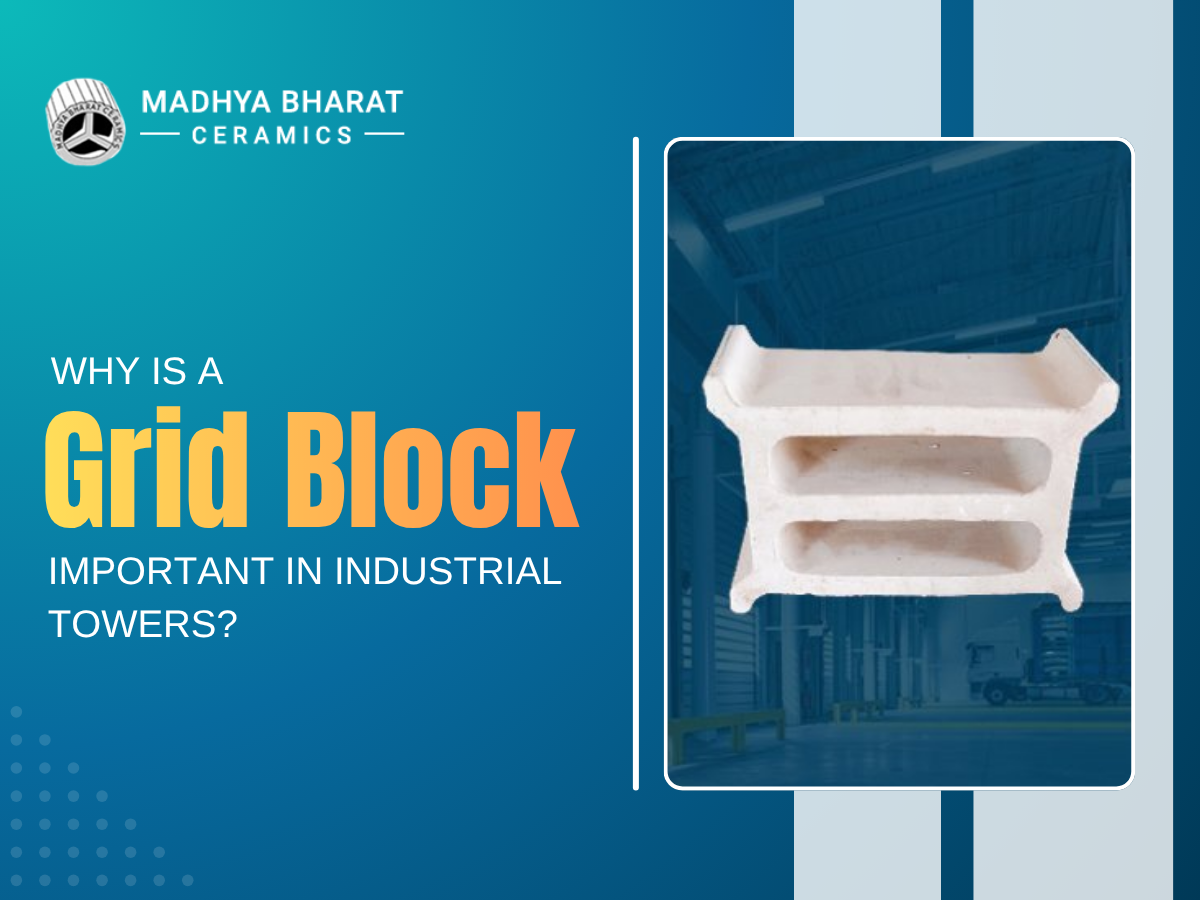
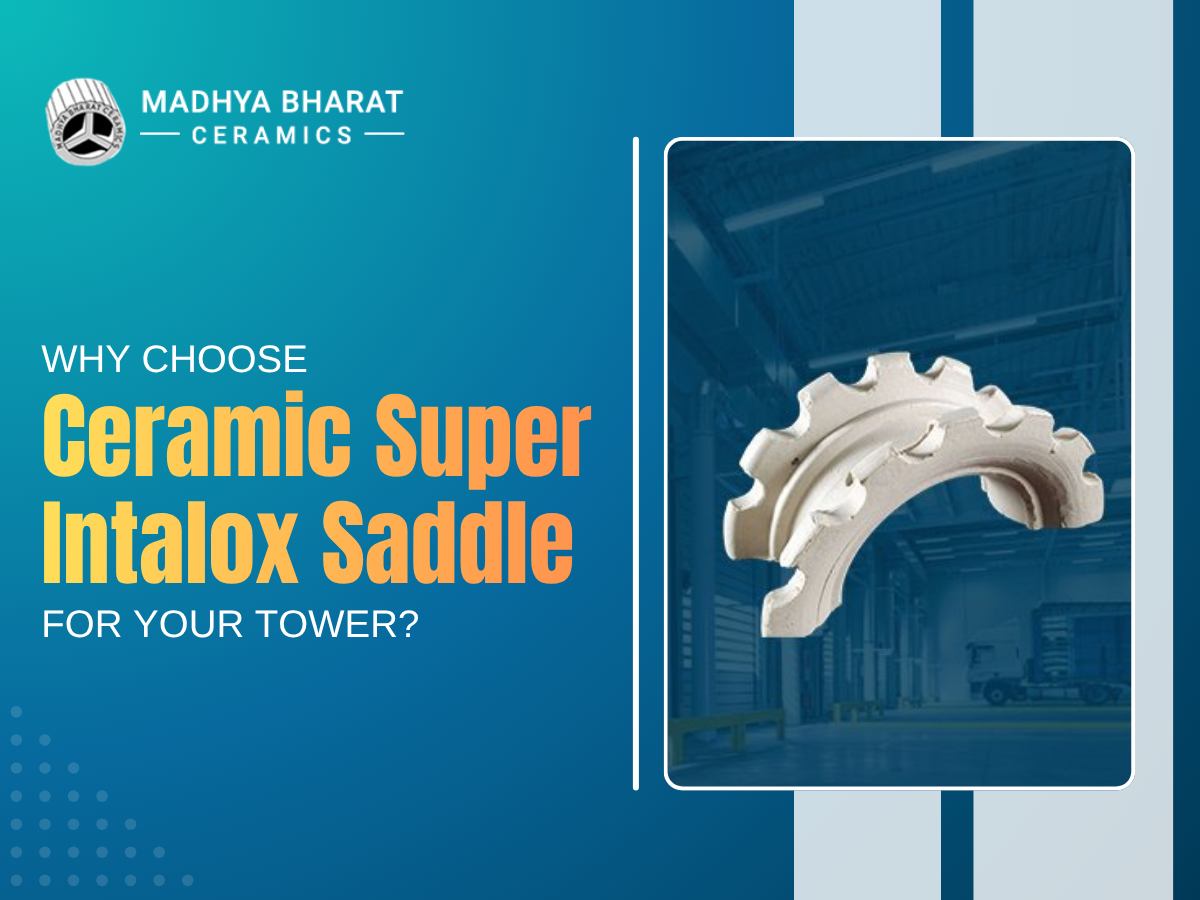
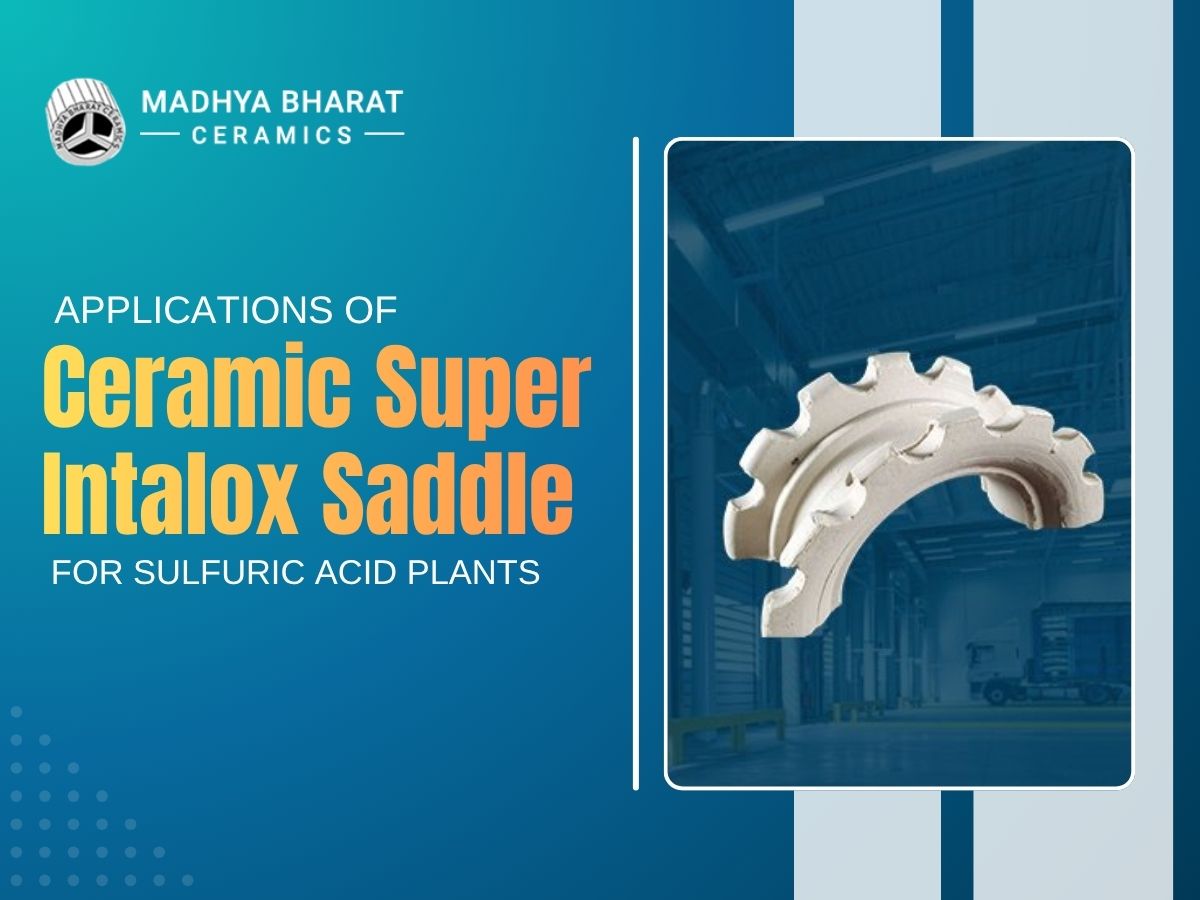
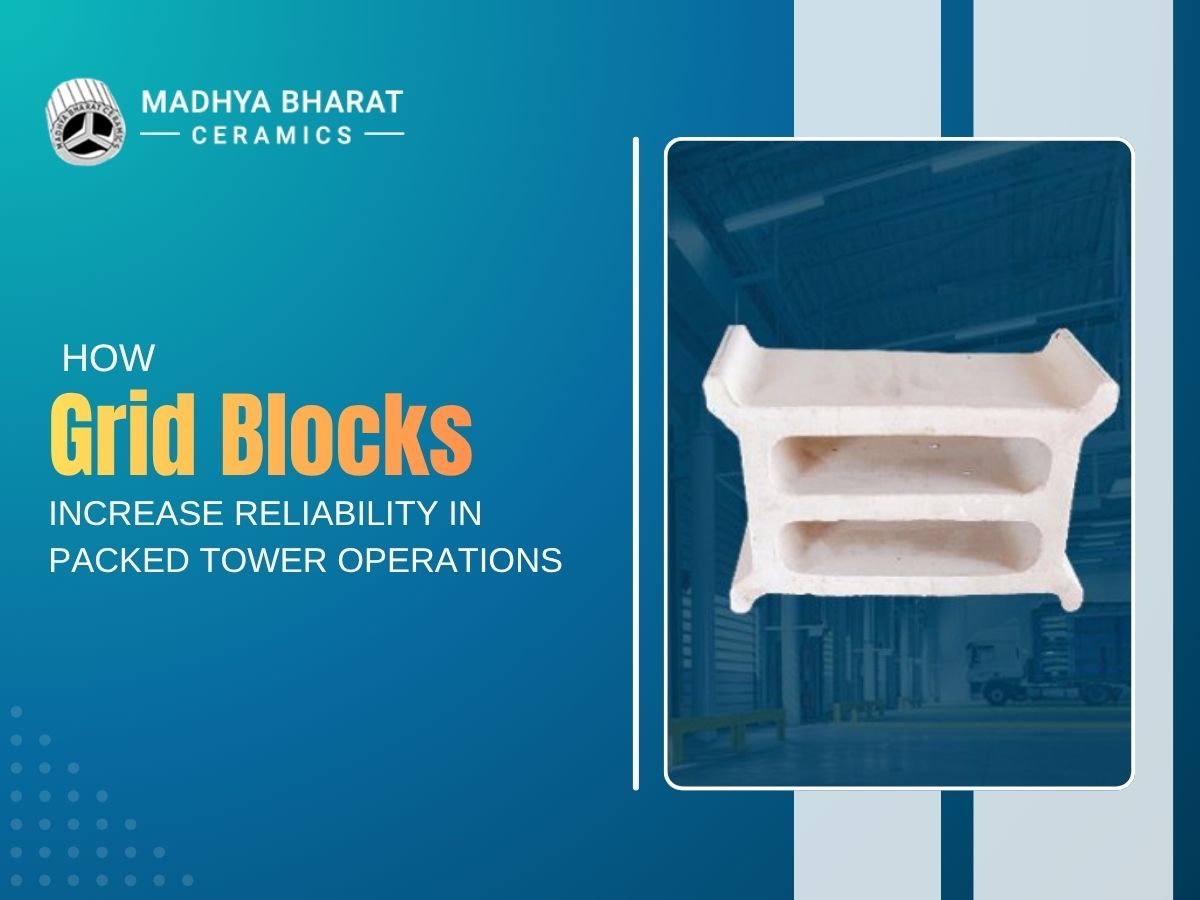
Its product range includes Ceramic Rings, Ceramic Ring Partitioned, Ceramic Saddles, Super Intalox Saddles, Cecebe HP Porcelain Saddles, Honeycomb, Structured Honeycomb, Grid Blocks, and Inert Ceramic Balls. This lets customers compare options from one source.
Lifetime Value of Ceramic Rings in Hot Service
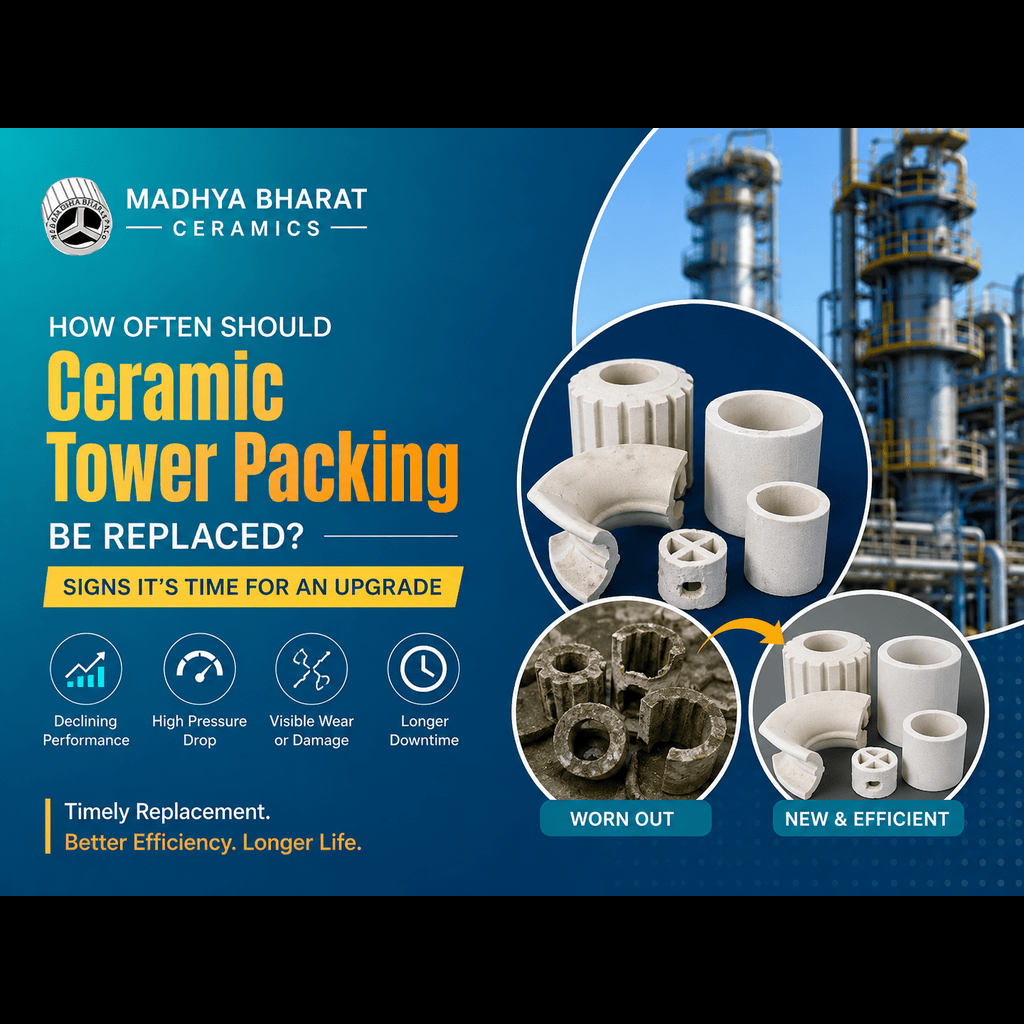
Ceramic rings may cost more upfront than plastic, but the full picture is different. Packing that fails early means labor, waste, and lost production time.
Rings that stay stable for years reduce these hidden costs. They also protect flow quality, so separation and absorption stay consistent from one run to the next.
When comparing options, look at expected service life, breakage rate, and shutdown cost. These numbers usually show why plants running hot, corrosive duty choose ceramic.
Frequently Asked Questions
1. How do ceramic rings improve performance in high-temperature environments?
They keep their shape and strength at high heat, resist corrosion, and maintain even flow, which supports steady efficiency.
2. Are ceramic rings better than metal rings for hot service?
Often yes, especially with acids or corrosive gases, because ceramic resists both heat and corrosion without needing costly alloys.
3. What is the difference between standard and partitioned ceramic rings?
Partitioned rings have internal divisions that add surface area, while standard rings have a simple hollow design with strong walls.
4. Can ceramic rings crack from sudden temperature changes?
They can if heated or cooled too fast. Gradual start-up and shutdown reduce this risk.
5. What should I ask a ceramic ring supplier before ordering?
Ask about experience, testing steps, capacity, packaging, and whether they can recommend the right size for your tower.
Conclusion
When it comes to heat, Ceramic Rings Improve Performance by staying stable, resisting corrosion, and keeping flow even. Choosing the right ring type and a reliable partner turns that advantage into real savings.
Looking for a dependable ceramic packing manufacturer in India? Madhya Bharat Ceramics is ready to help. Contact our team today for product guidance, specifications, and a customized quote.