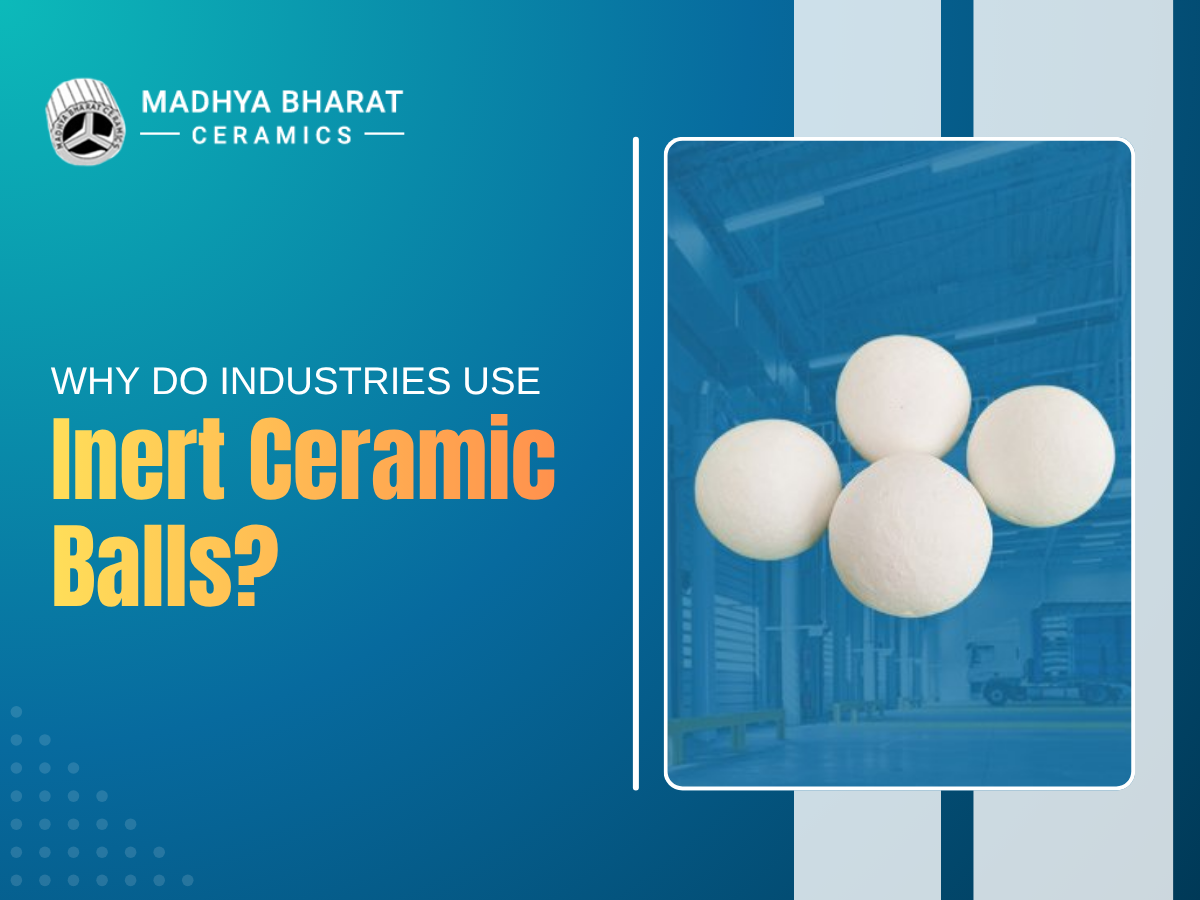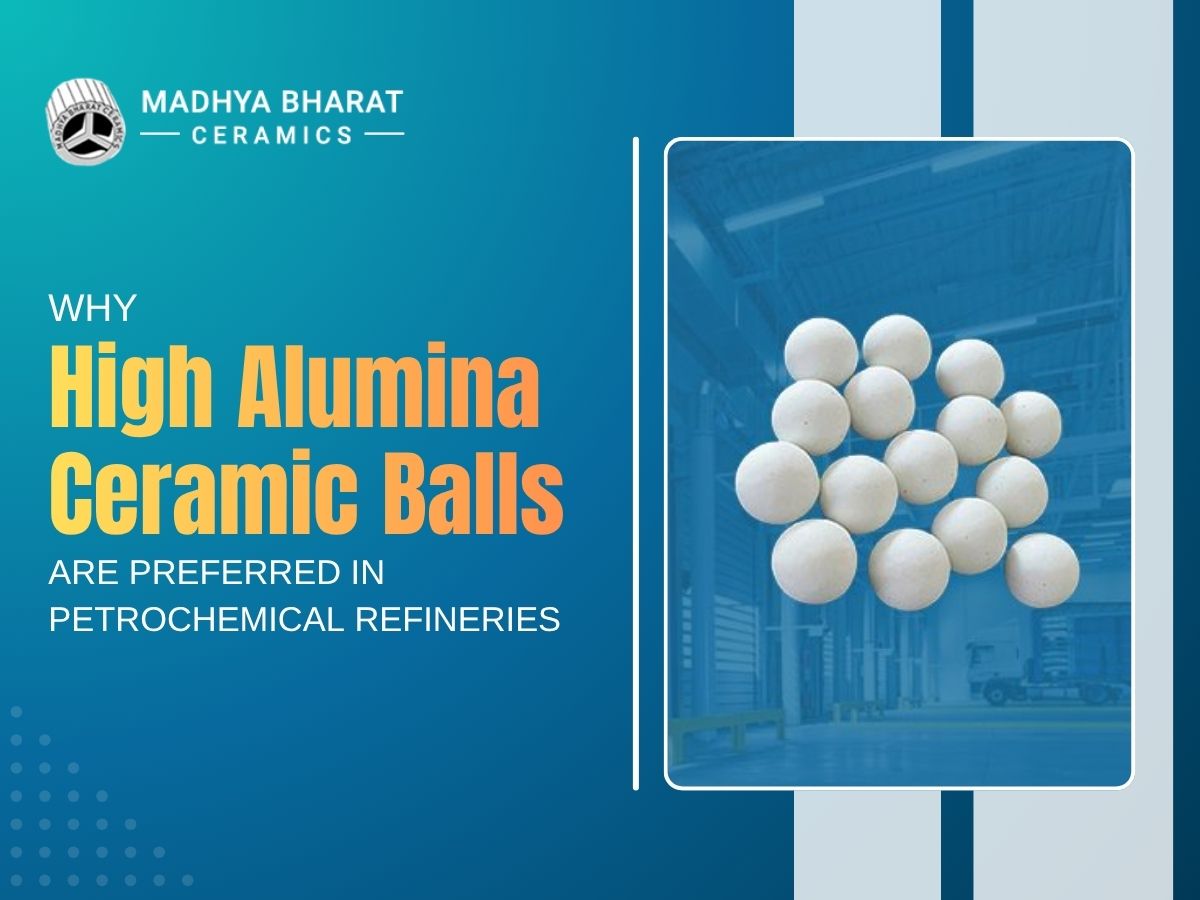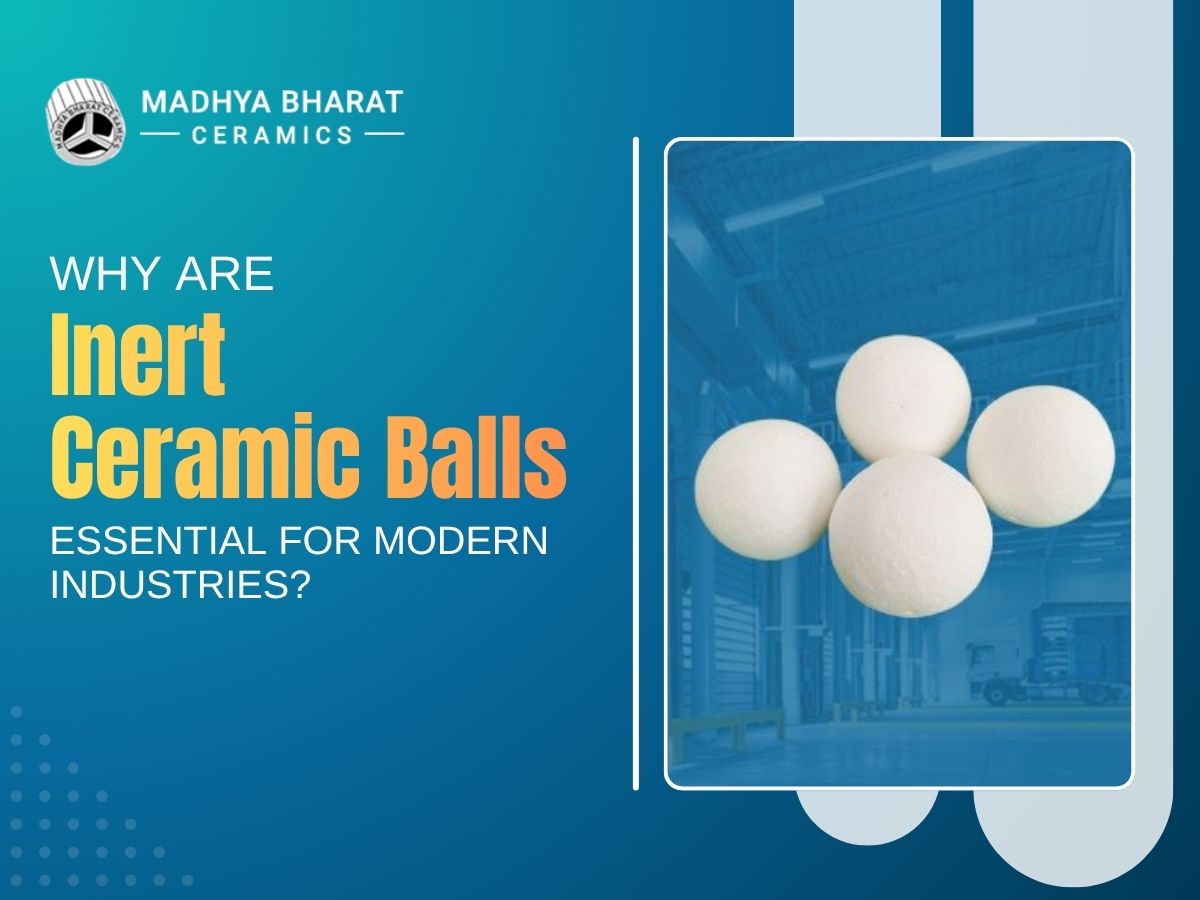
Inert ceramic balls are one of the most widely used ceramic packing materials in modern industrial process plants. They are placed inside reactors, towers, and columns to support catalyst beds, protect expensive catalysts from damage, and create even gas or liquid flow distribution across the full cross-section of the vessel. Their smooth spherical shape and chemically inert ceramic construction give them properties that no metal or plastic material can replicate at extreme operating conditions.
Inert ceramic balls in India support a chemical and petrochemical industry that processes over 250 million tonnes of material annually across refineries, fertiliser plants, and chemical factories. Published data from process engineering references confirms that proper catalyst bed support media installation using inert ceramic balls reduces catalyst attrition losses by up to 40% and extends catalyst service life significantly. These numbers explain why inert ceramic balls are a standard specification in every modern reactor design across India.
A petroleum refinery in Rajasthan had been experiencing early catalyst replacement cycles in its hydrodesulphurisation reactor. The catalyst bed was suffering physical damage from feed liquid surges hitting the top of the bed directly. MBC supplied a complete graded bed of inert ceramic balls in India as a protective top layer and support bottom layer for the catalyst. After installation, the refinery reported that catalyst service life extended by 60% and pressure drop across the reactor remained stable across the full catalyst cycle. The refinery recovered its investment in inert ceramic balls within two operating cycles through reduced catalyst procurement costs alone.
What Are Inert Ceramic Balls? Material, Shape, and Construction
Inert ceramic balls are dense, smooth-surfaced spheres manufactured from high-purity alumina-silica ceramic. The raw material mix is carefully proportioned to achieve the target density, hardness, and chemical resistance for the specific industrial application. The shaped green balls are fired in a kiln at high temperatures to produce a hard, dimensionally stable ceramic body with no open porosity on the surface.
The term chemical inert packing media refers specifically to the fact that these balls do not react with any process chemical under normal industrial operating conditions. They do not absorb process fluids, leach compounds into the process stream, or change their physical properties when exposed to acids, alkalis, hydrocarbons, or steam. This inertness is the single most important property that makes industrial ceramic balls suitable for use inside reactors, scrubbers, and packed columns where product purity is a strict requirement.
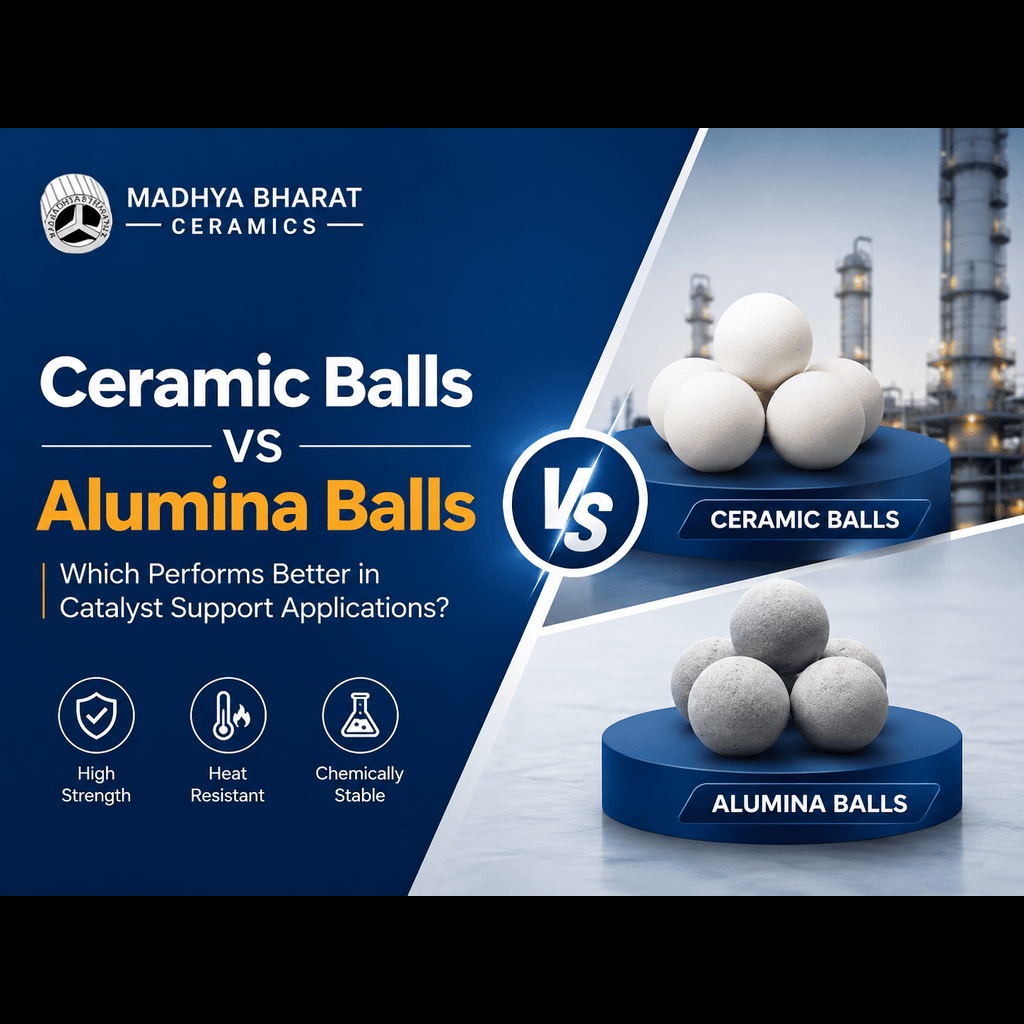
Alumina ceramic balls applications cover a wide range of alumina content levels. MBC manufactures inert ceramic balls in several grades:
- Standard Grade (23% Alumina): Suitable for general tower packing, gas scrubbing, and liquid distribution duties at moderate temperatures and chemical concentrations.
- Medium Grade (60% Alumina): Used for more demanding process duties involving higher temperatures and stronger chemical environments in chemical process materials applications.
- High Alumina Grade (92% and above): Designed for extreme high-temperature duties in catalyst bed support, thermal regenerator beds, and hot gas processing systems where standard ceramic would fail.
MBC supplies all three grades as part of its complete inert ceramic balls in India product range.
How Inert Ceramic Balls Work as Catalyst Bed Support Media
The primary industrial function of inert ceramic balls in modern process plants is to act as catalyst bed support media inside fixed-bed reactors. A fixed-bed reactor contains a bed of active catalyst pellets through which the process gas or liquid flows to carry out a chemical reaction. Without proper support and protection, catalyst beds fail prematurely through three common mechanisms: crushing under their own weight, physical damage from feed surges, and uneven flow distribution that creates hot spots and reduces conversion efficiency.
Inert ceramic balls address all three of these failure mechanisms through a graded bed design:
- Bottom Support Layer: Large inert ceramic balls are placed at the bottom of the reactor above the support grid. Their size prevents them from falling through the grid openings while supporting the weight of all the catalysts above. This layer also prevents catalyst pellets from migrating downward into the outlet piping.
- Graded Intermediate Layers: Progressively smaller sizes of industrial ceramic balls are placed in layers above the large support balls. The graded size reduction creates an even transition zone that distributes the weight load evenly and prevents bridging or void formation in the support structure.
- Top Protective Layer: A layer of inert ceramic balls is placed on top of the catalyst bed. This top layer absorbs the physical impact of liquid or gas feed entering the reactor, preventing direct impingement on the fragile catalyst pellets. It also acts as a pre-distribution layer that spreads the feed evenly across the full reactor cross-section before it contacts the catalyst.
This graded bed structure is the standard design for all modern fixed-bed reactors using inert ceramic balls in India as the support and protection system.
Inert Ceramic Balls vs Other Industrial Support and Packing Materials: Comparison Table
The table below compares inert ceramic balls against other common catalyst bed support media and ceramic packing materials used in industrial process vessels across India:
| Parameter | Inert Ceramic Balls | Ceramic Saddles | PP Pall Rings | Silica Gravel | Stainless Steel Balls |
| Material | Alumina-Silica Ceramic | Fired Ceramic | Polypropylene | Natural Silica | Stainless Steel |
| Max Temperature | 1,700 C | 1,200 C | 80 C | 800 C | 800 C |
| Acid Resistance | Excellent | Excellent | Good | Moderate | Poor |
| Alkali Resistance | Excellent | Good | Good | Poor | Moderate |
| Crushing Strength | Very High | High | Low | Moderate | Very High |
| Chemical Inertness | Full | Full | Good | Moderate | Moderate |
| Contamination Risk | Zero | Zero | Low | Low | Moderate |
| Cost | Moderate | Moderate | Low | Low | High |
| Primary Use | Catalyst Bed Support | Gas-Liquid Contact | Gas Scrubbing | Filtration | High Load Reactors |
| Typical Lifespan | 10 to 20 Years | 10 to 15 Years | 5 to 10 Years | Variable | 10 to 15 Years |
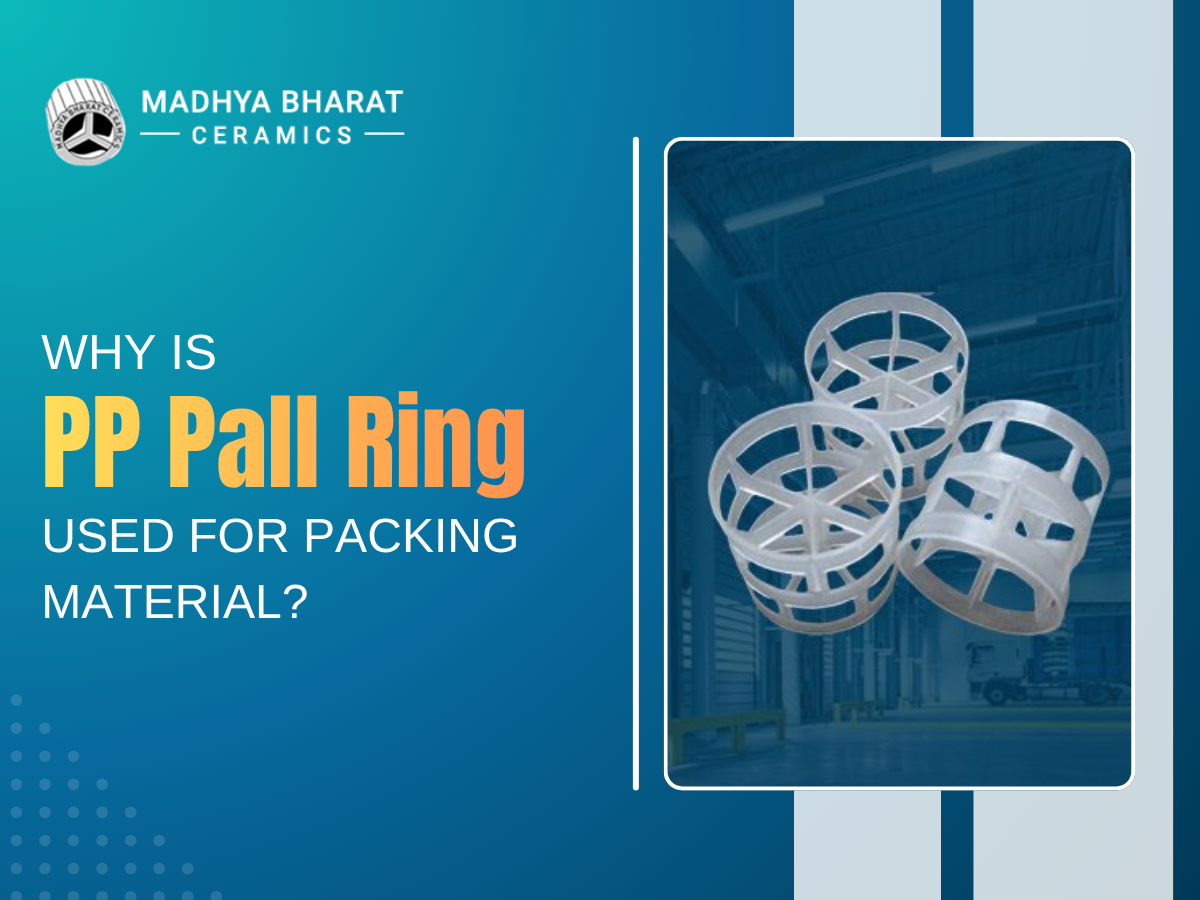
The comparison confirms that inert ceramic balls are the best available solution for catalyst bed support and reactor protection duties. Stainless steel balls match the crushing strength but fail on acid resistance and contamination risk. Silica gravel is unsuitable in alkali environments. PP Pall rings cannot handle the temperatures or crushing loads found in fixed-bed reactors.
Key Benefits of Inert Ceramic Balls in Chemical and Industrial Applications
The benefits of inert ceramic balls in catalytic processes and other industrial applications are directly linked to the material properties of high-grade fired ceramic. MBC supplies inert ceramic balls in India to plants that depend on these benefits for reliable daily production.
- Full Chemical Inertness: Inert ceramic balls do not react with any process chemical, solvent, acid, alkali, or hydrocarbon under normal industrial operating conditions. This zero-reactivity property protects both the catalyst and the product stream from contamination.
- High Temperature Resistant Ceramic Balls Performance: High-alumina grade inert ceramic balls withstand continuous operating temperatures up to 1,700 degrees Celsius. This thermal stability covers every industrial process condition from ambient temperature scrubbing to high-temperature catalytic reforming.
- Superior Crushing Strength: Dense fired ceramic resists the compressive load of deep catalyst beds. A single high-alumina industrial ceramic ball can withstand several hundred kilograms of compressive force without cracking or deforming.
- Corrosion Resistant Ceramic Materials Durability: Ceramic does not corrode, oxidise, or develop surface degradation when exposed to aggressive process chemicals or high-temperature steam over long operating cycles.
- Even Flow Distribution: The smooth spherical surface and uniform size of inert ceramic balls create a predictable, evenly distributed void structure that spreads gas or liquid flow uniformly across the full reactor or column cross-section.
- Zero Product Contamination: Ceramic does not leach metals, organic compounds, or particles into the process stream. This property is critical in pharmaceutical, fine chemical, and food-grade industrial applications where product purity specifications are strict.
- Long Service Life: Properly installed inert ceramic balls in India from MBC typically remain in service for 10 to 20 years. This long life reduces the frequency and cost of reactor maintenance shutdowns for support media replacement.
Uses of Inert Ceramic Balls in Chemical and Petrochemical Industries Across India
Inert ceramic balls in India serve a broad range of industrial sectors. MBC has supplied industrial ceramic balls to clients operating in the following industries across the country:
- Petroleum Refining: Hydrodesulphurisation, catalytic reforming, and hydrotreating reactors all use inert ceramic balls as graded bed support media to protect high-value catalyst charges from physical damage and feed surge impacts.
- Fertiliser Plants: Ammonia synthesis reactors, methanol synthesis reactors, and shift conversion reactors in fertiliser production use alumina ceramic balls applications for catalyst bed support at high temperatures and pressures.
- Petrochemical Plants: Ethylene oxide, styrene, and other monomer production reactors use chemical inert packing media to support selective catalysts that are highly sensitive to physical damage and feed distribution irregularities.
- Gas Processing Facilities: Molecular sieve dryer beds, desulphurisation units, and gas sweetening columns use inert ceramic balls as top and bottom support layers for the active adsorption media.
- Pharmaceutical Manufacturing: Fixed-bed hydrogenation reactors and other pharmaceutical synthesis reactors use high-purity inert ceramic balls in India where product contamination from support media would be a serious regulatory and safety issue.
- Power Generation: Thermal regenerator beds in gas turbine heat recovery systems use high-temperature resistant ceramic balls to store and release heat across operating cycles at very high temperatures.
- Industrial Water Treatment: Filtration columns and ion exchange resin beds use inert ceramic balls as bottom support layers to prevent resin migration and ensure even flow distribution through the treatment media.
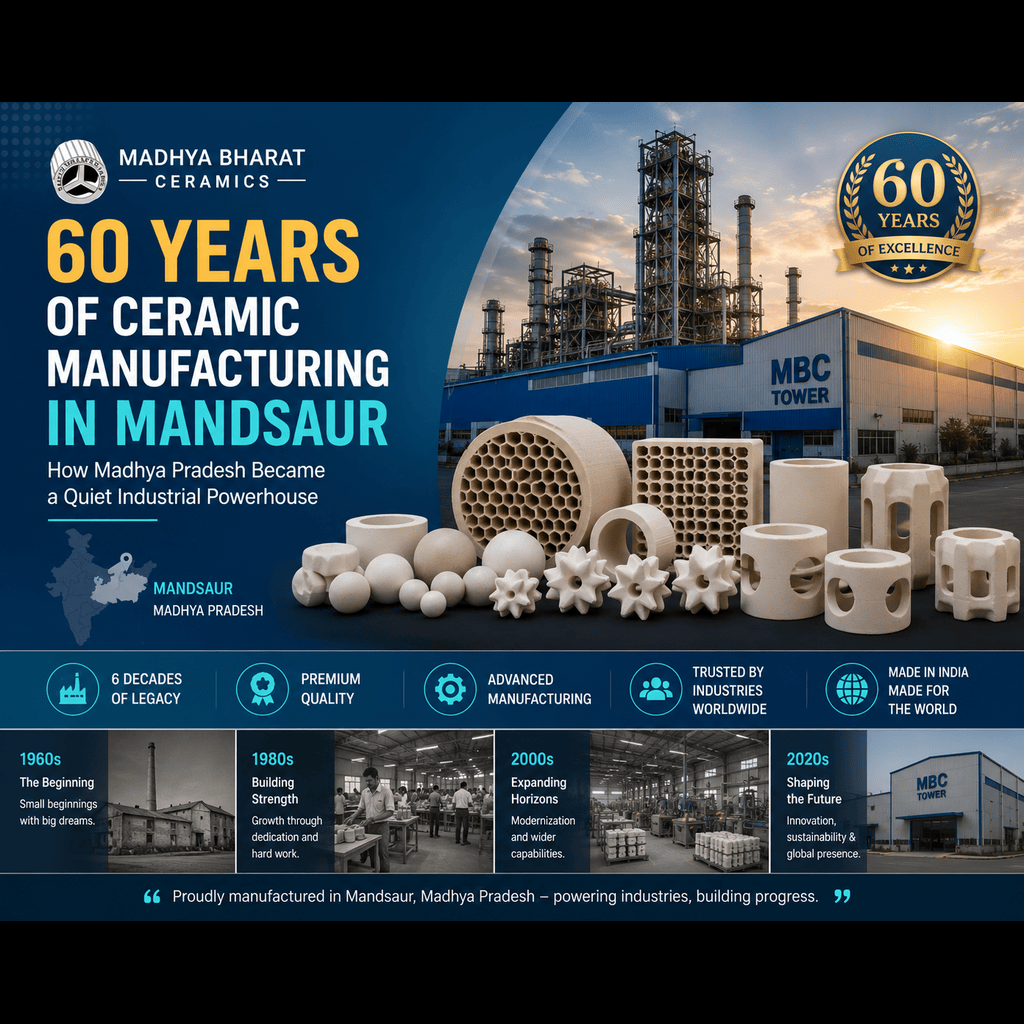
MBC: Your Trusted Inert Ceramic Balls Manufacturer and Exporter in Mandsaur
MBC is an established inert ceramic balls manufacturer in Mandsaur with a strong production record and a growing domestic and international customer base. MBC produces inert ceramic balls in India using carefully controlled raw material formulations and kiln firing profiles to deliver consistent density, crushing strength, and chemical resistance across every production batch.
Selecting MBC as your inert ceramic balls supplier gives your plant the following advantages:
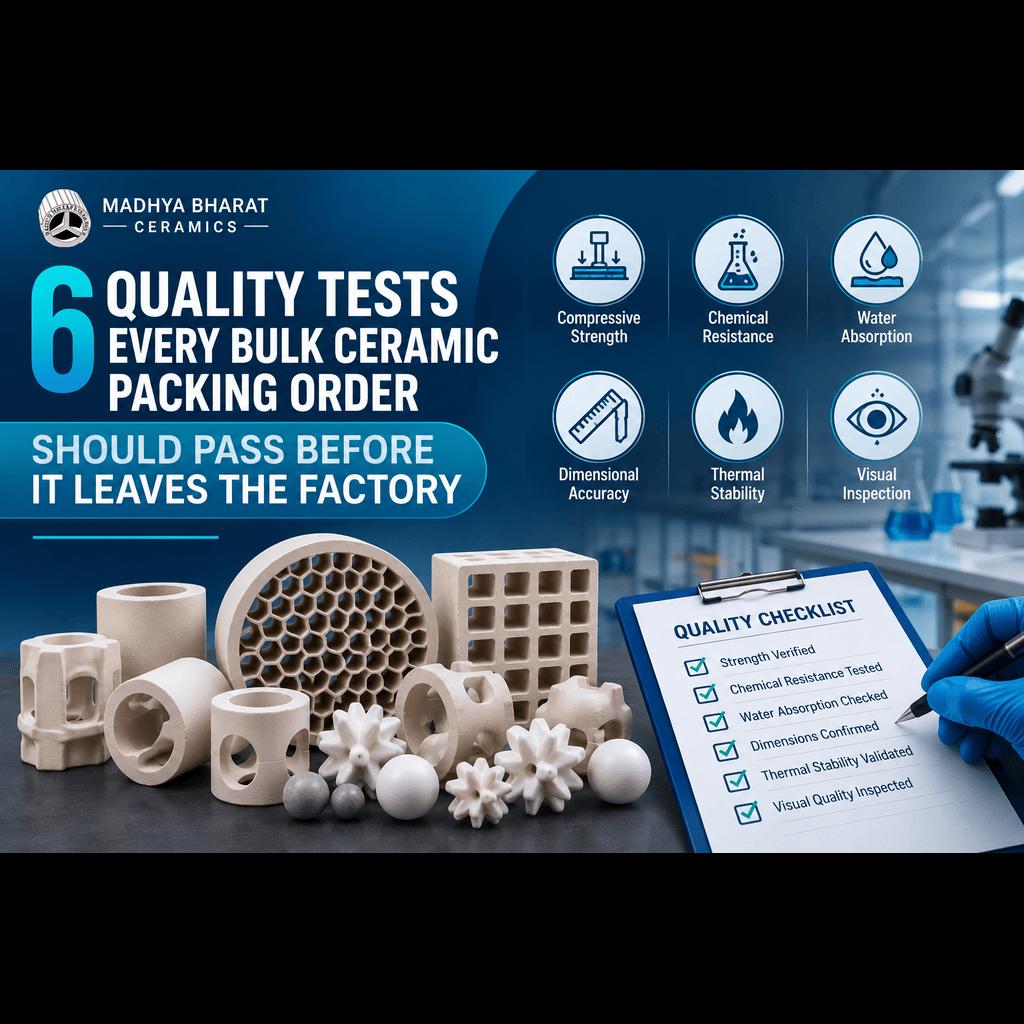
- Verified Product Quality: Every MBC batch of inert ceramic balls is tested for dimensional accuracy, compressive strength, water absorption, and chemical resistance before dispatch.
- Complete Grade and Size Range: MBC supplies industrial ceramic balls in standard grades from 23% to 92% alumina and sizes from 6 mm to 75 mm to cover all reactor and column support requirements.
- Fast Domestic Supply: MBC maintains ready inventory for rapid dispatch to plants across India, reducing downtime during planned reactor maintenance and catalyst loading shutdowns.
- Certified Export Capability: As a qualified inert ceramic balls exporter, MBC ships to international clients with full commercial documentation, material test certificates, and compliance support.
- Technical Engineering Support: MBC engineers advise clients on graded bed design, size selection, and installation procedures for specific catalyst bed support media applications in reactors and columns.
- Competitive Bulk Pricing: MBC offers transparent pricing for large-volume orders from both domestic and international inert ceramic balls buyers.
Case Study
Client: A large urea and ammonia fertiliser plant in Uttar Pradesh, India.
Challenge: The plant operated three parallel ammonia synthesis reactors. All three reactors were experiencing abnormally high pressure drop buildup during the catalyst service cycle. Investigation identified that the existing catalyst bed support media, consisting of irregular broken ceramic pieces, was migrating into the catalyst bed during temperature cycling. This migration was compressing the lower section of the catalyst bed and restricting gas flow, which increased pressure drop and reduced ammonia synthesis conversion efficiency.
Solution: MBC was commissioned to supply a complete graded inert ceramic balls in India bed system for all three reactors. MBC designed a four-layer graded bed using 50 mm, 38 mm, 25 mm, and 13 mm high-temperature resistant ceramic balls in standard alumina grade for the bottom support layers, and 13 mm balls for the top protective layer above the catalyst charge. All four layers were supplied in pre-measured volumes calculated by MBC engineers based on the reactor internal dimensions provided by the plant.
Results recorded over the next full catalyst service cycle of 18 months:
- Pressure drop buildup across the reactor reduced by 44% compared to the previous cycle with broken ceramic support media, confirming that catalyst bed compression had been eliminated.
- Ammonia synthesis conversion efficiency improved by 8% at equivalent operating pressure and temperature, due to the more uniform gas distribution achieved by the graded inert ceramic balls bed.
- Zero support media migration was observed into the catalyst bed during the end-of-cycle catalyst unloading inspection, confirming the dimensional stability of MBC industrial ceramic balls under temperature cycling conditions.
- Catalyst service life extended by 35% compared to the previous cycle, as the protective top layer of inert ceramic balls successfully absorbed feed surge impacts that had previously caused physical damage to the top section of the catalyst charge.
- Return on investment achieved within one operating cycle through reduced catalyst procurement costs, improved ammonia yield, and avoided emergency reactor shutdowns for pressure drop correction.
Conclusion: This case confirms that inert ceramic balls in India from MBC deliver measurable and sustained improvements in reactor performance when used as a properly designed graded bed support and protection system. The combination of dimensional stability, high-temperature resistant ceramic balls properties, and zero chemical reactivity makes MBC inert ceramic balls the correct specification for ammonia synthesis and other high-temperature, high-pressure catalytic reactor applications.
FAQ’s About Inert Ceramic Balls
Q1: What are inert ceramic balls used for in industry?
Inert ceramic balls are used as catalyst bed support media, tower packing, and flow distribution layers in reactors, columns, and scrubbers.
Q2: Why are inert ceramic balls important in catalytic processes?
They protect expensive catalysts from physical damage, distribute feed evenly, and extend catalyst service life in fixed-bed reactors significantly.
Q3: What temperature can inert ceramic balls handle?
High-alumina inert ceramic balls withstand continuous temperatures up to 1,700 degrees Celsius, covering all industrial reactor and thermal process conditions.
Q4: Are inert ceramic balls resistant to acids and alkalis?
Yes. Inert ceramic balls are fully resistant to sulphuric acid, hydrochloric acid, nitric acid, caustic soda, and most industrial chemical process materials.
Q5: What sizes of inert ceramic balls does MBC supply?
MBC supplies inert ceramic balls from 6 mm to 75 mm in standard, medium, and high alumina grades to cover all reactor and column support requirements.
Q6: Who is the best inert ceramic ball manufacturer in Mandsaur?
MBC is a leading inert ceramic balls manufacturer in Mandsaur supplying high-quality alumina ceramic balls across India and for international export.
Q7: How do inert ceramic balls improve reactor efficiency?
Their uniform spherical shape creates even gas and liquid flow distribution across the reactor cross-section, improving conversion efficiency and reducing pressure drop buildup.
Q8: How long do inert ceramic balls last in an industrial reactor?
With correct installation and normal operating conditions, inert ceramic balls typically last 10 to 20 years before replacement due to physical degradation is required.
Conclusion
Inert ceramic balls are essential for modern industries because they protect catalyst beds, ensure even flow distribution, and withstand the most extreme temperatures and chemical conditions found in industrial reactors and process columns. Their full chemical inertness, crushing strength, and long service life make them irreplaceable in petrochemical, fertilizer, pharmaceutical, and chemical processing plants. Inert ceramic balls in India from MBC deliver consistent reactor and tower performance backed by verified manufacturing quality and direct technical support from an experienced inert ceramic balls manufacturer in Mandsaur. Contact MBC today to specify the right grade and size for your next reactor or column project.