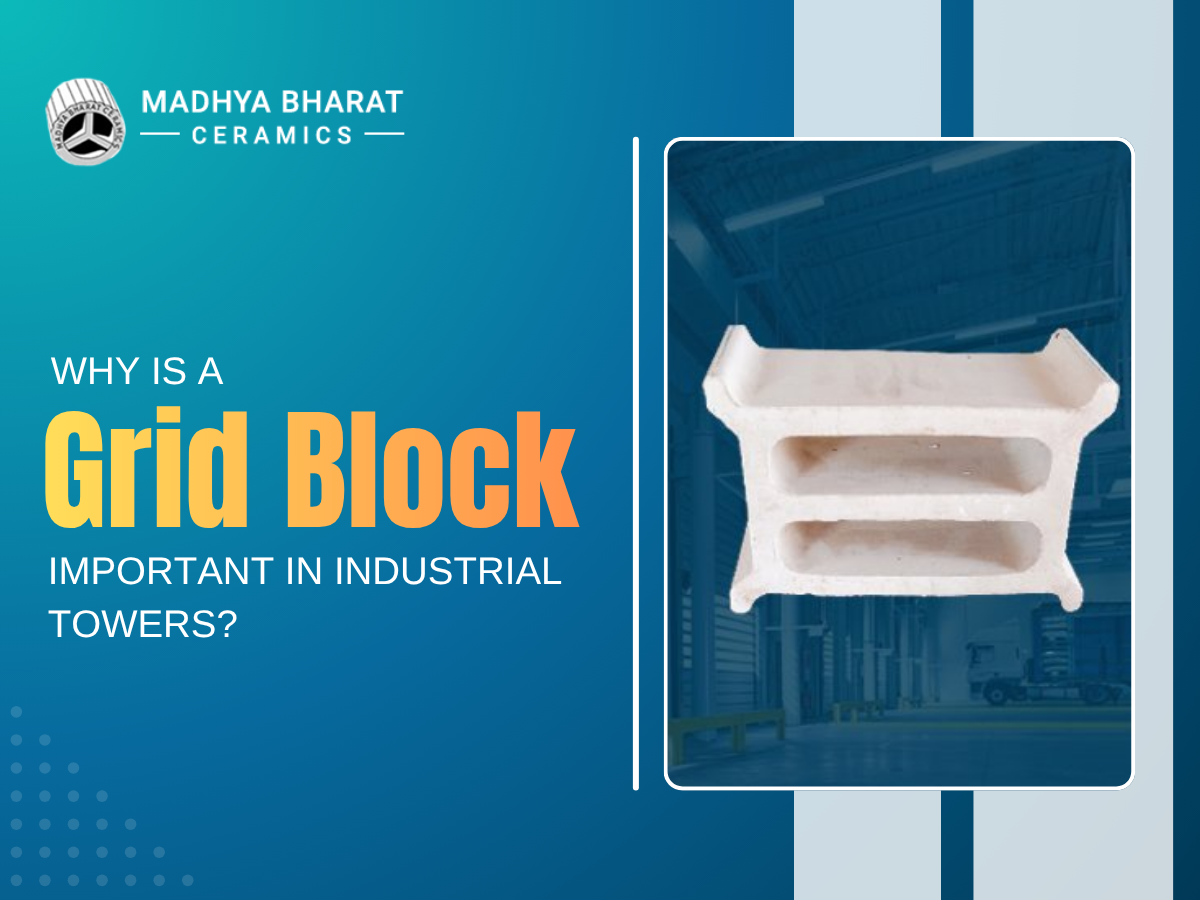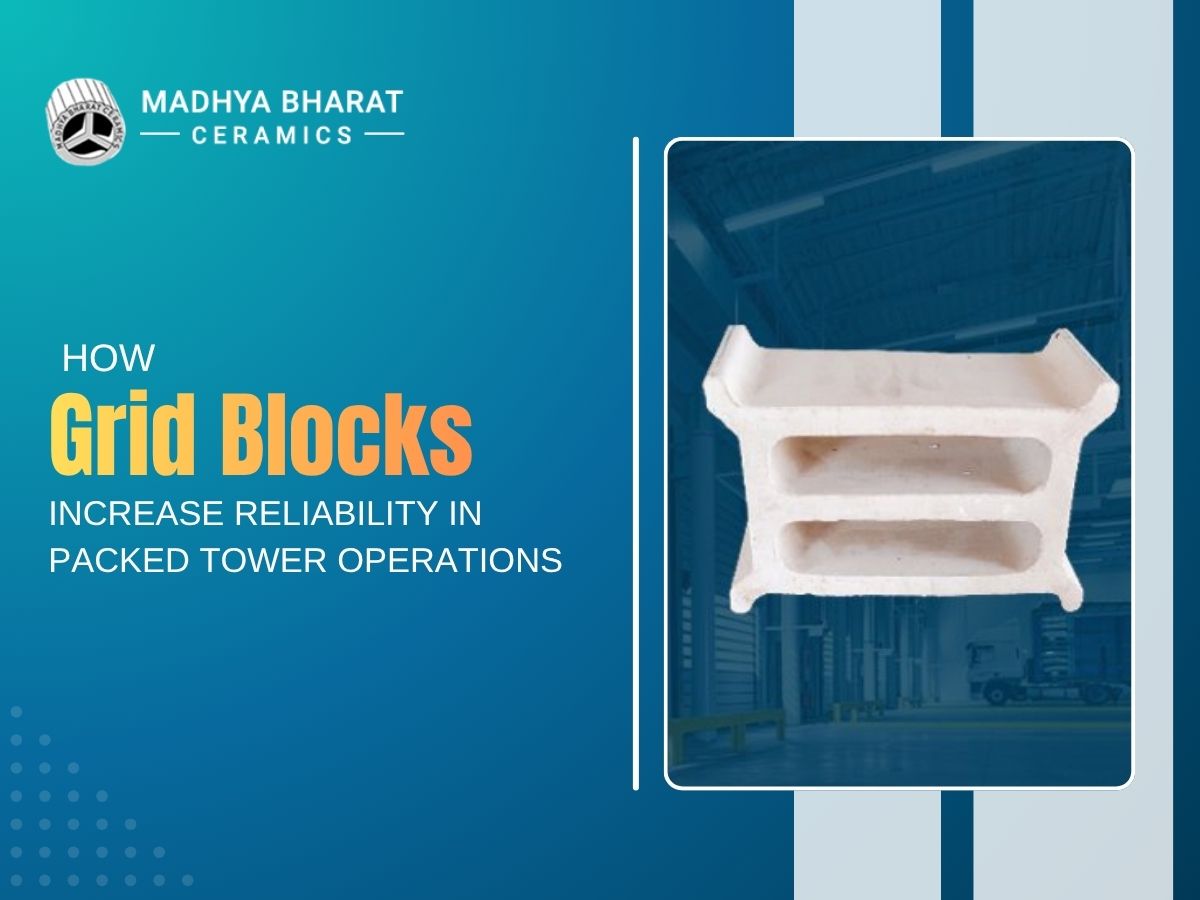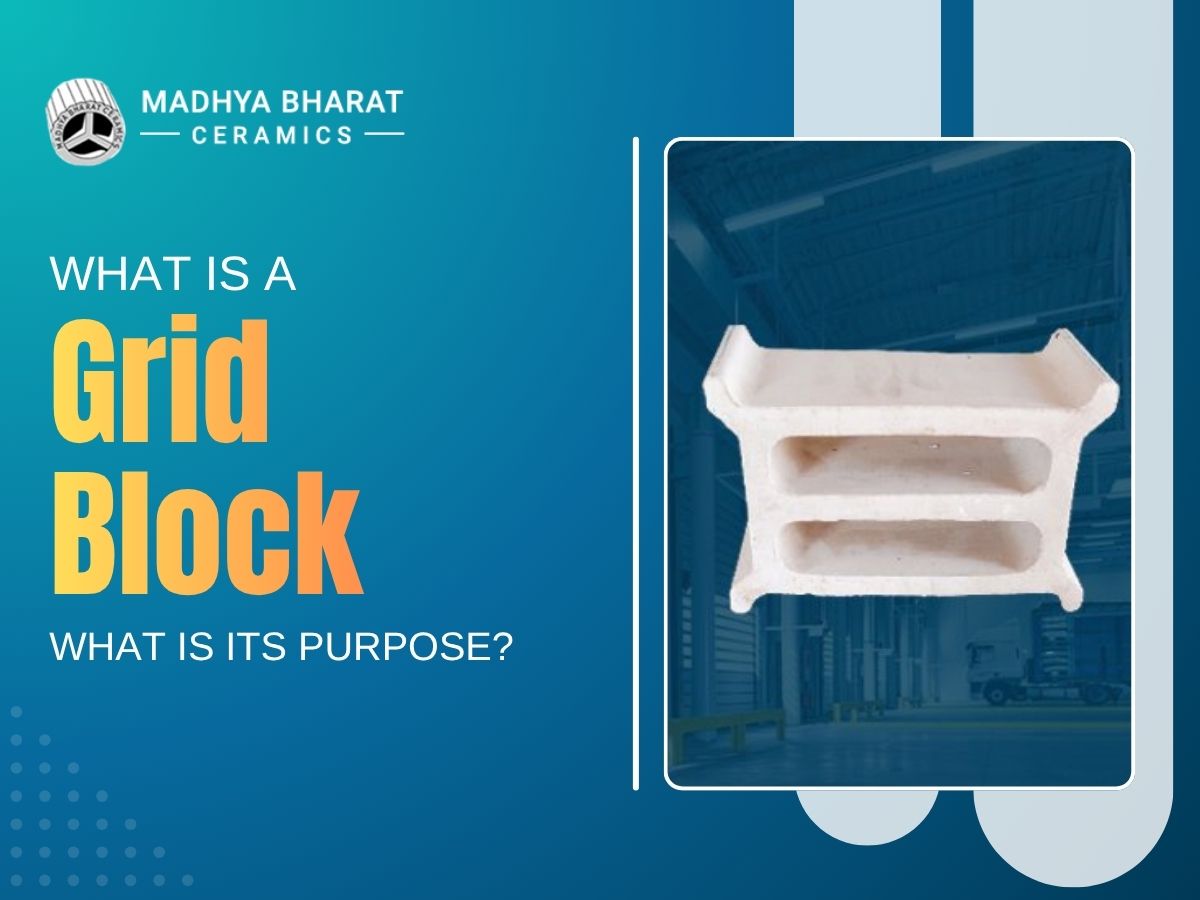
In industrial plants, equipment performance often depends on components that are never visible from the outside. A grid block is one such component. It is a structured support unit, typically made from high-grade ceramic or metal, placed inside reactors, towers, and filtration systems to distribute weight, fluid, and airflow evenly across a surface.
Fact: Industrial reactors in petrochemical plants can operate at temperatures above 1400 degrees Celsius. Standard metal supports fail at these conditions. Ceramic grid blocks maintain their structural integrity at such extreme temperatures, making them the preferred choice for high-demand applications.
Fact: According to industry data from the Chemical Engineering Journal, poor load distribution in packed towers can reduce efficiency by up to 30%. A properly placed grid block eliminates this inefficiency by creating a stable, uniform base layer.
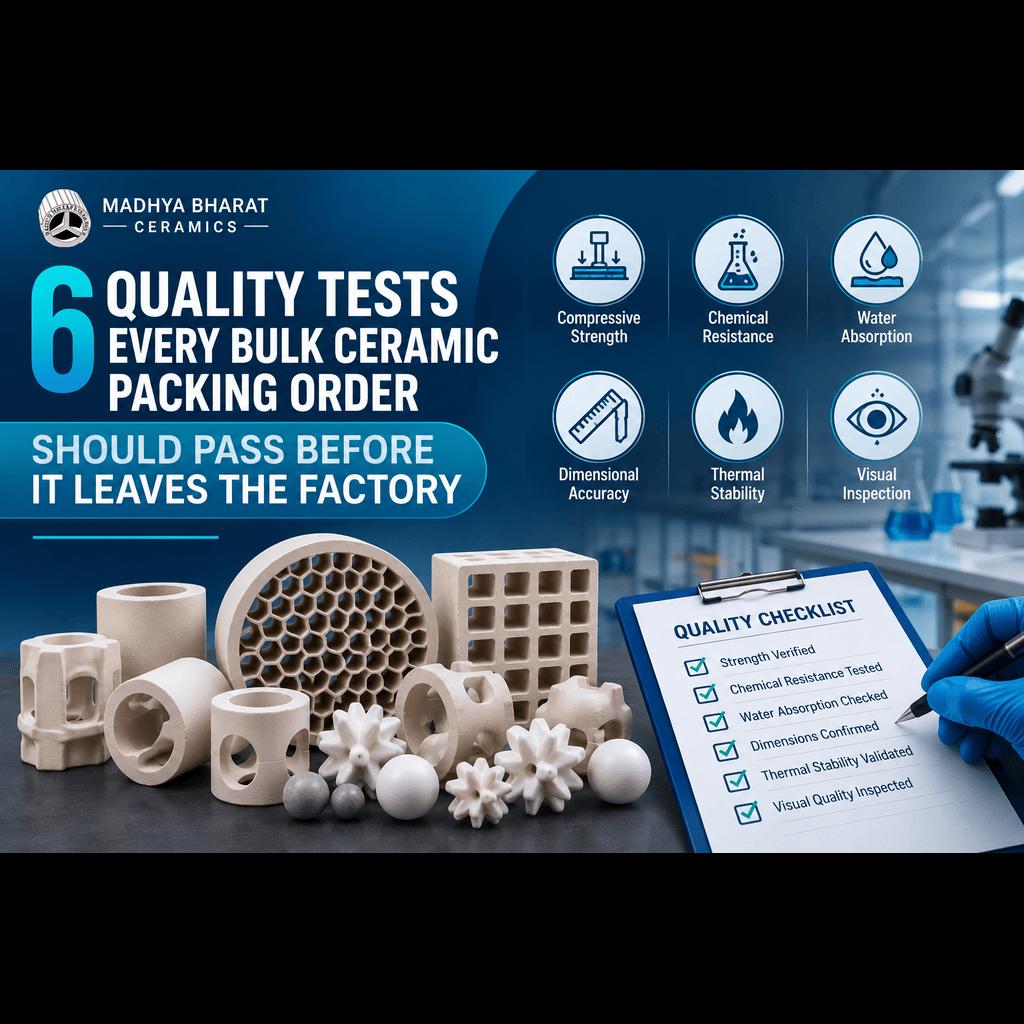
A reliable ceramic grid block supplier ensures that each unit meets dimensional accuracy, density, and chemical resistance standards before it reaches the plant floor. This quality commitment is what separates a professional supplier from a basic vendor.
What Is a Grid System and How Does It Work in Industry?
A grid system in industry refers to a network of support structures arranged in a repeating, interlocked pattern. The purpose of this pattern is to spread mechanical load, direct fluid movement, and allow controlled airflow across a large surface area without creating pressure buildup.
In chemical towers and reactor vessels, a ceramic grid block is placed at the base or between packing layers. It acts as a platform that holds the packing material above it while allowing liquids and gases to pass through freely.
The key working principles of an industrial grid system include:
- Even load distribution: Weight from upper packing layers spreads across the full grid surface
- Fluid channeling: Liquids drain downward through grid openings without pooling
- Gas distribution: Upward-flowing gases spread evenly before entering the packing zone
- Vibration resistance: Interlocked grid units absorb mechanical stress without shifting
These properties make the grid block a foundational component in any well-designed reactor or filtration tower.
Purpose of Ceramic Grid Blocks in Chemical Processing
The purpose of ceramic grid blocks in chemical processing goes beyond simple support. They serve as the structural foundation that keeps the entire packed bed functioning correctly.
In distillation columns, ceramic grid blocks prevent the random packing above from migrating downward during liquid surge events. In absorption towers, they maintain separation between packing sections so each zone performs its designated chemical function.
Core purposes in chemical processing include:
- Catalyst bed support: Holding catalyst particles in position during high-pressure reactions
- Structured packing support: Acting as a stable base for structured packing modules
- Phase separation: Keeping liquid and gas flow paths separate within multi-stage towers
- Thermal buffering: Absorbing and distributing heat evenly across the tower cross-section
A qualified ceramic grid block manufacturer designs each unit with precise void fraction ratios. This ensures maximum flow-through capacity without compromising structural strength.
How Grid Structures Improve Airflow and Load Distribution
One of the most searched questions about this topic is: “How do grid structures improve airflow and load distribution?” The answer is directly tied to geometry and material properties.
A ceramic grid block has a repeating open-cell structure. This geometry creates hundreds of small, uniform channels through which air or gas passes. When gas enters from below, the grid divides it into equal streams before it reaches the packing above. This prevents channeling, which is when gas finds one easy path and bypasses the rest of the packing.
For load distribution, the interlocked arrangement of grid blocks transfers vertical weight horizontally across the vessel wall. This prevents localized stress that can crack or deform the vessel lining.
Key improvements seen with proper industrial grid structure use:
- Up to 25% improvement in gas distribution uniformity
- Reduction in pressure drop across the packed bed
- Prevention of packing collapse due to uneven loading
- Extended service life of packing media above the grid layer
Why Grid Support Is Used in Tower Packing Systems
Tower packing systems are used in gas absorption, liquid-liquid extraction, and distillation processes. Inside these towers, packing media creates the large surface area needed for chemical reactions. But packing media cannot simply rest on the tower floor. It needs a grid support layer beneath it.
Why grid support is used in tower packing systems comes down to three practical reasons:
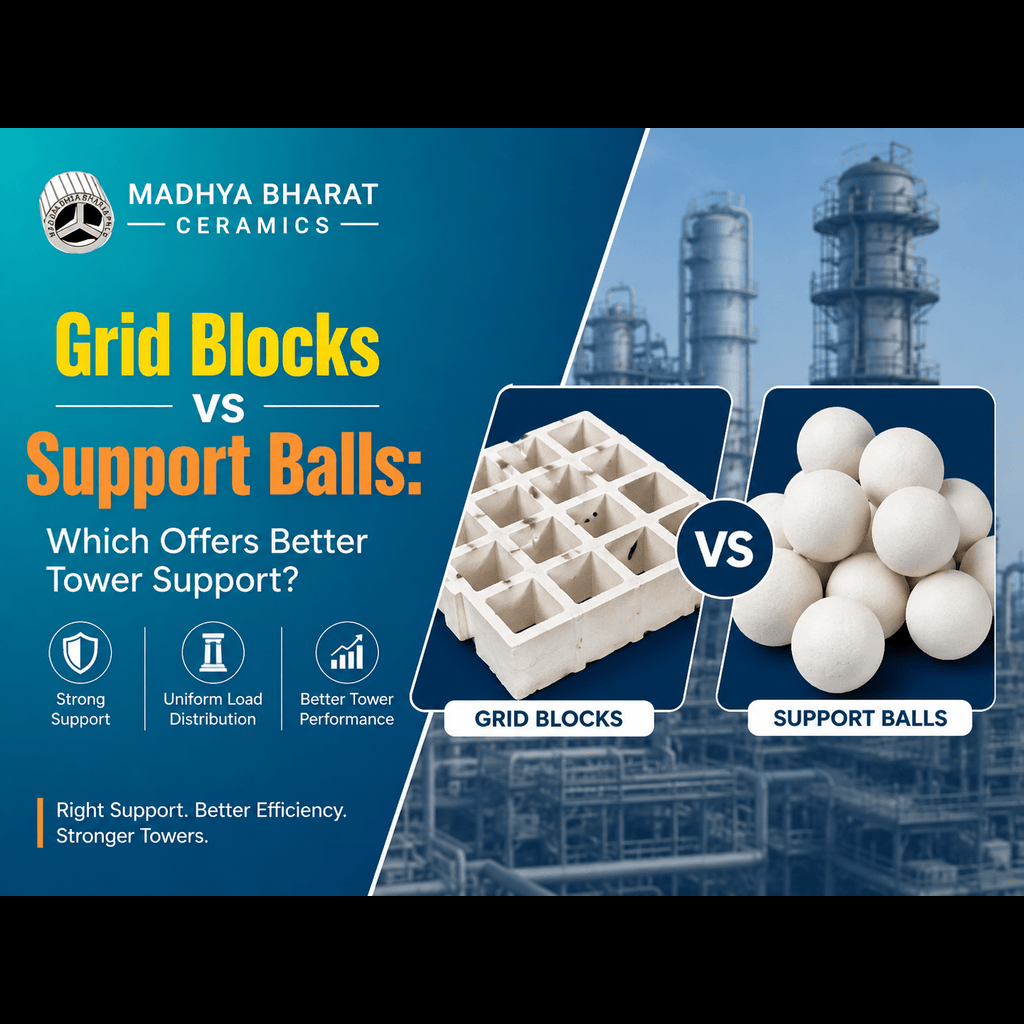
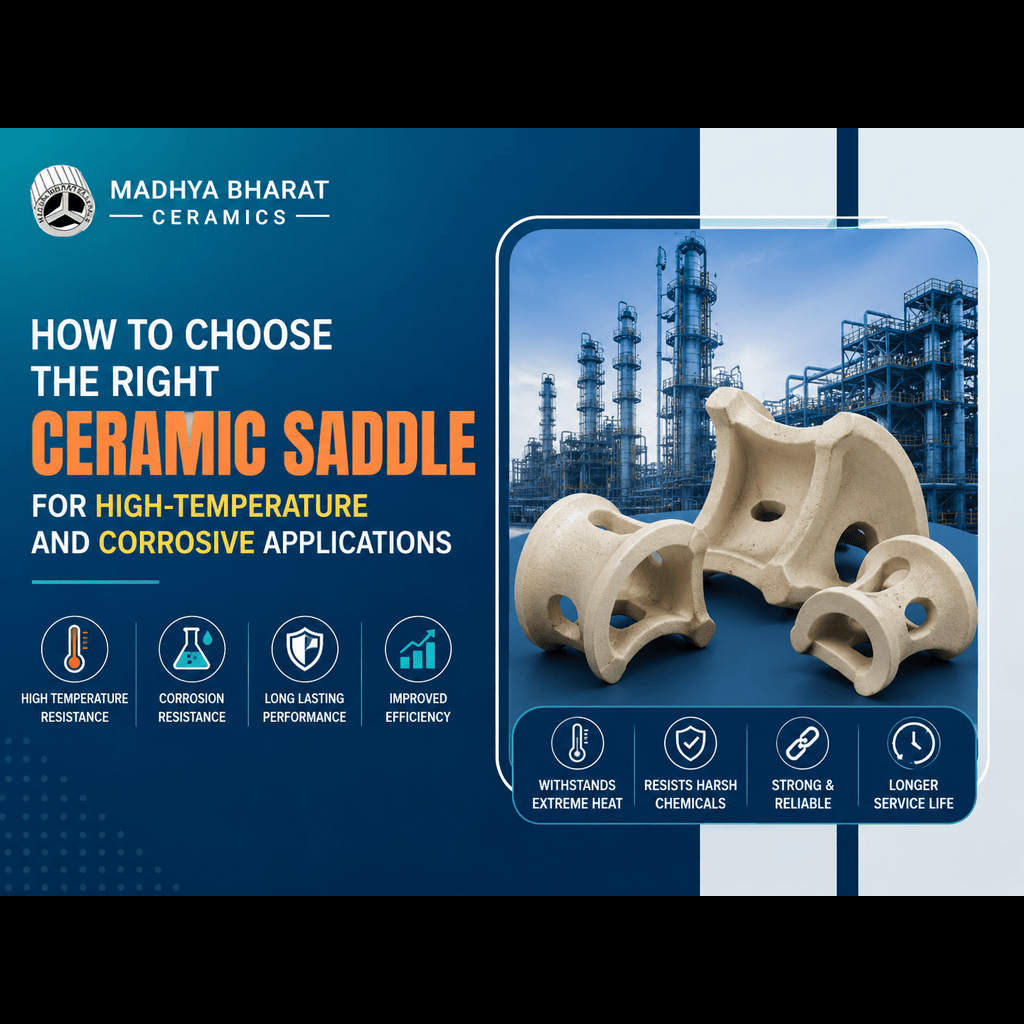
- Mechanical stability: Packing media, especially random packing like ceramic rings or saddles, shifts during operation. A rigid grid block layer anchors the base and prevents downward migration.
- Hydraulic performance: The open structure of a ceramic grid block supplier’s product allows liquid to drain freely downward while gas rises upward without interference.
- Maintenance access: A defined grid layer makes it easier to remove, inspect, and replace packing media during scheduled shutdowns.
Comparison Table: Grid Block Types and Their Industrial Applications
| Grid Block Type | Material | Max Temperature | Primary Application | Chemical Resistance |
| Standard Ceramic Grid | Al2O3 92% | 1400 degrees C | Reactors, absorbers | High |
| High Alumina Grid | Al2O3 99% | 1700 degrees C | Petrochemical towers | Very High |
| Cordierite Grid | Cordierite ceramic | 1300 degrees C | Thermal oxidizers | Medium to High |
| Mullite Grid | Mullite ceramic | 1600 degrees C | Kilns, furnaces | High |
| Plastic Grid Block | Polypropylene | 120 degrees C | Water treatment towers | Medium |
This table helps plant engineers and procurement teams match the right grid block to their specific process conditions. A trusted ceramic grid block exporter will always provide material test certificates confirming these parameters.
Benefits of Using Industrial Grids in Filtration and Reactors
The benefits of using industrial grids in filtration and reactors are measurable and well-documented across multiple industries. Plants that install proper ceramic grid blocks consistently report better process outcomes and lower maintenance frequency.
Specific benefits include:
- Longer reactor uptime: A stable grid layer reduces bed disturbances, allowing longer continuous operation between maintenance windows.
- Improved filtration accuracy: In liquid filtration towers, a grid block prevents channeling that would allow unfiltered fluid to bypass the media.
- Reduced media replacement costs: Properly supported packing lasts longer because it experiences fewer mechanical shocks during operation.
- Better temperature management: High-temperature resistance grid materials absorb thermal spikes without cracking, protecting the vessel below.
- Lower energy consumption: Even gas distribution means the blower or compressor works against a consistent pressure drop, reducing energy waste.
A professional ceramic grid block supplier provides not just the product but also technical guidance on grid sizing, spacing, and installation to maximize these benefits.
Ceramic Grid Block Manufacturer in Mandsaur: Why India Leads in Ceramic Production
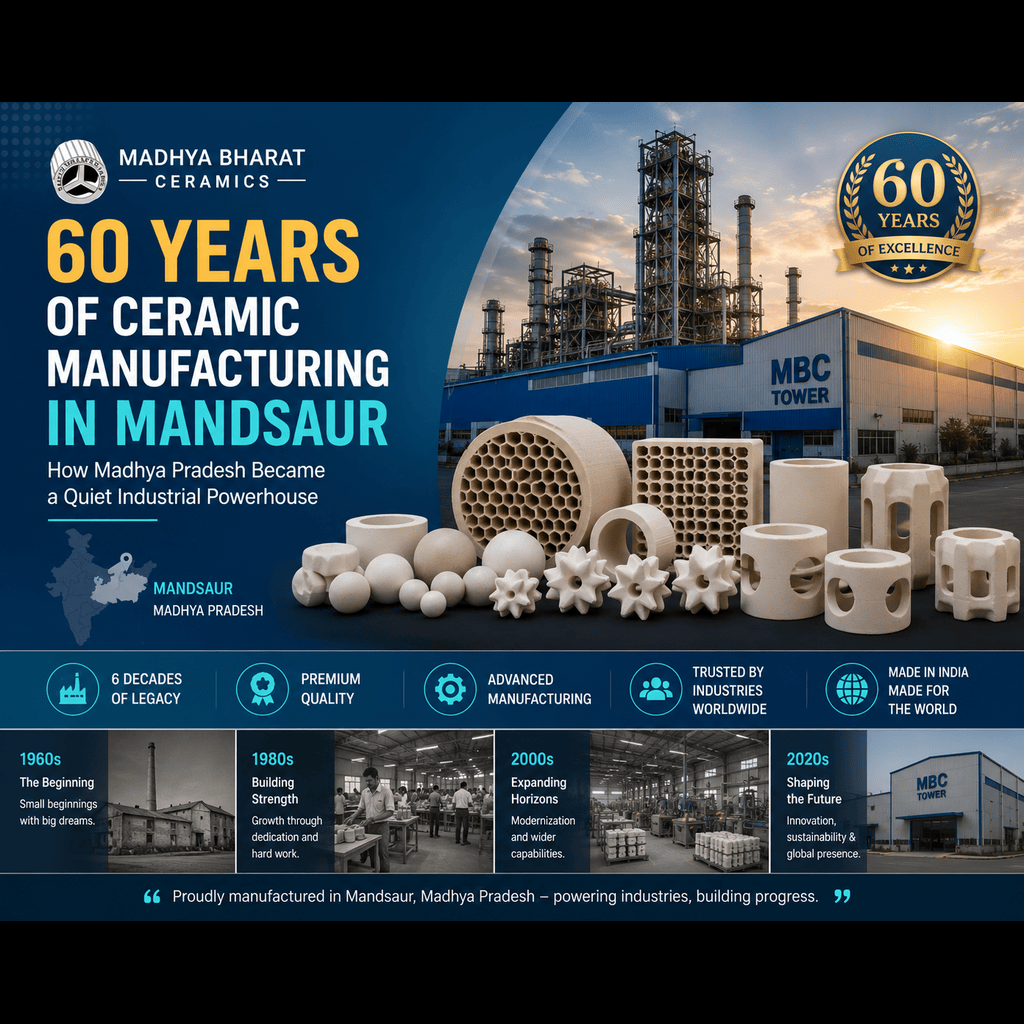
Mandsaur, Madhya Pradesh, has grown into one of India’s most productive ceramic manufacturing regions. Access to high-quality raw materials, trained ceramic engineers, and established export infrastructure has made the city a hub for ceramic grid block manufacturers serving both domestic and international markets.
A ceramic grid block manufacturer based in Mandsaur typically offers:
- Al2O3 content options from 75% to 99% depending on application
- Custom dimensions and void fraction ratios
- ISO-certified production and testing facilities
- Bulk supply for large-scale industrial projects
- Export packaging compliant with international shipping standards
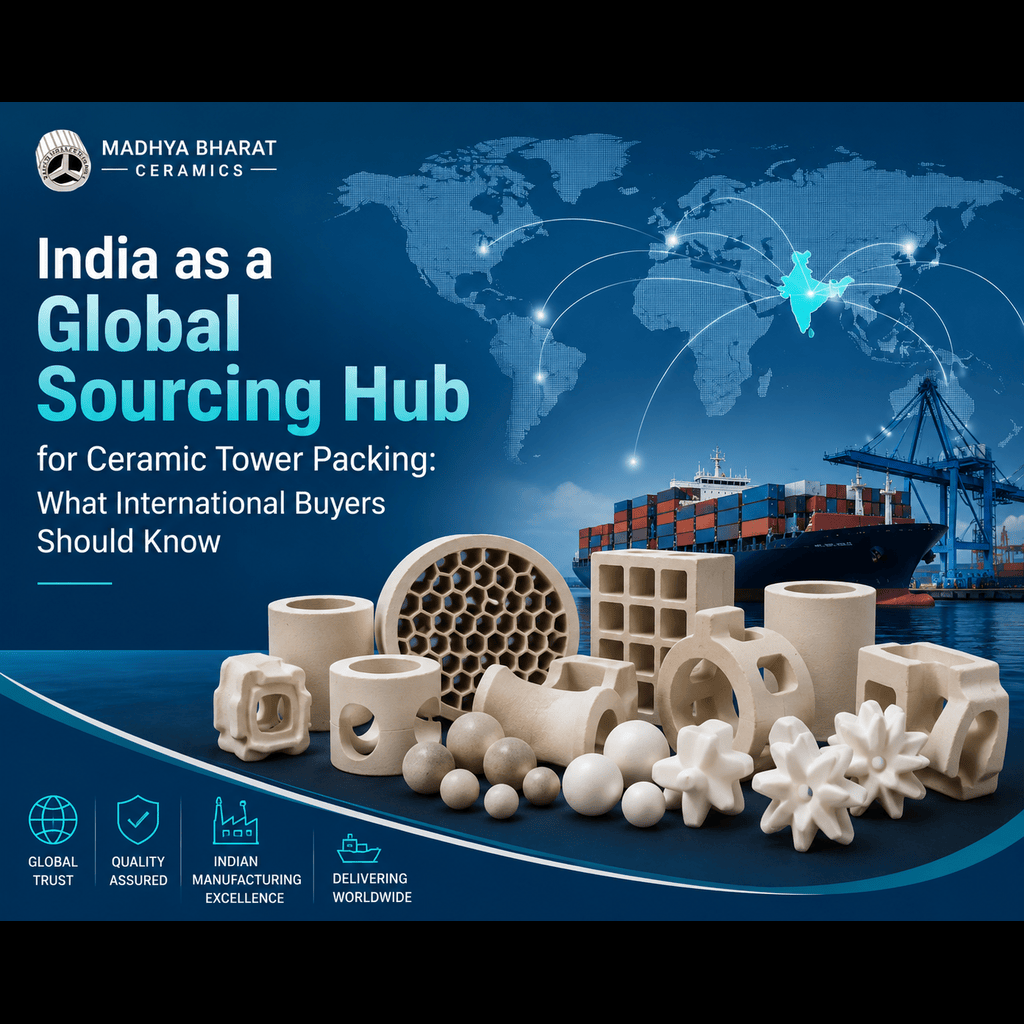
Grid blocks in India produced in Mandsaur are exported to chemical plants in the Middle East, Southeast Asia, and Europe. A certified ceramic grid block exporter from this region provides material test reports, dimensional inspection certificates, and third-party quality verification as standard practice.
Case Study
Background: A specialty chemical plant in Gujarat was facing recurring pressure drop issues in their absorption tower. The existing metal grid supports had corroded after 18 months of exposure to acidic process fluids. This was causing uneven gas distribution and a measurable drop in absorption efficiency.
Solution: The plant sourced ceramic grid blocks (92% Al2O3, custom 300mm x 300mm format) from a certified ceramic grid block manufacturer in Mandsaur. The blocks were installed in two support layers within the tower, replacing all metal grid components.
Results after 12 months of operation:
- Zero corrosion incidents reported on grid layer
- Gas distribution uniformity improved by 28%
- Absorption efficiency increased by 19%
- Scheduled maintenance interval extended from 6 months to 18 months
- Estimated annual savings: INR 12 lakhs in maintenance and media replacement costs
Plant operations manager’s observation: “Switching to ceramic grid support was a straightforward decision. The performance data after one year confirmed it was the right call.”
This case demonstrates how choosing the right ceramic grid block supplier directly translates into measurable operational improvements and cost savings.
FAQ’s About Ceramic Grid Block Supplier
1. What is a grid block used for in industry?
A grid block supports packing media in towers and reactors while allowing fluid and gas to flow freely through.
2. What materials are ceramic grid blocks made from?
Ceramic grid blocks are made from aluminum oxide, cordierite, or mullite depending on the temperature and chemical requirements.
3. How long do ceramic grid blocks last in a chemical tower?
High-quality ceramic grid blocks typically last 8 to 12 years under standard chemical processing conditions.
4. What is the maximum temperature a ceramic grid block can handle?
High alumina ceramic grid blocks can withstand temperatures up to 1700 degrees Celsius in continuous operation.
5. Are ceramic grid blocks better than metal grid supports?
Yes, ceramic grid blocks outperform metal in corrosive, high-temperature environments where metal supports corrode or deform quickly.
6. What industries use ceramic grid blocks most frequently?
Petrochemical, fertilizer, pharmaceutical, air separation, and power generation industries use ceramic grid blocks most frequently.
7. Where can I find a reliable ceramic grid block supplier in India?
Trusted ceramic grid block suppliers and manufacturers are located in Mandsaur, Madhya Pradesh, serving domestic and export markets.
8. Can ceramic grid blocks be customized for specific tower dimensions?
Yes, reputable ceramic grid block manufacturers offer custom dimensions, void fractions, and Al2O3 content for specific applications.
Conclusion
A grid block is far more than a simple support structure. It is an engineered component that determines how well an industrial tower or reactor distributes load, manages fluid flow, and handles thermal stress. Choosing the right ceramic grid block supplier means choosing operational reliability, process efficiency, and long-term cost savings. Whether you need grid blocks in India for a new plant build or a replacement project, working with a certified ceramic grid block manufacturer in Mandsaur gives you the quality assurance your process demands.