A pharmaceutical manufacturing facility in Mumbai faced a critical challenge with their absorption tower carrying excessive structural load from ceramic packing. After consulting process engineers, they replaced the heavy ceramic media with PP Saddles and achieved remarkable results: 60% weight reduction, 35% improvement in mass transfer efficiency, and significant energy savings through reduced pressure drop. This transformation occurred within just two weeks of implementation.
This case study demonstrates why PP Saddles have become the preferred choice for chemical processing, gas scrubbing, and liquid-liquid extraction applications worldwide. These innovative polypropylene tower saddles combine structural efficiency with exceptional chemical resistance, delivering performance that matches or exceeds traditional materials at a fraction of the weight.
Modern industrial facilities demand packing solutions that optimize performance while minimizing operational costs and structural requirements. Understanding how these advanced packing elements work and their specific advantages helps engineers and facility managers make informed decisions for tower upgrades and new installations.
Understanding PP Saddles Technology and Design
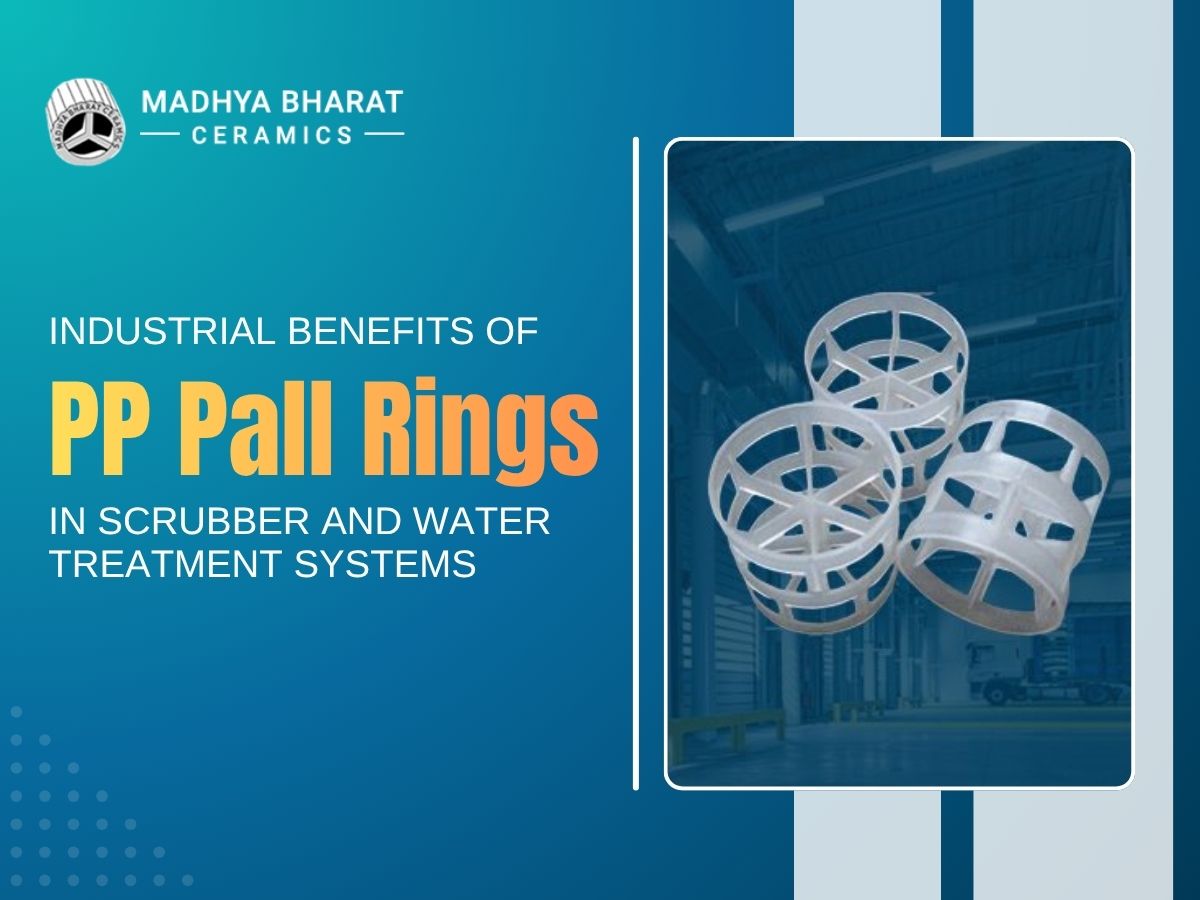
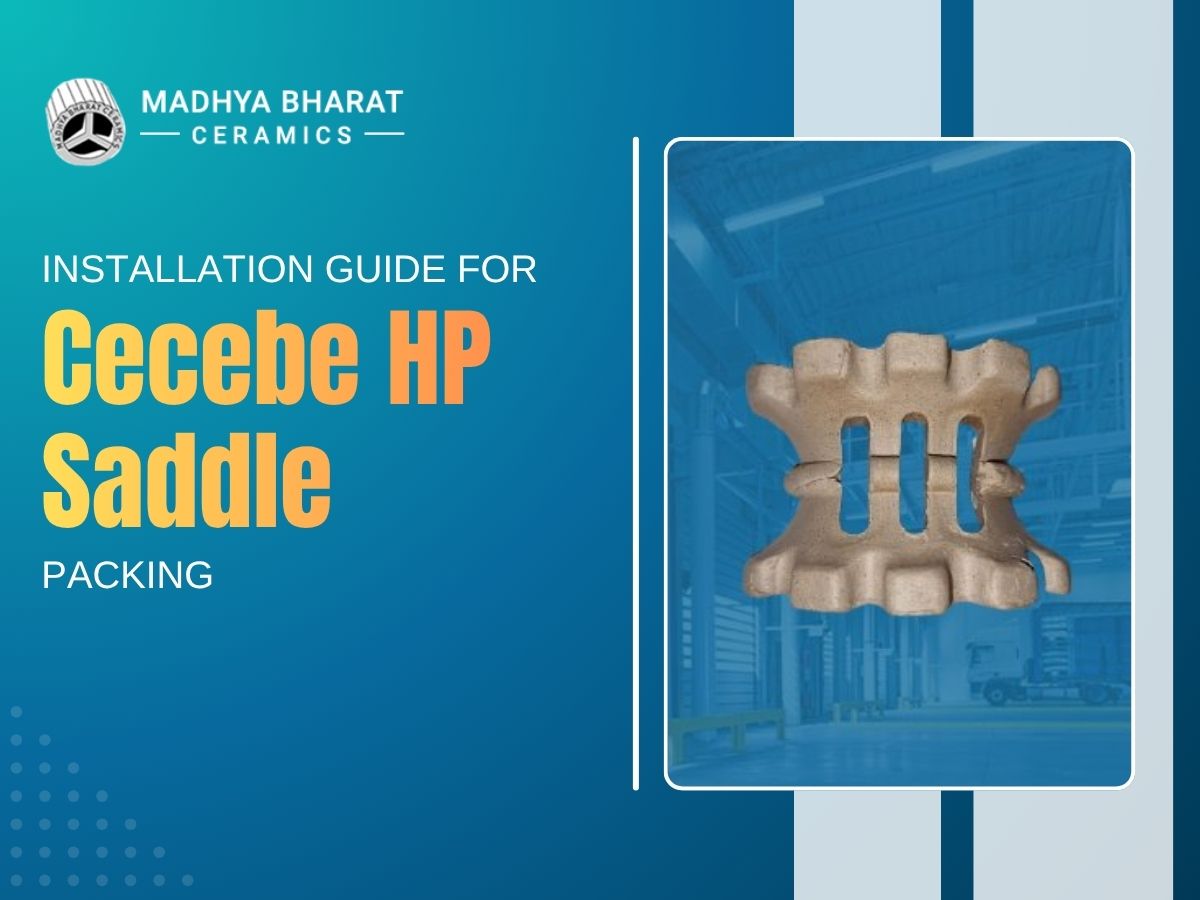
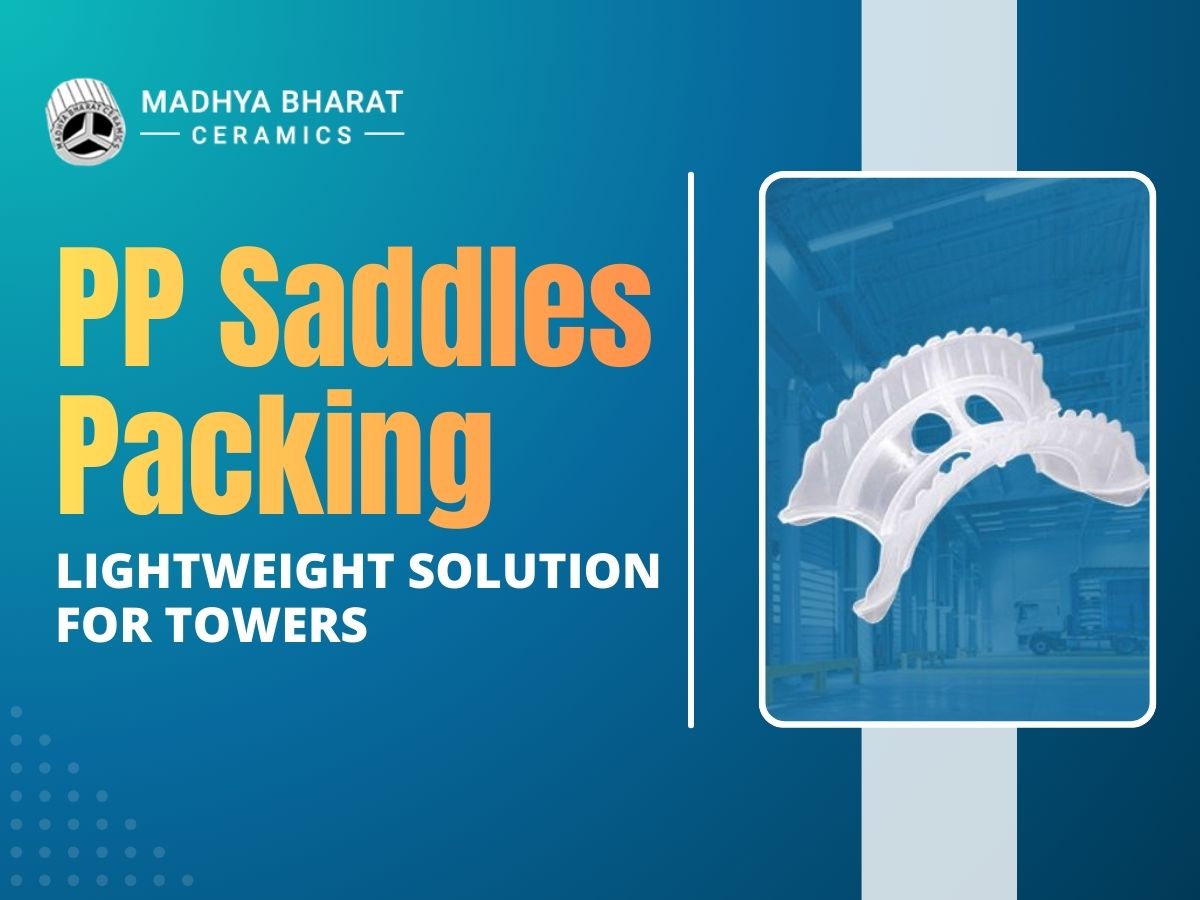
PP Saddles represent an evolution in random packing design, featuring a distinctive saddle-shaped geometry that provides superior liquid distribution and gas-liquid contact. The unique curved structure creates turbulence and directionality changes that enhance mass transfer while maintaining minimal resistance to fluid flow.
The engineering behind this design focuses on maximizing effective surface area per unit volume. Each saddle element provides multiple contact points and flow channels, creating an interconnected network throughout the packed bed that promotes uniform distribution.
Plastic intalox saddle packing technology originated from the need to overcome limitations of traditional ring-type packing. The saddle configuration prevents nesting and channeling issues common with earlier designs, ensuring consistent performance throughout the entire packed height.
Manufacturing these elements from polypropylene offers distinct advantages over ceramic, metal, or other plastic materials. The material combines excellent chemical resistance with mechanical strength, temperature tolerance up to 110°C, and cost-effectiveness that makes large-volume applications economically viable.
Key Advantages of Polypropylene Tower Saddles
1. Lightweight Construction Benefits
The most compelling advantage of using these packing elements is their remarkably low density compared to ceramic or metal alternatives. Polypropylene density ranges from 0.90-0.91 g/cm³, resulting in packing that weighs approximately 75-80% less than equivalent ceramic saddles.
Structural impact benefits:
- Reduced tower shell thickness requirements
- Lower foundation loads and construction costs
- Simplified installation with reduced crane capacity needs
- Easier handling during maintenance and replacement
- Decreased shipping costs for project logistics
This weight reduction translates directly into capital cost savings for new towers and enables retrofitting applications where existing structural capacity cannot support heavier packing materials. According to the American Institute of Chemical Engineers, lightweight packing can reduce overall tower construction costs by 15-25%.
2. Superior Chemical Resistance
Lightweight random packing media manufactured from polypropylene exhibits exceptional resistance to a broad spectrum of chemicals. The material withstands acids, alkalis, salts, and many organic solvents without degradation, corrosion, or performance decline.
Unlike metallic packing that corrodes in acidic or chloride environments, these elements maintain structural integrity and surface characteristics throughout extended service life. This durability eliminates concerns about contamination from corrosion products and reduces replacement frequency.
Chemical resistance extends to oxidizing agents, though strong oxidizers like concentrated nitric acid or chlorine dioxide require careful evaluation. For most industrial applications including acid gas scrubbing, wastewater treatment, and chemical processing, the material provides reliable long-term performance.
Applications in Industrial Tower Systems
1. Gas Absorption and Scrubbing Systems
PP Saddles packing for scrubber towers excels in applications removing acidic gases like SO2, HCl, or H2S from process streams. The high surface area and excellent wetting characteristics facilitate efficient contact between scrubbing liquid and contaminated gas.
The open structure prevents fouling from particulate matter or crystallization, maintaining consistent performance even in challenging service conditions. Regular water washing easily removes accumulated deposits, restoring original efficiency without packing replacement.
Environmental compliance requirements drive widespread adoption in pollution control systems. Facilities processing waste gases from chemical manufacturing, metal finishing, or semiconductor production rely on these efficient, reliable scrubbing solutions.
2. Distillation and Fractionation Columns
Lightweight tower packing saddles provide effective vapor-liquid contact for separation processes across various industries. The enhanced turbulence and surface area improve mass transfer efficiency, enabling shorter packed heights or increased throughput compared to conventional packing.
Low pressure drop characteristics reduce energy consumption for reboilers and overhead condensers. This efficiency advantage becomes particularly significant in vacuum distillation applications where every millimeter of mercury pressure drop impacts separation performance and operating costs.
The material’s thermal stability supports applications up to 110°C, covering many common distillation processes. For higher temperature requirements, specialized polymer formulations or alternative materials become necessary.
3. Liquid-Liquid Extraction Systems
Extraction tower applications benefit from the uniform liquid distribution and controlled flow patterns these packing elements create. The saddle geometry prevents channeling and dead zones that reduce extraction efficiency in poorly designed systems.
Chemical resistant plastic packing maintains performance in both aqueous and organic phases, supporting diverse extraction applications from pharmaceutical purification to petrochemical processing. The inert nature prevents unwanted reactions or contamination between phases.
Settling characteristics matter significantly in extraction systems. The open structure facilitates phase disengagement, reducing carryover issues and improving overall extraction efficiency.
Performance Characteristics and Mass Transfer Efficiency
1. Understanding Mass Transfer Mechanisms
Effective mass transfer in packed towers depends on maximizing interfacial area between phases while minimizing resistance to diffusion. PP Saddles achieve this through their unique geometry creating thin liquid films and promoting turbulence at gas-liquid interfaces.
The curved surfaces guide liquid flow in multiple directions, repeatedly distributing and redistributing liquid across the packing surface. This dynamic movement continuously renews the interfacial area and prevents concentration gradients that limit transfer rates.
Gas flow follows tortuous paths through the packed bed, ensuring thorough contact with liquid films. The saddle configuration creates local velocity changes that enhance turbulence without excessive pressure drop penalties.
2. Pressure Drop and Energy Efficiency
One critical performance metric for any tower packing is pressure drop per theoretical stage. Lower pressure drop reduces blower, fan, or compressor energy requirements, directly impacting operating costs throughout the system’s lifetime.
Bulk PP Saddles tower packing typically exhibits 20-30% lower pressure drop compared to equivalent ceramic saddles due to the more open structure possible with lightweight plastic construction. This advantage becomes particularly valuable in large-diameter towers processing high gas volumes.
The relationship between pressure drop and throughput defines the operational flexibility of packed towers. Systems using efficient packing maintain stable performance across wider flow ranges, accommodating production variations without compromising separation efficiency or flooding risks.
Sizing and Selection Guidelines
1. Determining Optimal Saddle Size
PP Saddles manufacturer in India suppliers typically offer standard sizes ranging from 25mm to 90mm diameter. Size selection depends on multiple factors including tower diameter, flow rates, required efficiency, and economic considerations.
General sizing guidelines:
- Tower diameter should be at least 8-10 times packing size
- Smaller packing provides higher efficiency but increased pressure drop
- Larger packing offers lower pressure drop but reduced mass transfer
- Economic optimization balances capital cost against operating expenses
- Fouling service favors larger sizes for easier cleaning
For tower diameters below 300mm, 25mm saddles typically provide optimal performance. Medium-sized towers from 300-600mm diameter commonly use 38mm or 50mm sizes, while large industrial columns above 600mm diameter often employ 50mm, 75mm, or 90mm saddles.
Consult with experienced polypropylene saddles manufacturer technical teams for application-specific recommendations. Computer modeling tools can predict performance across different size options, enabling data-driven selection decisions.
2. Material Grade Considerations
Standard polypropylene homopolymer serves most applications effectively. The material provides excellent chemical resistance, good mechanical properties, and temperature stability up to 110°C in continuous service.
Special applications may benefit from copolymer or modified formulations offering enhanced impact resistance, improved low-temperature properties, or extended temperature ranges. Discuss specific requirements with manufacturers to identify optimal material grades.
Food-grade or pharmaceutical applications require materials meeting FDA regulations or similar standards. Verify that corrosion resistant PP Saddles media suppliers maintain appropriate certifications for regulated industries.
Installation and Operational Best Practices
1. Proper Installation Techniques
Correct installation ensures uniform packing distribution and prevents issues like channeling, uneven liquid distribution, or excessive pressure drop. Begin with proper support plates providing adequate open area while preventing packing from falling through.
Installation procedure steps:
- Install distributor systems with verified uniform distribution
- Load packing carefully to avoid breakage or damage
- Maintain consistent bulk density throughout packed height
- Install hold-down plates preventing fluidization or movement
- Commission system gradually verifying performance parameters
Random dumping works well for smaller towers, while larger installations may benefit from systematic layering techniques. Avoid dropping packing from excessive heights that could cause breakage or create non-uniform density distributions.
2. Maintenance and Service Life
PP Saddles in Mandsaur manufactured facilities typically provide 5-10 years of reliable service life depending on application severity. Regular inspection during planned shutdowns identifies potential issues before they impact operations.
Fouling from particulate matter, biological growth, or chemical deposits reduces performance over time. Establish cleaning protocols appropriate for your specific service, potentially including water washing, chemical cleaning, or steam purging.
Monitor pressure drop trends indicating fouling or packing degradation. Gradual increases suggest accumulating deposits requiring cleaning, while sudden changes may indicate mechanical damage or liquid distribution problems.
Comparing PP Saddles to Alternative Packing Types
1. Advantages Over Ceramic Saddles
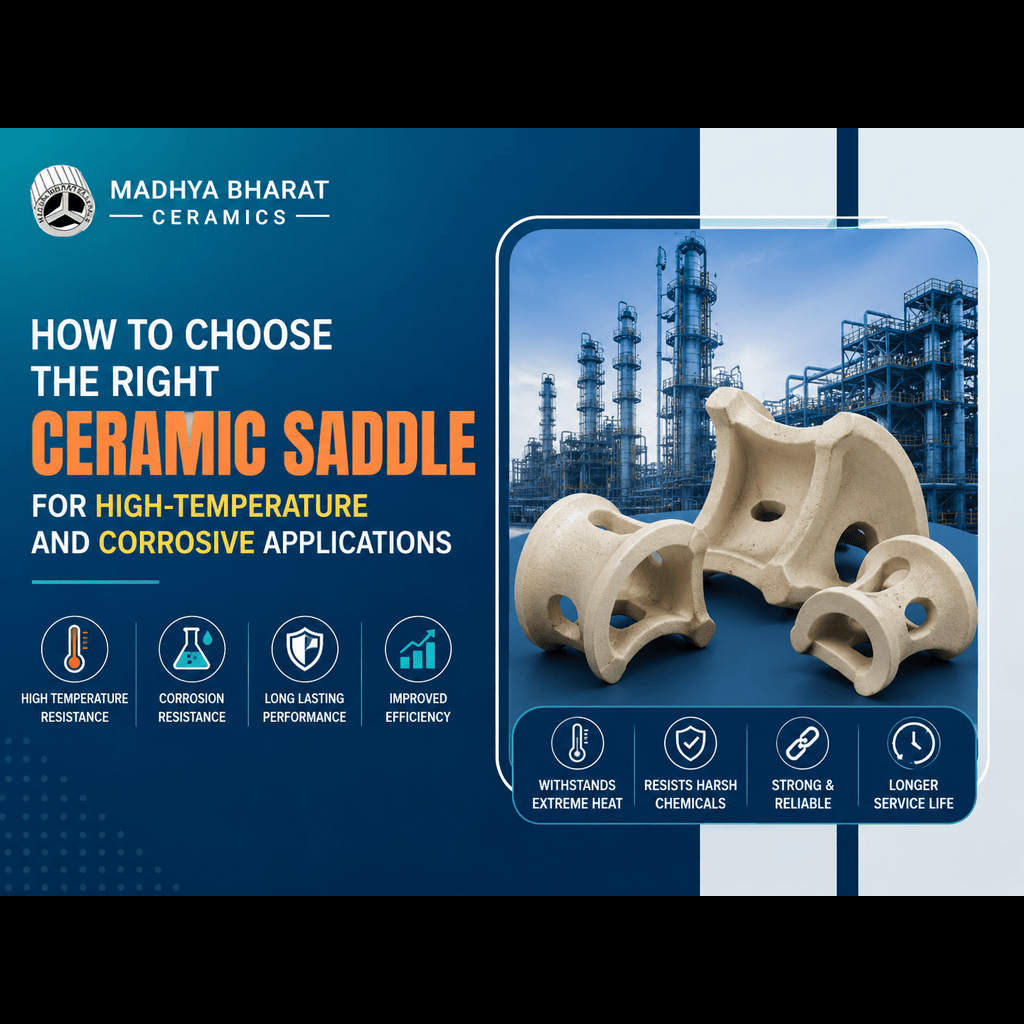
While ceramic saddles offer excellent chemical and temperature resistance, their weight creates significant disadvantages. The structural requirements for supporting heavy ceramic packing increase tower costs substantially, particularly for large-diameter or tall columns.
PP Saddles provide comparable mass transfer efficiency at dramatically reduced weight and cost. The only significant limitation involves high-temperature applications above 110°C where ceramic maintains advantages.
2. Comparison with Metal Packing
Metal saddles, particularly stainless steel, serve high-temperature and certain chemical applications effectively. However, corrosion concerns in acidic or chloride environments, higher cost, and greater weight limit their applicability.
Plastic saddle packing manufacturer products excel in corrosive service where metal would fail, offering superior longevity and reliability. The cost differential strongly favors plastic packing for most absorption, scrubbing, and moderate-temperature distillation applications.
3. Structured Packing Alternatives
Structured packing provides extremely high efficiency and low pressure drop but at significantly higher cost. The complex geometry also makes it more susceptible to fouling and difficult to clean effectively.
PP Saddles suppliers offer random packing solutions providing excellent performance for many applications at 40-60% lower cost than structured alternatives. The choice depends on required efficiency, fouling potential, and economic optimization.
Sourcing Quality PP Saddles in India
1. Selecting Reliable Manufacturers
The Indian market offers numerous PP Saddles manufacturer options, particularly in industrial hubs like Mandsaur where specialized chemical processing equipment manufacturing has developed. Evaluate potential suppliers based on quality certifications, technical support capabilities, and manufacturing standards.
ISO 9001 certification indicates established quality management systems. Request material test certificates documenting virgin polypropylene content, dimensional tolerances, and mechanical properties to verify manufacturing quality.
Visit manufacturing facilities when possible to assess production capabilities, quality control procedures, and technical expertise. Direct observation provides insights impossible to obtain through documentation alone.
2. Cost Considerations and Value Assessment
Bulk PP Saddles supplier pricing varies based on volume, size, material grade, and manufacturer capabilities. Request detailed quotations specifying material composition, manufacturing standards, testing protocols, and delivery terms.
Evaluate total cost of ownership including purchase price, shipping costs, installation labor, expected service life, and maintenance requirements. The lowest initial price rarely represents optimal long-term value.
Establish relationships with PP Saddles exporter companies offering consistent quality, reliable delivery, and responsive technical support. Long-term partnerships often yield better value than transactional purchasing approaches.
Environmental and Sustainability Considerations
Modern industrial facilities increasingly prioritize environmental sustainability alongside operational performance. Polypropylene PP Saddles supplier products support these goals through energy-efficient operation, extended service life, and recyclability at end of life.
The reduced pressure drop characteristic of quality packing directly translates into lower energy consumption for tower operation. Over typical 5-10 year service life, energy savings can exceed the initial packing cost multiple times.
Polypropylene recyclability allows responsible disposal when packing reaches end of service life. Some manufacturers offer take-back programs facilitating proper recycling and supporting circular economy principles.
FAQ’s About PP Saddles
1. What is PP Saddles packing used for in towers?
Used for gas absorption, scrubbing, distillation, and extraction applications providing efficient gas-liquid or liquid-liquid contact.
2. Why is PP Saddles packing considered lightweight?
Polypropylene density is 75-80% lower than ceramic alternatives, significantly reducing tower structural loads and installation costs.
3. How do PP Saddles improve mass transfer in packed towers?
Curved geometry creates turbulence, maximizes surface area, and promotes uniform liquid distribution enhancing interfacial contact efficiency.
4. What are the advantages of PP Saddles over other packing types?
Lower weight, excellent chemical resistance, reduced cost, easier installation, minimal pressure drop, and reliable long-term performance.
5. Can PP Saddles packing be used in high-temperature applications?
Suitable for continuous service up to 110°C; higher temperatures require special formulations or alternative materials.
6. How do I choose the right size of PP Saddles for my tower?
Based on tower diameter, flow rates, efficiency requirements; consult manufacturer engineers for application-specific calculations.
7. Are PP Saddles packing resistant to chemicals and corrosion?
Excellent resistance to acids, alkalis, salts, and many solvents; material does not corrode like metals.
Conclusion: Optimizing Tower Performance with Advanced Packing
PP Saddles in India represent a proven, reliable solution for industrial tower applications requiring efficient mass transfer, chemical resistance, and cost-effective operation. The combination of lightweight construction, superior performance characteristics, and economic advantages makes them the preferred choice across diverse industries.
Successful implementation requires careful attention to sizing, proper installation, and ongoing maintenance practices. Working with experienced plastic packing exporter companies ensures access to quality products and technical support necessary for optimal results.