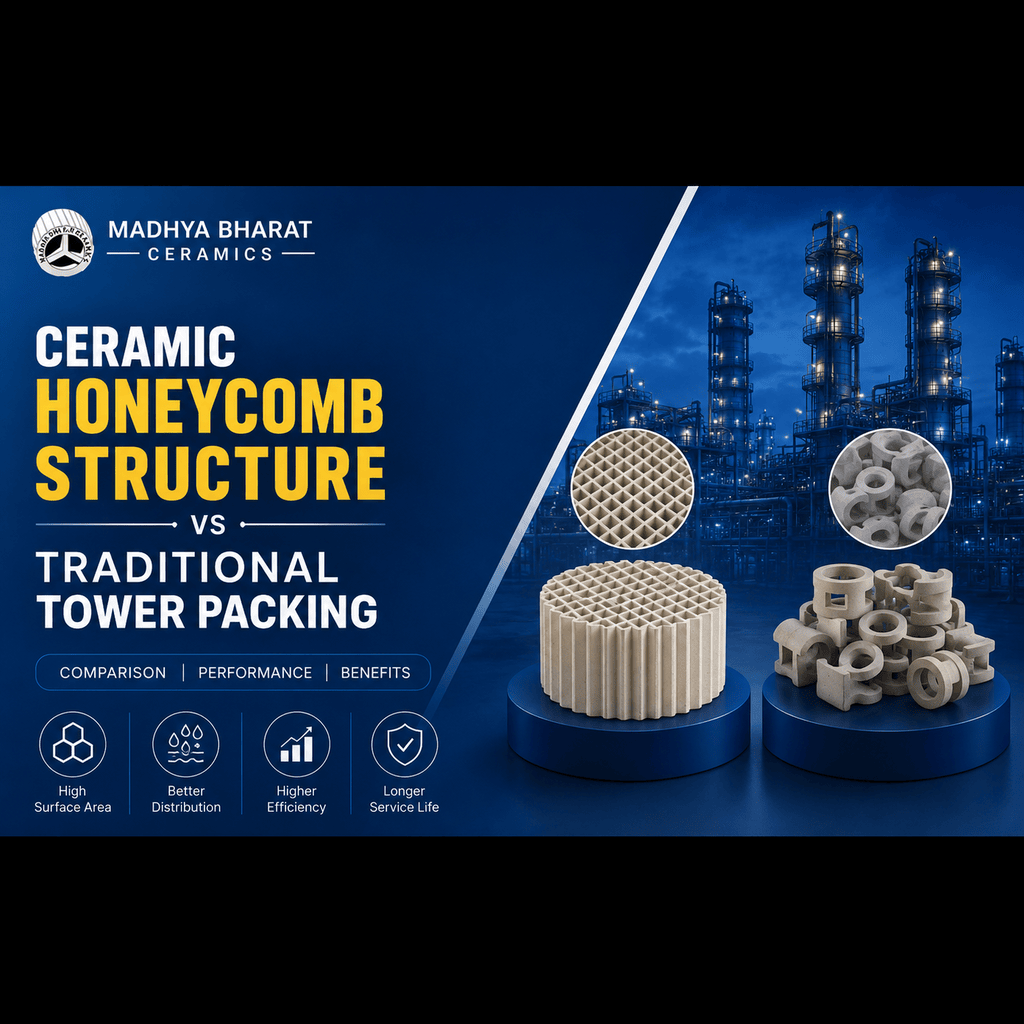
The honeycomb structure is one of the most efficient structural designs found in both nature and engineering. Its hexagonal cell pattern provides exceptional strength while maintaining a lightweight structure.
Industries such as aerospace, automotive manufacturing, environmental engineering, and industrial processing widely used honeycomb structures for thermal management, filtration, and structural reinforcement.
Among all materials, the ceramic honeycomb structure is particularly valuable because it performs well in high-temperature and corrosive environments. Companies like Madhya Bharat Ceramics are known for producing reliable honeycomb ceramic components for industrial use.
Why Honeycomb Structures Are Widely Used
Answer: Honeycomb structures are widely used because they provide high strength, lightweight performance, and efficient material usage.
Key Advantages
Lightweight Strength
The hexagonal cells distribute force evenly across the structure. This allows honeycomb panels to support heavy loads while remaining lightweight.
Cost Efficiency
Honeycomb structures use less material while maintaining structural stability. This reduces production costs and improves resource efficiency.
Versatile Applications
Honeycomb structures are used in:
- Aerospace engineering
- Automotive manufacturing
- Industrial filtration systems
- Environmental emission control systems
Environmental Sustainability
Many honeycomb structures use recyclable materials or ceramics that provide long service life, reducing industrial waste.
What Is a Ceramic Honeycomb Structure?
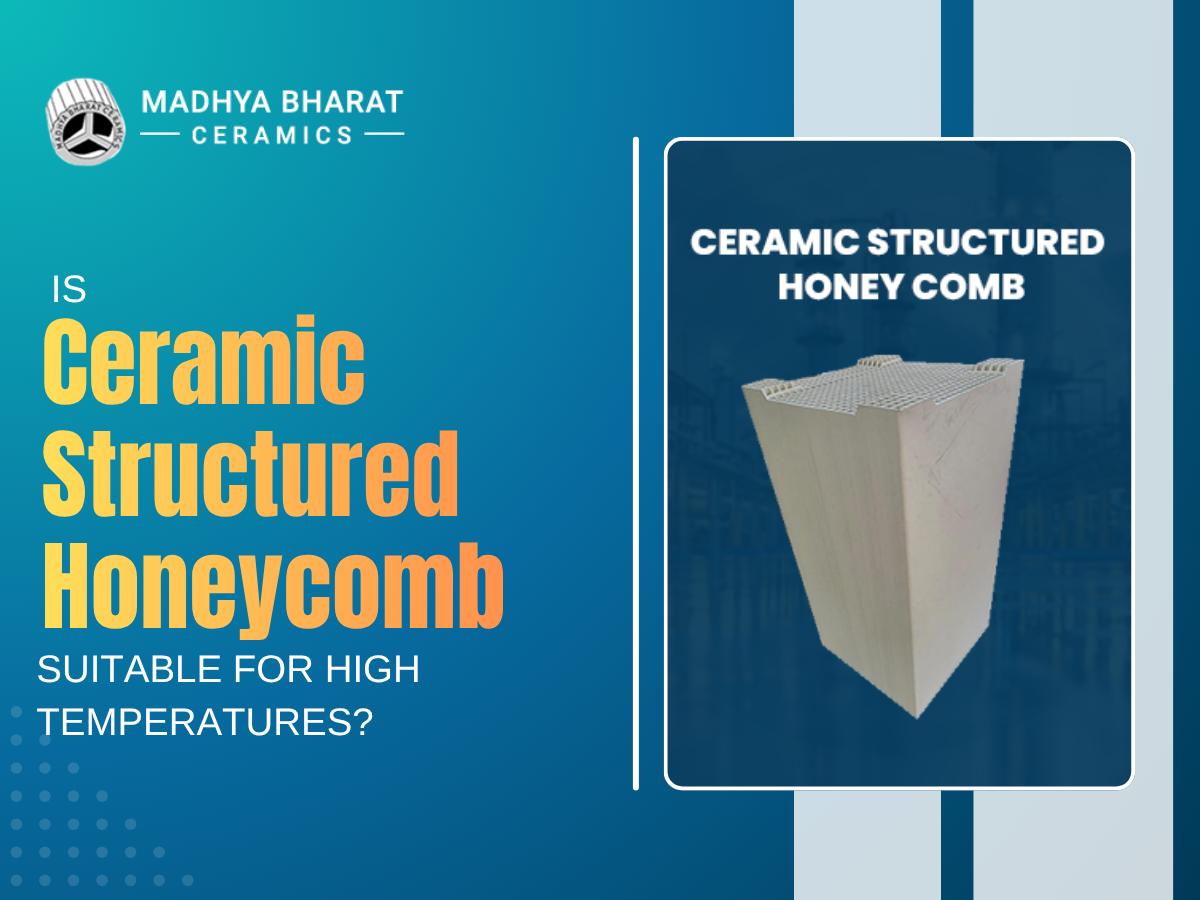
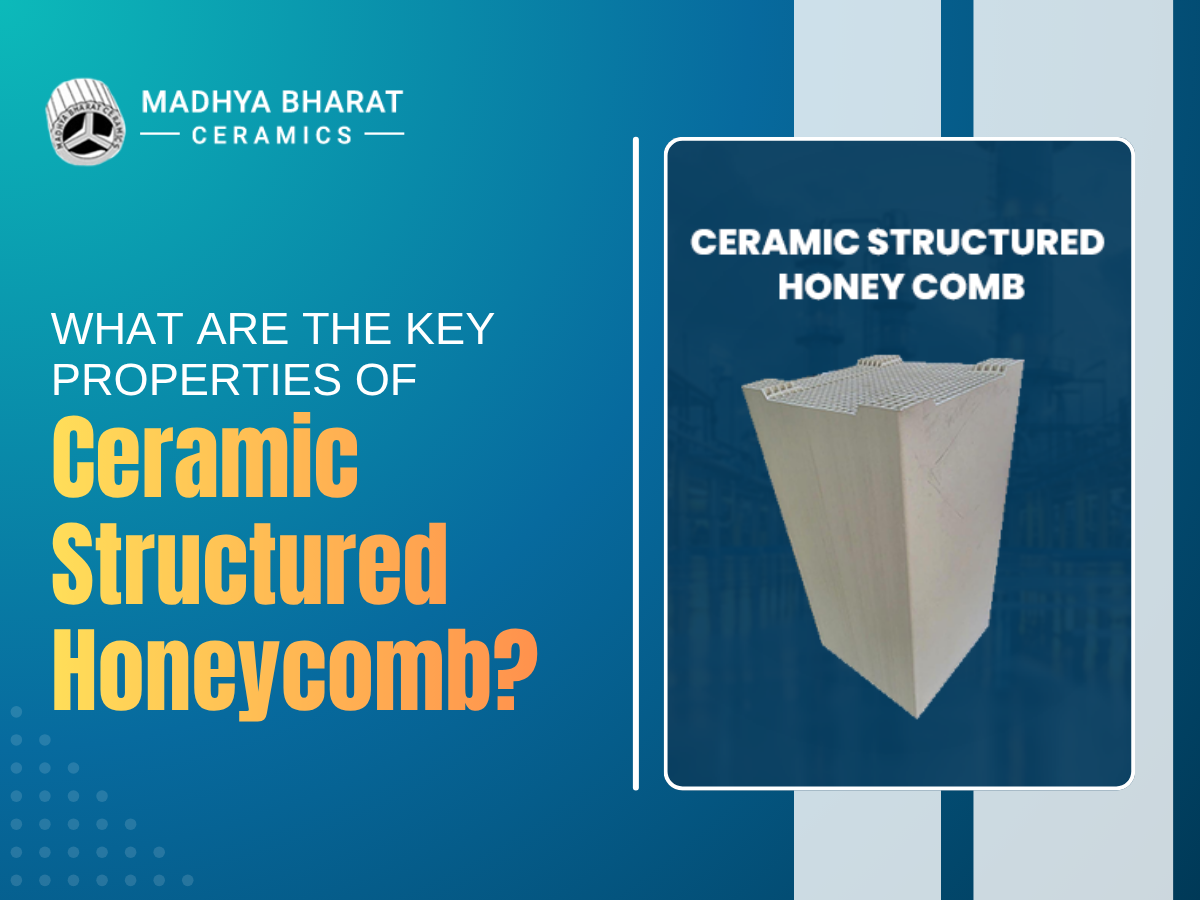
Answer: A ceramic honeycomb structure is a porous ceramic block designed with multiple parallel channels arranged in a honeycomb pattern.
These channels allow gases or liquids to pass through efficiently, making ceramic honeycomb structures ideal for filtration, catalytic reactions, and heat exchange systems.
Key Characteristics
- High surface area for improved chemical reactions
- Excellent thermal resistance
- Strong corrosion resistance
- Long operational lifespan
Because of these properties, ceramic honeycombs are widely used in air pollution control systems and industrial processing plants.
Applications of Honeycomb Structures
Honeycomb structures are used across multiple industries due to their efficiency and durability.
1. Aerospace and Automotive Engineering
Answer: Honeycomb panels help reduce weight while maintaining structural strength in vehicles and aircraft.
Examples
- Aircraft wings and fuselage components
- Automotive crash barriers
- Lightweight structural panels
Benefits
- Reduced fuel consumption
- Improved vehicle performance
- Increased safety and durability
According to aerospace engineering reports, lightweight structural materials can improve aircraft fuel efficiency..
2. Environmental Protection Systems
Answer: Ceramic honeycomb structures play an important role in air pollution control and emission reduction.
Examples
- Catalytic converters
- Regenerative thermal oxidizers (RTO systems)
- Industrial air filtration systems
Benefits
- Reduction of harmful emissions
- Improved air quality
- Increased efficiency of catalytic reactions
Environmental technology studies show that ceramic honeycomb catalysts can reduce industrial emissions.
3. Architecture and Construction
Answer: Honeycomb panels provide strong yet lightweight materials for modern construction projects.
Examples
- Building facades
- Lightweight bridges
- Structural wall panels
Benefits
- Increased structural stability
- Improved design flexibility
- Reduced building weight
4. Industrial Manufacturing
Answer: Ceramic honeycomb structures are widely used in industrial heat management systems.
Examples
- Kiln linings
- Heat exchangers
- Energy recovery systems
Benefits
- Improved thermal efficiency
- Reduced industrial energy consumption
- Long-term operational durability
Why Choose Ceramic Honeycomb Structures?
Ceramic honeycomb structures provide several advantages compared with metal or polymer honeycombs.
High Thermal Stability
Ceramic materials can withstand temperatures above 1000°C, making them ideal for high-temperature industrial environments.
Excellent Corrosion Resistance
Ceramic materials resist acids, chemicals, and harsh industrial conditions.
This makes them suitable for:
- chemical plants
- refineries
- gas treatment facilities
Long Operational Life
Ceramic honeycomb structures maintain their performance for years, reducing replacement frequency and operational costs.
Choosing the Right Ceramic Honeycomb Structure
Selecting the correct honeycomb structure depends on the application.
Important Factors to Consider
1. Application Requirements
Determine whether the structure will be used for filtration, catalytic reactions, or heat exchange.
2. Material Selection
Choose between:
- ceramic honeycomb structures
- metallic honeycomb structures
- composite honeycomb materials
Ceramics are best for high-temperature and corrosive environments.
3. Manufacturer Expertise
Selecting an experienced manufacturer ensures consistent quality and reliable performance.
FAQ’s About Ceramic Structured Honeycomb
1. What is the purpose of a honeycomb structure?
A honeycomb structure provides high strength while maintaining low weight. Its hexagonal design distributes loads efficiently, making it ideal for aerospace engineering, construction materials, and industrial filtration systems.
2. Why are ceramic honeycomb structures used in environmental systems?
Ceramic honeycomb structures provide a large surface area for catalytic reactions and filtration processes. This helps reduce industrial emissions and improve air quality in environmental treatment systems.
3. What makes ceramic honeycomb structures better than metal ones?
Ceramic honeycombs provide better heat resistance and chemical stability than metal structures. They also maintain structural integrity at high temperatures, making them suitable for demanding industrial applications.
4. How long do ceramic honeycomb structures last?
High-quality ceramic honeycomb structures can last many years when used in industrial environments. Their resistance to heat, corrosion, and chemical exposure ensures long-term performance.
5. What is a ceramic honeycomb structure used for?
A ceramic honeycomb structure is used for filtration, catalytic reactions, and heat exchange. Its multiple channels allow gases or liquids to flow efficiently, making it ideal for environmental control systems.
6. How does a honeycomb structure improve strength?
The hexagonal cell pattern distributes pressure evenly across the structure. This design increases strength while keeping the material lightweight, which is why honeycomb structures are widely used in engineering.
7. Why are honeycomb structures lightweight?
Honeycomb structures contain hollow cells that reduce material usage without affecting strength. This design lowers weight while maintaining structural stability, making them useful in aerospace, automotive, and construction applications.
8. Are ceramic honeycomb structures heat resistant?
Yes, ceramic honeycomb structures can withstand extremely high temperatures. Their thermal stability makes them suitable for industrial furnaces, catalytic converters, heat recovery systems, and other high-temperature processing environments.
9. How do ceramic honeycomb structures help reduce emissions?
Ceramic honeycomb structures provide large surface areas for catalytic reactions. This helps convert harmful gases into less toxic substances, improving air quality and reducing industrial and automotive emissions.
10. What materials are used to make honeycomb structures?
Honeycomb structures can be made from ceramics, metals, aluminum, or composite materials. Among these options, ceramic honeycomb structures are preferred for high-temperature and chemically aggressive environments.
11. Why are ceramic honeycomb structures durable?
Ceramic materials resist heat, corrosion, and chemical damage. This durability allows ceramic honeycomb structures to perform reliably for long periods in industrial processes and environmental filtration systems.
12. Can honeycomb structures improve energy efficiency?
Yes, honeycomb structures help improve heat exchange and air flow in industrial systems. This increases energy efficiency and reduces fuel consumption in manufacturing plants and environmental treatment equipment.
13. What industries use ceramic honeycomb structures the most?
Industries such as automotive manufacturing, aerospace engineering, chemical processing, environmental protection, and power generation commonly use ceramic honeycomb structures for filtration, catalytic reactions, and thermal management systems.
14. How do manufacturers customize ceramic honeycomb structures?
Manufacturers can customize ceramic honeycomb structures by adjusting cell density, shape, size, and material composition. This allows industries to select the most suitable design for specific filtration or heat-exchange applications.
Conclusion
The honeycomb structure represents one of the most efficient designs in modern engineering. Its combination of lightweight strength, durability, and material efficiency makes it valuable across multiple industries.
Among different materials, ceramic honeycomb structures offer exceptional thermal stability, corrosion resistance, and long operational life. These qualities make them essential in environmental systems, industrial processing plants, and advanced engineering applications.
As industries continue to focus on energy efficiency, emission control, and sustainable manufacturing, ceramic honeycomb structures will remain a critical component in modern engineering solutions.