When a leading petrochemical plant in Gujarat experienced a 40% efficiency drop in their distillation column, engineers traced the problem to substandard packing from an unreliable supplier. After switching to a certified PP Pall Ring manufacturer, their mass transfer efficiency improved by 65%, saving thousands in operational costs annually.
This real-world case illustrates why selecting the right manufacturing partner isn’t just a purchasing decision, it’s a strategic investment in your plant’s performance. These critical components facilitate efficient mass transfer in chemical processing, wastewater treatment, and gas absorption systems.
This comprehensive guide helps industrial buyers, chemical engineers, and procurement managers identify trustworthy suppliers and make informed decisions that protect their operations and budgets.
Understanding Polypropylene Pall Ring Packing Applications
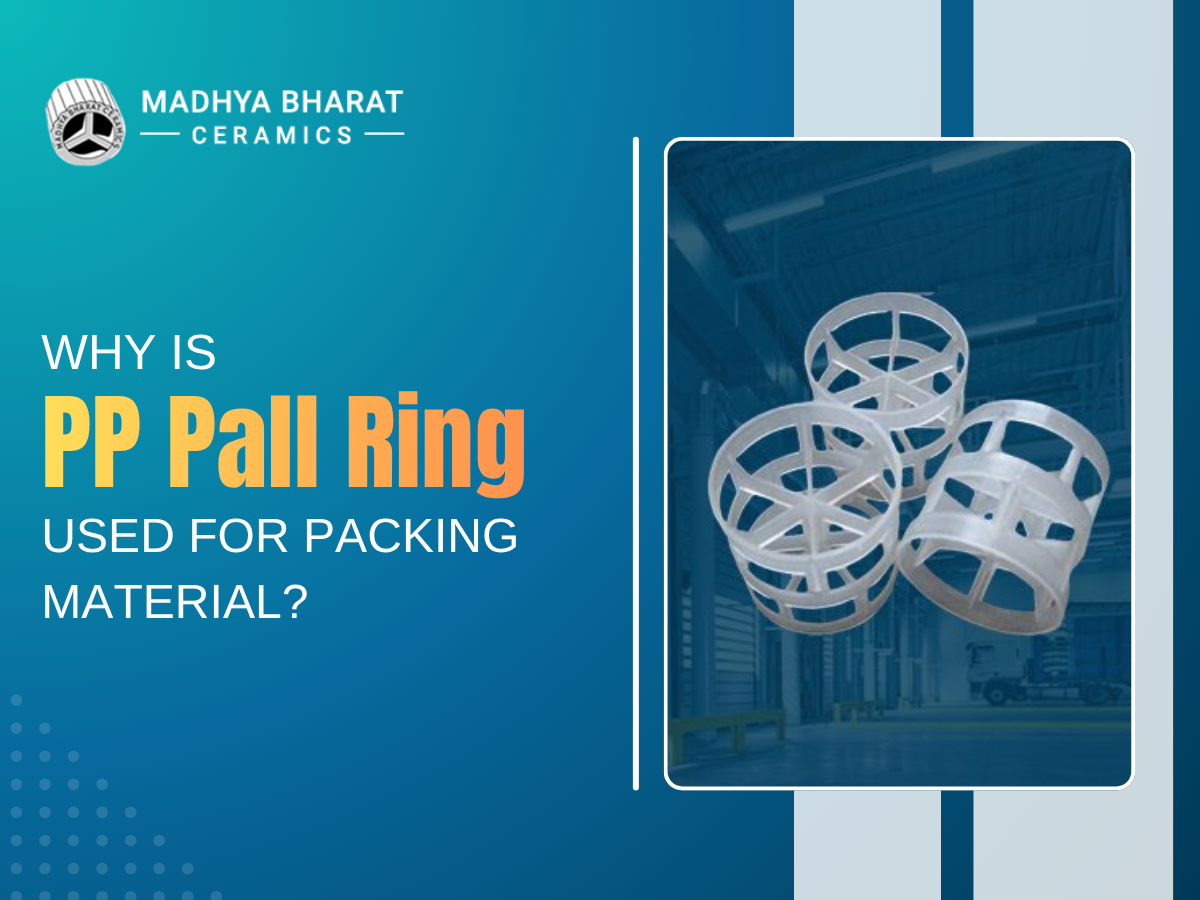
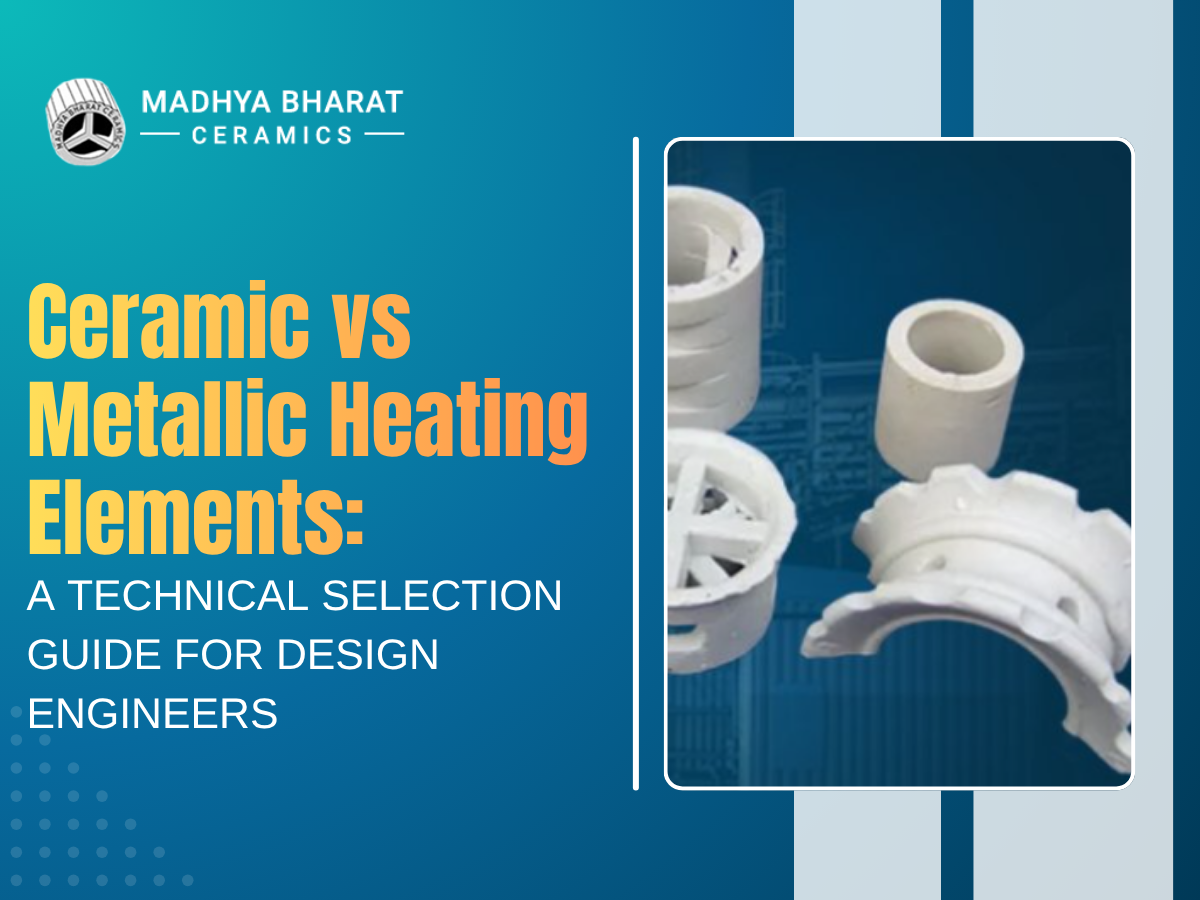
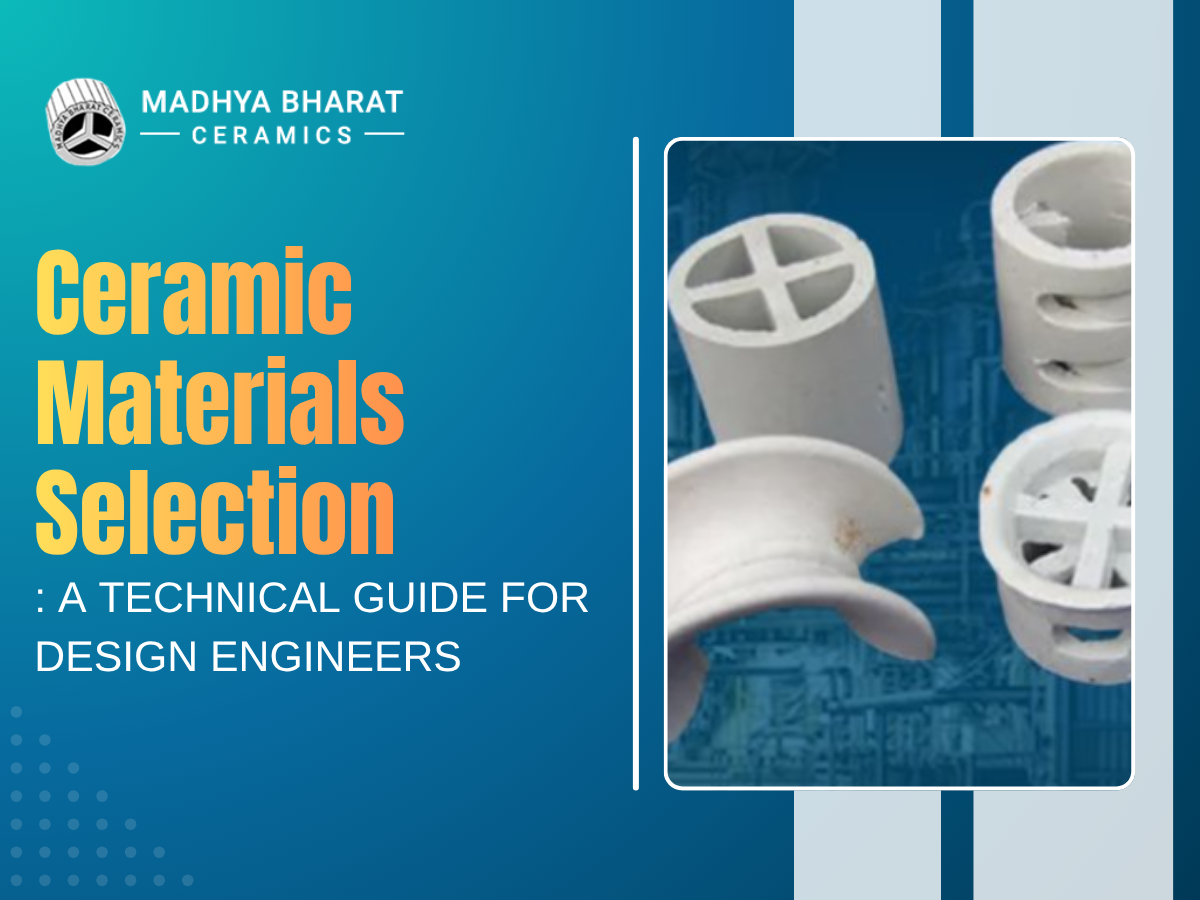
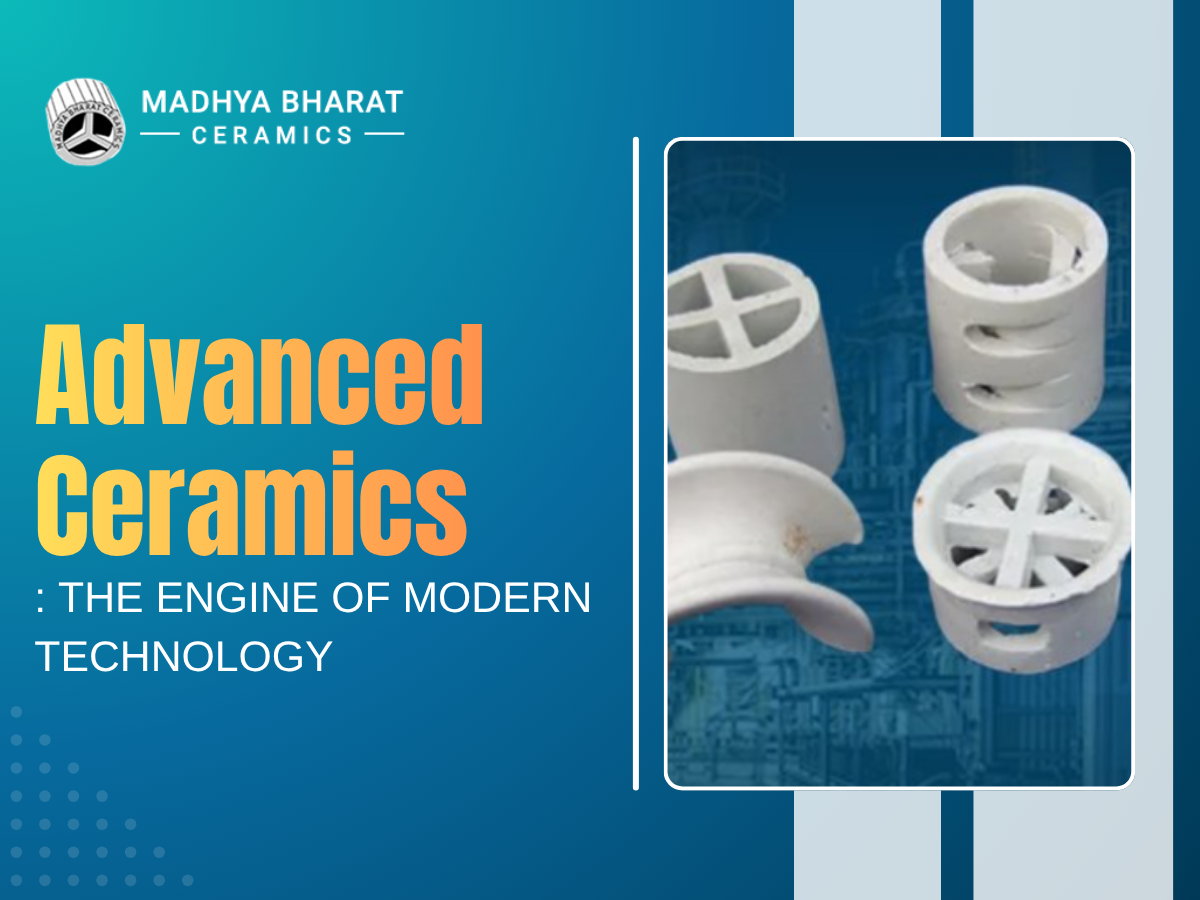
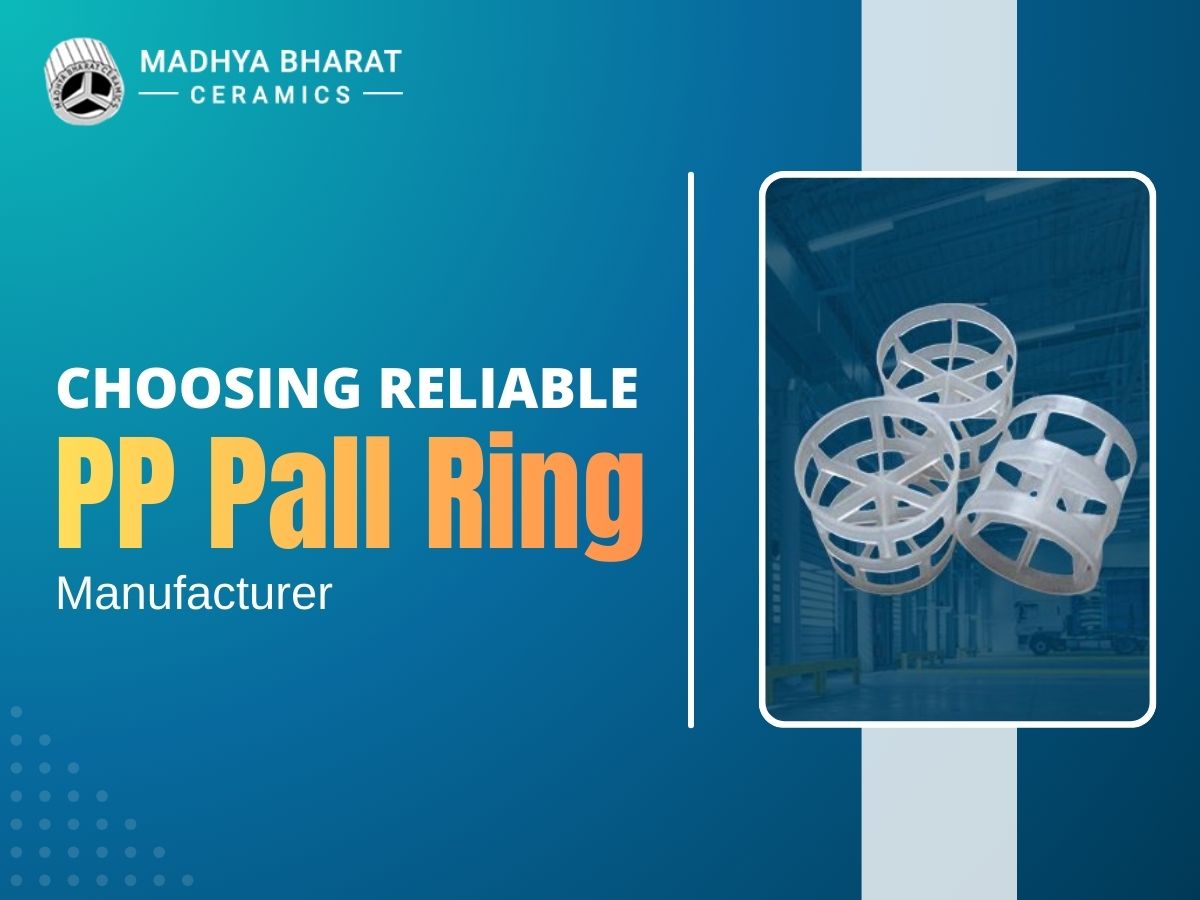
Polypropylene pall ring packing represents an advanced design in tower packing solutions. Unlike conventional random packing, these elements feature a unique structure with internal partitions and windows that maximize surface area while minimizing weight and pressure drop.
The engineering advantages include superior liquid distribution, enhanced gas-liquid contact, and exceptional chemical resistance. Industries ranging from petrochemical refineries to pharmaceutical manufacturing rely on these solutions for distillation, absorption, stripping, and cooling tower applications.
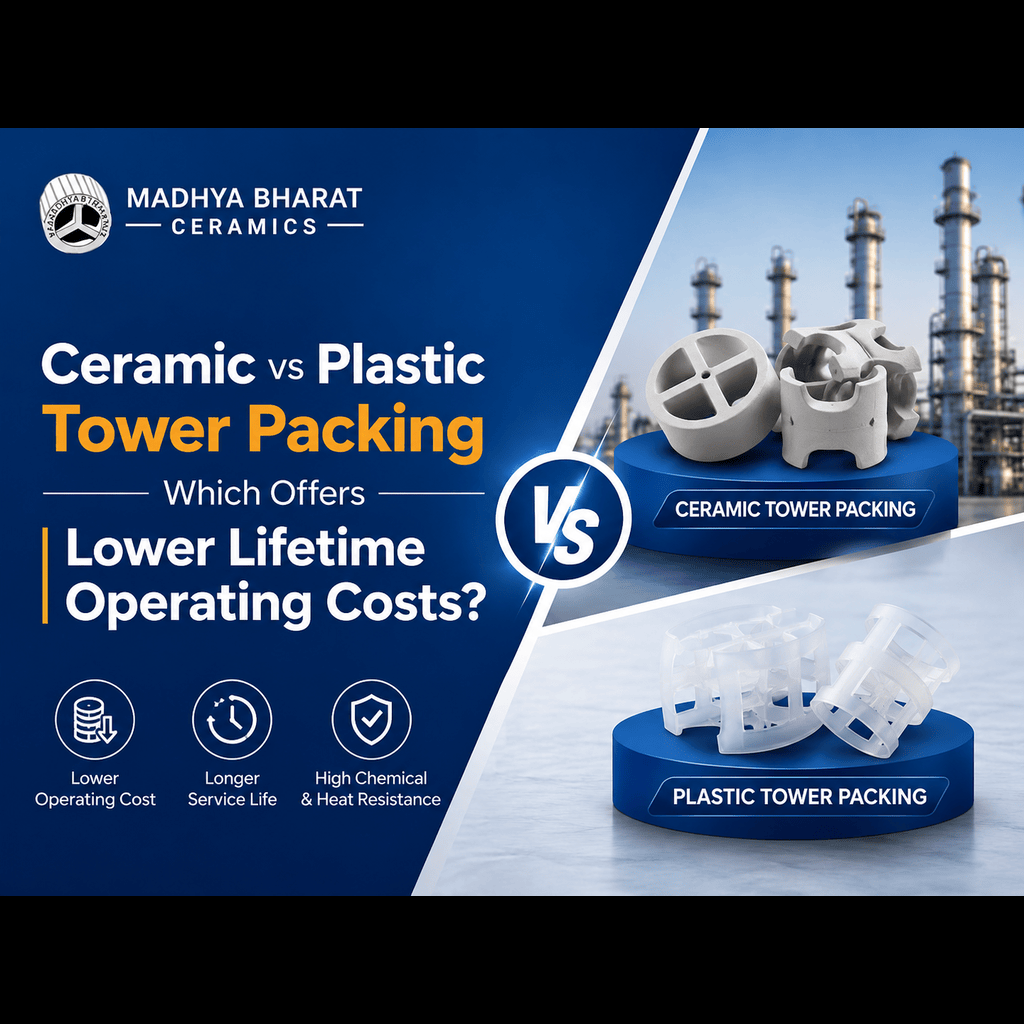
Plastic tower packing media has gained significant market traction due to cost-effectiveness compared to ceramic or metal alternatives. The material properties of polypropylene, including resistance to acids, alkalis, and organic solvents make them ideal for harsh chemical environments.
Key Factors When Selecting Manufacturing Partners
1. Manufacturing Capabilities and Technical Expertise
A reliable supplier should demonstrate comprehensive technical knowledge beyond basic production. Look for manufacturers who understand fluid dynamics, mass transfer principles, and column design parameters.
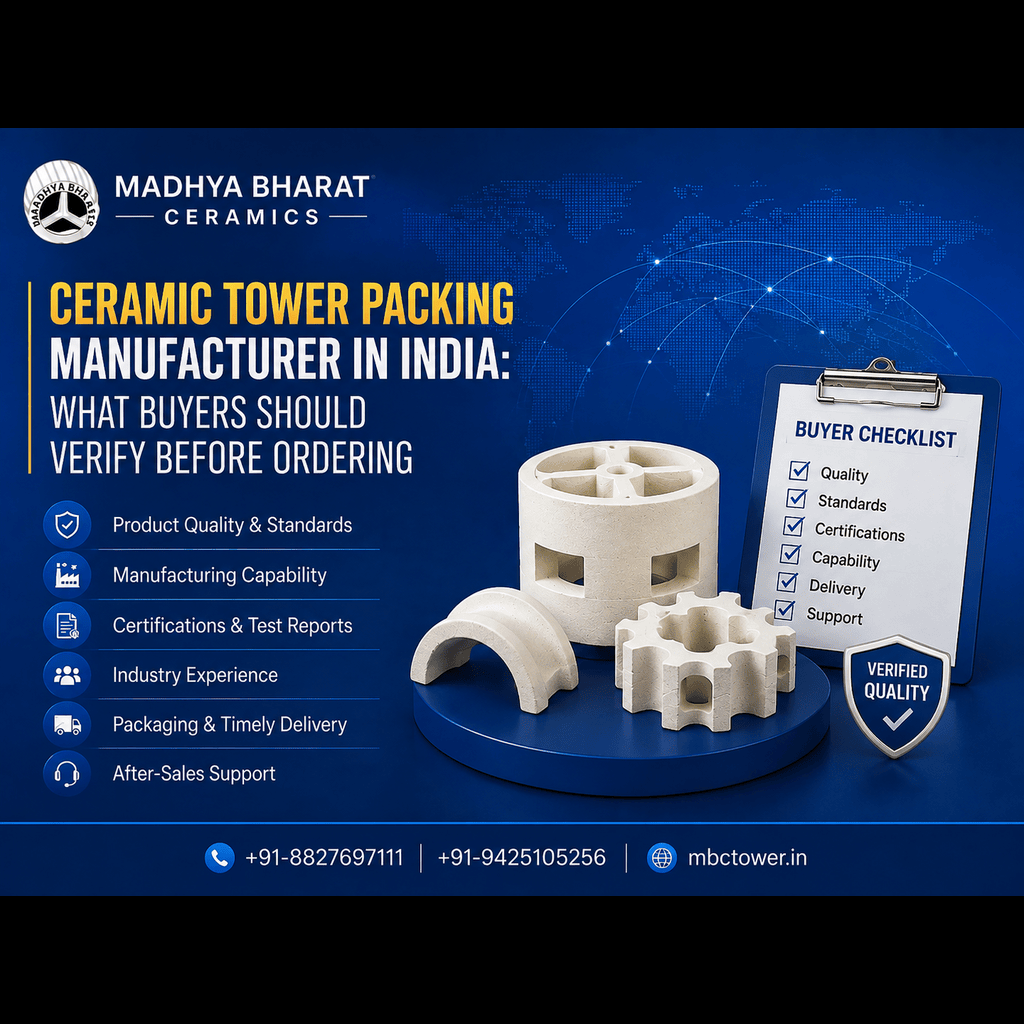
Key capabilities to verify:
- Precision injection molding equipment ensuring dimensional accuracy
- Quality control procedures with documented inspection protocols
- Engineering team providing consultation on sizing and material selection
- Computational tools for predicting pressure drop and efficiency
- On-site commissioning support and operator training services
Advanced manufacturing facilities utilize equipment that ensures dimensional accuracy. Inconsistent wall thickness or irregular geometry can significantly impact packing performance. Request facility tours or detailed documentation to verify manufacturing standards.
2. Quality Certifications and Industry Standards
Reputable companies maintain internationally recognized certifications such as ISO 9001:2015 for quality management systems. Additional certifications like ISO 14001 for environmental management demonstrate commitment to sustainable manufacturing practices.
Third-party testing certifications validate material properties and performance characteristics. Ask potential PP Pall Rings suppliers for certificates of analysis showing virgin polypropylene content, dimensional tolerances, and mechanical strength parameters.
Industry-specific certifications matter for specialized applications. For food-grade or pharmaceutical applications, FDA compliance or similar regulatory approvals become essential selection criteria.
3. Material Quality and Specifications
Virgin polypropylene versus recycled content makes a substantial difference in durability and chemical resistance. Inferior materials degrade faster under thermal cycling or chemical exposure, leading to premature failure and costly downtime.
Request detailed material specifications including melt flow index, density, tensile strength, and temperature resistance ranges. A professional manufacturer provides comprehensive technical data sheets documenting these parameters.
Verify that materials meet application requirements. Standard polypropylene works well up to 100-110°C, but applications requiring higher temperature resistance may need modified formulations.
Evaluating Manufacturer Experience and Track Record
1. Industry Experience in Tower Packing Solutions
Experience serving chemical processing industries for 10-15+ years indicates refined products through continuous customer feedback and application testing. Ask about specific industry segments served to verify versatility and proven reliability.
Request case studies or reference installations similar to your application. Speaking directly with existing customers provides invaluable insights into product performance, technical support quality, and manufacturer reliability. A tower packing manufacturer with diverse client portfolios demonstrates adaptability.
2. Geographic Presence and Supply Chain Reliability
For projects in central India, local suppliers offer logistical advantages including reduced shipping costs and faster delivery times. However, geographic proximity shouldn’t override quality considerations.
Evaluate supply chain resilience by examining raw material sourcing strategies, inventory management systems, and delivery track records. Manufacturers maintaining strategic stock positions respond quickly to urgent requirements.
The PP Pall Ring exporter in the Mandsaur region offers specialized expertise in chemical processing equipment. This industrial cluster provides advantages through supporting industries and competitive supplier networks.
Technical Support and Customization Capabilities
Superior manufacturers provide comprehensive technical support throughout the project lifecycle. This includes initial consultation for packing selection, performance calculations, and troubleshooting assistance during commissioning.
Essential support services:
- Engineering assistance for application-specific recommendations
- CFD analysis for complex mass transfer applications
- Installation supervision and commissioning support
- Custom manufacturing for special dimensions or formulations
- Ongoing technical consultation for optimization
While standard sizes (25mm, 38mm, 50mm, 75mm) suit most applications, specialized processes may require custom dimensions. Manufacturers with flexible production capabilities accommodate these requirements efficiently.
Price Considerations and Value Assessment
1. Understanding Cost Structures
Pricing reflects multiple factors including raw material costs, manufacturing complexity, quality control rigor, and service levels. The lowest price rarely represents the best value when factoring in performance and durability.
Request detailed quotations breaking down material costs, manufacturing charges, testing fees, and logistics expenses. Transparent pricing structures indicate professional business practices and facilitate meaningful comparisons.
Volume discounts apply for larger orders, but verify that bulk pricing doesn’t compromise quality. Sustainable relationships with PP Pall Rings in India suppliers often yield better long-term value than one-time transactional purchases.
2. Total Cost of Ownership Analysis
Beyond purchase price, consider installation costs, expected service life, maintenance requirements, and energy consumption impacts. Higher-quality products may command premium pricing but deliver superior longevity.
Pressure drop characteristics directly impact operating costs through energy consumption. Low pressure drop plastic rings from quality manufacturers reduce blower or pump energy requirements, generating measurable savings over the packing lifetime.
Factor in downtime costs associated with premature failures or performance degradation. Choosing reliable manufacturers minimizes these risks through consistent quality and proven reliability.
Quality Verification and Testing Protocols
1. Pre-Purchase Quality Checks
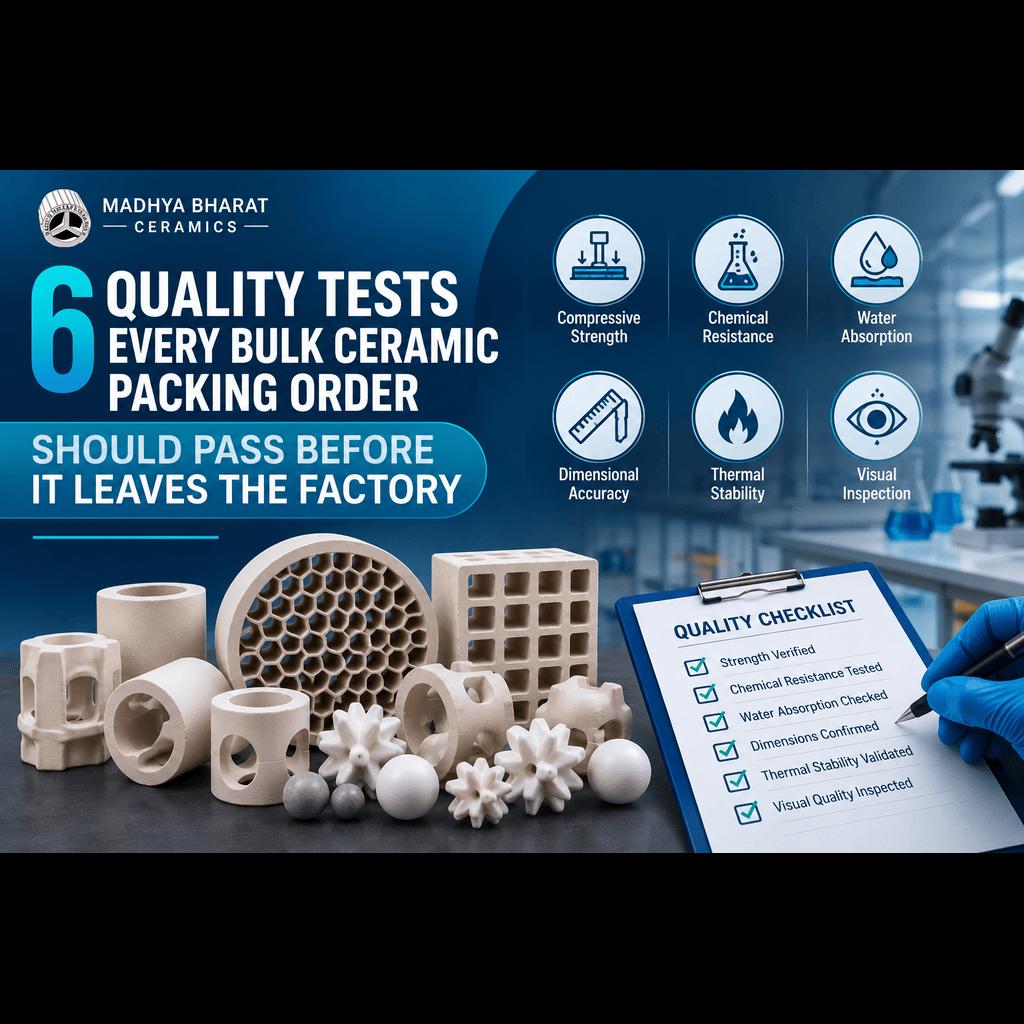
Request sample batches for inspection and testing before committing to large orders. Physical examination should verify dimensional accuracy, surface finish quality, and absence of defects.
Critical quality checks:
- Visual inspection for uniform color and defect-free construction
- Dimensional verification using precision measuring tools
- Weight validation indicating proper material density
- Impact resistance and mechanical strength assessment
- Chemical resistance testing for specific applications
For critical applications, invest in third-party laboratory testing of samples. Material composition analysis, tensile strength testing, and chemical resistance verification provide objective quality validation.
2. Ongoing Quality Assurance
Establish quality specifications in purchase contracts including acceptance criteria and testing protocols. Professional manufacturers welcome such specifications as they demonstrate serious buyer commitment.
Implement receiving inspection procedures for all shipments. Random sampling and basic measurements ensure consistent quality across multiple deliveries. Document any deviations promptly and work with suppliers on corrective actions. Lightweight random column packing requires consistent specifications for optimal performance.
Regulatory Compliance and Environmental Considerations
Responsible manufacturers comply with environmental regulations governing plastic production, waste management, and emissions control. Review environmental policies and certifications to ensure alignment with corporate sustainability goals.
Material safety data sheets (MSDS) should be readily available, documenting proper handling, storage, and disposal procedures. This information protects worker safety and ensures regulatory compliance.
Some applications require specific material certifications for food contact, drinking water treatment, or pharmaceutical use. Verify that manufacturers maintain appropriate regulatory approvals for your intended application. Corrosion resistant plastic rings must meet industry-specific standards.
Making the Final Selection Decision
1. Developing Evaluation Criteria
Create a weighted scoring system evaluating manufacturers across multiple dimensions including product quality, technical support, pricing, delivery reliability, and company reputation. This structured approach ensures objective comparisons.
Include input from multiple stakeholders engineering, operations, procurement, and maintenance teams each bringing valuable perspectives. Document the decision process creating an audit trail for future reference.
2. Building Long-Term Partnerships
The best suppliers become strategic partners rather than transactional vendors. Invest in relationship development through regular communication, collaborative problem-solving, and mutual respect.
Share performance feedback, both positive and negative, helping manufacturers improve their products and services. Consider strategic supplier agreements for recurring requirements, unlocking preferential pricing and enhanced support.
Common Pitfalls to Avoid
1. Warning Signs of Unreliable Manufacturers
Reluctance to provide certifications, test reports, or facility access raises red flags about manufacturing practices. Transparent manufacturers welcome buyer scrutiny and proactively share quality documentation.
Unusually low pricing compared to market averages often indicates compromises in material quality, manufacturing processes, or service levels. Poor communication or vague technical responses suggests limited expertise.
2. Avoiding Common Procurement Mistakes
Focusing exclusively on initial purchase price ignores total cost of ownership including installation, operation, and replacement costs. Comprehensive value assessment prevents expensive false economies.
Insufficient specification detail in purchase orders creates potential for disputes when delivered products don’t match expectations. Clearly document dimensional requirements, material specifications, and testing protocols.
FAQ’s About PP Pall Ring
1. How do I choose a reliable PP Pall Ring manufacturer?
Verify ISO certifications, request material test reports, check customer references, evaluate technical support, and inspect physical samples.
2. What certifications should a PP Pall Ring manufacturer have?
ISO 9001:2015, ISO 14001, material compliance certificates, and industry-specific approvals for food-grade or pharmaceutical applications.
3. How can I check the quality of PP Pall Rings?
Conduct visual inspection, measure dimensions precisely, verify weight against specifications, and request third-party laboratory testing certificates.
4. Which PP Pall Ring size is best for my application?
Size selection depends on column diameter, flow rates, and pressure drop requirements; consult manufacturer engineers for calculations.
5. Why is manufacturer experience important for PP Pall Rings?
Experience ensures refined product designs, proven application knowledge, reliable quality control, and comprehensive technical support services.
6. Do manufacturers provide custom PP Pall Ring solutions?
Yes, reputable manufacturers offer custom dimensions, special materials, and modified designs for unique process requirements.
Conclusion: Partnering for Process Excellence
Selecting the right manufacturing partner represents a critical decision impacting process efficiency, operational costs, and system reliability for years. The investment in thorough supplier evaluation pays dividends through superior performance and reduced maintenance.
Quality partnerships extend beyond transactional product supply to collaborative relationships encompassing technical support, continuous improvement, and mutual success. Prioritize manufacturers demonstrating technical expertise, quality commitment, and customer-focused service delivery.
Apply the evaluation frameworks, quality verification methods, and selection criteria outlined in this guide to identify suppliers matching your specific requirements and performance expectations.