A leading petrochemical facility in Gujarat faced declining distillation efficiency in 2023, resulting in increased energy costs and reduced product quality. After replacing aging metal packing with high-performance ceramic ring packing, the facility achieved remarkable results: 35% improvement in separation efficiency and 22% reduction in energy consumption within three months.
This transformation demonstrates why ceramic rings used in distillation columns have become essential components for optimizing industrial operations. As industries prioritize efficiency and sustainability, understanding ceramic ring technology becomes crucial for process engineers and facility managers.
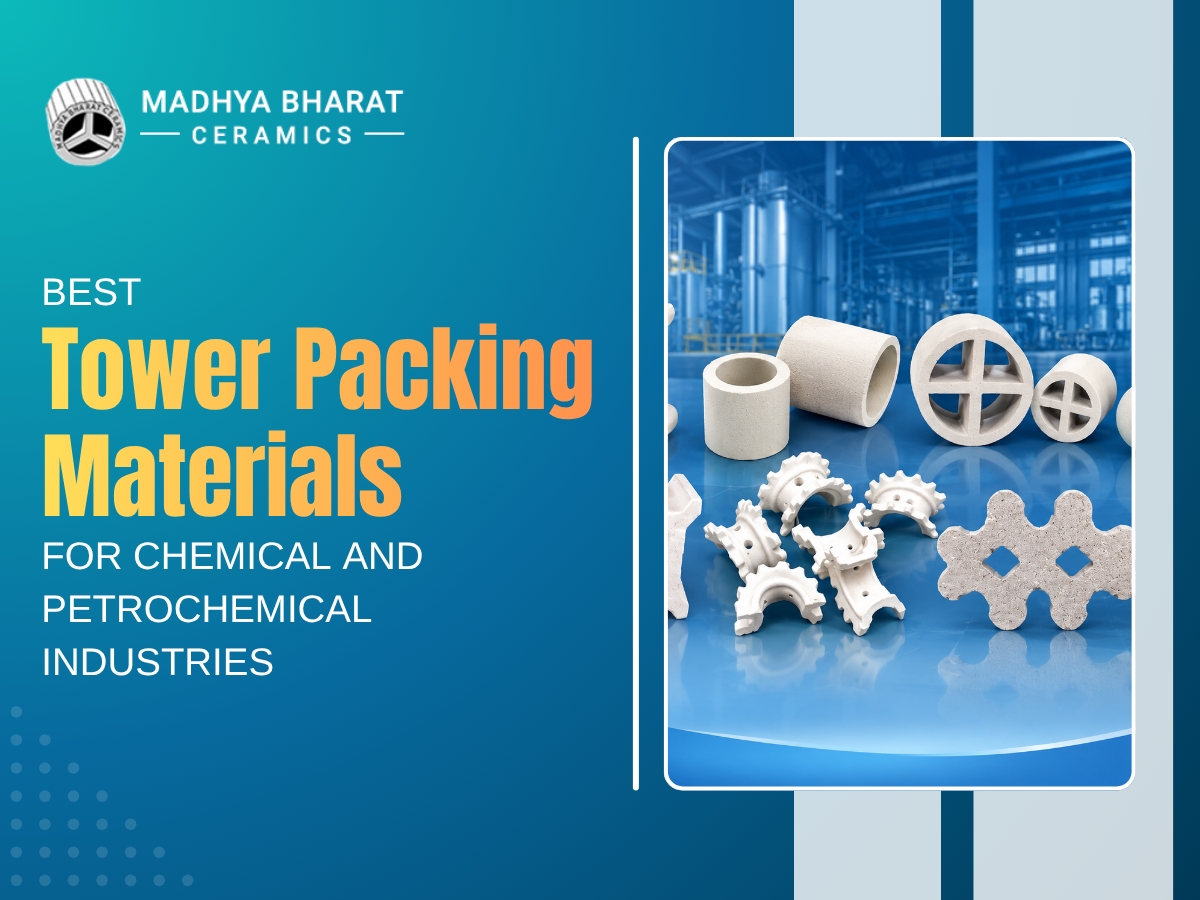
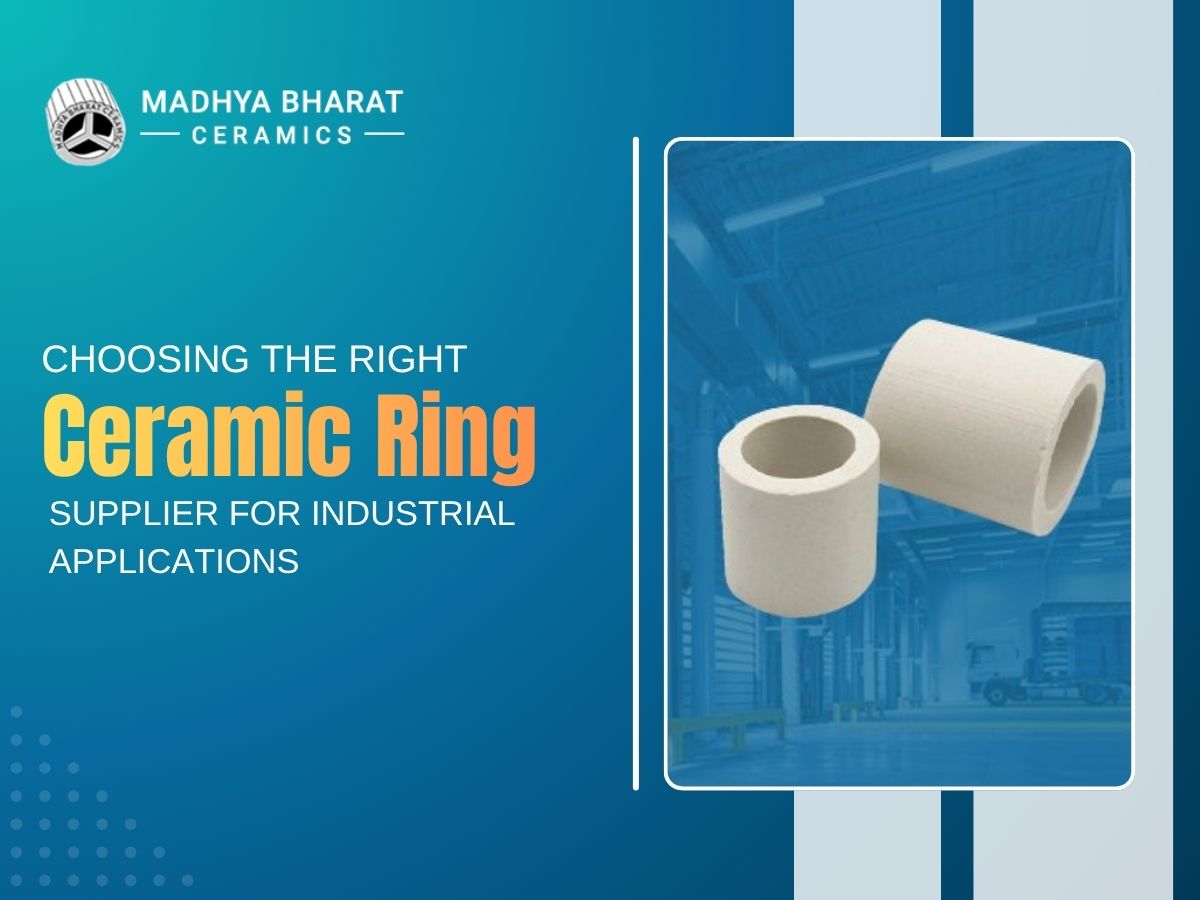
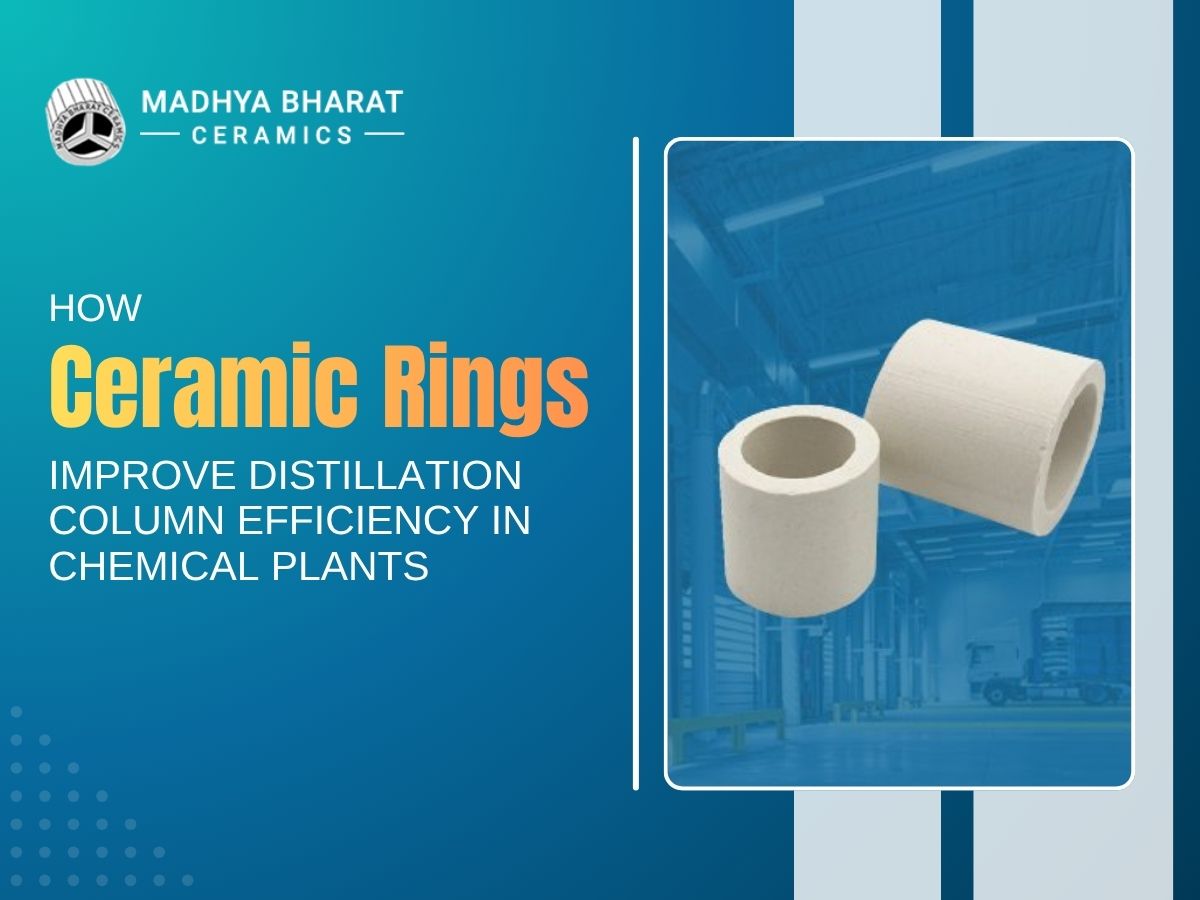
Ceramic ring packing consists of specially engineered ceramic pieces designed to fill void spaces in packed towers. These rings create structured environments where gas and liquid phases interact efficiently, facilitating heat transfer, mass transfer, and chemical reactions in separation processes.
Understanding Ceramic Ring Technology
Industrial ceramic rings are precision-engineered components that revolutionize gas-liquid interaction within processing equipment. Their structural design creates optimal mass transfer conditions while maintaining low pressure drop characteristics.
1. Material Composition and Key Properties
Chemical resistant ceramic rings are manufactured from high-grade materials including alumina oxide, porcelain, and stoneware. The manufacturing process involves careful ceramic compound formulation, precision molding, and high-temperature firing, creating dense, non-porous structures with excellent mechanical integrity.
Critical material properties include:
- Chemical inertness across pH ranges from 0-14
- Temperature resistance up to 1400°C for alumina variants
- High mechanical strength with minimal abrasion rates
- Excellent thermal shock resistance for rapid temperature changes
- Zero corrosion in acidic and alkaline environments
- Non-contaminating surface for pharmaceutical and food applications
2. Geometric Design Principles
The geometry of ceramic rings directly impacts gas-liquid contact performance. Modern tower packing ceramics feature calculated dimensions that balance surface area, void fraction, and hydraulic characteristics for optimal efficiency.
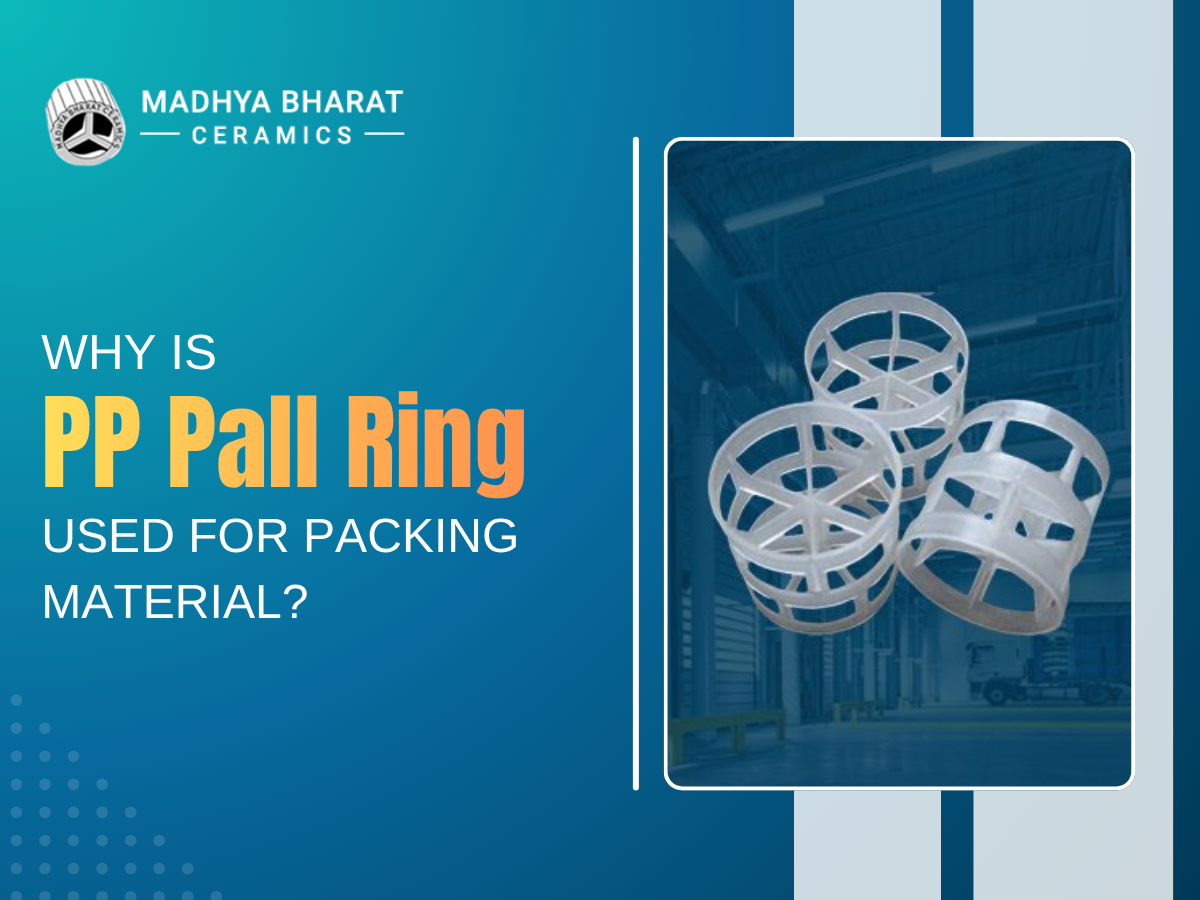
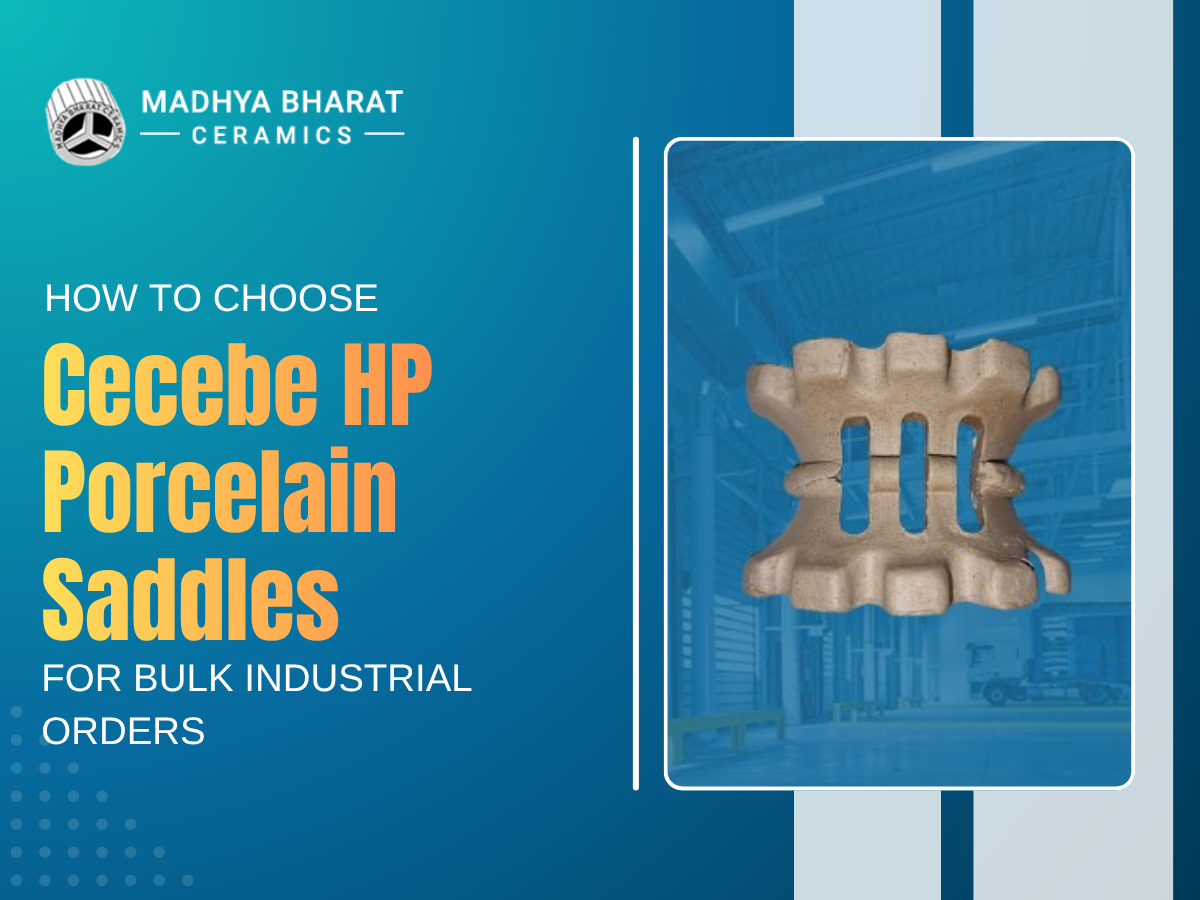
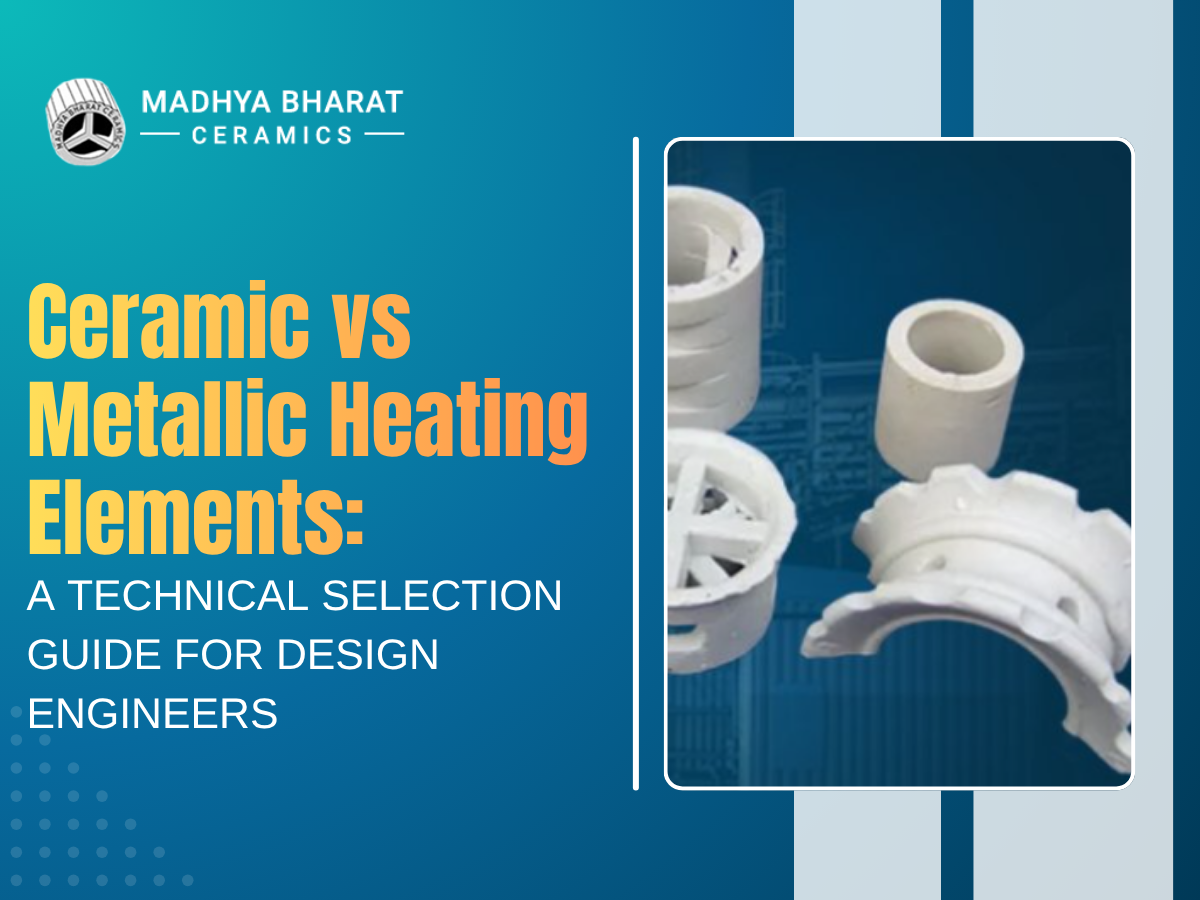
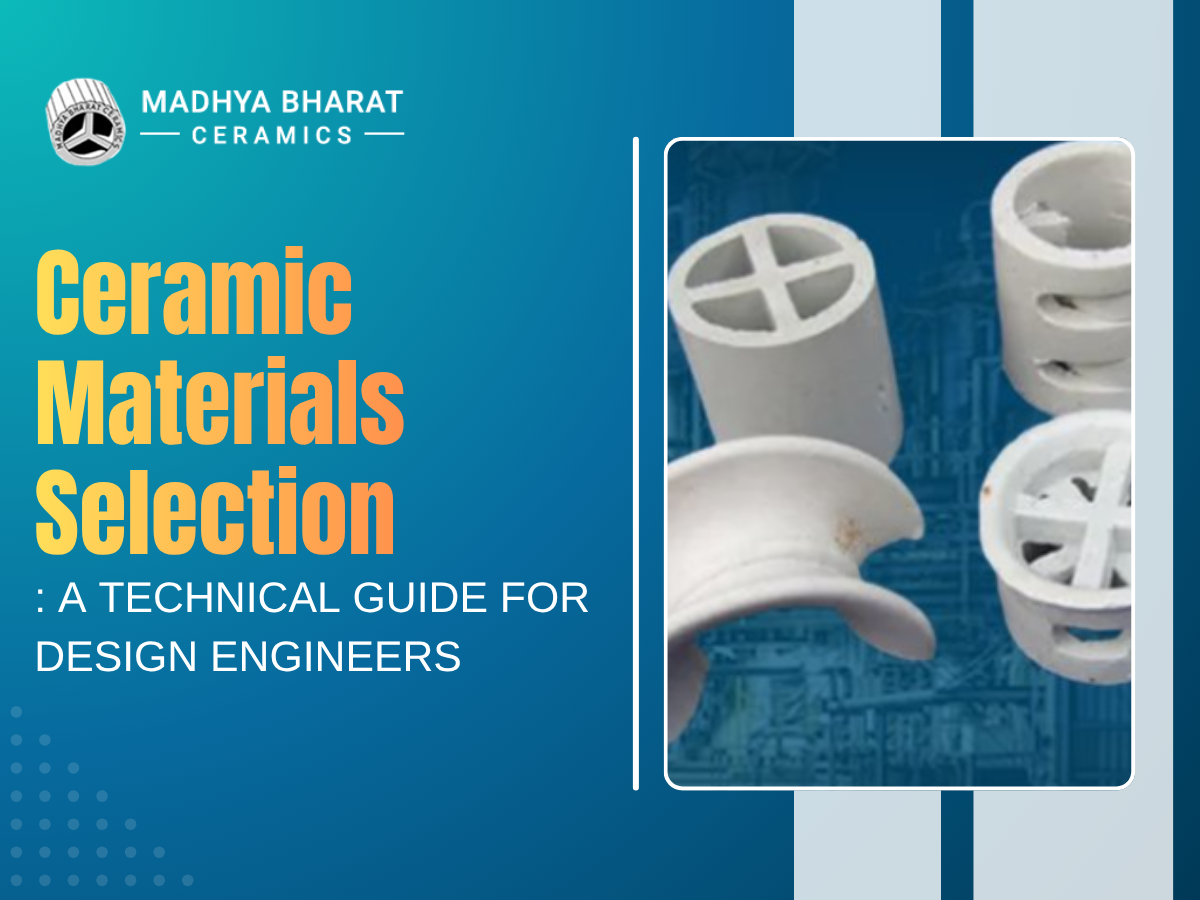
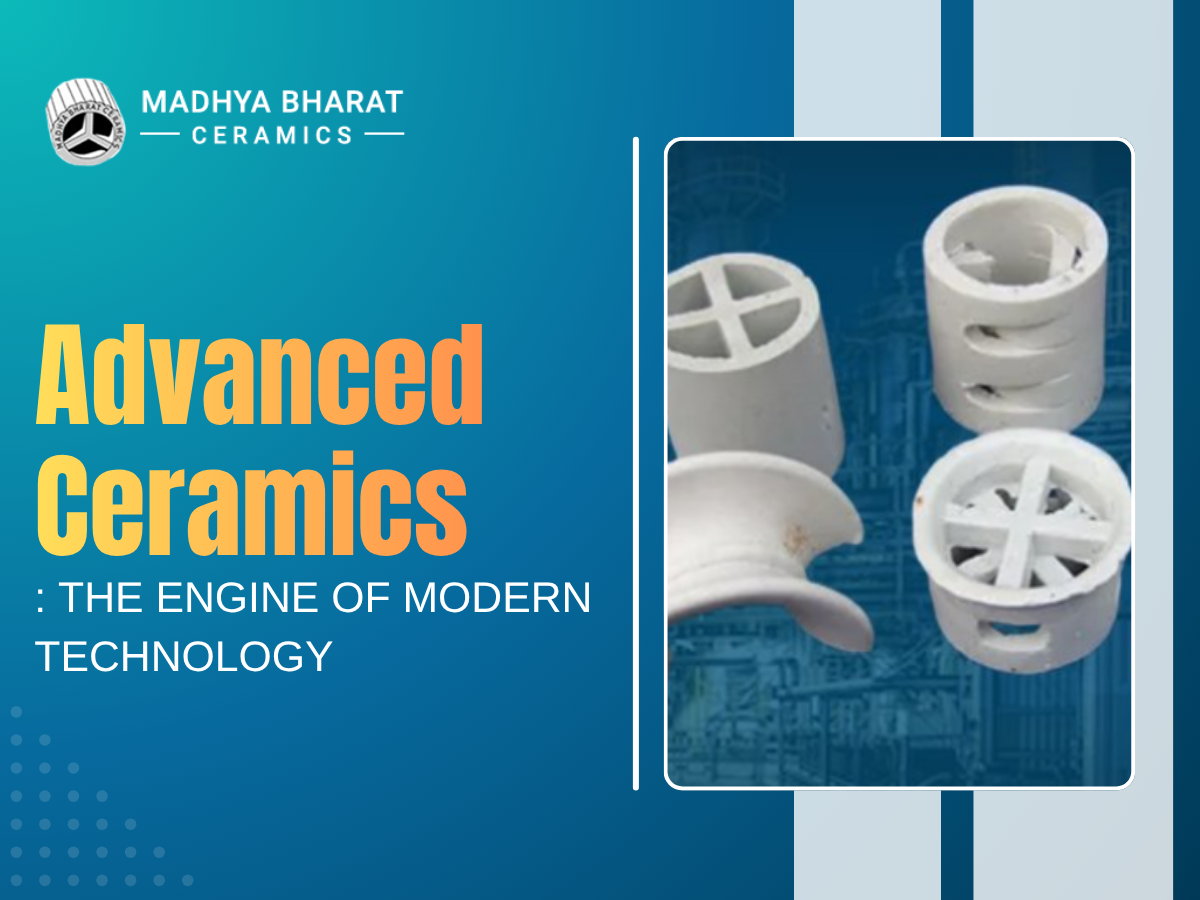
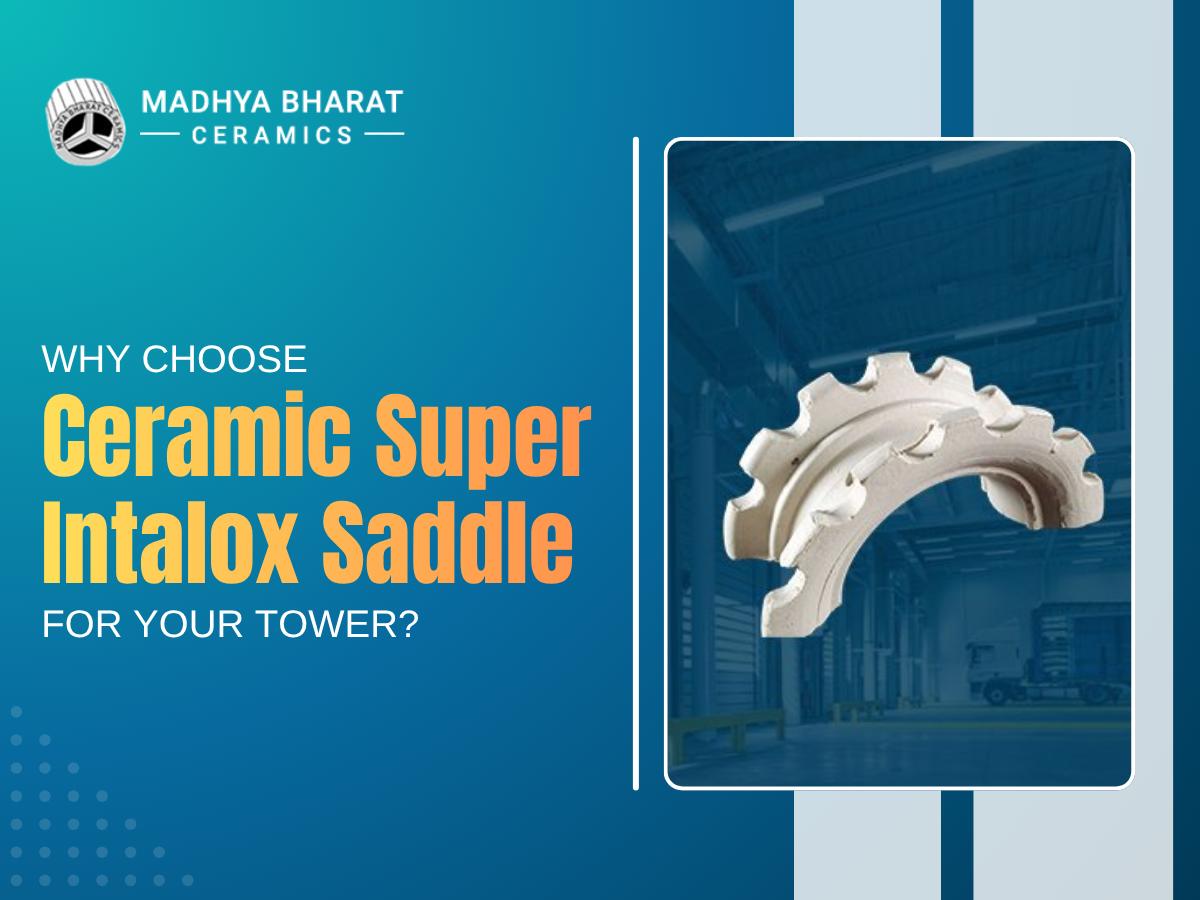
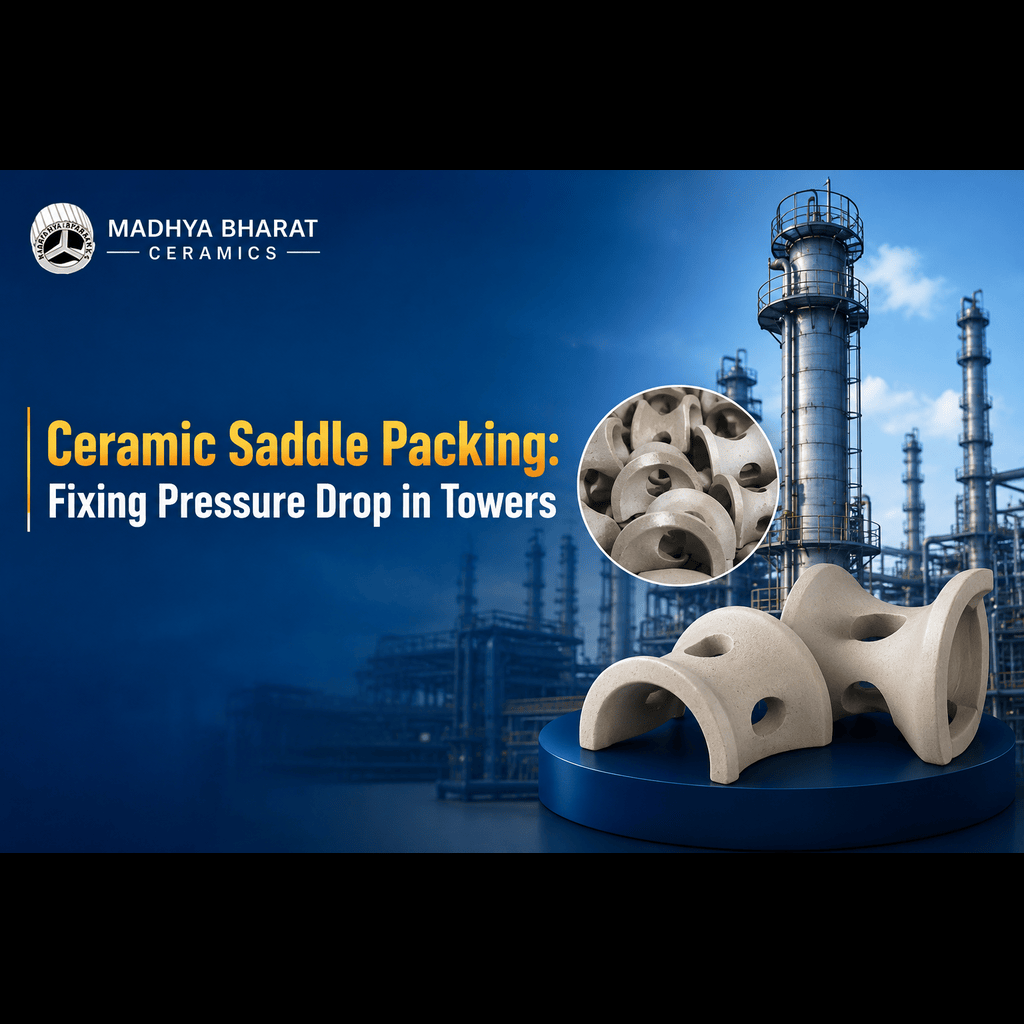
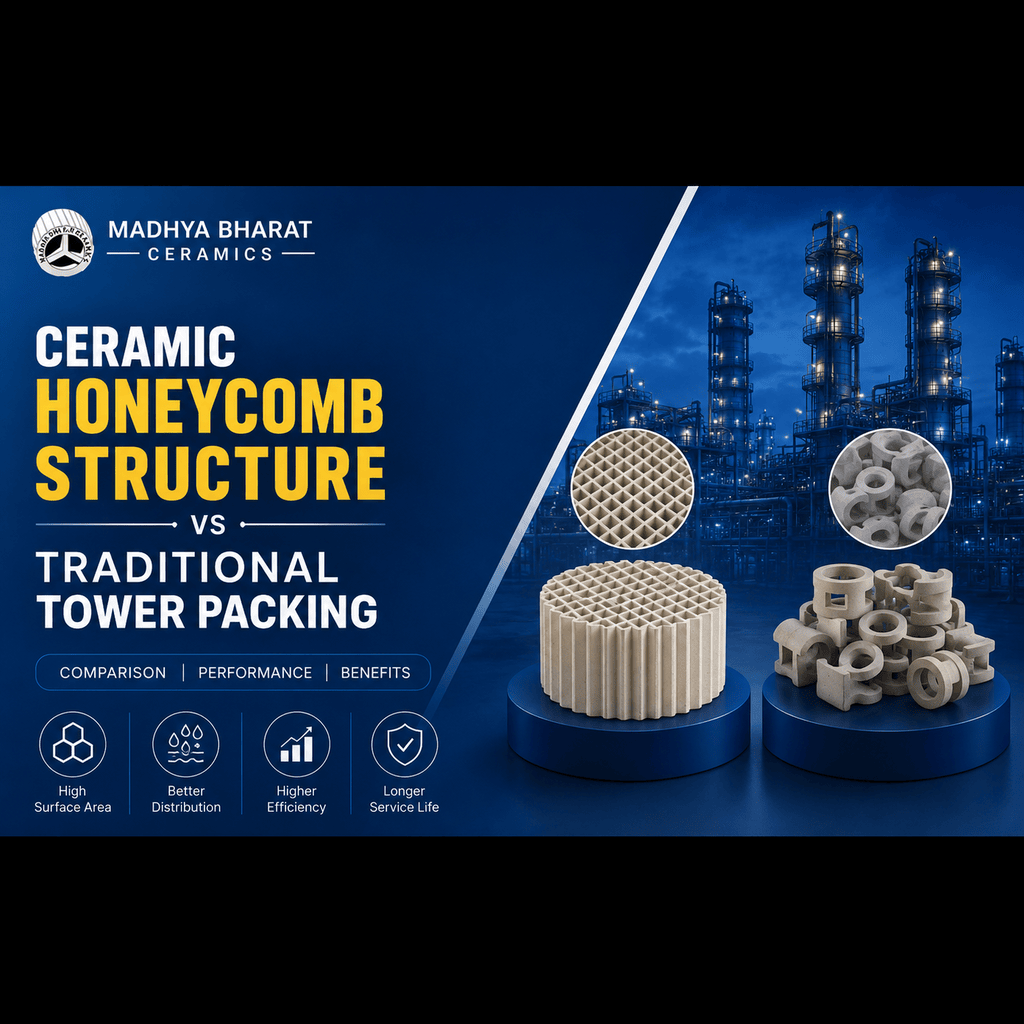
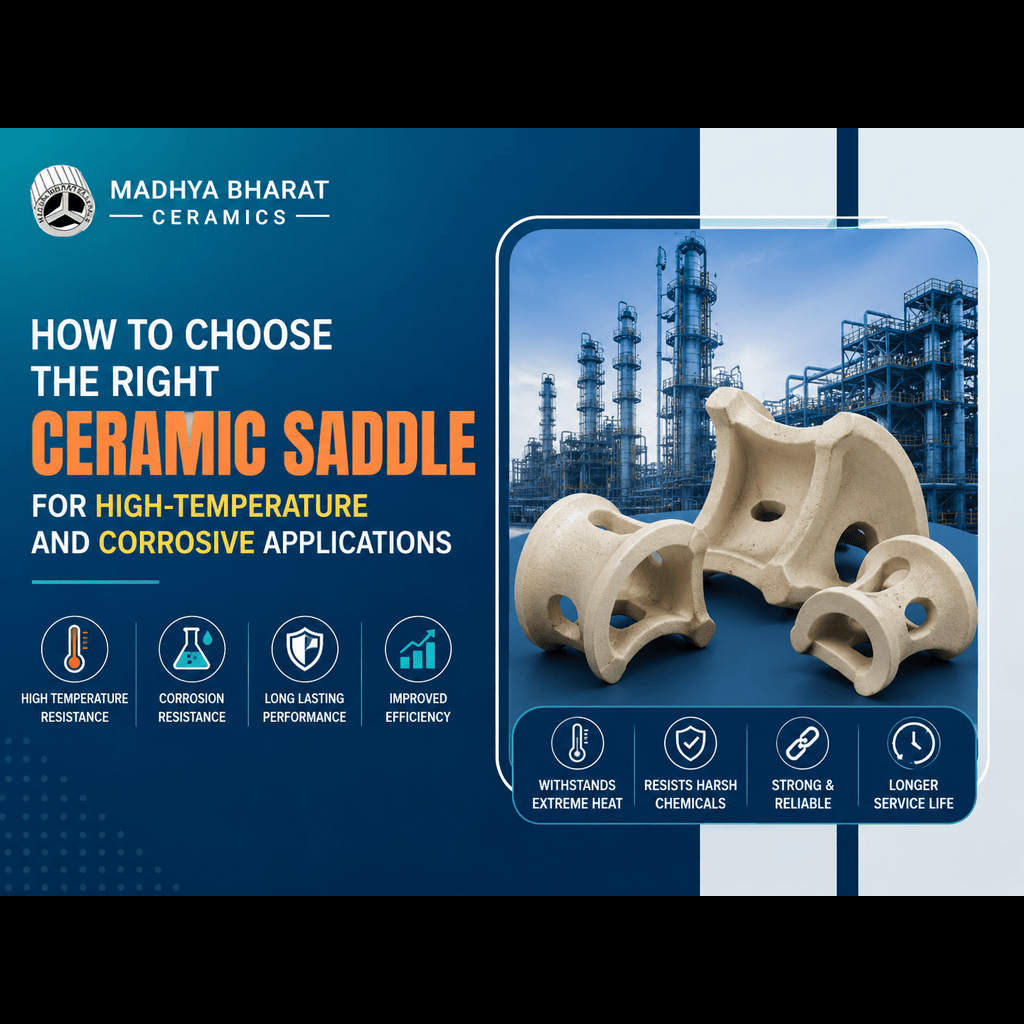
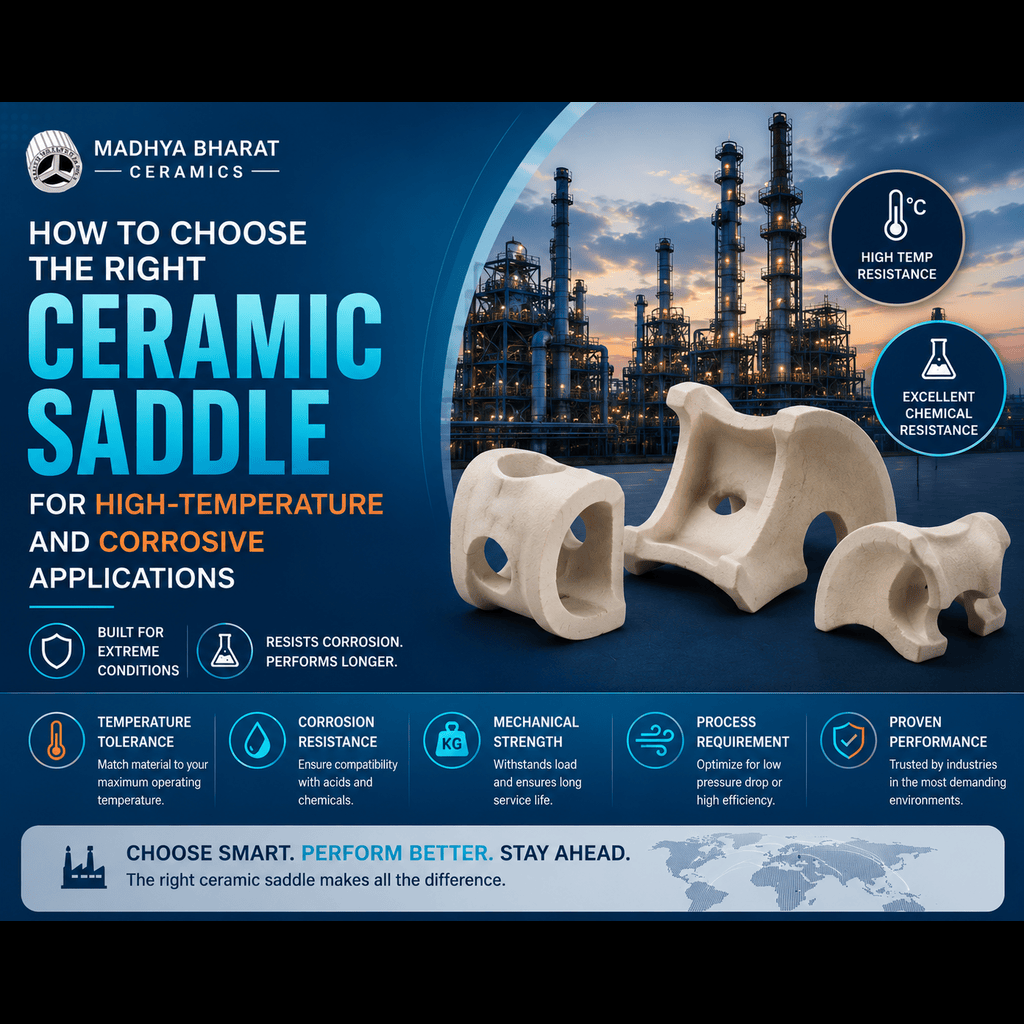
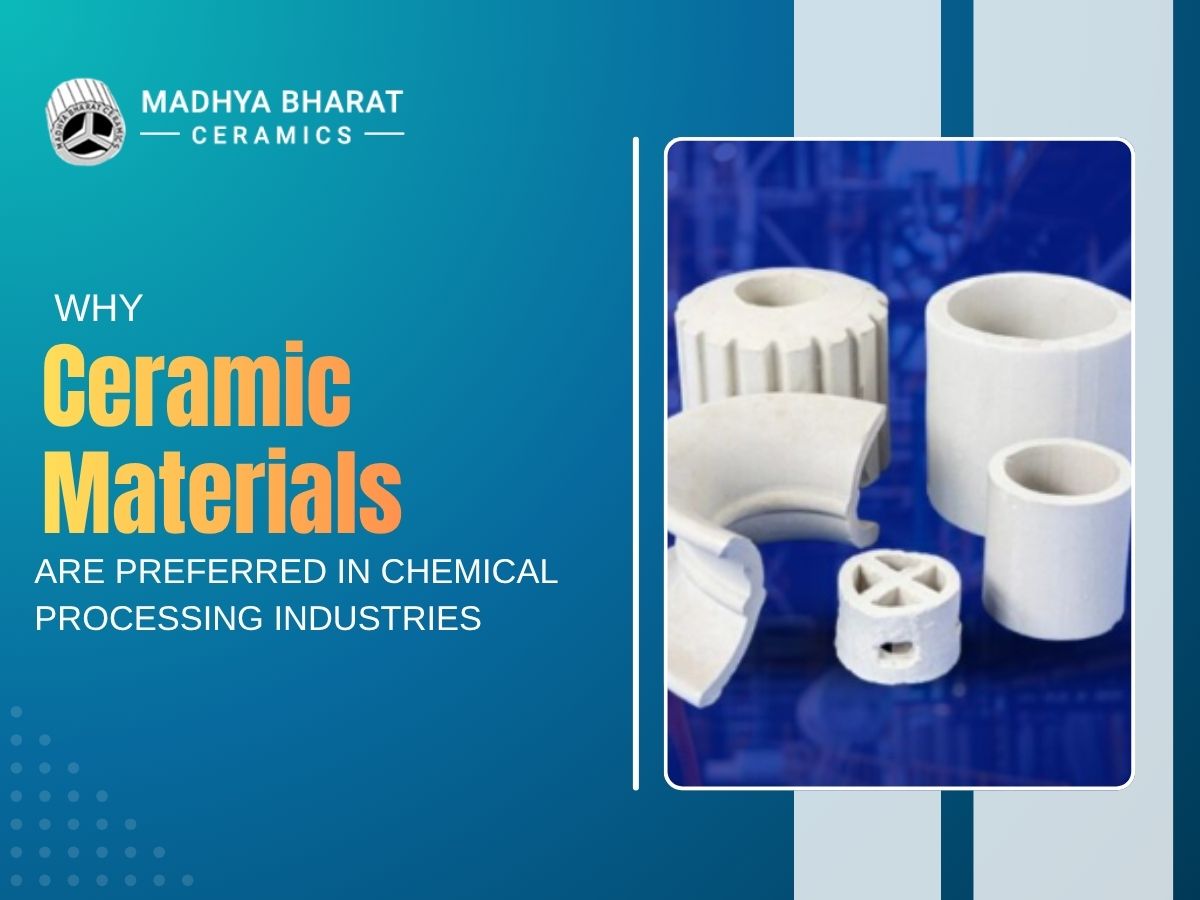
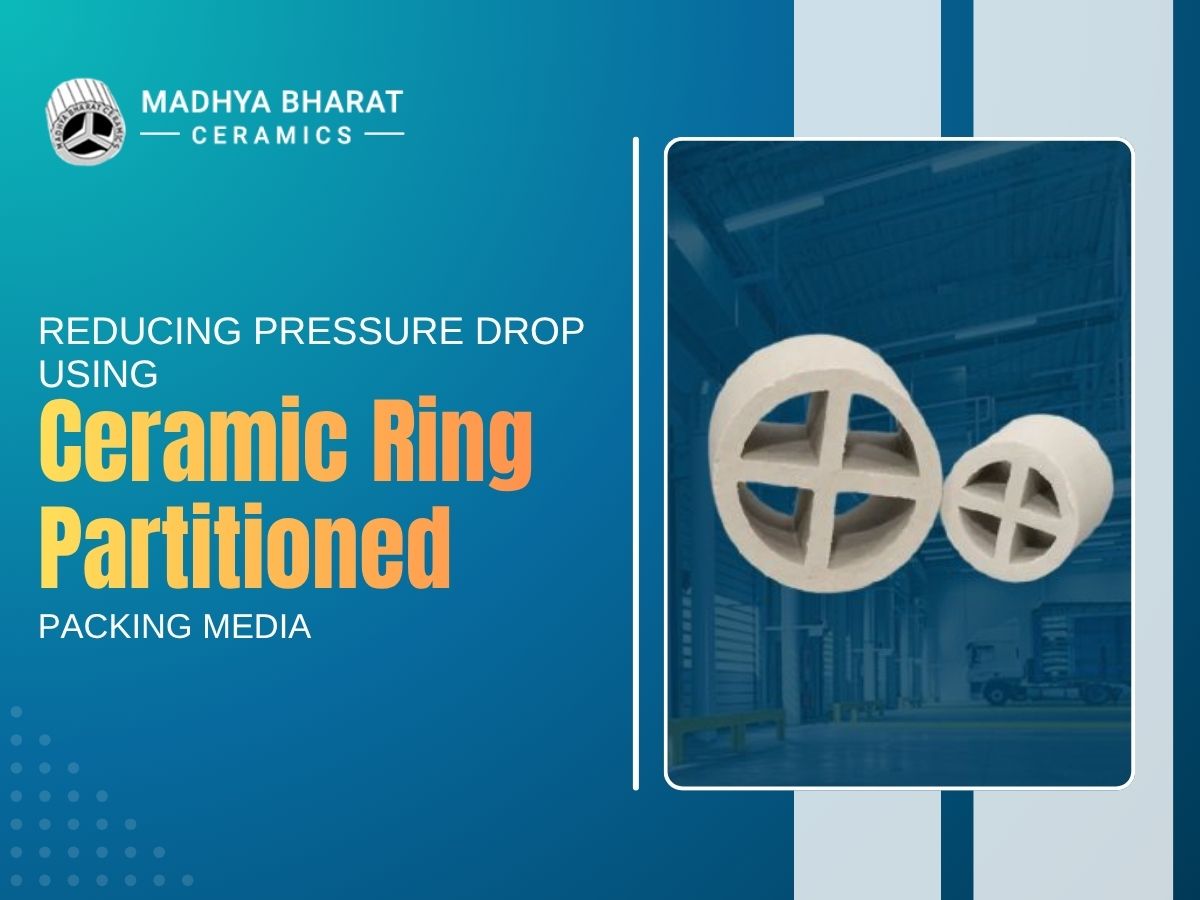
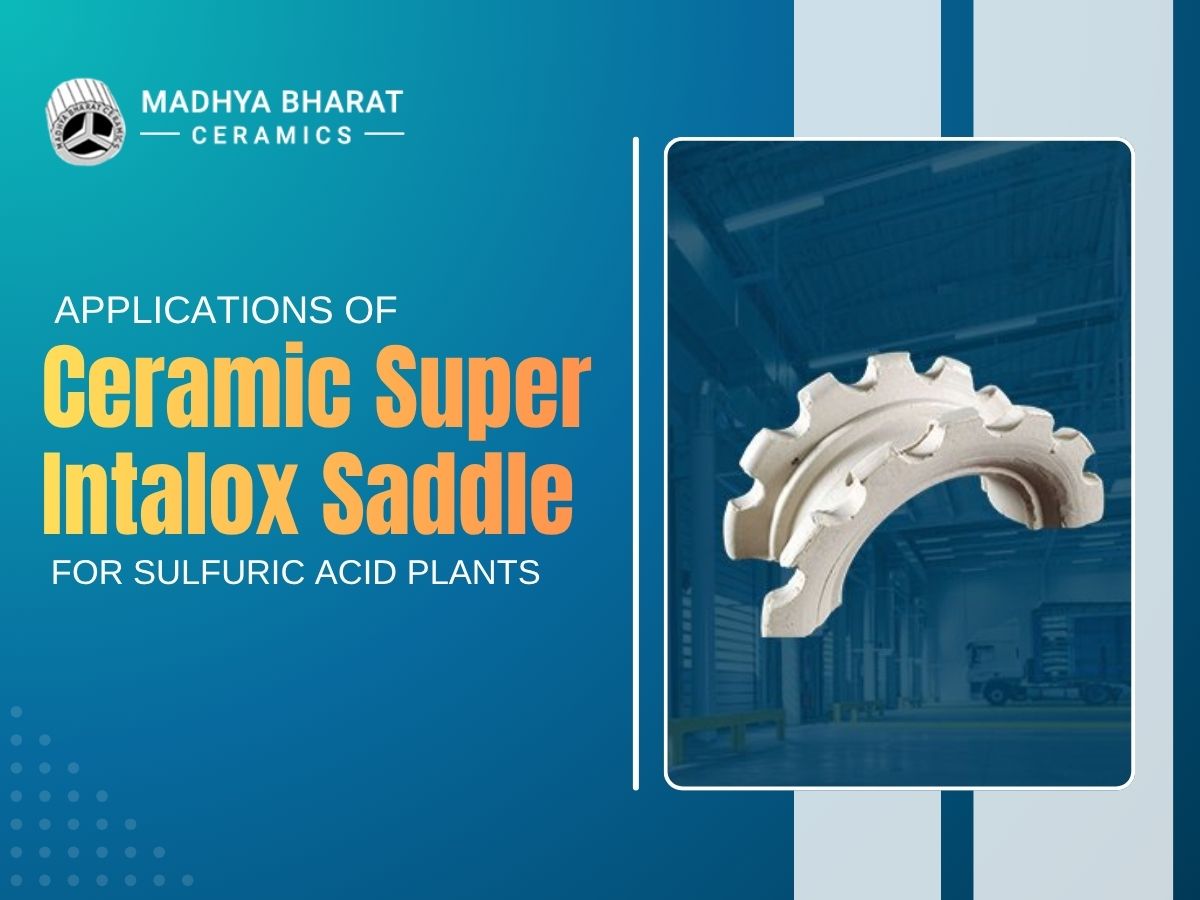
Mass transfer ceramic rings incorporate internal structures promoting liquid spreading while allowing unobstructed gas flow. Common configurations include Raschig rings, Pall rings, and Intalox saddles, each offering specific advantages depending on application requirements.
Industrial Applications and Benefits
Ceramic rings for mass transfer applications serve critical roles across diverse industrial processes, from petrochemical manufacturing to environmental protection systems.
1. Distillation and Separation Operations
In distillation columns, ceramic rings facilitate liquid mixture separation based on volatility differences. The rings provide surfaces where vapor and liquid phases achieve equilibrium contact, enhancing separation through increased interfacial contact area.
Ceramic rings used in distillation columns deliver sharper component separation and higher product purity. The chemical resistance of quality ceramic packing ring manufacturer products ensures long service life even when processing corrosive compounds, reducing maintenance costs and minimizing downtime.
2. Absorption and Stripping Processes
Absorption towers utilize industrial ceramic packing to facilitate efficient gas absorption into liquid solvents. Chemical resistant ceramic rings for towers withstand aggressive chemicals used in acid gas removal, ammonia recovery, and solvent absorption processes.
Stripping operations benefit from the structured environment created by ceramic ring packing, achieving uniform liquid distribution that maximizes stripping efficiency. The inert surface prevents unwanted reactions while promoting optimal mass transfer rates.
3. Chemical and Petrochemical Applications
Ceramic rings for chemical and petrochemical plants serve as catalyst supports and reactor internals. Their inert nature prevents unwanted side reactions while ensuring proper reactant distribution throughout the system.
In catalytic processes, ceramic rings can support active catalysts or catalytic pellets, optimizing reaction kinetics while maintaining excellent heat transfer characteristics essential for temperature-sensitive reactions.
Performance Advantages of Ceramic Ring Packing
Industrial ceramic rings deliver measurable improvements impacting operational efficiency and profitability through multiple performance enhancements.
1. Enhanced Efficiency and Capacity
The primary advantage of mass transfer ceramic rings lies in creating optimal interphase mass transfer conditions. High surface area per unit volume provides abundant gas-liquid contact points.
Studies demonstrate that properly selected ceramic ring packing improves mass transfer coefficients by 30-50% compared to random packing alternatives. This enhancement translates to shorter columns, reduced energy consumption, and improved product yields.
Key performance benefits include:
- Increased throughput capacity without flooding issues
- Lower pressure drop reducing energy requirements
- Improved separation efficiency enhancing product quality
- Better liquid distribution across column cross-section
- Reduced operational costs through energy savings
2. Durability and Operational Reliability
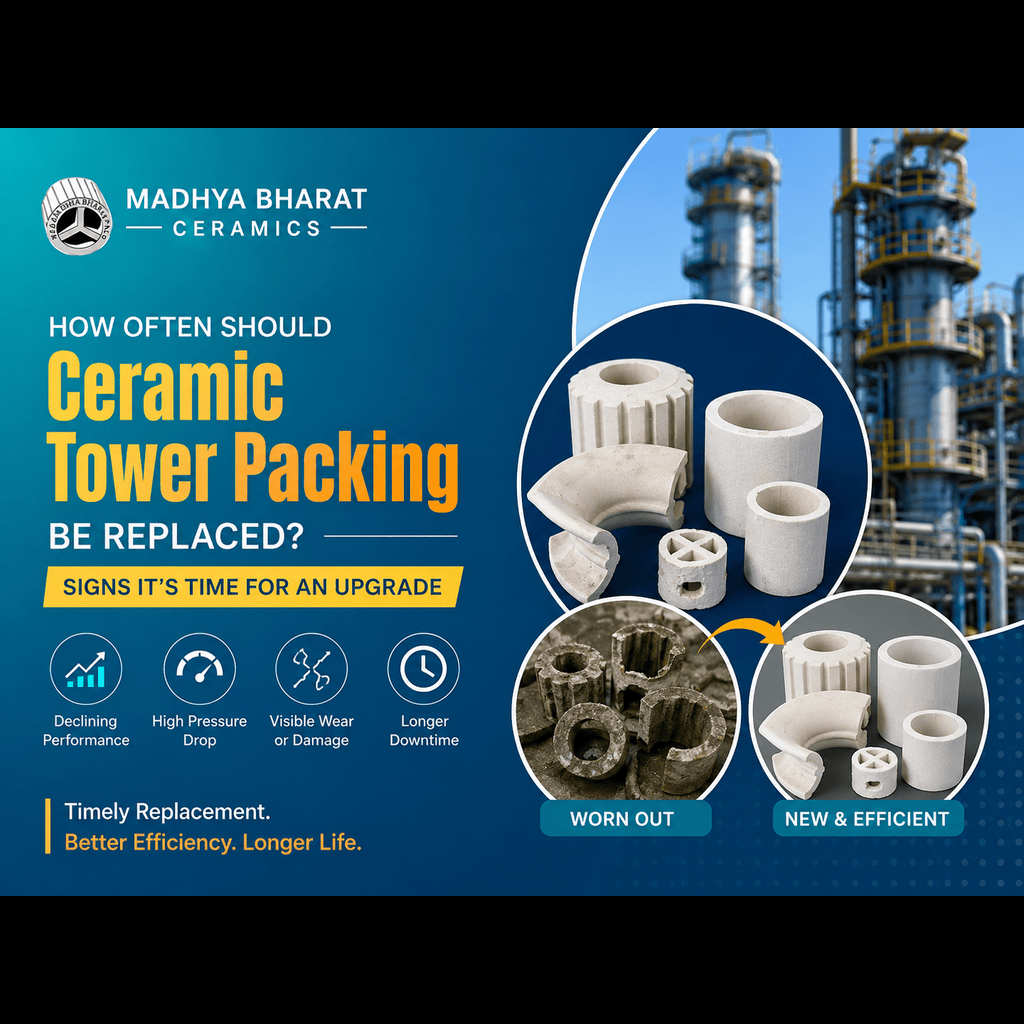
Chemical resistant ceramic rings offer unmatched durability in corrosive service. Unlike metallic alternatives suffering from corrosion and fouling, ceramic materials maintain integrity throughout their service life, typically 10-15 years or longer.
The thermal stability of industrial ceramic rings enables operation across wide temperature ranges without degradation. This versatility makes them suitable for both cryogenic applications and high-temperature processes exceeding 1000°C.
Selection Criteria for Optimal Performance
Choosing the right ceramic ring packing requires careful consideration of process conditions and performance objectives to achieve maximum efficiency.
1. Critical Process Parameters
Operating temperature, pressure, and chemical environment define basic material requirements. Chemical resistant ceramic rings must be compatible with all process fluids, including trace contaminants.
Flow rates determine required hydraulic capacity. Industrial ceramic packing must accommodate both normal and peak flow conditions without flooding or excessive pressure drop.
2. Sizing and Configuration Guidelines
Ceramic rings are available in sizes ranging from 6mm to 75mm nominal diameter. Smaller sizes offer higher surface area but also higher pressure drop, while larger sizes provide greater capacity but reduced efficiency.
Industry guidelines recommend column diameter should be at least 10-15 times the ring diameter for optimal performance. Tower packing ceramics can be installed as random packing or structured packing, with random dumping being simpler and structured installation offering superior performance.
Sourcing Quality Ceramic Ring Products
Selecting a reliable ceramic ring manufacturer ensures access to quality products and comprehensive technical support for your applications.
Manufacturer Qualifications to Consider
Reputable ceramic ring supplier organizations maintain quality management systems certified to international standards. ISO 9001 certification provides assurance of consistent manufacturing processes and rigorous quality control.
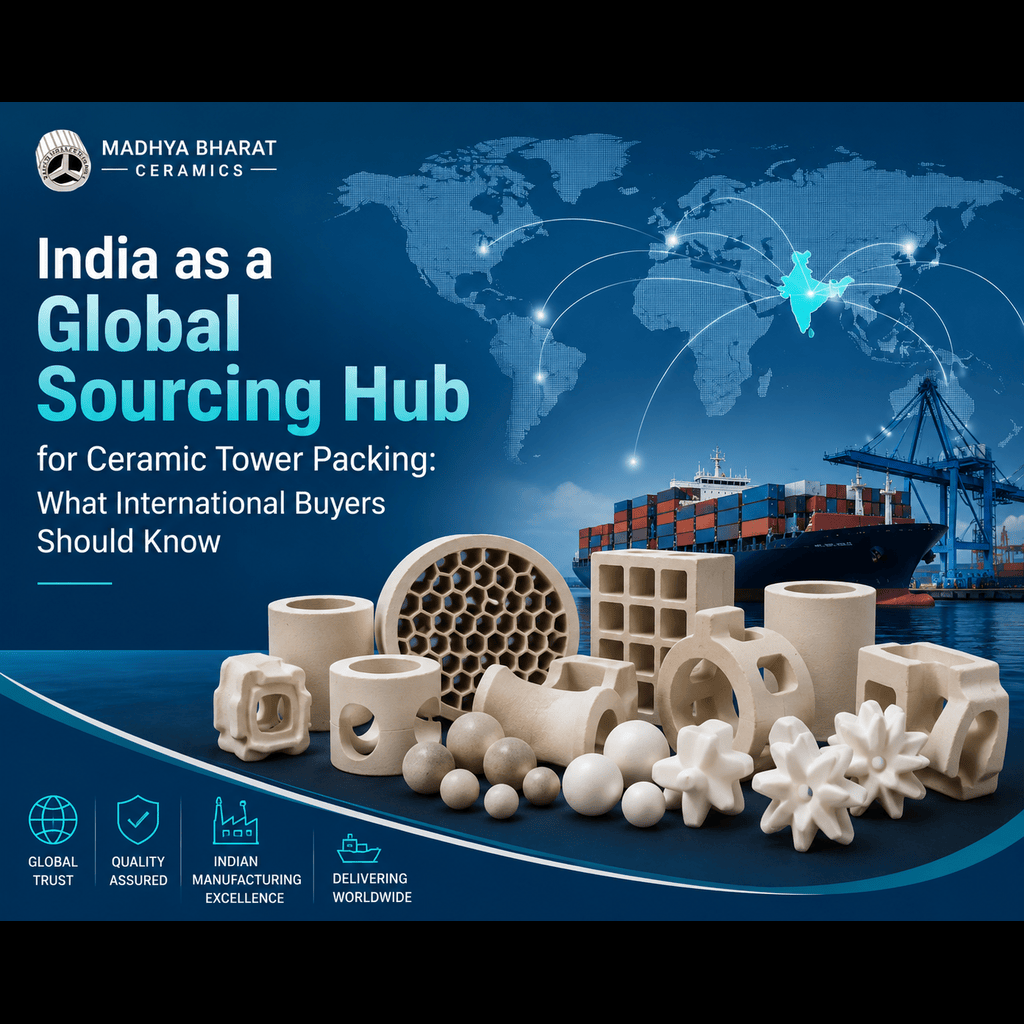
A qualified ceramic packing ring manufacturer offers comprehensive product portfolios spanning multiple materials, sizes, and configurations. Ceramic ring manufacturers in India organizations have established strong reputations for quality and value, combining traditional ceramic expertise with modern manufacturing technology.
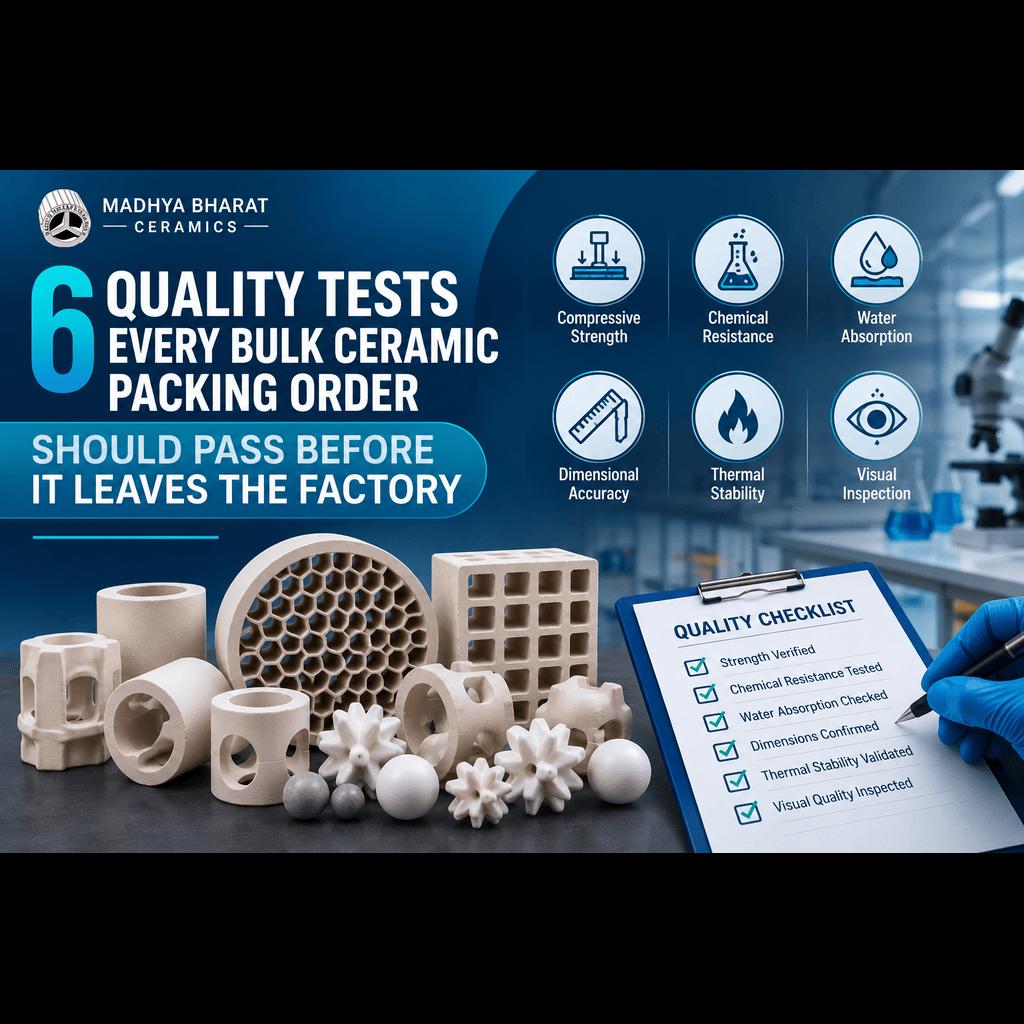
Quality industrial ceramic packing meets published specifications for dimensions, material properties, and performance characteristics. Physical inspection should confirm uniform dimensions, consistent geometry, and freedom from cracks or defects.
FAQ’s About Ceramic Rings
1. What are ceramic rings used for in industrial towers?
Ceramic rings enhance gas-liquid contact in distillation, absorption, and stripping processes through high surface area and optimal flow characteristics.
2. How do ceramic rings improve separation efficiency?
Industrial ceramic rings increase interfacial contact area by 30-50%, improving mass transfer rates while maintaining low pressure drop for energy efficiency.
3. What size ceramic rings should I select?
Choose smaller ceramic rings (15-25mm) for high-efficiency applications and larger sizes (50-75mm) for high-capacity operations in larger diameter columns.
4. Can ceramic rings withstand corrosive chemicals?
Yes, chemical resistant ceramic rings are inert to acids, bases, and organic solvents, maintaining integrity where metal packing would fail.
5. How long do ceramic rings last?
Properly installed ceramic ring packing provides 10-15 years of service life, significantly outlasting alternative packing materials in harsh conditions.
6. What maintenance do ceramic rings require?
Industrial ceramic rings require minimal maintenance beyond periodic inspection and occasional cleaning, with no concerns about corrosion or thermal degradation.
Transform Your Process Efficiency Today
Upgrading to high-performance ceramic rings can dramatically improve your separation process efficiency and reliability. Whether addressing corrosion challenges, thermal degradation issues, or seeking operational optimization, ceramic ring packing delivers proven, measurable results.
Partner with MBC, a trusted ceramic ring manufacturer who understands your application requirements. Our premium industrial ceramic rings and expert technical support ensure optimal process performance and maximum return on investment.
Contact MBC today for a free technical consultation and application review. Our process engineering experts will analyze your system and recommend the best tower packing ceramics solution for your specific needs.