A leading petrochemical plant in Gujarat faced recurring equipment failures due to severe wear and contamination issues in their reactor catalyst support system. Traditional steel balls lasted only 18 months and introduced metallic contamination affecting catalyst efficiency and product quality. After switching to MBC’s high alumina ceramic balls in 2023, the plant achieved remarkable results: zero contamination, 5+ years projected service life, 40% improvement in catalyst efficiency, and annual maintenance cost savings exceeding $150,000. This real-world case demonstrates how alumina ceramic balls for industrial applications deliver transformative performance improvements in extreme operating conditions.
Industrial processes worldwide demand materials that withstand punishing conditions including extreme temperatures, corrosive chemicals, high abrasion, and mechanical stress. High alumina ceramic balls have emerged as the superior solution for these challenging environments, offering unmatched durability, chemical resistance, and performance consistency.
MBC, a leading alumina ceramic balls manufacturer in India, produces advanced technical ceramics engineered specifically for extreme industrial conditions. Our industrial alumina balls combine exceptional material properties with precision manufacturing, delivering reliable performance that reduces downtime, eliminates contamination, and significantly lowers total operating costs.
What are High Alumina Ceramic Balls?
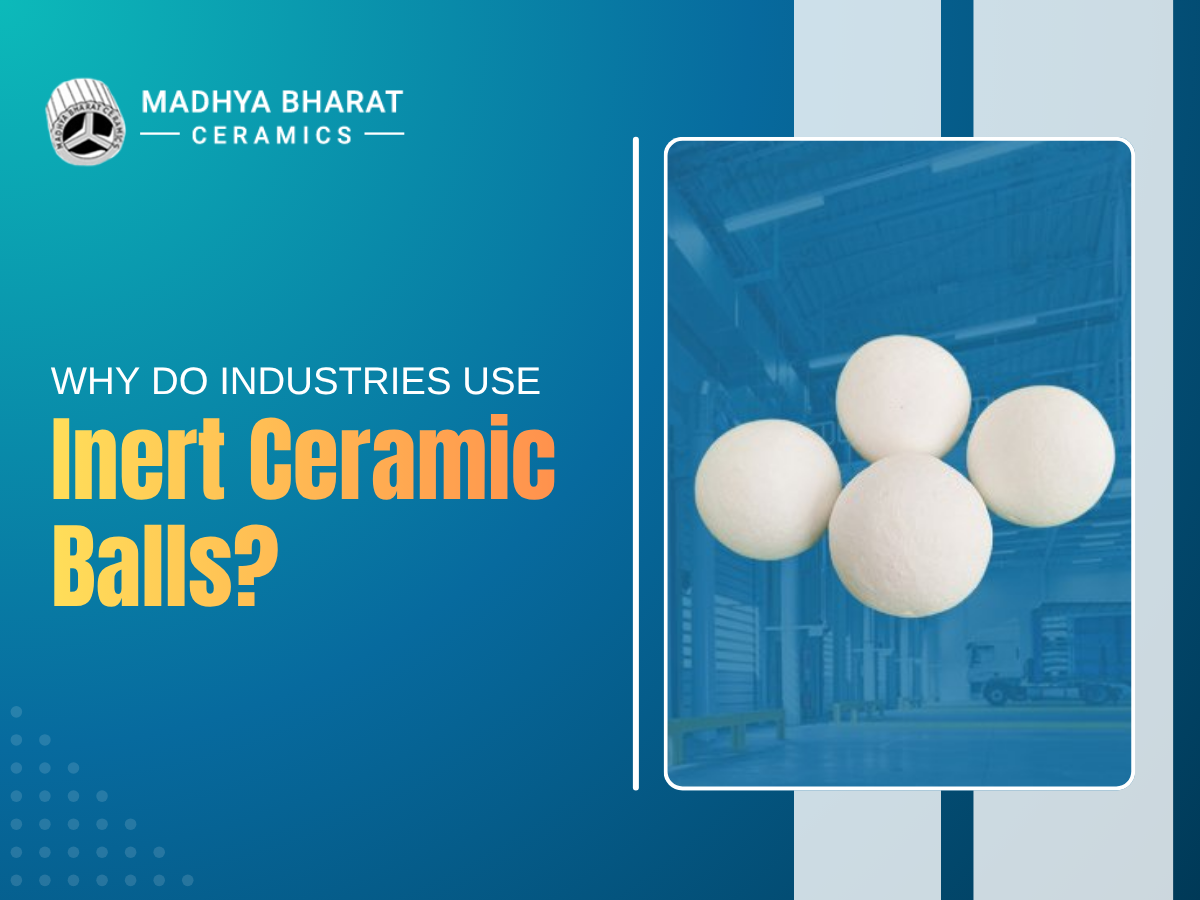
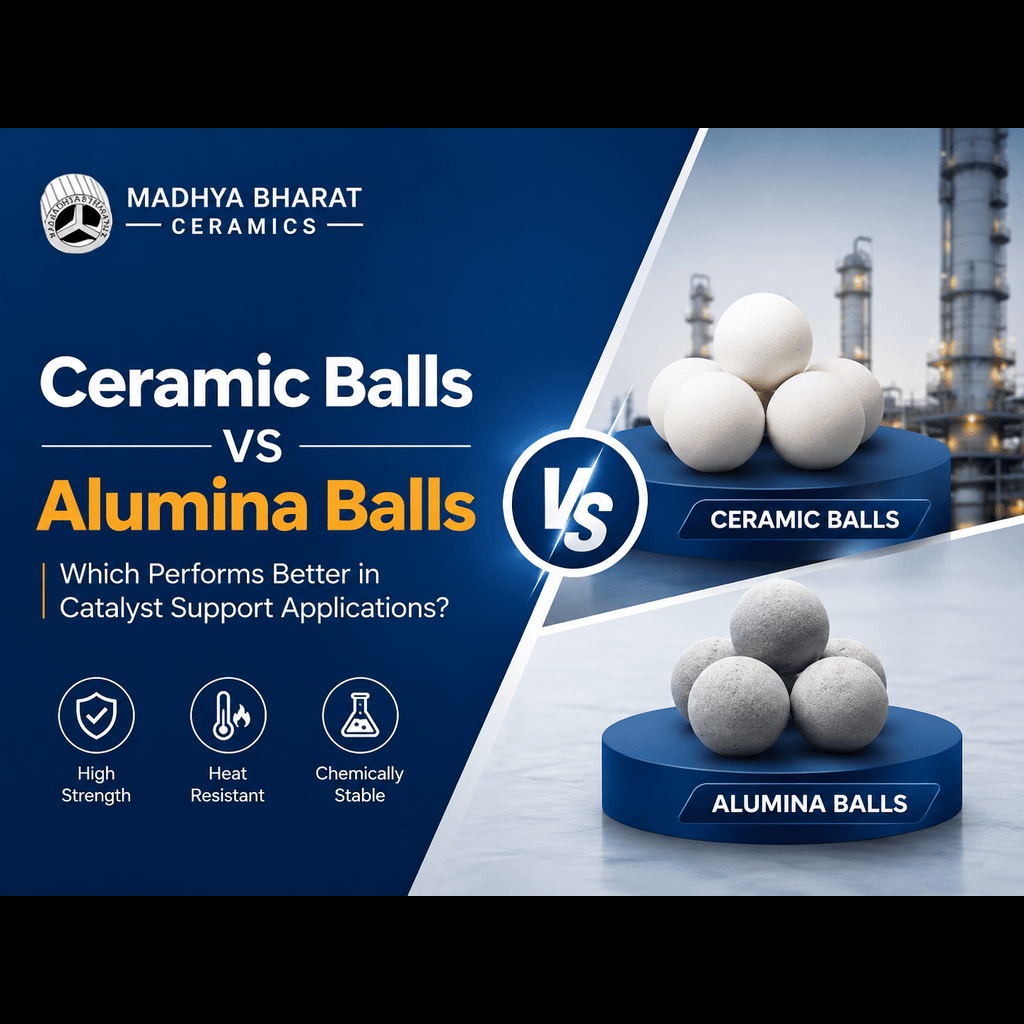
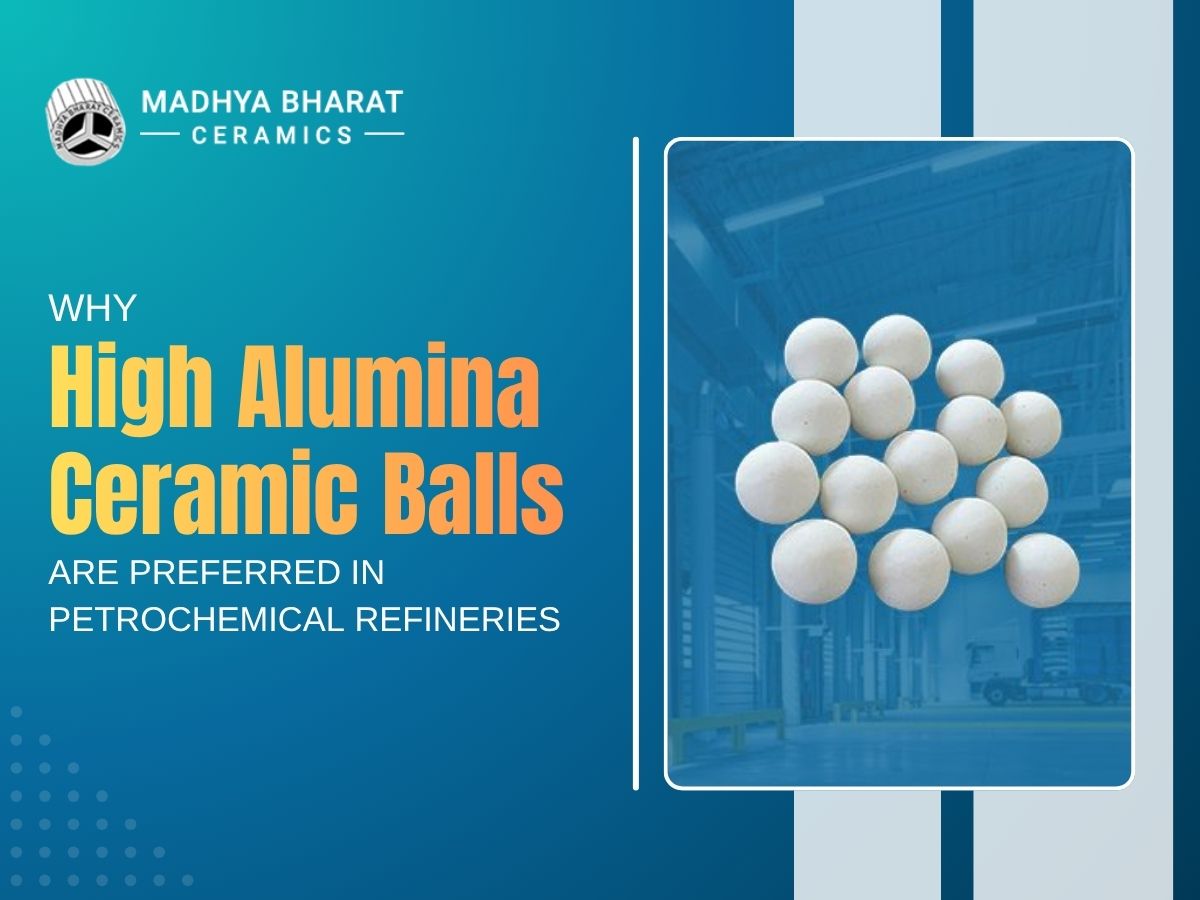
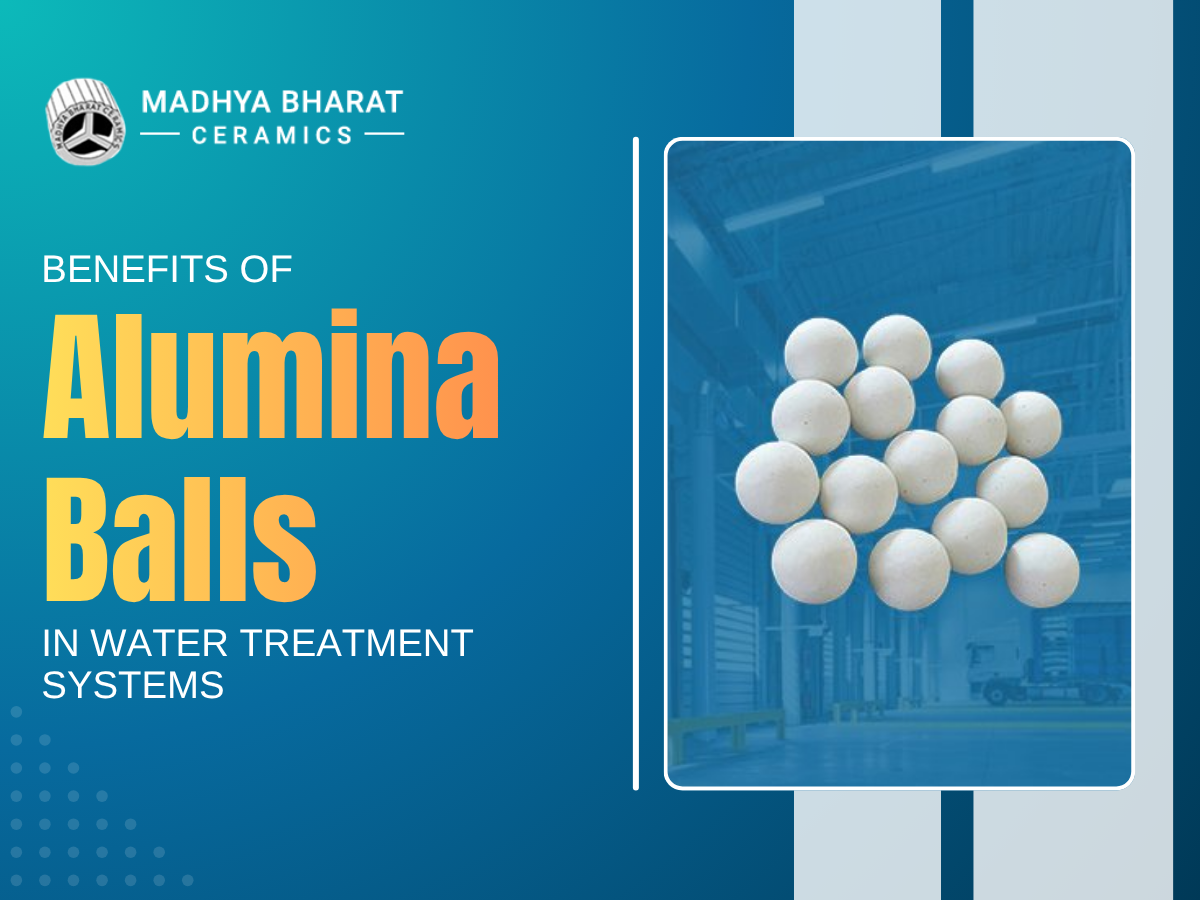
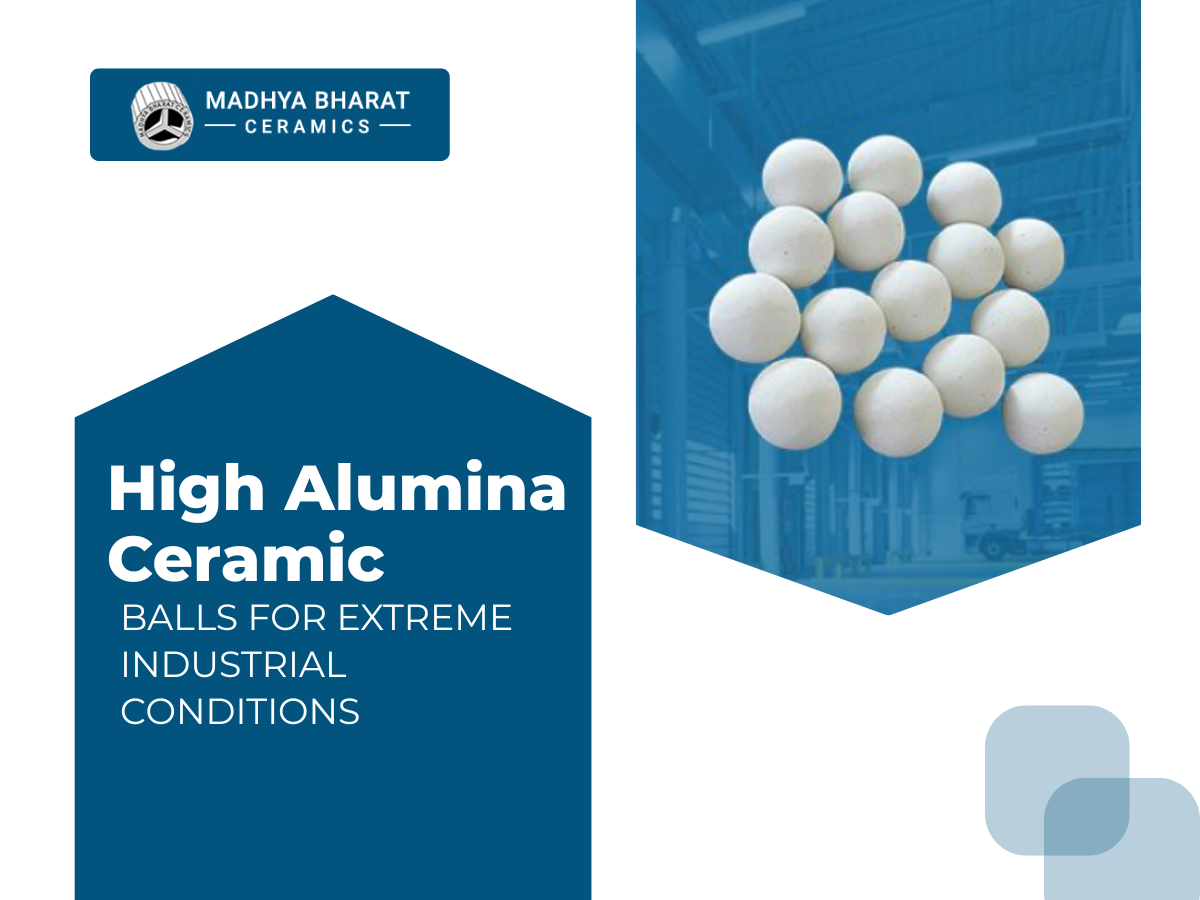
High Alumina Ceramic Balls are small, round balls made from a material called alumina (aluminum oxide). They are widely used in industries because they are very strong, heat-resistant, and do not react with chemicals easily.
In simple words, these balls are used to support and protect important materials inside machines like reactors, towers, and pipelines. They help in evenly distributing liquids and gases, which improves the overall performance of industrial processes.
High alumina means the balls contain a high percentage of alumina, usually above 90%. Because of this, they can handle very high temperatures and harsh chemical conditions without breaking or getting damaged.
These ceramic balls are commonly used in industries like chemical processing, petrochemicals, fertilizers, and refineries. They are often placed at the bottom of reactors as a base layer to hold catalysts and prevent damage.
Overall, High Alumina Ceramic Balls are durable, long-lasting, and efficient materials that help industries run smoothly and safely.
Understanding High Alumina Ceramic Ball Composition
High alumina ceramic balls are manufactured from high-purity aluminum oxide (Al₂O₃) with alumina content typically ranging from 92% to 99%. This exceptionally high alumina concentration creates a dense, crystalline structure responsible for the material’s outstanding properties.
The manufacturing process involves carefully selected raw materials, precise formulation, high-pressure forming, and sintering at temperatures exceeding 1,600°C. This creates a fully densified ceramic body with minimal porosity and maximum mechanical strength.
Key compositional characteristics include:
- Alumina content: 92-99% depending on application requirements
- Density: 3.6-3.9 g/cm³ providing excellent wear resistance
- Hardness: 9 on Mohs scale, second only to diamond
- Crystal structure: primarily alpha-alumina for maximum stability
- Purity: minimal impurities ensuring chemical inertness
- Grain size: controlled microstructure optimizing performance
The alumina ceramic balls supplier you choose significantly impacts product quality and performance. MBC’s advanced manufacturing processes ensure consistent composition, uniform density, and predictable performance across every production batch.
Exceptional Properties for Extreme Conditions
Wear resistant ceramic balls from MBC exhibit remarkable properties making them ideal for the most demanding industrial applications. These characteristics result from both material composition and precision manufacturing processes.
1. Superior mechanical properties:
- Compressive strength exceeding 2,500 MPa
- Flexural strength of 350-400 MPa
- Fracture toughness preventing catastrophic failure
- High hardness maintaining shape under extreme abrasion
- Low coefficient of friction reducing energy consumption
- Excellent dimensional stability across temperature ranges
2. Outstanding chemical resistance:
The chemical resistant ceramic balls manufactured by MBC demonstrate exceptional inertness across a wide pH range and against numerous aggressive chemicals. They resist attack from strong acids, alkalis, organic solvents, and oxidizing agents that rapidly degrade metallic alternatives.
3. Thermal performance capabilities:
Industrial alumina balls maintain structural integrity and performance at temperatures up to 1,700°C, far exceeding the capabilities of steel or other metallic grinding media. This thermal stability makes them essential for high-temperature chemical processes, kiln operations, and thermal treatment applications.
According to technical data published by the American Ceramic Society, high alumina ceramics demonstrate negligible thermal expansion and maintain mechanical properties across extreme temperature cycling, making them uniquely suited for demanding industrial environments.
Critical Industrial Applications
Alumina ceramic balls for chemical plants serve numerous critical functions across diverse industries. Their unique combination of properties makes them irreplaceable in applications where conventional materials fail.
1. Chemical Processing and Petrochemical Industries
The chemical industry relies heavily on high alumina ceramic balls for chemical plants in reactor systems, distillation towers, and separation processes. Their chemical inertness prevents contamination while their durability ensures long service intervals.
Applications include:
- Catalyst support media in chemical reactors
- Tower packing for distillation and absorption columns
- Inert bed media for temperature control
- Filter media in corrosive chemical environments
- Heat transfer media in high-temperature processes
Alumina ceramic balls for catalyst support provide optimal surface area, chemical stability, and thermal conductivity. They maintain catalyst positioning while allowing efficient gas and liquid flow, directly impacting process efficiency and product quality.
2. Mining and Mineral Processing
The mining industry demands wear resistant alumina ceramic balls for grinding operations processing extremely abrasive ores and minerals. Traditional steel grinding media suffers rapid wear, introducing contamination and requiring frequent replacement.
High alumina ceramic balls in ball mills, SAG mills, and other grinding equipment deliver:
- 3-5 times longer service life compared to steel media
- Zero metallic contamination in final products
- Consistent grinding efficiency throughout service life
- Reduced energy consumption due to lower density
- Decreased maintenance downtime and replacement costs
3. Cement and Building Materials Production
Cement production involves some of the most abrasive materials and highest-temperature processes in industrial manufacturing. Industrial ceramic balls withstand these extreme conditions while maintaining grinding efficiency.
The high alumina ball manufacturer MBC supplies specialized ceramic media for:
- Raw material grinding in ball mills
- Cement clinker grinding operations
- Finish grinding to specified particle sizes
- High-temperature kiln operations
- Quality control and testing applications
4. Paint, Coatings, and Pigment Industries
Alumina grinding media enables contamination-free processing essential for high-quality paints, coatings, and pigments. Even microscopic metallic contamination from steel media can cause discoloration, affecting final product quality and market value.
These industries benefit from:
- Absolute color purity with zero contamination
- Consistent particle size distribution
- Extended media service life reducing replacement frequency
- Improved product quality and customer satisfaction
- Reduced total production costs
Advantages Over Traditional Grinding Media
Comparing high alumina ceramic balls to traditional steel or other metallic grinding media reveals significant performance and economic advantages that justify their adoption across industrial applications.
Performance advantages:
- Superior hardness maintaining shape and efficiency
- Chemical inertness eliminating contamination concerns
- Higher temperature capability expanding application range
- Lower density reducing energy consumption
- Consistent performance throughout extended service life
Economic benefits:
While alumina ceramic balls have higher initial purchase costs compared to steel media, total cost of ownership analysis consistently demonstrates significant long-term savings through extended service life, reduced downtime, eliminated contamination issues, and lower replacement frequency.
Environmental considerations:
Longer service life means reduced material consumption and waste generation. The absence of heavy metal contamination simplifies waste handling and disposal. Energy efficiency improvements reduce carbon footprint.
Quality Manufacturing Standards at MBC
As a premier alumina ceramic balls exporter, MBC maintains rigorous quality control throughout the manufacturing process ensuring consistent, reliable products meeting the most demanding specifications.
Quality control measures include:
- Raw material testing verifying purity and composition
- In-process dimensional and visual inspection
- Density measurement ensuring full sintering
- Hardness testing confirming material properties
- Surface finish evaluation for optimal performance
- Batch testing for consistency and reliability
- Third-party certification for critical applications
MBC’s ISO-certified manufacturing facilities employ advanced equipment and experienced technical personnel dedicated to producing superior alumina ceramic balls manufacturer products. Our commitment to quality extends beyond production to comprehensive technical support and customer service.
Selection Guide for Industrial Applications
Choosing the right high alumina ceramic balls for your specific application requires understanding several key parameters affecting performance and cost-effectiveness.
Selection factors include:
- Alumina content percentage matching application requirements
- Ball size and diameter for optimal grinding efficiency
- Density specifications for your process conditions
- Surface finish requirements affecting flow characteristics
- Quantity needed for initial charge and ongoing replacement
- Operating temperature and chemical environment
The high alumina ceramic balls supplier MBC provides comprehensive technical consultation helping customers select optimal specifications for their unique applications. Our engineering team analyzes process conditions, performance requirements, and budget considerations to recommend the most cost-effective solutions.
Installation and Operational Best Practices
Maximizing the performance and service life of wear resistant alumina ceramic balls requires proper installation, operation, and maintenance practices.
Installation guidelines:
- Clean all equipment thoroughly before installation
- Handle ceramic balls carefully to prevent impact damage
- Load balls according to manufacturer specifications
- Verify proper ball charge volume for equipment
- Ensure even distribution throughout the vessel
- Follow recommended startup procedures
Operational recommendations:
Maintain process parameters within specified ranges. Monitor performance indicators regularly to detect issues early. Implement preventive maintenance schedules. Document operating conditions and performance for optimization.
Proper operation of industrial alumina balls extends service life while maintaining process efficiency. MBC provides detailed operational guidelines and ongoing technical support ensuring customers achieve maximum value from their investment.
Global Supply and Technical Support
MBC serves customers worldwide as a trusted alumina ceramic balls exporter with comprehensive logistics capabilities ensuring timely delivery regardless of location. Our global supply network combines manufacturing expertise with efficient distribution.
Customer support services include:
- Technical consultation for application optimization
- Custom sizing and specification development
- Sample testing and evaluation programs
- Installation guidance and training
- Performance monitoring and optimization support
- Prompt replacement delivery minimizing downtime
According to the International Organization for Standardization, quality management systems and customer focus are essential for manufacturing excellence. MBC’s commitment to these principles ensures every customer receives superior products and exceptional service.
Future Developments in Ceramic Ball Technology
Research and development continues advancing high alumina ceramic balls technology. MBC invests in innovation to meet evolving industrial requirements and develop next-generation solutions.
Emerging developments include:
- Enhanced microstructures for improved toughness
- Specialized coatings for extreme environments
- Composite materials combining multiple advantages
- Precision sizing for specific applications
- Sustainable manufacturing processes
- Digital monitoring and predictive maintenance integration
The National Institute of Standards and Technology recognizes advanced ceramics as critical materials for industrial competitiveness. Ongoing innovation ensures alumina ceramic balls for industrial applications continue delivering superior performance for future challenges.
FAQ’s About High Alumina Ceramic Balls
1. What are high alumina ceramic balls used for?
High alumina ceramic balls serve as grinding media, catalyst support, tower packing, and inert bed material in chemical processing, mining, cement production, and other industries requiring extreme wear resistance and chemical inertness.
2. How long do alumina ceramic balls last?
Service life varies by application but typically ranges from 3-7 years, which is 3-5 times longer than steel media. Proper operation and maintenance maximize longevity and performance consistency.
3. Are ceramic balls better than steel balls?
Wear resistant ceramic balls offer superior hardness, chemical resistance, temperature capability, and contamination-free operation. While initially more expensive, they provide better total cost of ownership through extended service life and improved performance.
4. What is the hardness of high alumina ceramic balls?
High alumina ceramic balls rate 9 on the Mohs hardness scale, second only to diamond. This exceptional hardness provides outstanding wear resistance maintaining performance throughout extended service life in abrasive environments.
5. Can alumina ceramic balls withstand high temperatures?
Yes, industrial alumina balls maintain structural integrity and performance at temperatures up to 1,700°C, making them ideal for high-temperature chemical processes, kiln operations, and thermal treatment applications requiring thermal stability.
6. Do ceramic balls contaminate products?
No, chemical resistant ceramic balls are chemically inert and do not introduce metallic or other contamination. This makes them essential for applications requiring absolute purity such as pharmaceuticals, food processing, and pigment production.
7. What sizes are alumina ceramic balls available in?
Alumina grinding media is available in sizes ranging from 0.5mm to 60mm diameter. MBC manufactures standard sizes and custom specifications to meet specific application requirements and optimize grinding or packing efficiency.
8. How do I choose the right alumina content?
Selection depends on your application requirements. Higher alumina content (95-99%) provides maximum hardness and chemical resistance for extreme conditions. Lower alumina content (92-94%) offers cost advantages for less demanding applications while maintaining superior performance.
Conclusion
High alumina ceramic balls represent the optimal solution for extreme industrial conditions where conventional materials fail. Their exceptional hardness, chemical resistance, thermal stability, and contamination-free operation deliver transformative performance improvements across diverse applications.
MBC’s position as a leading alumina ceramic balls manufacturer in India reflects our commitment to quality, innovation, and customer success. Our advanced manufacturing capabilities, rigorous quality control, and comprehensive technical support ensure you receive superior products optimized for your specific requirements.