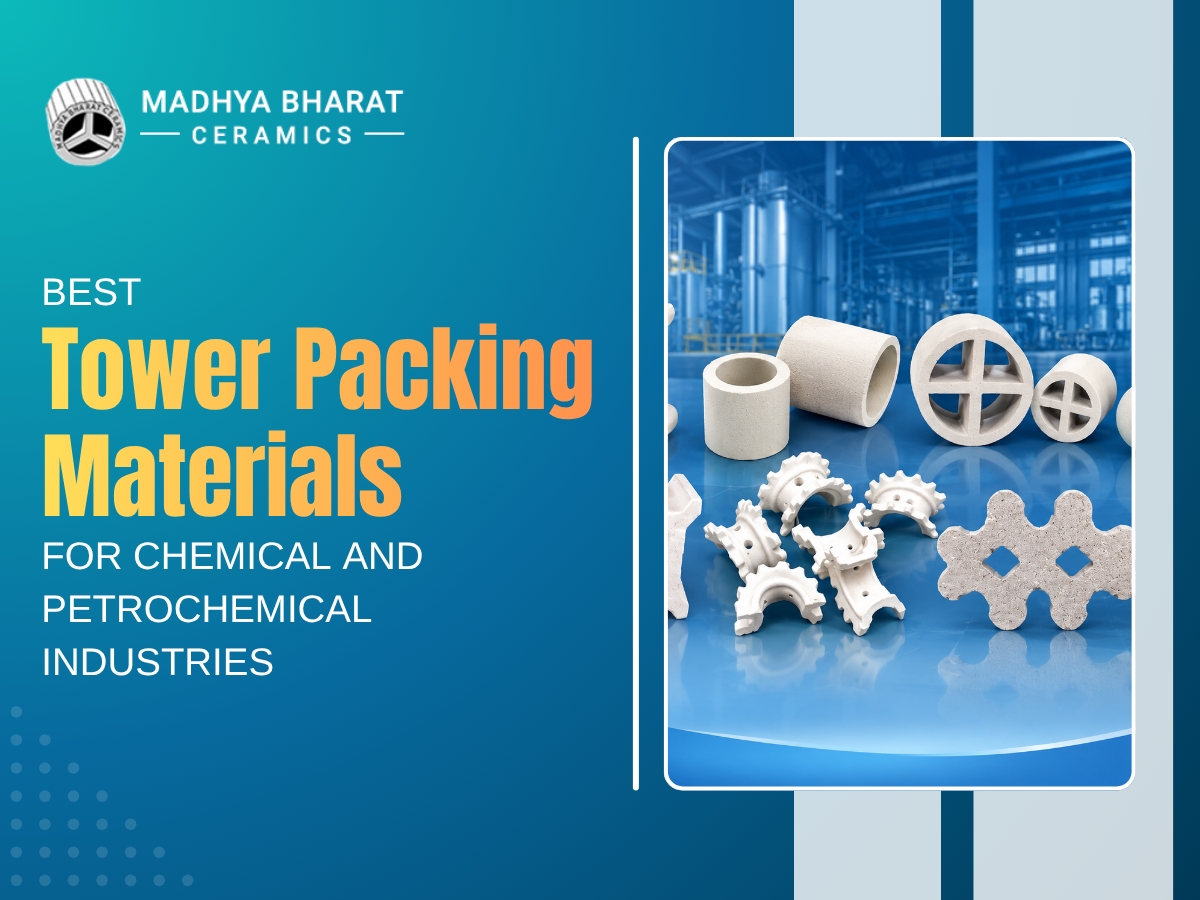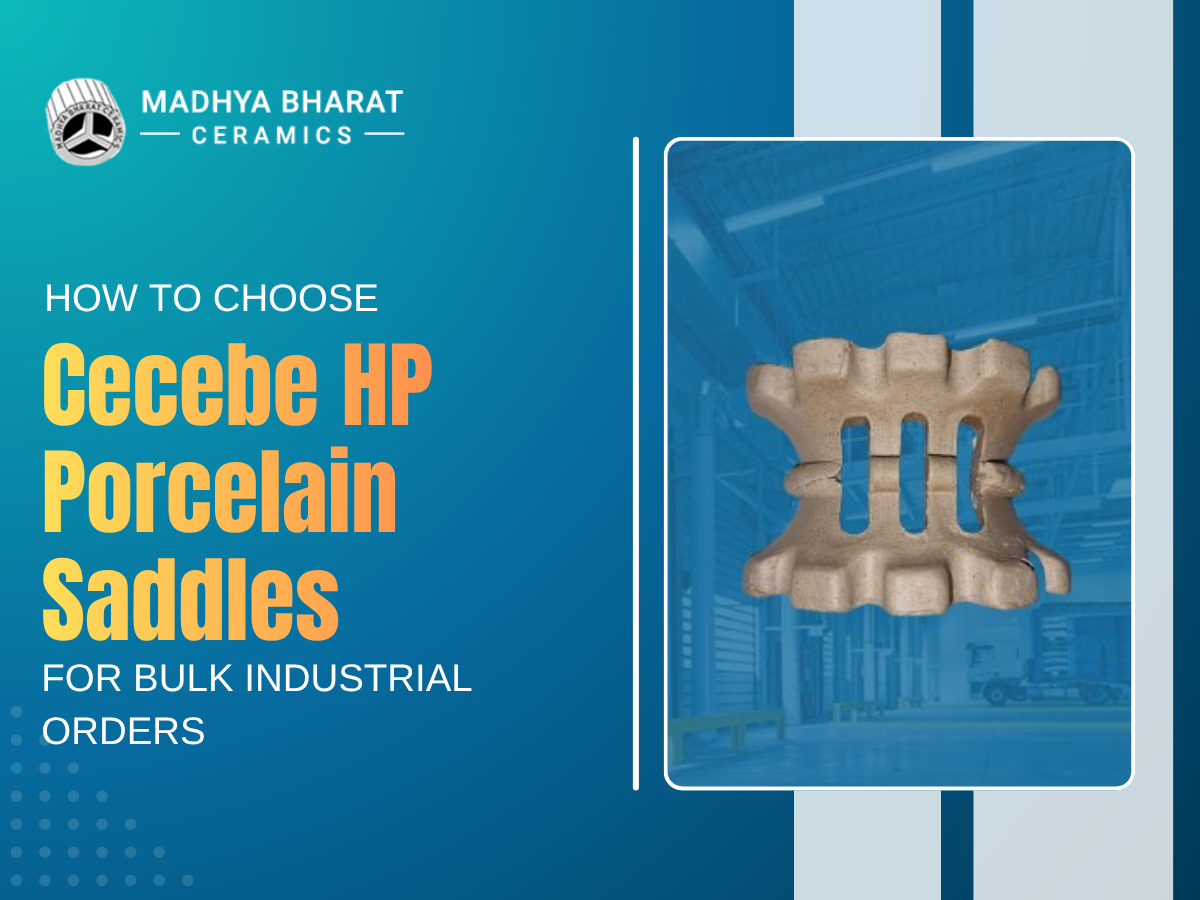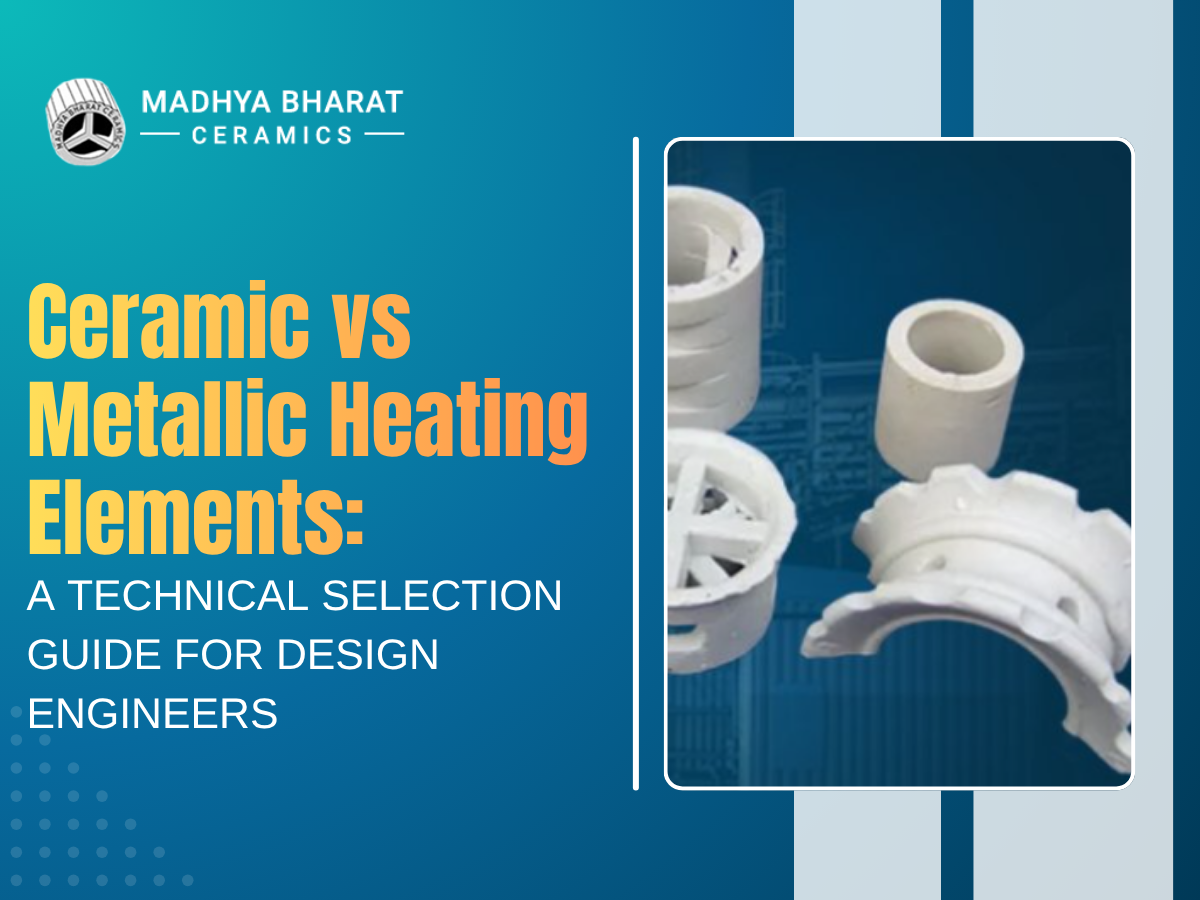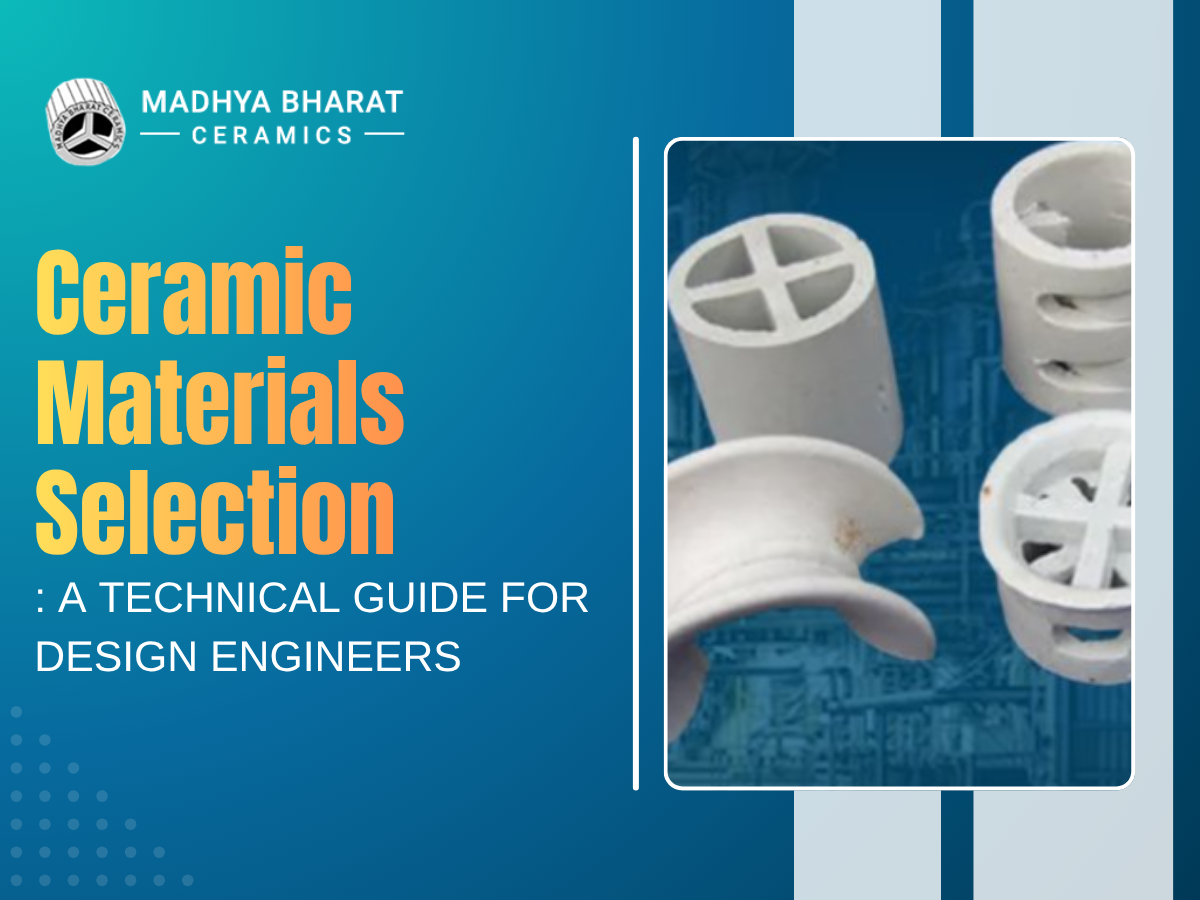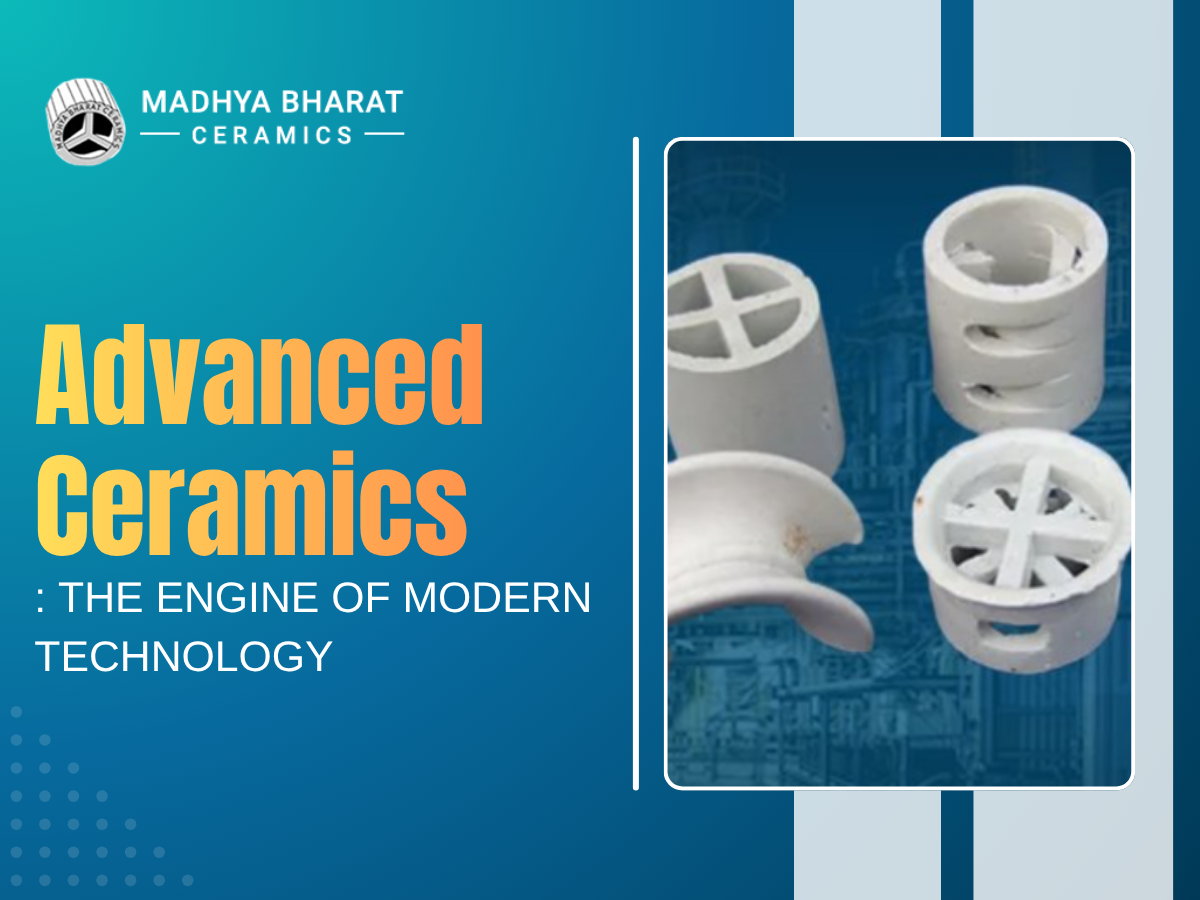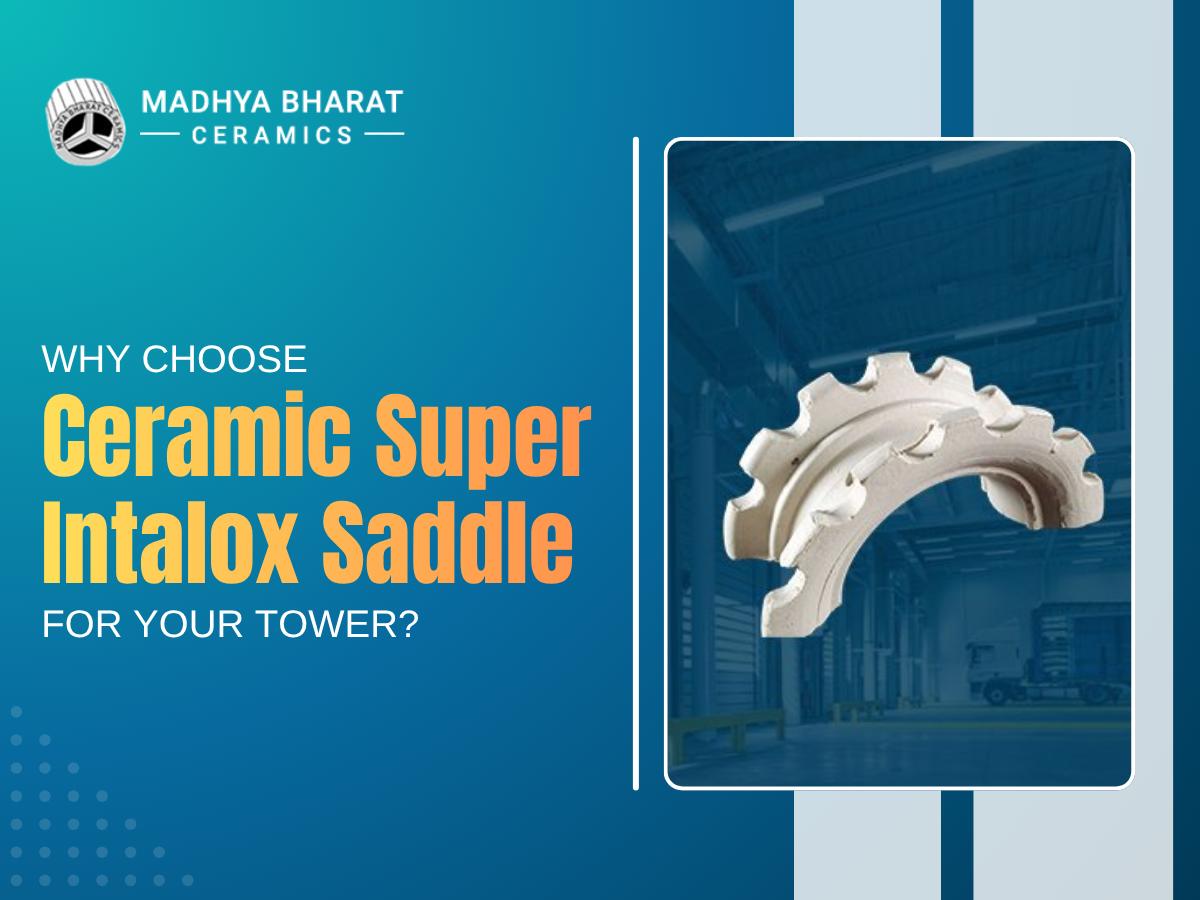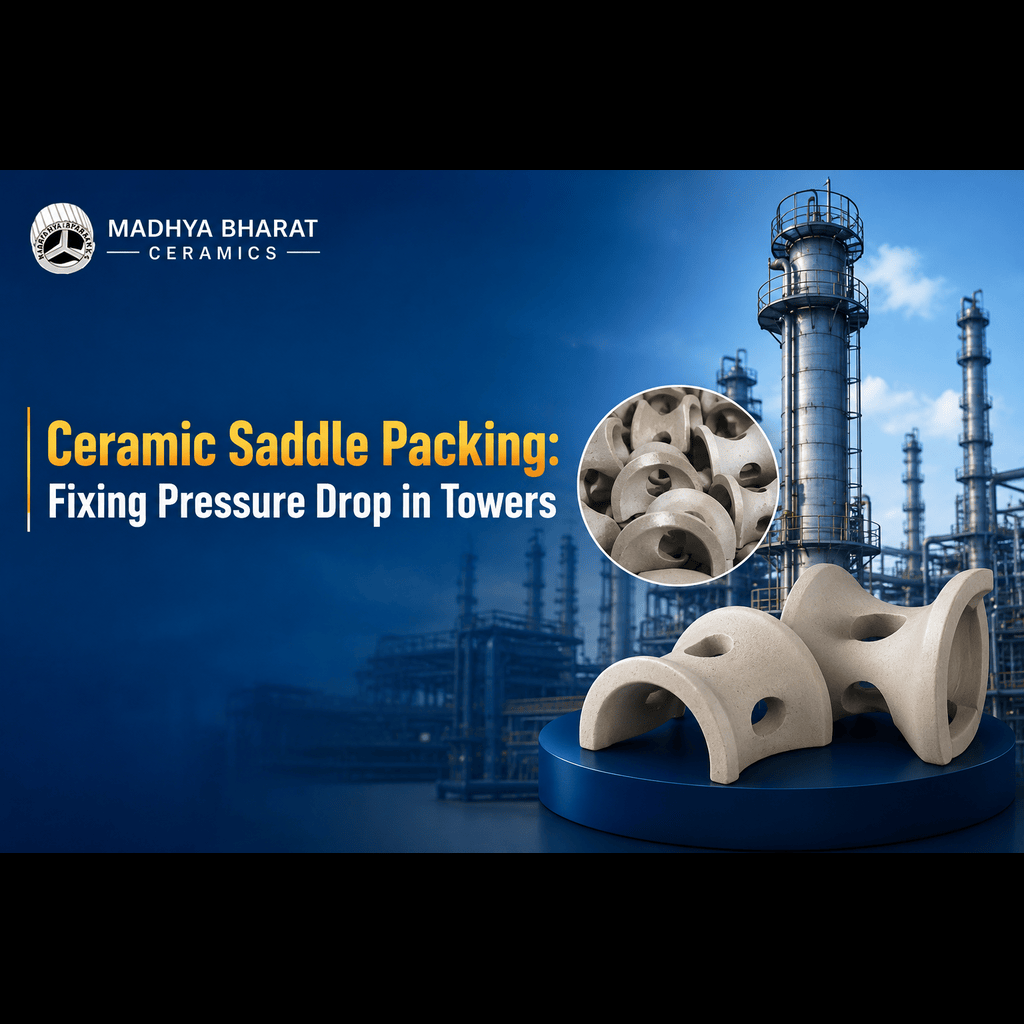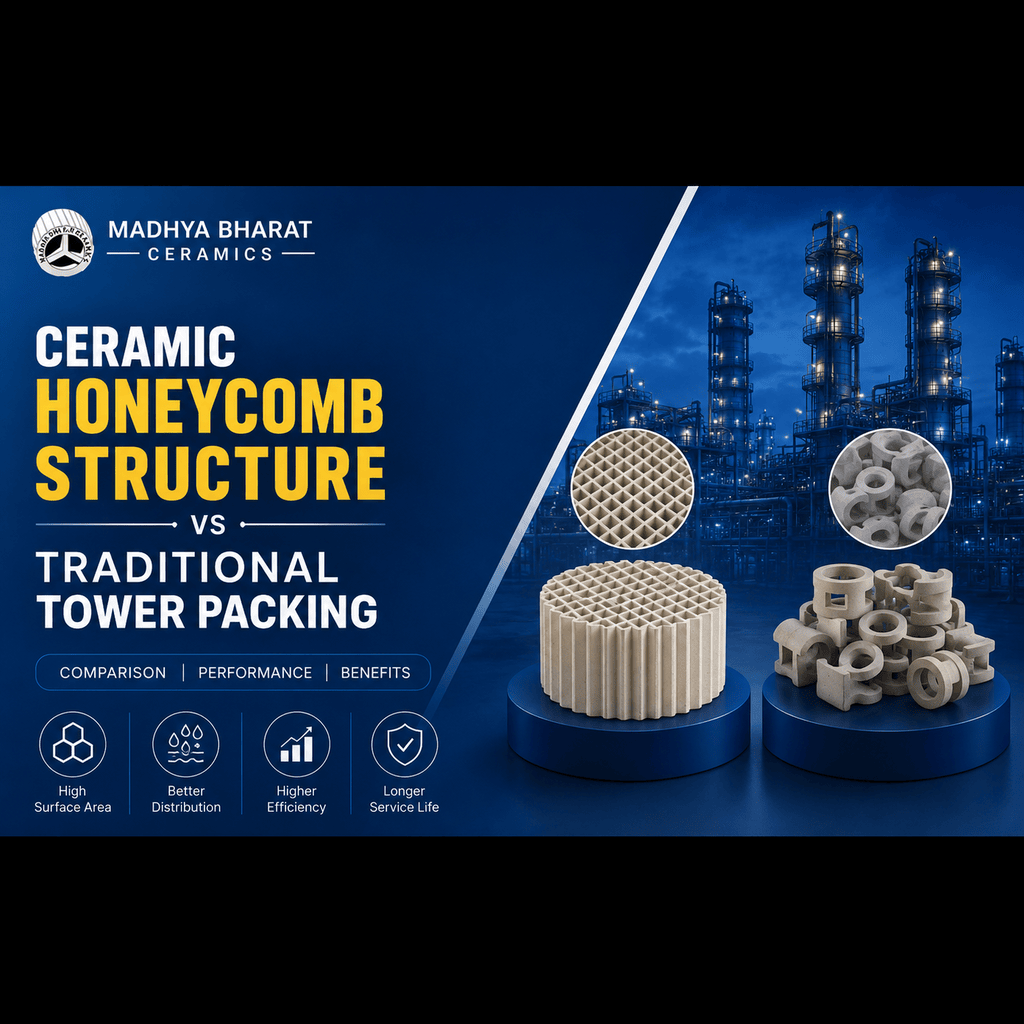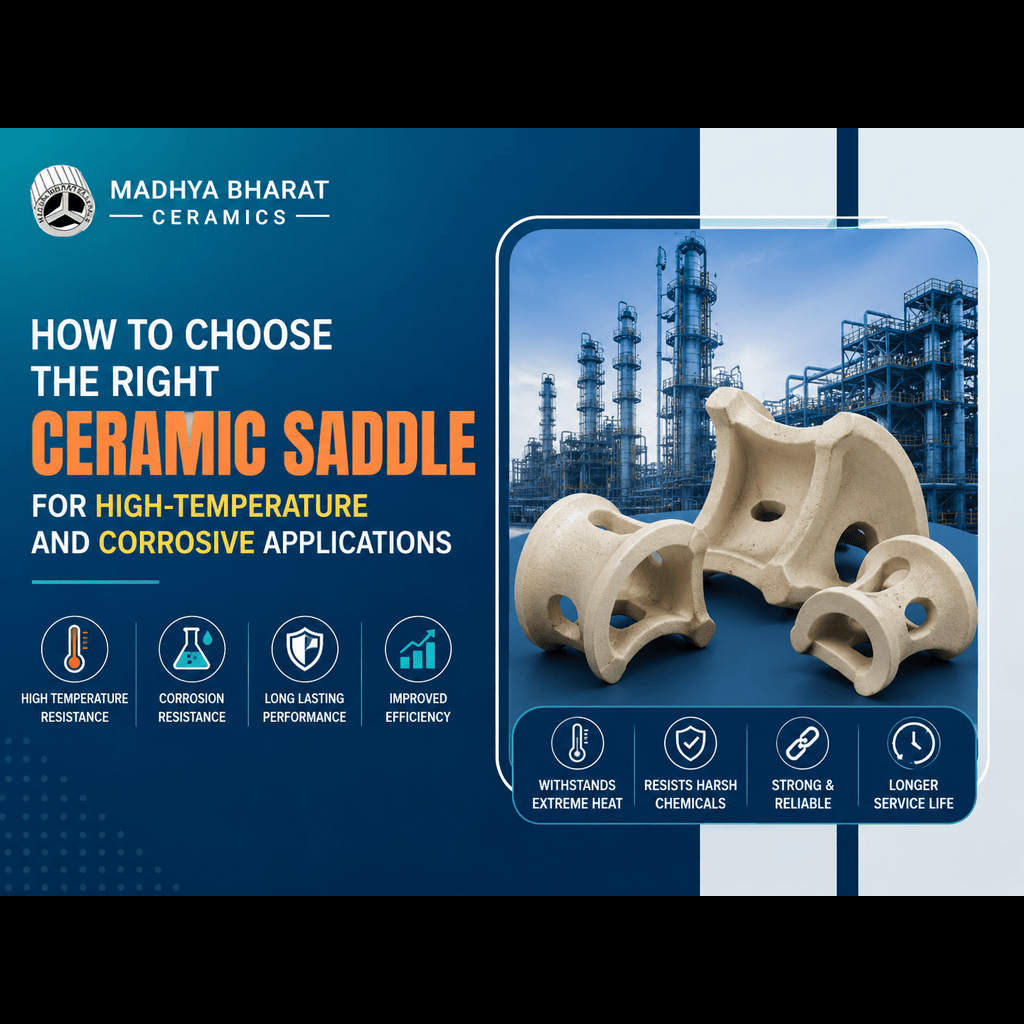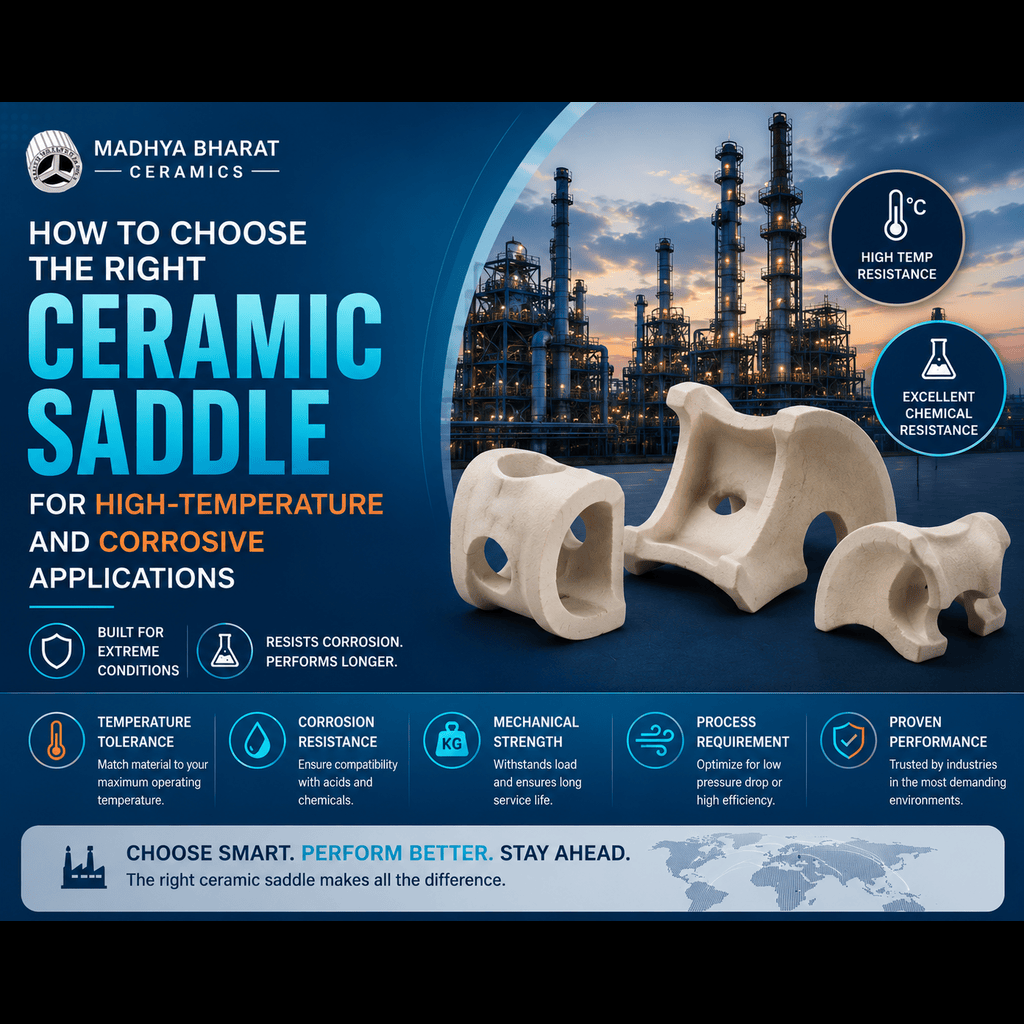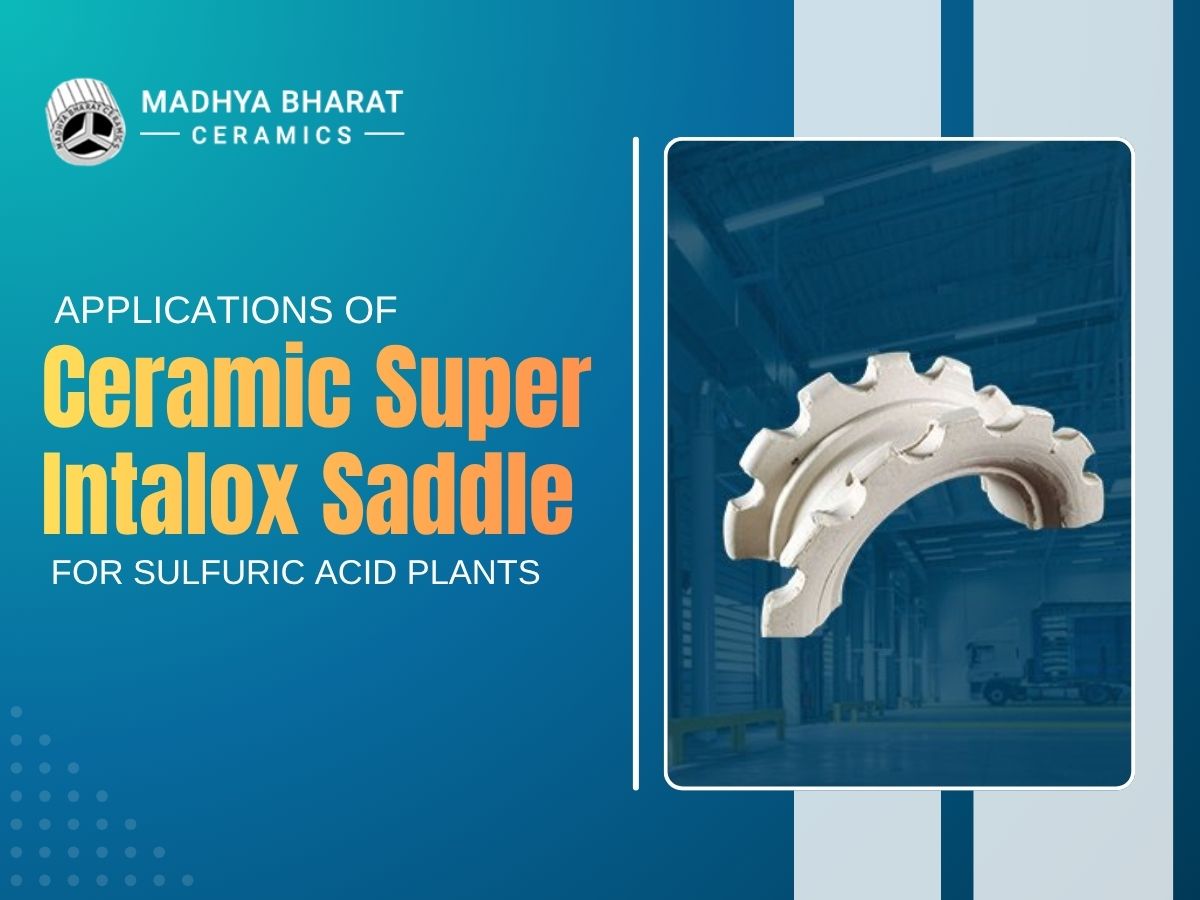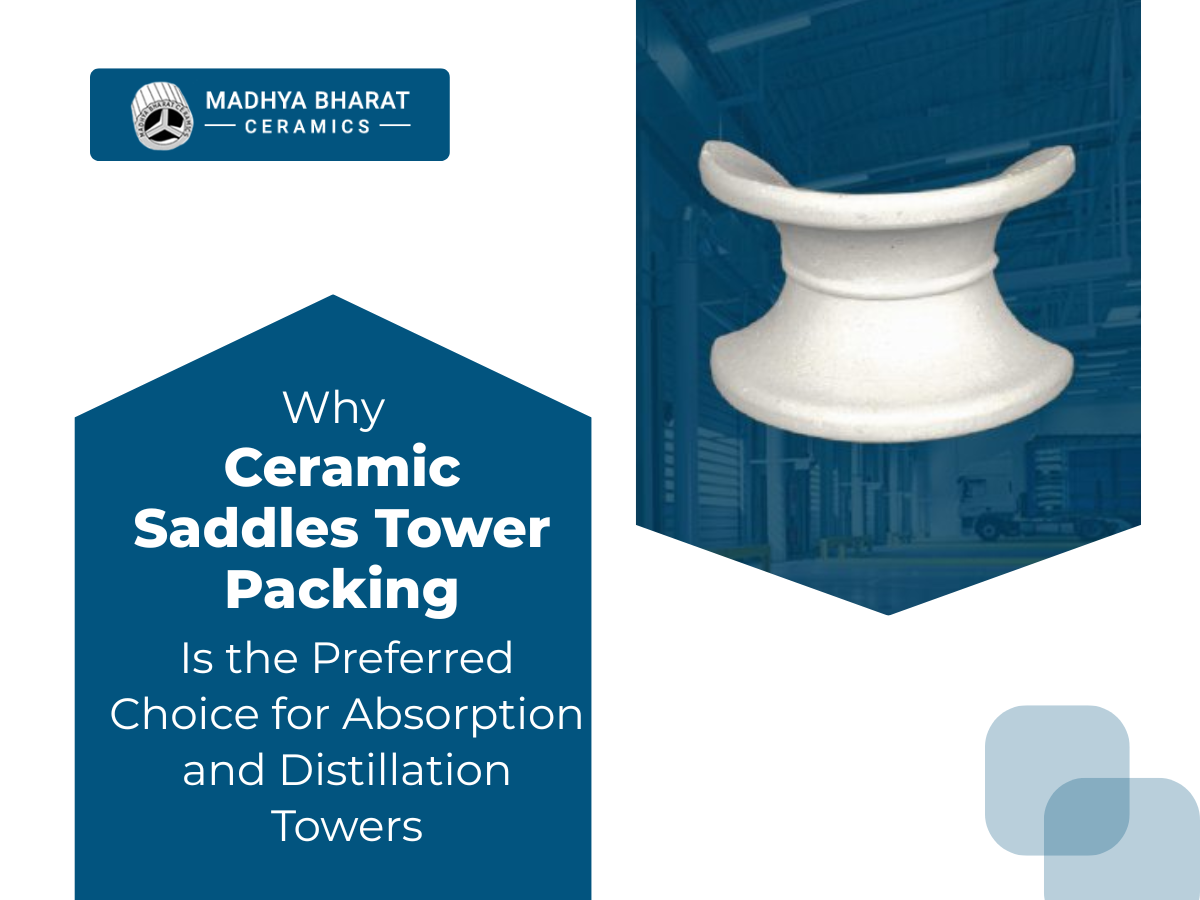
Ceramic saddle tower packing performs well specifically in absorption and distillation service because its open, curved geometry lets liquid spread into a thin film across the surface rather than pooling, which is exactly the contact behavior both processes depend on. Rings and honeycomb structures solve different flow problems. Ceramic saddles solve this one particularly well, which is a big reason absorption and distillation operators across India keep specifying saddle-shaped media over flatter alternatives.
What’s Actually Happening Inside the Bed With Saddle-Shaped Packing?
Absorption and distillation both depend on maximizing the contact time and contact area between rising vapor and falling liquid. The saddle shape does something specific to support that:
- The curved surface encourages liquid to spread into a thin, continuous film rather than running off in rivulets.
- Random orientation inside the bed means saddles nest against each other at varying angles, which naturally redistributes liquid as it moves downward and reduces channeling.
- The open structure keeps vapor pressure drop lower than more solid packing shapes of similar surface area.
This film-forming behavior is the core reason ceramic saddles in India outperform simpler shapes in service where separation efficiency, not just throughput, is the priority.
Why Does This Matter More in Absorption Than in Some Other Processes?
Absorption towers depend on liquid actually contacting and dissolving the target gas component, not just flowing past it. A packing shape that channels liquid down one path wastes contact opportunity across the rest of the bed cross-section. Saddle geometry actively resists that channeling tendency better than flat rings or dense random fill, which is why absorption columns handling gas scrubbing or acid gas removal consistently specify saddle-shaped packing over simpler alternatives.
Why Does Distillation Benefit From the Same Geometry?
Distillation depends on repeated vapor-liquid equilibrium stages happening efficiently as fluid moves through the column. The saddle’s film-forming behavior increases the number of effective theoretical stages achievable per meter of packed height, which means:
- Shorter columns can achieve the same separation as taller columns packed with less efficient shapes.
- Energy consumption drops because the reboiler and condenser don’t need to work as hard to compensate for inefficient contact.
- Product purity tends to be more consistent across varying feed conditions.
Where Does the Ceramic Material Choice Come Into This Specifically?
If you’re comparing options broadly under the umbrella of ceramic tower packing, it helps to separate the shape decision from the material decision, since they solve different problems entirely. Shape and material are two separate decisions. The saddle geometry works well regardless of material, but ceramic specifically earns its place in absorption and distillation towers handling:
- Sustained high temperatures, where plastic saddles would soften or deform
- Strong acids or oxidizing chemicals, where metal would corrode over time
- Long service cycles, where the higher upfront cost of ceramic pays back through fewer replacements
If your process runs cooler and the fluid chemistry is mild, plastic saddle packing may serve you just as well at lower cost. Ceramic earns its premium specifically under demanding conditions, not universally. This is exactly the kind of ceramic saddle packing decision worth walking through with your supplier before finalizing a spec, rather than defaulting to whatever material was used last time.
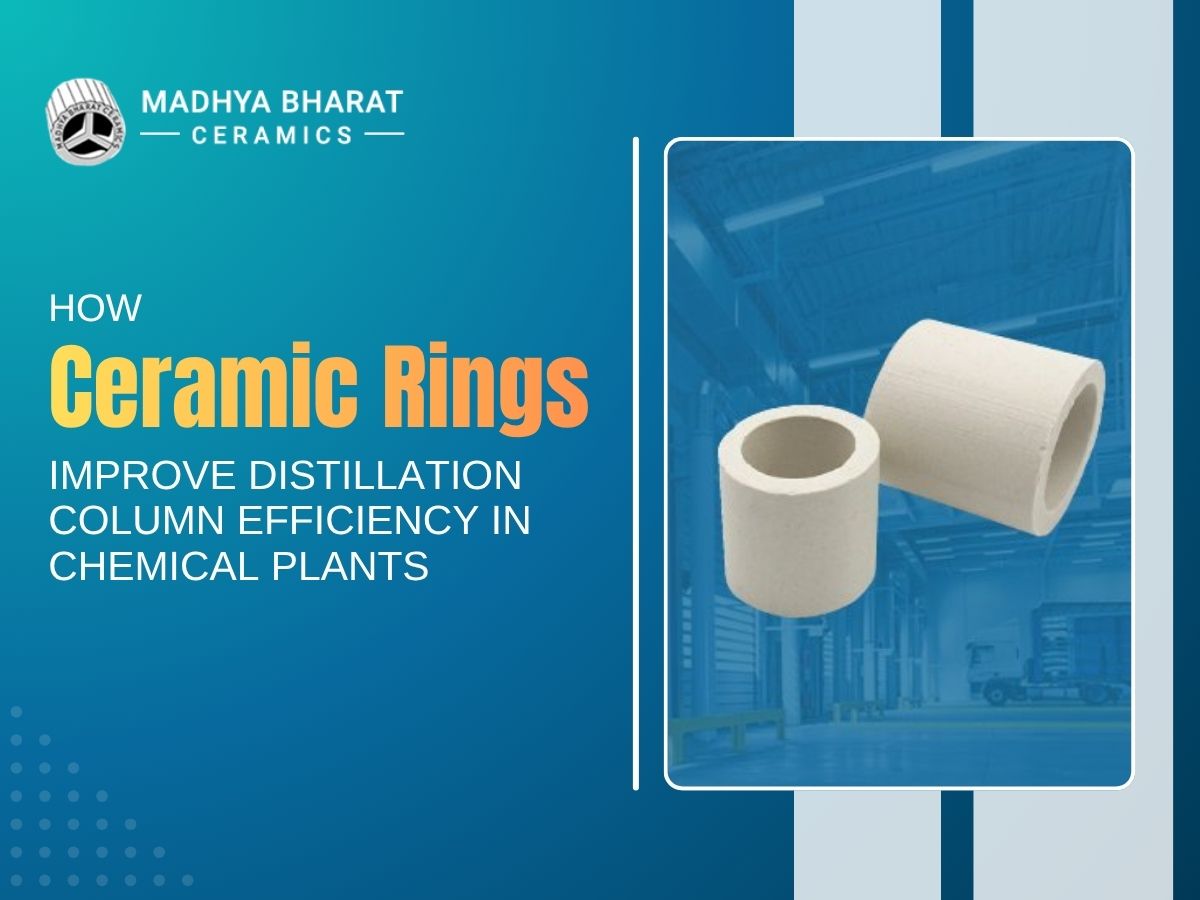
How Do Saddles Compare to Rings for These Two Applications Specifically?
| Factor | Saddles | Rings |
| Liquid film distribution | Strong, resists channeling well | Moderate, can channel more in tall beds |
| Pressure drop | Generally lower for equivalent surface area | Slightly higher in some configurations |
| Best fit for absorption | Very strong | Good, but less resistant to channeling |
| Best fit for distillation | Strong across most services | Strong, particularly in structured arrangements |
| Fouling resistance | Better in particulate-bearing streams | More prone to clogging in tight configurations |
For most standard absorption and distillation service, saddles hold a slight but consistent edge in liquid distribution behavior, which is the property both processes lean on most heavily.
What Should You Confirm Before Specifying Saddles for Your Tower?
- Confirm your process temperature and chemistry actually require ceramic rather than a lower-cost plastic saddle.
- Calculate the theoretical stages your separation target requires and size the packed bed height accordingly.
- Check saddle size against your column diameter, since undersized saddles in a large-diameter column can create wall-flow channeling.
- Confirm liquid distributor design above the bed supports even initial distribution, since saddles amplify good distribution but can’t fully correct poor initial spray patterns.
How Does Saddle Packing Hold Up Over an Operating Cycle?
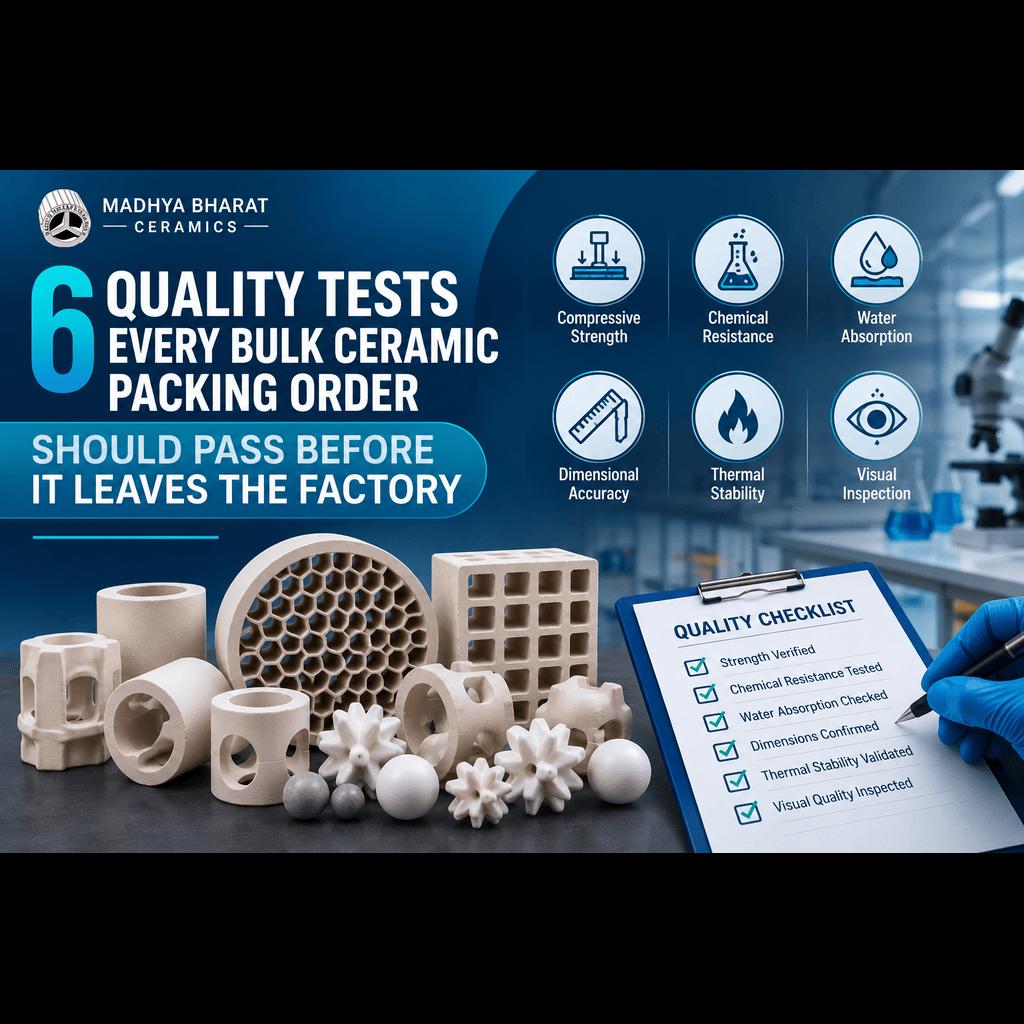
Ceramic saddles resist chemical attack and thermal cycling well, but performance still depends on how the bed is maintained:
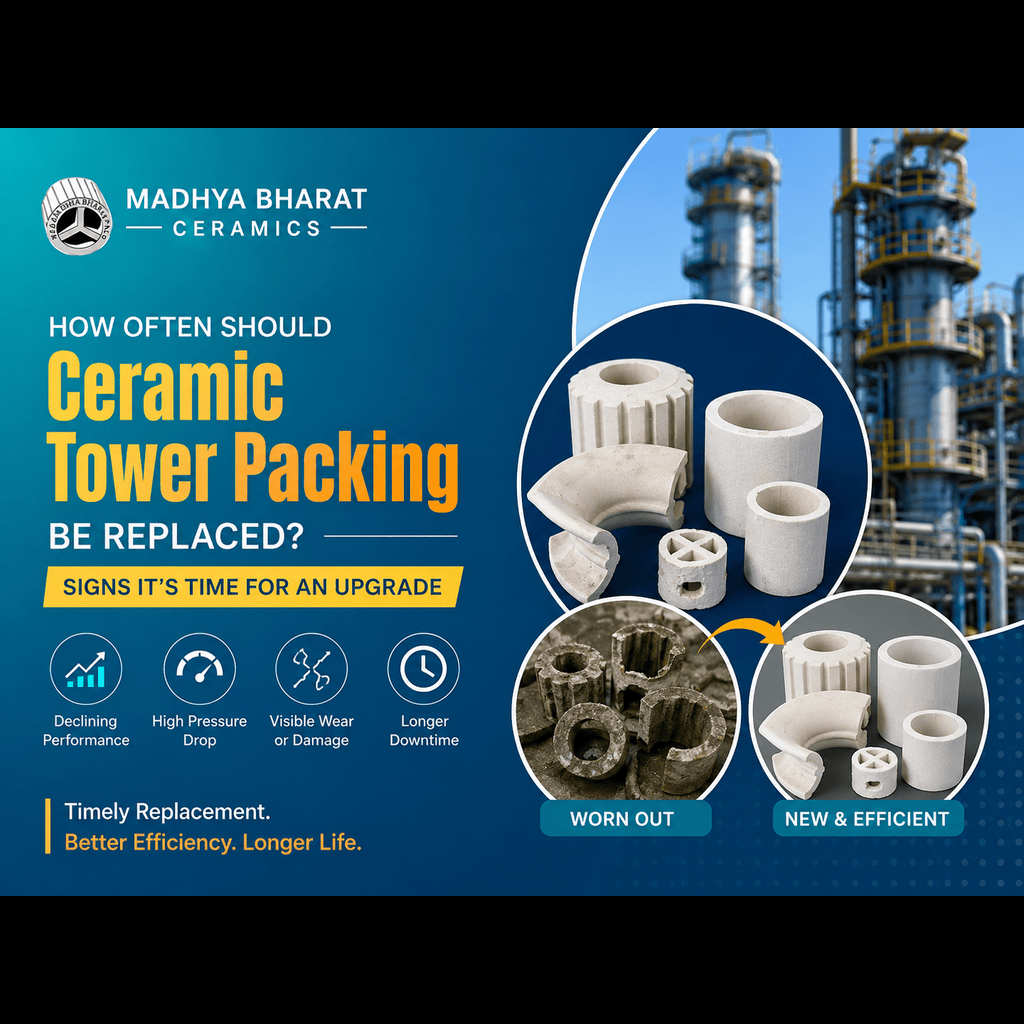
- Watch pressure drop trends over time as an early signal of fouling or bed settling.
- Inspect visually during shutdowns for chipping, particularly near the top of the bed where initial liquid impact is heaviest.
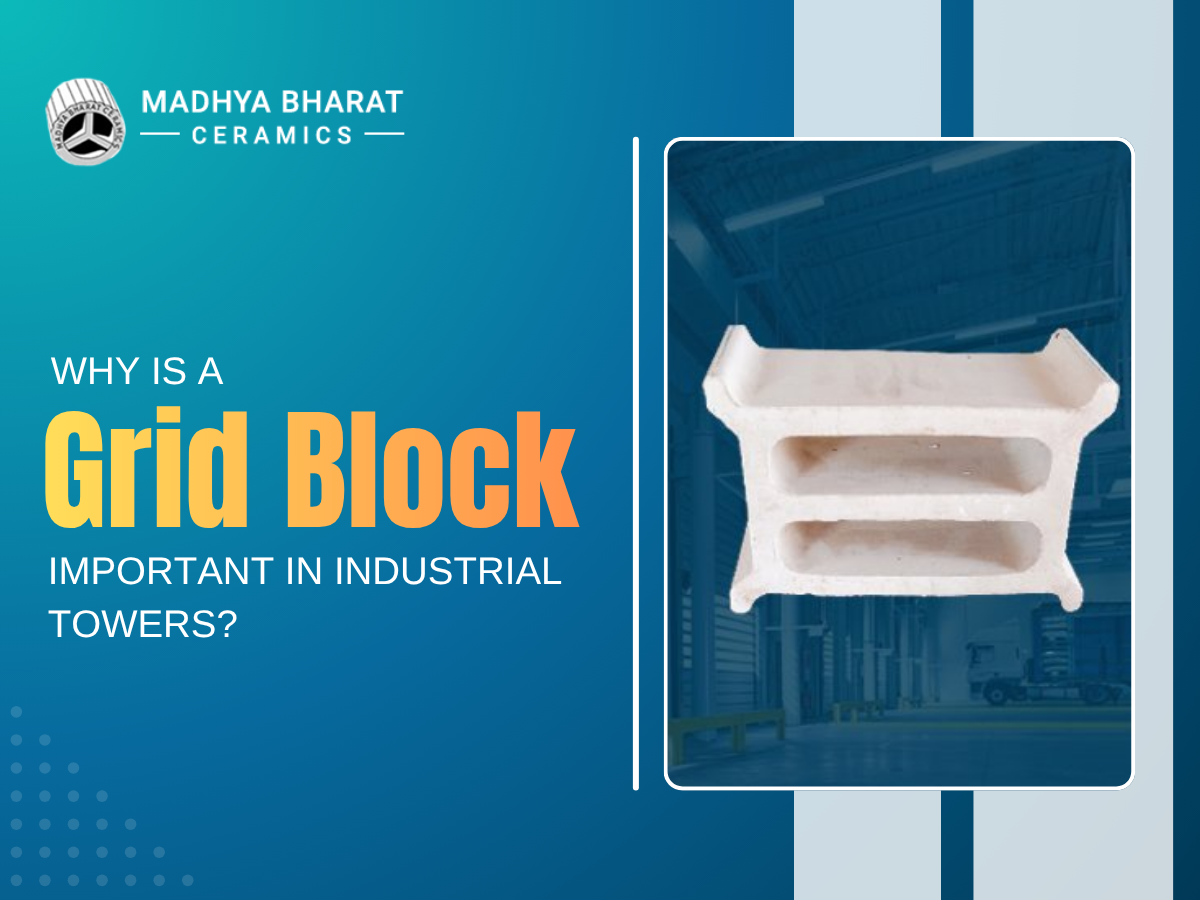
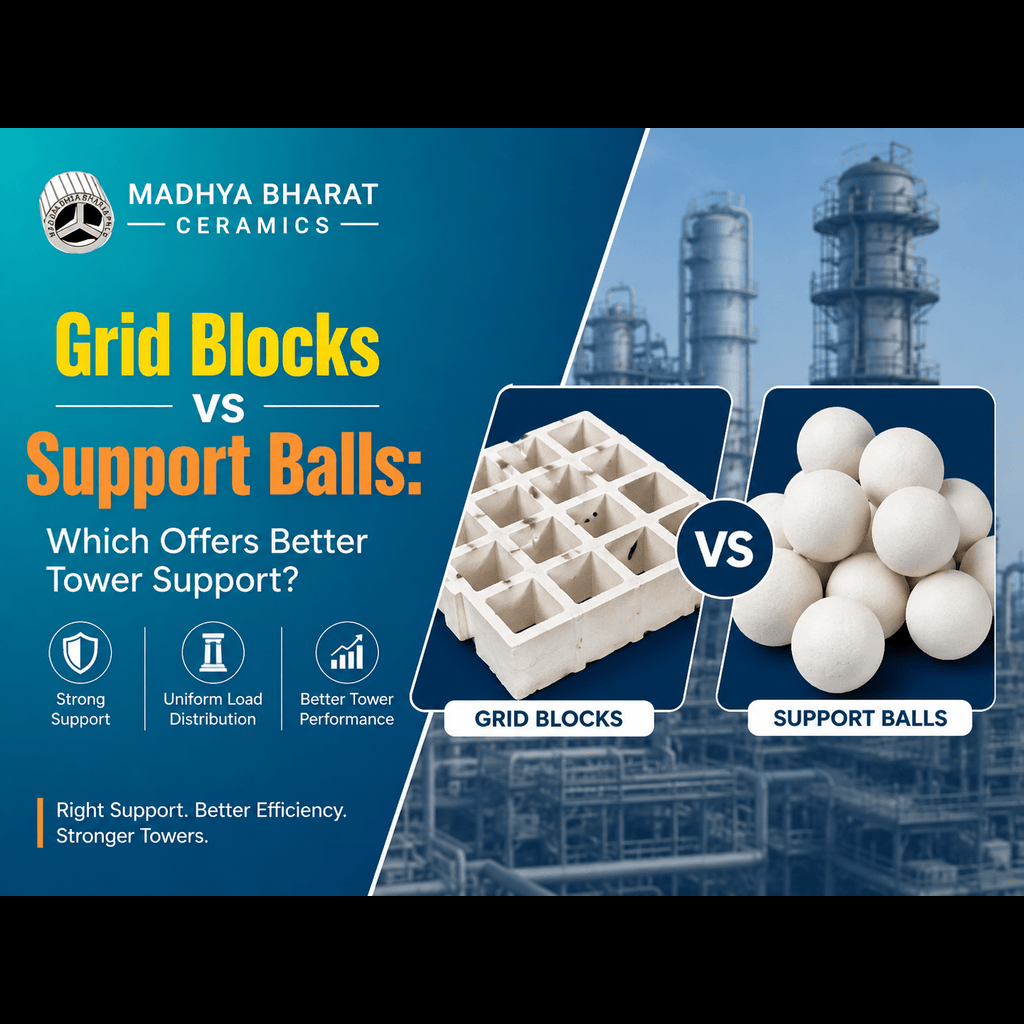
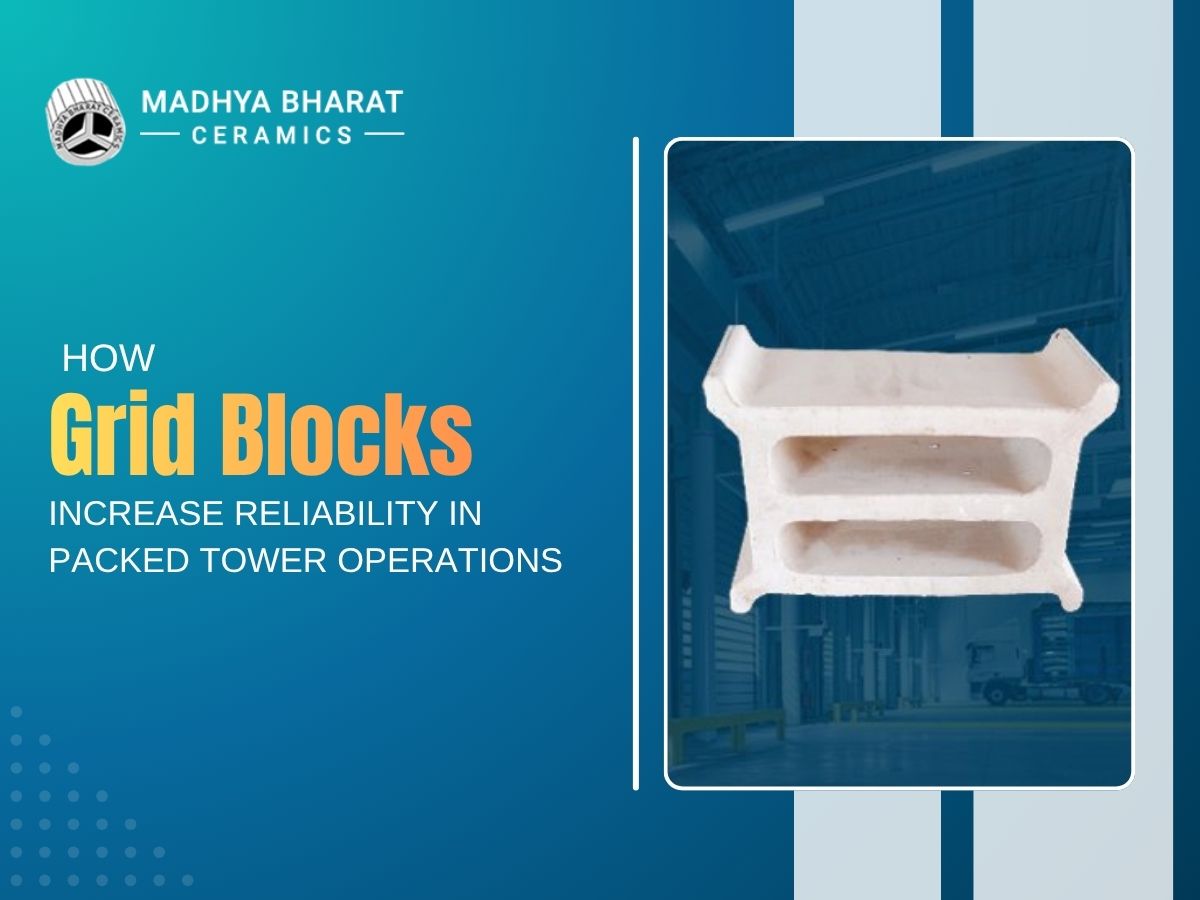
- Confirm the support grid beneath the bed hasn’t shifted, since that changes flow distribution from the bottom up.
For a closer look at the flow mechanics behind saddle behavior specifically, our earlier piece on how ceramic saddles work in packed columns goes deeper into the film formation and contact dynamics covered here.
Frequently Asked Questions
1. Why are saddles preferred over rings in absorption towers?
Saddles resist liquid channeling better than most ring shapes, which keeps contact area consistent across the full bed cross-section and improves gas absorption efficiency.
2. Do ceramic saddles work well in distillation columns specifically?
Yes, the film-forming geometry increases the effective number of separation stages per meter of packed height, which improves distillation performance without needing a taller column.
3. Is ceramic always the right material for saddle packing?
No. Ceramic earns its cost specifically in high-temperature or strongly corrosive service. For milder conditions, plastic saddles often perform adequately at a lower price point.
4. How does saddle size affect tower performance?
Undersized saddles relative to column diameter can cause wall-flow channeling, where liquid runs down near the column wall instead of through the packed bed, reducing separation efficiency.
5. What causes ceramic saddles to chip during operation?
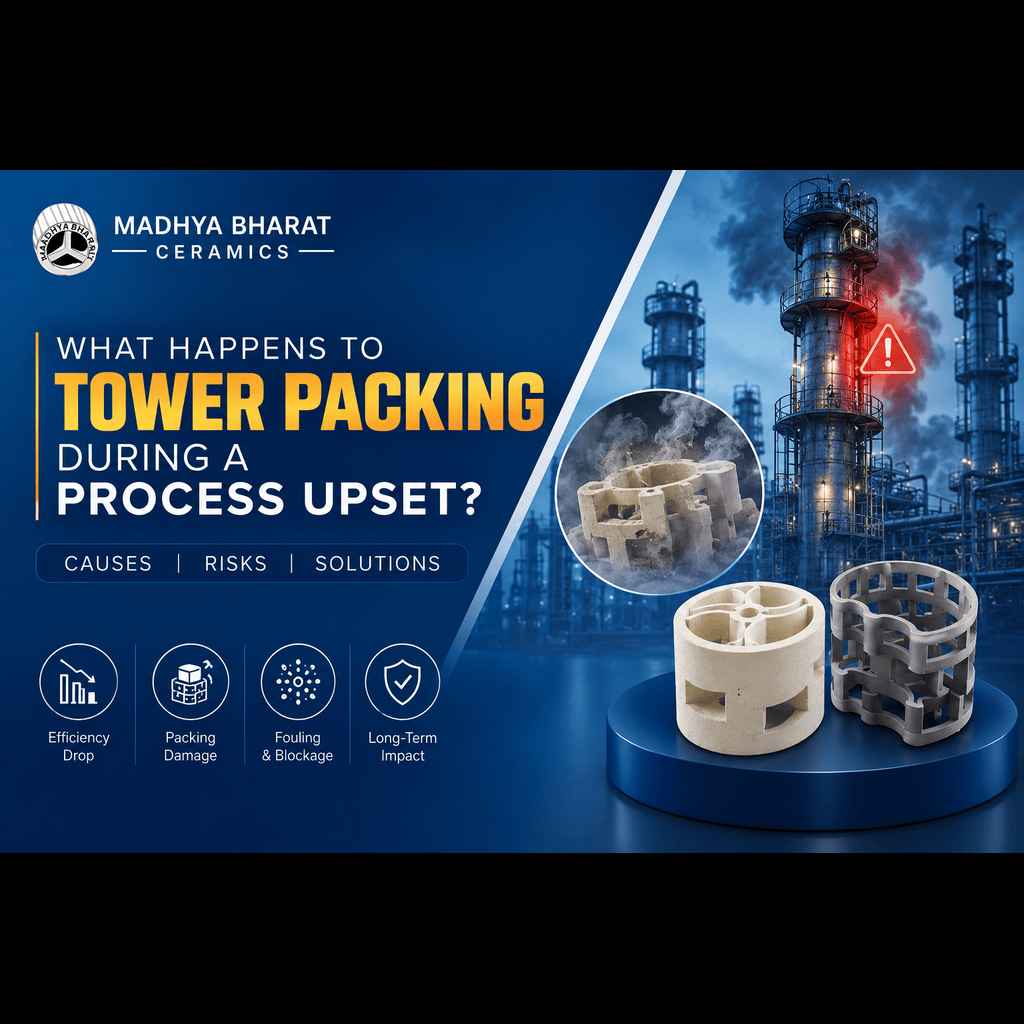
Chipping most often happens near the top of the bed where incoming liquid or vapor first makes contact, or during process upsets that create sudden pressure or temperature swings.
Confirm the Right Saddle Specification
Every tower has different operating conditions. Before selecting a saddle size or material, consult the MBC Tower team to identify the packing specification that best suits your absorption or distillation requirements. The right selection can support efficient mass transfer, reliable operation, and long-term tower performance.